
 USD
USD GBP
GBP
 EUR
EUR
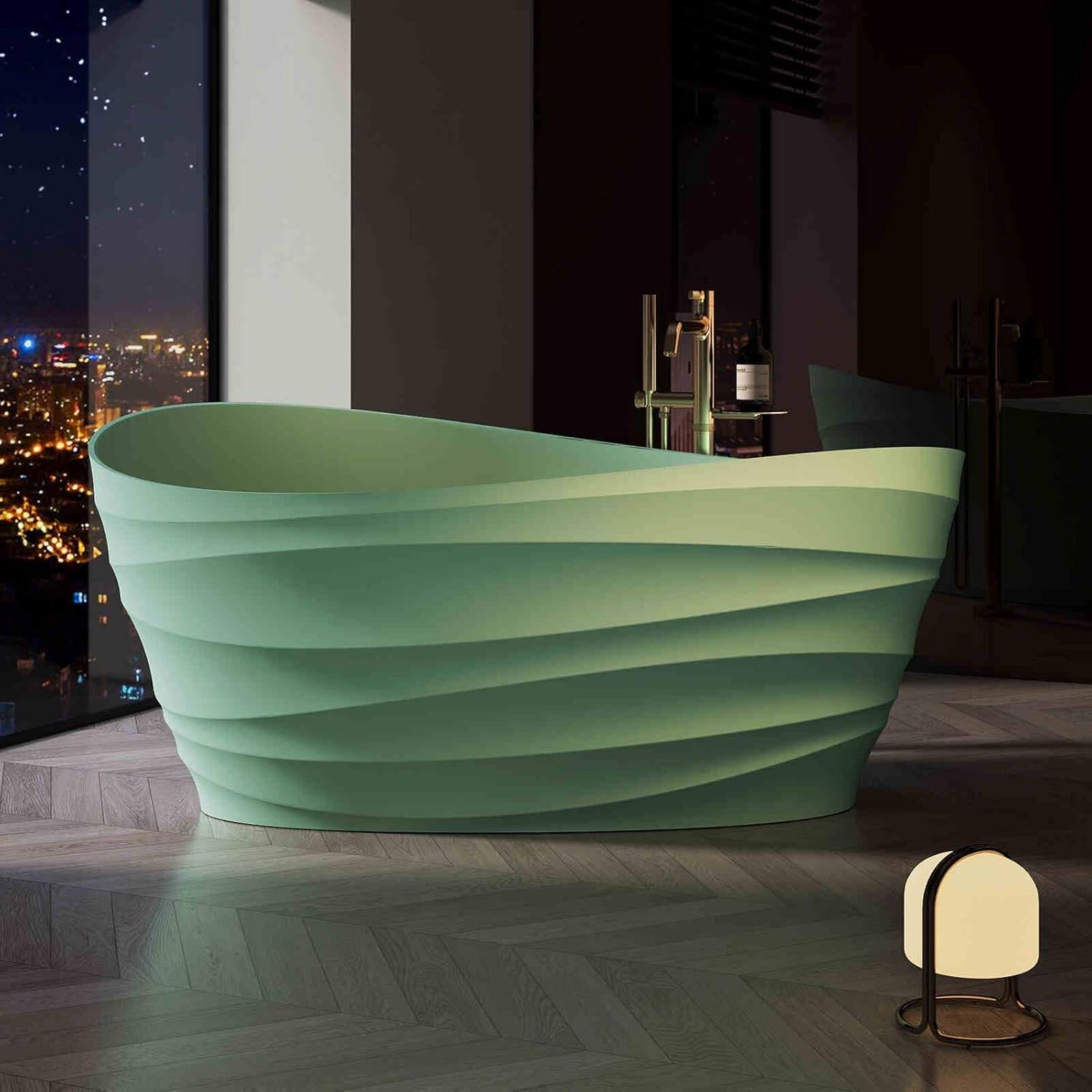

An introduction to the advantages and disadvantages of artificial stone bathtubs.
Currently, everything is simple and "simple." Therefore, minimalism has entered the bathtub market, forming a branch of bathtubs: classic and modern. After nearly a decade of development, acrylic bathtubs have reached their peak, making significant breakthroughs difficult. The biggest drawback of acrylic bathtubs is that over 95% of the tub body and skirt are separate, which compromises the overall integrity and smooth lines of the bathtub, resulting in an imperfect feel. Therefore, the emergence of artificial stone bathtubs overcomes many of the shortcomings of acrylic and cast iron tubs, aligning with current trends and development directions. It will replace acrylic and cast iron tubs as fashionable high-end bathtubs, while acrylic products will ultimately become low-end products.
I. What is an artificial stone bathtub?
Artificial stone bathtubs originated in Italy and are known as cast tubs or handmade tubs due to their manufacturing process. They are a type of bathtub that has become a new favorite in the bathroom industry, and is considered another luxury bathroom option after steam rooms.
As people's living standards continue to improve, I believe many people now have bathtubs at home, allowing us to easily enjoy a hot bath after a long day at work. As we all know, artificial stone bathtubs on the market are no longer the simple style we initially understood. With the development of science and technology, we can now see all kinds of artificial stone bathtubs and various brands available. Perhaps some people don't know what an artificial stone bathtub is, so to help you choose a good one, let's introduce the details of artificial stone bathtubs.
one.
II. Advantages of Artificial Stone Bathtubs
(1) Artificial stone bathtubs are made of artificial stone, so they have higher impact resistance, flexibility, pressure resistance and impermeability than other stones. They also have very strong wear resistance, acid resistance and high temperature resistance.
(2) It has the characteristics of being mildew-proof, antibacterial, heat-resistant, not easily polluted, easy to clean, non-aging, and easy to repair. Its weight is only 65% of that of an ordinary artificial stone bathtub.
(3) Artificial stone bathtubs come in a full range of colors, can be integrated, and can be repeatedly polished and innovated.
(4) If you think the stone bathtub is too short or too narrow, that's okay. You can glue it to any length seamlessly without leaving any glue marks.
III. Disadvantages of Artificial Stone Bathtubs
Artificial stone bathtubs are not corrosion-resistant. The hardness of any artificial stone bathtub is 58-62, which cannot withstand the sharp edges of objects such as metal. (Refurbishment and refinishing can remedy this).
IV. Price of Artificial Stone Bathtubs
The price of artificial stone bathtubs is not fixed. Prices fluctuate with economic development and societal demand. When considering pure artificial stone bathtubs for kitchens, it's essential to first examine local market prices and then compare them to solid stone bathtubs. We need to research some options first and then decide on a purchase based on quality and price. So, what is the price of a typical artificial stone bathtub? In the market, the price of a typical kitchen artificial stone bathtub ranges from 300 to 1000 yuan, and even exceeds 1000 yuan. There are some more advanced artificial stone bathtubs available. It depends on your individual purchasing needs. Prices change daily; there is no fixed pattern. To find the latest prices for kitchen artificial stone bathtubs, you need to go online or shop at a building materials market. Choosing options now or in the future offers significant advantages.
After reading the introduction, you should have a better understanding of artificial stone bathtubs! Bathtubs not only bring convenience to people's lives, but they also enhance the overall beauty of the bathroom.