
 USD
USD GBP
GBP
 EUR
EUR
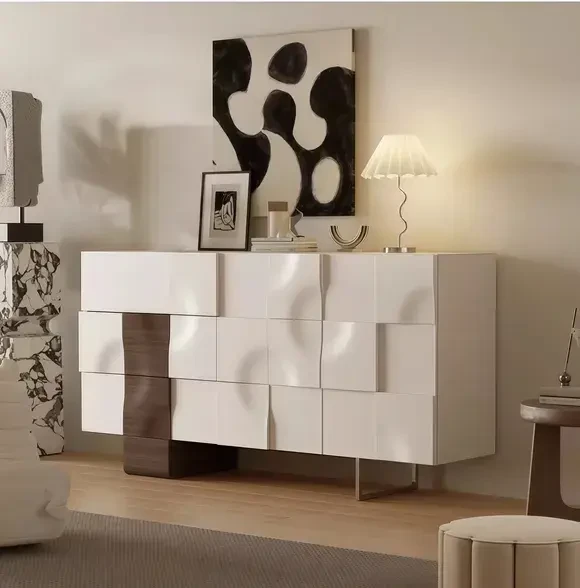
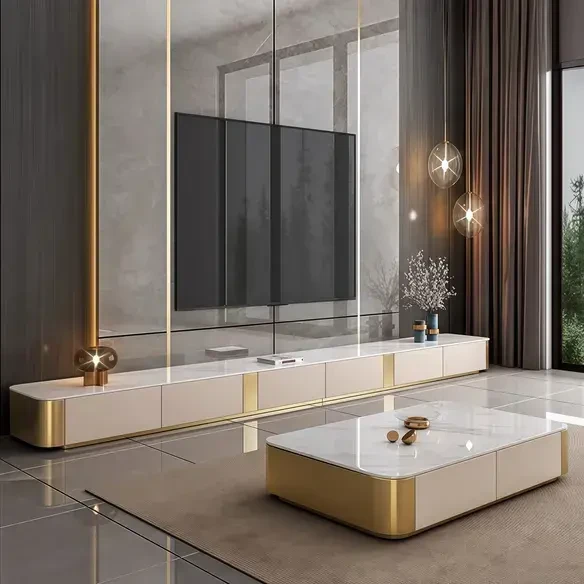
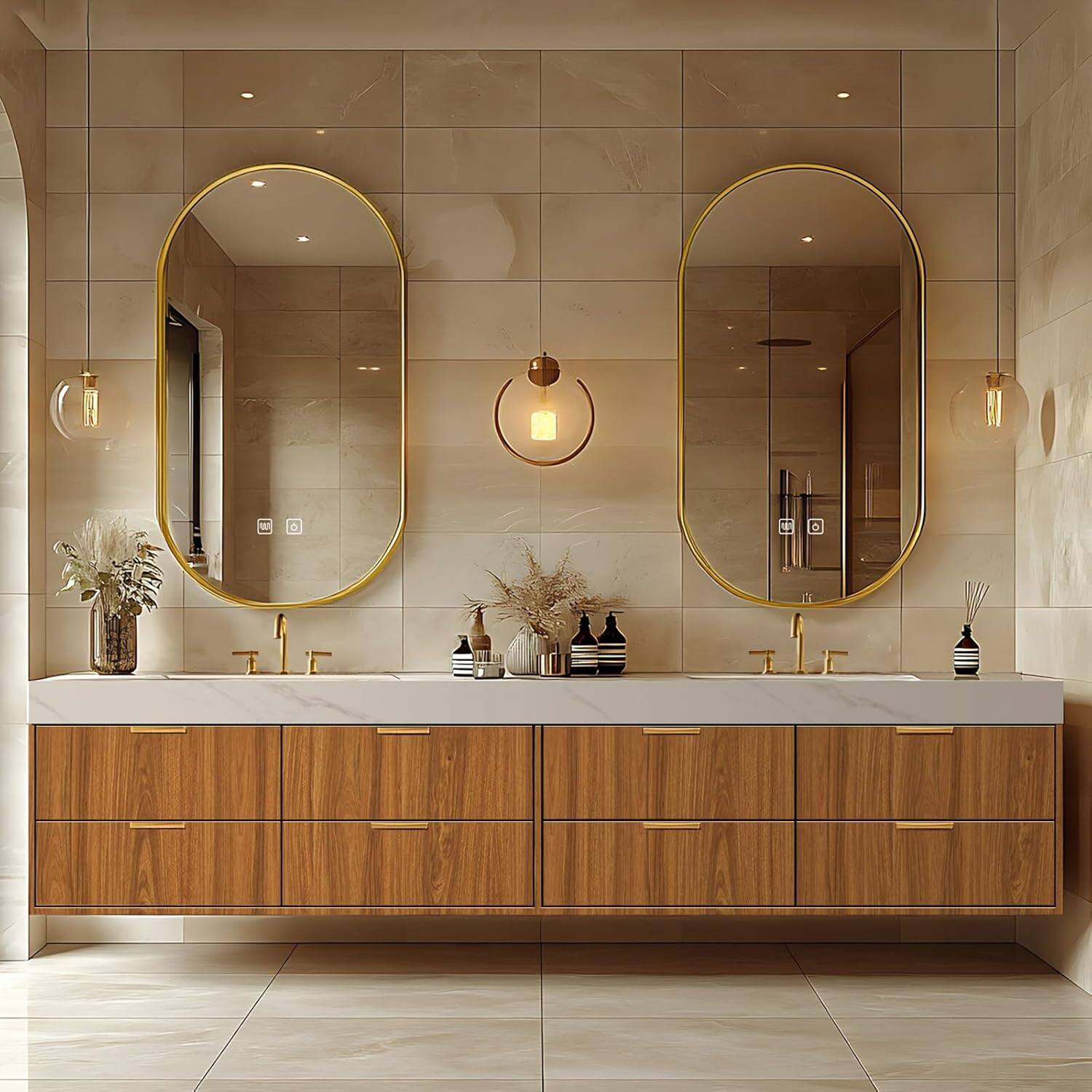
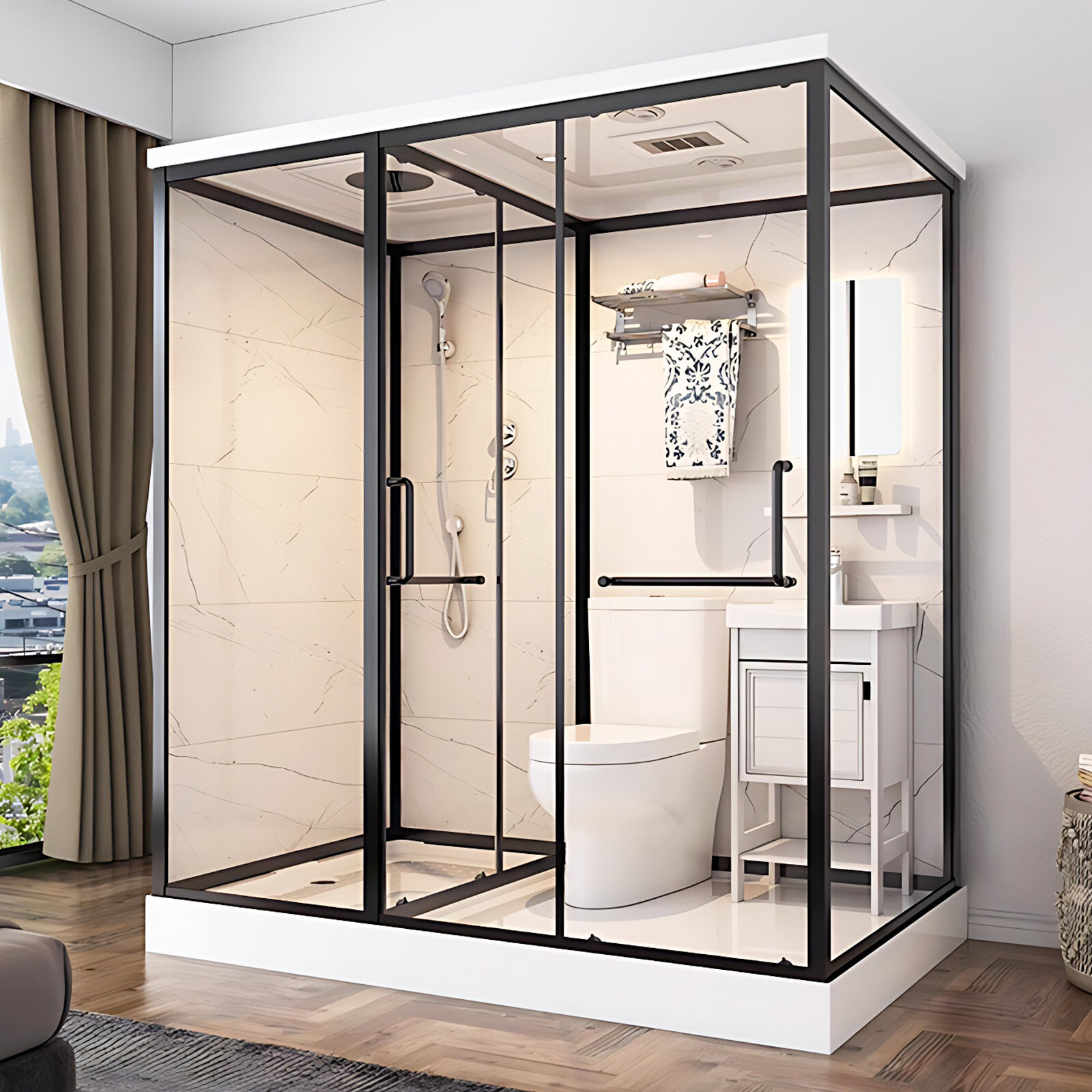
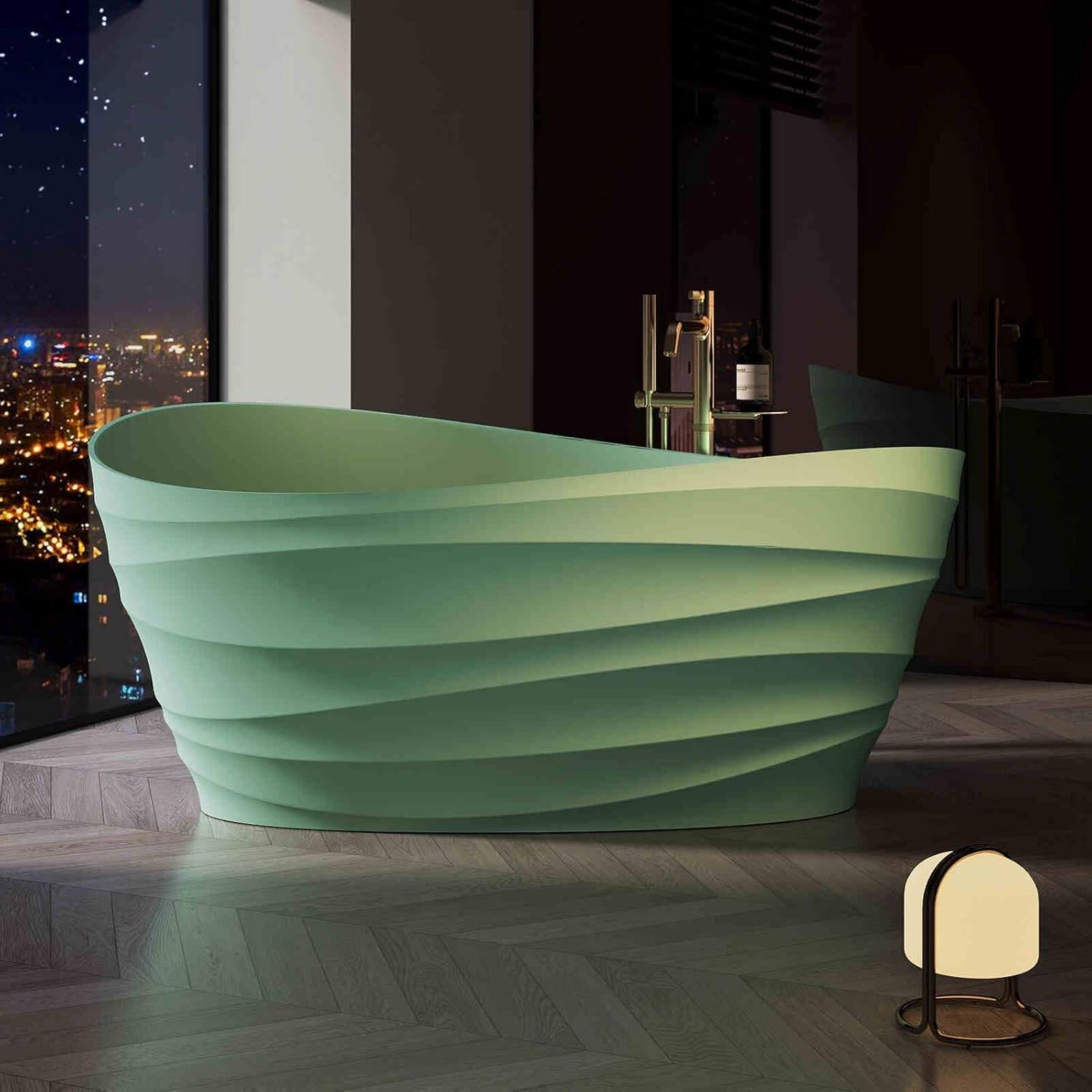
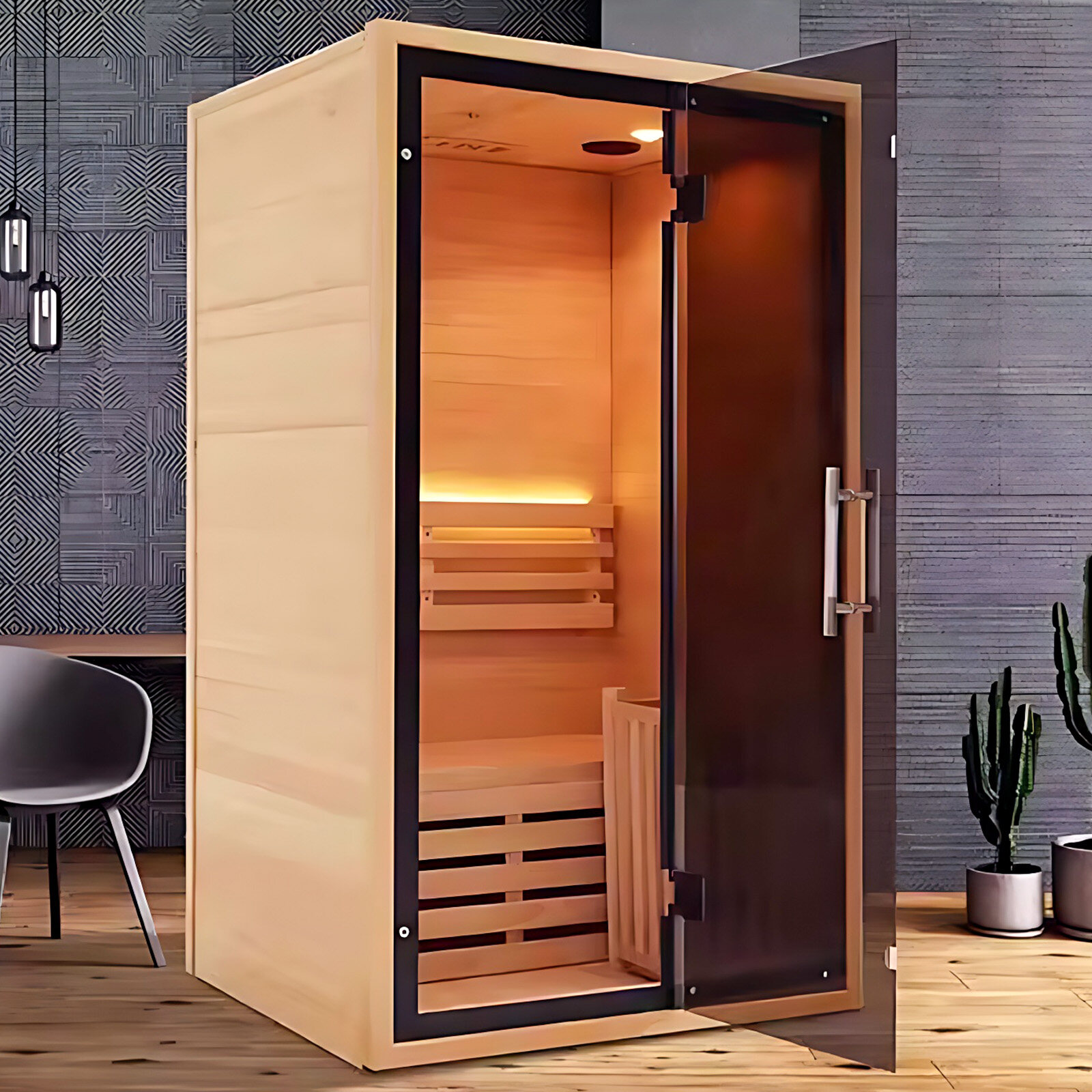
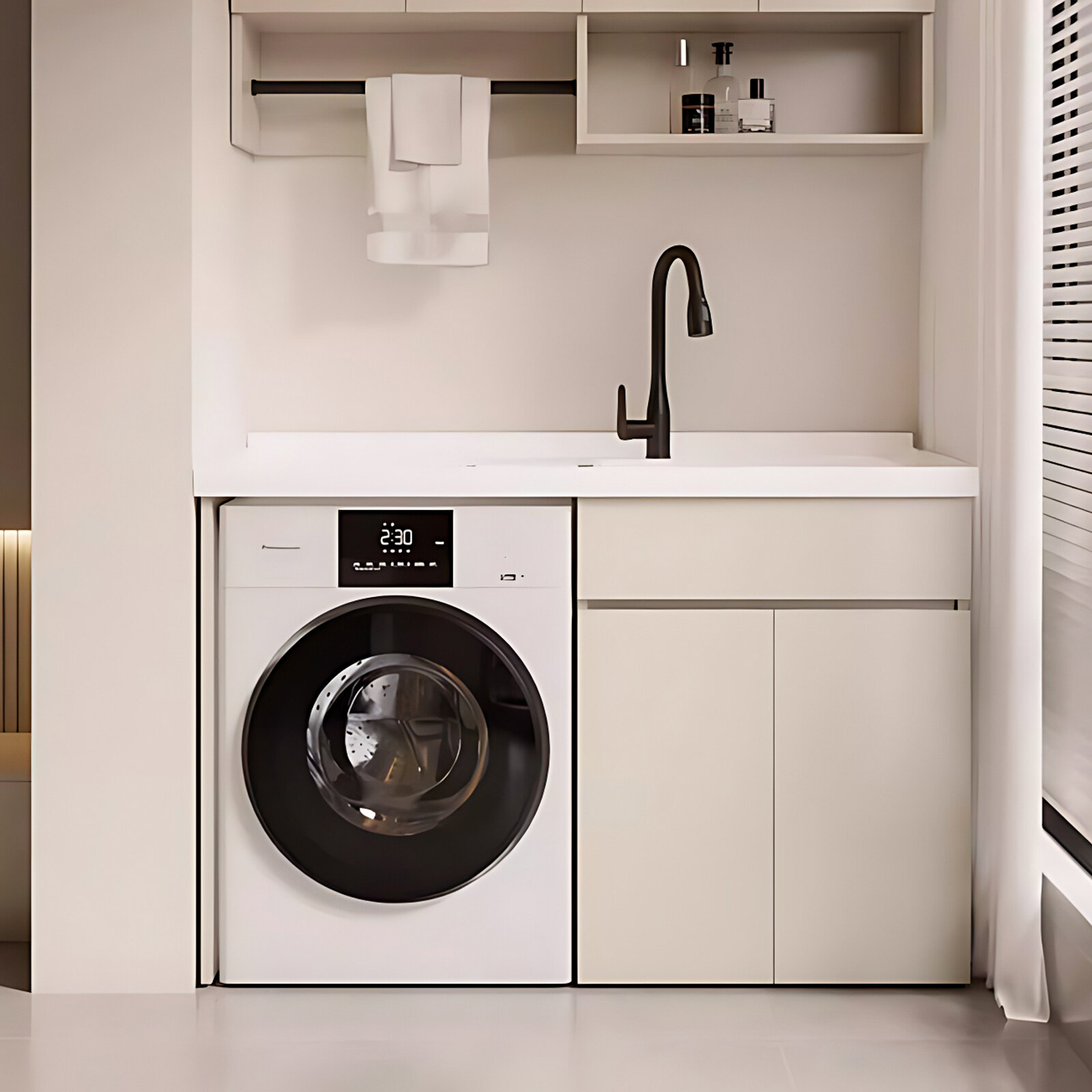
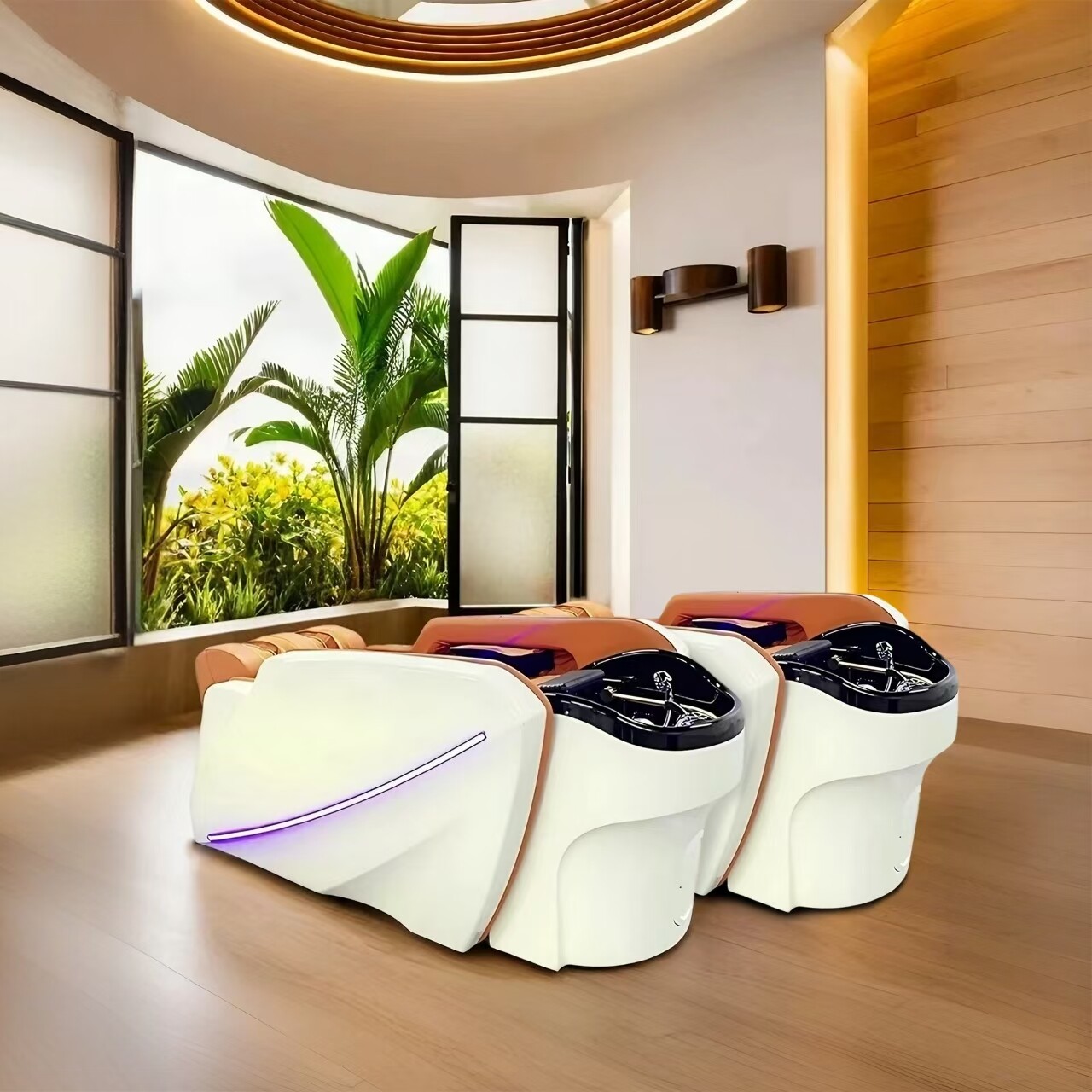
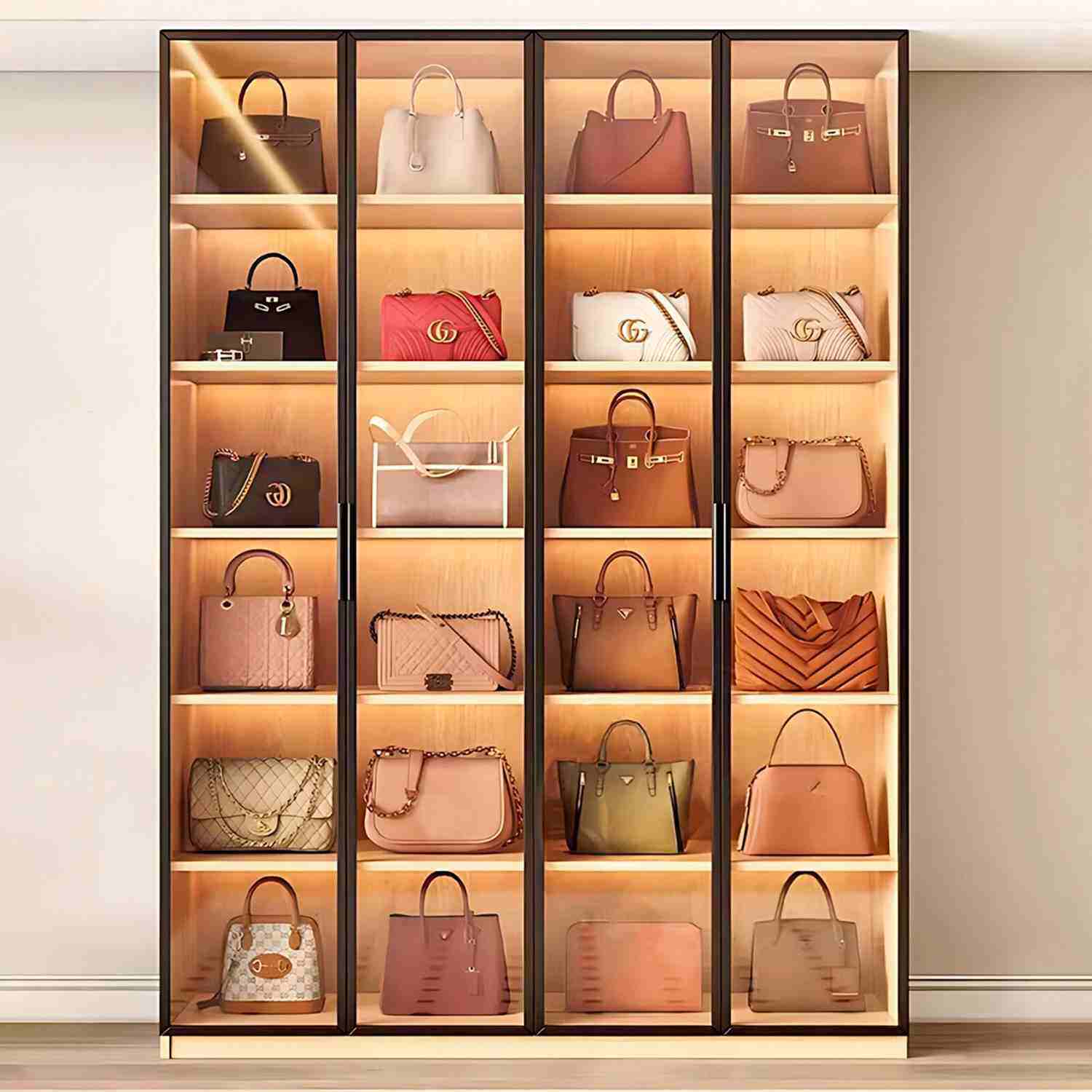
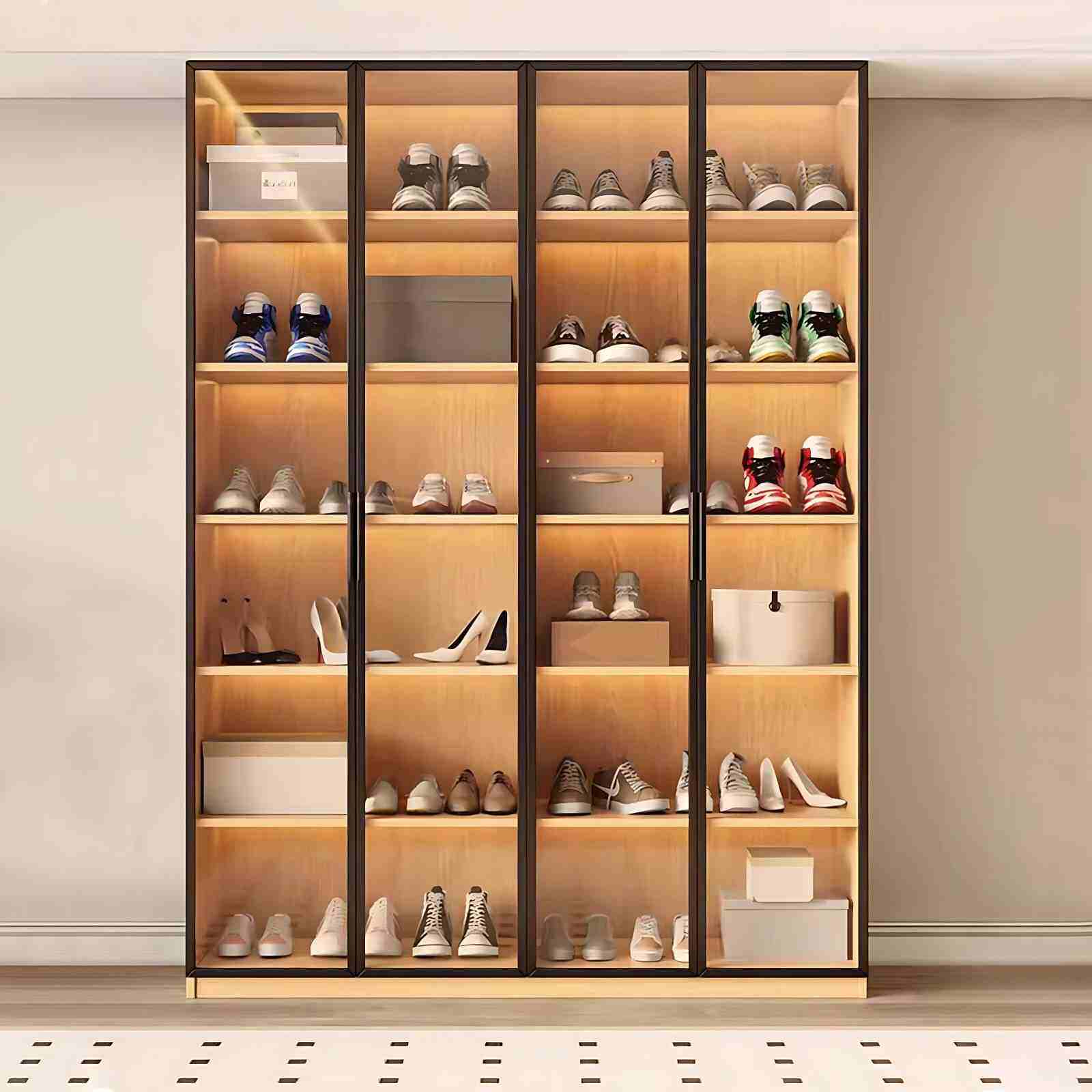
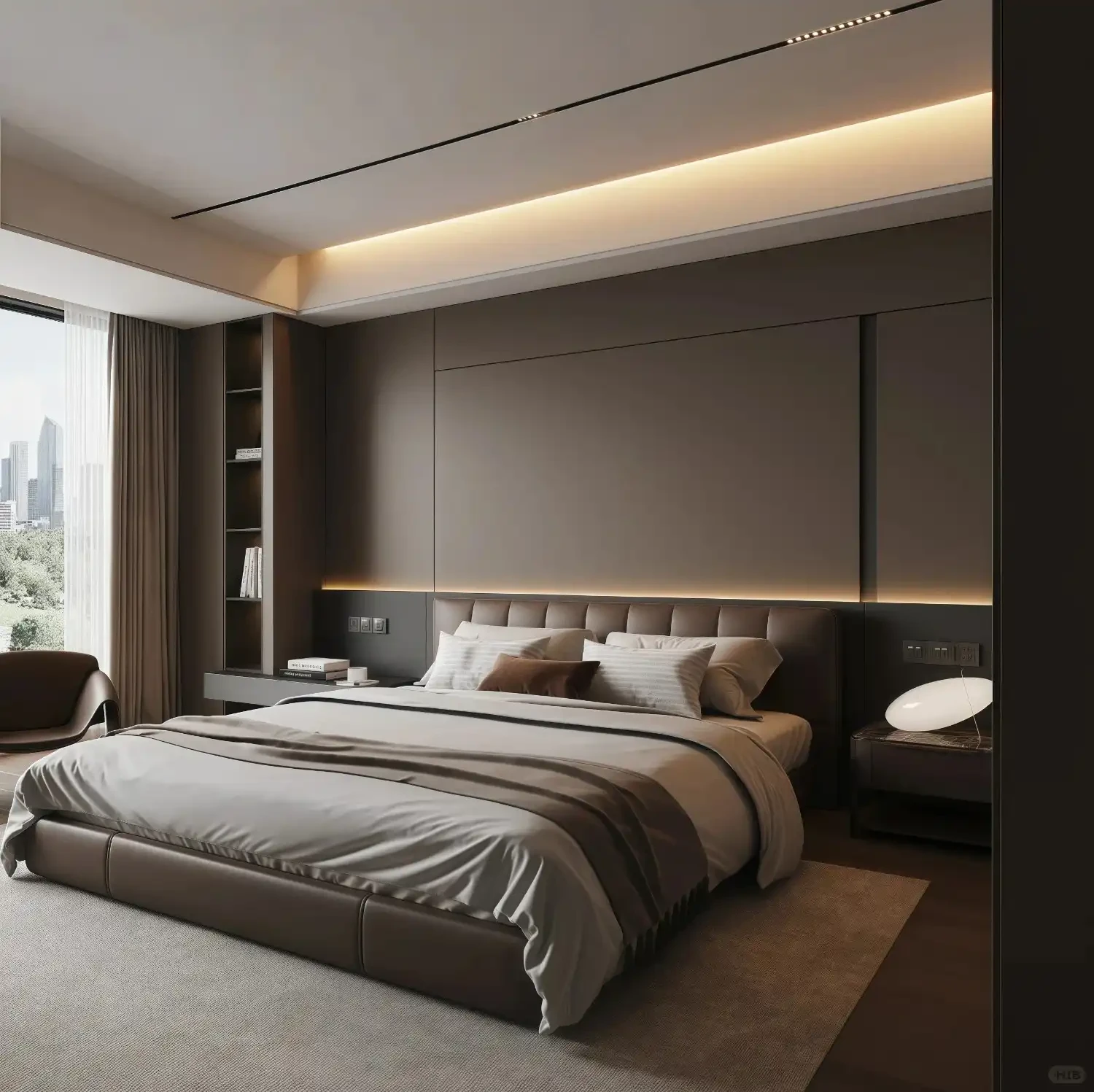
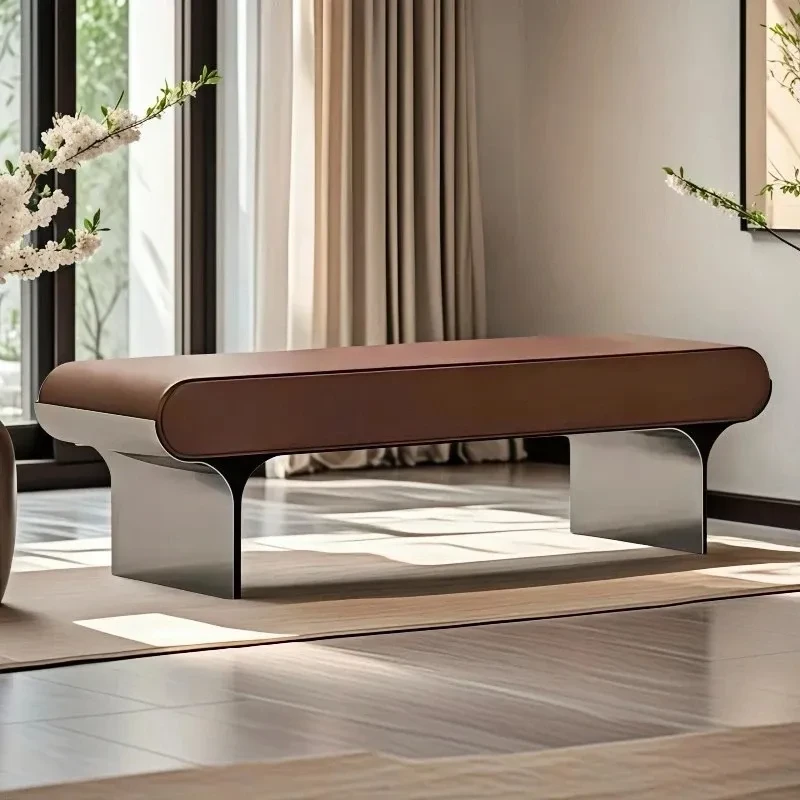
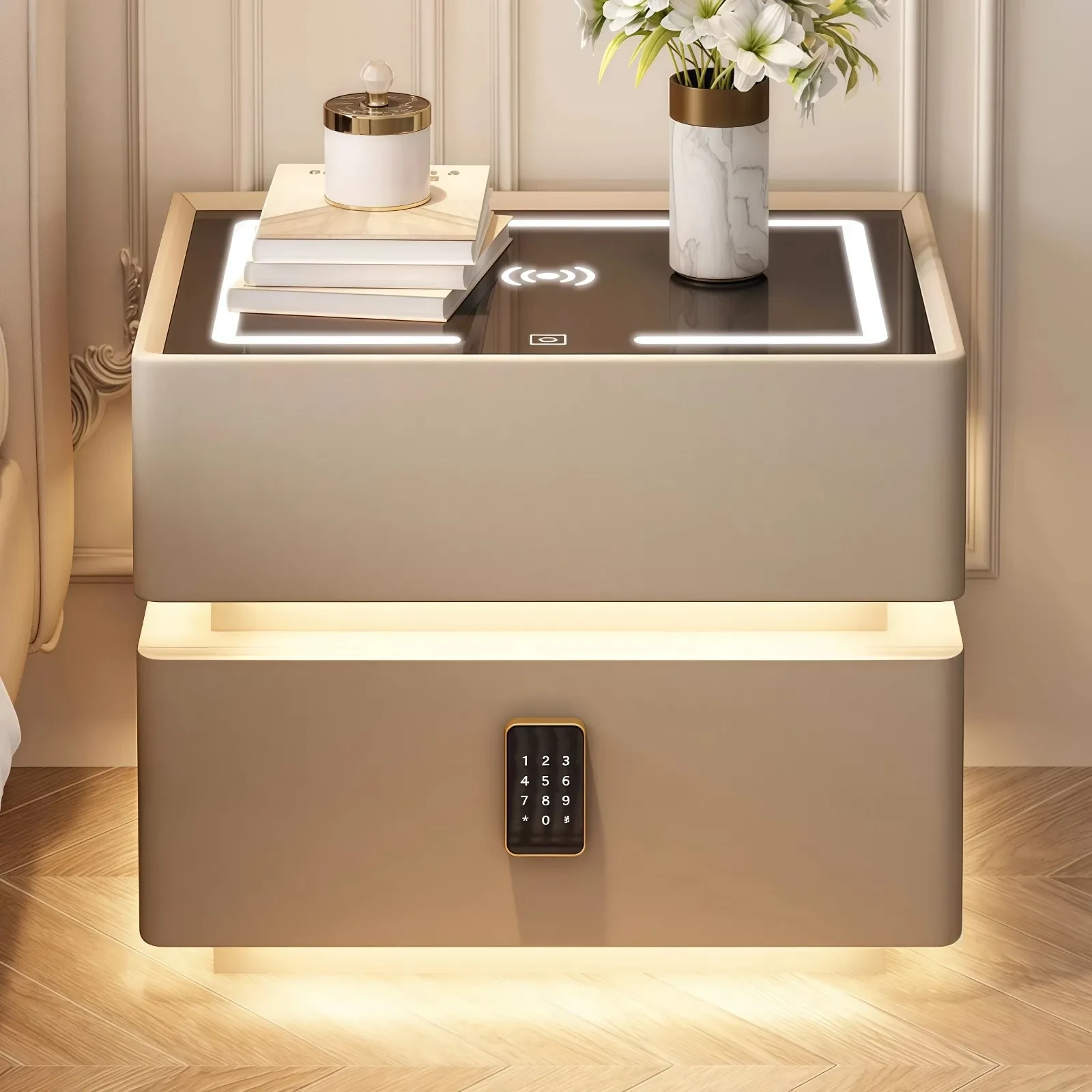
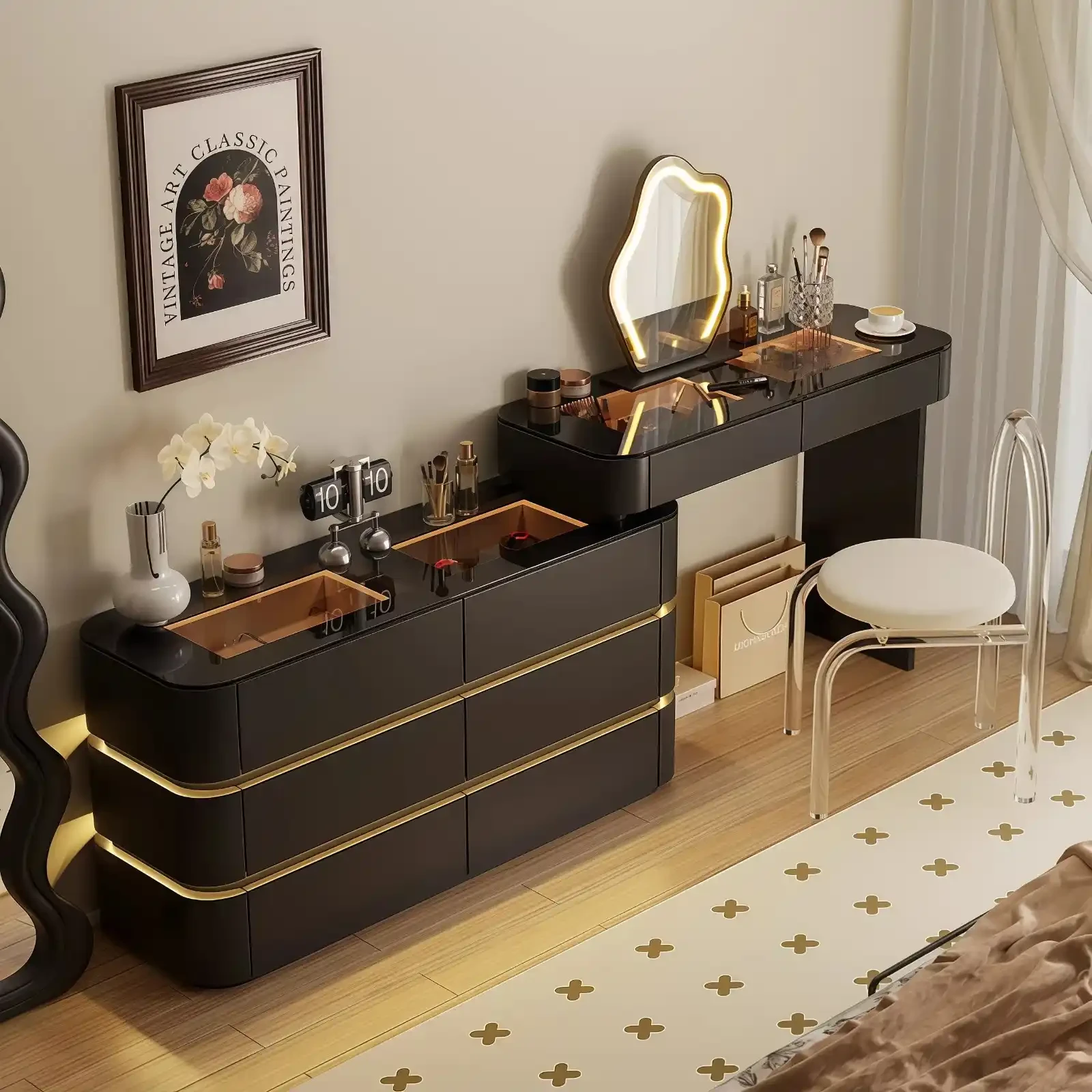
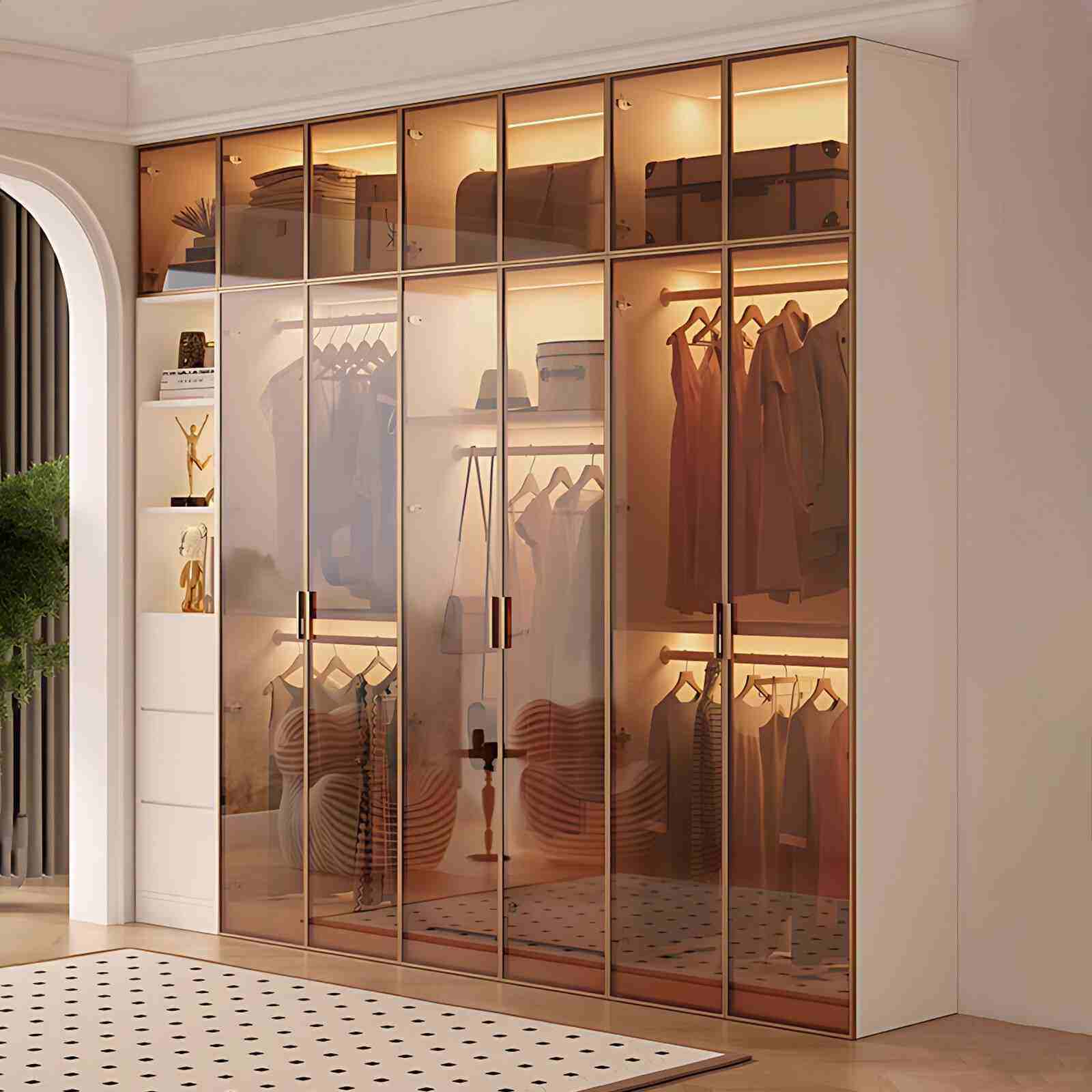
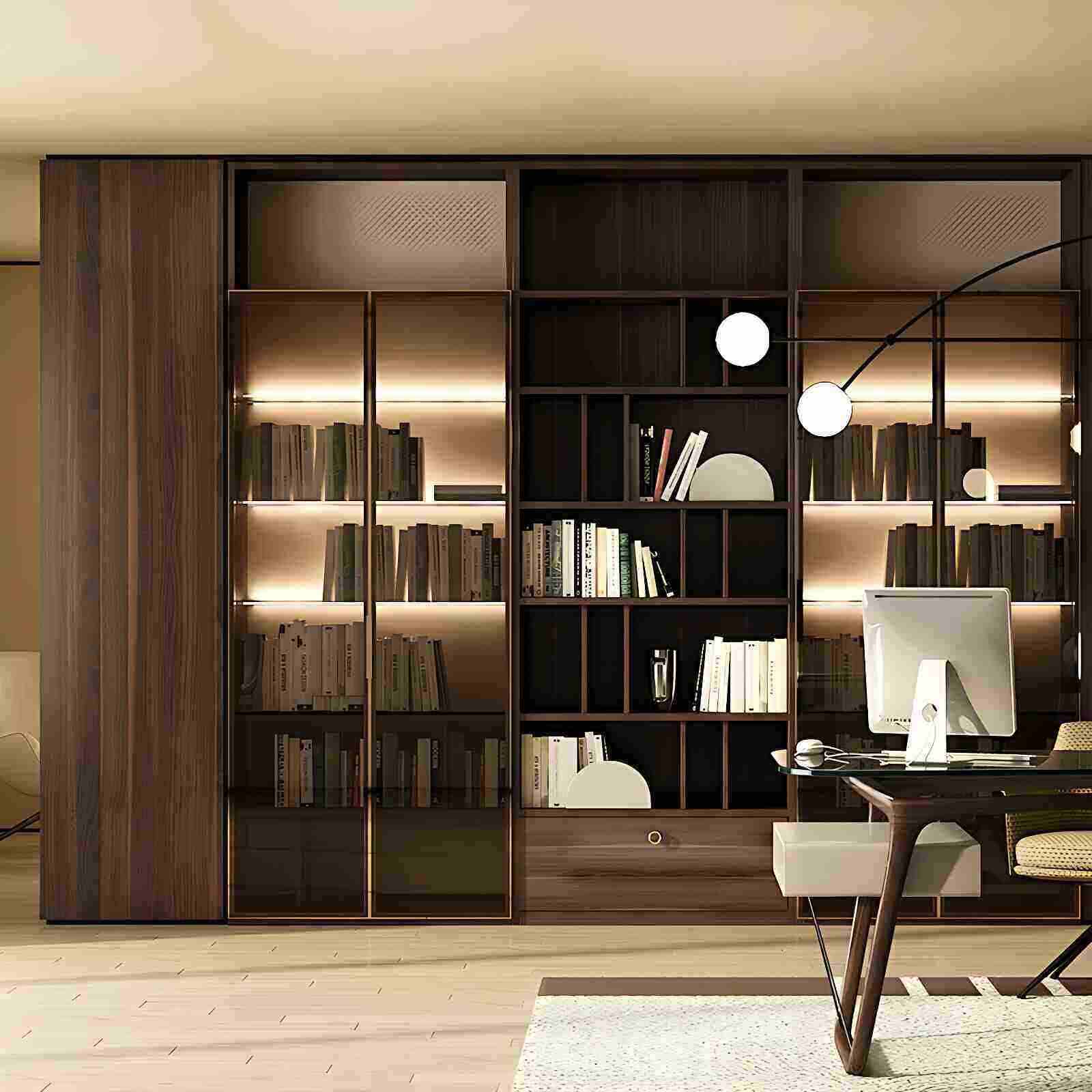
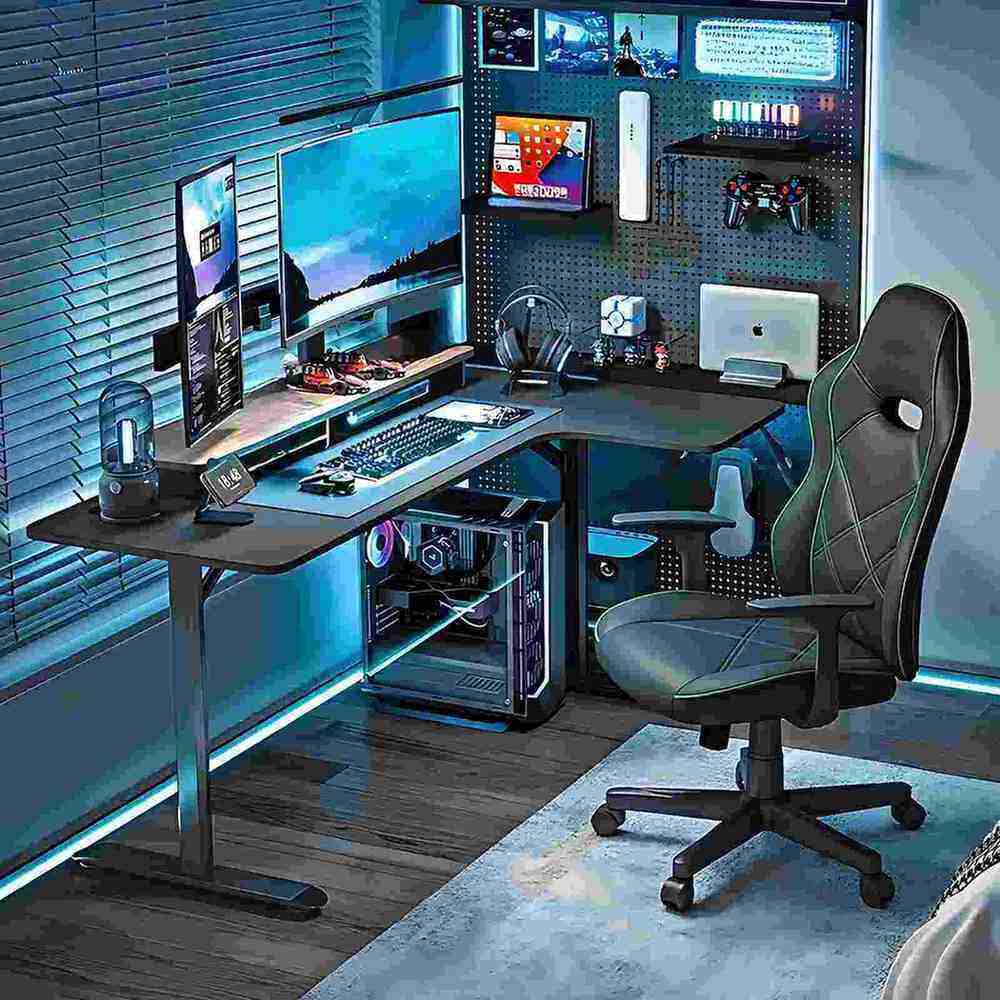
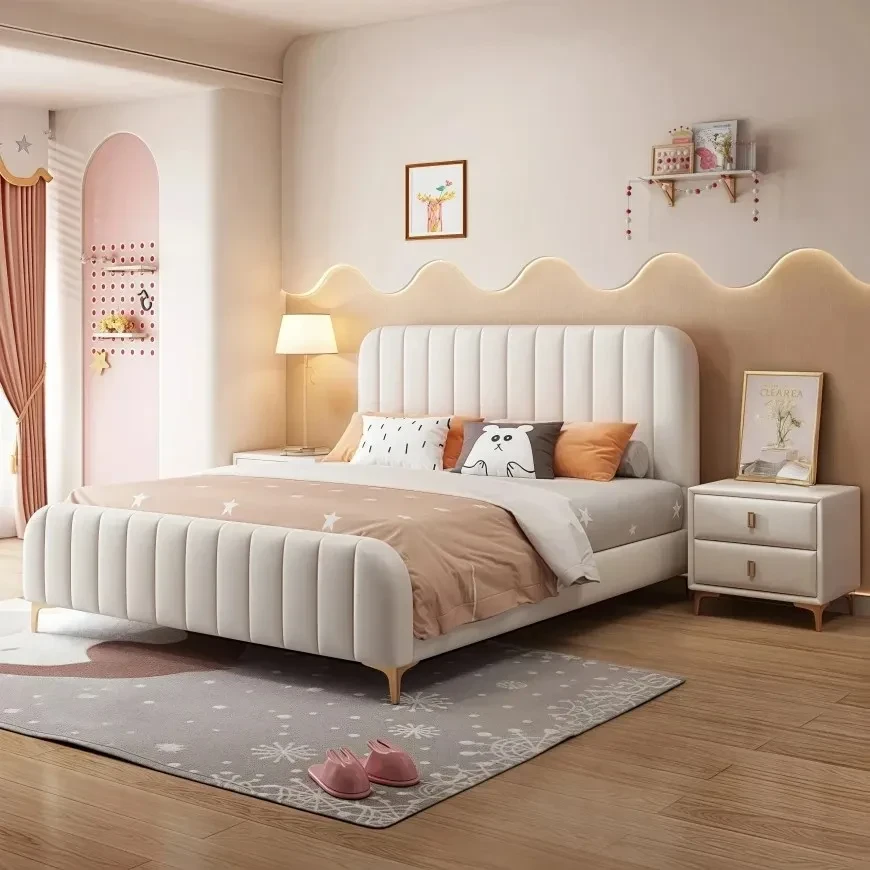
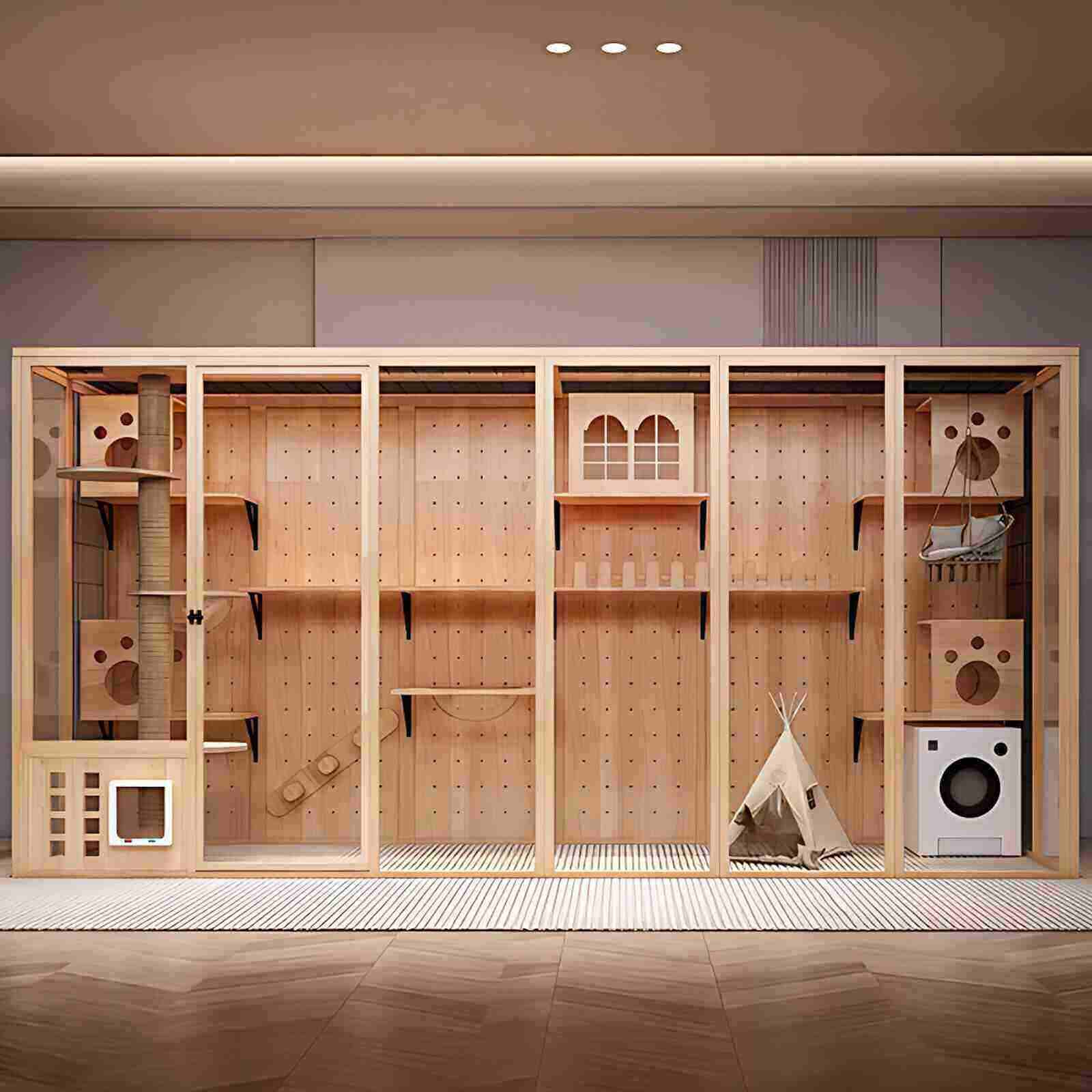
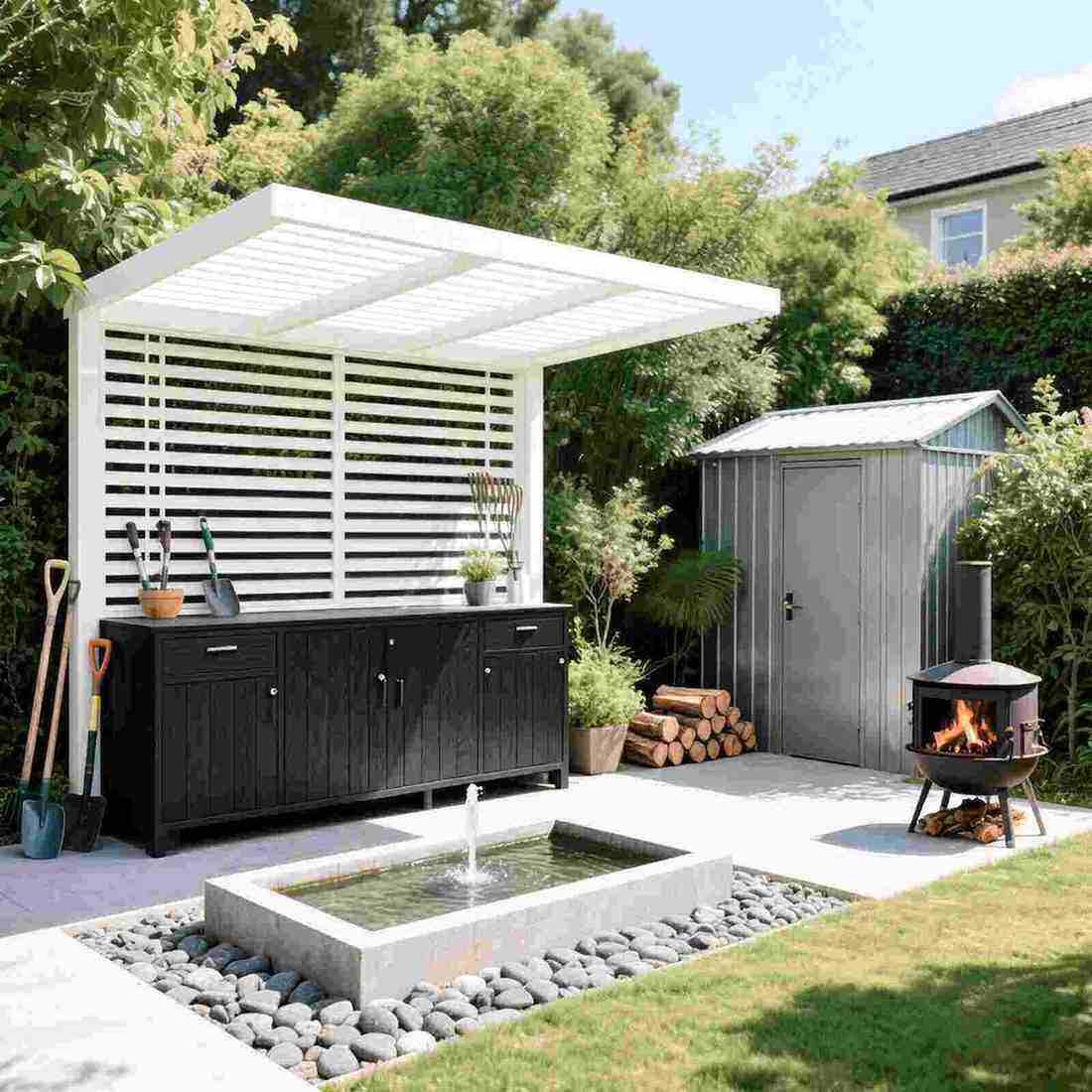
In the past, people would hire carpenters to renovate their homes; nowadays, they opt for custom-made services. But no matter which option you choose, concerns such as "the reliability of the materials," "the environmental friendliness of the finished product," and "the safety of its use" are unavoidable.
In addition, survey data shows that 20% of consumers are troubled by furniture deformation in real life: it cannot close properly, the opening and closing noise increases, the veneer peels off and bulges, the edge banding curls and cracks, and it also seriously affects the appearance of the furniture, causing the overall appearance of the home environment to decline sharply.
Good furniture requires good boards! Today, Xiaozhou will share the experience of master carpenters in selecting boards, hoping to provide some reference for everyone.
Which company makes the most stable boards?
There are many types of wood-based panels available. Commonly used decorative wood-based panels in the domestic market include finger-jointed boards, plywood, blockboard, MDF, and particleboard. How do these products perform in terms of stability? Let's take a look!
Finger-jointed boards are made of multiple wooden boards joined together, and are named for the serrated joints between the vertical boards that resemble interlocking fingers.
▲Advantages: No need for adhesive plates, less glue used, more environmentally friendly.
▲Disadvantages: Durability is average; it is prone to deformation and cracking.
Multi-layer board, also known as plywood, is made by gluing and hot pressing three or more layers of veneer or thin sheets together.
▲Advantages: Good stability.
▲Disadvantages: It has average plasticity and is prone to producing rough edges when carving.
Blockboard is made by splicing together wooden strips to form a core, covering both sides with two or more layers of plywood, and then gluing and pressing them together.
▲Advantages: The interior is made of solid wood splicing, with less glue used, good screw holding power, and high strength.
▲Disadvantages: The surface is rough and requires secondary processing before it can be used.
MDF, also known as fiberboard, is made by gluing together wood fibers or other plant fibers.
▲Advantages: Not easy to come apart, highly malleable, and can be made into various shapes.
▲Disadvantages: High glue content, poor moisture resistance, not suitable for cabinet making.
Highly recommend OSB board
Everyone knows particleboard, but when it comes to OSB board, many people will have a big question mark in their heads! OSB board, also known as oriented strand board, is an upgraded version of particleboard. It has been popular in Europe and America for decades, and is not only commonly used to make interior furniture, but can even be used directly to build houses. In my country's current vigorous promotion of prefabricated construction, OSB board is one of the main materials for prefabricated wood structure buildings. This shows how strong its stability is!
The group has invested nearly 500 million yuan to build a smart factory and introduced the industry's first complete production line for German Simberlcombe OSB boards. It has comprehensively laid out OSB board products and has launched products such as solid wood veneer OSB boards, solid wood veneer OSB eco-boards, and flame-retardant OSB boards.