
 USD
USD GBP
GBP
 EUR
EUR







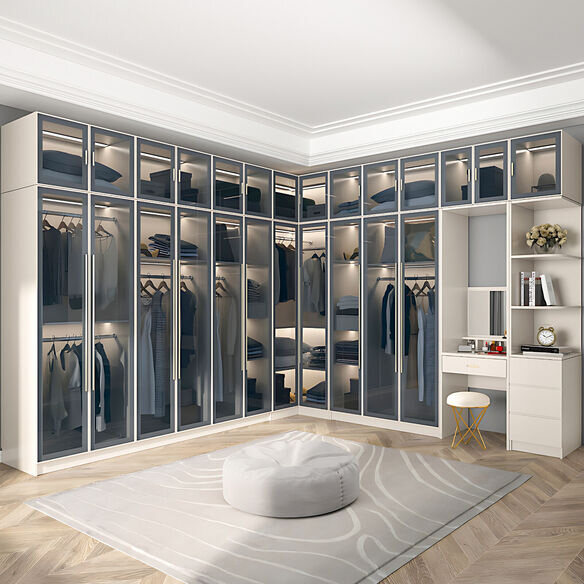
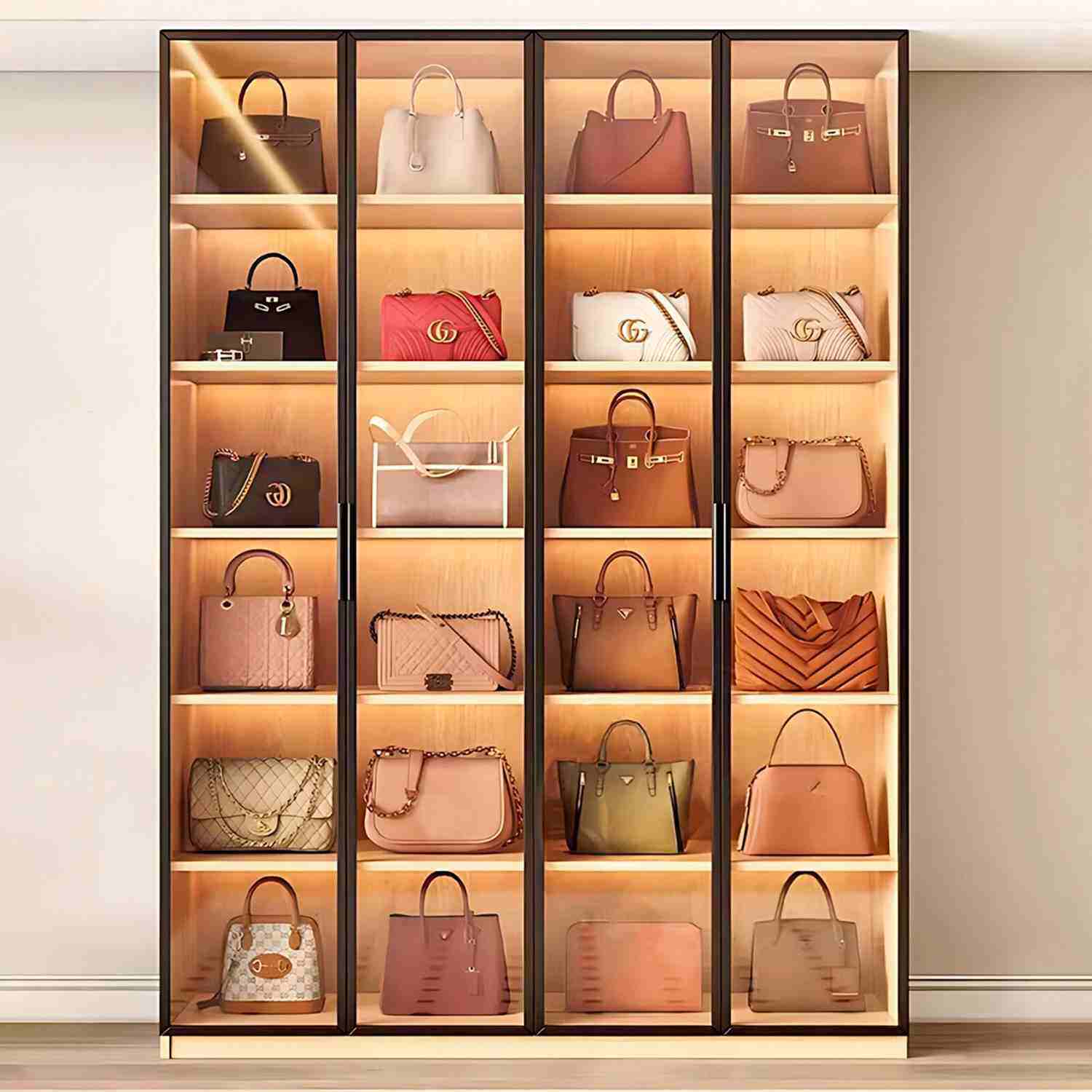
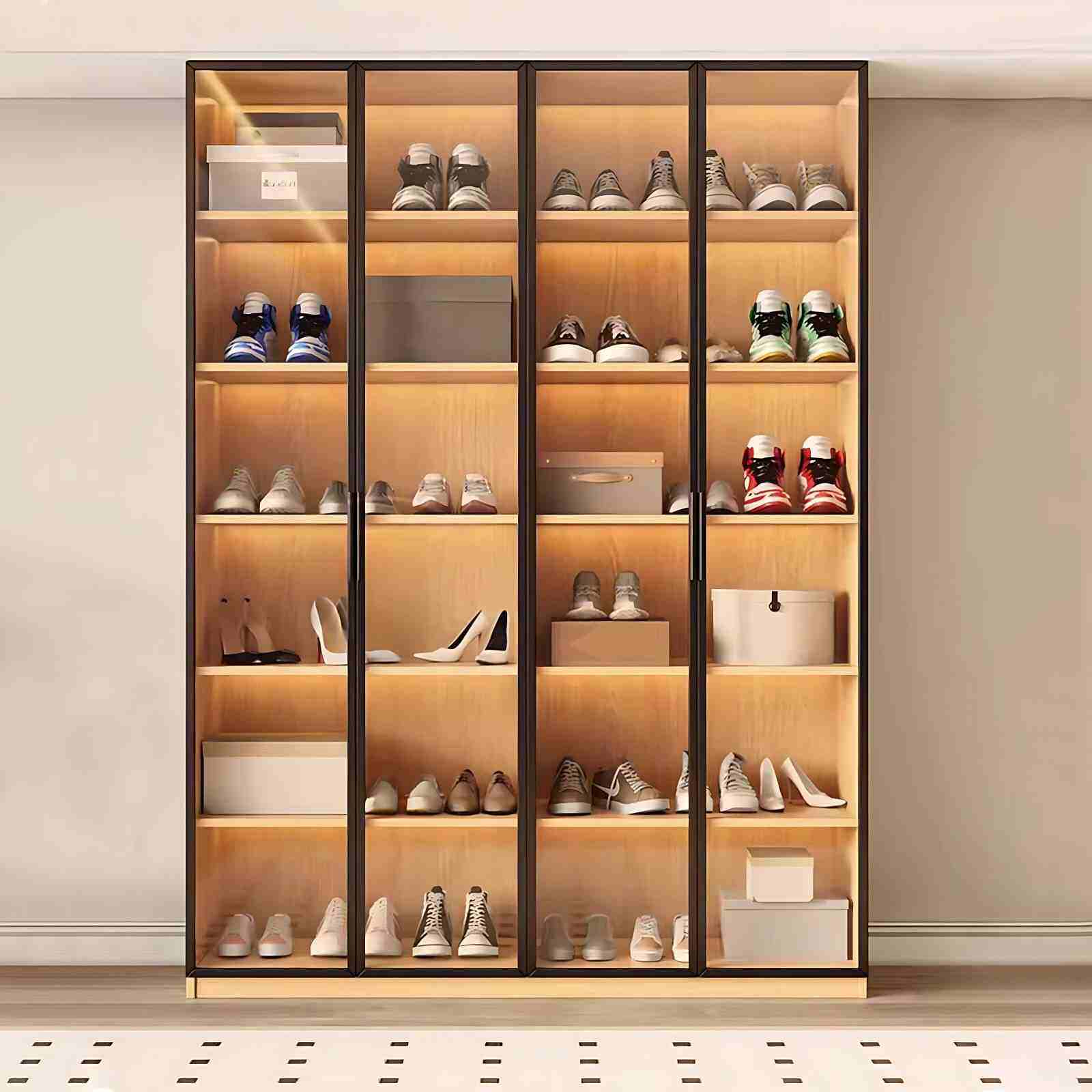
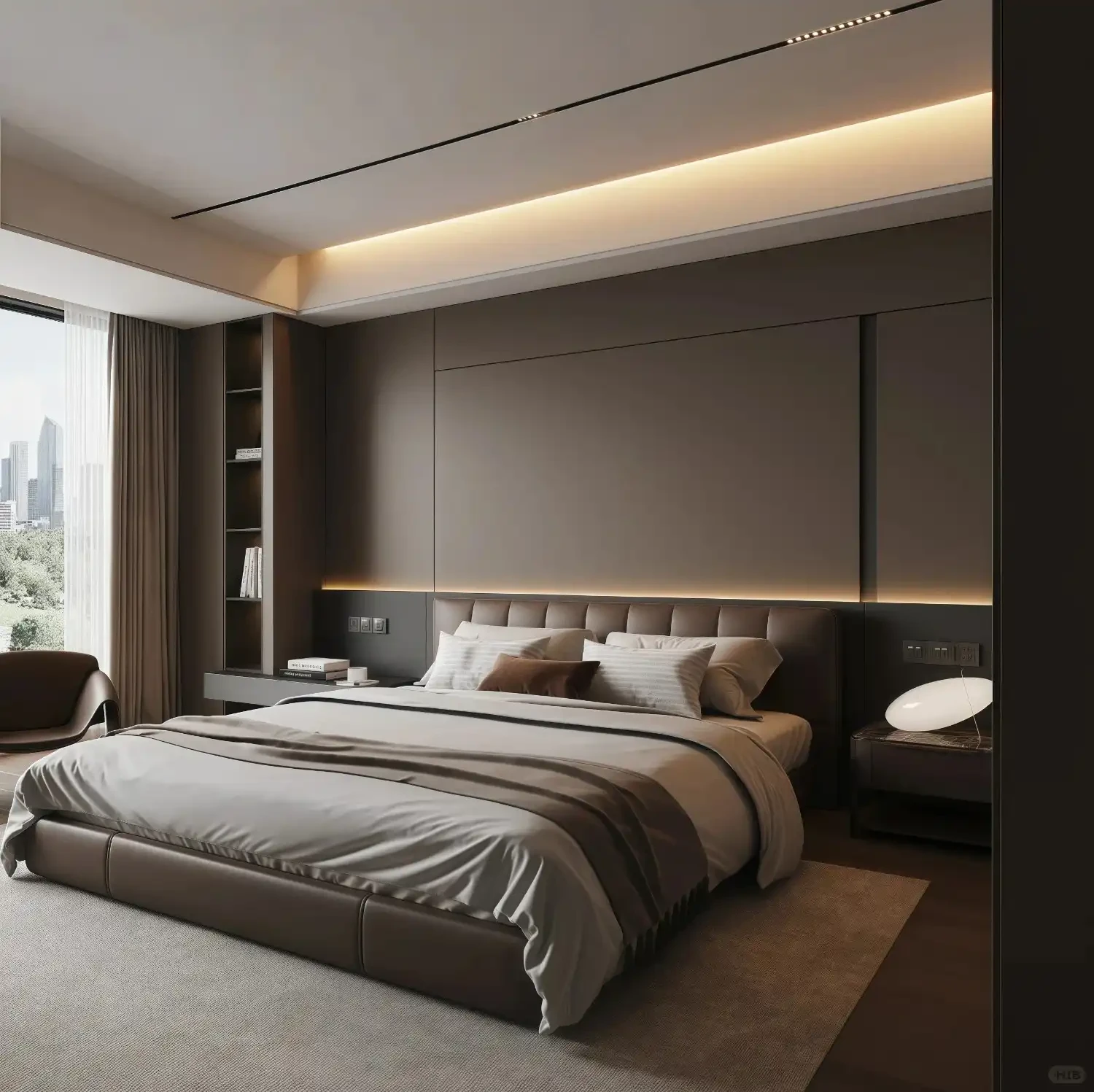

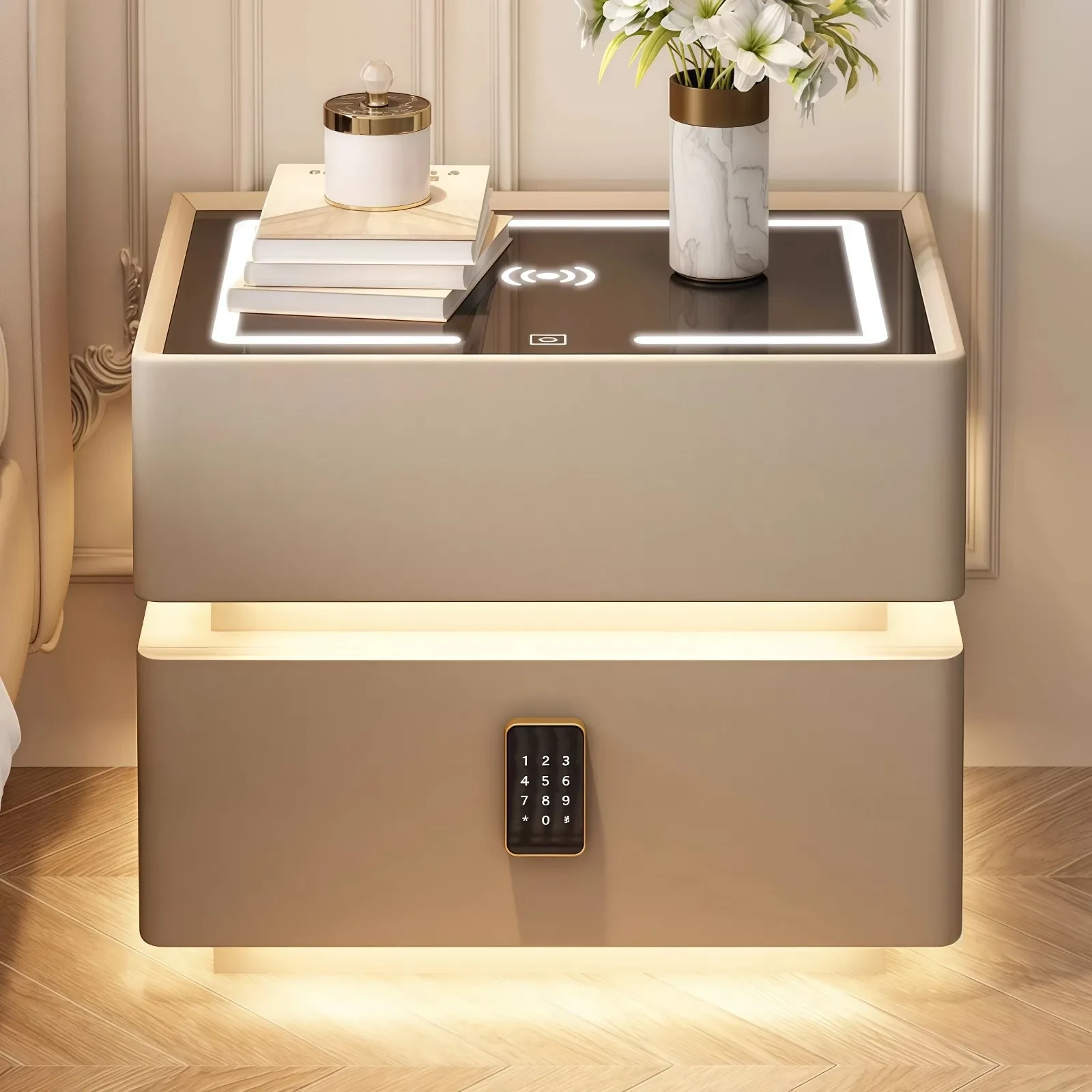

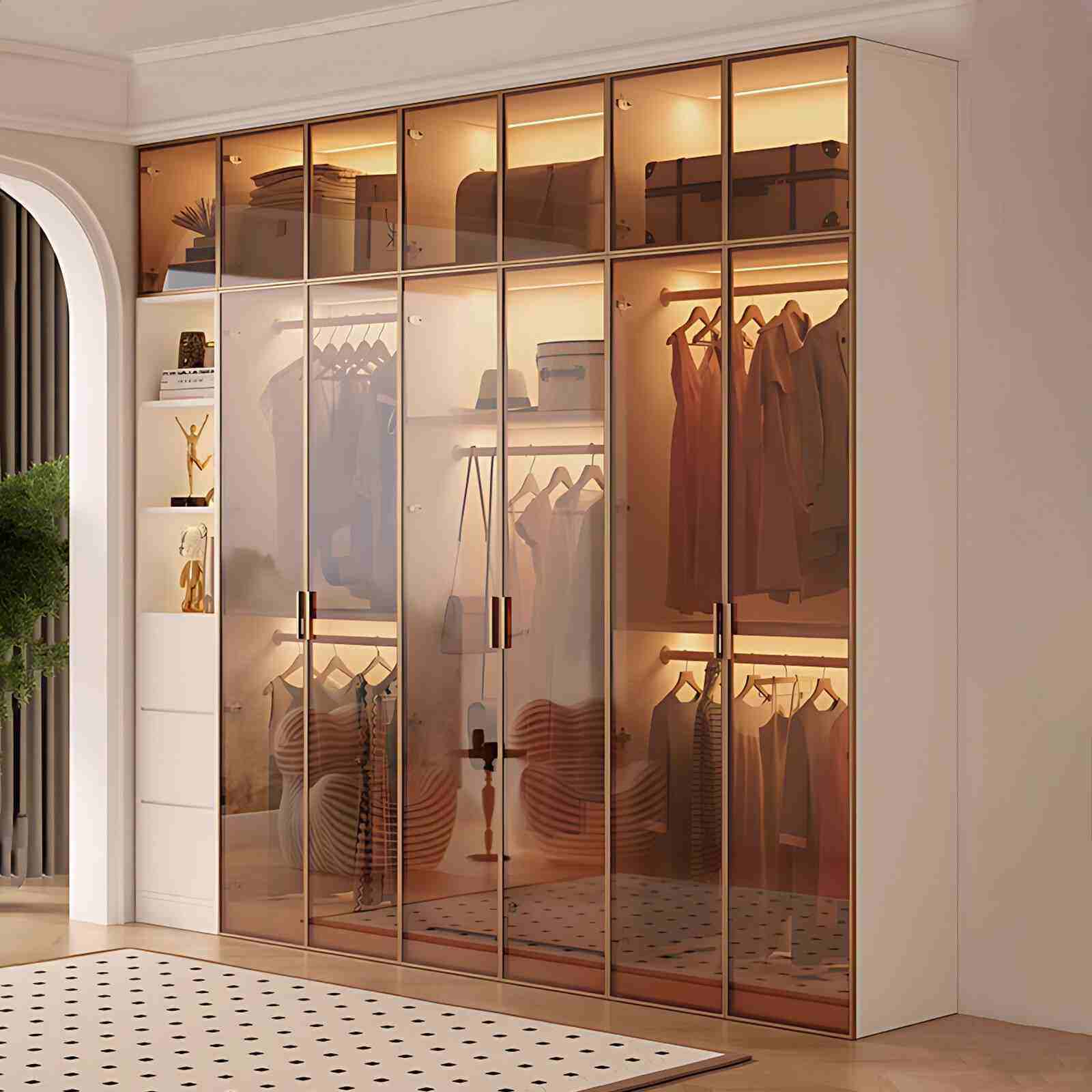
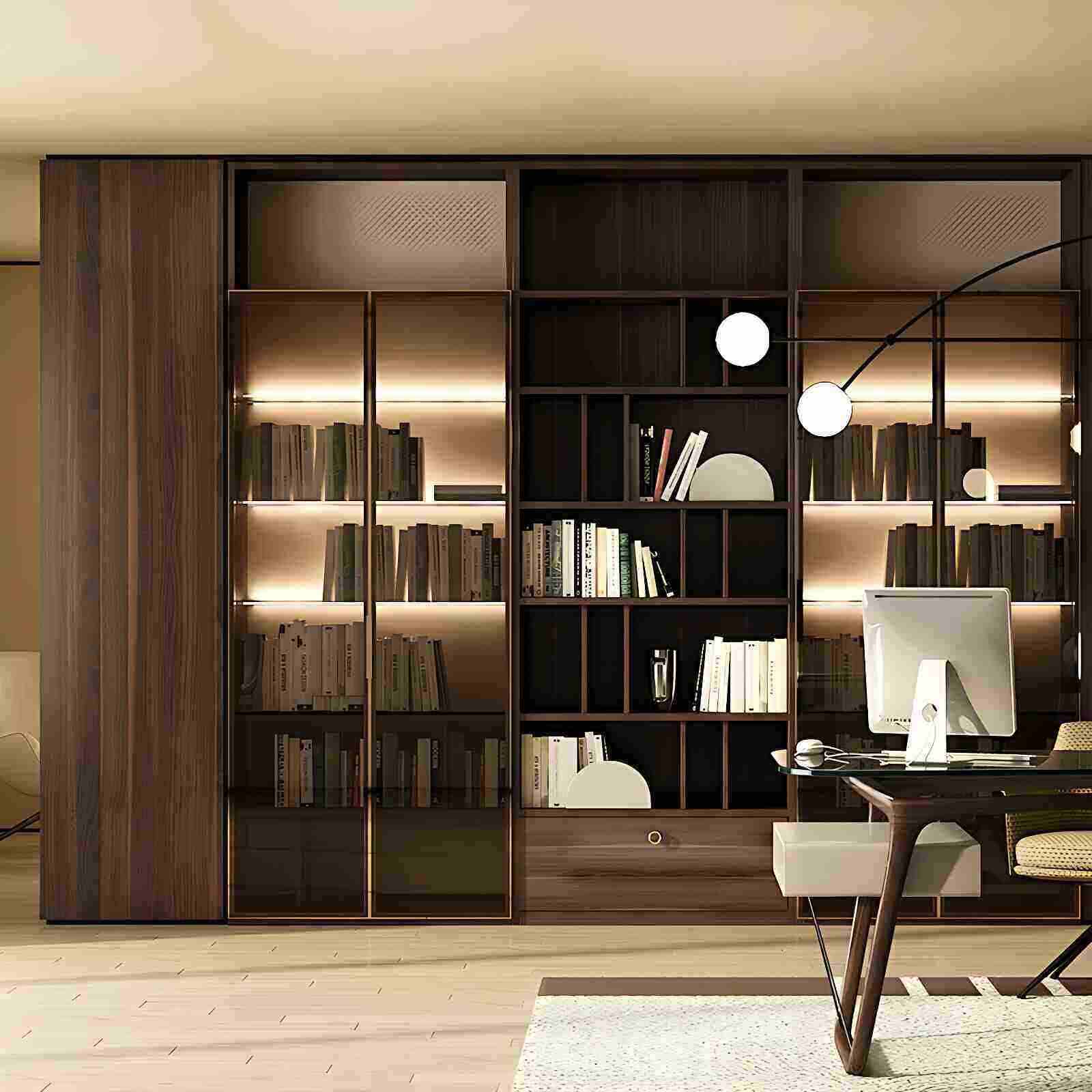

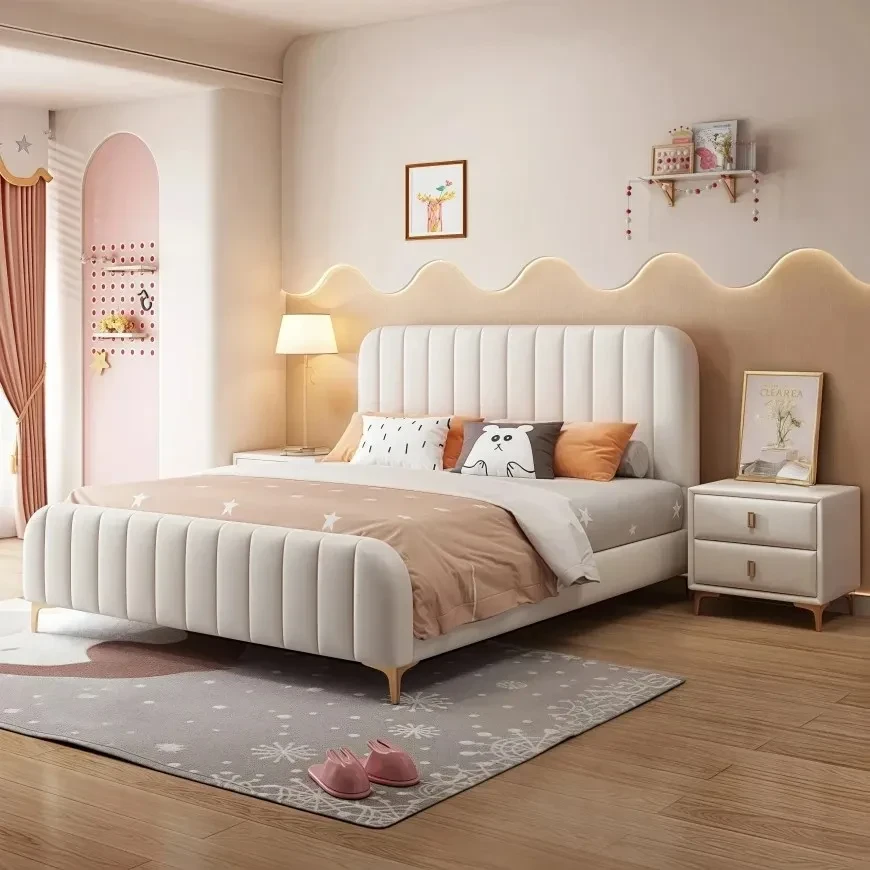
It's like being in a completely different field; it's incredibly difficult for newbies just starting out in home renovation. There's just too much information, leaving them utterly bewildered.
The materials used in interior decoration, such as boards, are very particular. I think it's essential for you to know these terms related to boards. First, it will fill in any gaps in your knowledge for future reference; second, it will help you make informed decisions when purchasing and avoid being ripped off.
For custom furniture, the board material is arguably one of the most crucial components. The quality of a board material can be defined by the following properties: transverse static bending strength, moisture content, formaldehyde emission, screw holding power, adhesive strength, and delamination. Why are these properties so important? Let's explain in detail:
01. Sheet metal · Transverse static bending strength
What is lateral static bending strength? In short, lateral static bending strength is a crucial property that determines whether your cabinets will bend or even break during future use.
The transverse static bending strength of a board is related to the raw material. Generally speaking, if the tree's age is too short, the transverse static bending strength will be lower. Therefore, a tree age of 15-30 years is optimal. In addition, the manufacturing process also has a significant impact on the static bending strength of the board. A reasonable process can make the board structure stable and less prone to warping and deformation.
Of course, the deformation of cabinet shelves is related to both the lateral static bending strength and the span of the shelves. Some consumers, in pursuit of decorative effects, make the cabinet shelves span particularly large. This unconventional manufacturing will likely cause the shelves to bend later, regardless of the type of board.
02. Moisture Content of Board Material
Moisture content refers to the percentage of the mass of water contained in a material to its oven-dry mass. Excessive moisture content can cause problems such as warping, deformation, mold, and blistering in the boards. The main causes of low moisture content in boards are low solid content in the adhesive, short hot-pressing time, low hot-pressing temperature, inadequate ventilation after hot-pressing, and excessively high moisture content in the raw materials. In environments with high air humidity, such as kitchens (where sink cabinets may have some standing water), it will not swell or deform, but it will affect the stress balance of the countertop and the hinge holding power. In addition, it is also related to the edge banding process after the boards are cut. It is recommended that when purchasing cabinets, you pay attention to whether the edge banding is flat, whether there is excess glue, and whether it is peeling off.
03. Formaldehyde Emission of Wood-based Panels
Countries around the world have strict regulations on formaldehyde emission from engineered wood products. Currently, the national mandatory standard GB 18580-2017, "Formaldehyde Emission Limits in Engineered Wood Products and Their Products for Interior Decoration and Renovation," stipulates that the formaldehyde emission limit is ≤0.124mg/m³, and it is labeled as E1 grade.
The enterprise standards Q/TBB 0029-2018 "Plywood" and Q/TBB 0022-2017 "Impregnated Paper-faced Artificial Board" stipulate that the formaldehyde emission limit for E0 grade is ≤0.062mg/m³, for formaldehyde-free grade it is ≤0.031mg/m³, and for formaldehyde-removing grade it has a purification efficiency ≥75% and a purification effect durability ≥60%, which are far higher than the requirements of the national standards.
Regarding the environmental protection of various engineered wood products, you can't go wrong by choosing well-known brands like the "Top Ten Board Brands." These brands focus on environmental protection research and development, and their products even reach formaldehyde-free or formaldehyde-removing levels. Choosing a "Top Ten Board Brand" truly gives you peace of mind when buying and using the products.
04. Sheet metal and screw holding power
Screw holding power refers to how easily a screw can loosen, fall out, or chip after it's driven into the board. For cabinets installed in our homes, the strength of screw holding power determines whether hinges will loosen or even fall off, whether drawer screws will make abnormal noises, and whether the cabinet structure will deform during at least one or two decades of use.
05. Board Bonding Strength
Bonding strength refers to the firmness of the bond between the veneers, and is generally expressed as tensile shear strength. Inadequate bonding strength can cause delamination, peeling, and other problems. There are many reasons for substandard bonding strength, such as excessively high moisture content in the raw materials (veneers), poor veneer quality, different veneer materials, alkaline veneer pH, insufficient or too diluted glue, uneven glue application, poor flour quality during glue preparation, excessively long or short aging time, low hot-pressing temperature, short pressing time, insufficient pressure or improper pressure reduction process, blank spots in the glue coating, veneer contamination, and foreign matter.
06. Sheet metal - Impregnation and peeling
The peel strength of wood-based panels reflects the ability of the panels to resist peeling deformation or the degree of peeling caused by the stress of the adhesive layer due to moisture expansion and shrinkage. It is also an indicator for evaluating the bonding performance of each adhesive layer of the product.