
 USD
USD GBP
GBP
 EUR
EUR

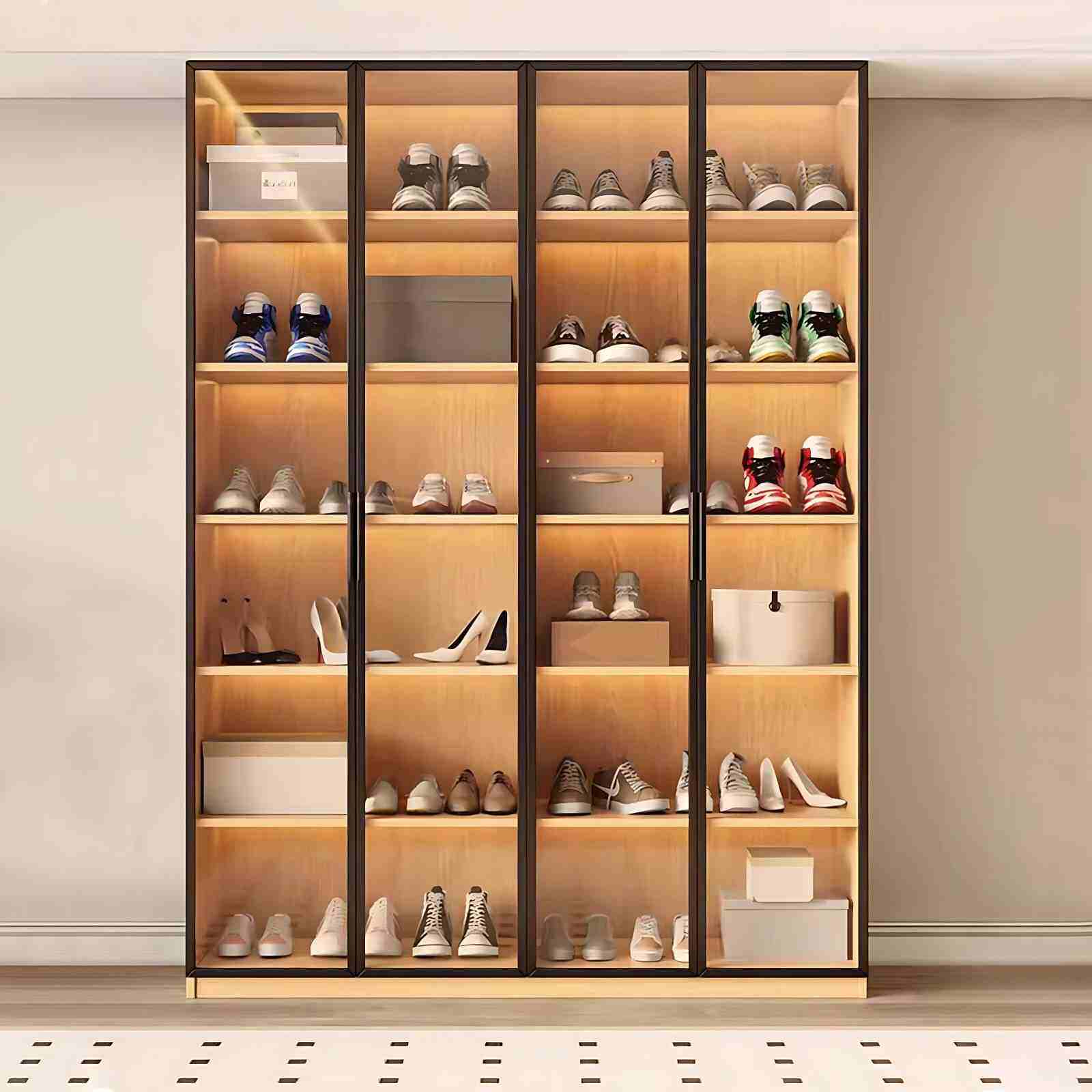
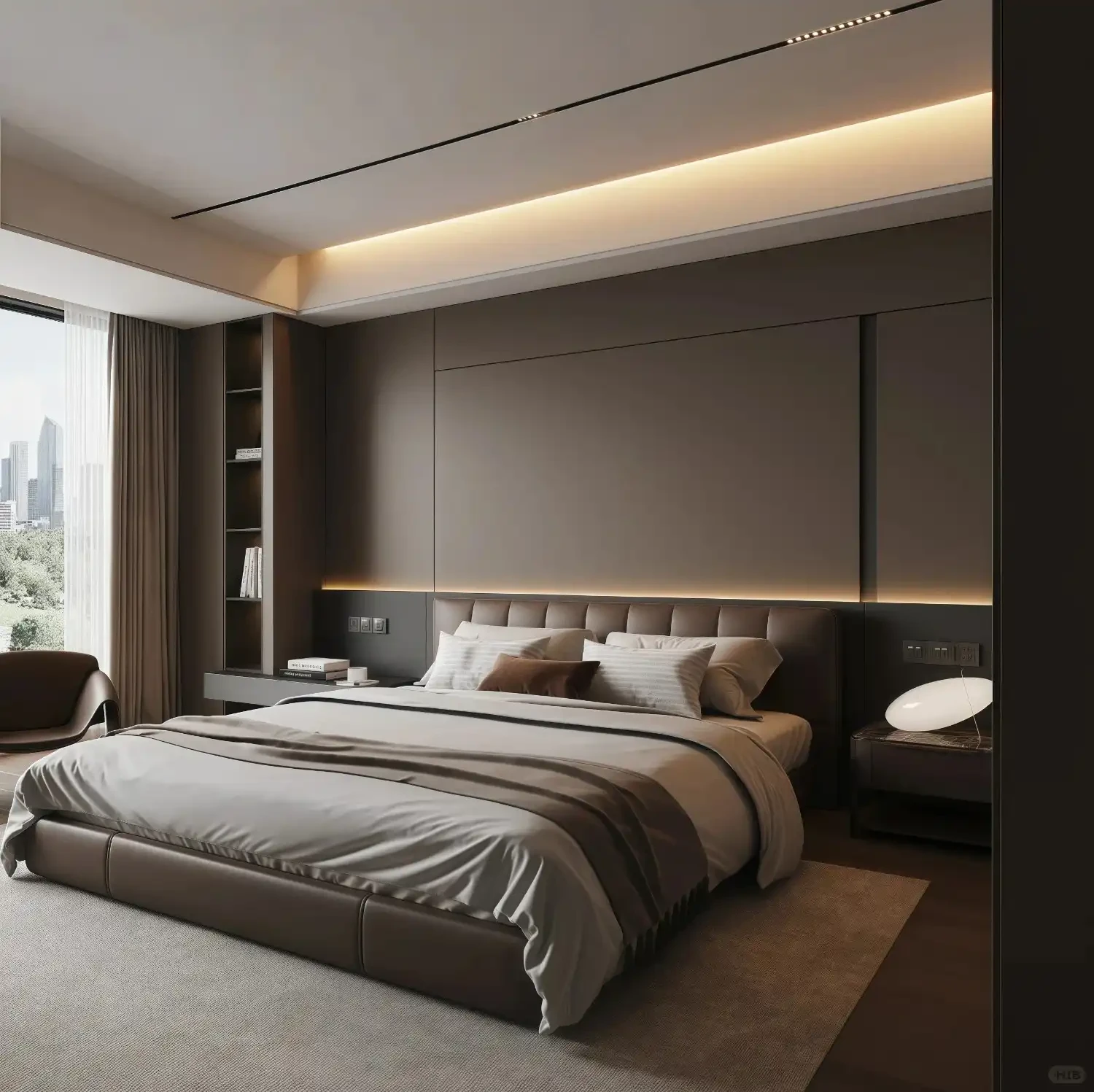
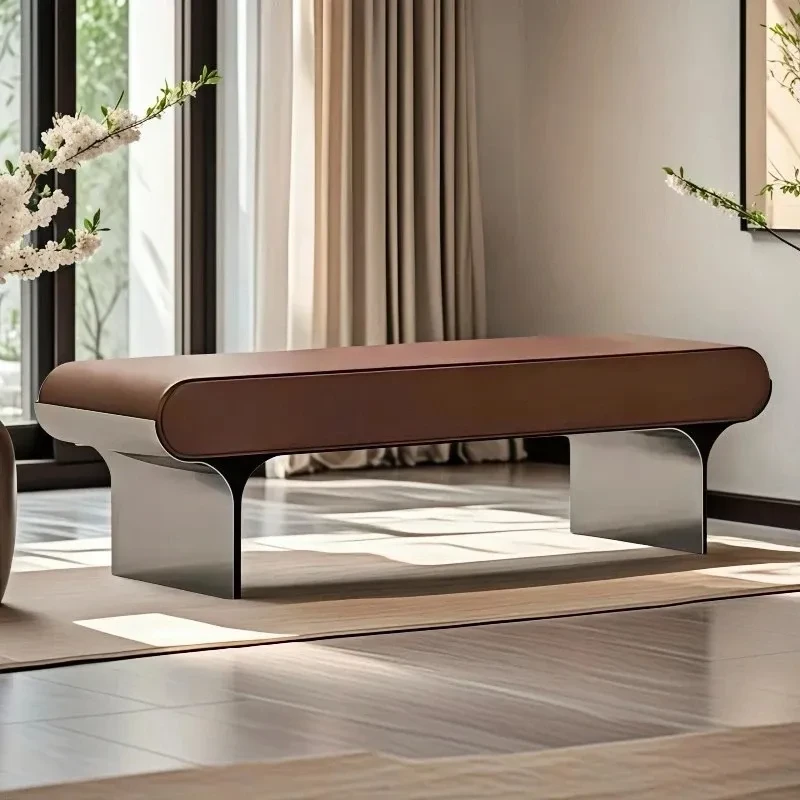
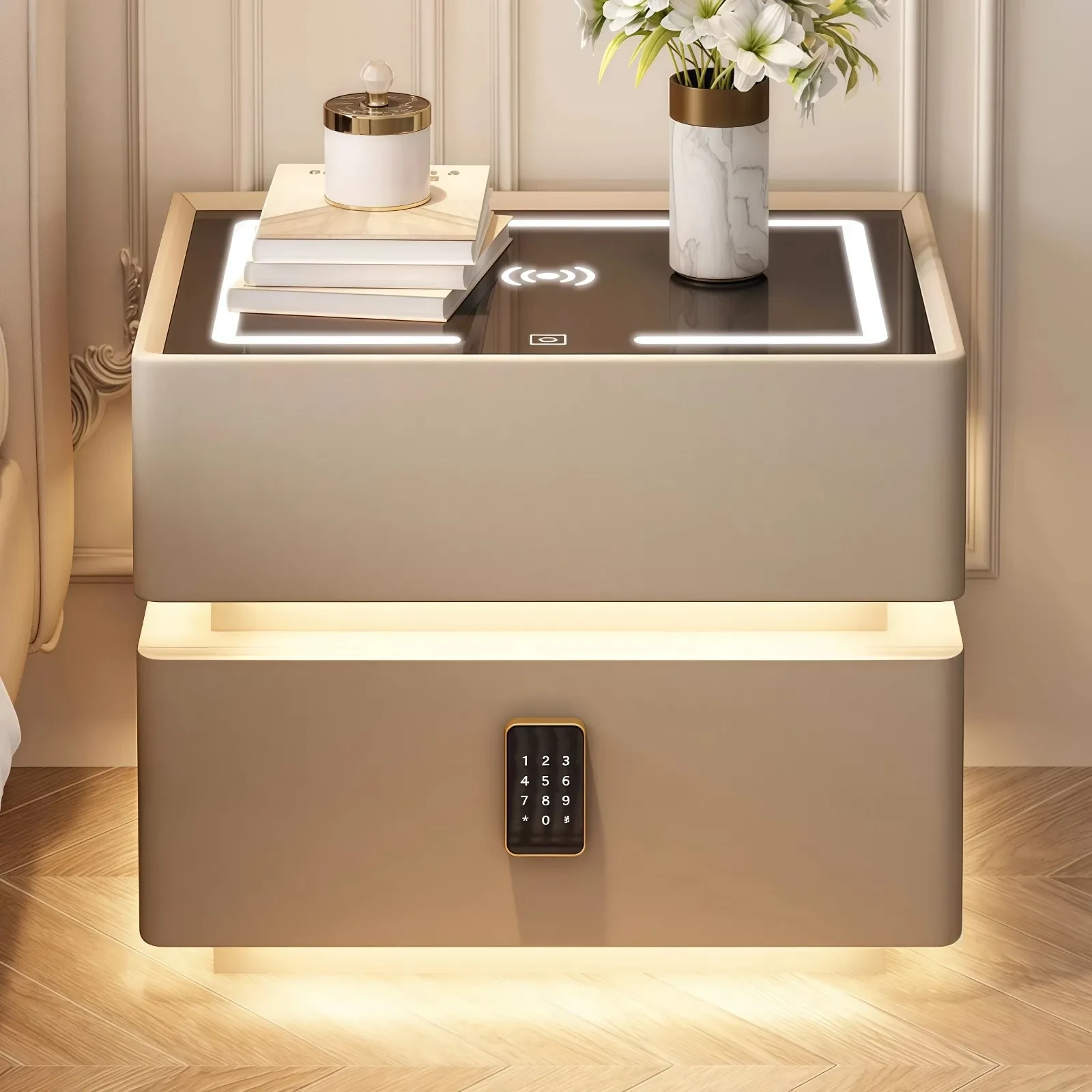
plywood
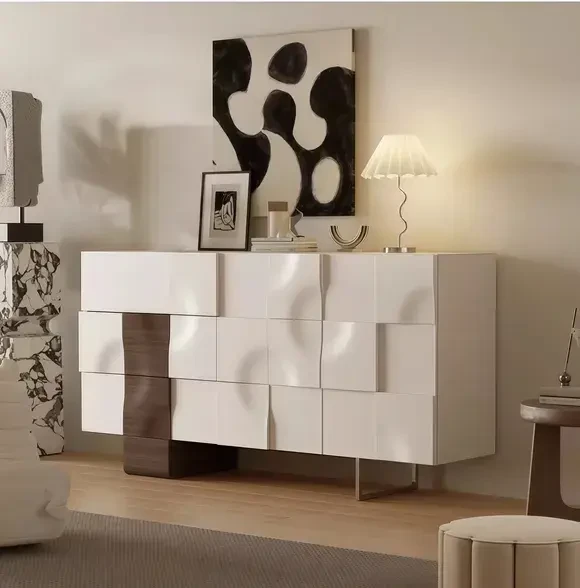
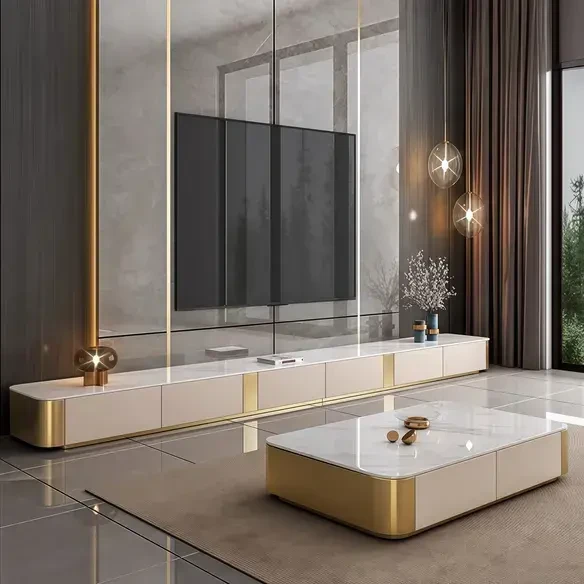
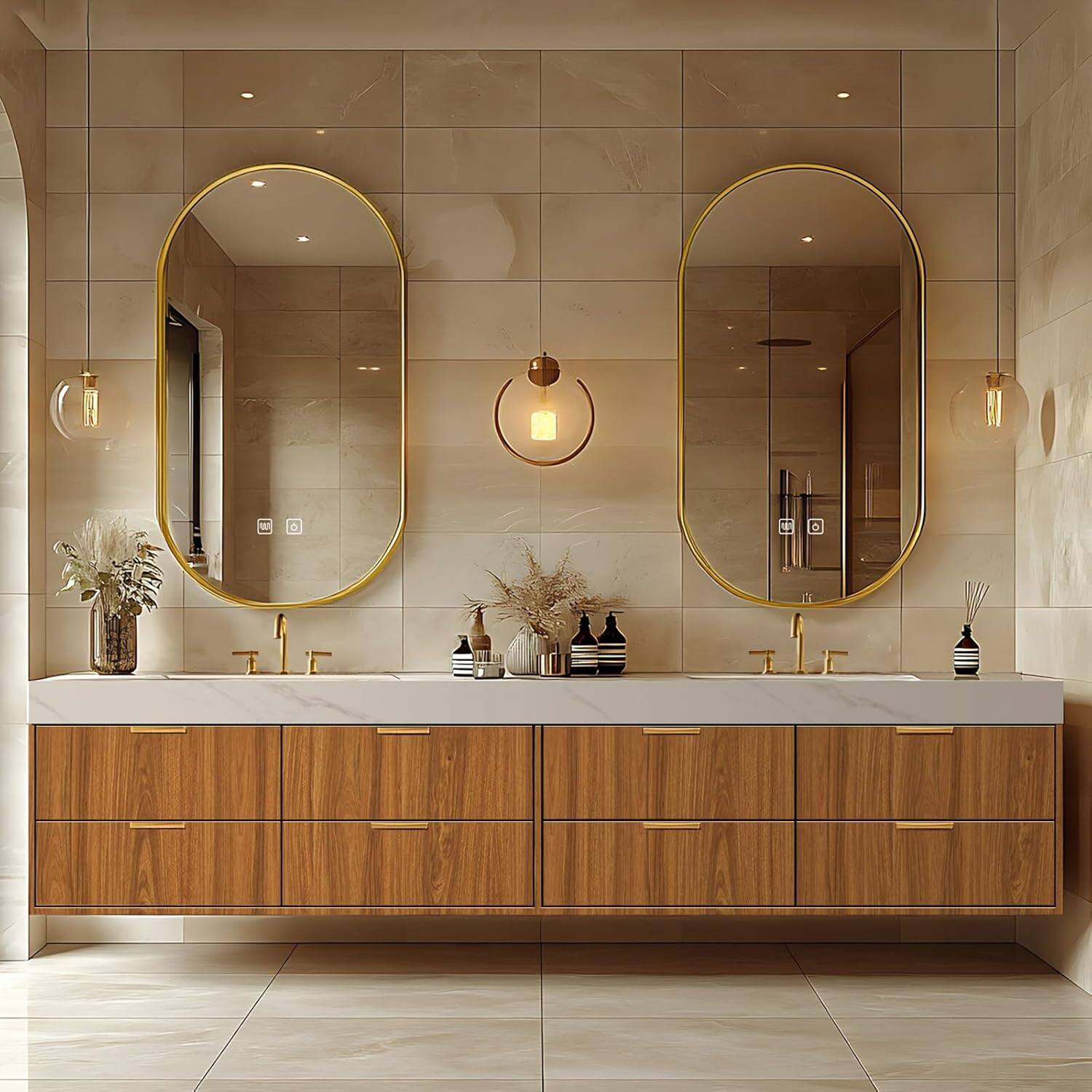
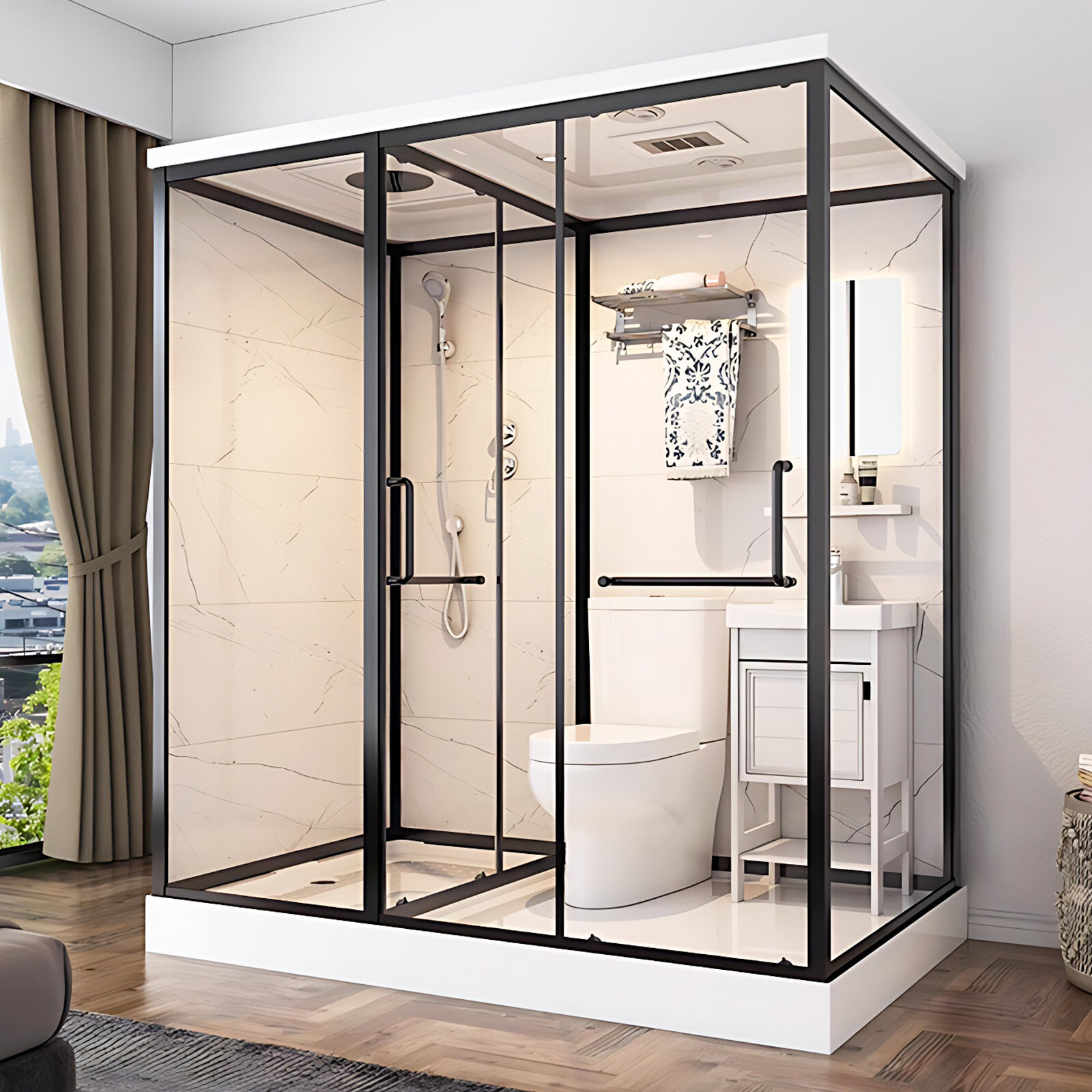
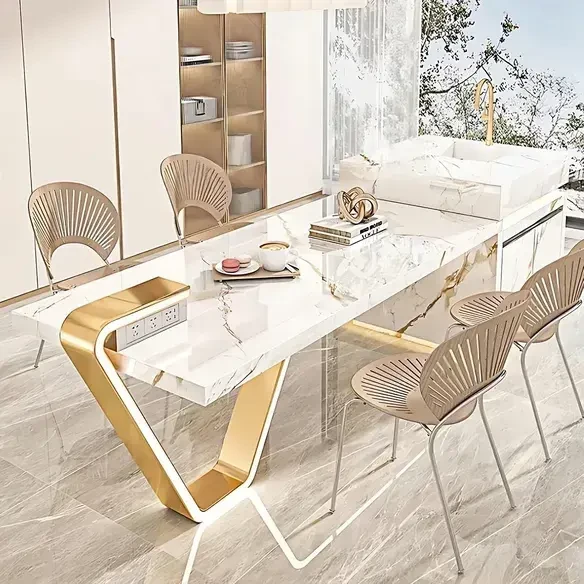
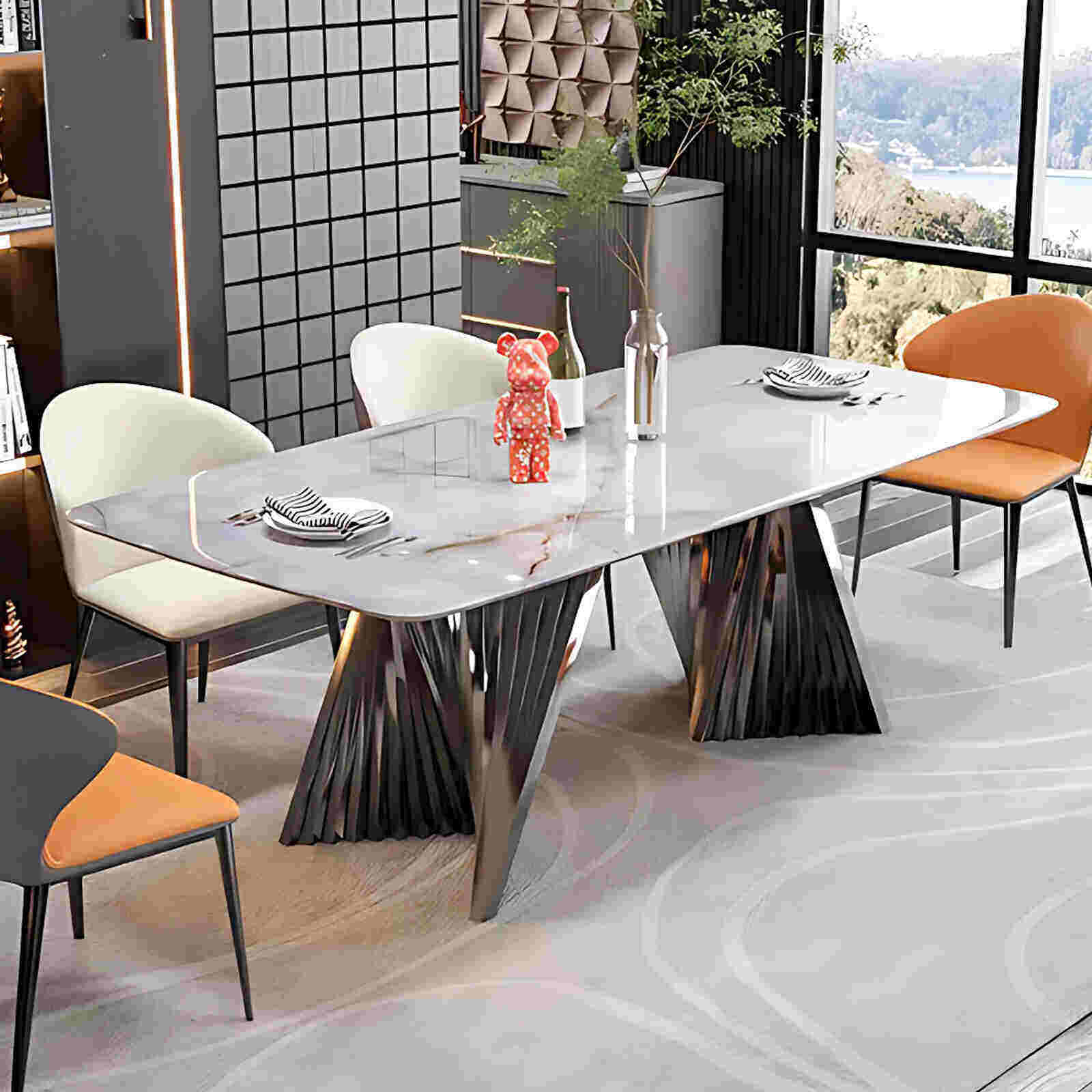
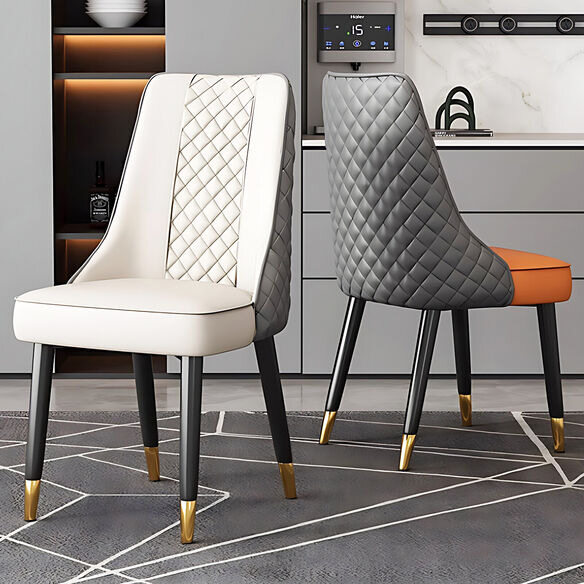
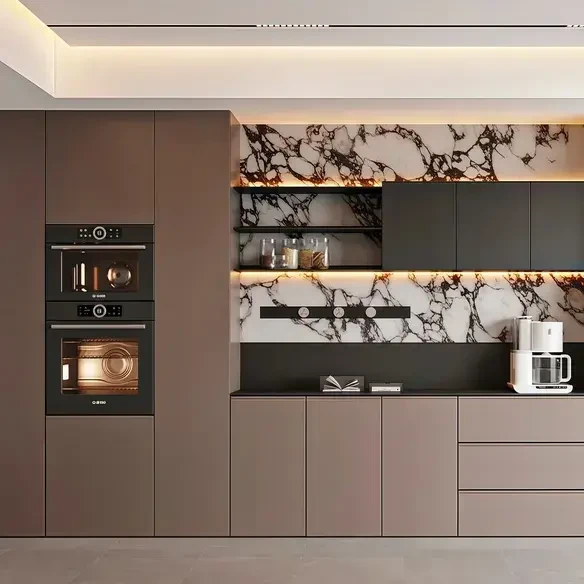
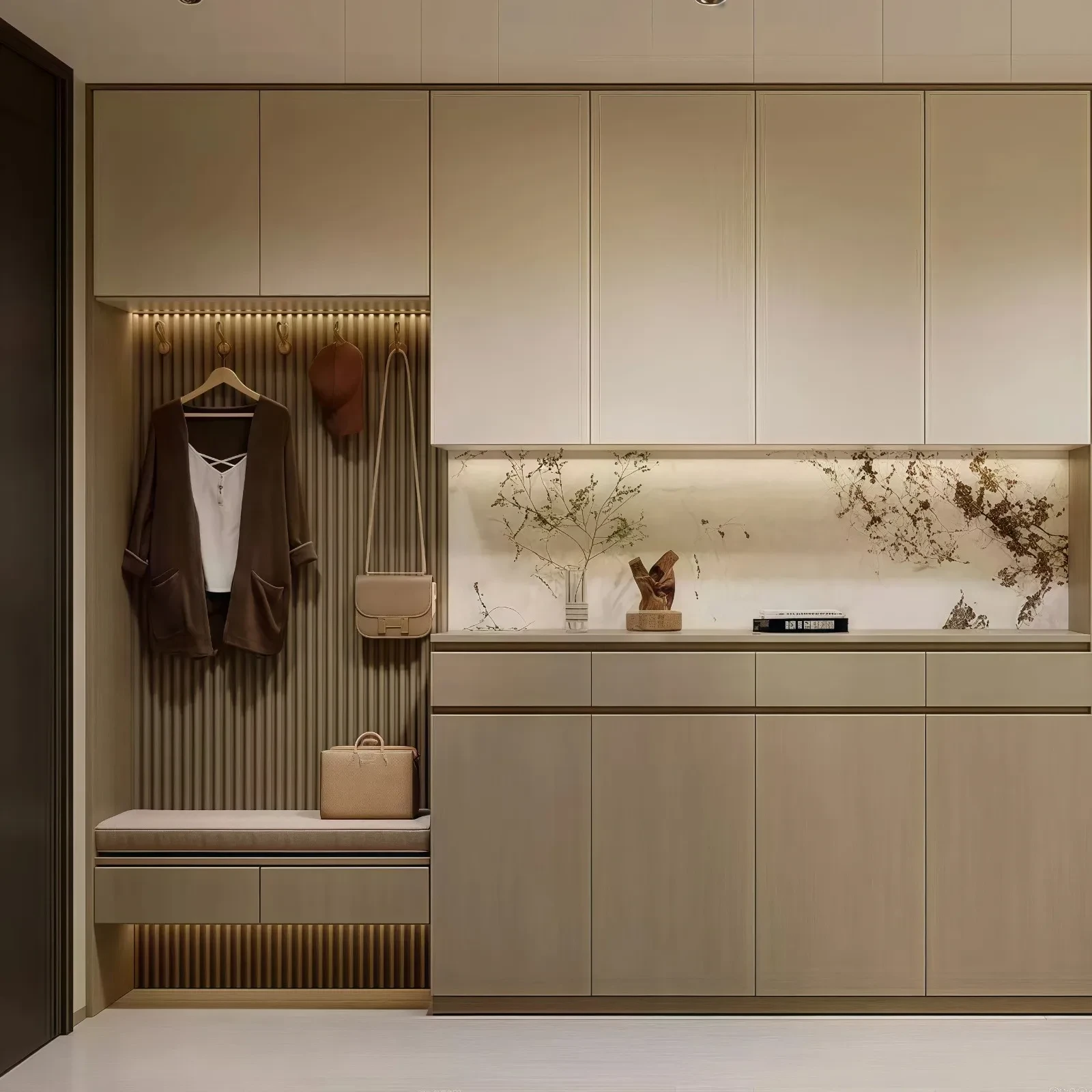
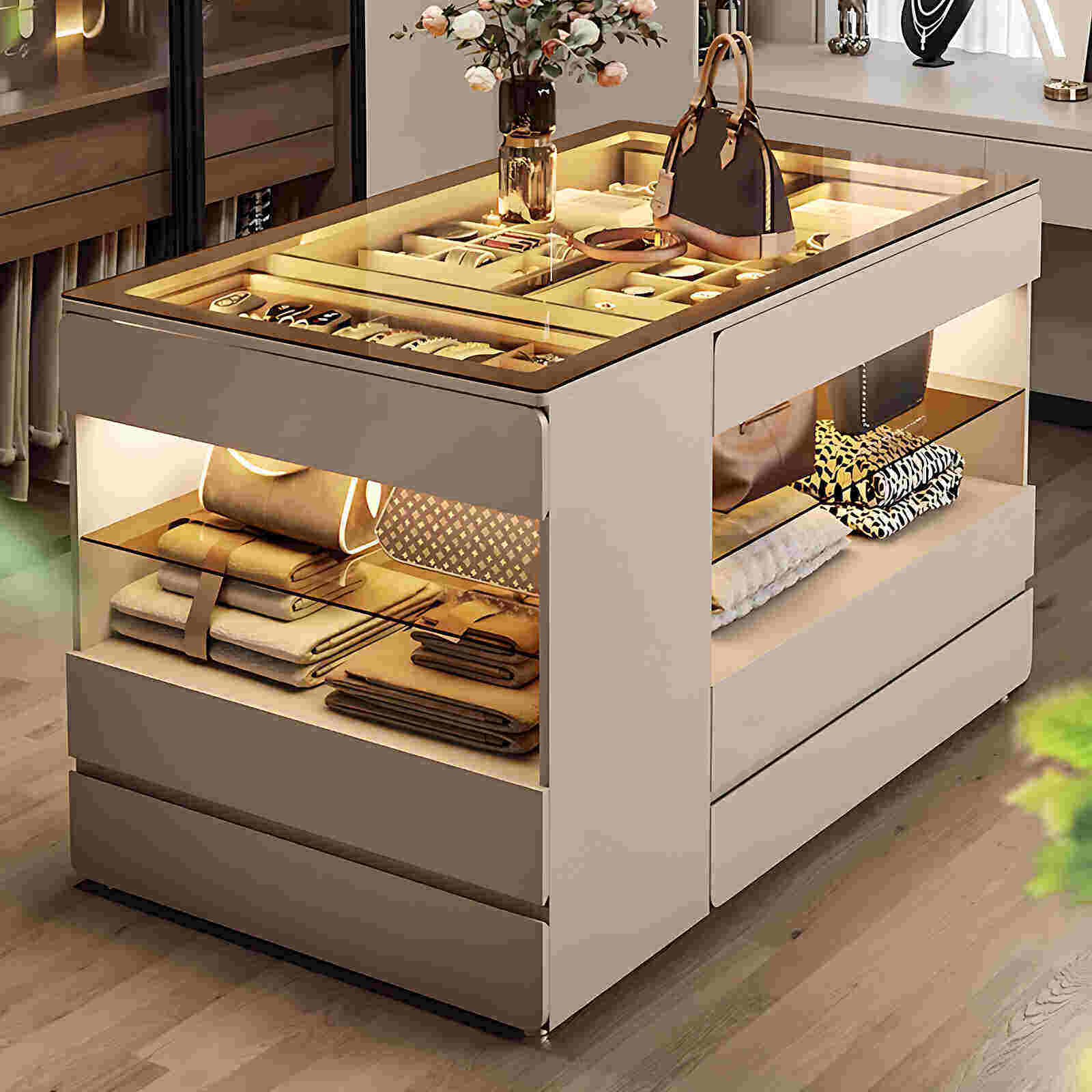
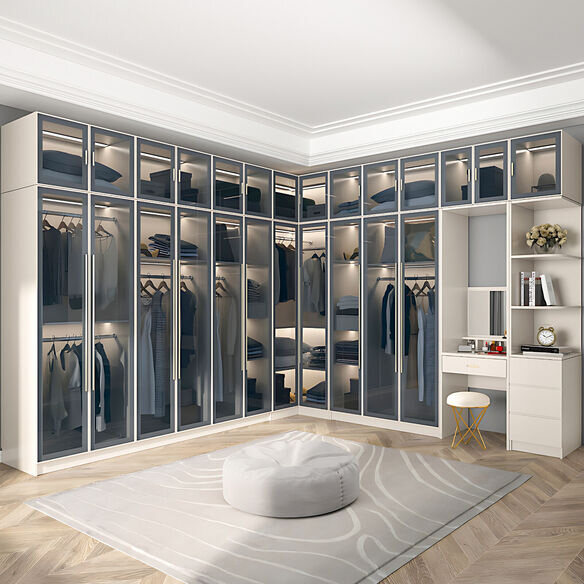
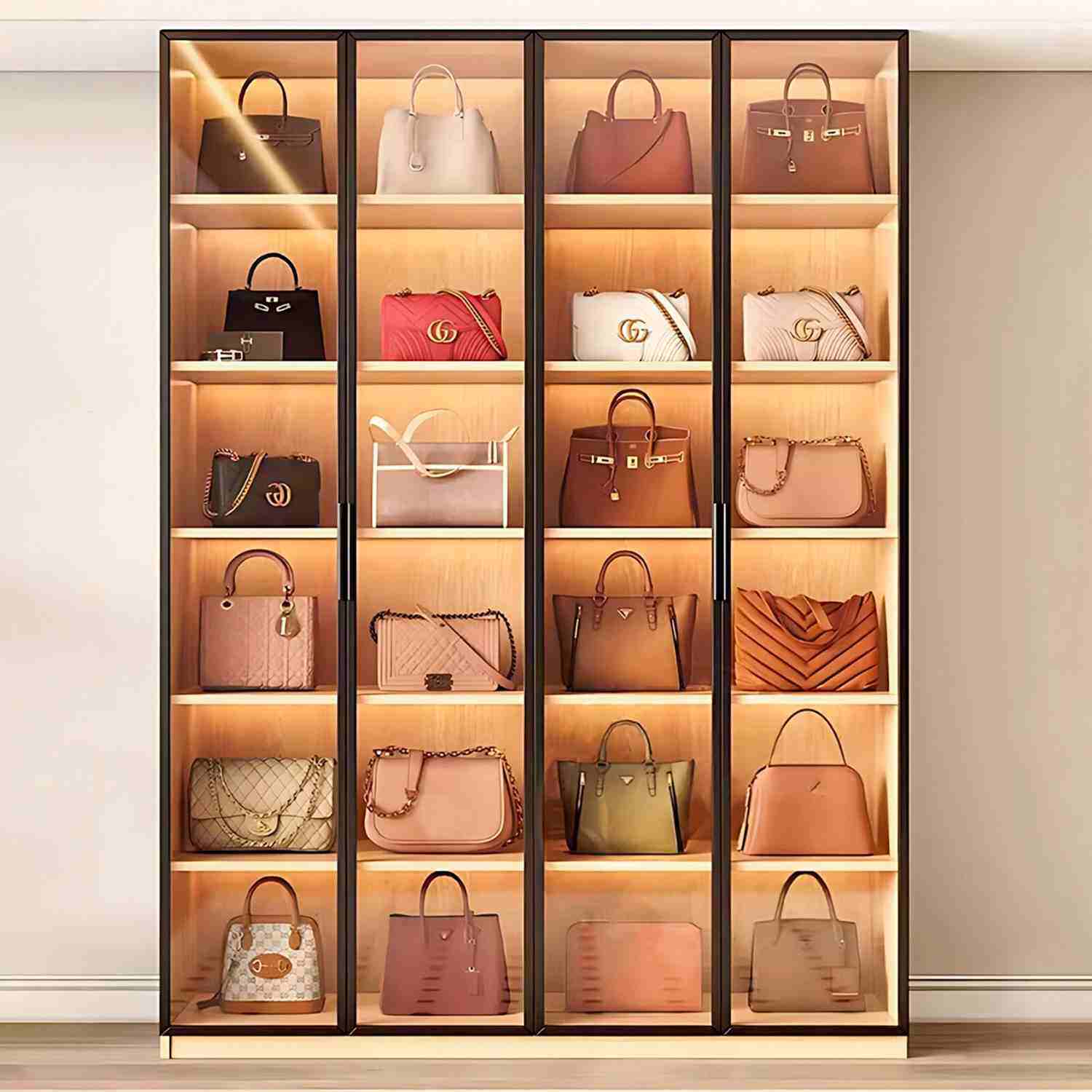
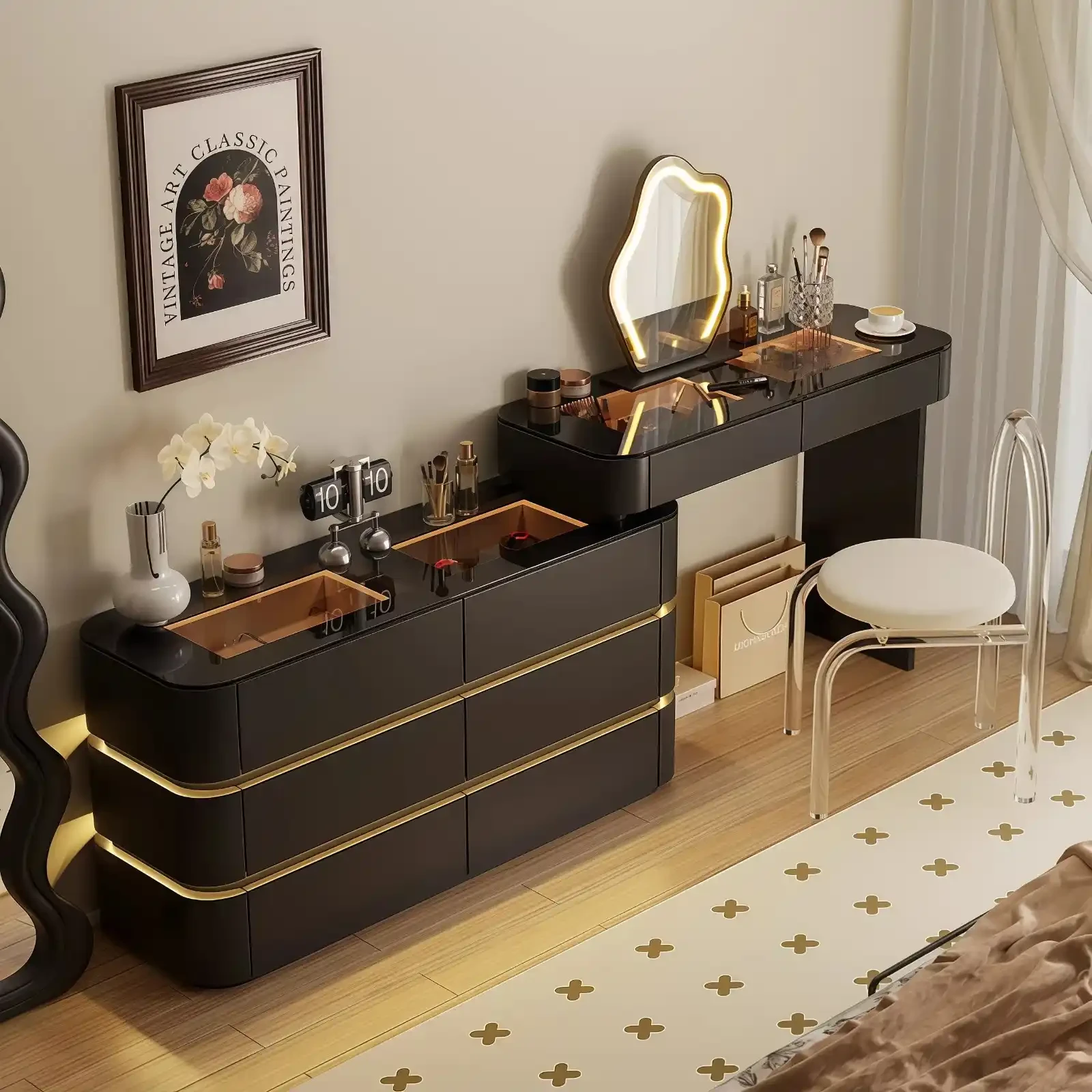
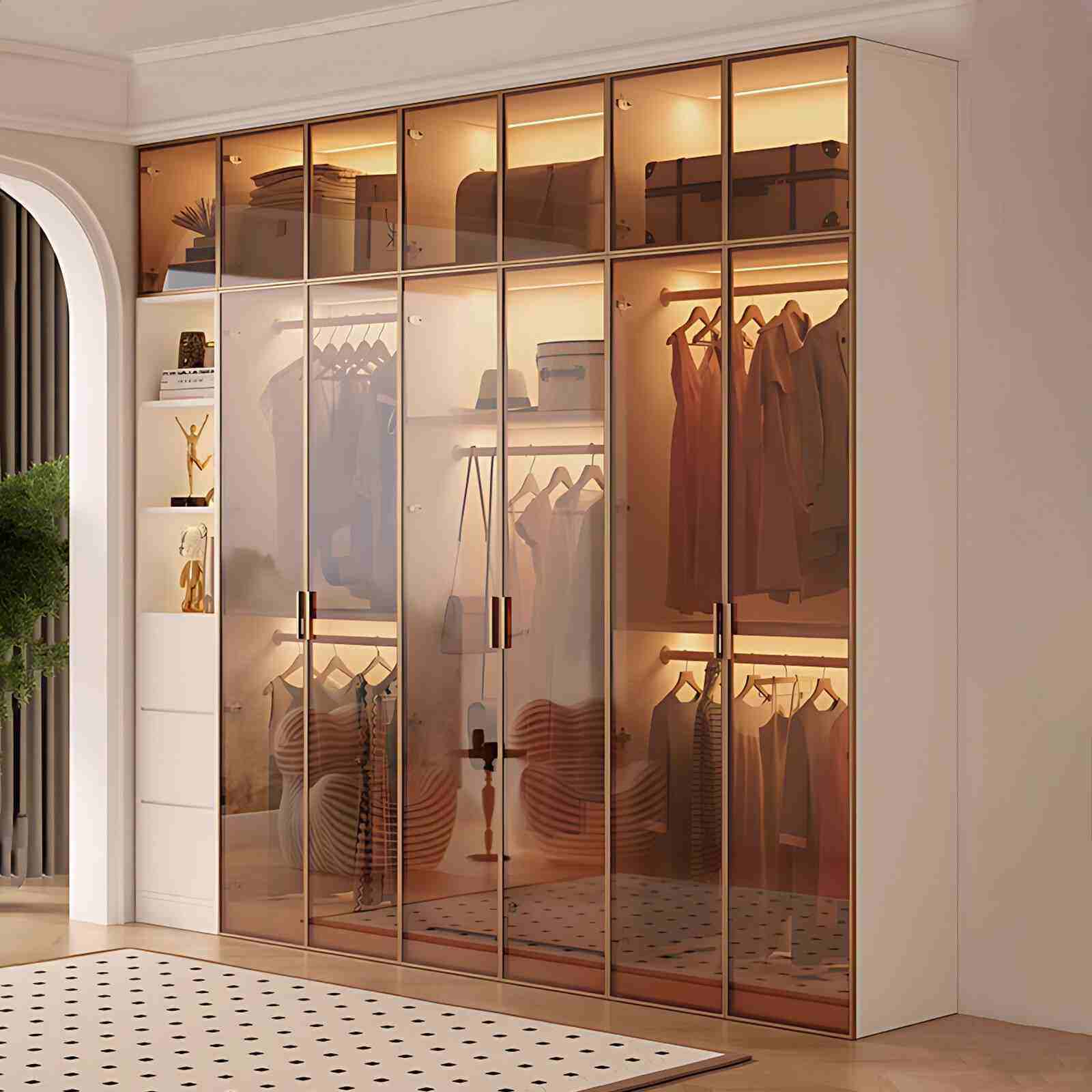
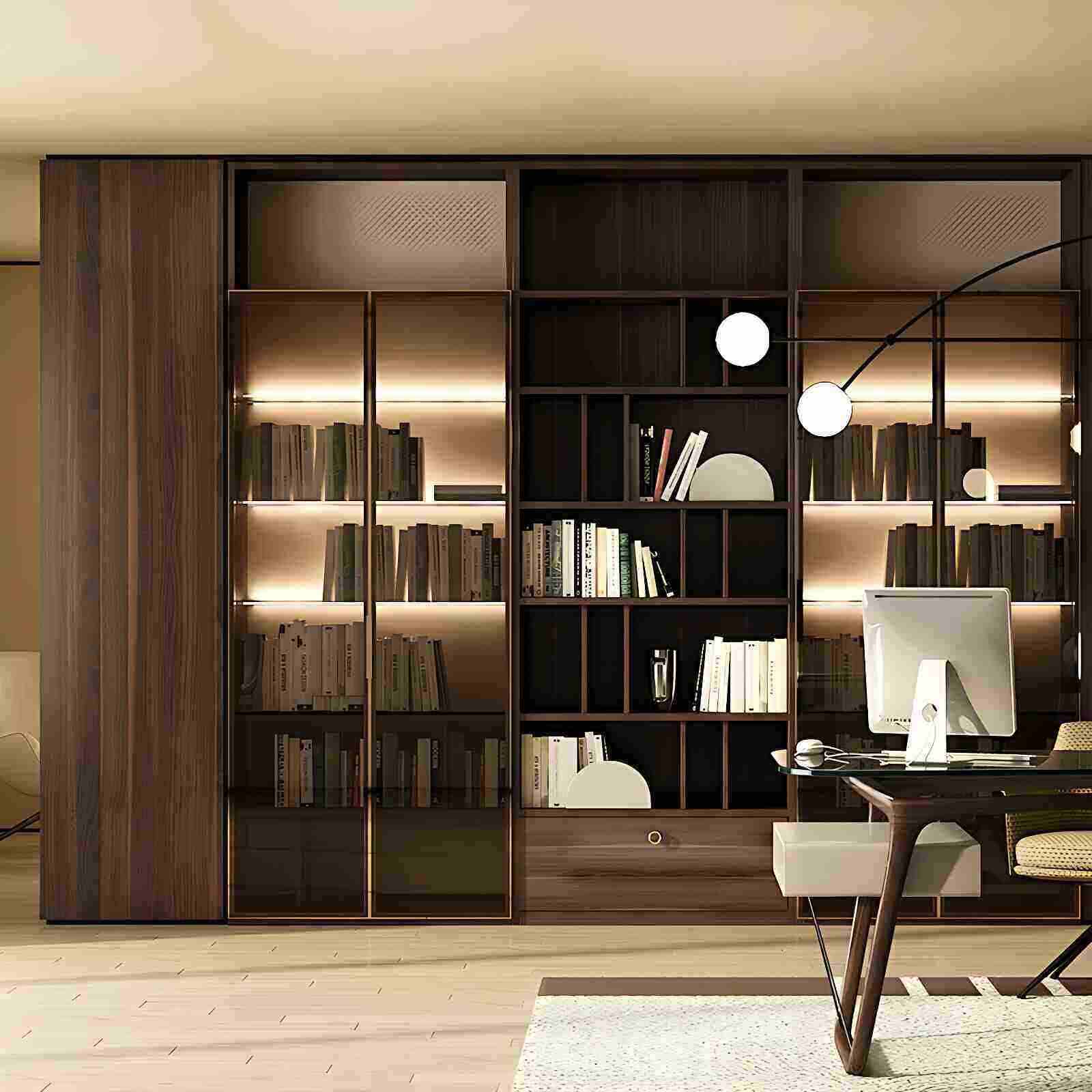
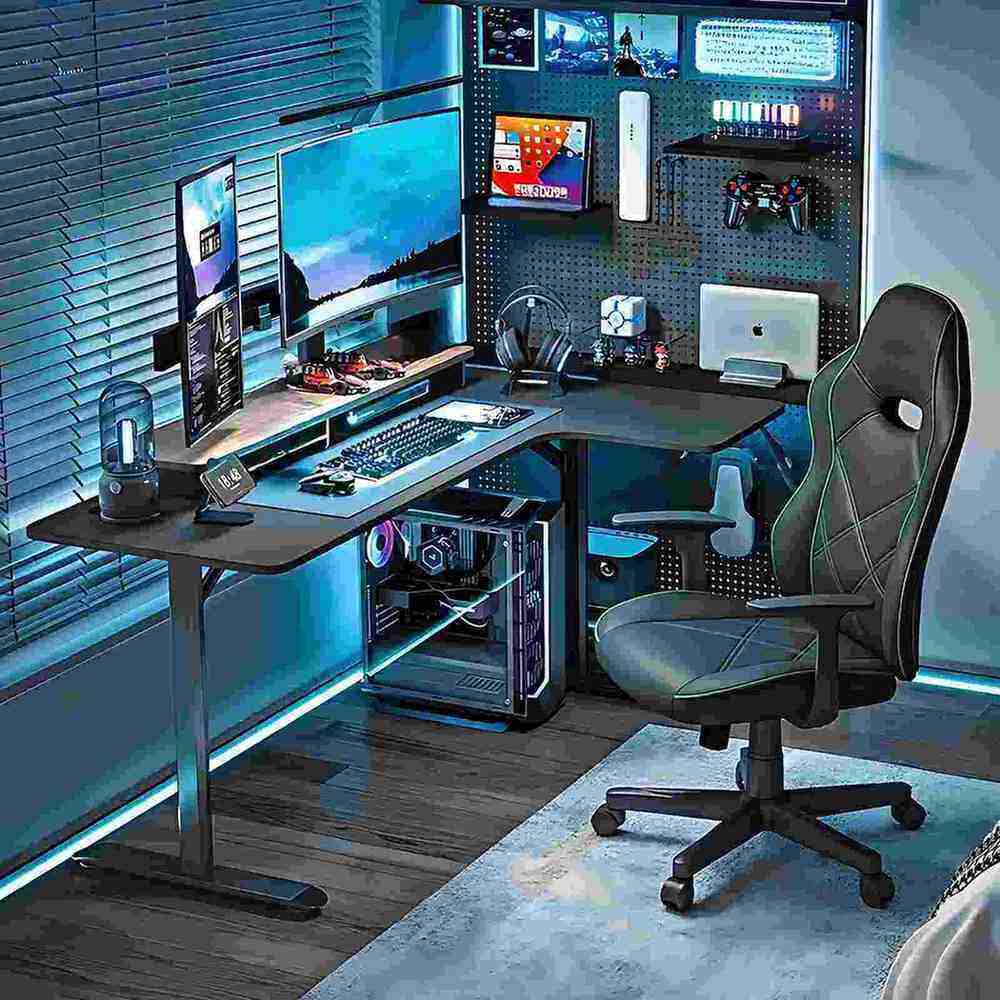
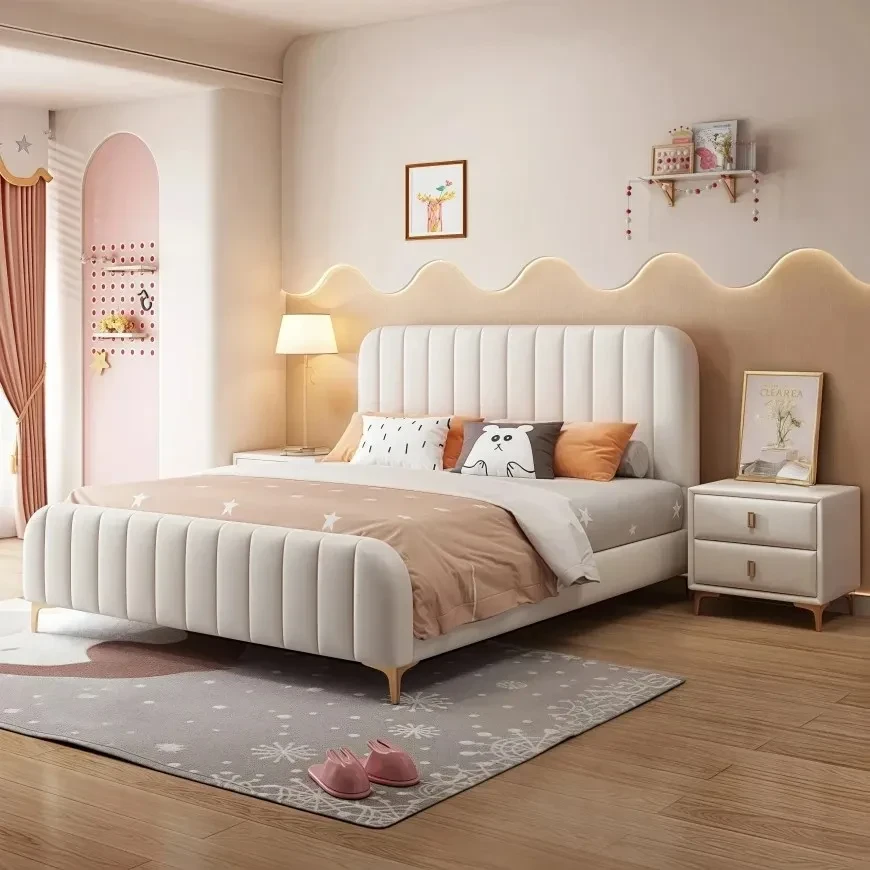
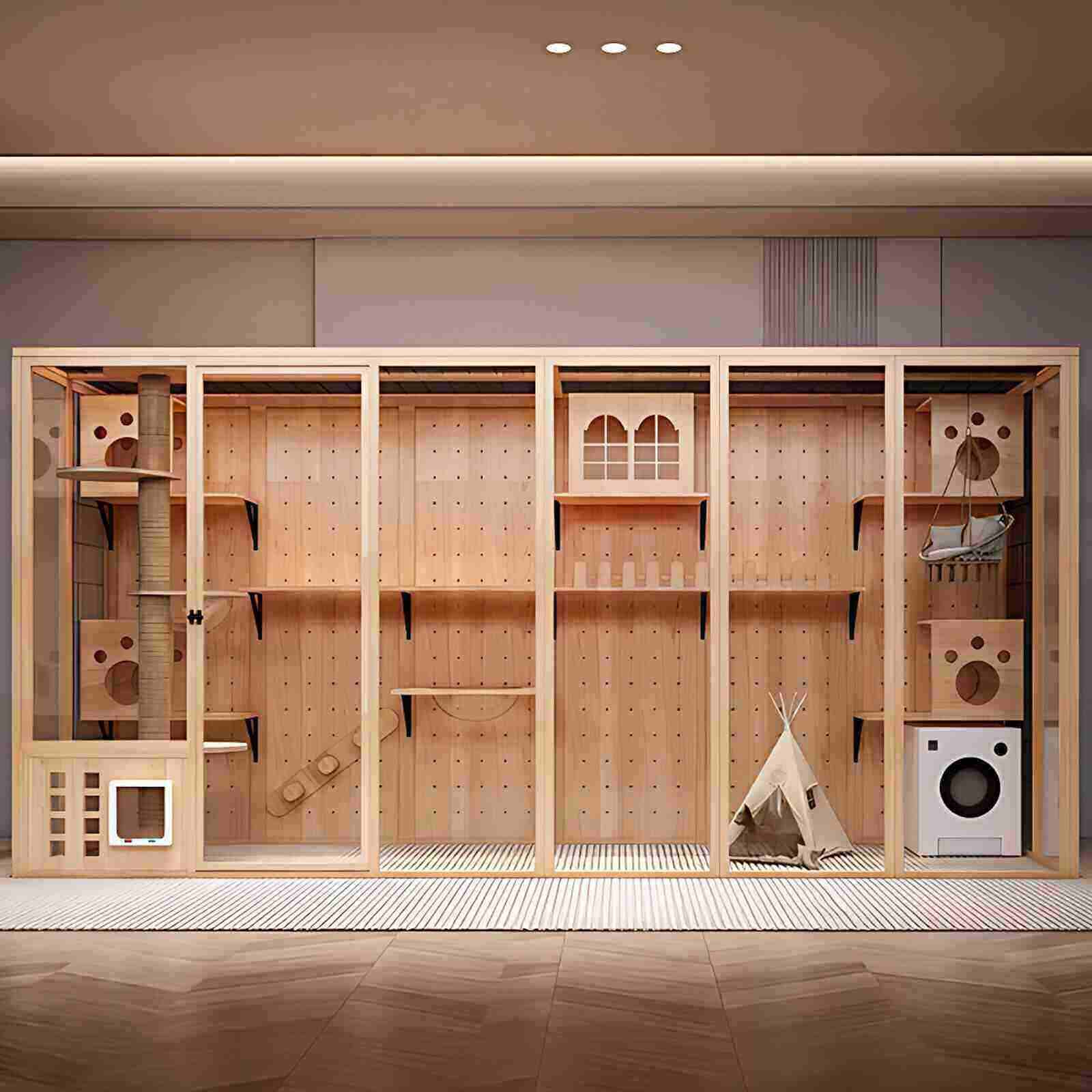
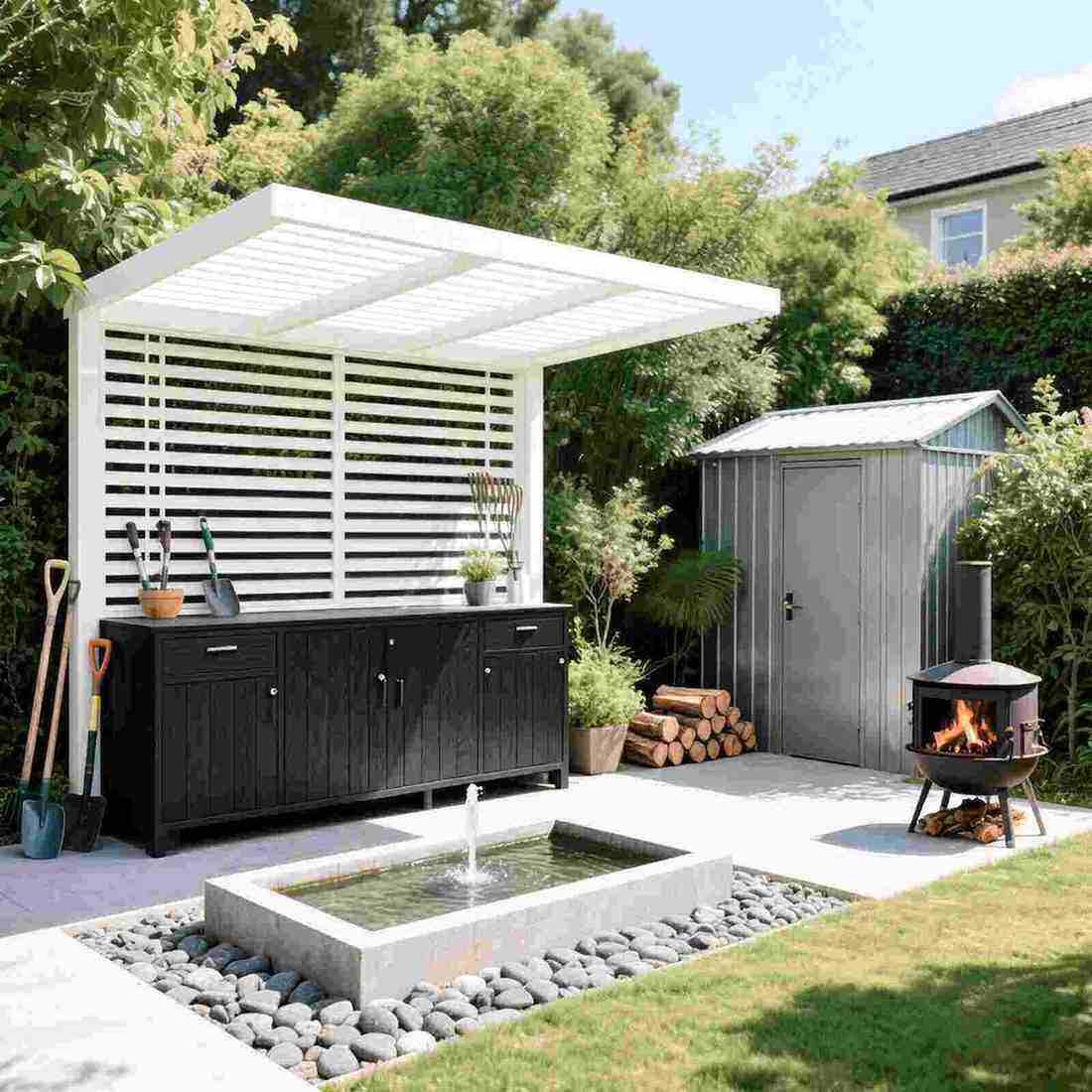
Made from high-quality wild poplar logs from Northeast China, and veneered with sliced osmanthus, this product features stable structure, good flatness, insect and rot resistance, and high static bending strength. It can be widely used in furniture, door panels, door and window frames, wall partitions, ceilings, and other home furnishing and decorative applications.
For others and for yourself
In the late 1990s, during the boom in China's real estate market, the wood-based panel industry ushered in a golden age of rapid growth. The group's predecessor, Dalian Pengfei Wood Industry Co., Ltd., was officially established, and a year later, it was officially renamed Penghong.
(Taken in the late 1990s at Jinzhou Zhongchang Factory in Dalian)
Three months later, the first sheet of board rolled off the production line. It was an ordinary sheet, but what made it extraordinary was that it was the pioneering work created by the entrepreneurs themselves. In a seller's market, they did not unilaterally pursue mass production, but instead deeply embedded "quality" into the product's DNA.
In a factory of less than 1,000 square meters, to address the initial manpower shortage, the current decision-makers went deep into the workshop and personally participated in the board assembly and glue application processes. The smell of glue, the dust flying around... the low barriers to entry in the industry brought them pain, and thus they secretly resolved to make environmentally friendly boards, for others and for themselves.
(Photo taken in early 2006 at the Fuyu production base under construction in Jilin)
In 2002, Penghong was the first company in the industry to produce a truly formaldehyde-free plywood product, and held a press conference in Beijing during the 3.15 Consumer Rights Day period. This was followed by a flood of orders. With the combined strength of "quality" and "environmental protection," Penghong made great strides in expanding its domestic market presence, solidifying its authoritative position in the industry.
In 2007, with the weighty "China Famous Brand" certificate hanging on the wall of honor, plywood, representing the industry's leading wood-based panels, officially became a part of the National Day parade viewing platform and subsequently entered Olympic venues and World Expo venues. In an instant, it became synonymous with plywood in the industry.
Self-product quality standardization
Building advanced factories, purchasing advanced equipment, and producing high-quality products-this was the quality philosophy established from the very beginning.
In September 1999, the company completed its first factory expansion. The new factory at that time was equipped with advanced equipment from Taiwan, costing hundreds of thousands of yuan, which was rare in China; the newly installed sheet metal inkjet printers were only about 100 units in the world.
In 2004, the Group's Product R&D and Testing Center was established. Inheriting the health concept from the very beginning of the company's founding, this provincially qualified testing center has recorded the company's 16 years of tireless efforts on the path to formaldehyde-free wood-based panels.
In 2006, with the trial operation of the production base in Fuyu, Jilin, the adhesive factory was established simultaneously. As an important material for board making, the stability, adhesion, and environmental friendliness of the adhesive are closely related to the quality of the boards. Moreover, independent adhesive production places stringent requirements and standards on the company's strength, research capabilities, production technology, and environmental quality.
As one of the few self-producing enterprises in the industry, we have shouldered the mission of pioneering. In addition to the "three-level storage and six-round sorting" system that raw materials must go through, the high temperature and high pressure dual pressing standard, directional sanding process, infrared panel re-inspection and other procedures are also escorting us forward on the road to safeguarding the "quality of self-produced products".
Excellent craftsmanship comparable to engineered wood
As a structural material, plywood was once mostly used as a base layer in decoration, and no one paid attention to its appearance. In 1998, after only one year in the industry, I took on the responsibility of improving plywood.
To achieve a more aesthetically pleasing veneer finish, one must first focus on the core structure of the plywood. The application of automated equipment ensures that the plywood strips are of equal width and spacing, with visible lines on all four sides, thus structurally determining the flatness of the board.
To address common industry issues such as glue seepage and poor aesthetics, entrepreneurs compared and selected several options, ultimately choosing Osmanthus fragrans, known for its natural and flowing grain, elegant and stable color, and resilient wood fibers. With a 60-mil Osmanthus fragrans veneer and a 240# textured surface layer, the natural grain, dense fibers, and stable glue absorption significantly enhance the aesthetics of the plywood, making its overall effect comparable to engineered wood.
Meanwhile, the combination of osmanthus veneer and poplar core board creates a strong fusion of wood properties, and the symmetrical assembly structure effectively prevents warping and deformation of the boards. In that era, furniture made from plywood could be used directly after painting, and its natural solid wood effect was widely imitated in the market and continues to be used today.
As times have evolved and the range of wood-based panels has become increasingly diverse, the golden age of plywood has not faded. It continues to play a vital role in basic engineering construction and solid wood veneer decoration. Throughout the development of wood-based panels, the high starting point, high standards, and high quality of plywood have paved a path for the company's continued growth and progress.