
 USD
USD GBP
GBP
 EUR
EUR





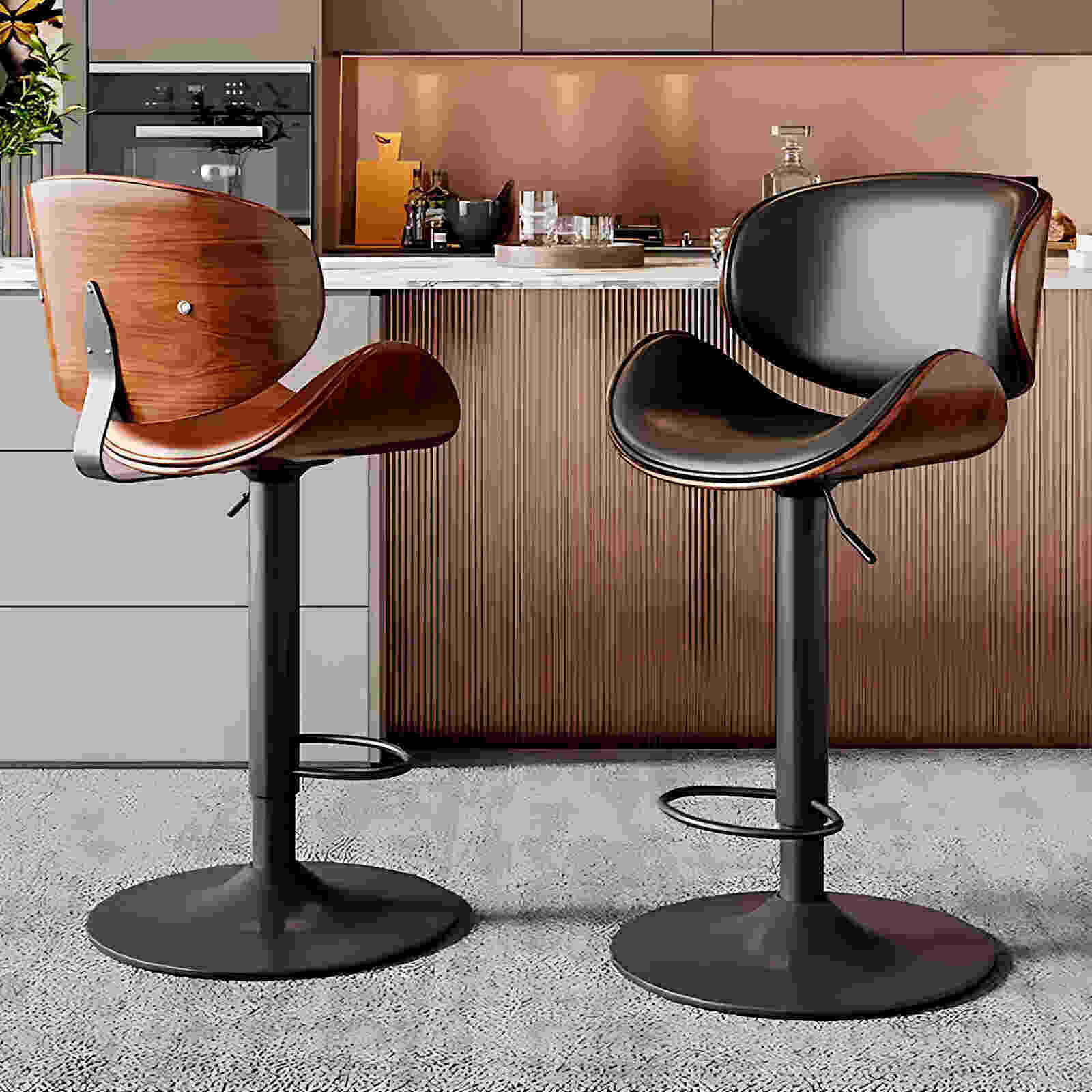



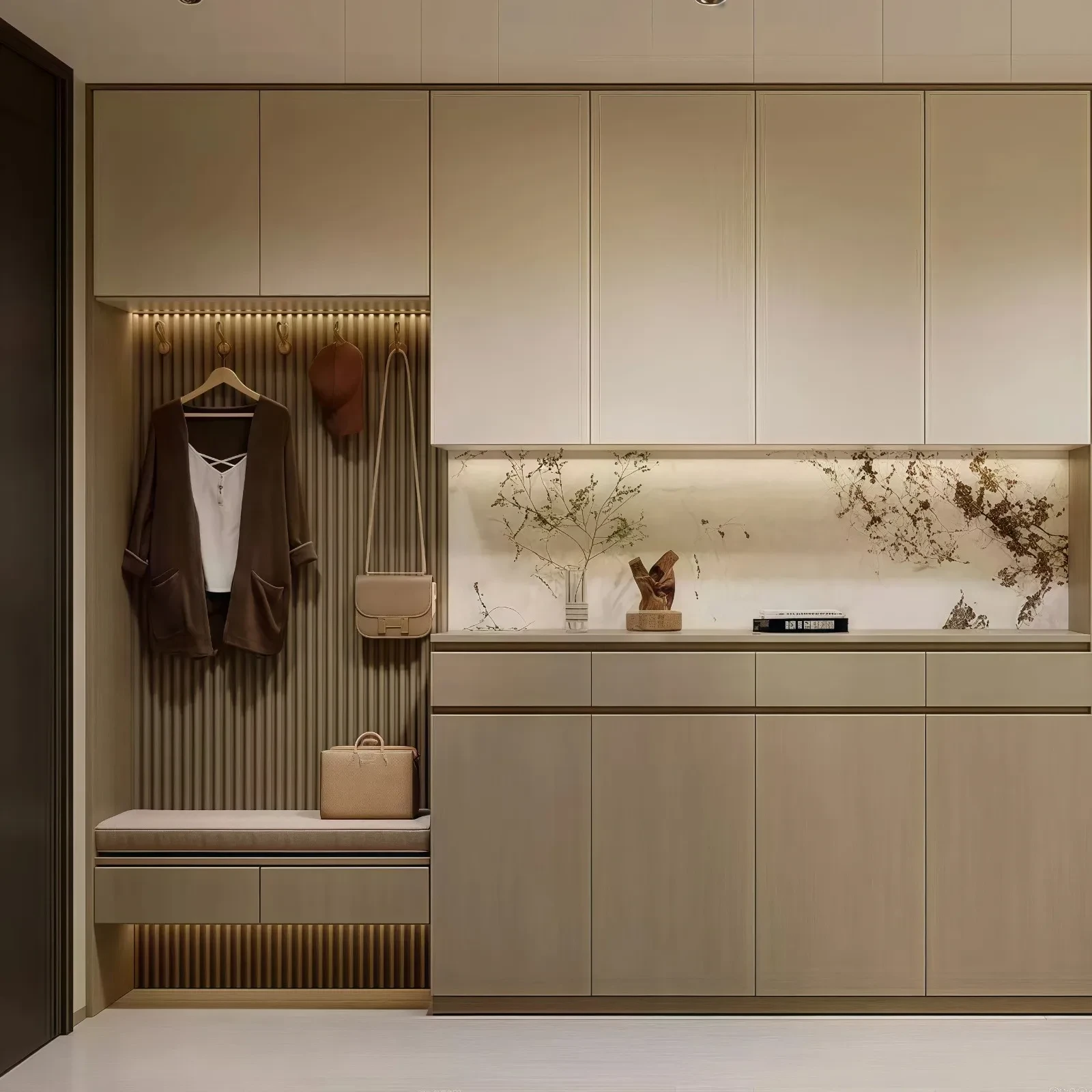







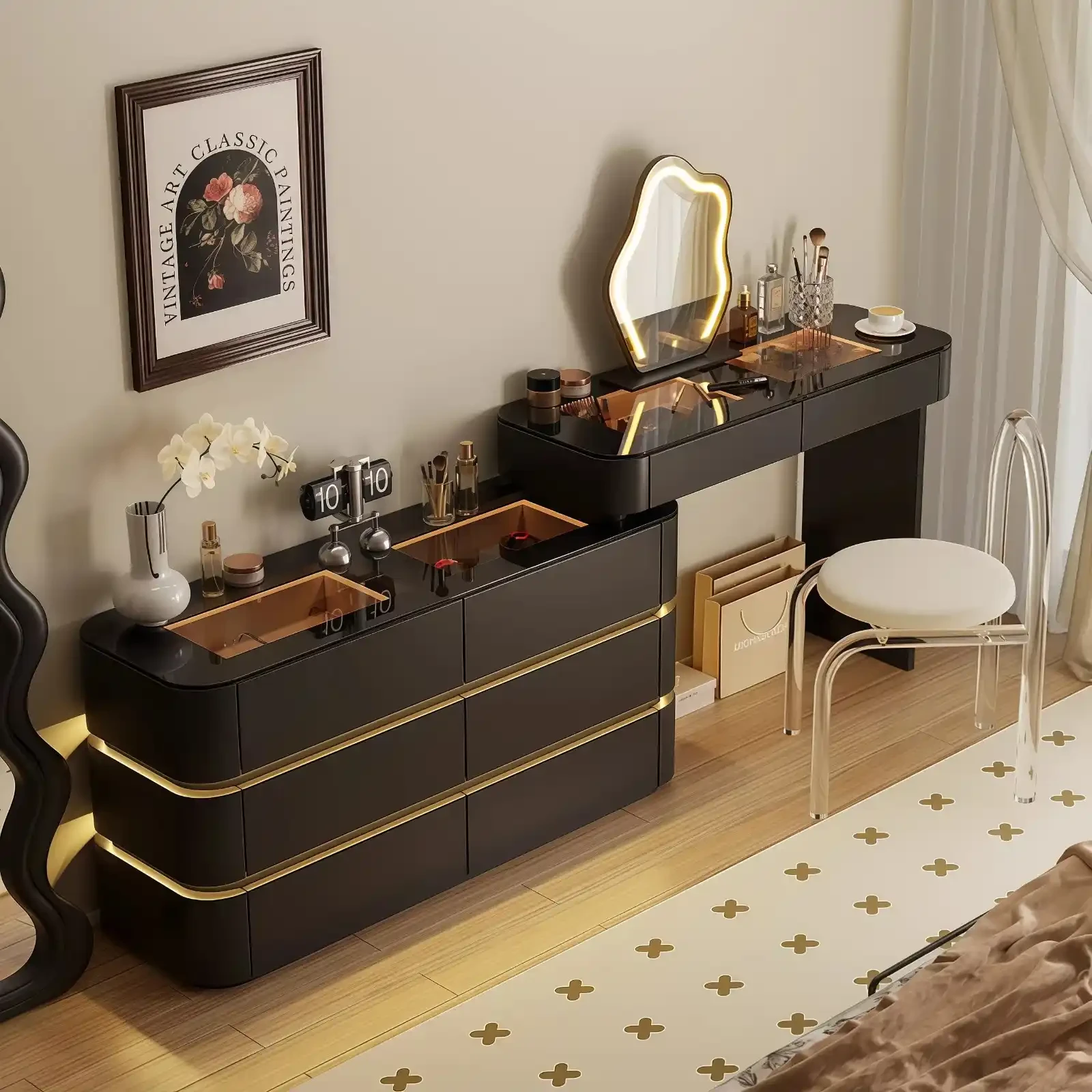



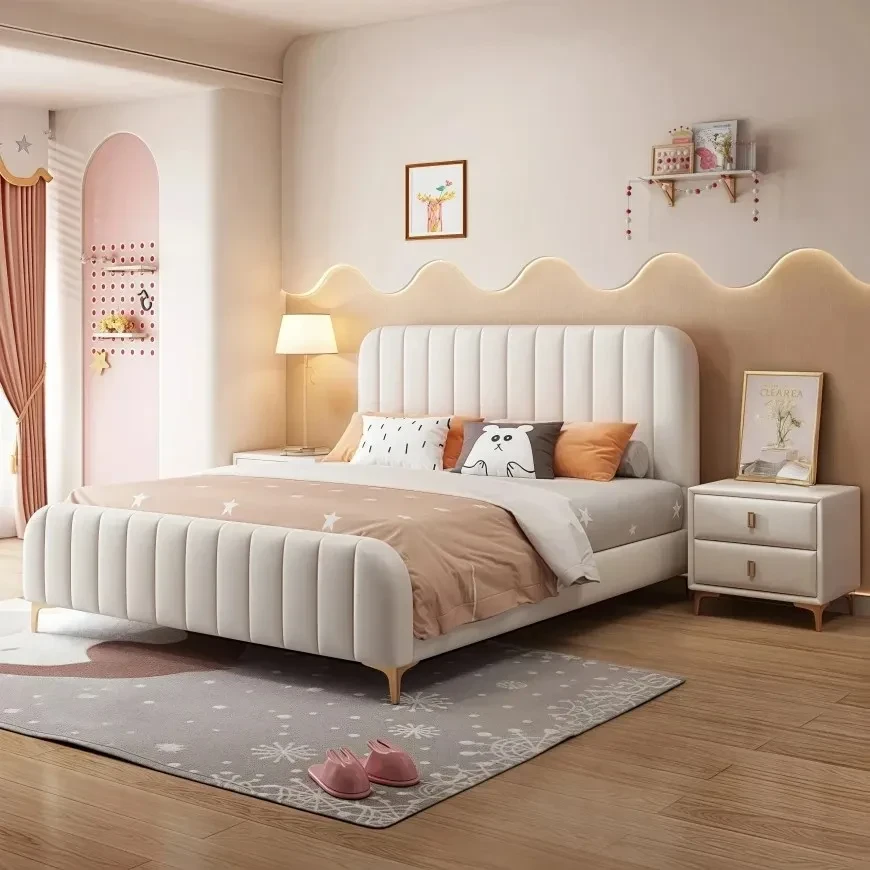


Looking back on those months of renovation, it feels like watching TV through a glass window-a kind of unreal experience. A busy drama has come to an end, but what we didn't know was that the story was just beginning the moment we pushed open the door to our new home...
Stepping into your new home, you look around, and as the initial excitement fades, a distinct, albeit faint, odor begins to permeate your nostrils. At this moment, you frown, pinch your nose, and can't help but complain, "This formaldehyde smell is really strong!"
Does the scene above look familiar? But why do we conclude that this pungent odor is caused by formaldehyde?
First, let's correct a misconception: a pungent odor from a newly renovated home or newly purchased furniture does not necessarily mean that the formaldehyde content is too high. Formaldehyde itself is colorless and odorless; the "new home smell" we perceive is mainly due to TVOCs (Total Volatile Organic Compounds). TVOCs primarily consist of benzene compounds, organochlorides, amines, alcohols, ethers, esters, acids, and petroleum hydrocarbons. A large portion of the odors we smell after renovations originate from TVOCs. If the pungent odor is solely caused by formaldehyde, then it indicates that the indoor formaldehyde content is already severely excessive.
How exactly did TOVC (Topic Acid) quietly infiltrate our lives?
With the rise of modern chemical, pharmaceutical, and spraying industries, TVOCs frequently enter homes even without renovations. TVOCs may be found in combustible materials such as natural gas and fuels, as well as in fumes from daily life activities like smoking, heating, and cooking, but their overall proportion is relatively small.
In interior decoration, TVOCs mainly come from paints, coatings, and adhesives. Therefore, sofas, leather, wood panels, and paints in our homes can all be hiding places for TVOCs. Even cosmetics and cleaning agents used in daily life are "silently" contributing to the indoor TVOC content.
How to avoid indoor air pollution from home renovations?
Faced with this health hazard, less well-known than formaldehyde but ubiquitous, how should we deal with it? From our perspective, to avoid indoor TVOC pollution, we should do the following:
1. Control the source and select environmentally friendly materials.
Try to avoid or minimize the selection of cabinets and furniture made from boards with excessive formaldehyde or low-quality materials. If you are ordering custom-made furniture, be sure to understand the basic materials beforehand and do not buy and use inferior decoration materials just to save money.
2. Keep the decoration simple to avoid the accumulation of pollution caused by excessive decoration.
In addition to purchasing qualified and environmentally friendly products as much as possible during home renovation, it is also important to avoid excessive decoration. Using too many decoration materials indoors can put pressure on the indoor environment and lead to home decoration pollution.
3. Keep windows open for ventilation
According to relevant reports, the pass rate for renovated homes within one month of completion is 48.7%; within three months, it's 64.1%; within six months, it's 66.7%; and within one year, it's 72.2%. This means that the longer the ventilation period, the higher the pass rate. Therefore, don't rush to move in after renovation.
After reading this, you should have a deeper understanding of the "smell of a new home." Renovation pollution itself isn't scary; what's scary is our lack of clear understanding and preventative measures.