
 USD
USD GBP
GBP
 EUR
EUR
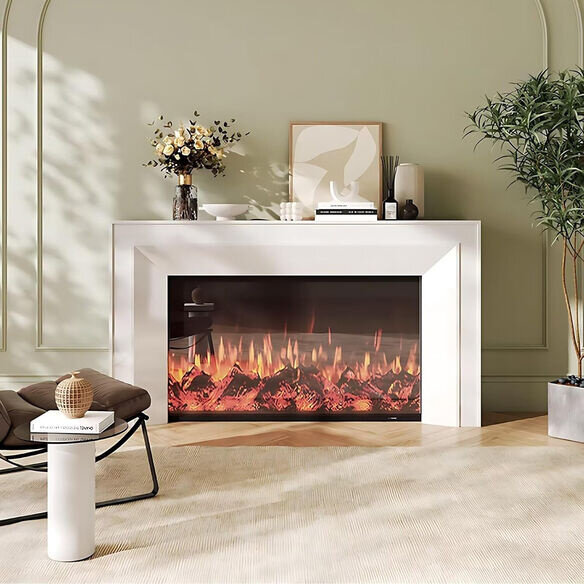
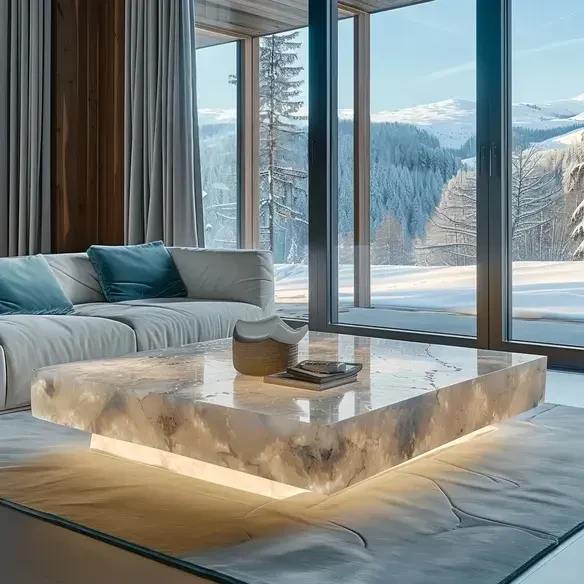
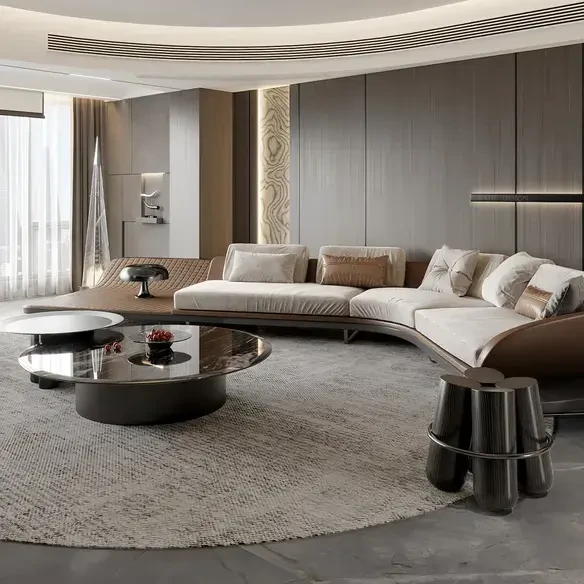
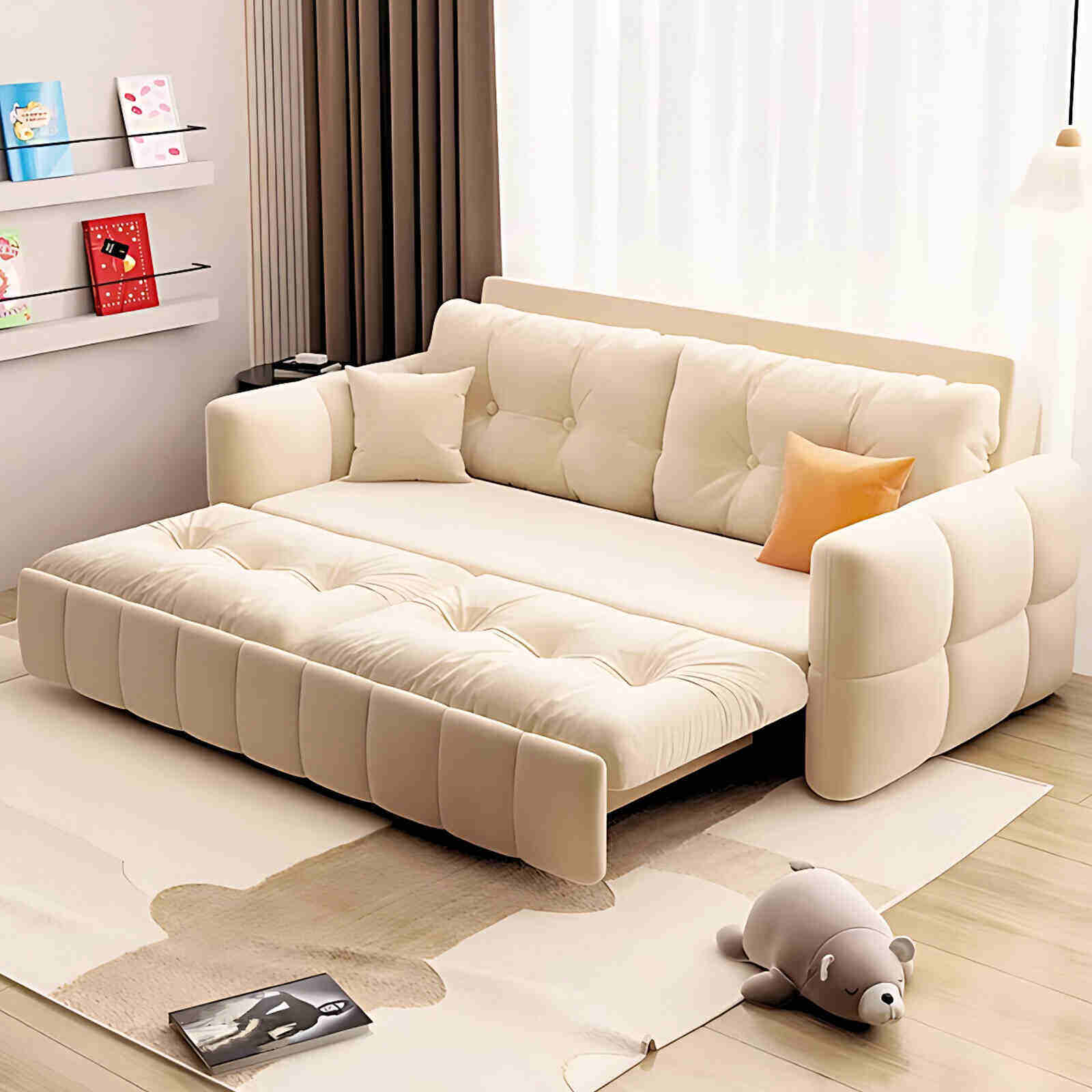
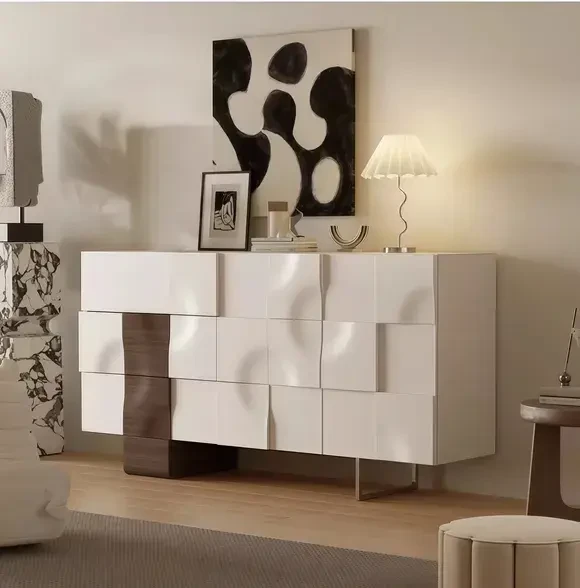
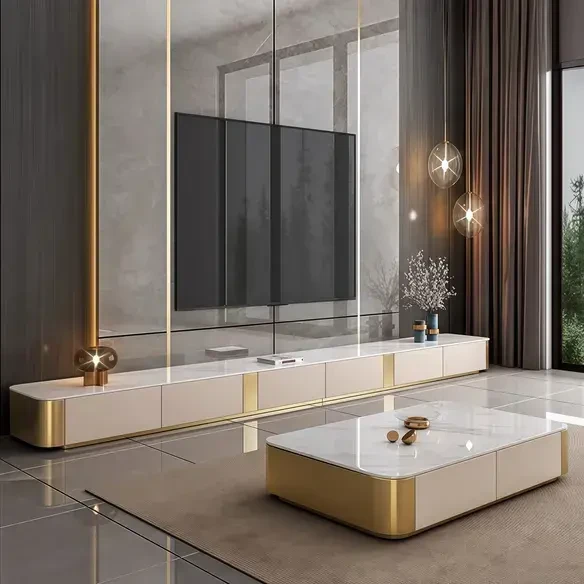
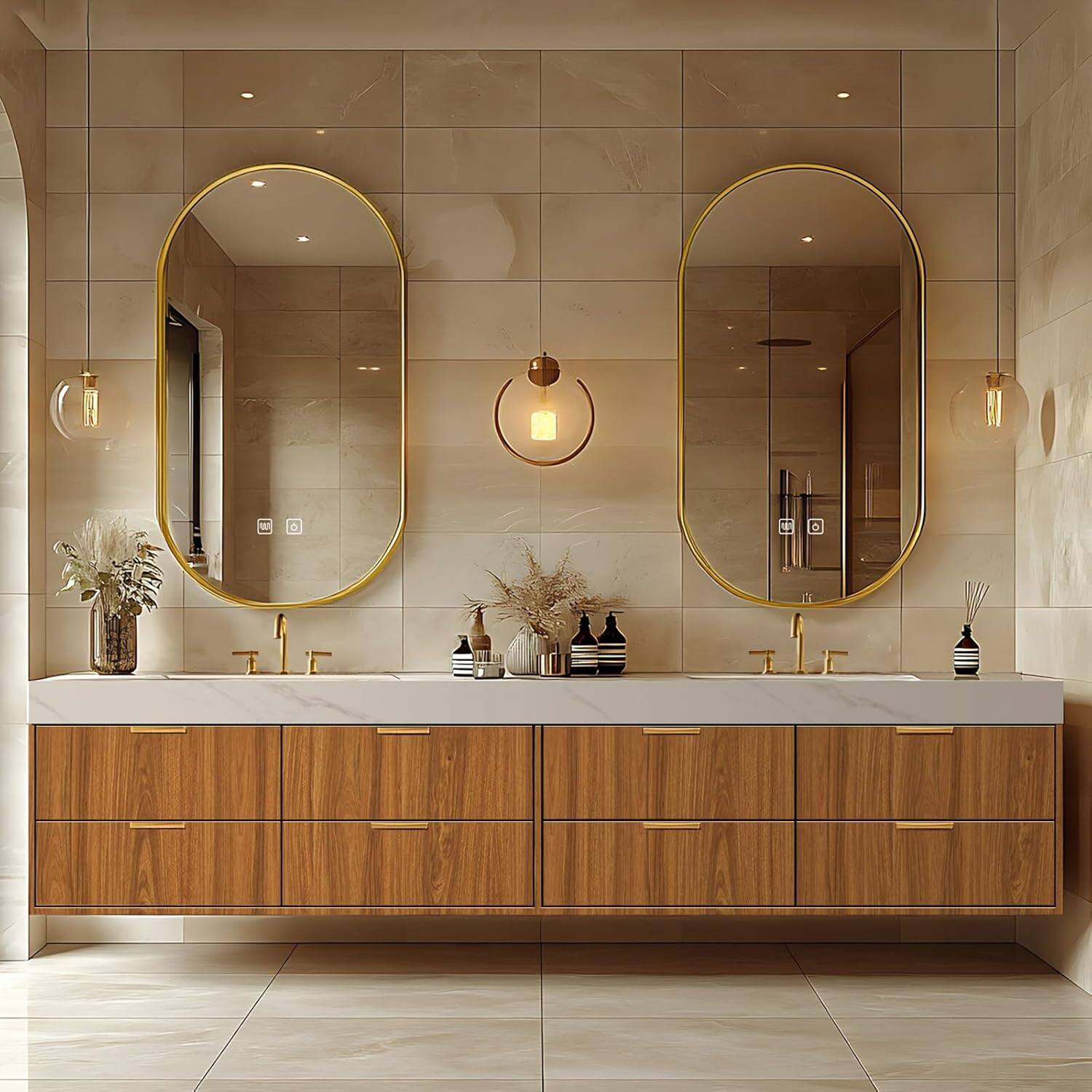
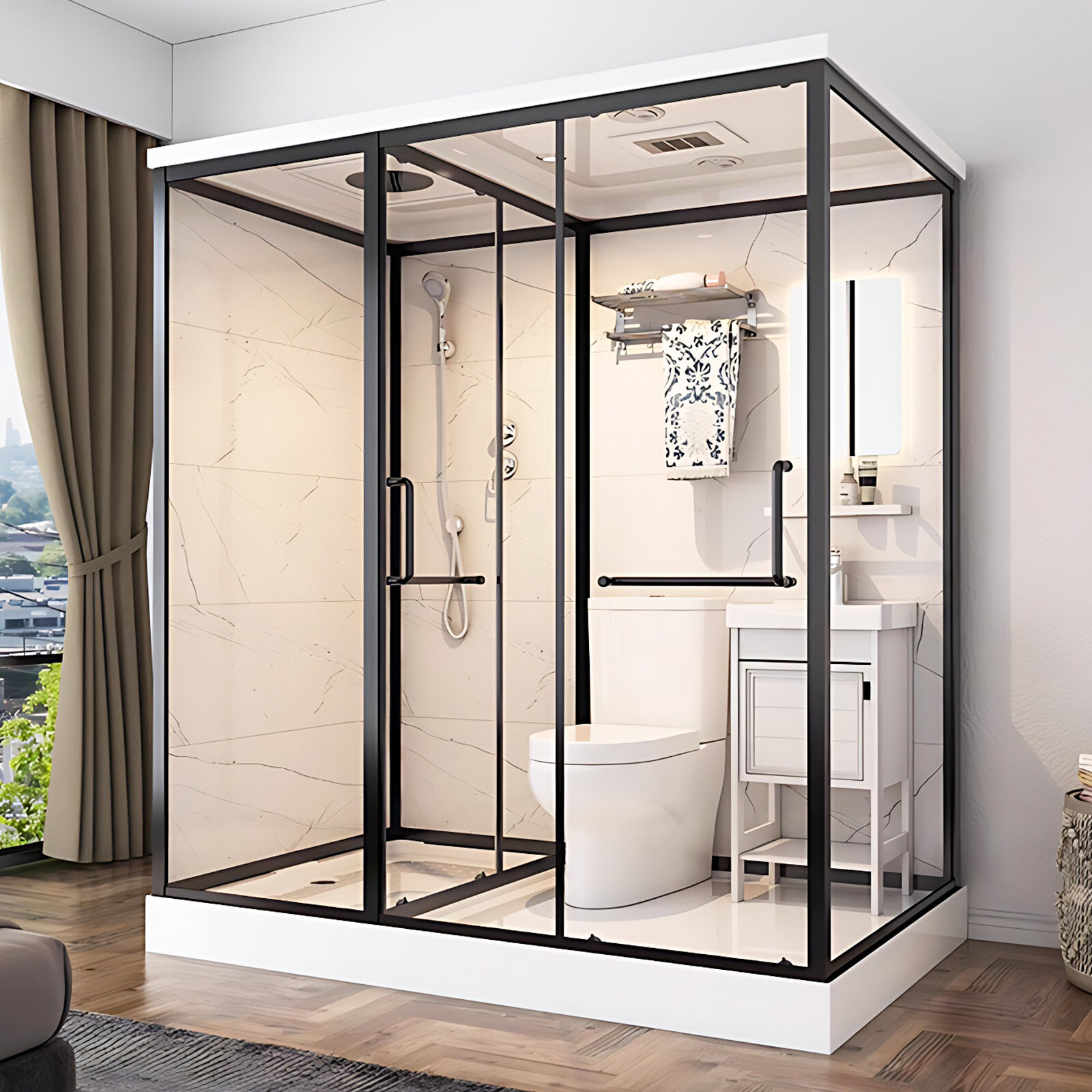
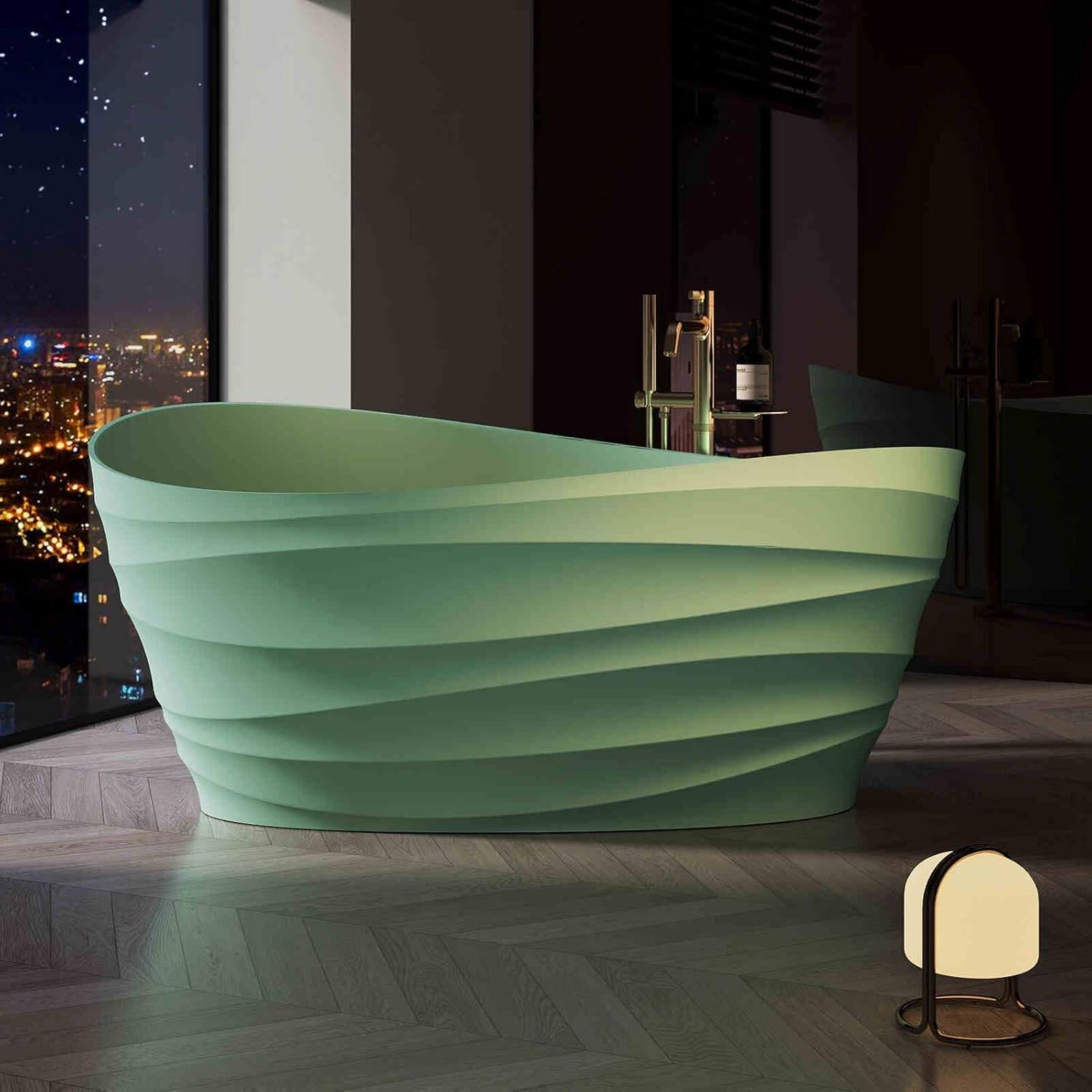
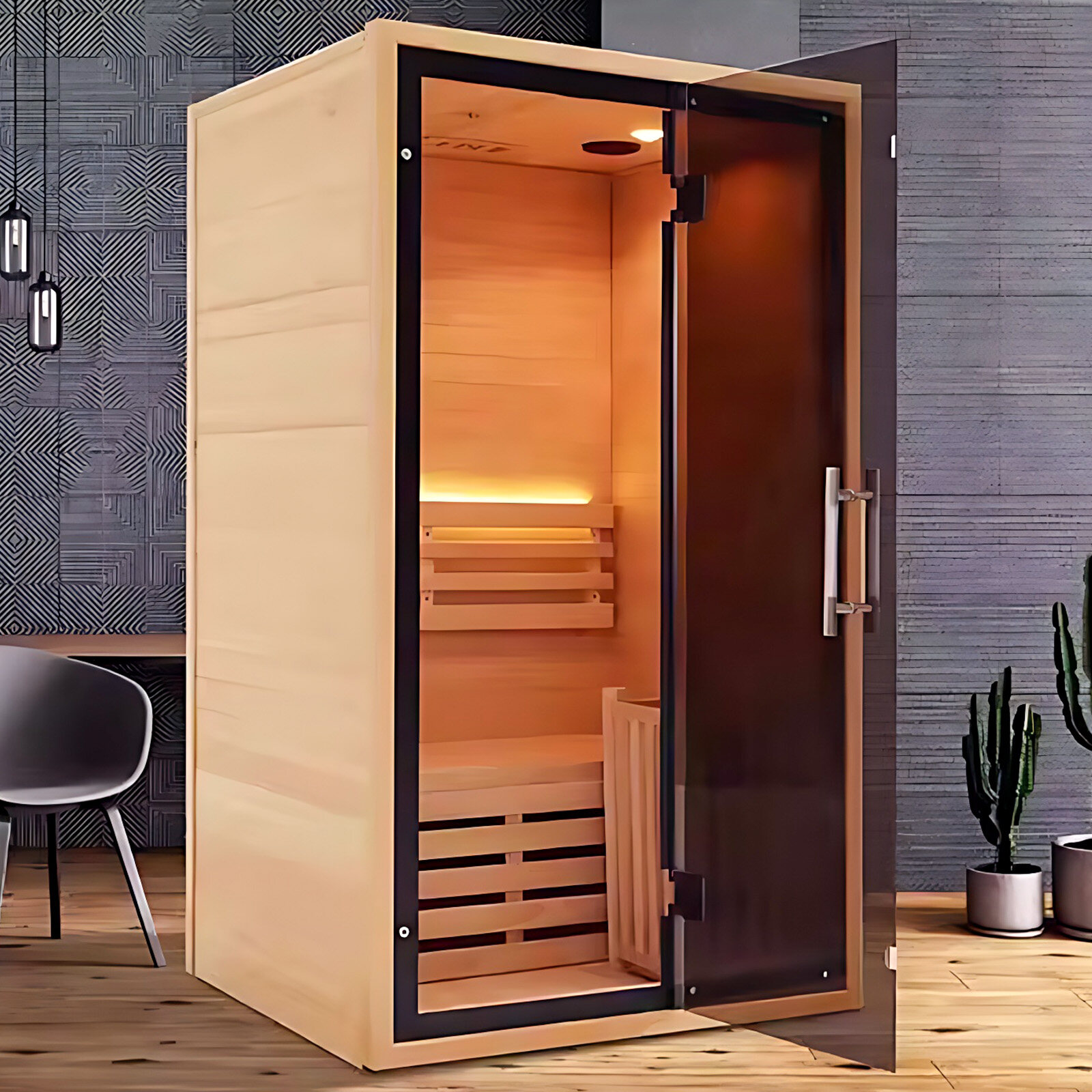
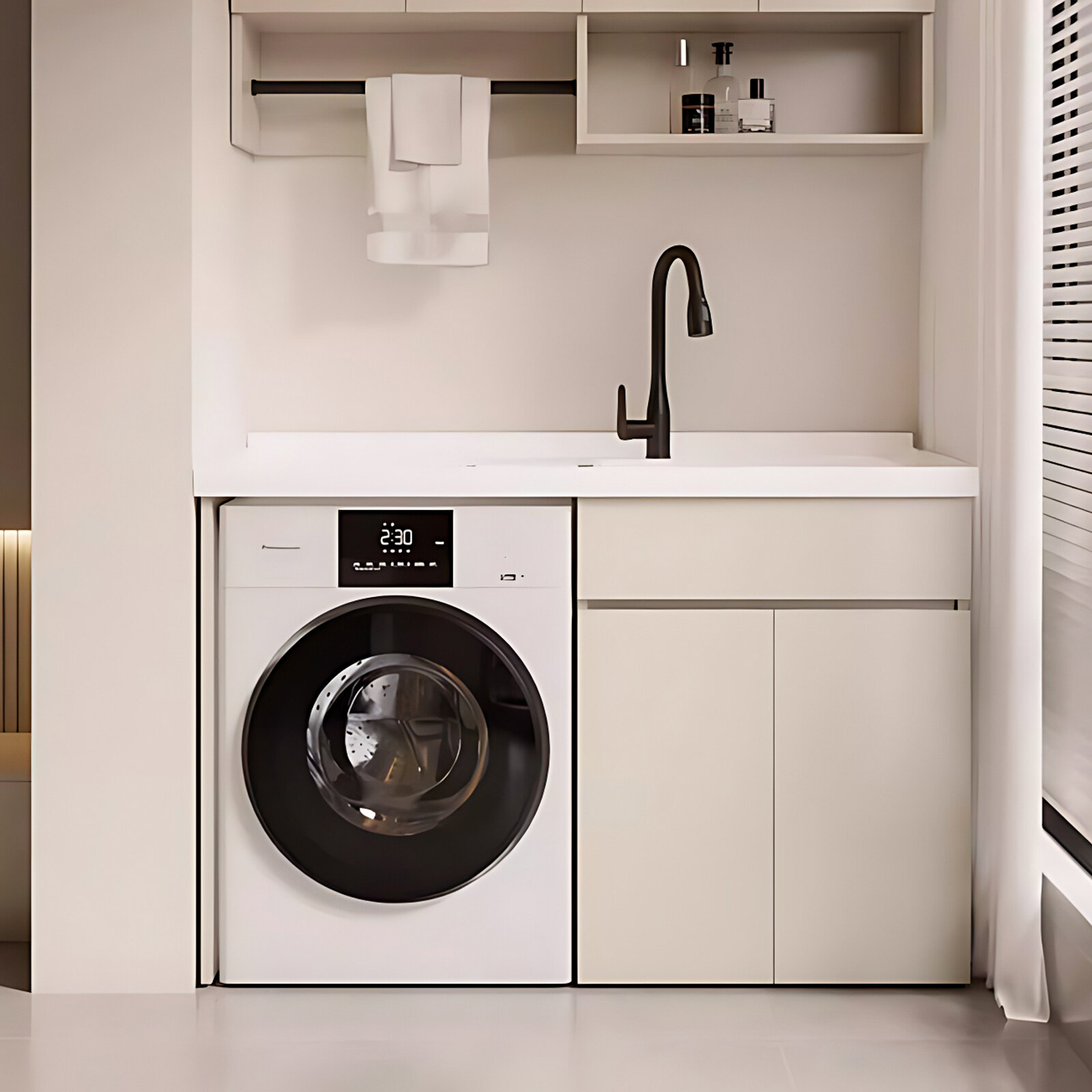
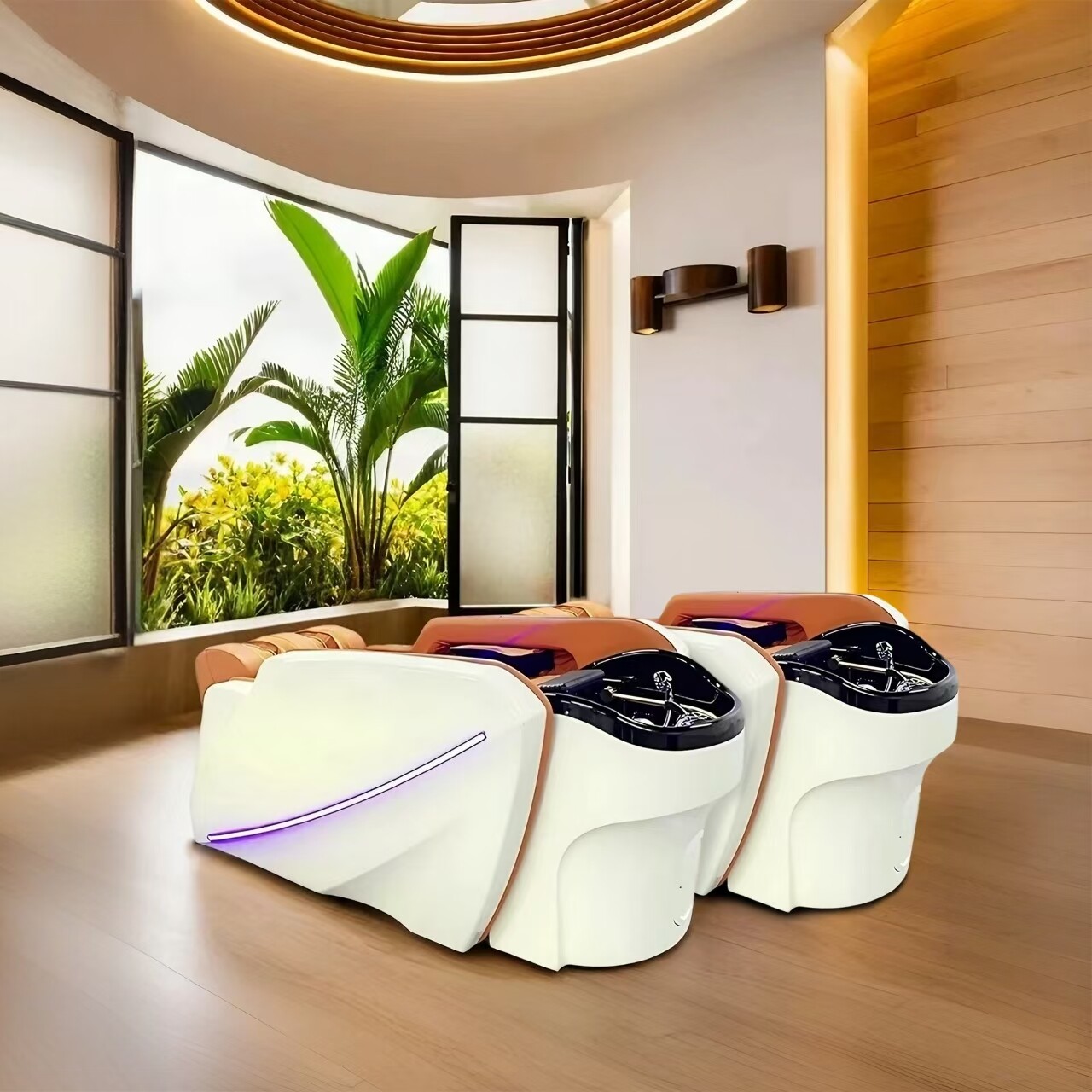
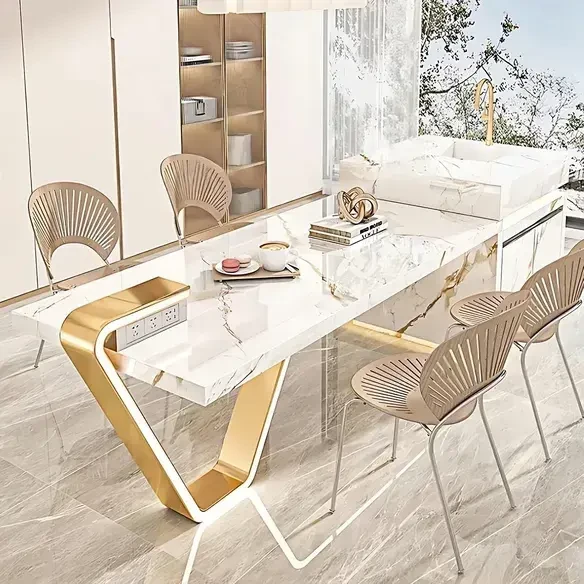
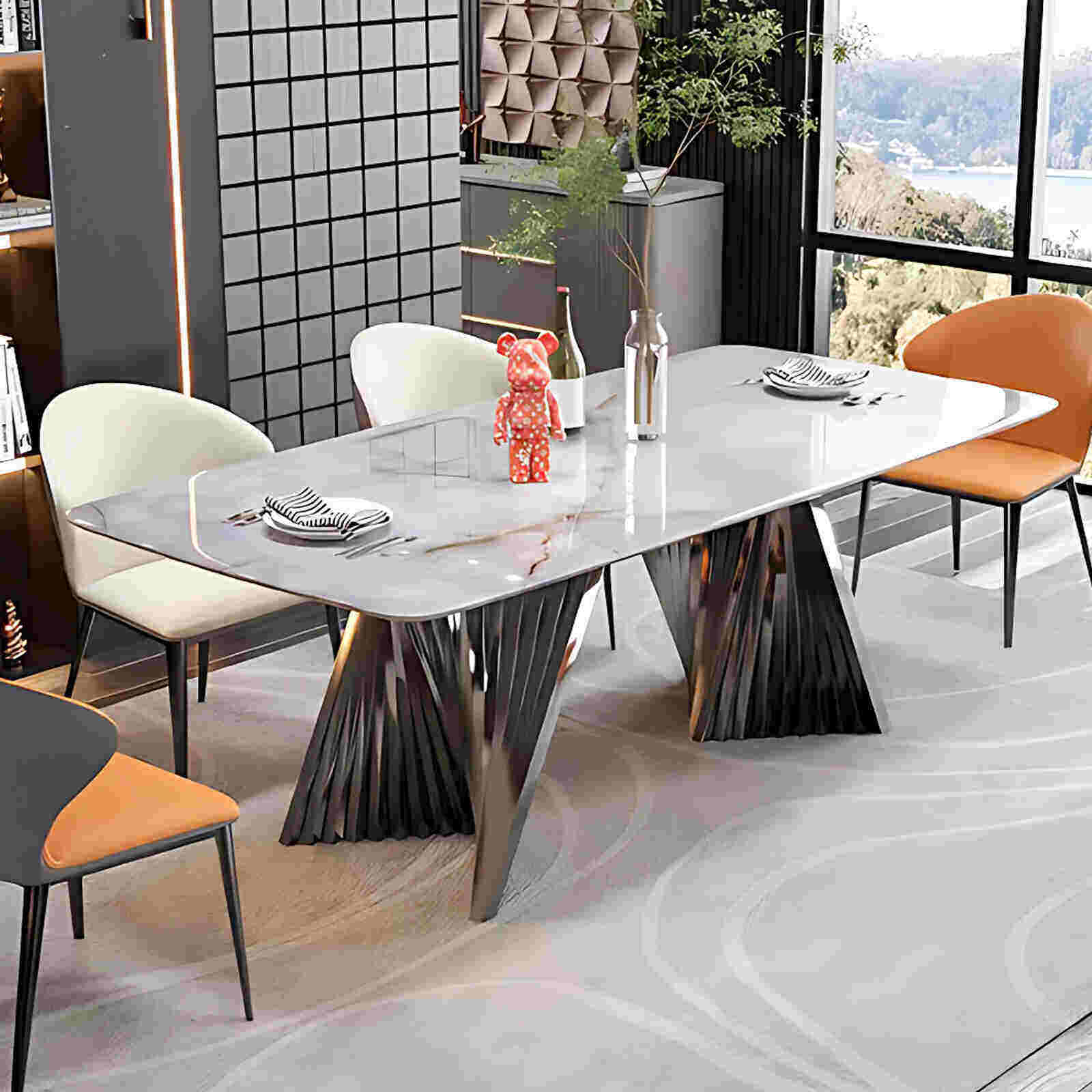
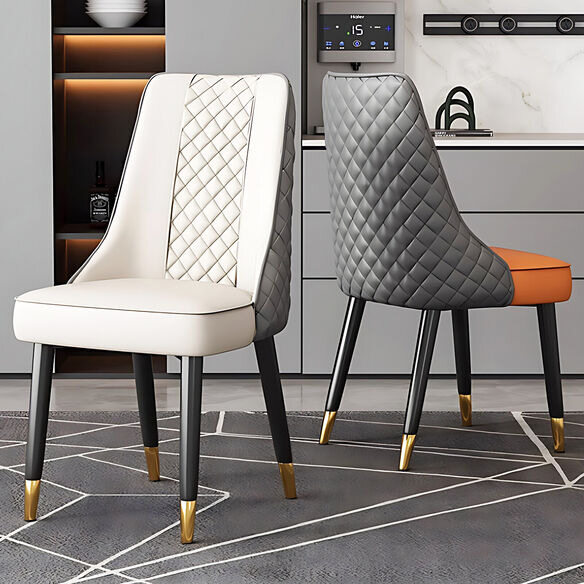
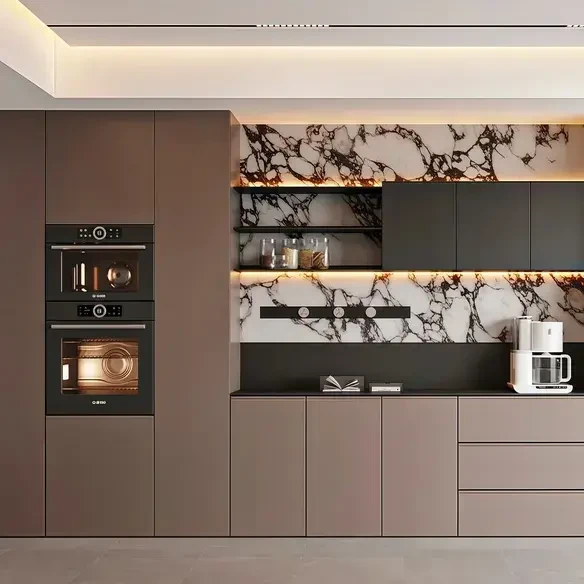
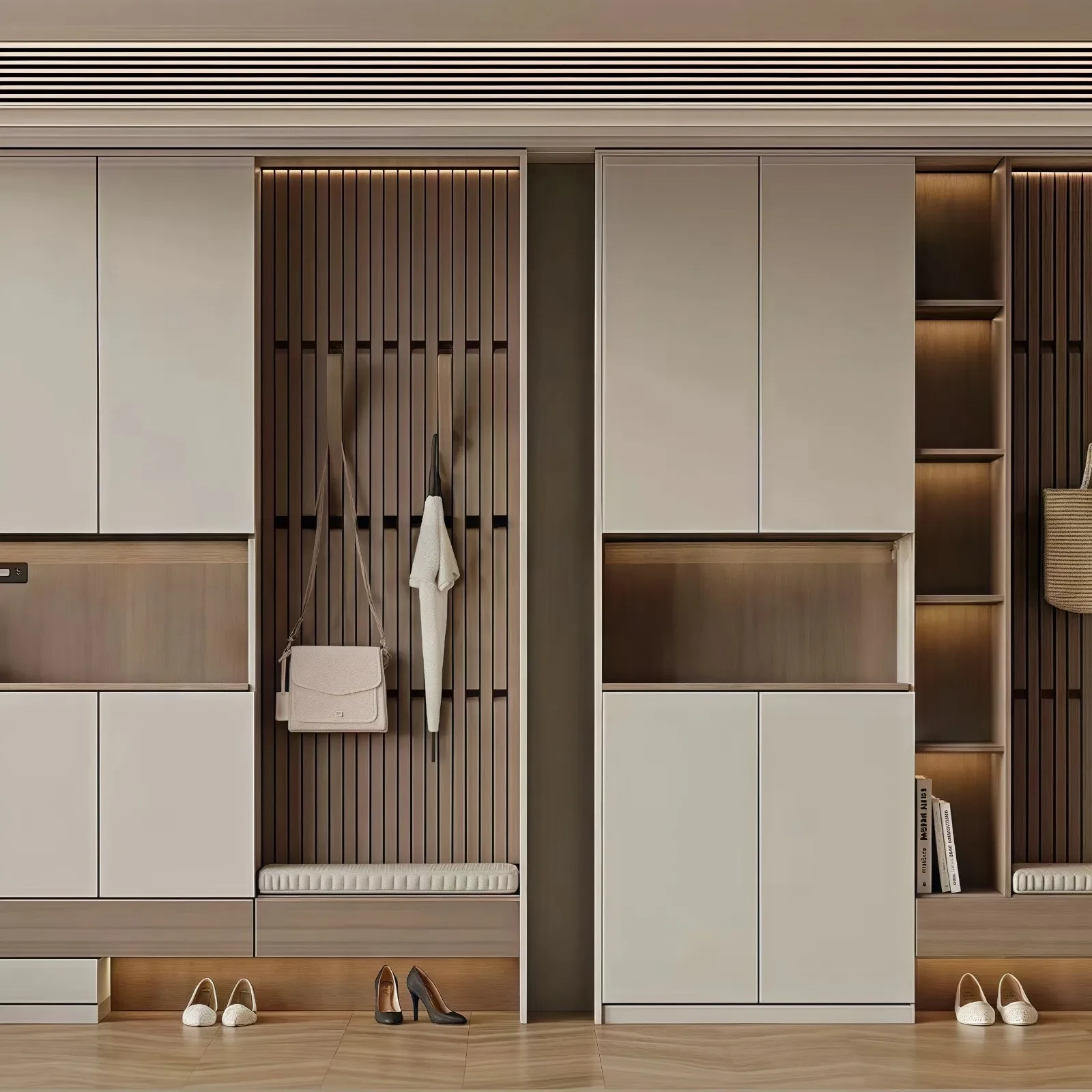
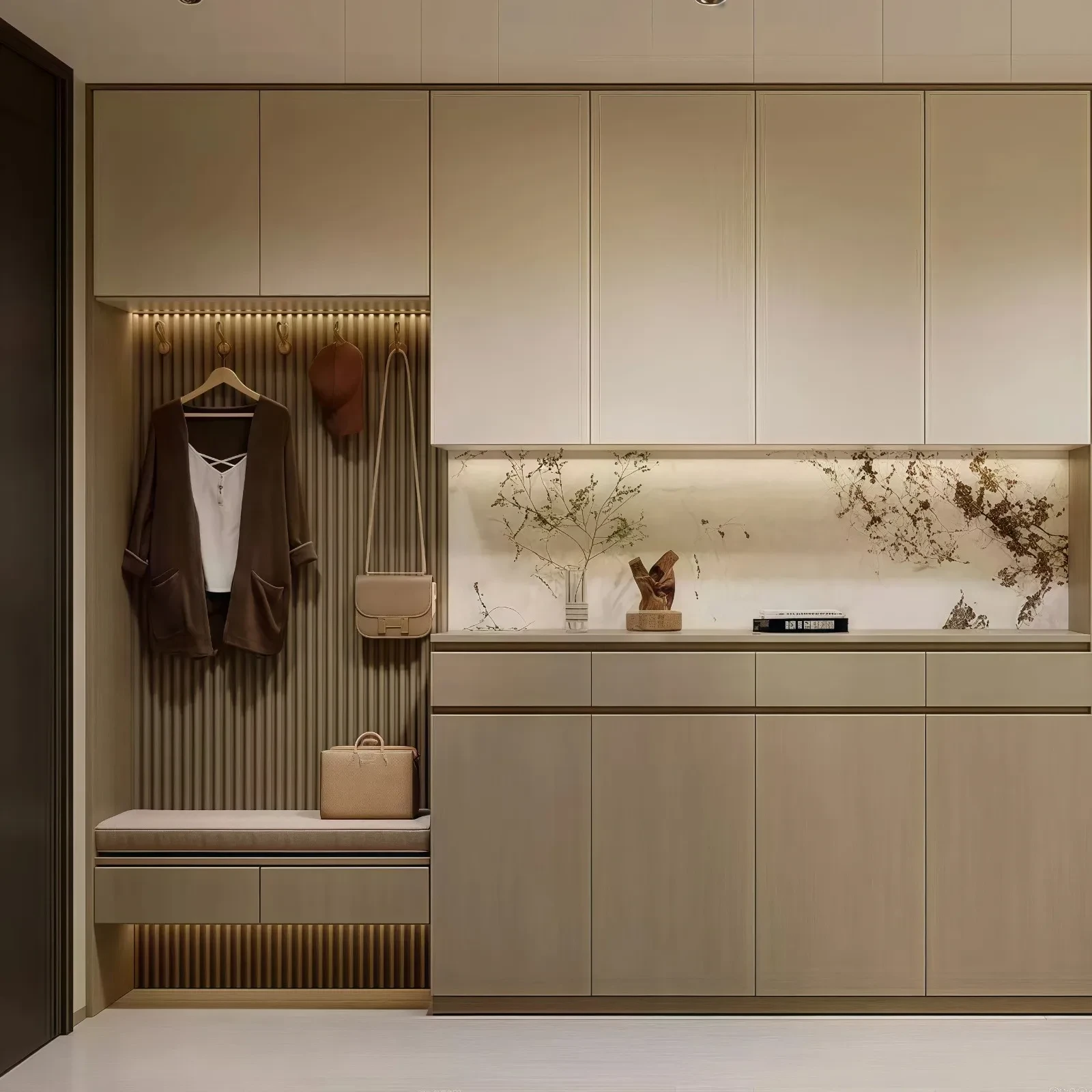
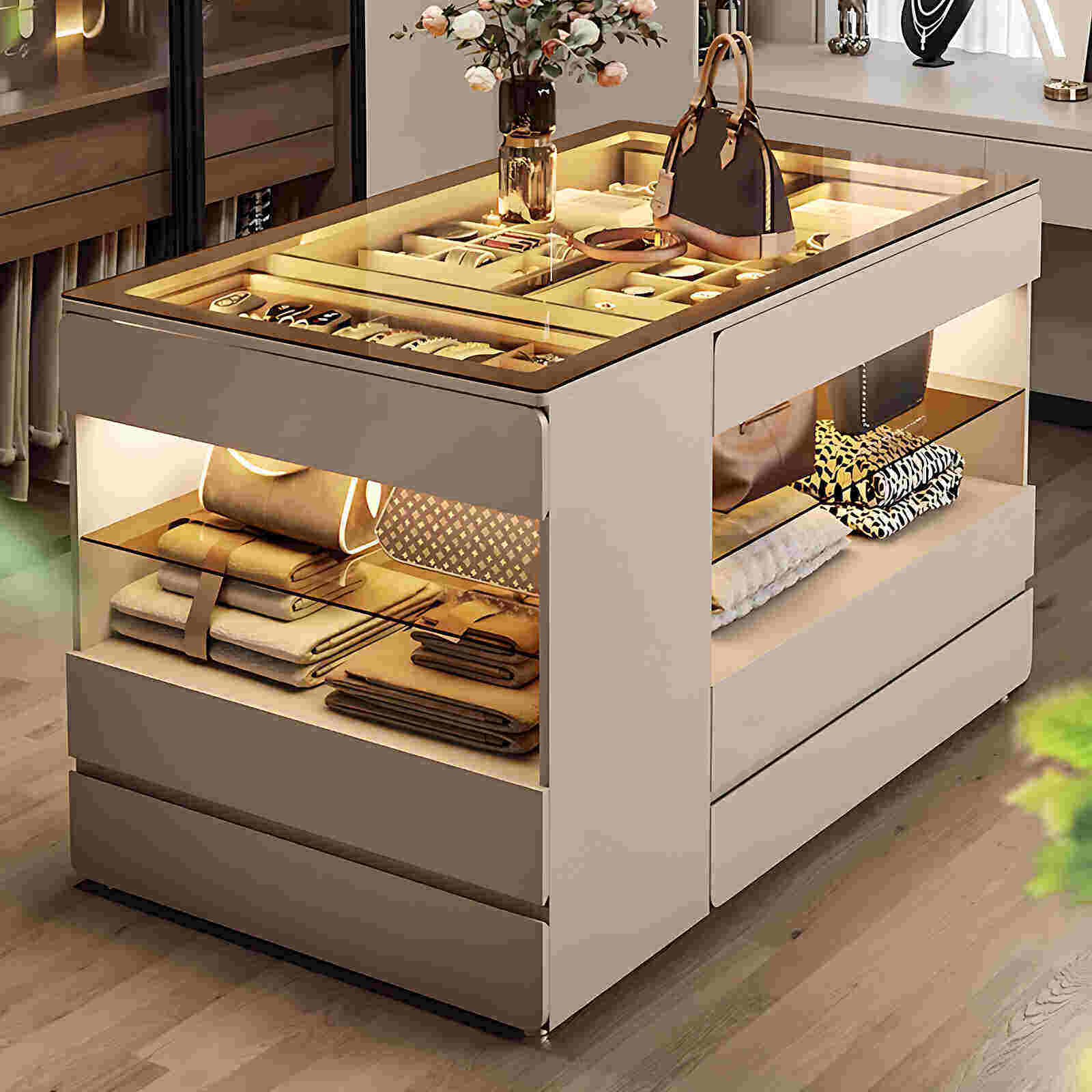
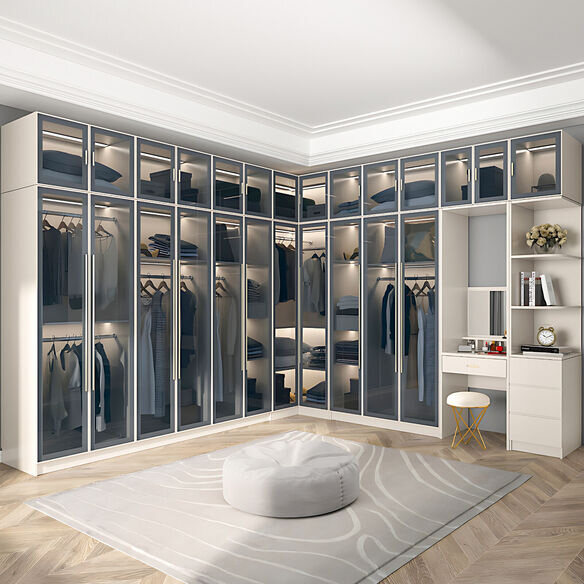
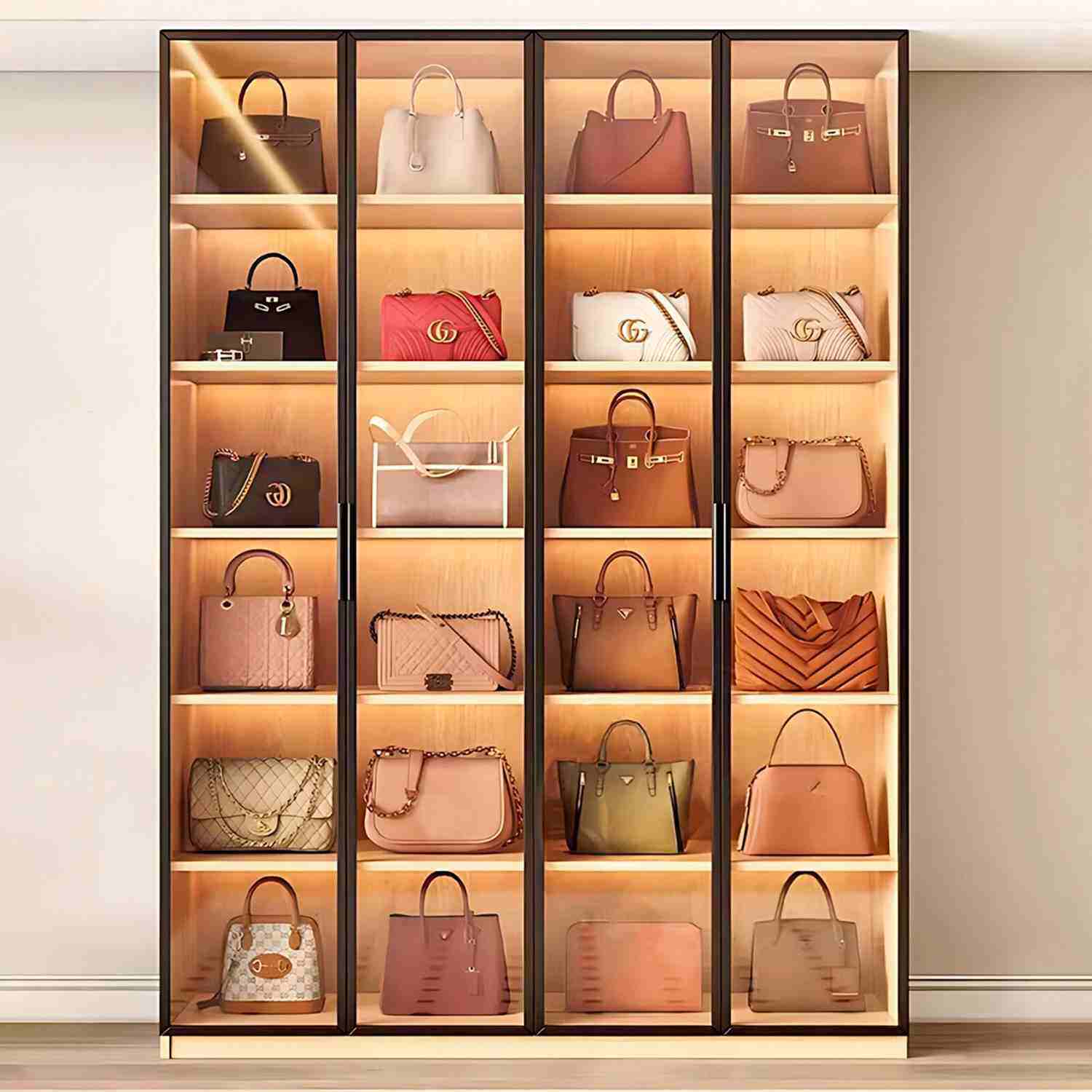
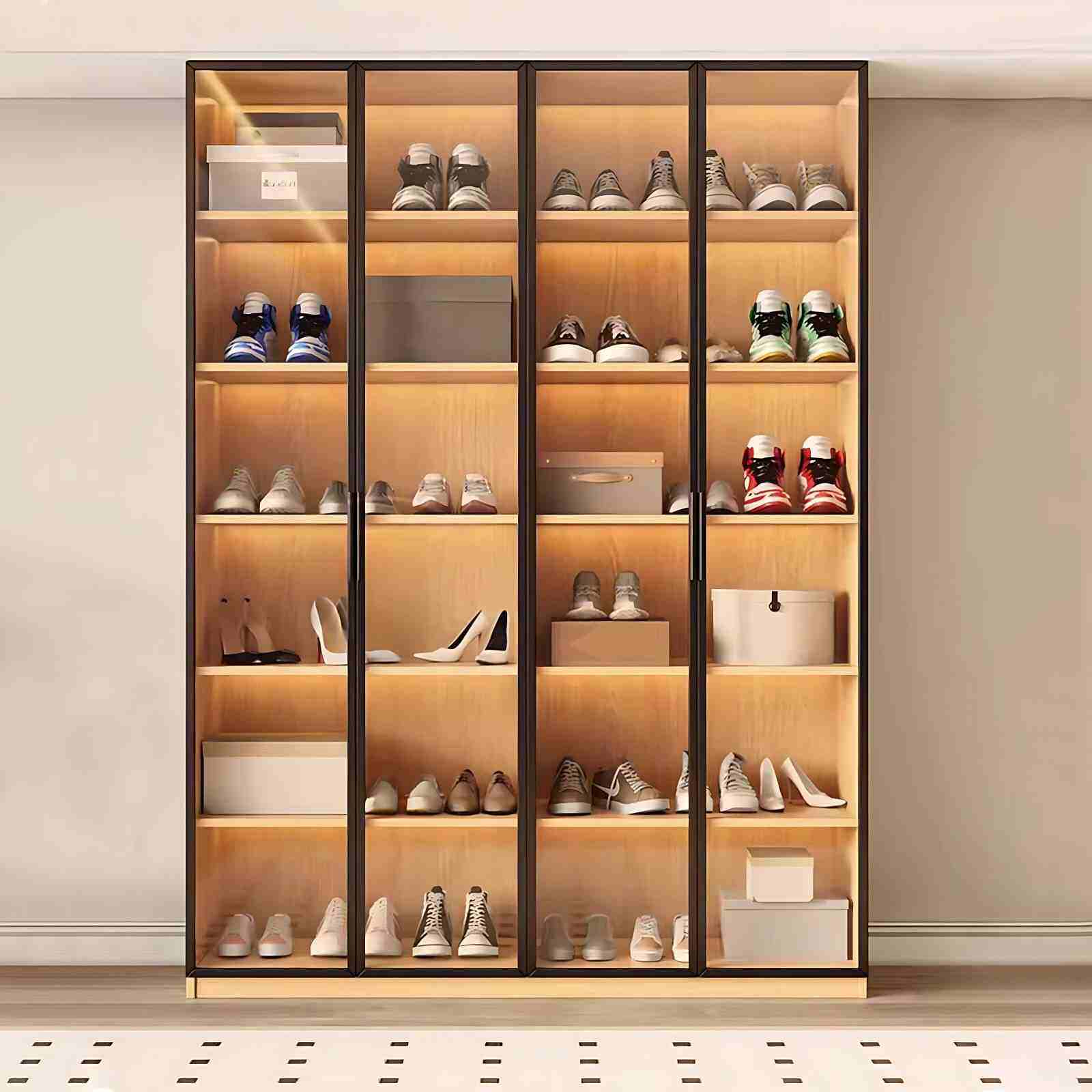
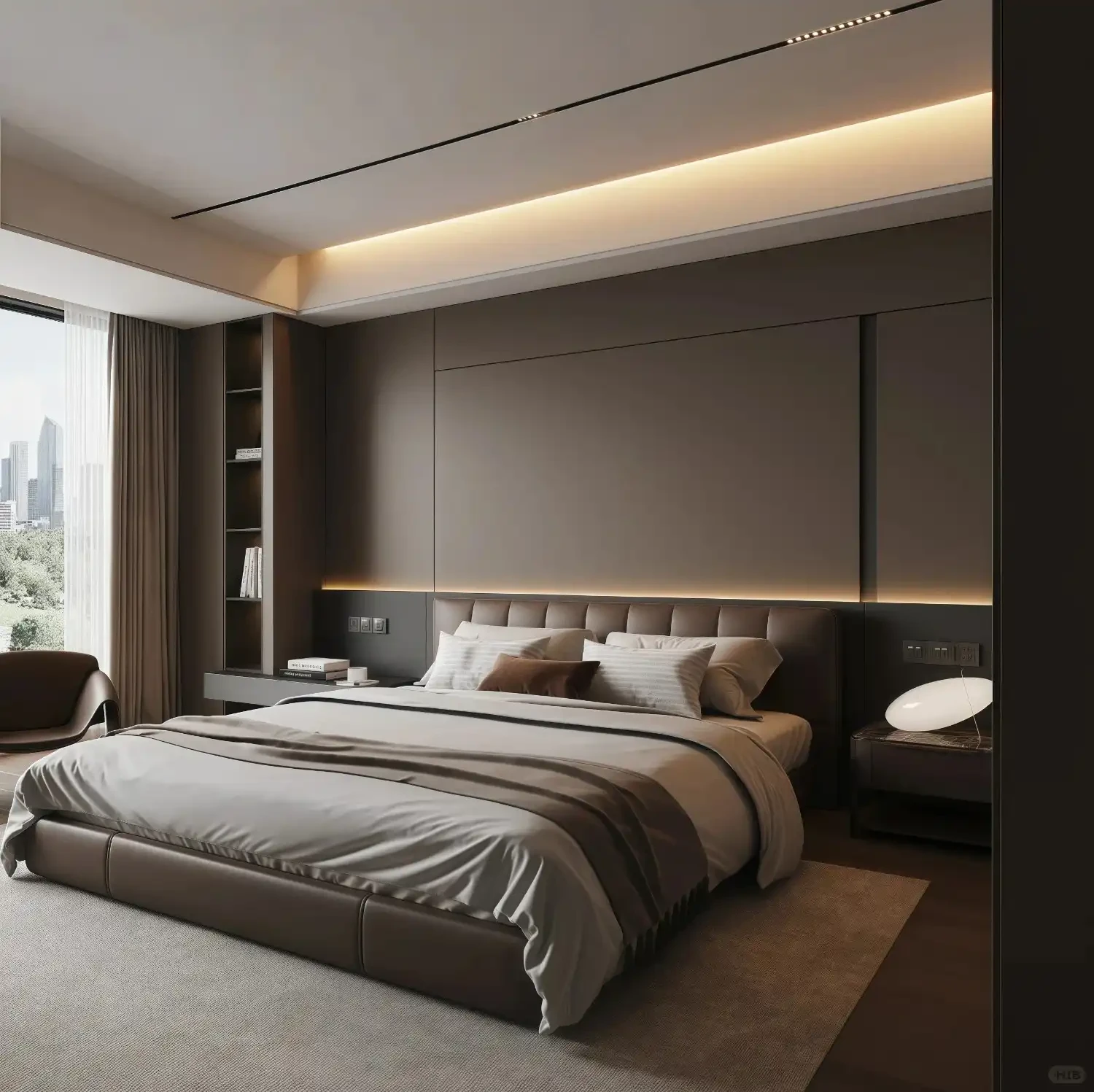
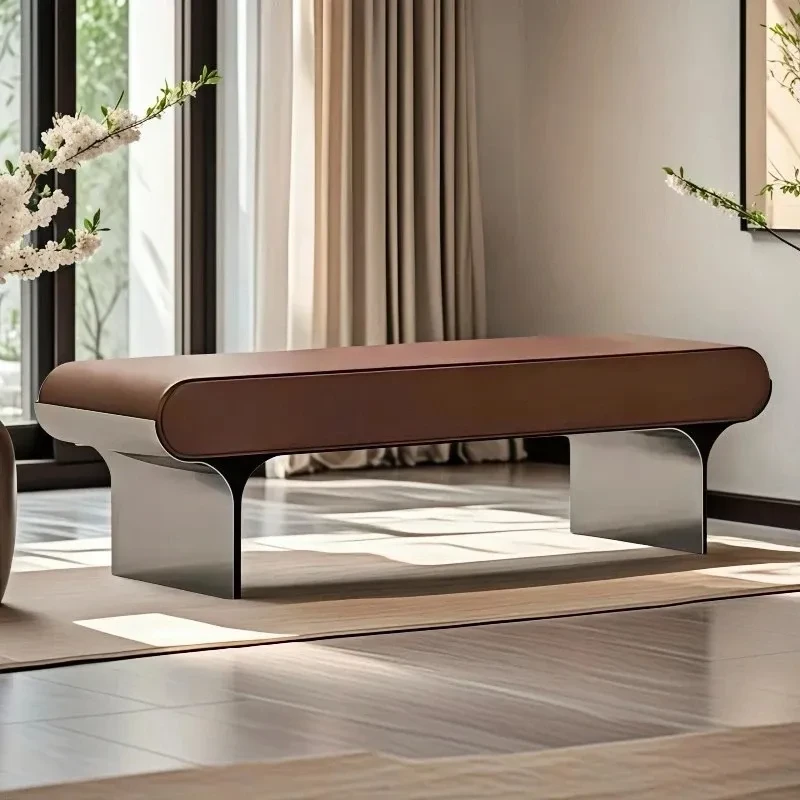
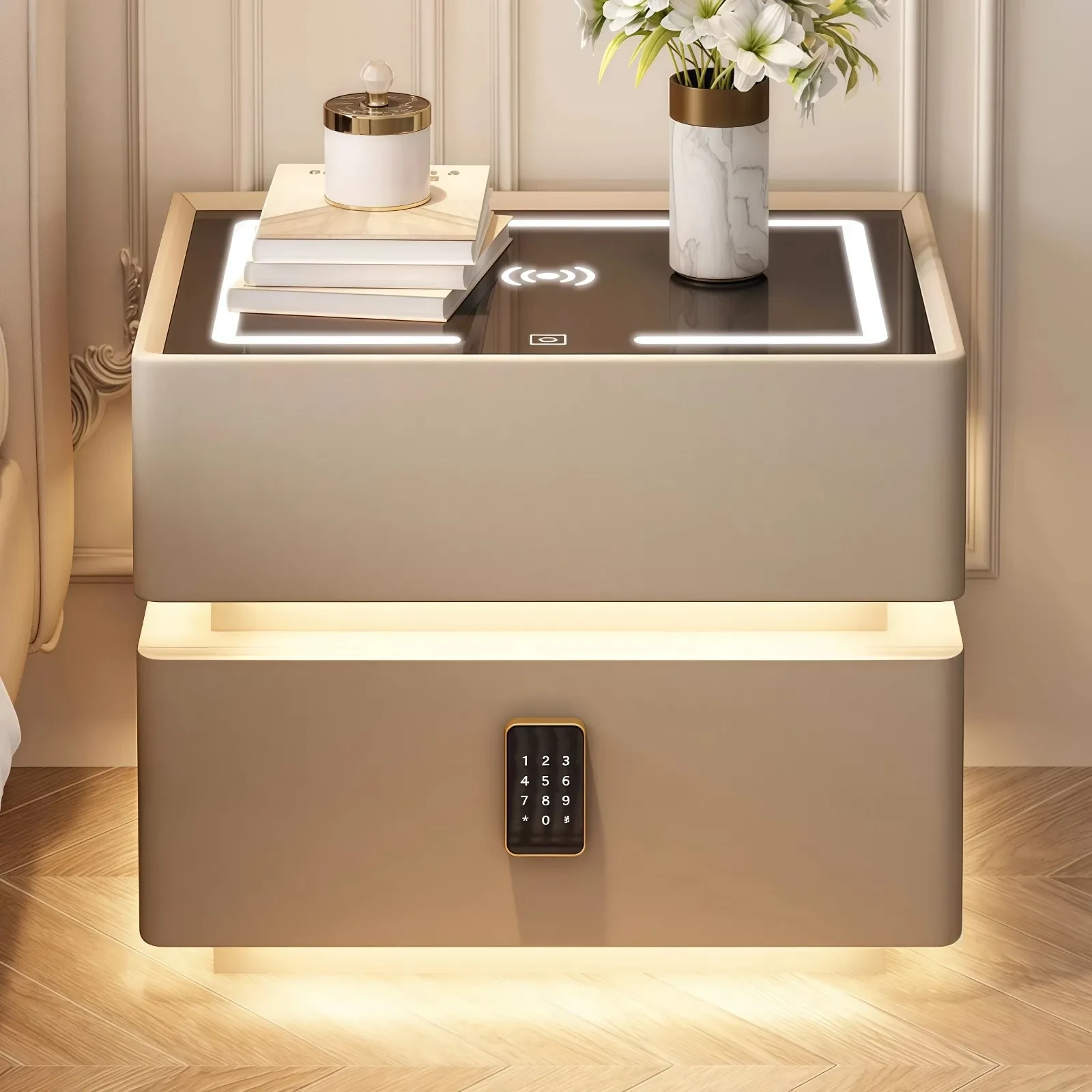
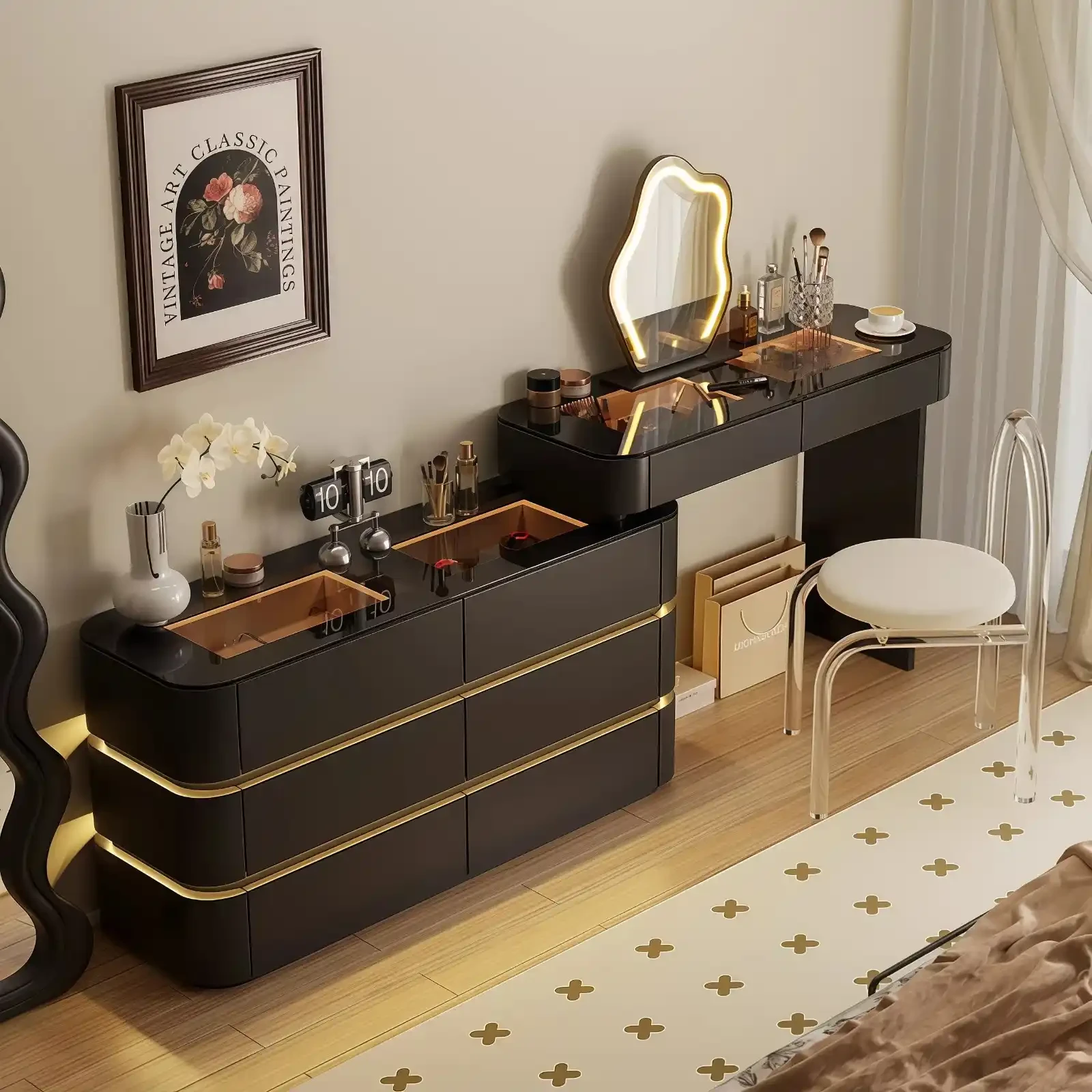
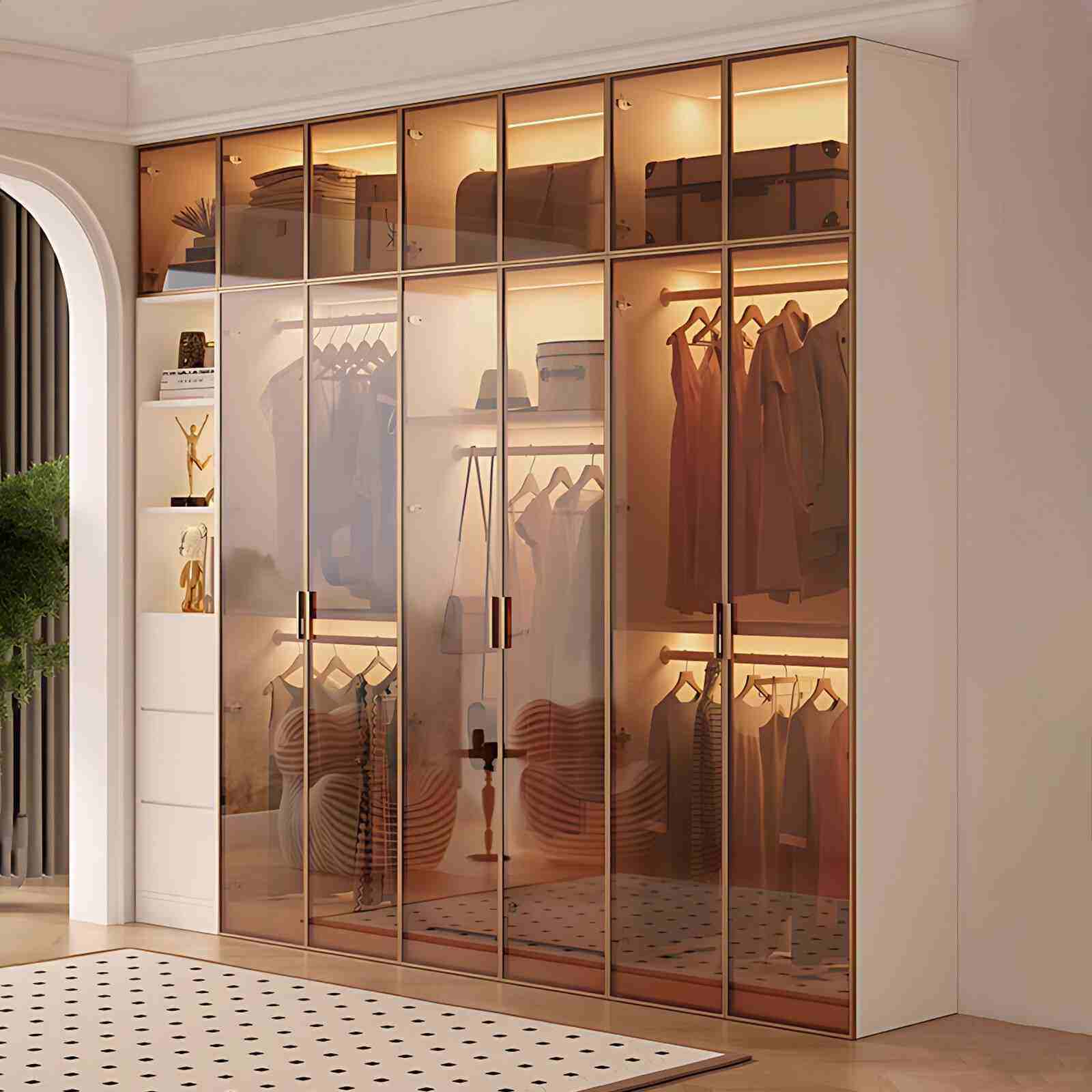
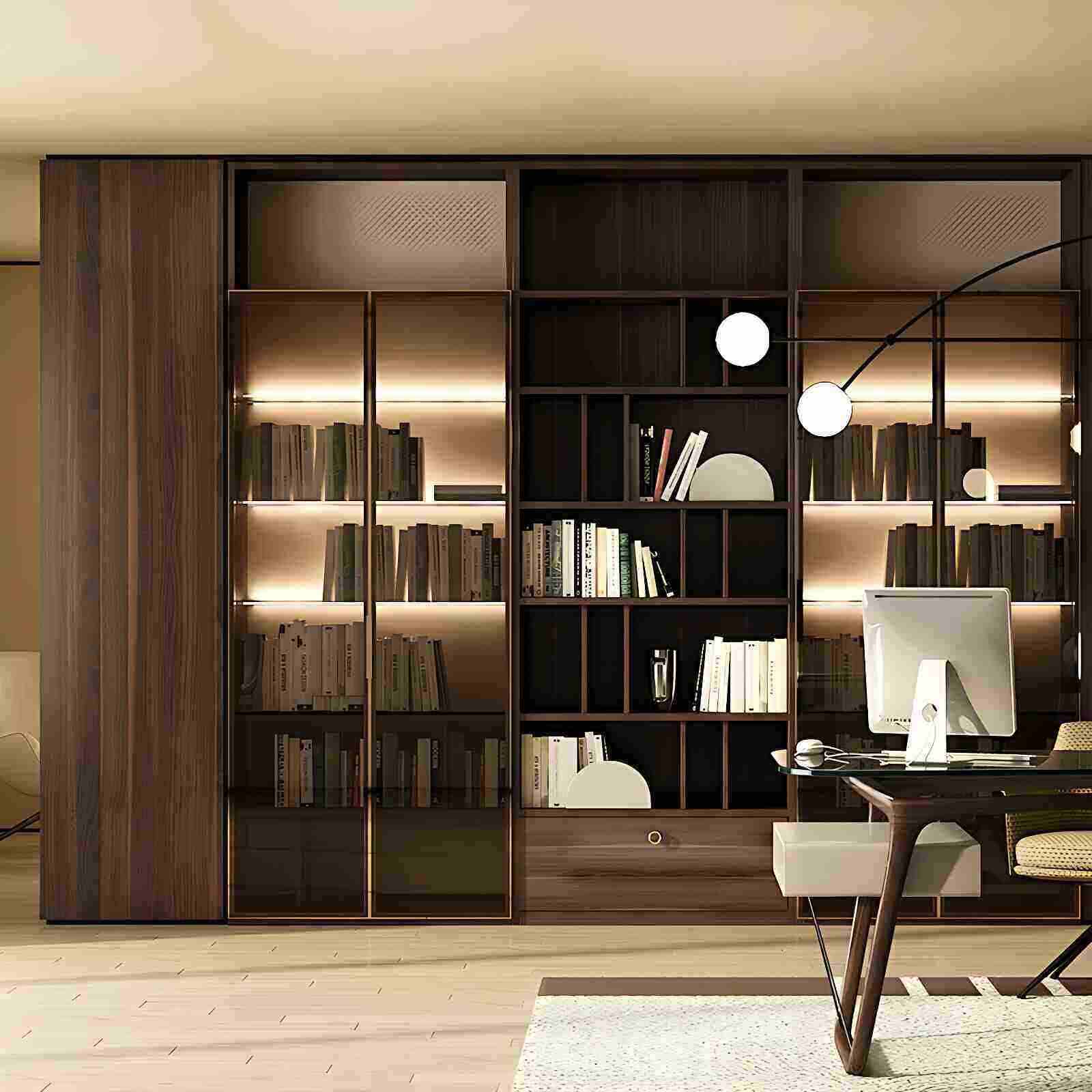
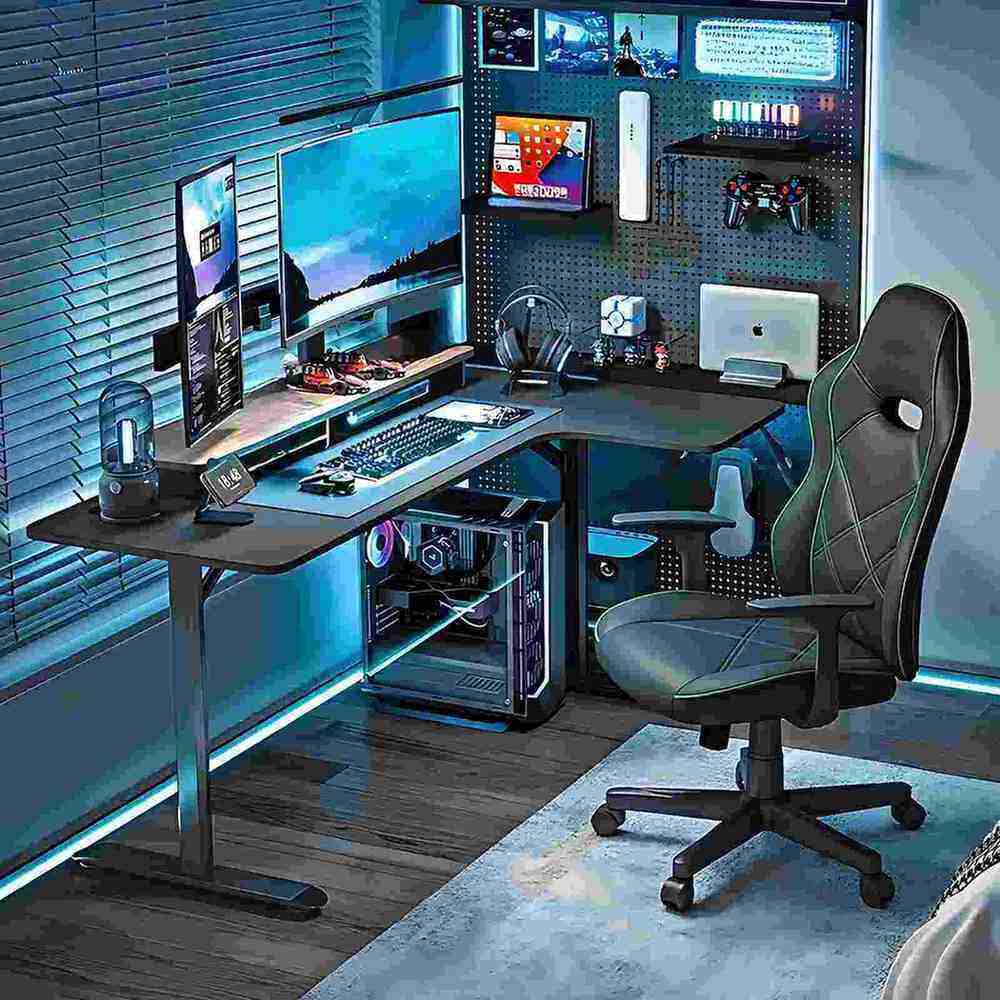
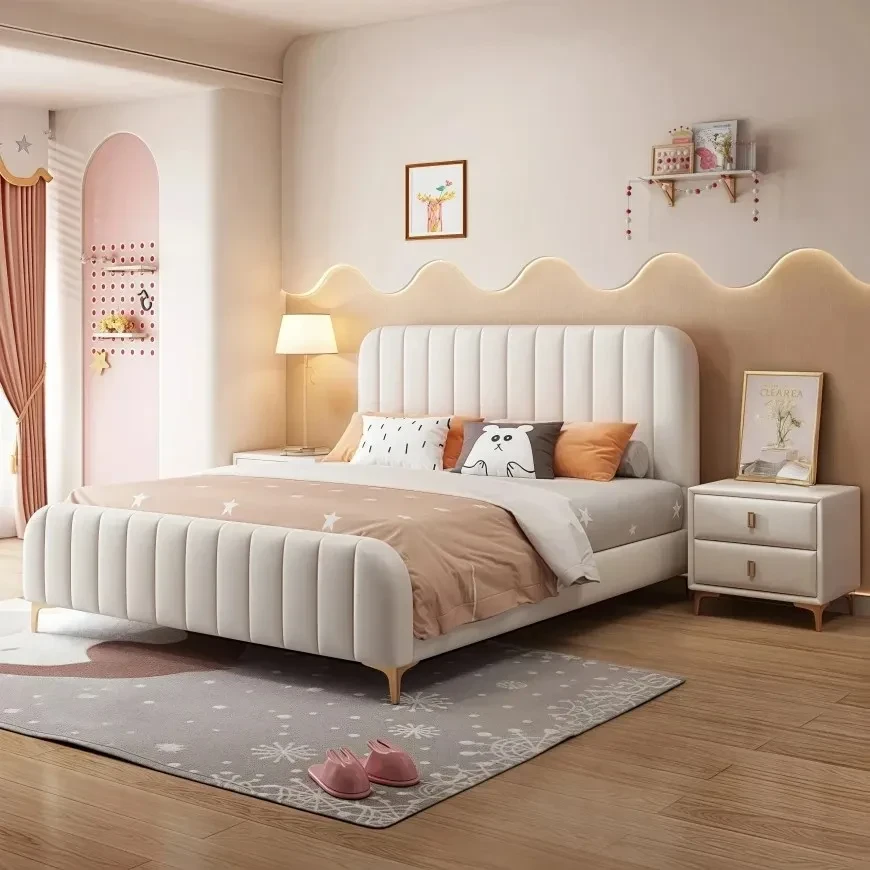
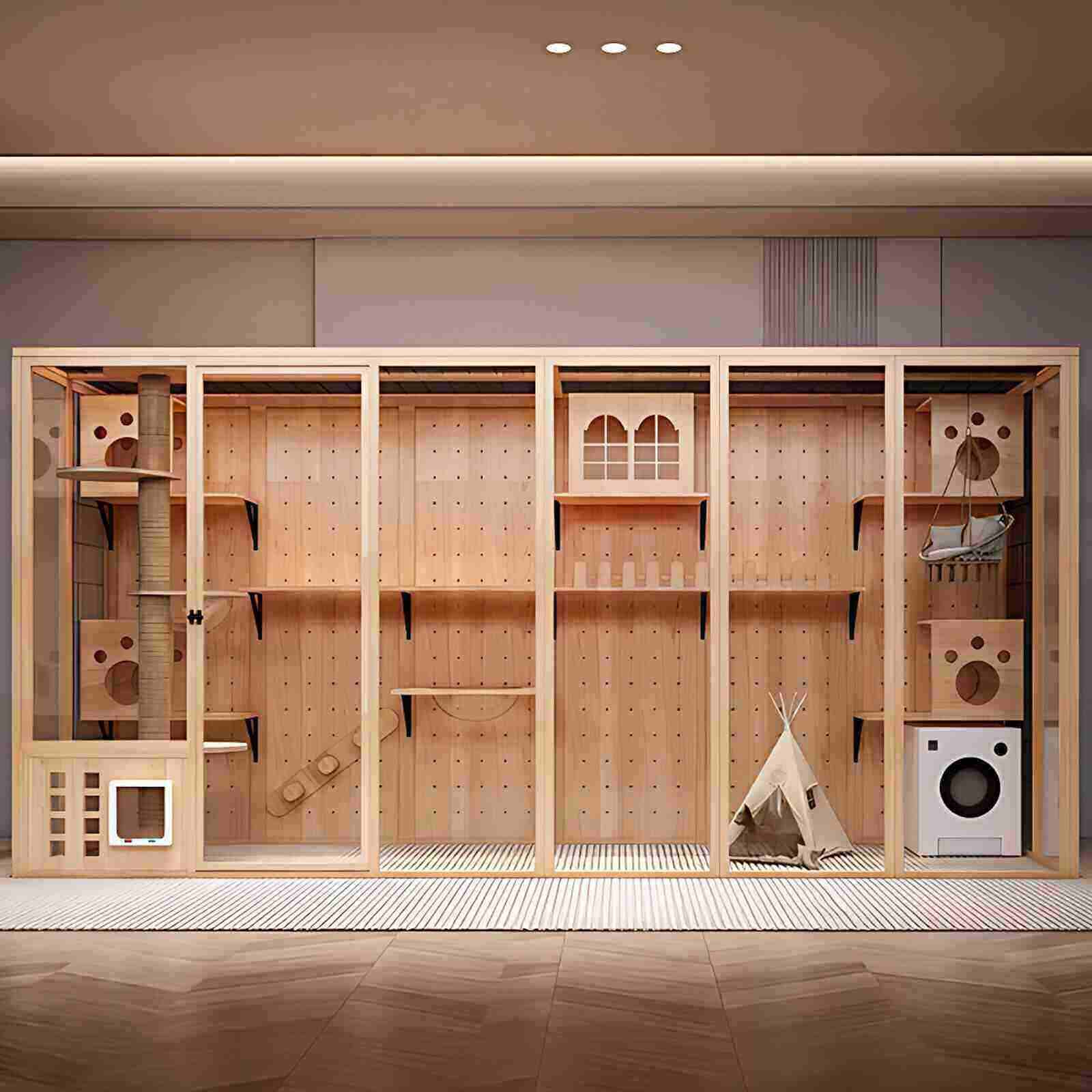
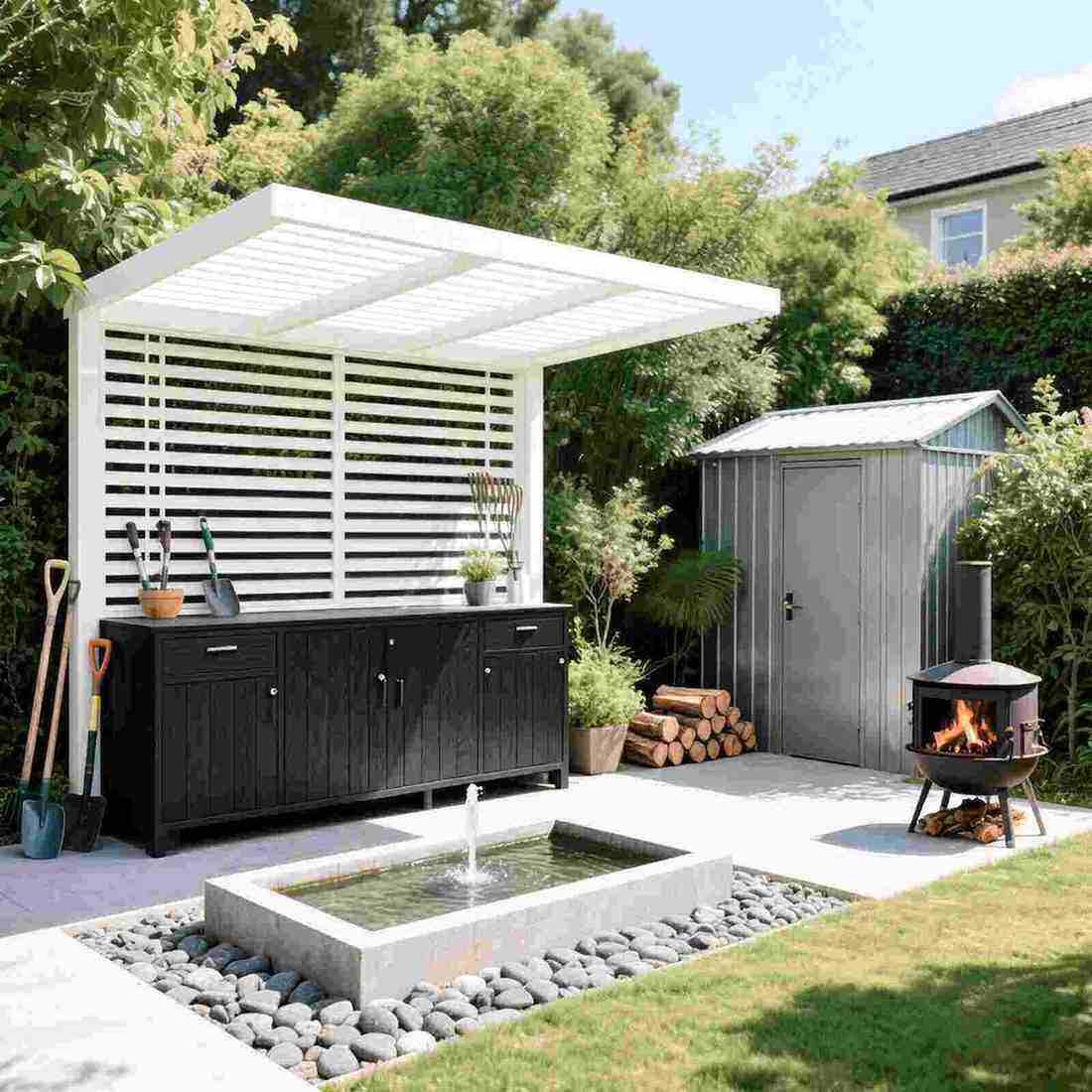
As people's demands for quality of life increase, they are willing to spend more time and money to choose eco-friendly and environmentally friendly building materials when decorating their homes, providing the greatest protection for their family's health. Nowadays, the overall quality of building materials is highly valued in home decoration, with increasingly higher requirements and standards. So, what kind of building materials can meet consumers' requirements for home quality? What kind of building materials can guarantee the health and safety of life to the greatest extent?
A comprehensive understanding of paint-free eco-boards
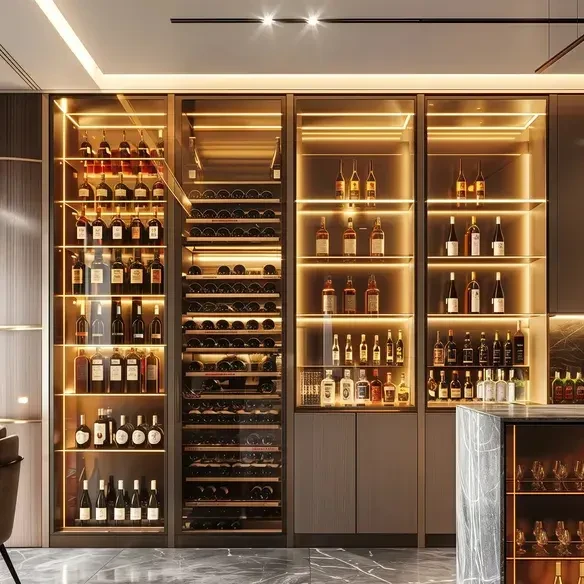
In everyday home renovations, eco-friendly boards are the most commonly mentioned and used material. Eco-friendly boards are paint-free; a layer of impregnated paper is pasted onto the wood surface, sometimes referred to as melamine-faced boards. Using melamine-faced boards in home renovations eliminates the need for painting furniture, saving consumers significant labor, material, and maintenance costs. It also prevents the release of irritating odors and carcinogenic substances from paint. Melamine-faced boards have very clear surface textures, providing a natural and eco-friendly living experience, making them frequently used in custom wardrobes, cabinets, bathroom vanities, TV cabinets, shoe cabinets, display cases, wine cabinets, partitions, and office furniture.
Tell you the disadvantages of melamine boards
While melamine-faced eco-boards possess many unique characteristics, they also face environmental and usability issues due to poor substrate quality and technological shortcomings. The term "poor substrate quality" typically refers to particleboard and MDF (medium-density fiberboard). Because these materials are made entirely of mixed wood, wood chips, or other unidentified components, and are bonded together with large amounts of glue under high pressure, they contain harmful substances such as formaldehyde and benzene. Similar to paint, they can seriously impact the living environment. Furthermore, particleboard and MDF have poor stability and extremely poor moisture resistance; they are very prone to warping and damage when exposed to moisture, affecting the usability of furniture. The technological shortcomings mainly lie in the surface treatment of melamine-faced boards. Because the surface of the board is frequently exposed to air and sunlight, coupled with frequent wiping and cleaning, it can cause peeling and staining on the furniture surface. This technological shortcoming is currently a major problem faced by most melamine-faced board manufacturers.