
 USD
USD GBP
GBP
 EUR
EUR
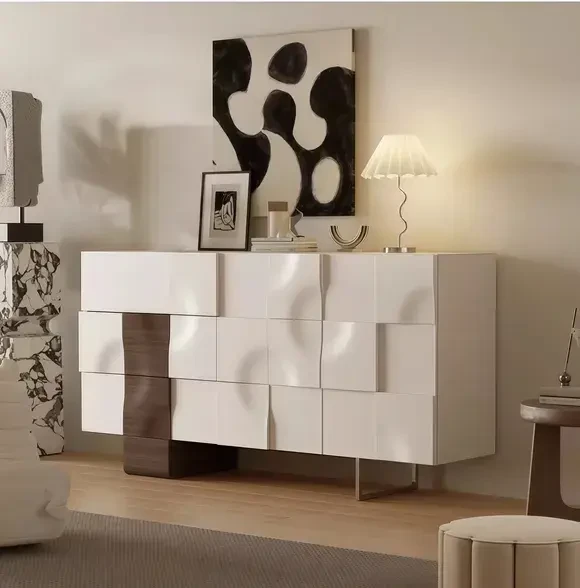
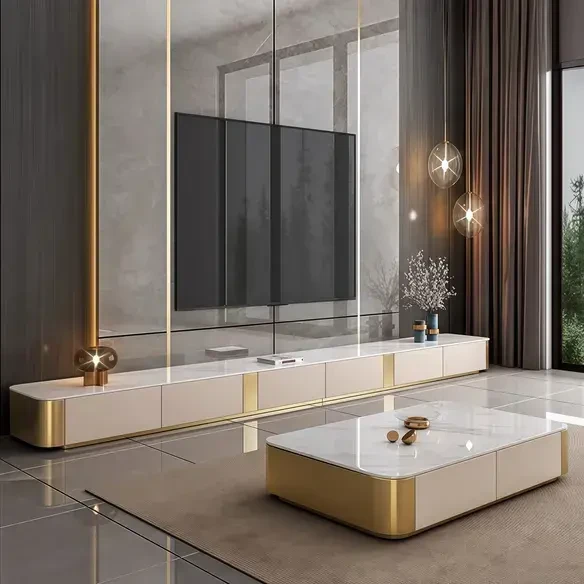
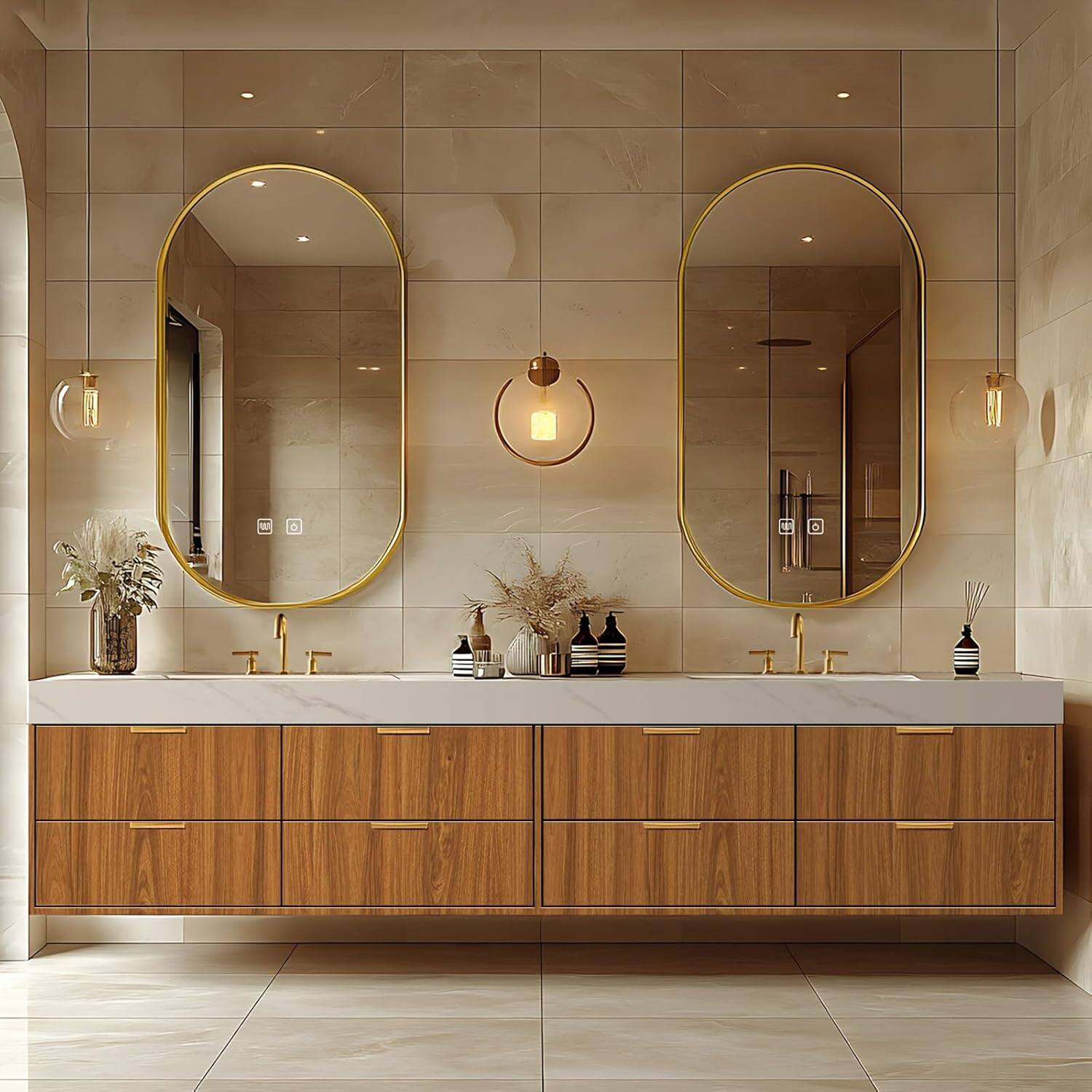
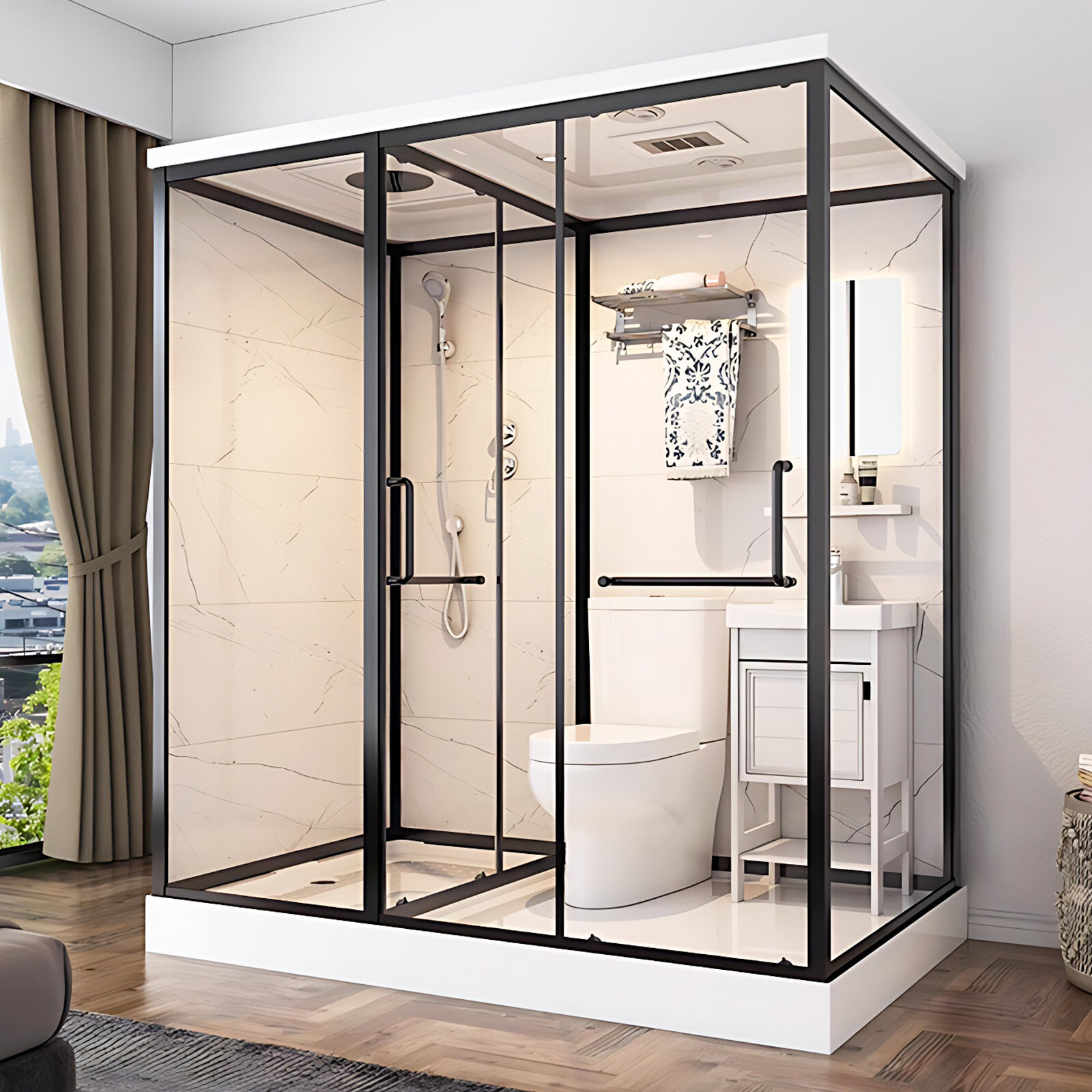
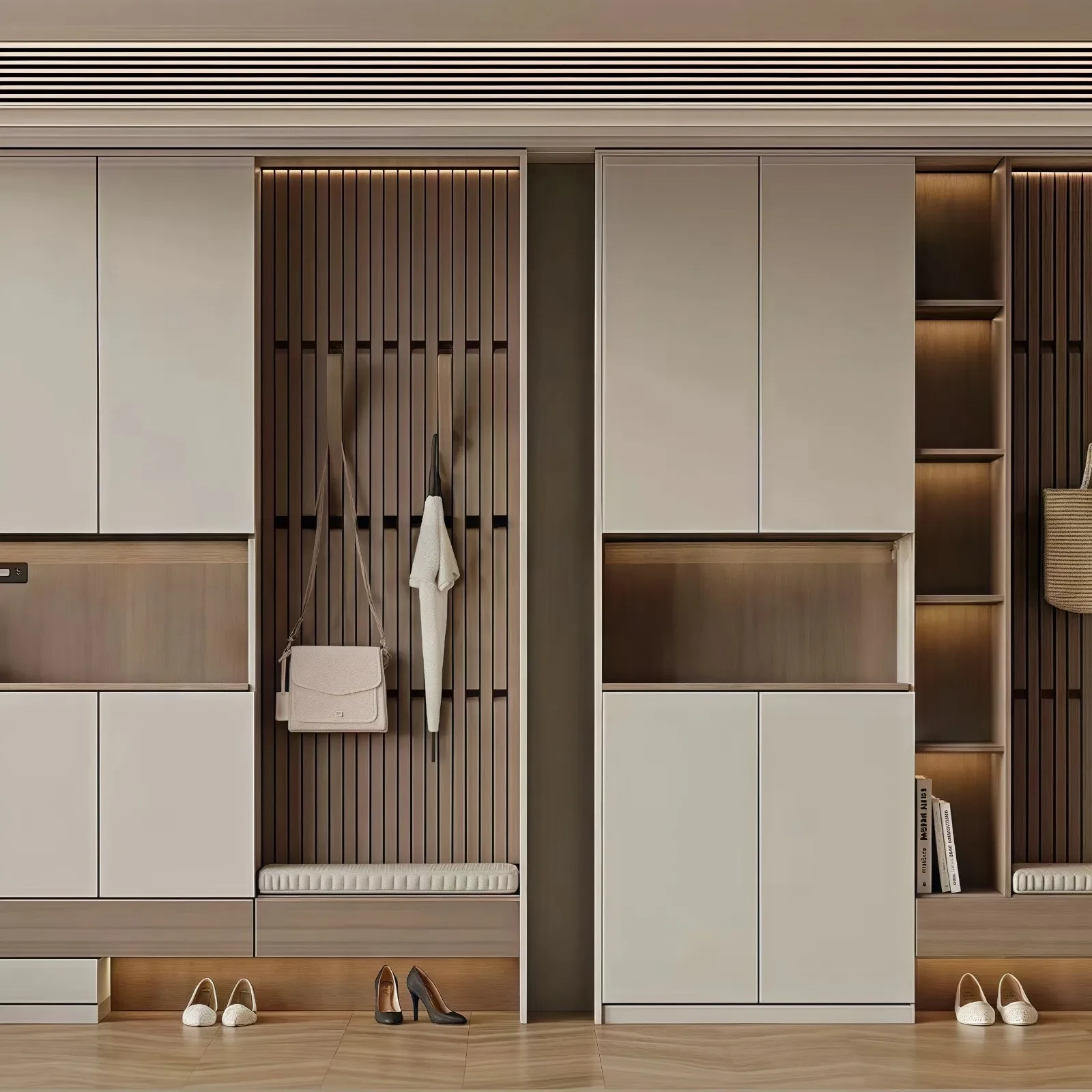
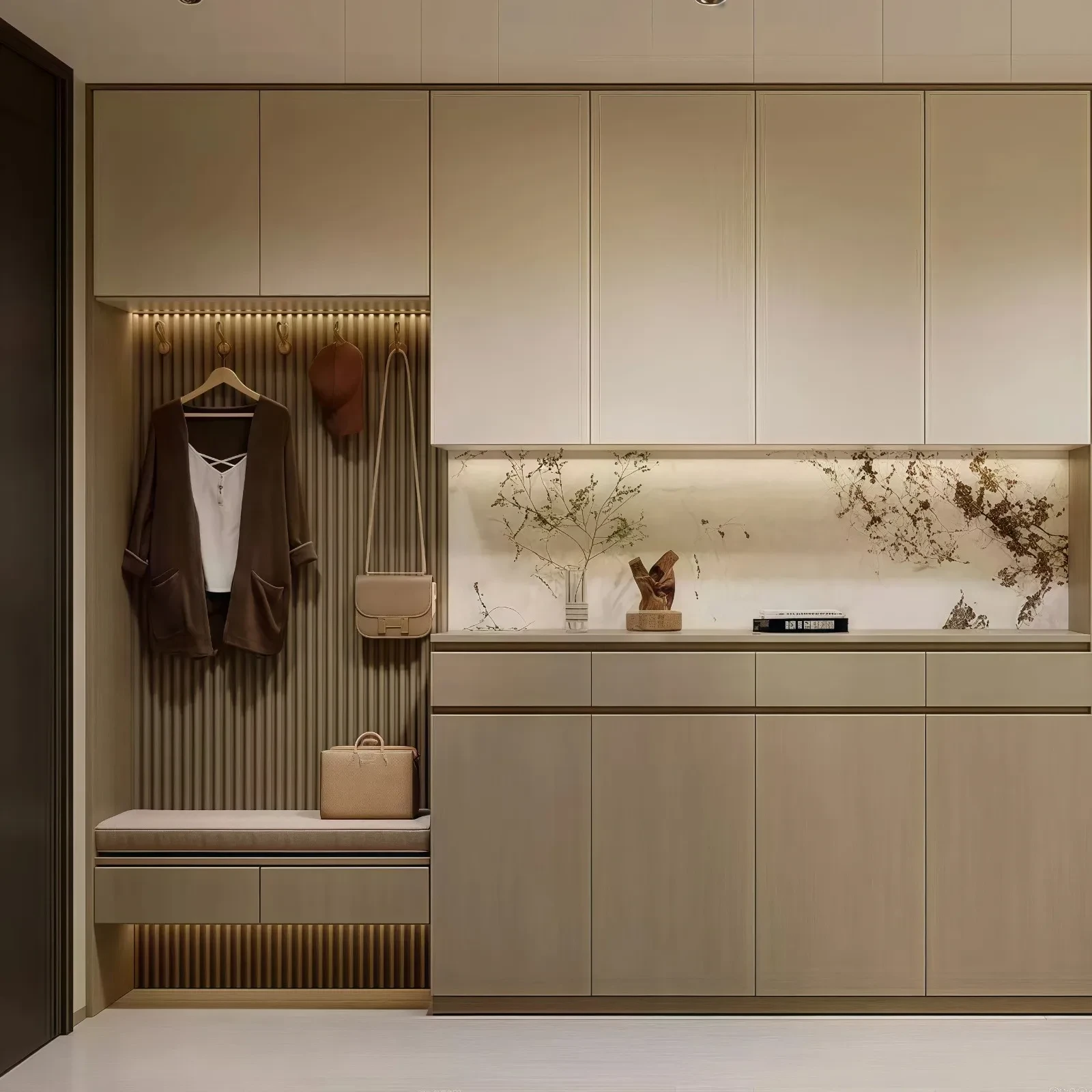
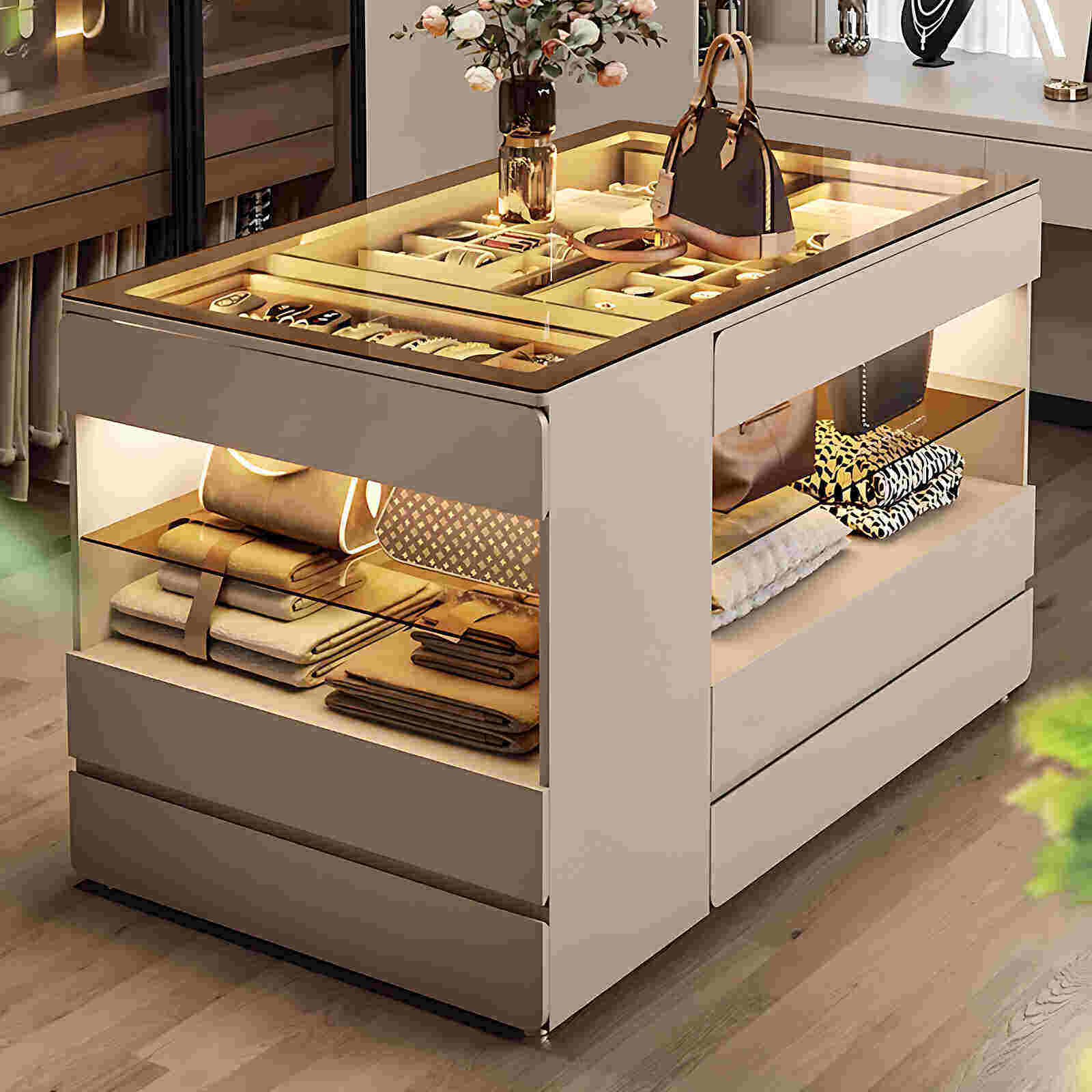
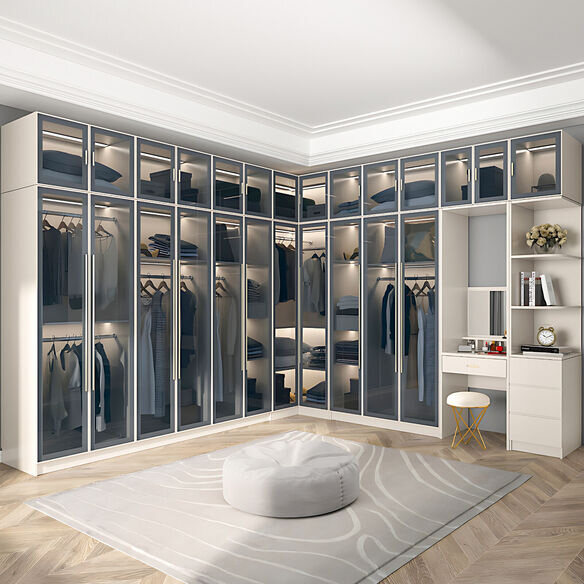
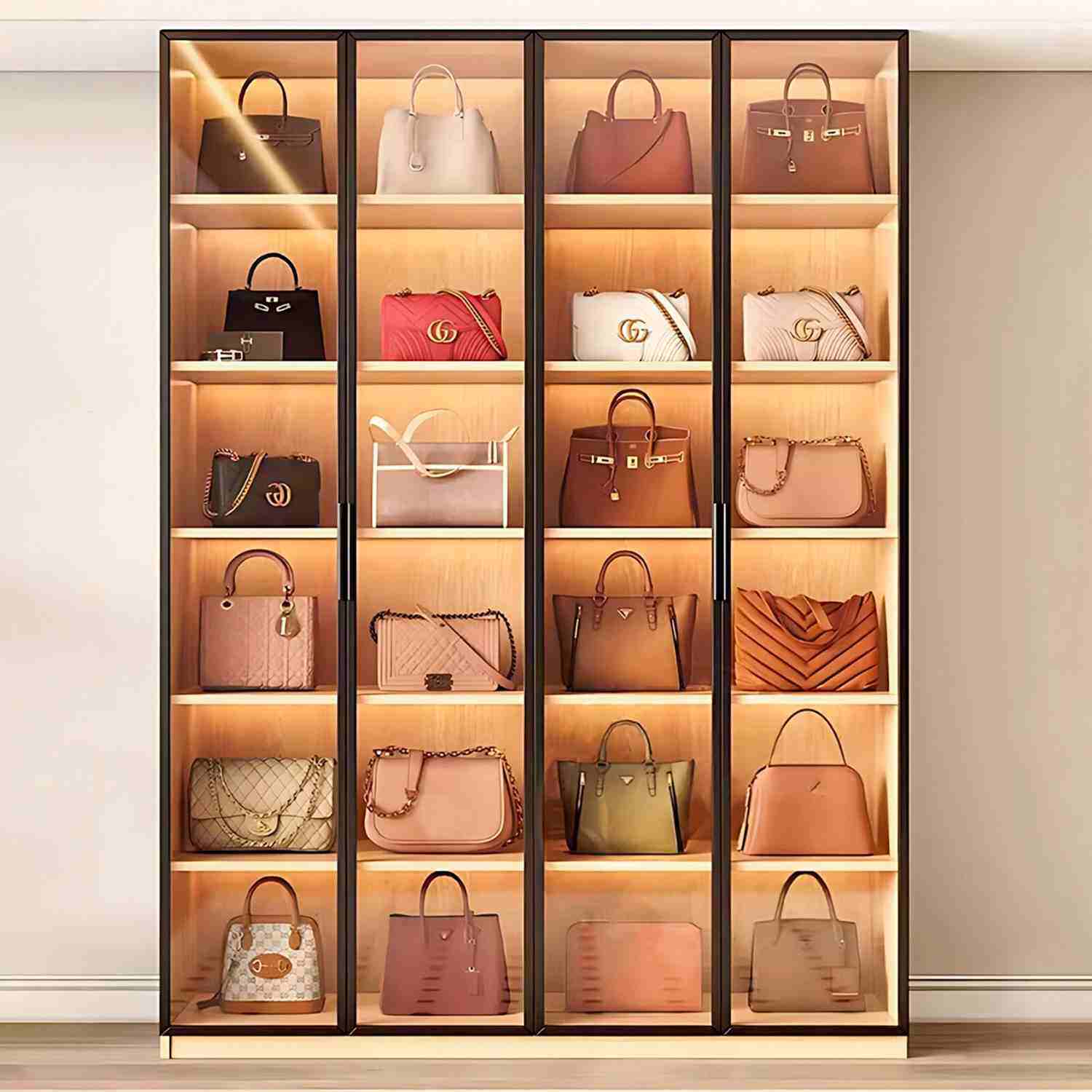
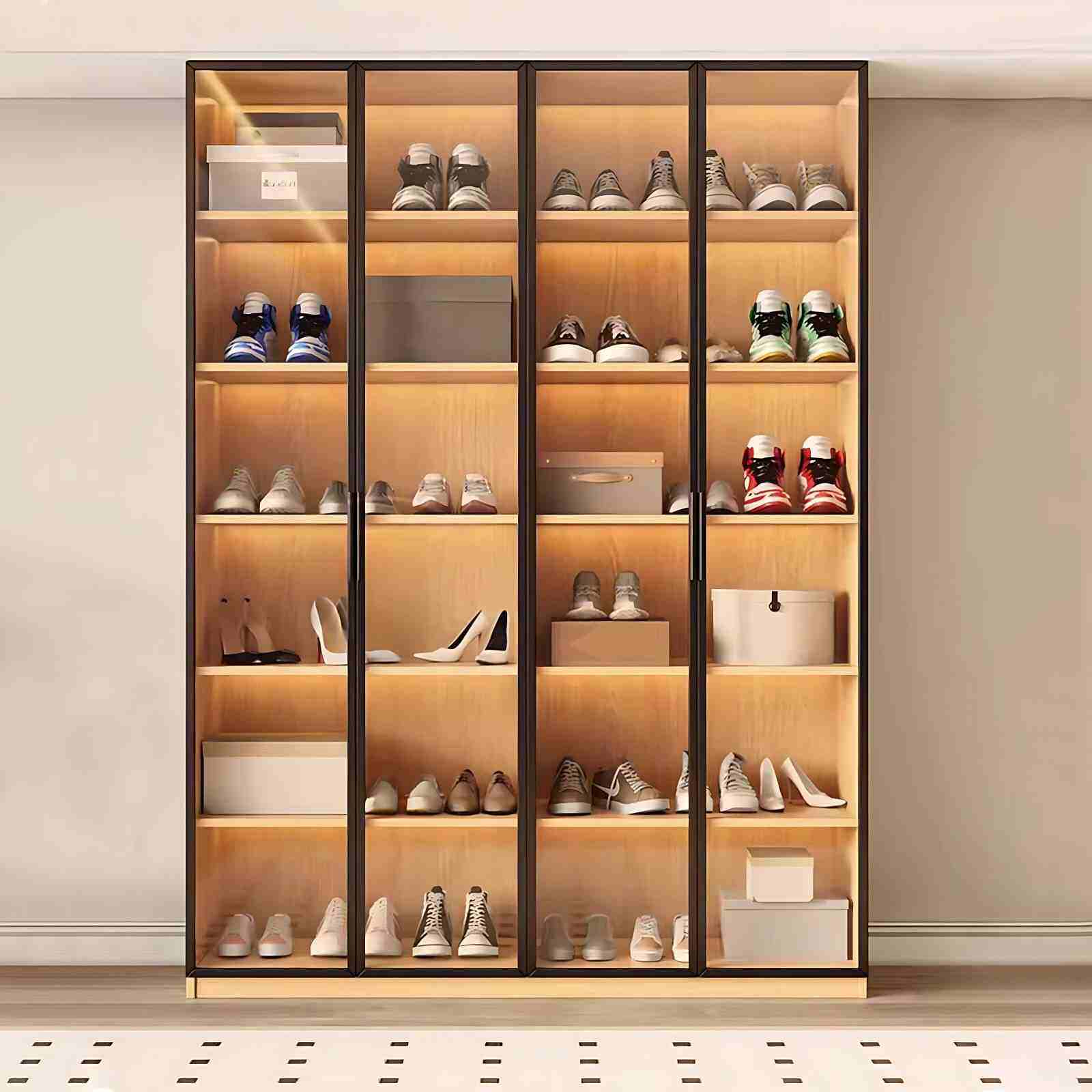
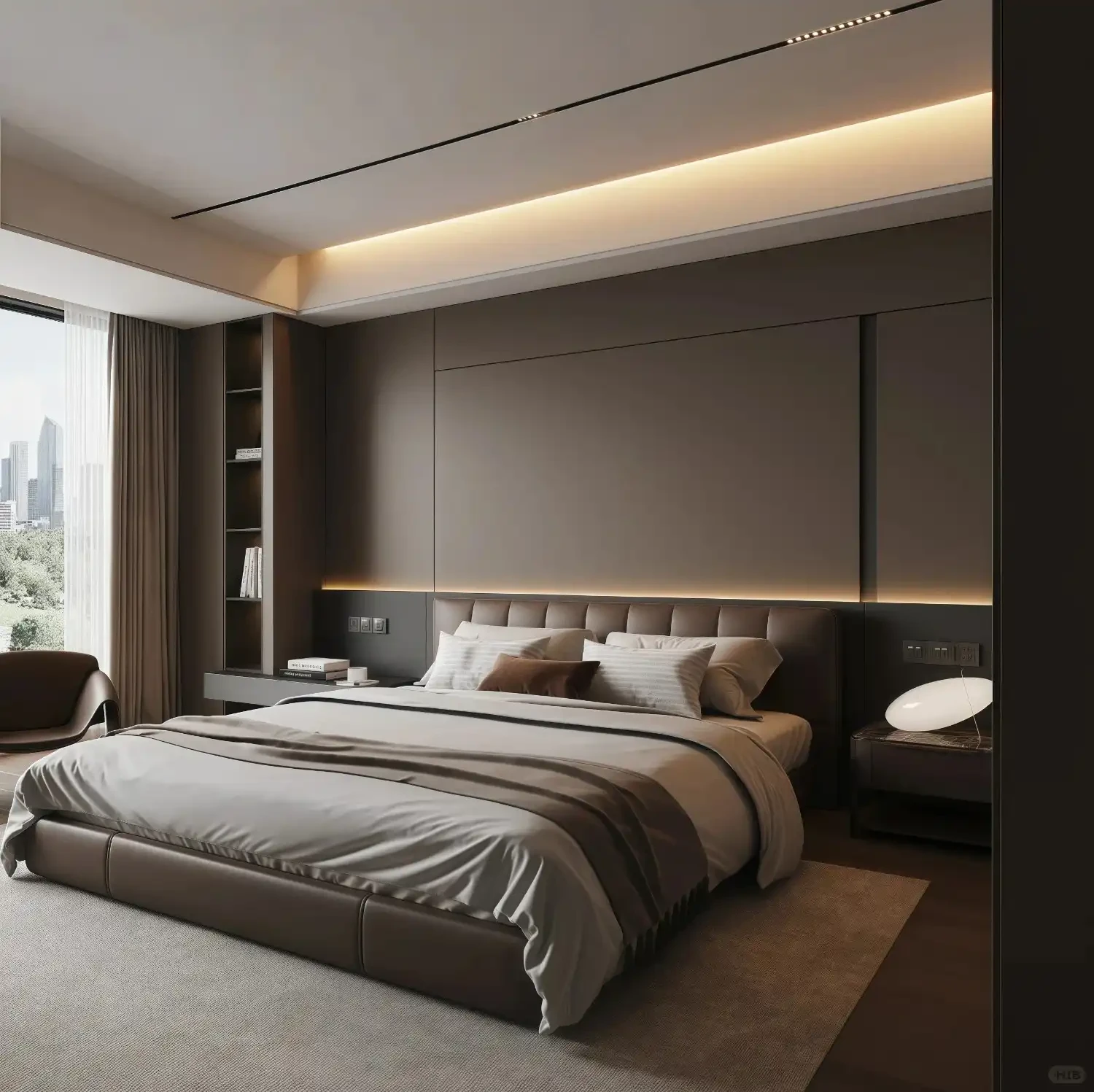
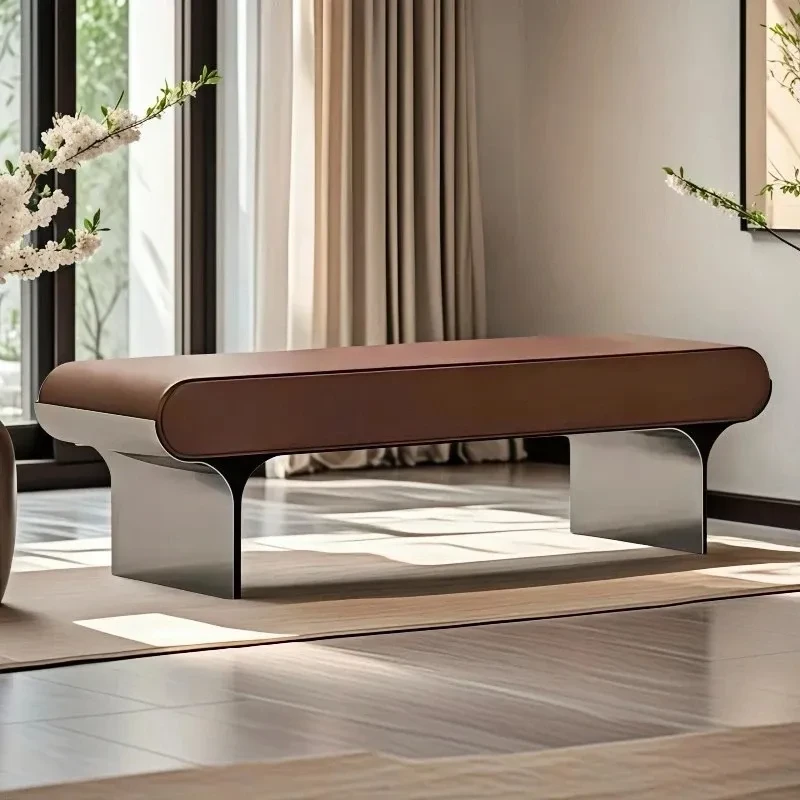
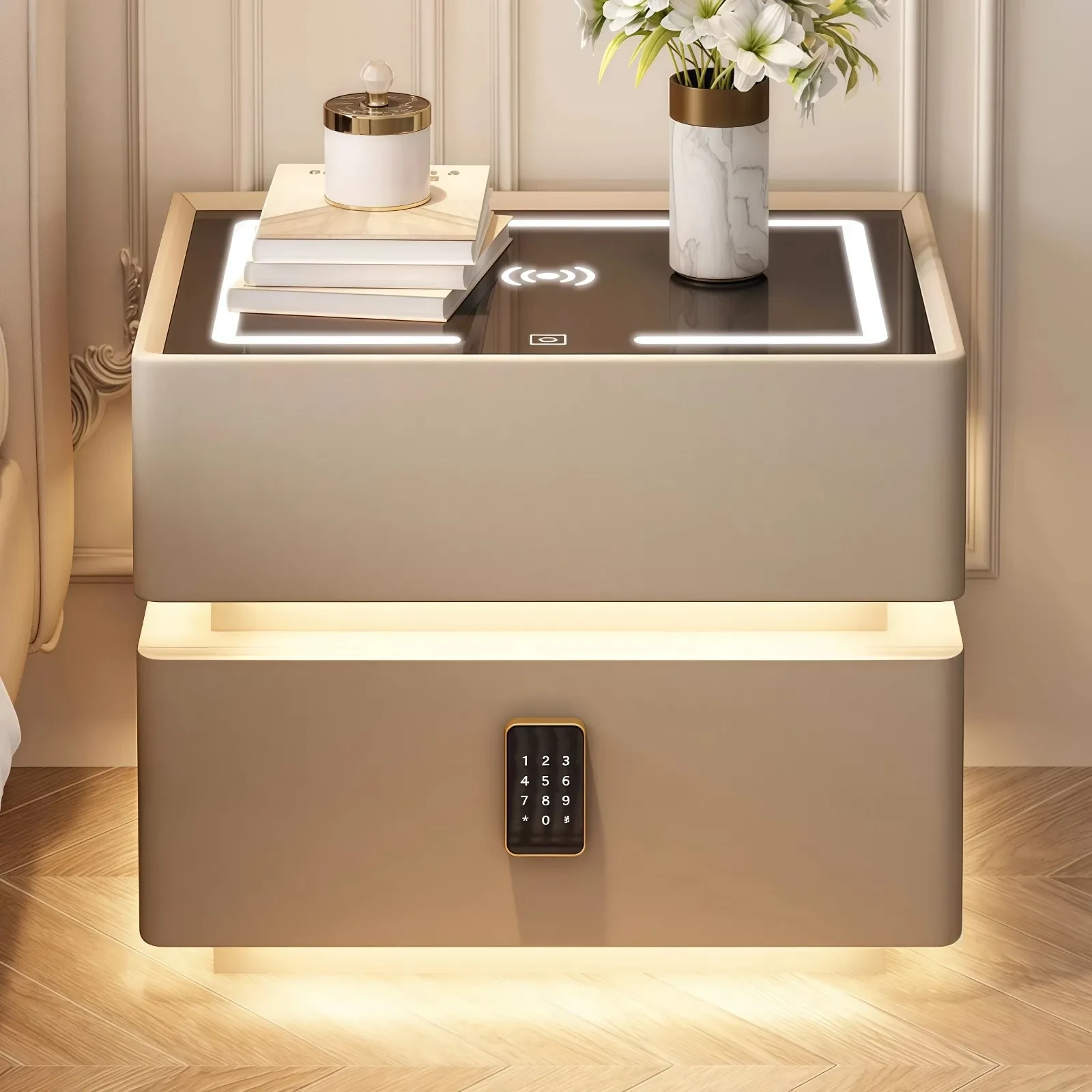
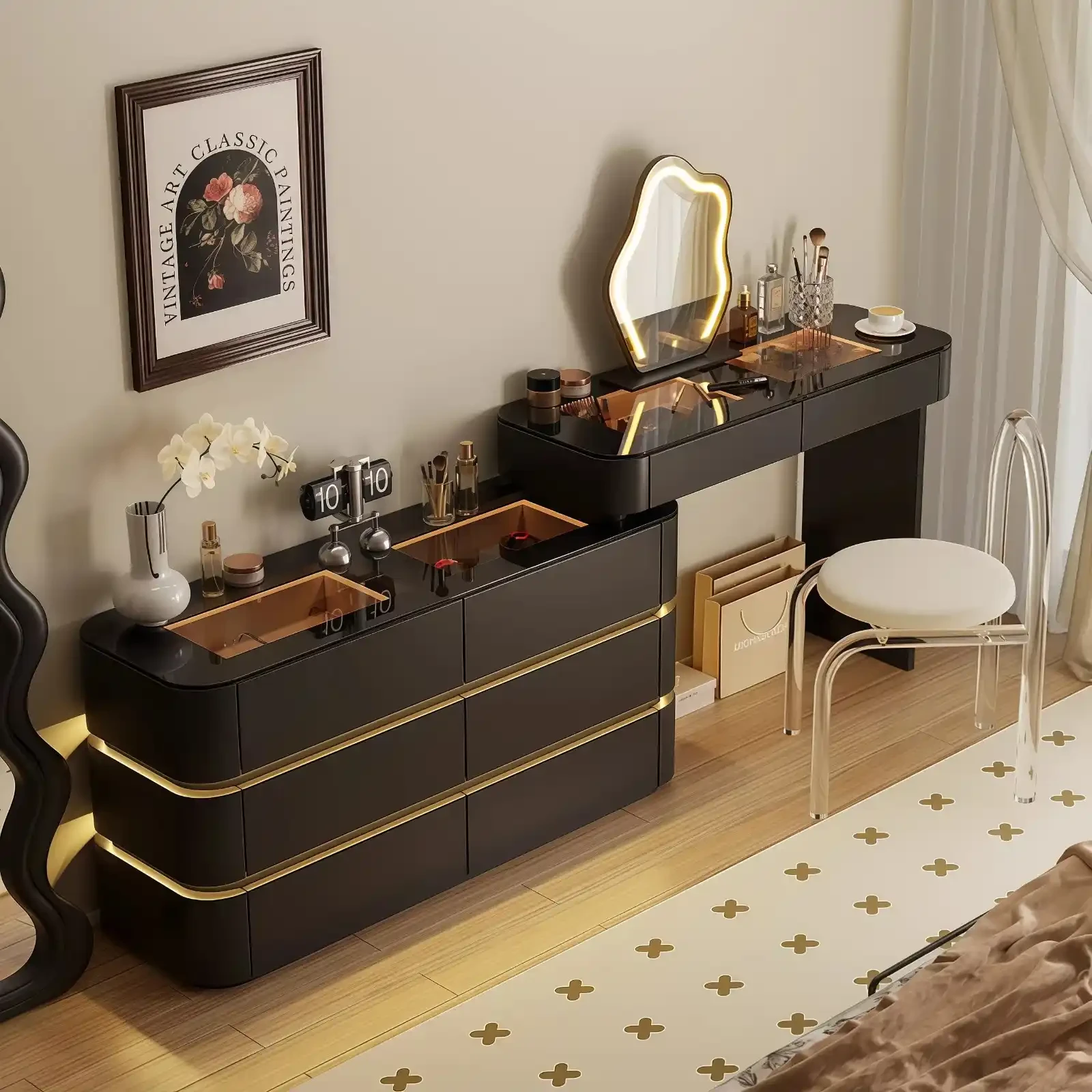
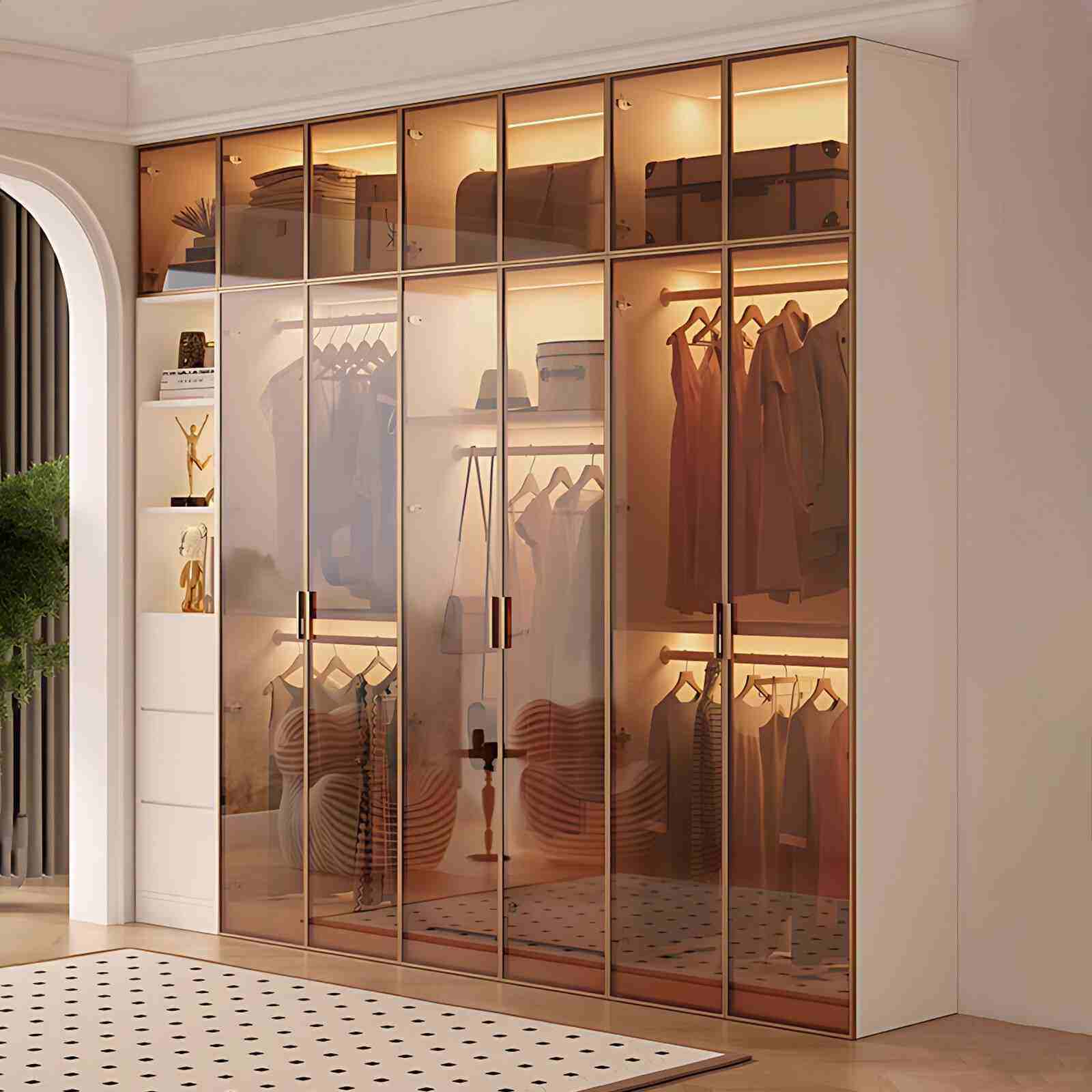
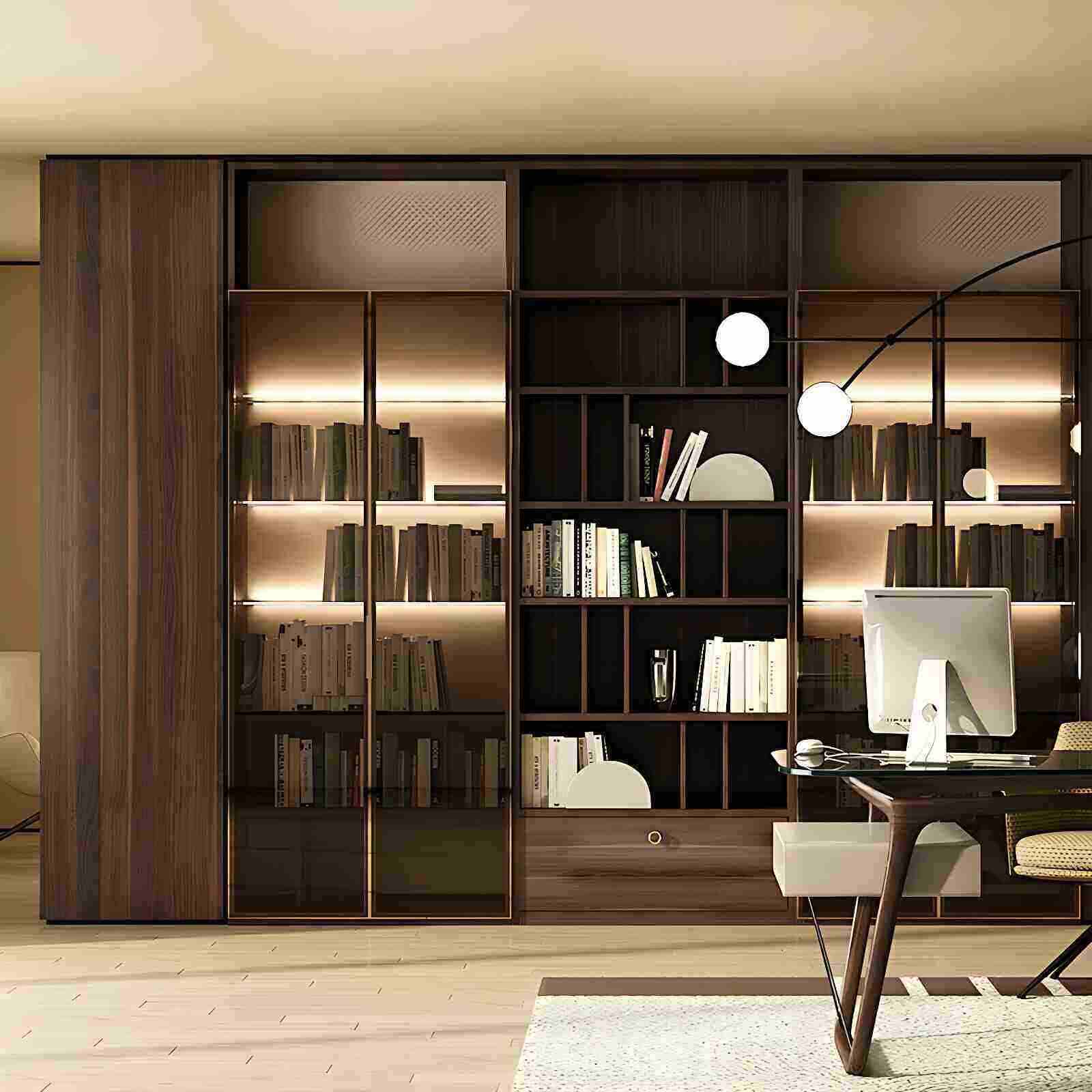
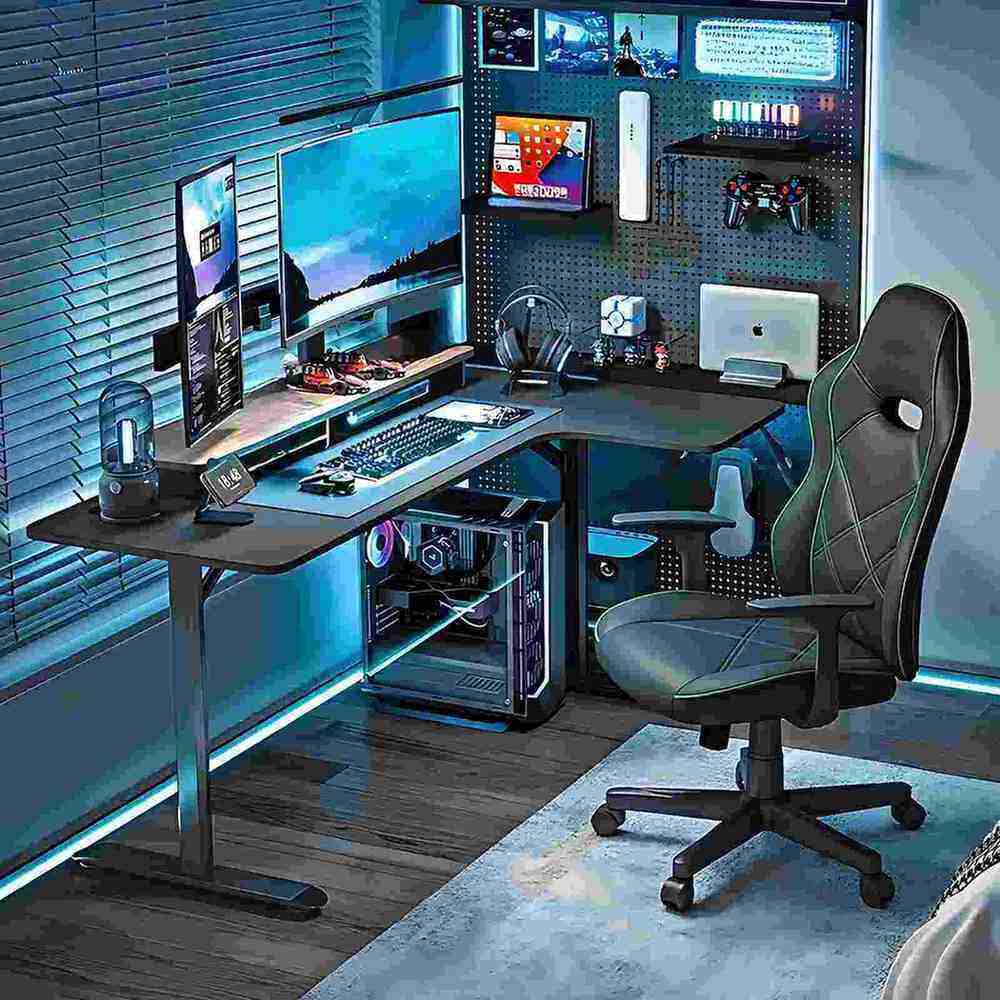
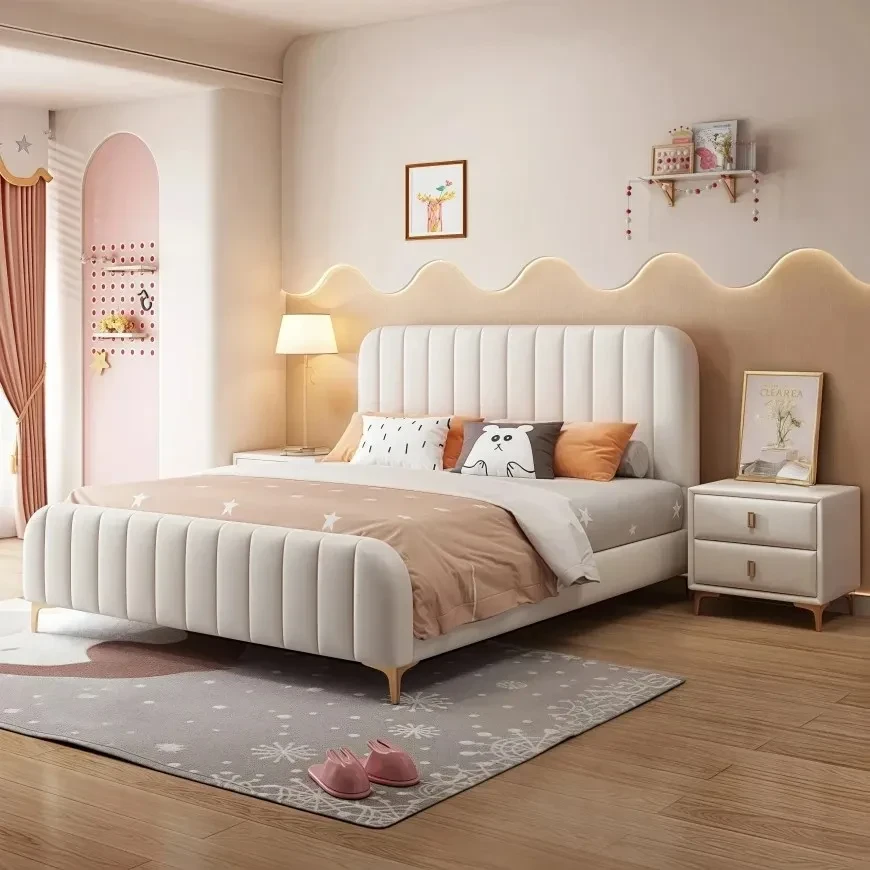
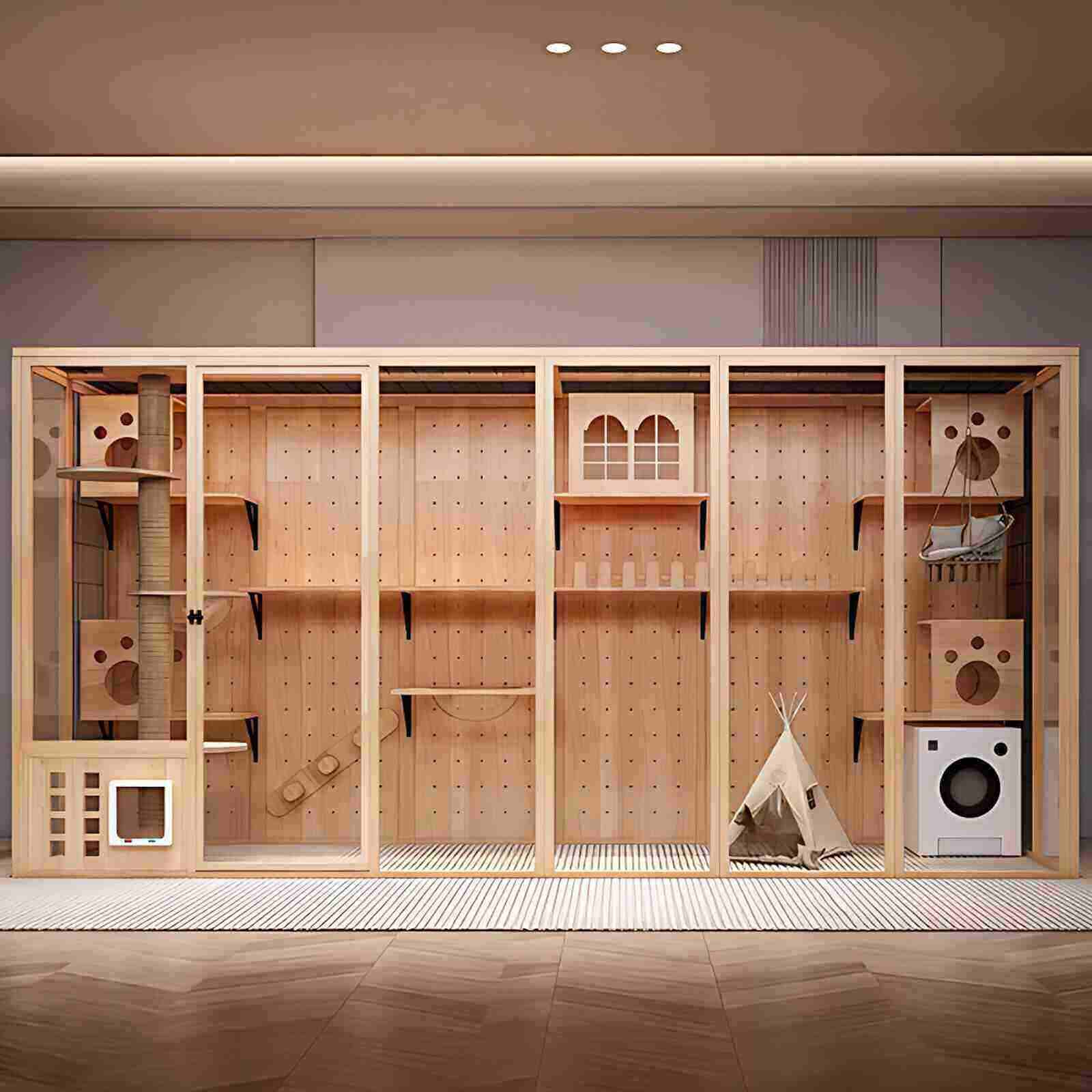
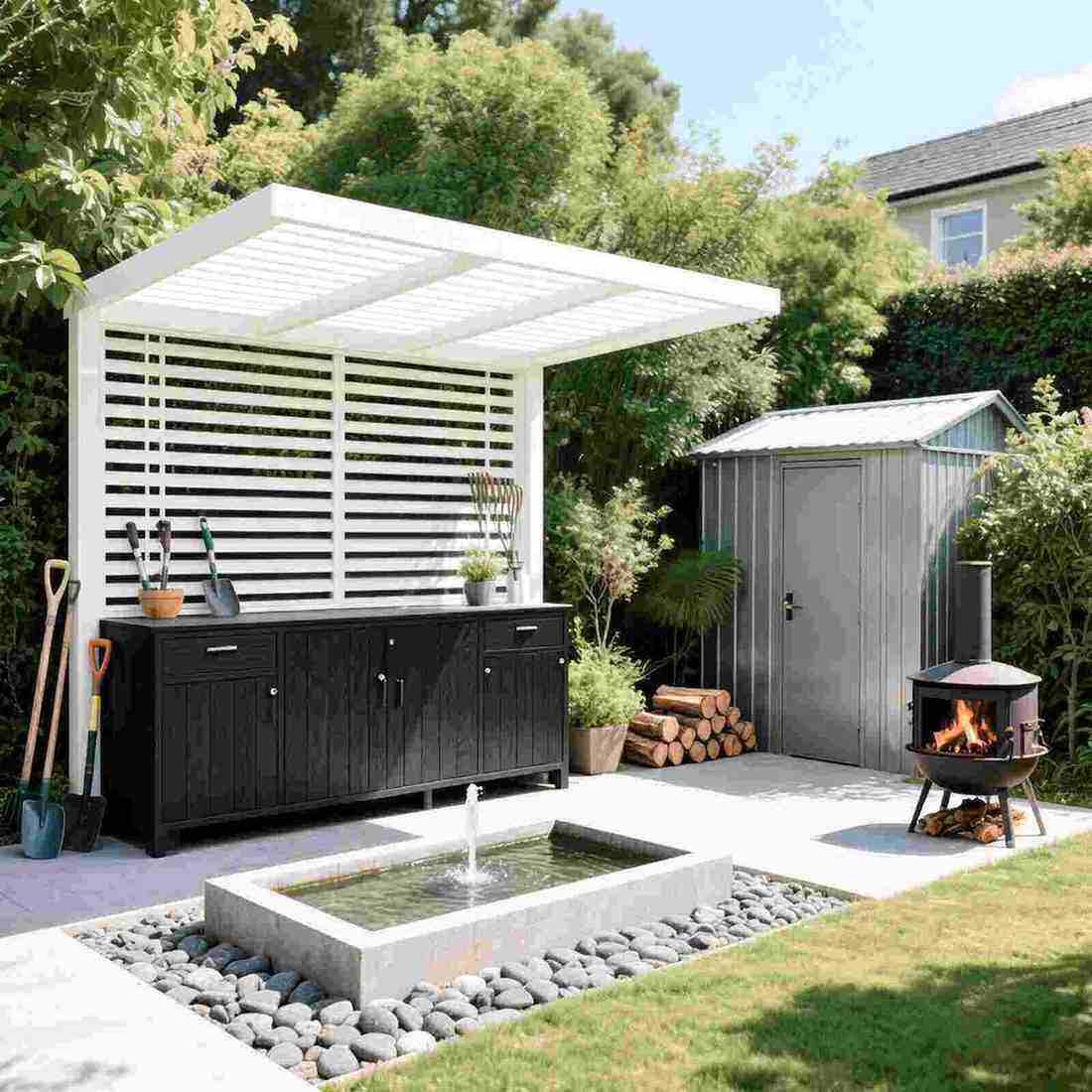
November temperatures plummeted, bringing a chill to the air. Many cities across the country have entered the winter heating season. Please note: poor indoor ventilation in winter leads to the release of large amounts of formaldehyde hidden in paint, flooring, and furniture, with toxicity levels exceeding 10 times the normal level!
Many families have misconceptions about formaldehyde, believing that it won't be released due to low winter temperatures. However, the winter heating season is precisely the peak period for the volatilization of formaldehyde, benzene, and other pollutants from home renovations. The formaldehyde exceedance rate in winter can reach as high as 73%.
The increase in formaldehyde concentration in winter is mainly related to the following three factors:
1. Indoor temperature
Since formaldehyde has a boiling point of 19°C, when the temperature exceeds 19°C, the rate of formaldehyde volatilization increases by 0.4 times for every 1°C increase in indoor temperature. This is especially pronounced during summer when temperatures rise or during winter when heating is used, with concentrations sometimes exceeding four times the normal level. After heating is turned on, indoor temperatures generally reach above 20°C, at which point large amounts of formaldehyde hidden in paints, flooring, and furniture are released.
2. Indoor air circulation
After the start of winter heating, most people are unwilling to open windows for ventilation frequently. The indoor environment is closed and poorly ventilated, resulting in poor air circulation and a large accumulation of formaldehyde. In addition, people's sense of smell for harmful gases is dulled in winter, so they are more seriously harmed by formaldehyde.
3. Environmental friendliness of interior materials
Wood-based panels are the largest decorative material used in home interior decoration, and they are also the most frequently used, account for a high proportion of the decoration cost, and have a major impact on the indoor environment. Formaldehyde can be released for 3 to 15 years. If the materials are not selected properly during decoration, formaldehyde will continuously be released from wood-based panels and furniture, causing varying degrees of pollution to our living space.
Every family renovating their home knows to choose environmentally friendly building materials, but few know how to select them.
01. Weight of the board
First, different types of boards will have different weights. Second, the weight of a board is also related to factors such as its density and moisture content. Finally, judging the quality of a board solely by its weight is inappropriate; we need to consider the characteristics of various boards and our own needs to select the best ones.
Penghong plywood's core and middle boards are mainly made from native poplar wood (also known as "golden fir" in some markets) grown in high-altitude cold forest areas north of 45 degrees north latitude. The growth cycle is more than 30 years, resulting in high density, hardness, and stronger nail-holding power.
02. Smooth and flat cut surface
Standard eco-friendly boards are made of solid wood pressed together, with tight joints between the wood pieces and smooth, flat surfaces. In contrast, inferior eco-friendly boards have very rough internal materials, gaps in the middle, and are prone to warping and deformation. If non-environmentally friendly adhesives are used in the boards, they can also harm the home environment.
Penghong's board production process is advanced and its production division of labor is detailed. From raw material selection to finished product packaging, there are a total of 46 complete processes. Top-notch domestic and foreign equipment is used for processing and manufacturing to comprehensively improve the environmental friendliness of the products and ensure the stability of the product structure.
03. Appearance color
Good eco-boards use high-quality eco-paper veneer, with bright colors, clear textures, and a realistic feel. They do not fade, are heat-resistant, and their patterns remain unchanged over the years, looking as good as new.
Penghong's board veneer uses high-pressure base paper produced by Schattdecor, the world's largest decorative paper manufacturer. It has clear texture, good weather resistance, and the impregnated paper has good flexibility, high strength, moisture resistance, wear resistance, and strong corrosion resistance.
04. Cross-section
The cross-section of the board should be neat and clean, and the internal structure of the board should be visible through the cross-section. This is one of the important pieces of evidence to detect the quality of the materials inside the board.
Penghong boards utilize a double-layer board process, undergoing five hot-pressing cycles and a nine-layer structure, making them resistant to deformation and cracking. They possess strong seismic resistance and damping properties, exhibiting excellent stability.
05. The boards have no pungent odor.
The biggest characteristic of genuine E0 boards is their environmental friendliness. Even when sawn open, the boards retain more of the original wood smell and do not have any pungent or unpleasant odors.
Penghong boards use independently developed environmentally friendly resin adhesive with a unique formula and scientific feeding ratio. According to tests by national authoritative departments, the formaldehyde emission is ≤0.3mg/l, which is better than the national standard of ≤0.5mg/l for formaldehyde emission.