
 USD
USD GBP
GBP
 EUR
EUR















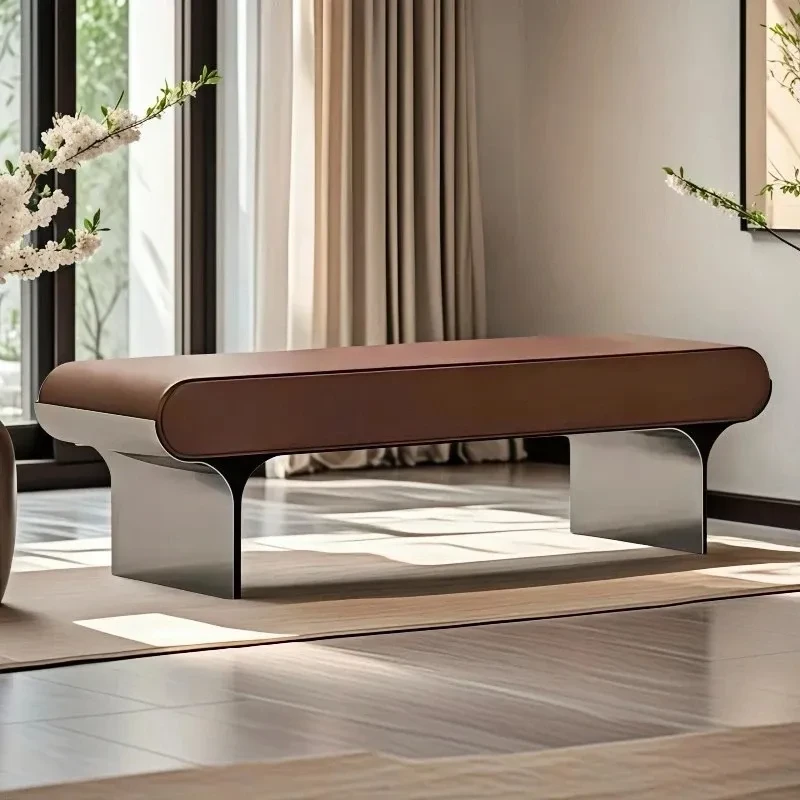


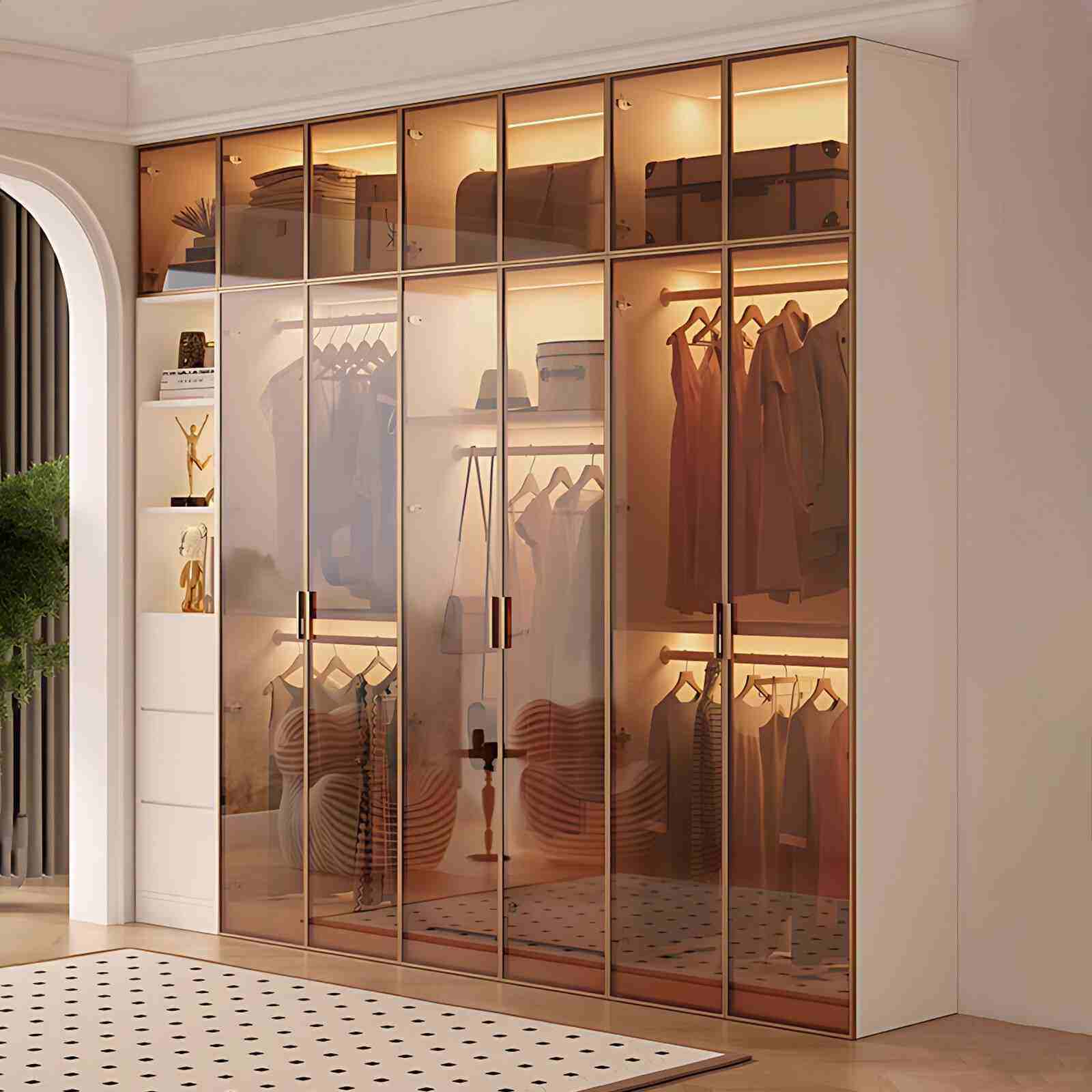
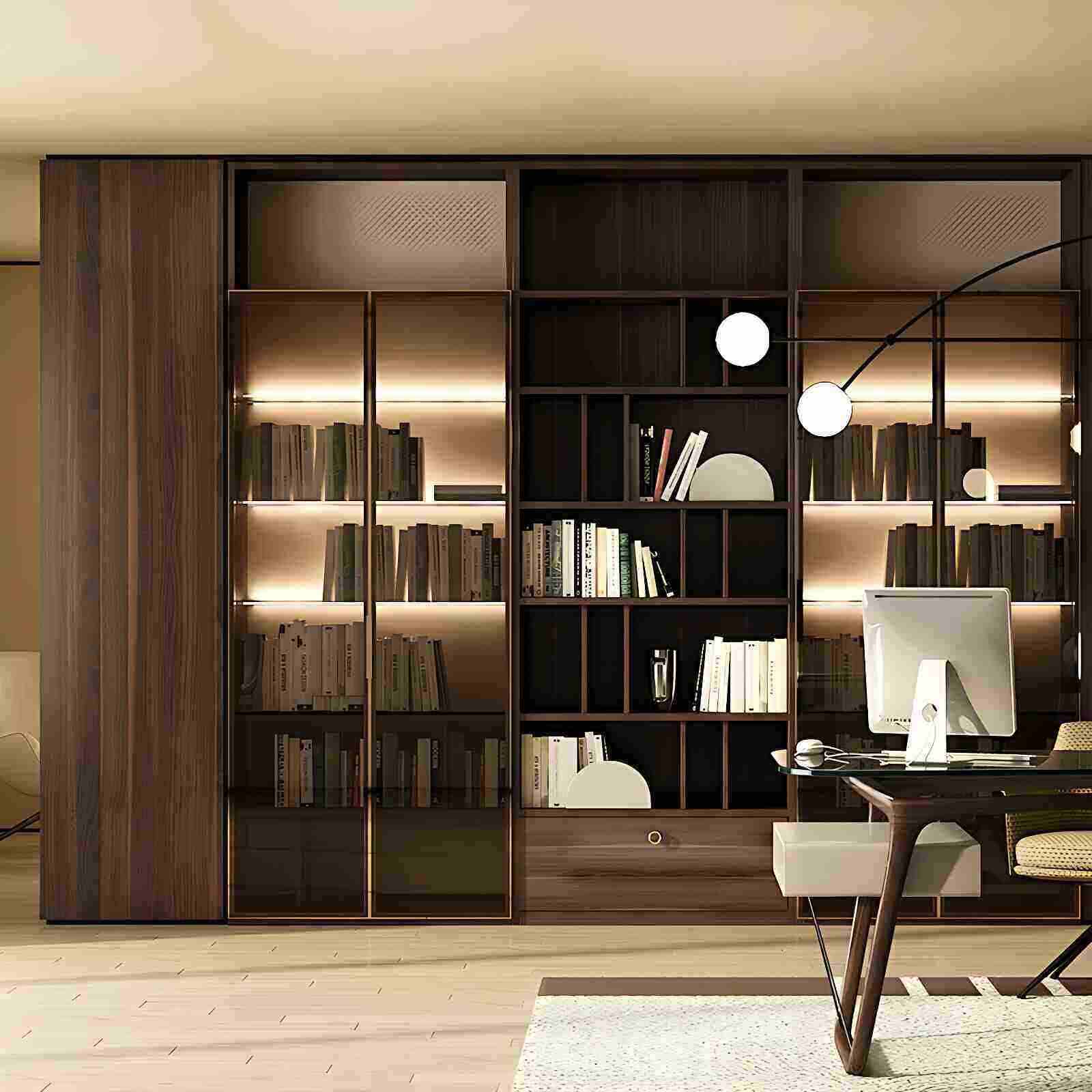

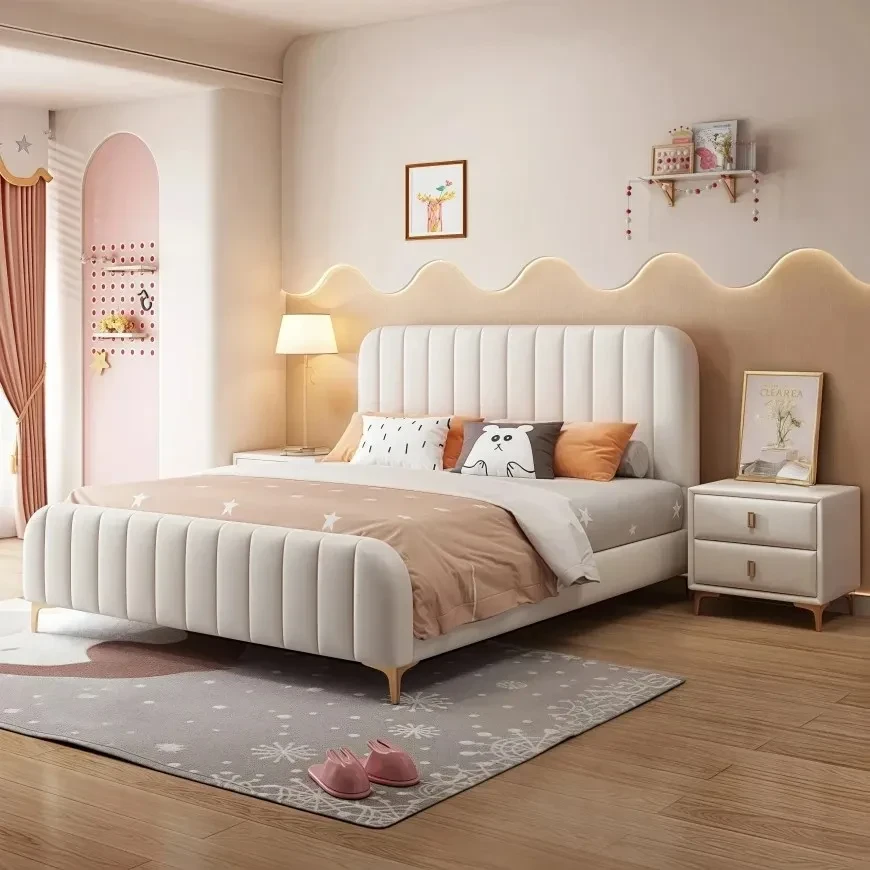
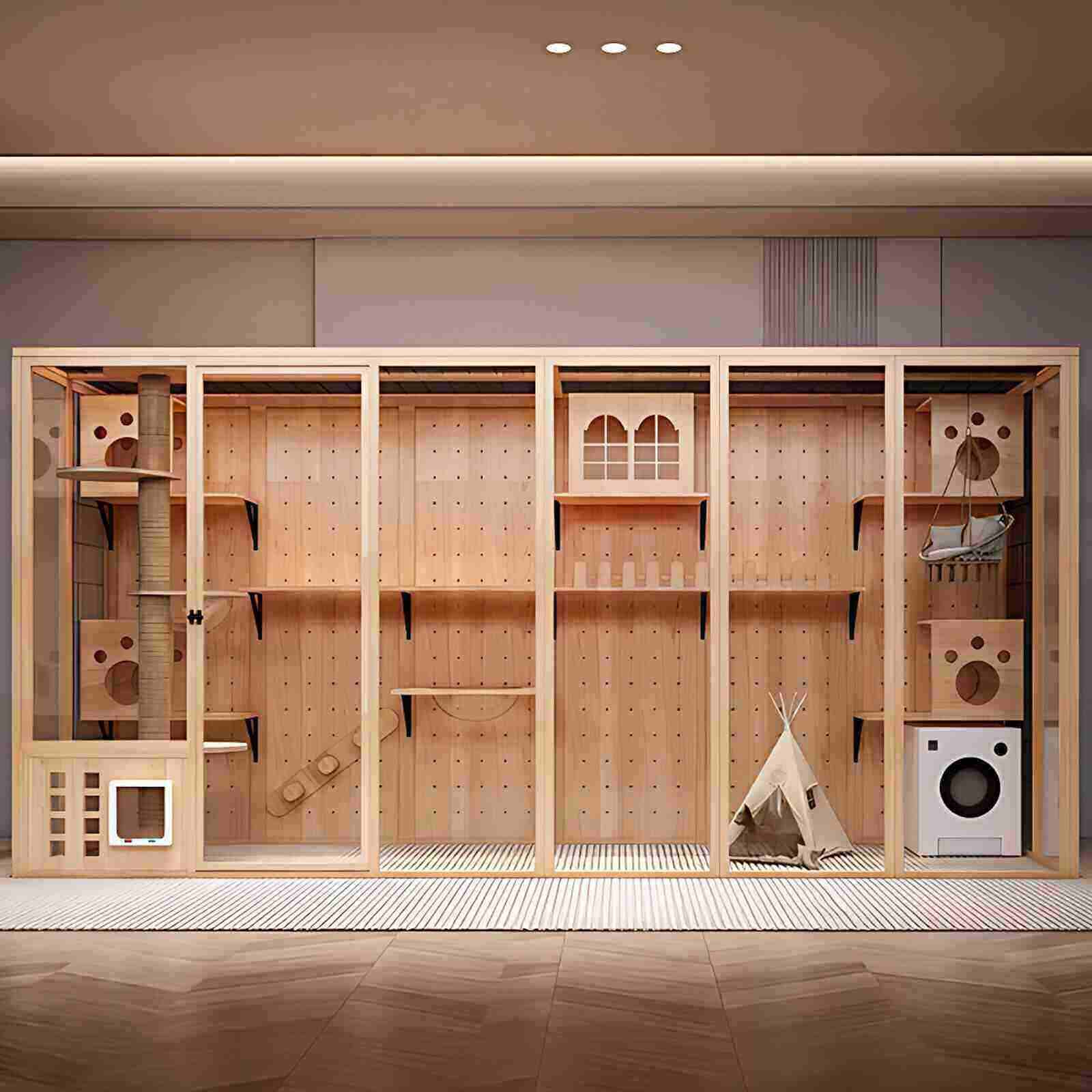

Tips on softwood cedar
Chinese fir is a type of softwood and a fast-growing commercial timber species unique to China. The wood has straight grain, uniform texture, does not warp or crack, is lightweight yet tough, has moderate strength, and a high quality coefficient. It also has a fragrance .
The material contains " fir bromine , " which makes it insect-resistant, rot-resistant, and easy to process.
Before buying cedar furniture, you must understand whether cedar furniture is good or not. Let's take a closer look at the advantages and disadvantages of cedar furniture!
advantage
1. Cedar wood has a natural wood fragrance and offers various health benefits! Furthermore, the cedarwood alcohol contained in cedar furniture can kill bacteria in the air, inhibit human pathogens, and suppress various skin inflammations; it also helps relieve fatigue and stress! It is relatively environmentally friendly and has a unique aroma.
2. Regardless of the type of furniture, the first thing we notice is its appearance, as the first impression furniture gives to consumers is crucial. Cedar furniture embodies a pure, natural style, generally without any additives. The original color of the cedar wood is fully displayed, resulting in a very natural and harmonious look.
3. Cedar wood furniture boasts beautiful lines and a very even color distribution. Cedar wood is a type of wood that grows very slowly; as everyone knows, the longer the wood grows, the better its quality. Therefore, cedar wood is excellent in both material and texture. Cedar wood furniture is both tough and lightweight, making it a top choice for furniture making.
shortcoming
1. The boards used in cedar furniture are relatively light compared to other solid wood furniture, therefore, cedar furniture cannot be used as engineered wood. Cedar furniture is also not suitable for high-temperature environments, otherwise it is easy for the cedar furniture to crack and deform.
2. Cedar wood furniture is generally made using the natural color of the cedar wood without any painting or other finishing processes, thus preserving the original characteristics of the cedar wood. However, this also makes cedar wood furniture difficult to maintain. Over time, prolonged friction will leave unsightly stains on the furniture. Since the natural color of cedar wood is quite delicate, it is difficult to maintain its color.
2. What kind of wood is Russian cedar?Softwood. Russian cedar is a fast-growing timber, taking 4 to 6 years to mature. Due to its rapid growth, its natural wood fibers are loose and its moisture content is high, classifying it as softwood. It cannot be used for furniture making and is generally used to produce pulp, plywood, and closed-cell MDF.
Northern Russia is mainly composed of coniferous forests, primarily spruce, including Norway spruce.
3. Detailed introduction of 9 common types of solid woodSolid wood furniture has always been a popular choice, not only for its environmental friendliness but also for its natural grain, giving people a sense of returning to nature. However, the market today offers a wide variety of solid wood furniture made from different materials, with varying quality. Do you know which types of solid wood are more reliable? Let's find out below.
Solid wood types - cedar
Chinese fir is arguably the cheapest solid wood available to us. It's a fast-growing commercial timber species unique to my country, characterized by rapid growth, good quality, straight grain, uniform structure, light weight, toughness, and moderate strength. Chinese fir has a fragrance and contains "fir oil," making it insect-resistant, rot-resistant, and easy to process. However, this type of solid wood is softwood, and it has two main disadvantages. First, because it's a fast-growing timber (maturity takes 4-6 years), its wood fibers are loose, and its moisture content is high, resulting in a softer surface that is easily scratched. Second, it has many knots, with black knots appearing at short intervals. Therefore, Chinese fir is generally less used for furniture making and is instead used to produce pulp, plywood, MDF, particleboard, framing, or finger-jointed boards for furniture inner panels.
Solid wood types - Pine
Pine wood makes up a large portion of solid wood furniture, especially children's furniture. There are two main types of pine wood used in furniture: Masson pine and Scots pine, with Scots pine being the more common choice. It's also a key raw material for engineered wood products in interior decoration. Masson pine has a straight or unevenly slanted grain and a medium to coarse texture. Its disadvantages include significant warping and cracking during drying, poor rot resistance, and poor paint and adhesive properties. While it has strong nail-holding power, it's less commonly used as a plywood material in furniture making, and its price is generally about three times that of similarly sized fir plywood or blockboard. Scots pine is widely used in mid-range solid wood furniture. Pine has a clearer grain and better wood quality; compared to fir, Scots pine has a more beautiful grain and fewer knots.
Solid wood species - Ash
Ash wood, also known as white ash, is the most widely used decorative panel. It's primarily produced in Northeast and North my country, and Russia. Ash's biggest advantage lies in its beautiful and clear grain. When used as a veneer or in furniture, applying a clear varnish or white coat best showcases its lovely patterns, making it suitable for modern minimalist styles. Moreover, ash veneer is relatively inexpensive. The disadvantage is that it's prone to warping when used in solid wood furniture. Therefore, when making solid wood furniture from ash, small pieces of wood are often used together. Most ash furniture seen in furniture stores uses solid ash for the main frame, with large areas covered in ash veneer, precisely because ash is prone to warping and shrinking.
Solid wood types - Oak
Oak is a popular decorative wood. While it's commonly known as oak, its scientific name is *Quercus acutissima*. Red oak is called *Quercus rubra*, and white oak is called *Quercus serrata*. Actually, red oak isn't truly red, but rather a yellowish-pinkish hue, and white oak isn't white, but a light yellow. The color difference between red and white oak isn't very significant. Oak is characterized by its weight, hardness, straight grain, coarse texture, elegant color, and beautiful grain. It has high mechanical strength and is wear-resistant. However, the wood is not easy to dry, saw, or cut, and large-scale use can lead to significant deformation. Oak grain patterns also vary, with straight grain being more aesthetically pleasing and slightly more expensive. One thing to note when using oak is that many sellers use Southeast Asian rubberwood to imitate it. Be careful when buying timber and furniture. Rubberwood can be identified by its odor and susceptibility to insects and decay.
Types of solid wood – Camphor wood
The most distinctive feature of this type of solid wood is its rich aroma, which repels insects, prevents moths, inhibits mold, and kills bacteria. Camphor balls are made by extracting the fragrance from camphor wood. The trees have large diameters, wide timbers, and beautiful grain. Camphor wood is dense, with naturally beautiful textures, and is tough, not easily broken, and not prone to cracking, making it a preferred material for carving since ancient times. In interior decoration, camphor wood is mainly used for furniture back panels and drawer panels, especially for chests, bookcases, and cabinets. However, camphor wood is rarely used for beds because the fragrance it emits can affect sleep quality, causing excitement or even insomnia, and may also trigger dizziness, weakness, nausea, and vomiting.
Solid wood type - elm
Elm wood is wide and has a warm, excellent texture; it has a low deformation rate, is tough, has clear and distinct grain, and moderate hardness and strength, making it suitable for carving. Planed surfaces are smooth, and the grain is beautiful, sometimes resembling "chicken wing wood." It can be used for furniture and interior decoration. Elm furniture has a rugged texture and a simple style. Moreover, elm wood offers good value for money.
Solid wood type - Beech
Also known as beech wood, it originates from southern my country. The wood is dense and has a beautiful grain, making it suitable for construction and furniture making. There are many varieties of beech wood; its heartwood is reddish-brown and is specifically called "blood beech." Some beech woods have naturally beautiful large grain patterns, with a color resembling rosewood. In ancient China, there was a saying, "Ulmus in the North, Beech in the South," referring to the use of elm wood primarily for furniture in the north and beech wood for furniture in the south. Therefore, both elm and beech wood were excellent materials for furniture making in the past, suitable for beds, tables, cabinets, etc. Beech wood can also be used as veneer.
Solid wood type - walnut
Walnut, commonly known as walnut wood, is one of the world's most prized and valuable woods, especially in Europe, where it, along with mahogany and oak, is considered one of the three most valuable timbers. High-end European-style furniture often uses these woods. However, in my country, walnut wood doesn't hold the same prestigious status as in Europe. Walnut wood has a medium to slightly hard and heavy hardness, a fine and uniform fiber structure, and strong toughness, particularly excelling in shock resistance and wear resistance. It also possesses a certain degree of bending resistance and corrosion resistance. Walnut furniture is almost exclusively found in Shanxi province. Although it can be found in other regions, none are as concentrated or of the same high quality as in Shanxi. Walnut wood seen in southern China is generally imported. The price of walnut wood varies greatly depending on its origin, so please be aware of this.
Types of solid wood – mahogany
The term "rosewood" originated in the late Qing Dynasty. At that time, in order to distinguish it from traditional rosewood and huanghuali furniture, the dark red heartwood of hardwoods of the rosewood family imported from Southeast Asia was called rosewood. In modern times, my country has combined the traditional materials used in the Ming and Qing Dynasties with the dark-colored woods commonly imported from abroad and redefined the rosewood standard. The new national standard stipulates that woods belonging to 2 families, 5 genera, 8 categories, and 33 species are called rosewood. Not all of these woods are red.
Regarding which solid wood is more reliable, this article summarizes nine types of solid wood: 1. The cheapest solid cedar; 2. Pine, often used in children's furniture; 3. Ash, used for veneer or furniture; 4. The most popular solid oak; 5. Camphor wood, often used for furniture back panels and drawer panels; 6. Elm, with a high cost-performance ratio; 7. Beech, which can be used for beds, tables, or veneer; 8. The most precious walnut; and 9. Mahogany, a type of hardwood. You can choose according to your needs. We hope this information is helpful.
Wood Cloud Wood Encyclopedia
Chinese fir
Chinese fir is one of the cheapest solid woods available to us, and it is a fast-growing commercial timber species unique to my country. Its characteristics include rapid growth, good quality, straight grain, uniform structure, light weight and toughness, moderate strength, a pleasant aroma, and the presence of "fir oil," which makes it insect-resistant and rot-resistant, and easy to process. However, Chinese fir is a softwood, and its main disadvantages are twofold: loose wood fibers, high moisture content, and a relatively soft surface, making it easily scratched by external forces; and numerous knots, with black knots appearing at short intervals. Therefore, Chinese fir is generally less used for furniture making, but rather for producing pulp, plywood, MDF, particleboard, framing, or finger-jointed boards for furniture inner panels.
pine wood
Pine wood makes up a large portion of solid wood furniture, especially children's furniture. There are two main types of pine wood used in furniture: Masson pine and Scots pine, with Scots pine being the primary choice. It is a key raw material for engineered wood products. Masson pine has a straight or unevenly slanted grain and a medium to coarse texture. Its disadvantages include significant warping and cracking during drying, poor rot resistance, and poor paint and glue properties. Relatively speaking, pine is less commonly used in furniture as a woodworking board, and its price is generally about three times that of similarly sized fir plywood or blockboard. Scots pine is widely used as a material for mid-range solid wood furniture. Pine has a clearer grain and better wood quality; compared to fir, Scots pine has a more beautiful grain and fewer knots.
Ash
Ash wood, scientifically known as white ash, is the most widely used decorative veneer. It is mainly produced in Northeast and North my country, and Russia. Its biggest advantage lies in its beautiful and clear grain, making it suitable for modern minimalist styles. Ash veneer is also one of the more affordable decorative veneers. A disadvantage is that it is prone to warping when used in solid wood furniture; therefore, when making solid wood ash furniture, it is often constructed using small pieces pieced together.
oak
Oak is a popular decorative wood, scientifically known as Quercus acutissima. However, red oak isn't truly red; it's more of a pinkish-yellow. White oak isn't white either, but rather a light yellow. Oak is characterized by its weight, hardness, straight grain, coarse texture, elegant color, and beautiful grain. It has high mechanical strength and is wear-resistant. However, the wood is not easy to dry, saw, or cut, and large-scale use can lead to significant warping. Oak grain patterns can also vary between straight and cross grains. One important point to note is that many sellers use Southeast Asian rubberwood to imitate oak. Be careful when buying timber and furniture. Rubberwood can be identified by its distinctive odor and susceptibility to insect infestation and decay.
camphor wood
The most distinctive feature of camphor wood is its rich aroma, which repels insects, prevents moths, inhibits mold growth, and kills bacteria. Camphor balls are made by extracting the fragrance from camphor wood. Camphor wood has a fine texture, beautiful natural grain, and is tough, not easily broken, and resistant to cracking, making it a preferred material for carving since ancient times. In interior design, camphor wood is mainly used for furniture back panels and drawer panels, especially for chests, bookcases, and cabinets. However, camphor wood is rarely used for beds because the fragrance it emits can affect sleep quality, causing excitement or even insomnia, and may also trigger dizziness, weakness, nausea, and vomiting.
Elm wood
Elm wood has a low deformation rate, is tough, has clear and distinct grain, and moderate hardness and strength, making it suitable for carving. It produces a smooth surface after planing, and the tangential surface displays beautiful patterns, making it suitable for furniture and interior decoration. Elm furniture has a rugged texture, a simple style, and offers good value for money.
Beechwood
Beech, also known as jujube, is produced in southern my country. Its wood is dense and has a beautiful grain, making it suitable for construction and furniture making. There are many varieties of beech, with the heartwood being reddish-brown and specifically called "blood beech." Some beech woods have naturally beautiful large grain patterns, resembling the color of rosewood. In ancient China, there was a saying, "Ulmus in the North, Beech in the South," referring to the use of elm for furniture in the north and beech for furniture in the south. Therefore, both elm and beech were excellent materials for furniture making in the past, suitable for beds, tables, cabinets, etc. Beech can also be used as veneer.
Walnut wood
Walnut wood is one of the world's most prized and valuable woods, especially in European countries. It has a medium to slightly hard and heavy hardness, a fine and uniform fiber structure, and strong toughness, particularly excelling in shock and wear resistance. It also possesses a certain degree of bending and corrosion resistance. Walnut furniture is almost exclusively found in Shanxi province; although it has been found in other regions, none are as concentrated or of the same high quality as in Shanxi. Walnut wood seen in southern China is generally imported.
Redwood
Rosewood refers to solid wood materials with a thickness of 10mm or more. In my country, it combines the traditional materials used during the Ming and Qing dynasties with the dark-colored woods commonly imported from abroad in modern times. The new national standard defines rosewood as wood from 2 families, 5 genera, 8 categories, and 33 species. Not all of these woods are red.
These are nine common types of solid wood. Fir and pine are the most affordable solid wood materials; ash is suitable for veneer; oak is a popular decorative wood; camphor wood repels insects; elm and beech were traditionally prized for furniture making; and walnut and mahogany are both valuable woods. You can choose according to your needs.
4. What grade of wood is cedar?Chinese fir is a mid-range timber, moderately priced, and widely used, commonly found in furniture, construction, and flooring. It is soft and easy to work, but not particularly hard or durable. In the timber market, the price of Chinese fir is generally relatively stable, unlike the more volatile prices of high-end timbers.
5. What are the differences between cedar, lauan, hardwood, and preservative-treated wood? Which one is more suitable for making outdoor furniture?Since I don't know what kind of outdoor furniture you're making, I can only tell you about the properties of these materials:
Chinese fir is an evergreen tree with many varieties. It is light and soft, resistant to decay and insect infestation, and exhibits minimal warping. Since ancient times, it has been a common material for construction, shipbuilding, and various types of furniture, especially in common household furniture. It is classified as a mid-range timber.
Lauan: Its material is of moderate weight, with straight or oblique interlaced grain, a slightly coarse texture, easy to process, and good gluing properties. Slight warping and cracking may occur during the drying process. It is classified as a low-grade timber.
Hardwood: This is a general term, not referring to a specific tree species. Oak, ash, birch, elm, and jujube all belong to this category. They are commonly used to process veneers, core boards, longboards, engineered wood products, container boards, and various multi-layer boards requiring strength and weight. They can also be used as surface panels for flooring. Advantages: attractive wood grain, high hardness, wear and corrosion resistance. Disadvantages: difficult to process and scarce raw materials.
Preservative-treated wood: This type of wood undergoes special preservative treatment, giving it resistance to rot, termites, and fungi. Specifically designed for outdoor environments, it is suitable for direct contact with water and soil, making it the preferred material for outdoor wood flooring, garden landscaping, outdoor wooden platforms, terrace flooring, outdoor boardwalks, and other outdoor preservative-treated wood pergolas.
So, what exactly is your outdoor furniture for? A gazebo? A ceiling? Tables and chairs? A platform? You can refer to the attributes mentioned above when making your selection! Good luck!
Since I don't know what kind of outdoor furniture you're making, I can only tell you about the properties of these materials:
Chinese fir is an evergreen tree with many varieties. It is light and soft, resistant to decay and insect infestation, and exhibits minimal warping. Historically, it has been a commonly used material in construction, shipbuilding, and various types of furniture, especially in common household furniture. It is classified as a mid-range timber.
Lauan: Its material is of moderate weight, with straight or oblique interlaced grain, a slightly coarse texture, easy to process, and good gluing properties. Slight warping and cracking may occur during the drying process. It is classified as a low-grade timber.
Hardwood: This is a general term, not referring to a specific tree species. Oak, ash, birch, elm, and jujube all belong to hardwood. They are commonly used to process veneers, core boards, longboards, engineered wood products, container boards, and various multi-layer boards requiring strength and weight. They can also be used as surface panels for flooring. Advantages: beautiful wood grain, high hardness, wear and corrosion resistance. Disadvantages: difficult to process, prone to defects, and scarce raw materials.
Preservative-treated wood: This type of wood undergoes special preservative treatment, giving it the properties of being resistant to rot, termites, and fungi.
6. What are the characteristics of cedar wood?Chinese fir, belonging to the Taxodiaceae family, is an evergreen tree that can reach a height of 30-40 meters and a trunk diameter of over 3 meters. It has a pyramidal crown and a straight, round trunk. Chinese fir is widely distributed in my country, with cultivation areas spanning 16 provinces and regions. Native to my country, it is a unique and major timber species, and one of the oldest trees in the country. Records of it date back to the Zhou Dynasty; the *Erya* (a Chinese dictionary) refers to it as "Yanzhan." Cultivation of Chinese fir in my country dates back at least 1600 years. In 329 AD (the fourth year of the Xianhe era of the Jin Dynasty), Tao Kan, then serving as the Grand Commandant of Changsha, planted Chinese fir trees on Yuelu Mountain, which were known as "Shan'an" (Fir Hermitage). This hermitage was destroyed in the Taiping Rebellion in 1852 (the second year of the Xianfeng era of the Qing Dynasty). Based on this, it is estimated that the Chinese fir trees planted by Tao Kan survived for 1500 years. Chinese fir is a fast-growing, high-yielding, and long-lived tree species; in its central production areas, it can mature in just 8 years. A 20-year-old fir tree increases its diameter at breast height (DBH) by 1 centimeter and its height by 1 meter every year. In Xiaba, Taiping Village, Donghuang Town, 8 kilometers southwest of Xishui County, Guizhou Province, there is a rare giant fir tree. It stands 44.66 meters tall, with a DBH of 2.5 meters, a DBH circumference of 7.85 meters, a crown width of 22.66 meters, and a trunk volume of 48 cubic meters. After multiple observations and confirmations by domestic experts, the Xishui Taiping giant fir is the tallest existing fir tree in my country, recognized as the "King of Chinese Fir" and named "The First Giant Fir in China." Fir has a wide range of uses and is known as the "all-purpose wood." It is widely used in various constructions, shipbuilding, and vehicle manufacturing. Throughout Chinese history, emperors have used fir as the main beam and rafter for the construction of palaces and mausoleums. Many magnificent ancient buildings in Beijing were constructed using fir wood. Fir wood has straight grain, a uniform structure, and is resistant to warping and cracking. It contains "fir brain," which gives it a fragrant aroma and makes it resistant to decay, insects, and water immersion. As early as the Han Dynasty, it was used as a superior material for coffins. In 1972, the coffin boards unearthed from Han Tomb No. 1 at Mawangdui in Changsha were made of fir wood, and they remained intact for over two thousand years, effectively preserving the body.
The wood is yellowish-white, sometimes with a light reddish-brown heartwood. It is relatively soft, fine-grained, fragrant, straight-grained, easy to process, has a specific gravity of 0.38, is highly resistant to decay, and is not susceptible to termite infestation.
It is used in construction, bridges, shipbuilding, mine props, timber piles, utility poles, furniture, and as raw material for the wood fiber industry.
Thick cedar planks give a warm feeling. Because they are made of solid wood strips joined together, they are more environmentally friendly and more moisture-resistant than plywood .
Cedar planks come in single-sided knot-free, double-sided knot-free, and knotty varieties. Single-sided knot-free planks are usually chosen because they are reasonably priced and produce aesthetically pleasing cabinets.
The upper limit of the vertical distribution of Chinese fir trees varies depending on topography and climate conditions. In the Dabie Mountains of eastern China , it is below 700 meters above sea level; in the Daiyun Mountains of Fujian, below 1000 meters above sea level; in the Emei Mountains of Sichuan , below 1800 meters above sea level; and in Dali, Yunnan.
Below 2500 meters above sea level.
Chinese fir is a subtropical tree species that prefers sunlight. It thrives in warm, humid, foggy, and calm climates, but is intolerant of severe cold and hot , humid conditions, and is sensitive to wind and drought. It adapts to an average annual temperature of 15-23℃, with an extreme minimum temperature of -17℃ and annual precipitation of [missing information - likely a number]. Its cold tolerance outweighs its drought tolerance, and the influence of water conditions outweighs that of temperature conditions. It is susceptible to salinity and alkalinity, and has higher soil requirements than most tree species, preferring fertile, deep, moist, well-drained acidic soil.
The above content is for reference only.
Baidu Baike - Chinese Fir ;
Baidu Baike - Cedar Board
1. Compared to hardwoods, cedar is light and soft, easy to dry, has less shrinkage, and is less prone to warping and cracking. Softwood is easy to process and has good gluing properties, making it a very popular raw material among wood processors.
2. The natural aroma of cedar is not just pleasant; the fragrance factors released by cedar in the air contain cedrol, which can kill bacteria in the air and has a good inhibitory effect on fungal skin inflammation in humans.
3. The natural stripes of cedar wood are full and solid, tranquil and soft, and well-arranged, showing the beauty of nature. It is especially suitable for North American or pastoral style home decoration.
4. The natural harmony and balance of cedar wood create a warm and harmonious family atmosphere, which is beneficial to the physical and mental health of family members and promotes the relationship between husband and wife.
5. Chinese fir itself has medicinal value; it can refresh the mind and relieve fatigue.
6. Fir wood is tough and lightweight, making it economical and practical.
7. Fir wood has a low oil content, making it environmentally friendly and practical.