
 USD
USD GBP
GBP
 EUR
EUR







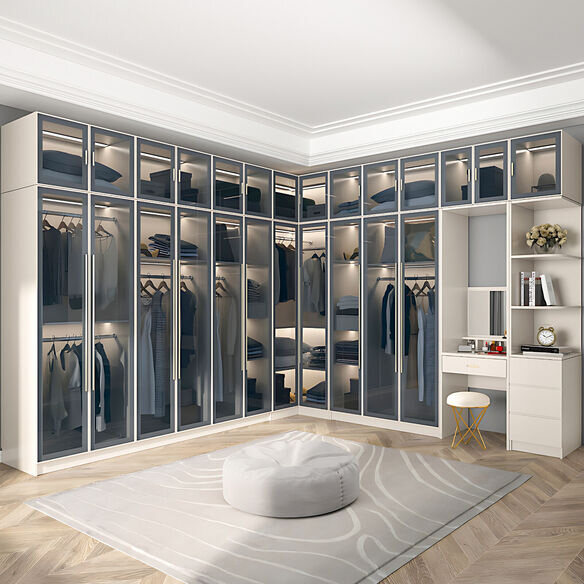
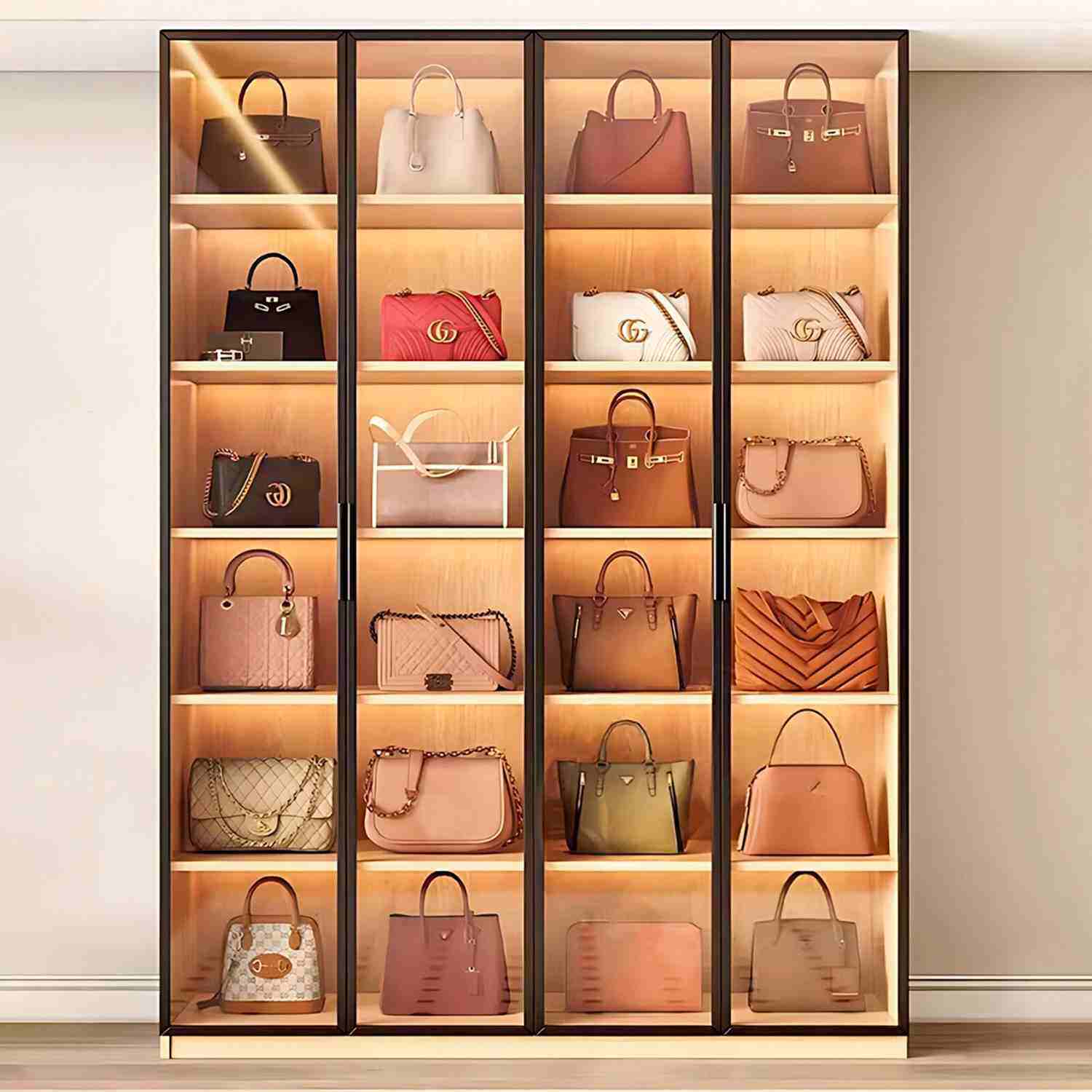
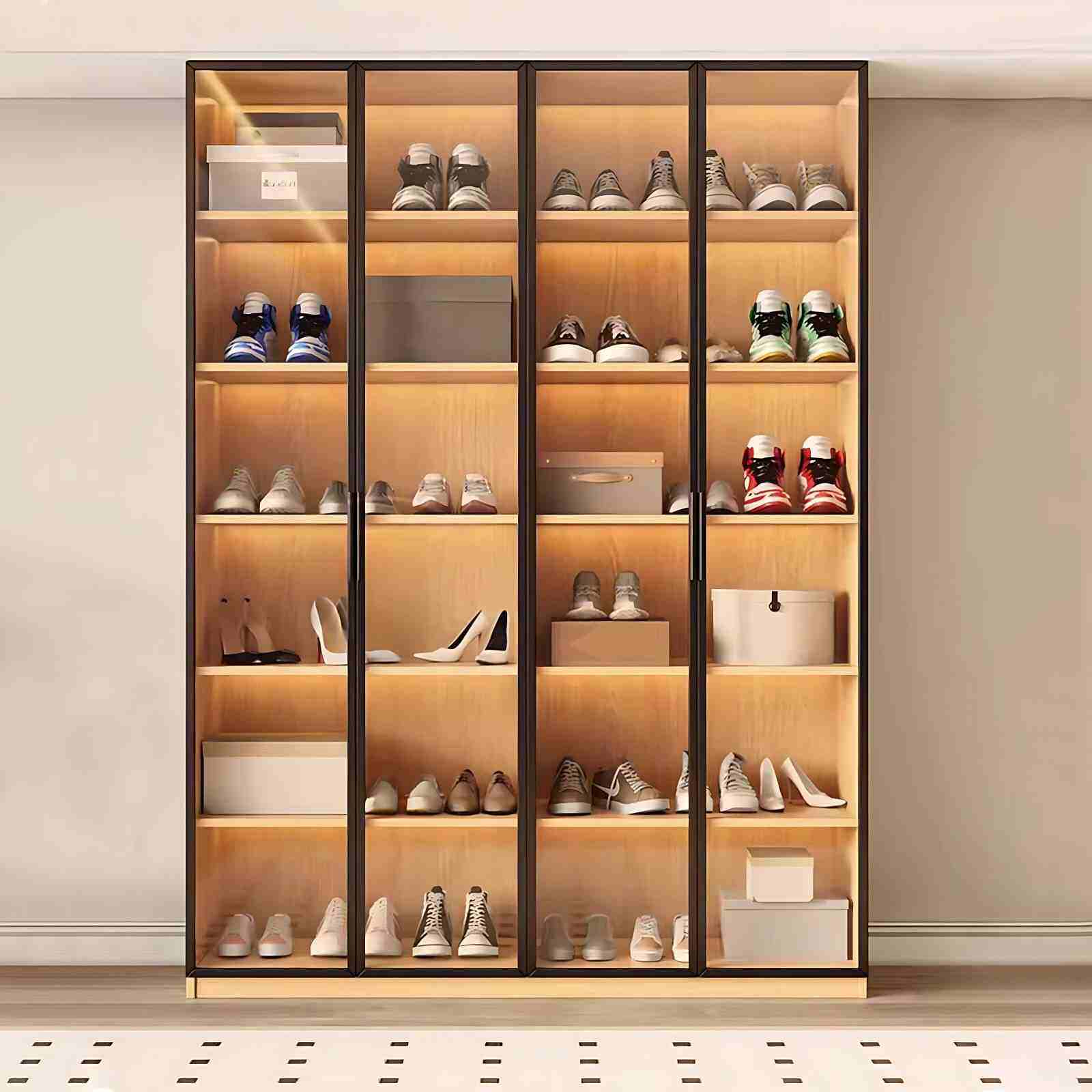
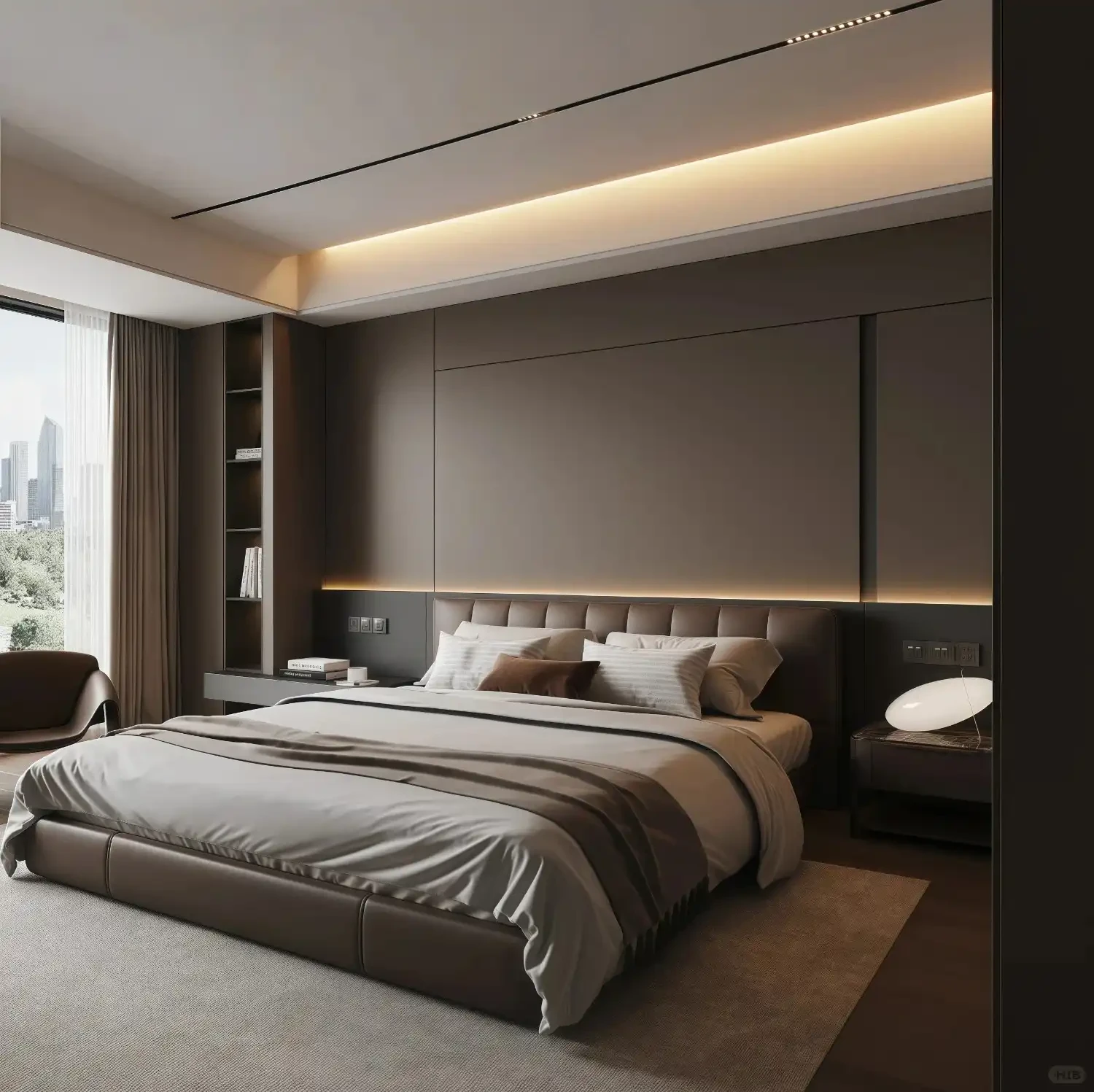




Environmental protection has become a hot topic globally , especially in the home furnishing industry, as it's closely related to the daily lives of many. As more and more people use environmental protection as a key criterion for successful home renovation, do you know what the most powerful home hazard is?
China Panel Network reminds you: Don't let careless choices and the most easily overlooked things lead to endless hidden dangers.
How serious are the hazards of substandard wood-based panels?
The harm caused by substandard boards is mainly due to the excessive levels of various harmful substances, most notably formaldehyde.
Formaldehyde is a familiar substance to most consumers, and many people are terrified of it. Formaldehyde is a highly toxic substance and is often referred to as the number one killer in indoor environments.
Using substandard building materials = drug addiction = slow death
Scientific research shows that when the concentration of formaldehyde in the air reaches 0.06~0.07 mg/m3, it can cause mild asthma in humans; when the concentration reaches 0.6 mg/m3, it can cause symptoms such as throat discomfort, pain, nausea, vomiting, coughing, and even pulmonary edema; and when the concentration reaches 30 mg/m3, it can cause death.
Of course, substandard boards also contain other harmful substances that pose a serious threat to human health, such as benzene, radon, and ammonia. These substances make the harm caused by substandard boards no less than that of poison.
What kind of boards are considered high-quality boards?
There are many types of boards, and the standards vary. However, for all types of boards, the standard for them to be considered qualified or of high quality is that the content of harmful substances in the boards meets national standards, and the materials used in the boards are of excellent quality.
While consumers may not be able to directly discern these factors, if a board brand can pass certifications from national or even international authoritative organizations, it is a significant affirmation of the board's quality and gives consumers peace of mind regarding its quality.
Multiple quality certifications are an affirmation of the excellent quality of the boards.
Qiannianzhou boards have passed ISO quality system certification, China Environmental Label Product Certification, and many other certifications, making them a reliable choice for consumers!
How can you judge the quality of a board?
1. Check the surface of the board for any obvious defects.
The surface of decorative boards should be smooth, free of burrs and planing marks, and free of glue seepage and surface contamination (such as localized blackening or yellowing). Choose boards with no cracks, fissures, knots, bark inclusions, resin pockets, or resin ducts. The overall warping of the board should be as small as possible to avoid sanding defects that may show through the substrate due to improper sanding processes.
2. Recognize the difference between veneer wood panels and natural wood veneer panels.
The former type of board has a mostly straight grain pattern with regular textures; the latter type of board has natural wood grain with more natural variations in texture and patterns, and is irregular.
3. Inspection of the appearance of the sheet material
Decorative panels should have a pleasing appearance, with fine and uniform material, clear color, and beautiful wood grain. The textures of the panels and the patterns should be arranged in a certain pattern, with similar wood colors, and the seams should be nearly parallel to the edges of the panels.
4. The adhesive layer structure of the board is stable, with no delamination.
It should be noted that there should be no bulging or delamination between the veneer and the substrate, or between the layers within the substrate.
5. Choose boards with low formaldehyde emissions.
Choosing more environmentally friendly boards reduces the harm from formaldehyde. In the GB/T5849-2006 standard for plywood, the formaldehyde emission level for E0 grade is ≤0.5 mg/l. In Japan's F4 star standard, the average formaldehyde emission level is ≤0.3 mg/l, with a maximum of 0.4 mg/l.