
 USD
USD GBP
GBP
 EUR
EUR






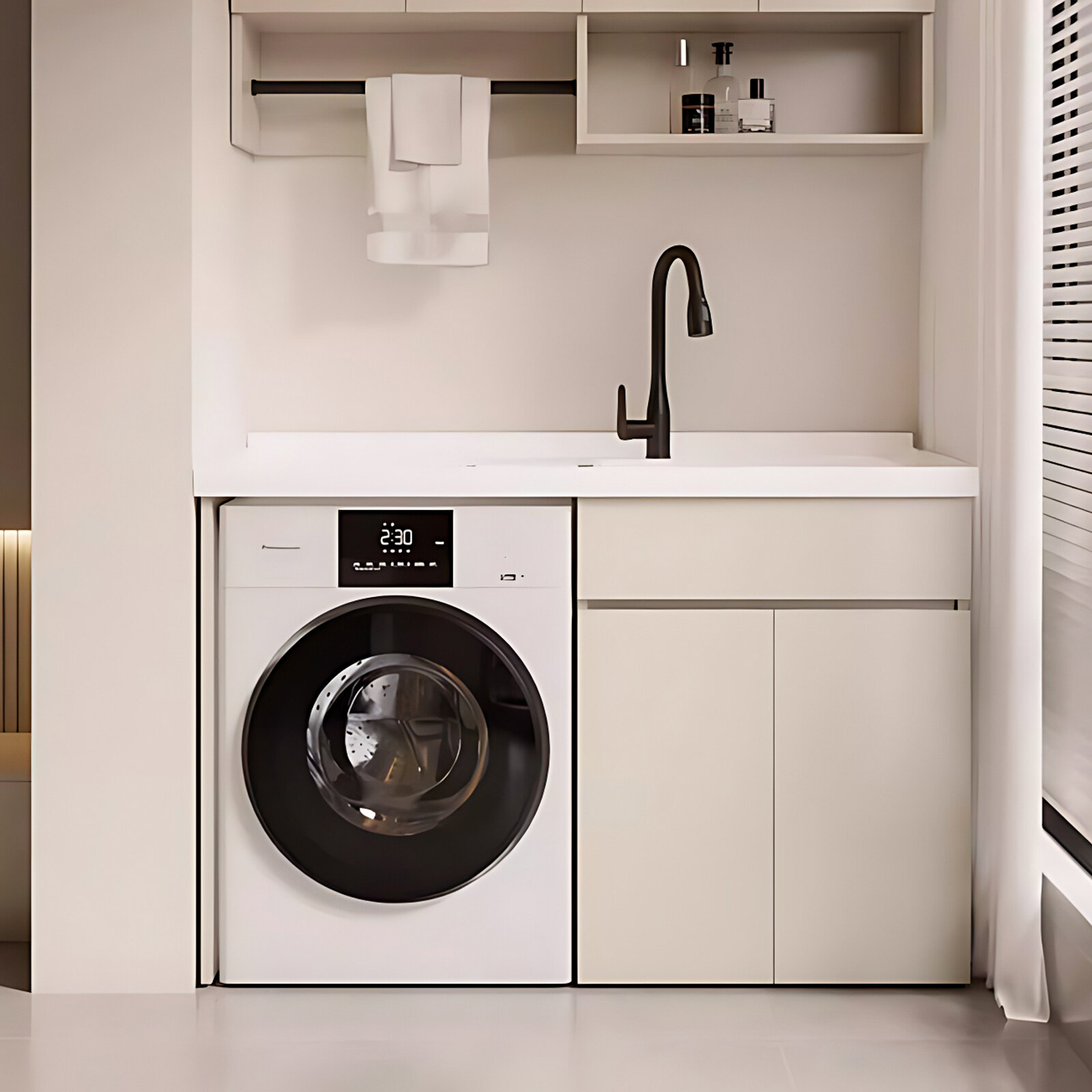
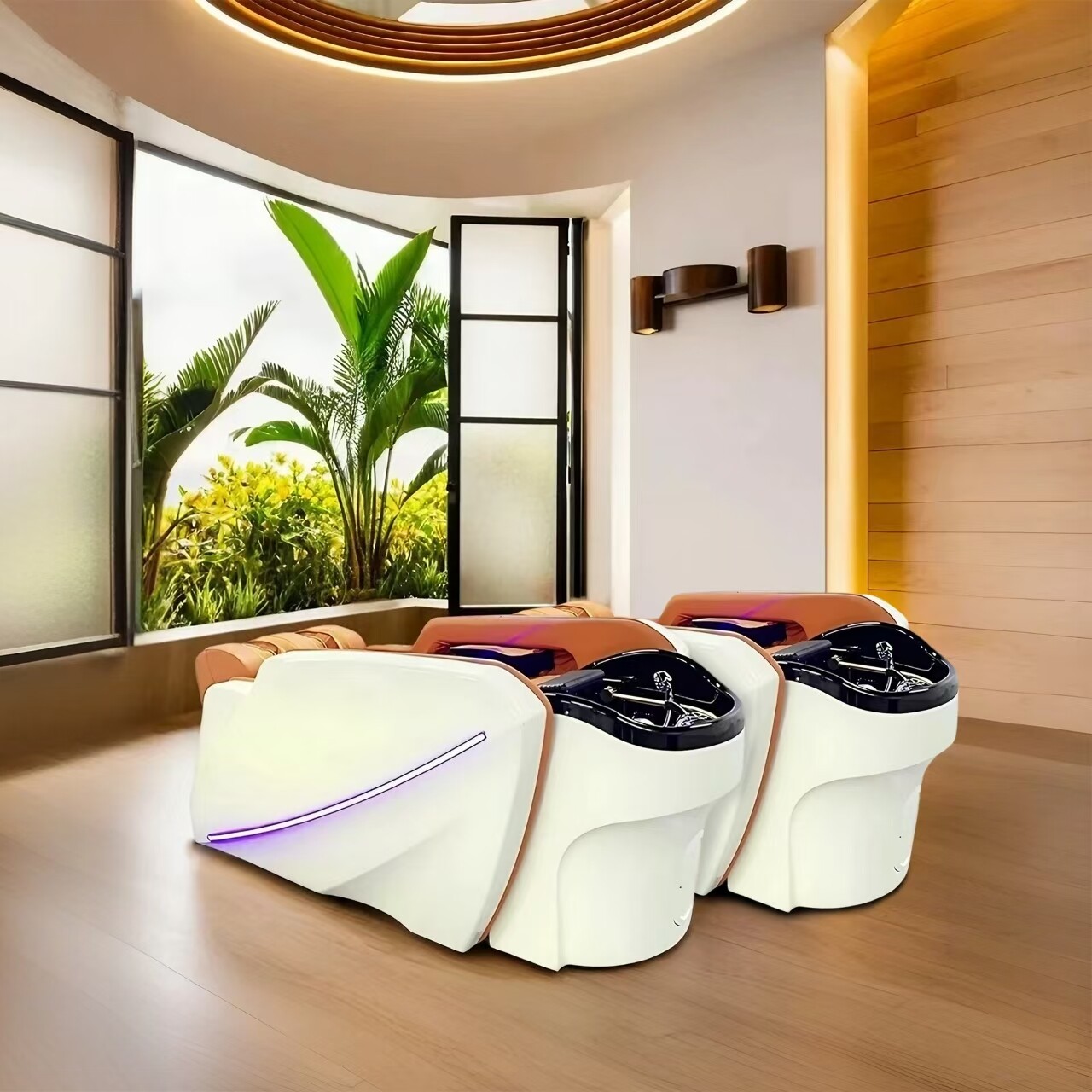

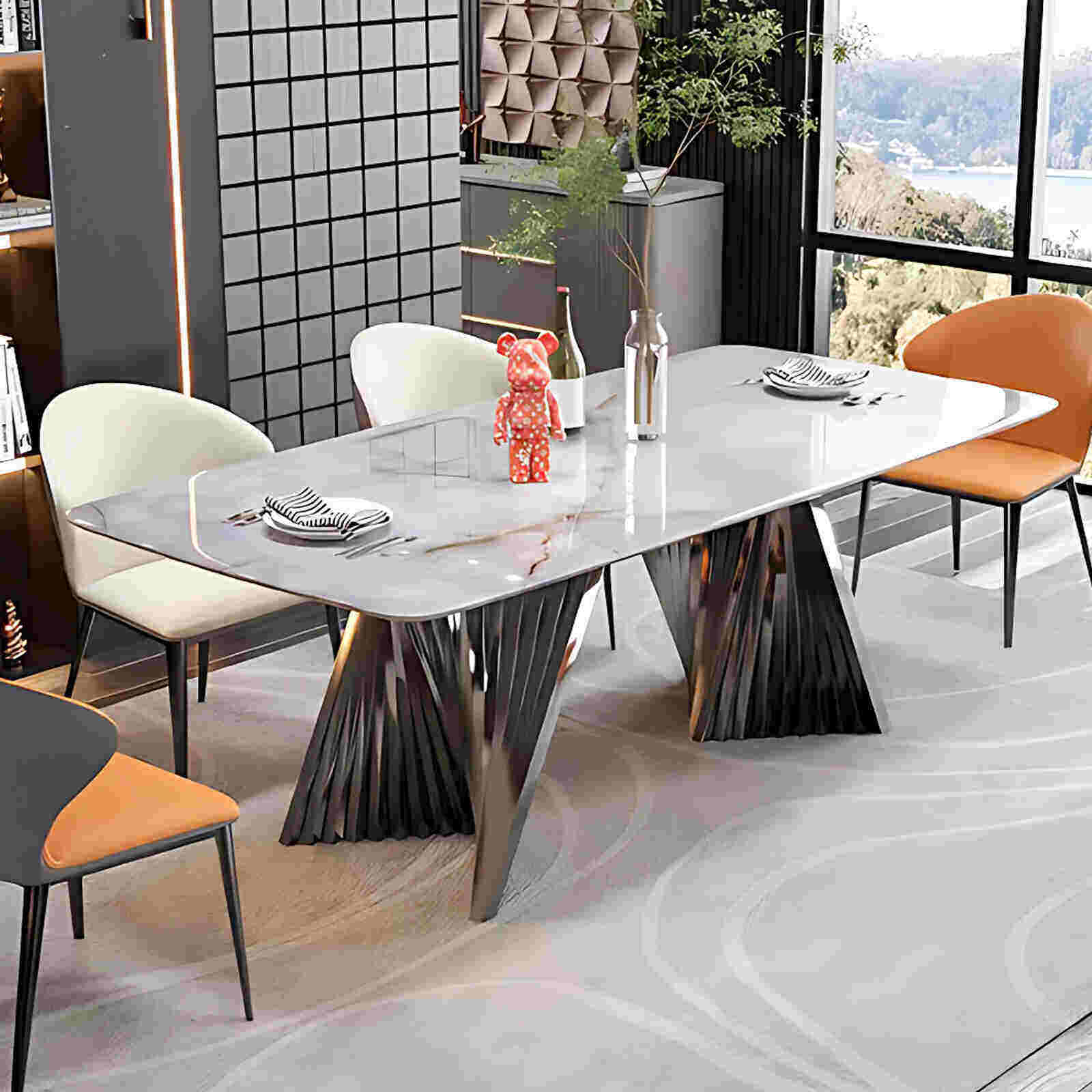
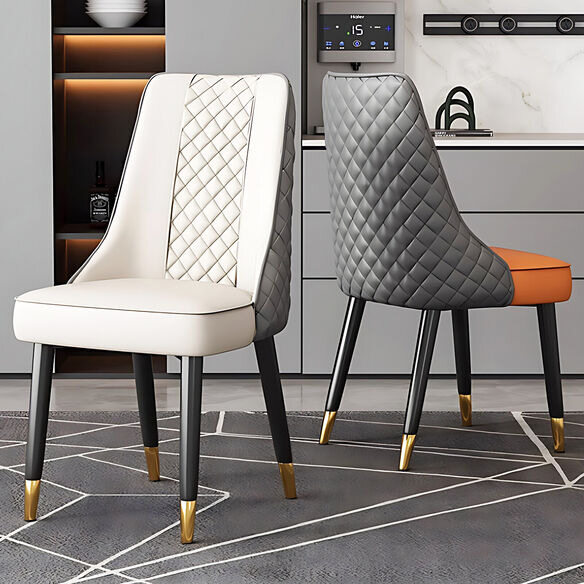
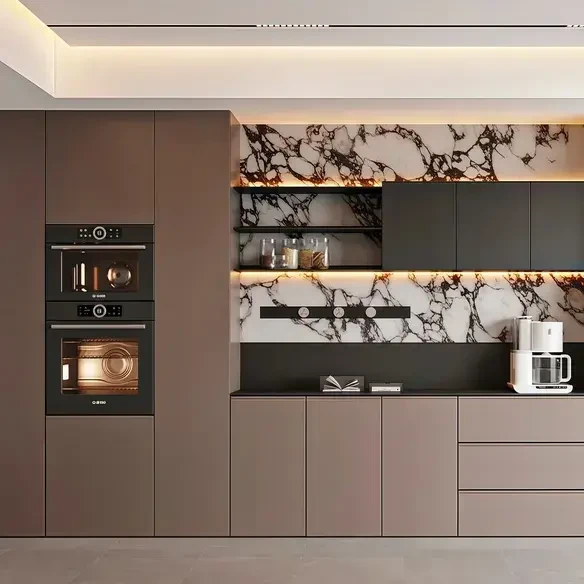
















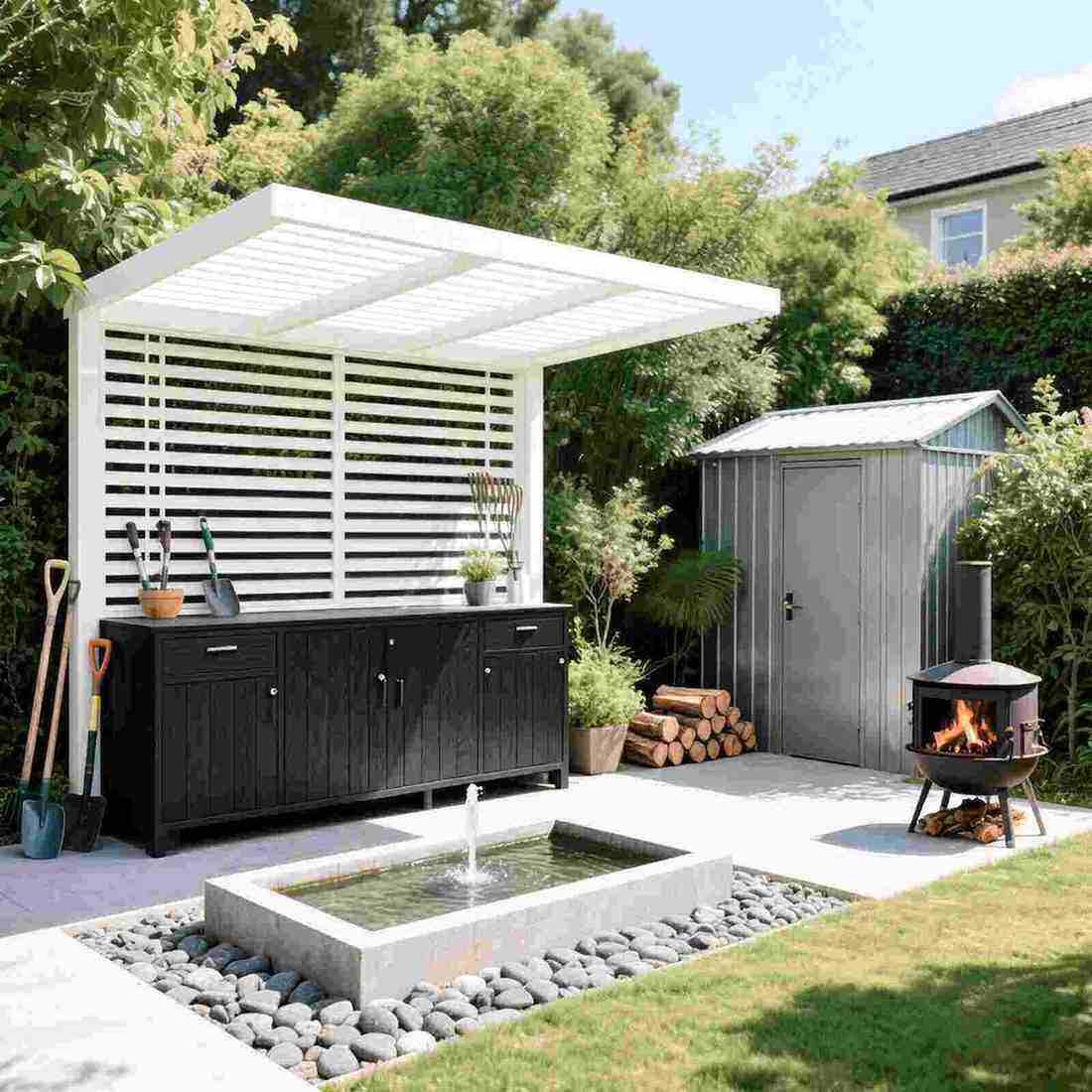
With the development of my country's furniture and home decoration industries, MDF (medium-density fiberboard) products are becoming increasingly integrated into people's daily lives. High-quality MDF is safe to use, while substandard MDF can cause significant problems for consumers. Common testing items for MDF include formaldehyde emission, water absorption swelling rate, bond strength, static bending strength, and fire resistance rating. Only MDF that passes quality inspections can be used with confidence.
Common testing items for sheet metal
01. Formaldehyde emission
Formaldehyde is a familiar term to most people, and many even fear it. Formaldehyde is a chemical gas that can harm the human body when present at certain concentrations in the air. Prolonged exposure to environments with excessive formaldehyde levels can damage both physical and mental health.
The adhesives used in ordinary engineered wood products contain formaldehyde, but as long as the formaldehyde emission is controlled within a certain range, it will not threaten human health. The national standard GB18580-2017, "Formaldehyde Emission Limits in Wood-based Panels and Their Products for Interior Decoration and Renovation," stipulates a formaldehyde emission limit of 0.124 mg/m³, labeled E1. This is a stricter limit than the older standard GB18580-2001.
02. Water absorption thickness swelling rate
Water absorption thickness expansion rate is a crucial indicator in the practical use of MDF products. It reflects the product's water resistance and dimensional stability; a higher value indicates poorer performance.
Although MDF rarely gets directly submerged in water during actual use, measuring this property can roughly determine the dimensional stability of the MDF as the ambient humidity changes during use. MDF with poor water resistance will expand significantly in humid environments if the edges are not properly sealed, causing changes in size and strength, and ultimately affecting the usability of the board.
03. Bond strength
There are two types of bonding strength indicators for MDF: internal bonding strength and surface bonding strength.
Internal bond strength is one of the main indicators for evaluating the physical and chemical properties of MDF (Medium-density Fiberboard), reflecting the quality of bonding between the fibers within the board. A higher value indicates better resistance to temperature changes, higher bonding quality, and a lower likelihood of delamination or cracking.
Surface bond strength reflects the processing and usability performance of MDF products. If this performance is substandard, the board is prone to problems such as structural loosening, delamination, and detachment of decorative surfaces during use. If the surface of the MDF is rough and has poor uniformity, its surface bond strength will be weaker.
04. Static bending strength
Static bending strength is the ratio of bending moment to section modulus of a board under maximum load. When MDF is subjected to force, it will bend to a certain extent; this is called "static bending," and "static bending strength" is the compressive strength that the board can withstand when bent to the point of fracture.
Static bending strength reflects a product's ability to bear loads and resist deformation under stress. The national standard for transverse static bending strength should be 15.0 MPa. Failure to meet this standard indicates that the product is prone to breakage or deformation during use.
05. Flame retardant and fireproof rating
Flame-retardant MDF (medium-density fiberboard) is a common functional engineered wood product used in public places because flame retardants are added during the production process. This helps to suppress open flames, reduce heat, effectively control fire, and reduce toxic smoke.
Qualified flame-retardant MDF can slow down the spread of fire, while substandard flame-retardant MDF produced by unscrupulous manufacturers poses a significant threat to people's lives and property. The existing GB8624-2012 "Classification of Burning Performance of Building Materials and Products" is the main standard for testing the flame-retardant and fire-resistant rating of flame-retardant MDF.
▲ Classification of fire performance of building materials and products
▲ Classification criteria for flat, flame-retardant building materials and products
In home life, MDF (medium-density fiberboard) is used in furniture, cabinets, flooring, and other products, and the quality of indoor air is closely related to these boards. Evaluating the quality of an MDF board involves various performance tests mentioned above, and these should be carefully considered when purchasing.