
 USD
USD GBP
GBP
 EUR
EUR
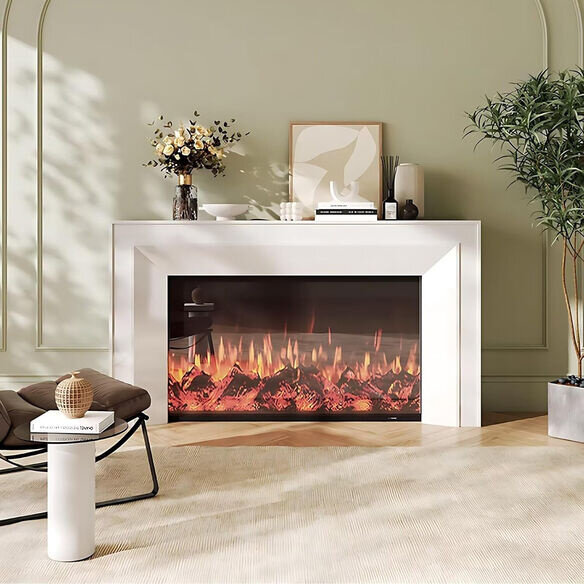
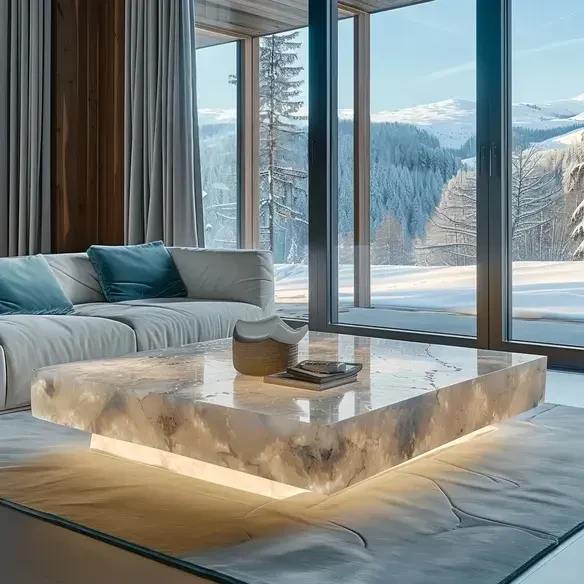
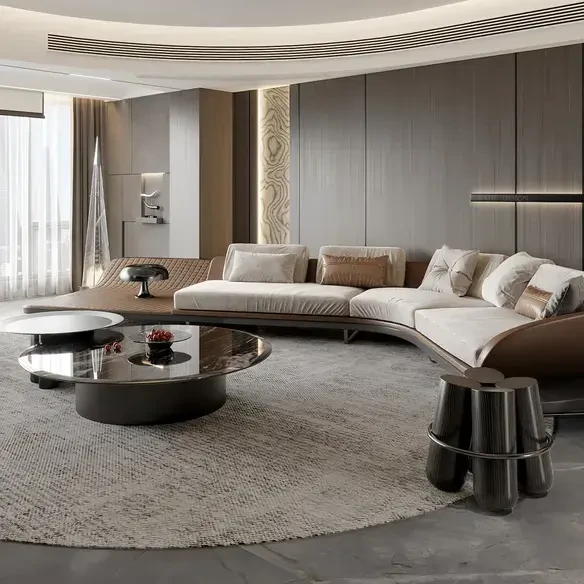
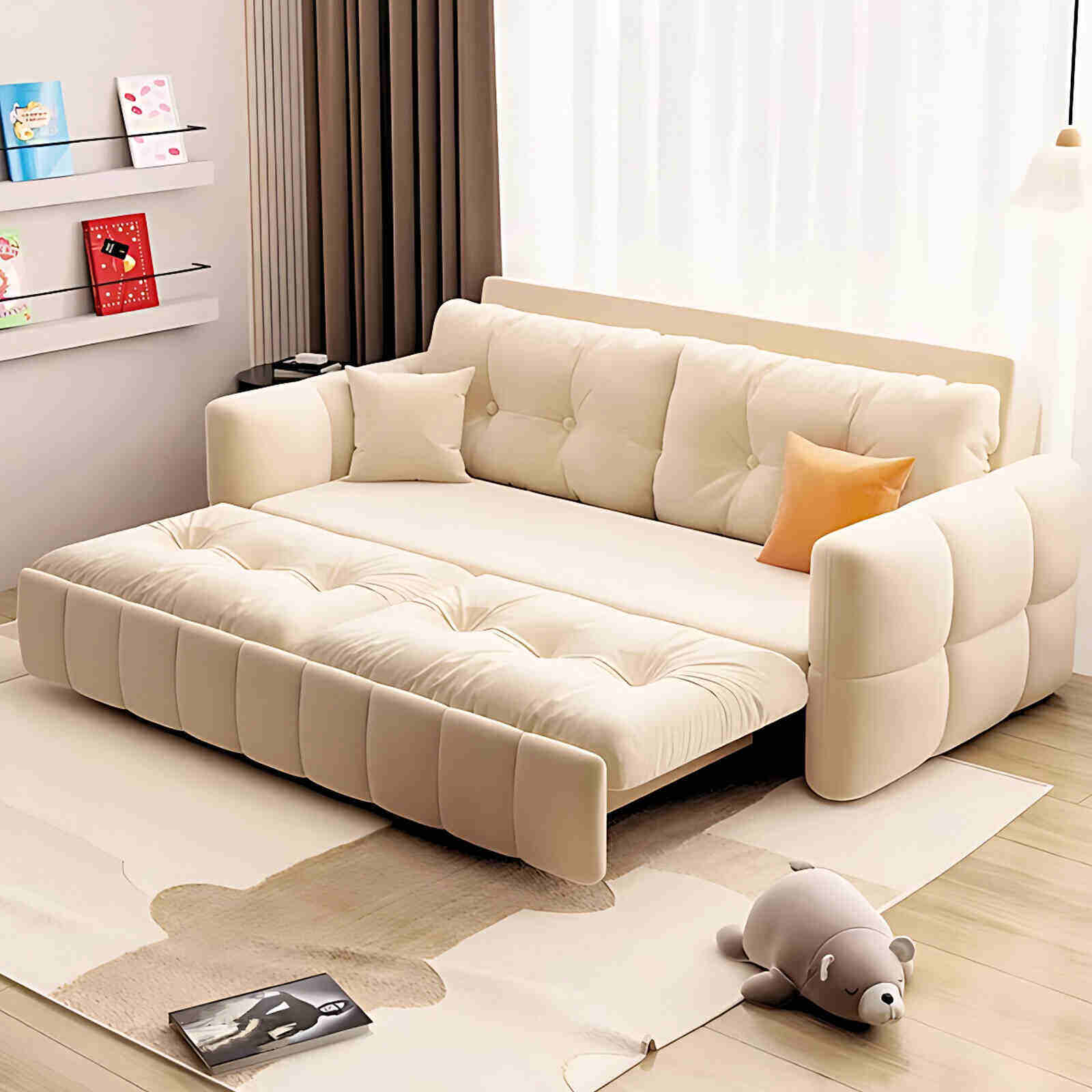
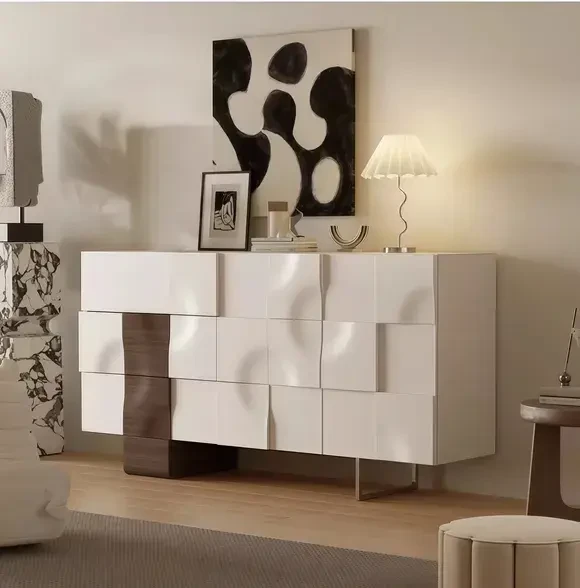







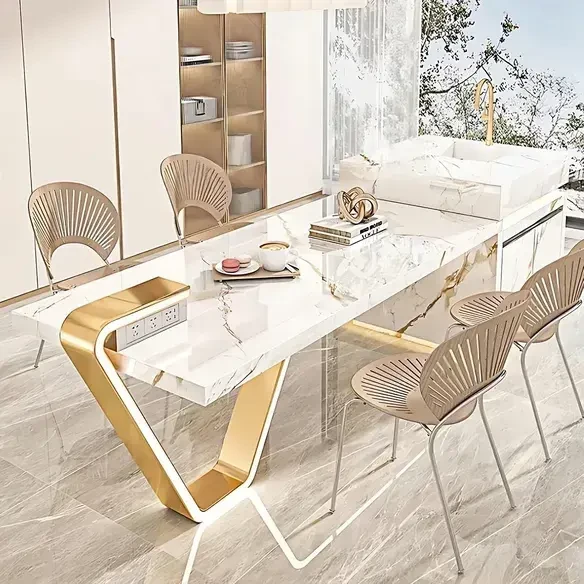
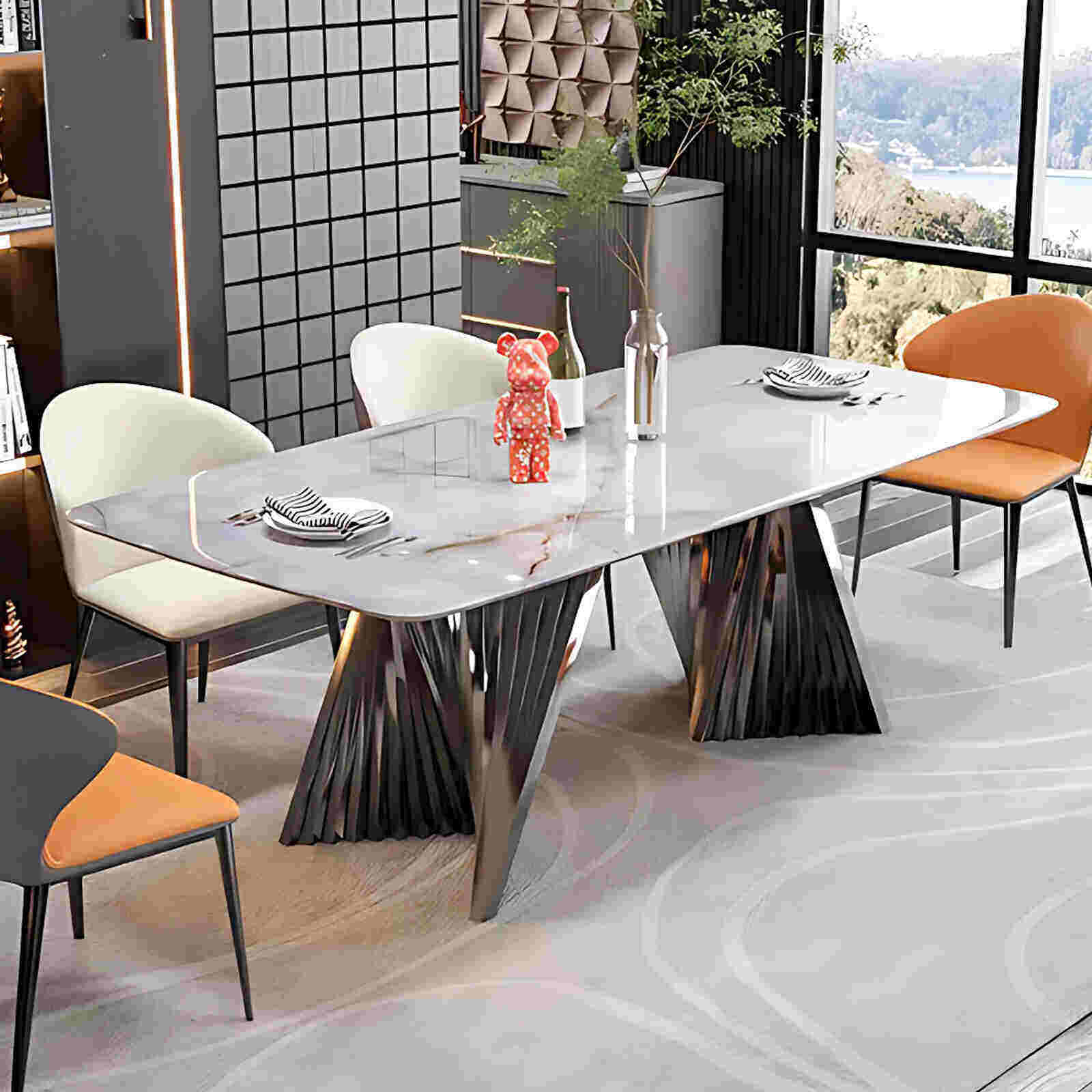
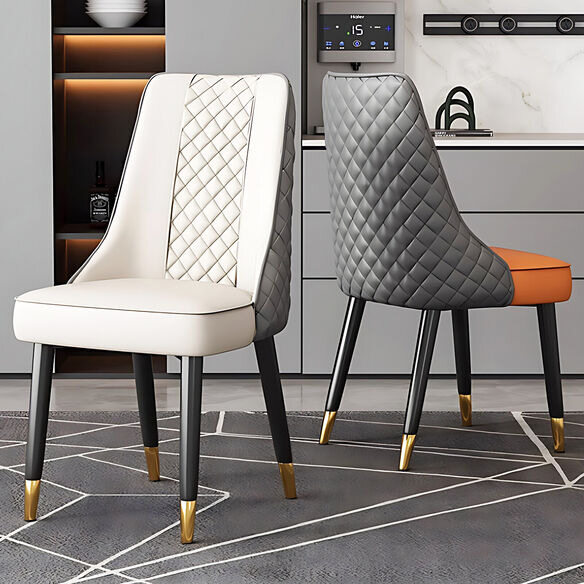
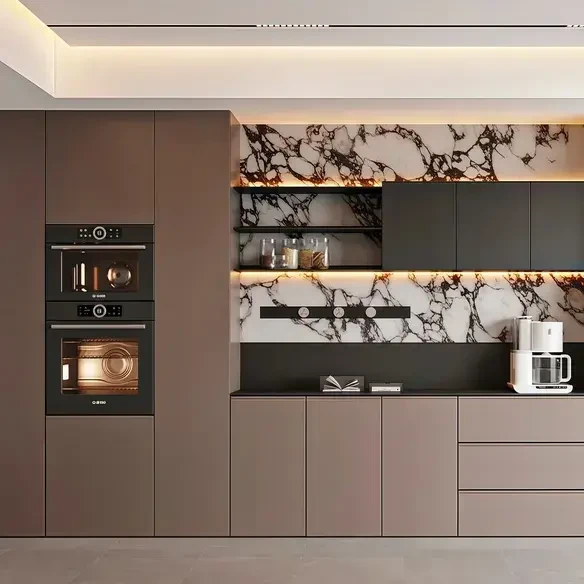
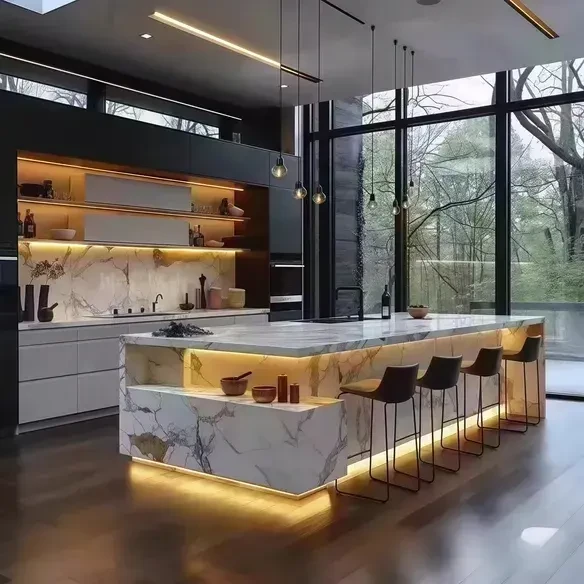
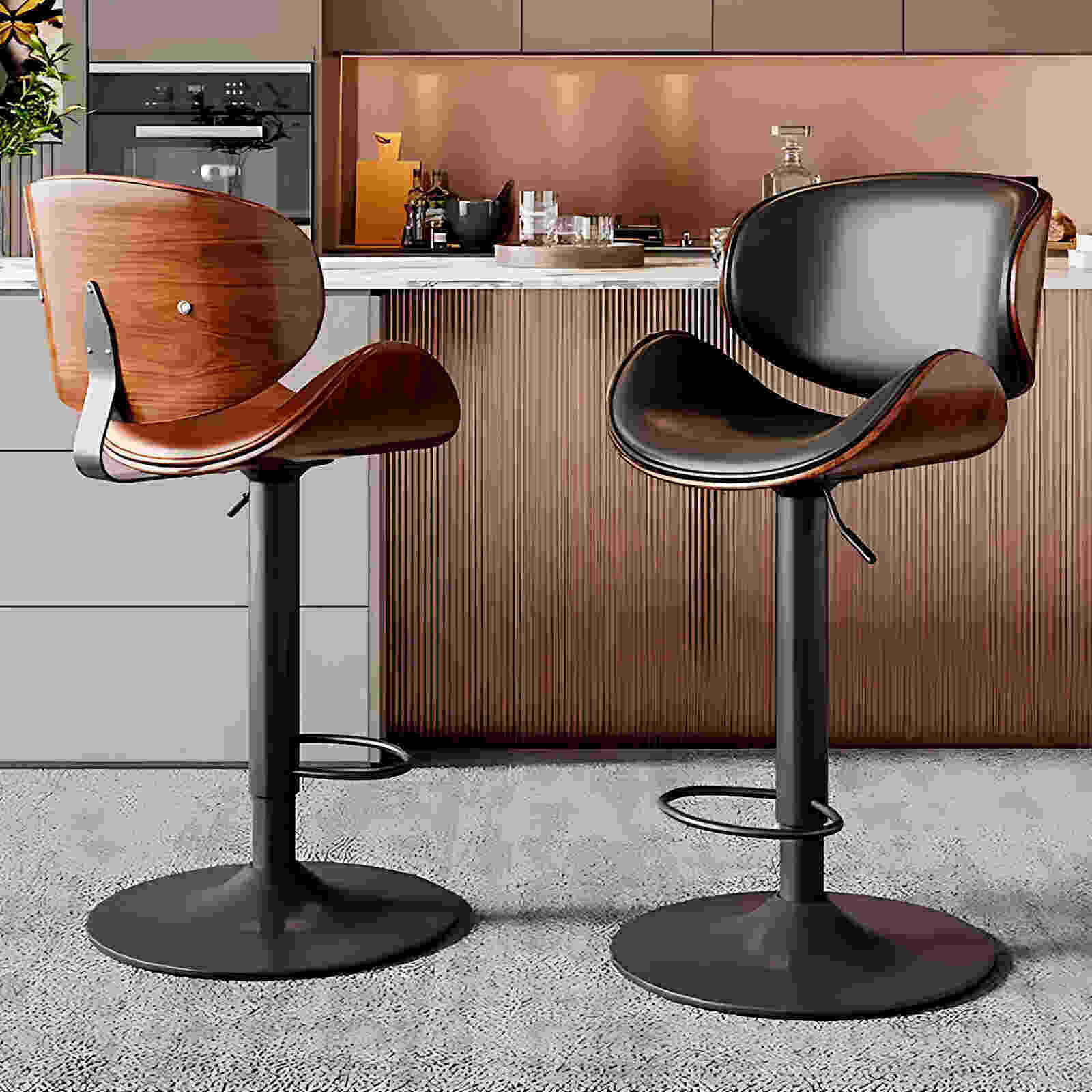



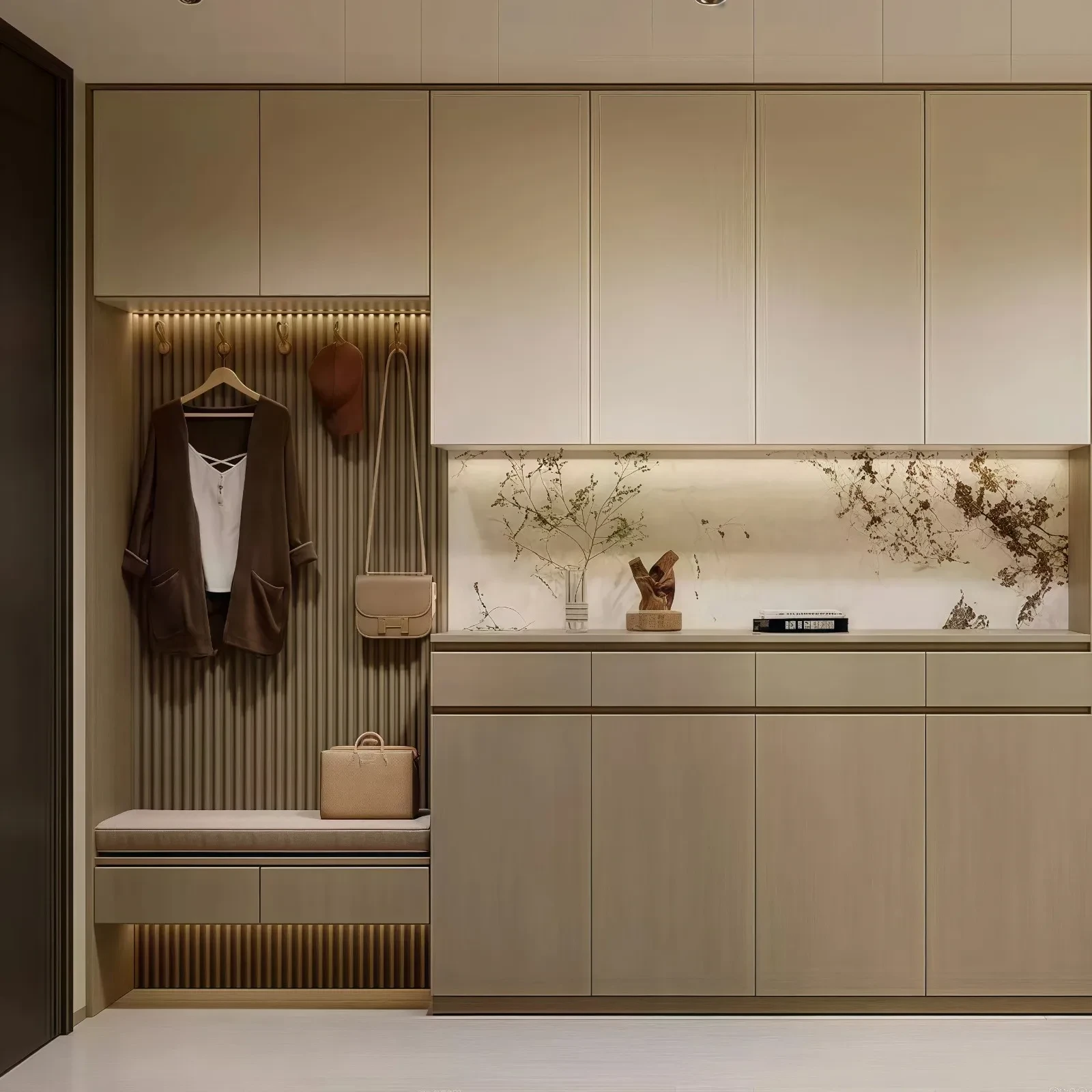
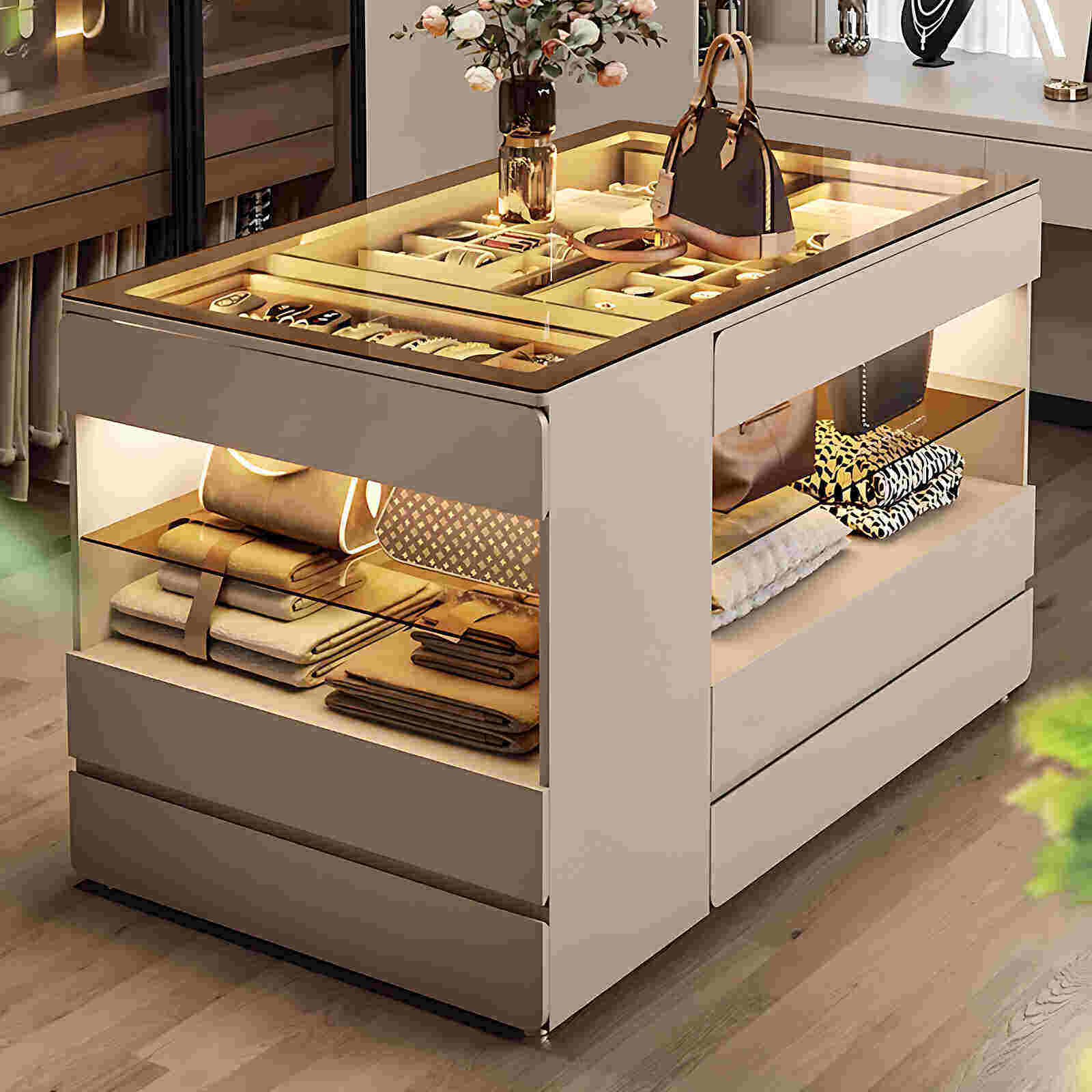
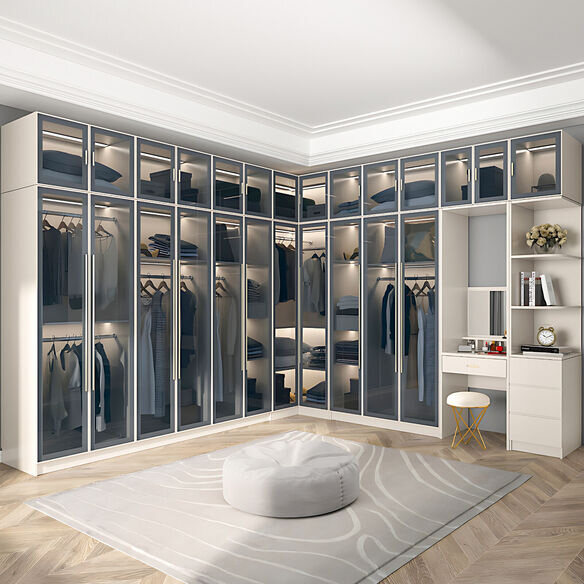
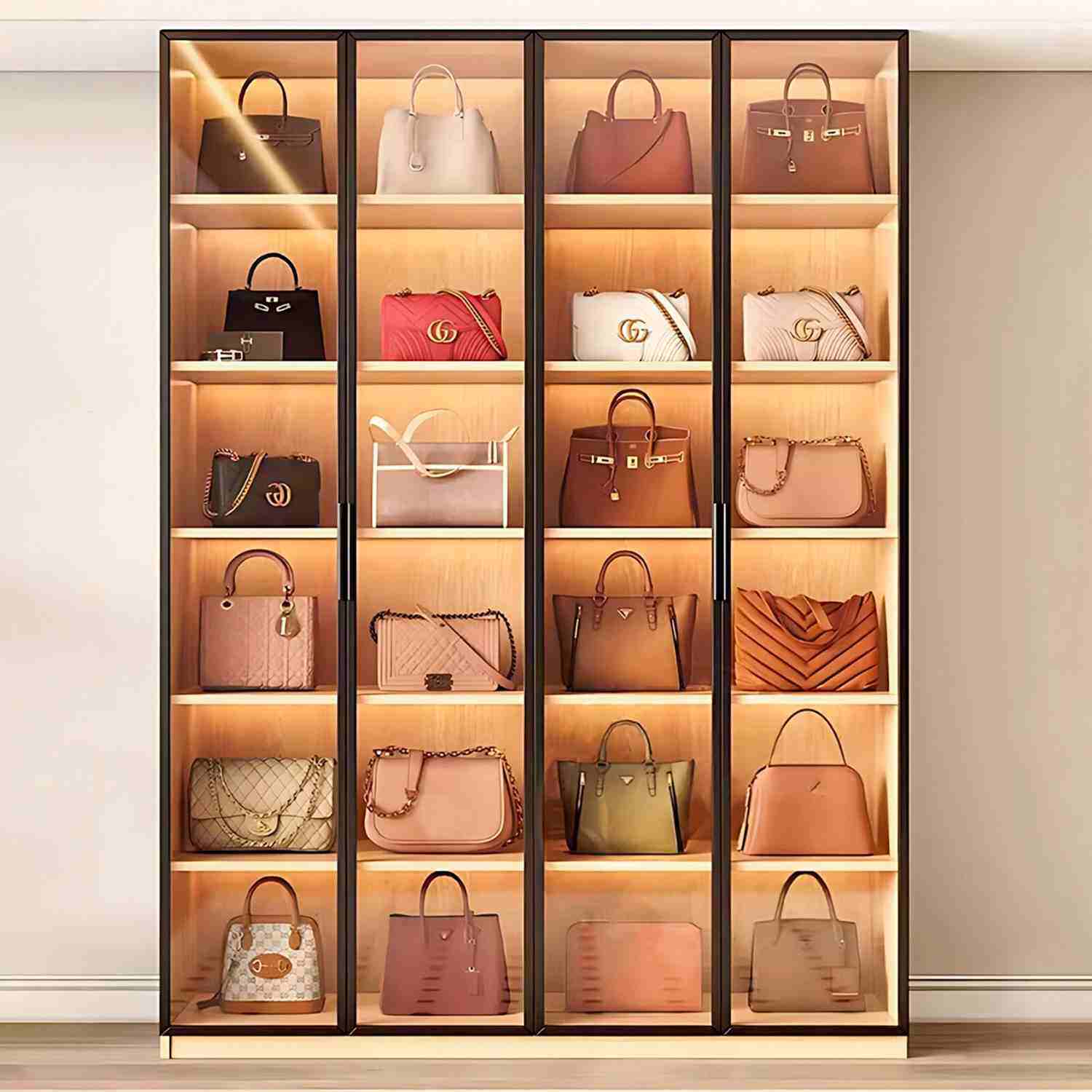

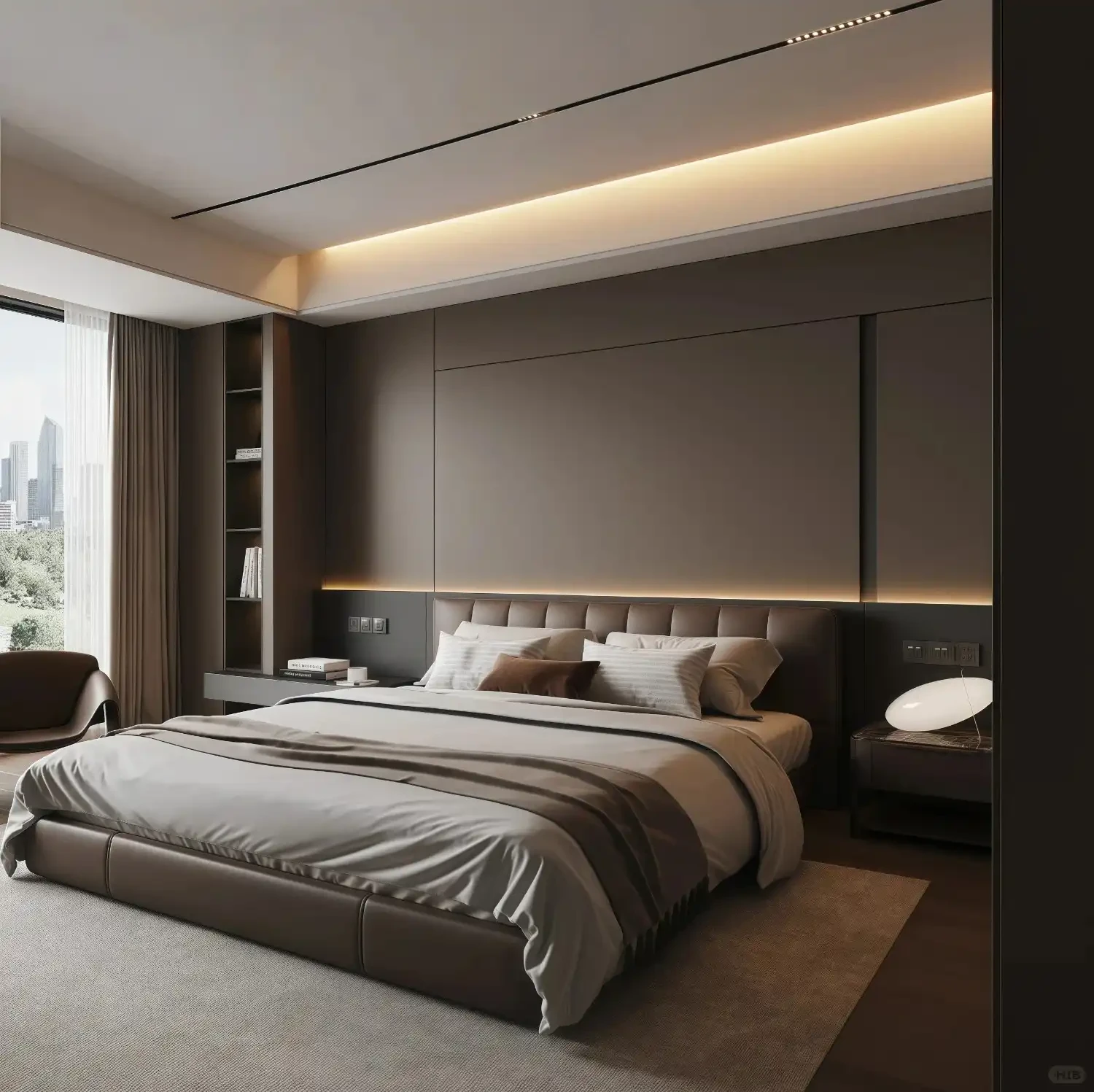
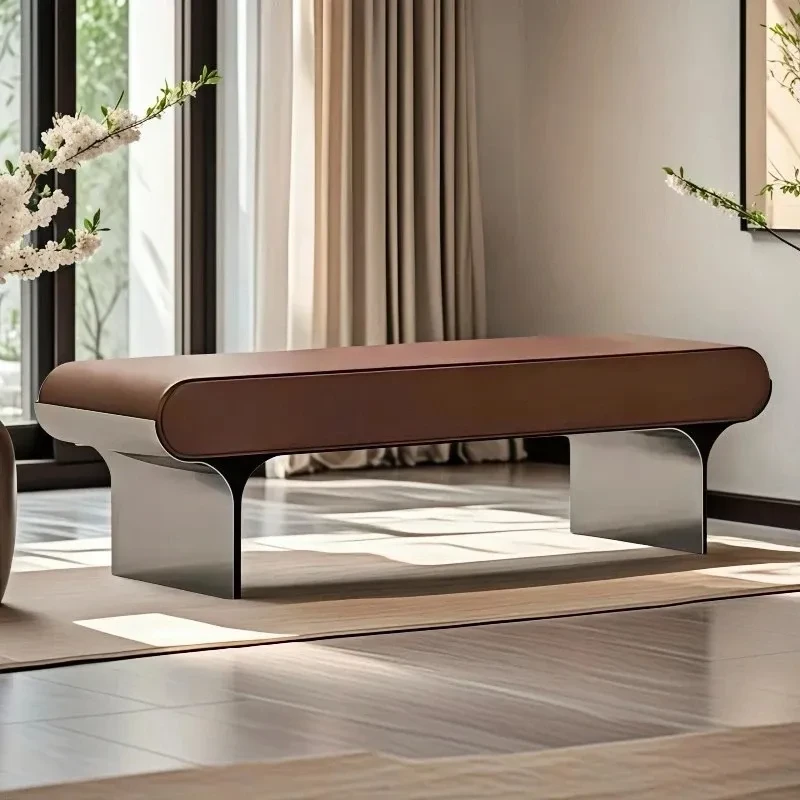
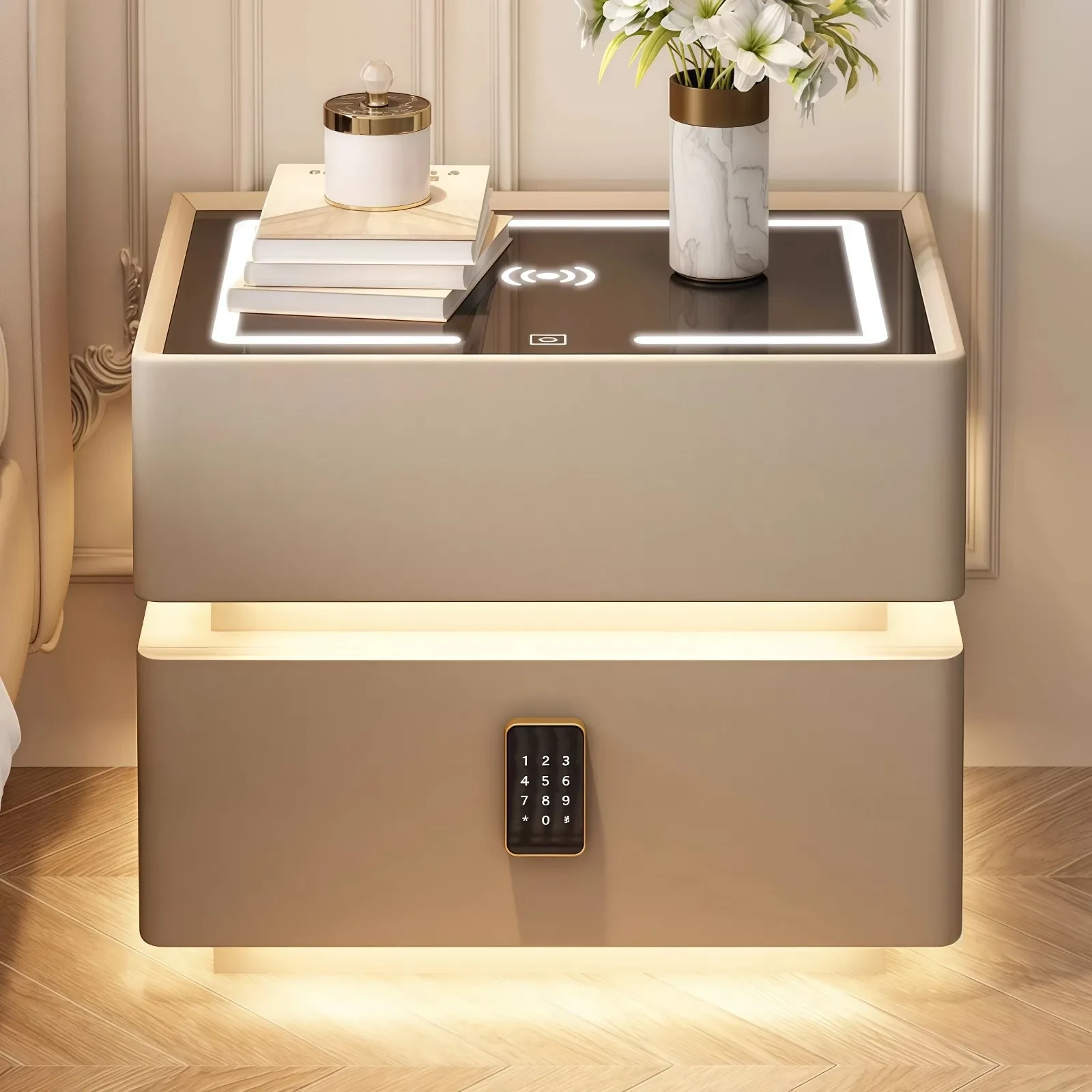
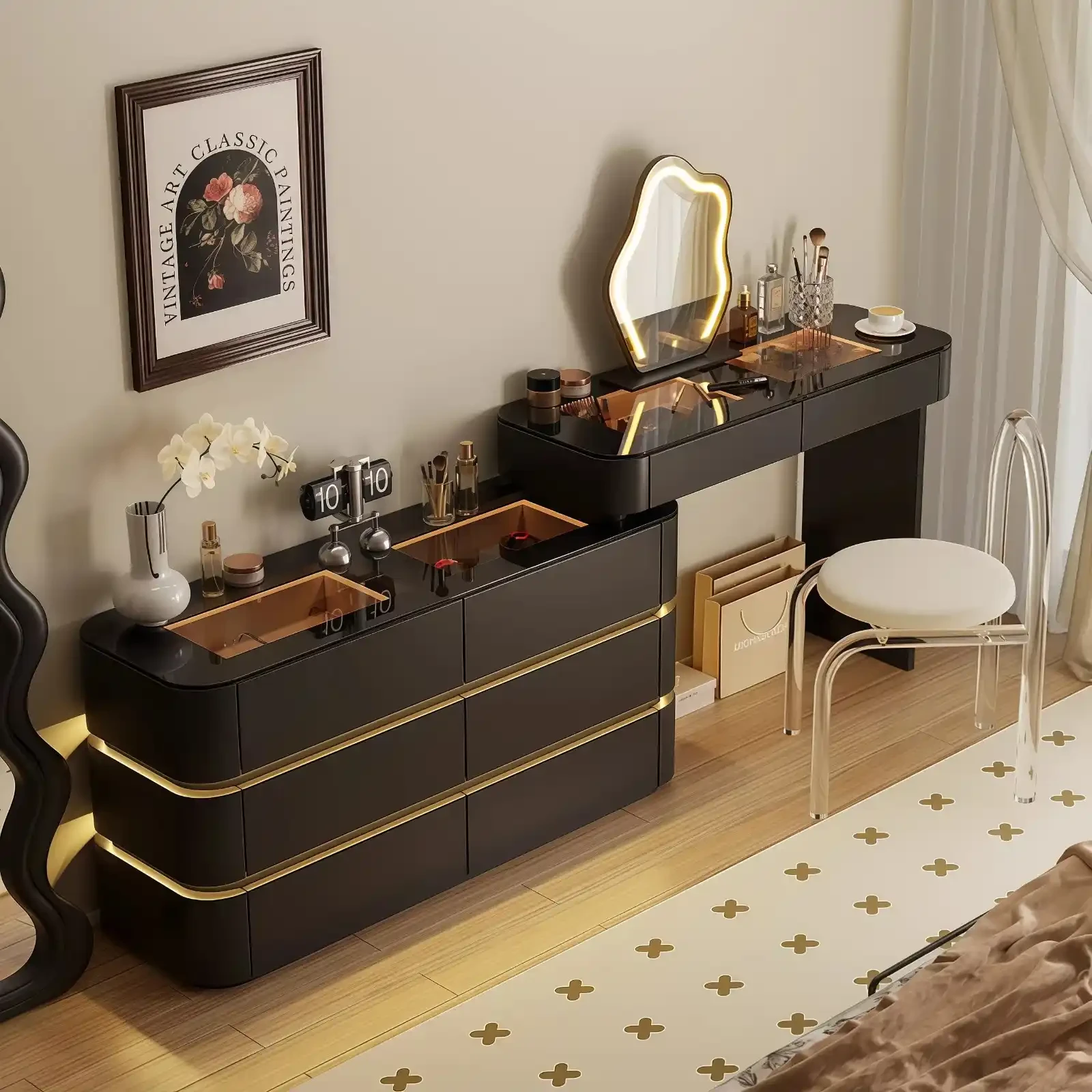

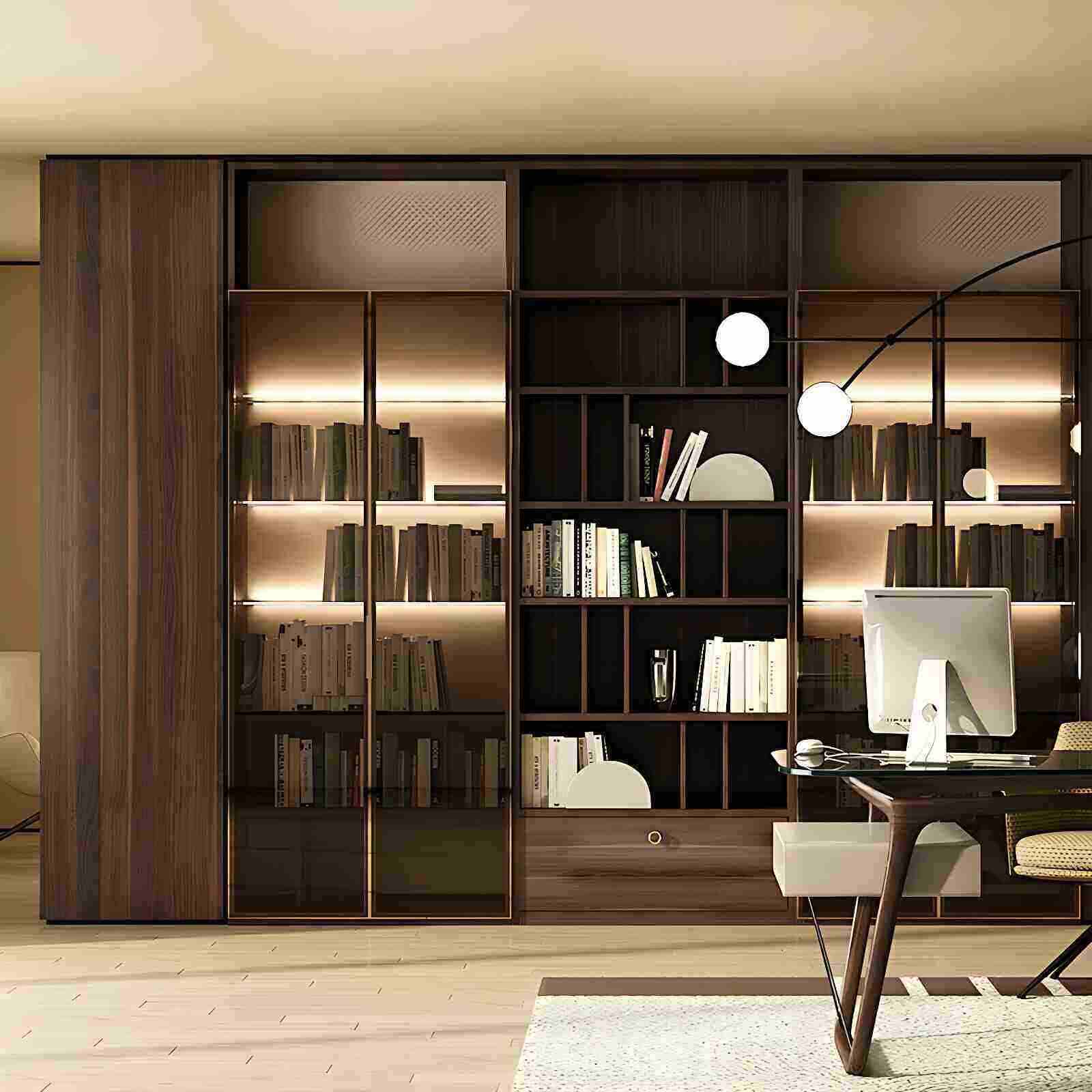
Furniture is a major element of home decoration and also accounts for a significant portion of the cost, making it a focal point of attention. Three key factors determine the quality of furniture: the base material, the finish, and the edge banding.
The quality of edge banding determines the lifespan, aesthetics, and environmental health of furniture.
So what is edge sealing?
Edge banding is the process of pasting and decorating the edges of wooden furniture panels, which is accomplished by using edge banding strips.
What is edge sealing strip?
Furniture edge banding is a material used to protect, decorate, and beautify the cross-section of furniture boards, allowing a piece of furniture to display a clear wood grain and colorful overall effect.
Why do furniture need edge banding?
A single picture is enough to immediately demonstrate the crucial role of edge banding. Before edge banding, the inner substrate of the board is not encased, affecting its appearance; after edge banding, the outer contour of the board is surrounded, resulting in a significantly improved and more aesthetically pleasing overall effect.
Besides aesthetics, the most important function of edge banding is its protective function. Edge banding can seal the cross-section of the board, protecting it from damage caused by adverse environmental factors (mainly moisture) during use, preventing moisture from penetrating the board and causing deformation of the substrate, and thus reinforcing the board.
What types of edge banding strips are there?
Edge banding strips include PVC wood grain edge banding strips, ABS edge banding strips, and melamine edge banding strips.
PVC wood grain edge banding is made by printing ink onto a PVC substrate, then coating it with UV varnish and curing it. The simulation effect of PVC wood grain edge banding is excellent, almost identical to that of the wood panel, and the printing has a rich sense of depth.
ABS resin is one of the most advanced materials internationally. Edge banding strips made from it do not contain calcium carbonate, resulting in furniture that is translucent and smooth after trimming, without turning white. However, its production cost is high, and its market price is twice that of PVC edge banding strips of the same specifications.
Melamine edge banding, also known as paper edge banding, has the advantages of good adhesion and is not easily stretched or deformed by cold or heat. However, it also has obvious disadvantages: it is relatively brittle and easily broken, and is often damaged during furniture production and handling.
How to distinguish between good and bad edge banding strips?
Check if the surface is smooth and flat, and free of impurities. If impurities or fine pinholes are present, it may be made from recycled PVC materials.
Second, check if the back of the edge banding strip is flat. You can use a flat blade to hold the edge banding strip horizontally and see if it is straight. If it is not straight, thick glue lines will appear on both sides after sealing.
Third, scratch the edge banding strip with your fingernail or other tools. If damage occurs, the surface abrasion resistance and hardness of the edge banding strip do not meet the standards, indicating that the edge banding strip is of substandard quality.
The edge banding strip is made of PVC, which is lightweight and easier to process. It has the following obvious advantages:
① It has good physical properties, is heat-resistant, corrosion-resistant, and wear-resistant. The surface is smooth, without bubbles or streaks, and has a good gloss.
② It has good hardness and can effectively prevent damage caused by scratches, collisions, etc.
③ It has good waterproof performance and can effectively prevent moisture and mildew.
④ It has good flexibility. When you press and fold it back and forth by hand, the edge banding strip does not break and there are no cracks on the surface. It maintains its original shape after the pressure is removed.
The edge banding strip has wood grain, fabric texture and other patterns on its surface. It has a soft luster and has the realism and three-dimensionality of wood. The front and back are flat, the thickness is uniform, and it does not turn white or fade. It is highly coordinated with the overall color of the finished furniture. When used in conjunction with the board material, the overall effect is more obvious. It is an ideal auxiliary material for furniture.