
 USD
USD GBP
GBP
 EUR
EUR
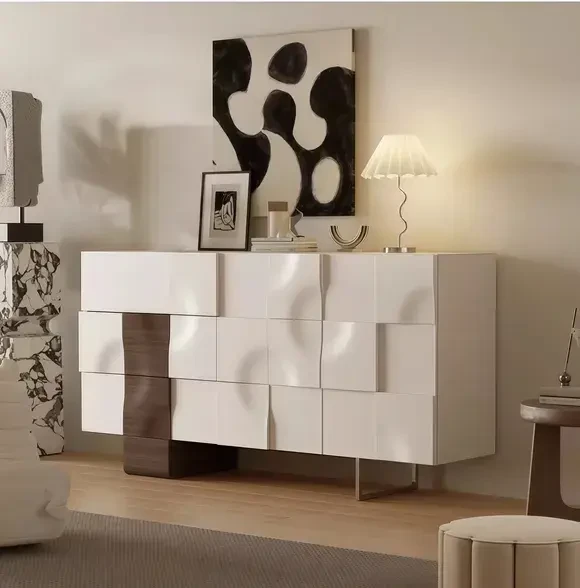
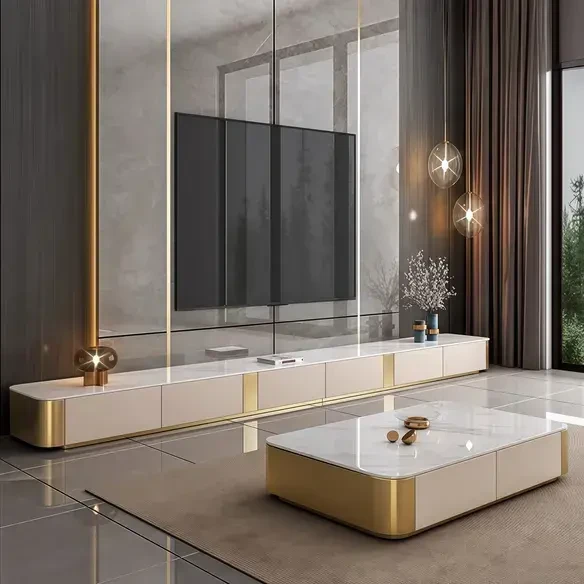
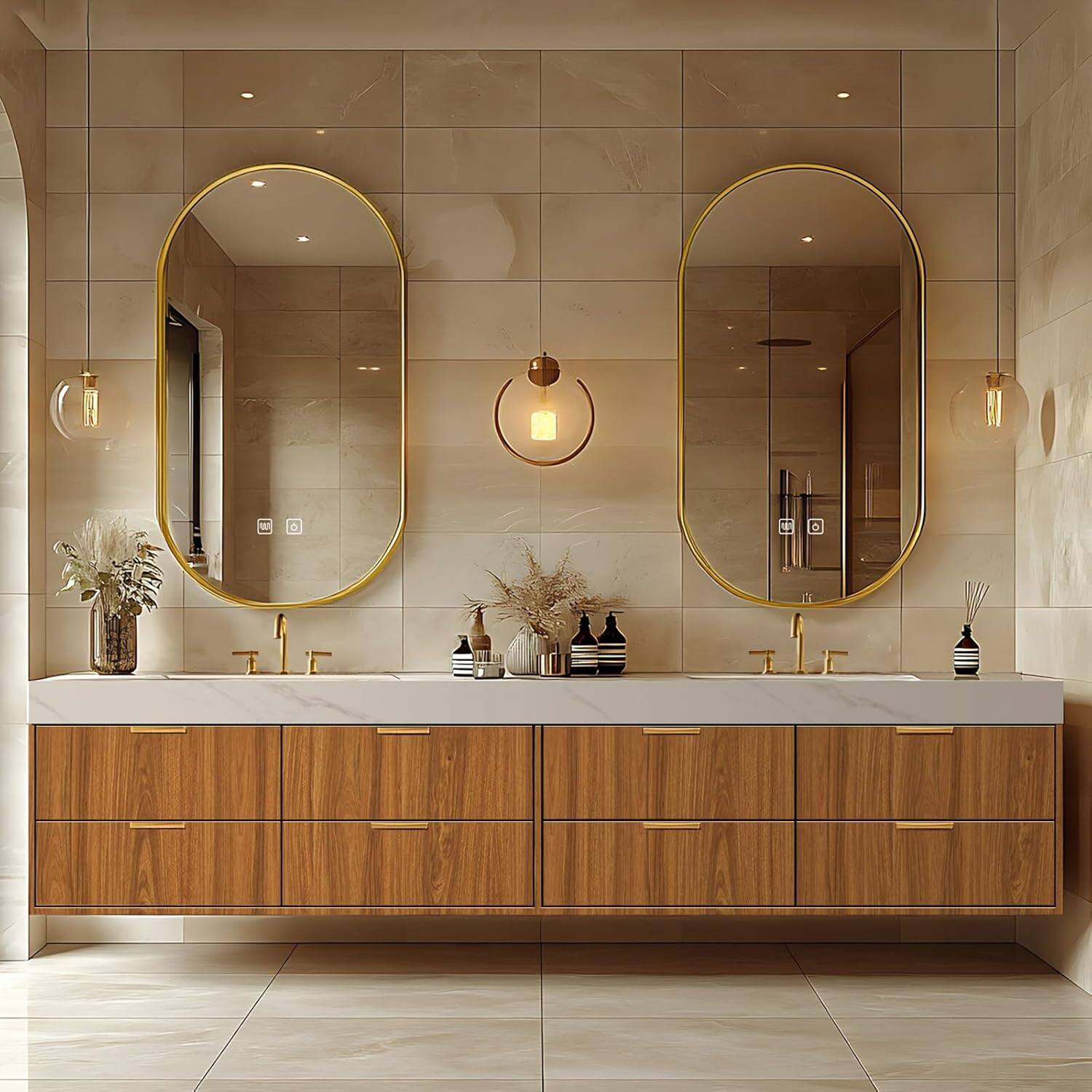
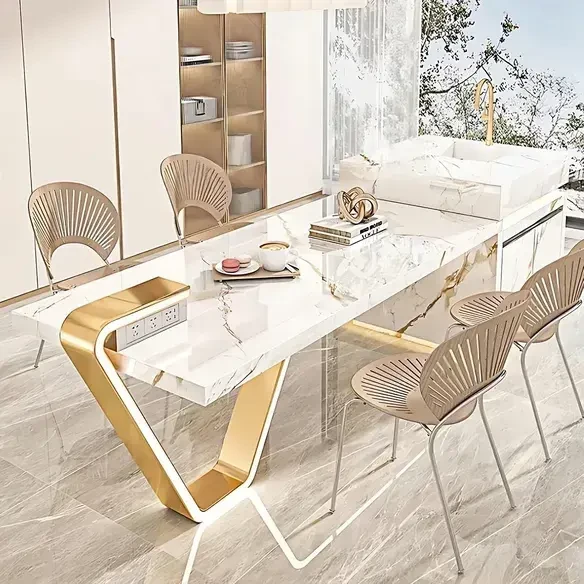
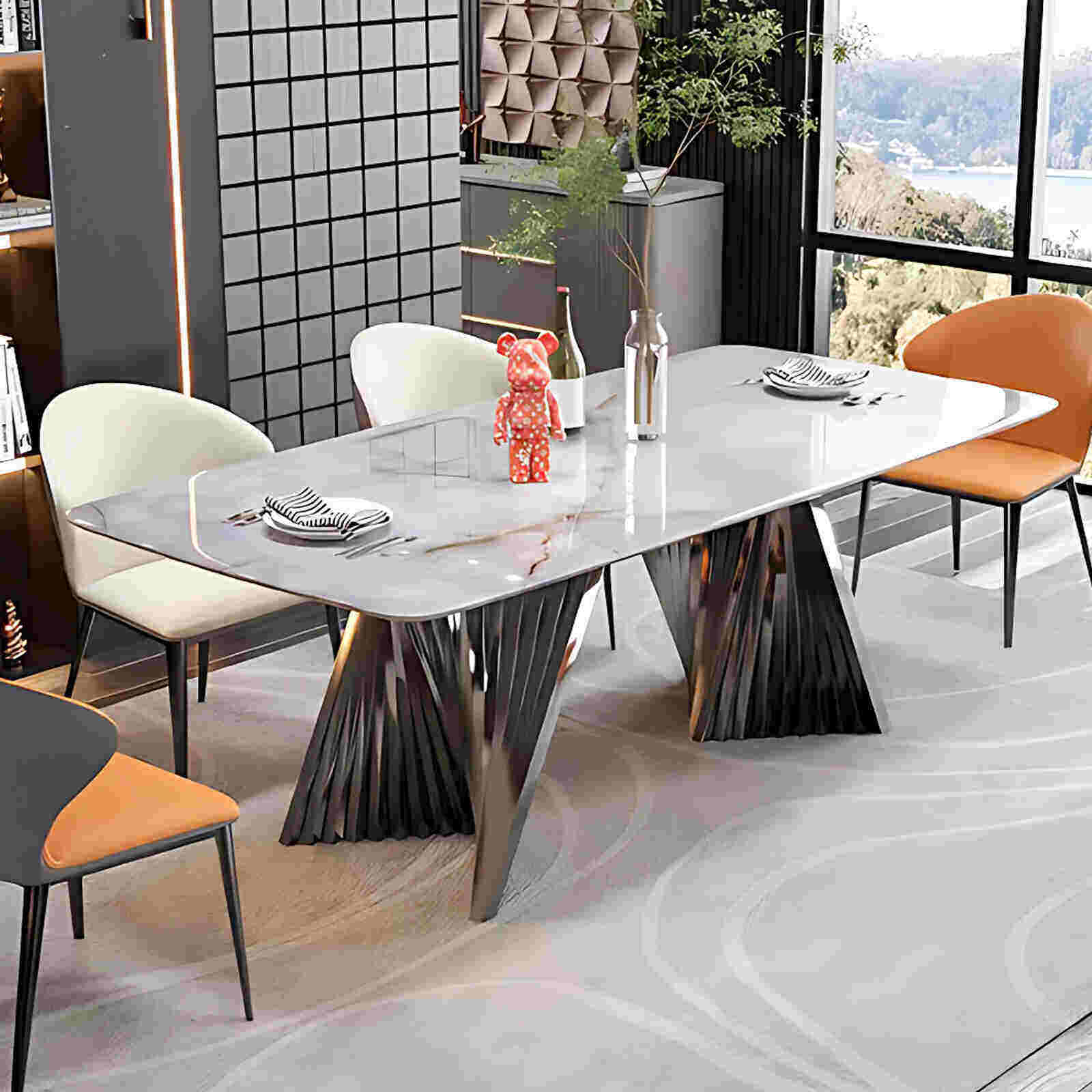
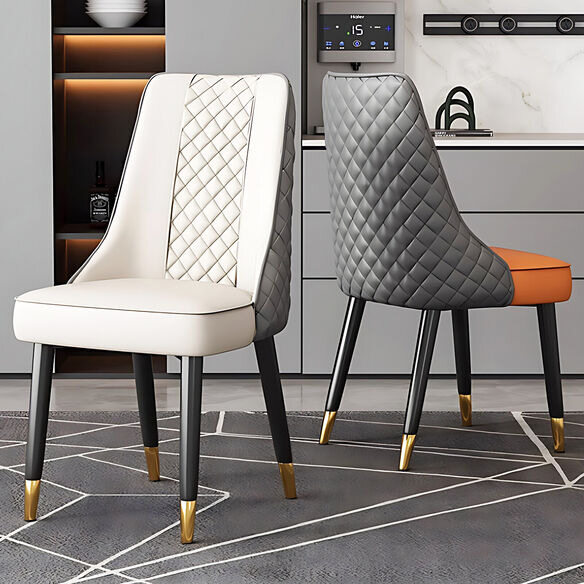
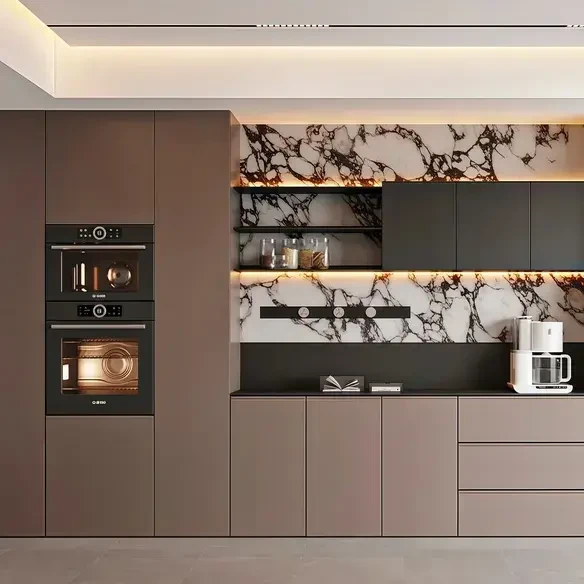
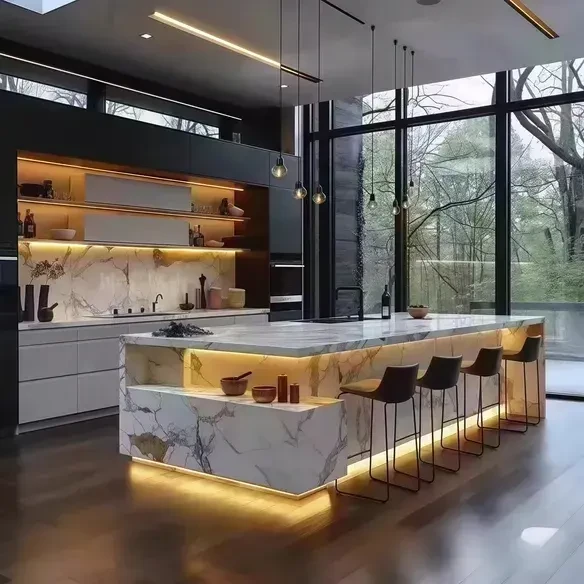
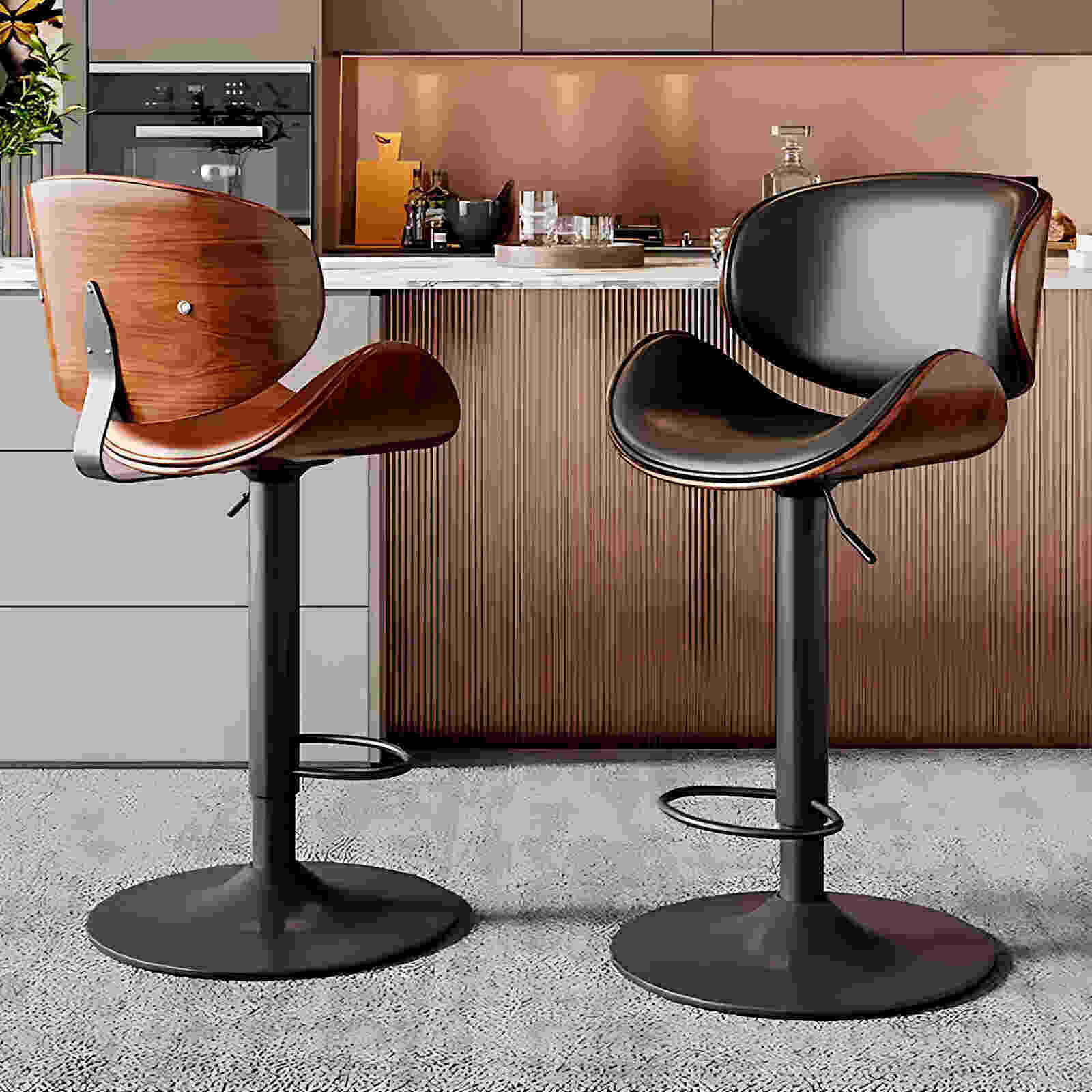
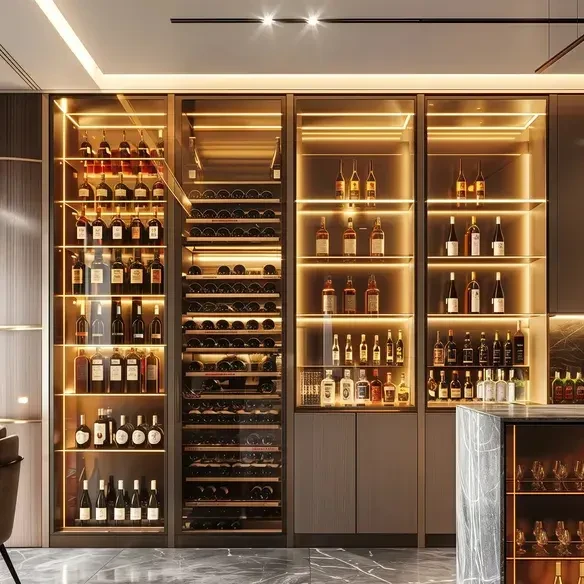


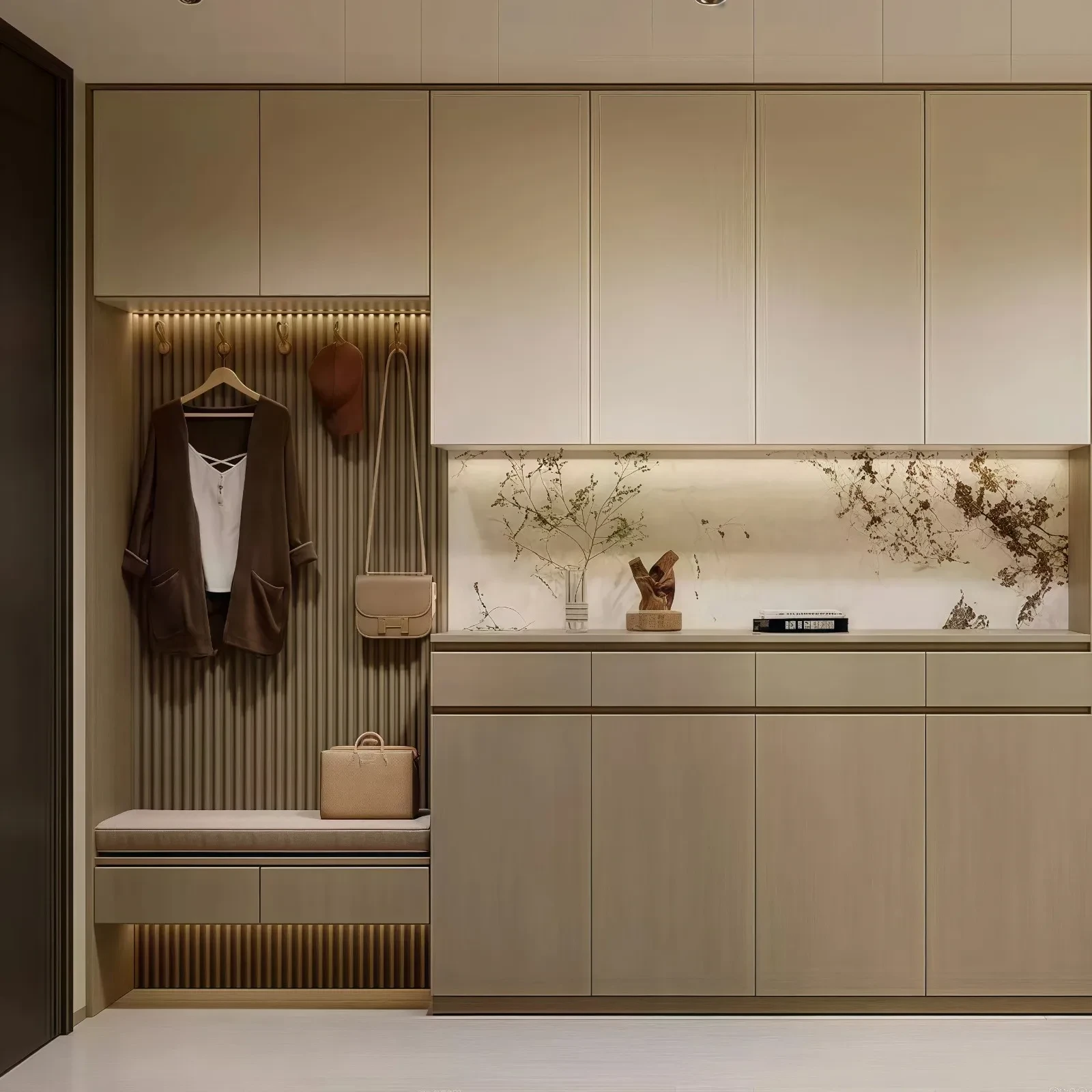
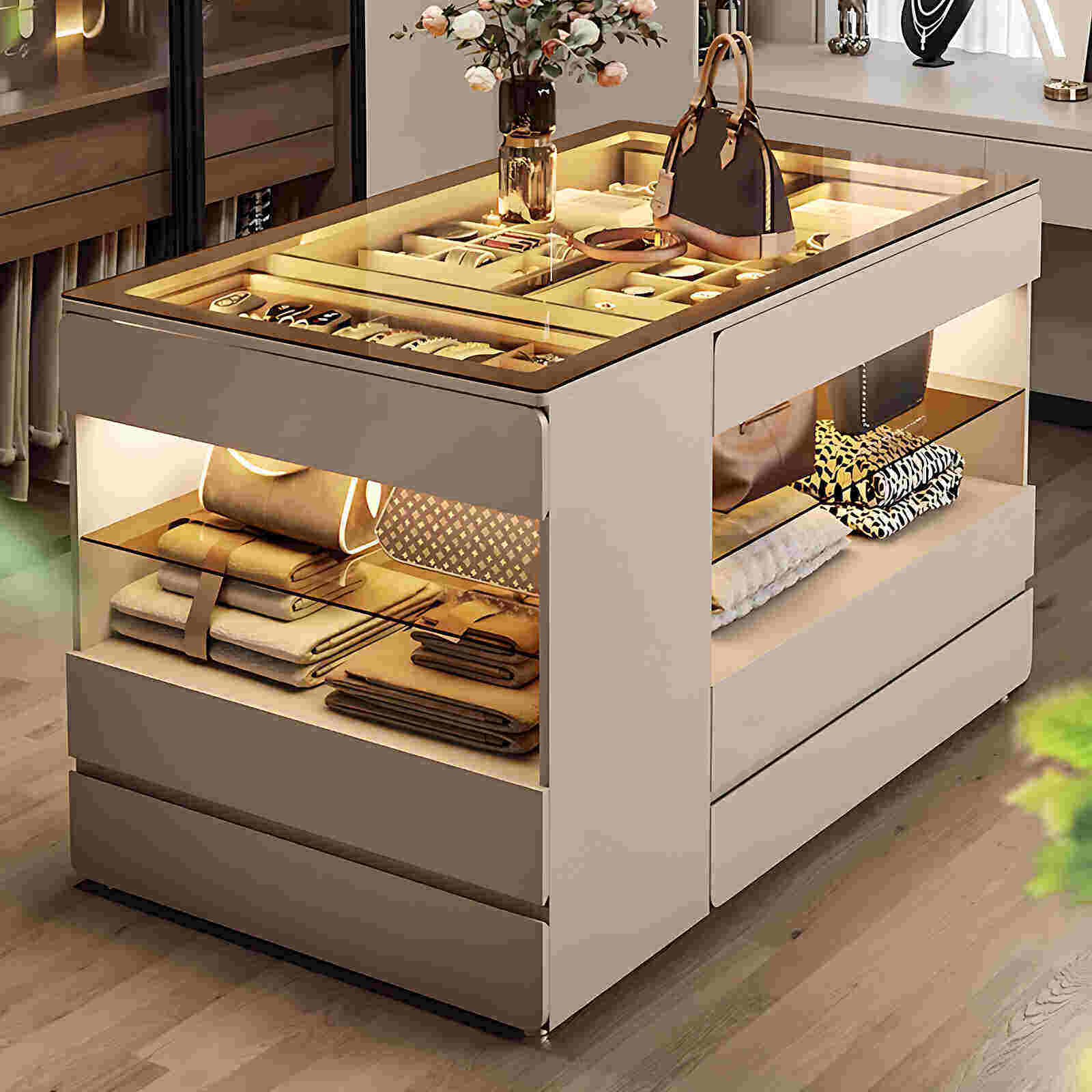
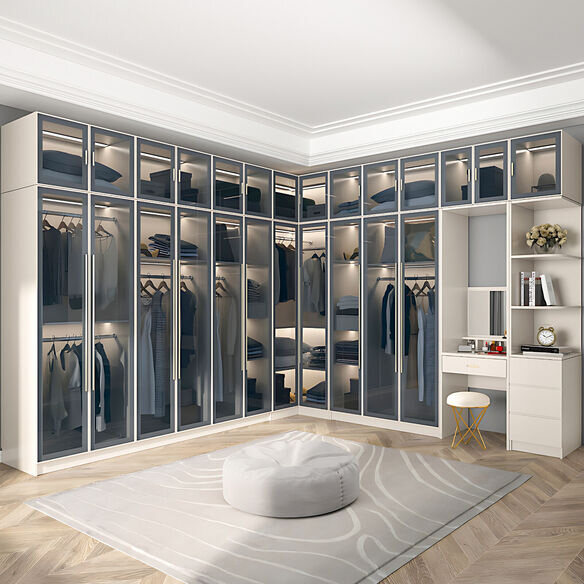
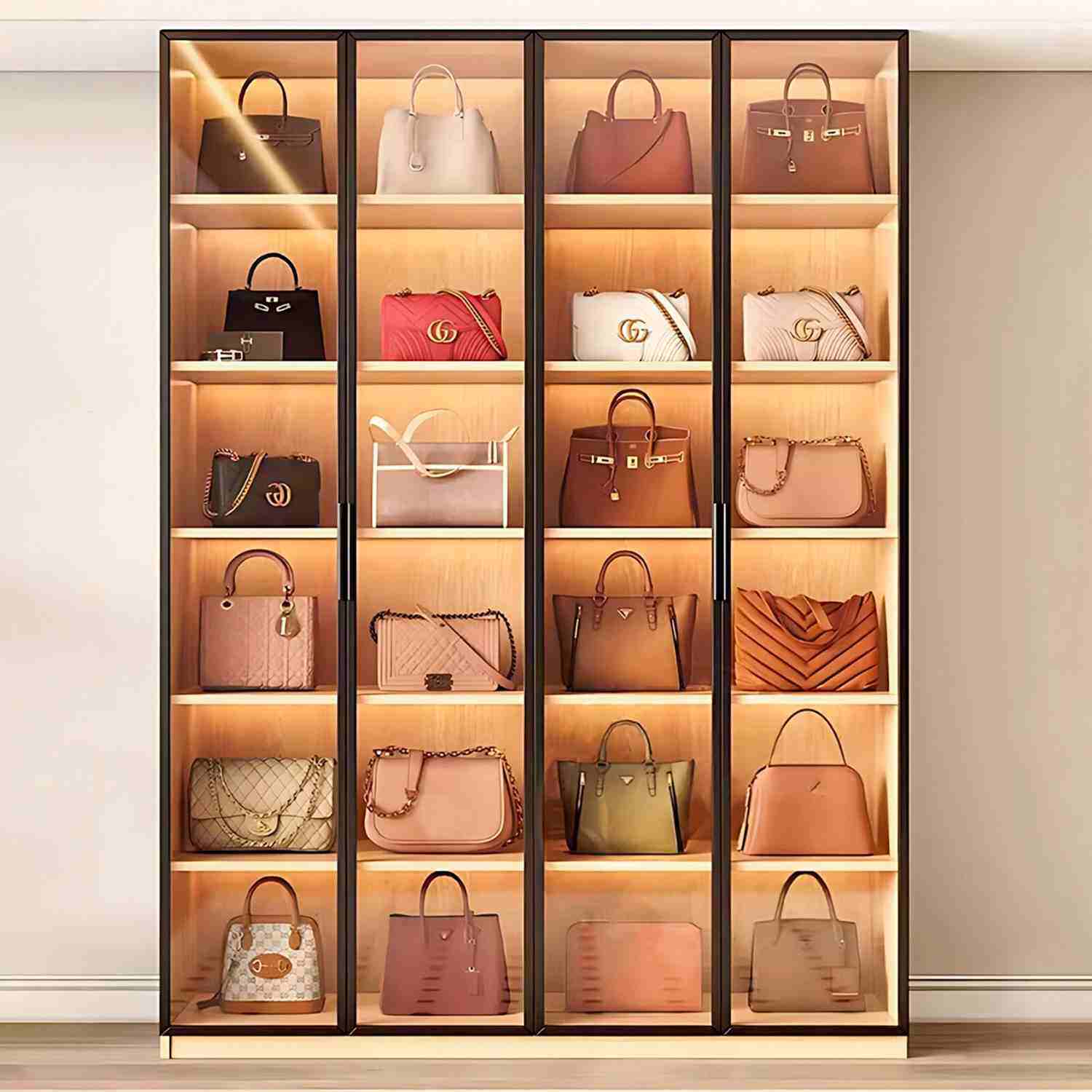
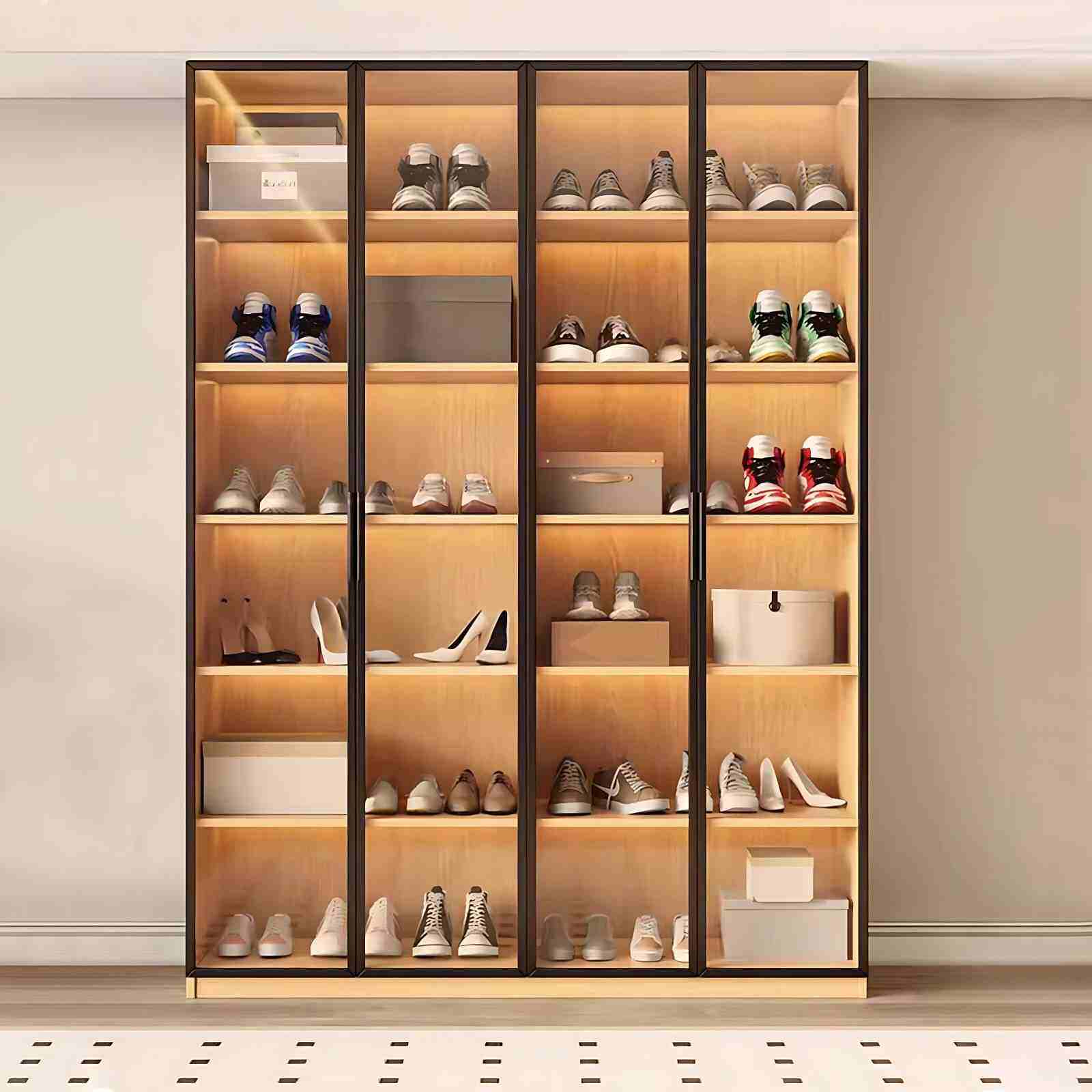
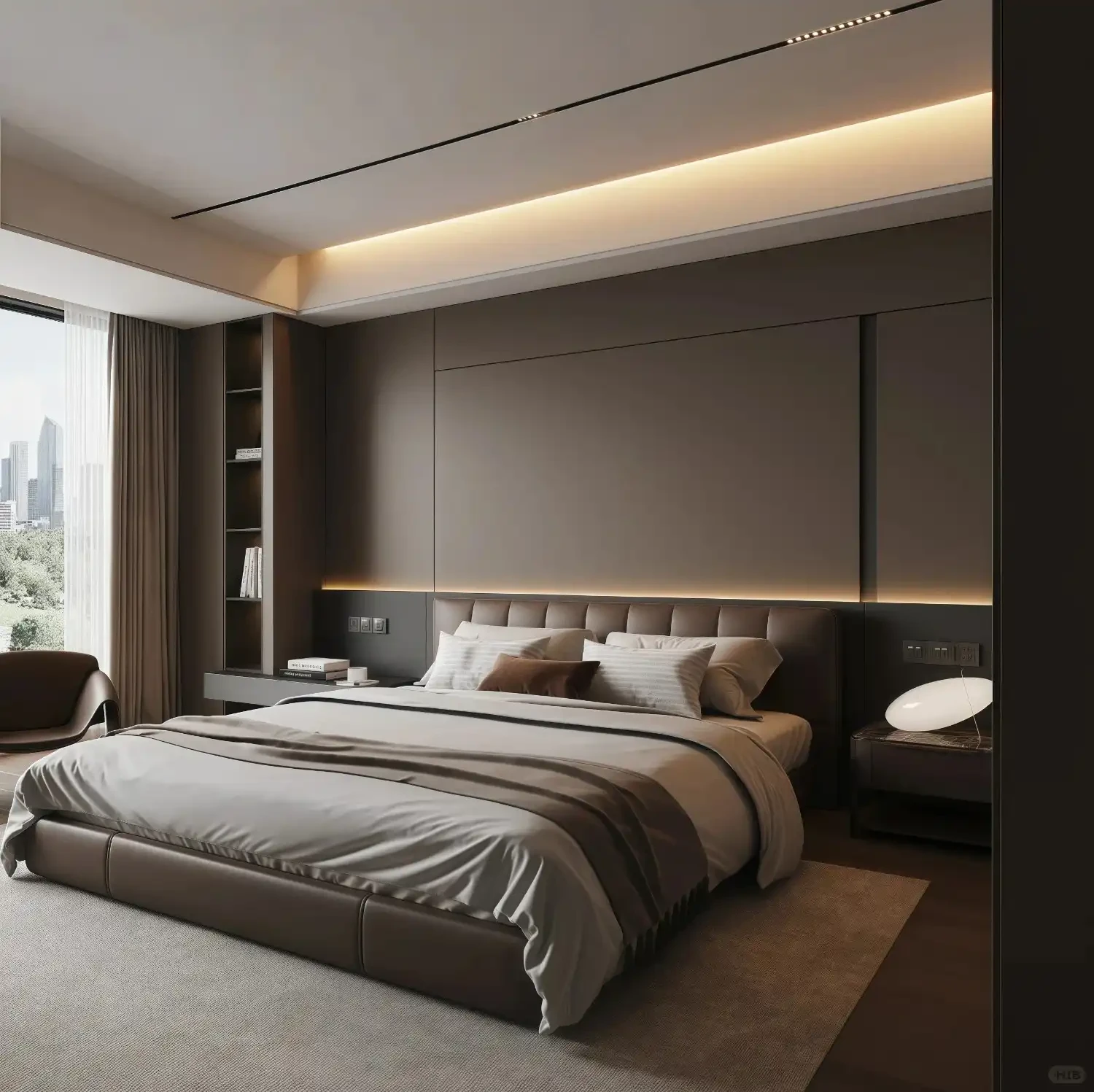
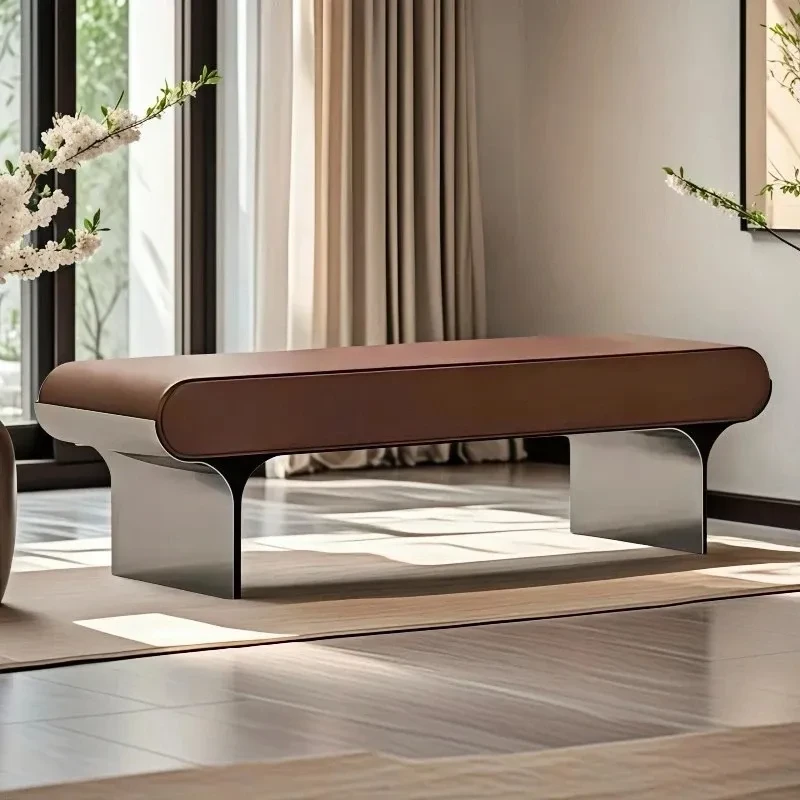
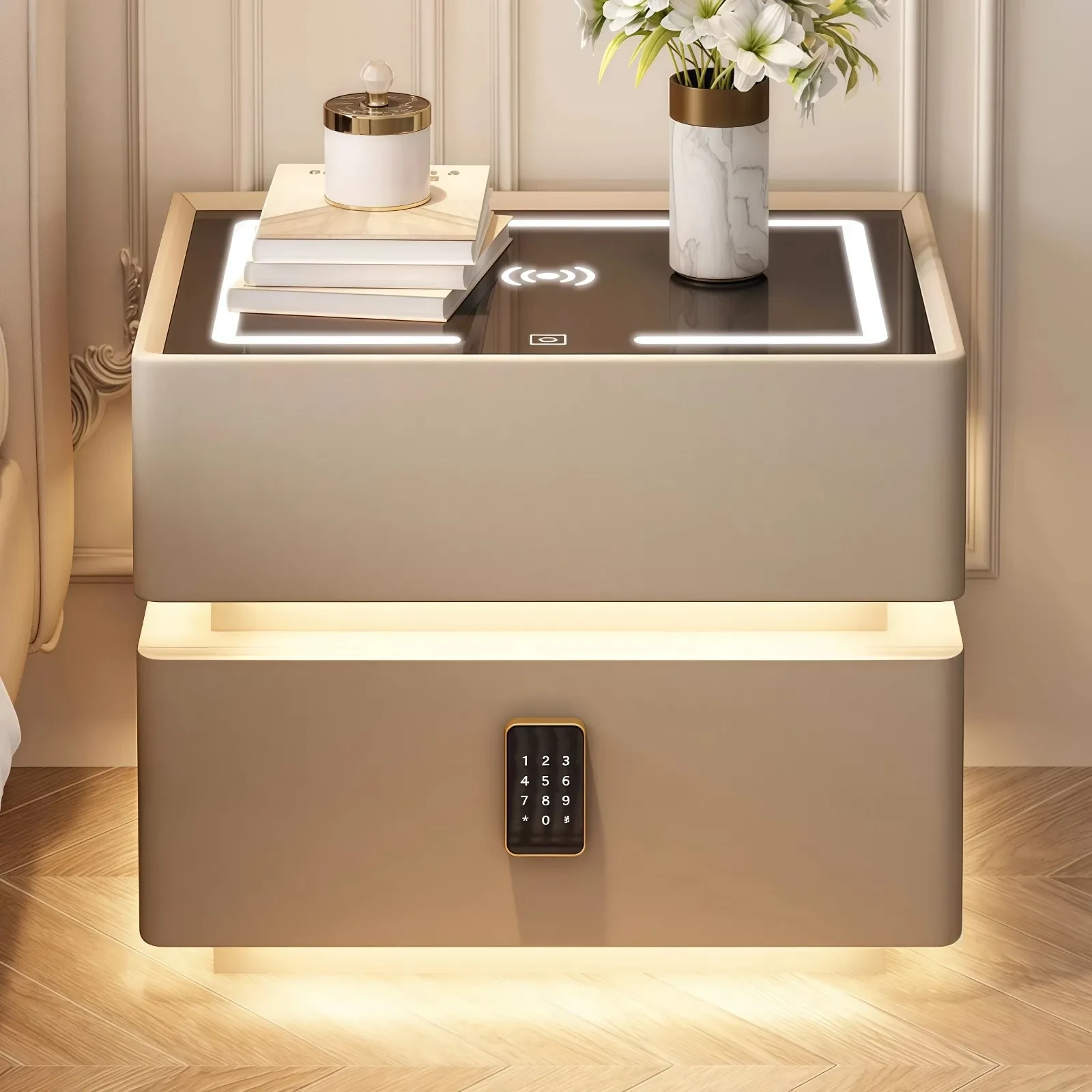
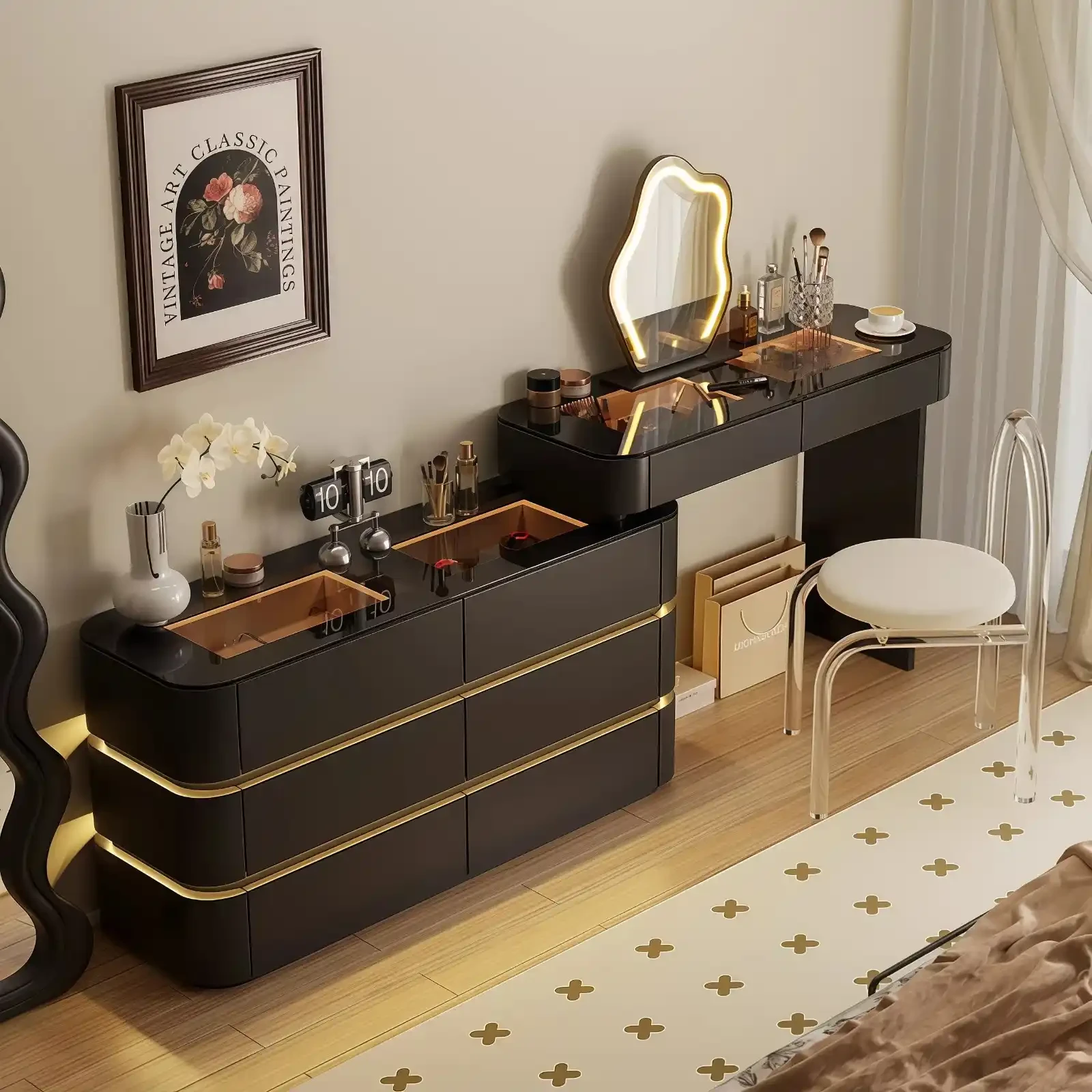
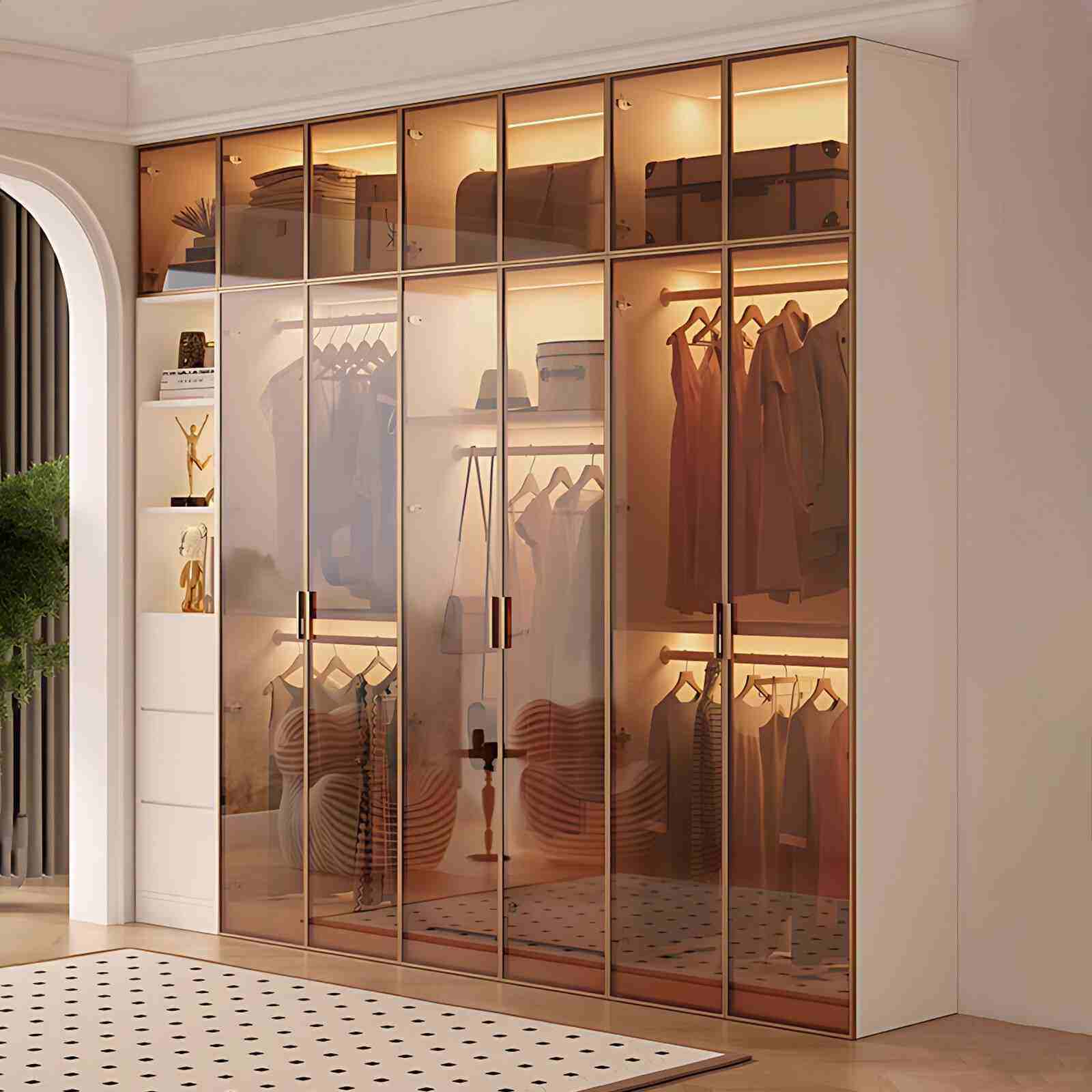
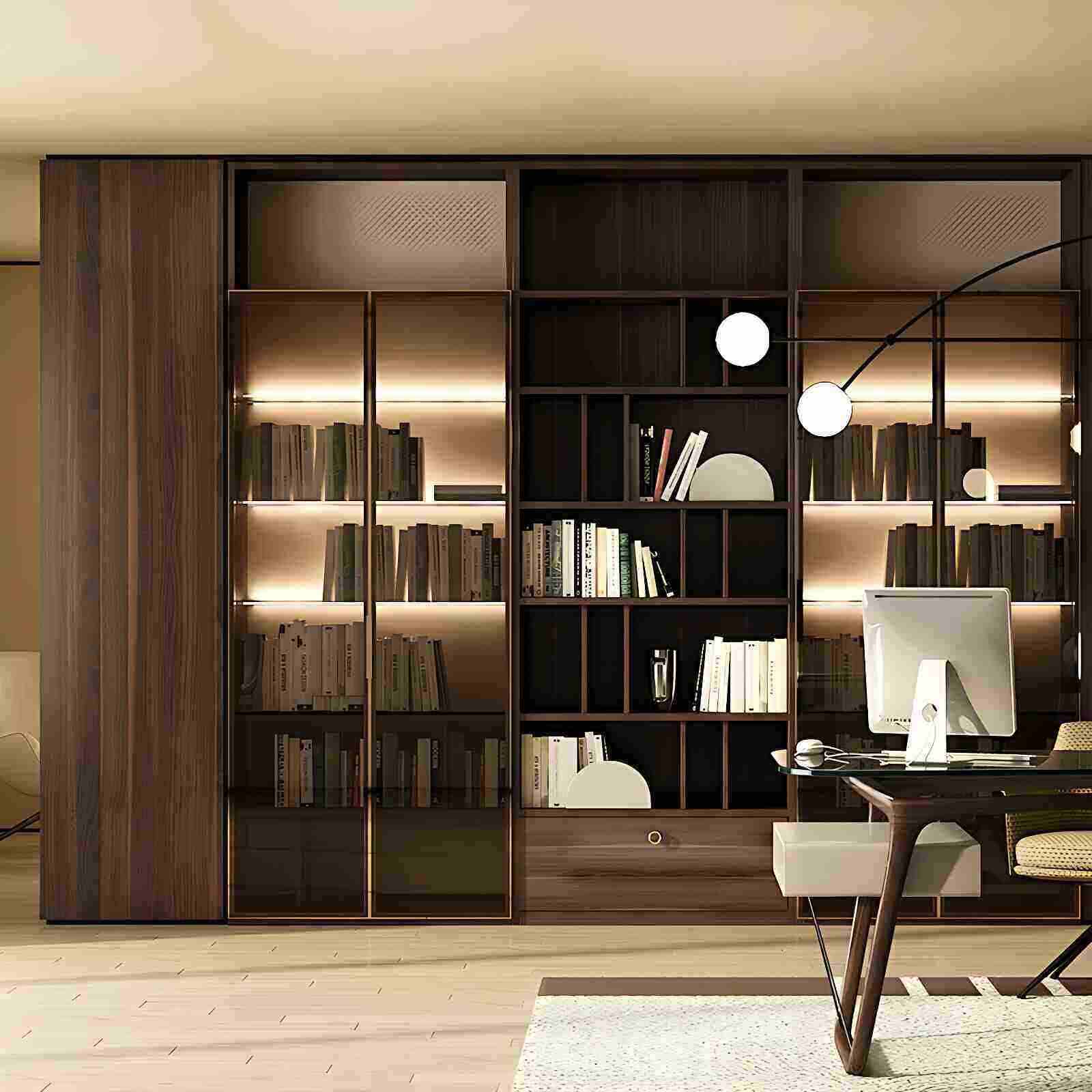

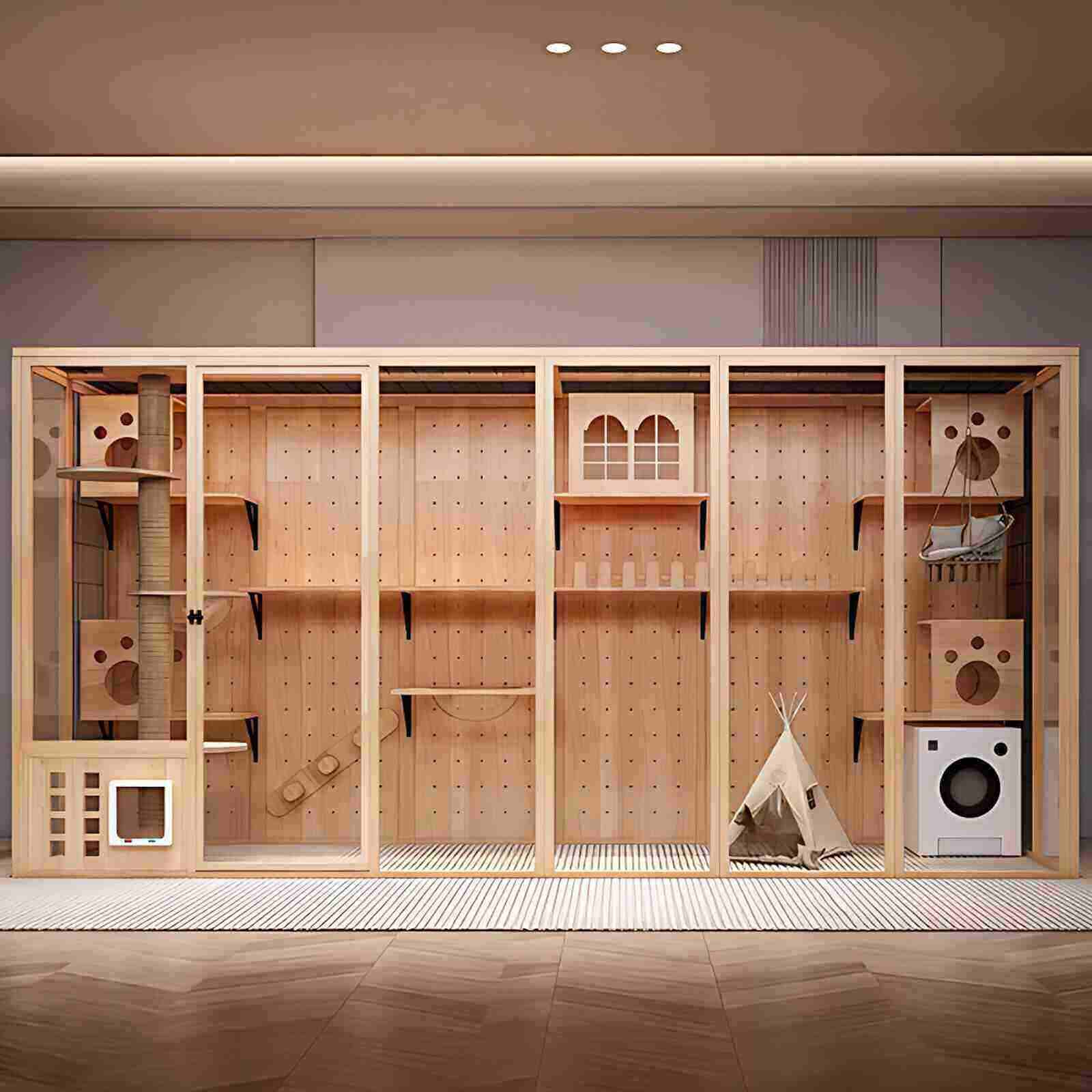
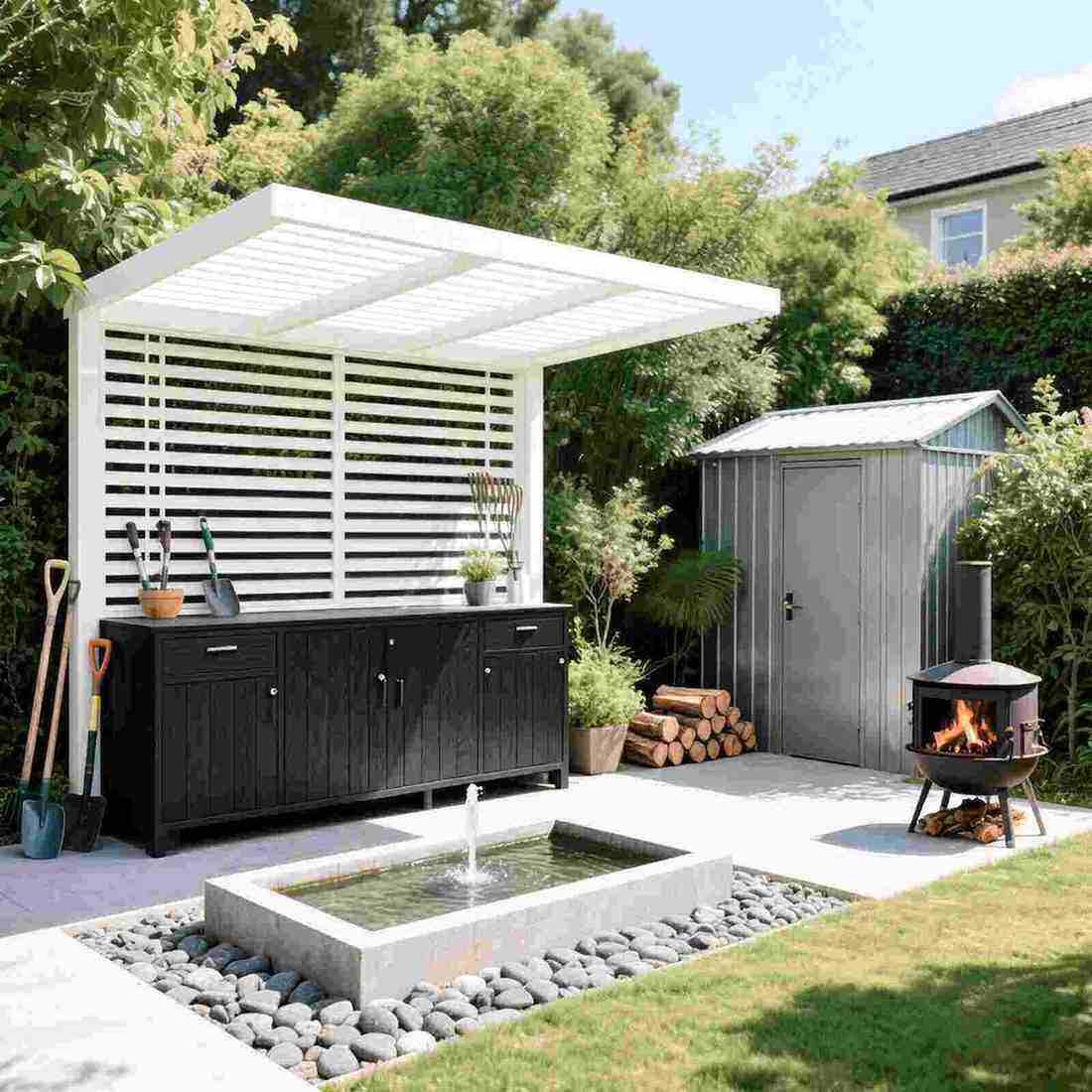
Various types of boards are used when decorating a house. The quality of the boards directly affects the lifespan of the furniture. Next, we will talk about the differences between ecological boards and multi-layer boards. Let's take a look.
1. Raw materials
Eco-board uses uniformly sized wooden squares and round logs as raw materials, while multi-layer board uses individual veneers as raw materials. Both use large-diameter timber as raw materials and belong to the category of solid wood.
2. Production process
In terms of manufacturing process, eco-friendly boards are produced by splicing or finger-jointing timber. The engineered wood products commonly referred to today are produced using this process and are not considered special. Multi-layer boards, on the other hand, are produced by laying layers of veneer horizontally and vertically, and then directly splicing the veneers together.
3. Adhesives
Many people mistakenly believe that eco-friendly boards use very little glue, while multi-layer boards use a lot. This is a very simplistic view. The wood grains inside eco-friendly boards have strict dimensional specifications according to national standards, but many manufacturers don't strictly adhere to these, so the glue usage isn't necessarily less than that of multi-layer boards. In fact, by using veneer in the production of multi-layer boards, the glue usage can be controlled within a reasonable range.
4. Environmental friendliness
In terms of environmental friendliness, if both use formaldehyde-free adhesives, then both eco-boards and multi-layer boards can meet the standard of no added formaldehyde, so their environmental performance is the same. What everyone should be aware of is that wood itself contains trace amounts of formaldehyde; this is common knowledge.
5. Physical properties and applications
In terms of physical properties and applications, eco-boards and plywood differ, and therefore their uses also differ. Eco-boards are mostly used to make furniture such as cabinets, while plywood is generally used to make wardrobes, shoe cabinets, etc.