
 USD
USD GBP
GBP
 EUR
EUR




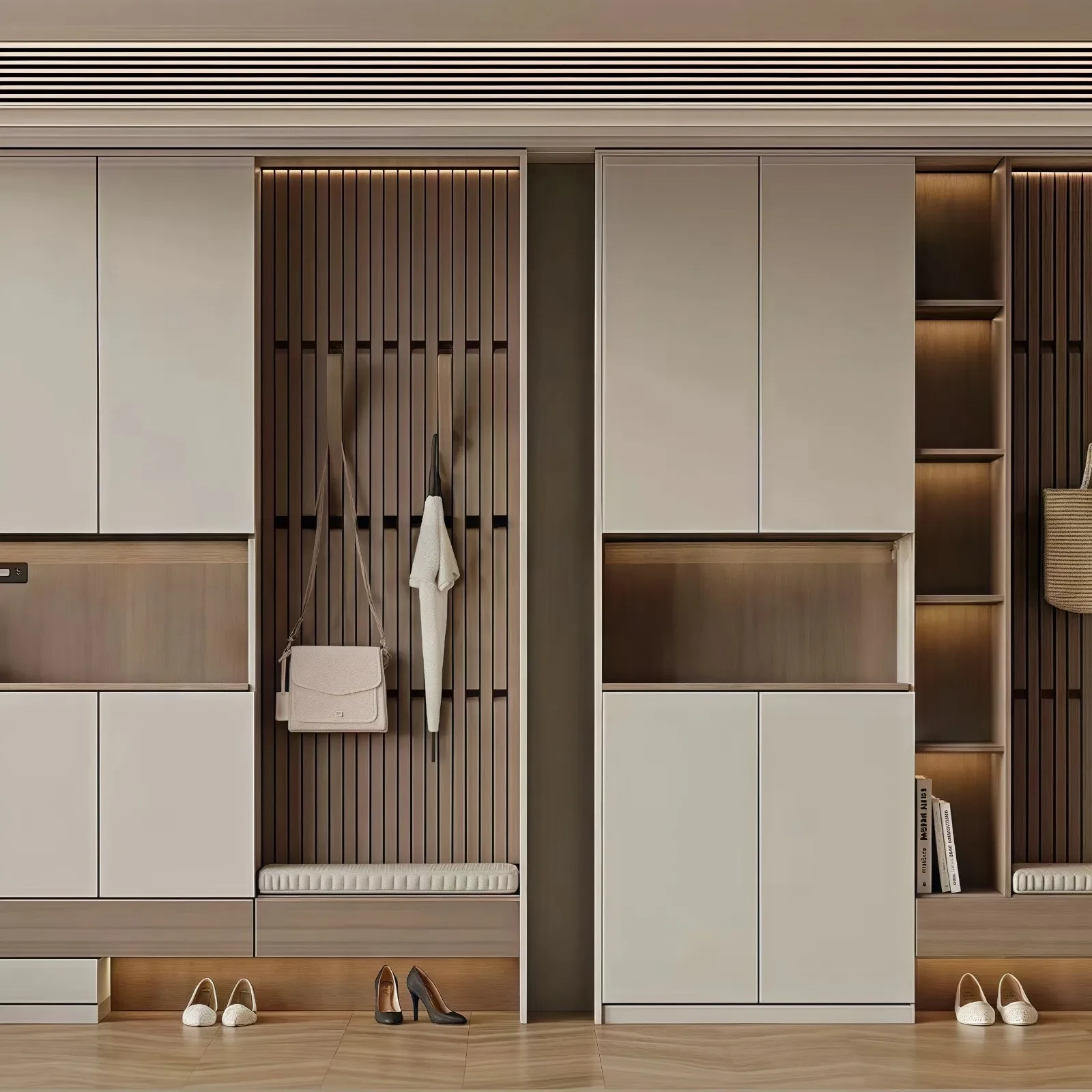
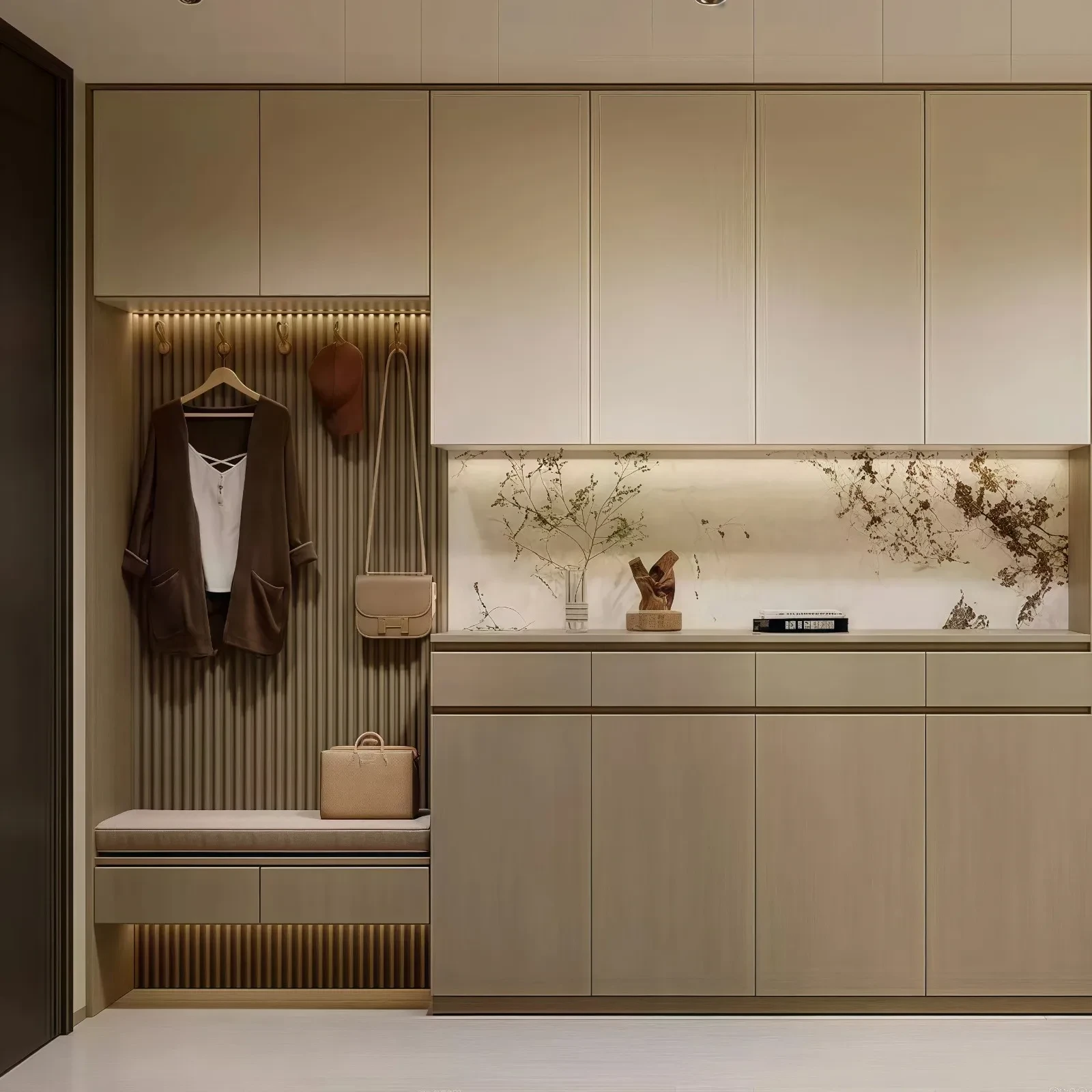
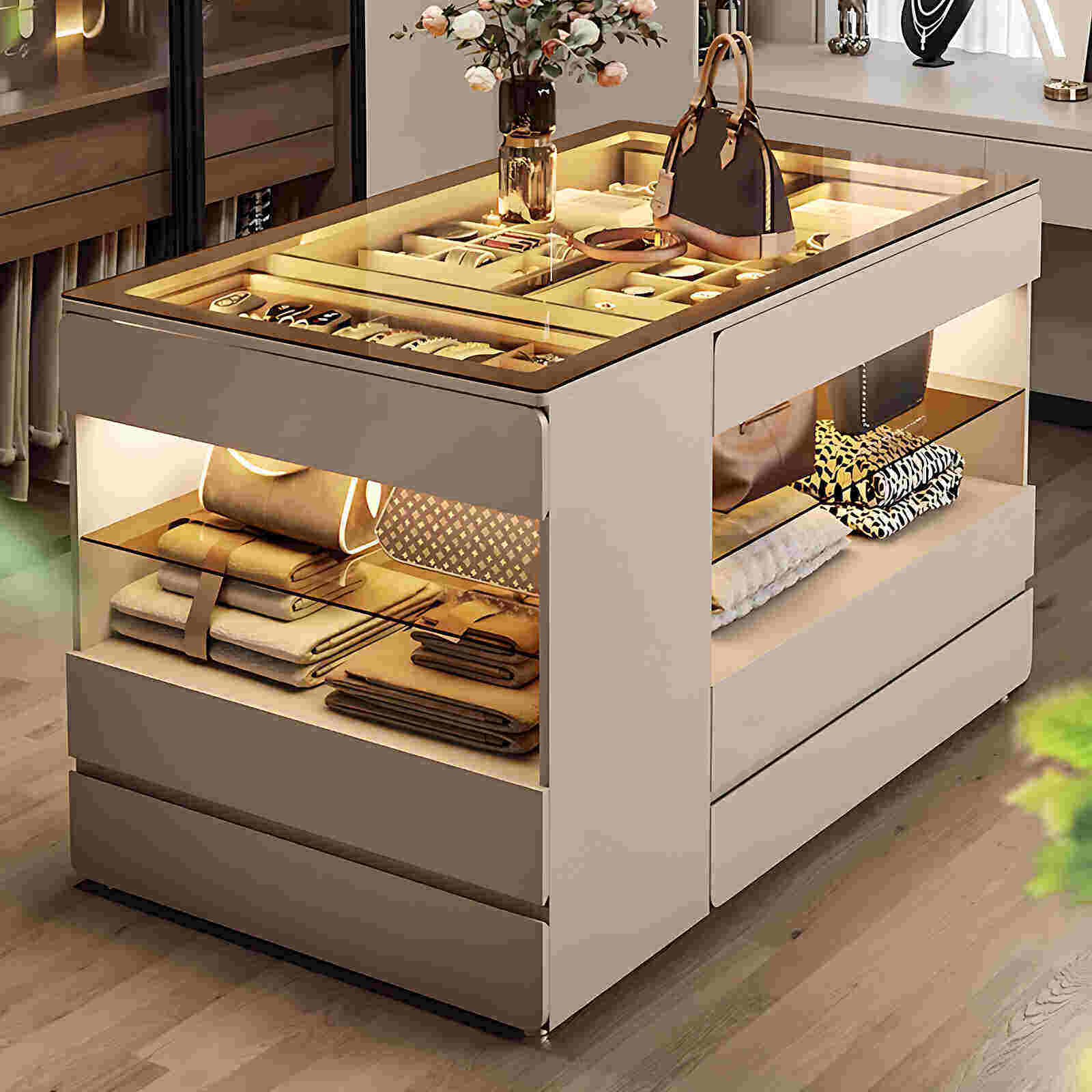
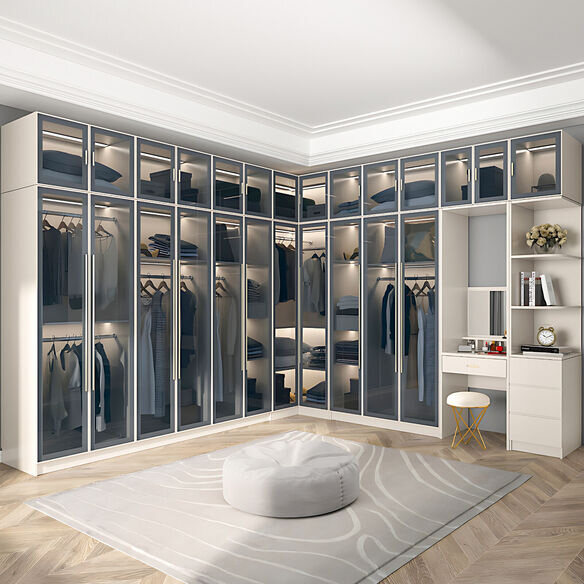
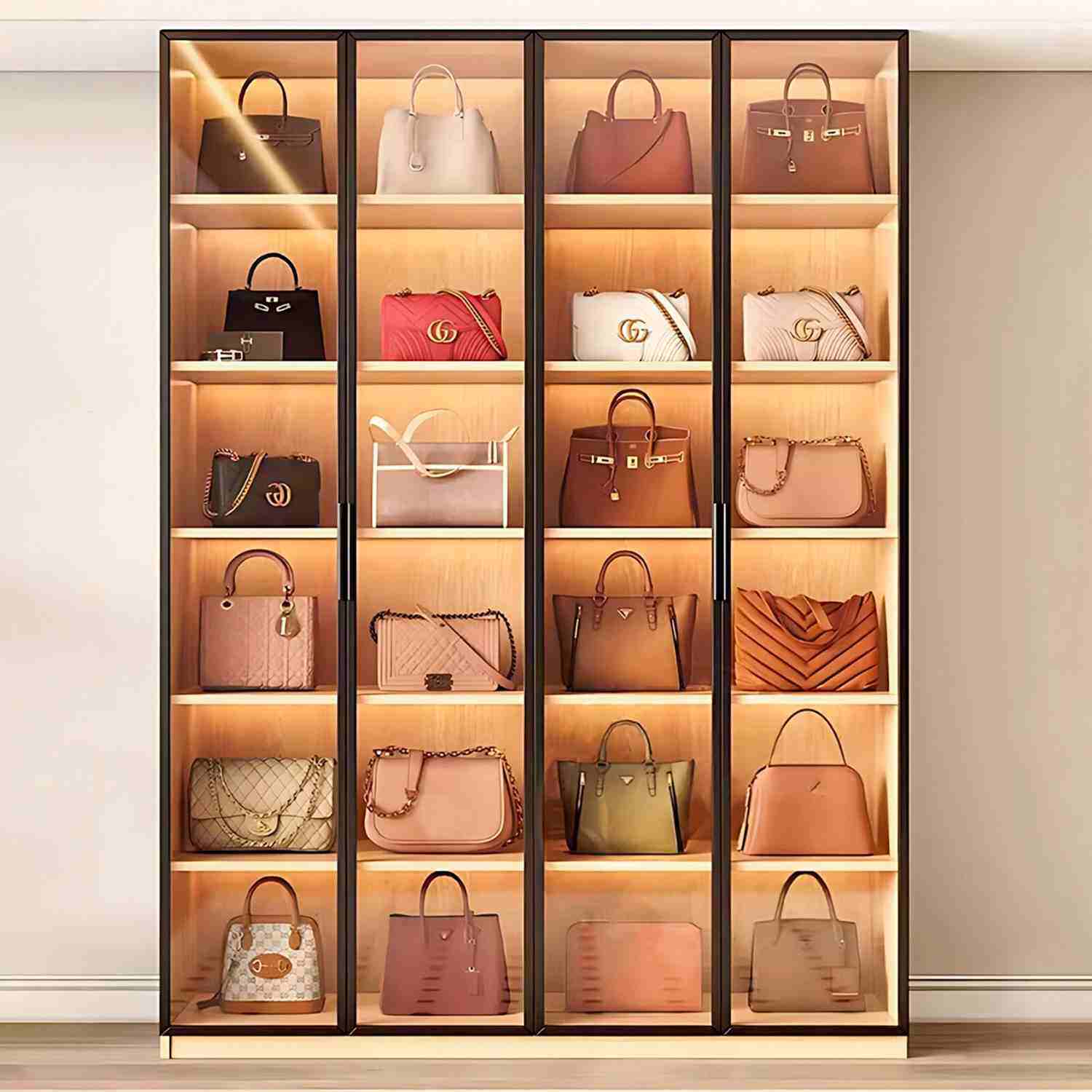
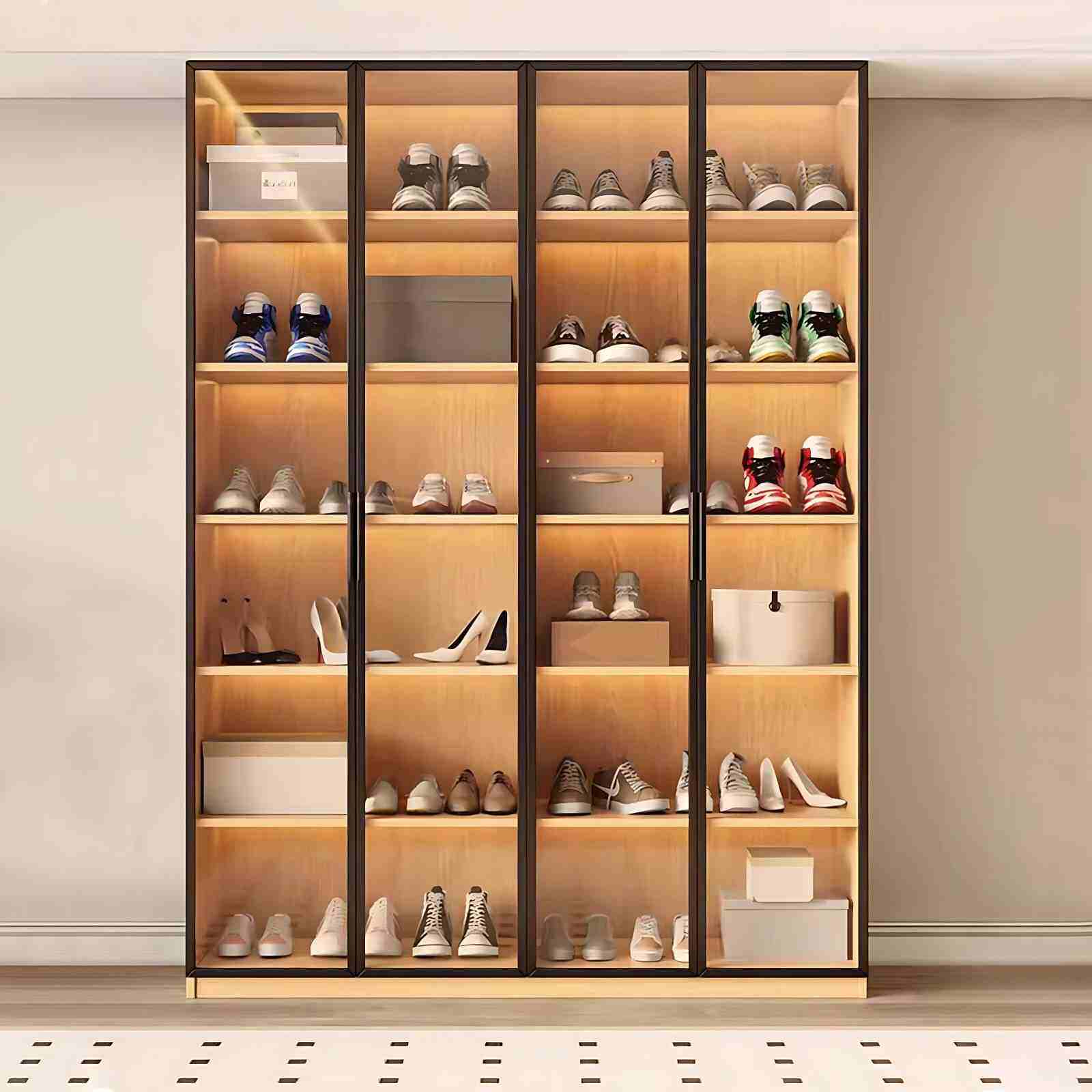
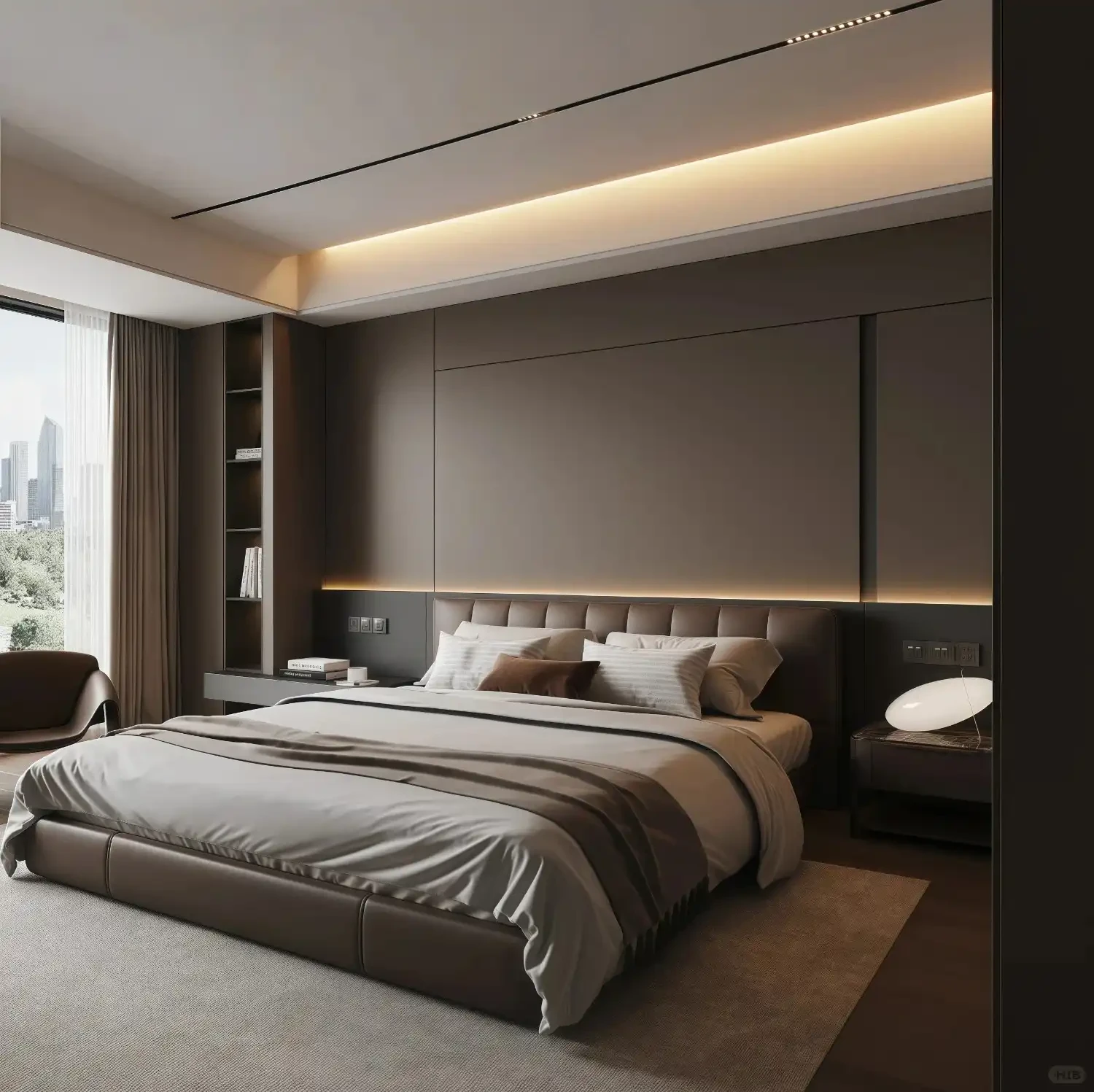
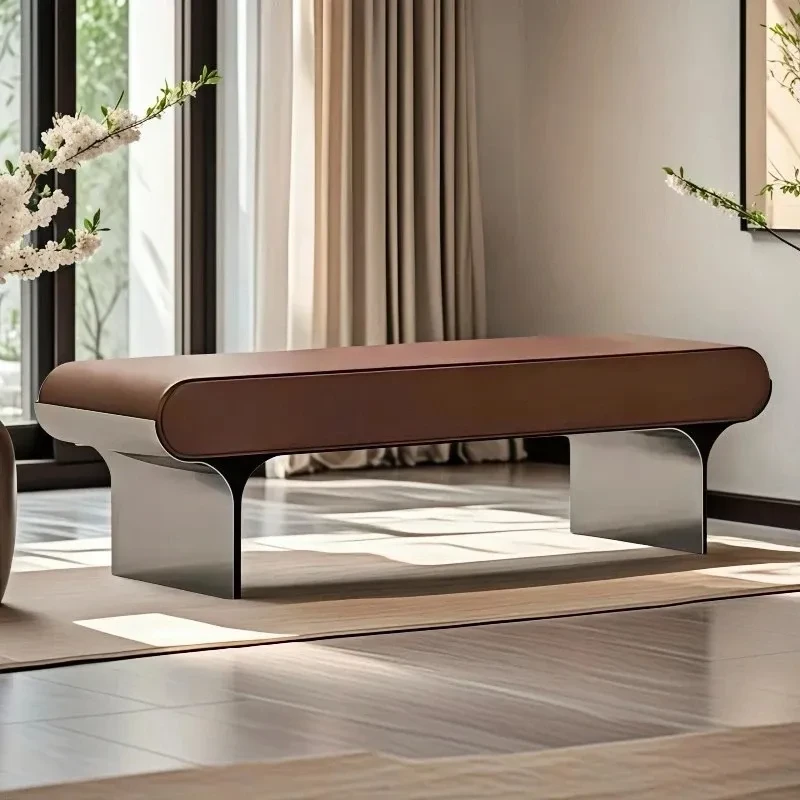

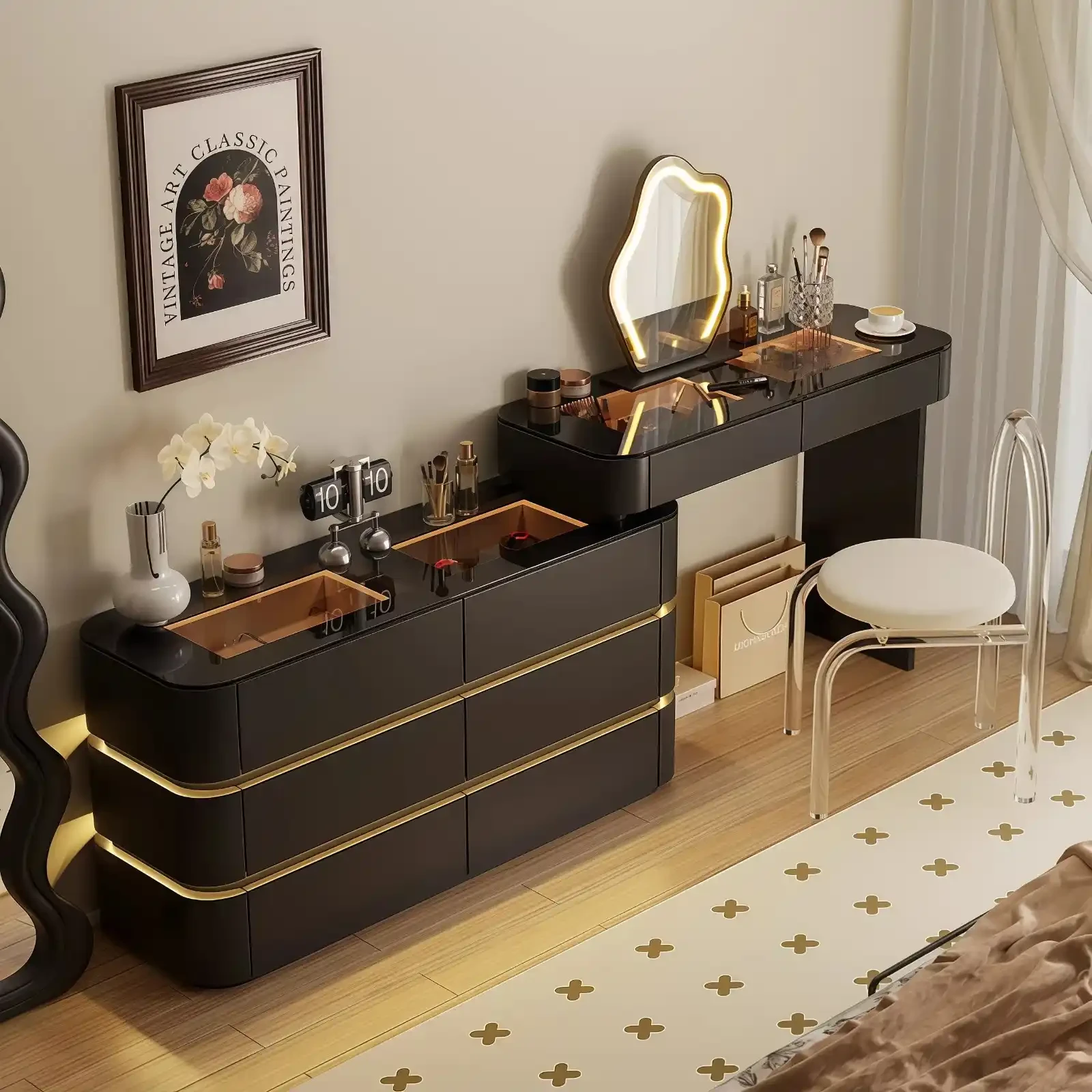
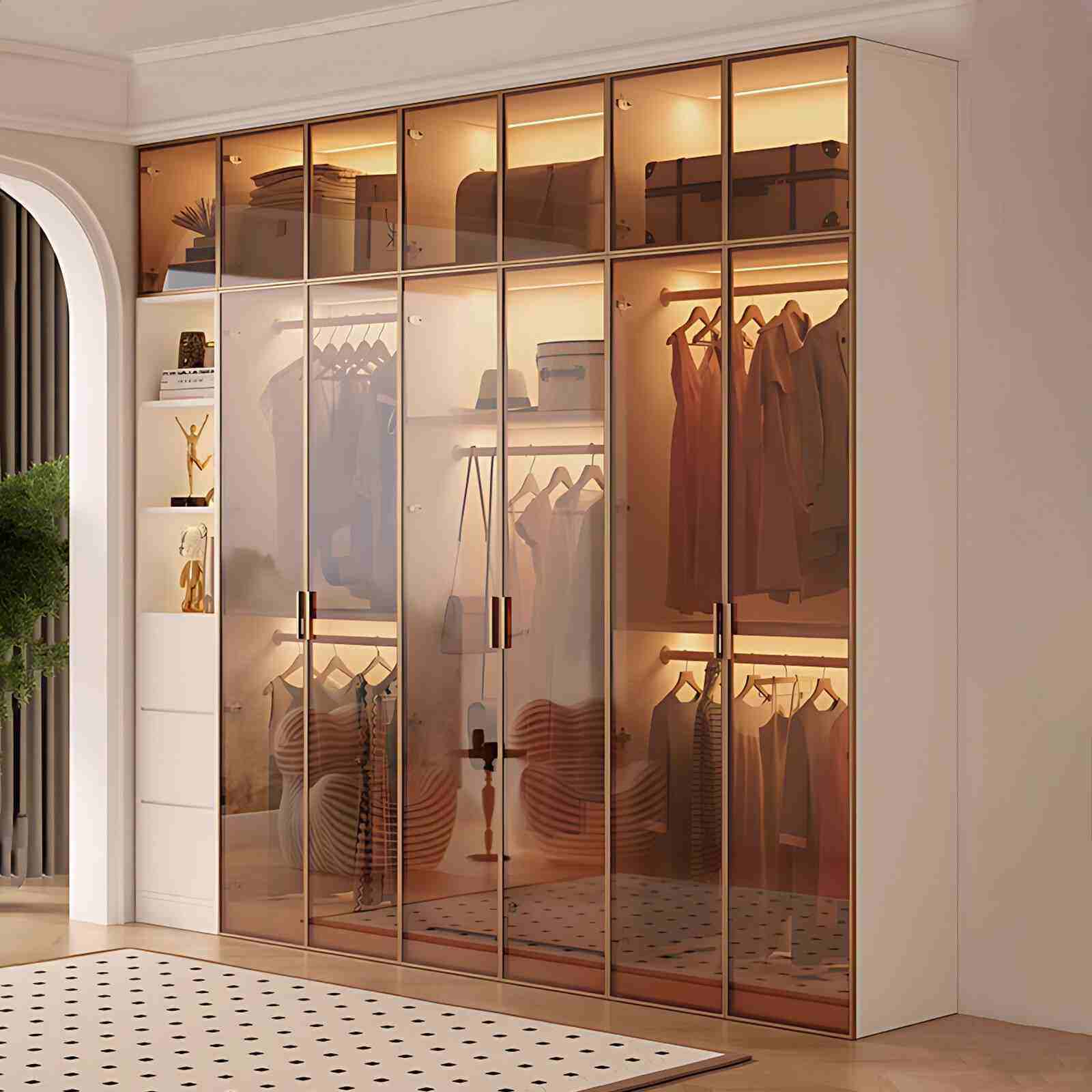
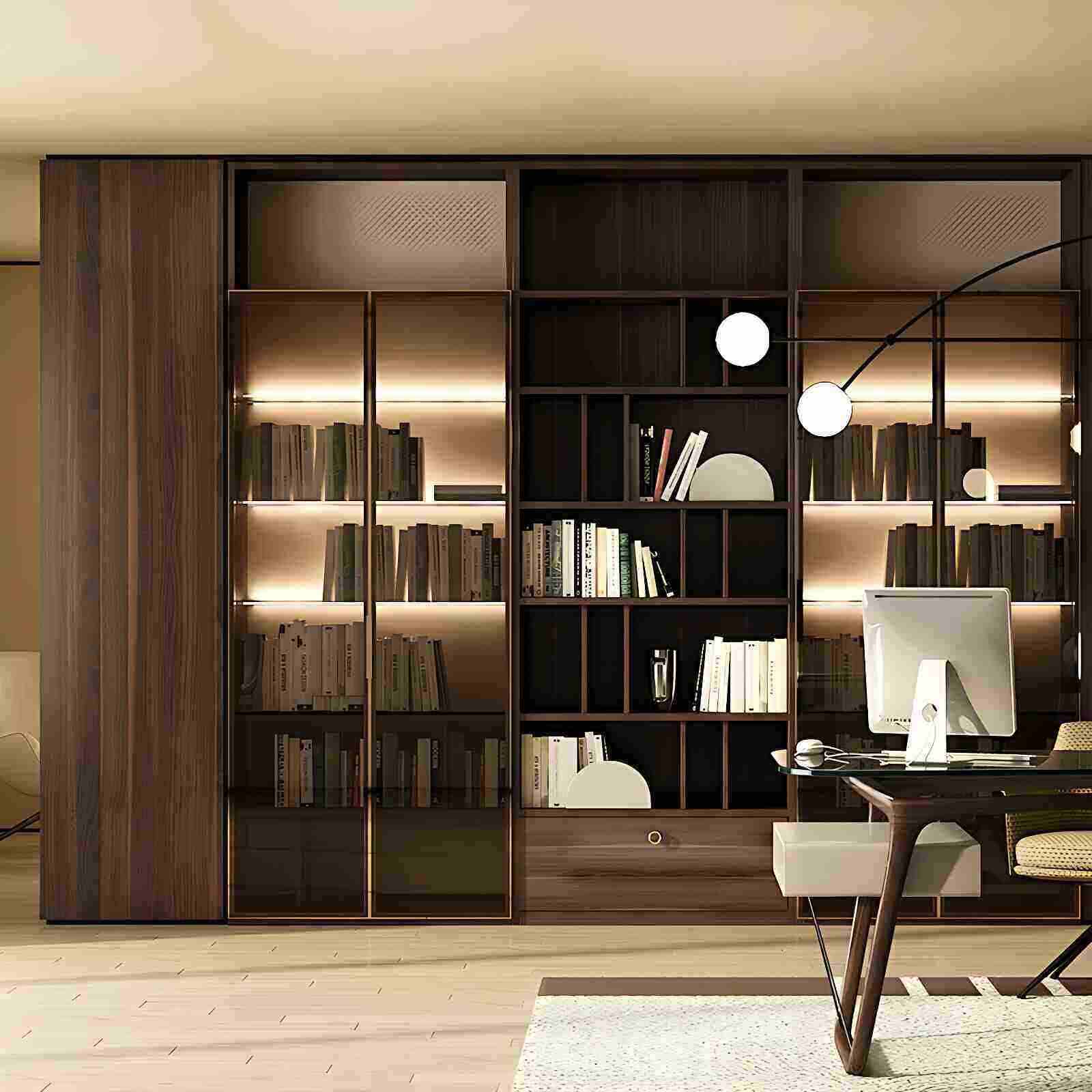

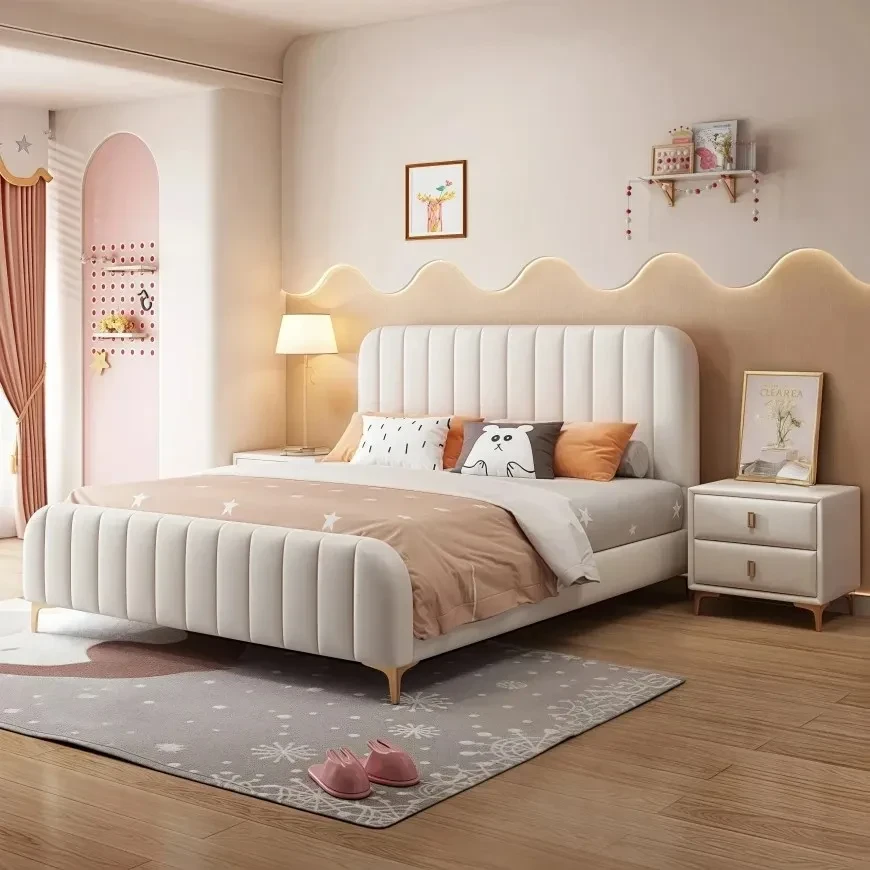
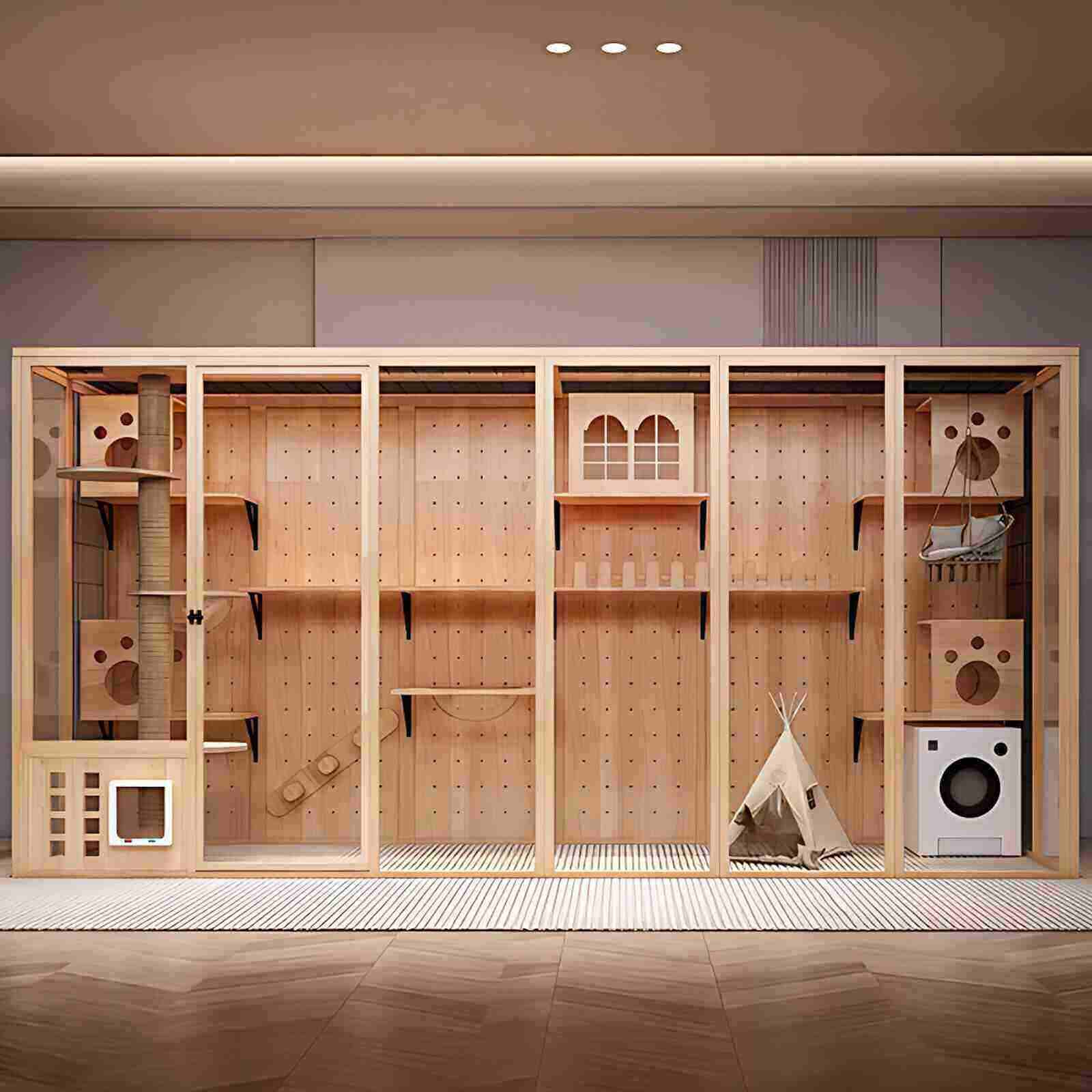
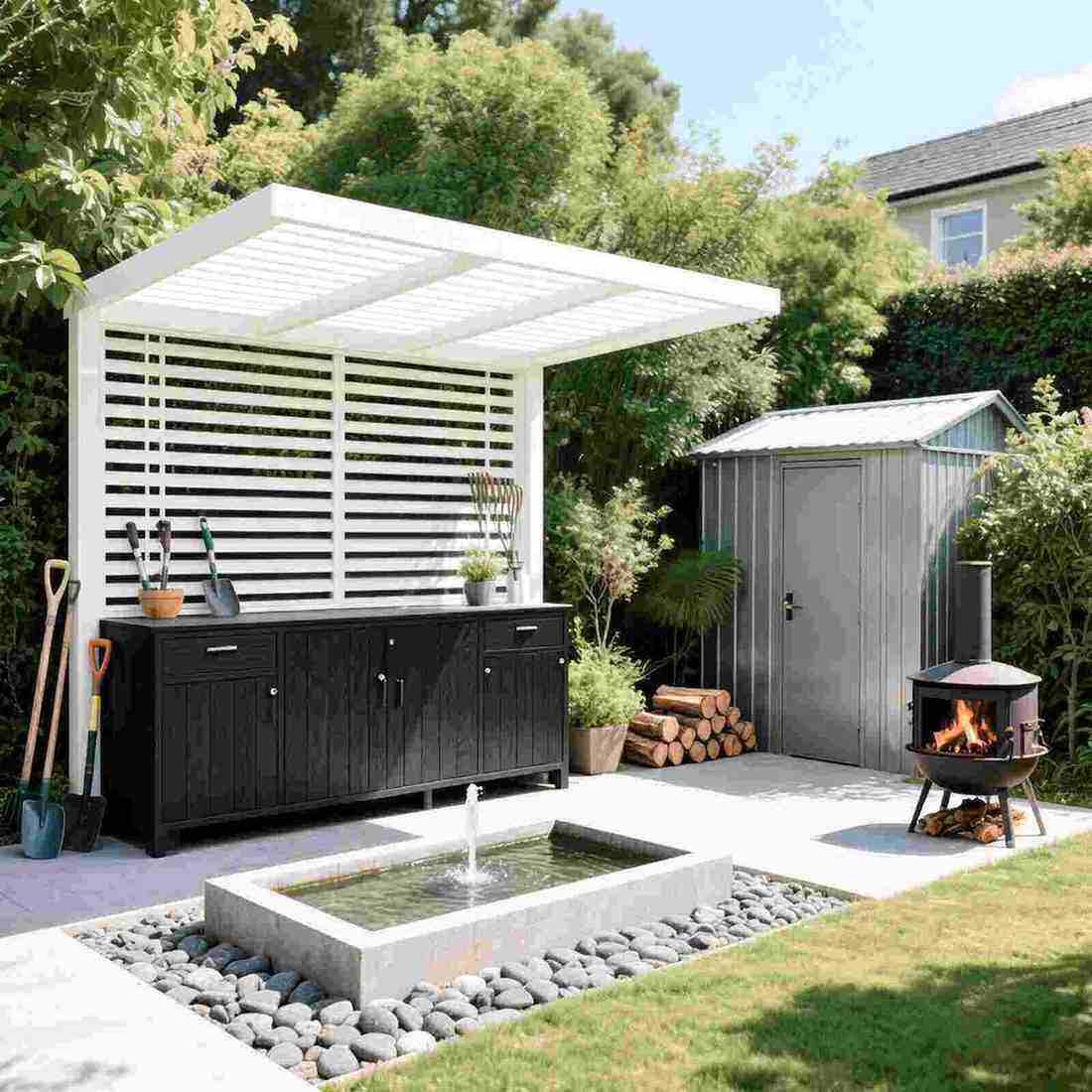
In China, few people can clearly explain what OSB boards are, and some may have never even heard of them. However, if you travel abroad, especially to Europe and America, the popularity of OSB boards is a completely different story: they are practically treated like royalty!
Why are OSB boards experiencing such different fates? What has led to all this? The "Mini-Lesson" is now open to unveil the "past and present" of OSB boards.
What is OSB?
OSB board, short for Oriented Structural Board, is a type of board that incorporates the word "structural" in its name. Products with this name generally possess good mechanical properties and are suitable for use in construction projects.
Why use OSB?
Although OSB board is a type of particleboard, it is vastly different from ordinary particleboard commonly found on the market.
OSB board
Ordinary particleboard
In terms of raw materials, OSB boards use "narrow, long, thin, and flat wood shavings," which are specially made from small-diameter logs using specialized shaving machines. There are specific requirements for the length, width, and thickness of the shavings: generally 25-100mm in length, 0.2-0.5mm in thickness, and 4-20mm in width. These shavings are thin, flat, and uniform in thickness, preserving the integrity of the wood fibers. The resulting OSB boards have high strength (longitudinal static bending strength is approximately 1.5 times that of ordinary particleboard), high rigidity, and good stability.
In terms of adhesive usage, OSB boards use at least 20% less adhesive than ordinary particleboard due to the use of larger-sized wood chips. As is well known, adhesives are the main source of formaldehyde release from engineered wood products; therefore, the reduced use of adhesives helps to ensure the environmental friendliness of the boards to some extent.
From a manufacturing process perspective, OSB boards use oriented strand board (OSB) technology, which allows for the design of orientation angles to give the boards different proportions of strength in the longitudinal and transverse directions, making them more flexible-something that ordinary particleboard cannot achieve.
Where can OSB be used?
In North America and Europe, OSB boards are primarily used in the construction industry, serving as roofs, floors, interior and exterior walls for timber-framed homes, and as a substitute for plywood in cement formwork.
In home renovation, especially in the construction of partitions, walls, and cabinets, OSB boards are superior to plywood, which has low shear strength and impact resistance, and ordinary particleboard, which has poor nail-holding power.
Furthermore, OSB board is a globally recognized inspection-free packaging material that can be used in import and export trade packaging and transportation. Due to its excellent performance, it has also been listed as a "Level 1 Exposed" packaging material by the World Packaging Association.