
 USD
USD GBP
GBP
 EUR
EUR
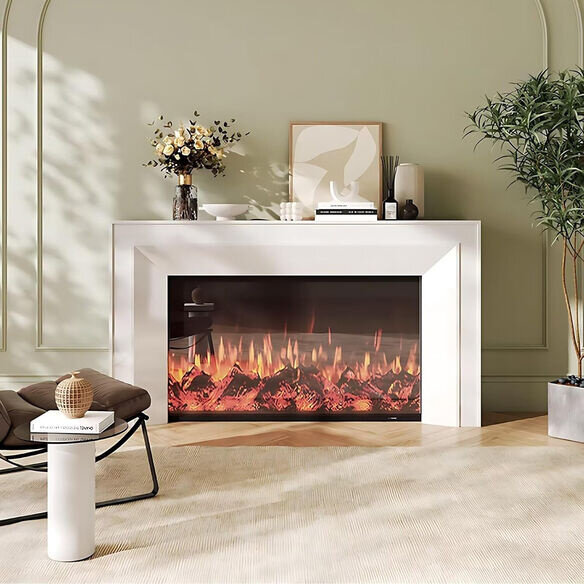
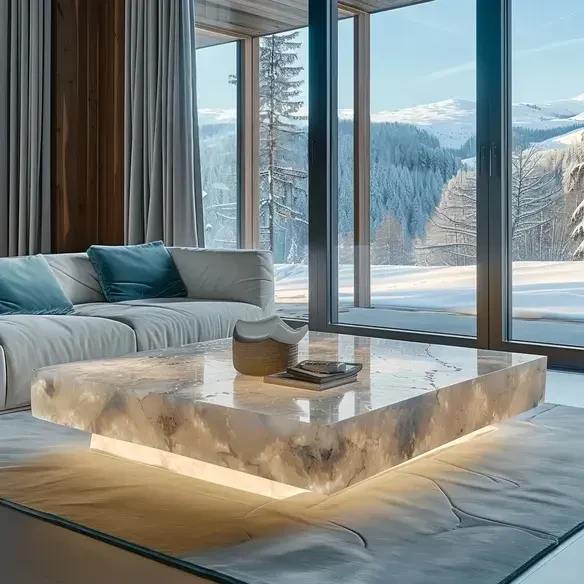
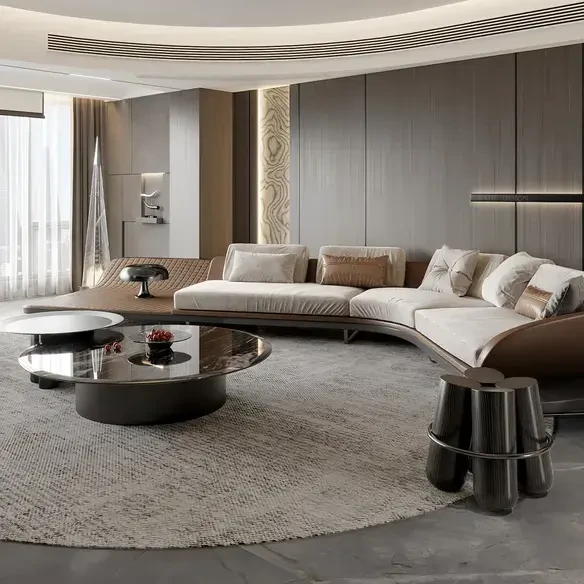
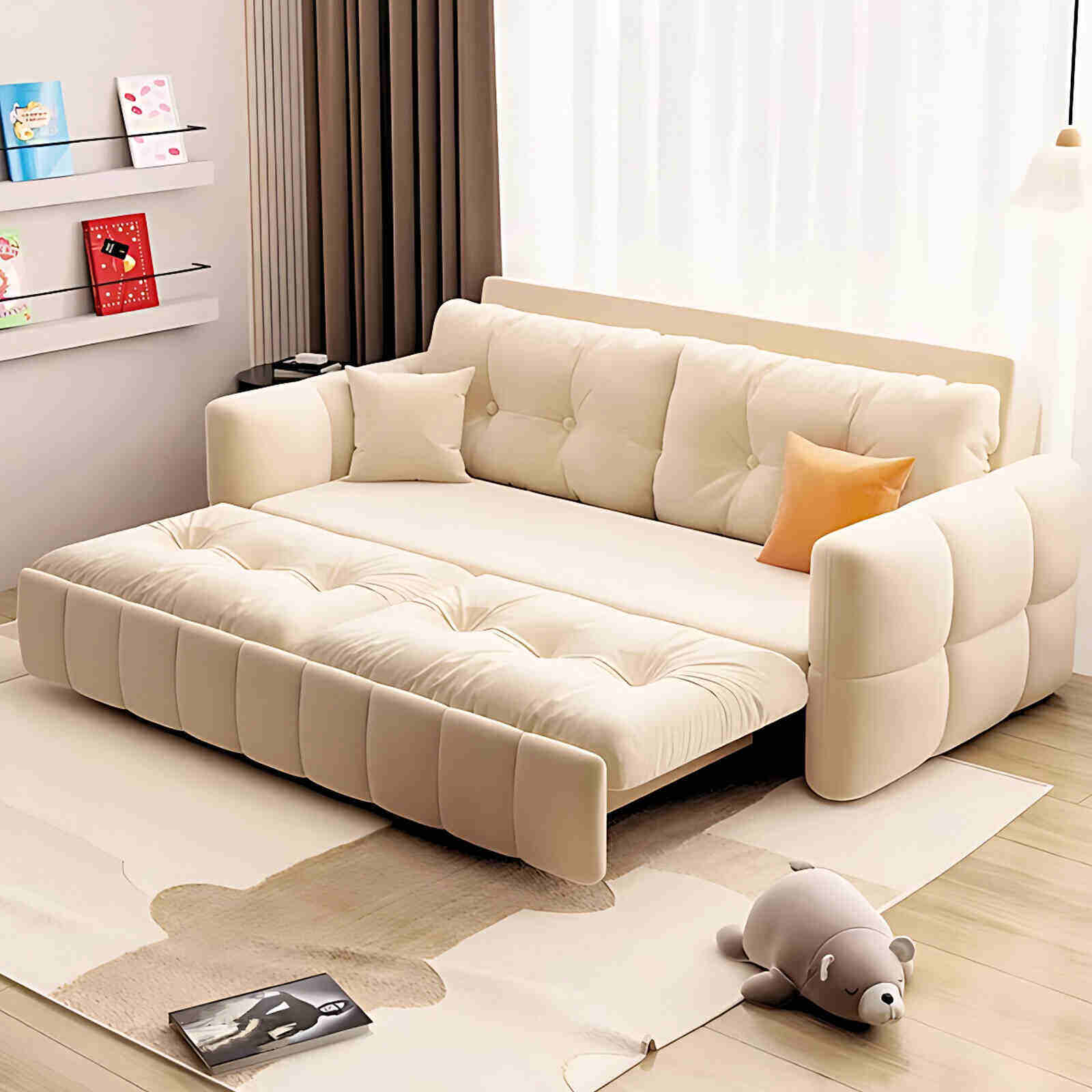
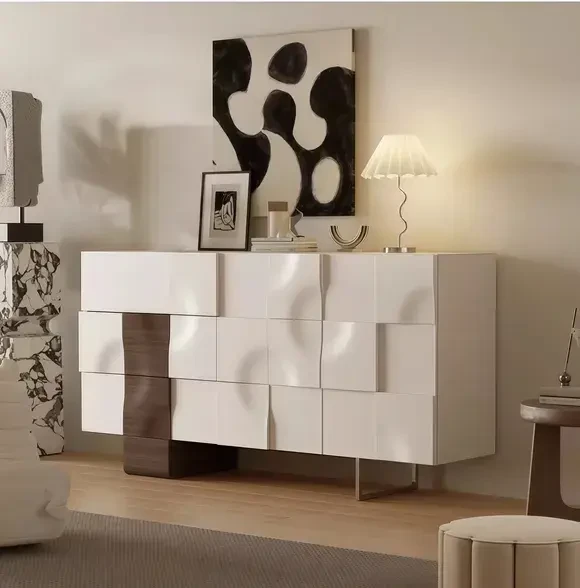
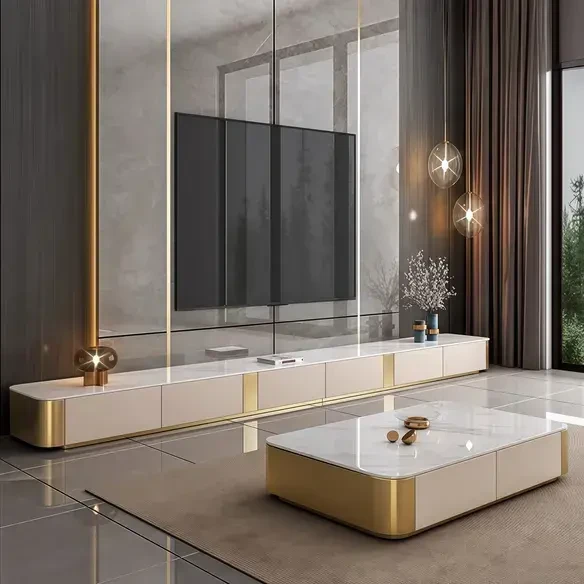






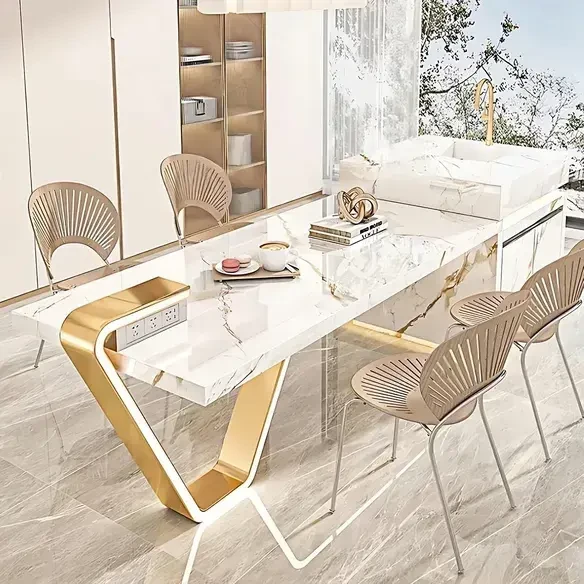
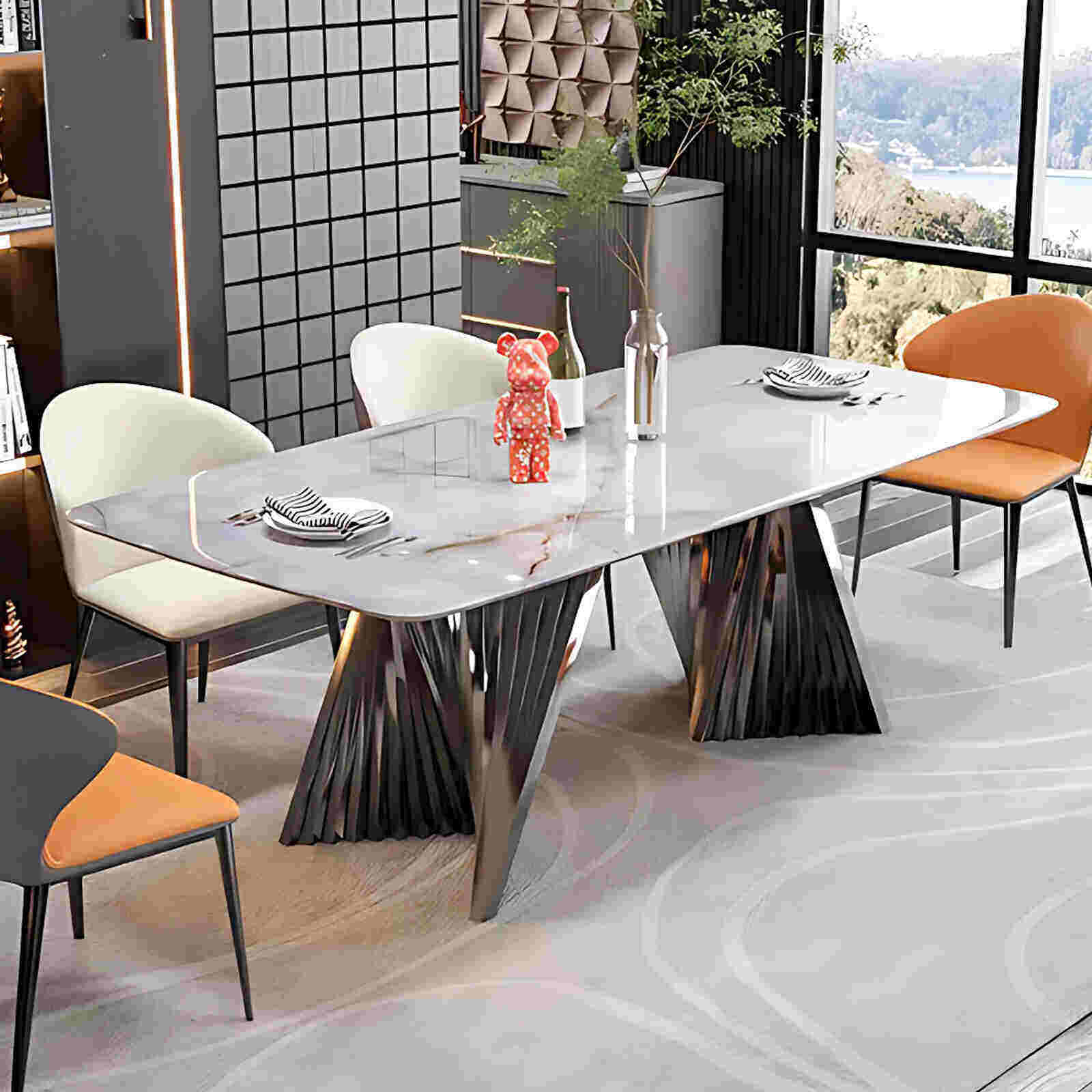
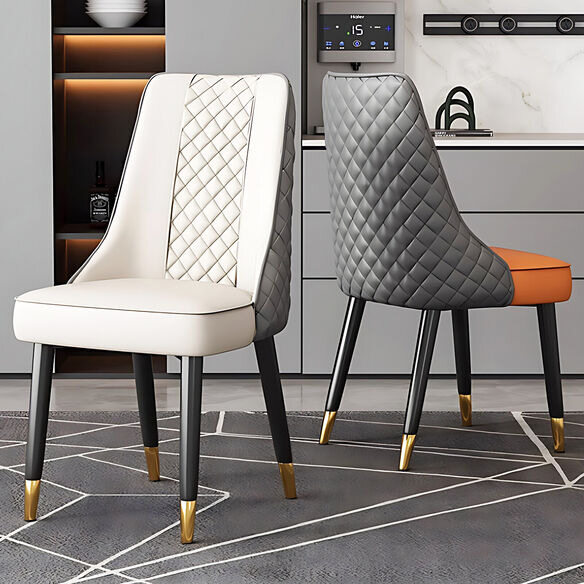
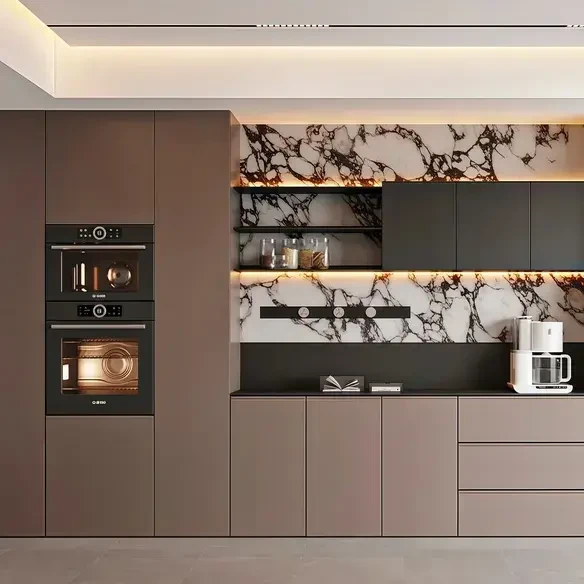
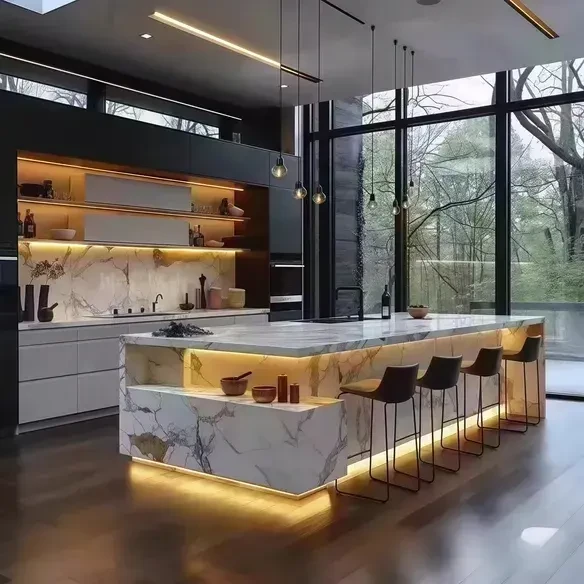
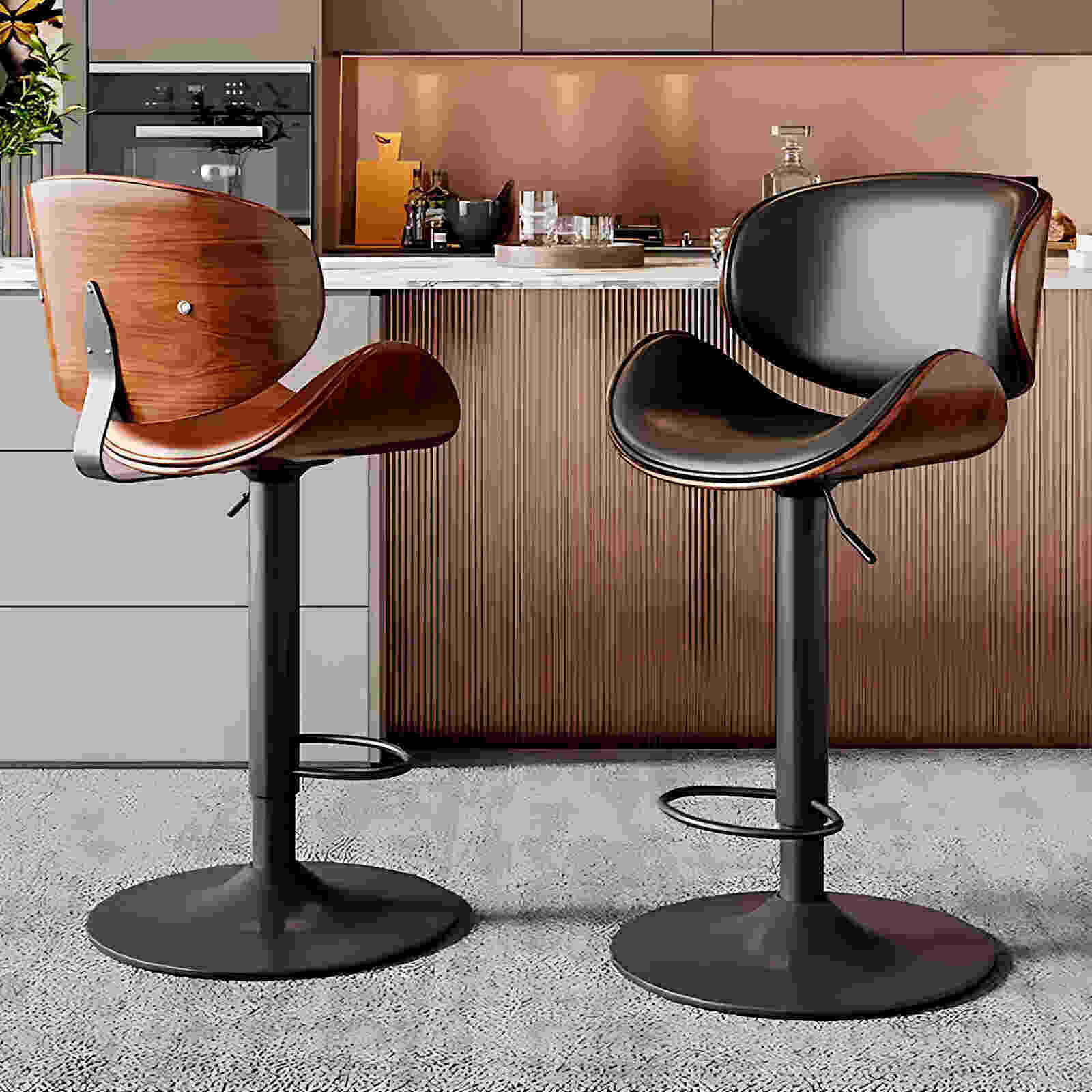
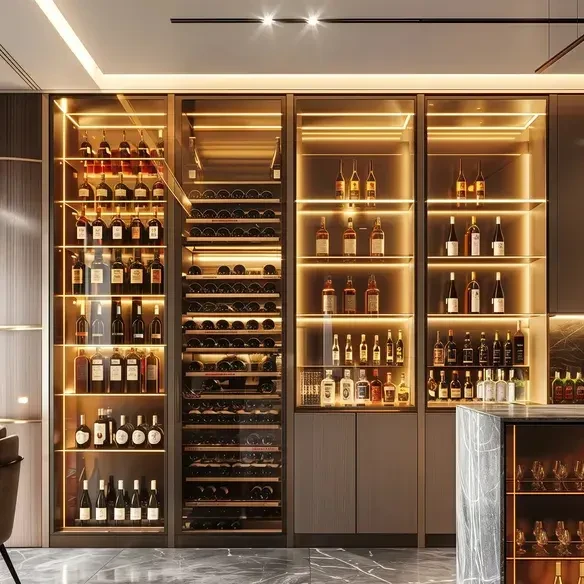
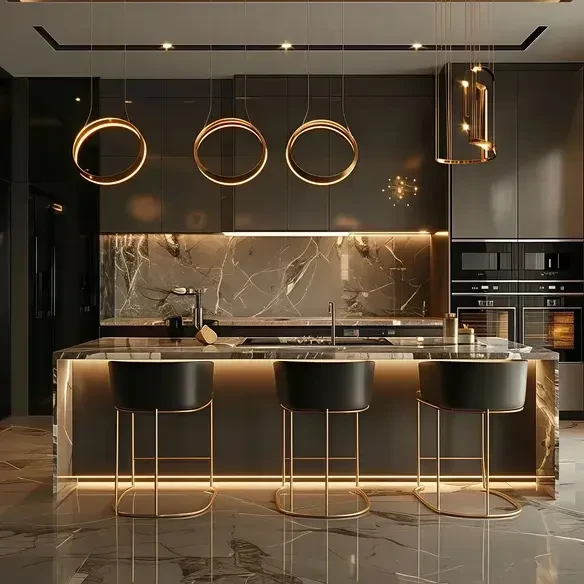
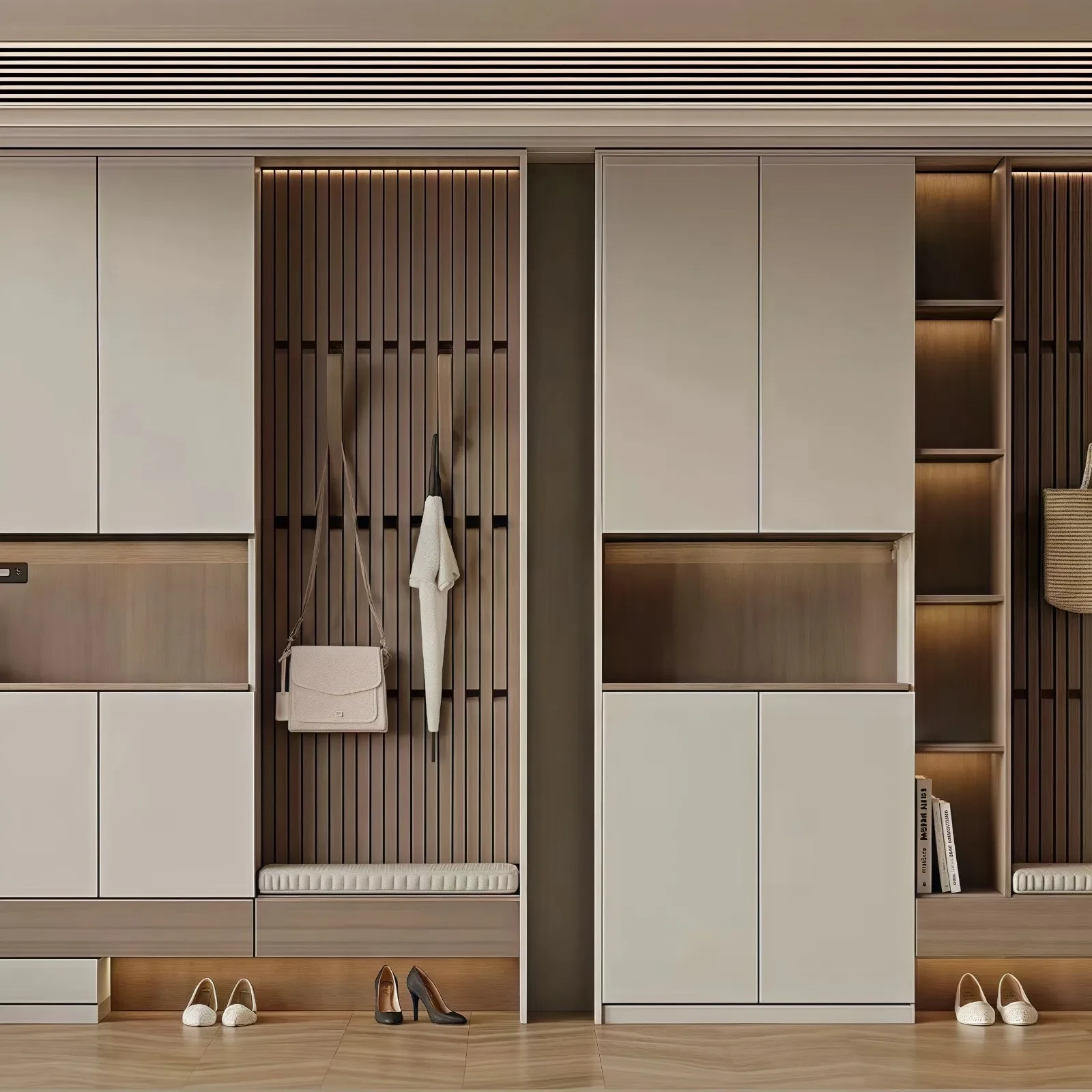
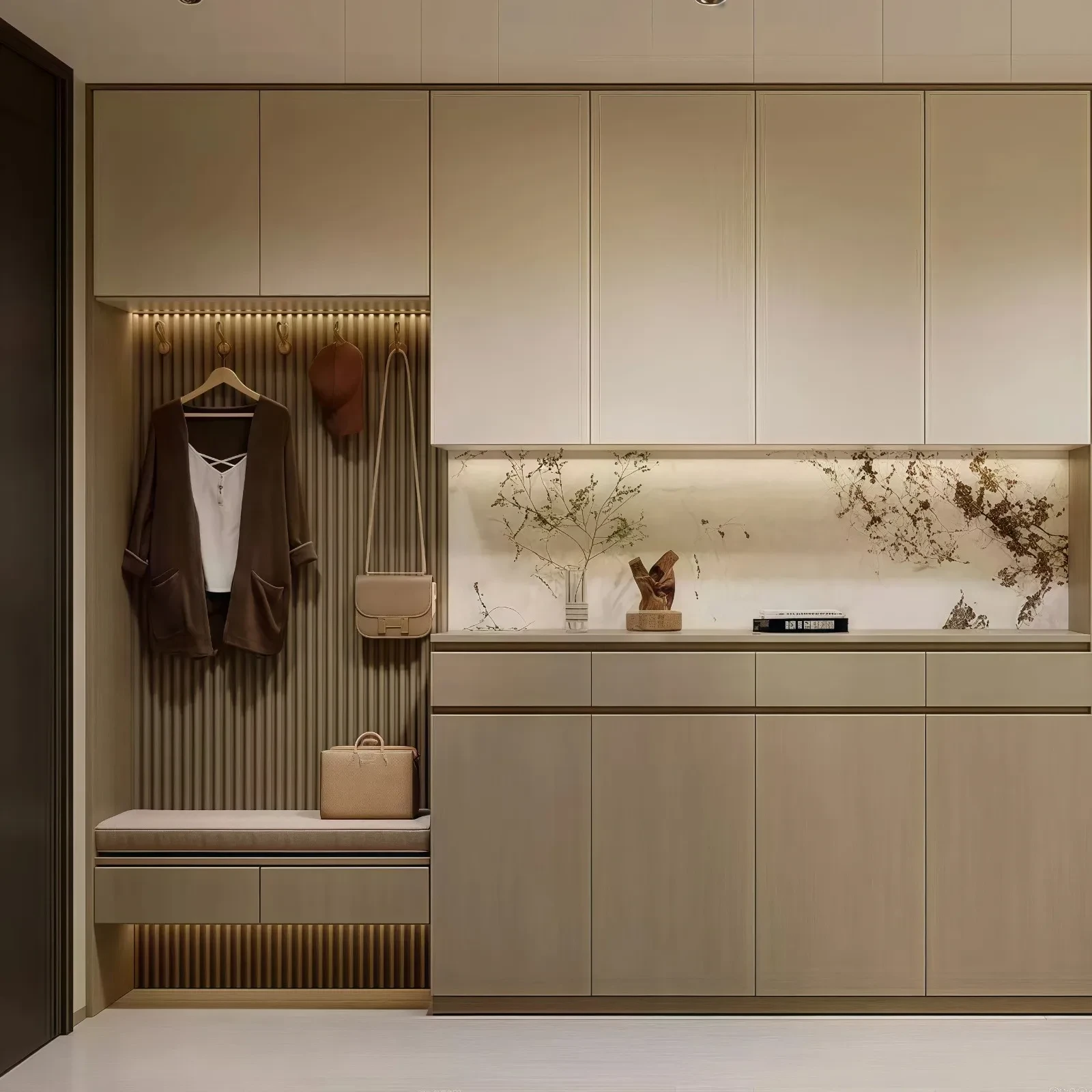
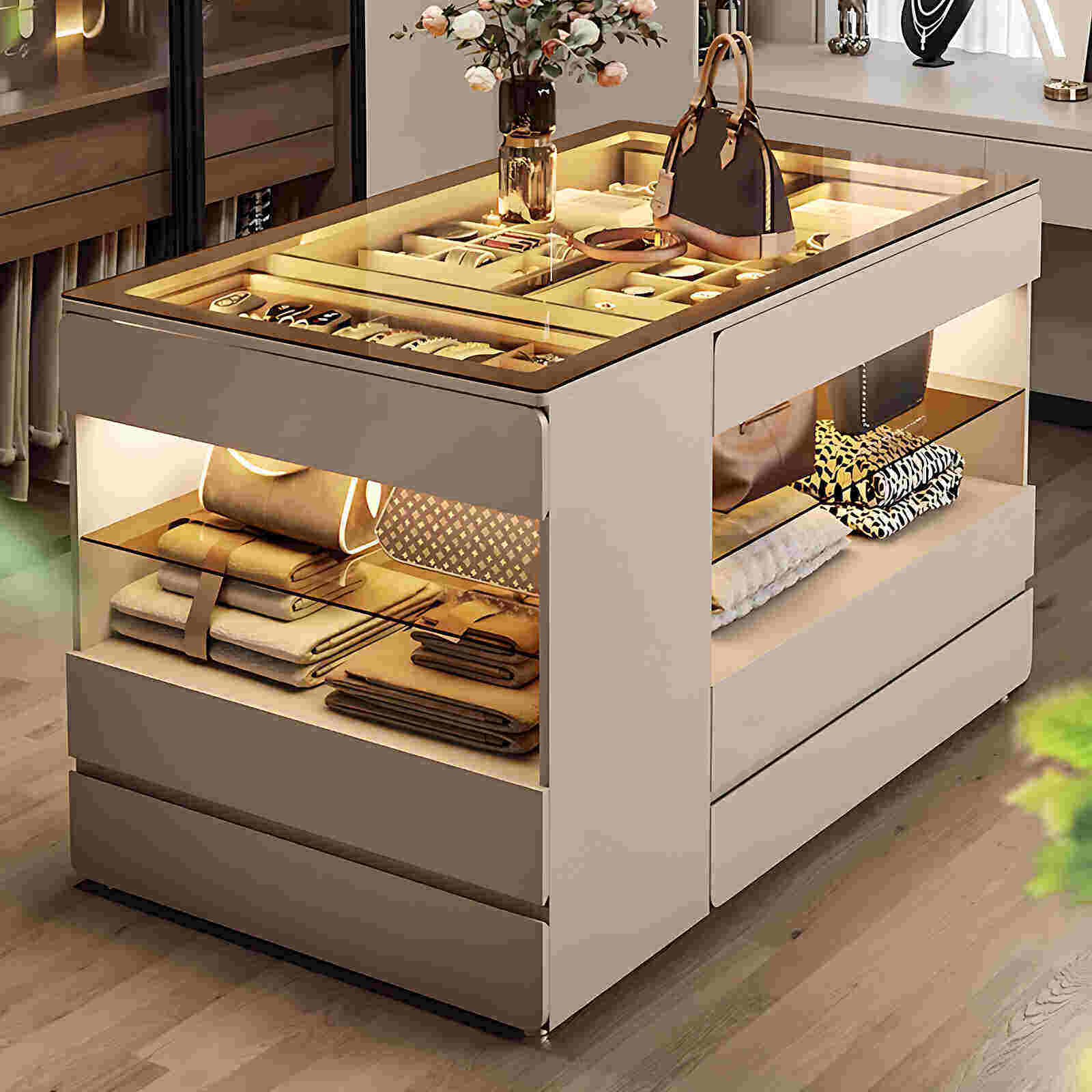
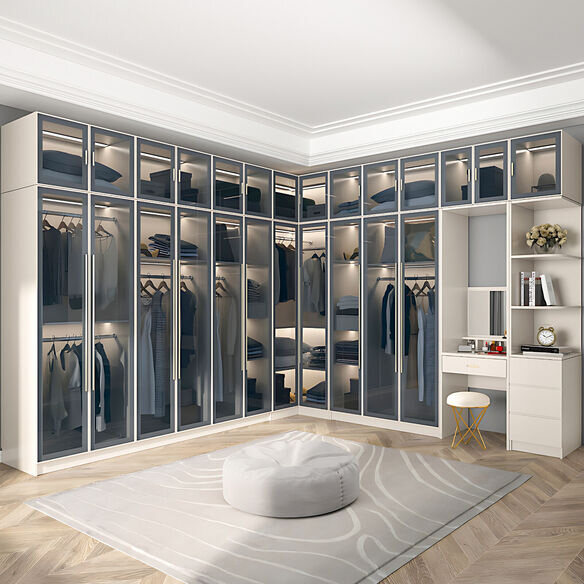
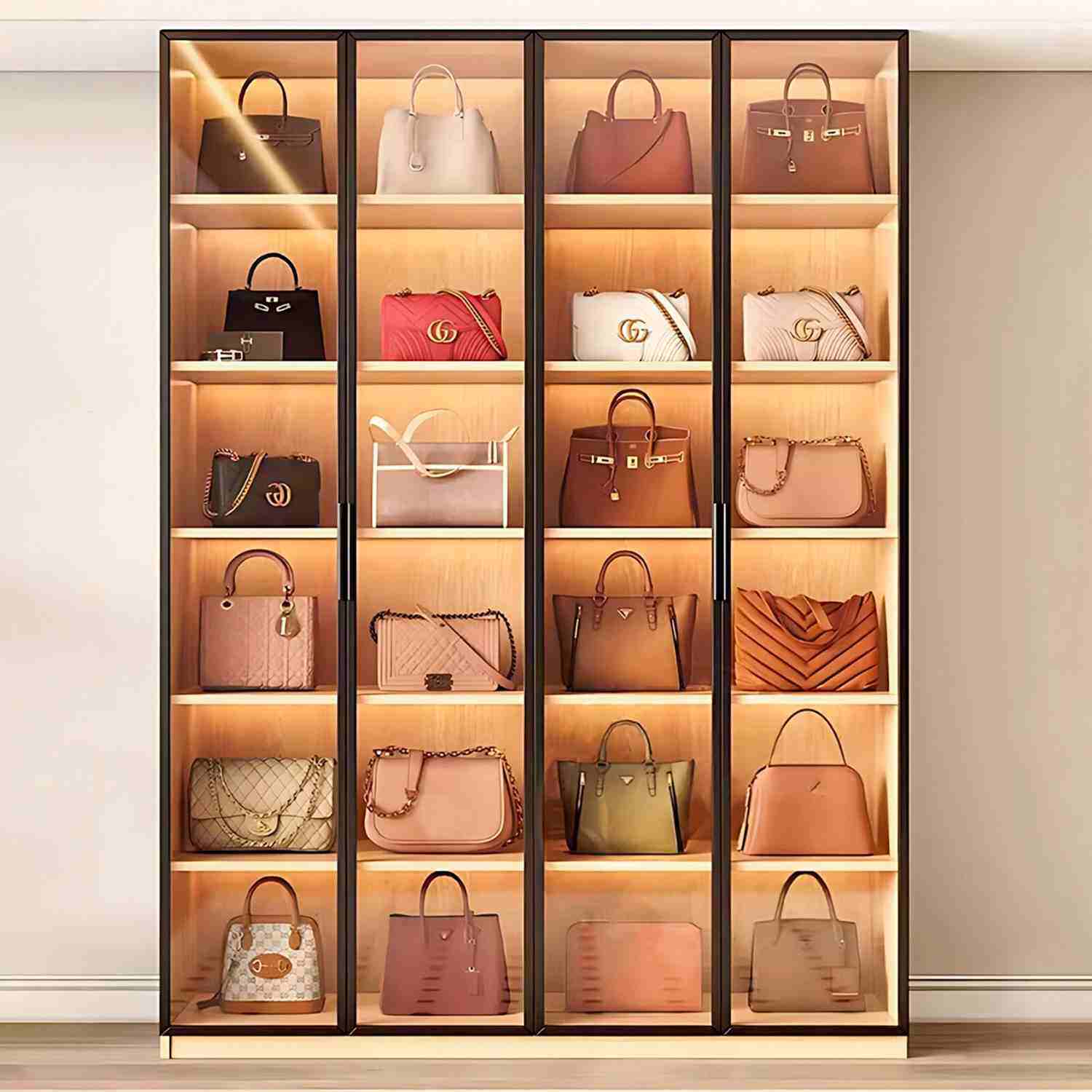
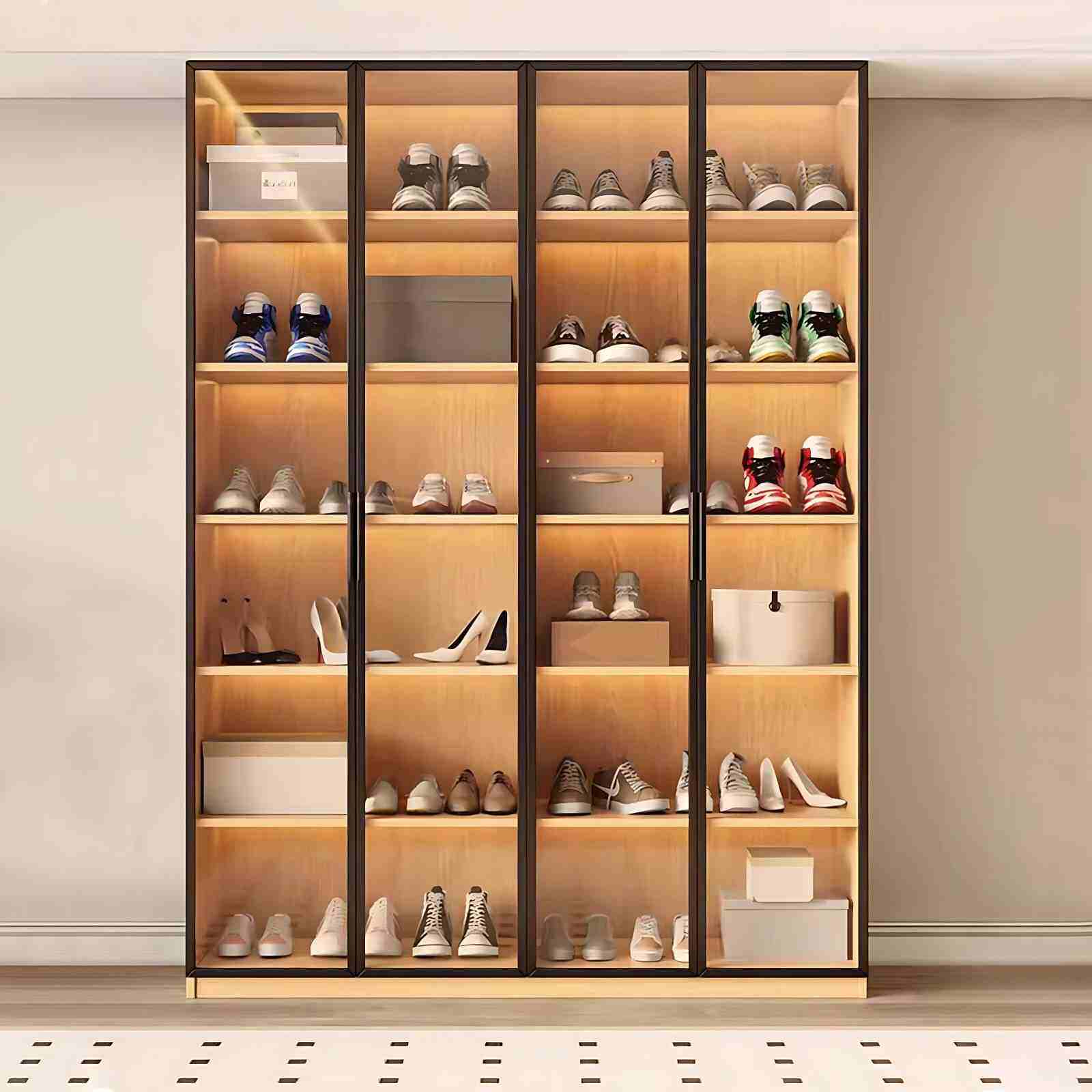
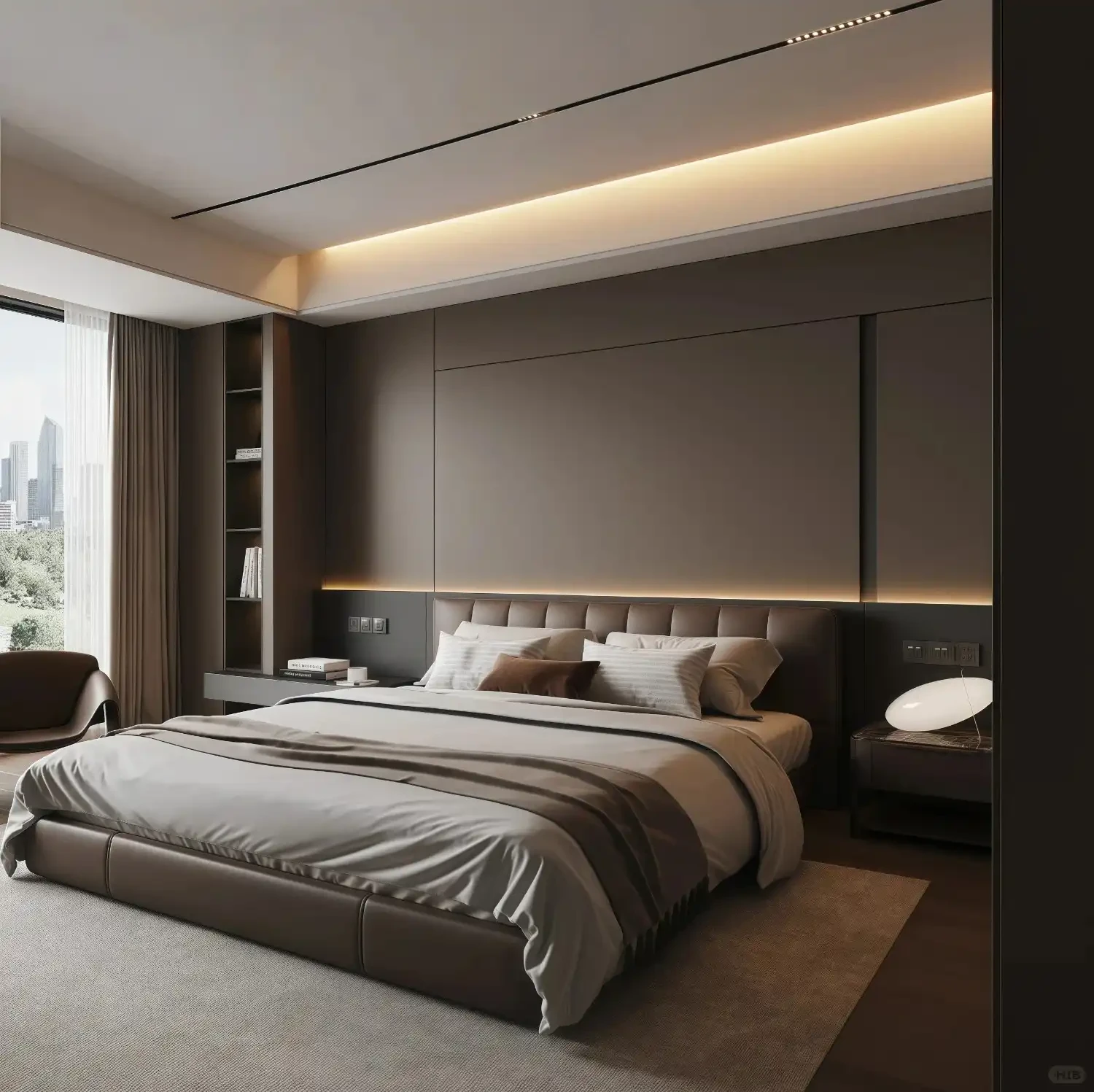
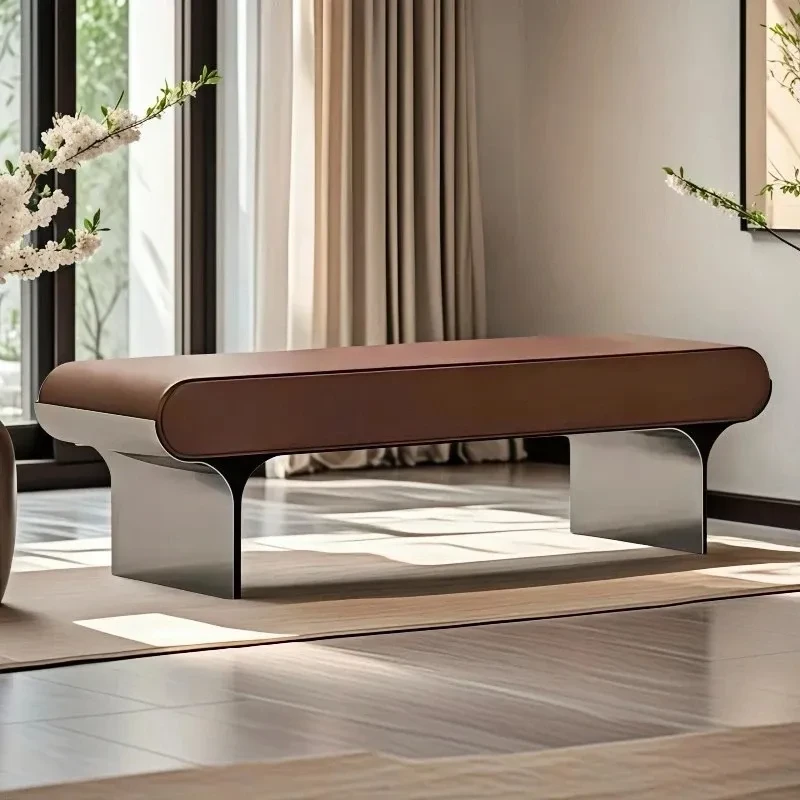
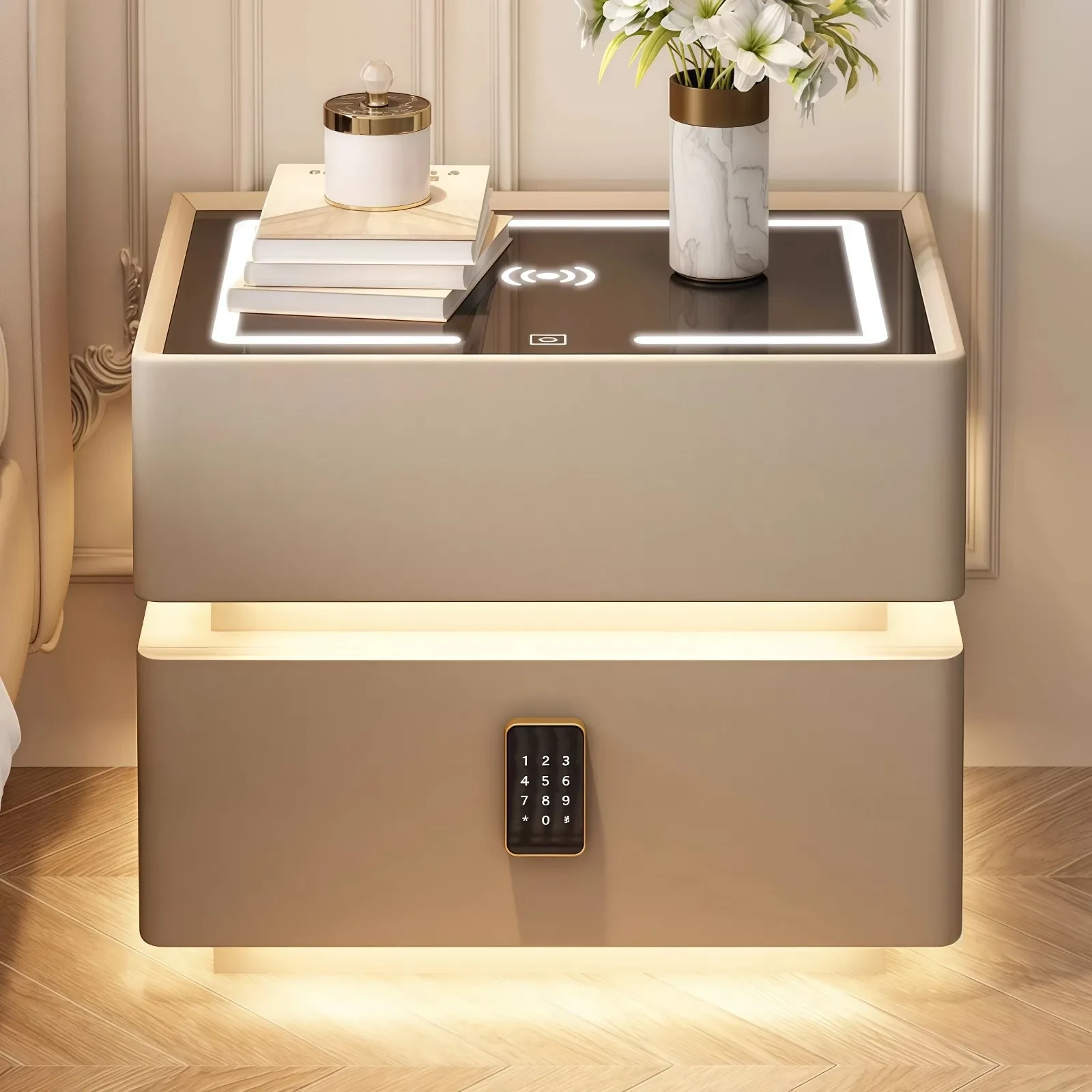
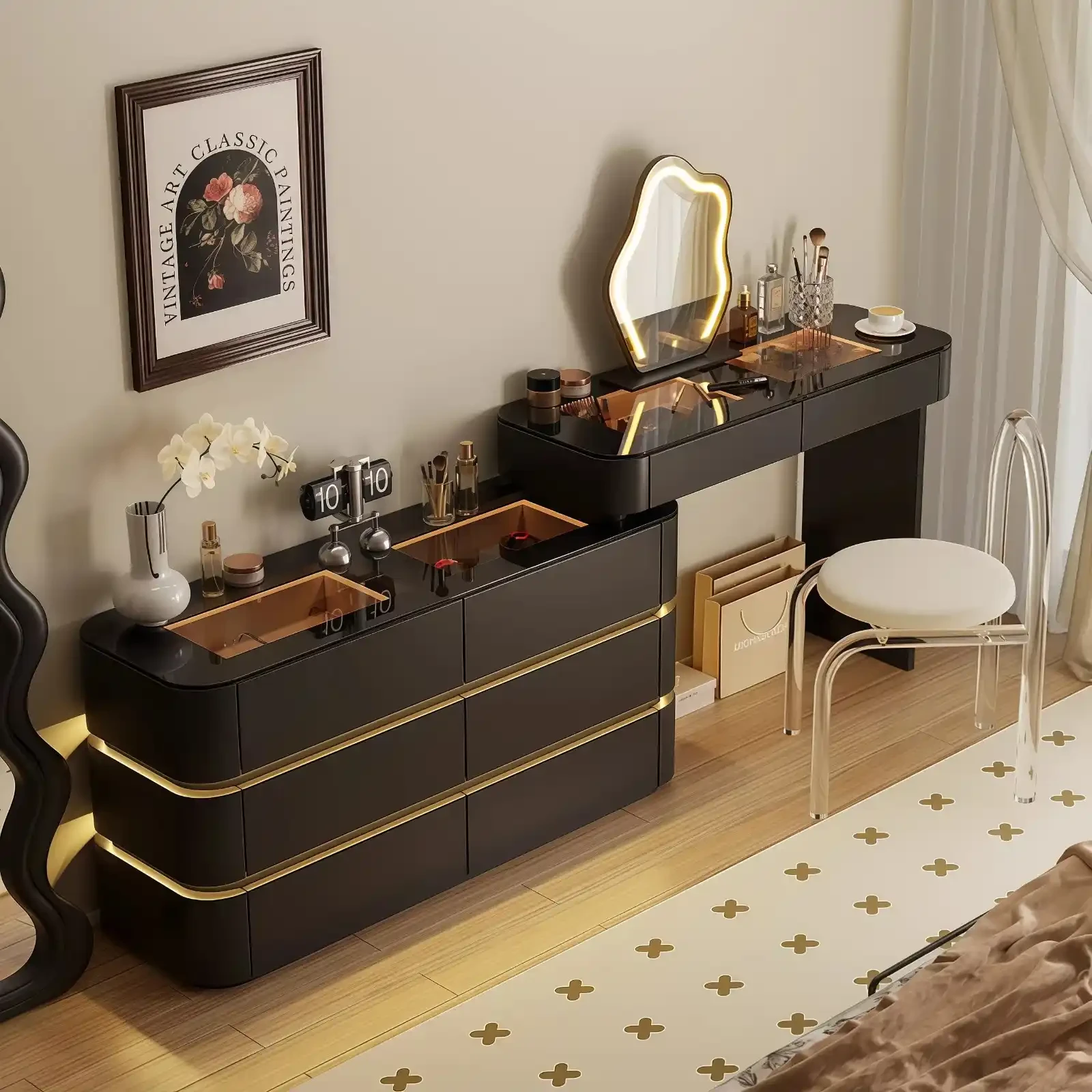
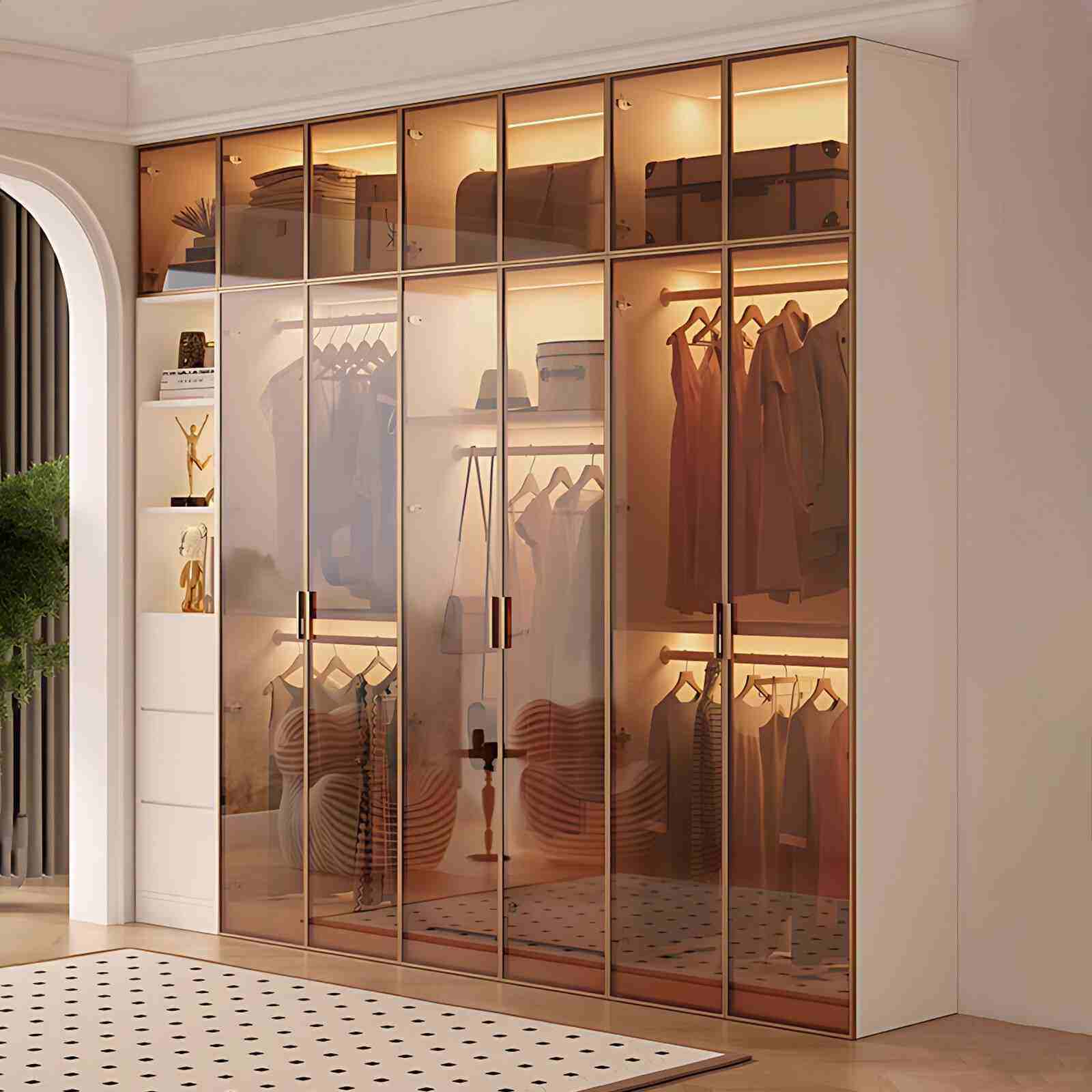
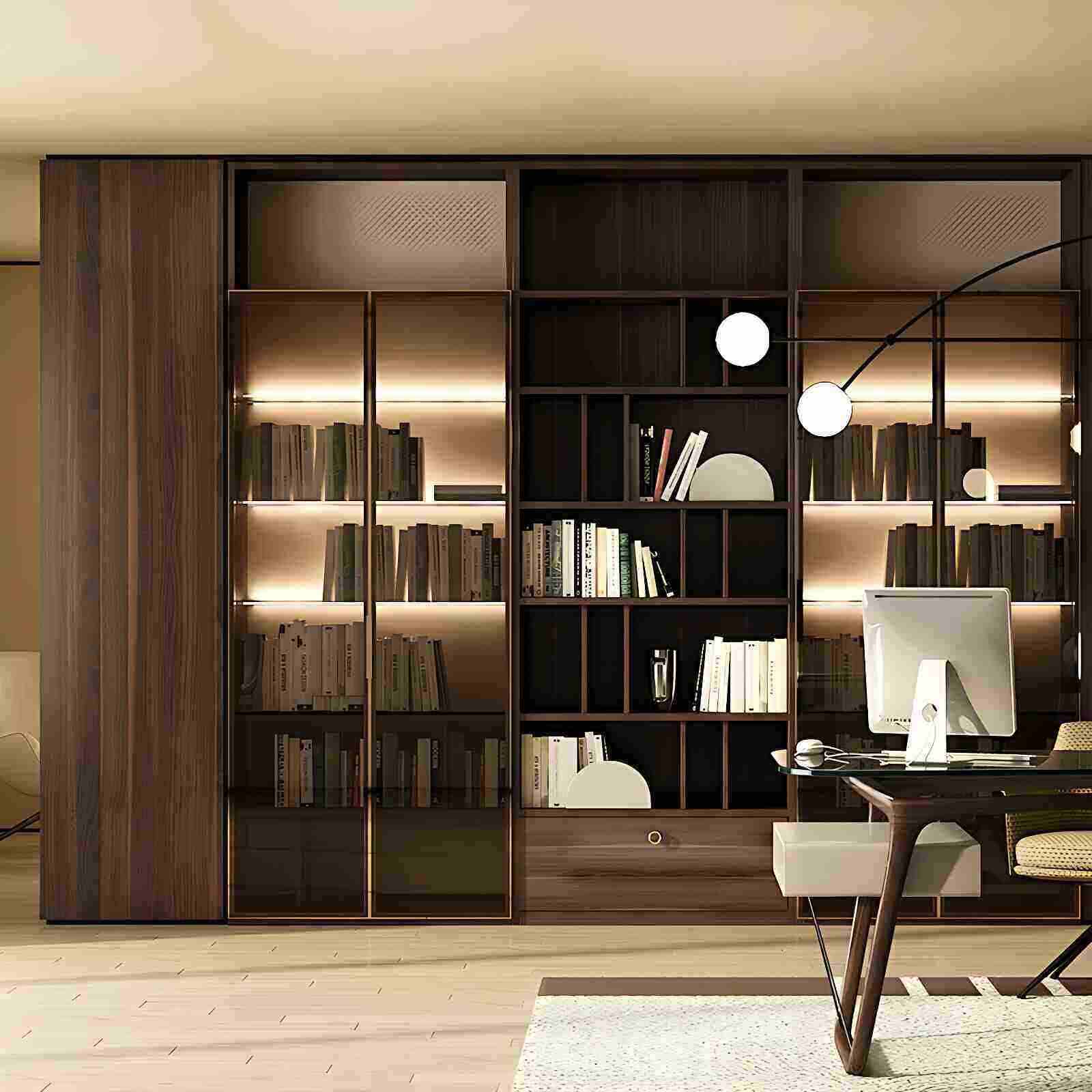
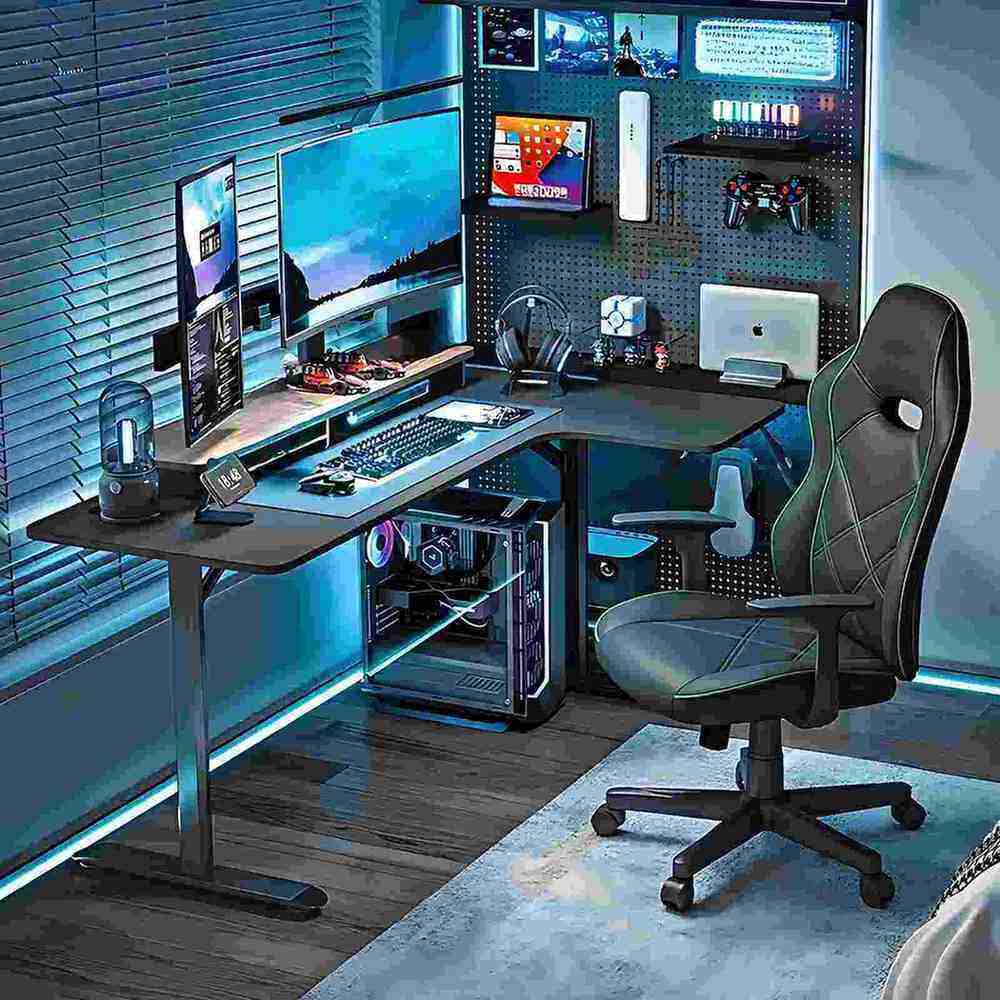
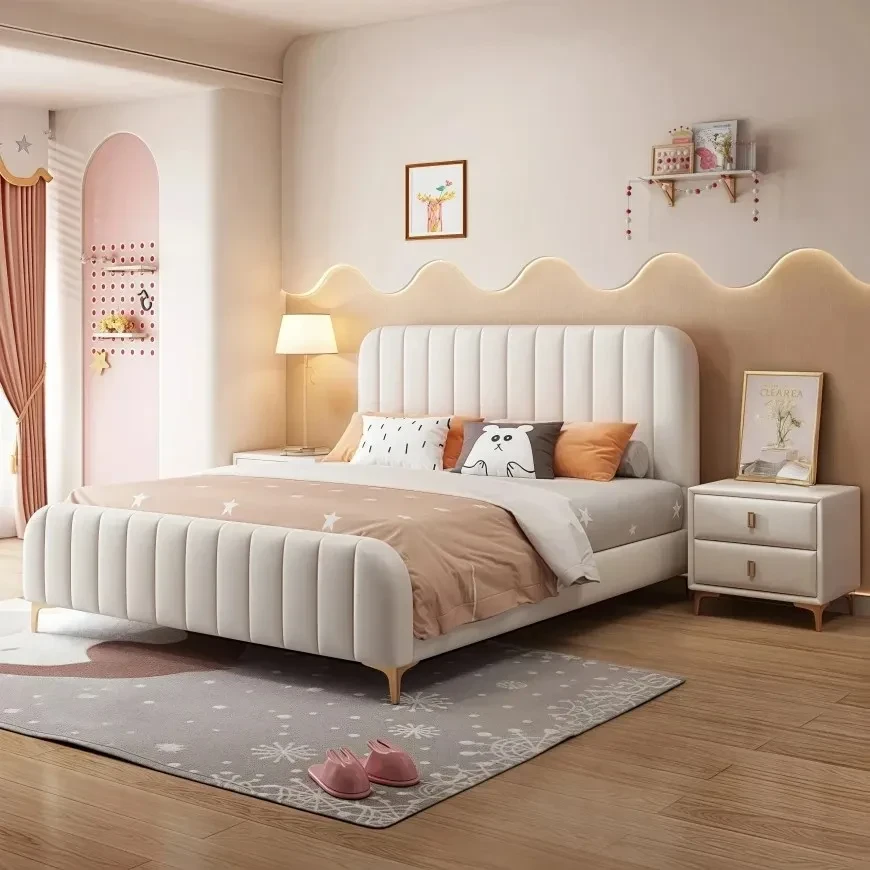
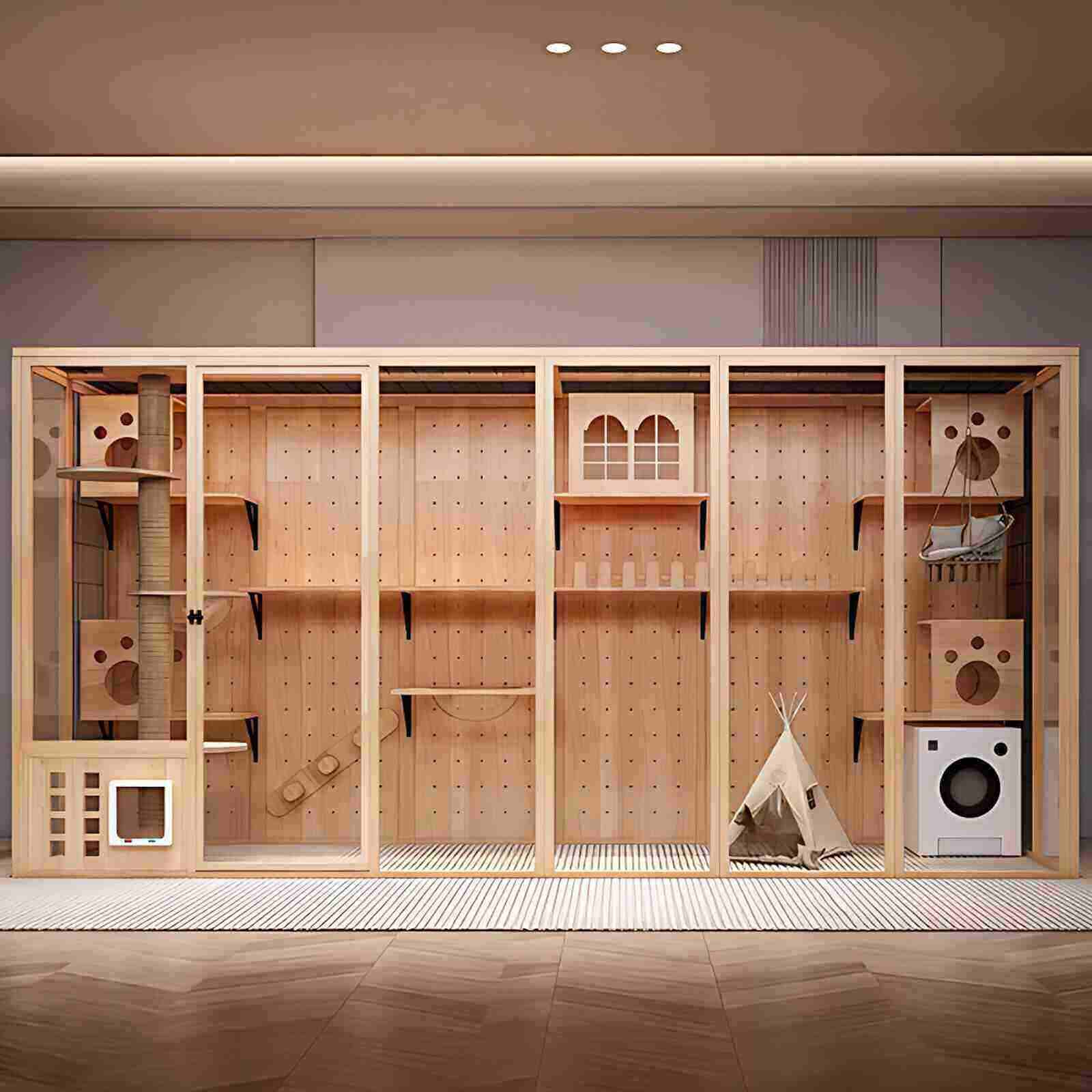
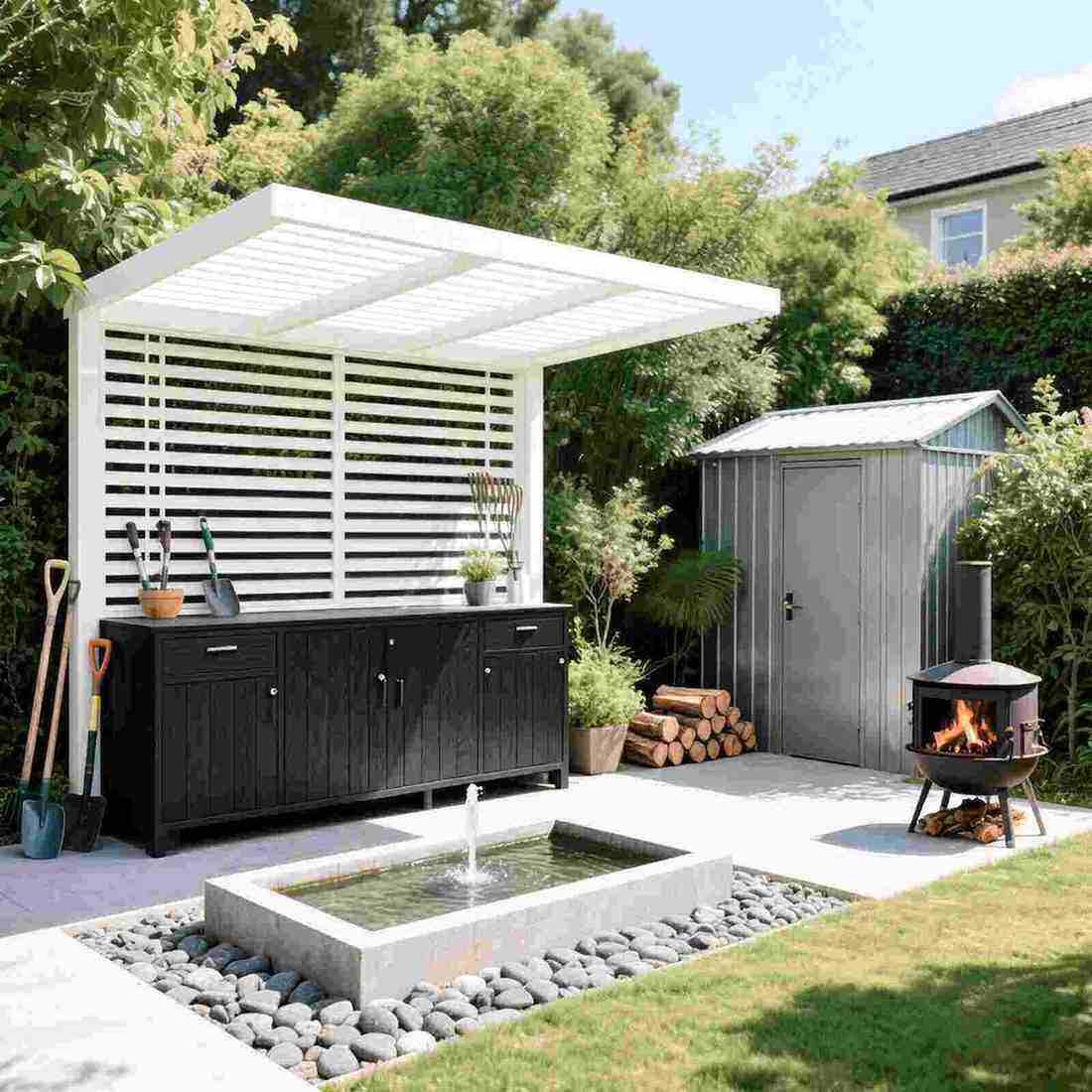
After buying a house, we have countless imaginations about a beautiful life, so we pay extra attention to the decoration and are not stingy with the money we need to spend. We worry ourselves sick over the decoration. Happiness is right in front of us, but as we decorate, the whole thing goes "off track". In the end, we don't even want the house anymore. Although I'm exaggerating, it shows how difficult it is to decorate.
Previously, we wrote an article on simplifying home renovation; you might want to take a look back at it. It discussed some common pitfalls. Additionally, renovations must adhere to the principle of "living within your means." When the budget is limited, focus on the hard furnishings and plan ahead. For example, thoroughly consider the plumbing and electrical systems, keep copies of the plumbing and electrical diagrams, and take photos of necessary areas for record-keeping. Because these are hidden works, if mistakes occur later, the lack of adequate backup and correction processes can be extremely troublesome.
In the carpentry process, including the custom-made ceilings, door frames, and various cabinets, boards are indispensable. Therefore, the selection of boards should be given special attention, mainly focusing on their environmental friendliness and quality.
Environmental friendliness of wood-based panels: As furniture is sealed indoors, environmental friendliness must be the top priority. The market offers E1 and E0 grades, and some wood-based panels even have ENF grades or formaldehyde-absorbing/removing properties. It is recommended to use E0 grade or higher panels, as higher environmental grades mean lower formaldehyde content, making them more environmentally friendly. Plant-based adhesive panels are particularly recommended. They use pure natural biomass adhesive (soybean adhesive), which is free of formaldehyde, benzene, phenol, and other harmful chemicals, and does not produce toxic or irritating gases, making them a very healthy and environmentally friendly option.
Board Quality: While furniture doesn't necessarily need to be indestructible for eternity, its lifespan should generally be at least 10 years. The three main types of boards used are plywood, multi-layer board, and PVC core board. Meticulous attention is paid to material selection, processing, and manufacturing processes for all three. It's worth noting that after the core material is formed, it undergoes two major processes: thickness sanding and curing. Sanding results in a smoother board surface, while curing effectively eliminates internal stress, balances moisture content, and improves resistance to deformation and cracking. Compared to ordinary particleboard and MDF made from branch wood, these three core materials, manufactured through more than twenty processes, have superior physical properties, stronger nail-holding power, and more stable quality.
In summary, what should you pay attention to when renovating? 1. Control your budget and live within your means; 2. For hidden works, make backups to prevent future problems; 3. When selecting materials, pay attention to both environmental protection and quality.
Home renovation is indeed a challenging task, but for peace of mind, don't be lazy! Feel free to leave a message if you have any questions about building materials!