
 USD
USD GBP
GBP
 EUR
EUR
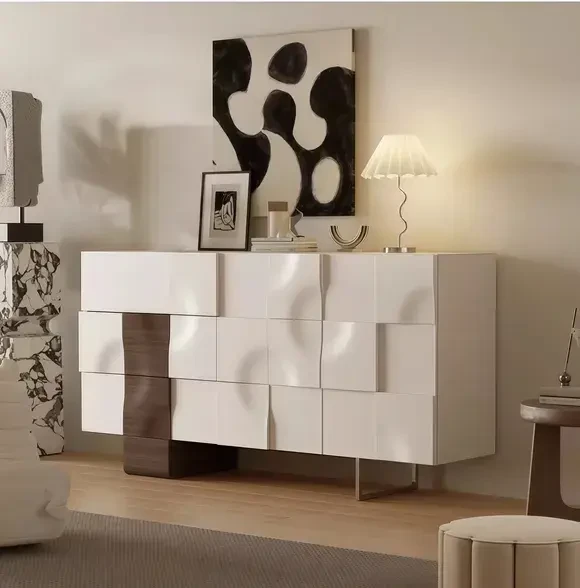
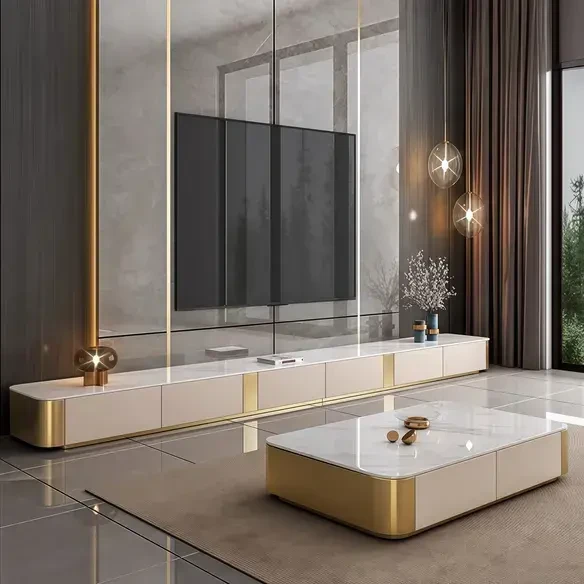






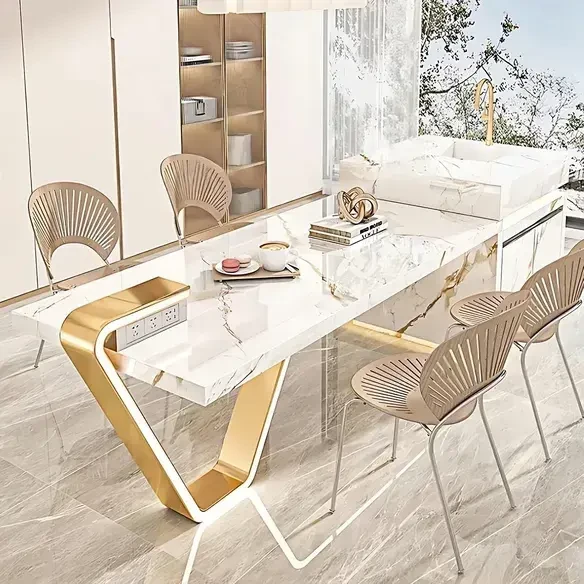
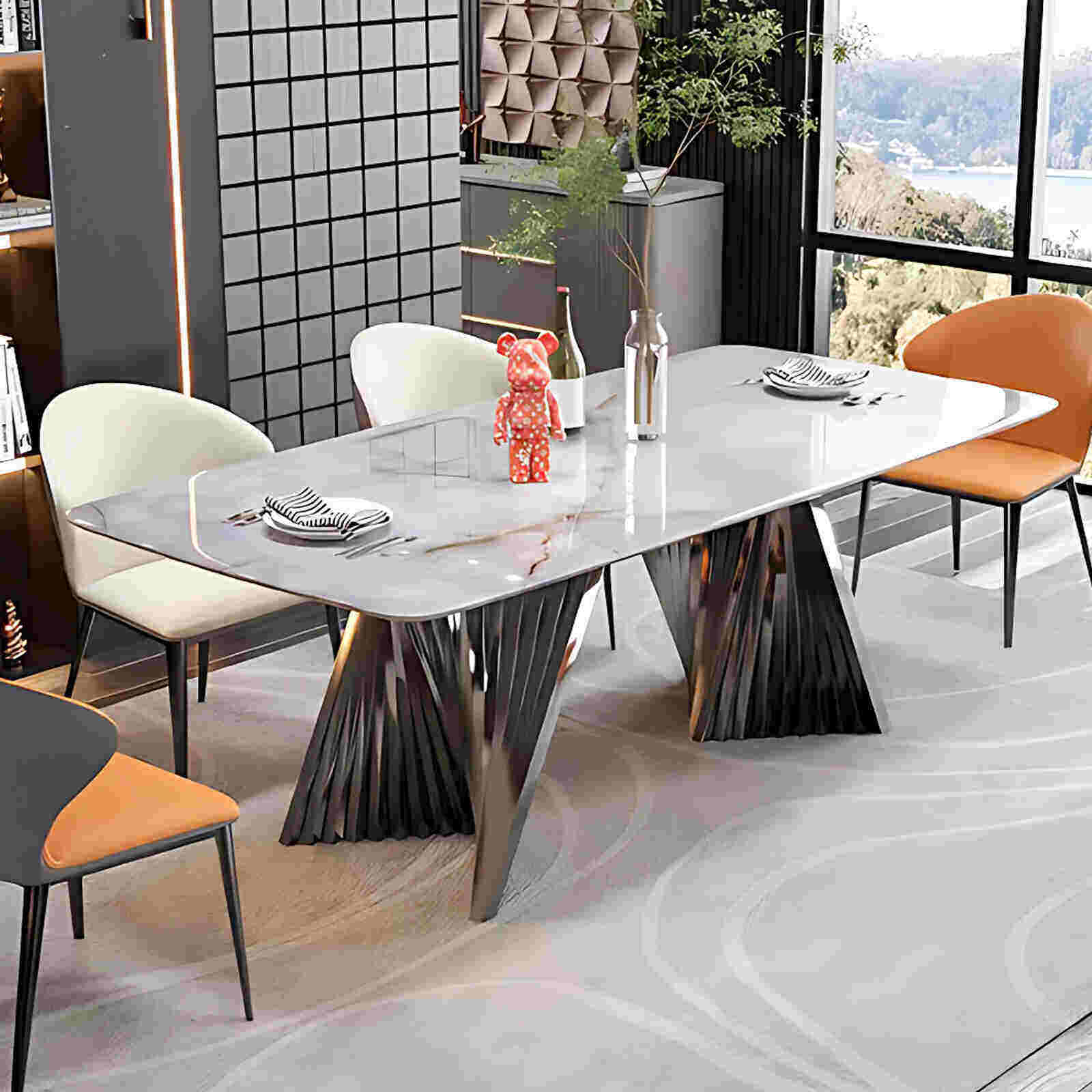
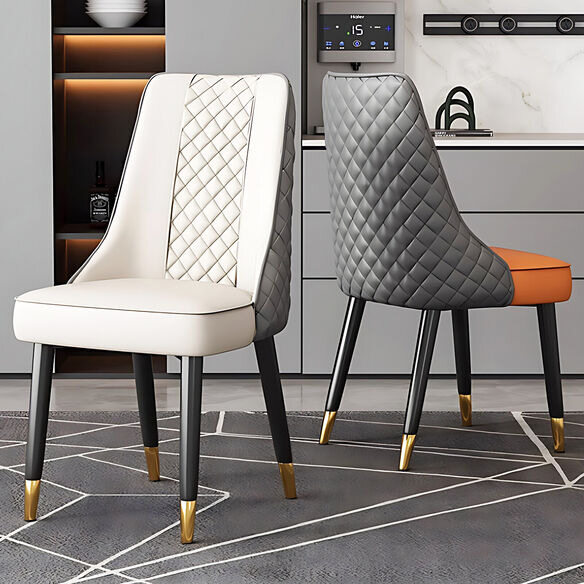
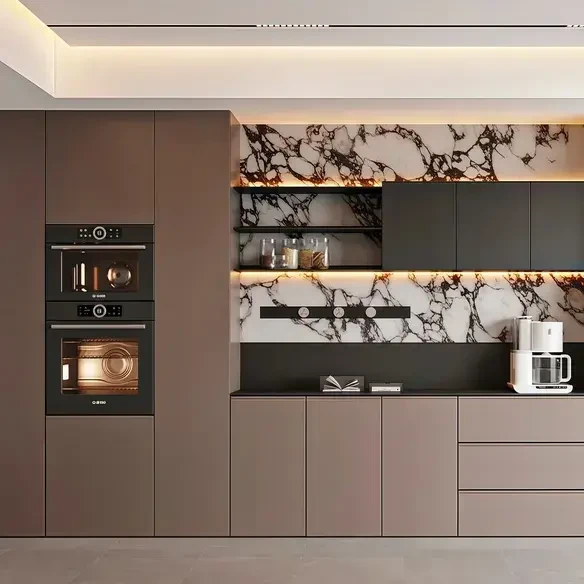
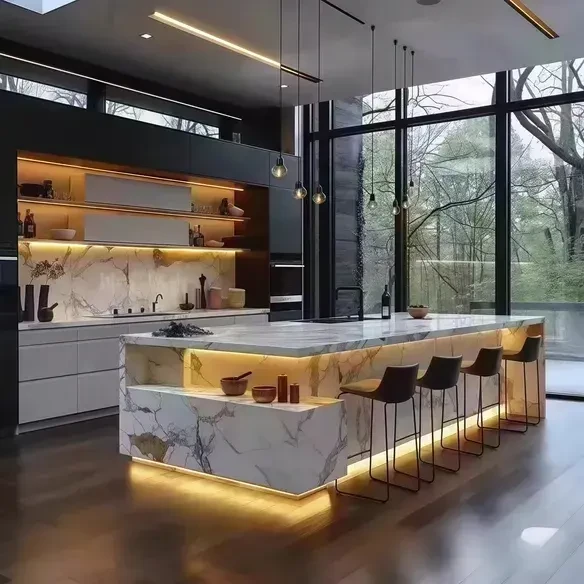
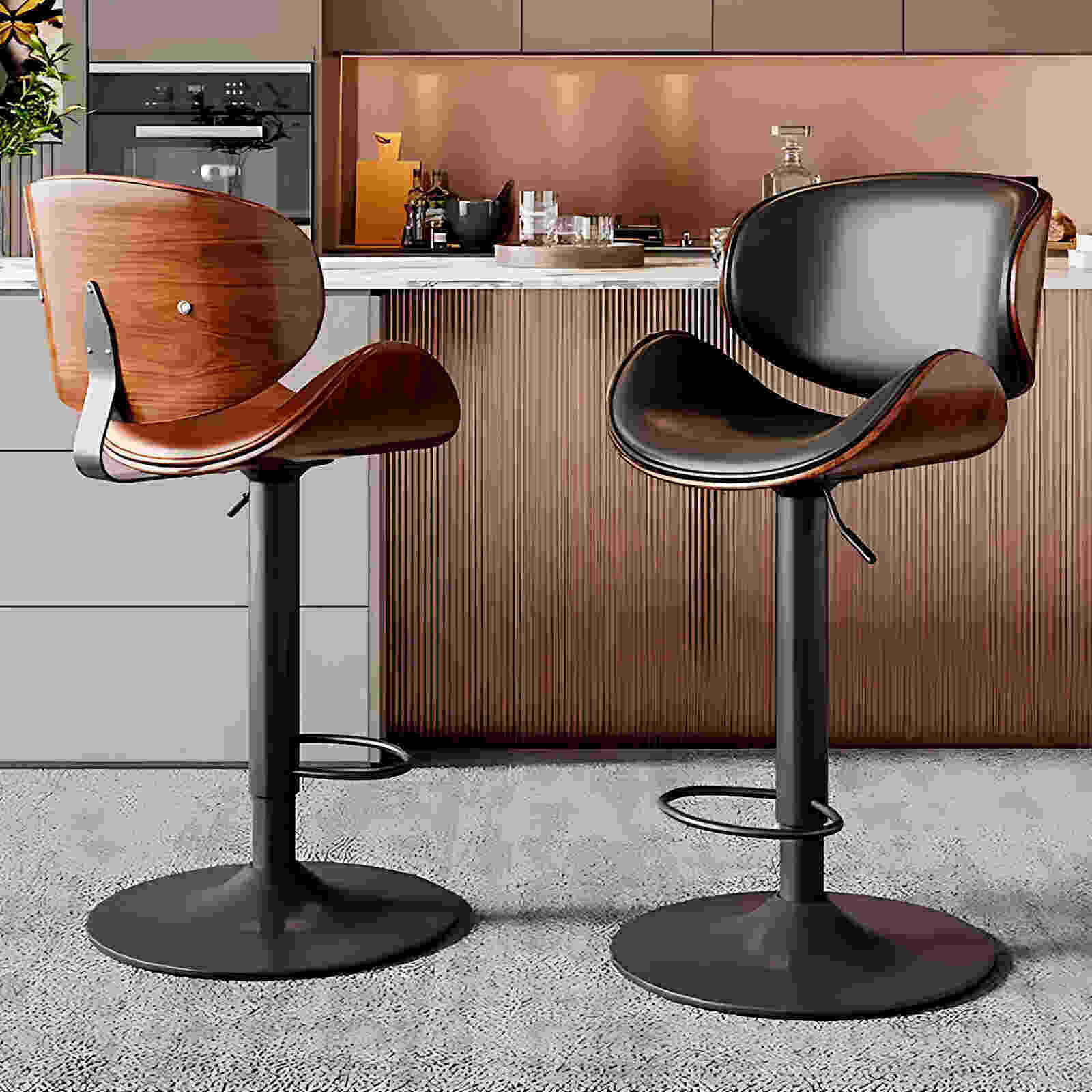
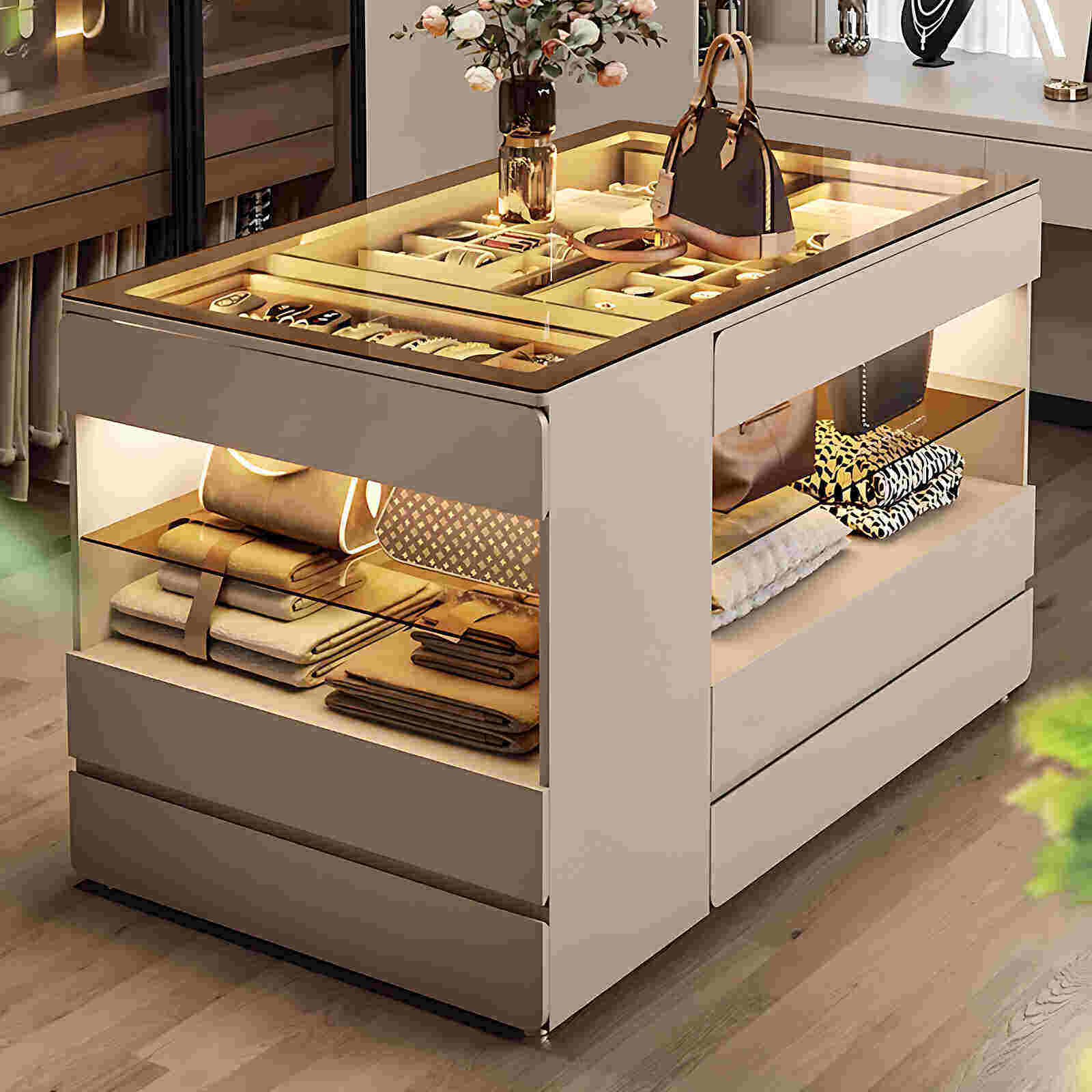
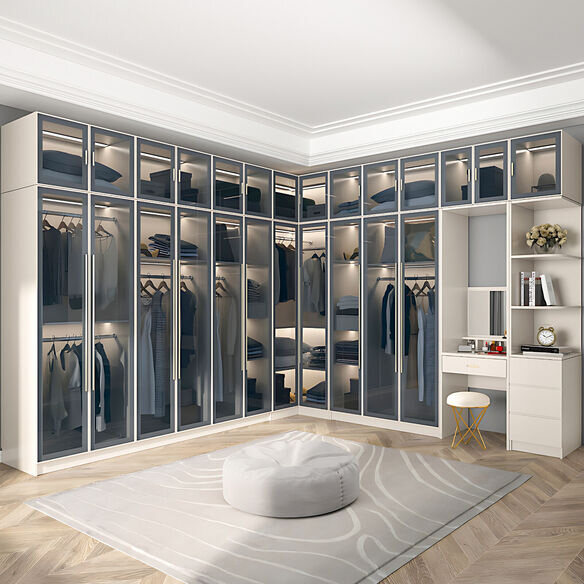
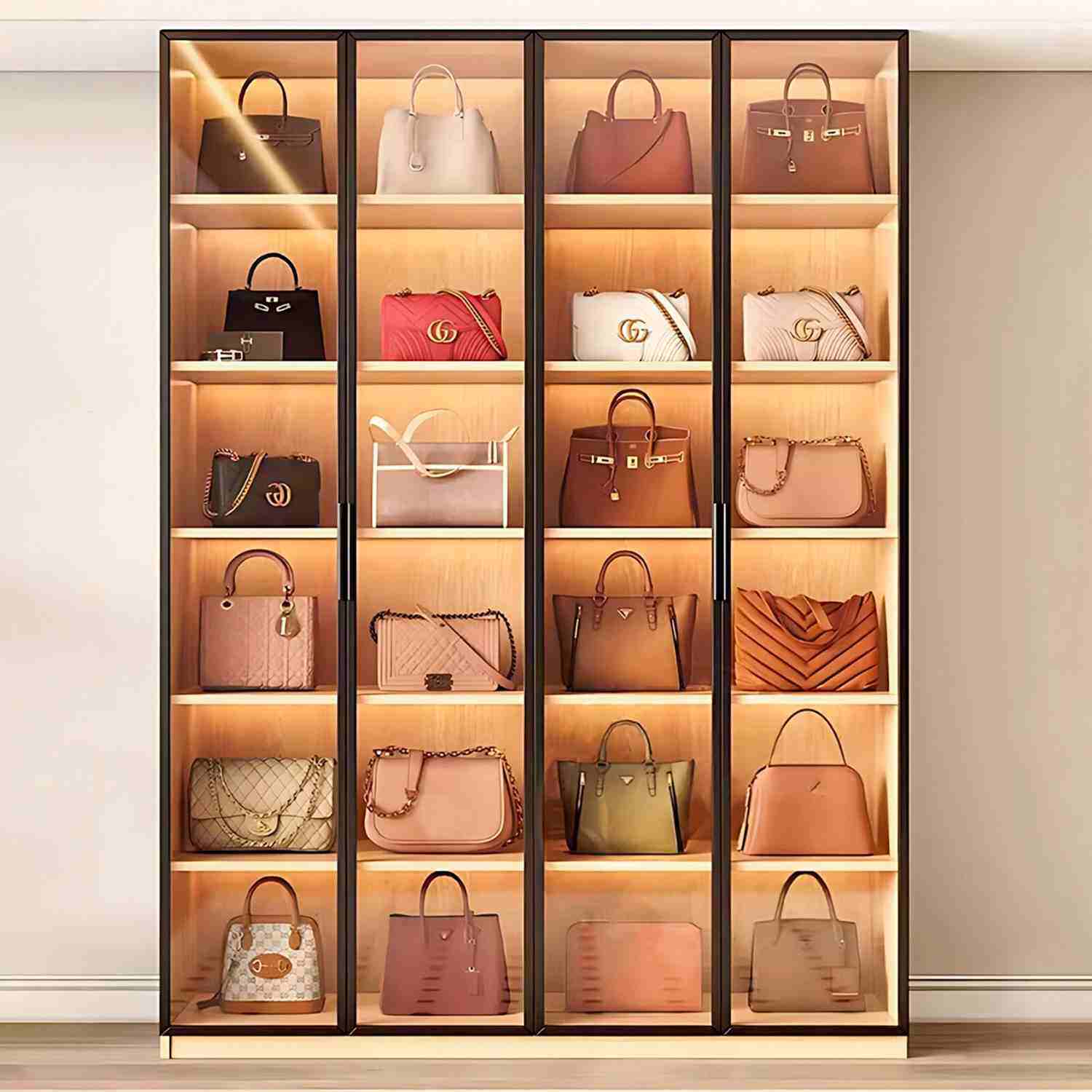
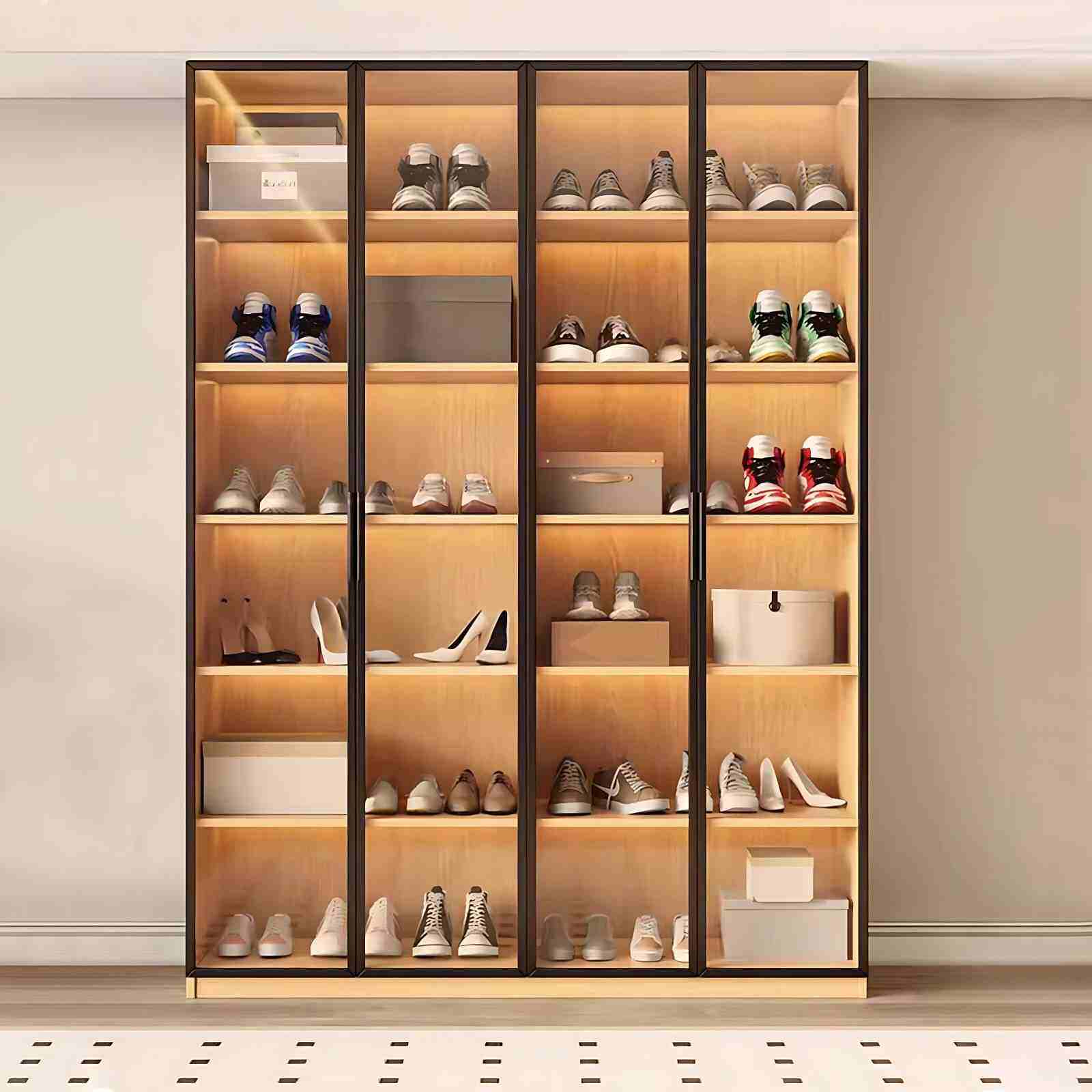
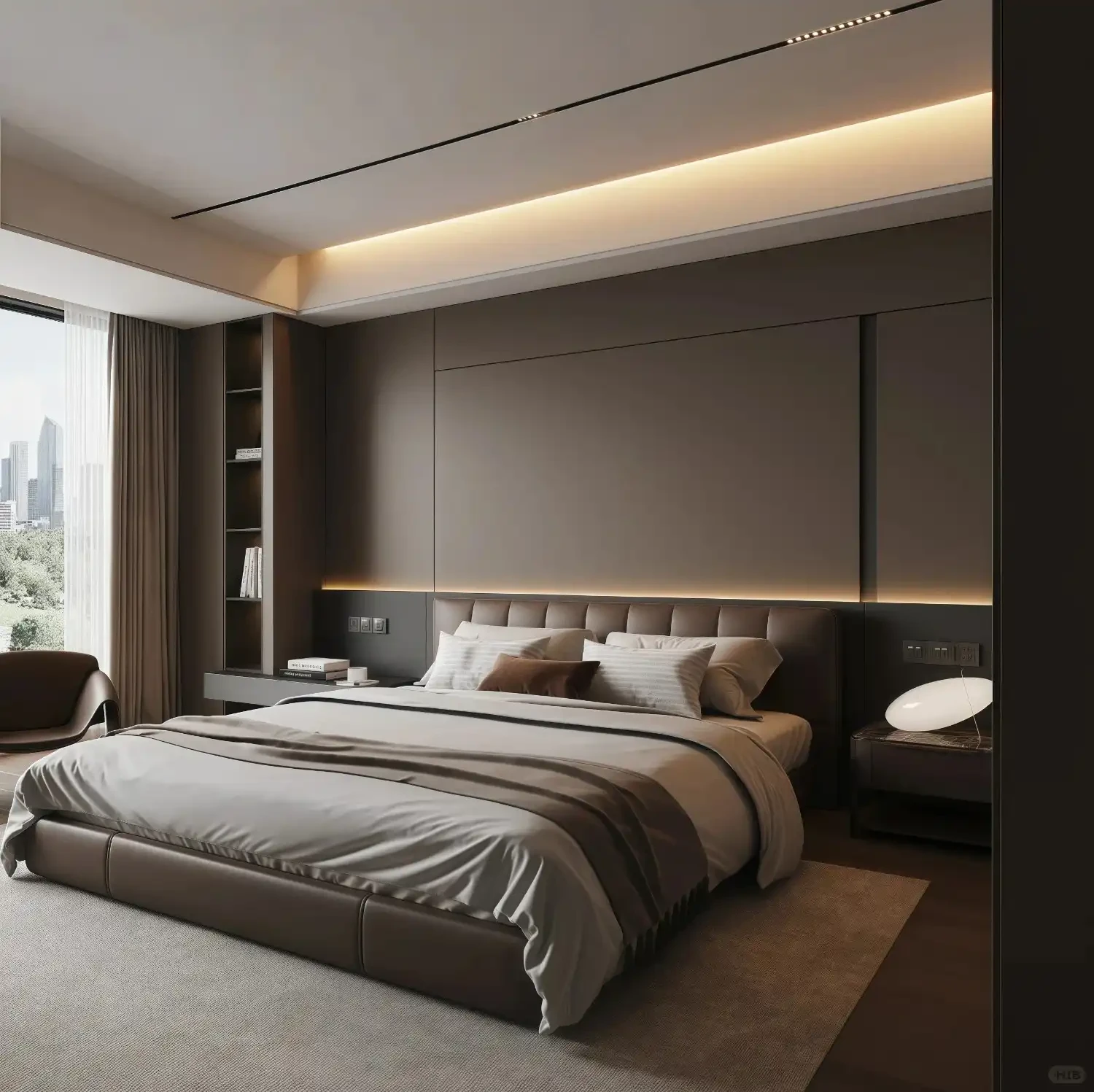
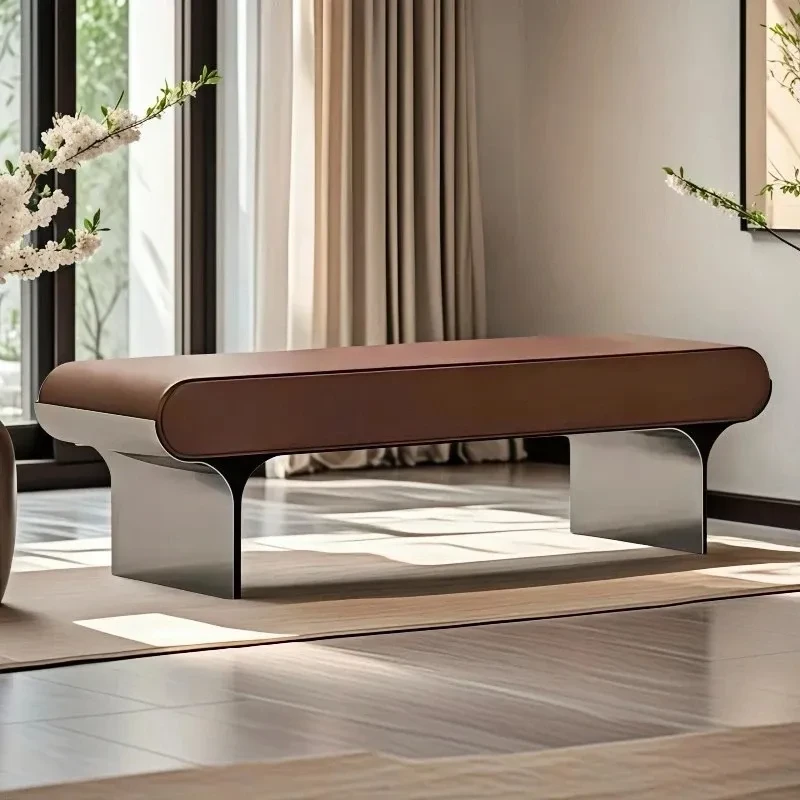
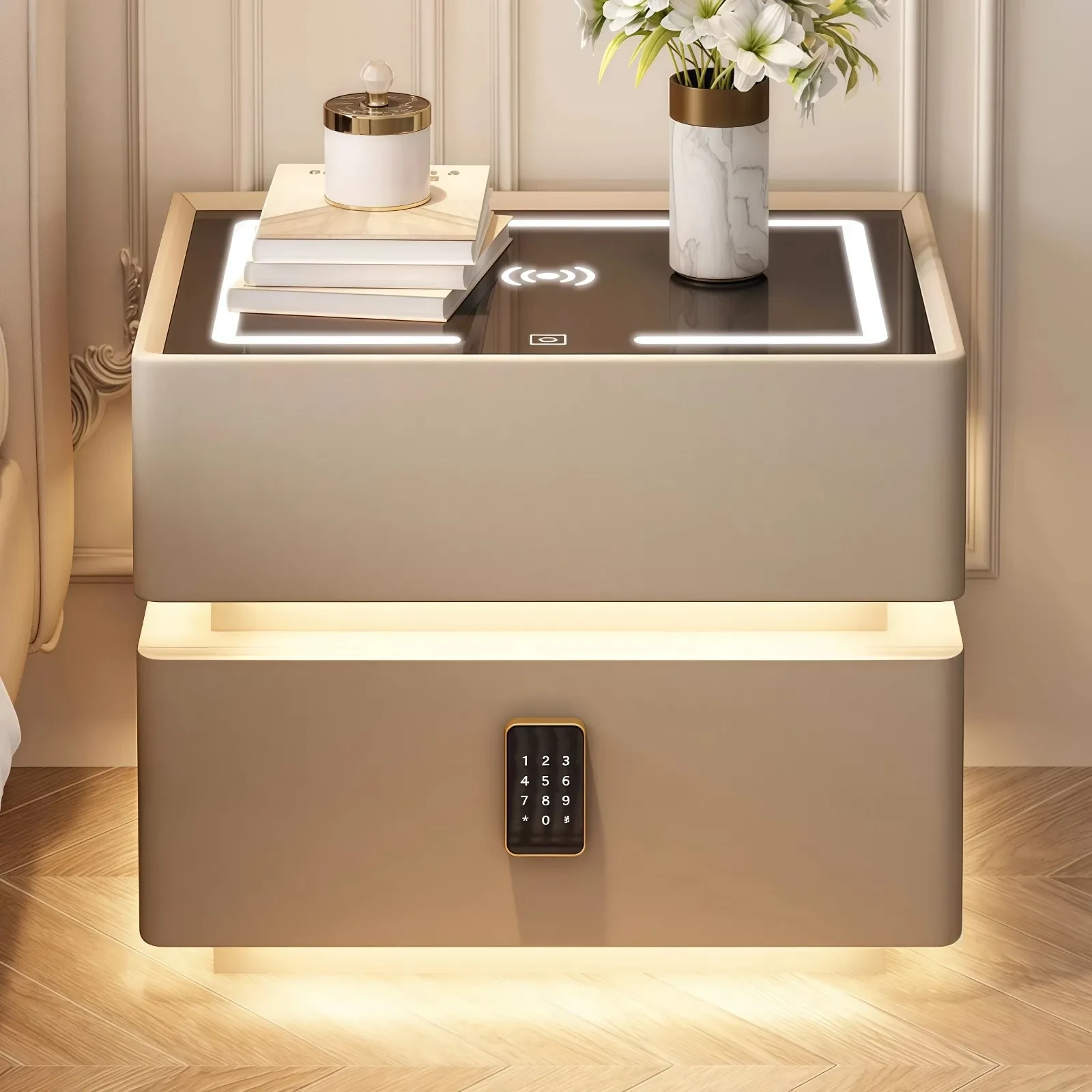
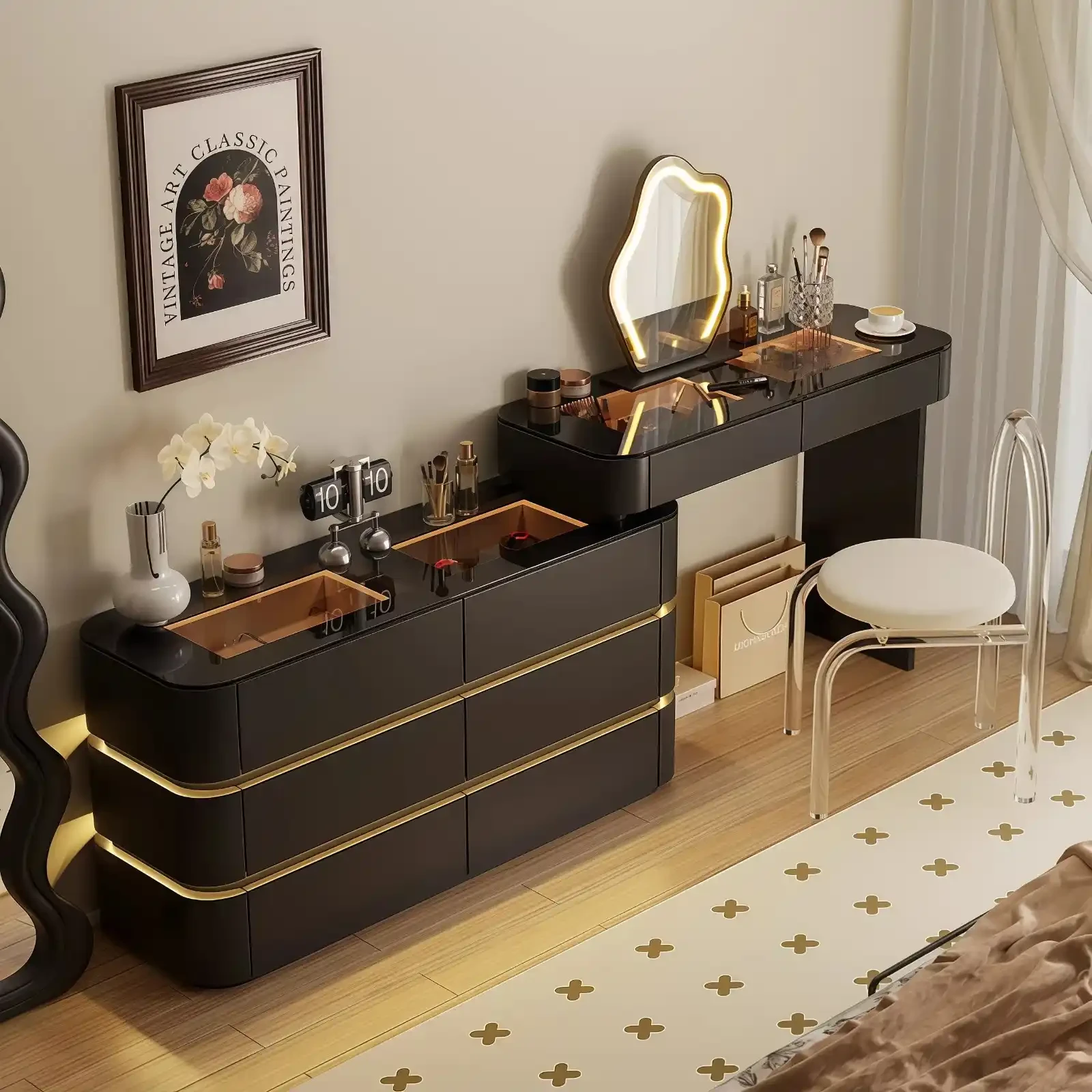
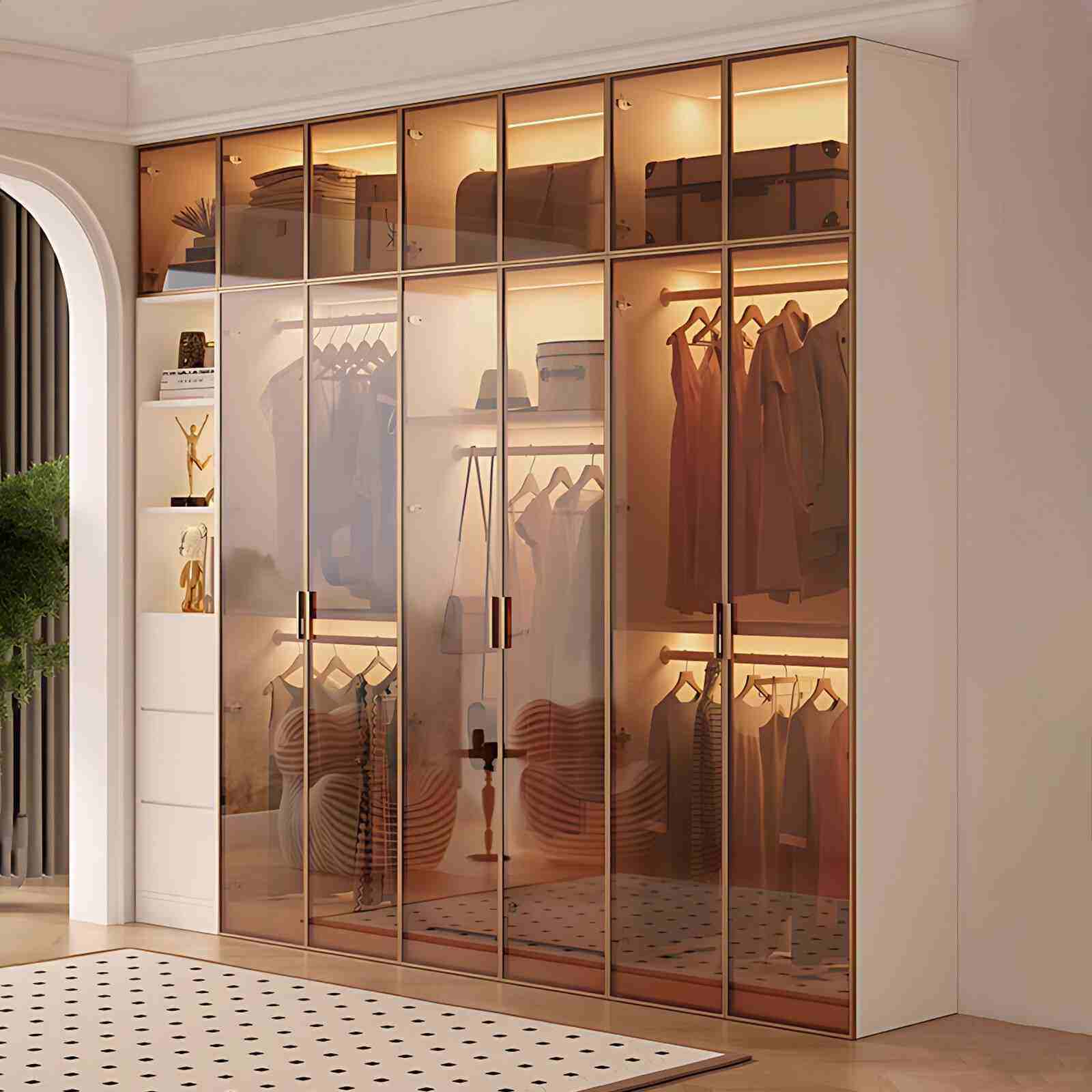
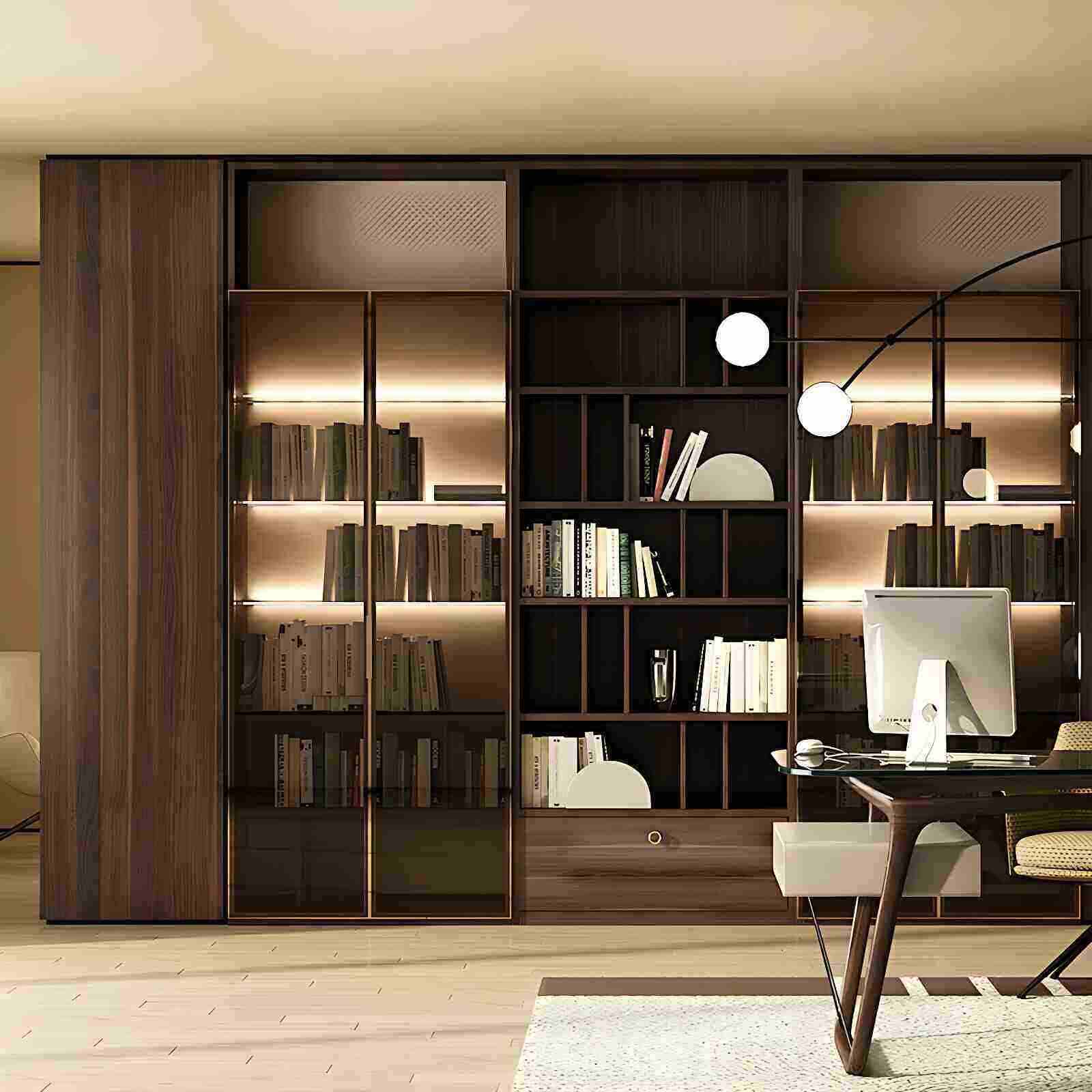
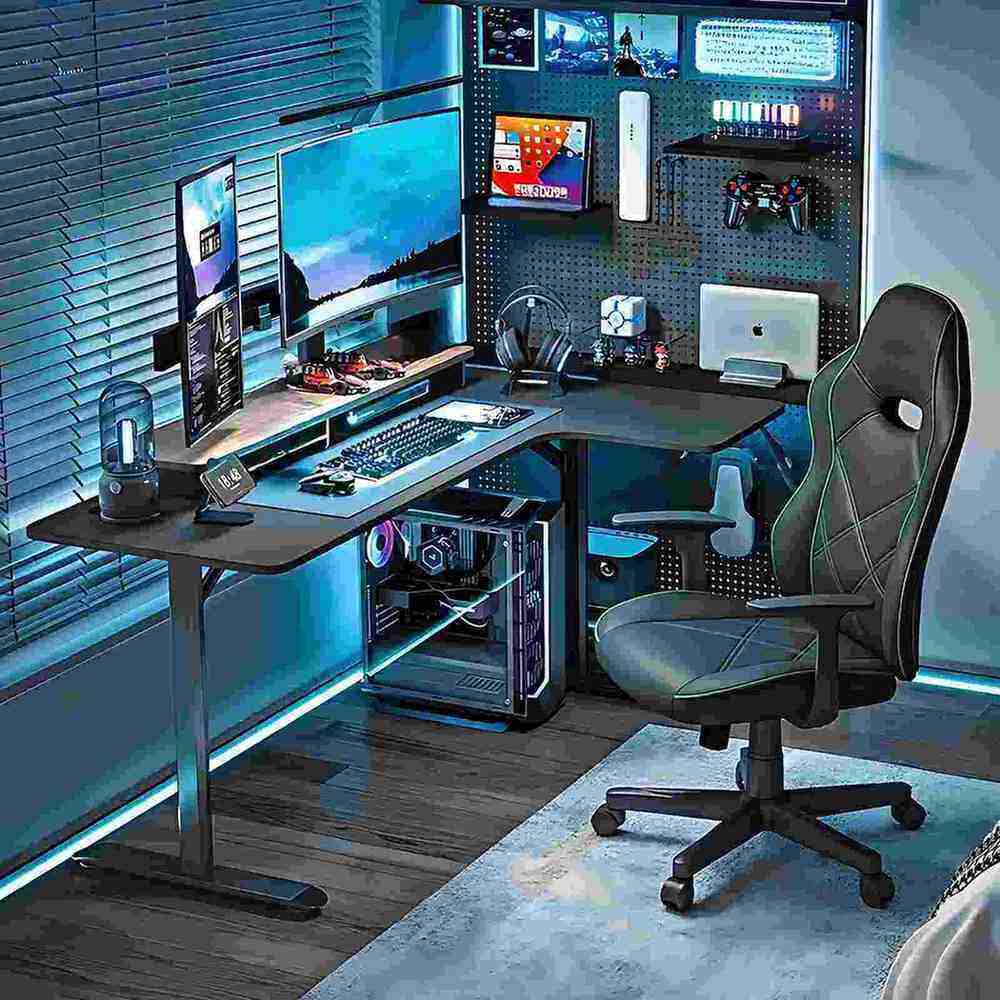
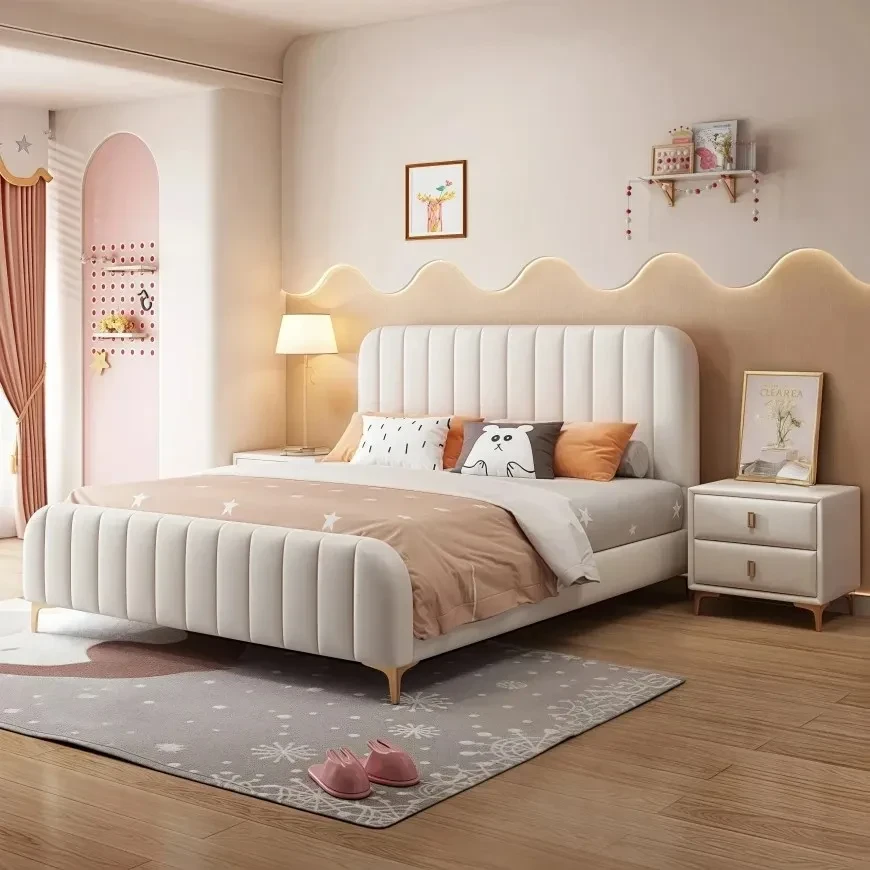
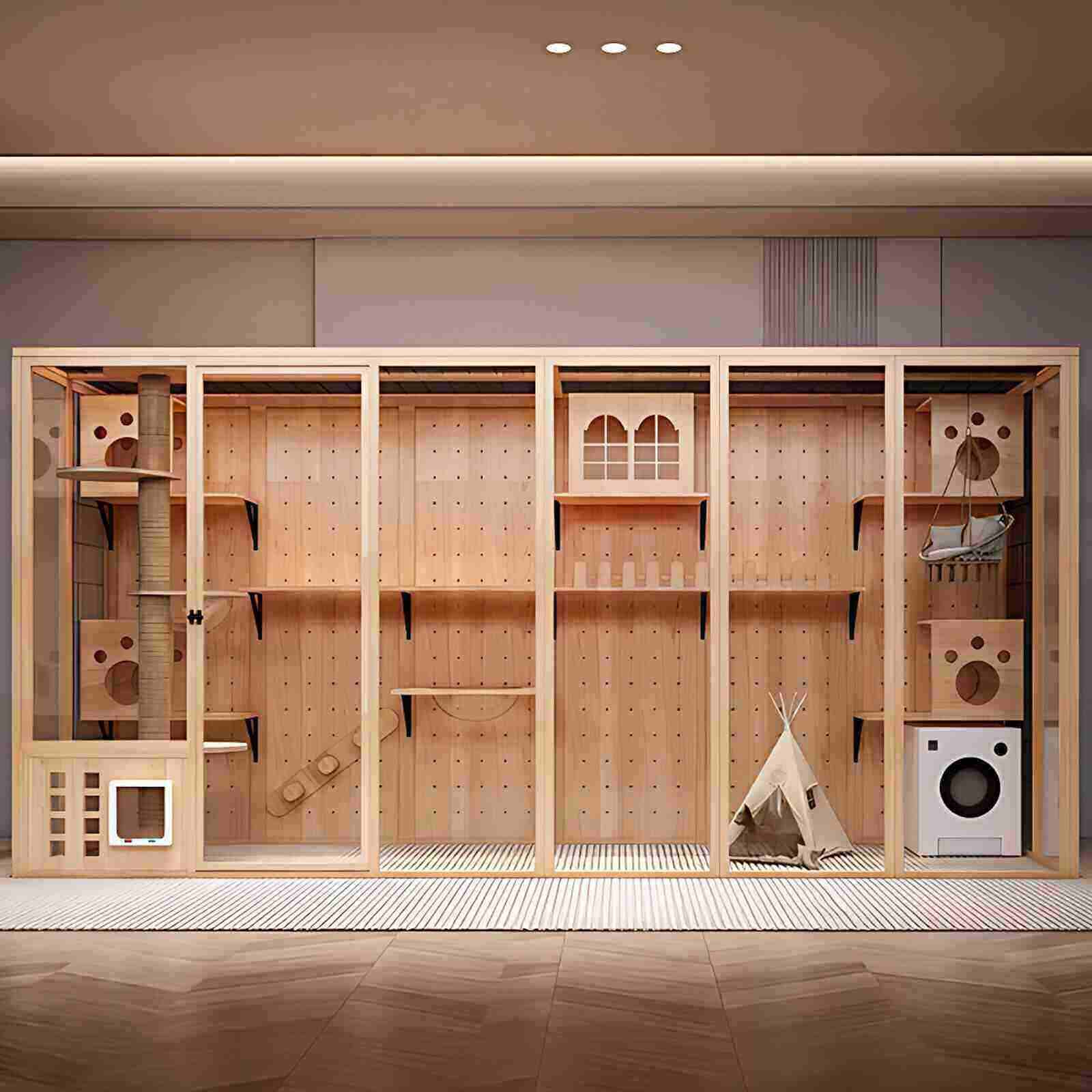
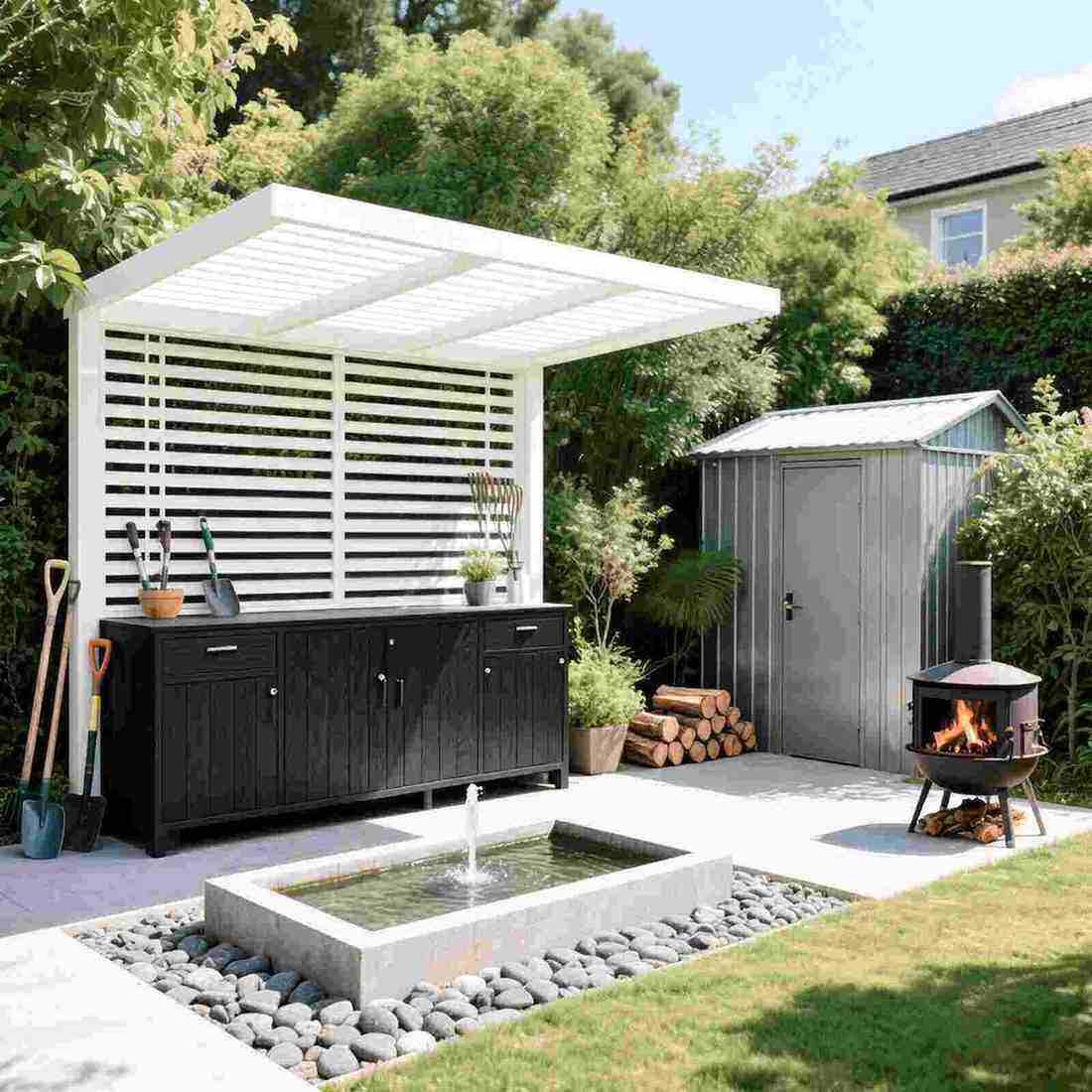
The main substrates for eco-friendly boards include plywood, multi-layer board, and PVC core board. All three substrates undergo meticulous selection, processing, and manufacturing processes. Notably, after the substrates are formed, they require two major processes: thickness sanding and static curing. Sanding results in a smoother board surface, while static curing effectively eliminates internal structural stress, balances moisture content, and improves resistance to deformation and cracking. Compared to ordinary particleboard and MDF made from branch wood, these three substrates, manufactured through more than twenty processes, exhibit superior physical properties, stronger nail-holding power, and more stable quality.
Distribution of raw materials for plywood: Different regions use different materials, mainly due to the climate of the region. Malacca wood is the most commonly used wood in China; fir, poplar, and paulownia are commonly used in the southern region; poplar, poplar, and paulownia are commonly used in the northeastern region; and poplar, paulownia, and white poplar are commonly used in the northwestern region.
Many fans ask about the wood species used in the raw materials. As we can see from the video, different base materials use different raw materials, and even the same base material can have different raw materials. This is mainly due to the structure of the board and the regional climate. We often hear about cedar boards, which are actually plywood made from cedar cores. This type of board is commonly used in southern regions, while poplar is more common in northern regions. Plywood often uses poplar, eucalyptus, and pine; core-ply boards use tremolite.
Eco-friendly boards with advantages in substrate material have already won at the starting line, but we don't stop there. On this basis, the company innovates structural processes and adds HDF as a balancing layer, which further improves the performance and application of eco-friendly boards. See the table below for details.
It has received another upgrade, which can be viewed in the table below.
| project | Ordinary ecological board | Eco-friendly furniture boards |
| Surface flatness | A | AA |
| Anti-cracking | A | AA |
| Anti-deformation | A | AA |
| Stain resistance | A |
AA
|
Clearly, eco-friendly boards are more suitable for home renovations with a very long service life.
The entire surface of the eco-board is covered with seamless melamine paper, resulting in a clear and natural surface texture that resists fading. It boasts excellent properties such as durability, lightweight convenience, and ease of processing. Not only is it quick and easy to manufacture, but it can also be matched with suitable colors to match different decorating styles, fully meeting the needs of different users and apartment layouts. Furthermore, the eco-board is equipped with a moisture-proof membrane, providing a certain degree of waterproof and moisture-proof effect. It can be easily used even in relatively complex spaces like kitchens, and crucially, it's very easy to clean.
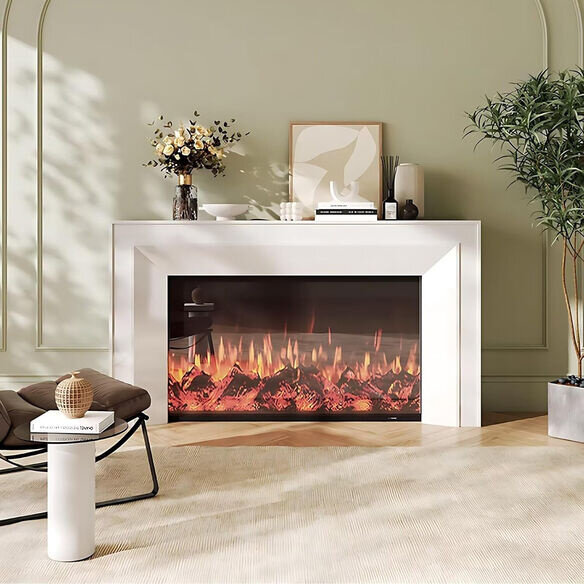
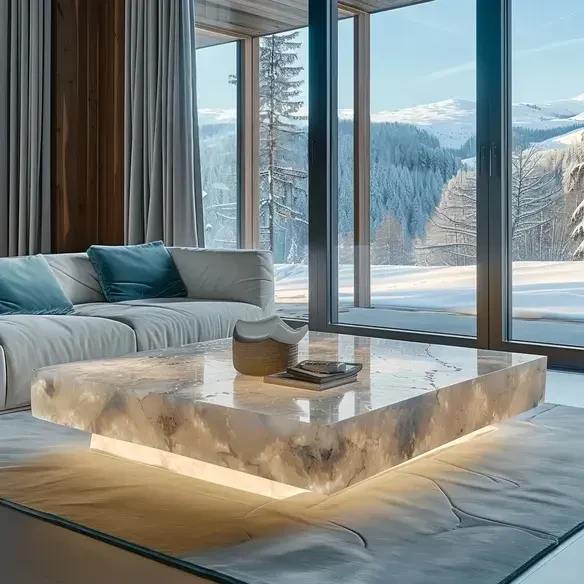
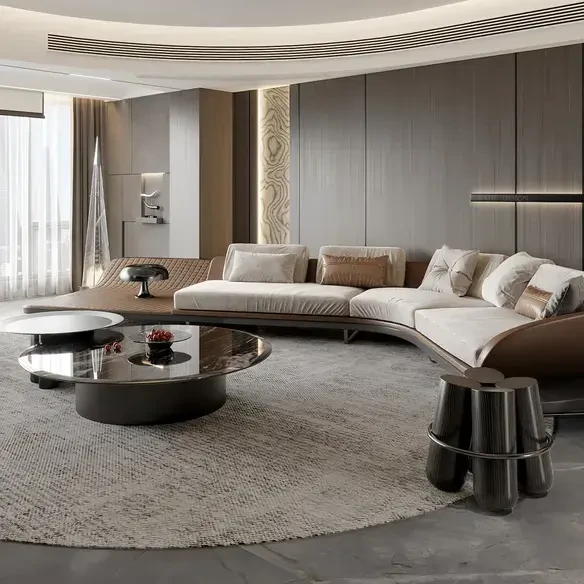
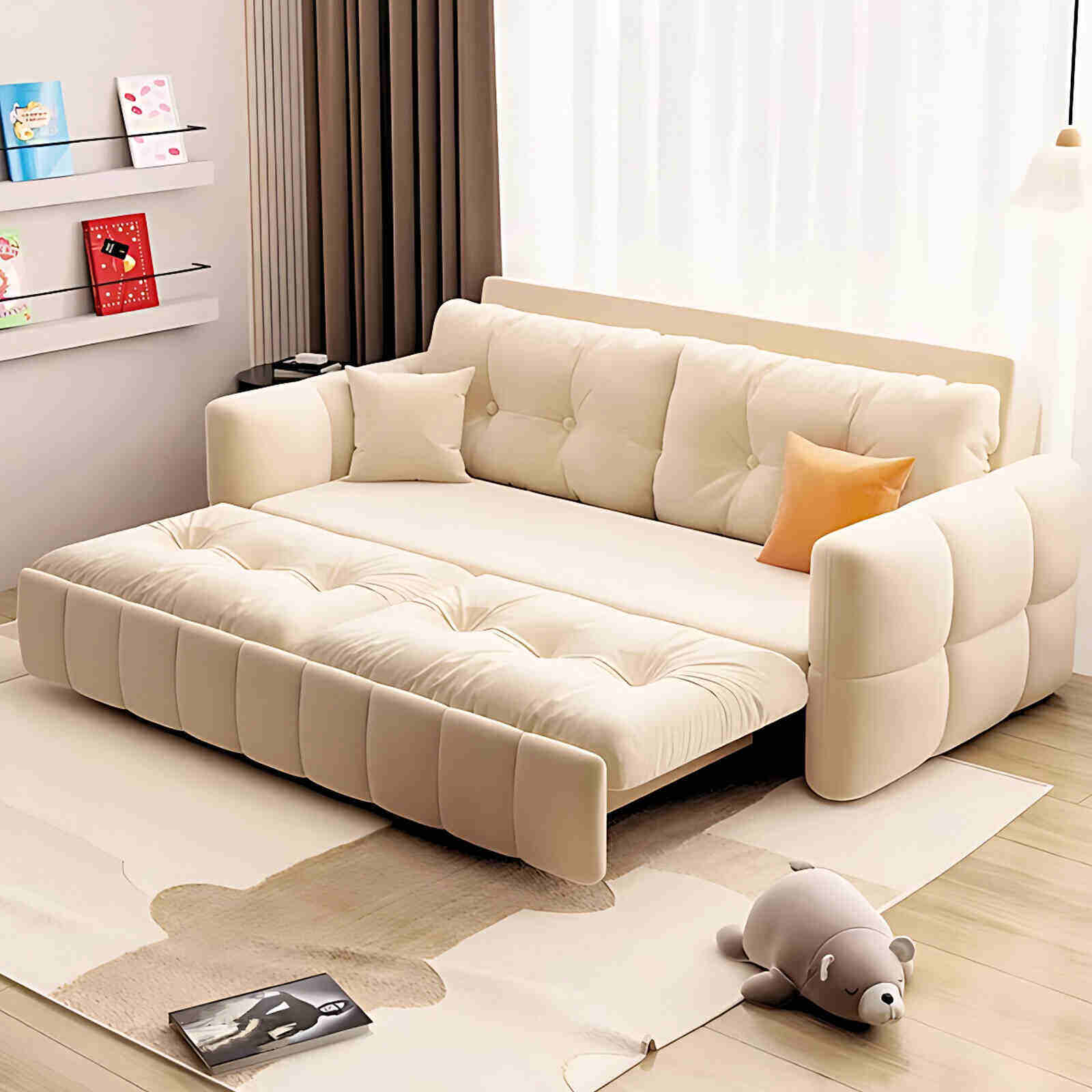
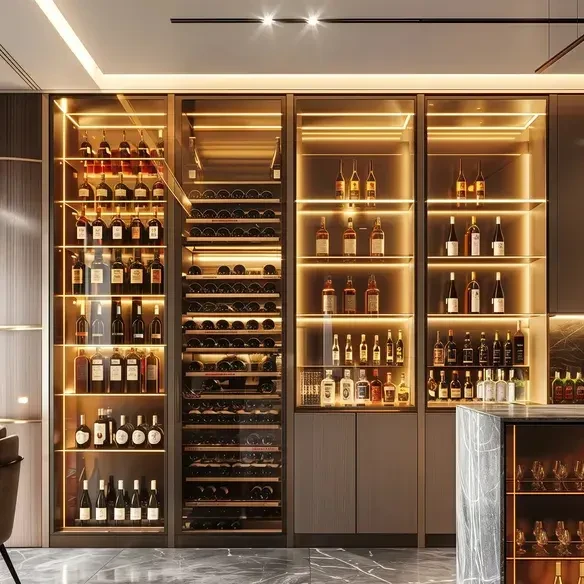
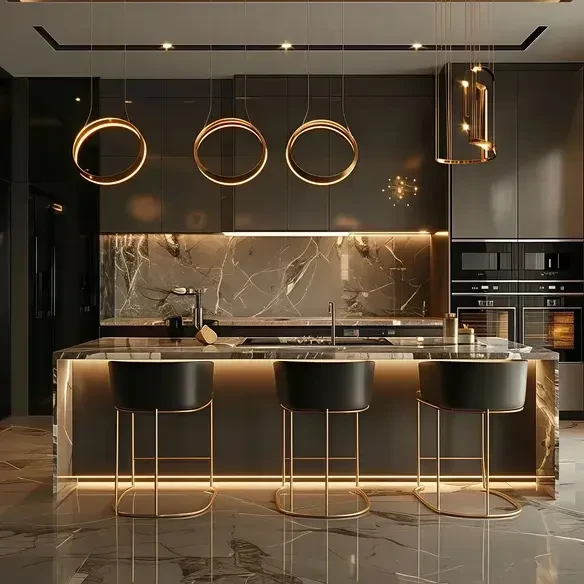
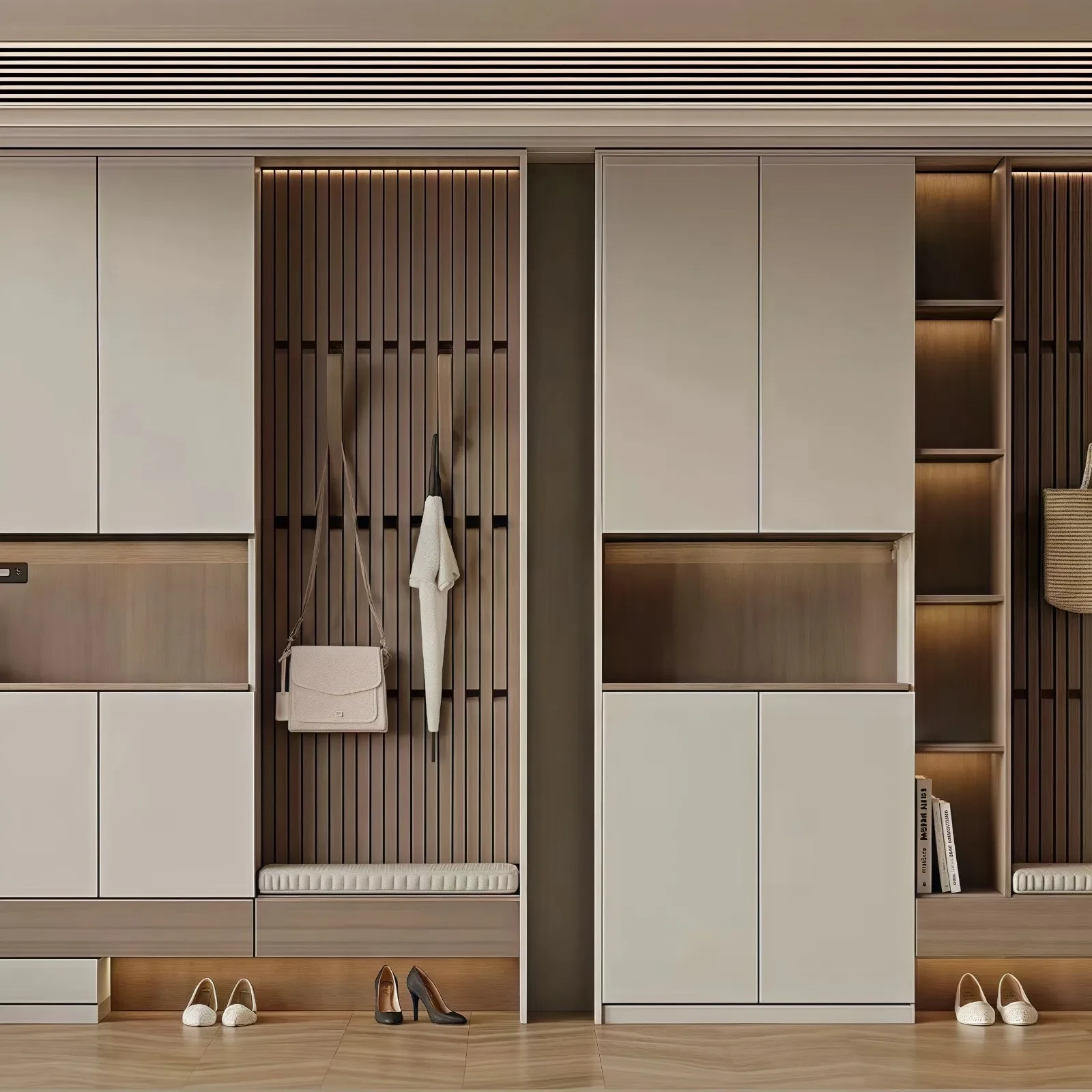
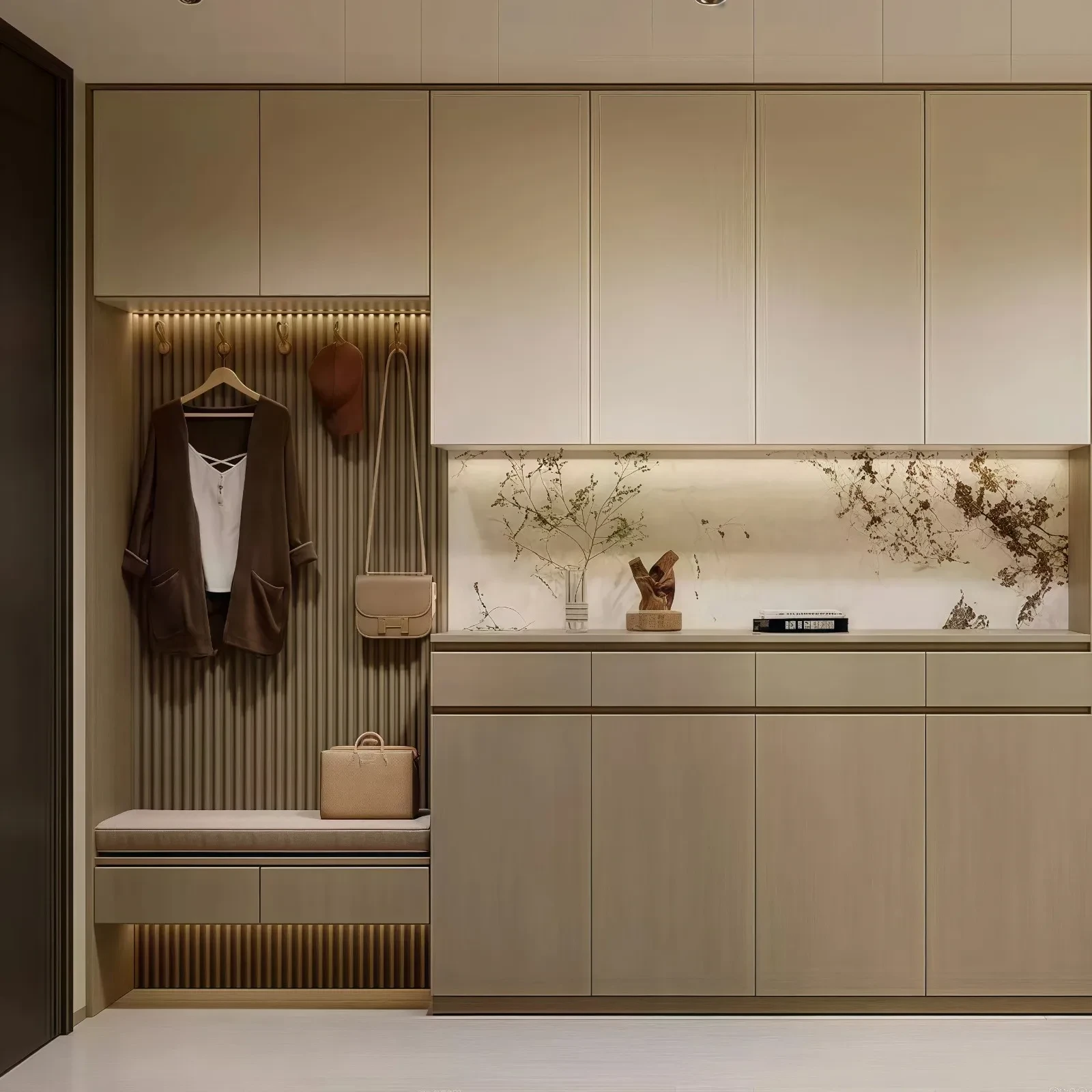
Ecological boards have advantages such as a wide variety of colors and patterns, natural wood texture, clear grain, and natural feel. They can be used to create a variety of styles, including Chinese, European, modern minimalist, and pastoral styles, and are easy to integrate with home decoration to achieve a unified and coordinated decoration effect.
Eco-friendly boards combine many advantages, no wonder they are so popular!