
 USD
USD GBP
GBP
 EUR
EUR
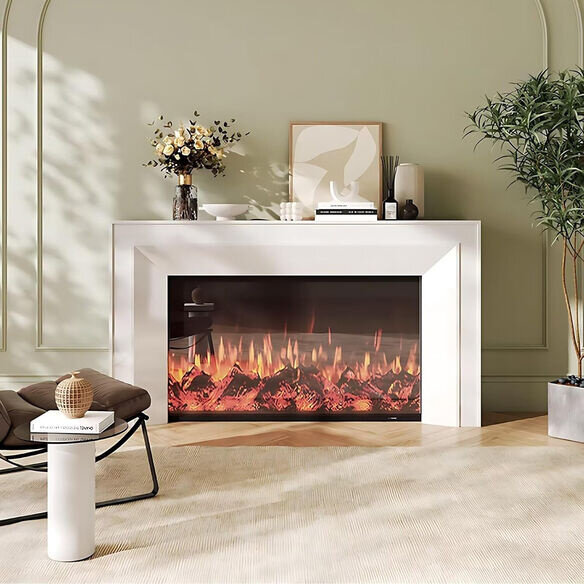
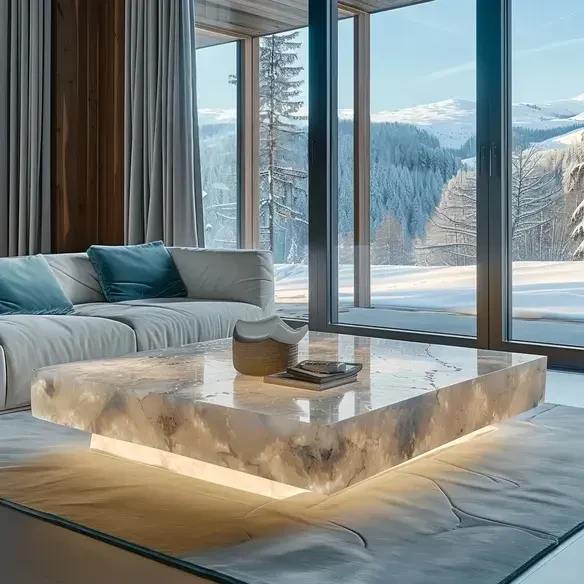
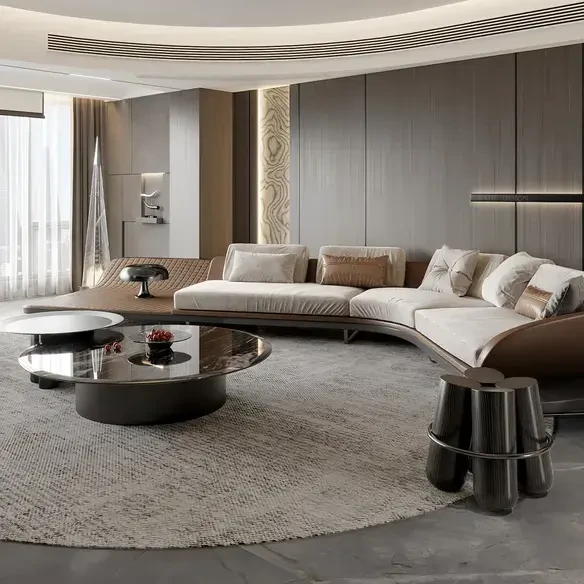
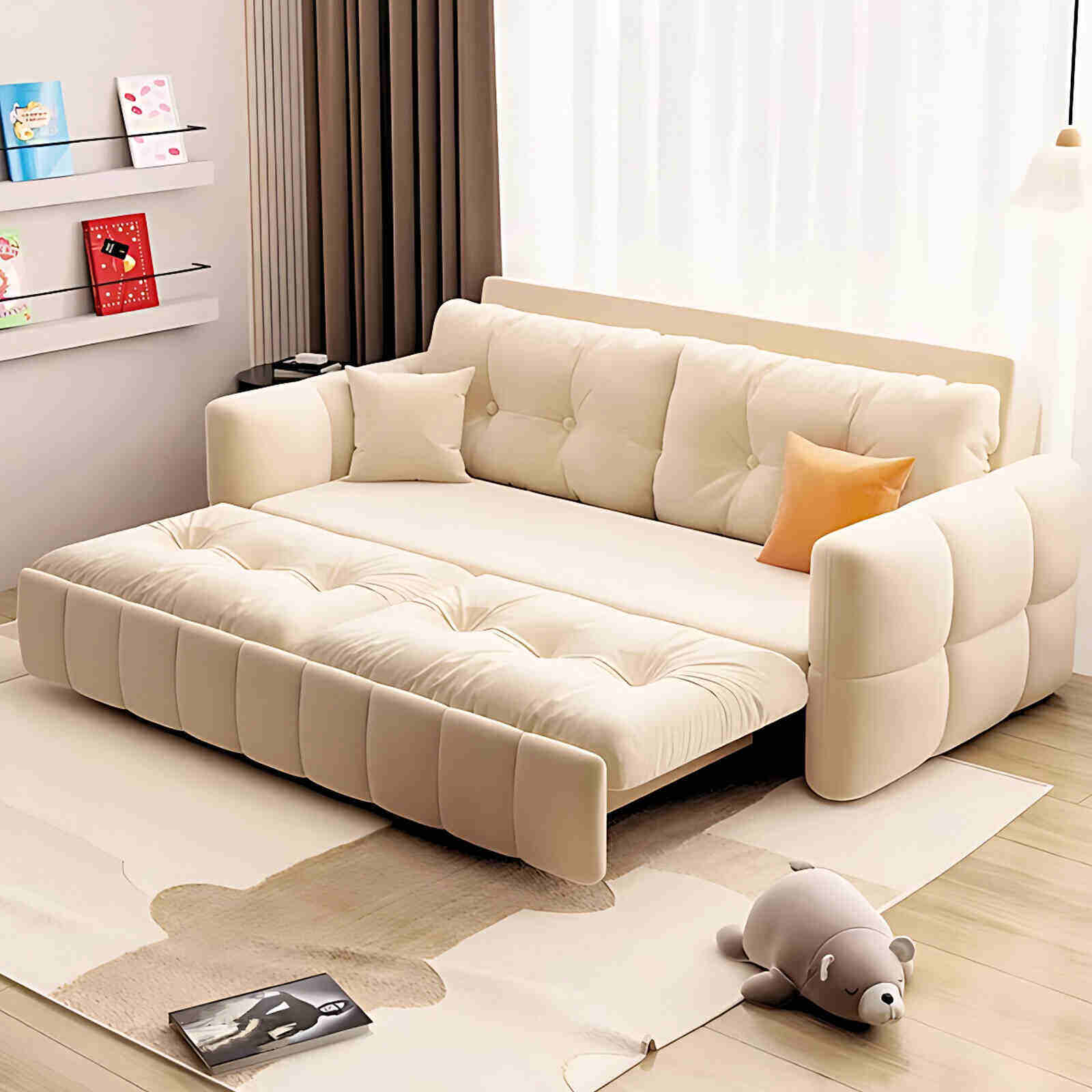
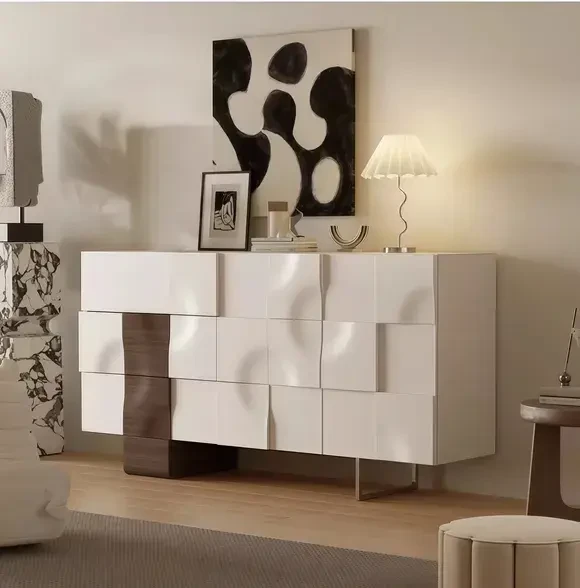
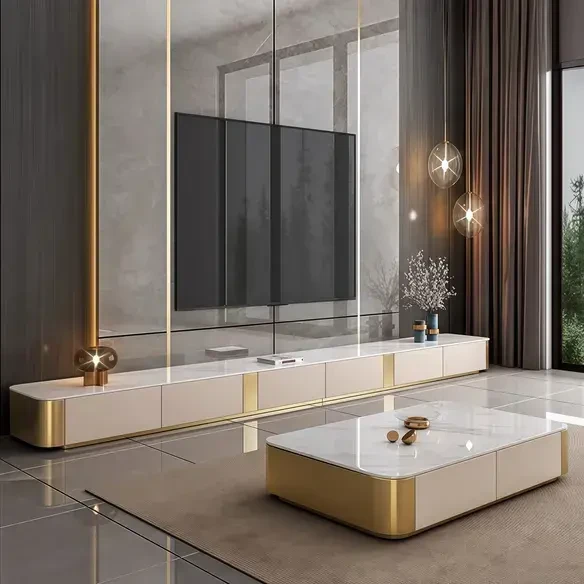
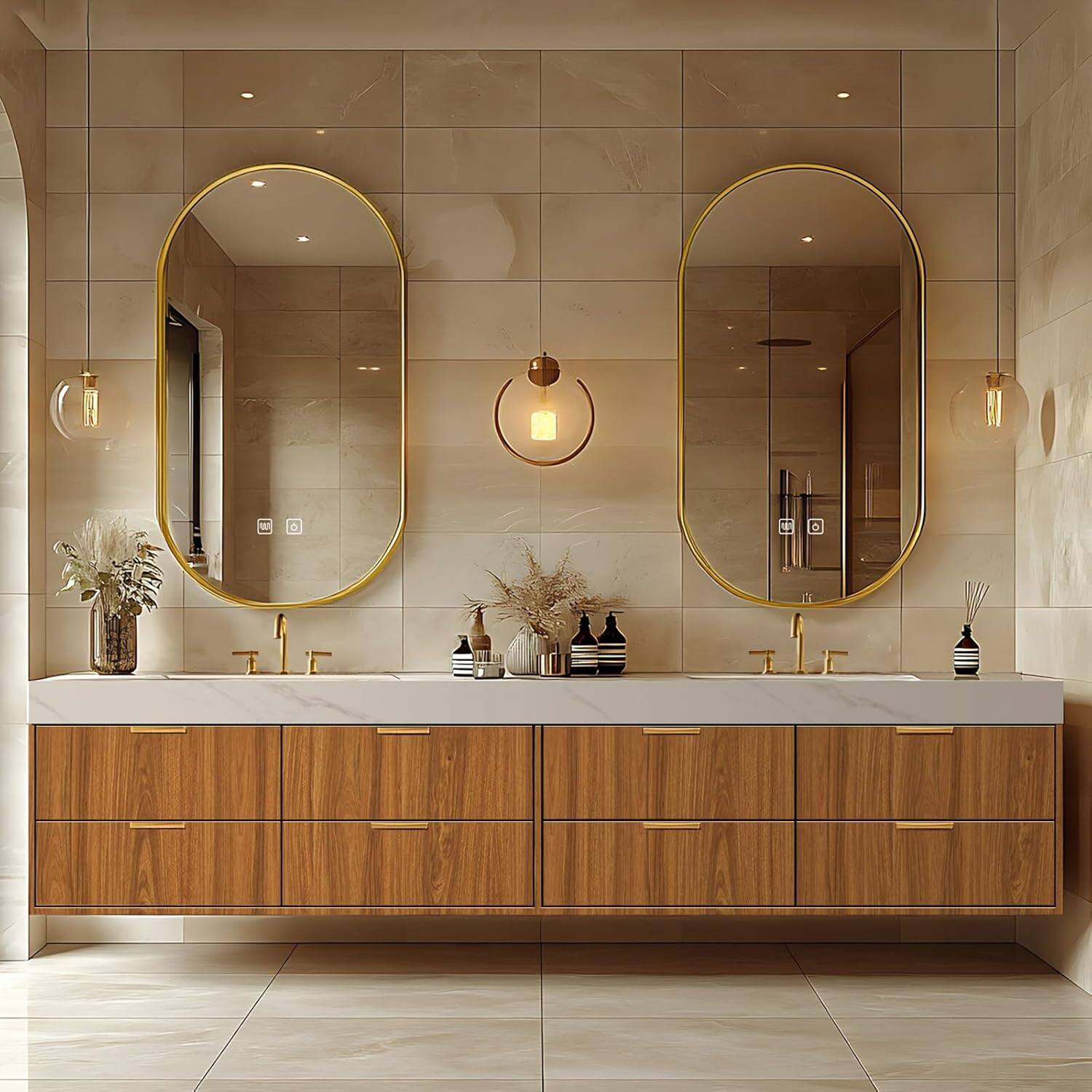
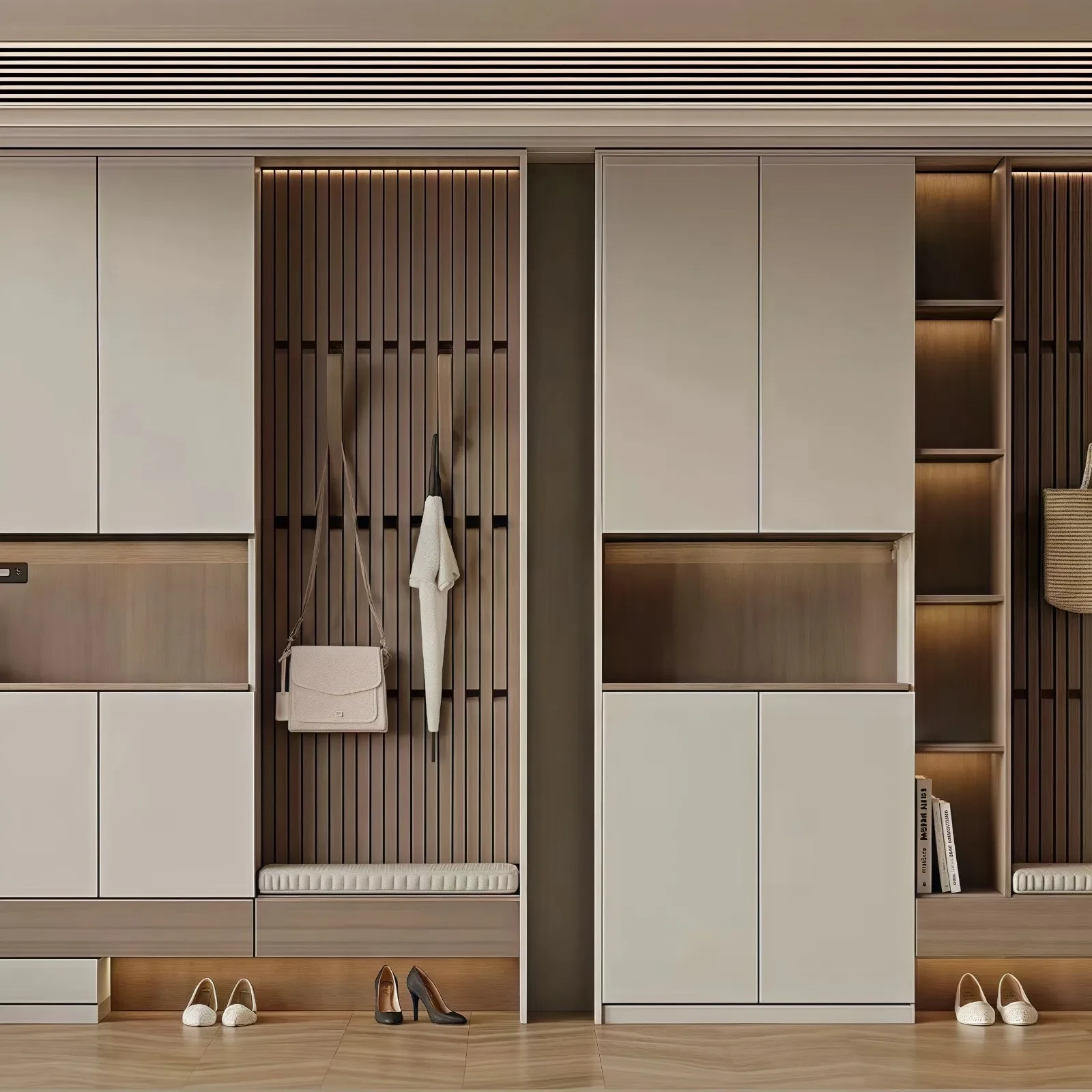
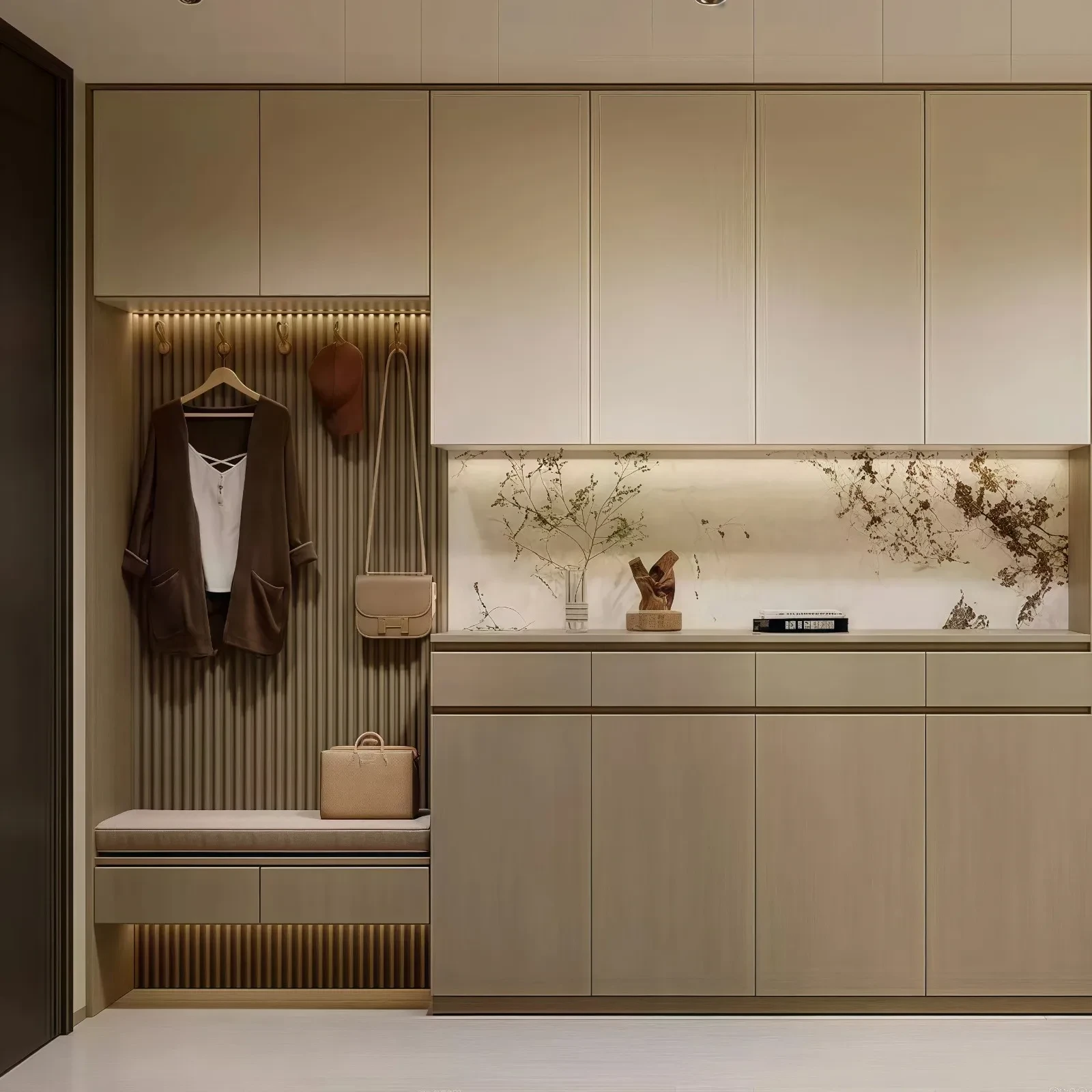
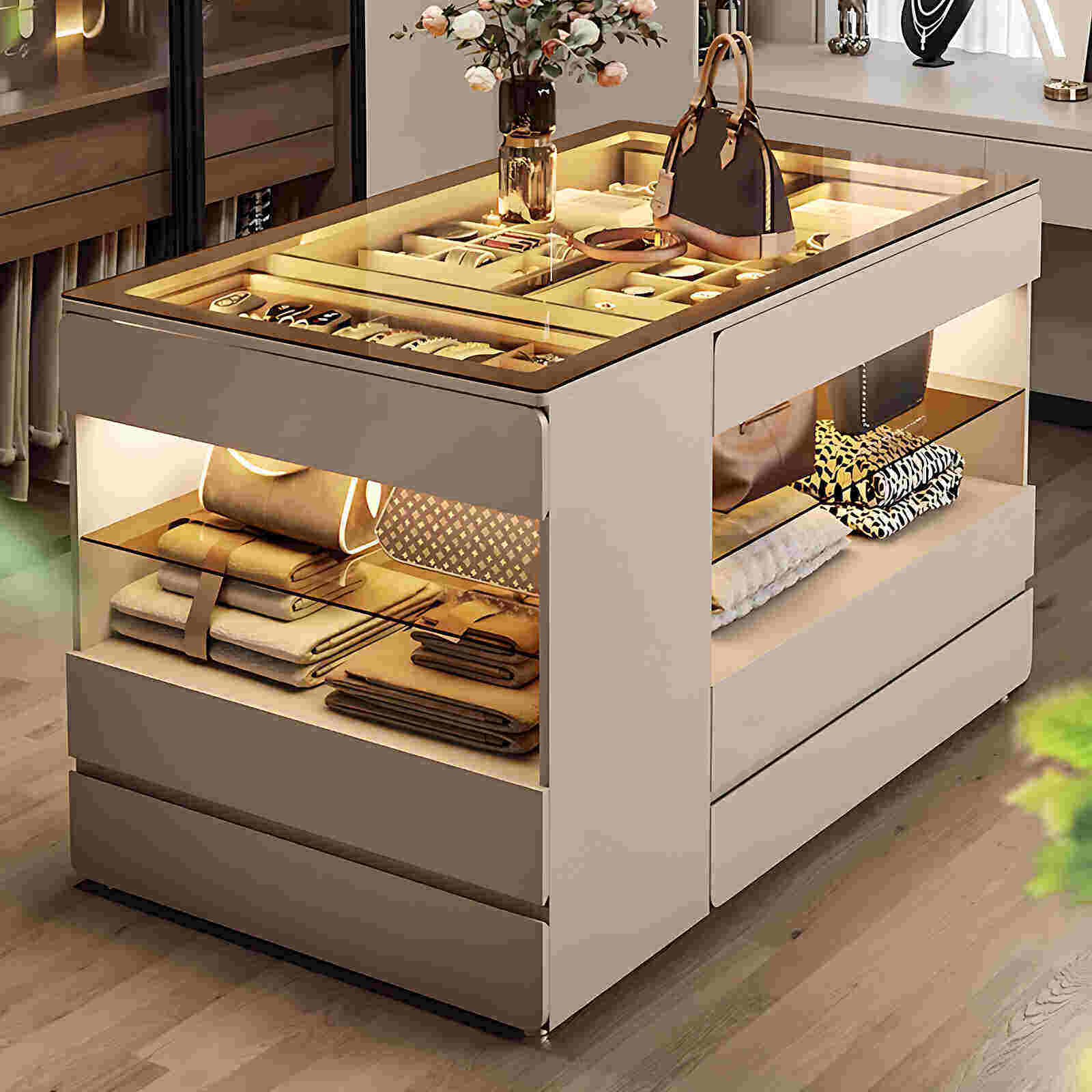
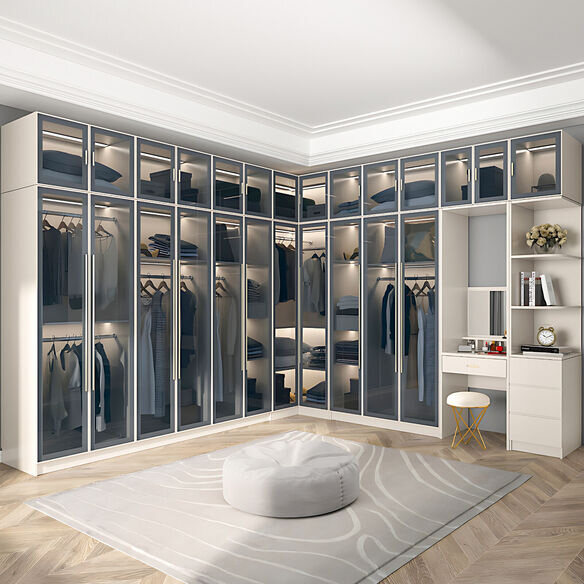
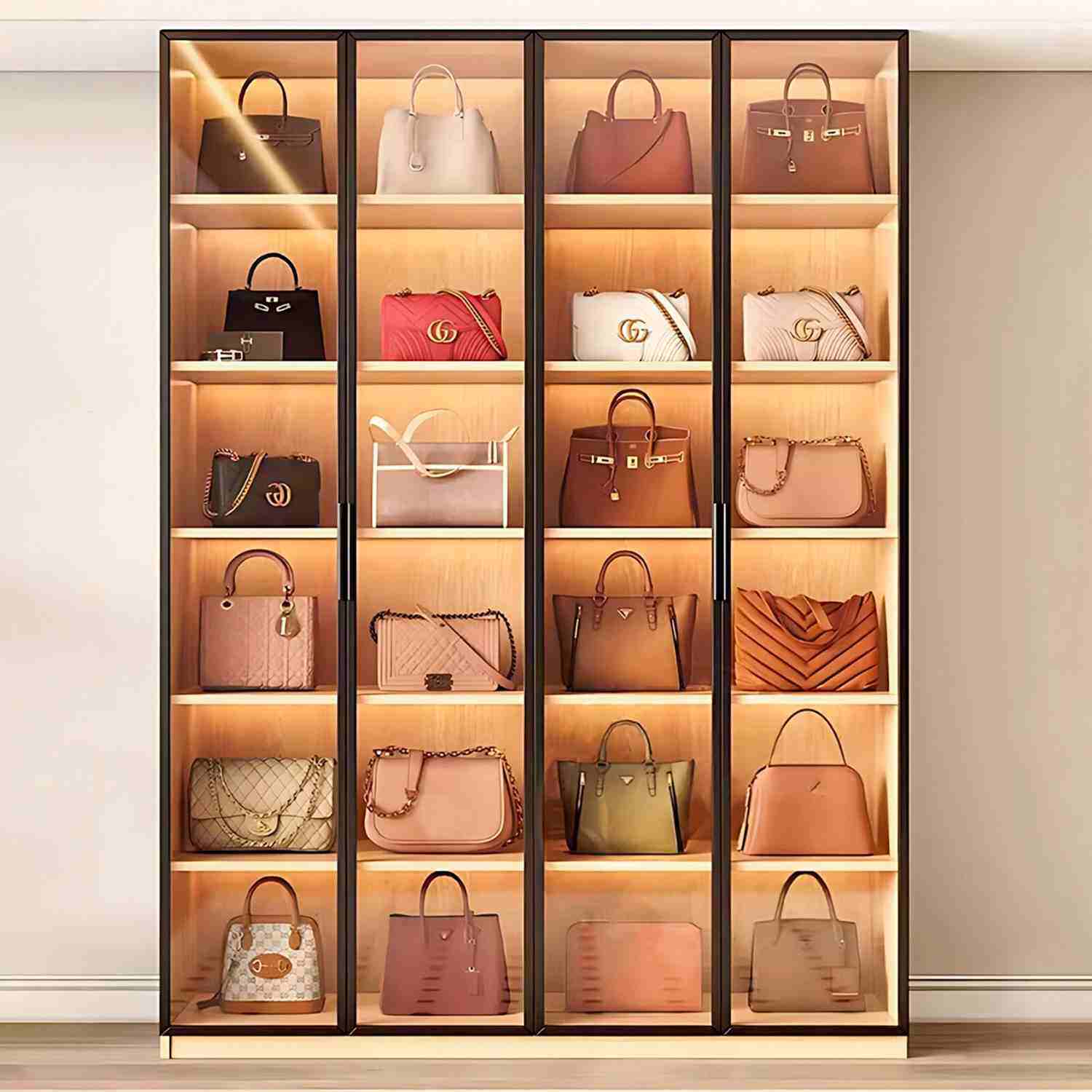
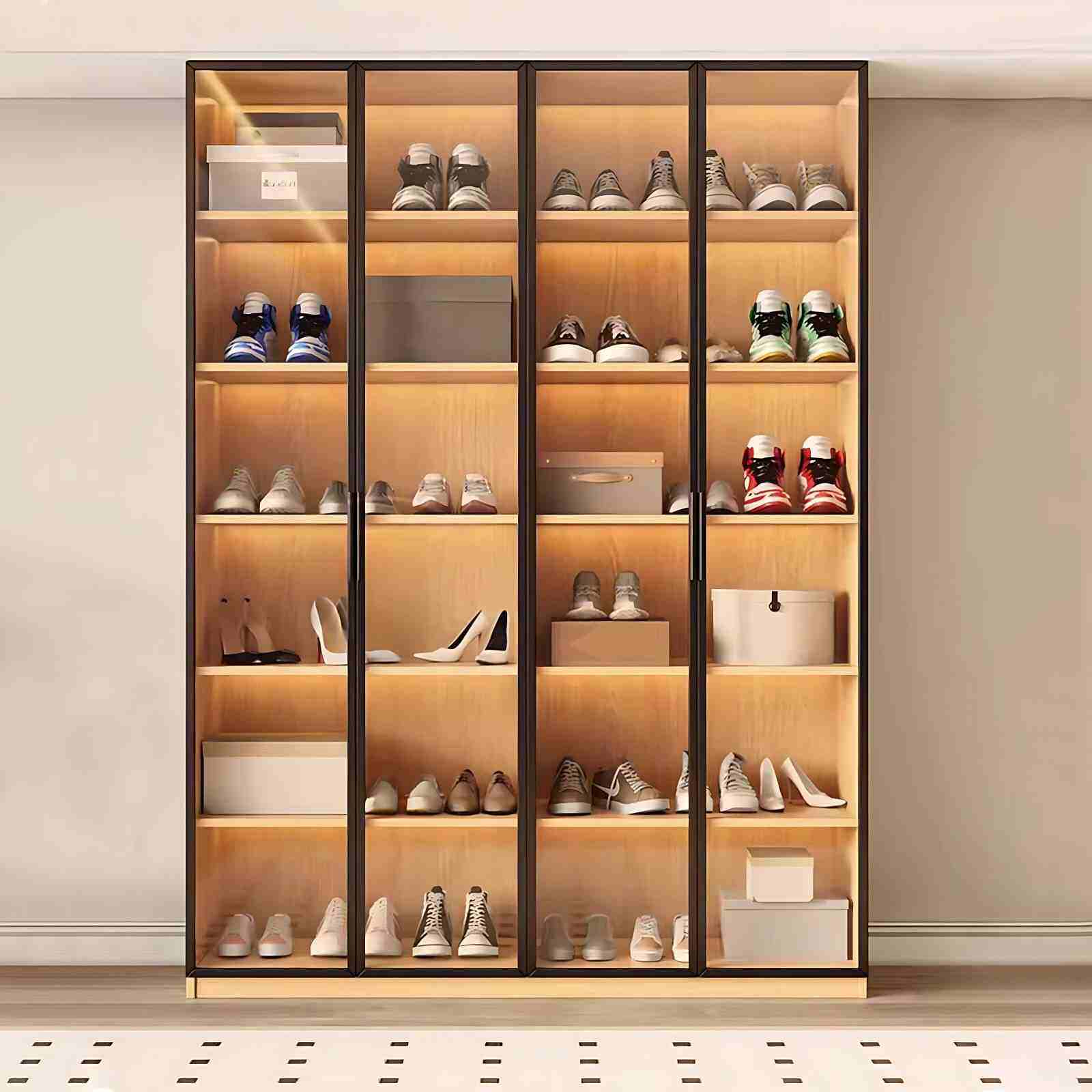
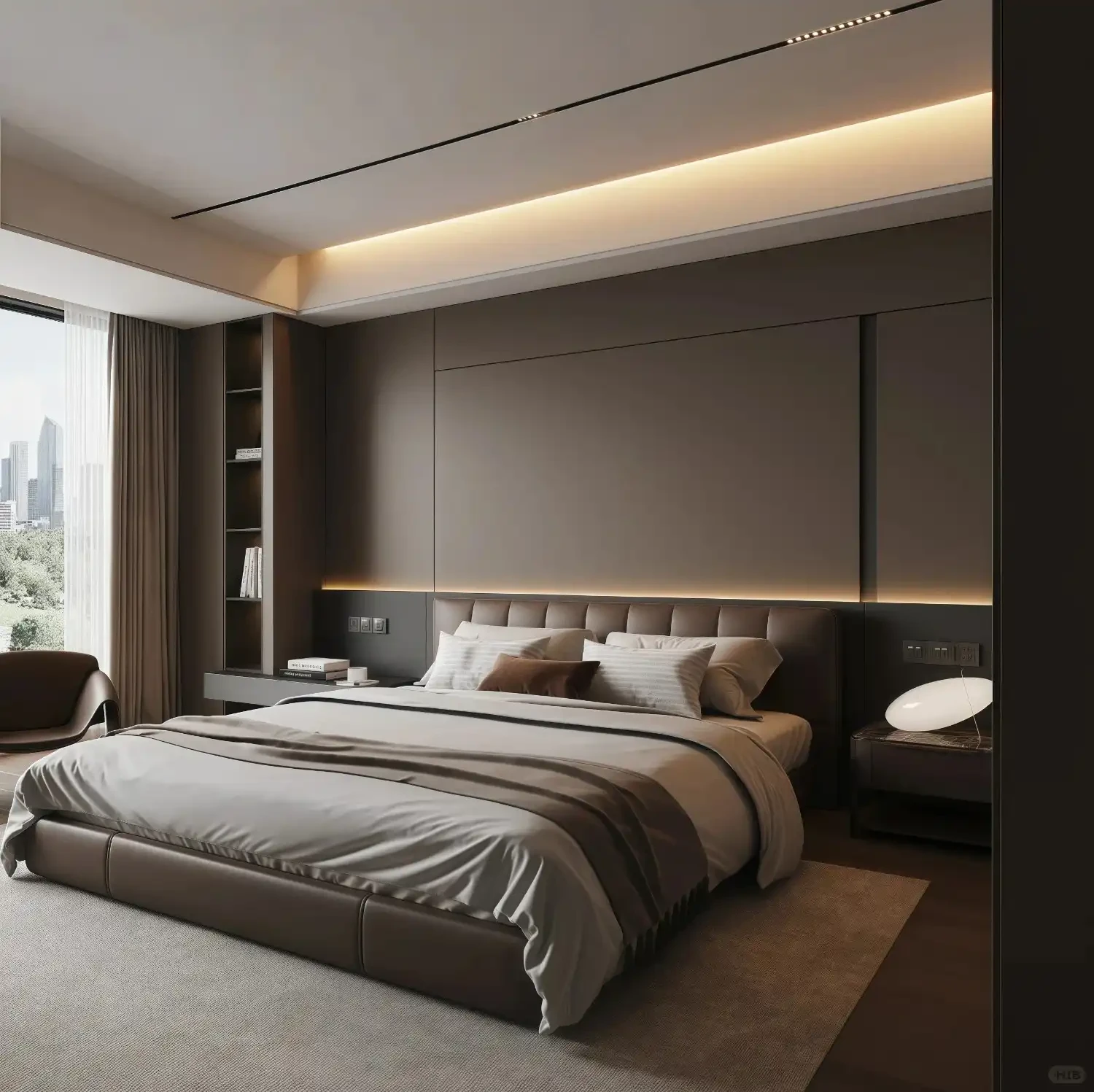
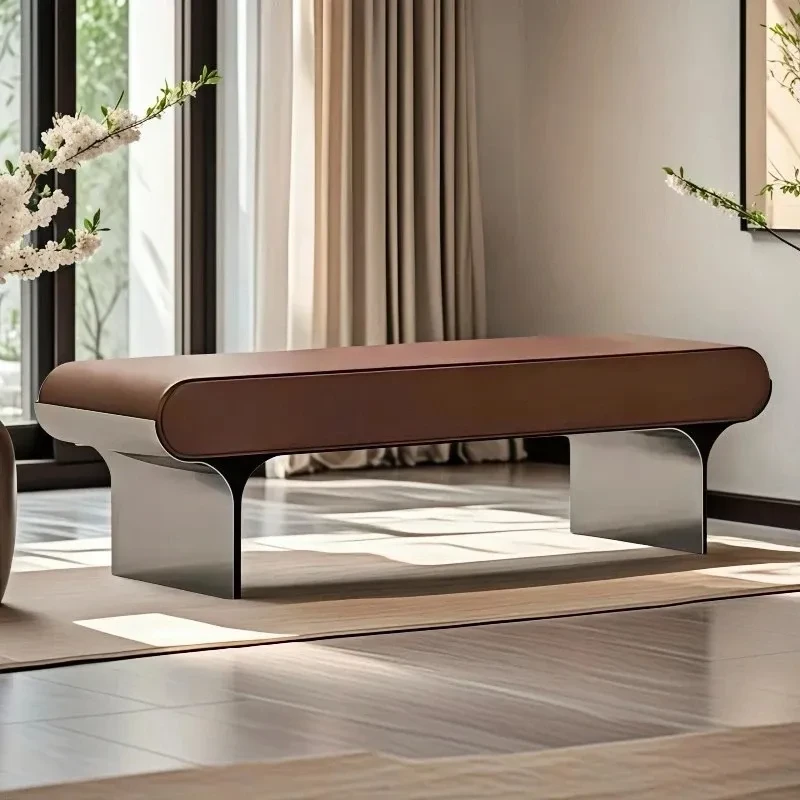
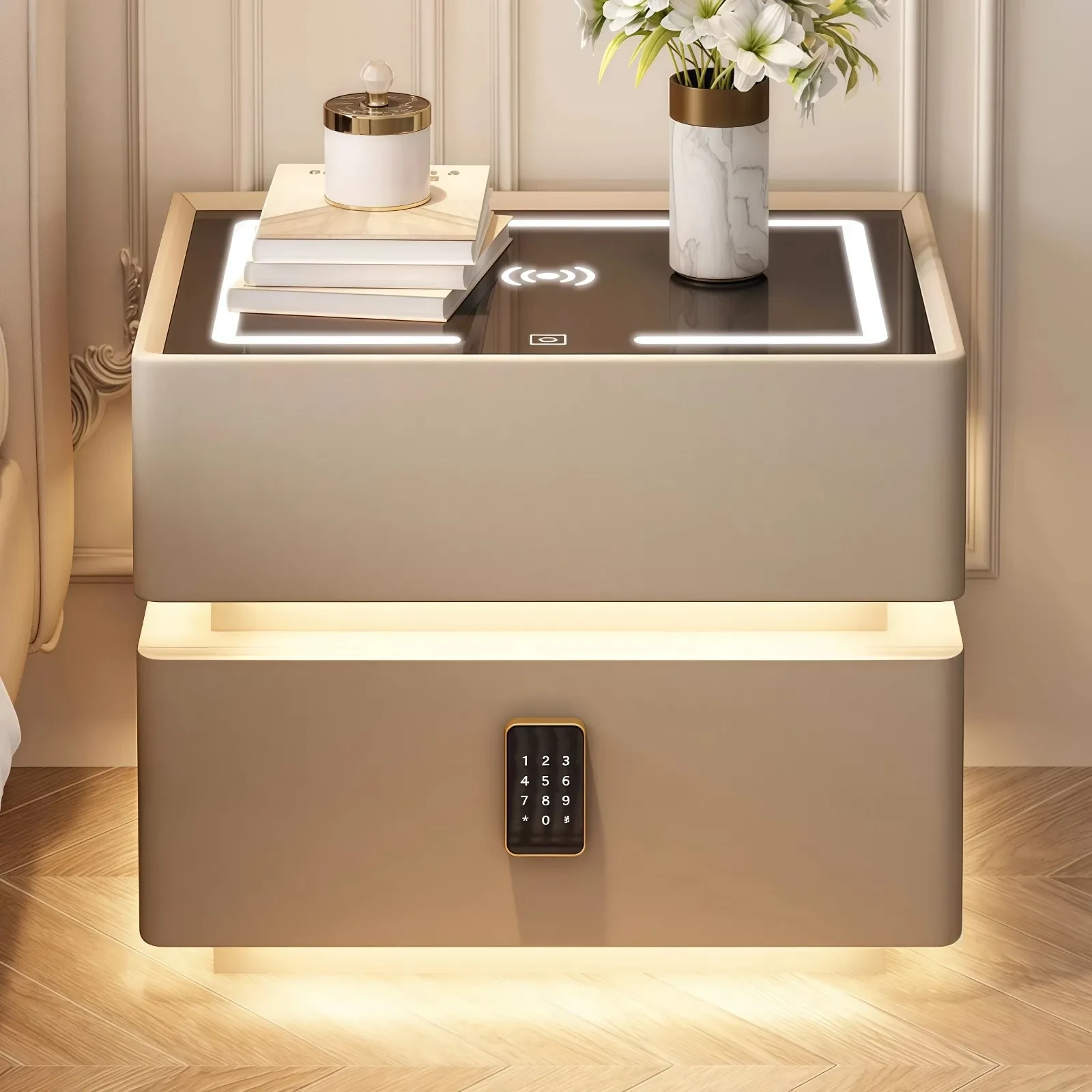
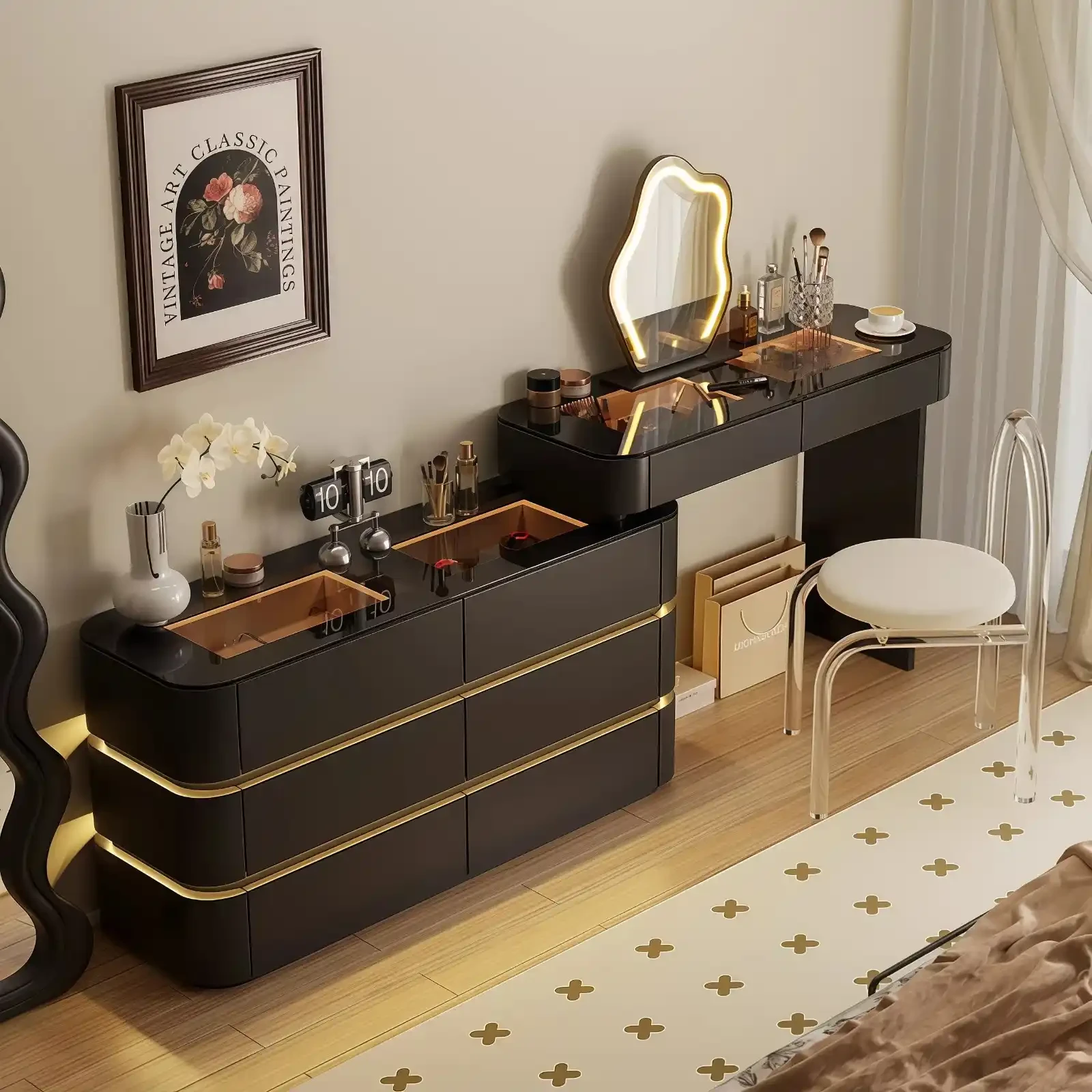
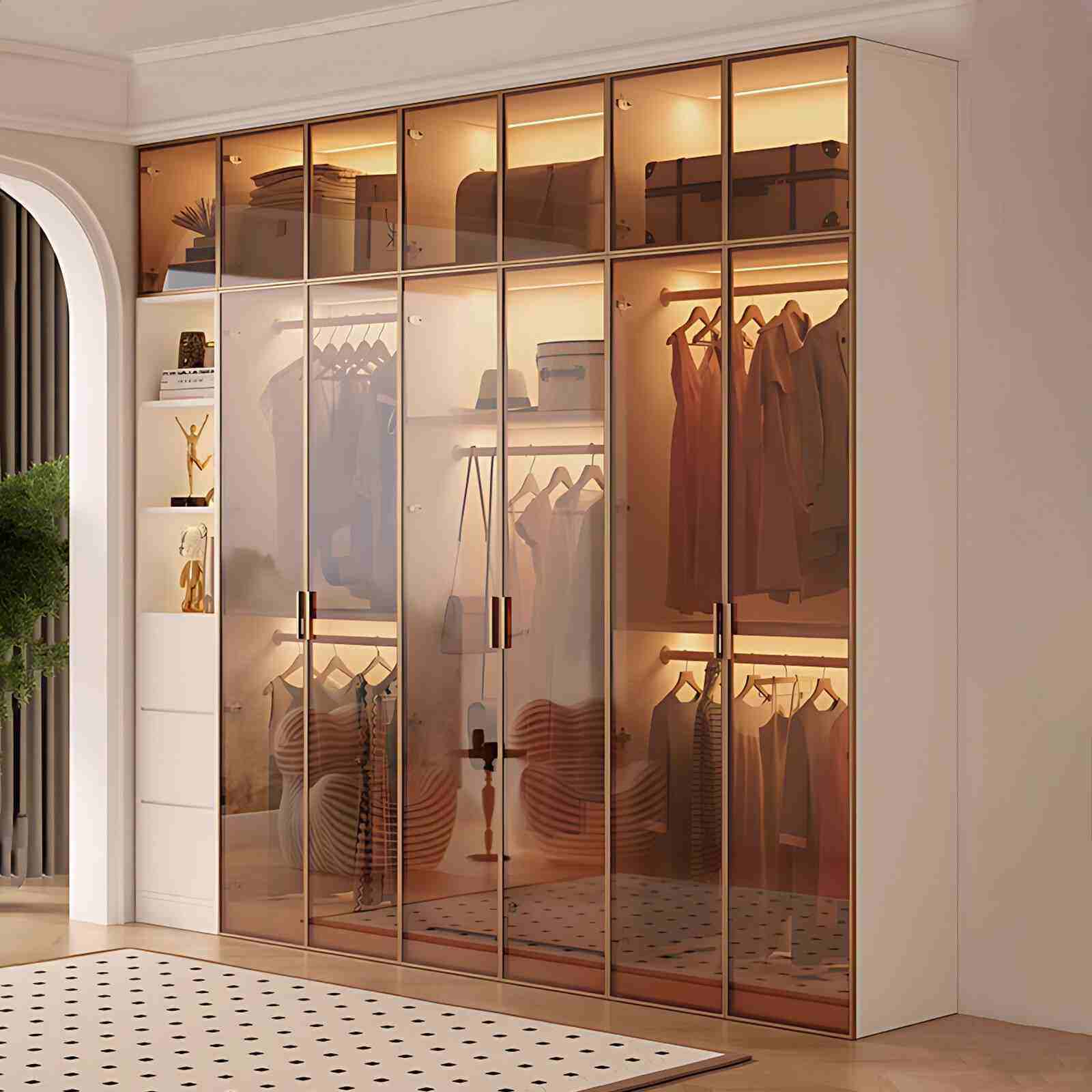
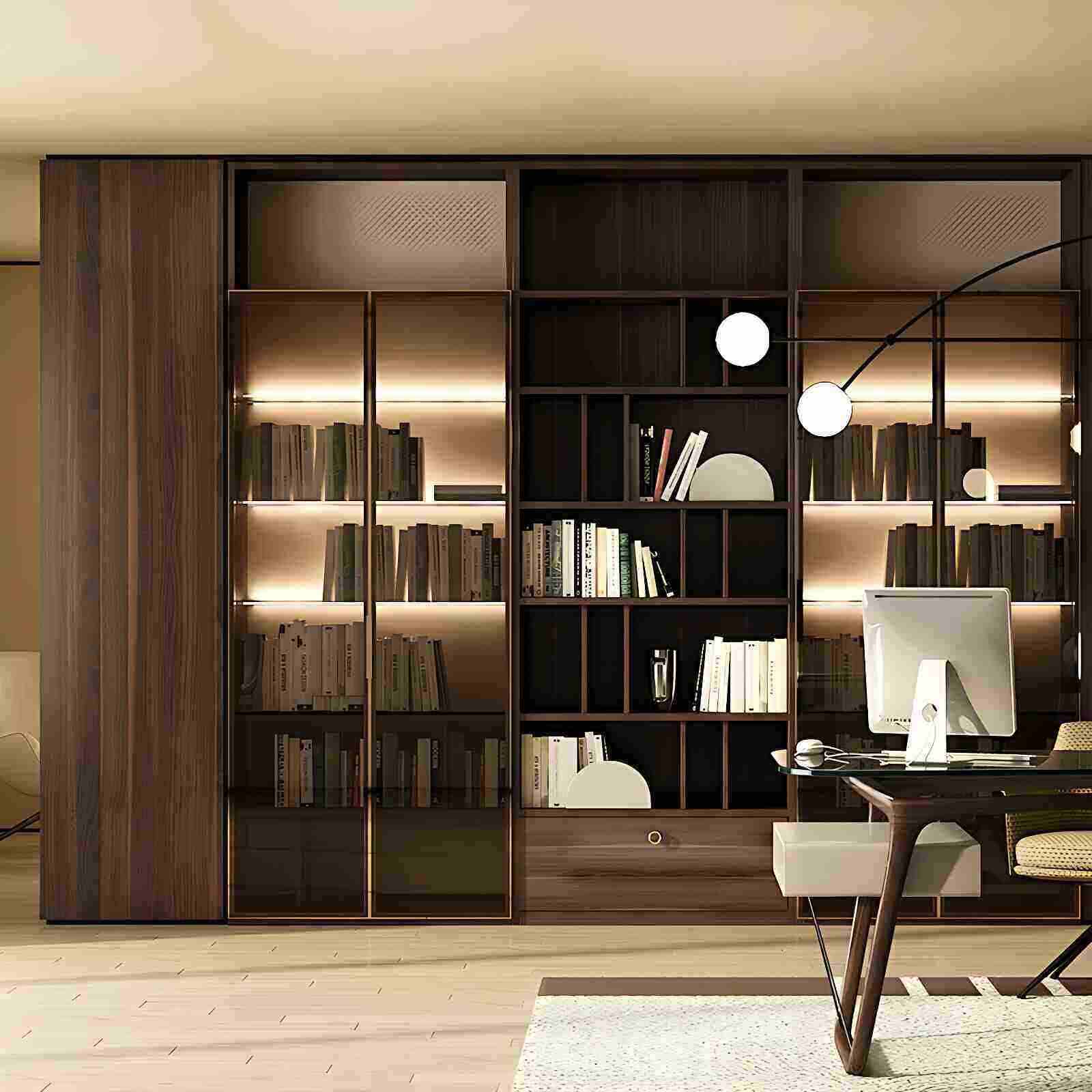
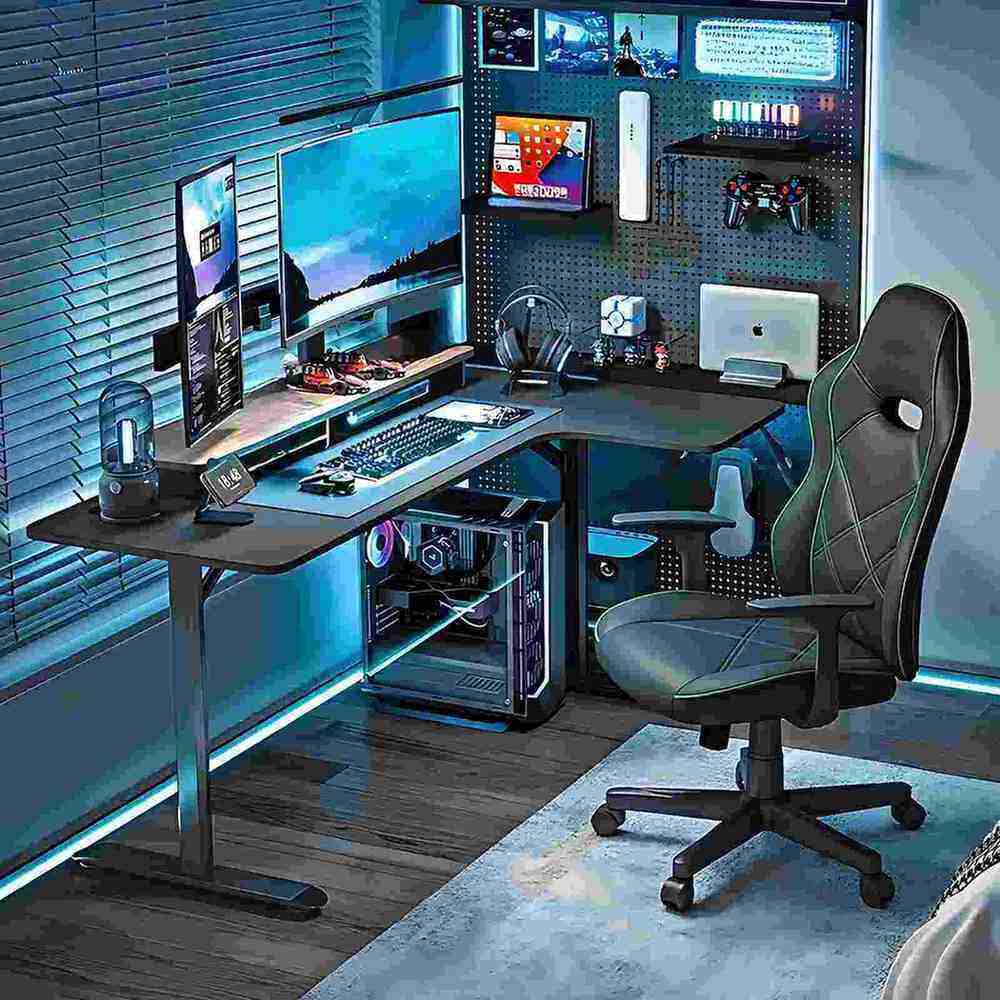
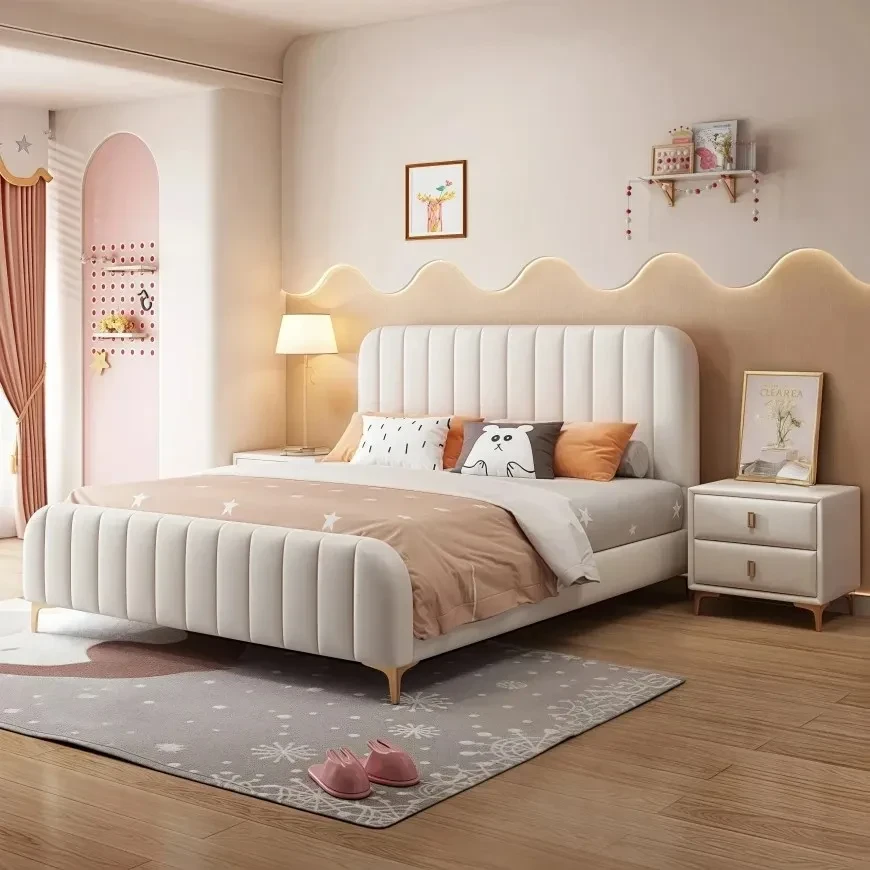
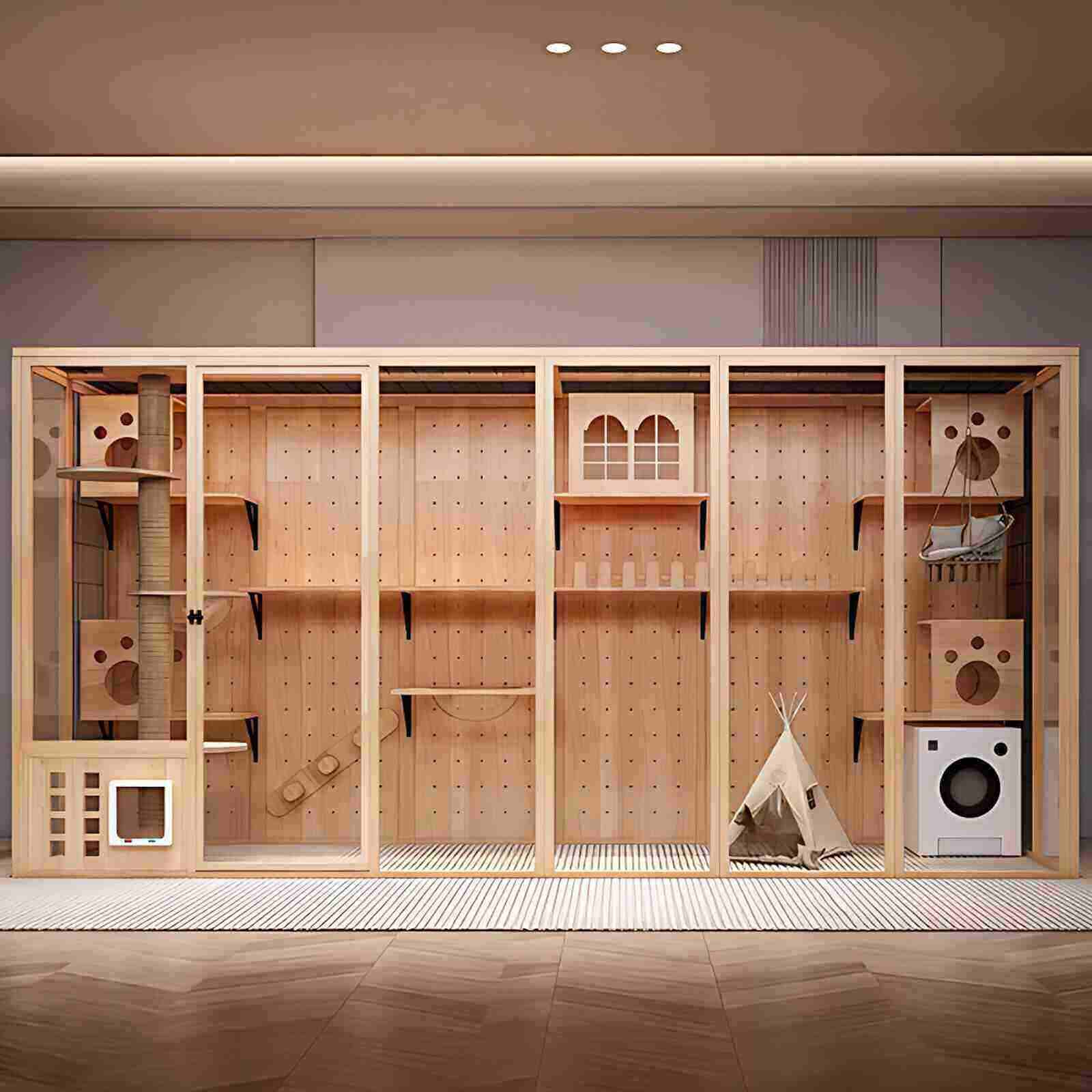
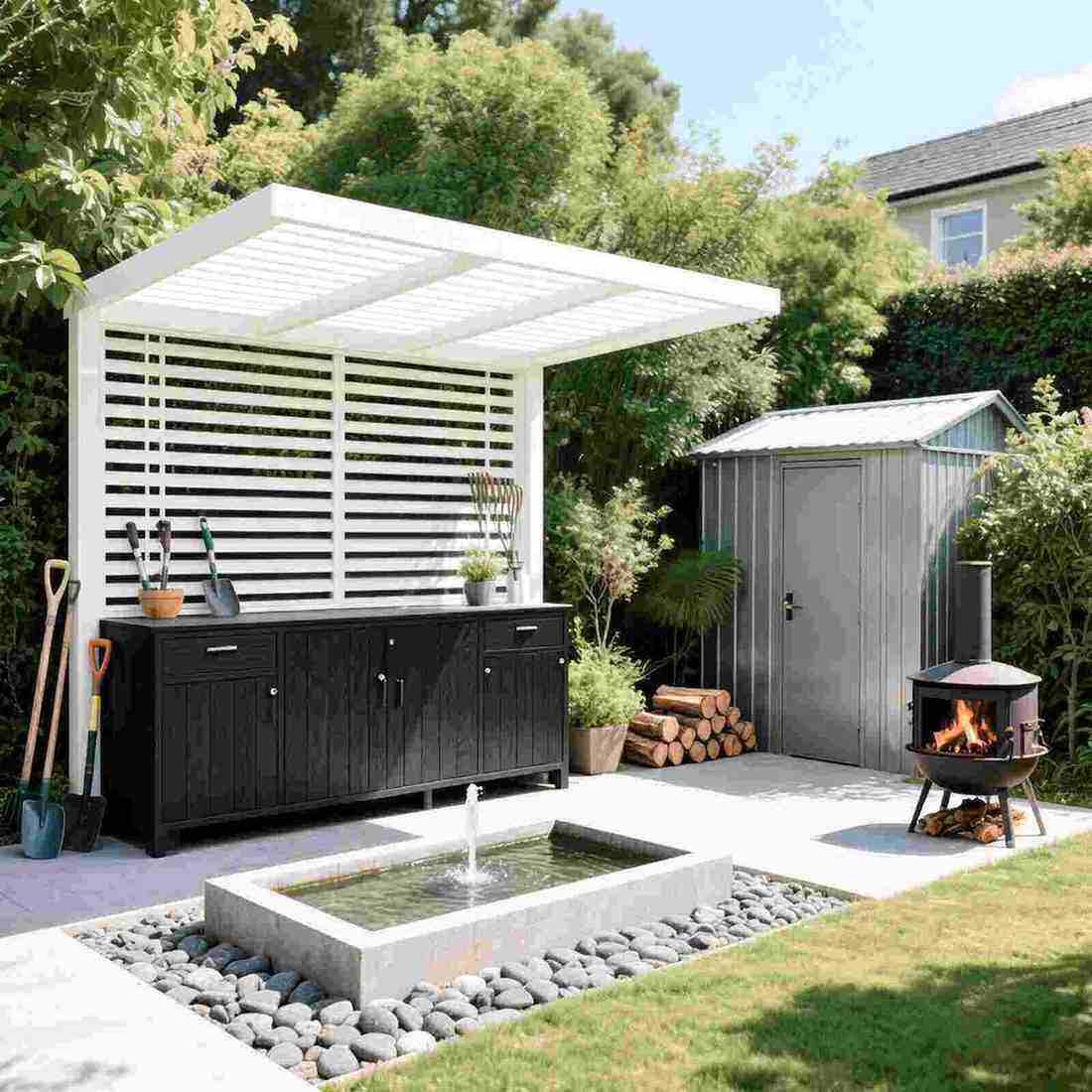
Seemingly inconspicuous home decoration boards can be used to assemble various custom furniture such as cabinets, wardrobes, TV stands, tables, and chairs. Nowadays, the environmental performance of home decoration boards is receiving increasing attention. However, the core material and manufacturing process of each type of board are different, resulting in varying levels of environmental friendliness. Choosing the right home decoration boards ensures peace of mind when moving in.
When customizing furniture, besides appearance and function, the quality and environmental performance of the boards are crucial factors determining the furniture's usability and lifespan. So how can you choose more environmentally friendly boards?
Look inside the "core"
The cores of the same type of board are not all the same.
Currently, the main types of boards on the custom board market are solid wood boards, plywood, and particleboard. Among them, plywood and particleboard are characterized by stable appearance, dimensions, and physical and chemical properties, as well as good processing performance. They are suitable for mass industrial production and are very popular in the custom home furnishing industry.
solid wood boards
Craftsmanship: Made from natural, whole pieces of wood;
Features: Solid wood boards are sturdy and durable, with natural textures, comfortable to the touch, and have a high environmental protection coefficient. However, they have high environmental requirements, are prone to cracking and deformation, and require high-level construction techniques. Moreover, most solid wood boards have a special wood aroma, so they are also quite expensive.
Applications: Most commonly used for solid wood flooring, followed by expensive solid wood wardrobes.
How to choose: Look at the surface. High-quality wood is sliced after several processes such as drying and degreasing, so the surface should not have rot, dead knots, wormholes, cracks, etc.; weigh it. The heavier the board, the denser it is, especially for solid wood flooring; measure the thickness. The thicker the base layer, the stronger the board.
Multi-layer solid wood board
Process: It is made of three or more layers of 1mm thick veneer or thin board glued and hot-pressed together. It is currently the most commonly used material for handmade furniture. Plywood is generally divided into six specifications: 3mm (commonly known as three-ply board), 5mm, 9mm, 12mm, 15mm and 18mm (1mm is 1mm).
Features: High structural strength, comfortable underfoot, easy to maintain, good waterproof performance, easy to install, and good stability. The more layers, the higher the adhesive content; therefore, proper edge sealing is essential during construction to reduce contamination.
Applications: Commonly used in various wood products such as panel wardrobes, background walls, and ceilings; used as the baseboard for decorative panels; also suitable for homes with underfloor heating.
How to choose: Select boards with clear texture, tight splicing, and a base thickness of 0.3-2.0mm; also pay attention to formaldehyde emission and strength; choose boards with clear wood grain, gloss, and smoothness.
Particleboard
Process: Wood or other lignocellulosic materials are crushed into granules, and then bonded together under heat and pressure after applying adhesive.
Features: It has good sound absorption, sound insulation and heat insulation capabilities, strong decorative performance, is not easily deformed by warping, has strong nail holding power, good processing performance, high glue content, easily releases formaldehyde, and has average environmental performance.
Applications: Customized furniture, easily pressed into various shapes, and this type of board has also begun to be widely used in the domestic high-end panel furniture market;
How to choose: The surface should be flat, without hollow areas or delamination; there should be no odor when smelled; check the certificate to see if the formaldehyde content is within the national standard range.
In summary, for those in the south, we recommend multi-layer solid wood boards, which are environmentally friendly, stable, and resistant to moisture; for those in the north, particleboard is a better choice, as it is more stable and durable.
Check the edge banding
Edge banding can affect the service life of the board.
Edge banding is a crucial step for custom-made panels. The quality of edge banding directly affects not only the lifespan and environmental performance of the cabinet, but also its overall texture and aesthetics.
There are generally two types of edge banding methods for panel furniture: hot melt edge banding and laser edge banding, with laser edge banding being the most environmentally friendly method.
When selecting boards, carefully observe the edge banding quality to determine its quality. Good edge banding typically features: straight and smooth edges, vibrant and pure colors, clear textures, good feel, full coating with a three-dimensional effect, no scratches, and distinct edges and lines in the grooved design. If the board has white edges and black lines at the edge banding, it indicates that it was produced by a hot-melt edge banding machine; the thicker the black lines, the worse the edge banding process.
When purchasing products, it is advisable to avoid those produced by small workshops and instead choose brands with large-scale, mechanized, and automated production.
Read the report
The board material must be able to provide international certification.
After the surface finish is applied, it becomes difficult to discern the quality of the boards. Therefore, when purchasing, you should check the board's inspection report.
The cost of adhesives and waterproofing agents in boards accounts for a large part of the overall cost. If poor-quality adhesives are used, the environmental performance may not meet the national environmental protection standards. If the use of waterproofing agents is reduced, the boards are prone to moisture absorption and expansion.
In terms of raw material selection, all raw materials from Waterborne Science & Technology must meet the specified lifespan and comply with sustainable development requirements before they can be used as furniture materials.
Waterborne Science & Technology Co., Ltd. relies on its core technology of waterborne polymers to independently develop the patented technology of third-generation waterborne polyurethane formaldehyde-free adhesive. This technology is applied to the production of plywood, blockboard, ecological board, wood flooring, particleboard, high-polymer KT board and other products. The performance meets the quality standards of formaldehyde-free boards and flooring, and the environmental protection level is far higher than the national standards. It fully complies with the national standards for green boards and meets the new national standard ENF, European E0, Japanese F4 star and US CARB formaldehyde limits, meeting the requirements for export boards. It can provide the board industry with waterborne polyurethane formaldehyde-free adhesive products and professional technical guidance services.
Of course, "environmentally friendly materials" and "formaldehyde-free" alone are not enough to judge the overall environmental performance of a product. In order to fully protect the health of consumers, the formaldehyde emission of water-based Ketech boards, surface wear resistance, surface crack resistance, surface scratch resistance, light fastness and other performance tests all meet or exceed national standards, which shows that they are healthy, environmentally friendly and durable, and can provide customers with a safe home experience.