
 USD
USD GBP
GBP
 EUR
EUR
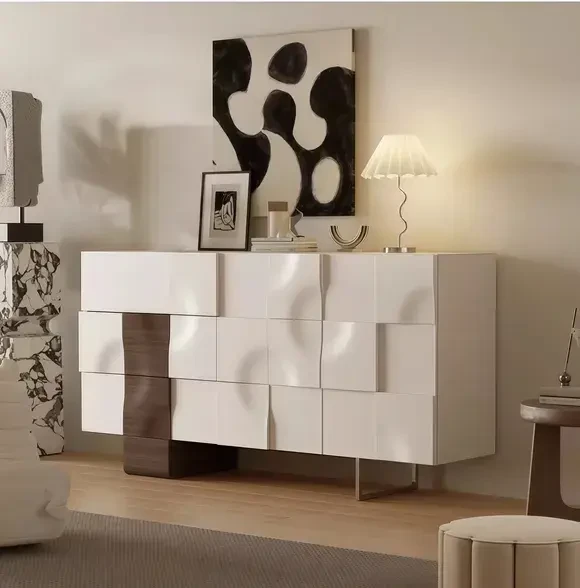
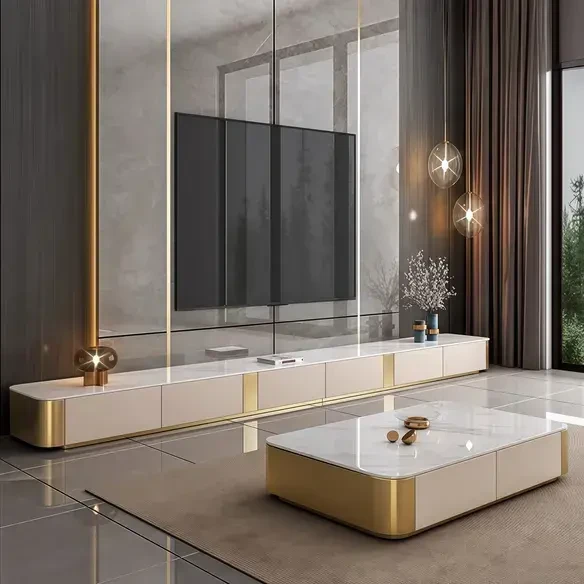
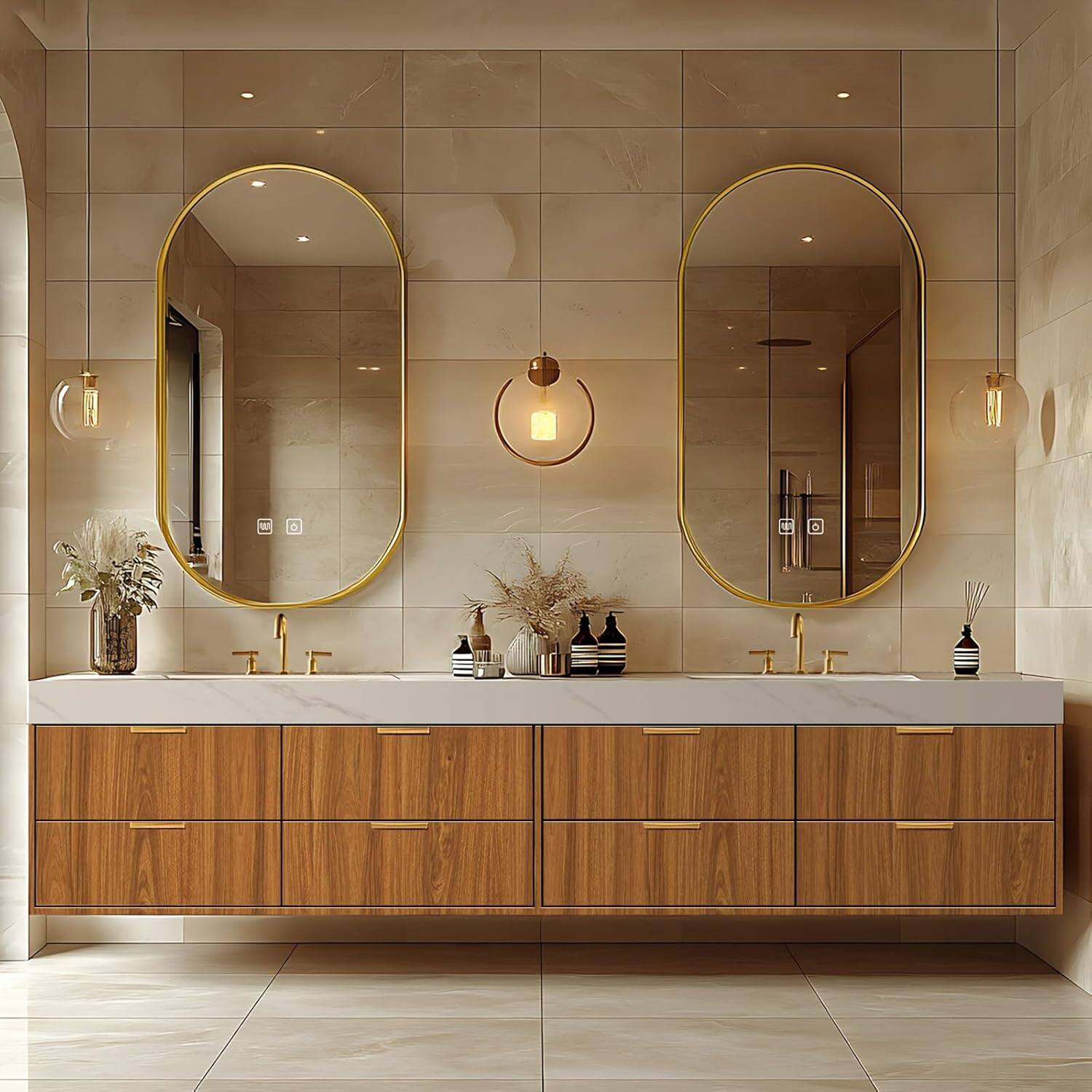
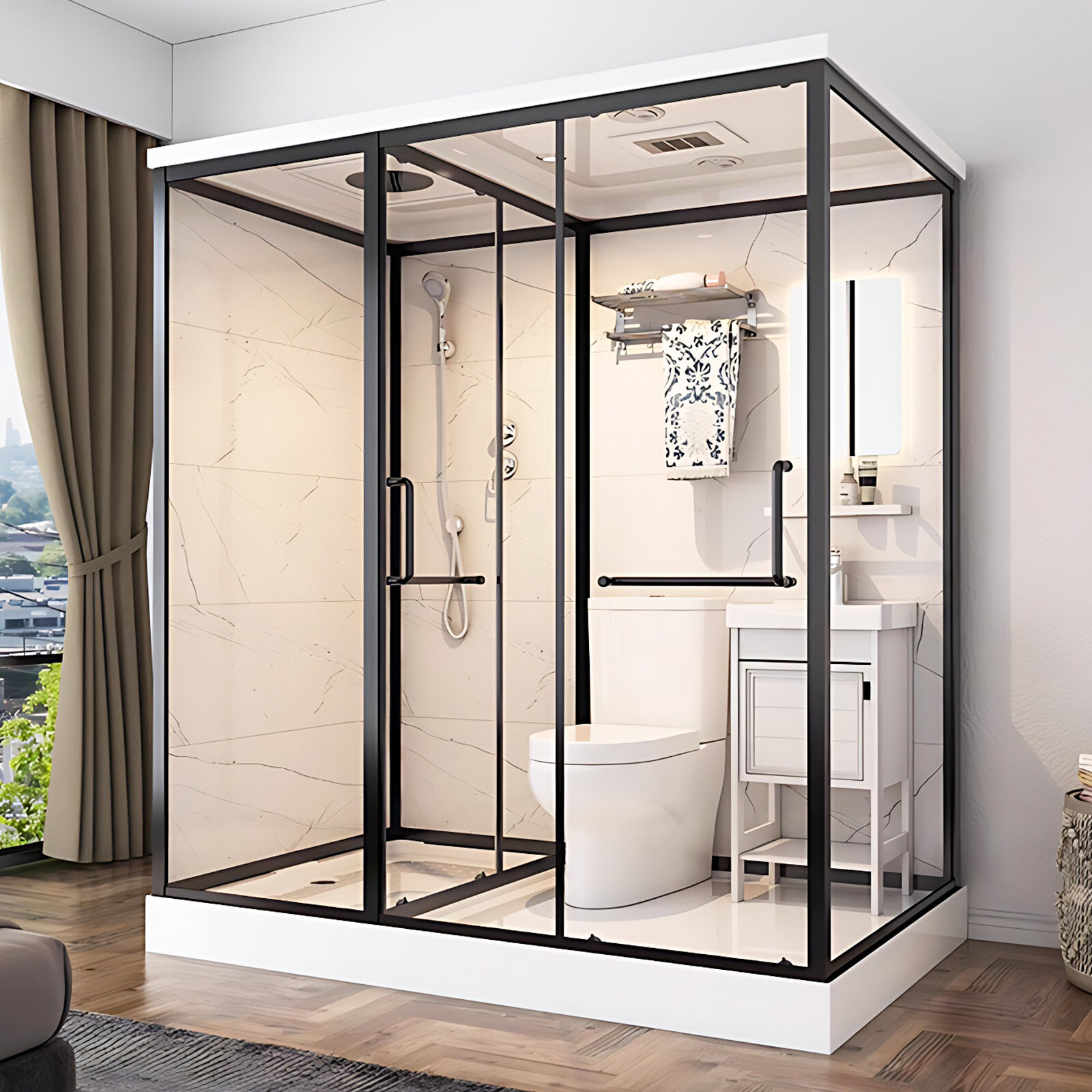
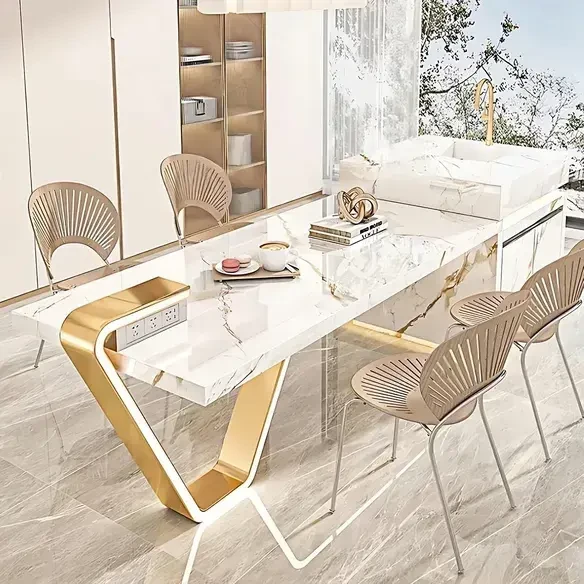
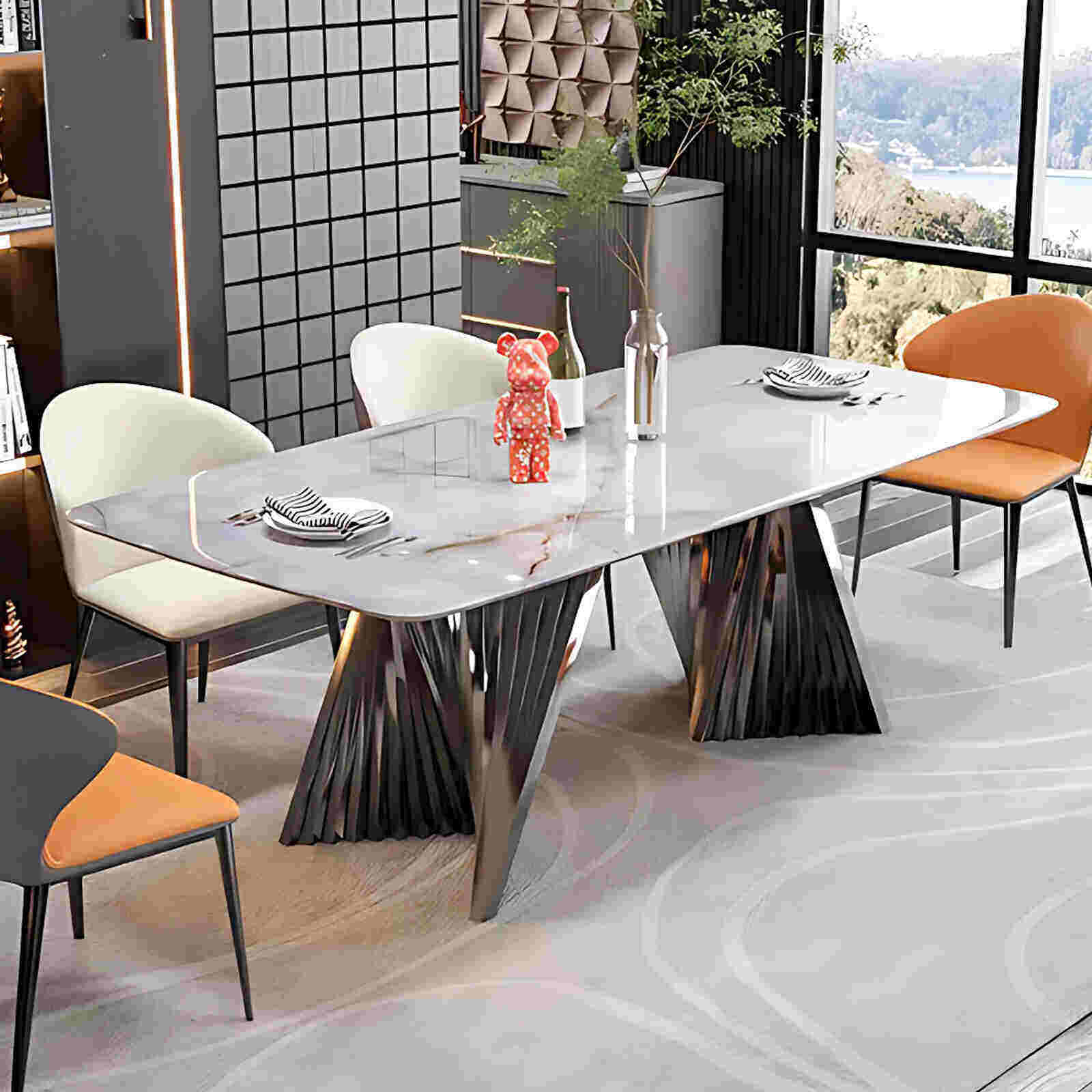
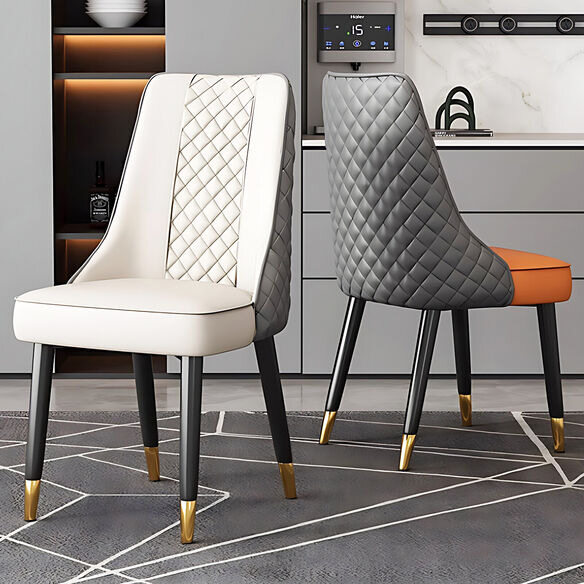
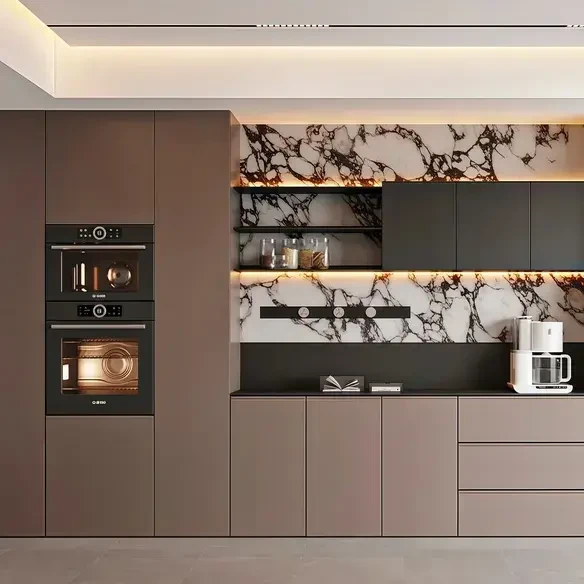
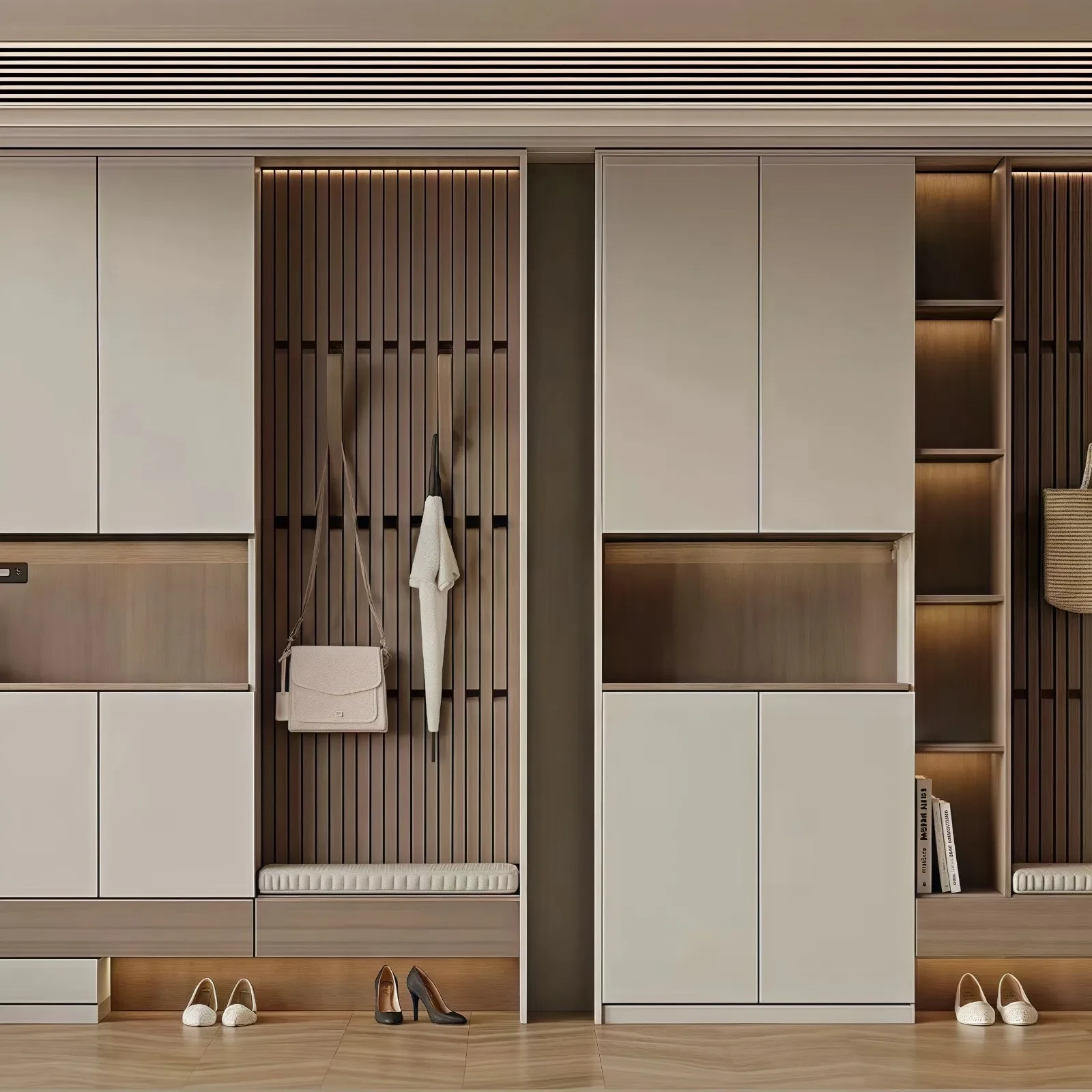
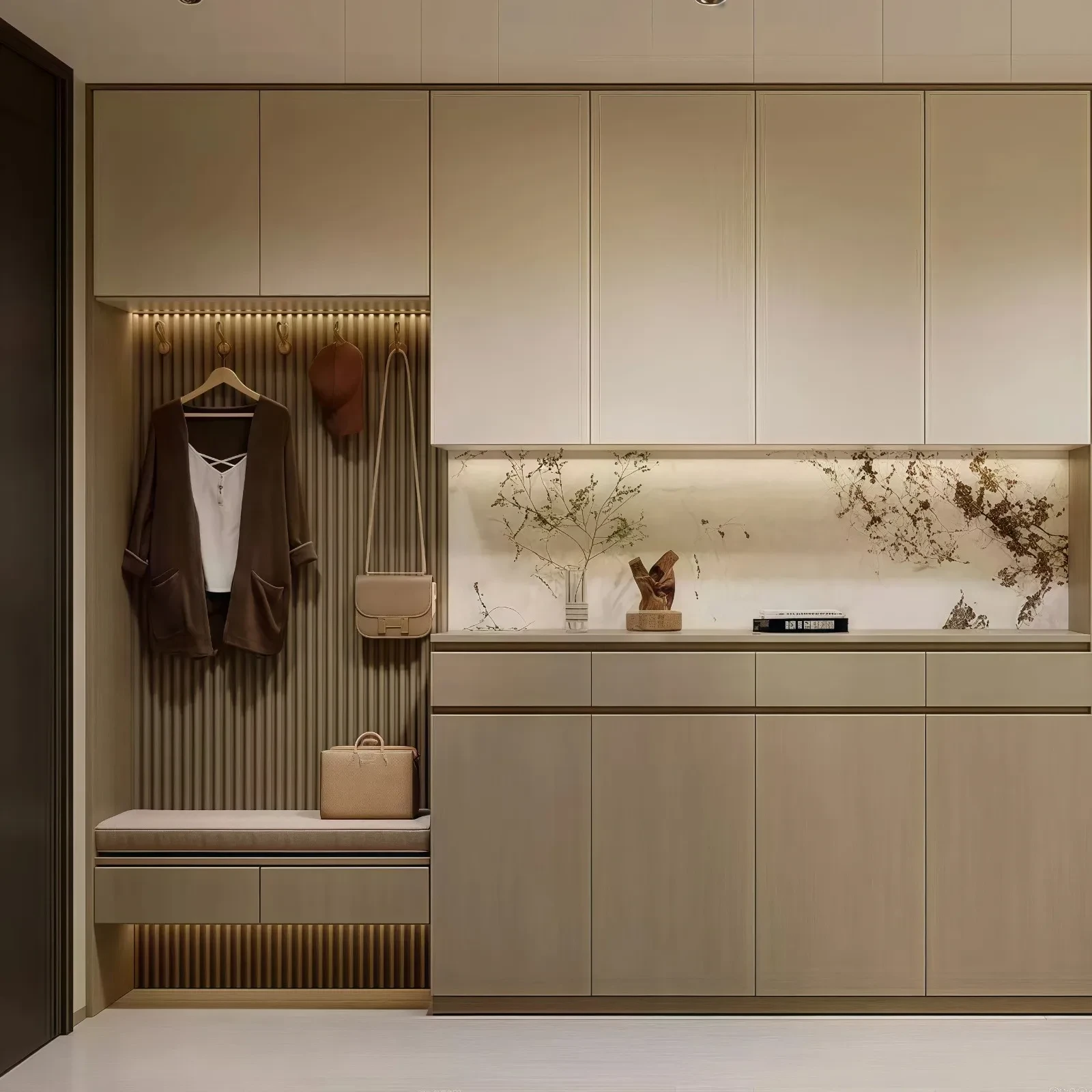
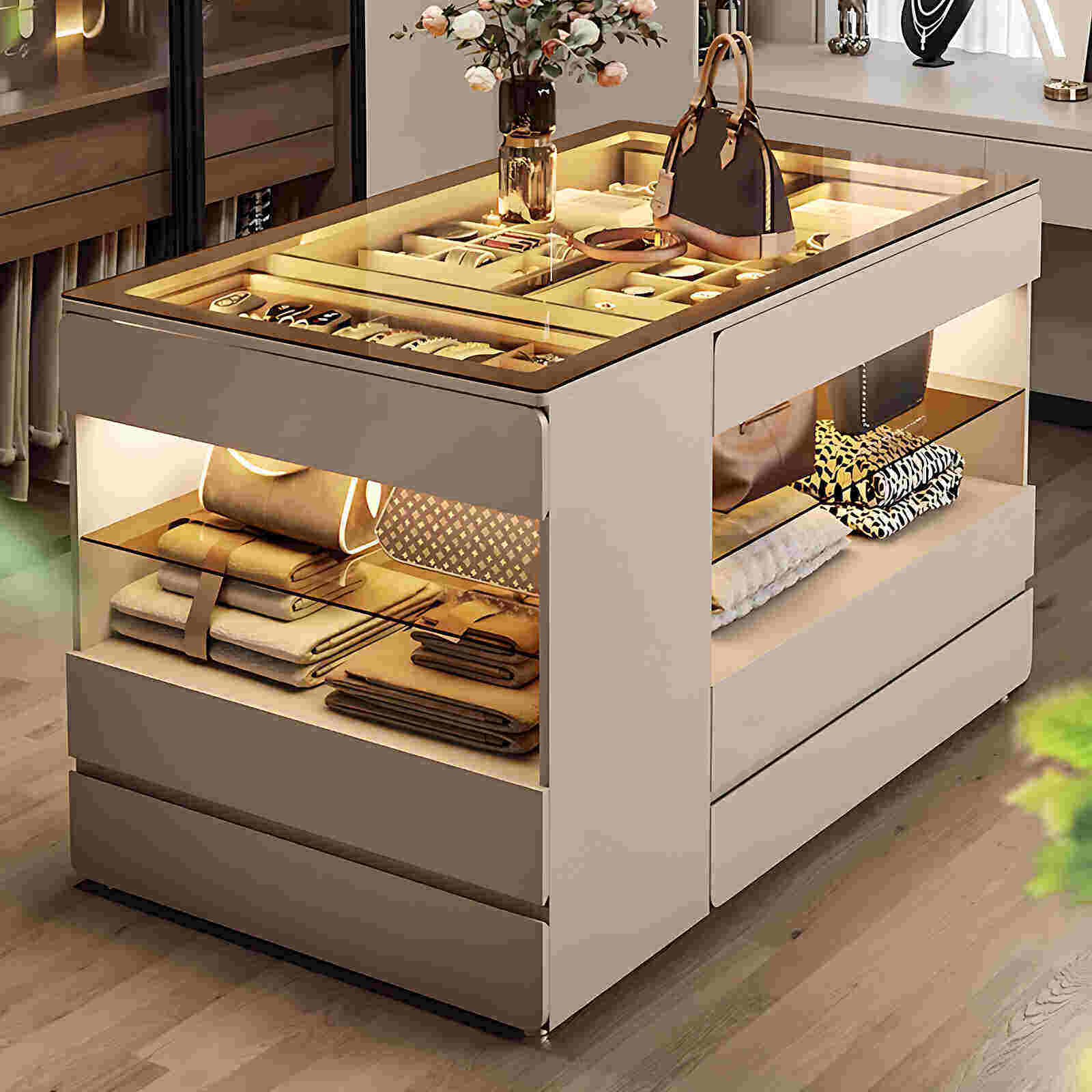
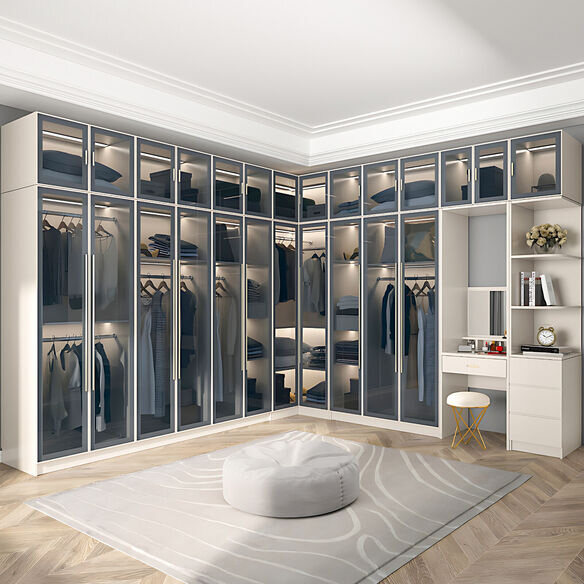
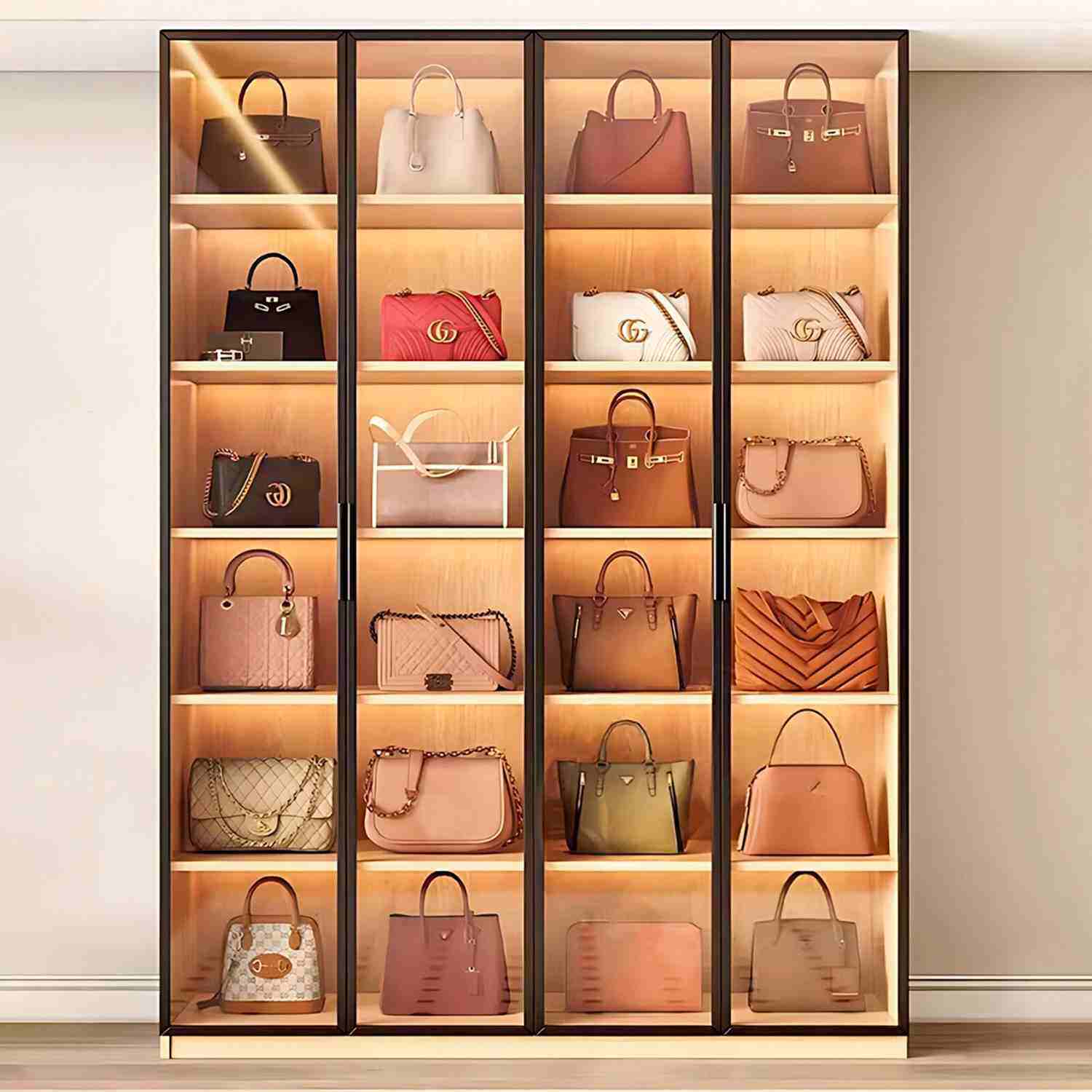
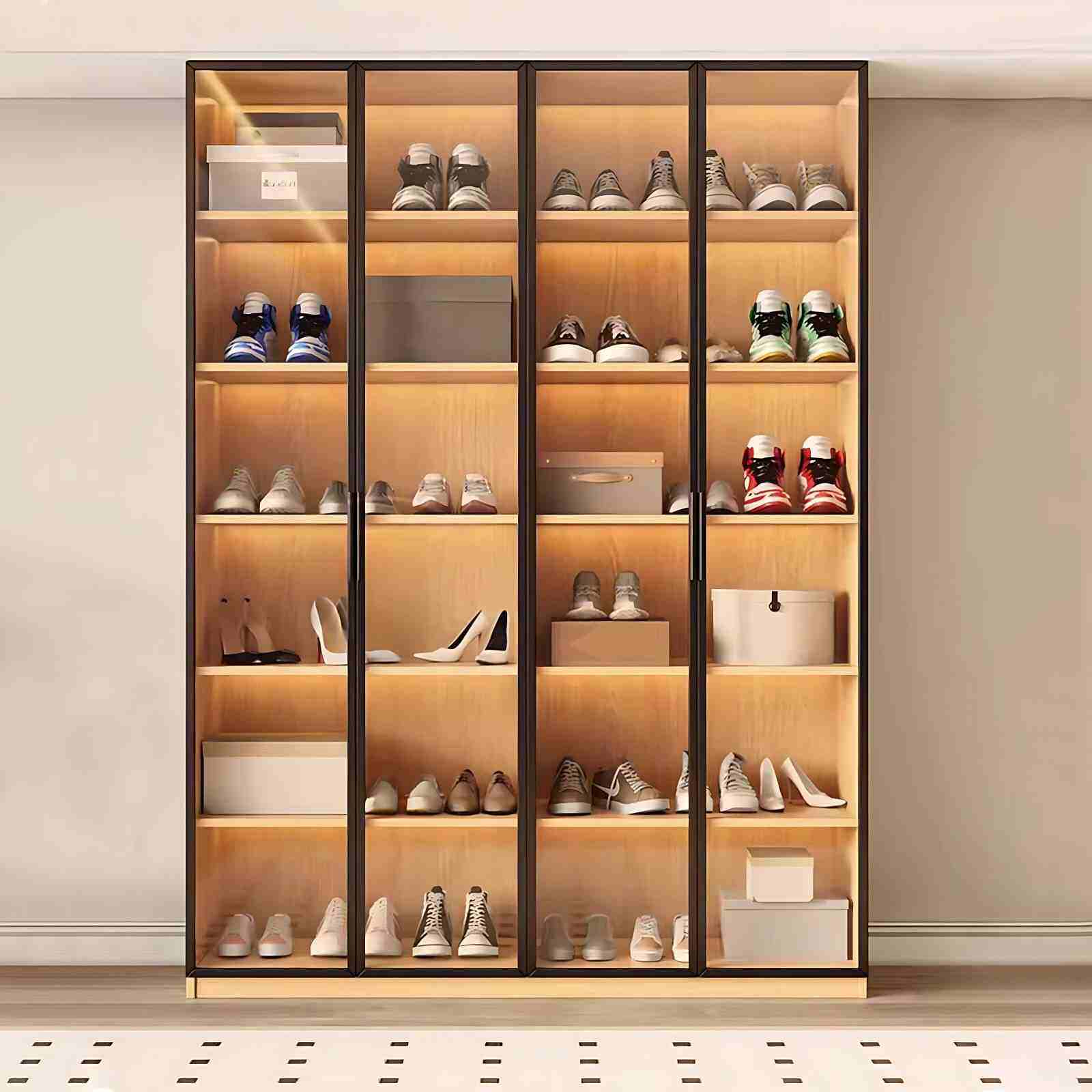
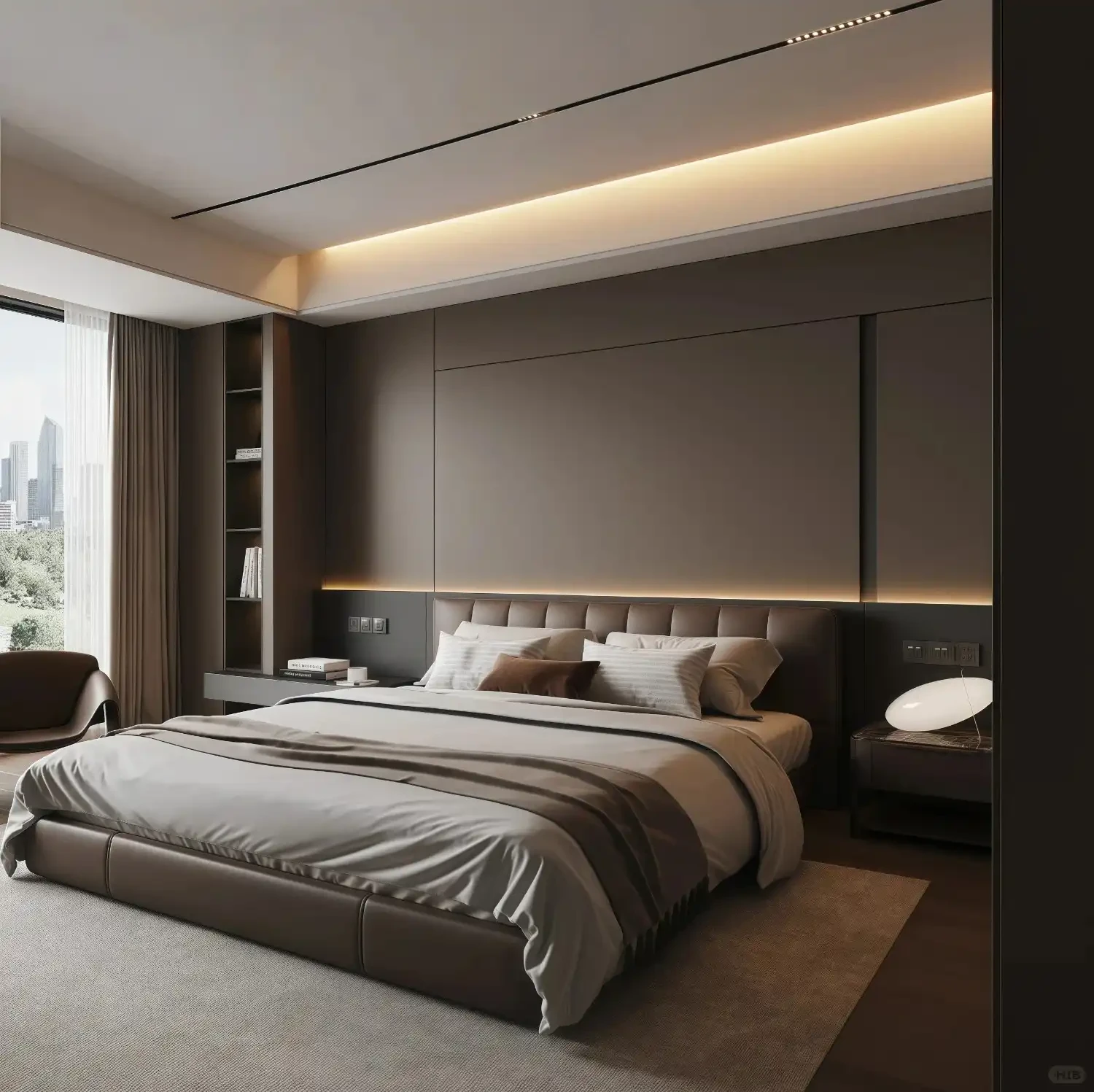
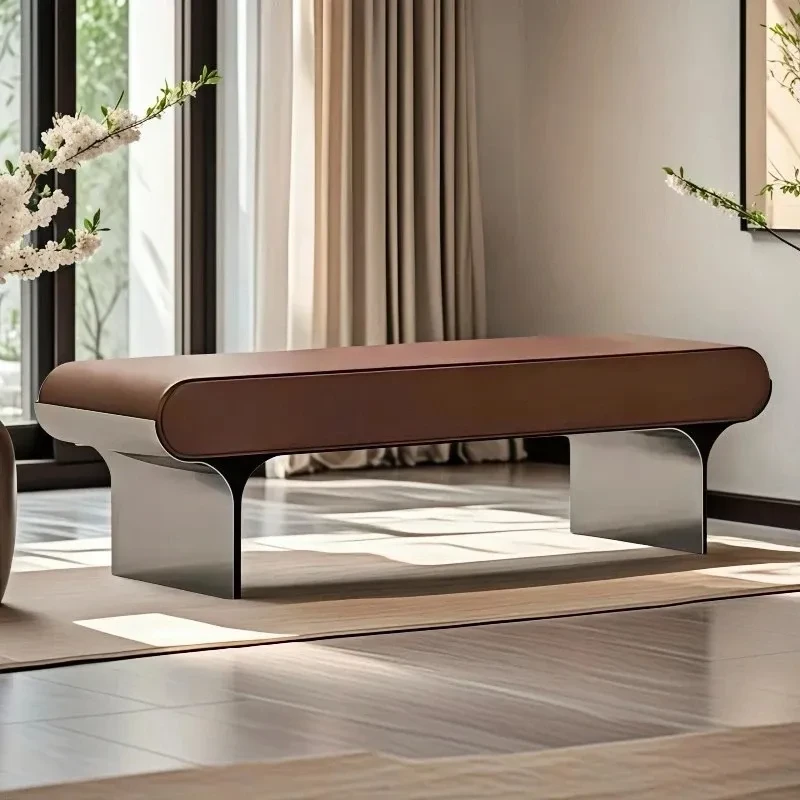
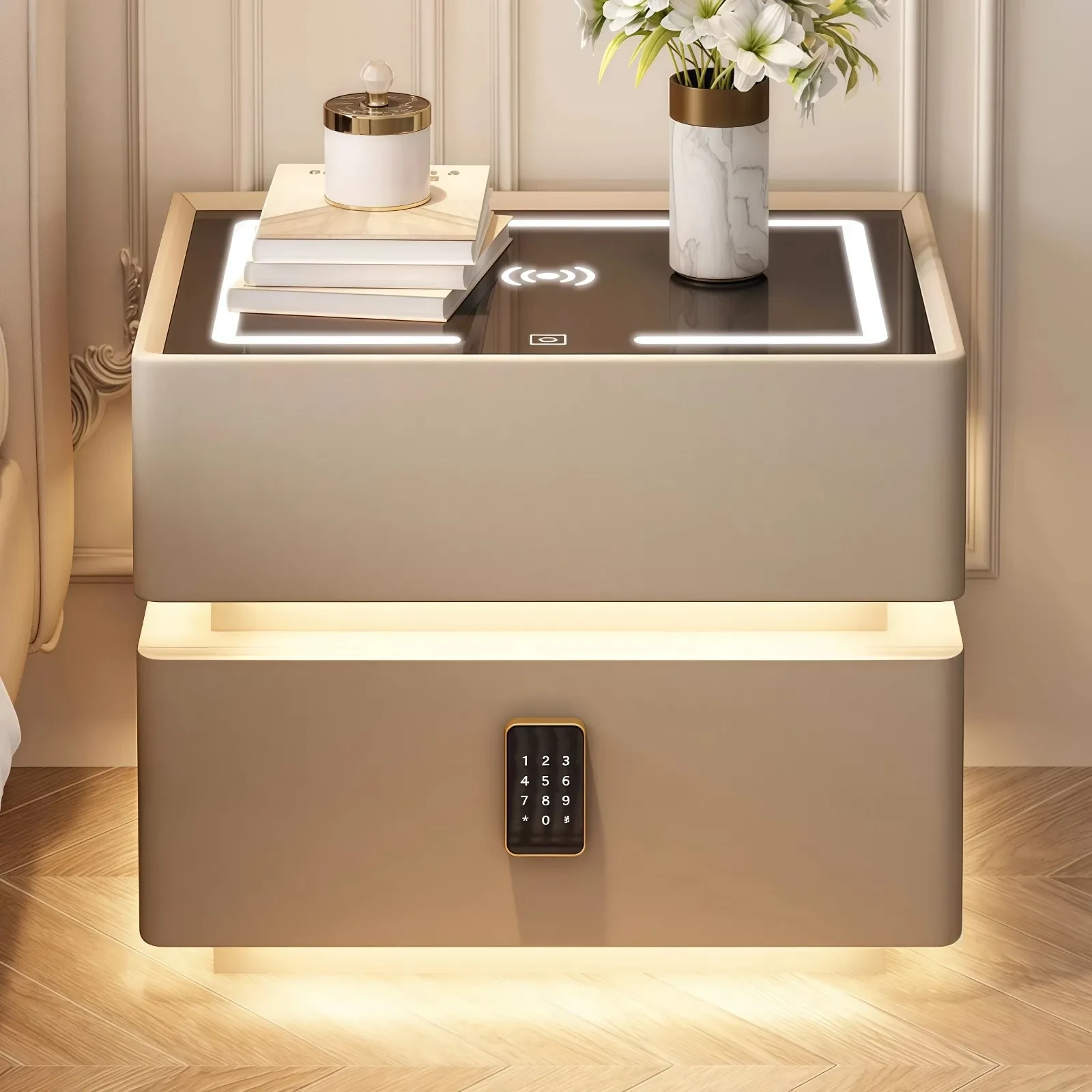
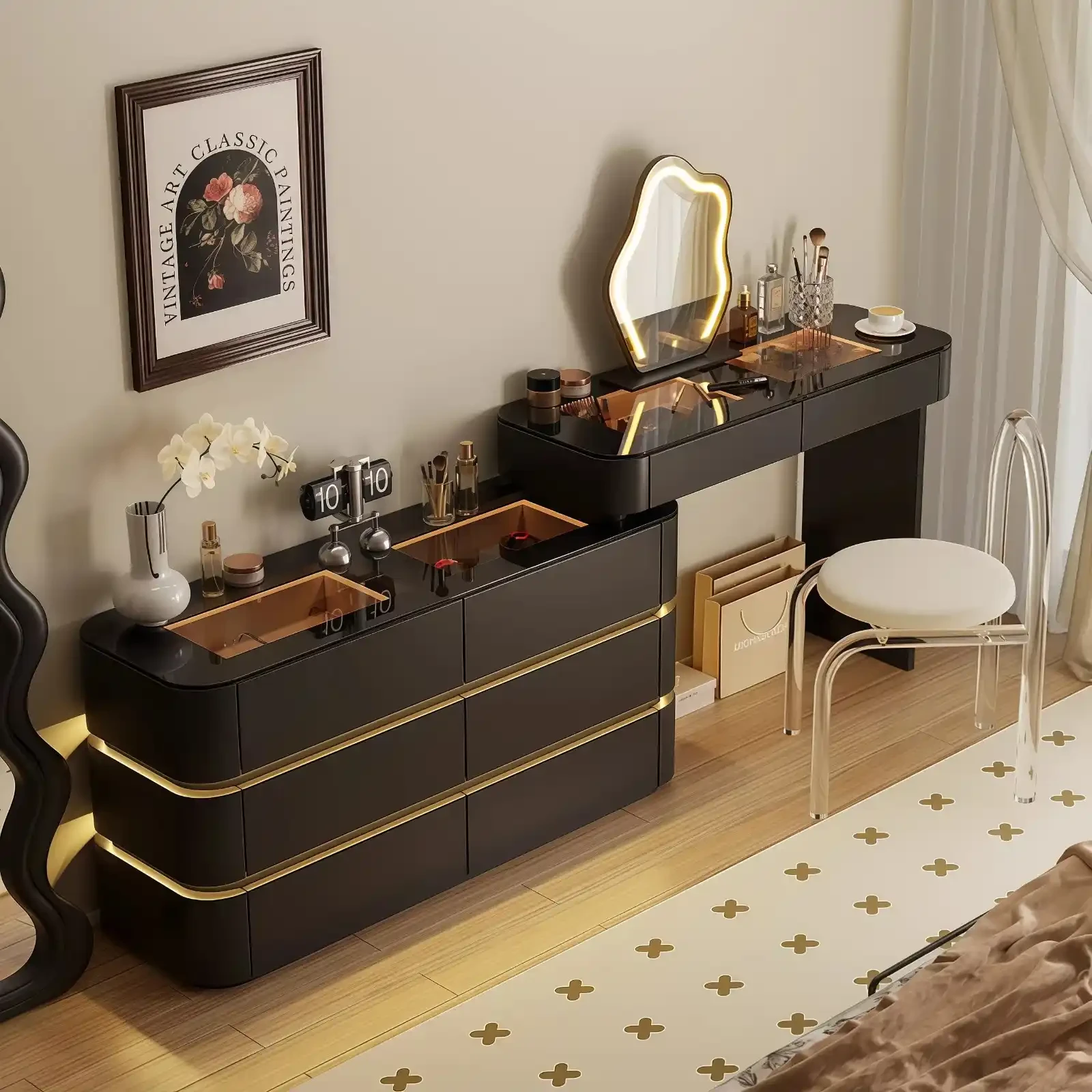
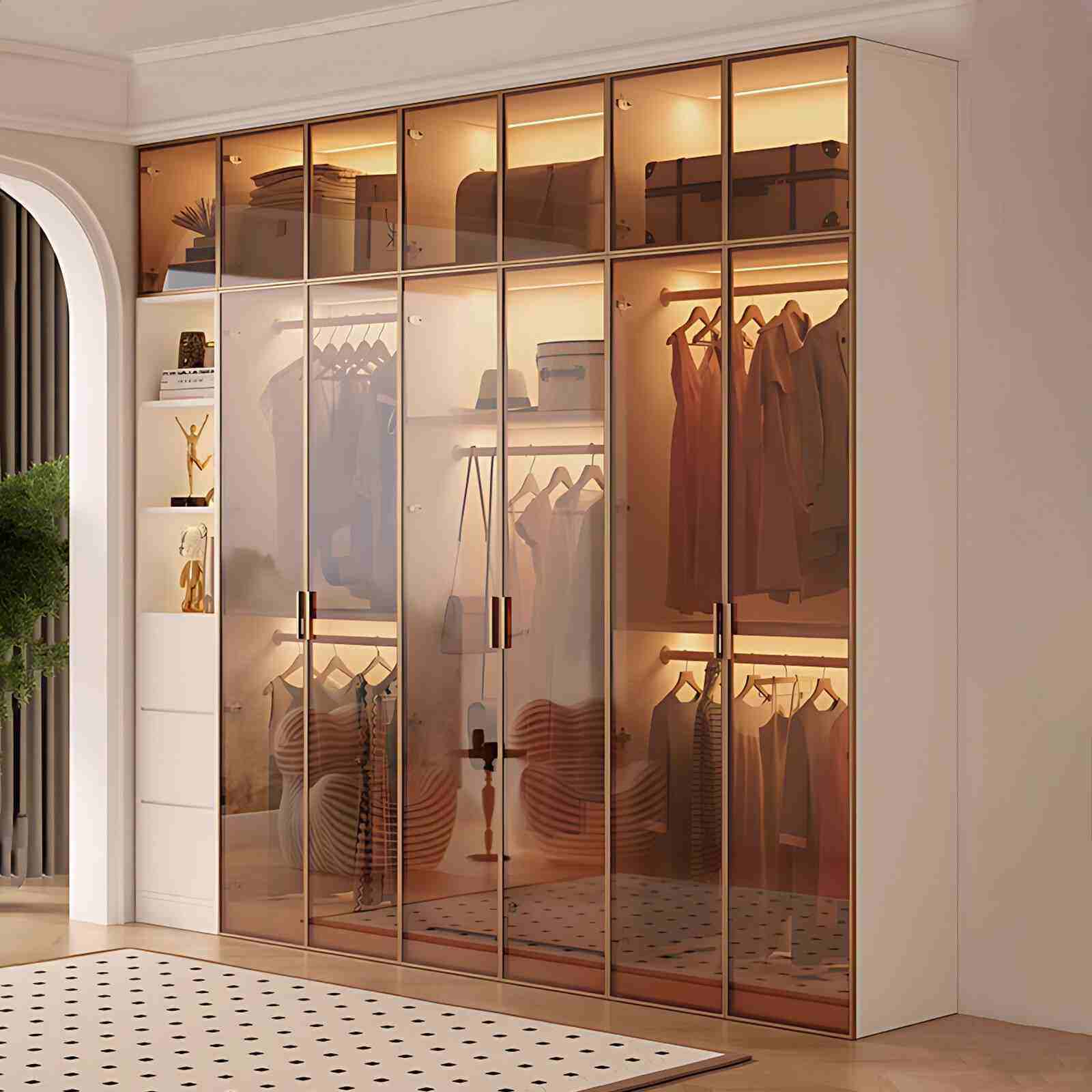
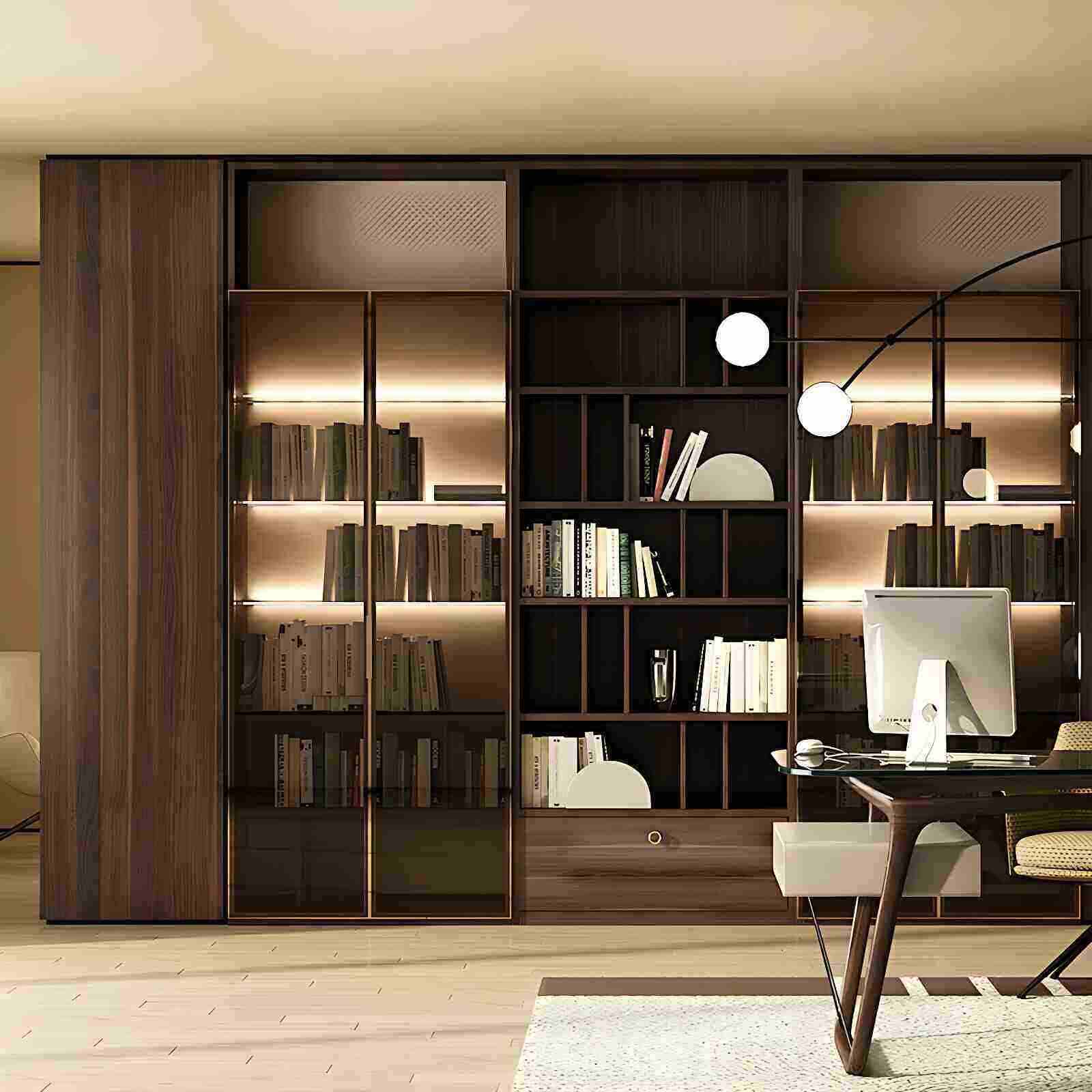
One of the most important parts of home decoration is furniture making, and the most crucial issue to address when making furniture is choosing the right materials : particleboard or plywood? Let's take a look!
01. Examine the raw materials
From the perspective of raw materials, plywood uses rotary-cut veneers from large-diameter timber, meaning its raw materials are closest to solid wood, making it easier to control the quality of the finished product. Particleboard, on the other hand, uses scraps, sawdust, residues, and even materials mixed with waste cardboard boxes, broken old doors and windows, and old flooring. The raw materials are difficult to control, resulting in inconsistent quality of the finished product.
02. Examine the physical properties
In terms of physical properties, multi-layer boards, made by laying veneers horizontally and vertically under pressure, exhibit excellent physical properties due to the uniform stress distribution. Furthermore, the internal shrinkage expansion coefficient of multi-layer boards after high-temperature hot pressing is very small, resulting in minimal deformation and cracking, thus increasing product quality stability. Particleboard, however, lacks these performance advantages due to its structural design.
03. Examine the processing technology
Because multi-layer boards have stable physical properties and are easy to process, they can be quickly processed using specialized machinery in furniture making. They can also be worked on by individual carpenters using either hand saws or precision saws, without issues like chipping or cracking. Particleboard, on the other hand, due to its unstable properties, generally requires large-scale equipment from large manufacturers for processing.
04. Check the nail-holding power
In terms of nail-holding power, the two are fundamentally different. The nail-holding power of a board depends primarily on its own physical properties. Due to its unique manufacturing process, plywood maintains its nail-holding power even after repeated disassembly and assembly. Particleboard, on the other hand, generally has inconsistent nail-holding power, and repeated disassembly and assembly can easily lead to loosening of the furniture.
05. Observe market trends
Many people believe that particleboard is the mainstream material in the market, while plywood is only used by small furniture factories. In fact, the opposite is true. Currently, internationally renowned brands use many times more plywood annually and monthly than many domestic particleboard manufacturers. Meanwhile, some domestic brands, when using particleboard, almost exclusively operate domestically and cannot expand internationally.
06. Check the environmental performance.
Multi-layer boards use less glue because they are made by applying glue to layers of veneer under pressure. This results in less glue usage and easier control over environmental aspects. When using formaldehyde-free plant-based glue, the environmental performance of multi-layer boards often exceeds the E0 standard. Particleboard, on the other hand, is a type of chipboard and uses more glue. To reduce costs, cheaper urea-formaldehyde glue is often chosen, resulting in a significant compromise in the environmental friendliness of the finished product, making it difficult to guarantee its environmental friendliness.
[in conclusion]
In conclusion, multi-layer boards are superior to particleboard in all aspects, from processing technology to physical properties, making them a more suitable material for furniture making. Our solid wood multi-layer core eco-board series selects high-quality medium-to-large diameter logs, strictly controls the production process, and uses a new type of environmentally friendly plant-based soybean glue for bonding, ensuring excellent environmental performance. The environmental rating of the boards exceeds the national E0 standard. We also offer over a hundred styles and designs, featuring internationally trendy patterned paper impregnation, with elegant colors and vibrant hues, satisfying the personalized customization needs of a wide range of consumers.