
 USD
USD GBP
GBP
 EUR
EUR
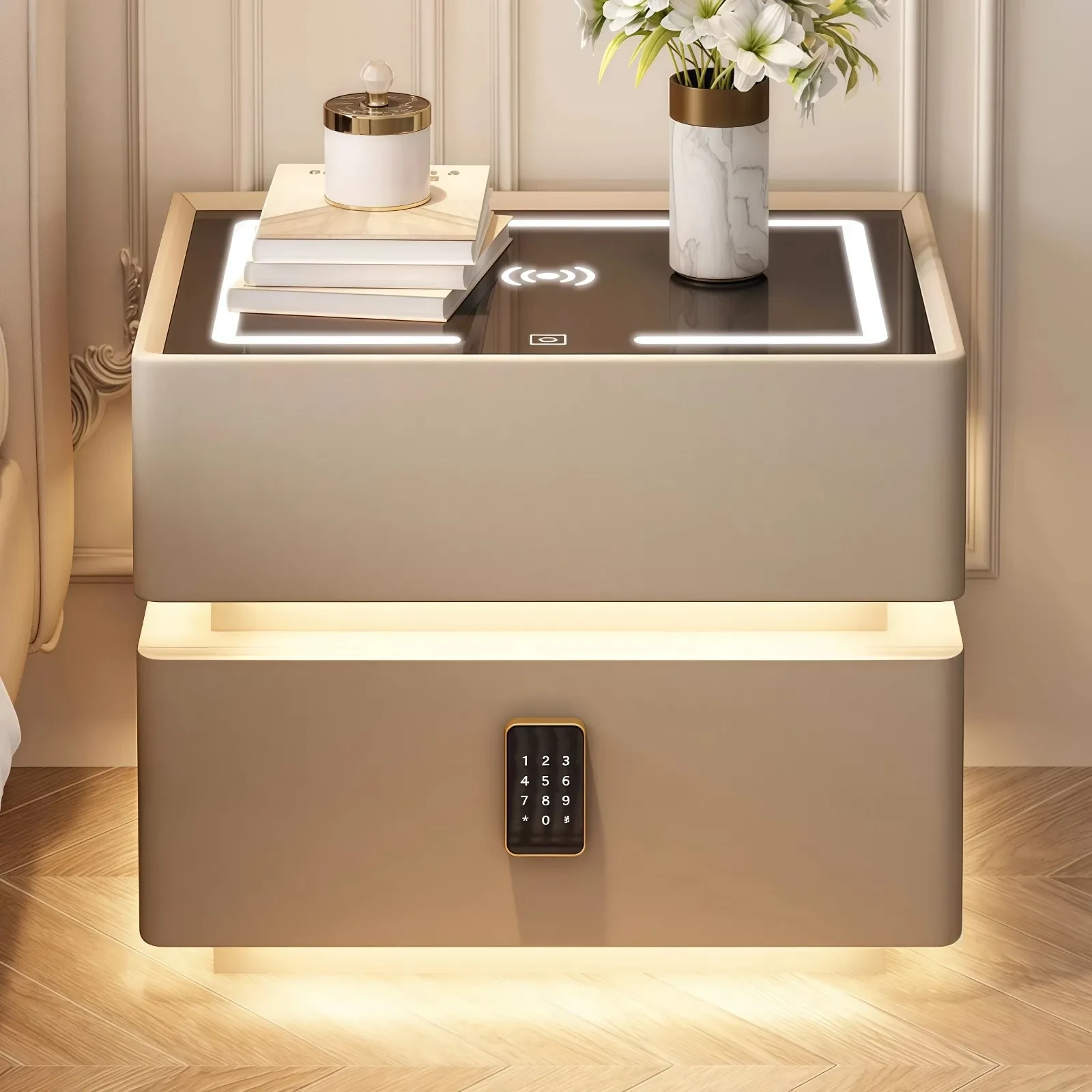
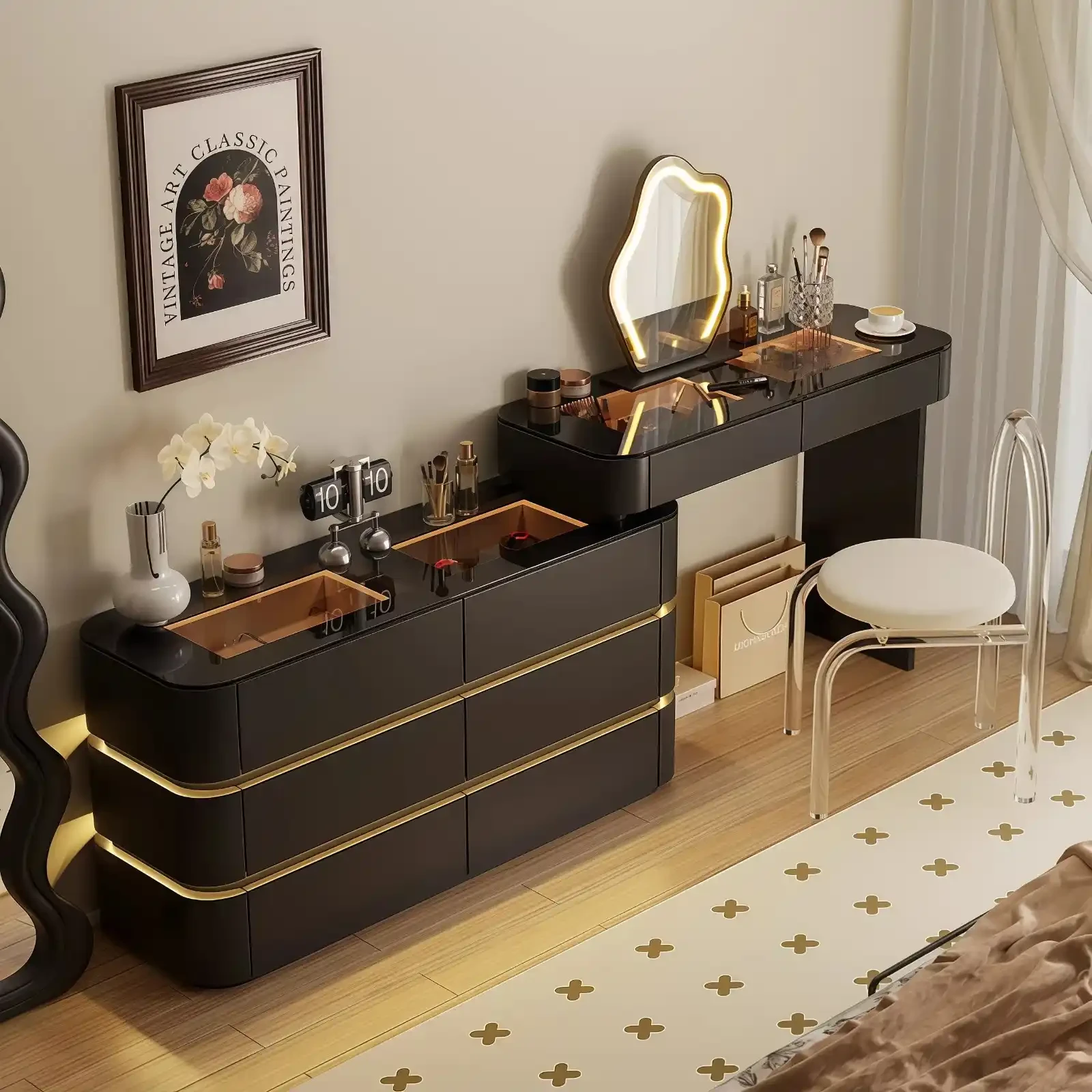
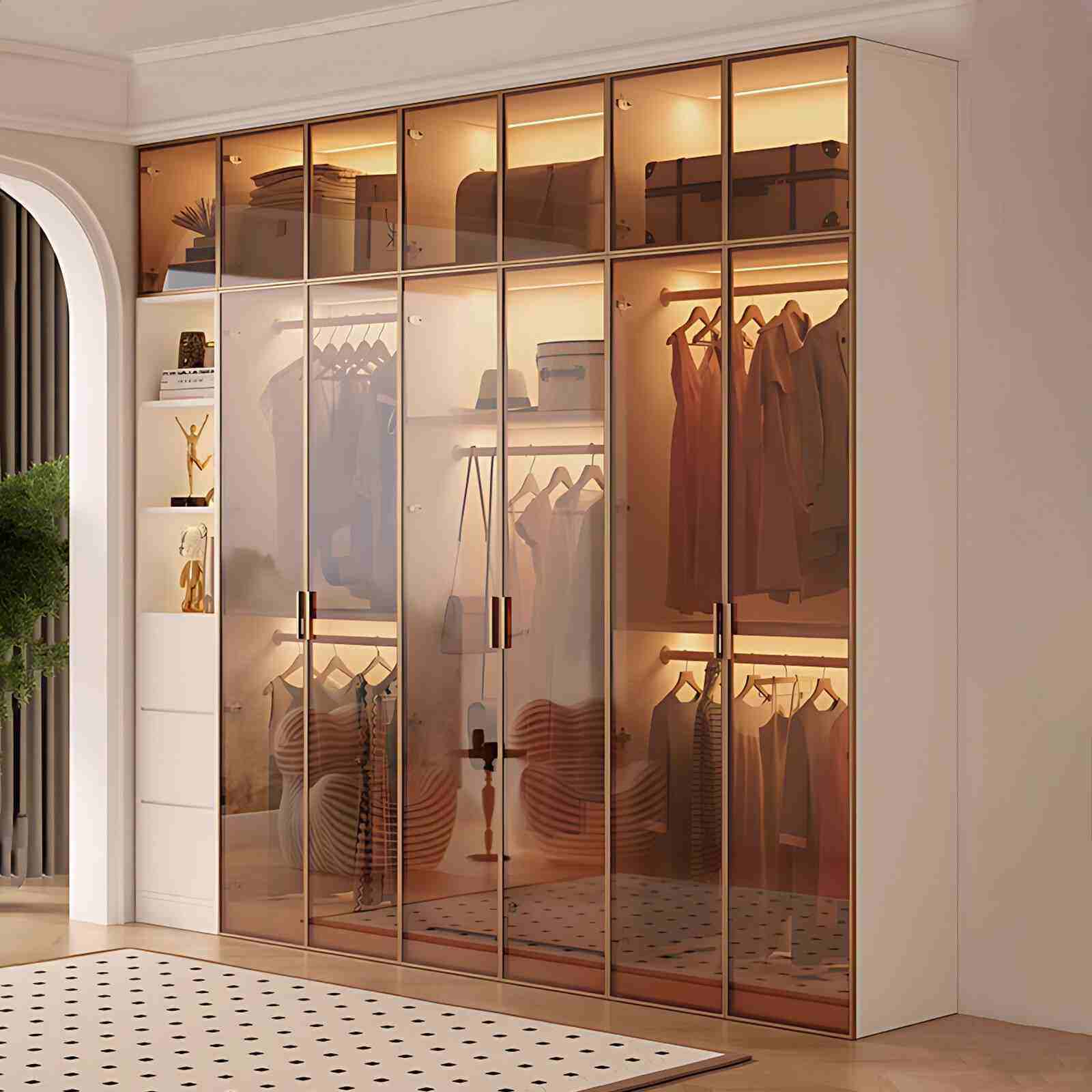
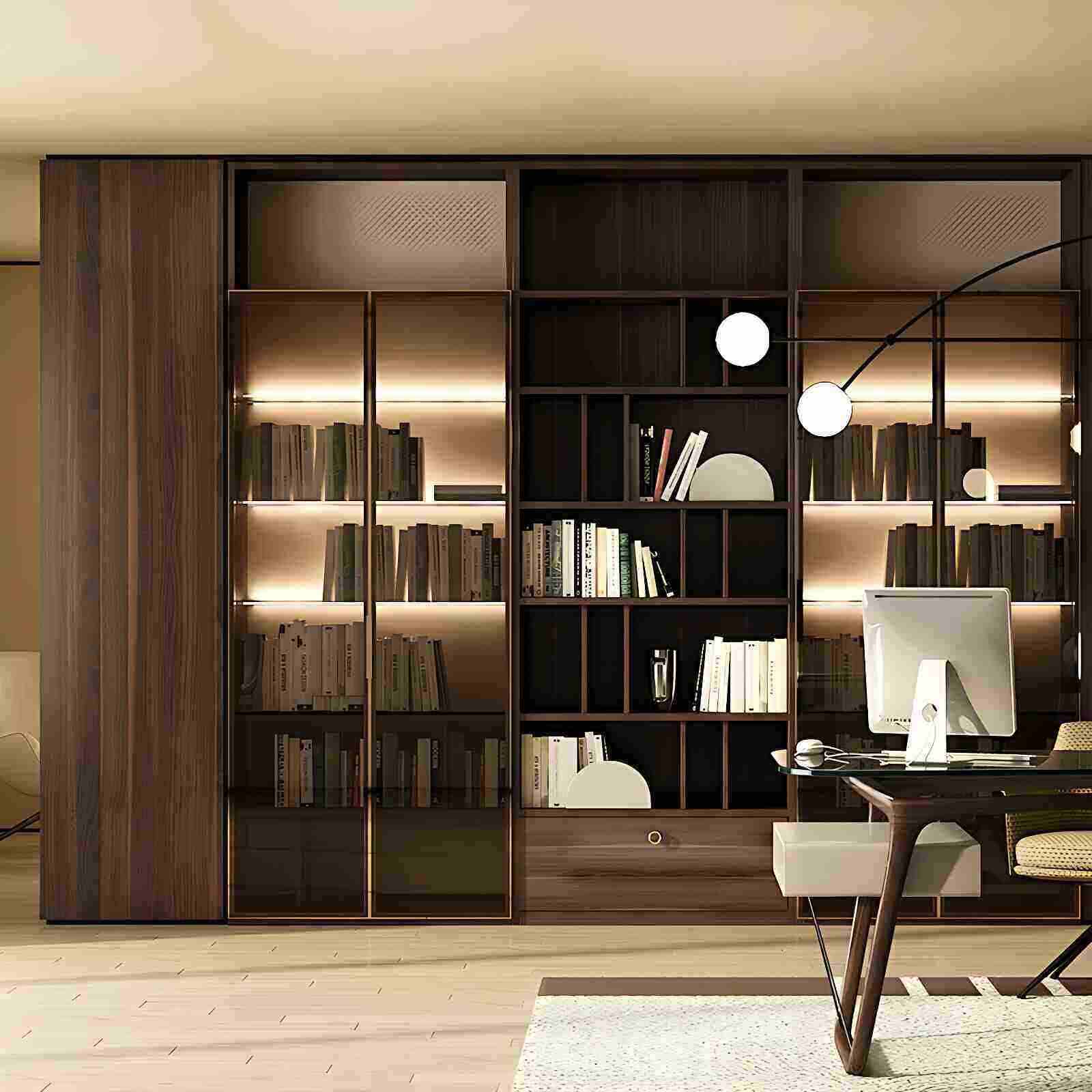

Preface
The market offers a wide variety of names and descriptions for different types of boards, making it difficult to distinguish between them. Below is a list and comparison for you. Remember to like and save this post!
Fiberboard
plywood
Three-particleboard
Four-layer plywood
01\ Fiberboard
Also known as MDF or medium-density fiberboard, it is a type of board made from pressed wood fibers. Medium-density fiberboard is the most commonly used type on the market. Its advantages include affordability and a smooth, flat surface, but it has poor moisture resistance and nail-holding power, lower strength, and a higher formaldehyde content due to the large amount of glue used in its manufacturing process.
02\ Plywood
Also known as multi-layer board or laminated board, plywood, commonly referred to as three-ply or five-ply board, is a type of plywood. Plywood is a board made by gluing together veneers or thin sheets of wood with adhesives. The number of veneers is usually odd. The advantages of plywood are high strength, strong bending resistance, relatively less glue used, and relatively low formaldehyde content. However, its surface finish is not smooth, making it unsuitable for single-sided applications such as cabinet and wardrobe panels.
03\ Particleboard
Also known as particleboard, it is a type of engineered wood product made by pressing wood chips through a series of processes. Commonly seen on the market, OSB, OSB, and LSB boards are also particleboard. Particleboard has good sound absorption and insulation properties, and can effectively insulate and absorb sound, but its structure is relatively loose, making it prone to deformation and cracking, and its formaldehyde content is also relatively high.
04\ Plywood
Also known in the market as blockboard. Blockboard refers to engineered wood panels made by splicing wood strips together, covering both sides with plywood, and pressing them together with glue. Blockboard has good screw holding power, high strength, and relatively low formaldehyde content, but its vertical bending strength is low and its surface is relatively rough.
If you'd like to learn about other types of boards and other easily confused concepts, leave a comment below. Like and follow for more information on home decoration boards!