
 USD
USD GBP
GBP
 EUR
EUR
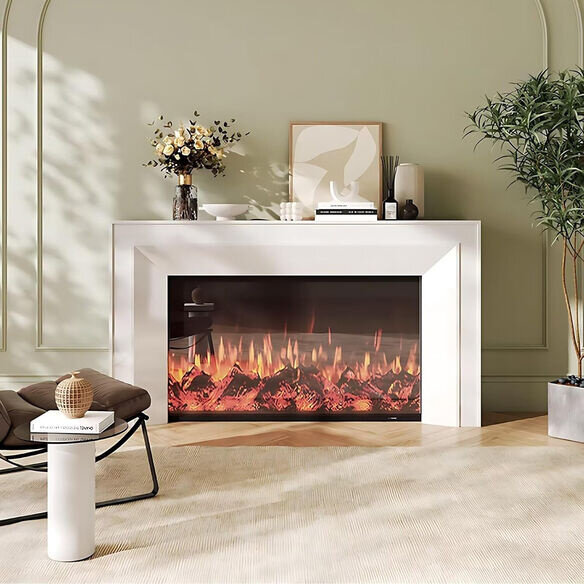
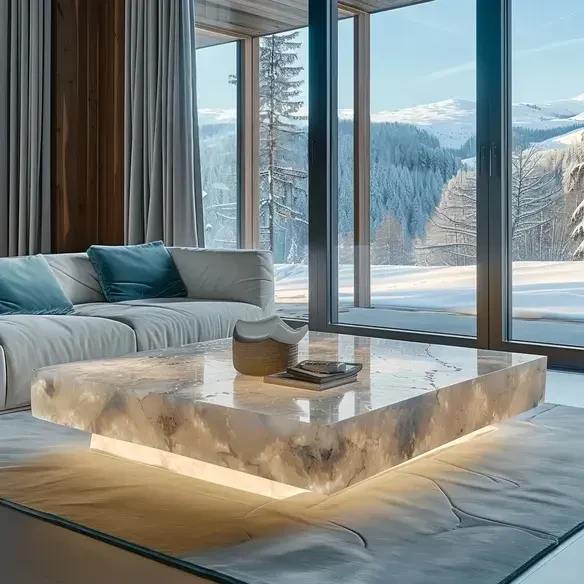
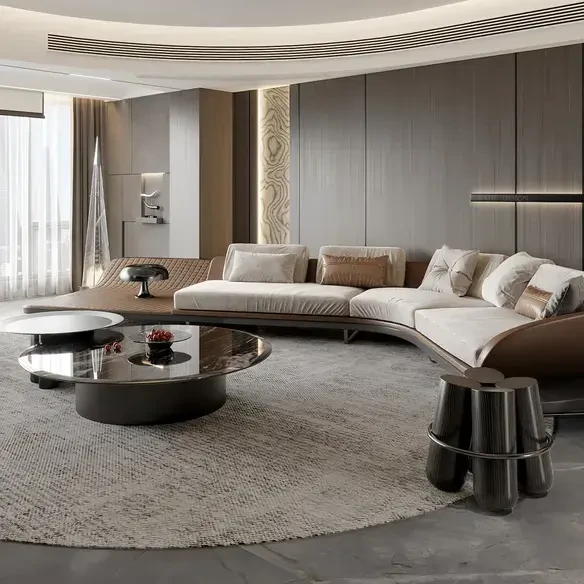
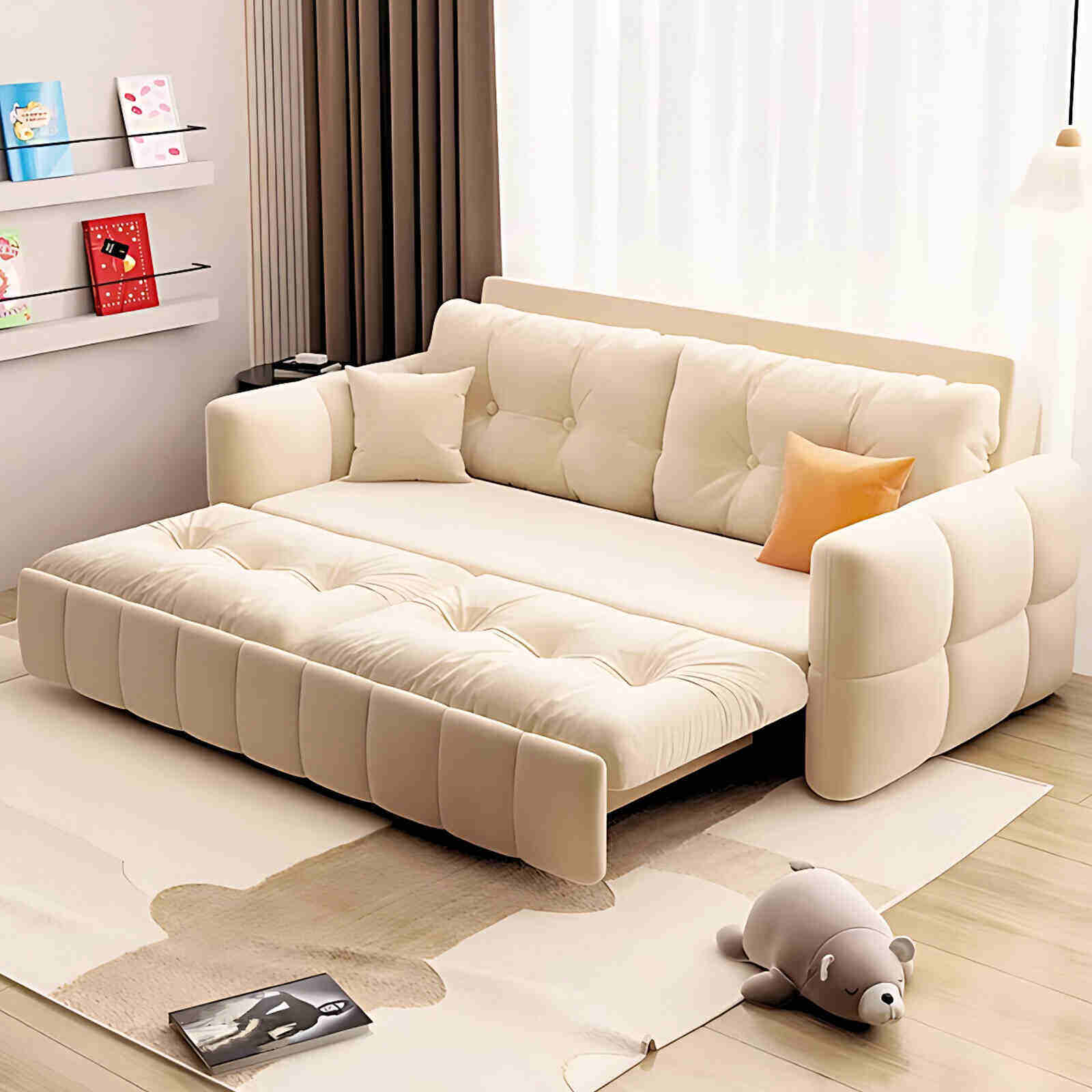
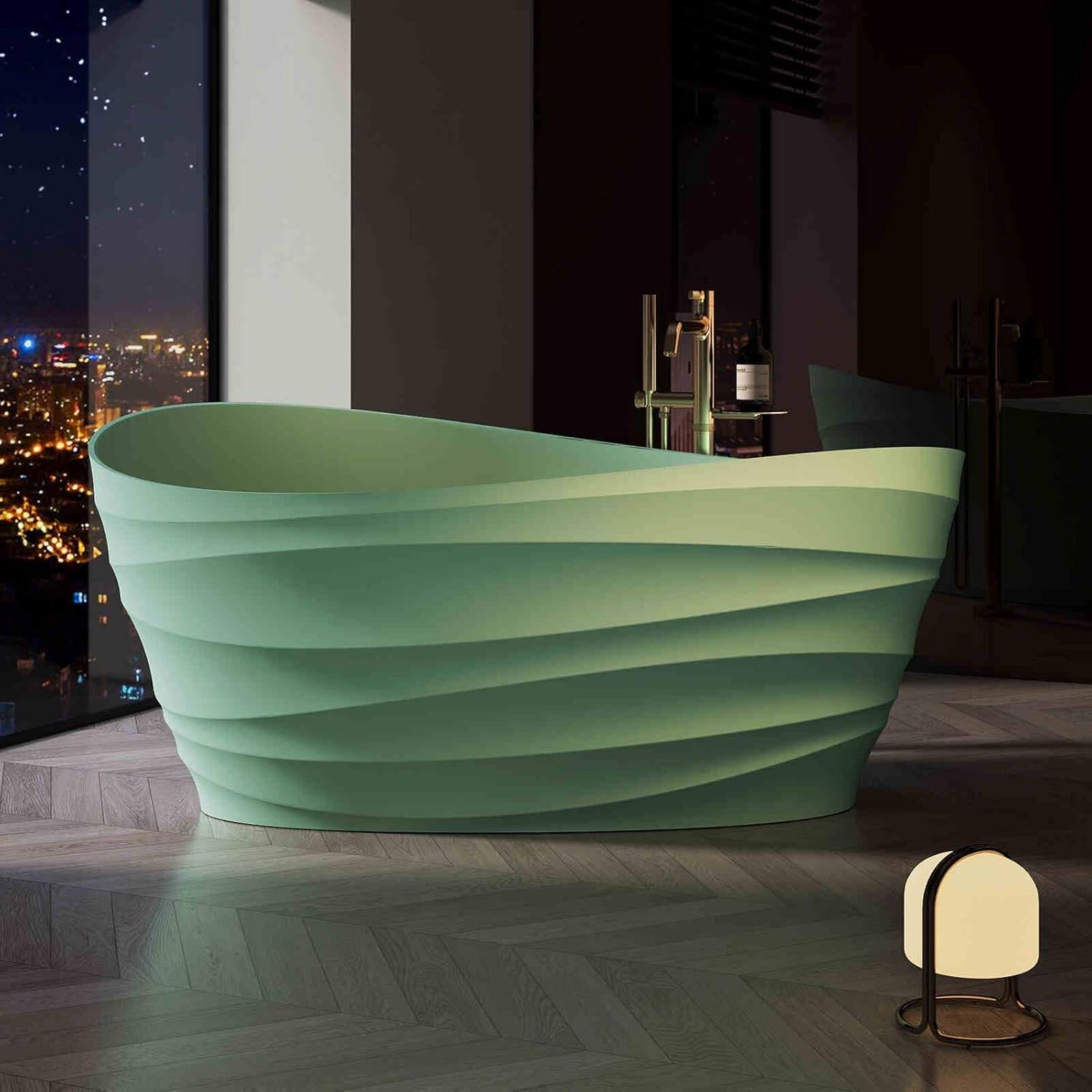
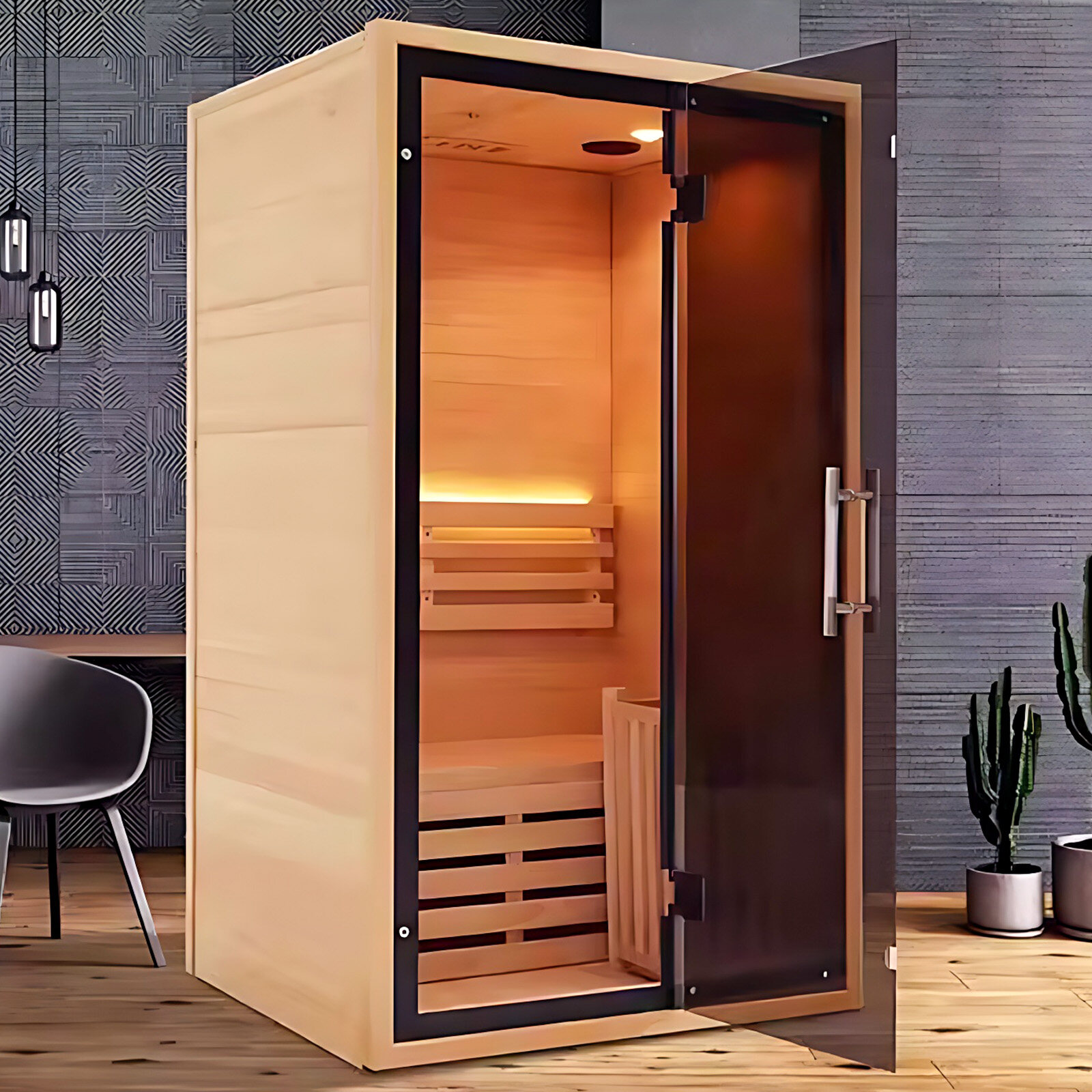
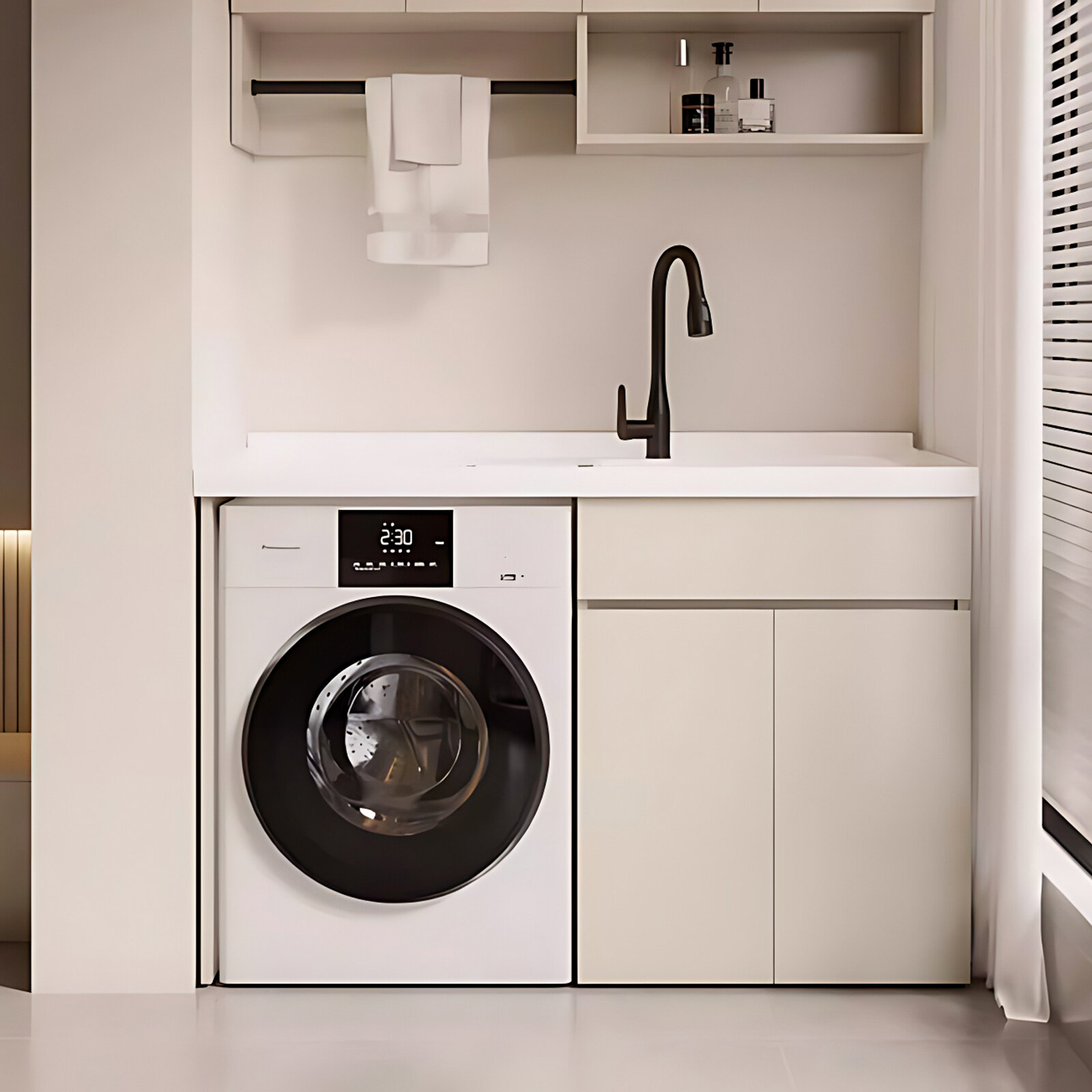
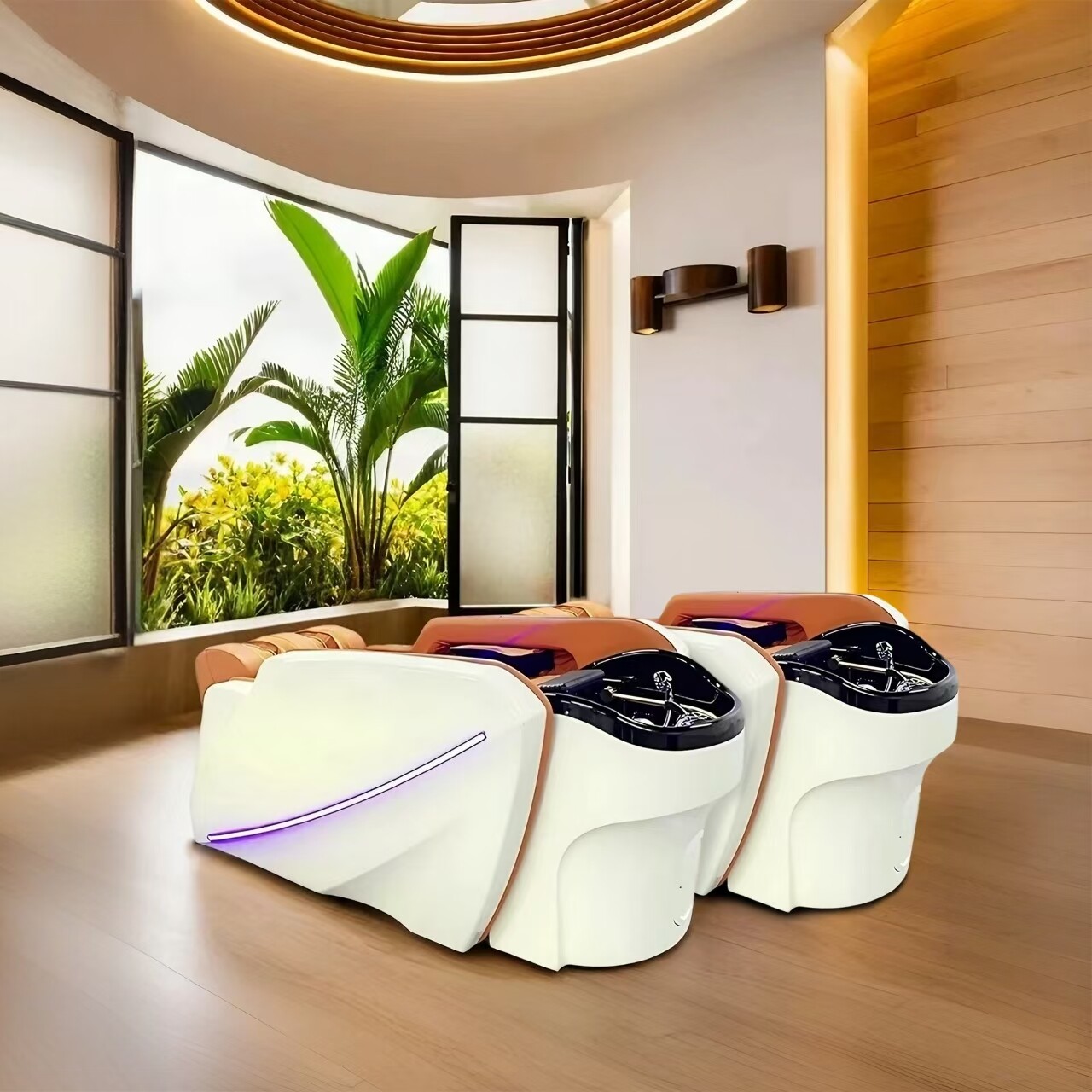
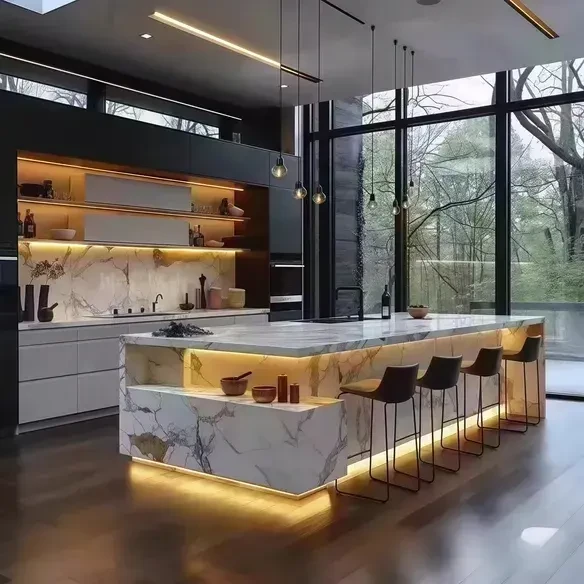
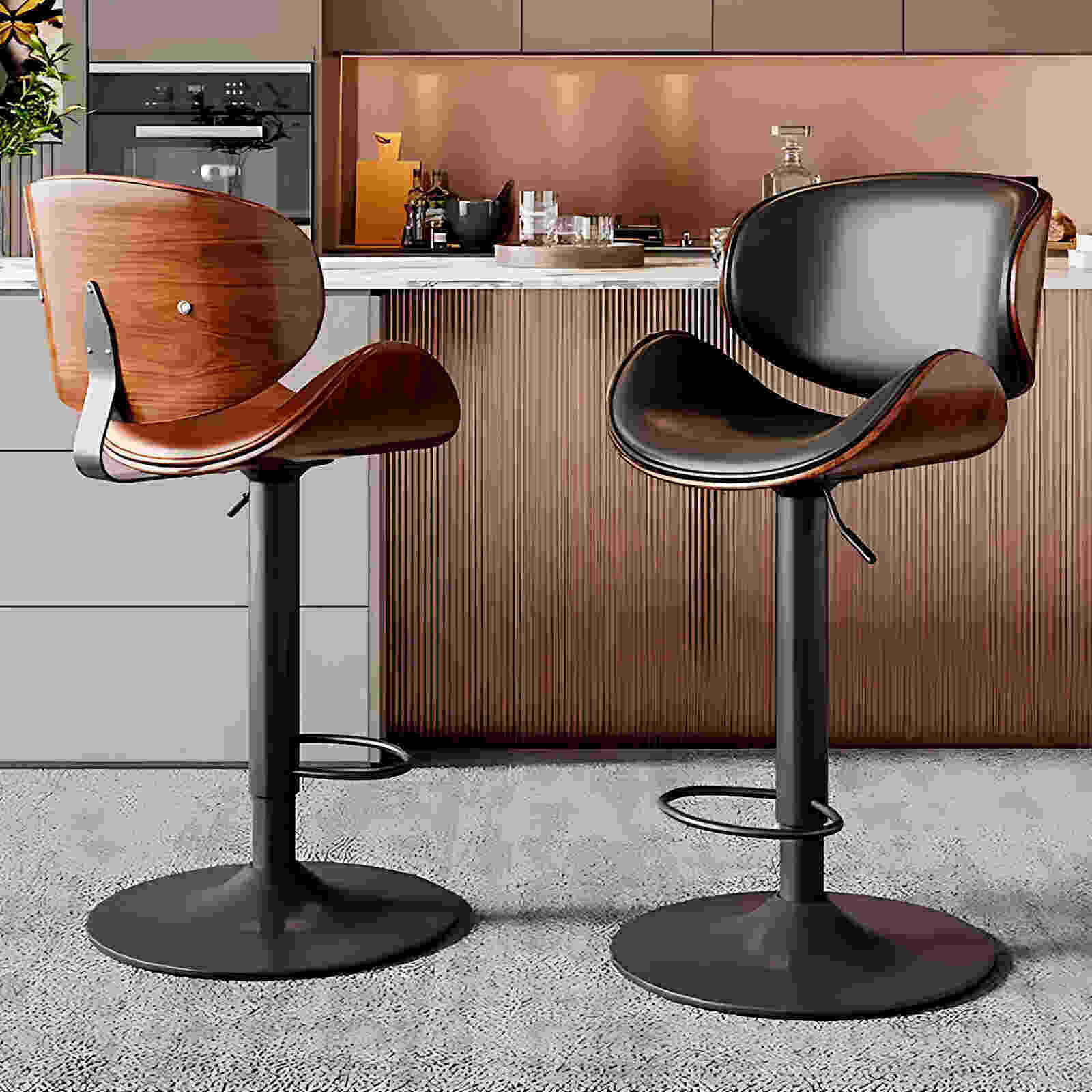
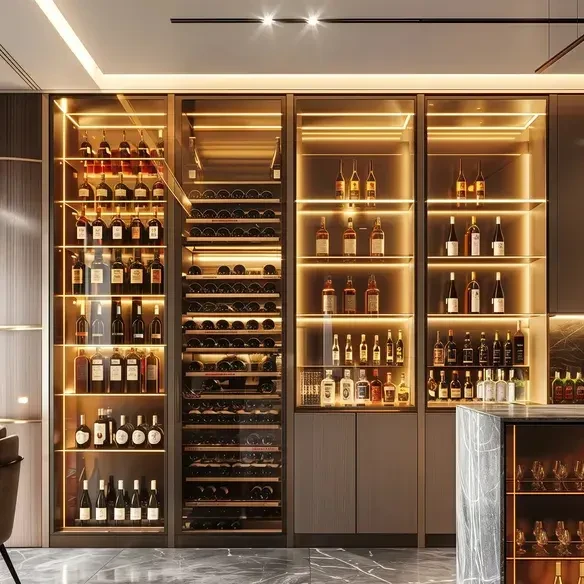
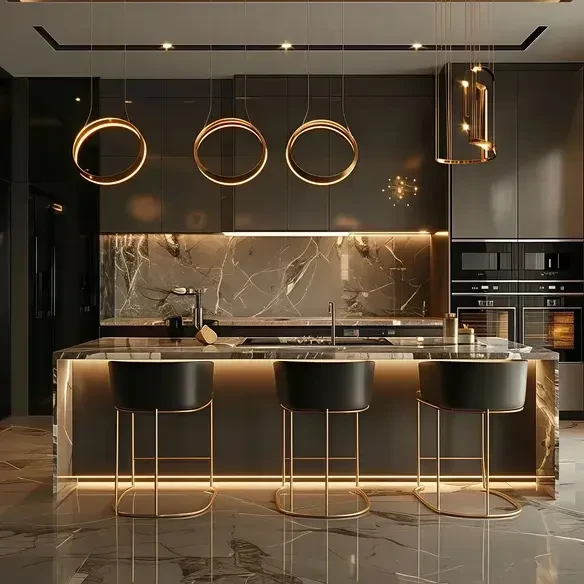
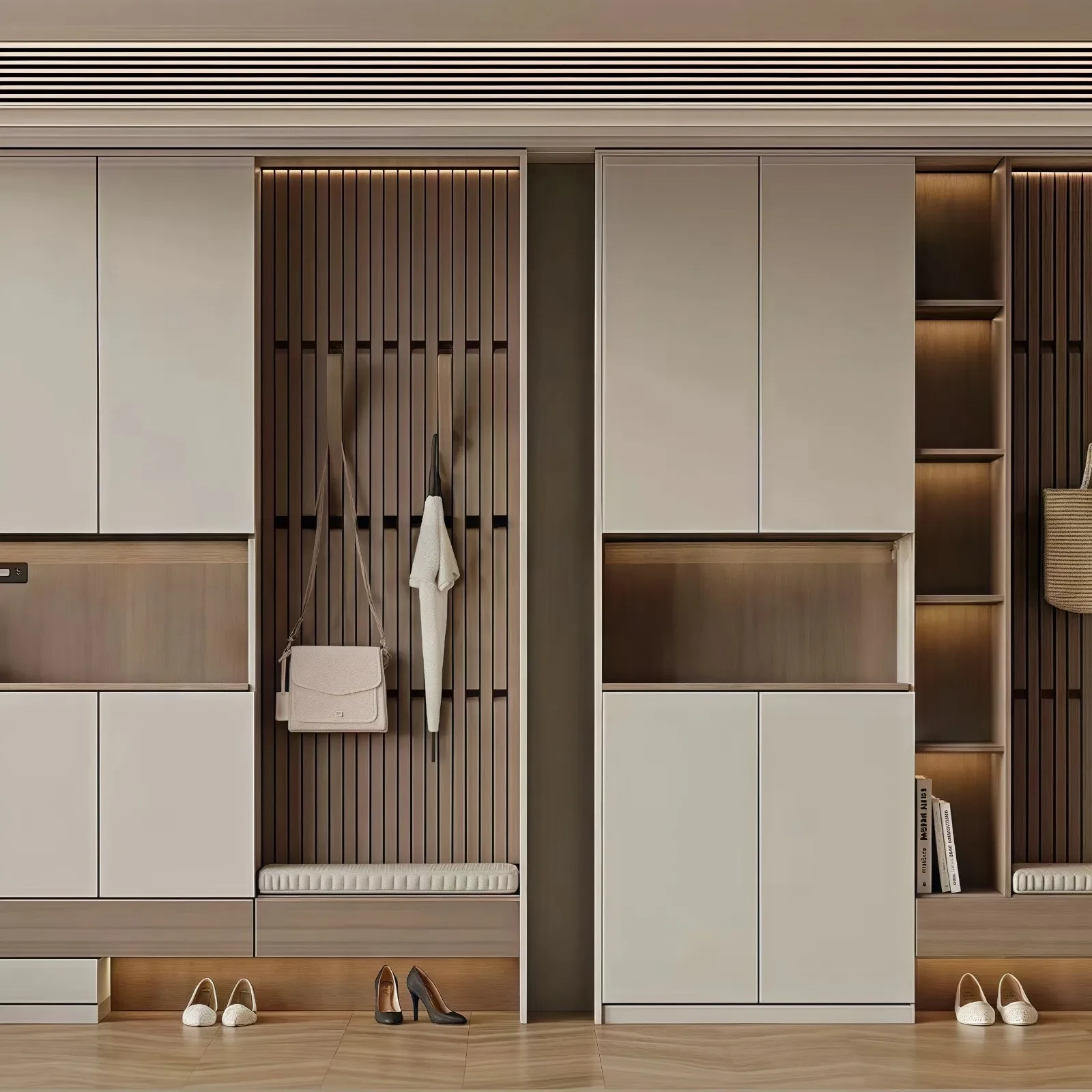
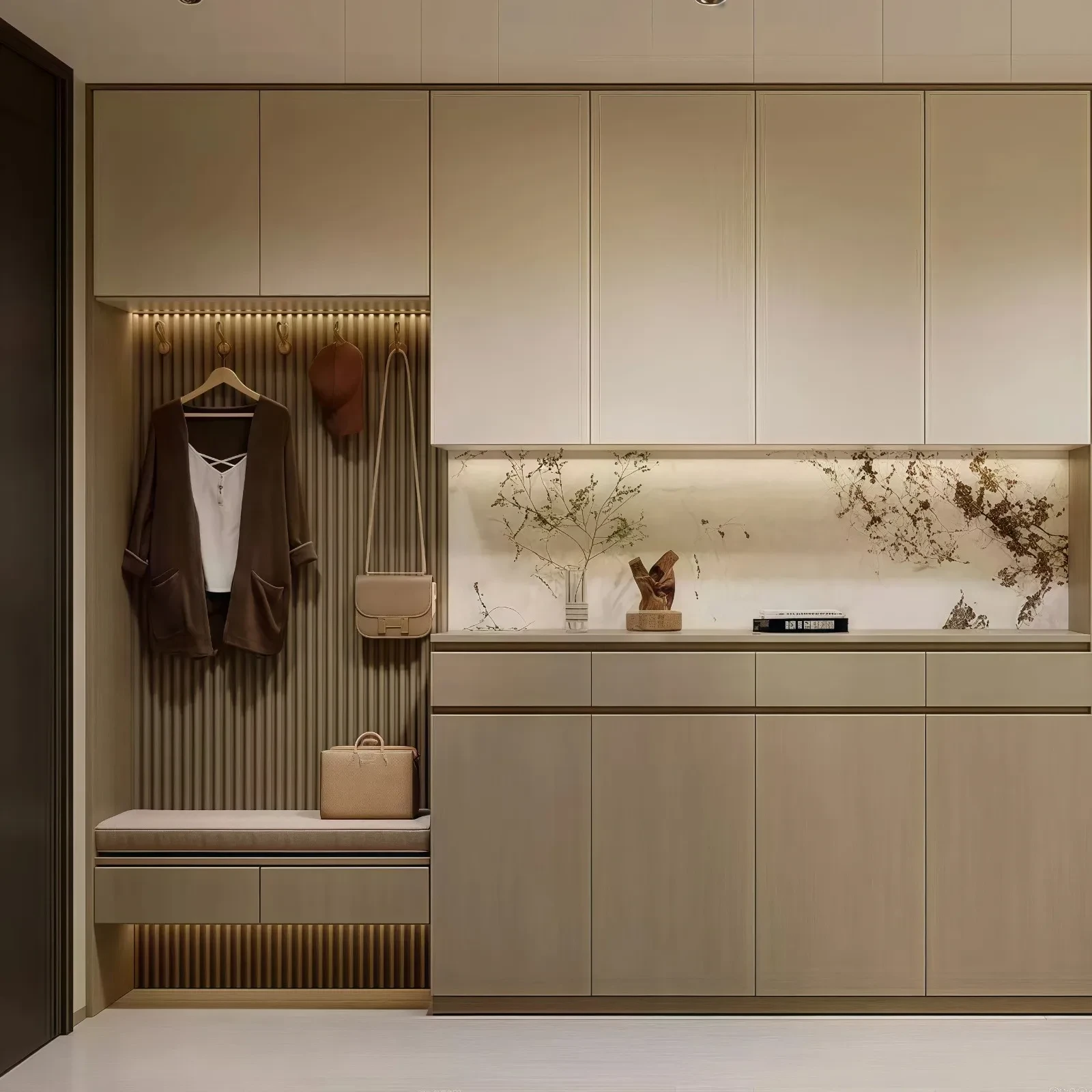
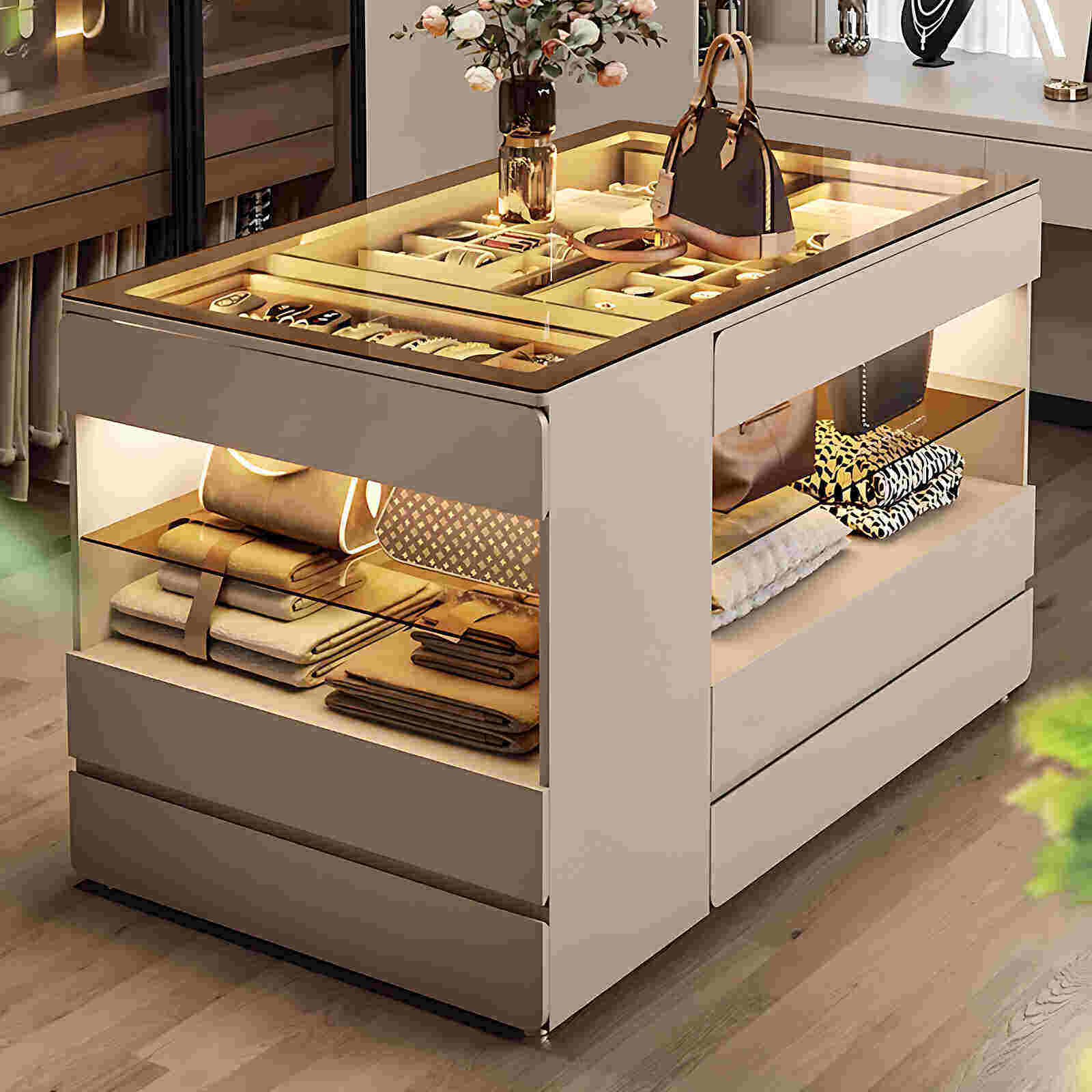
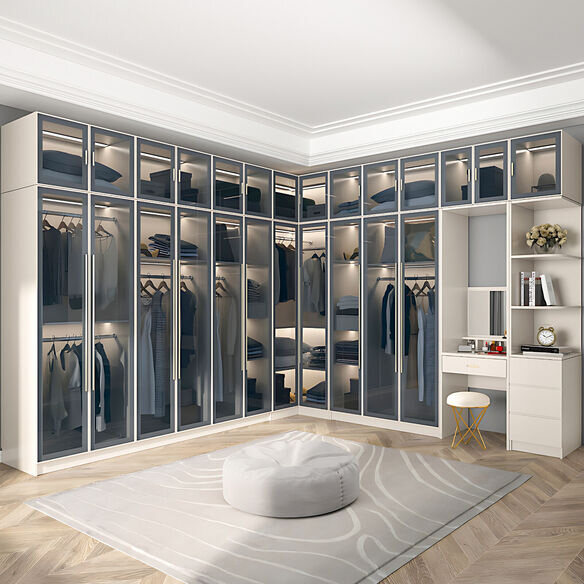
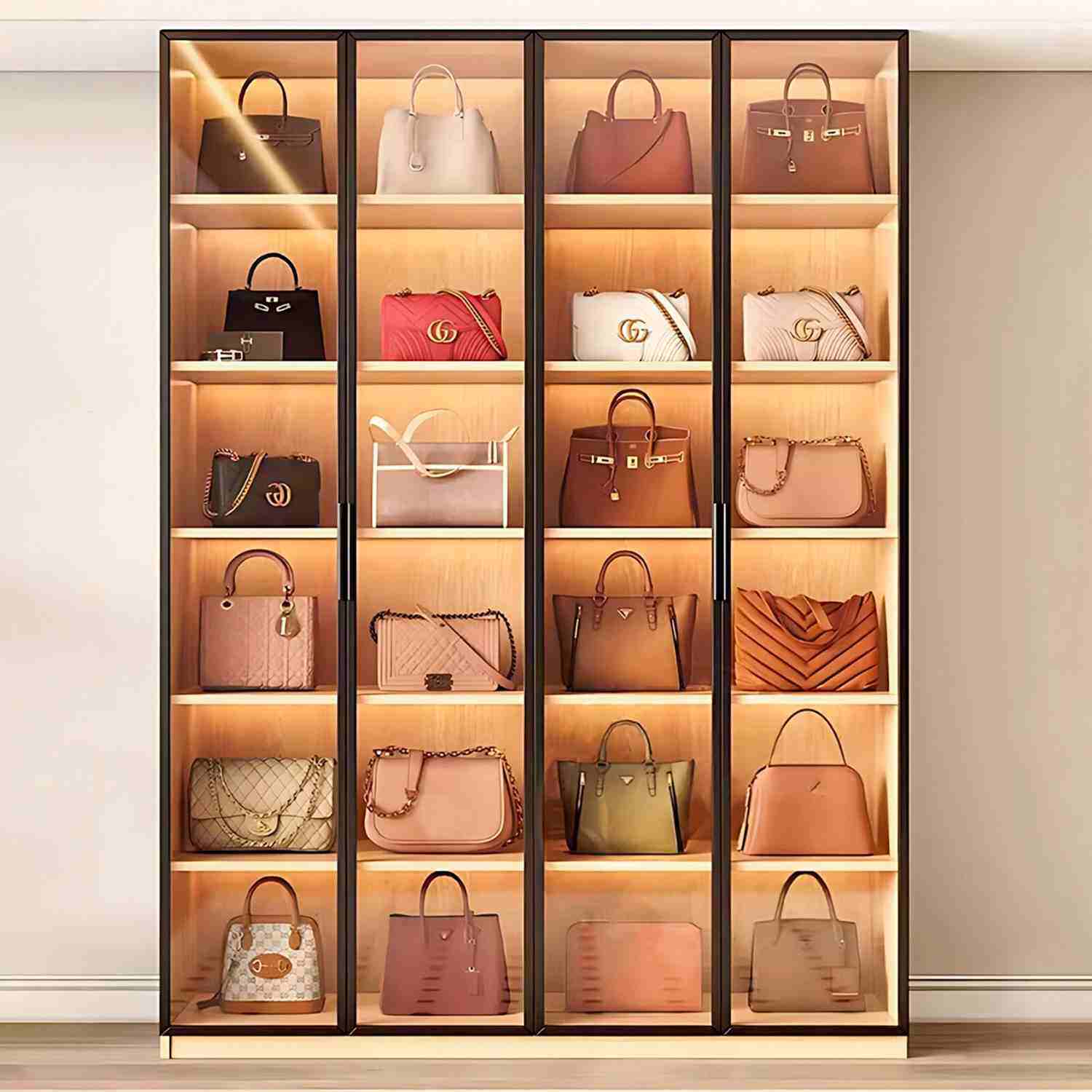
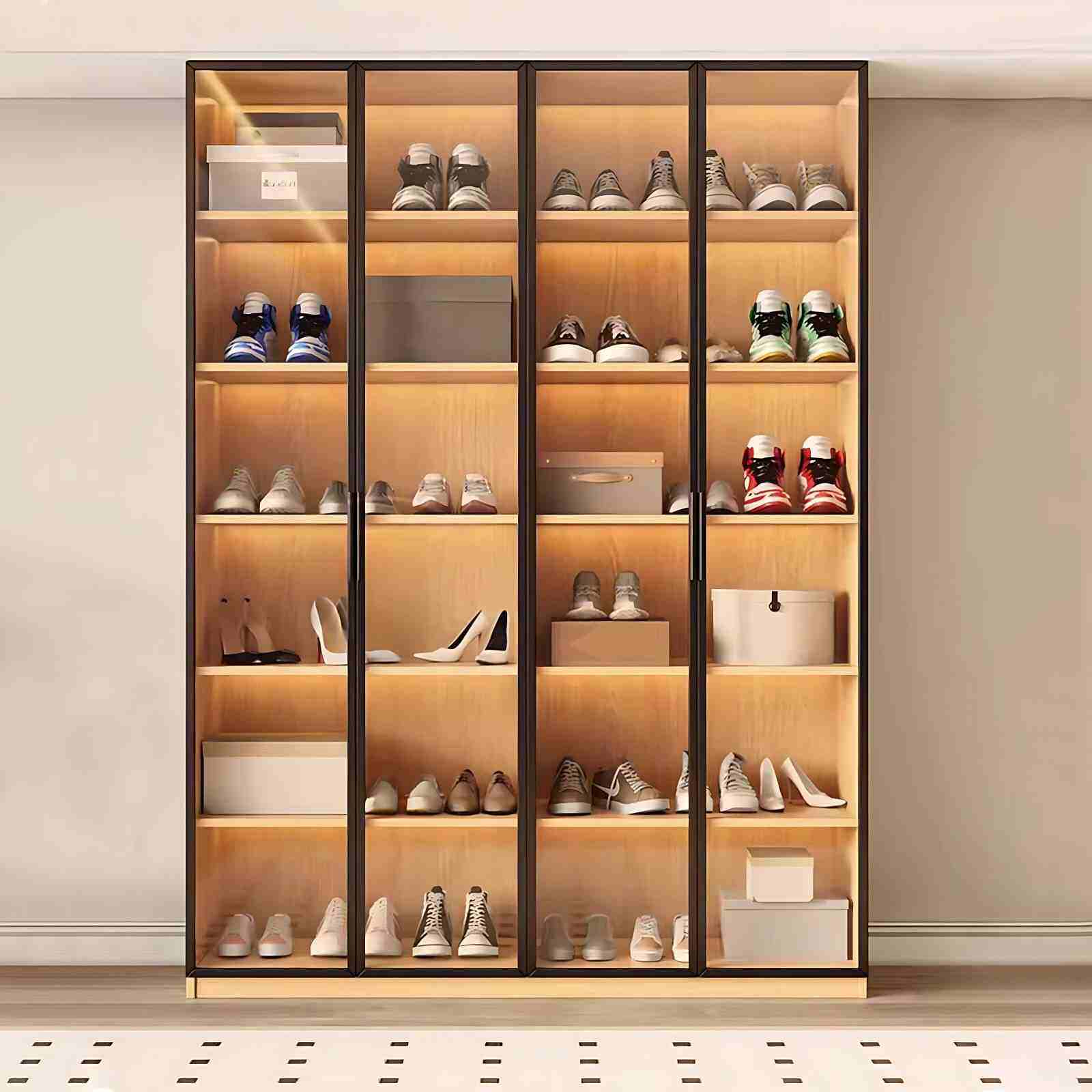
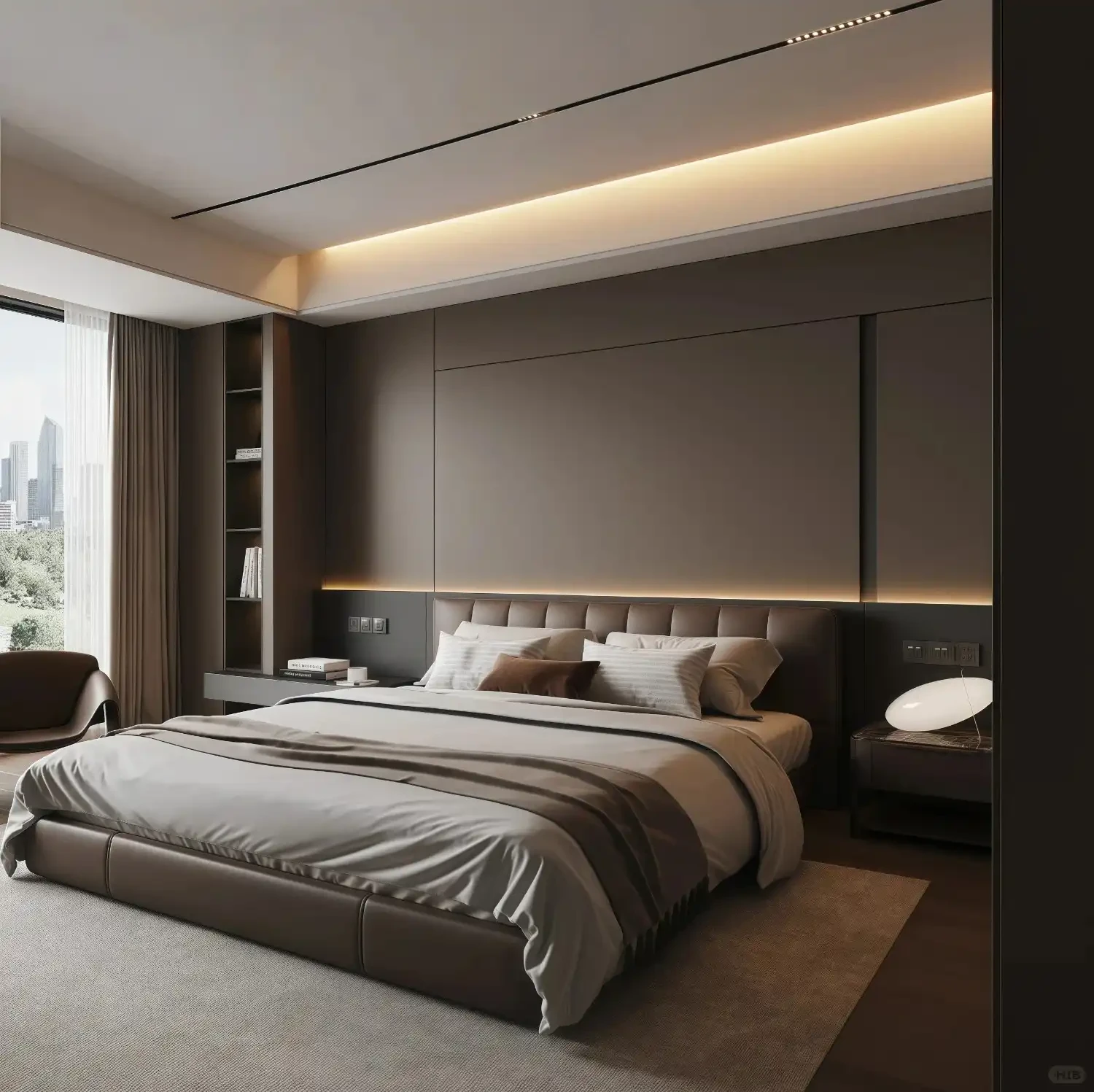
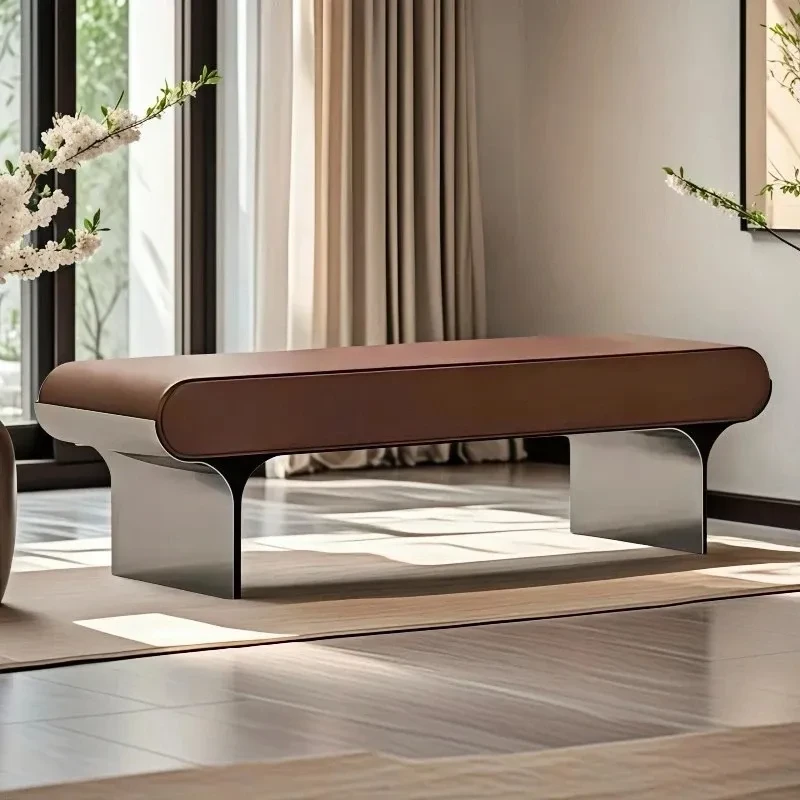
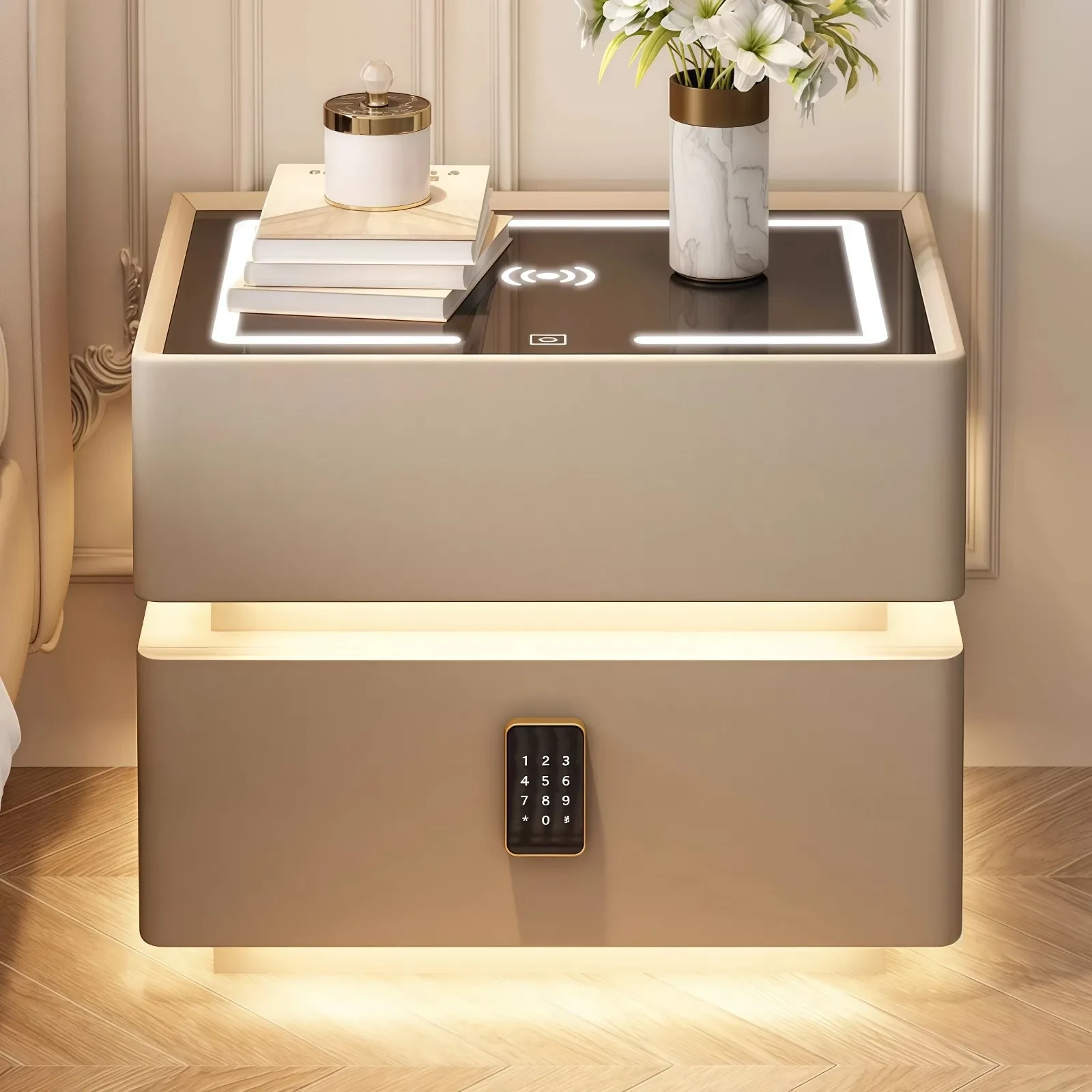
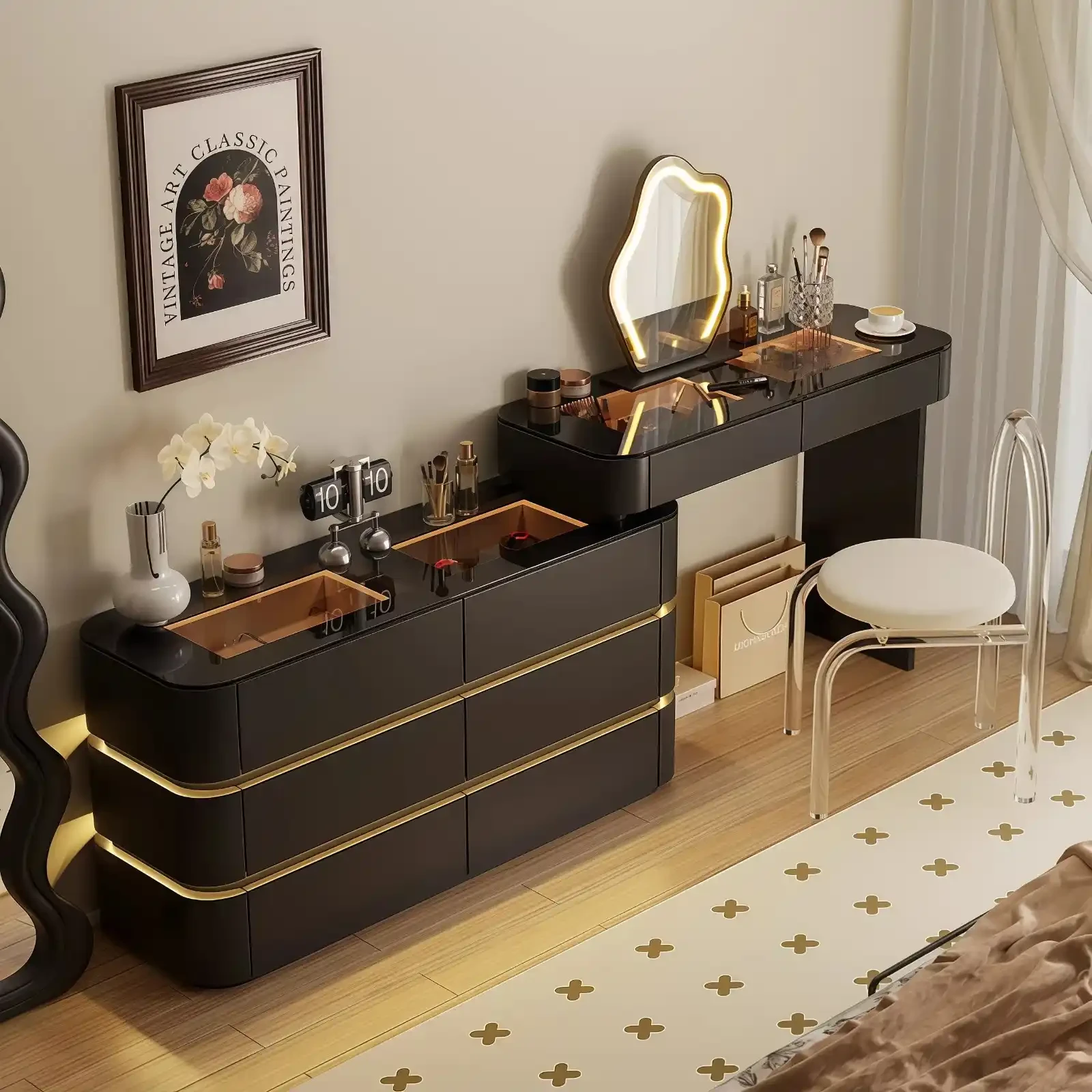
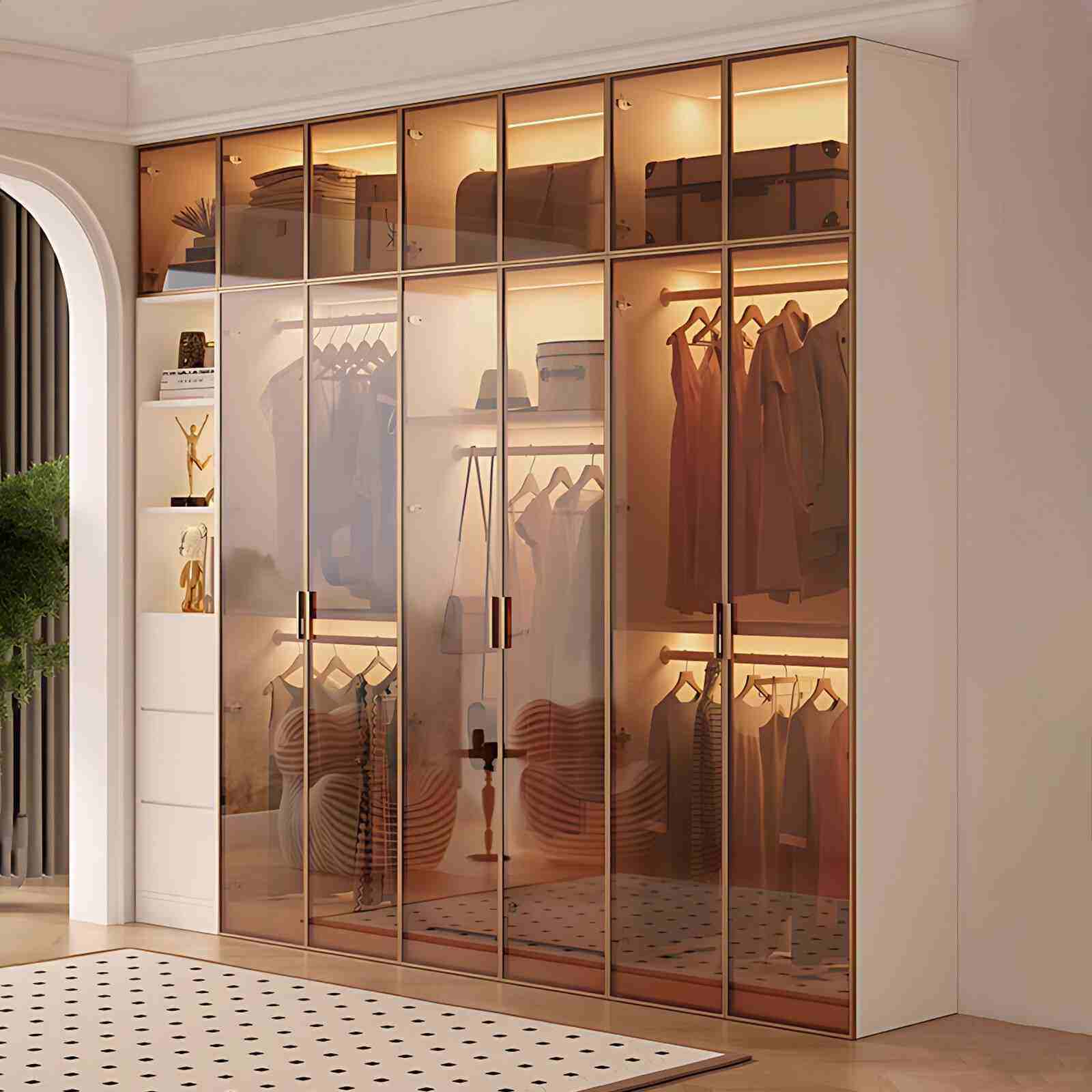
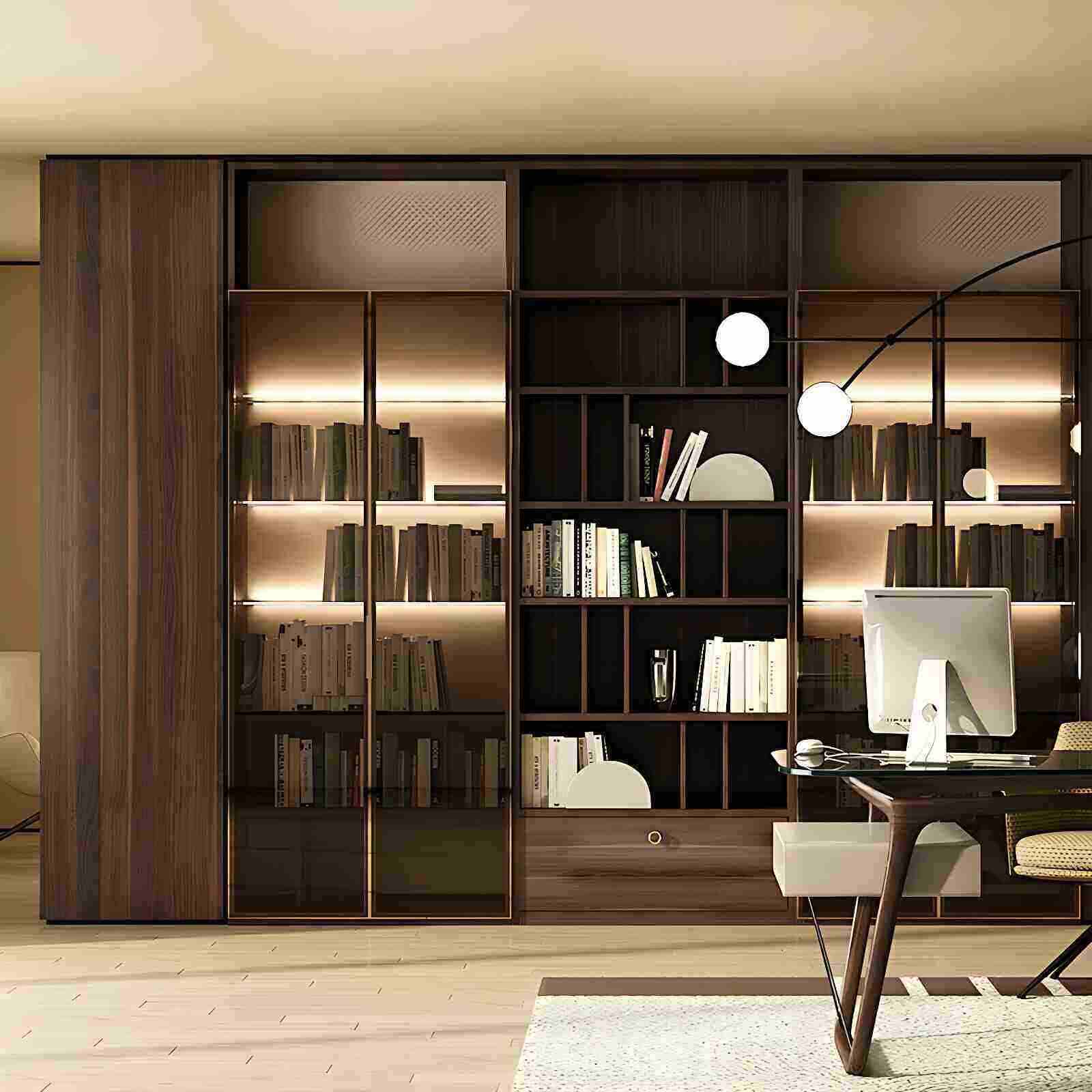
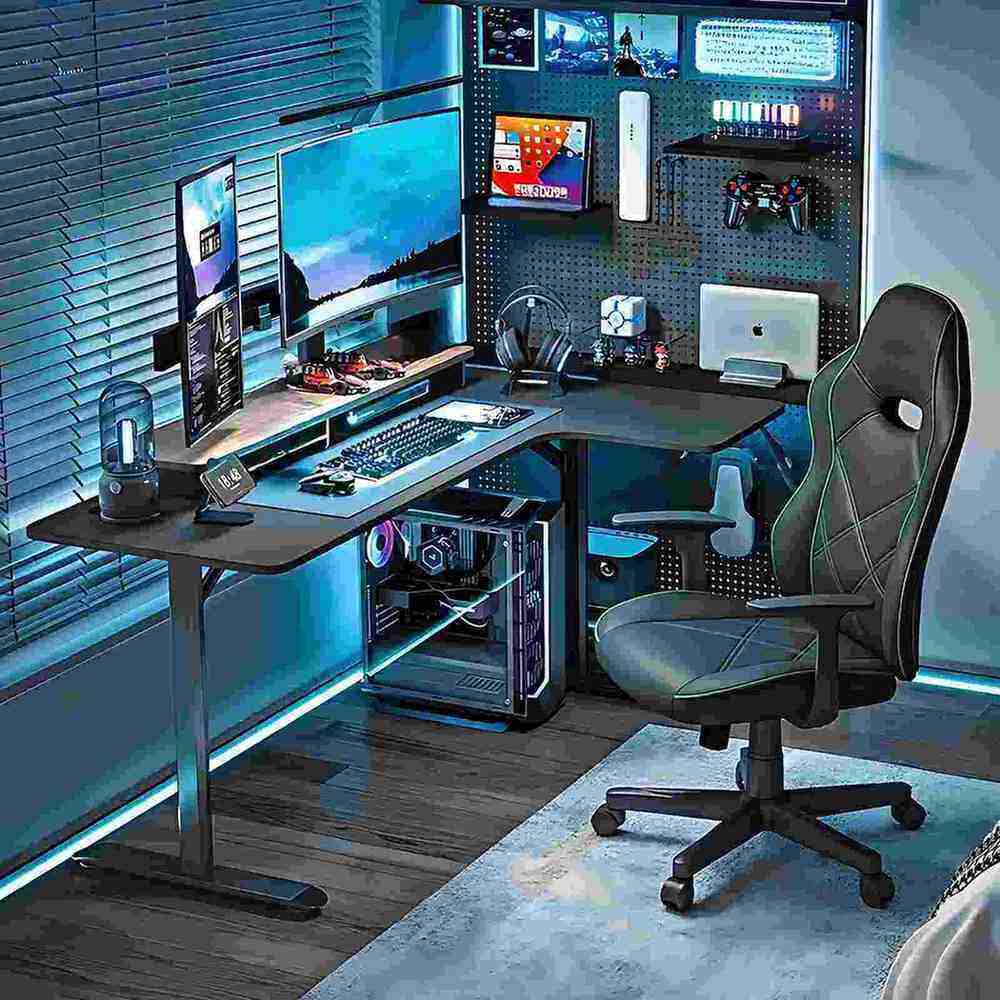
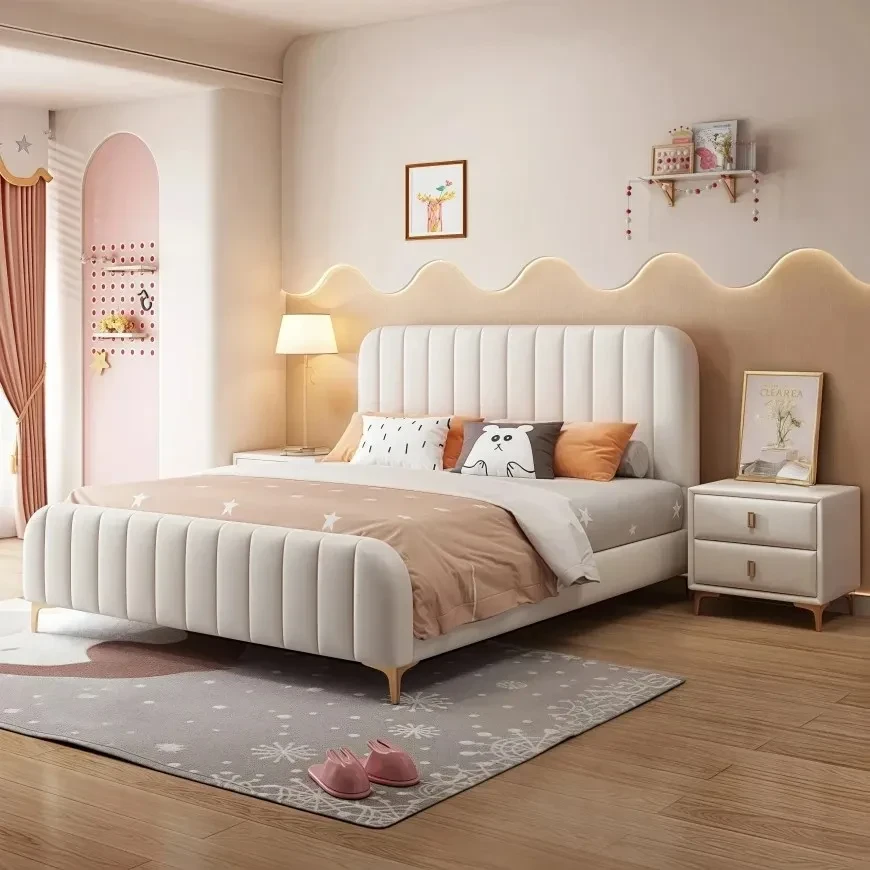
Last week we talked about small apartments; today, let's discuss medium-sized apartments. So, what exactly constitutes a medium-sized apartment? Generally, we define them as apartments between 90 and 140 square meters. These apartments can meet the needs of a family and offer more choices in interior design styles, making them the most popular type. So, how do you decorate a medium-sized apartment? What are some decorating considerations?
The goal of renovating a house is to make living more comfortable. Compared to small apartments, medium-sized apartments have a significantly larger area, making them perfectly suitable for a family of three or even two generations. There are more options for interior design and furnishing, allowing you to create a home that better suits your needs.
1. Living room space
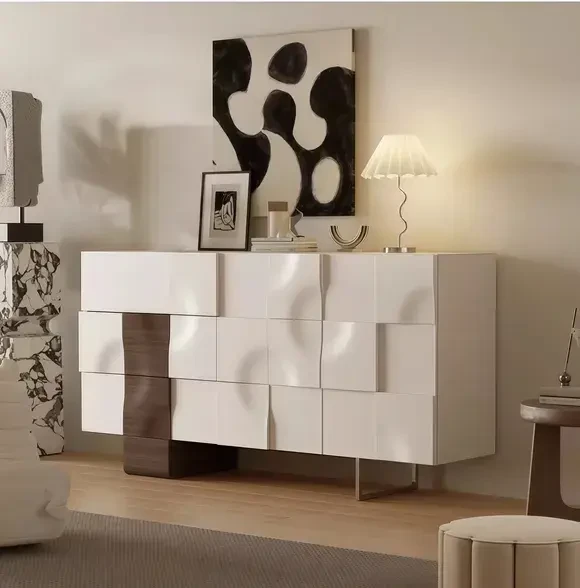
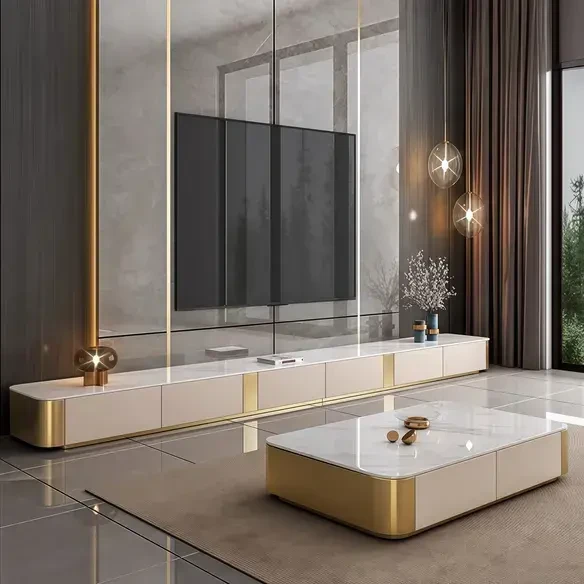
Compared to small apartments, medium-sized apartments are less cramped, and their space allocation prioritizes comfort; the living room should ideally be larger than 20 square meters. From a practical standpoint, modern medium-sized apartment living rooms are generally divided into dining, entertaining, and study (or relaxation) areas. Visually, these areas can be differentiated through the direction of the ceiling, custom cabinets, and the placement of decorative items, creating a harmonious and unified feel.
2. Bathroom space
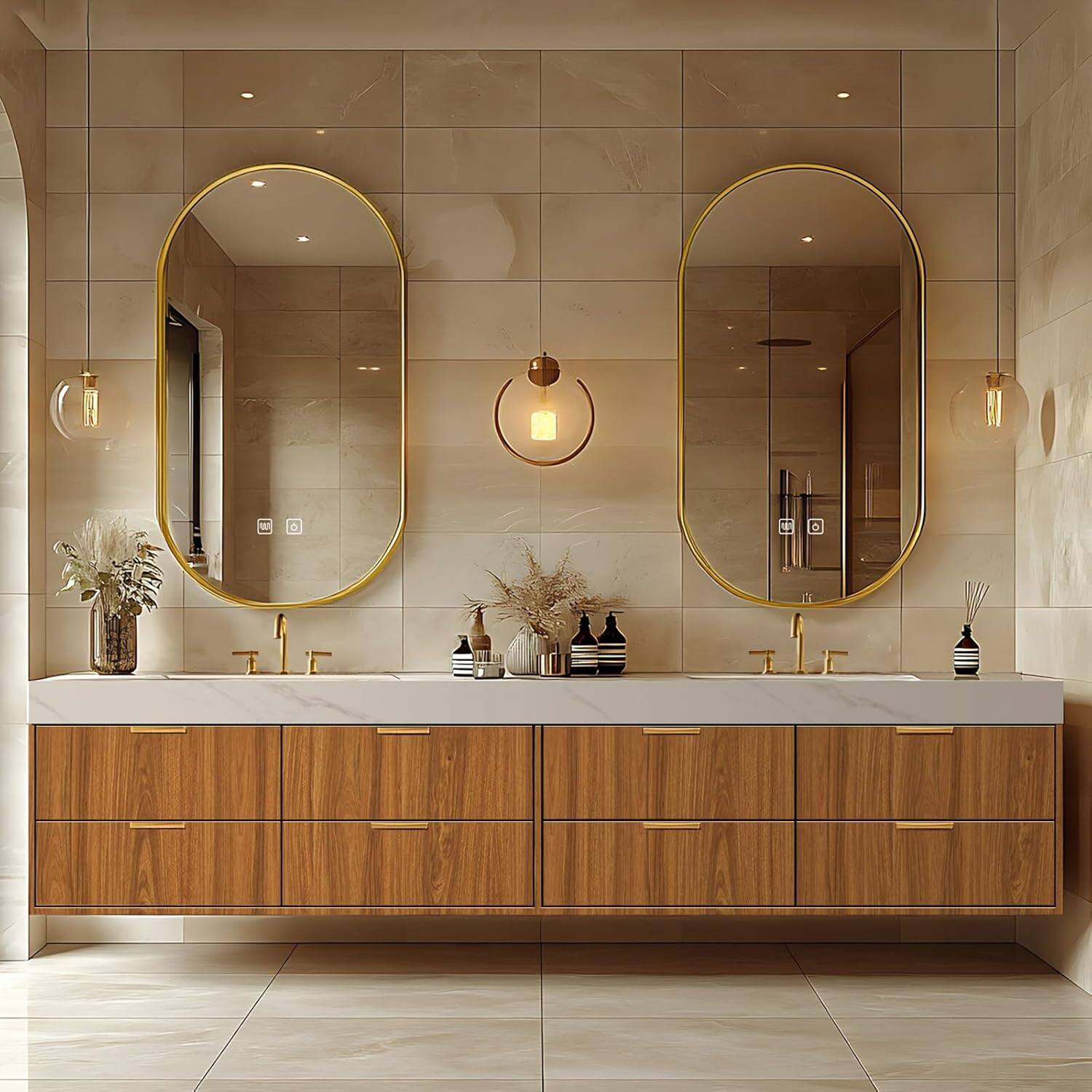
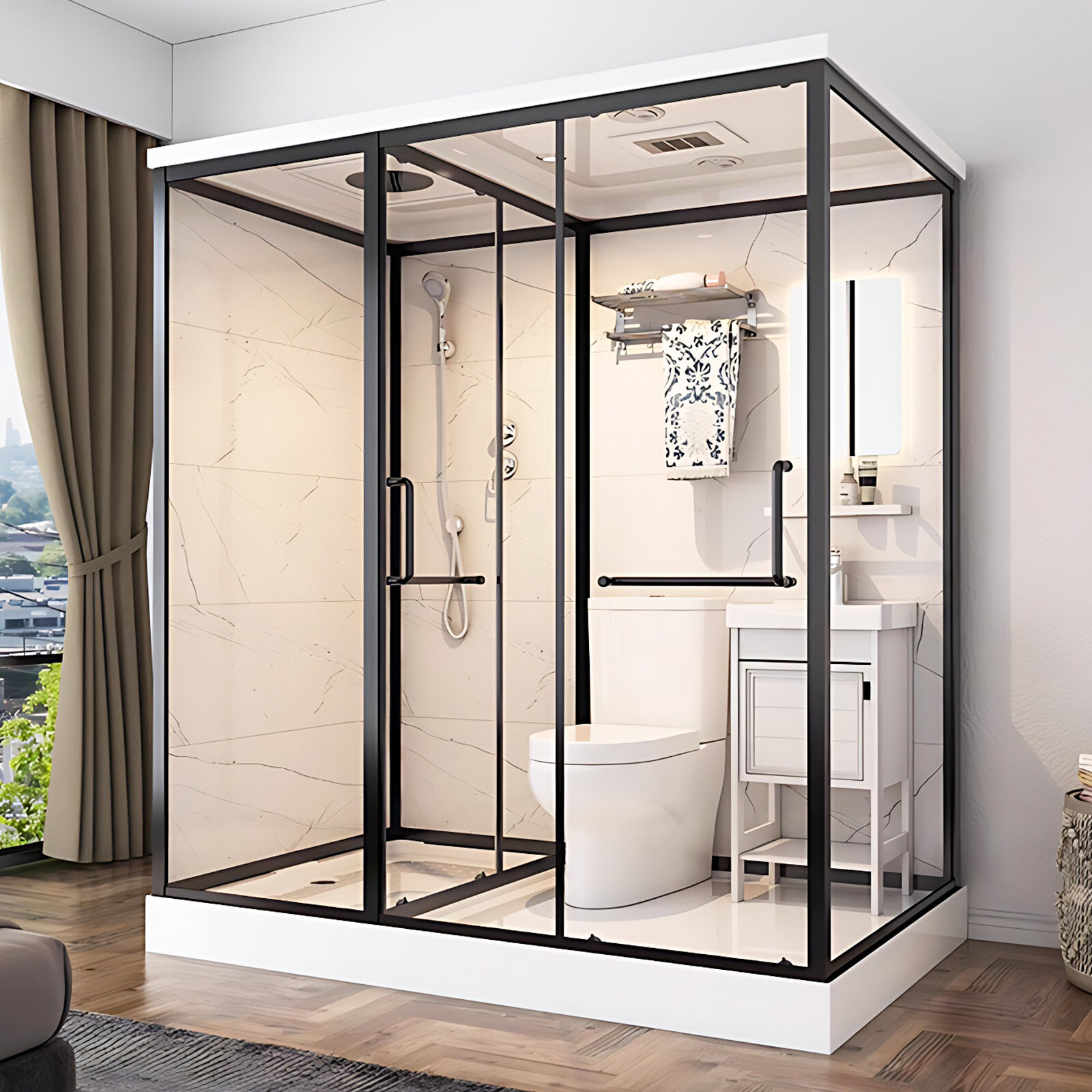
Due to the unique nature of bathrooms, they require waterproofing, heating, ventilation, wet and dry separation, and soundproofing. Therefore, extra attention is needed during renovation, addressing five aspects: flooring, ceiling, electrical wiring, lighting, and greenery. Furthermore, considering the potential for multiple occupants, if there's only one bathroom, a wet and dry separation design is highly recommended for greater convenience.
3. Kitchen space
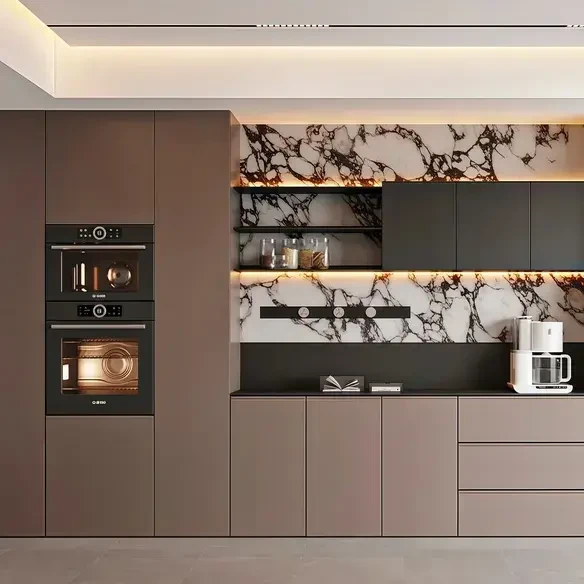
Different kitchen layouts determine our lifestyle and dining habits. We should design a reasonable and cozy space based on the usable area of the house, taking an overall perspective. Furthermore, open kitchens have become quite popular in recent years, and opinions on their pros and cons vary. I believe that whether to go for an open kitchen depends on how often you cook. If you use the kitchen for all three meals a day, a closed kitchen is a more conservative choice; otherwise, an open kitchen is preferable.
4. Restaurant space
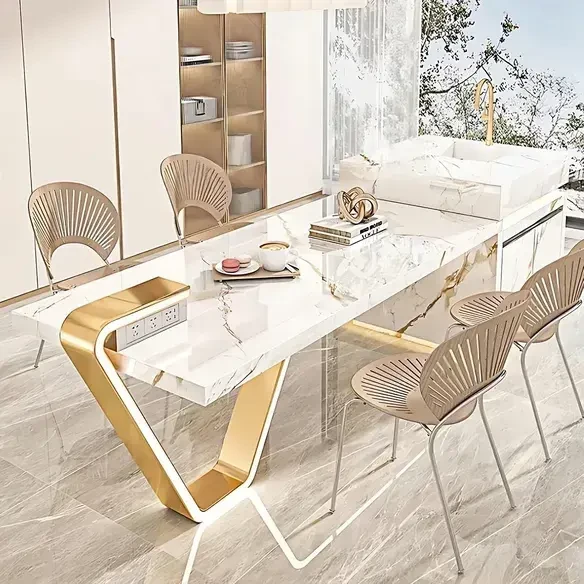
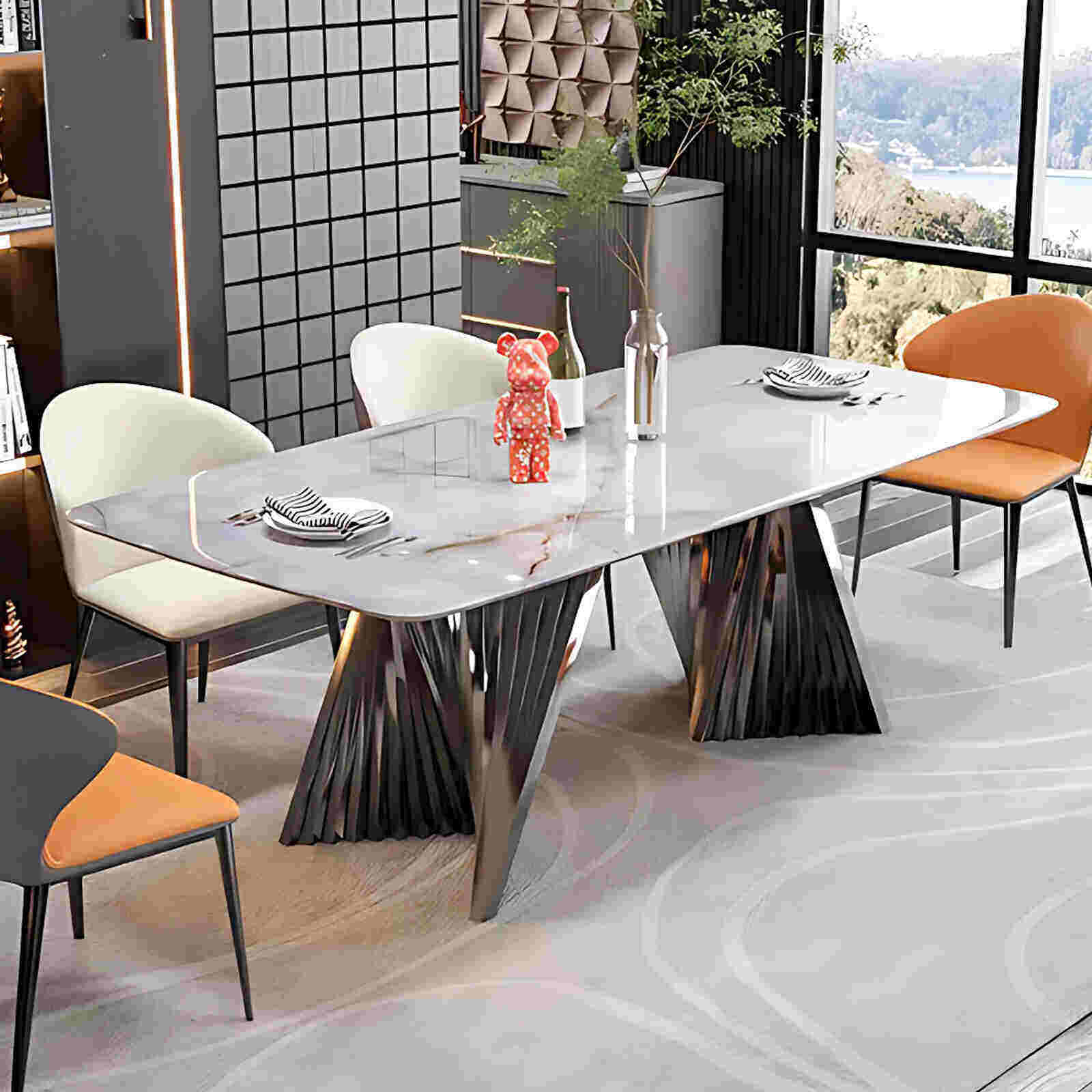
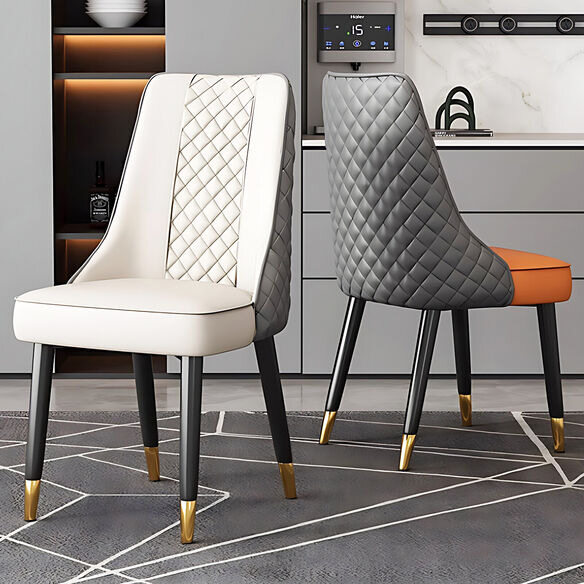
For the dining room, you can choose slightly brighter neutral colors or use natural wood tones as the base color. The number of pieces of furniture in the dining room doesn't need to be large; as long as they are convenient and comfortable to use and blend into the overall space, that's sufficient. In a layout where the dining room and living room are integrated, the dining area is most suitable when it's adjacent to the kitchen and close to the living room. It's important to maintain a harmonious and unified style with the main space, the living room, and not obstruct passage.
5. Balcony space
Balconies can be combined with common areas, such as the living room, kitchen, and dining room, to increase usable space. If a bedroom has a balcony, it can be converted into a small study or a tatami room. Glass partitions or sliding doors can also be used to increase the openness of the space and reduce wasted area.
6. Bedroom space
When dividing a bedroom, avoid overly complex zoning, as this can obstruct visual flow and waste space. Consider designing a built-in cabinet and decorating it with small ornaments. For main lighting, choose a simple ceiling light, and supplementary lighting can include table lamps, wall lamps, and spotlights. If you need to study but don't have enough space for a study, you can convert your bedside table into a desk. Opt for a custom-made desk with a unified color and style, avoiding anything too flashy.