
 USD
USD GBP
GBP
 EUR
EUR
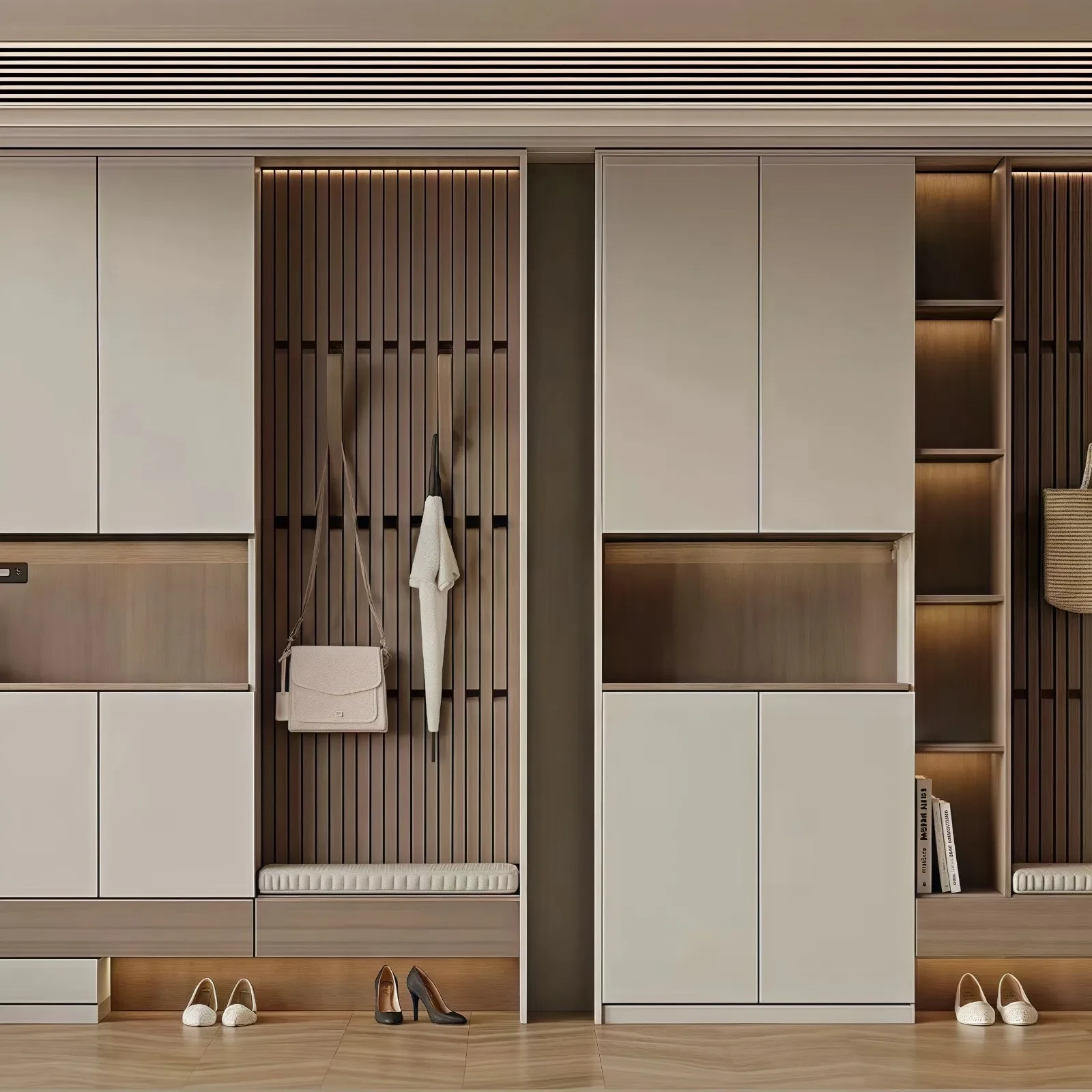
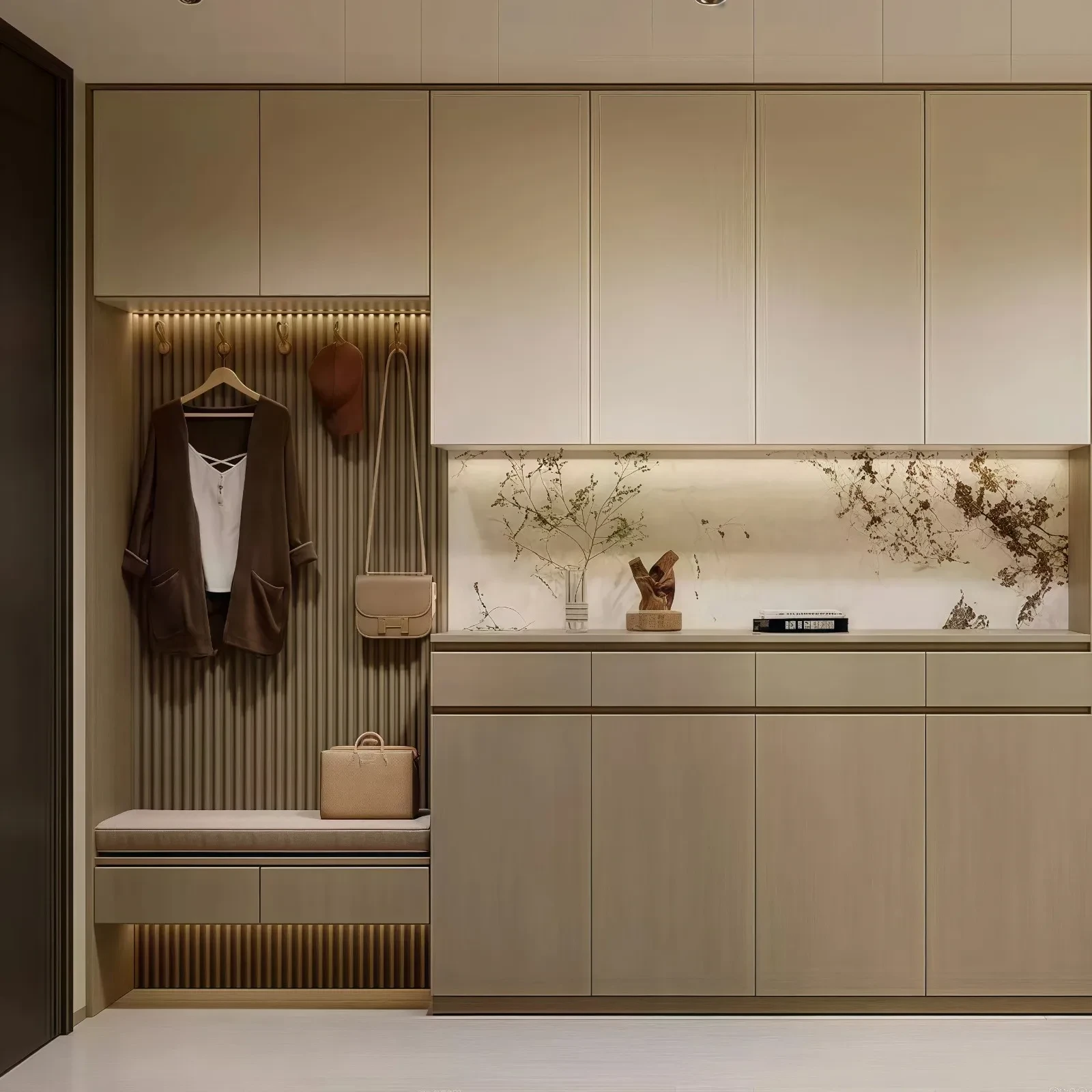
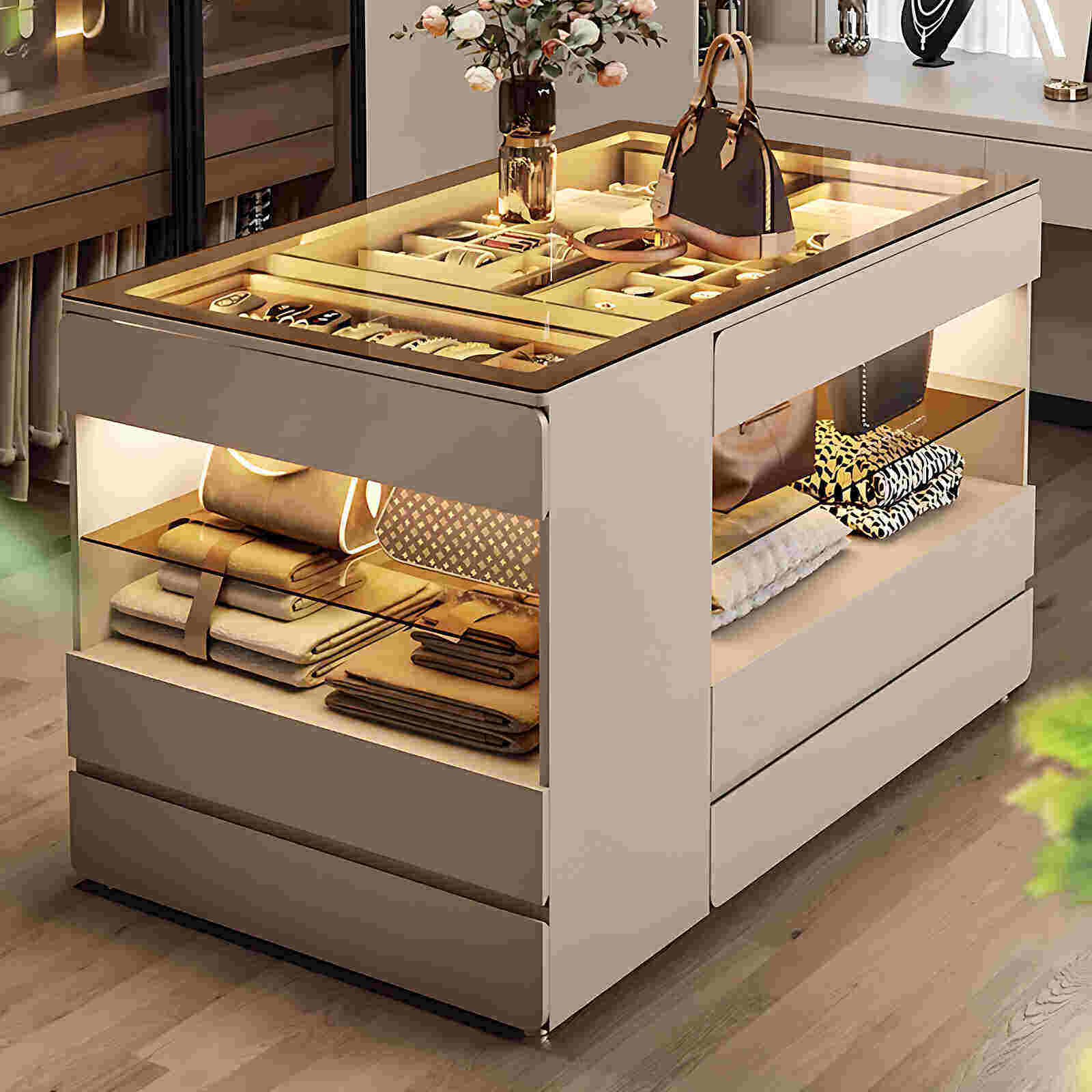
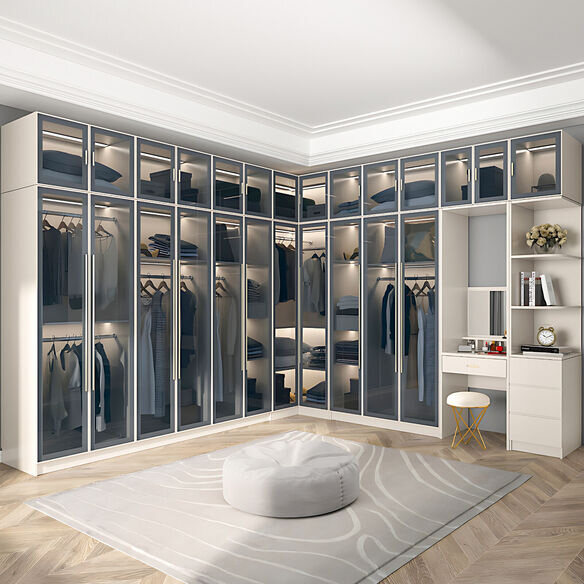
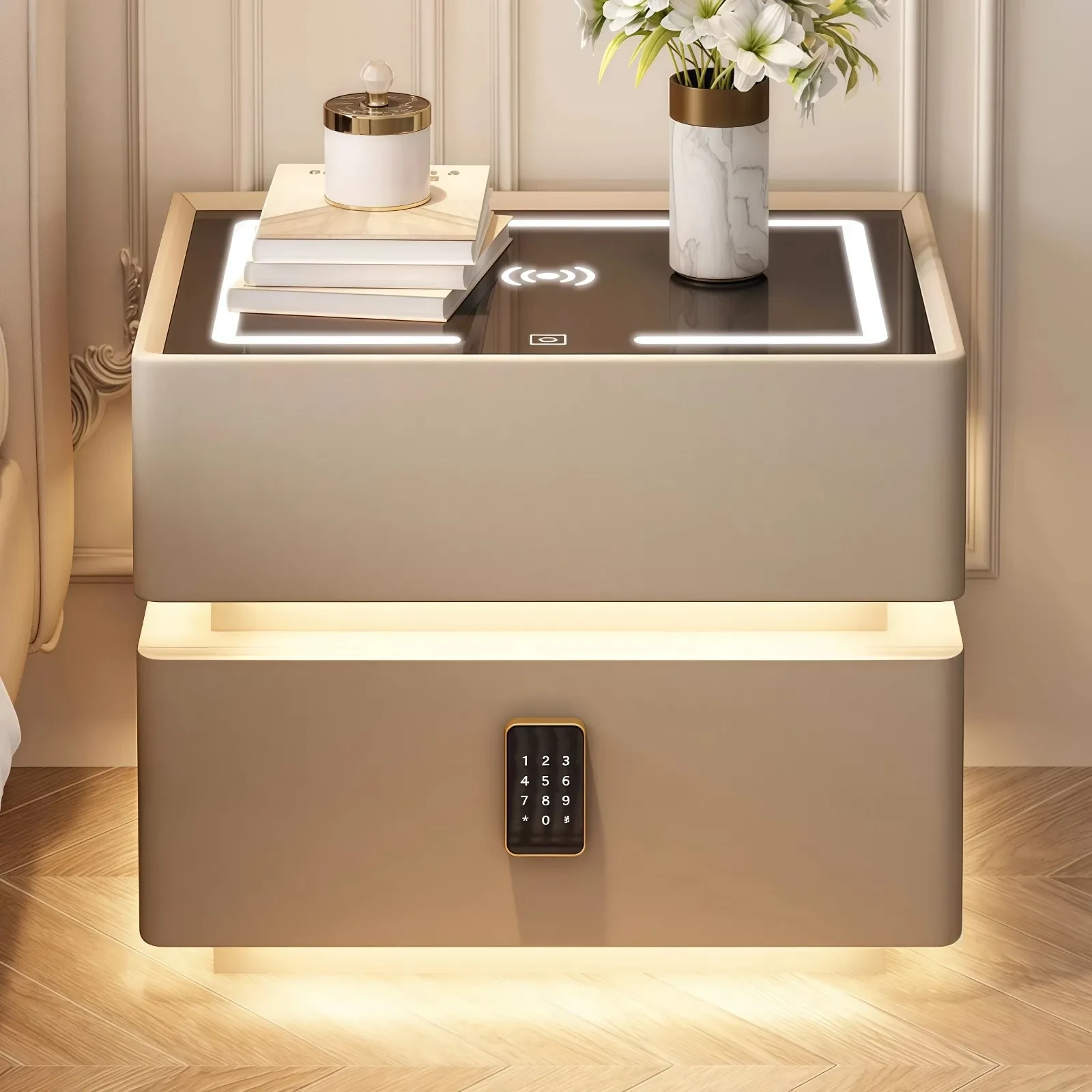
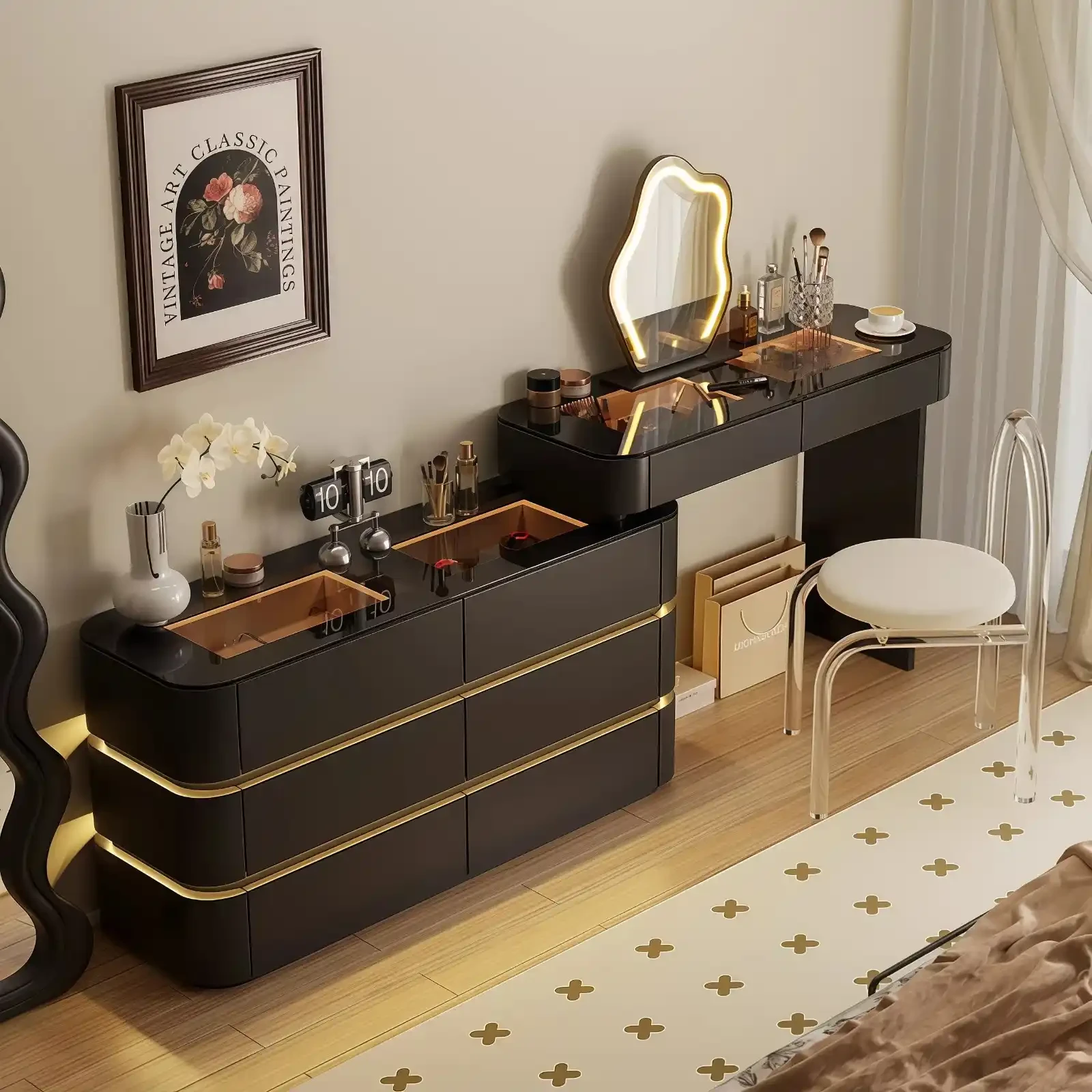
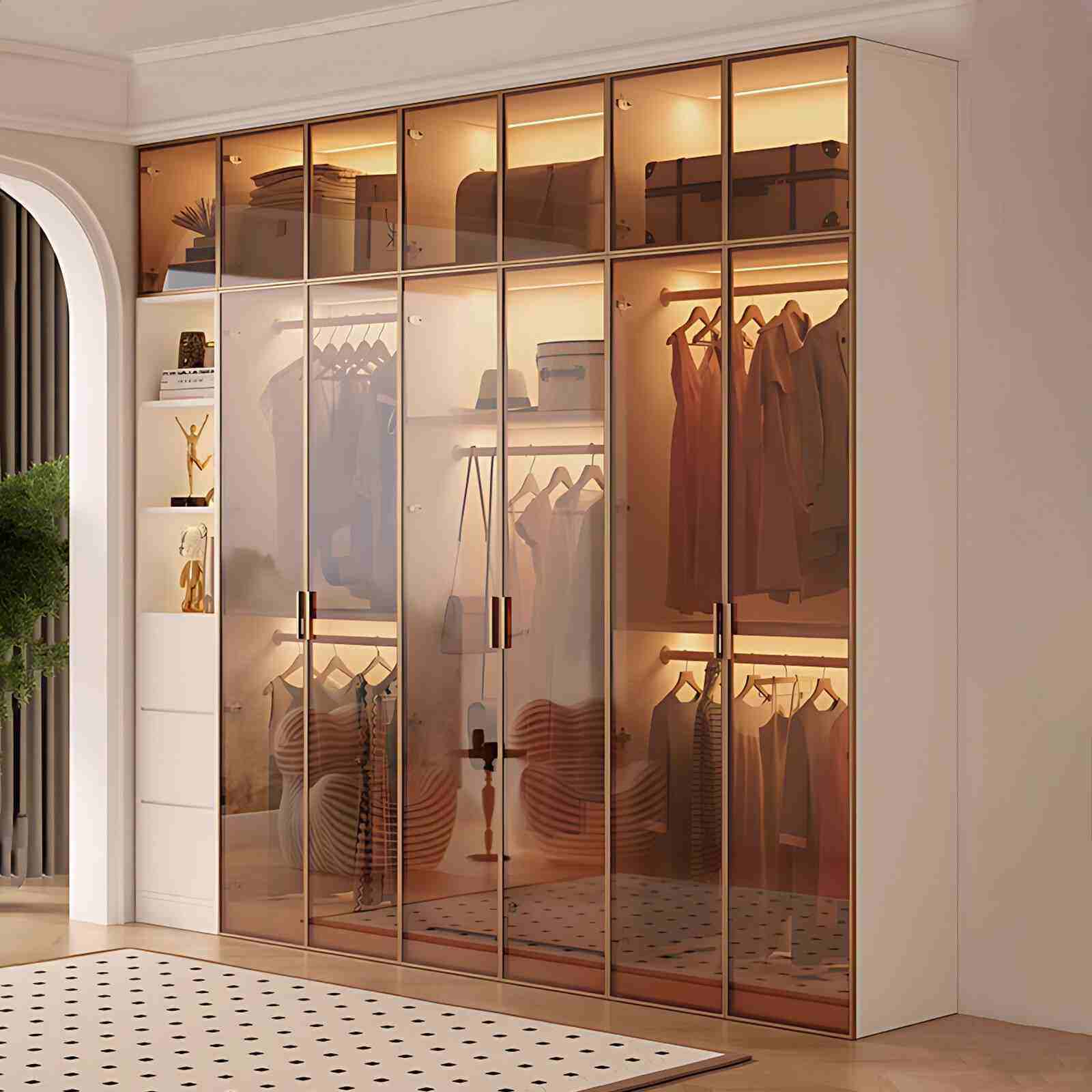
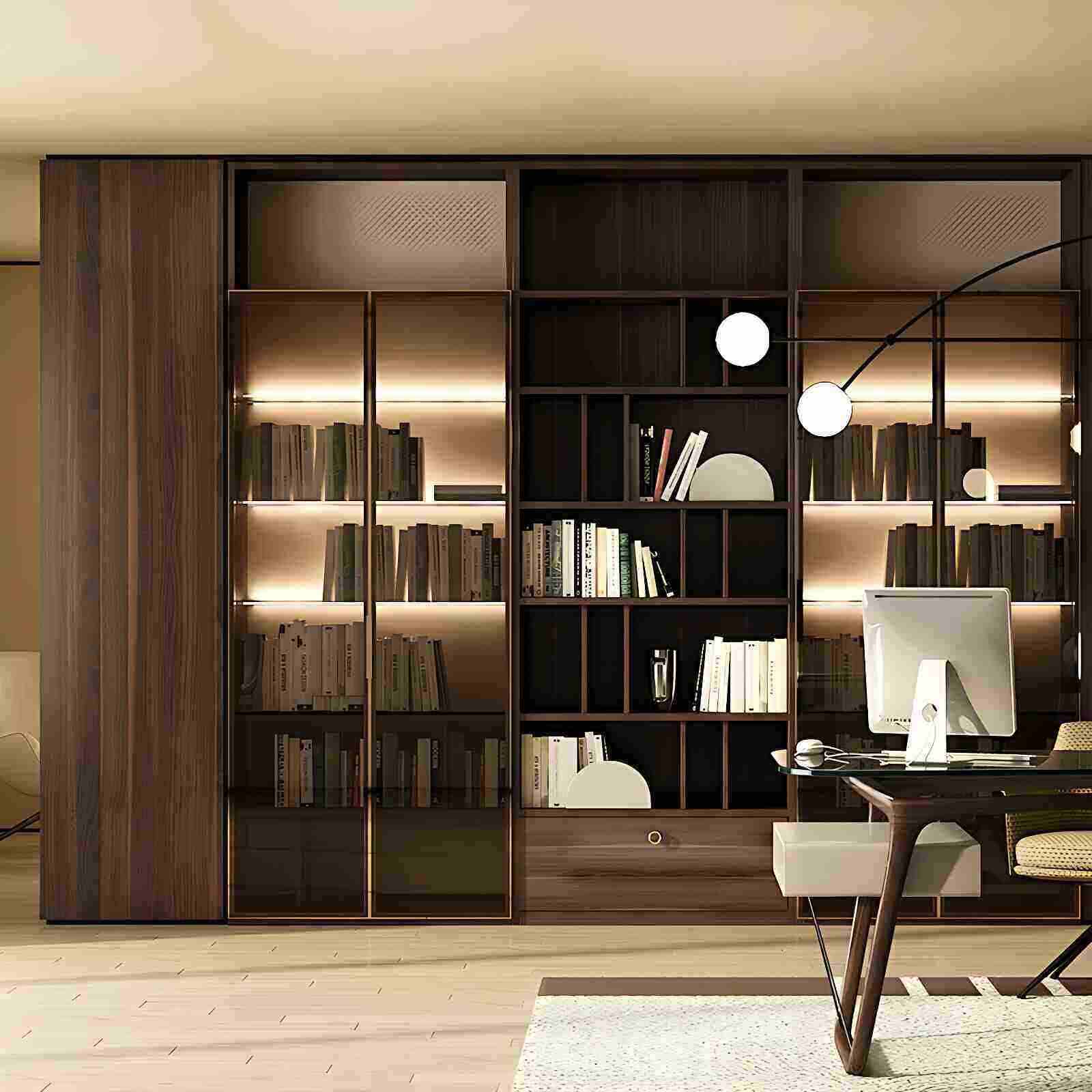
As news spread that "Qiannianzhou's smart factory has introduced the first complete production line for German Simberlcomb OSB boards in China," more and more customers are filled with anticipation for solid wood veneer OSB boards. However, every time we communicate with customers, we find that the public's knowledge of OSB boards is very limited, and most people don't even know that OSB boards have four grades.
So, here's the question: What exactly is OSB board? What are the functions of the four grades? What should you pay attention to when purchasing OSB board? Let me explain in detail below!
Unsure about OSB boards?
You may have heard of OSB (Oriented Strand Board).
OSB board, scientifically known as "Oriented Strand Board" in Chinese and "Oriented Strand Board" in English, is also called "OSB" in the market. It is a new type of board that originated in Europe and developed rapidly internationally in the 1970s and 1980s. It is an upgraded product of particleboard.
It uses fresh wood with a large diameter and straight trunk as raw material, and processes it into flat and narrow shavings along the grain using specialized shaving equipment (generally 40-120mm long, 5-20mm wide, and 0.3-0.7mm thick, but some are 50-80mm long, 5-20mm wide, and 0.45-0.6mm thick). After degreasing, drying, gluing, directional laying, and hot pressing, it is formed into shape.
Because OSB board production technology is highly complex and requires significant investment in equipment, primarily imported-often costing hundreds of millions of yuan-my country's current OSB board manufacturing technology and equipment production capacity lag behind North America and Europe, and the market mainly relies on imports for OSB boards. The recent investment of nearly 500 million yuan to import China's first complete German Simberlcomb OSB board production line undoubtedly represents a breakthrough for domestic OSB board manufacturing.
directional paving
Increase OSB board stability
Many people misunderstand OSB because its scientific name includes the words "particleboard." In fact, OSB has a highly regular internal structure. The surface particleboard chips are arranged longitudinally, while the core chipboard chips are arranged transversely. This crisscrossing arrangement restructures the wood grain, eliminating the impact of internal stress on processing and giving it exceptional workability and moisture resistance. It is precisely because of this directional structure that OSB is jointless, gapless, and crack-free, with excellent overall uniformity and extremely high internal bonding strength. It possesses unparalleled nail-holding power, both in the center and at the edges, compared to ordinary boards.
Compared to plywood, medium-density fiberboard, and blockboard, OSB has a lower coefficient of linear expansion, better stability, and more uniform material. Because the shavings are arranged in a specific direction, its longitudinal bending strength is much greater than its transverse strength, making it suitable for structural materials and load-bearing components. Furthermore, it can be processed like wood, including sawing, sanding, planing, drilling, nailing, and filing, making it an excellent material for building structures, interior decoration, and furniture manufacturing.
Healthy, environmentally friendly, and formaldehyde-free
OSB boards have always been highly regarded in the international market, holding a market share of over 50% in Europe and North America, but less than 10% in China. This is partly due to misunderstandings about the product's scientific name, and partly due to the scarcity of production lines for this product in China. Now, with the production of solid wood veneer OSB boards, more and more furniture companies are placing orders and hoping to use furniture made from OSB boards. The main reasons are its health and environmental friendliness, durability, and lighter weight and better flatness compared to furniture made from medium-density fiberboard (MDF).
Solid wood veneer OSB boards are made primarily of high-quality Australian radiata pine, using MDI environmentally friendly adhesive that is formaldehyde-free. No formaldehyde is added during the manufacturing process, and the finished product meets the company's formaldehyde-free standard. However, wood itself contains trace amounts of formaldehyde, just like some foods contain formaldehyde; the levels are negligible.
In addition to being environmentally friendly, the MDI adhesive used is also not easily soluble in water. During the hot pressing process, the MDI adhesive reacts chemically with the water molecules in the wood, effectively preventing moisture from entering the core material. This gives the solid wood veneer OSB board excellent moisture resistance, making it very suitable for use in indoor spaces such as kitchens and bathrooms where there are special requirements for waterproofing and moisture resistance.
The most promising future
The four levels have different applications.
The health and environmental advantages of OSB boards have made them one of the most promising engineered wood products for the future, giving them a wide range of applications and development opportunities. Here, we must mention the grading of OSB boards!
my country classifies OSB boards into four levels, based on the European EN300 standard:
OSB1 is a general-purpose non-load-bearing board material suitable for interior finishing materials and furniture under dry conditions;
OSB2 is a load-bearing plate suitable for dry conditions;
OSB3 is a load-bearing board material suitable for humid conditions;
OSB4 is a heavy-duty sheet material suitable for humid conditions.
Different grades of OSB boards have different applications in different fields:
In the home renovation industry: OSB2 is mainly used in buildings, halls, and homes, and is an upgraded replacement for plywood and multi-layer boards.
Furniture industry: OSB2 is suitable for furniture making due to its reconstituted wood structure, which has good load-bearing capacity, dimensional stability, and excellent processing performance.
Construction Engineering: OSB3 is used for interior and exterior structural materials, decorative materials, concrete formwork, etc.
Flooring industry: OSB3 solid wood composite flooring is the base material for replacing MDF, plywood, and multi-layer boards. It has the characteristics of moisture resistance, stable performance, and no deformation.
Interestingly, while we generally associate OSB (Organic Stem Cell) panels with interior partitions, structural support, or decoration, many people abroad actually use them directly in house construction. This is especially true in steel-framed buildings, also known as "Canadian-style" housing, where OSB panels are indispensable.
Customer concerns
Based on questions and comments from our fans, we've compiled a list of frequently asked questions about OSB boards and are providing answers here. Don't miss out if you're interested!
1. When purchasing an OSB board, is it always better to choose the highest grade?
If you read the above carefully, you'll see that the answer is no. The four levels of OSB boards are classifications based on different environments and load capacities; choosing the level that best suits your needs is the most important thing. Currently, OSB2 and OSB3 are the most widely used in the market.
2. What are the advantages of the OSB boards we produce?
Leveraging China's first complete Sinberkamp OSB board production line, our solid wood veneer OSB boards are made from long shavings of high-quality Australian radiata pine logs and MDI glue, mixed evenly and applied, then laid in a directional manner and continuously pressed. The entire production process is formaldehyde-free, resulting in a healthy, environmentally friendly product with strong physical properties. Furthermore, we can customize products with different specifications and performance characteristics according to customer needs, such as flame-retardant OSB boards, making your home safer.
3. Are OSB and Australian pine boards the same board?
While OSB (Oriented Strand Board) and Australian pine board sound similar, they are completely different types of boards. OSB is a type of engineered wood product made from imported Australian peeled radiata pine. Different adhesives can be used to produce Australian pine boards that meet environmental standards such as formaldehyde-free and E0 grade, or possess moisture-proof properties. Formaldehyde-free Australian pine boards are the most popular among consumers.
4. Can OSB boards be used directly for surface decoration?
Yes. The unique patterns on the surface of OSB boards not only showcase the natural color of the wood, but also offer a unique decorative effect after coating. With the clever arrangement of designers, OSB boards can present a distinctive decorative style, making them an excellent material choice for creating personalized and natural spaces.