
 USD
USD GBP
GBP
 EUR
EUR
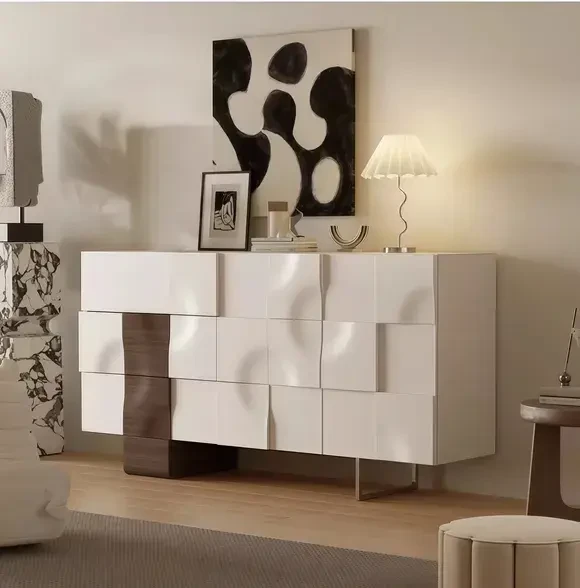
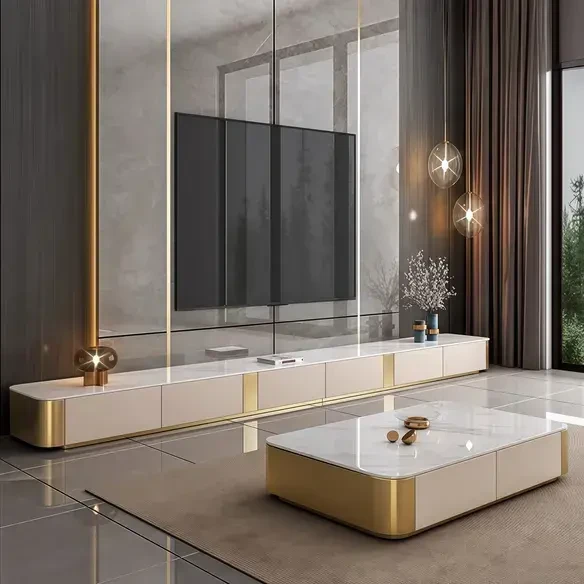
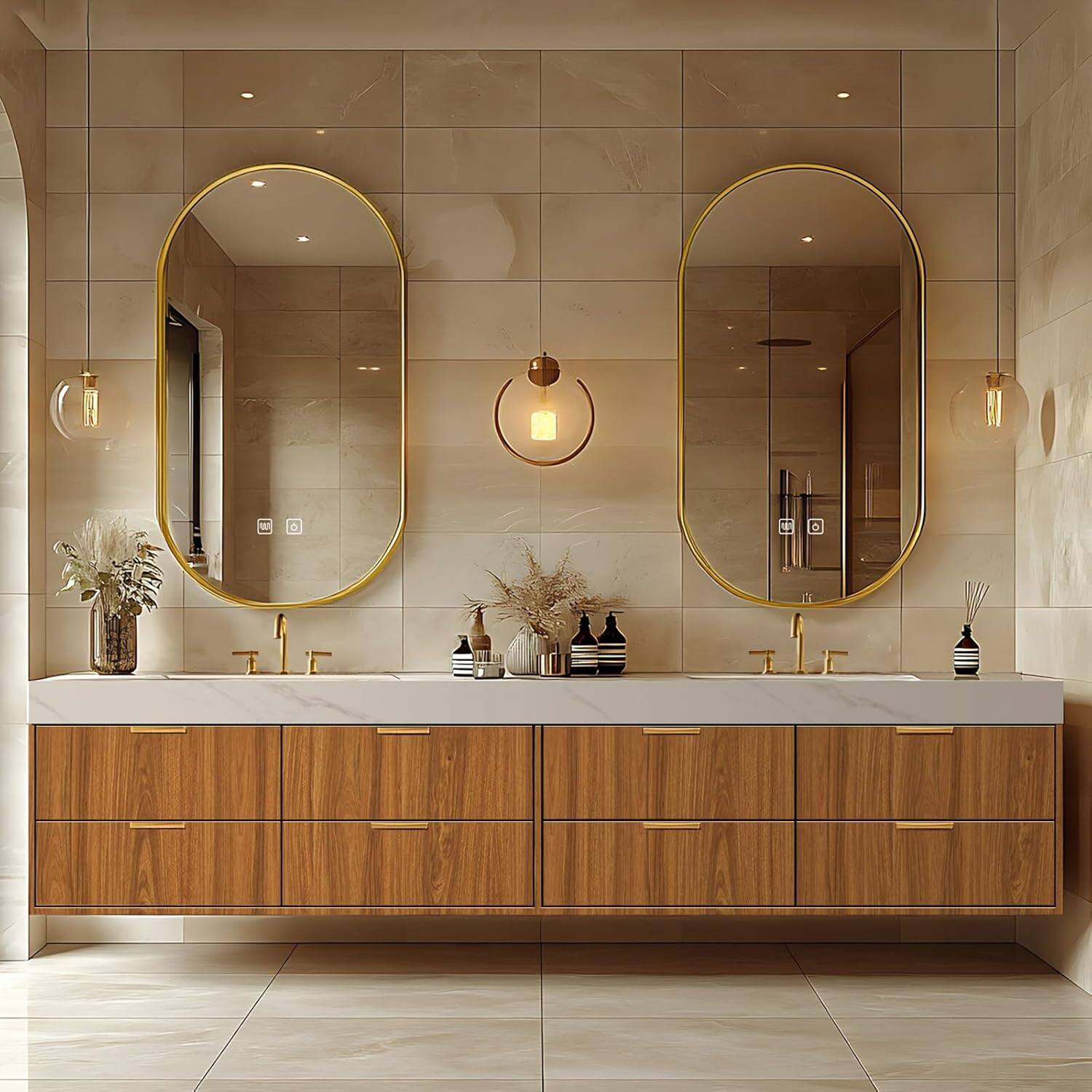
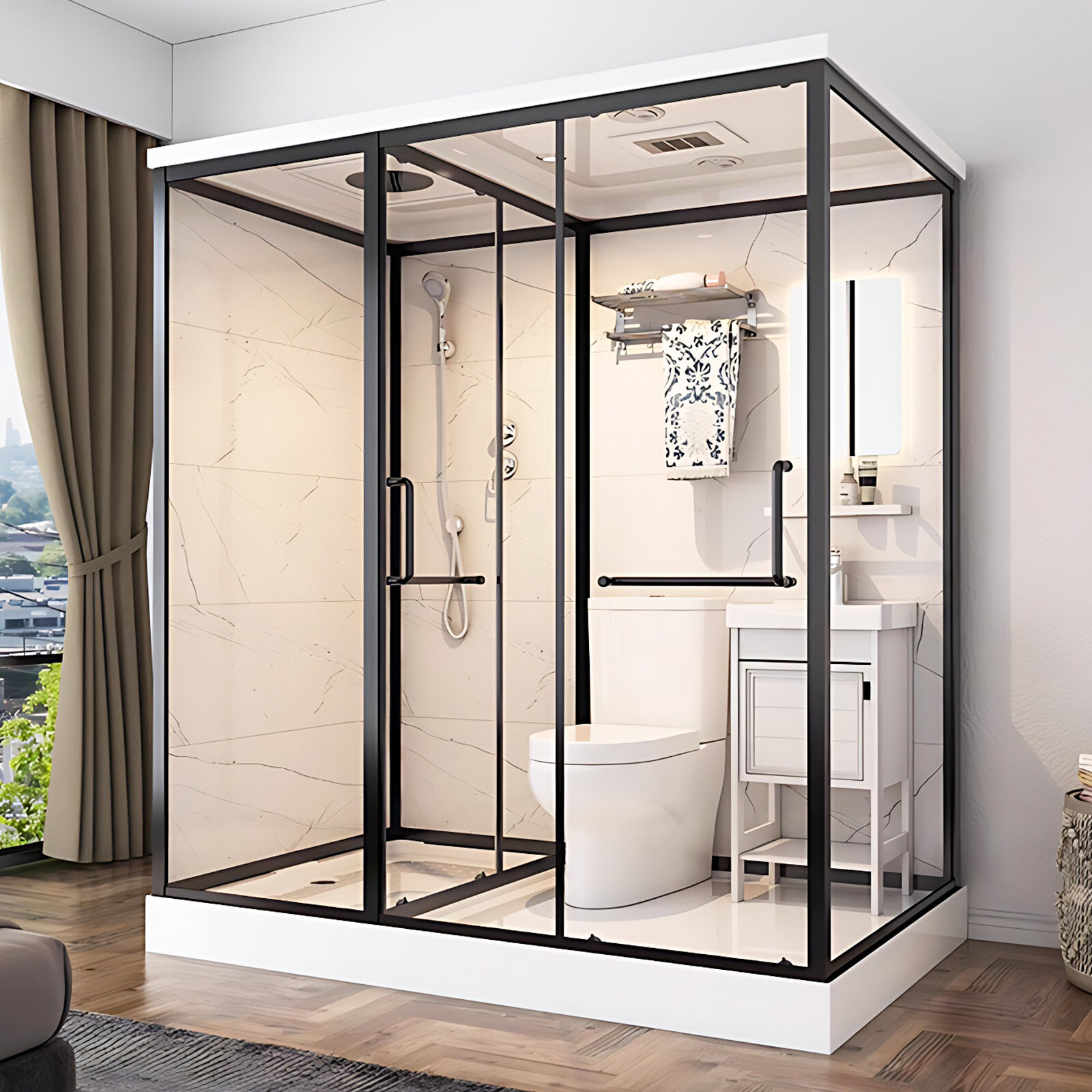
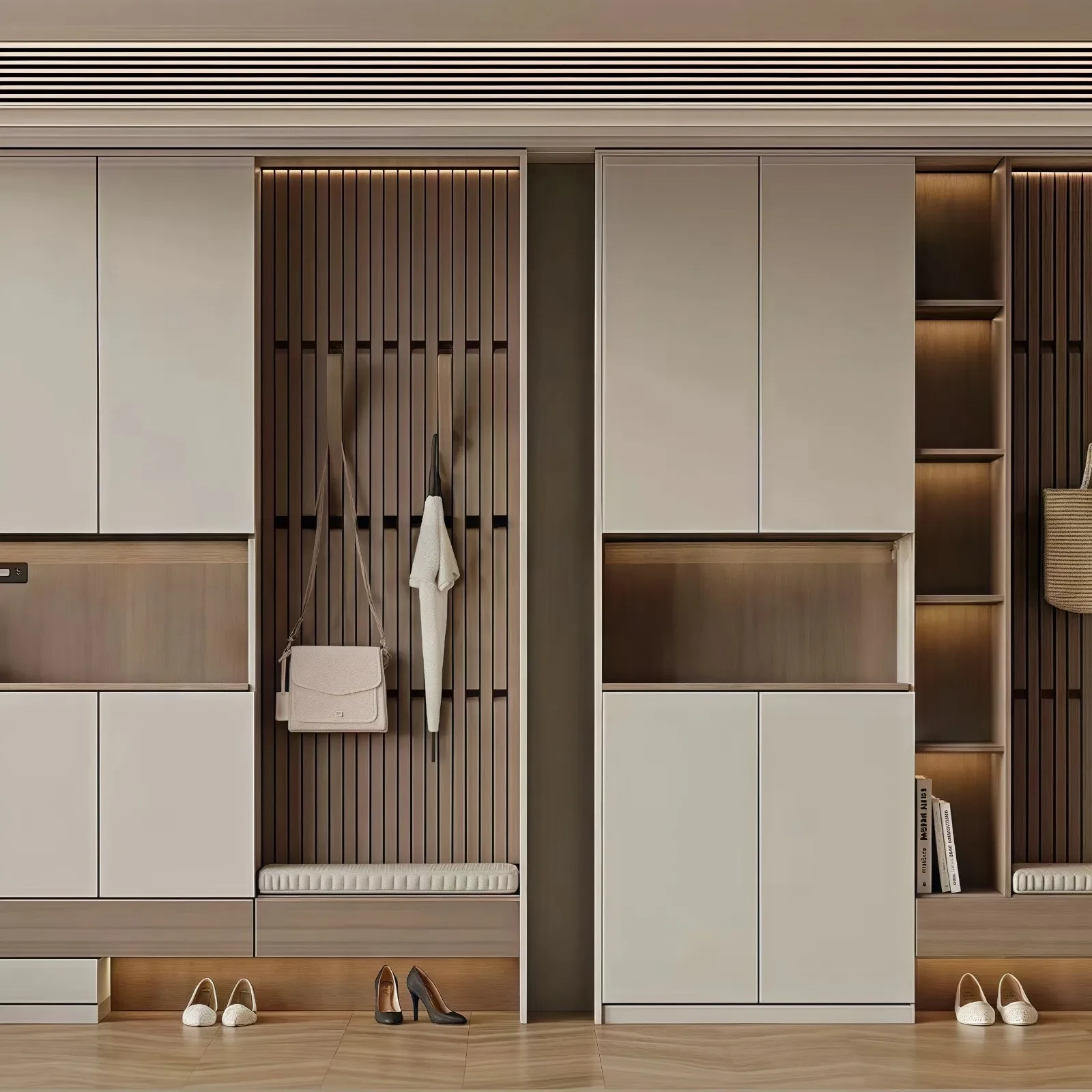
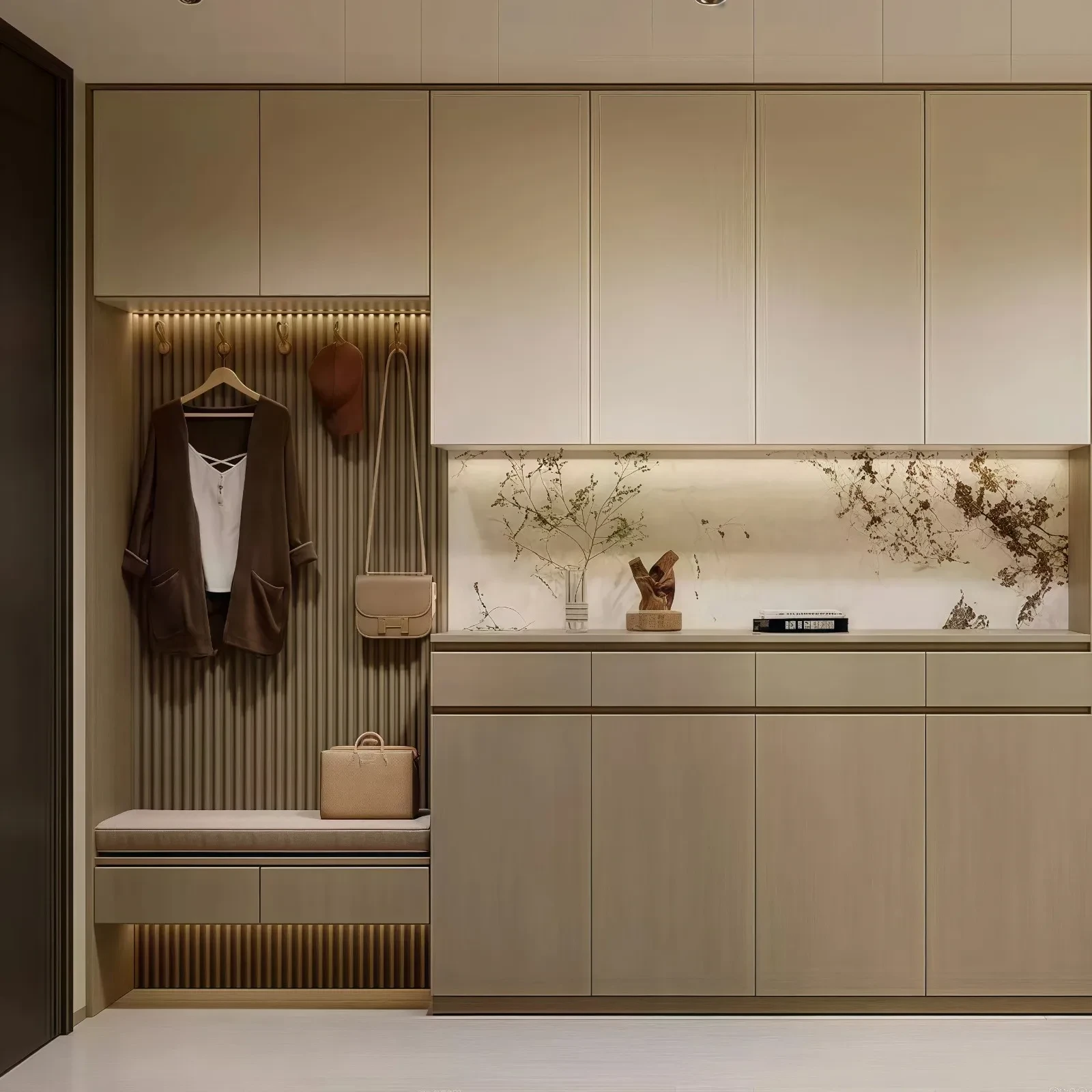
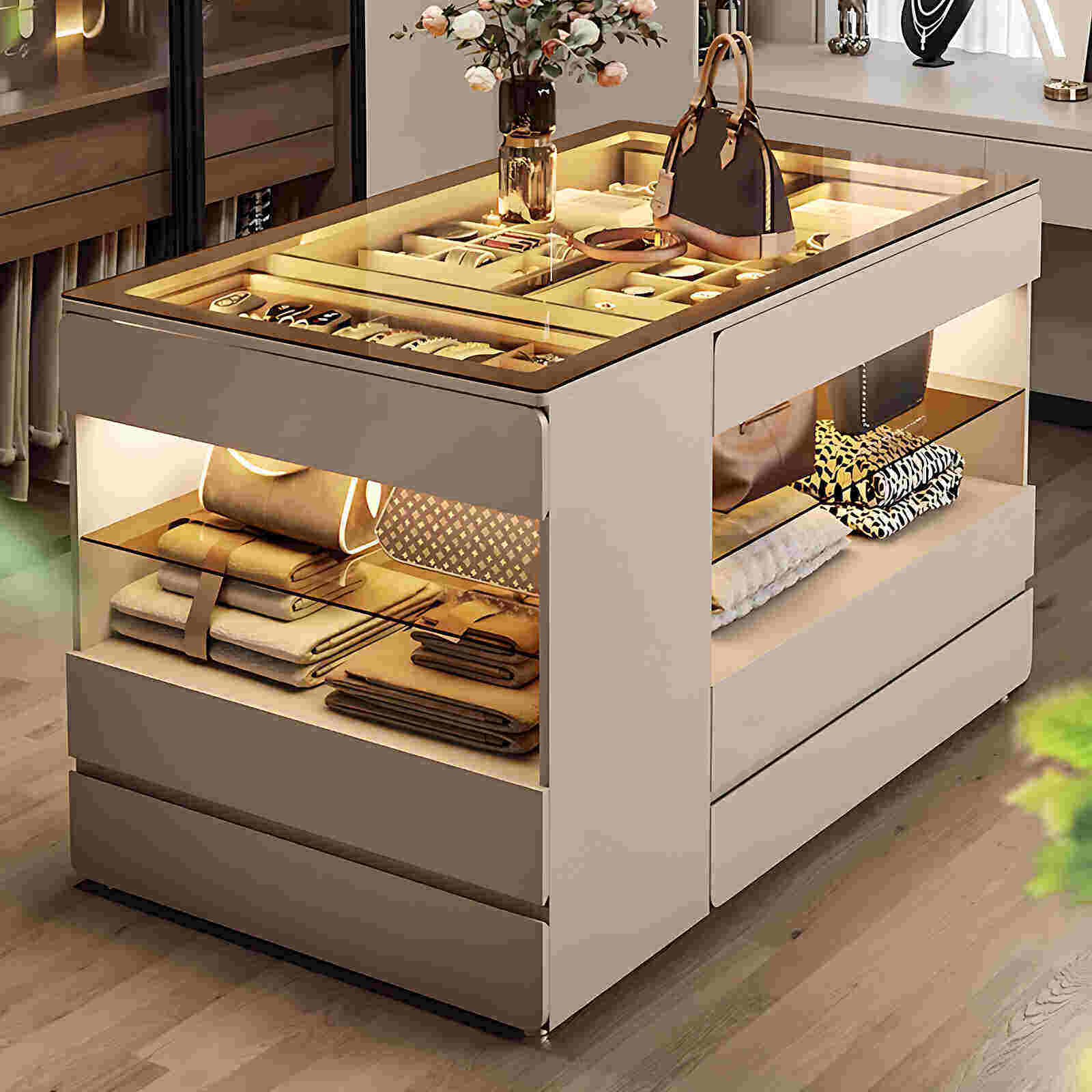
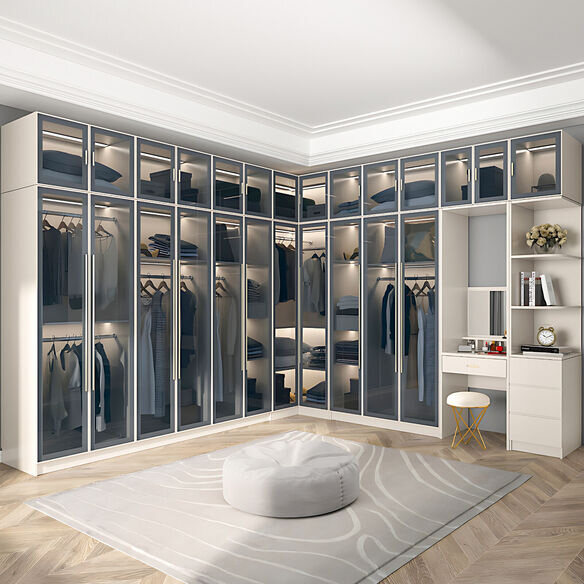


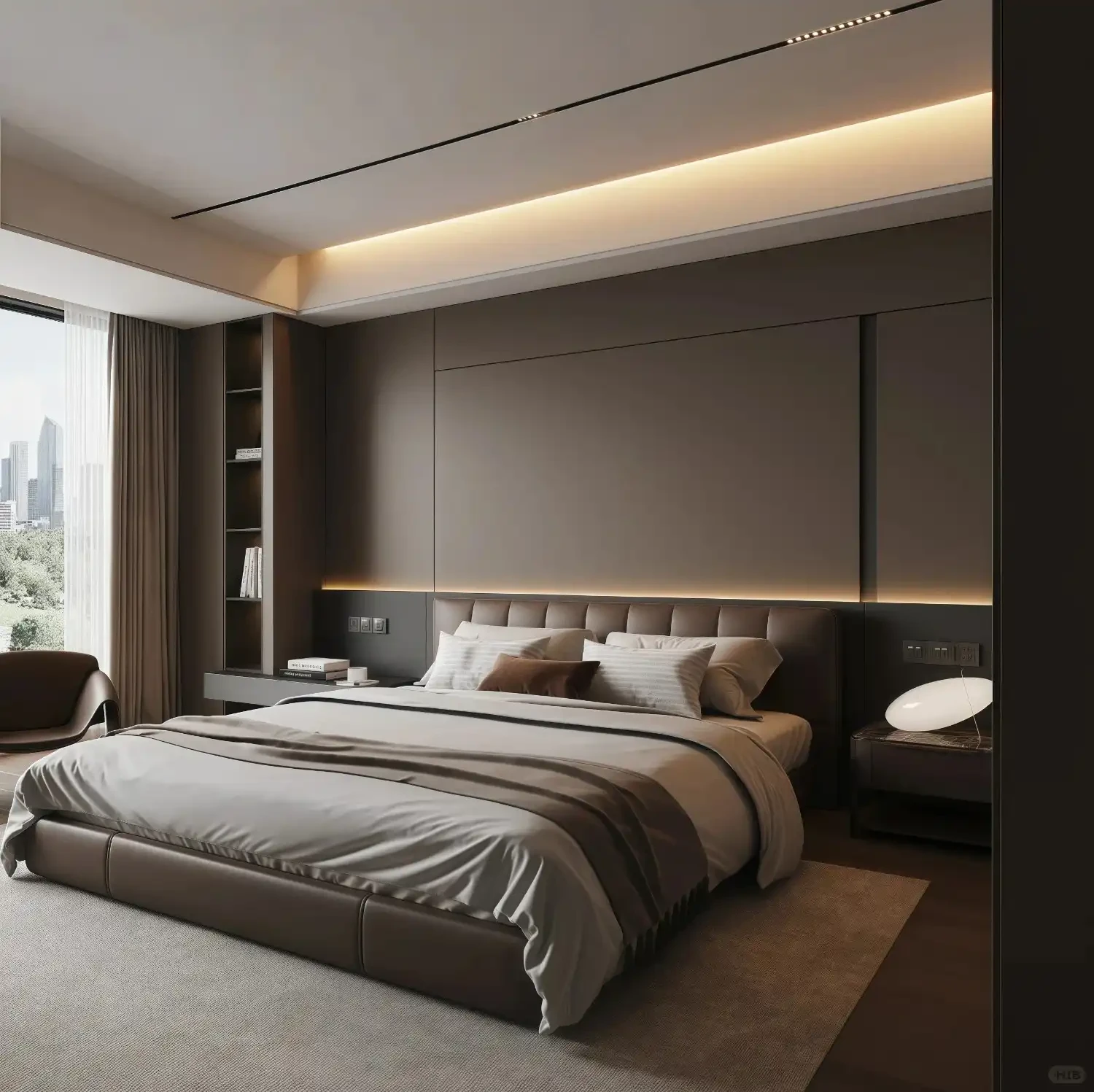
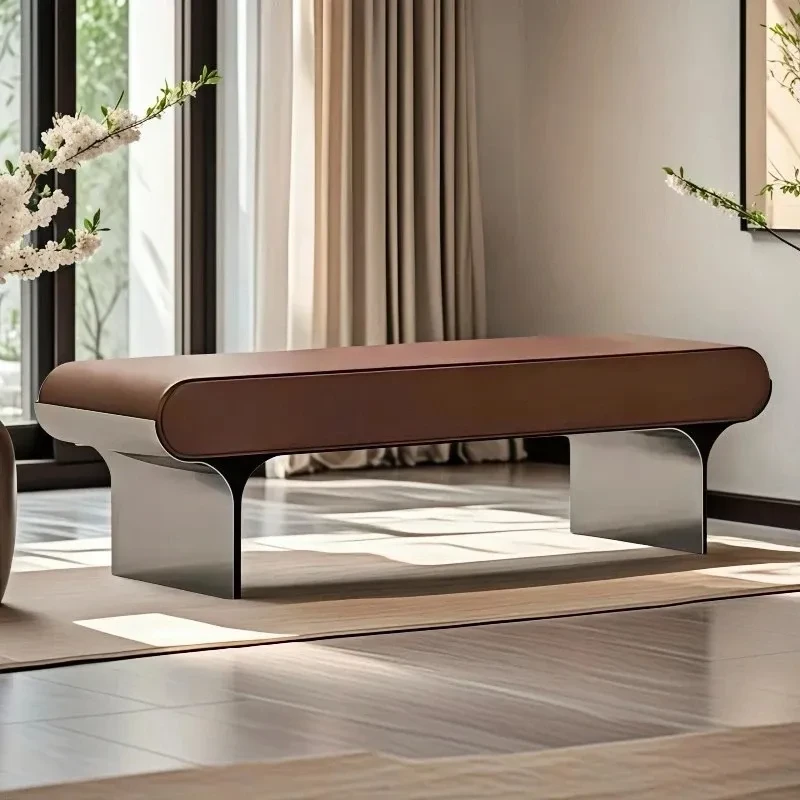
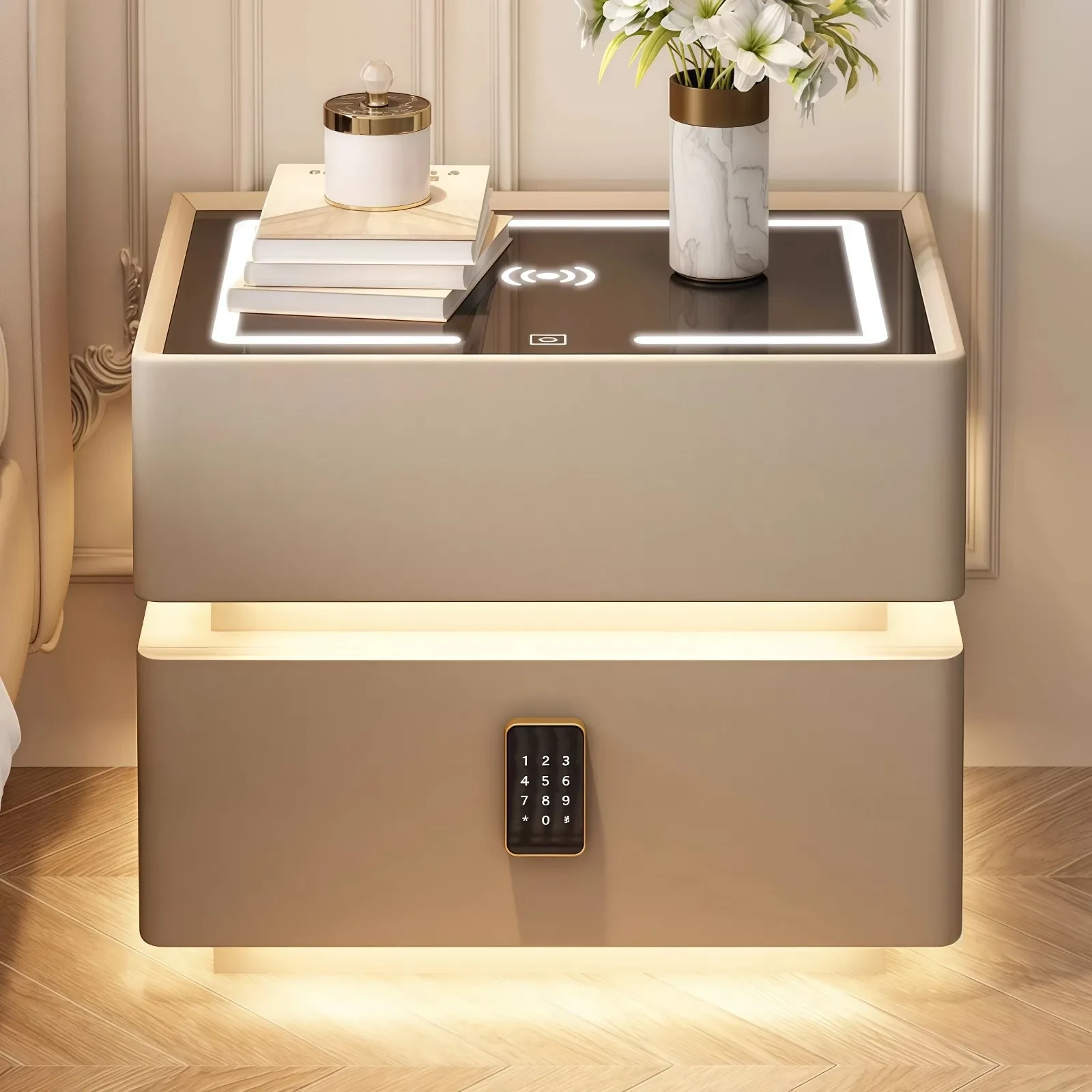
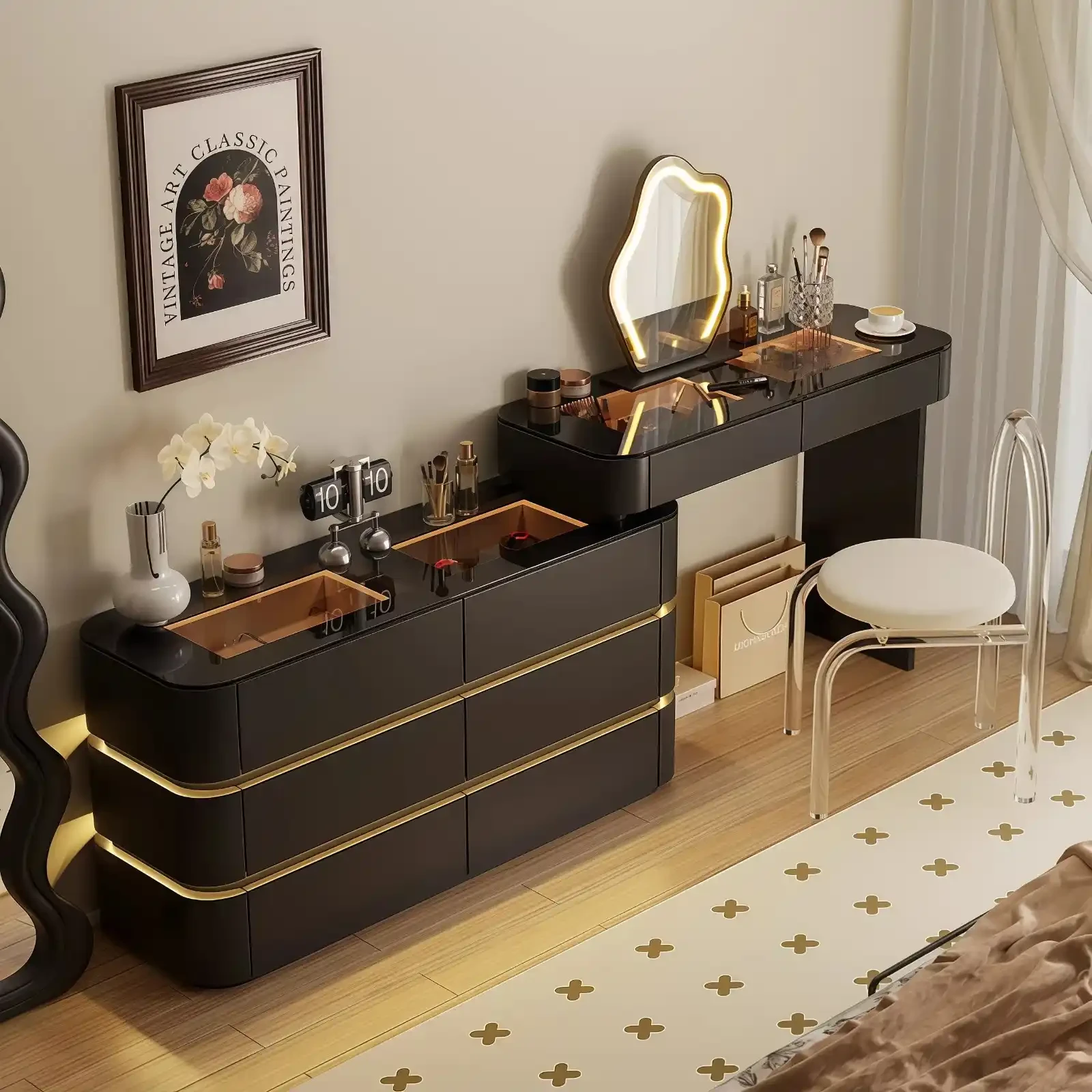
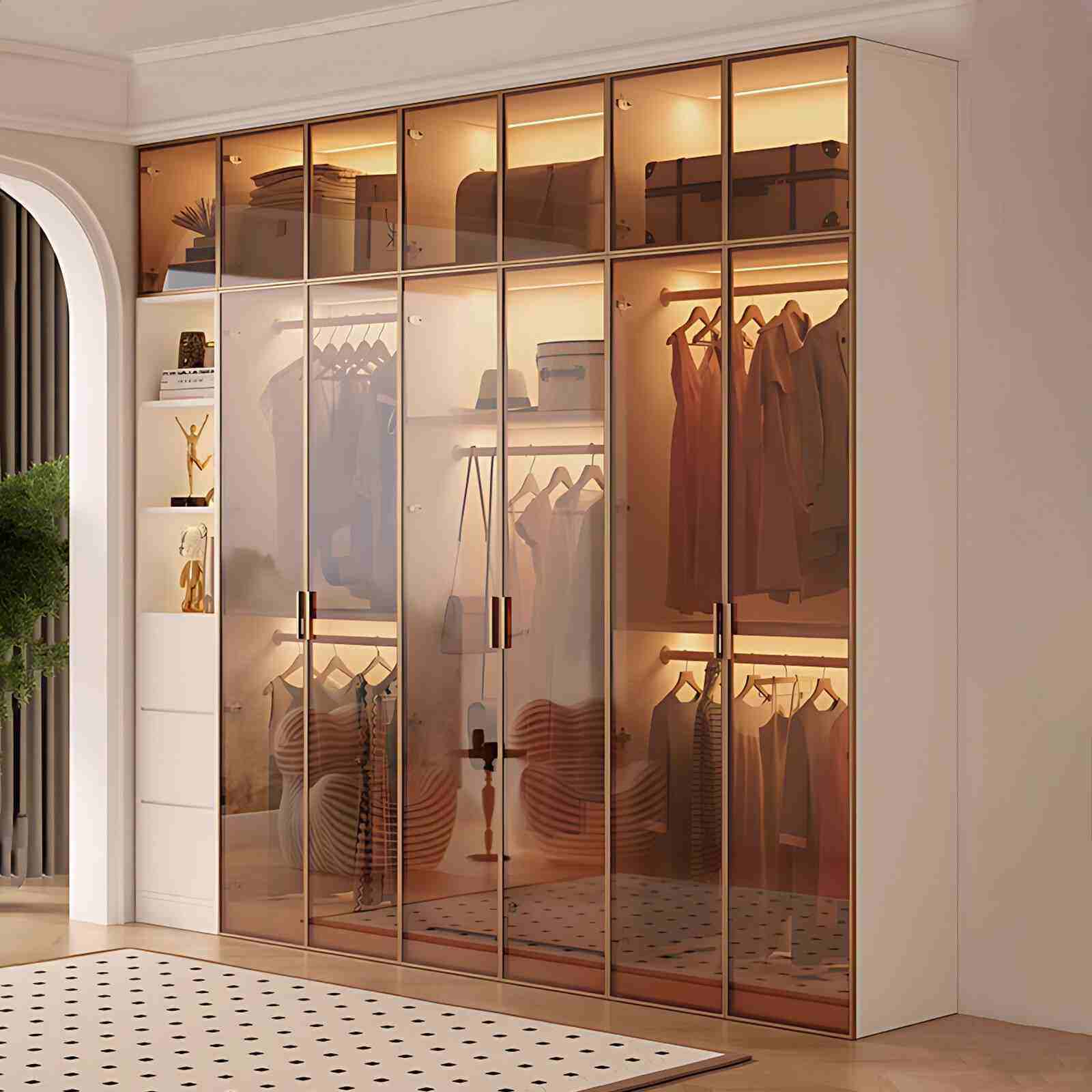
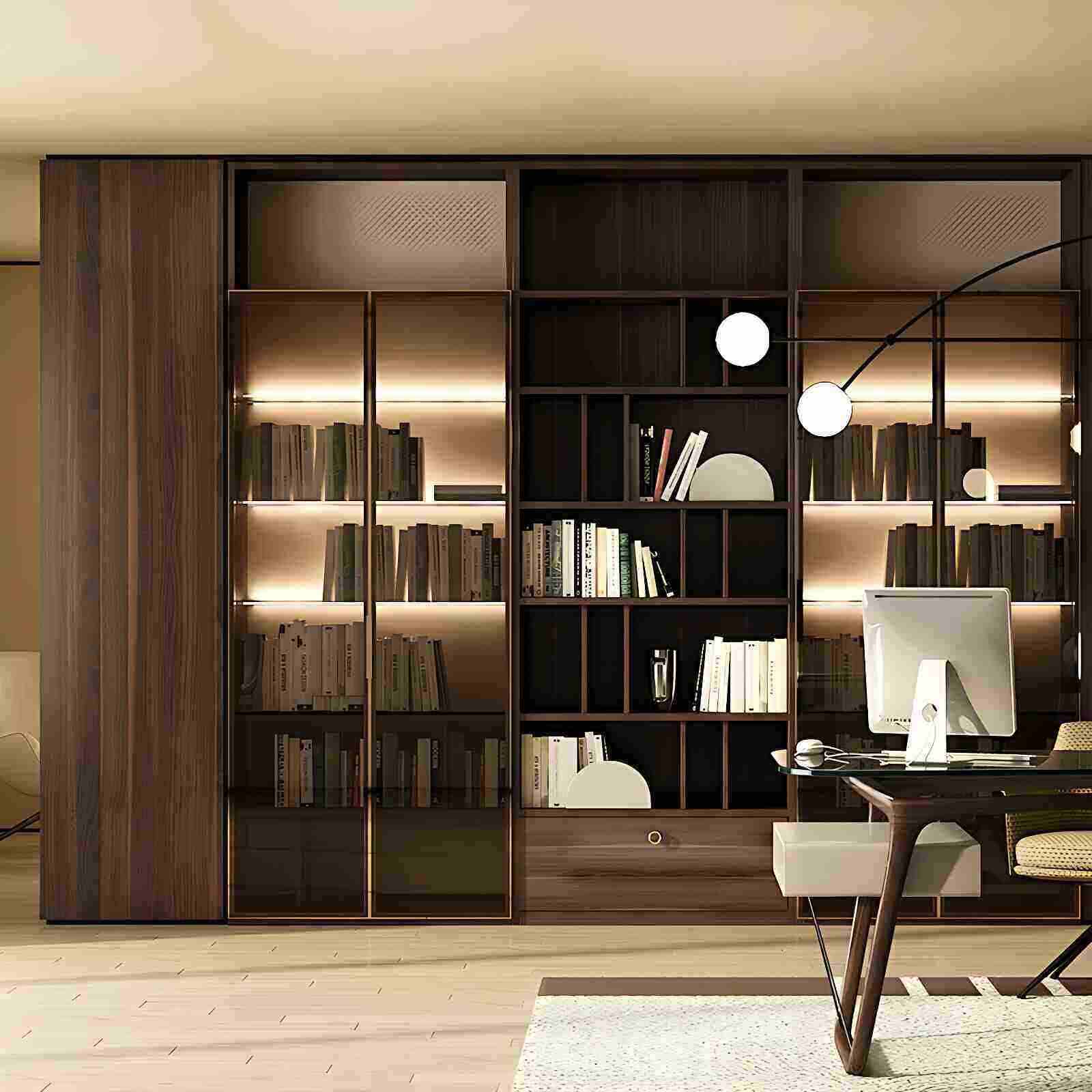
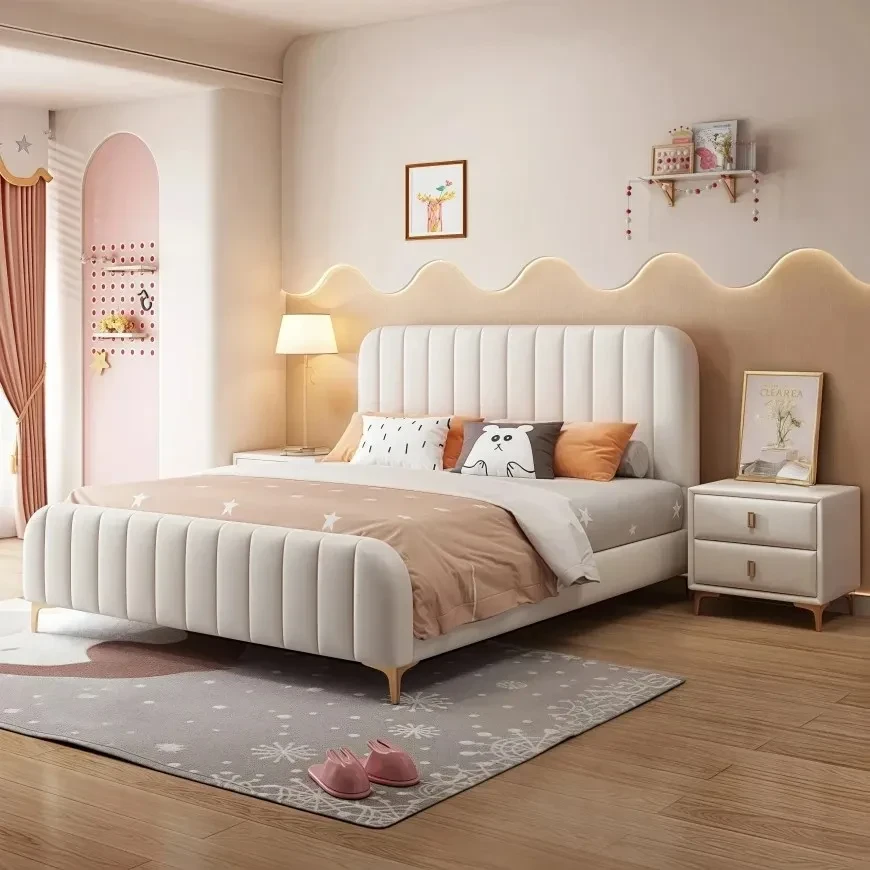
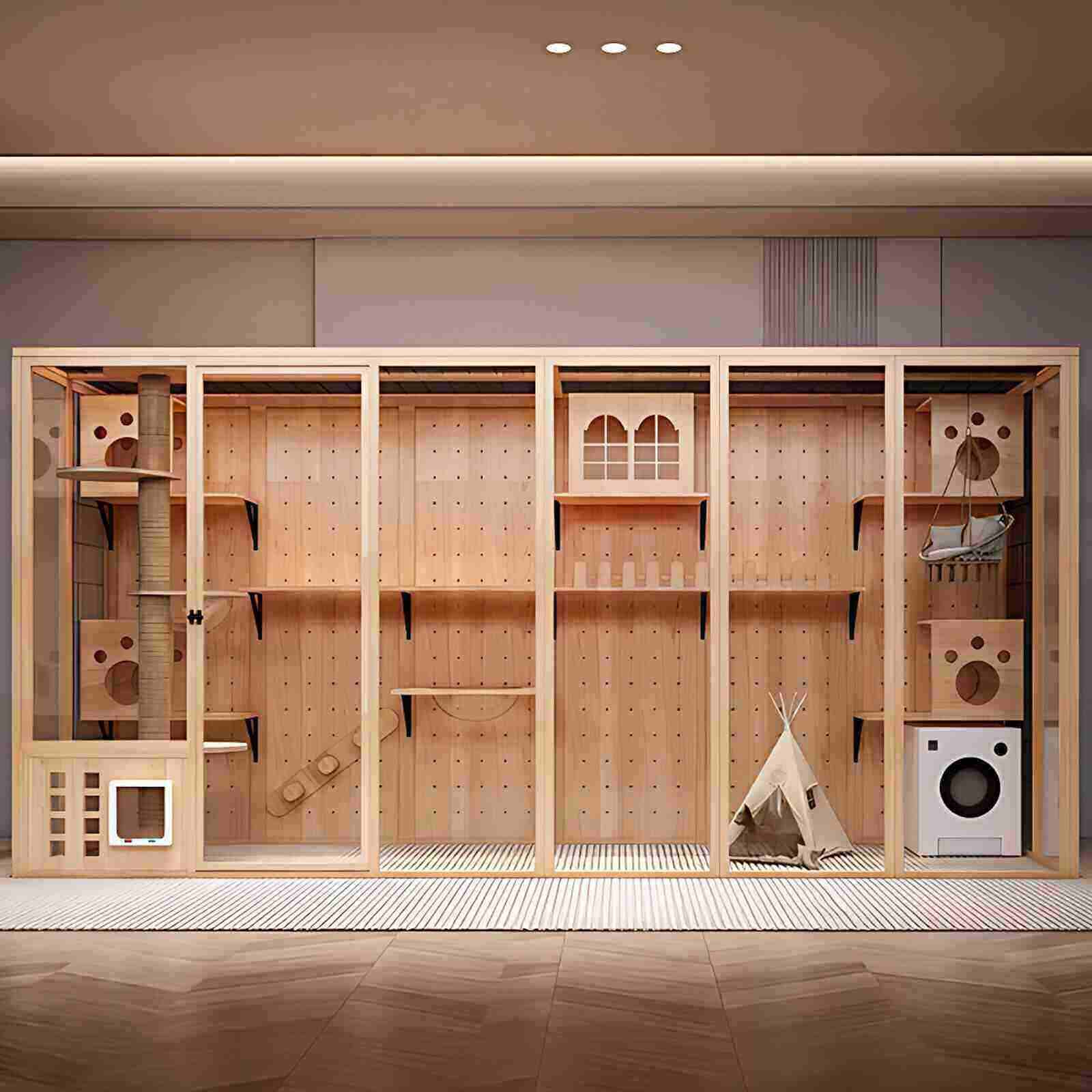
Never choose this type of board for your bedroom wardrobe! The formaldehyde smell won't dissipate for a year, and I regret not knowing this sooner!
After a house is renovated, it's usually necessary to ventilate it for two to three months before moving in. This is because indoor air contains formaldehyde, a toxic gas. Prolonged exposure to formaldehyde can harm one's health. So, where does indoor formaldehyde come from? It may be emitted from wall paint or from building materials. Generally, formaldehyde is emitted from building materials. Next, we'll discuss the formaldehyde issue in building materials on the market.
Currently, the main types of wood-based panels on the market can be divided into two categories: engineered wood panels and blockboard. Engineered wood panels refer to solid wood panels made by splicing together small, processed wood blocks; blockboard refers to a type of decorative panel made by gluing two veneers together with spliced wood boards. Because the processing methods and materials of engineered wood panels and blockboard are very different, the formaldehyde content of the two types of panels differs, and the rate at which formaldehyde evaporates also differs significantly.
Engineered wood panels contain higher levels of formaldehyde, and the formaldehyde in them is more volatile. Because the joints of engineered wood panels are serrated, gaps exist between the panels, allowing formaldehyde molecules to escape. However, plywood, with its denser construction, contains formaldehyde that is less likely to evaporate and takes longer to dissipate, posing an environmental concern. But plywood also has its advantages, such as being easier to paint and having a longer lifespan.
Based on the above introduction to the two different types of boards, we can easily draw a conclusion. For families who want to move into their new home as soon as possible and don't want to wait any longer, they can choose the more environmentally friendly engineered wood panels. For families who are not in a hurry to move into their new home, they can also choose finely crafted plywood. In short, from an environmental perspective, engineered wood panels are a better choice than plywood.