
 USD
USD GBP
GBP
 EUR
EUR



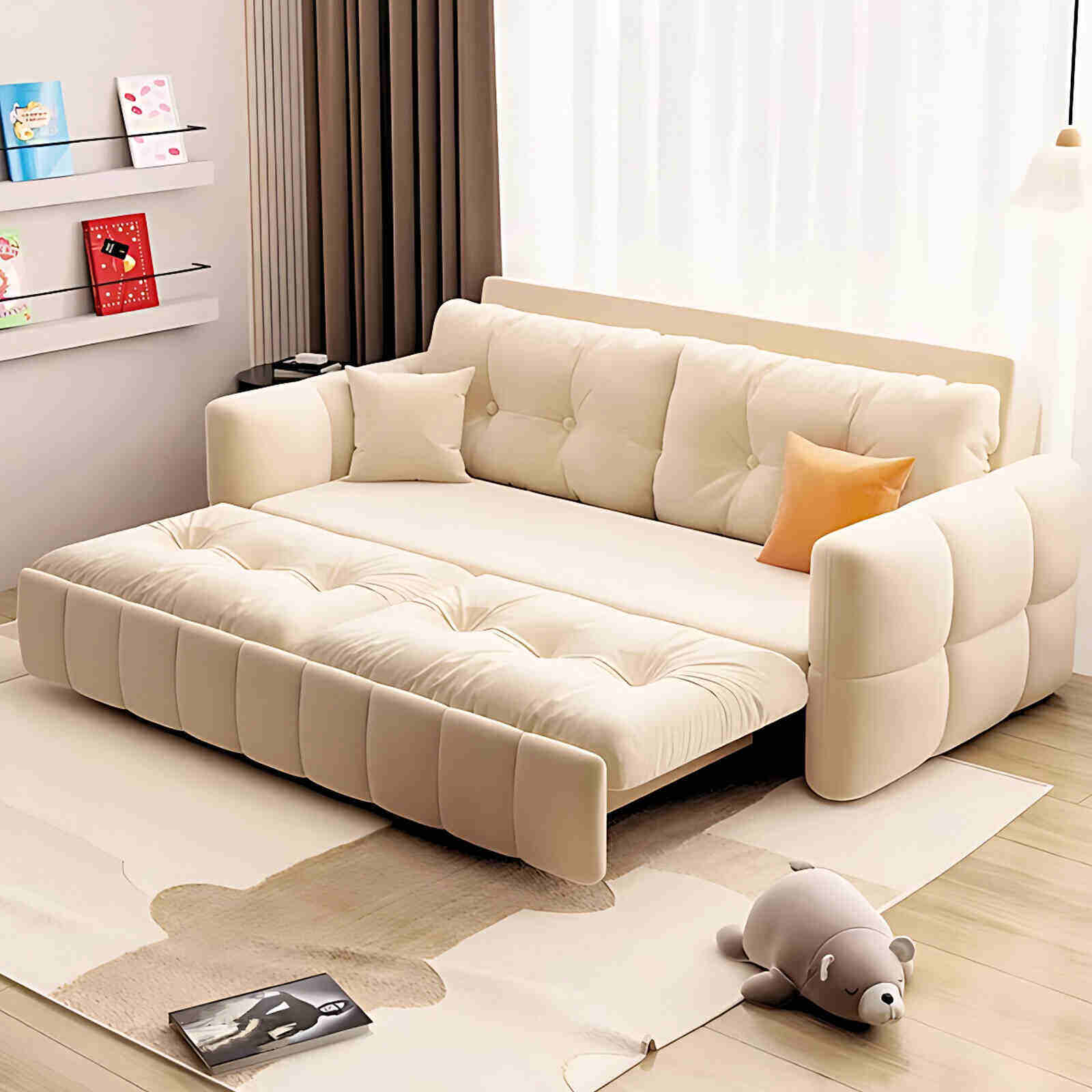
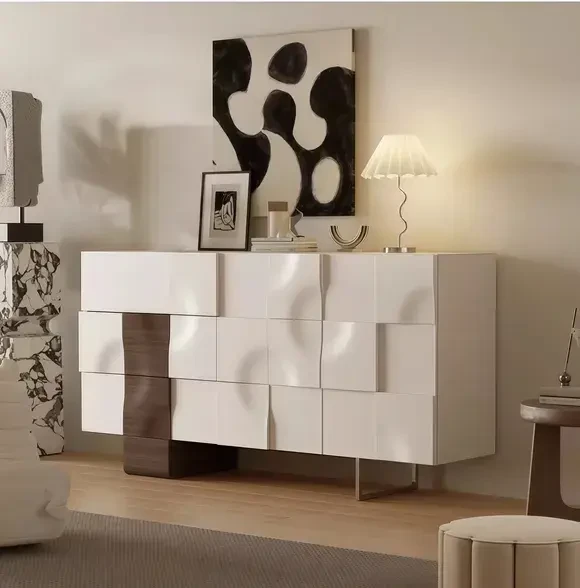

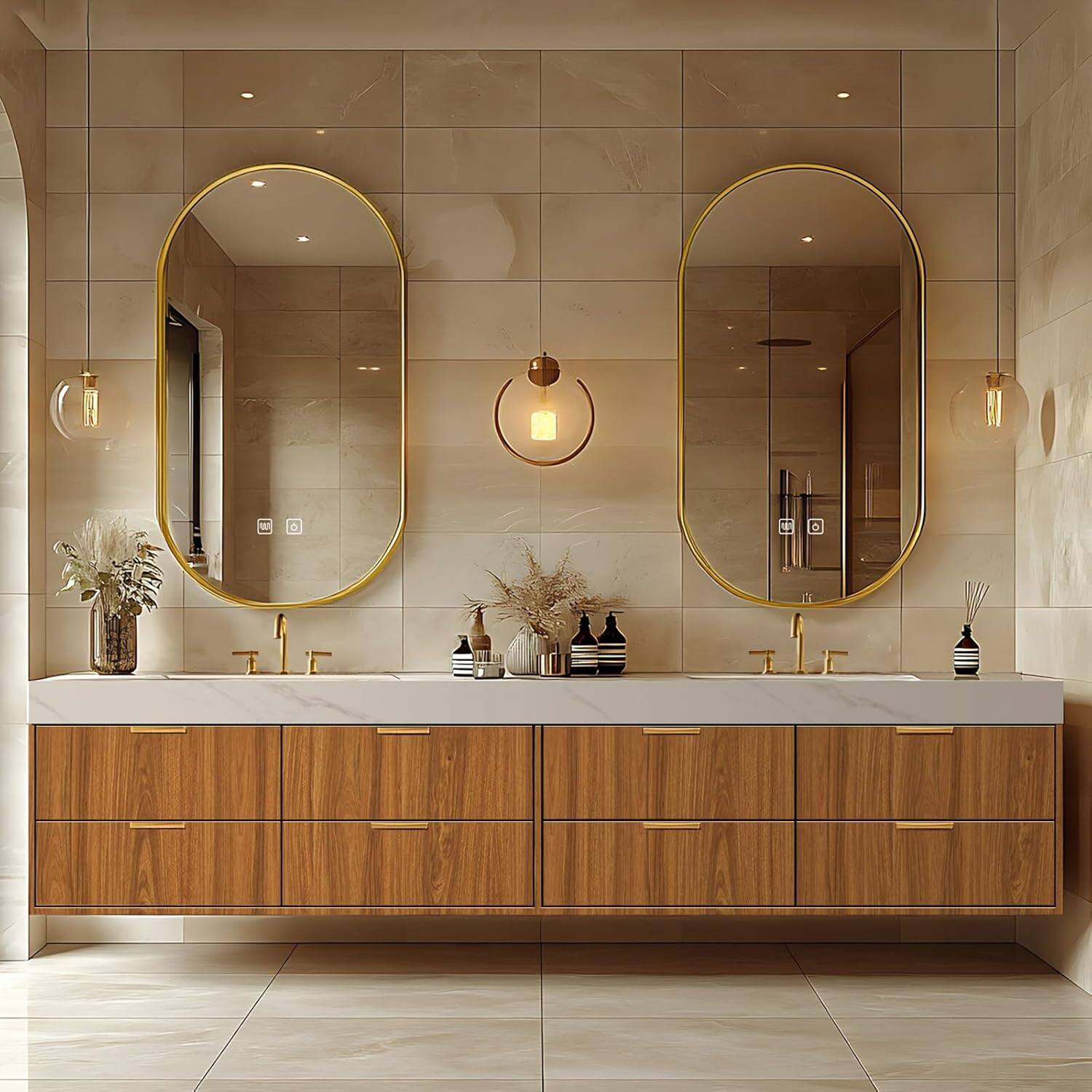
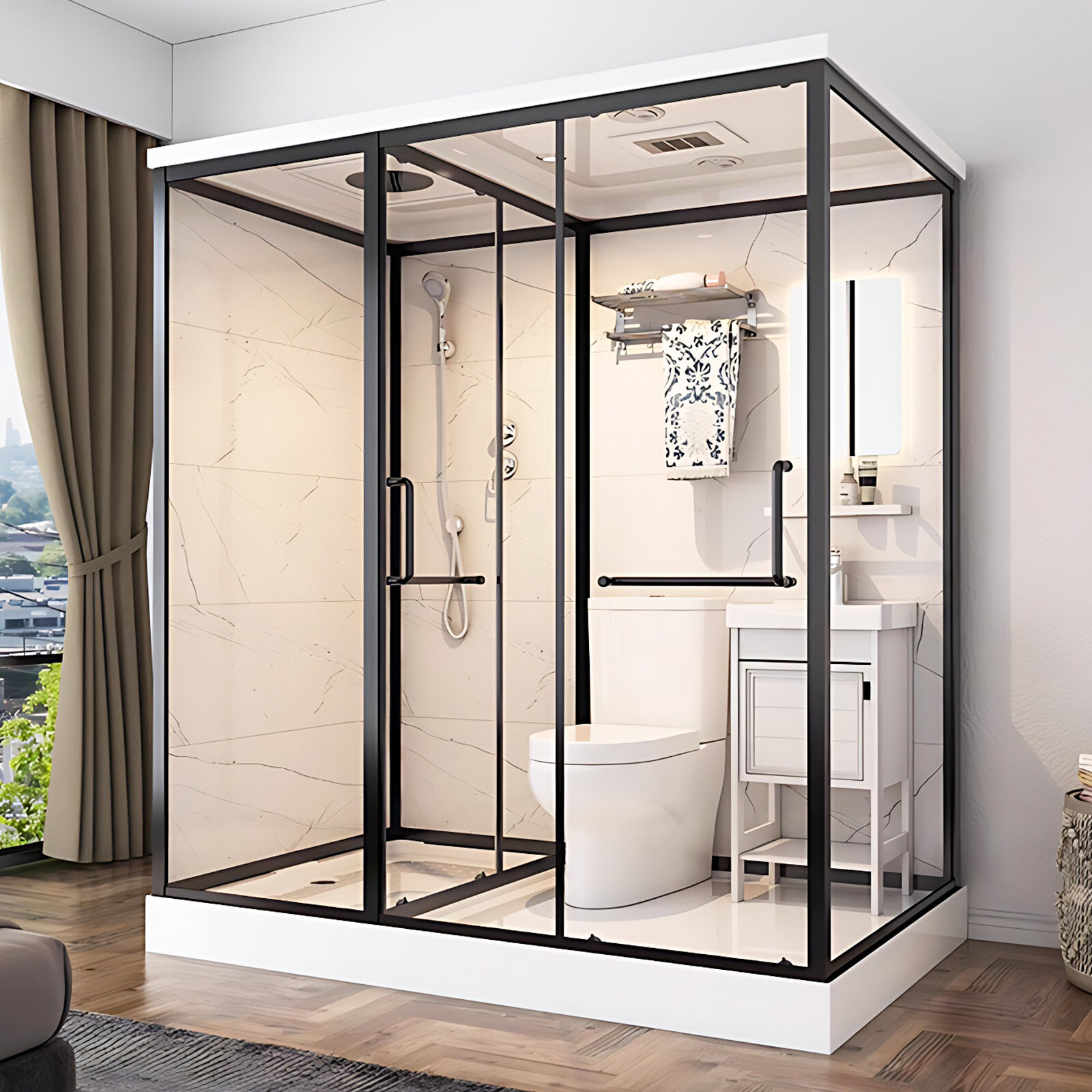

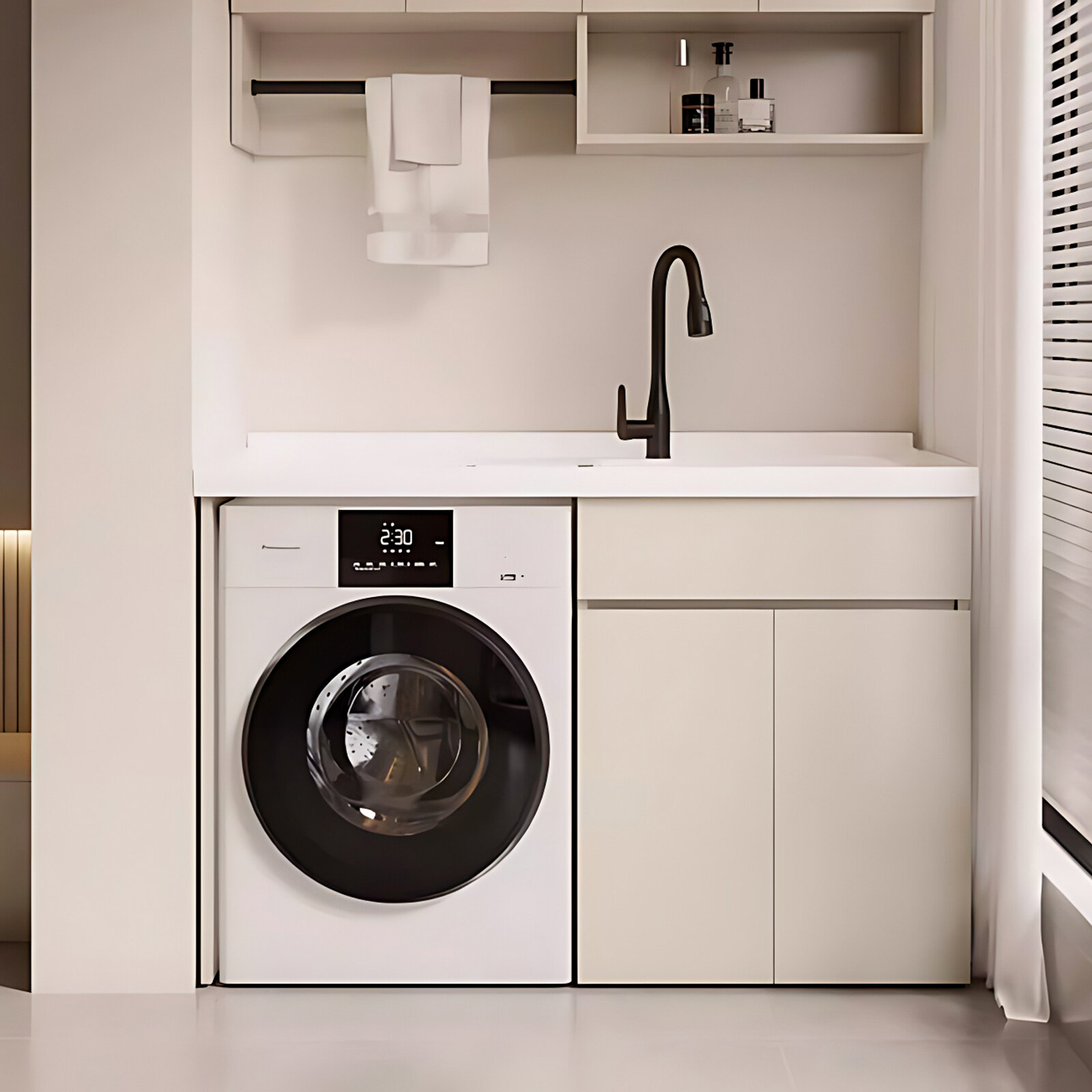

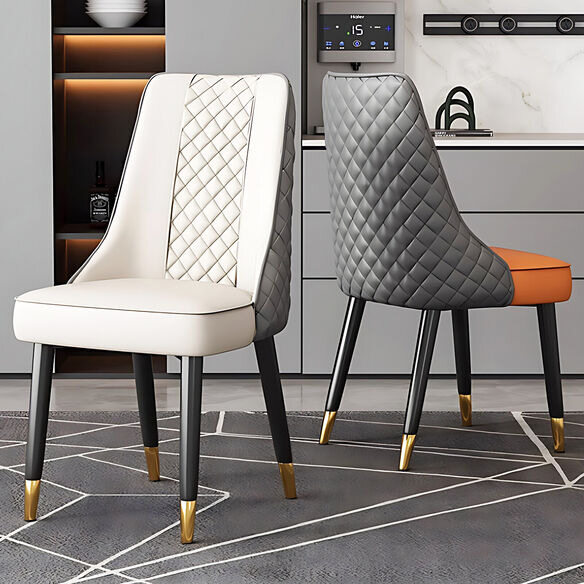
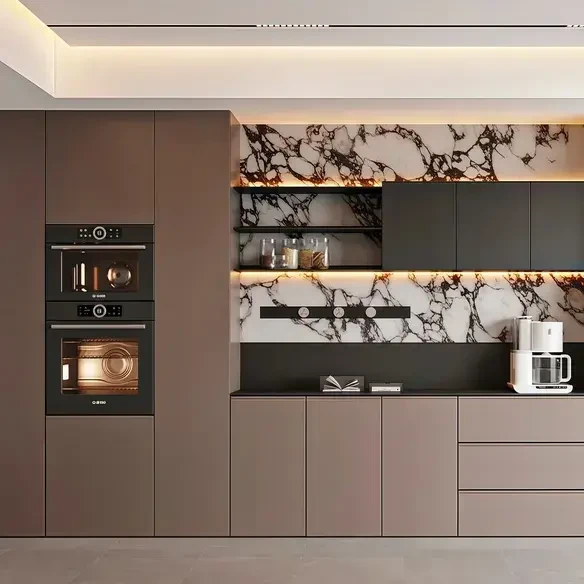
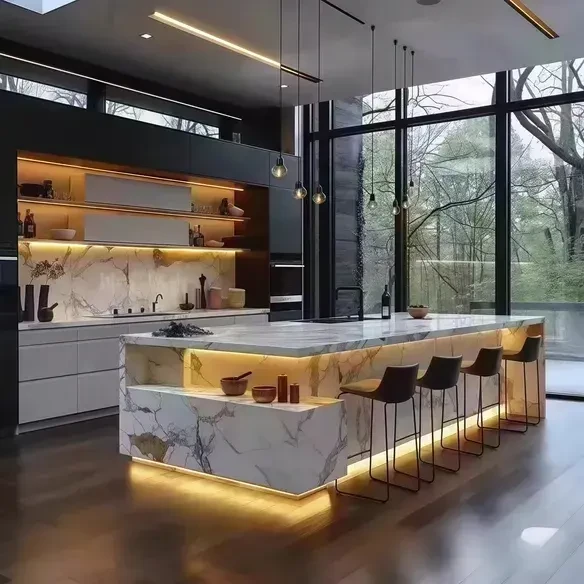
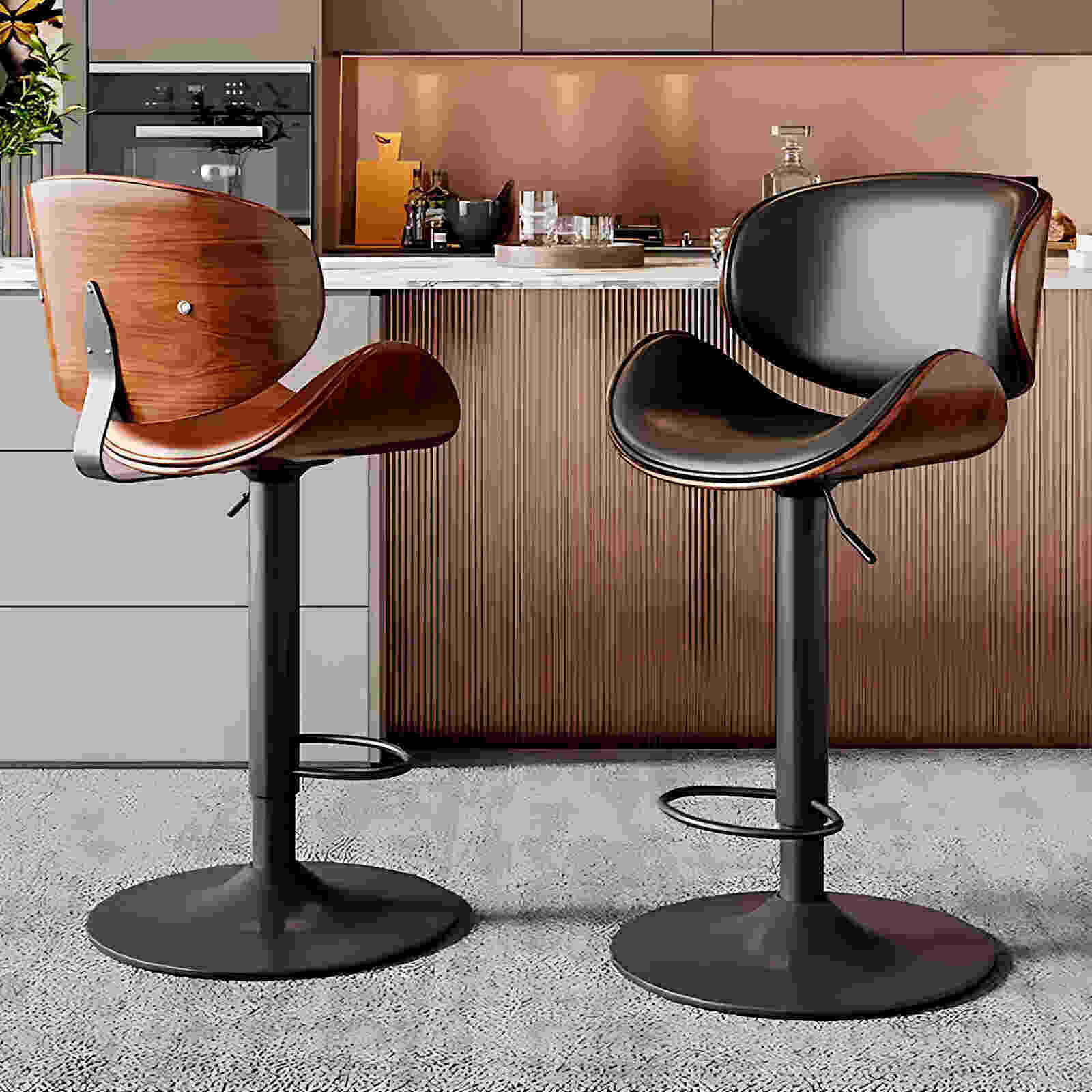




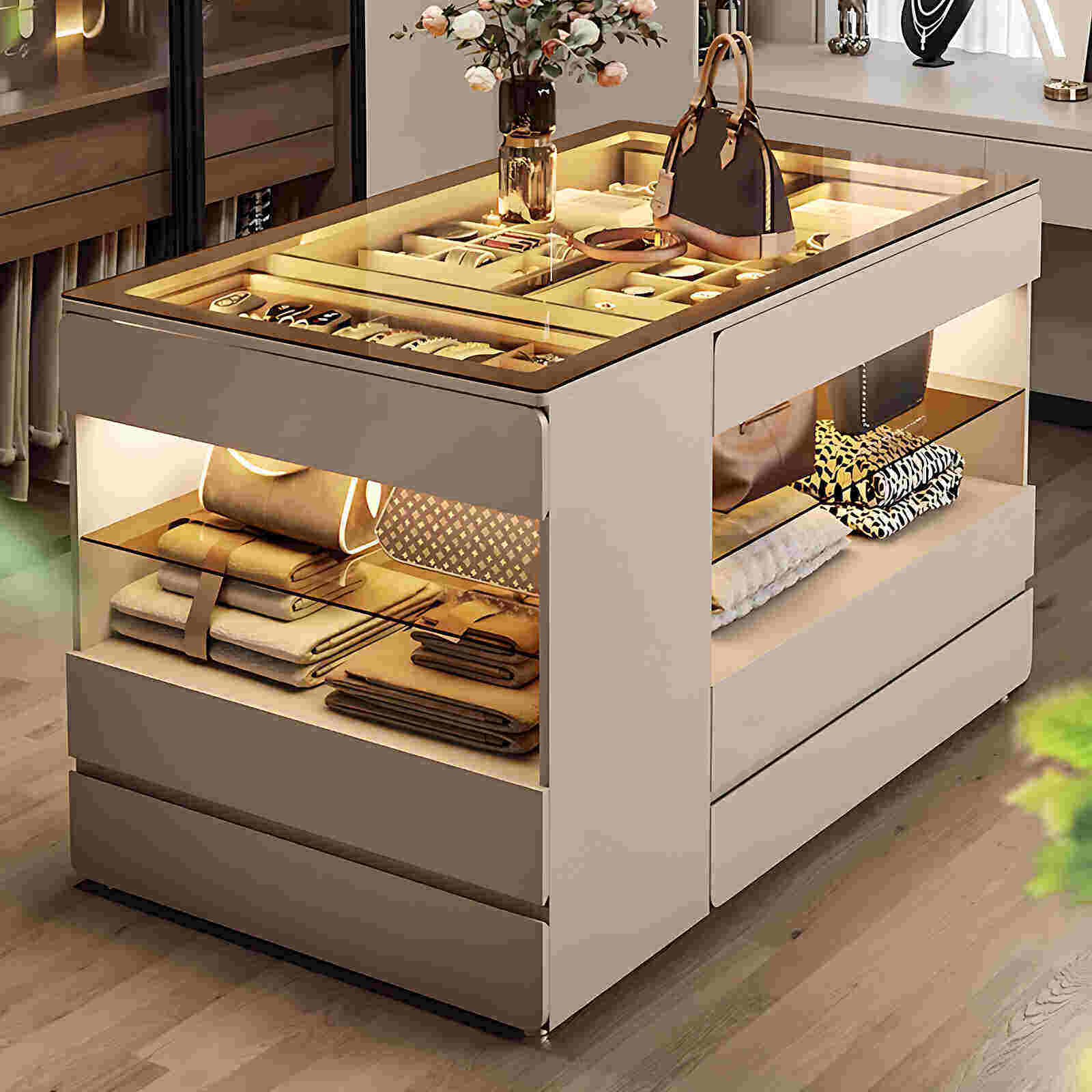
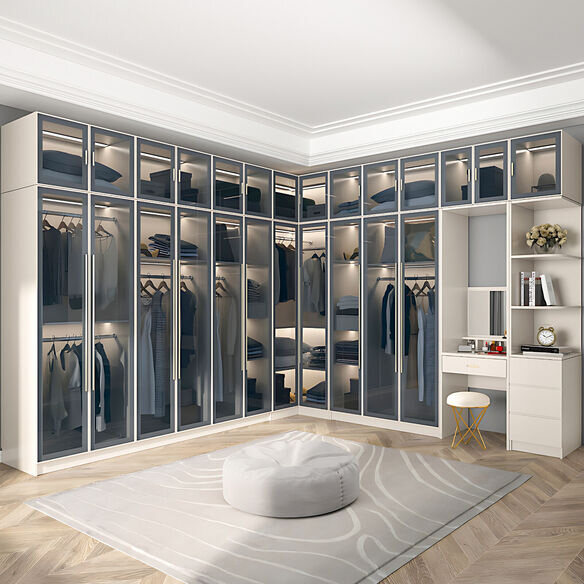

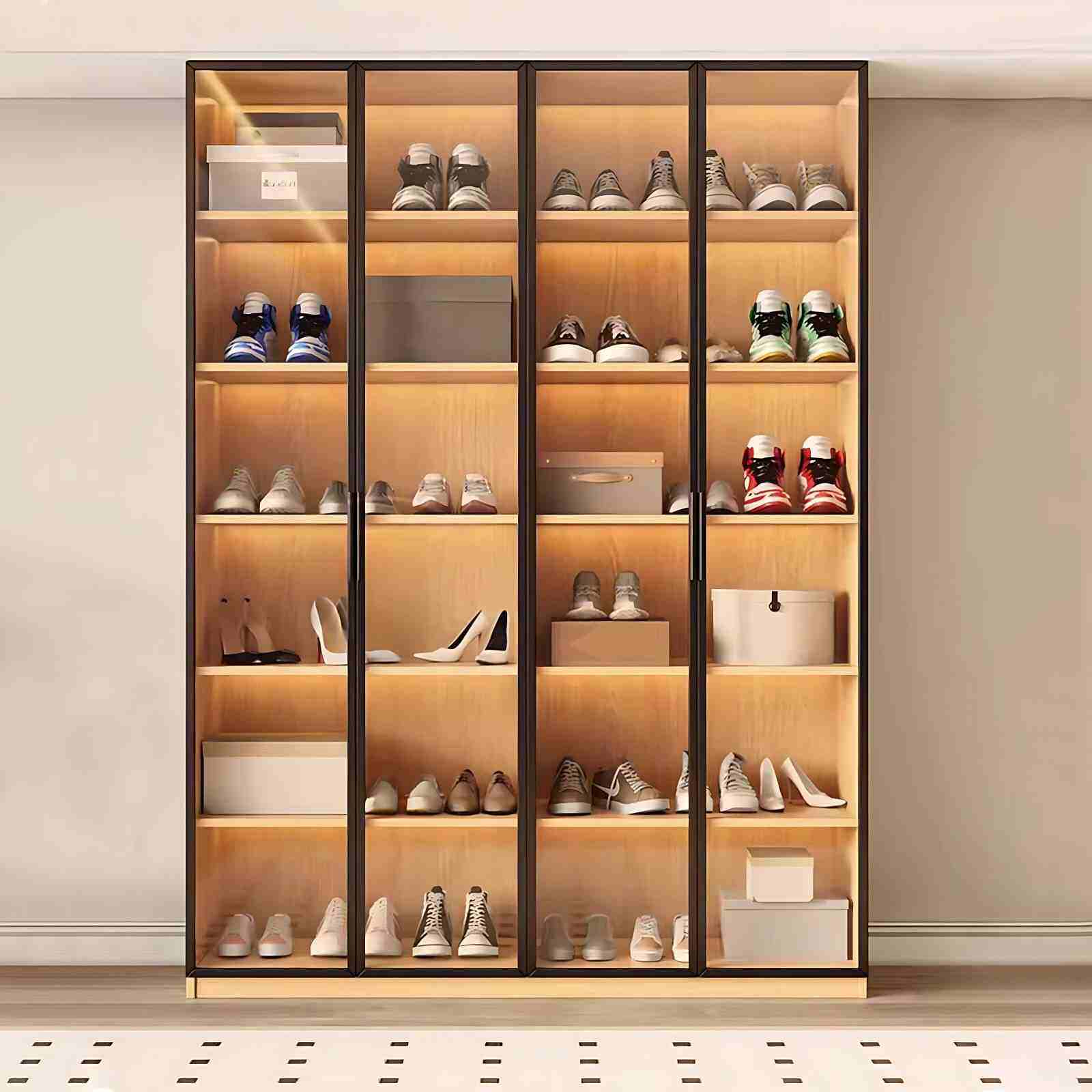





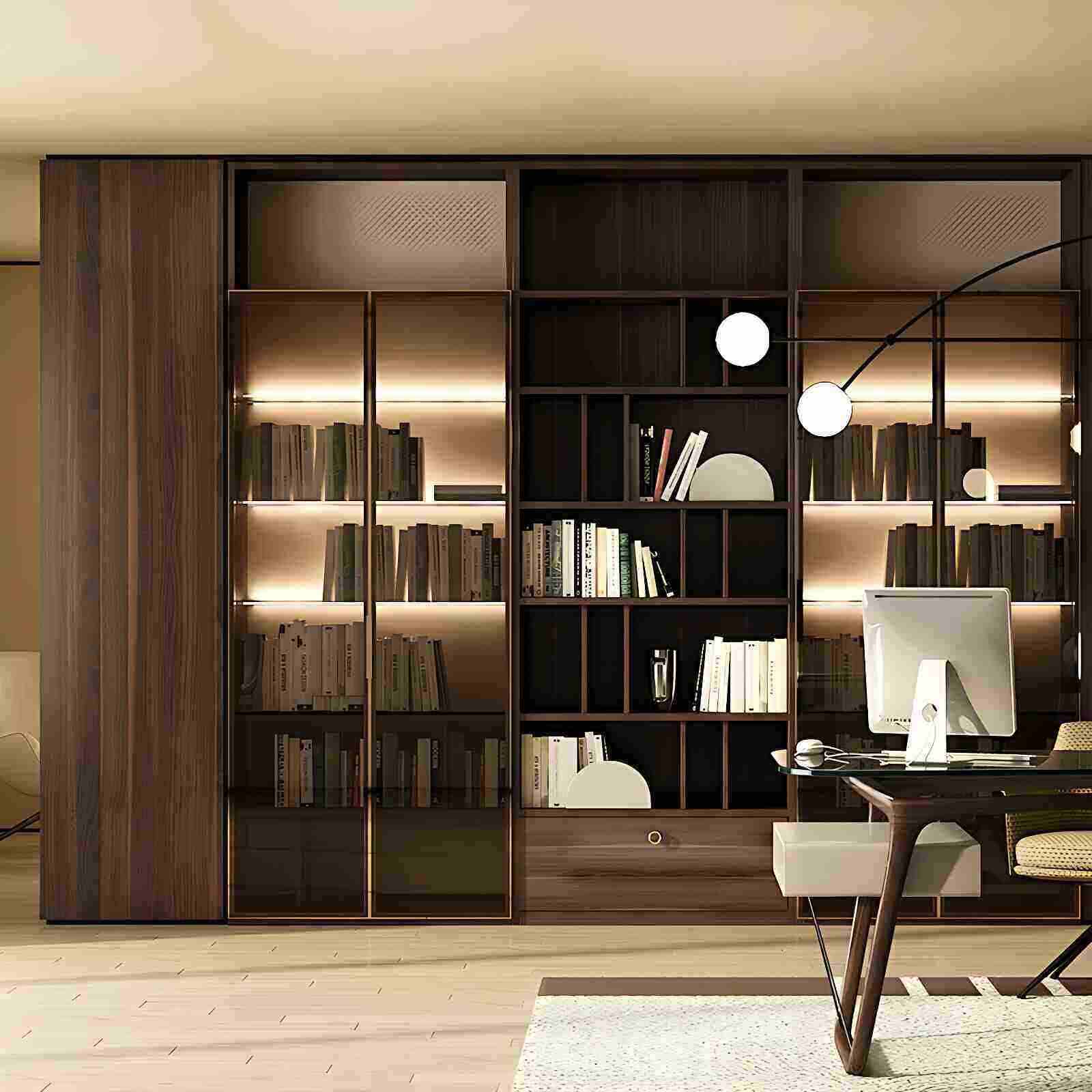


Customized kitchen cabinets have become a mainstream choice in modern home decoration, but the intricacies and details involved cannot be ignored. From material selection and design layout to installation and acceptance, every step affects the practicality and aesthetics of the cabinets. Below, we will discuss in detail several aspects to consider when customizing kitchen cabinets.
01 Material Selection
The quality of the cabinet boards directly determines the lifespan and overall appearance of the cabinets. First, pay attention to the board's moisture resistance, structural stability, and stain resistance. In addition, environmental friendliness is also an important factor. It is recommended to choose boards with a thickness of at least 18mm to ensure the cabinets' sturdiness and durability. Regarding materials, solid wood, multi-layer solid wood, fire-resistant boards, and moisture-resistant boards each have their own advantages and disadvantages; consumers can choose according to their needs and budget.
The boards are made of high-quality raw materials, have excellent stability, are durable, and meet national environmental standards, ensuring a healthier life.
02. Dimensional Measurement and Rationality
Measuring the dimensions of your kitchen cabinets is crucial; they must be compatible with the kitchen space and appliance sizes. When measuring, consider the location of gas, water, and electricity lines to avoid problems during installation. Furthermore, the cabinet design should fully consider ergonomic principles, such as countertop height, the ratio of wall cabinets to base cabinets, and the distance between them, to ensure comfort and convenience.
03. Traffic flow zoning design
Workflow zoning is a crucial aspect of custom kitchen cabinet design. A well-designed workflow allows for greater ease of movement and turning during cooking. When designing, it's essential to consider the continuity of steps such as retrieving, washing, chopping, and cooking vegetables to ensure a smooth and efficient workflow.
04. Storage Design
Storage design is a crucial aspect of kitchen cabinet practicality. A well-designed storage system allows you to easily find the items you need and reduces clutter in the kitchen. Drawers, lift-up doors, or hinged doors each have their unique advantages, and you can choose according to your individual needs. At the same time, pay attention to the rational use and categorization of storage space to make the kitchen more tidy and organized.
05. Installation and Acceptance
When installing cabinets, ensure all components are securely installed without any wobbling. Also, check the cabinets' flatness and verticality, and ensure that doors and drawers open and close smoothly. During acceptance inspection, carefully examine every detail of the cabinets to ensure they are free of defects and damage.
Customizing kitchen cabinets is a complex project that requires comprehensive consideration of multiple factors. During the renovation process, consumers need to communicate fully and cooperate closely with the designer and foreman to ensure that the customized cabinets achieve the desired effect. Only in this way can the kitchen become more beautiful, practical, and comfortable.