
 USD
USD GBP
GBP
 EUR
EUR
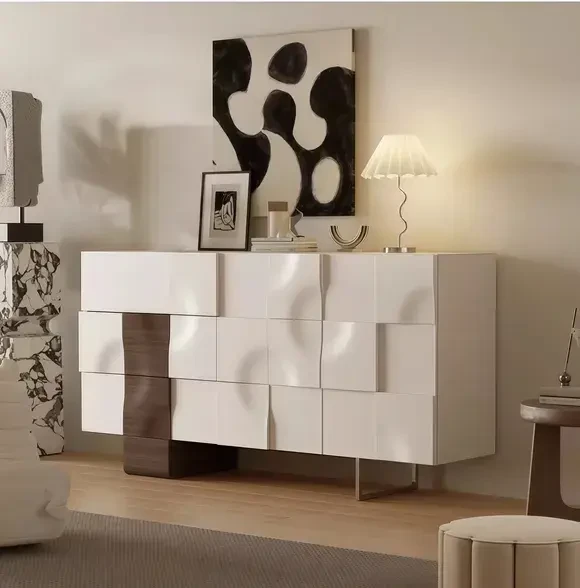
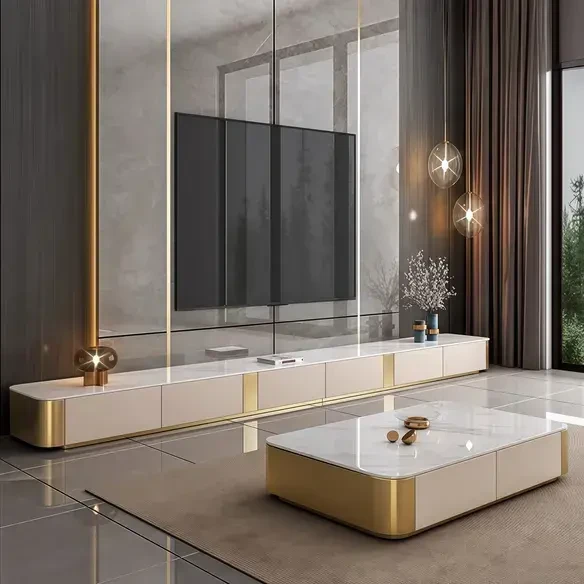
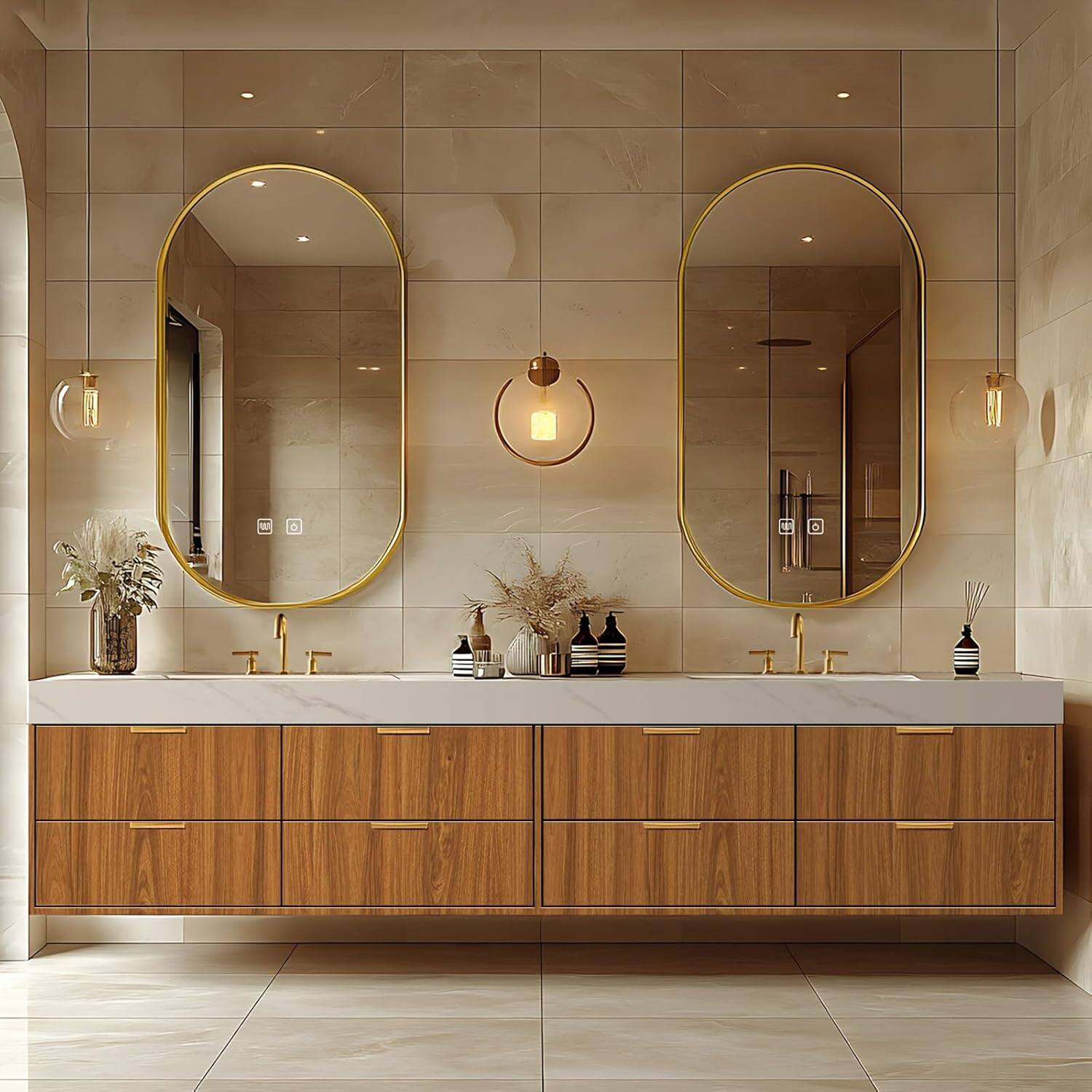
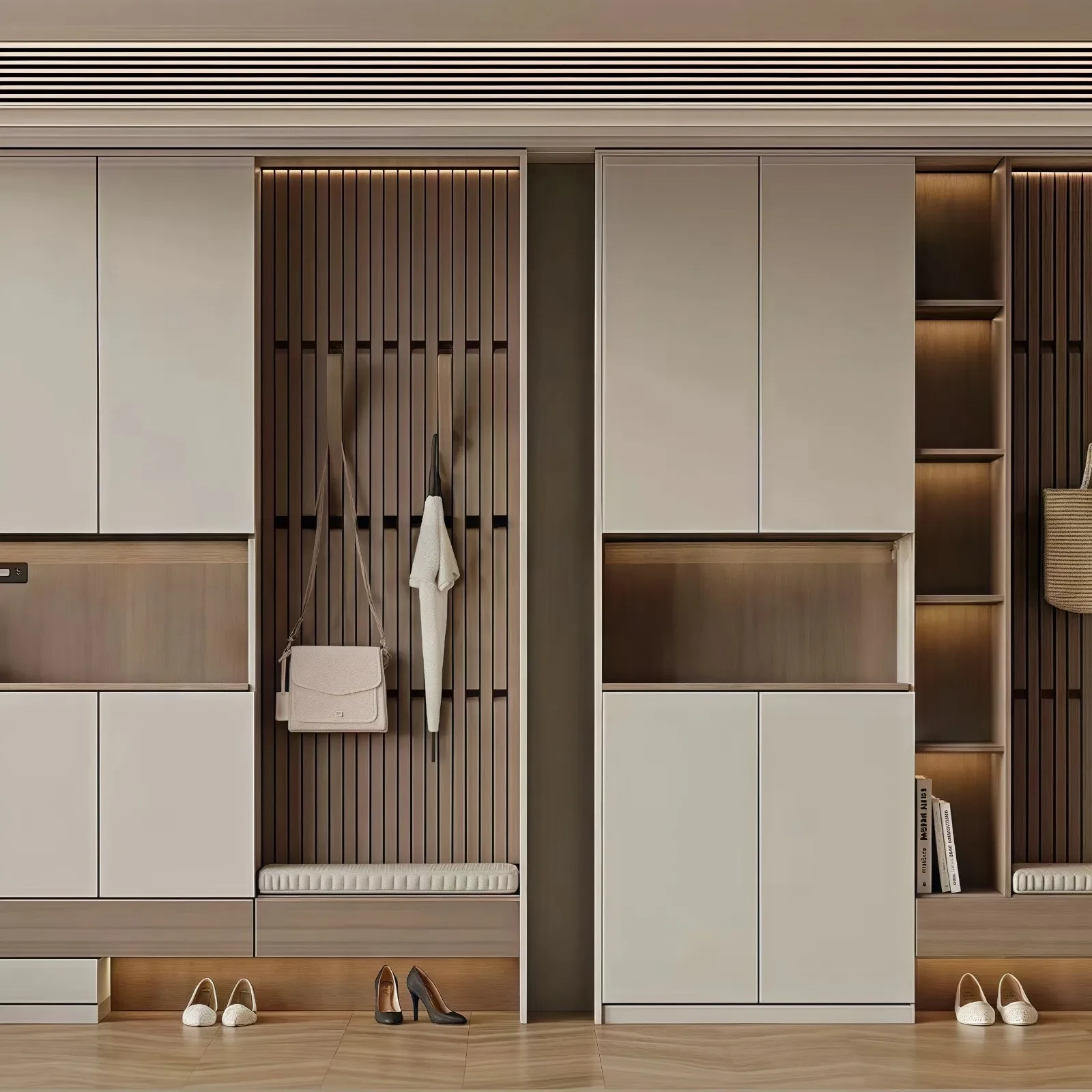
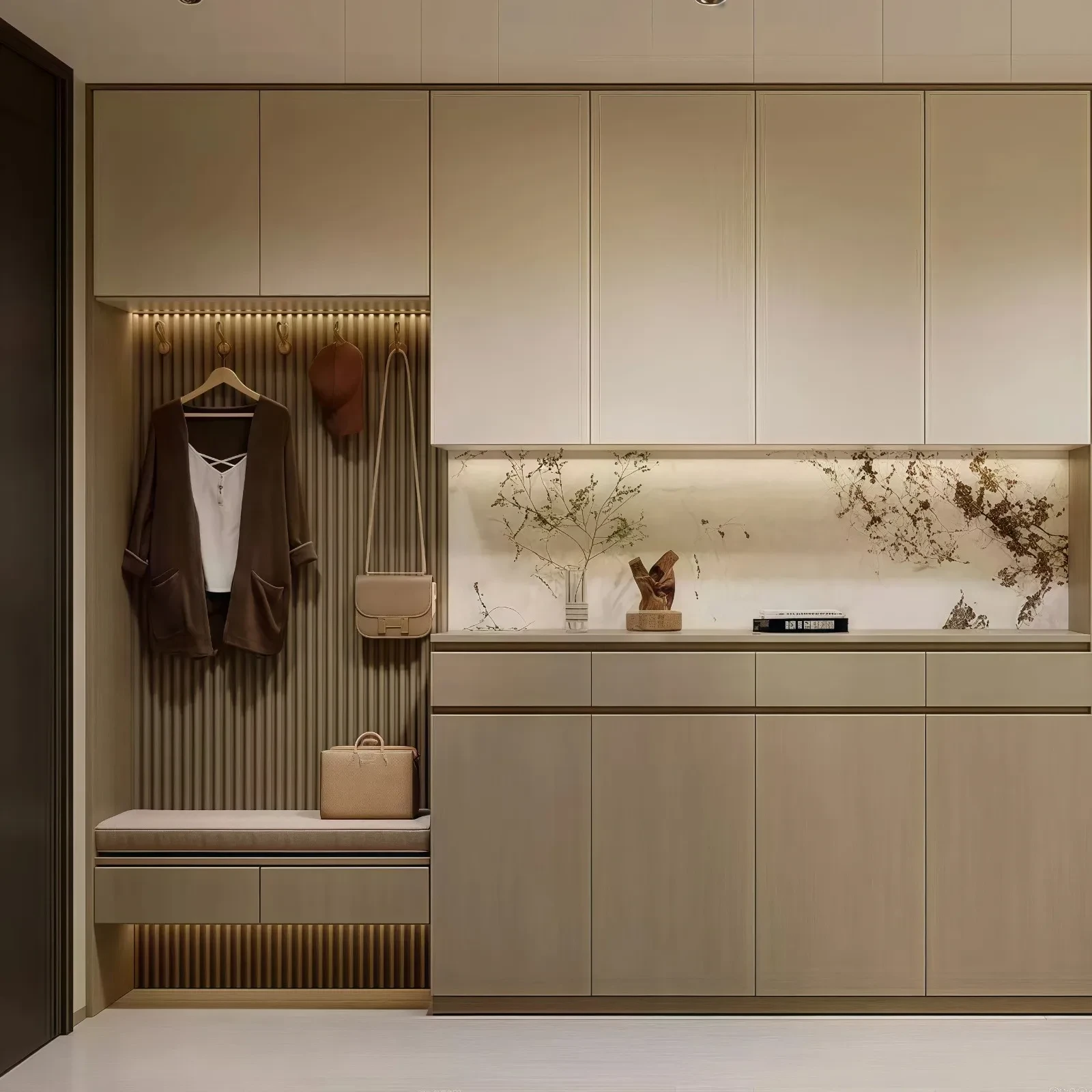
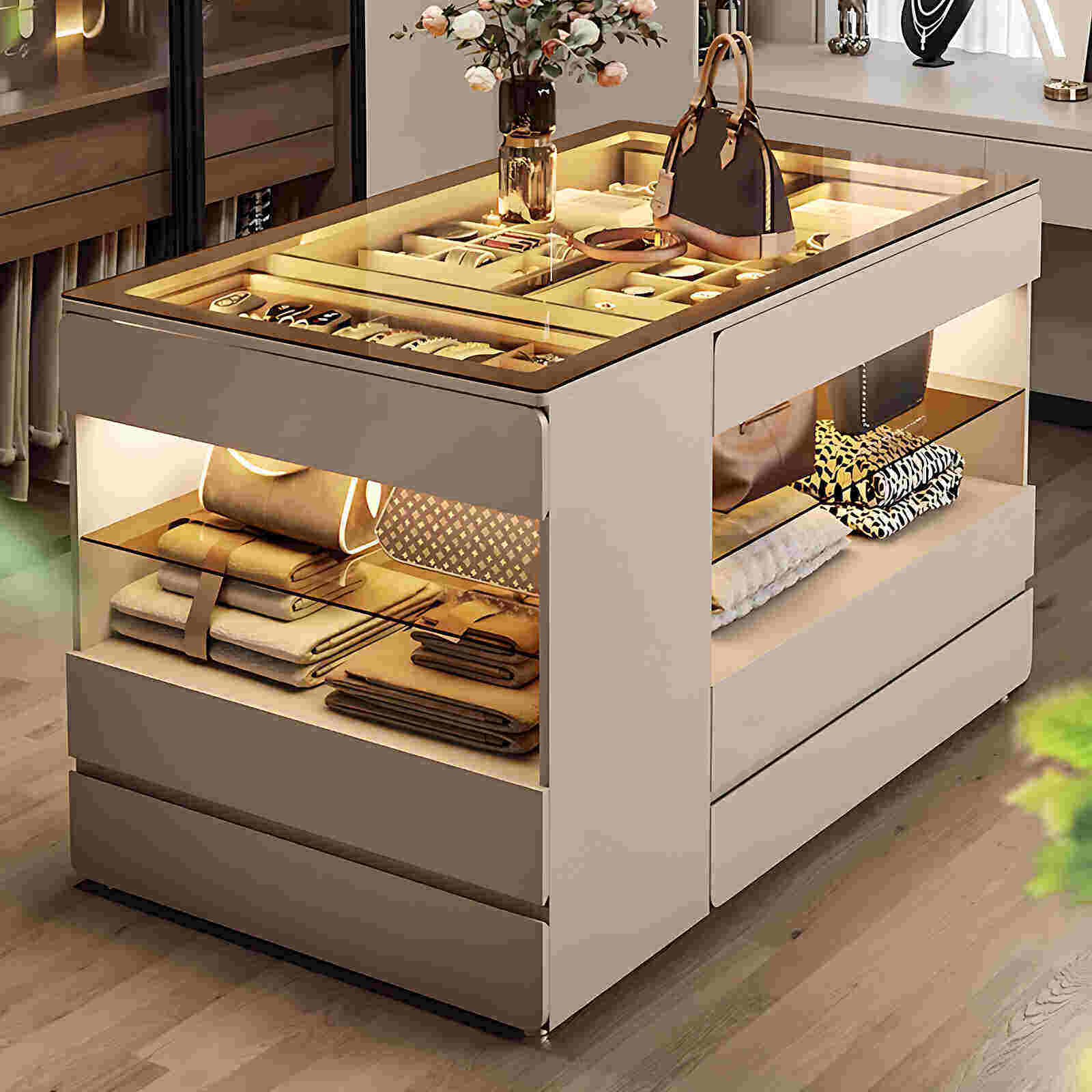
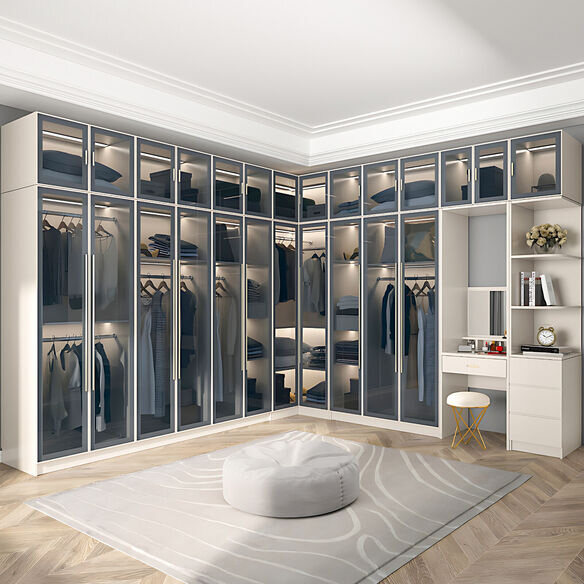
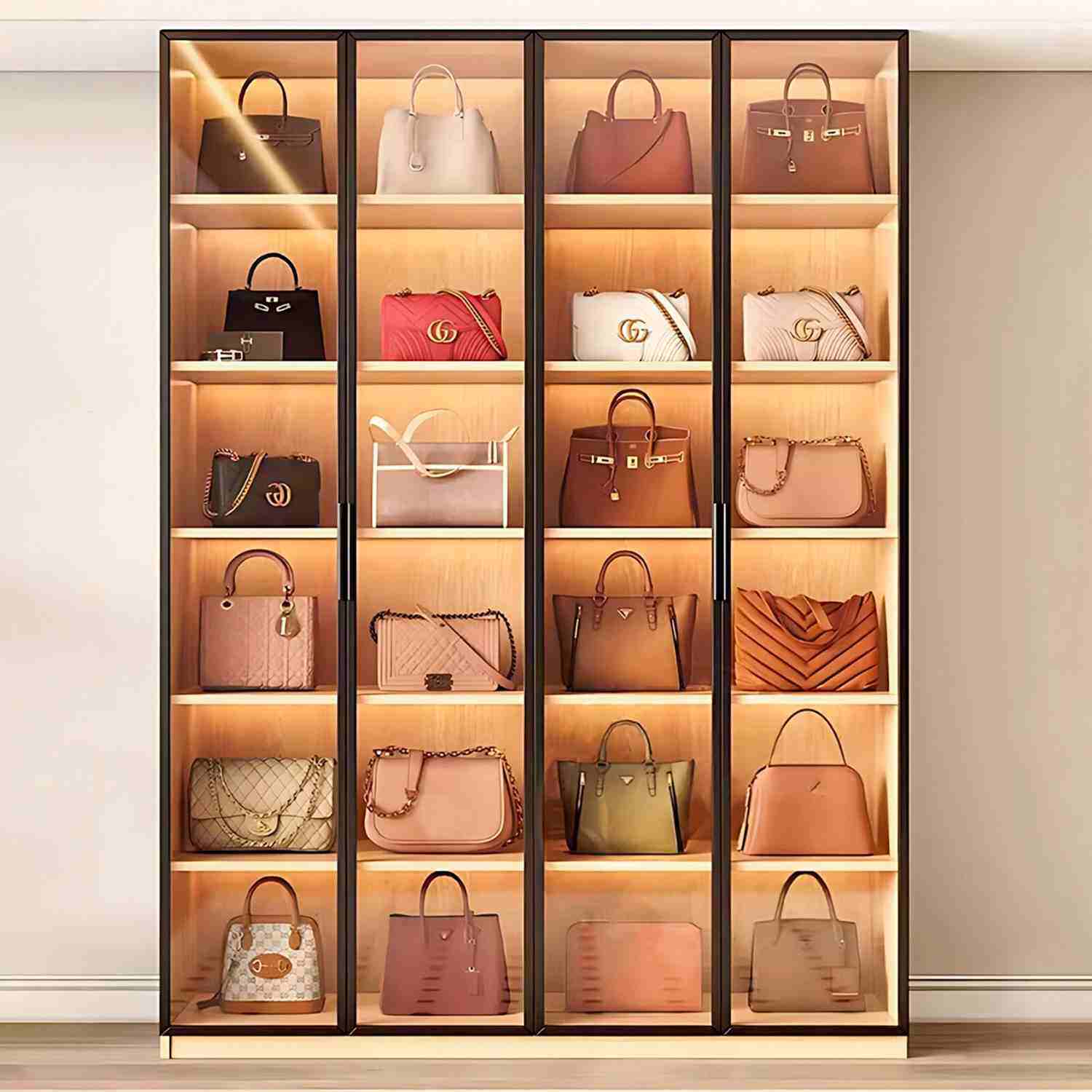
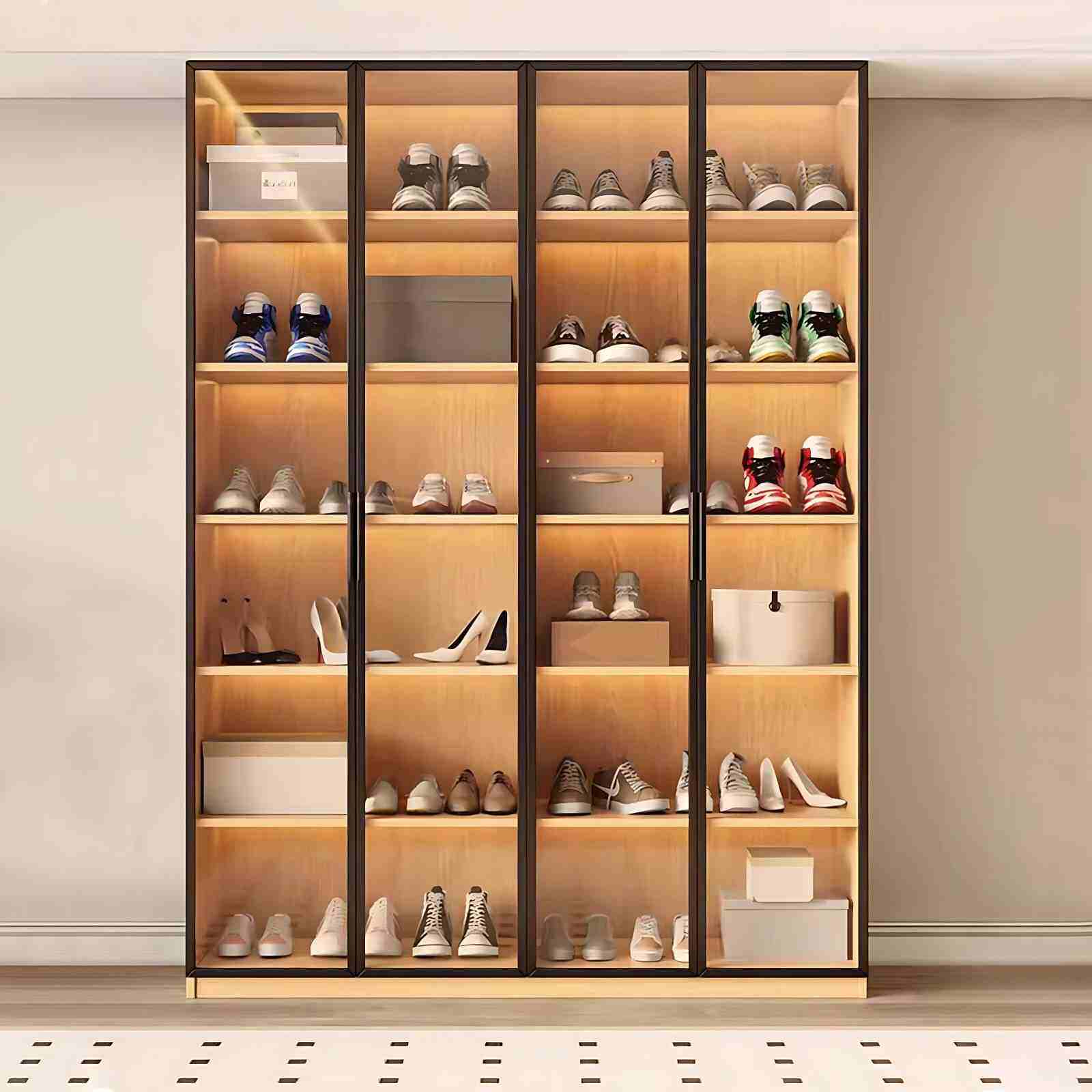
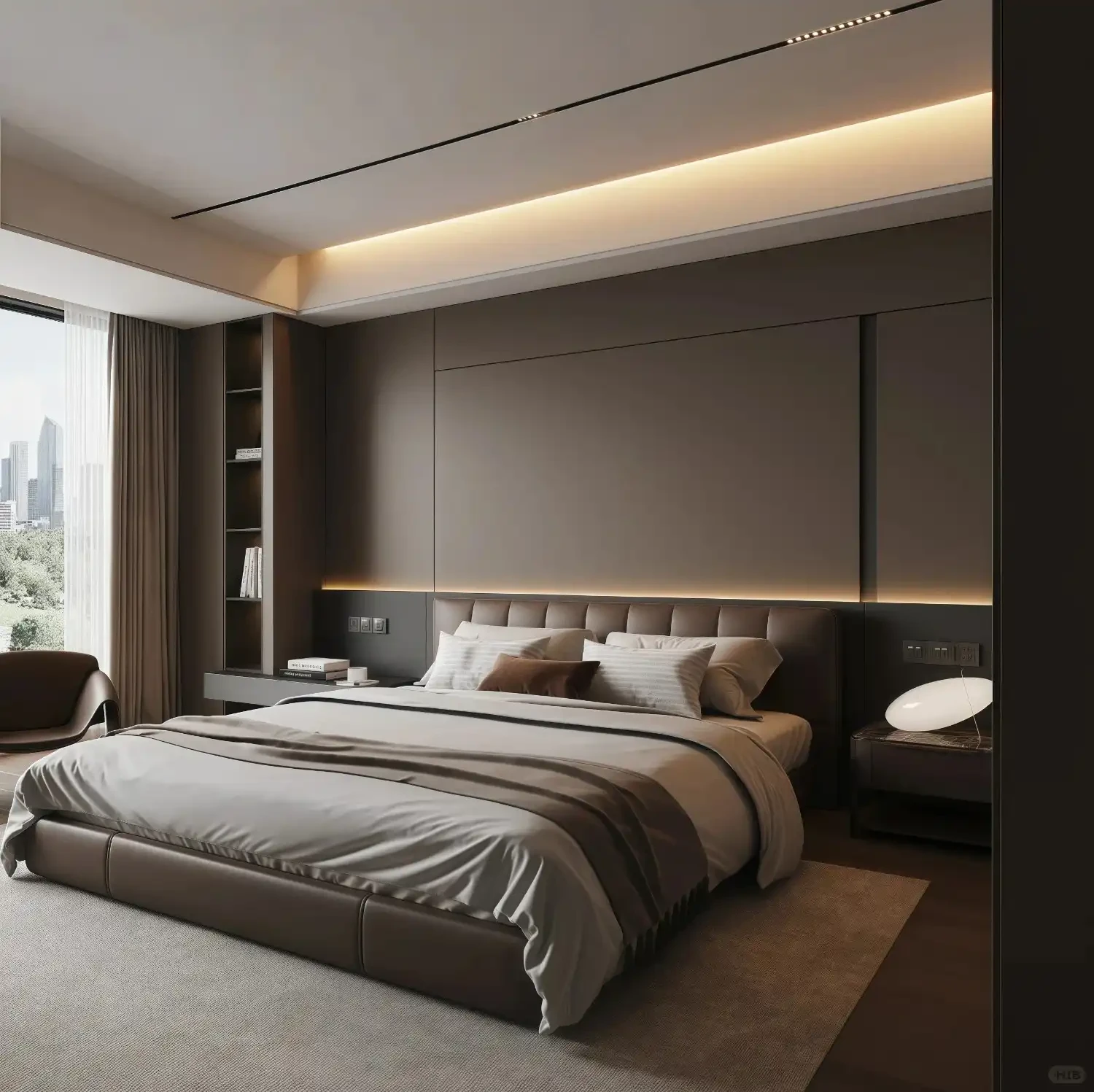
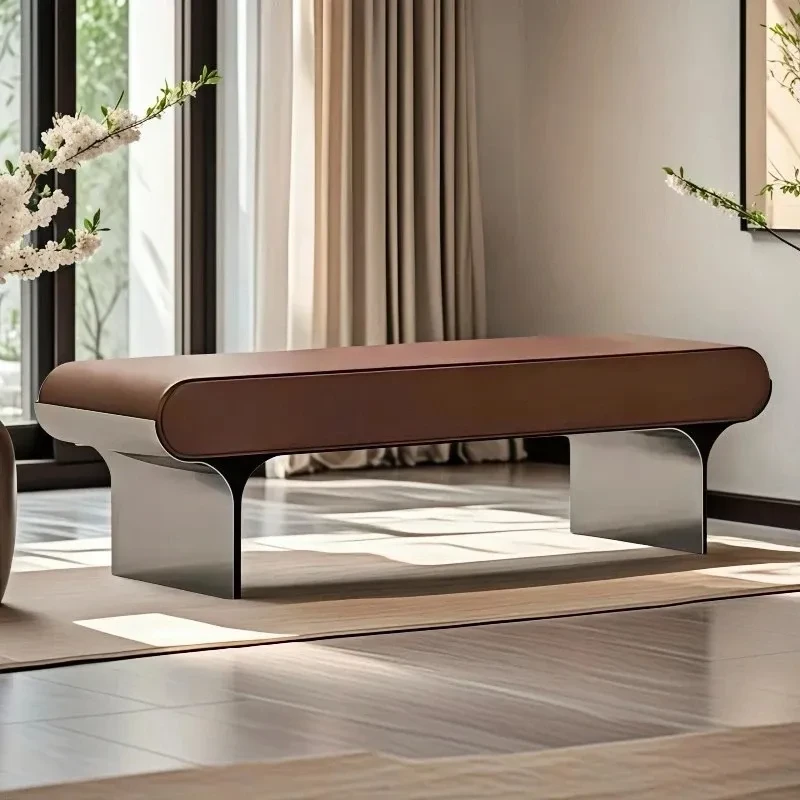
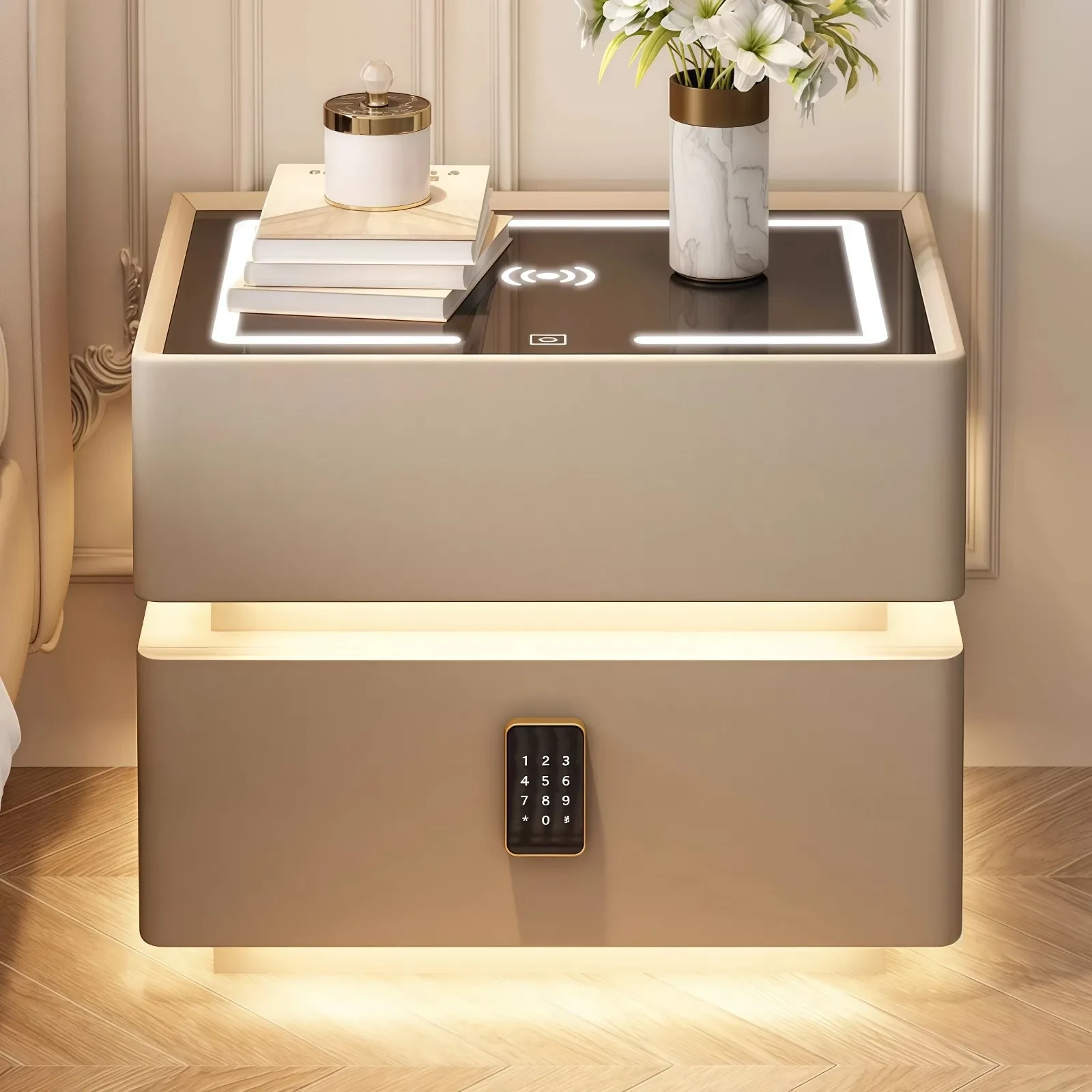
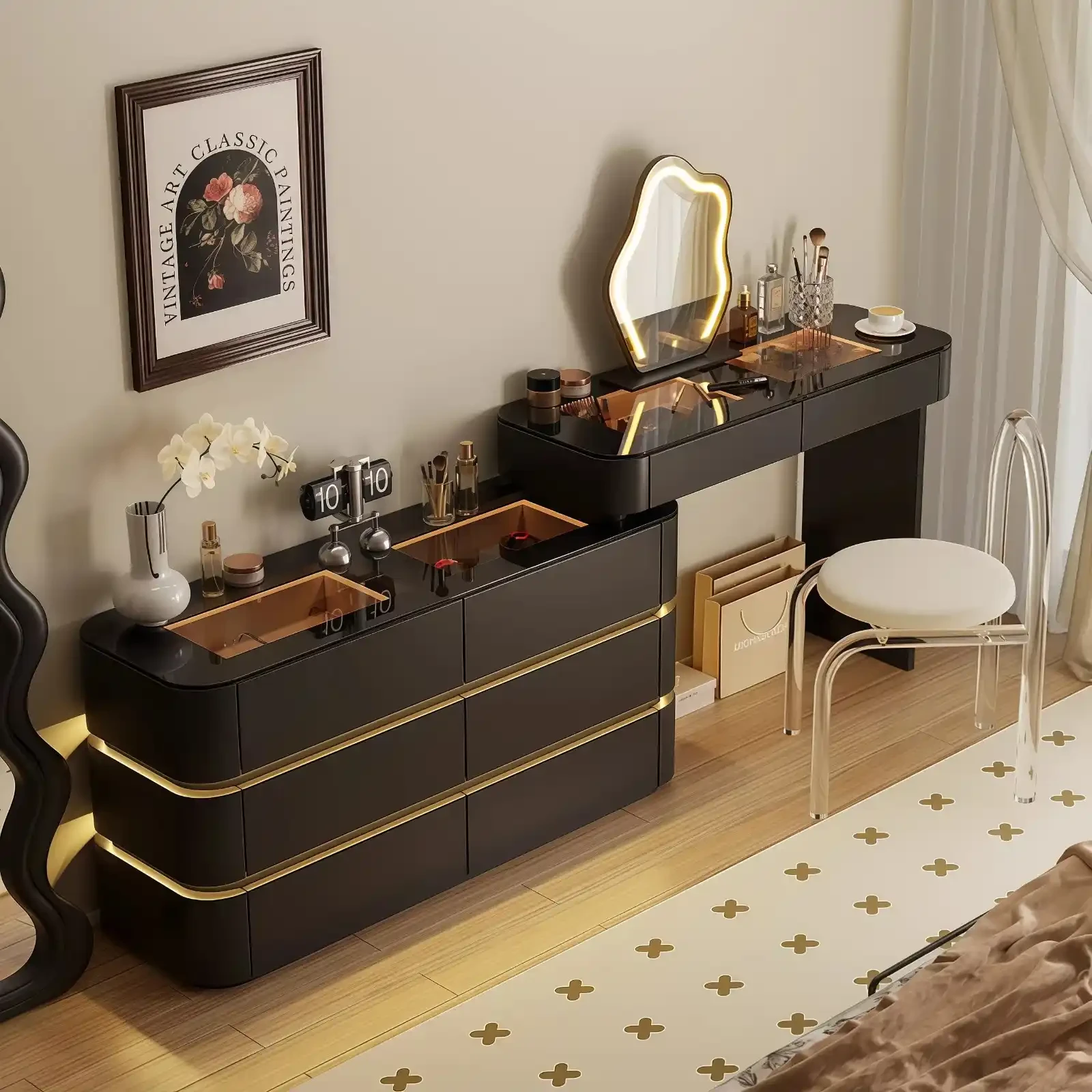
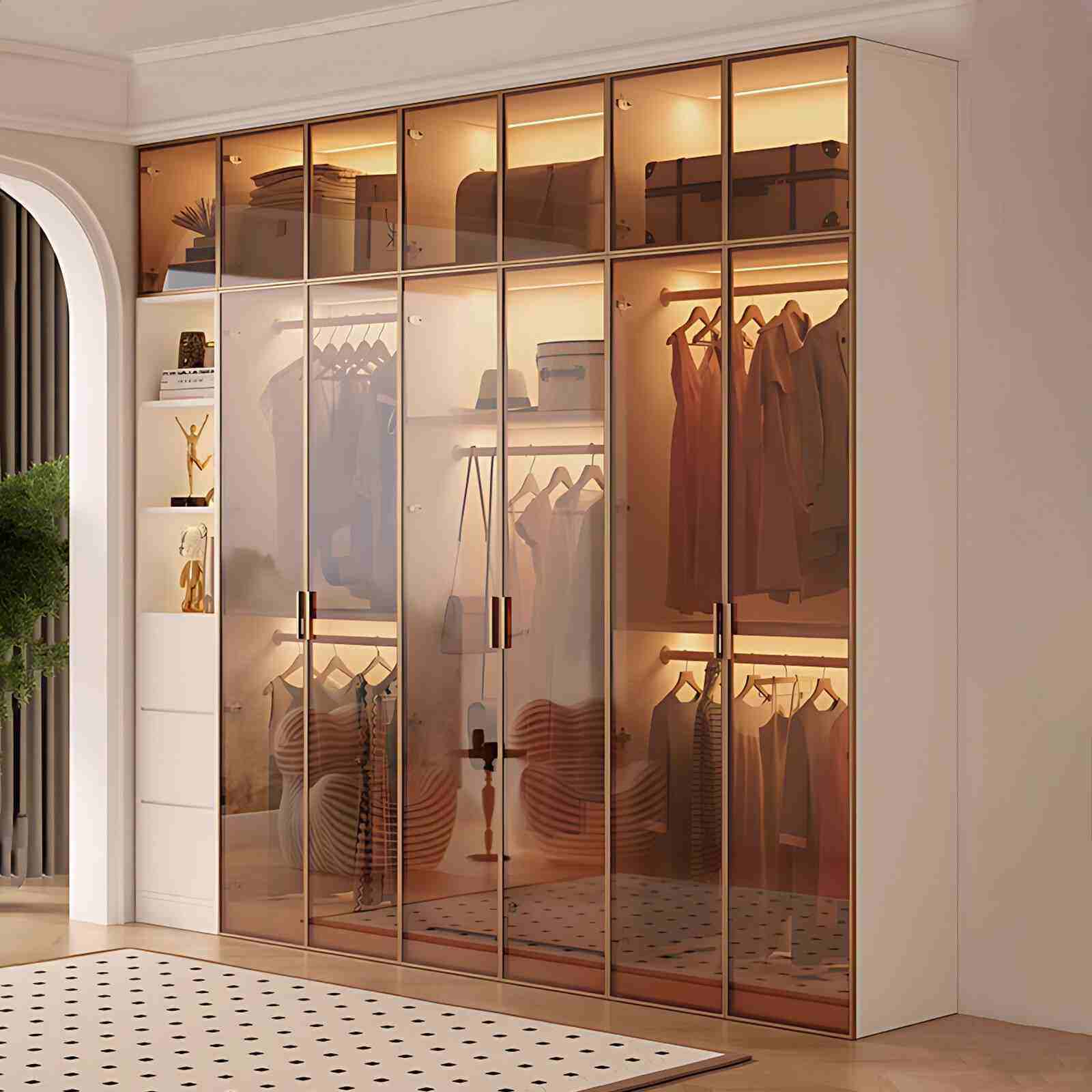
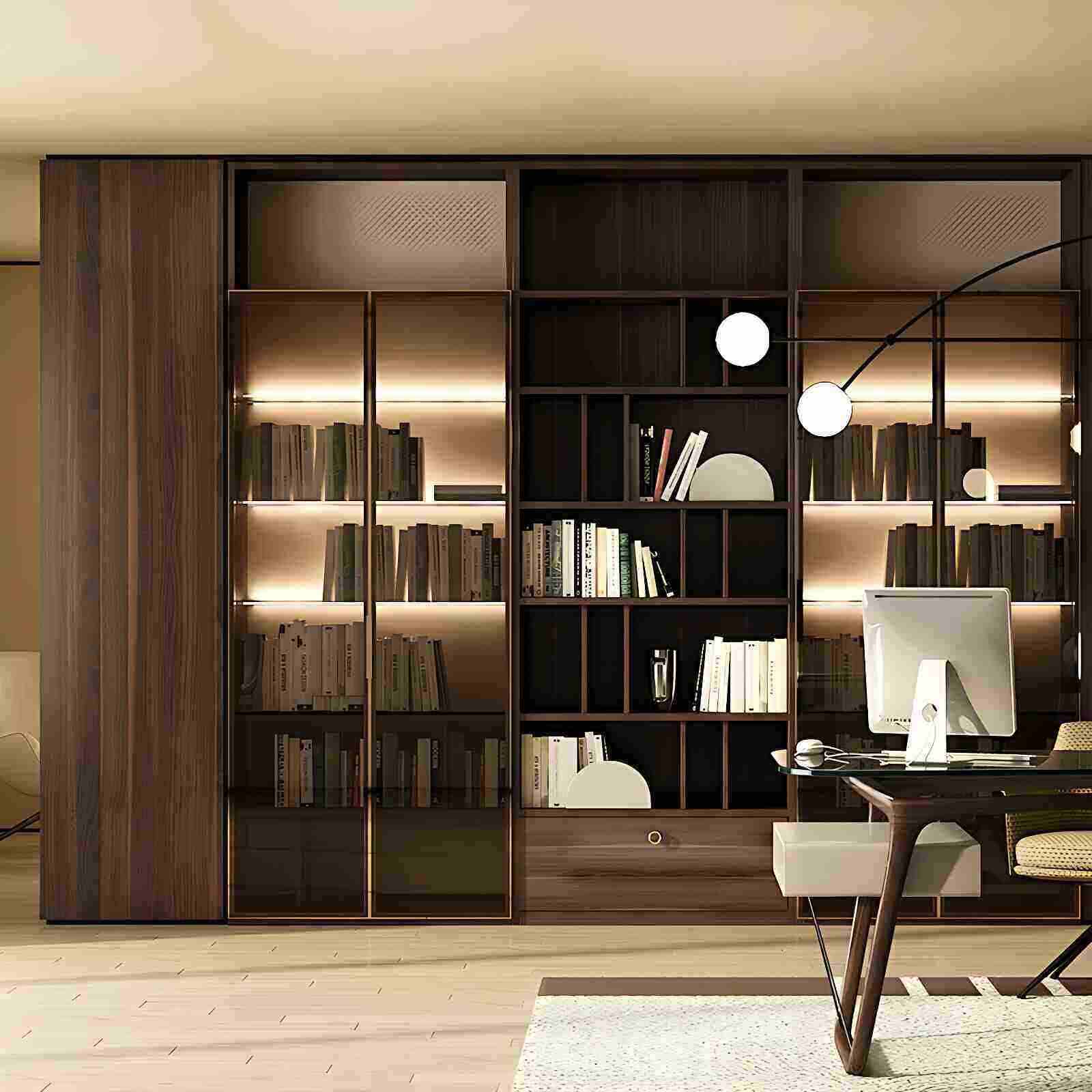

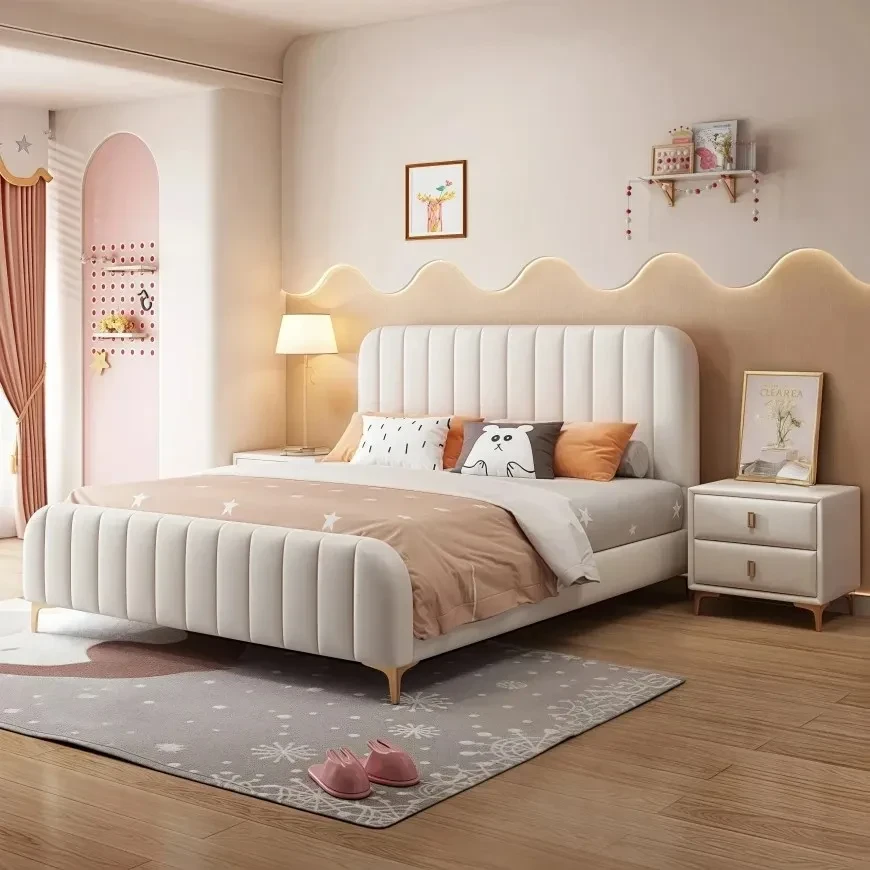
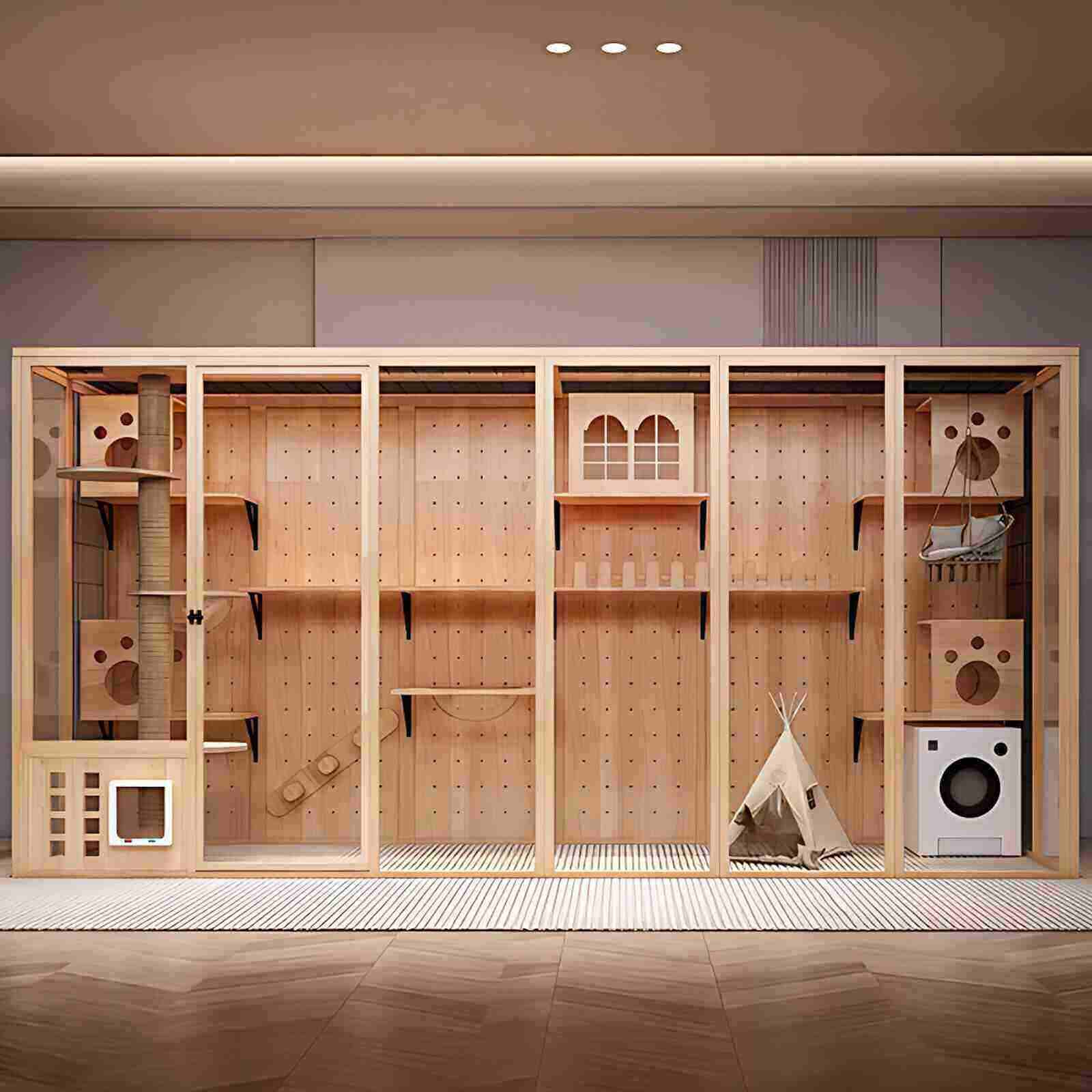
Both of these boards are actually quite good, but it depends on the specific application; it's not a simple matter of which is better or worse. Plywood has better physical properties than MDF, is more moisture-resistant, and less prone to warping. MDF has excellent flatness, making it an ideal material for decorative baseboards, but it's susceptible to moisture, easily molding and warping when damp. It's also cheaper than plywood. So, you should consider your specific needs when choosing a board.
Here's the answer:
Multi-layer solid wood
A board is better.
MDF
Medium Density Fiberboard (MDF) is a type of fiberboard made from wood fibers or other materials.
plant fiber
The material is made from fibers, which are then coated with synthetic resin (glue) and pressed into a sheet under heating and pressure .
Solid wood multi-layer boards are made of three or more layers of veneer or thin boards, with a surface of high-quality solid wood veneer or engineered wood, and are manufactured through several processes such as cold pressing, hot pressing, sanding, and curing.
Solid wood multi-layer boards compared to ordinary market
plywood
It has advantages such as small deformation, high strength, good internal quality (small holes after cutting and sawing, no delamination), and good flatness. Because solid wood multilayer board is not easily deformed and has excellent performance in regulating indoor temperature and humidity, and the surface solid wood veneer material has the natural and real wood texture and feel, it has more choices and is favored by consumers. It is widely used for making wardrobe cabinets and cabinet doors.
MDF (Medium-density Fiberboard) has a smooth and flat surface, fine texture, stable performance, and strong edge sealing, and its surface has good decorative properties. However, MDF has poor moisture resistance. Furthermore, compared to other boards, MDF has relatively weak nail-holding power.
Particleboard
The problem is that if the screws loosen after being tightened, it is difficult to fix them in the same position again.
Compared to the two materials, solid wood plywood is undoubtedly the better one. It is more reliable in terms of material selection and environmental protection, and has better nail holding power and moisture resistance. However, solid wood plywood is also more expensive. Finally, it should be noted that solid wood plywood cannot be carved.
Multi-layer boards are good.
Plywood, also known as multi-layer board, is a commonly used material in furniture making and is a type of engineered wood product. Plywood has better physical properties than MDF (medium-density fiberboard), is more moisture-resistant, less prone to breakage and deformation, has high strength, a smooth and flat surface, good sound insulation, is moisture-resistant, non-corrosive, insect-free, and more environmentally friendly. The classification and selection of plywood are mainly related to circuit design. However, plywood has a high glue content, so proper edge sealing is necessary during construction to reduce pollution.
The manufacturing process of multilayer boards generally involves first creating the inner layer pattern, then using printing and etching to create a single-sided or double-sided substrate, which is then placed into the specified interlayer. After heating and pressing, the substrate is bonded together. The subsequent drilling process is the same as the through-hole method for double-sided boards.
The characteristics of MDF and plywood: MDF is a type of board made by compressing wood chips at high temperatures. It is susceptible to moisture damage and warps easily when exposed to moisture, but it is very sturdy. Plywood, on the other hand, is made by pressing three or more layers of thin veneers together. It is waterproof, stable, less prone to warping, and relatively environmentally friendly. So, which is better, MDF or plywood? It depends on the specific application. MDF is generally used for flooring, door panels, and furniture. Based on its density, it is categorized into high, medium, and low density for strength. Medium-density fiberboard (MDF) is generally used for furniture, while high-density fiberboard (HDF) is used for flooring. Plywood, being made from assembled solid wood, offers excellent stability, is easy to maintain, and is more affordable than solid wood boards. It is commonly used for kitchenware, furniture, and decoration.
Multi-layer boards have better physical properties than MDF boards, and are more moisture-resistant and less prone to deformation.
MDF has excellent flatness, making it an ideal material for decorative baseboards. However, it is susceptible to moisture, easily becoming moldy and deformed when exposed to dampness. It is also cheaper than plywood.
2. Five Advantages of Solid Wood Multi-Layer BoardWith the rapid development of modern life, customized furniture has quickly become integrated into our lives. Solid wood multi-layer board wardrobes are one example. People can customize their interior layout according to their preferences, and some fashion-conscious women even desire a large, independent wardrobe in their room. Speaking of materials...
Are solid wood multi-layer boards good?
So, what are its advantages? Let's take a look!
Advantages of solid wood multilayer boards
:
1. Is multi-layer solid wood good? -- Stability
We all know that multi-layer solid wood boards are made by gluing together many layers of veneer and then pressing them under high temperature and pressure. They are characterized by minimal deformation, high strength, good internal quality, good flatness, and strong stability. Wardrobes made from multi-layer solid wood boards also have the characteristics of being resistant to deformation and excellent performance in regulating indoor temperature and humidity.
2. Is multi-layer solid wood good? -- Environmental friendliness
Solid wood multilayer boards are manufactured under high temperature and pressure, giving them excellent stability and resistance to deformation. High-molecular-weight adhesives are used in the production process, and the boards are sealed with PVC edges to reduce formaldehyde content, ensuring that the formaldehyde emission meets environmental standards and making them green and environmentally friendly.
3. Is multi-layer solid wood good? --- Moisture resistance
Solid wood multi-layer boards have an excellent structure, with multiple layers pressed together. Even in humid weather, solid wood flooring is less prone to warping or other defects, offering excellent moisture resistance and stability. Each additional layer increases the strength of the multi-layer solid wood flooring, resulting in very good overall strength, although this also increases its cost.
4. Are multi-layer solid wood boards good or bad? -- Cost-effectiveness
The production cost of multi-layer solid wood boards is relatively high compared to other types of boards such as particleboard. This is because it requires pressing each layer together, and the different internal structures of multi-layer solid wood boards also require different machinery. Therefore, it is necessary to increase or modify the production line, which are all inevitable reasons for the increased cost.
5. Is multi-layer solid wood good or bad? -- Regional differences
Our country has a vast territory, and the humidity varies from region to region. Therefore, the type of board used for making wardrobes is important, depending on the local humidity characteristics. Not all types of boards can be used. Solid wood multilayer boards do not have this limitation and are widely used in various regions, making them very popular.
Article Summary: Based on the above analysis of multi-layer solid wood boards,
Are solid wood multi-layer boards good?
I believe you are already aware of this, and I believe it can provide some guidance for your purchase. Of course, due to price factors, the choice should primarily be based on your own financial situation.
3. What are the advantages of multi-layer board wooden doors?In our daily lives, everyone has surely come into contact with doors! Faced with diverse customer needs, many products on the market are now trending towards diversification, and doors are no exception. You've definitely seen multi-layer solid wood doors! As the name suggests, multi-layer solid wood doors are wooden doors made of three or more layers of wood panels. This type of door has many advantages, such as its outstanding quality. Next, I'll give you a detailed introduction to multi-layer solid wood doors.
What are the advantages of multi-layer solid wood doors?
Multi-layer solid wood doors use multi-layer solid wood boards as the base material. These healthy and environmentally friendly boards avoid the extensive use of liquid adhesives during the board forming process. Formaldehyde is present in liquid adhesives, making multi-layer solid wood boards more environmentally friendly and healthier than plywood. Multi-layer solid wood doors are made from cross-laminated plywood, processed through several steps including cold pressing, hot pressing, sanding, and curing. The unique production process and raw material selection of multi-layer solid wood doors determine their distinctive quality. The above are some of the advantages and disadvantages of multi-layer solid wood doors.
Multi-layer solid wood boards consist of two parts: a solid wood surface layer and a solid wood core layer. Compared to expensive solid wood boards, multi-layer solid wood boards are more economical. Solid wood flooring still suffers from two major problems: warping and cracking. Multi-layer solid wood boards, through cross-lamination and high-temperature, high-pressure bonding, solve these two drawbacks by addressing internal stress. This is one of the advantages and disadvantages of multi-layer solid wood boards.
Multi-layer solid wood boards have always been an ideal material for furniture making. Because they are multi-layer plywood, they are harder and more structurally stable than other types of boards. They are also aesthetically pleasing and have a comfortable feel to the touch. One of their biggest advantages is that they can effectively regulate the humidity and temperature in a room. Multi-layer solid wood flooring is a new type of flooring that falls between solid wood flooring and engineered wood flooring, and it represents a new trend in flooring selection.
Multi-layer solid wood flooring retains all the advantages of natural solid wood flooring, possessing both the natural texture and elasticity of solid wood flooring while overcoming the common problem of expansion and contraction. It also features the deformation resistance, corrosion resistance, and easy cleaning characteristics of engineered wood flooring. Therefore, the characteristics of multi-layer solid wood doors far exceed those of ordinary wooden doors, and their excellent cost-performance ratio makes them a favorite among wooden door buyers.
Through this brief introduction to multi-layer solid wood doors, you should now have a basic understanding of this type of product! Overall, multi-layer solid wood doors have more advantages than disadvantages, making them well worth using. If you need this type of door, you can purchase one based on your specific needs and circumstances. As for the price range, that depends on your financial capacity. If your budget is average, choose a more basic model; don't let these factors put pressure on your lifestyle. Of course, there are many door styles available, and you'll have plenty of time to explore them later.
4. What is a multilayer board?Multi-layer board, also known as plywood, is made by rotary cutting logs into veneers and combining them into three or more layers according to a cross-laminated principle, usually using an odd number of veneer layers. It was one of the earliest engineered wood products used in home decoration.
Multi-layer plywood is lightweight, high-strength, has strong nail-holding power, and is resistant to bending. It also possesses good elasticity and toughness, is resistant to impact and vibration, easy to process, and convenient to install.
Super strong nail holding power
We select high-quality natural logs, rotary cut them into sheets, and then densely arrange them in a vertical and horizontal pattern. Multiple layers are combined, and the fibers of adjacent veneer layers are vertically glued together to form a high-density "well"-shaped locking ring, ensuring the product's superior nail-holding power.
Strong bonding and bending resistance
An automatic glue applicator is used to apply glue evenly, and the substrate is layered and cross-laminated into a well-like structure by cold pressing. The glue penetrates deeply and the layers restrain each other, eliminating the internal stress of the multi-layer board structure and making the product more resistant to bending.
High environmental protection level
120℃ fully enclosed instant high-temperature heat treatment powerfully forces out harmful substances from the inside of the wood, allowing you to breathe in the fresh scent of the original wood.
Our unique precision formaldehyde removal equipment, specifically designed for wood-based panels, completely removes free benzene components from the panels. The ultra-high temperature hot-pressing synthesis process results in a high level of environmental friendliness in the finished product.
Multiple uses available
Odd-numbered veneer, a combination of three or more layers of board-like materials, effectively improves the utilization rate of wood and is one of the commonly used materials for furniture. It has a stable structure and is often used for drawer bottoms, interior structural panels of doors, lining boards between gypsum board and keel, door frames, window frames, partitions, etc.
II. Selection Techniques for Multi-Layer Boards
1. Understand the characteristics of the front and back sides of multilayer boards.
Multi-layer boards have a front and a back, so when choosing them, you should select those with clear wood grain, a smooth and clean front, no roughness, and a flat surface.
2. Pay attention to avoiding all kinds of flaws.
Multi-layer boards must not have defects such as breaks, knots, or dents, so you must carefully observe the surface of the multi-layer board.
3. Check the adhesive on the plywood.
When purchasing plywood, carefully observe whether there is any delamination.
Multi-layer boards are made of three or more layers of veneer or thin wood boards glued together and hot-pressed.
Compared to ordinary plywood, multi-layer plywood has the advantages of less deformation, higher strength, better internal quality (smaller holes and no delamination after cutting and sawing), better flatness, and can be produced in different thicknesses from 5 to 40 mm. Multi-layer solid wood boards use cross-laminated plywood as the base material and high-quality solid wood veneer or engineered wood veneer as the surface material. They are made through several processes such as cold pressing, hot pressing, sanding, and curing.
Multi-layer solid wood boards are favored by consumers because they are resistant to warping and have excellent properties for regulating indoor temperature and humidity. The surface veneer material also offers the natural texture and feel of real wood, providing a wider range of choices.
Multi-layer solid wood boards have good structural stability and are not easily deformed. Due to the longitudinal and transverse gluing and high temperature and pressure, the deformation defects of solid wood boards are solved from the perspective of internal stress.
The production process uses high-quality, self-made environmentally friendly adhesives, ensuring that the formaldehyde emission limits of the products meet the national standards, making them green and environmentally friendly.
Extended Information
The demand for high-voltage equipment is increasing across all industries. However, in actual production, high-voltage equipment has many unavoidable inherent defects.
For example, the operating environment may experience frequent fluctuations, high or low temperatures, pressure, and highly corrosive media. Welding processes and operating techniques may also cause defects such as undercut, dents, weld beads, porosity, slag inclusions, cracks, incomplete penetration, lack of fusion, misalignment, angular deformation, and excessive weld reinforcement.
The advent of multi-layer plate wrapping technology will greatly reduce the occurrence of such accidents. With the rapid development of my country's industry, the technical requirements for the large size and high parameters of pressure vessel products have significantly increased. Currently, large pressure vessels include single-layer plate welding type, single-layer forged welding type, multi-layer wrapping type, multi-layer banding type, multi-layer winding plate type, multi-layer banding type, multi-layer wire winding type, and multi-layer heat-shrinking type.
Among these, multi-layered pressure vessels are the most widely used because their process is safe and reliable.
Reference source:
Baidu Baike - Multilayer Board
5. Which is better, OSB or plywood?Compared to plywood, OSB has an overall advantage.
From an environmental perspective, OSB (Oriented Strand Board) is better than plywood. This is because OSB is also made from wood. The processing method involves adding glue to the wood, but the glue used is formaldehyde-free, also known as MDI glue. Plywood, on the other hand, uses a much wider variety of materials.
In terms of stability, OSB (Oriented Strand Board) is superior to plywood. Compared to traditional plywood, OSB has a very low coefficient of expansion, and its shavings structure results in a very uniform longitudinal distribution and material consistency, leading to excellent stability. This means that cabinets or wardrobes made from OSB are less likely to warp and have a longer lifespan.
Advantages and disadvantages of OSB and plywood:
I. Advantages of OSB (Oriented Strand Board)
1. Safe and environmentally friendly. The processing uses environmentally friendly adhesives, which are odorless and have low formaldehyde emissions.
2. Stable structure and strong compressive strength. The board has a three-layer crisscross structure and an internal directional structure. There are no joints, gaps, or cracks, resulting in good overall uniformity and extremely high internal bonding strength. Therefore, the structure is quite stable and has very high strength.
II. Disadvantages of OSB (Oriented Strand Board)
Its surface is rough due to its special processing technology, and the patterns it presents are also quite unique, but for those who like this style, it is not a drawback.
III. Advantages of Multilayer Boards
1. Excellent stability and not easily deformed. Multi-layer solid wood boards use multiple layers of plywood arranged in a crisscross pattern as the base material, resulting in excellent stability.
2. Smooth surface. The surface is made of high-quality solid wood veneer or engineered wood, and is produced through dozens of processes such as cold pressing, hot pressing, sanding, and curing, resulting in a smooth surface and good visual effect.
3. Beautiful texture and good feel. The surface layer of solid wood veneer material has a natural and realistic wood texture and feels excellent to the touch.
IV. Disadvantages of Multilayer Boards
1. Prone to deformation and cracking when soaked in water. Once the board is soaked in water, it is very easy for it to deform and crack, and it cannot be repaired; the entire board must be replaced.
2. Inconsistent quality. There are many types of plywood on the market, with significant price differences, and many have quality problems. The direct consequence of these quality issues is excessive formaldehyde levels. Therefore, consumers must learn to distinguish between different types and should not only focus on price.
The above content is for reference only.
Baidu Baike - OSB