
 USD
USD GBP
GBP
 EUR
EUR
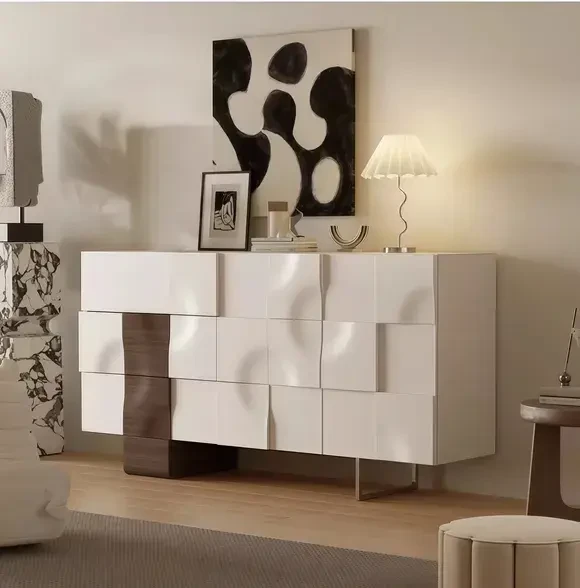
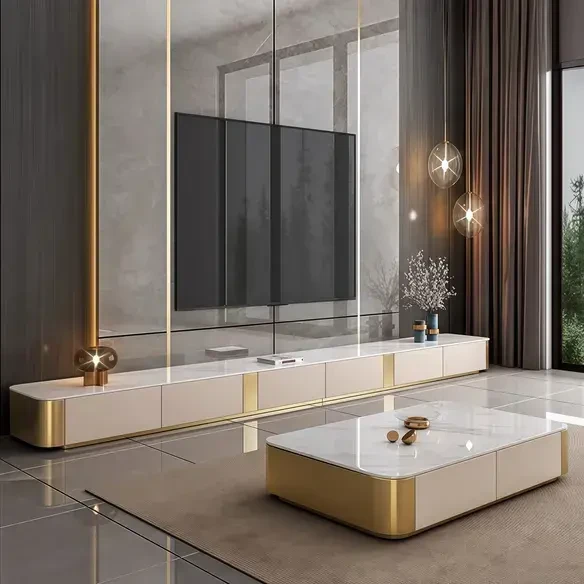
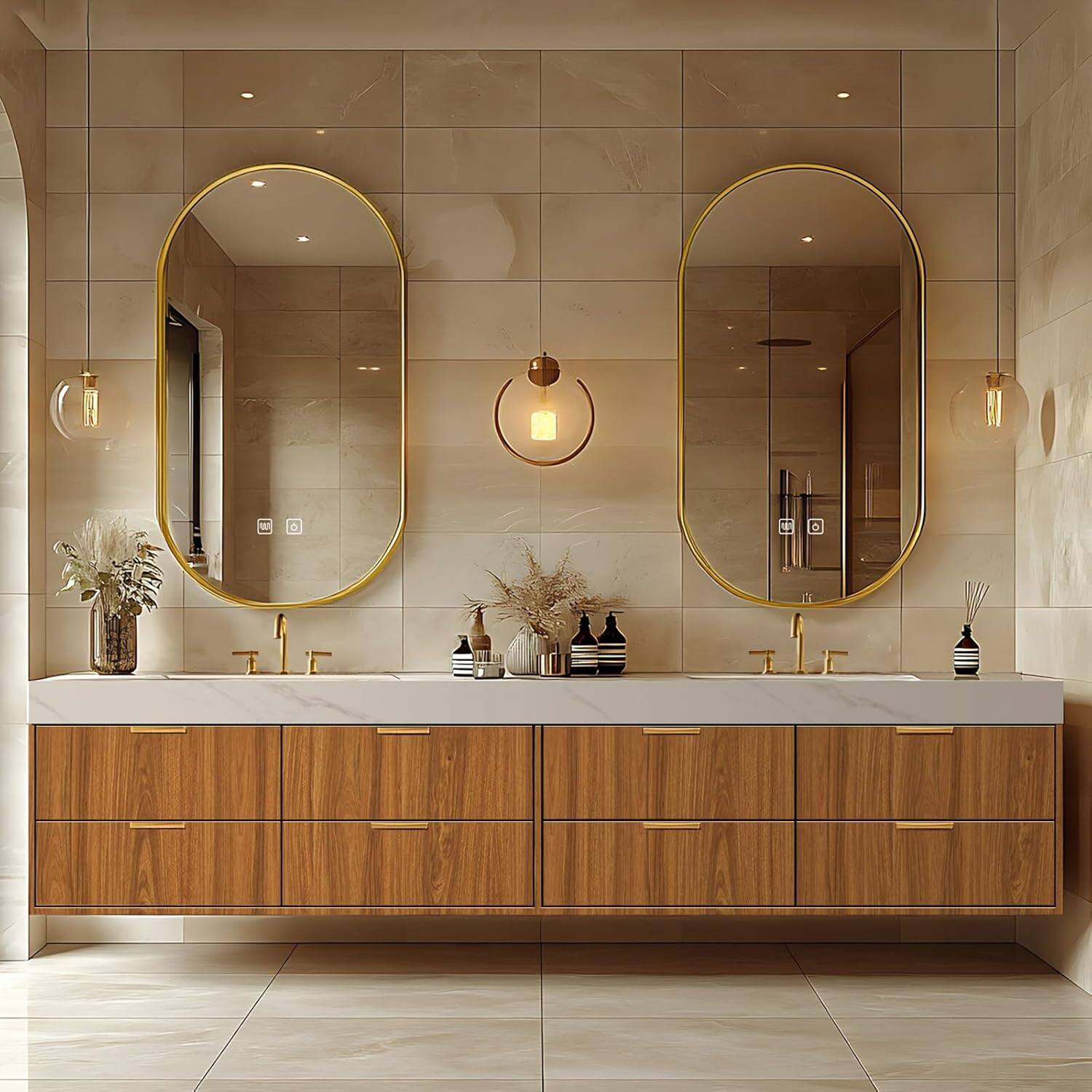
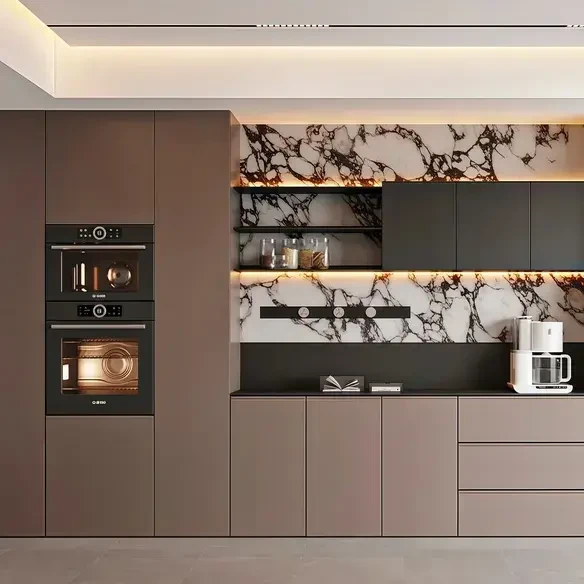
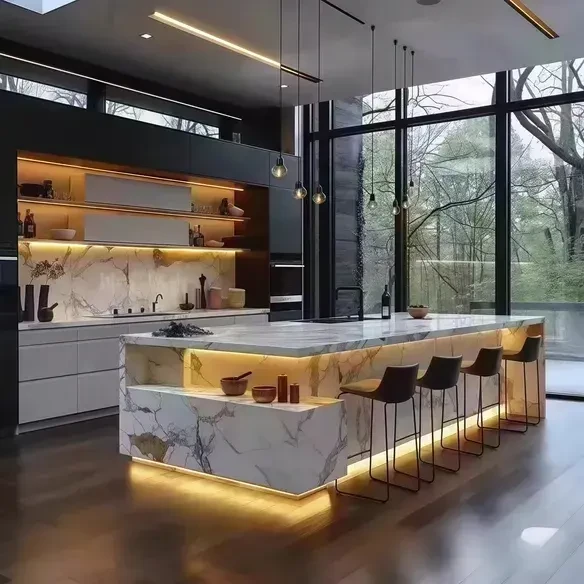
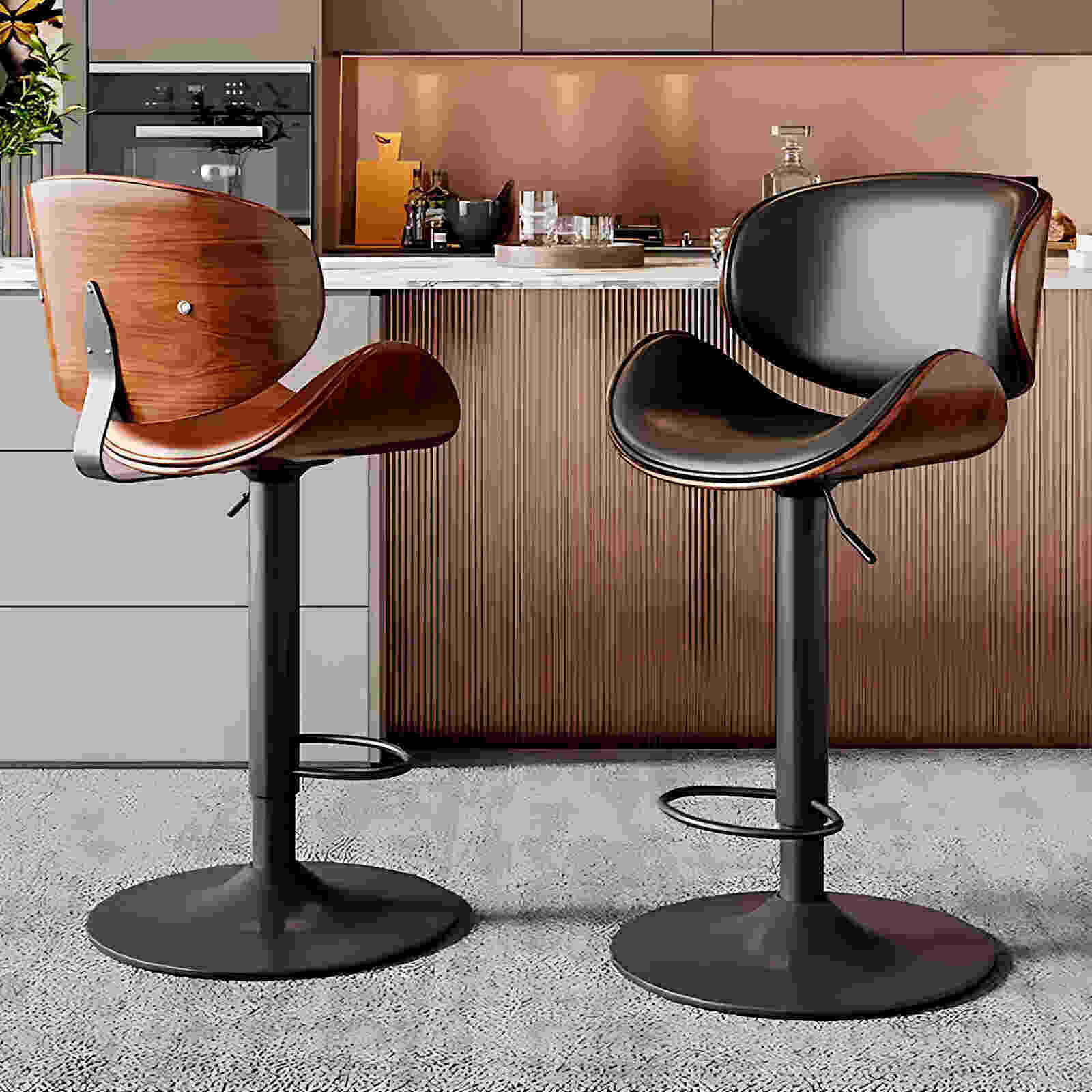
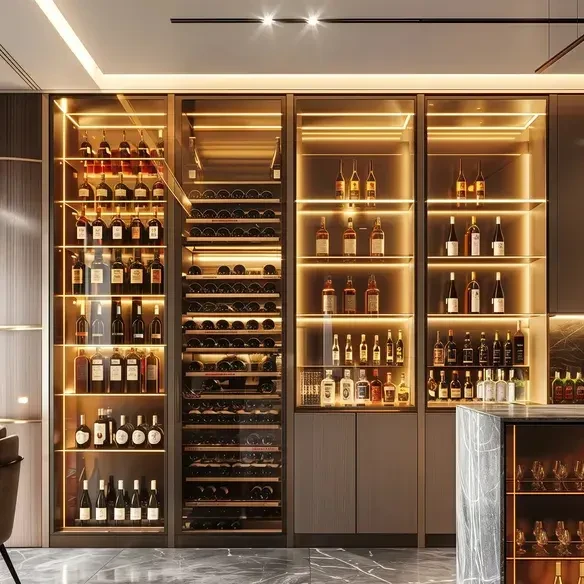
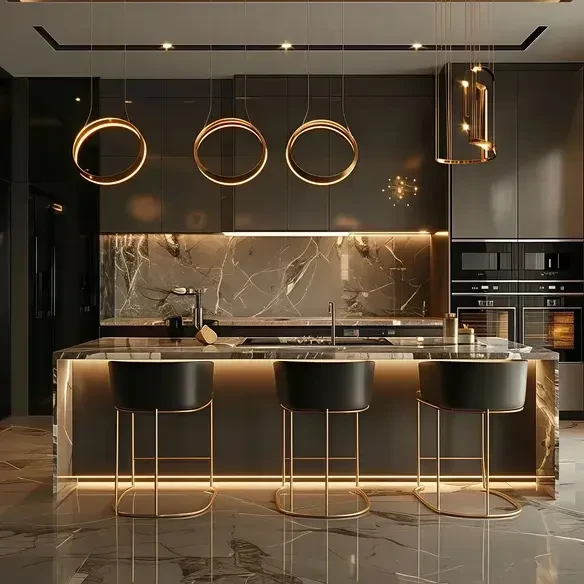
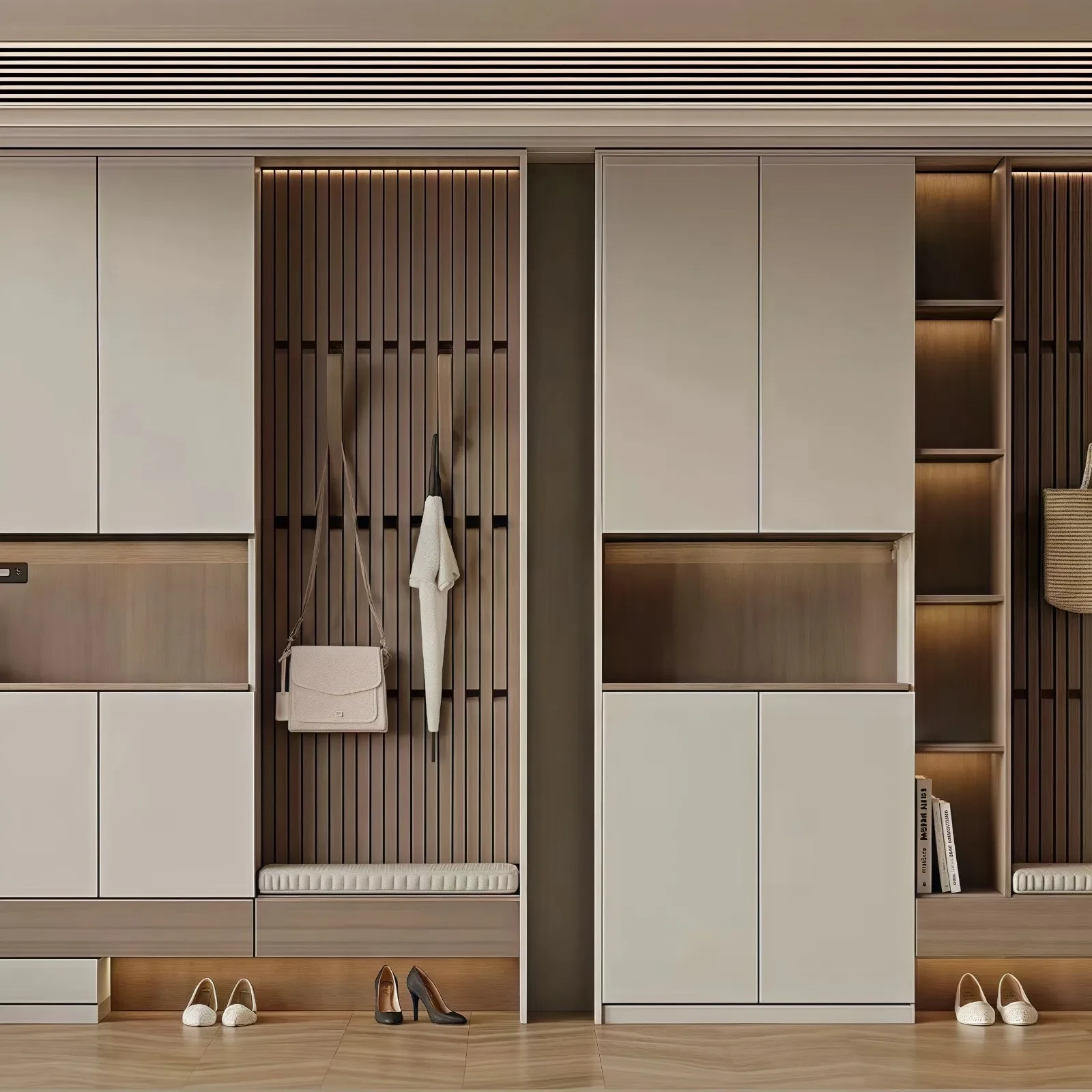
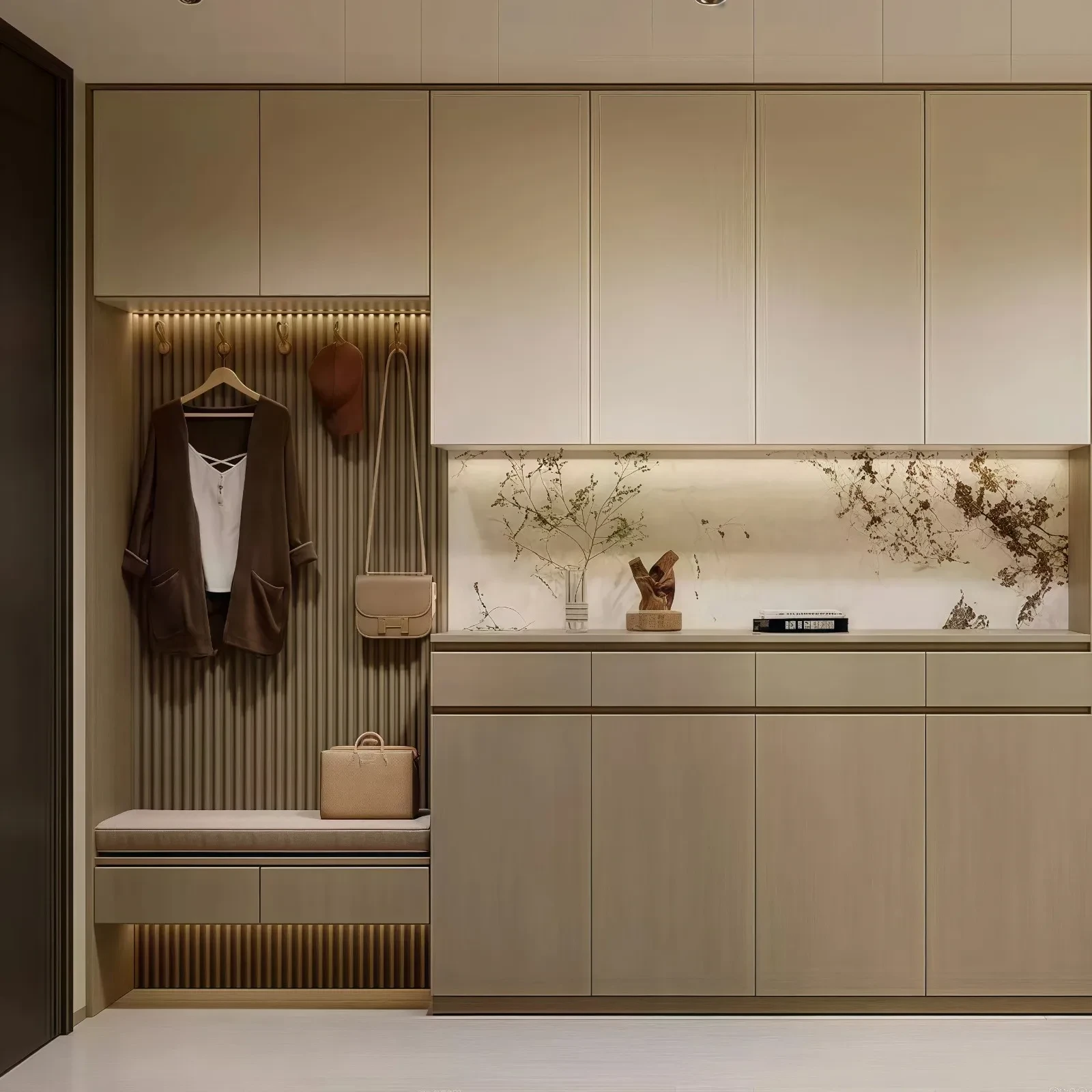
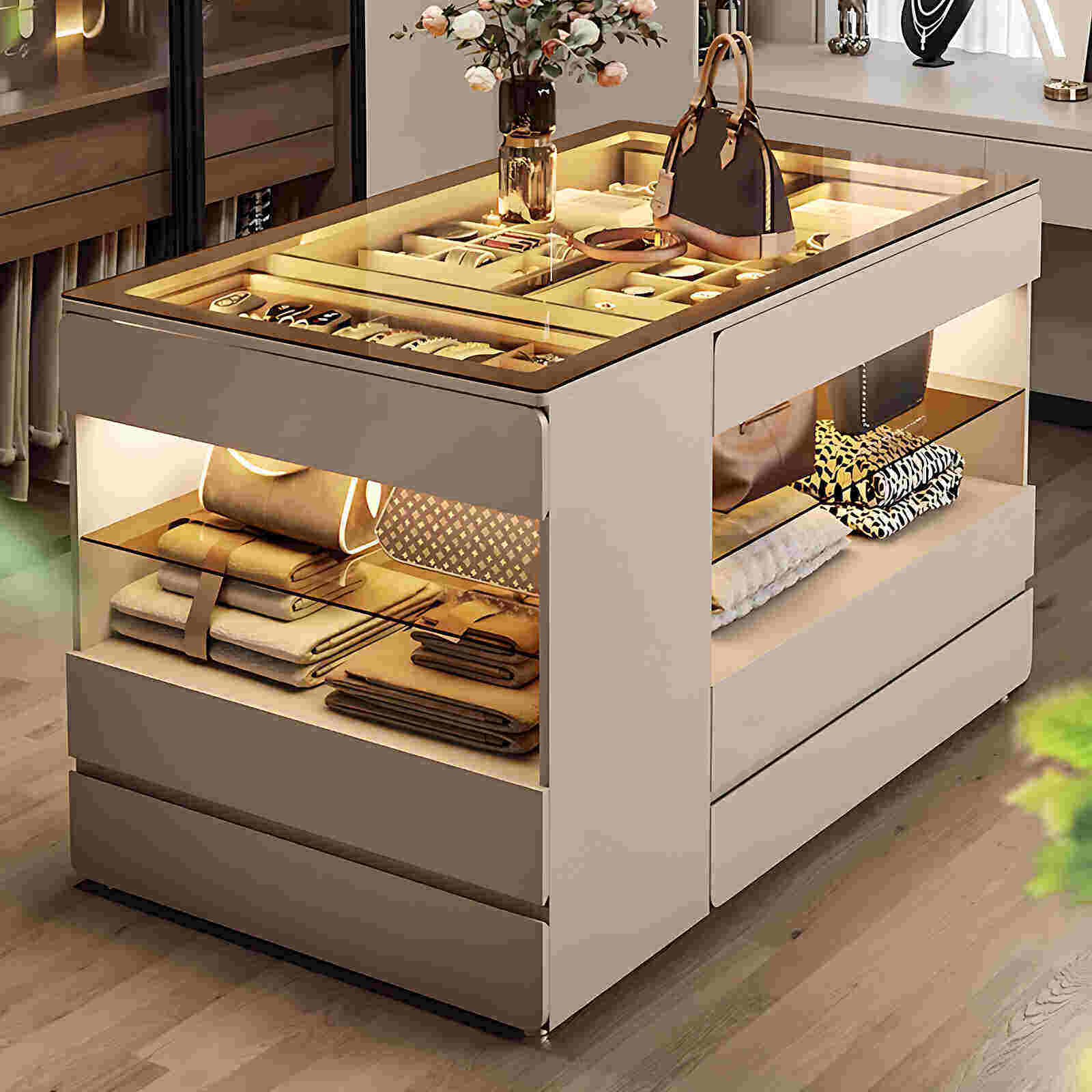
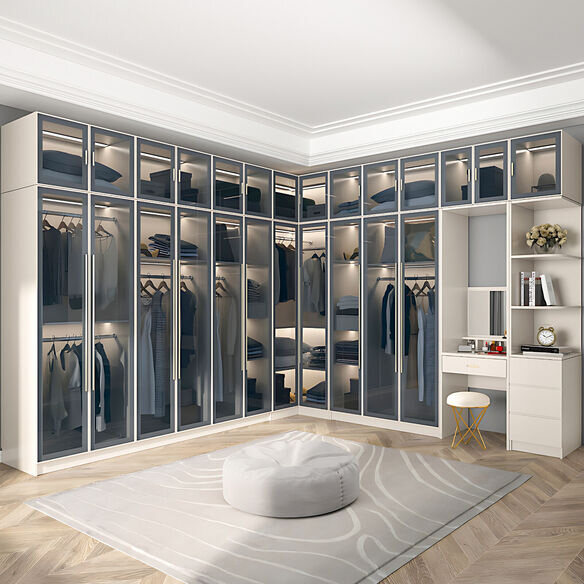
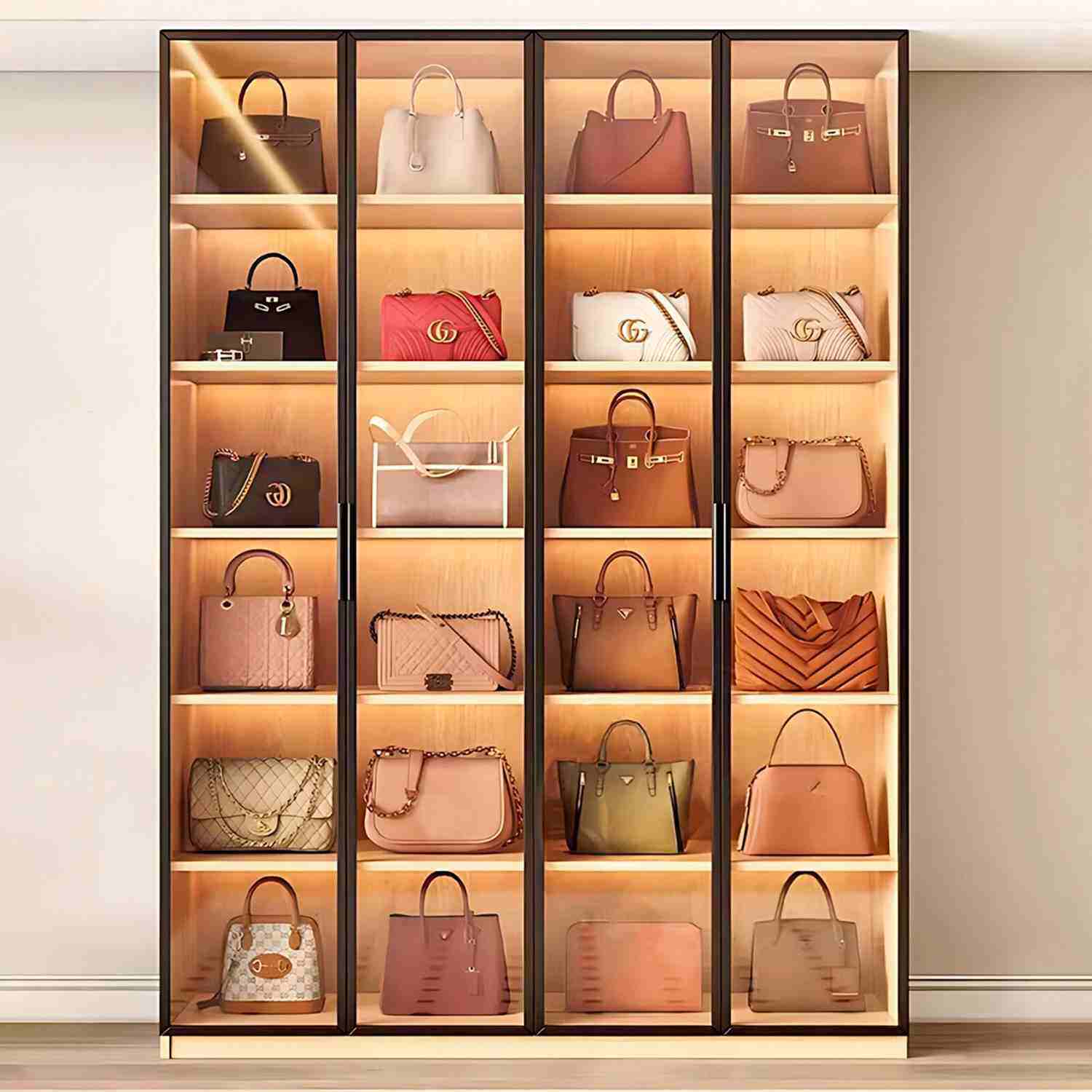
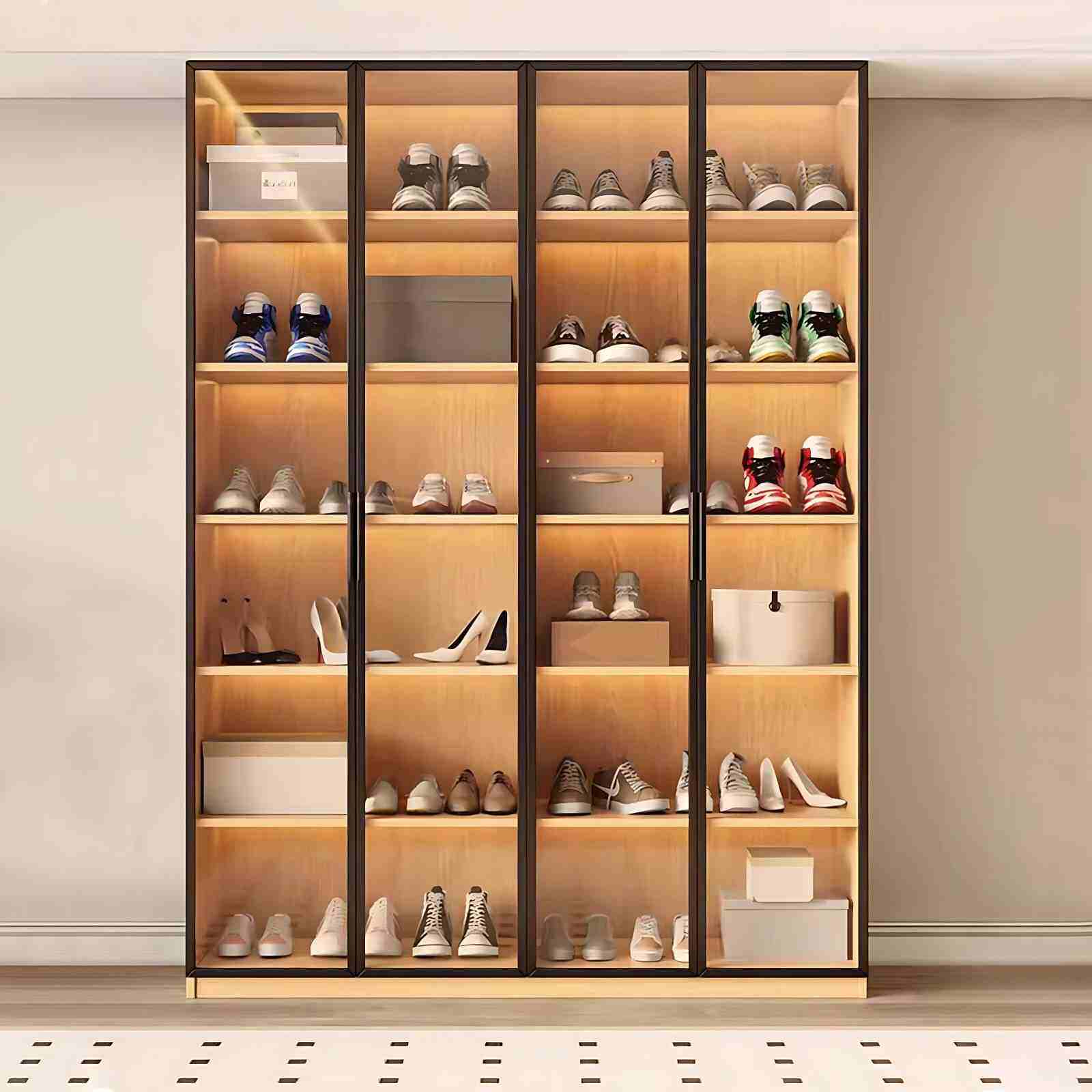
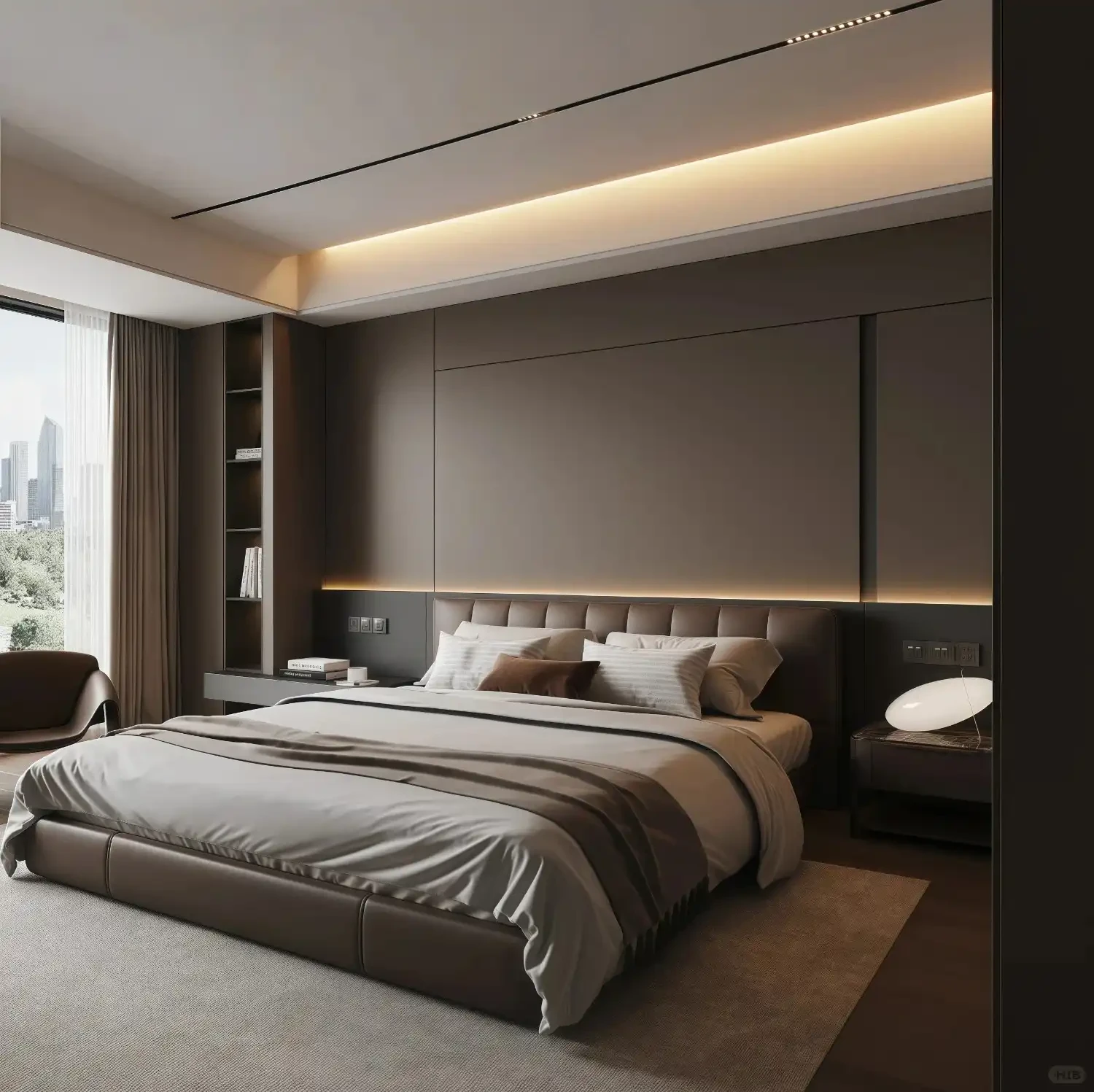
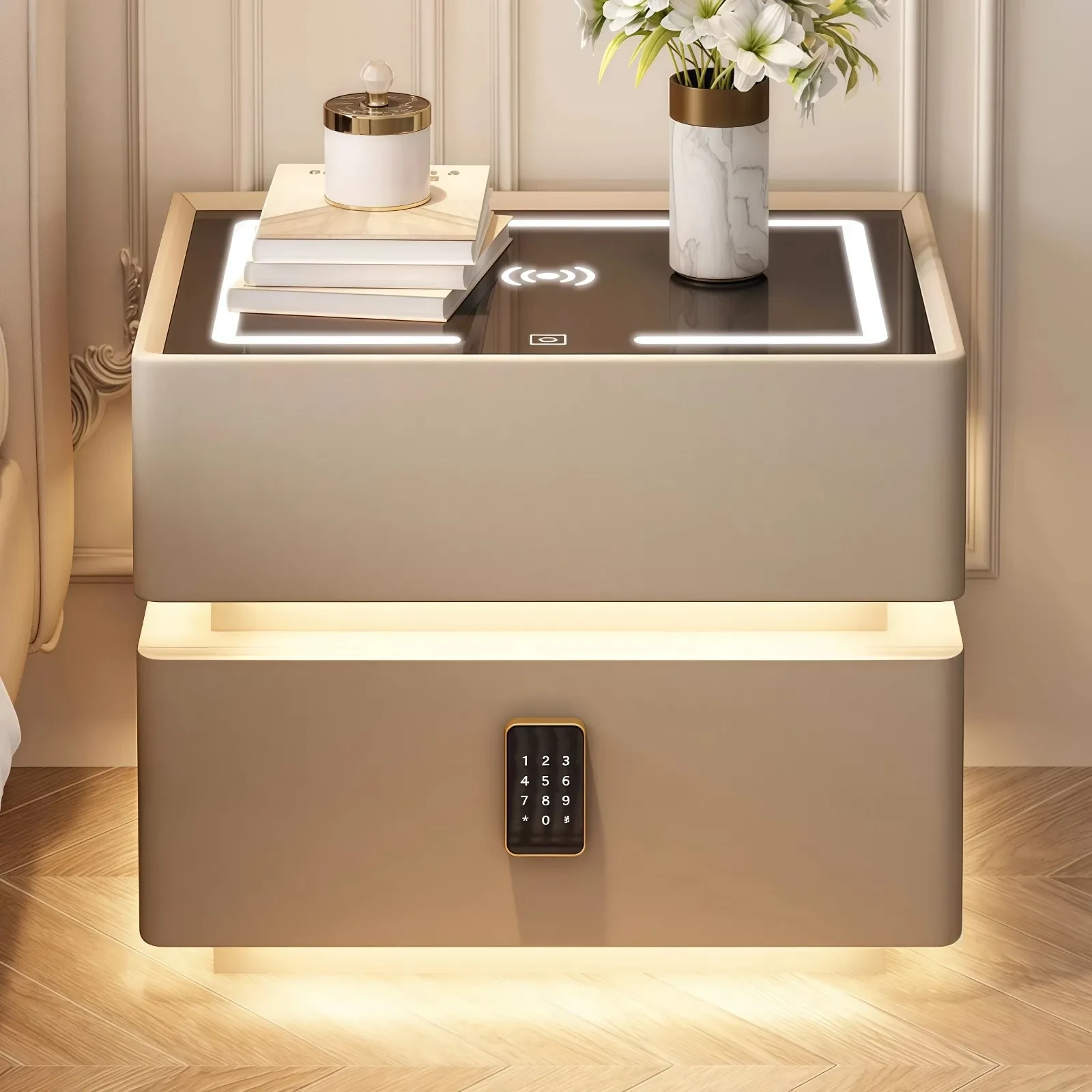
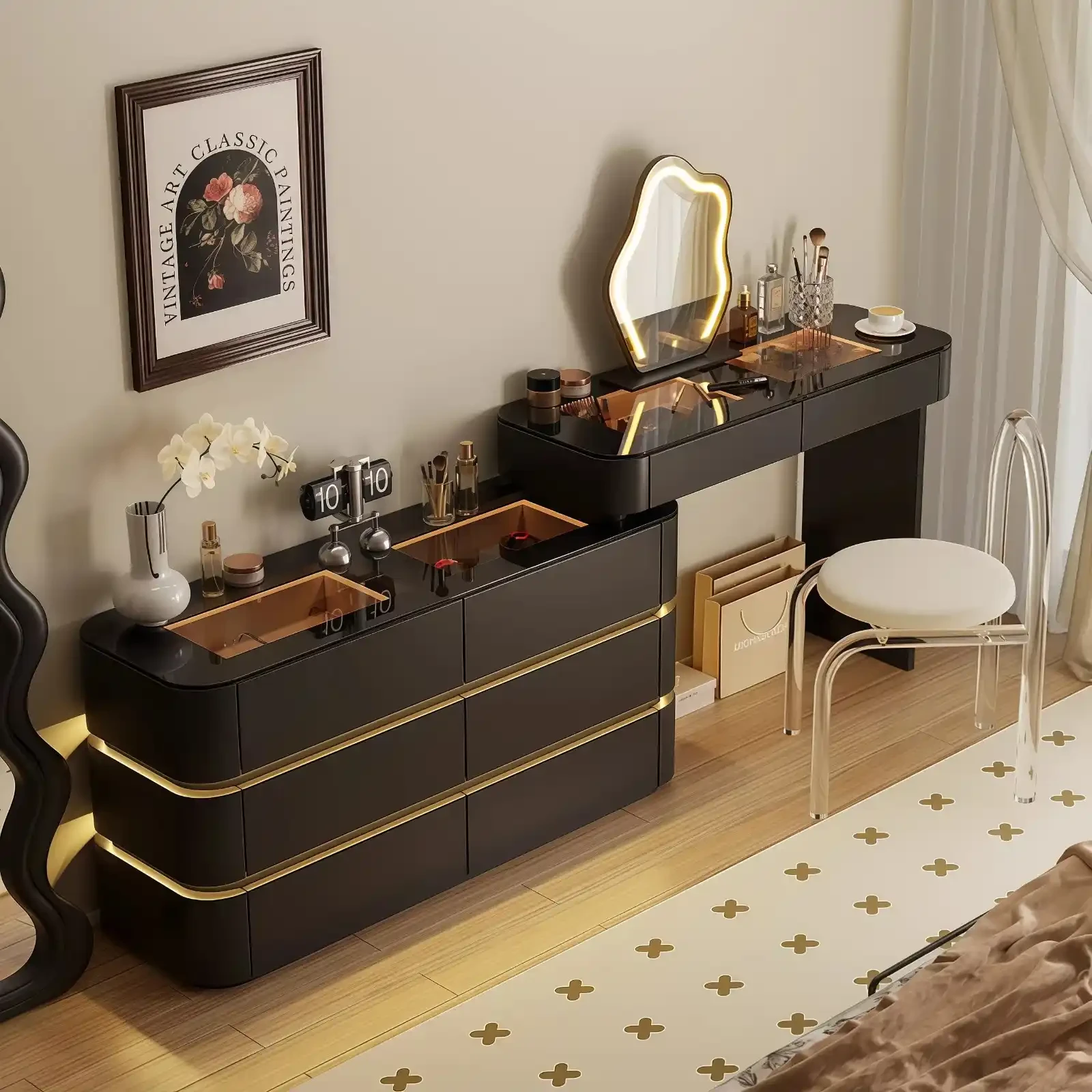
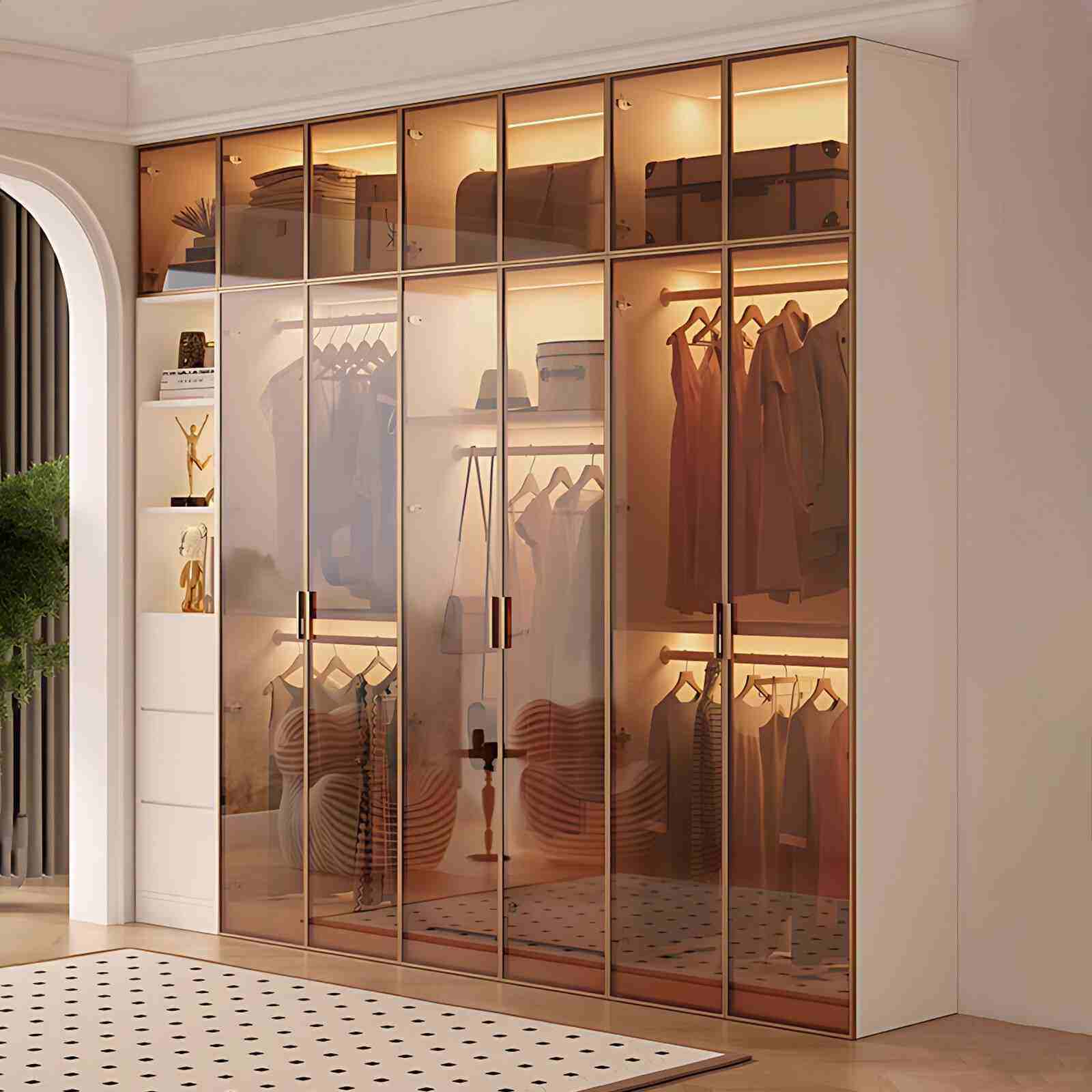
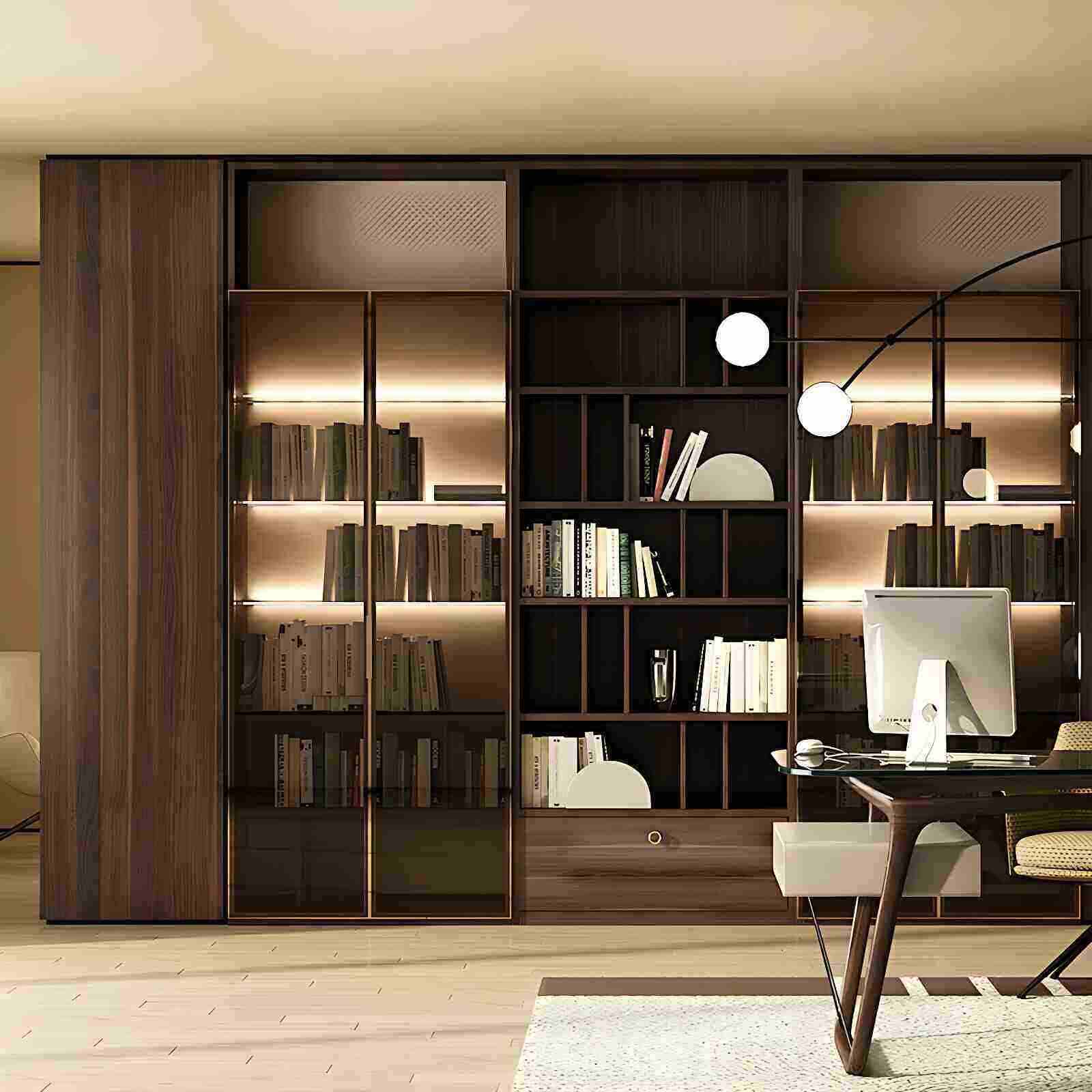
Commonly used boards for custom cabinets
melamine board
If it weren't for the sensational news about melamine-tainted milk, many readers might not even know what melamine is.
Melamine board, also known as (ecological board, melamine board, decorative board, etc.), is the most commonly used board material for making cabinets today. The base material of melamine board is (particleboard, plywood, MDF, etc.). It becomes the melamine board we see after double-sided hot pressing and impregnation with colored paper on the corresponding base material.
Many renovation companies use the term "particleboard" for convenience, but there is actually a difference between the two. Particleboard is just a base material (for those who are still confused about the base material, finish, and finished board, please refer to previous content) and cannot be directly used to produce kitchen cabinets.
Eco-friendly board (melamine board)
Ecological boards adopt A+++ grade surface selection standards, achieving ultimate naturalness. Ecological boards are made from carefully selected oxygen-rich wood from around the world, using imported German rotary cutting equipment, precise assembly technology, and non-formaldehyde resin adhesive. The entire process from raw wood to finished product is monitored and strictly selected at every stage, creating healthy boards for villas and luxury homes.
Solid wood multilayer board
Solid wood multi-layer board, also known as solid wood board, is used to customize cabinet systems. The core material of the door panels is multi-layer board or medium density board. Solid wood multi-layer board has outstanding advantages. It is strong, stable, and moisture-proof, making it very suitable for making cabinet bodies. However, it also has disadvantages. Its flatness is not as good as particleboard and OSB, and it cannot press delicate finishes such as high-grade gray.
Features of solid wood multilayer boards
Solid wood multilayer boards eliminate spatial safety hazards. They are made from carefully selected oxygen-rich wood from around the world, with A+++ grade core material. The wood is rotary-cut into sheets and rigorously screened layer by layer. The layers are densely packed and monitored throughout the entire process from raw wood to finished product. The entire process involves 100 steps to create solid wood multilayer boards.
Excellence never stops. Environmentally friendly adhesives, vertical bonding of adjacent veneer layers, fully digital drying, deep penetration and interlocking of plant resins, and internal stress in the multi-layered veneer structure give the product stronger bending resistance.
Vacuum forming board
The vacuum-formed panels used in custom cabinets are made of MDF (medium-density fiberboard), with the surface vacuum-formed or made using a one-time seamless PVC membrane pressing process. These panels offer a wide range of colors, realistic wood grain, and high-quality finishes. They are also highly resistant to cracking and warping, and possess advantages such as scratch resistance, heat resistance, stain resistance, and fade resistance. This makes them one of the most mature cabinet materials currently available, and they are relatively easy to maintain.
What issues should be considered when customizing kitchen cabinets?
Choose environmentally friendly boards
Currently, there are already E0-grade environmentally friendly boards in the Chinese market that are in line with European environmental standards. To identify them, we can first look for authorization, and then check whether the board has an E0 environmental label. Generally, merchants do not dare to tamper with this.
All boards meet the E0 environmental protection standard and have been authorized.
Choose the right specifications
There are 16mm and 18mm thick boards available on the market. Custom-made cabinets made with 18mm boards can have a lifespan more than doubled, and the doors are less prone to warping, effectively protecting the countertop from cracking. Although there is a significant price difference, experienced professionals recommend 18mm boards as the most reliable choice.
We offer a full range of sheet sizes, including 1220*2440*15*16*17*18mm, and provide personalized customization services.
Four common misconceptions about cabinet materials
Myth 1: Are moisture-proof and waterproof the same thing?
Many people equate moisture-proofing with waterproofing. However, this is inaccurate. Moisture-proofing involves mixing a colorless moisture-absorbing agent into the substrate of the board. Manufacturers add green or red dye (green is more common, with red considered more premium) as a distinguishing feature to differentiate their boards from ordinary ones. This moisture-absorbing agent has no effect on the board's inherent waterproofing performance. In practice, boards with and without moisture-absorbing agents expand at the same rate when soaked in water; the so-called moisture-proofing only works against moisture in the air.
Myth 2: Fireproof boards are fireproof?
The name "fireproof board" might seem literal, leading to the misconception that it's fire-resistant. However, this is incorrect. Refractory materials don't inherently possess true fire resistance; the correct term is "fire-resistant board." The term "fireproof board" originated in Taiwan. Any material with a melamine coating will possess some fire resistance, such as melamine-formed boards. Fire-resistant boards have a specific time requirement for withstanding open flame; they must withstand exposure to open flame for a certain period before undergoing a chemical reaction and carbonizing. The so-called "fireproof board" can withstand open flame for about 35-40 seconds. Within this range, open flame exposure only produces black, easily wiped-off soot, without any chemical reaction. Of course, the longer the fire resistance time of a fire-resistant board, the better.
Myth 3: Identifying board materials only requires looking at their appearance?
Quality depends on materials. The reason cabinets produced by small factories are cheaper, besides processing methods, is primarily due to the quality of the boards and cost. Inferior boards have a transparent surface, color variations, and an uneven texture. The melamine veneer on the surface is brittle and easily peels off under pressure. In cross-section, the wood fibers are uneven in size, with large gaps, and may even contain dirt, nails, stones, and other debris. Many small workshops use large amounts of inferior urea-formaldehyde glue to reduce costs, and there is no cleaning process. Their performance cannot compare to the physical and chemical properties of high-quality particleboard; they may look similar, but their internal quality is vastly different.
Myth 4: Domestic formaldehyde standards are not much different from those abroad?
Regarding testing standards, the European standard is 9mg, while my country's regulation on formaldehyde in engineered wood products is 9mg/100g dry board, meaning that 9 milligrams of free formaldehyde are allowed per 100 grams of dry board. This seems strict and not significantly different from international standards. However, China also has another standard: after surface treatment, engineered wood products are allowed a formaldehyde content of 30mg. This standard offers strong protection for small-scale manufacturers. When purchasing kitchen cabinets, formaldehyde emission is an indicator that should not be ignored.
Having read this article on how to choose materials for custom kitchen cabinets, we hope the information above has been helpful.
This results in a high-quality cabinet with a long service life.