
 USD
USD GBP
GBP
 EUR
EUR



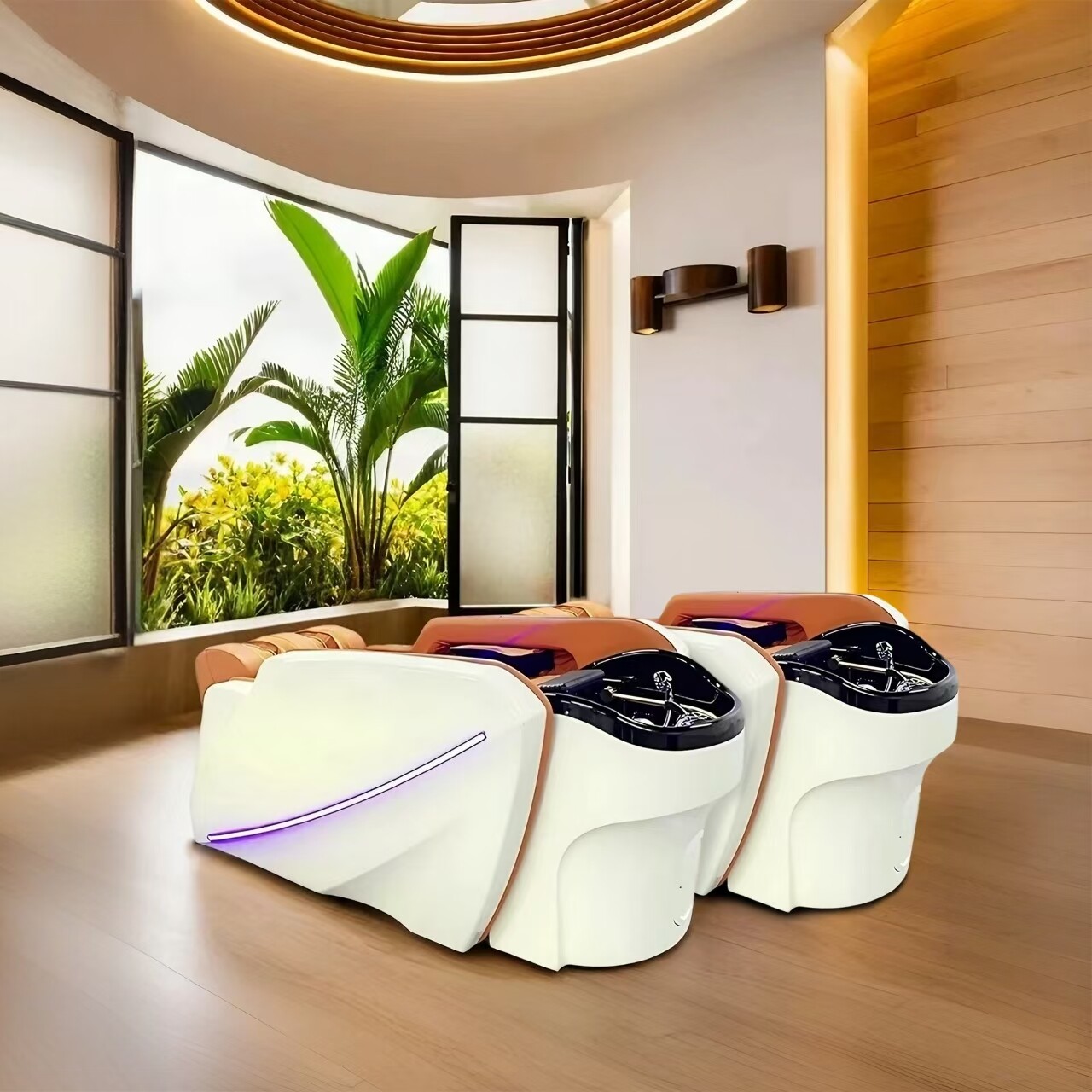
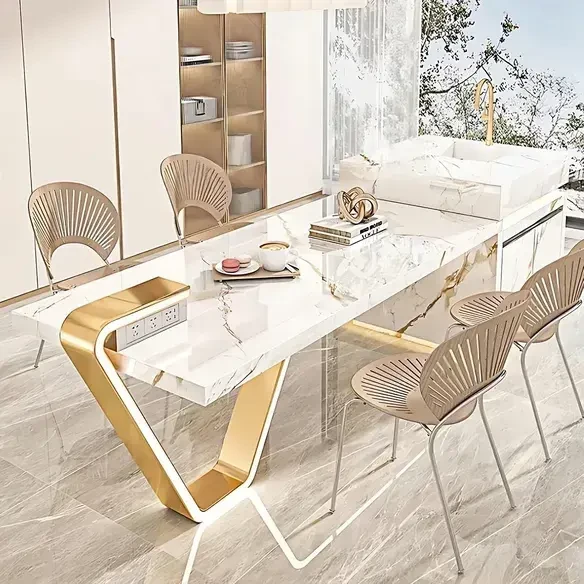
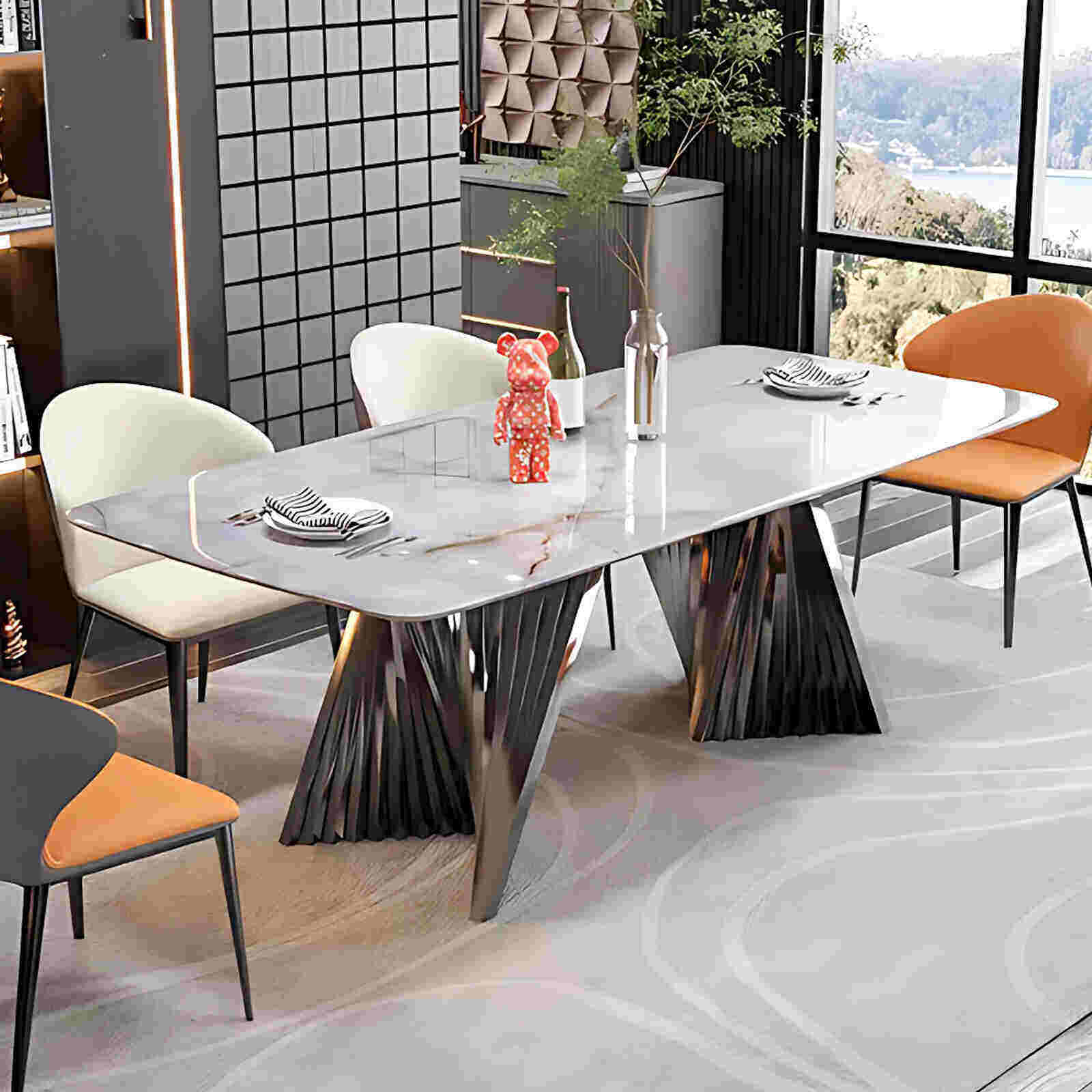
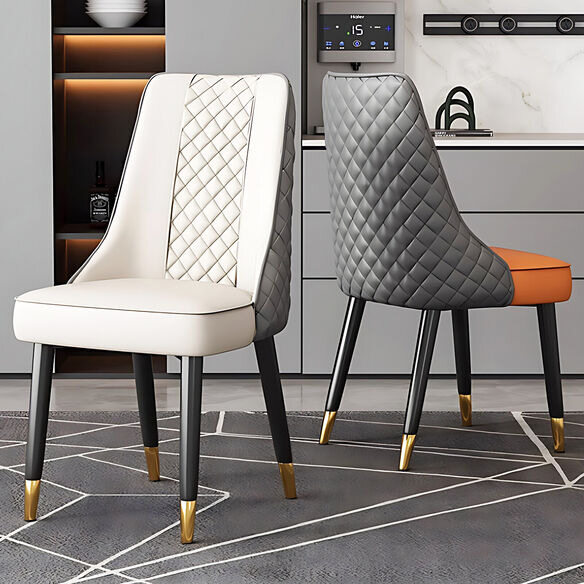
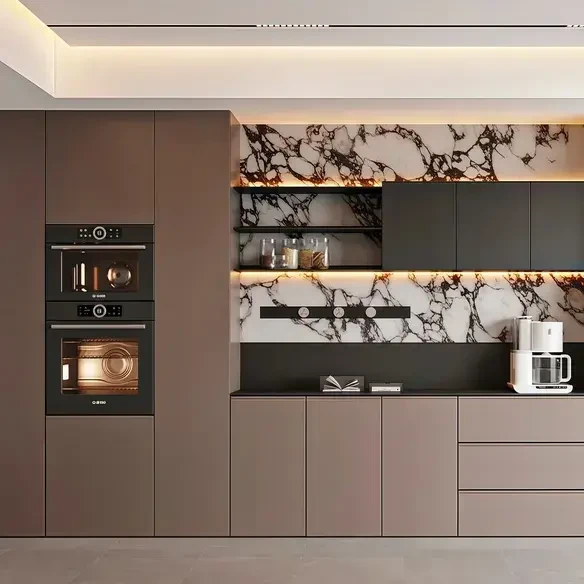
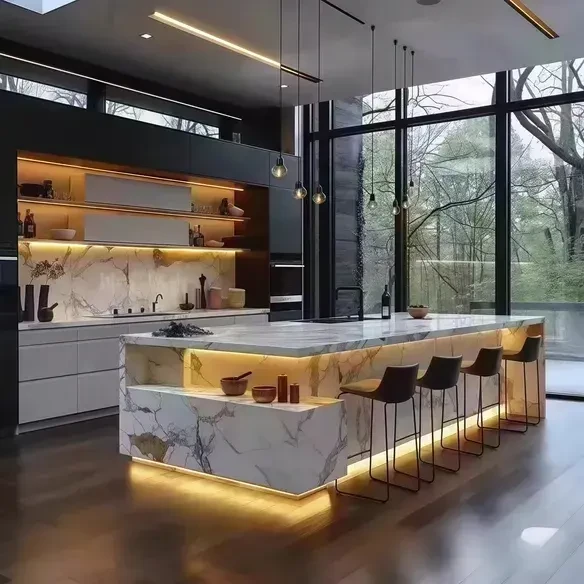
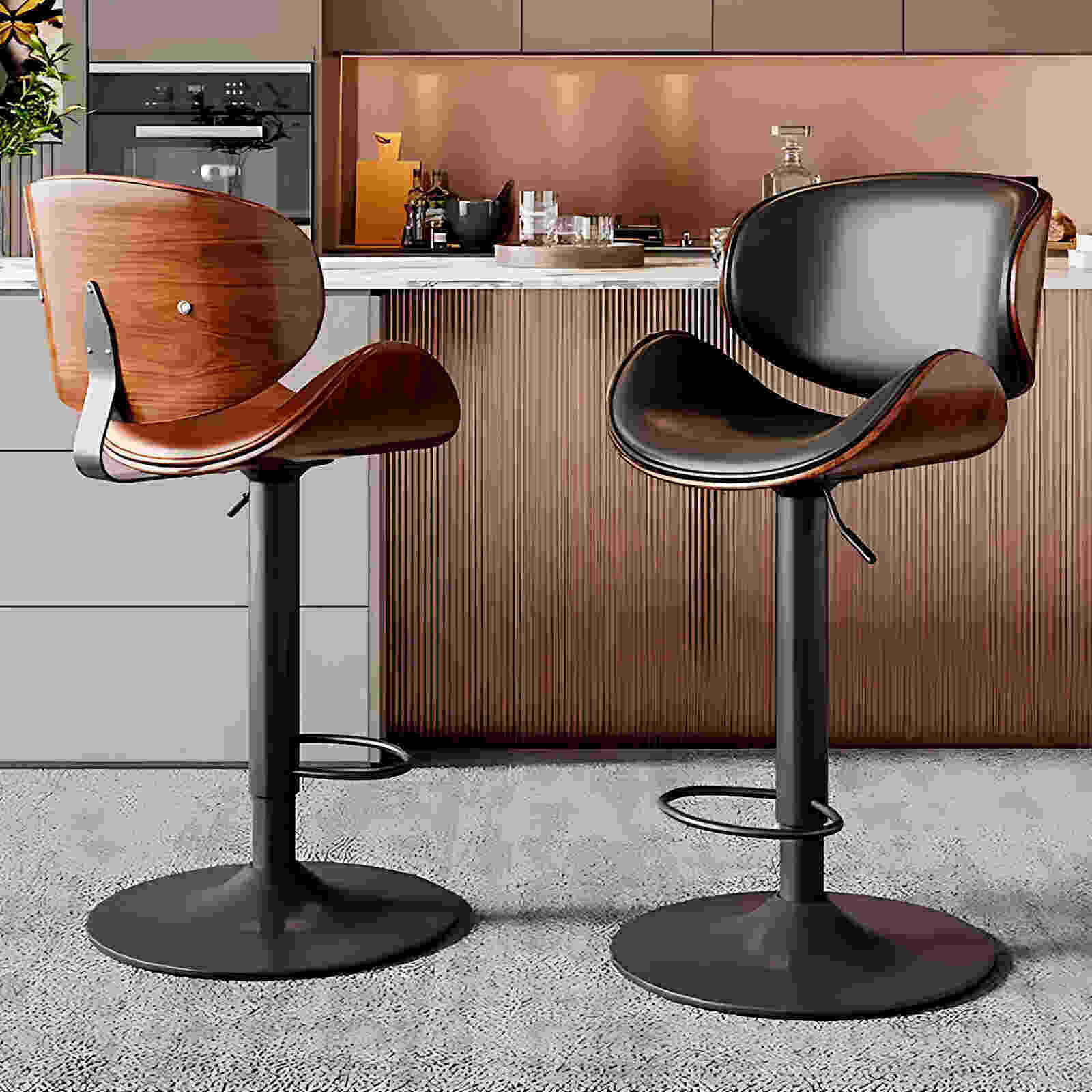
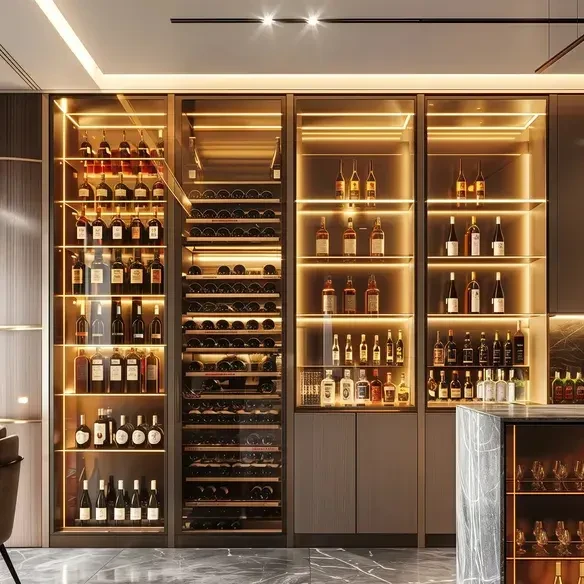



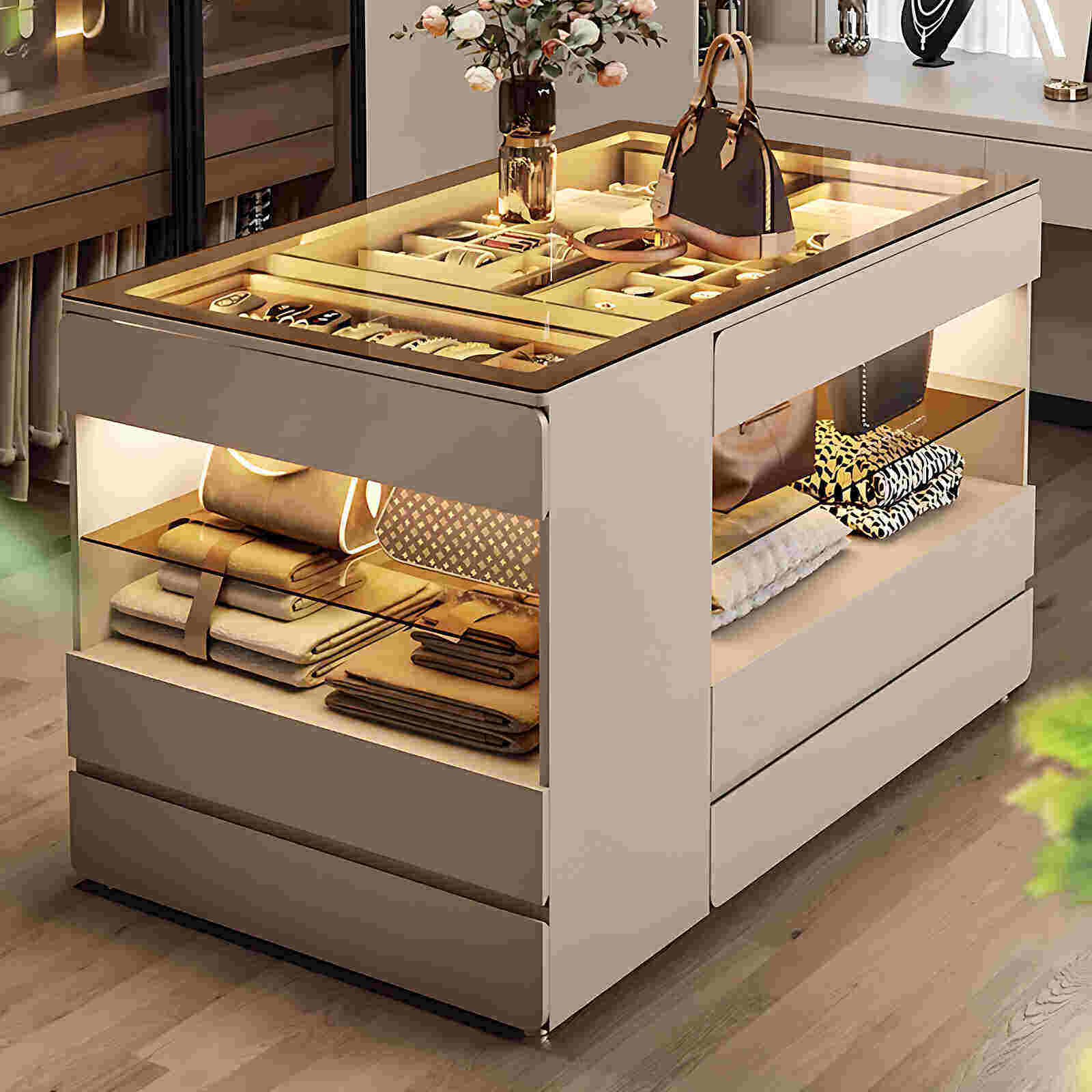
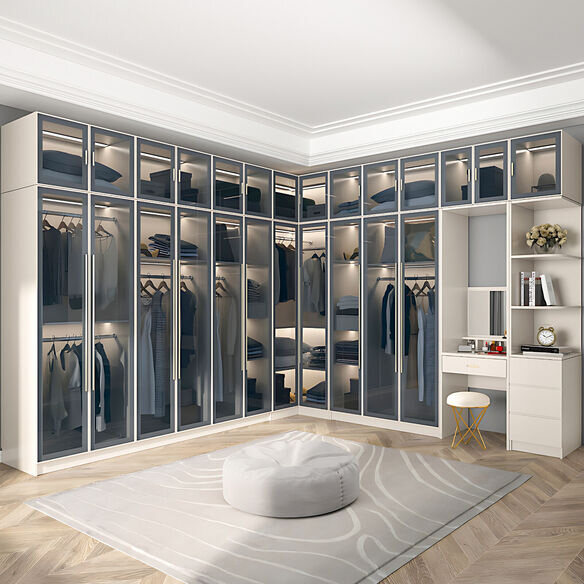


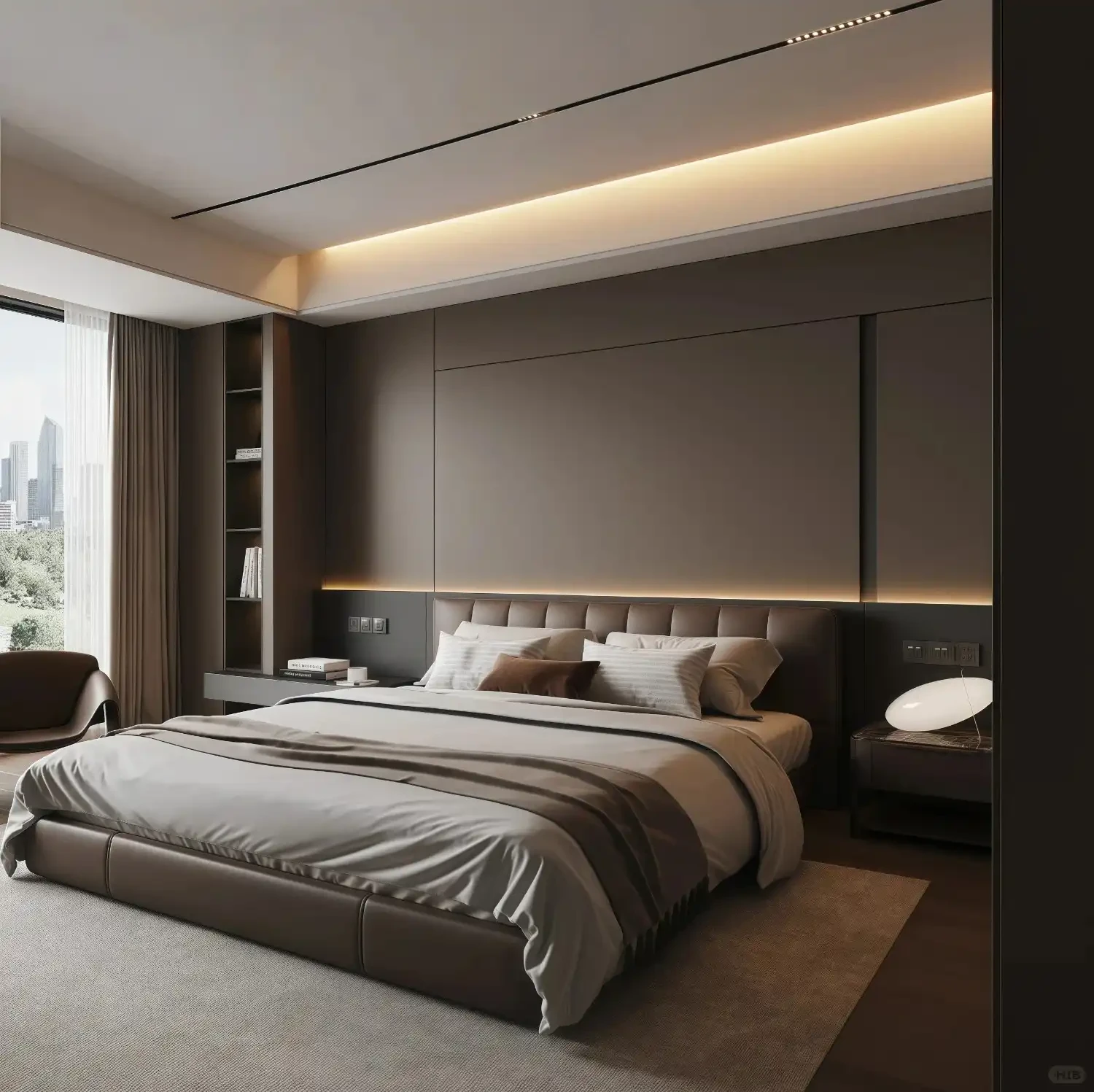



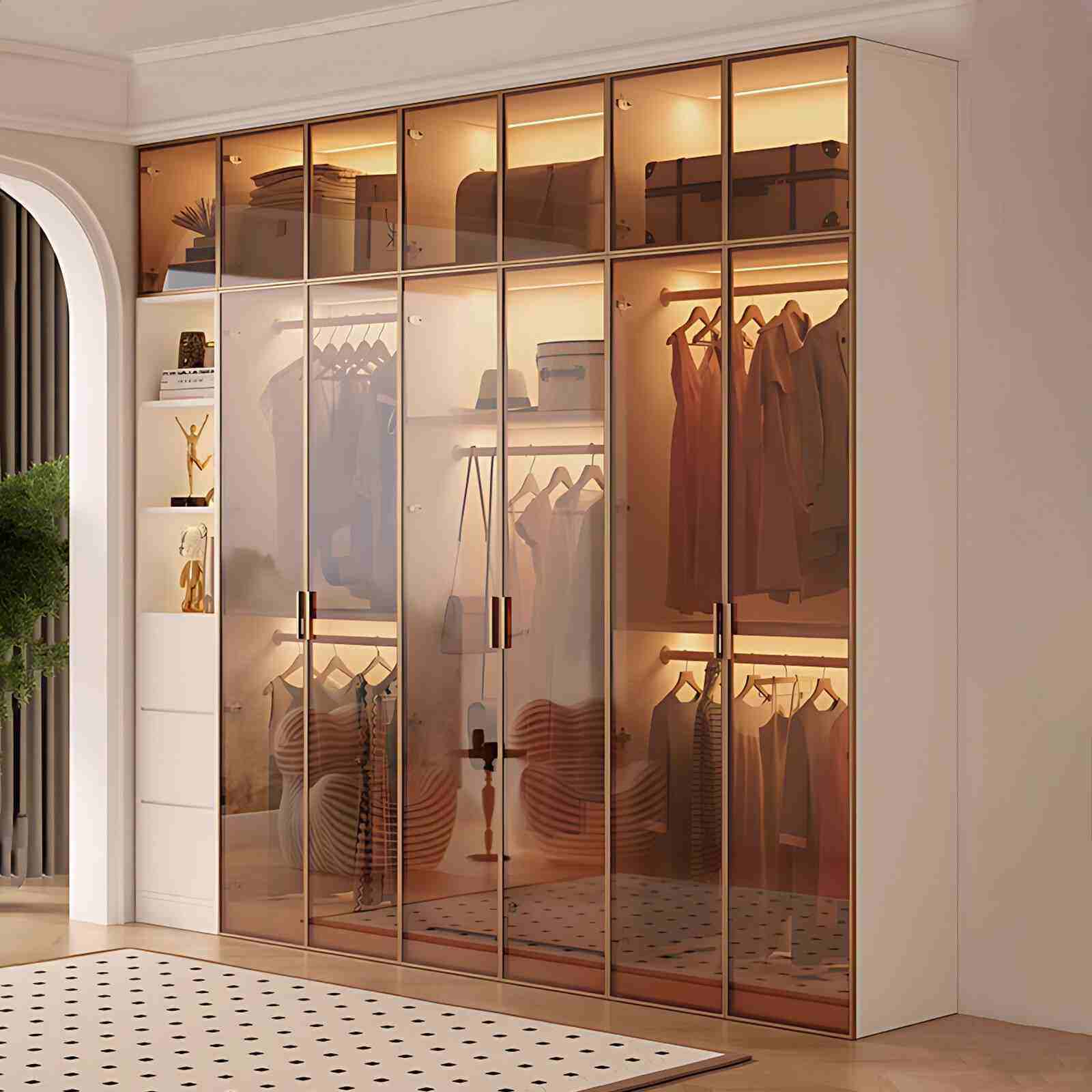


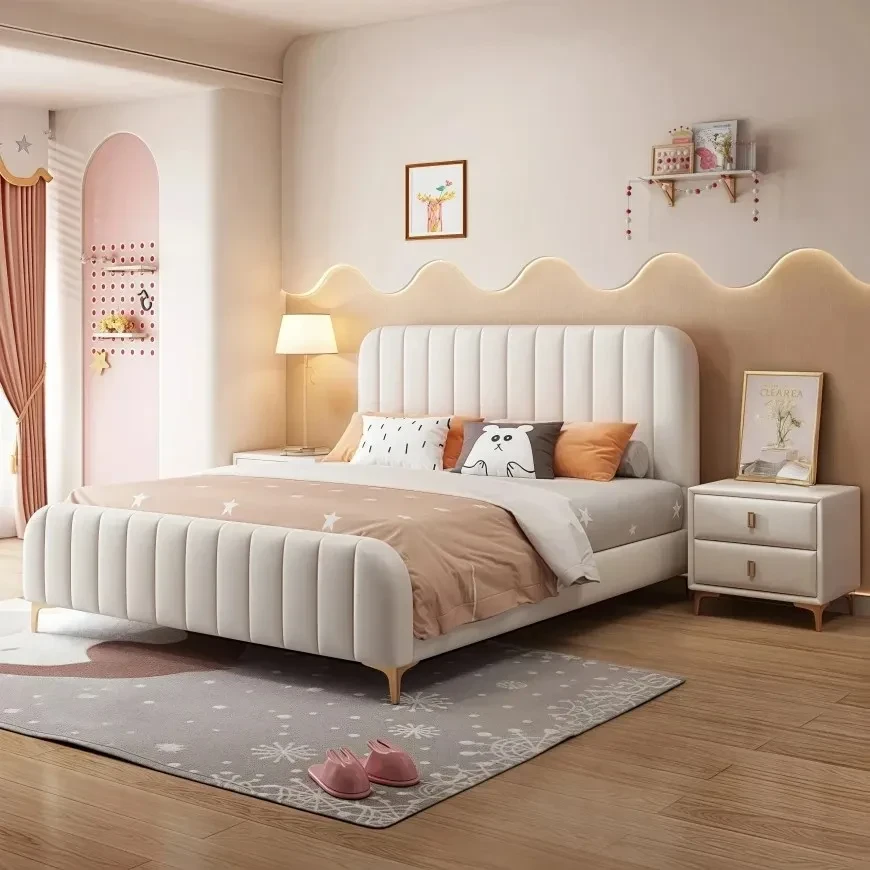
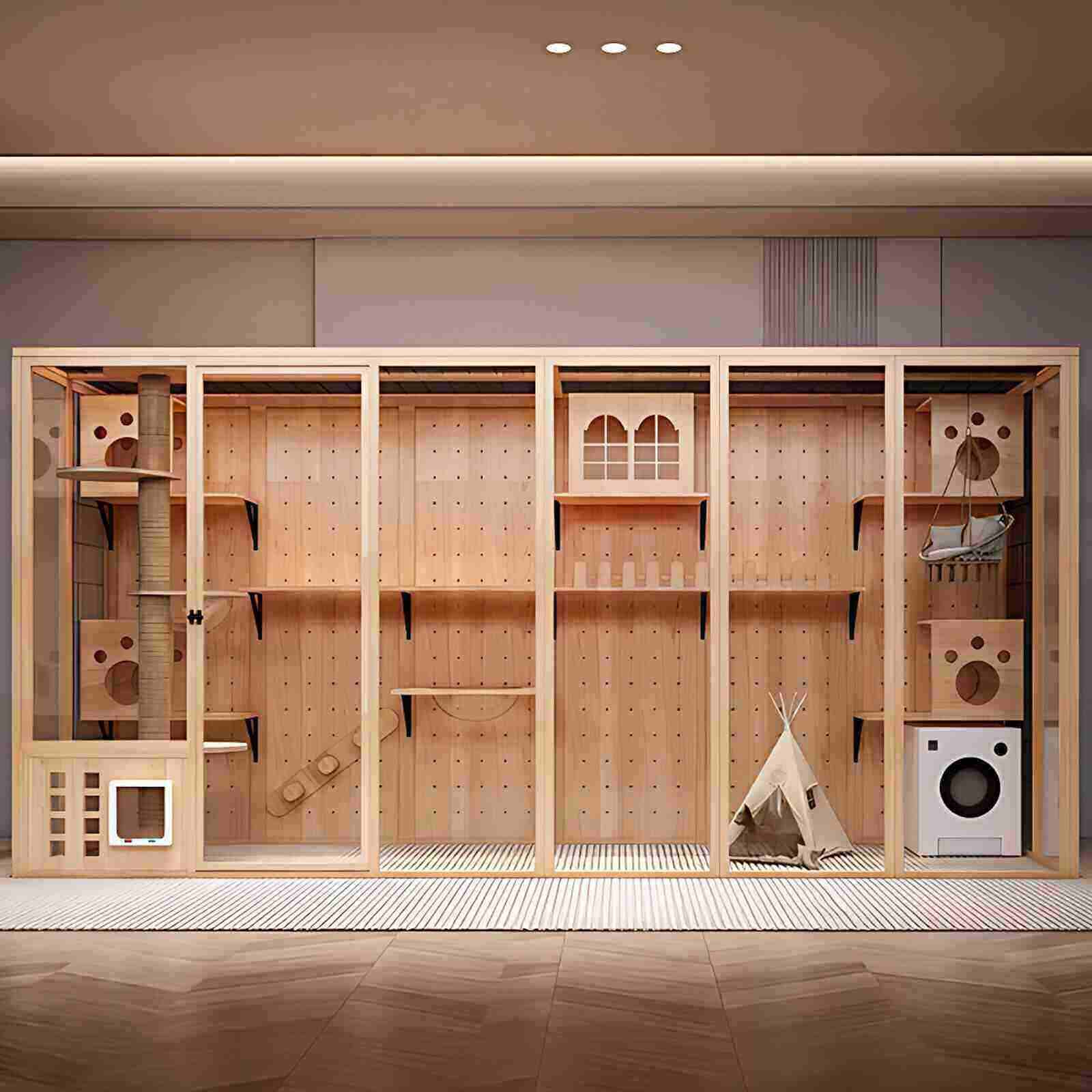
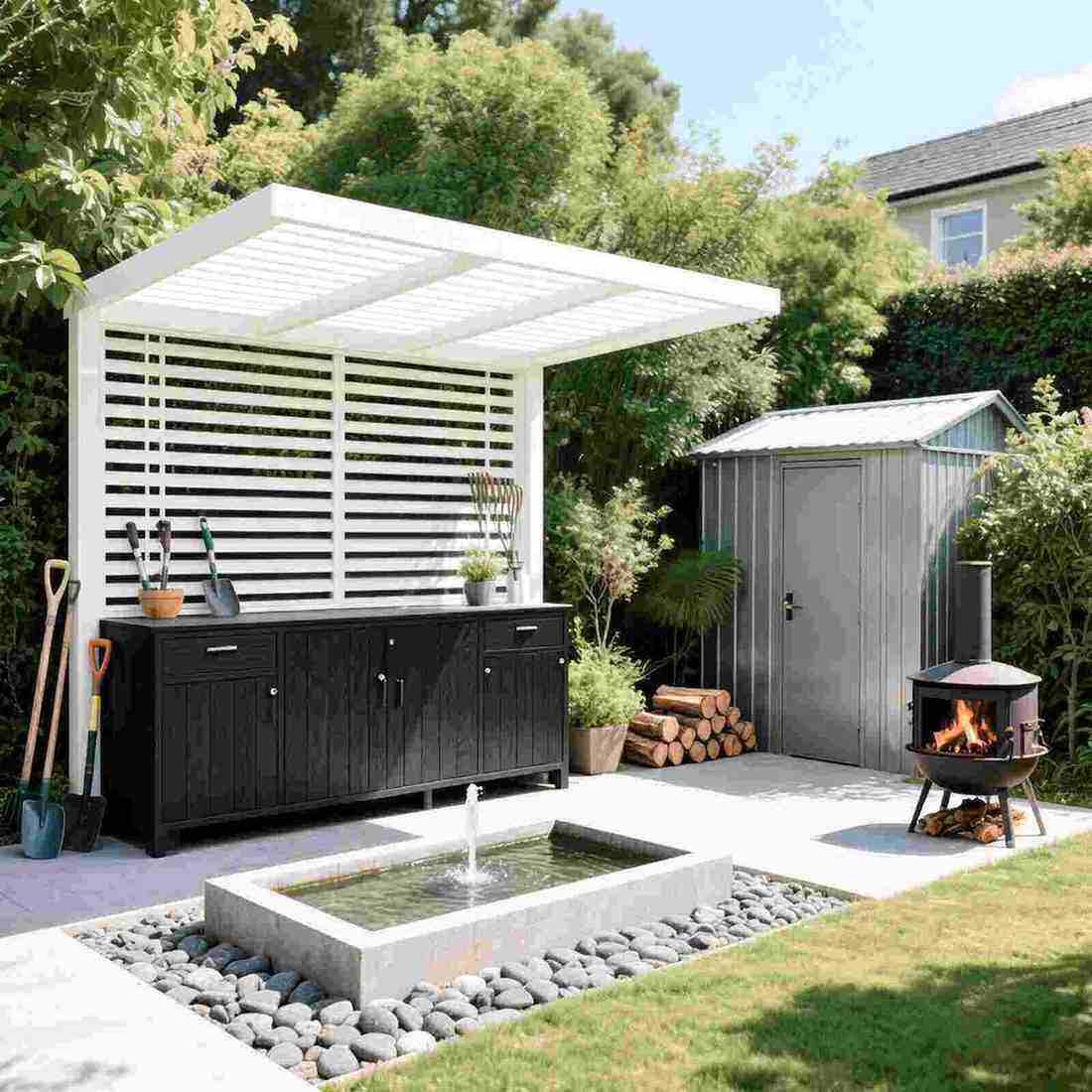
In basic home renovations, many consumers simply compare the appearance and price of wood. However, using this as the sole basis for judgment is too simplistic. They might inadvertently buy substandard wood panels with serious pollution, leading to eye irritation, headaches, and other problems after the renovation. Being careless can harm the health of yourself and your family.
In recent years, numerous cases of indoor air pollution caused by excessive formaldehyde levels have led consumers to pay increasing attention to the environmental performance of building materials. However, most consumers still lack a true understanding of the concept of environmentally friendly decoration. For example, what constitutes truly environmentally friendly building materials? How to choose environmentally friendly building materials? Today, we'll address these two questions.
What are truly environmentally friendly building materials?
Whether a board is environmentally friendly or not is directly related to the adhesive used, and also to the board's structure. For example, for the same type of board, the one made with E1-grade adhesive will be more environmentally friendly than the one made with E0-grade adhesive. Similarly, while both MDF and plywood use E1-grade adhesive, plywood has better environmental performance. There are also boards made with MDI adhesive (such as spruce-based boards) and plant-based adhesives (such as soybean adhesive), both of which have higher environmental protection levels than ordinary environmentally friendly boards, making them ideal for home decoration without concerns about material pollution.
Currently, the environmental protection levels of wood-based panels are:
E1≤0.124mg/m³;
E0≤0.050mg/m³;
ENF≤0.025mg/m³;
When decorating your home, it is recommended to choose board products with higher environmental protection standards. Environmentally friendly boards are constantly being upgraded, all to create a healthier home environment for people.
How to choose environmentally friendly building materials?
Currently, the wood-based panel market lacks an effective regulatory mechanism, leading many businesses to launch E0-grade and formaldehyde-free products to attract consumers. However, E0-grade and formaldehyde-free panels have specific requirements for production equipment and processes, and many manufacturers have varying levels of equipment and capabilities, lacking the necessary production capacity. Therefore, consumers should not blindly believe in marketing hype when purchasing wood-based panels. They should check whether the product meets national standards and request a product testing report issued by a national authoritative institution, clearly stating this in the contract, to ensure they are buying environmentally friendly wood-based panels.