
 USD
USD GBP
GBP
 EUR
EUR



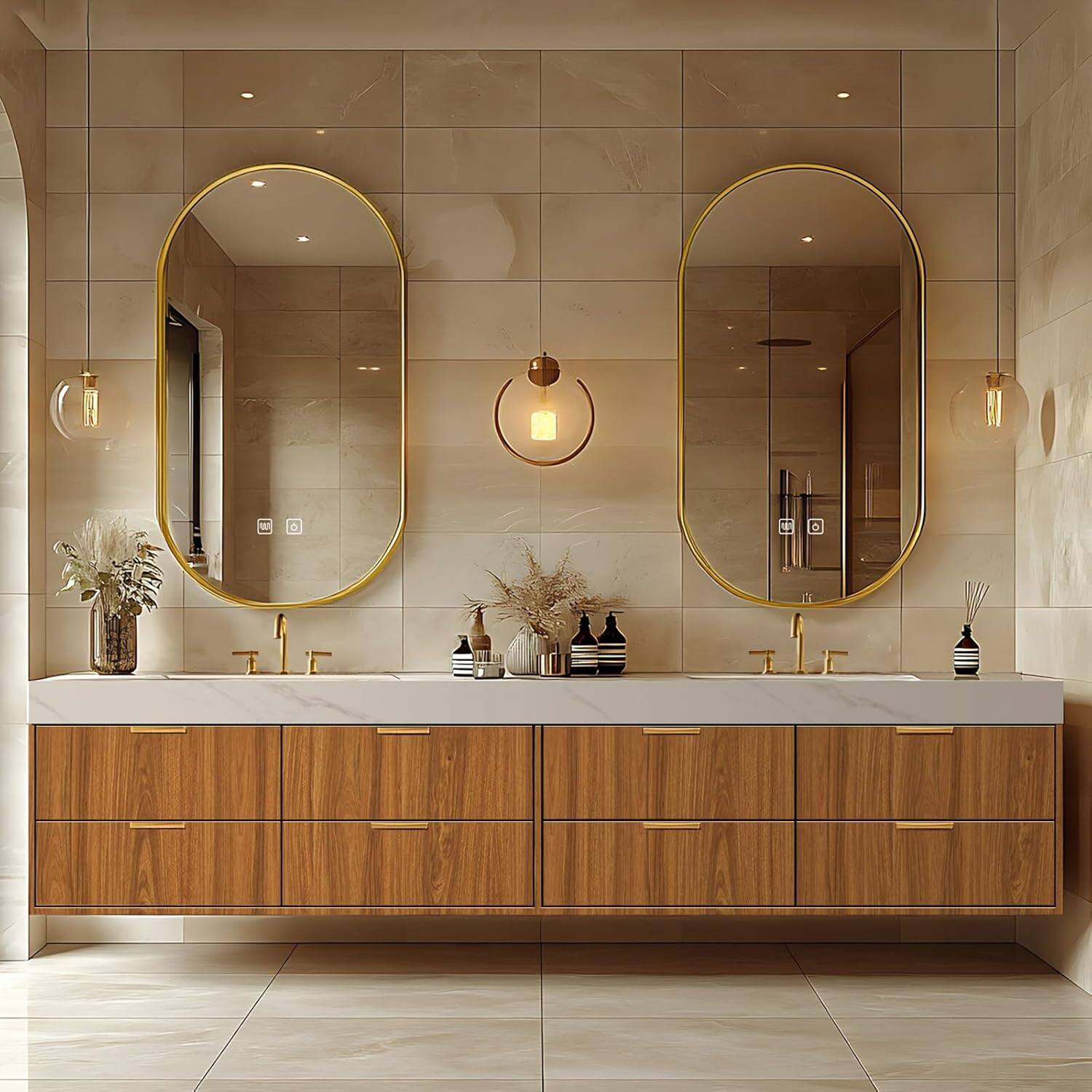


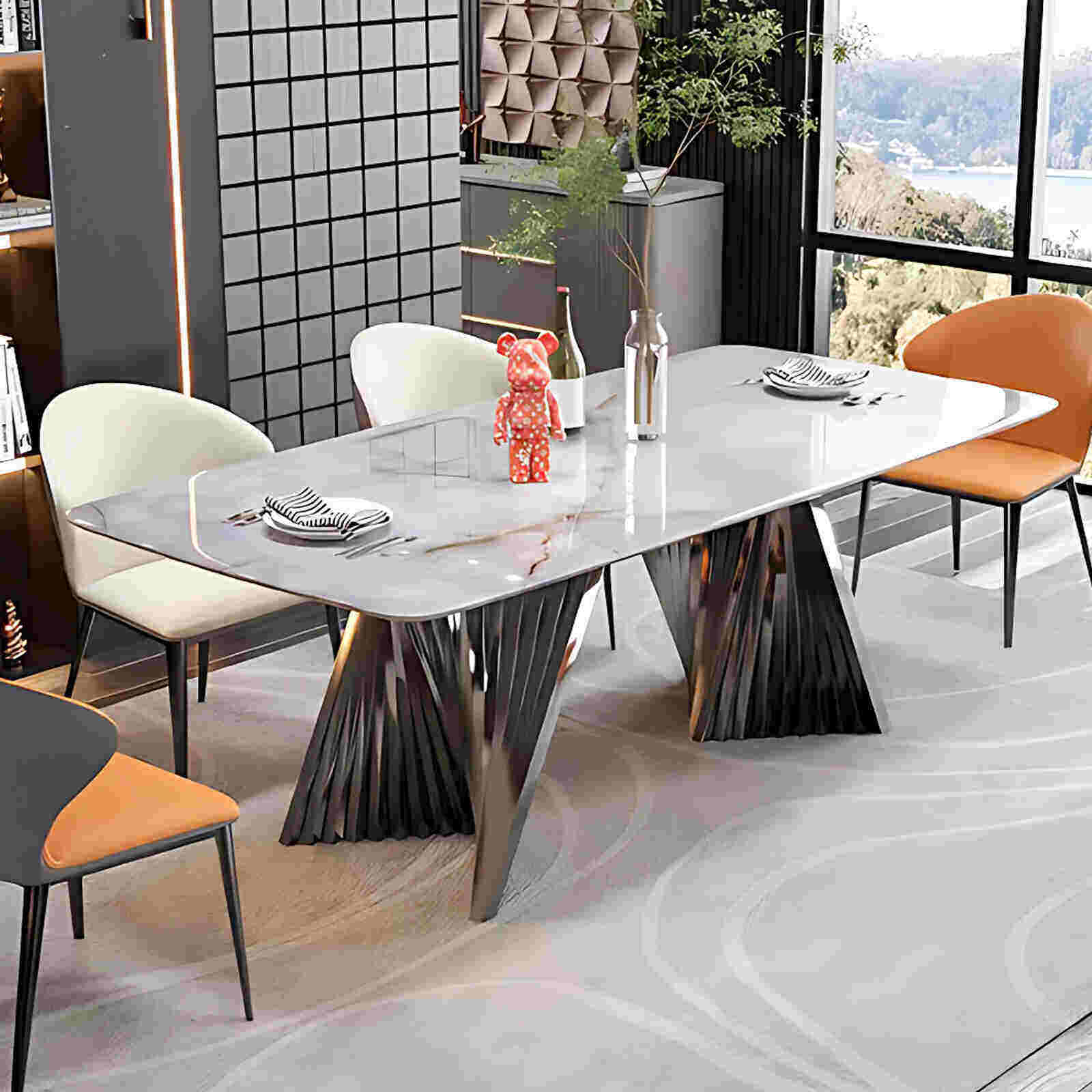
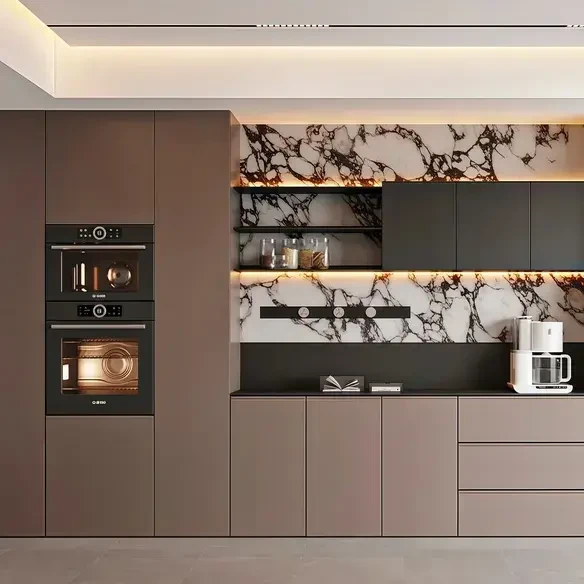
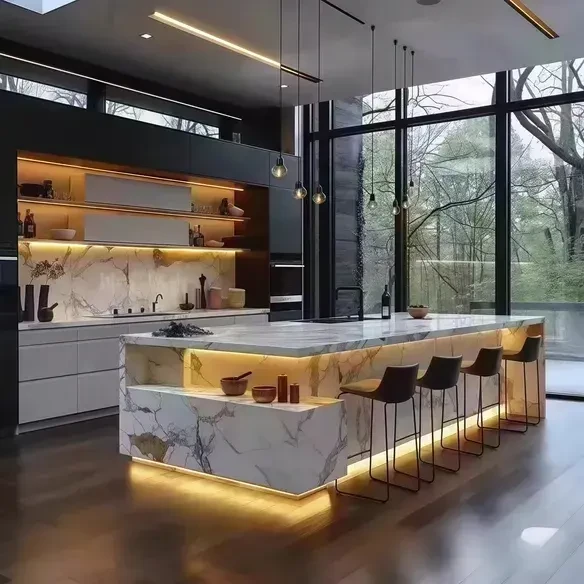
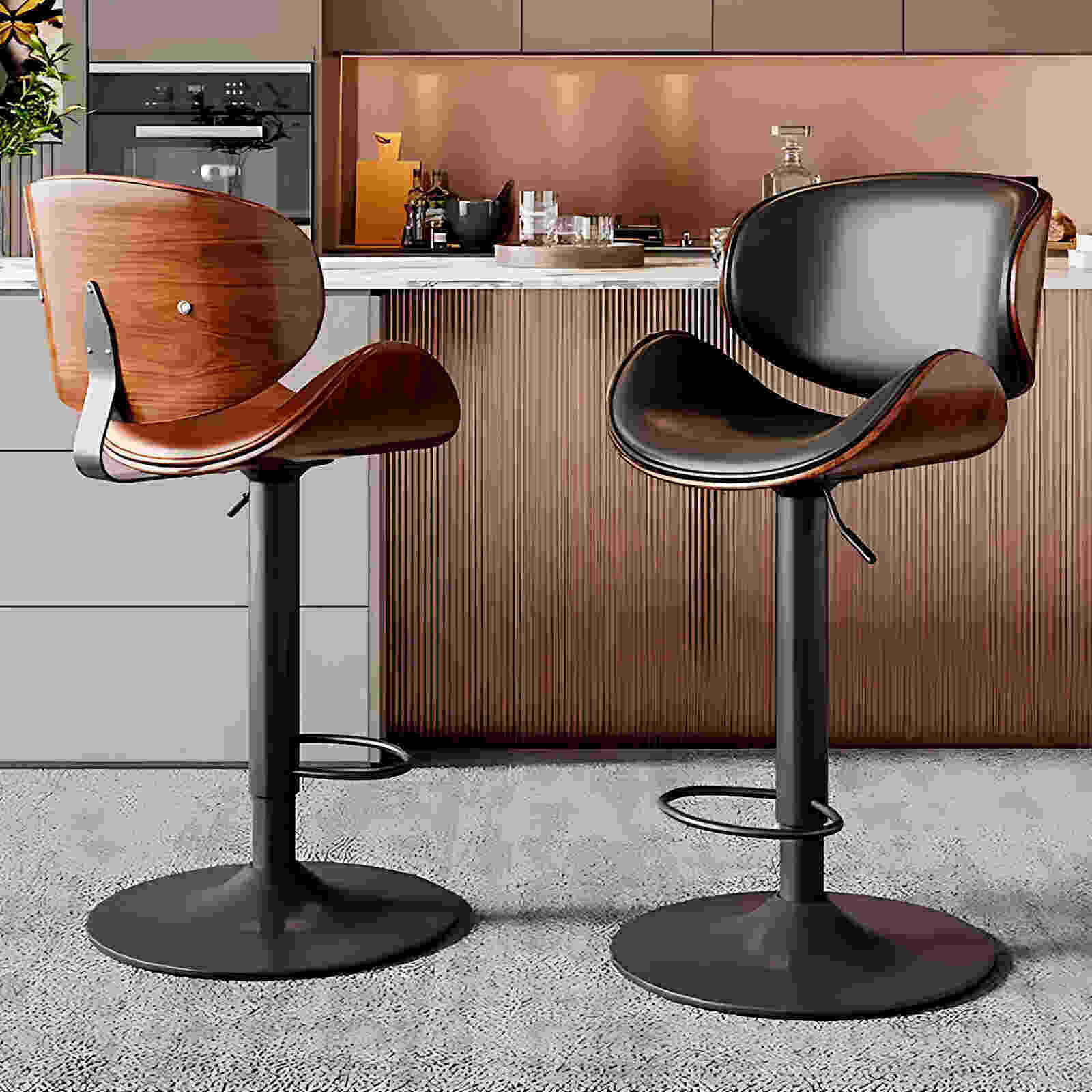
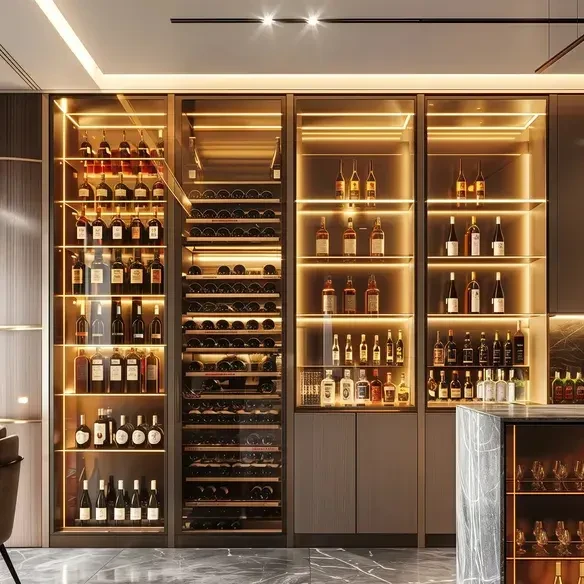


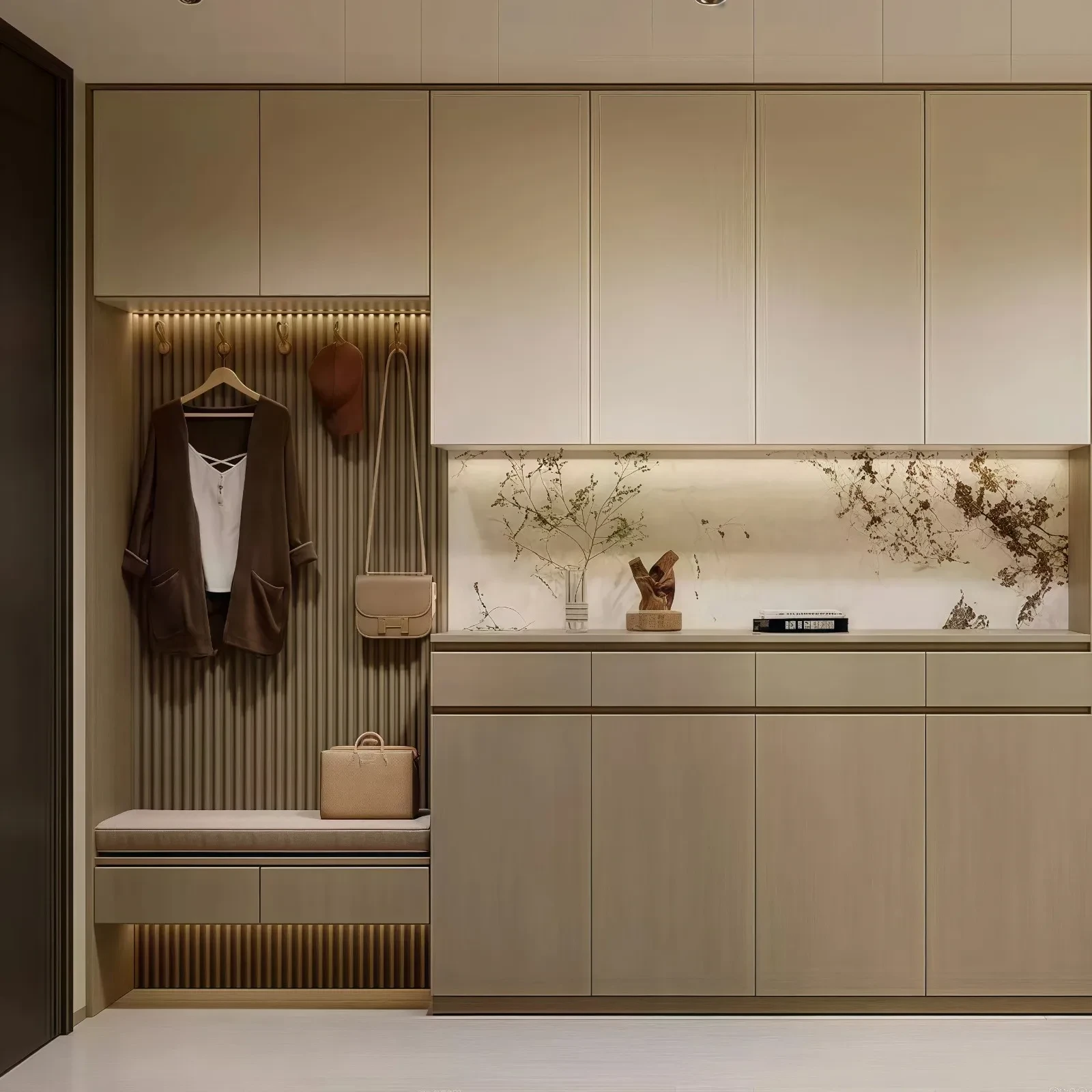
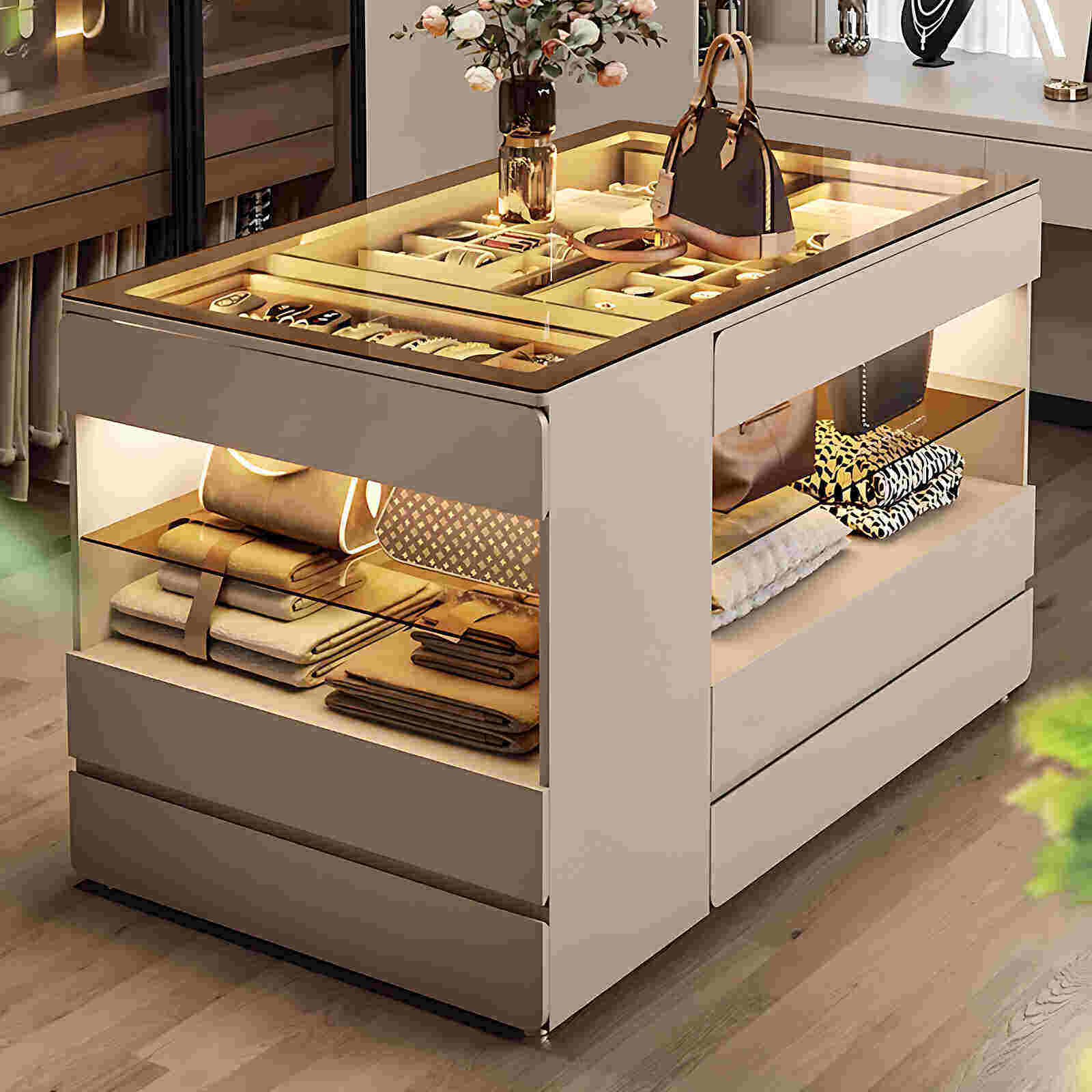
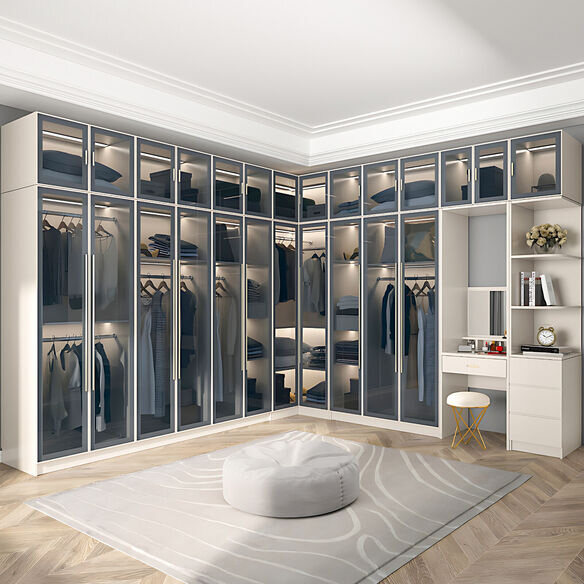
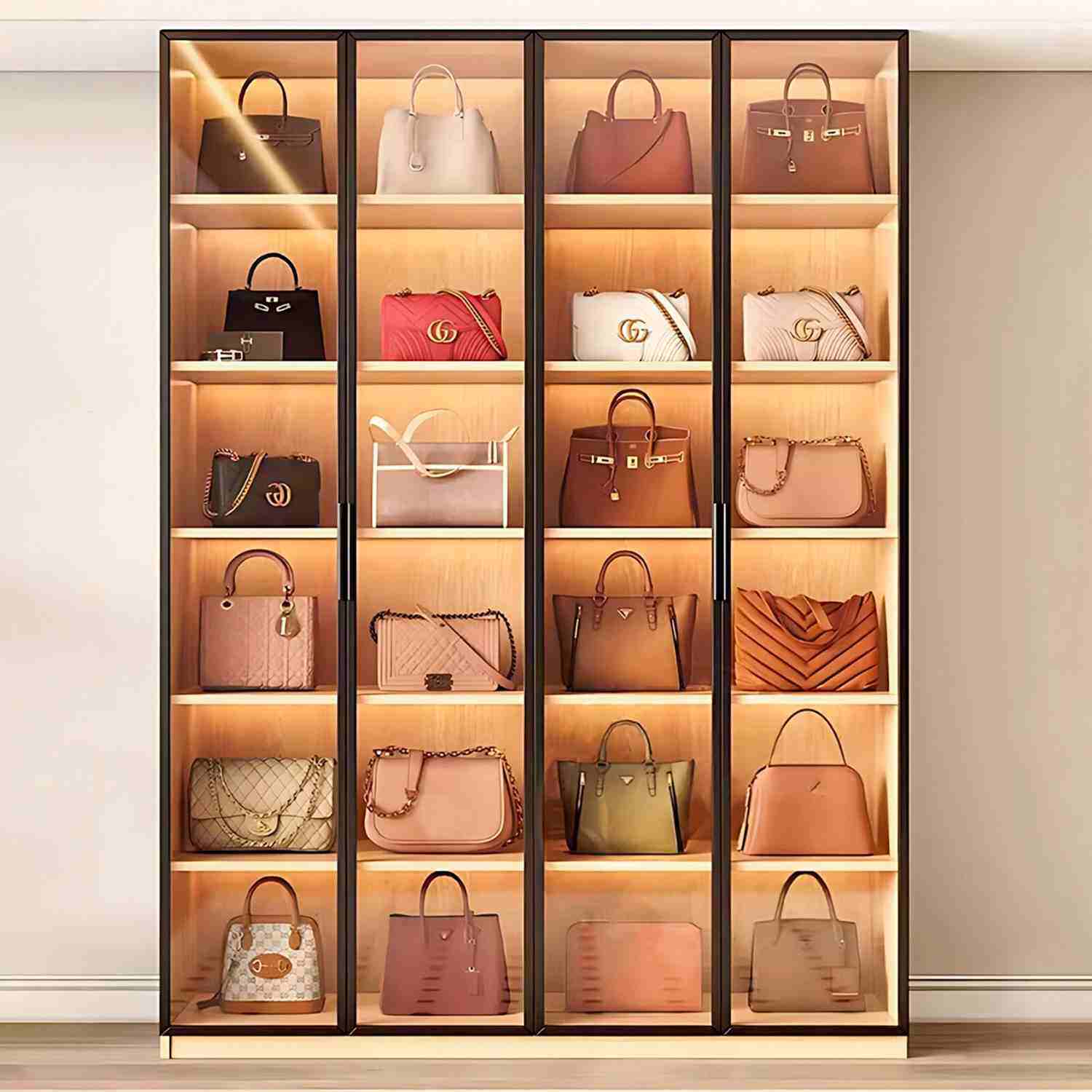

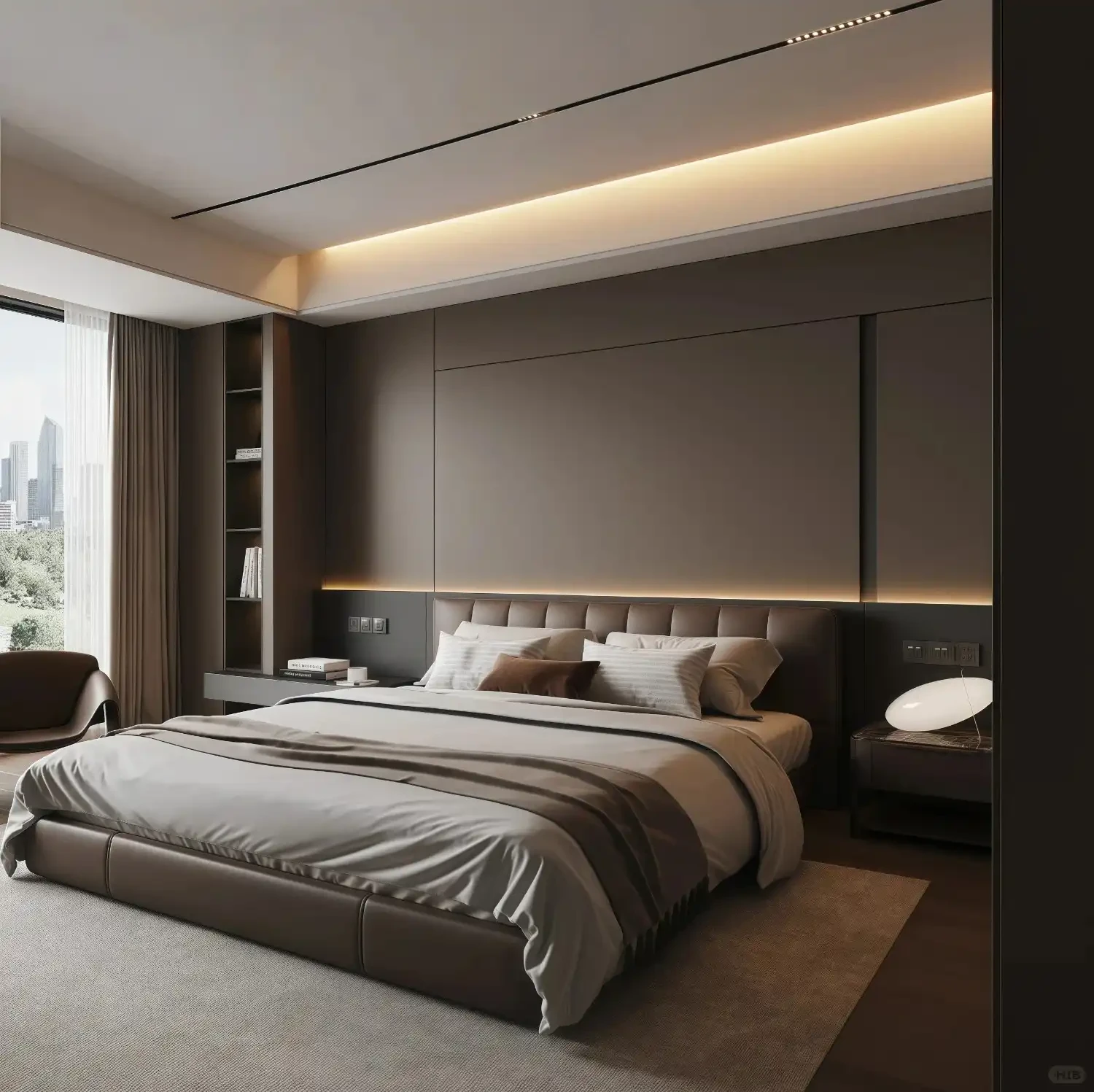



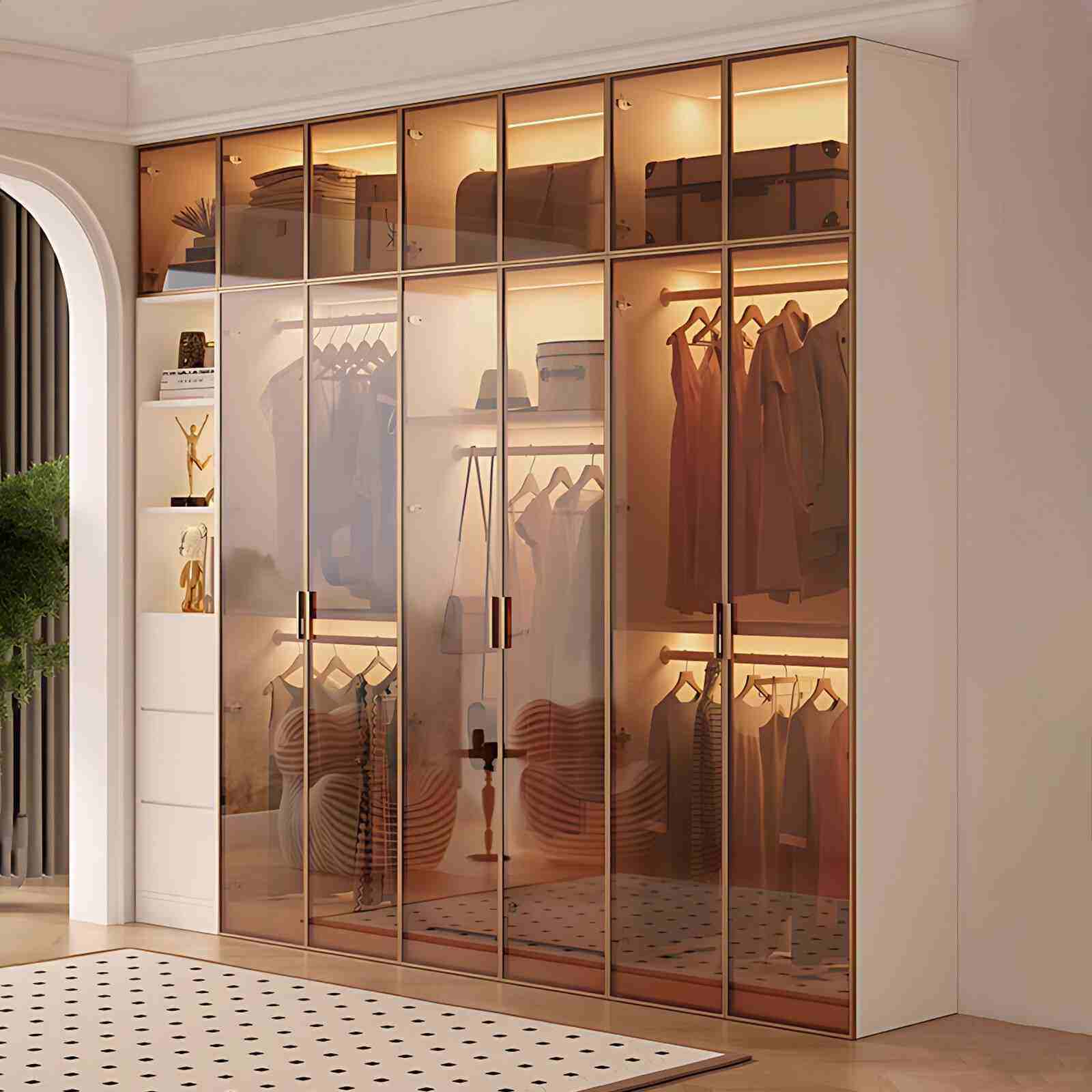
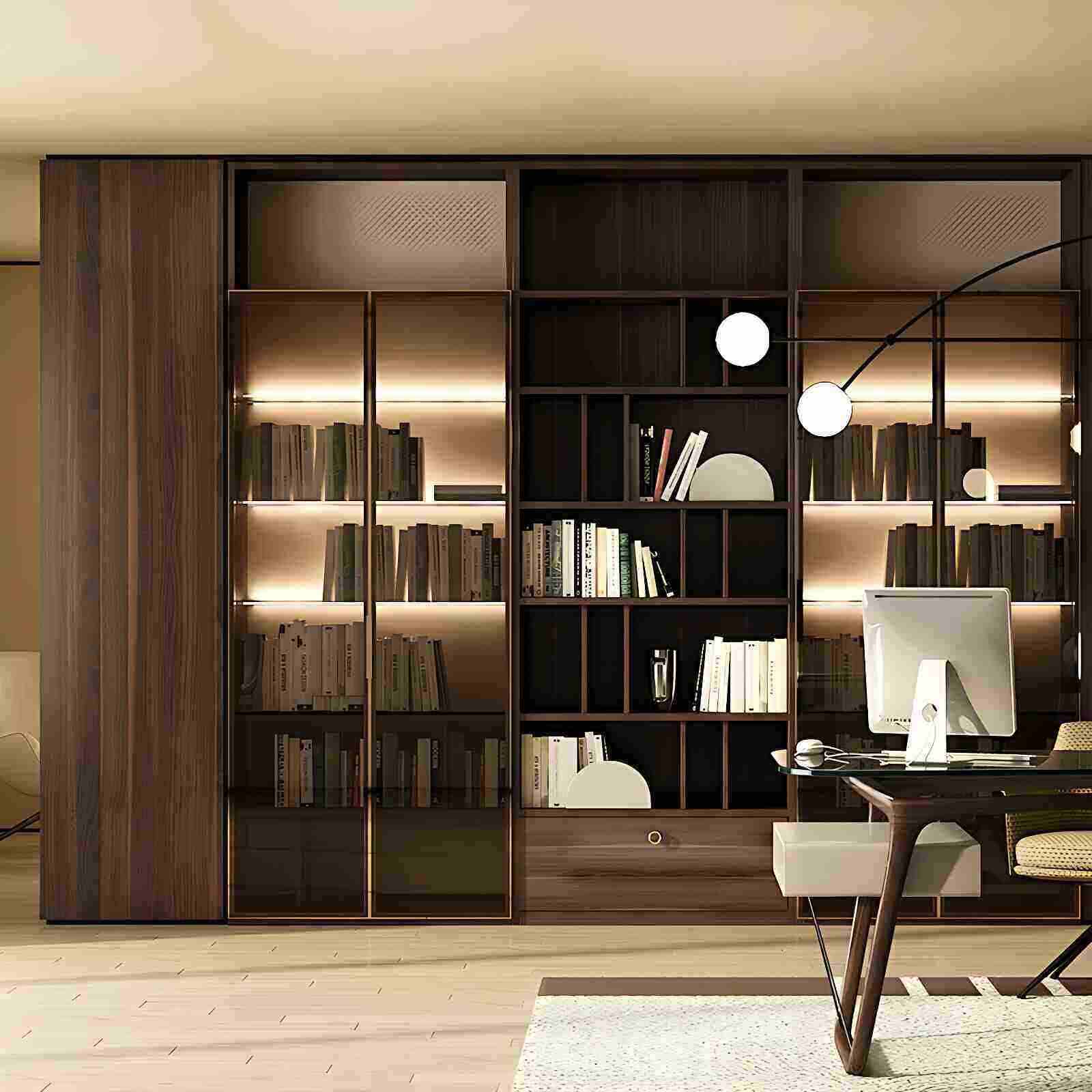

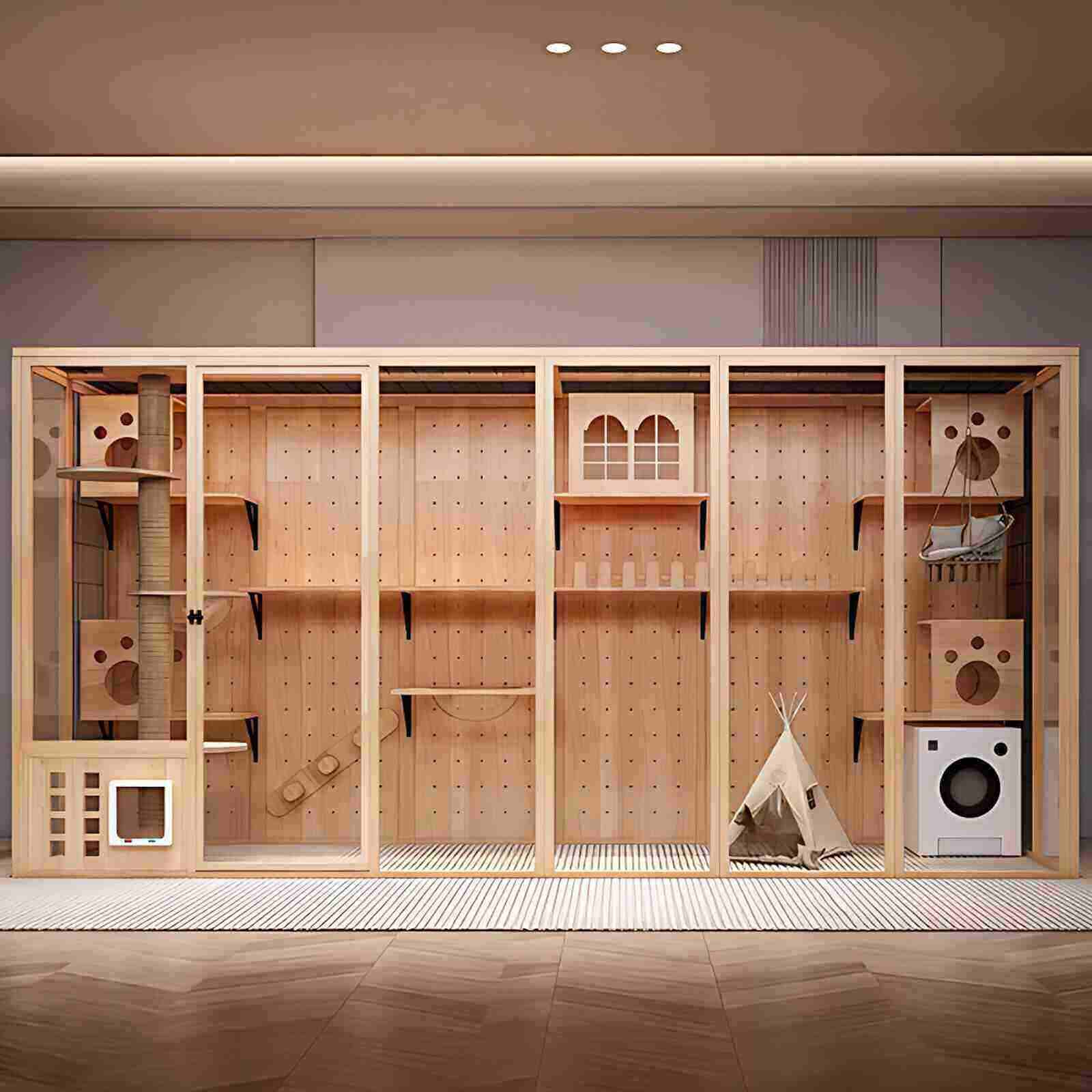
To use natural wood veneer extensively in decorative projects such as walls and ceilings, an essential step is to process the natural wood veneer into wood veneer panels.
Wood veneer panels, also known as wood paneling or wood decorative panels, are a common name for decorative veneer engineered wood panels. They are a primary surface decoration material in interior design projects, belonging to the engineered wood panel category. They are made with engineered wood as a base and covered with various natural wood grains and colors, and are widely used for surface decoration in high-end homes and public spaces.
Designers have many factors to consider when selecting wood veneer panels, including the type of natural wood veneer, the beauty of the grain, the smoothness and flawlessness of the surface, the quality of the craftsmanship, the reasonableness of the price, the superior quality, and the supplier's service capabilities. However, due to the prevalence of information asymmetry in the industry, designers sometimes find it difficult to perfectly avoid pitfalls and find the most suitable wood veneer panels.
Today, the wood curator has listed several aspects that designers can use to avoid pitfalls when purchasing wood veneer panels!
1. Examine the wood grain and craftsmanship.
How can you tell if a batch of wood veneer panels is high-end? Besides looking at the wood species, you also need to check if their natural wood veneers come from the same log.
In projects using wood veneer, many homeowners and designers prefer symmetrical and similar wood grain and color, arranged in a certain pattern, creating a flawless effect.
This requires finding a batch of natural wood veneers that all come from the same log. Because no two logs in the world are exactly alike, even those of the same species will produce different grains and colors when sliced from different logs. However, natural wood veneers sliced from the same log will be very similar. By layering them over a large area on a board, a perfect, beautiful, and luxurious effect can be achieved.
How can you tell if the natural wood veneer of a wood veneer comes from the same log? Look at the serial number of the natural wood veneer.
When veneer processing plants slice logs into veneers, they assign serial numbers to the veneers from the same log. These serial numbers are arranged in alphabetical order, using letters, numbers, etc., for better management and identification of the veneers. Furthermore, veneers with consecutive serial numbers often have very similar grain and color, allowing for seamless arrangement and a flawless design effect.
In general, if the wood species used for this batch of wood veneers is rare and expensive, and the natural wood veneers used come from the same log, have consecutive serial numbers, and have very few flaws, then in terms of rarity, integrity, and craftsmanship, this batch of wood veneers is considered "high-end."
Some veneer vendors will also require designers or processing plants to take away entire packages of veneer from the same log, without allowing selection. Once one package is picked out, its value will be greatly reduced.
Of course, the cost of this type of wood veneer is very high, and not all decoration projects can afford it. Therefore, with changes in cost control and aesthetics, wood veneer, even from different types of wood, is favored by many designers and homeowners. Randomly splicing wood veneer creates a natural visual effect, requires less material, and significantly reduces costs.
Besides examining the wood grain, it's also important to understand the craftsmanship of the wood veneer. If it appears crooked and uneven, with large gaps between the veneer joints, irregular edges, and substandard glue strength, it indicates inadequate craftsmanship. When choosing wood veneer, the less natural warping the surface, the better. Additionally, if purchasing stained wood veneer, check the staining process for quality, whether it fades, and whether there are any color variations.
2. Examine the base material.
Wood veneer typically uses engineered wood products, including plywood, MDF, and particleboard. These materials must be carefully selected and properly processed to ensure that there are no defects in the veneer quality.
If plywood is chosen, all aspects, from material selection and humidity to processing, must be considered. For example, the adhesive layer structure must be stable, with no delamination. The joints between the veneer and the substrate must be tight, and there should be no bubbling, delamination, or separation between the veneer and the substrate, or between the layers within the substrate. The bonding strength can be tested using a knife prying method: pry along the adhesive layer with a sharp, flat-bladed knife; if the adhesive layer is damaged but the wood remains intact, the bonding strength is poor.
(Plywood veneer)
If MDF is selected, it is generally used and the quality is no less than Grade 1. If particleboard is selected, the quality is no less than Grade 1.
(Wood veneer particleboard)
(Medium-density fiberboard with wood veneer)
Nowadays, many substrates consider using aluminum alloy decorative panels. These panels are decorative metal sheets made of aluminum alloy through cold pressing or cold rolling. Their surfaces are anodized and colored or coated, and they are characterized by being lightweight, high-strength, durable, and easy to process.
3. Consider environmental protection
You can identify formaldehyde levels by smell. If the odor is strong and pungent, it indicates that the formaldehyde release exceeds the standard, which will seriously pollute the indoor environment and make it more dangerous to use indoors. You can ask the seller for a test report to see if the product meets environmental standards.
Merchants who claim to have zero formaldehyde are almost unreliable. After processing such as veneer, paint, and edge banding, it is difficult to say that formaldehyde-containing components will not be introduced. It is almost impossible to achieve "zero formaldehyde" completely; at most, it can only be said to be close to zero formaldehyde.