
 USD
USD GBP
GBP
 EUR
EUR
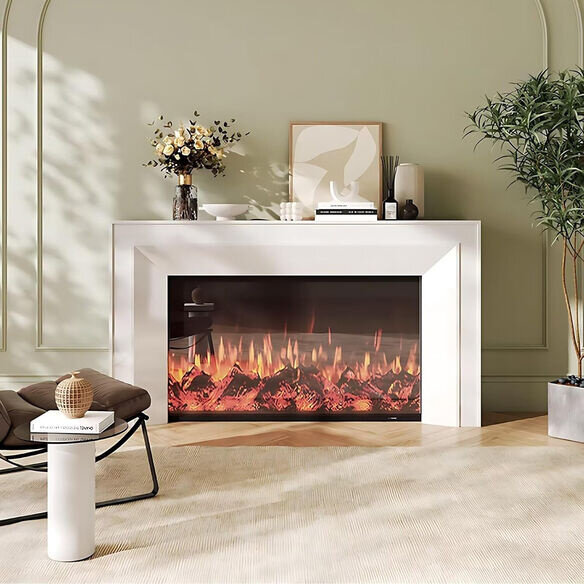


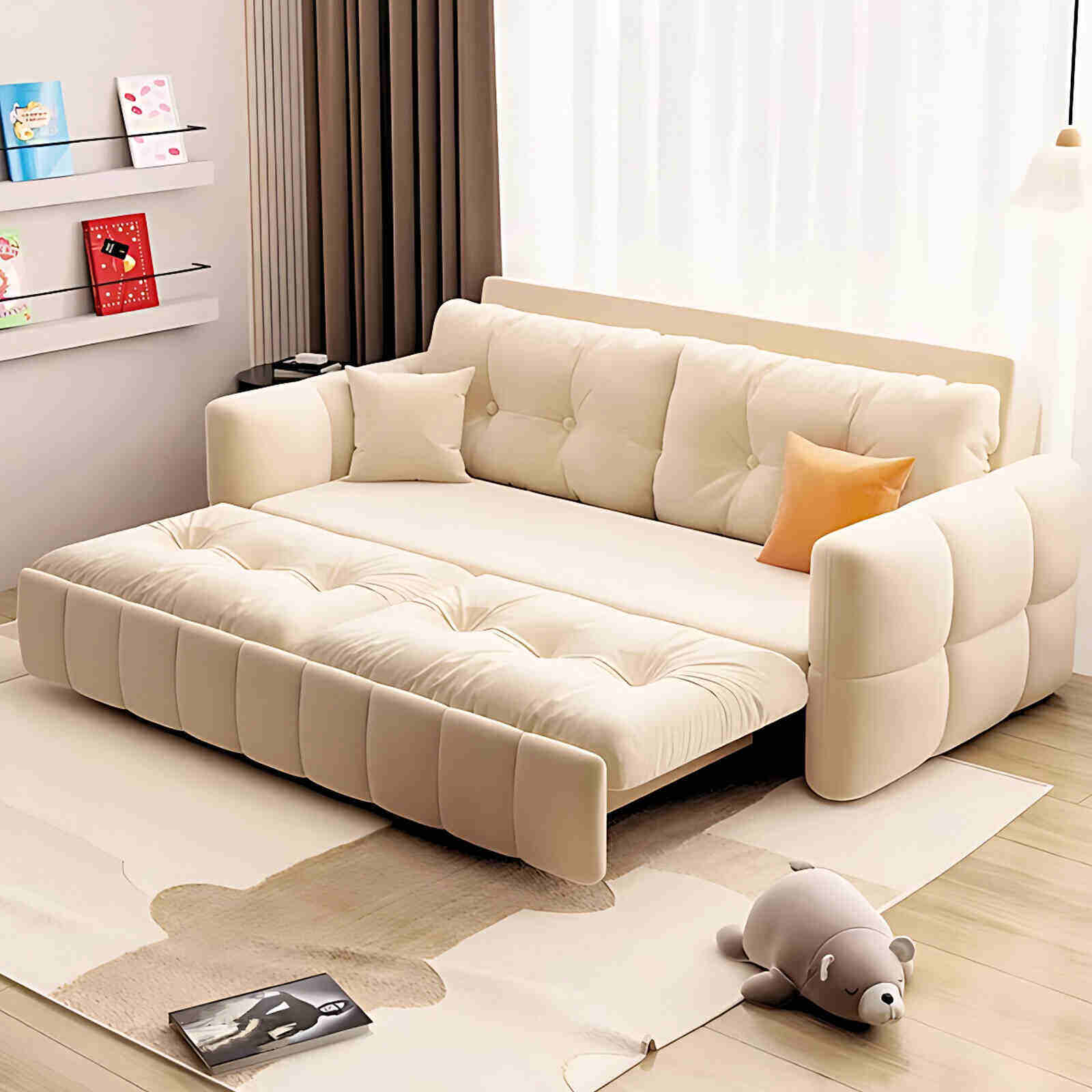
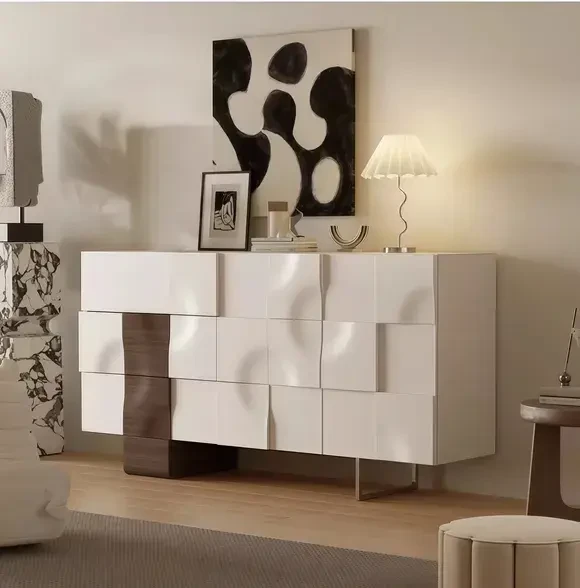

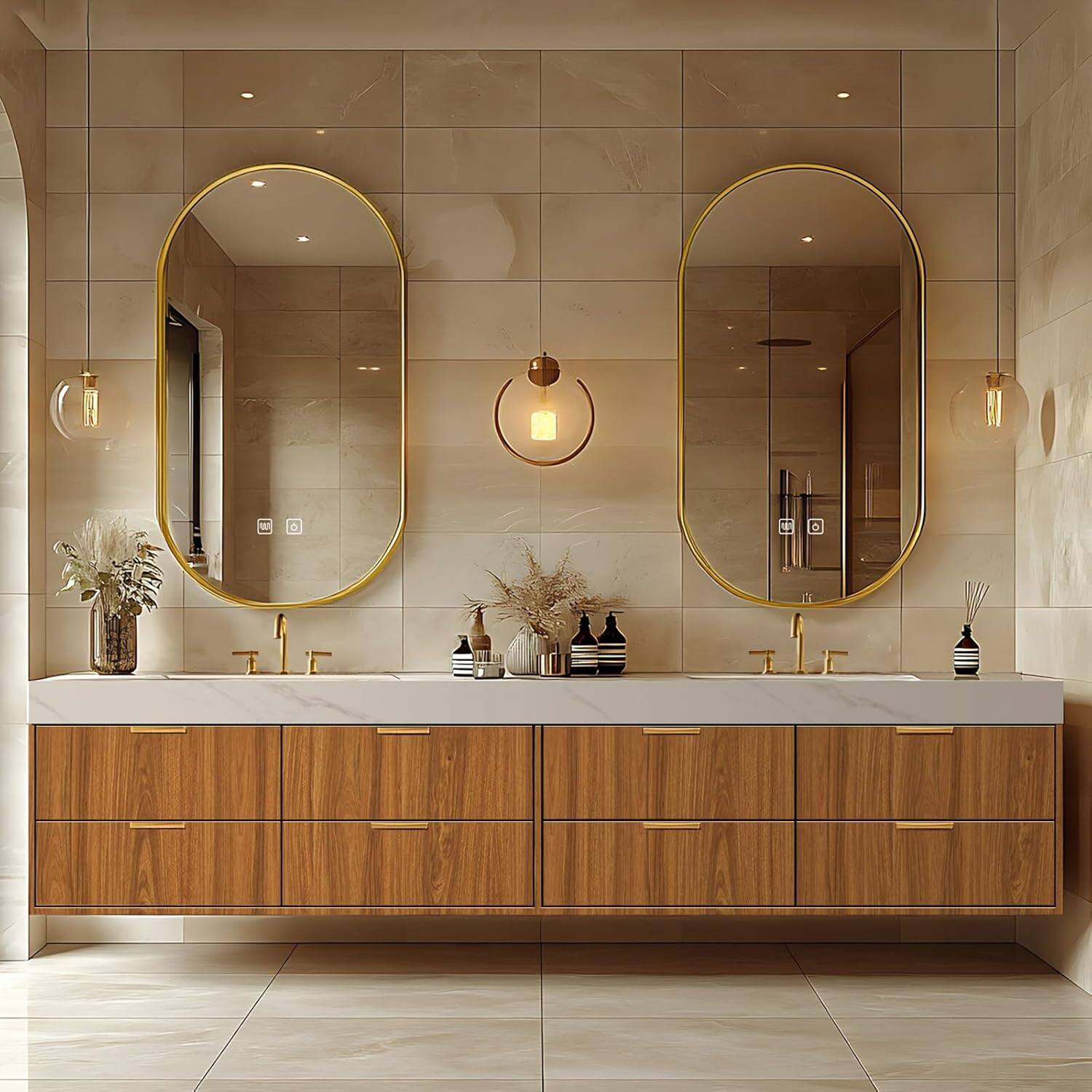
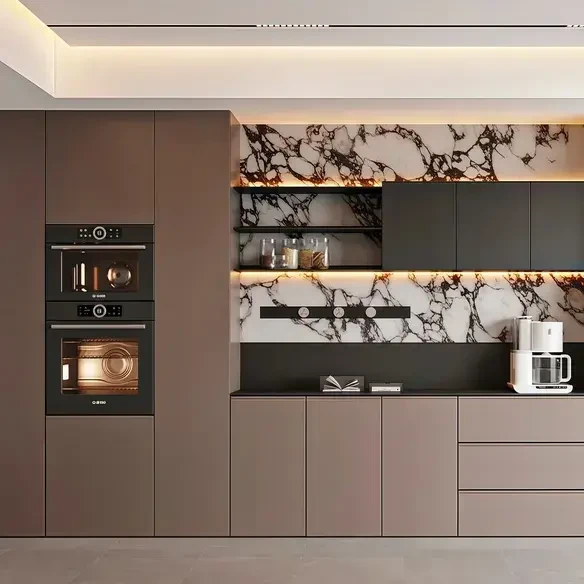
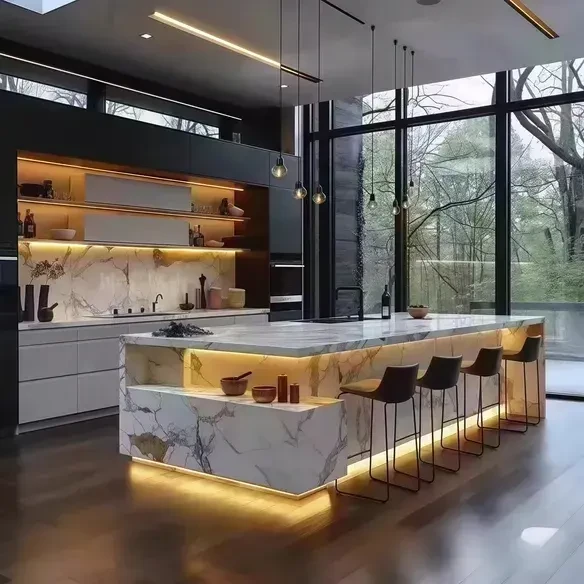
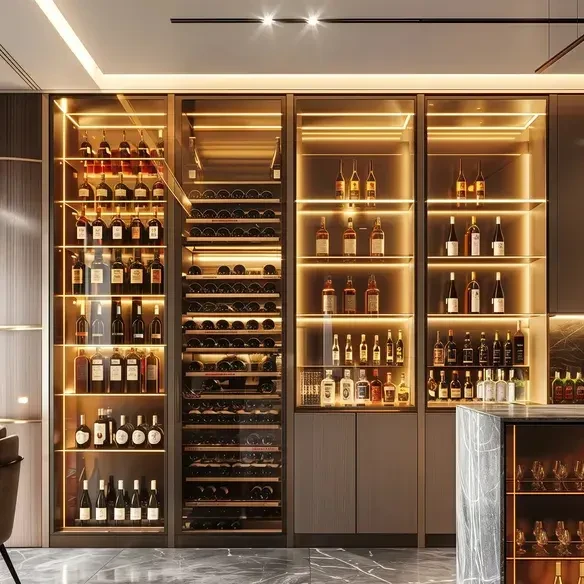
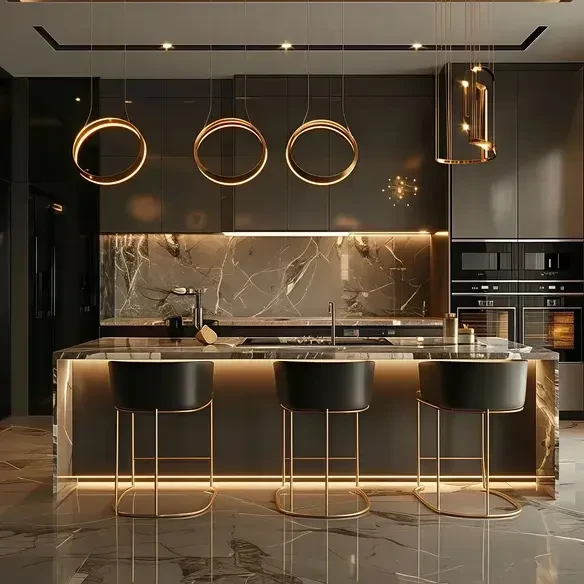
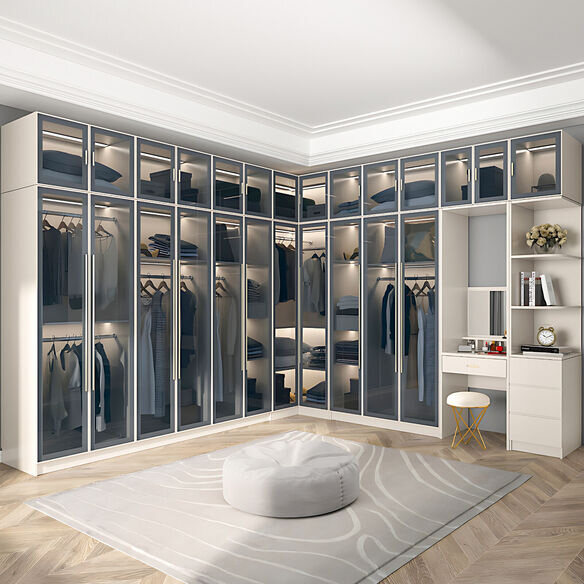
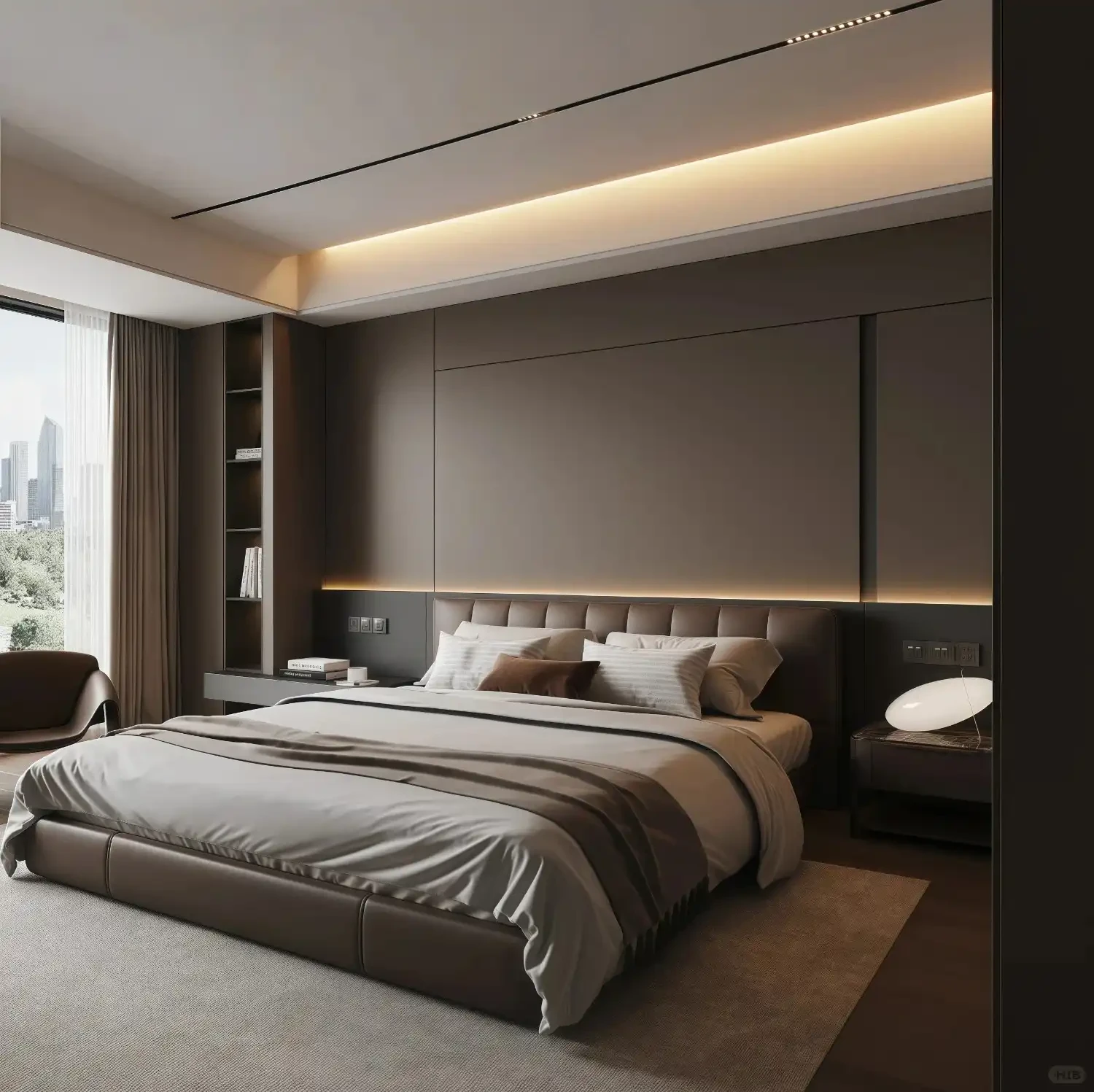
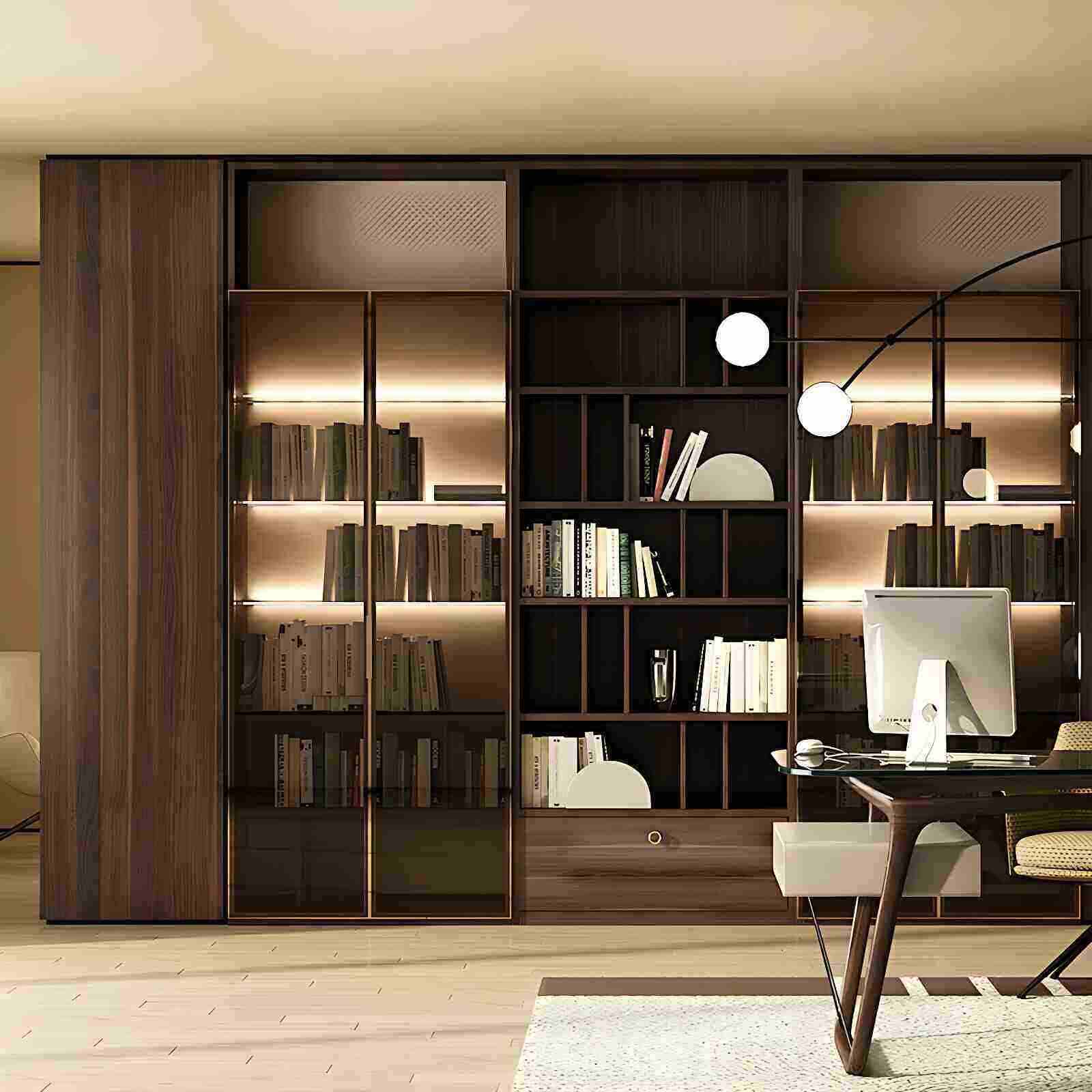

Ceiling designs are diverse and aesthetically pleasing, enhancing the visual appeal of a room and compensating for deficiencies in the original building structure. People choose ceilings not only for their appearance but also because they provide insulation, heat insulation, sound insulation, and sound absorption-like adding a protective umbrella to your home.
If the gypsum board used for the ceiling isn't chosen carefully, this "umbrella" can become a toxic source of formaldehyde, endangering the health of your family. Choosing formaldehyde-decomposing gypsum board is highly effective at removing formaldehyde, is durable and stable, and remains fire-resistant. It's like installing a protective umbrella that removes formaldehyde in your home, providing greater assurance for your health.
Highly effective formaldehyde removal with long-lasting results
Formaldehyde-decomposing gypsum board contains a formaldehyde adsorption layer and a formaldehyde decomposition layer. After adsorption, it can decompose formaldehyde into oxime and water. The decomposition is powerful and irreversible, and is not limited by surface decoration. Applying putty or latex paint to the surface will not affect its decomposition function.
One square meter of gypsum board can decompose approximately 4.4g of formaldehyde, demonstrating strong decomposition capabilities. Samples were tested by an authoritative third-party testing agency, showing a formaldehyde purification efficiency of 96.7% and a formaldehyde purification effect durability of 95.9%.
Wood-based protective paper has a long service life.
The facing paper used for ordinary paper-faced gypsum board is mostly ivory white and made from recycled paper. However, the facing paper for formaldehyde-decomposing gypsum board uses natural wood virgin paper, which is thin, smooth, strong, stain-free, has long fibers, and good toughness.
In high-quality gypsum board, the paper surface is tightly bonded to the gypsum core. However, in inferior gypsum board, due to factors such as high levels of gypsum impurities and outdated production processes, the paper surface often separates easily from the gypsum core, causing damage to the structure of the paper-faced gypsum board and affecting its service life.
The new generation of home decoration is thicker and more stable.
The thickness of gypsum board products is related to their weight and strength. Generally, the thicker the board, the heavier it is and the higher its strength. In order to balance the weight and strength of the board, the thickness of domestic gypsum board products has evolved through three generations: 8.5mm, 9mm, and 9.5mm.
This formaldehyde-decomposing gypsum board innovatively adopts a new generation of international standard 12mm thickness. While ensuring the safety of the board's own weight, the increased thickness significantly improves the board's strength, resulting in a strength increase of more than 30% compared to ordinary 9.5mm paper-faced gypsum board.
Safety, fireproof, and stable when exposed to fire
Paper-faced gypsum board belongs to Class B materials. In practical applications, when paper-faced gypsum board is installed on metal keel, it can be used as a Class A material (based on the national standard GB 50222-2017 "Code for Fire Protection Design of Interior Decoration of Buildings"). It is an ideal flame-retardant decoration material.
According to third-party testing, the formaldehyde-decomposing gypsum board sample had a fire stability time of up to 42 minutes, which is higher than the national standard (the fire stability time requirement for fire-resistant gypsum board is greater than or equal to 20 minutes) for fire-resistant gypsum board products.
While suspended ceilings may look beautiful, safety and health are even more important. Using formaldehyde-decomposing gypsum board adds a formaldehyde-removing protective umbrella to our homes.