
 USD
USD GBP
GBP
 EUR
EUR
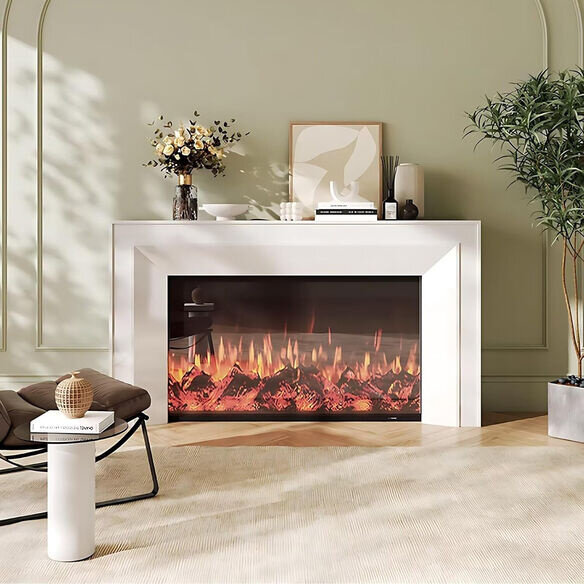
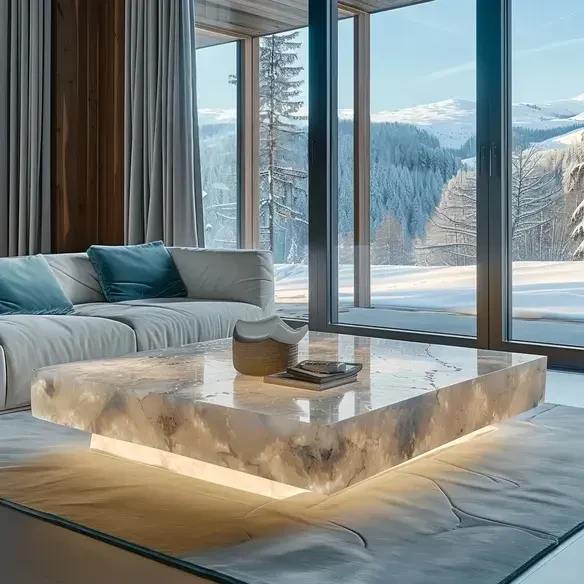
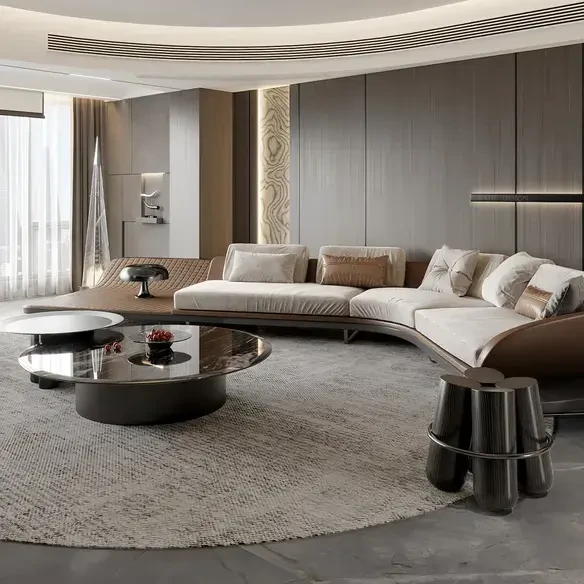
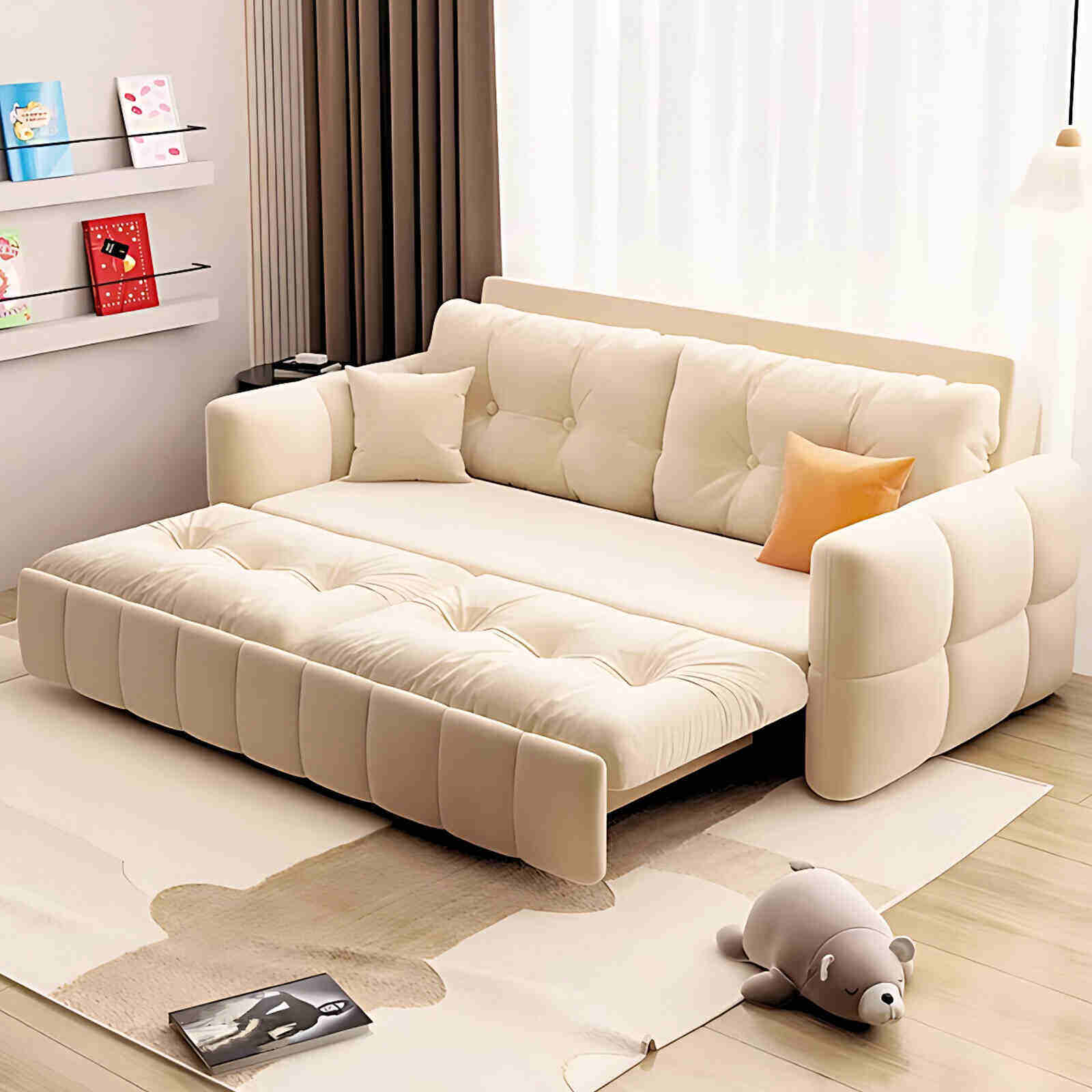
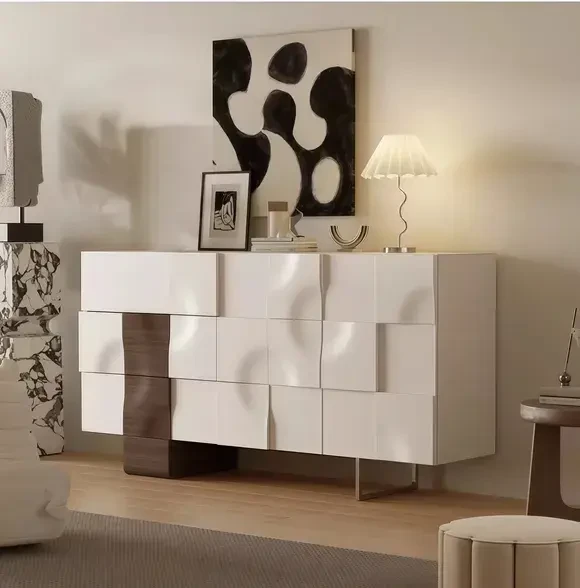
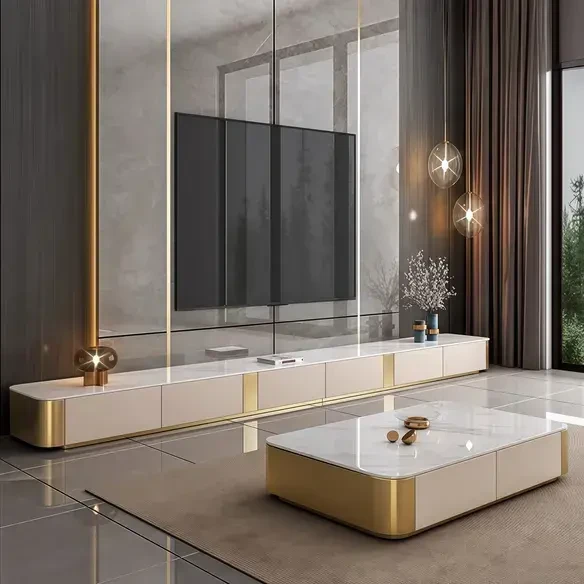
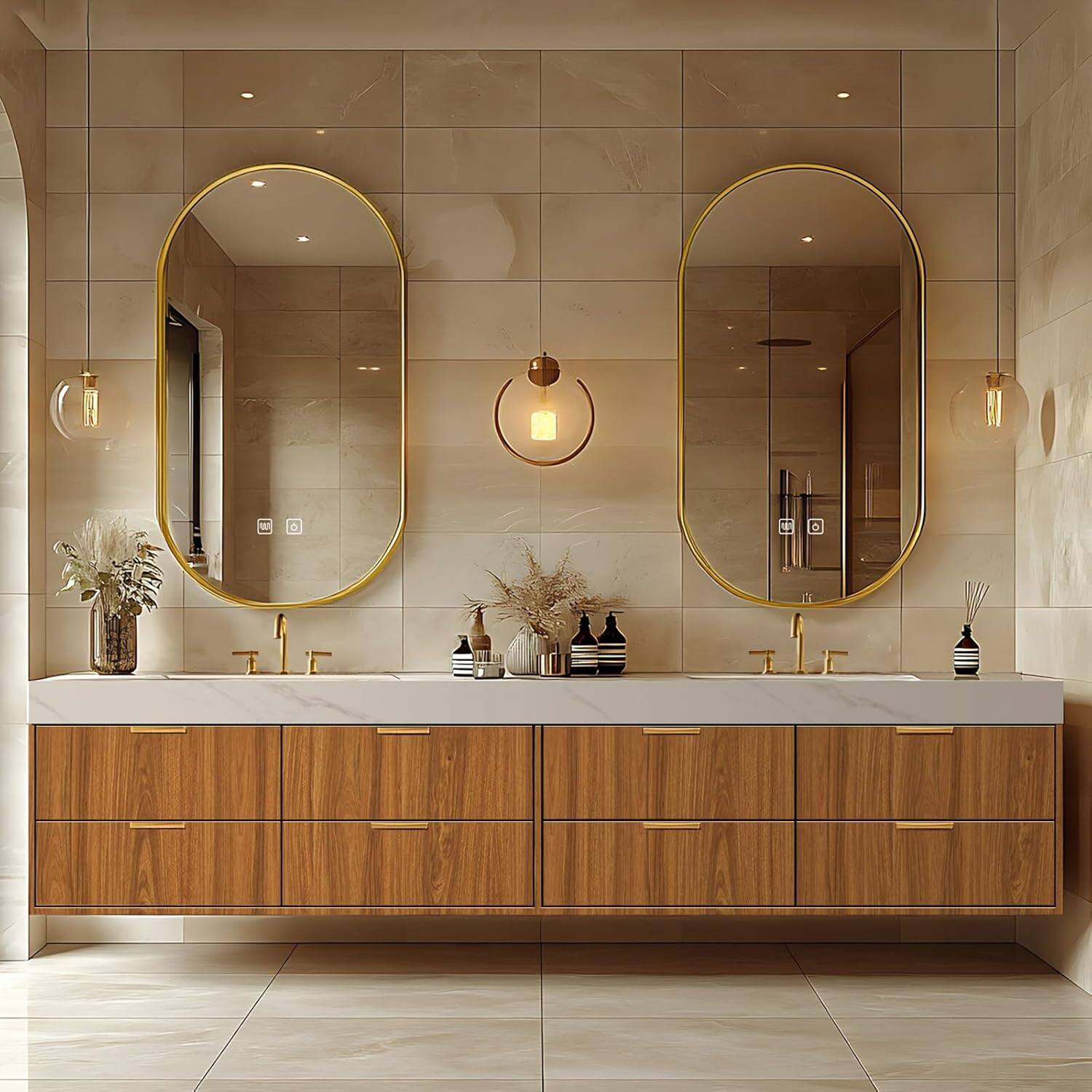
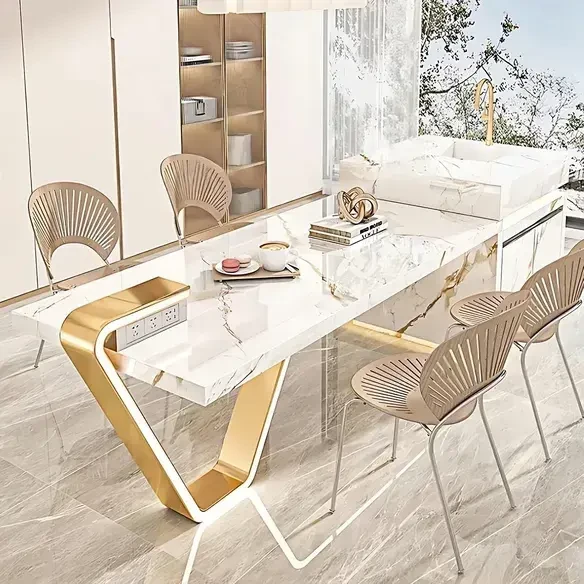
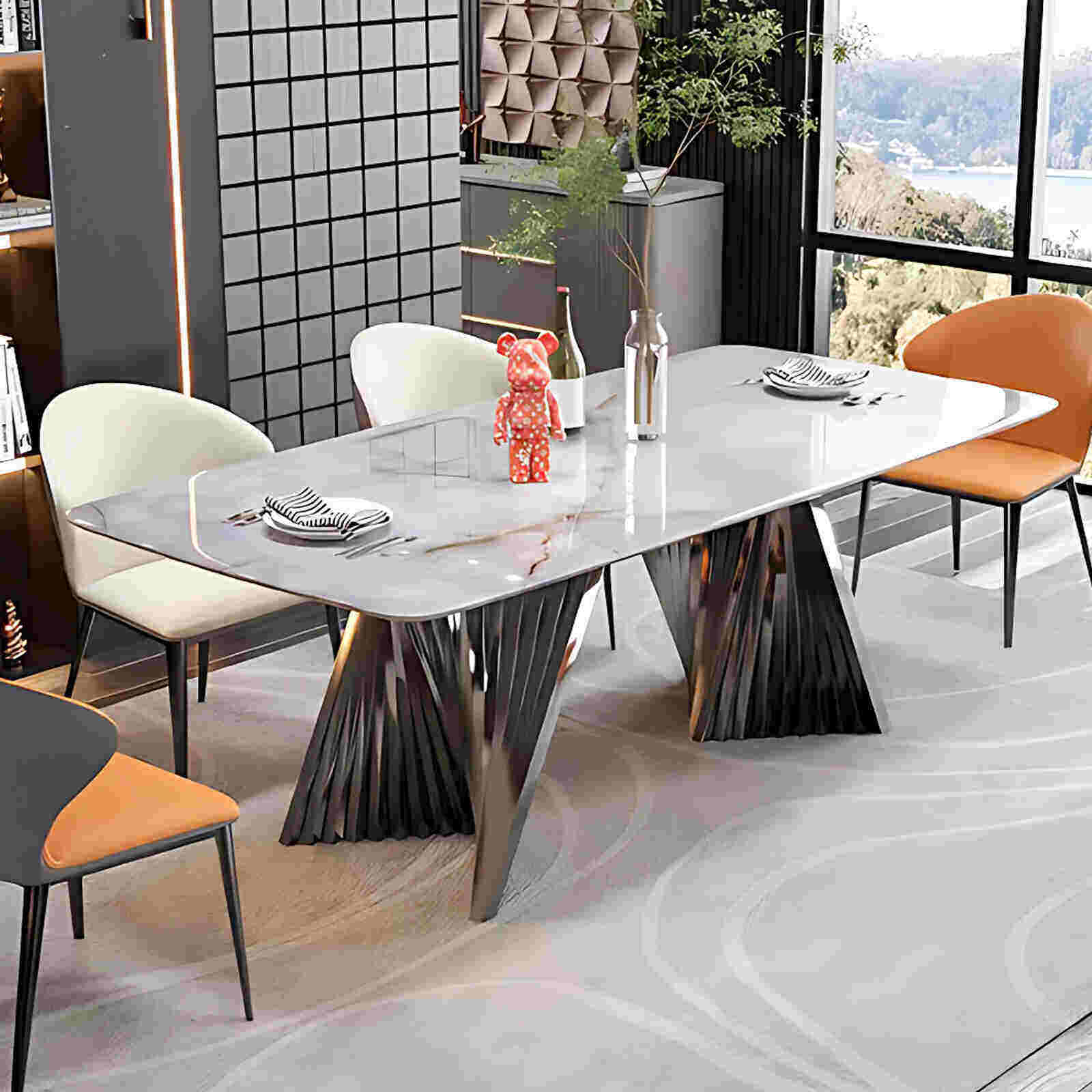
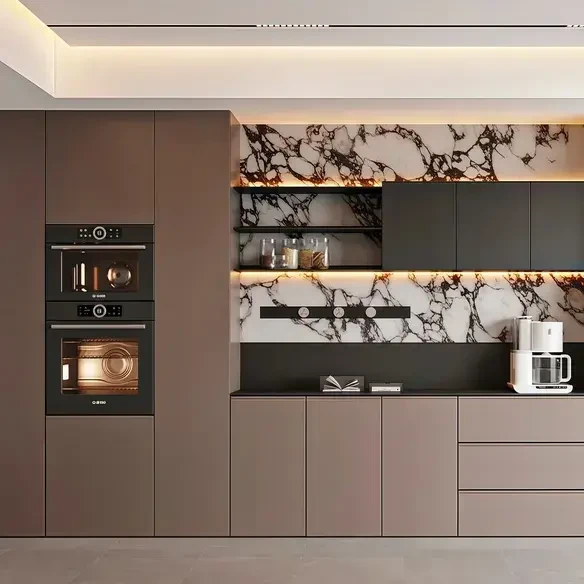
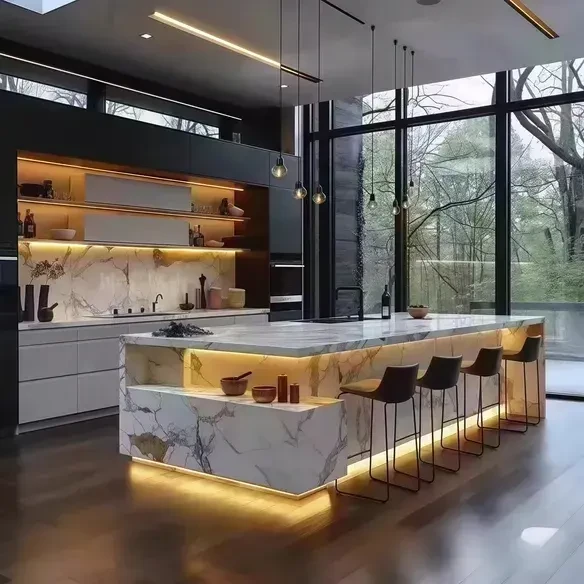
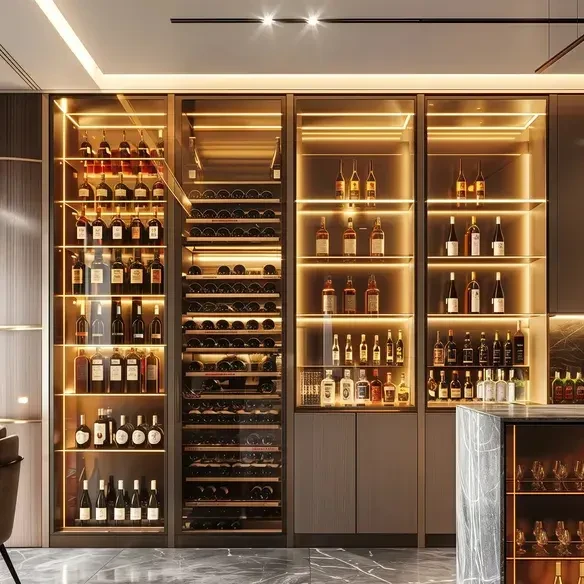
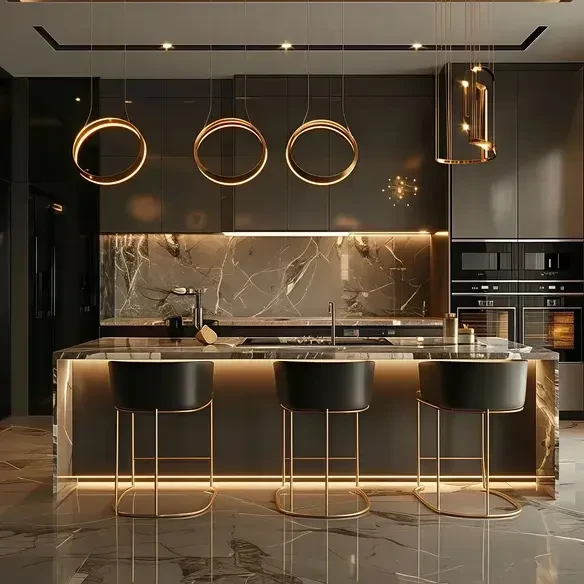
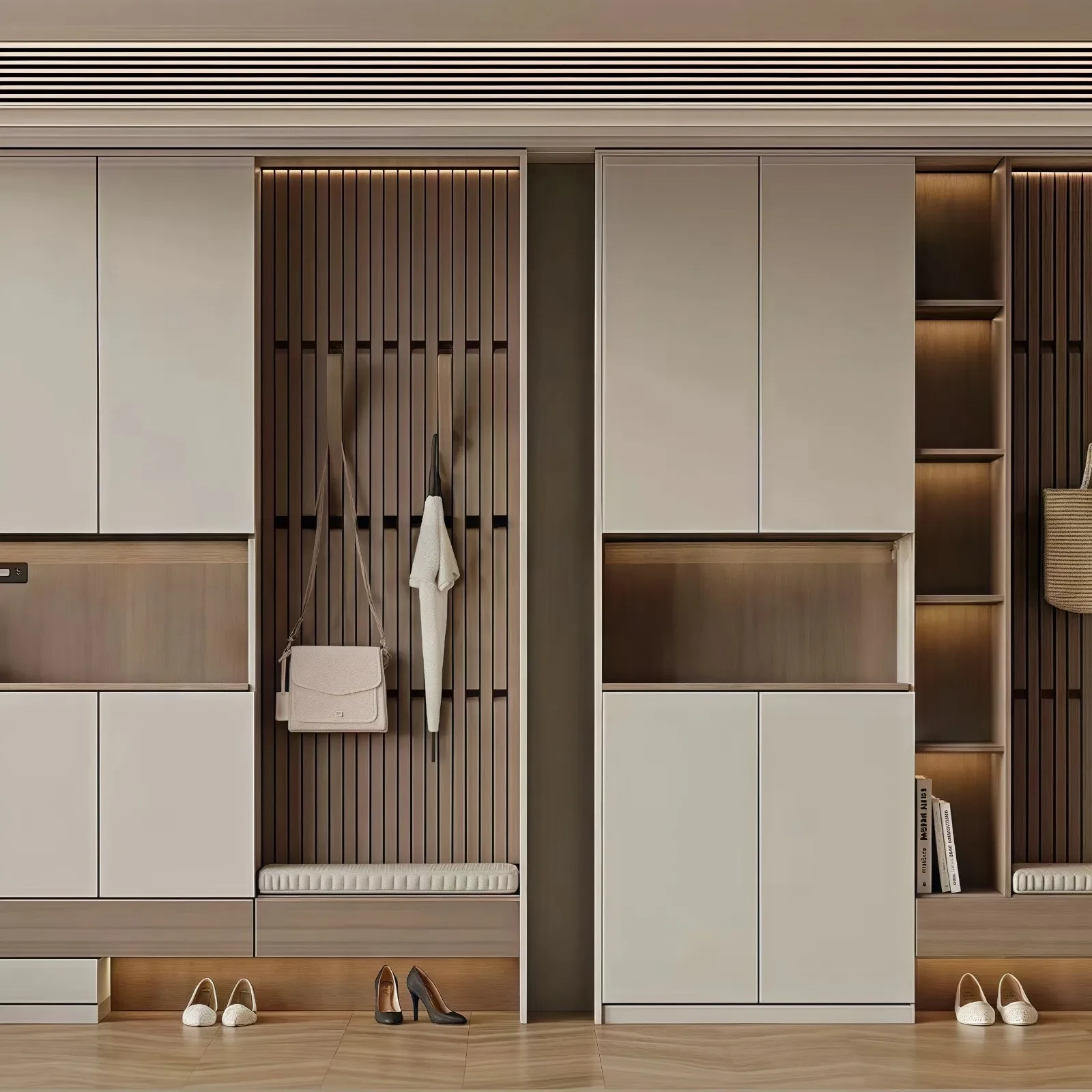
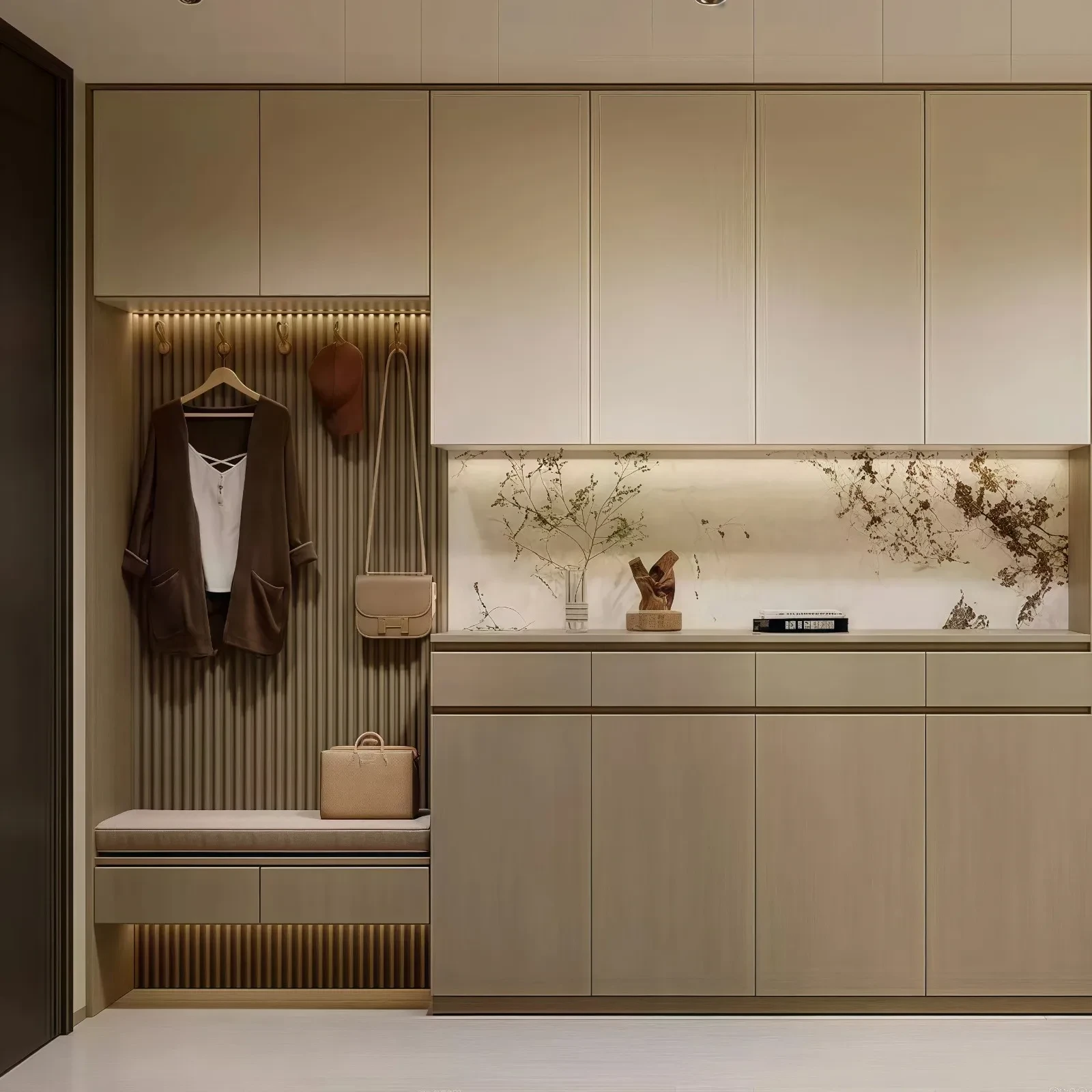
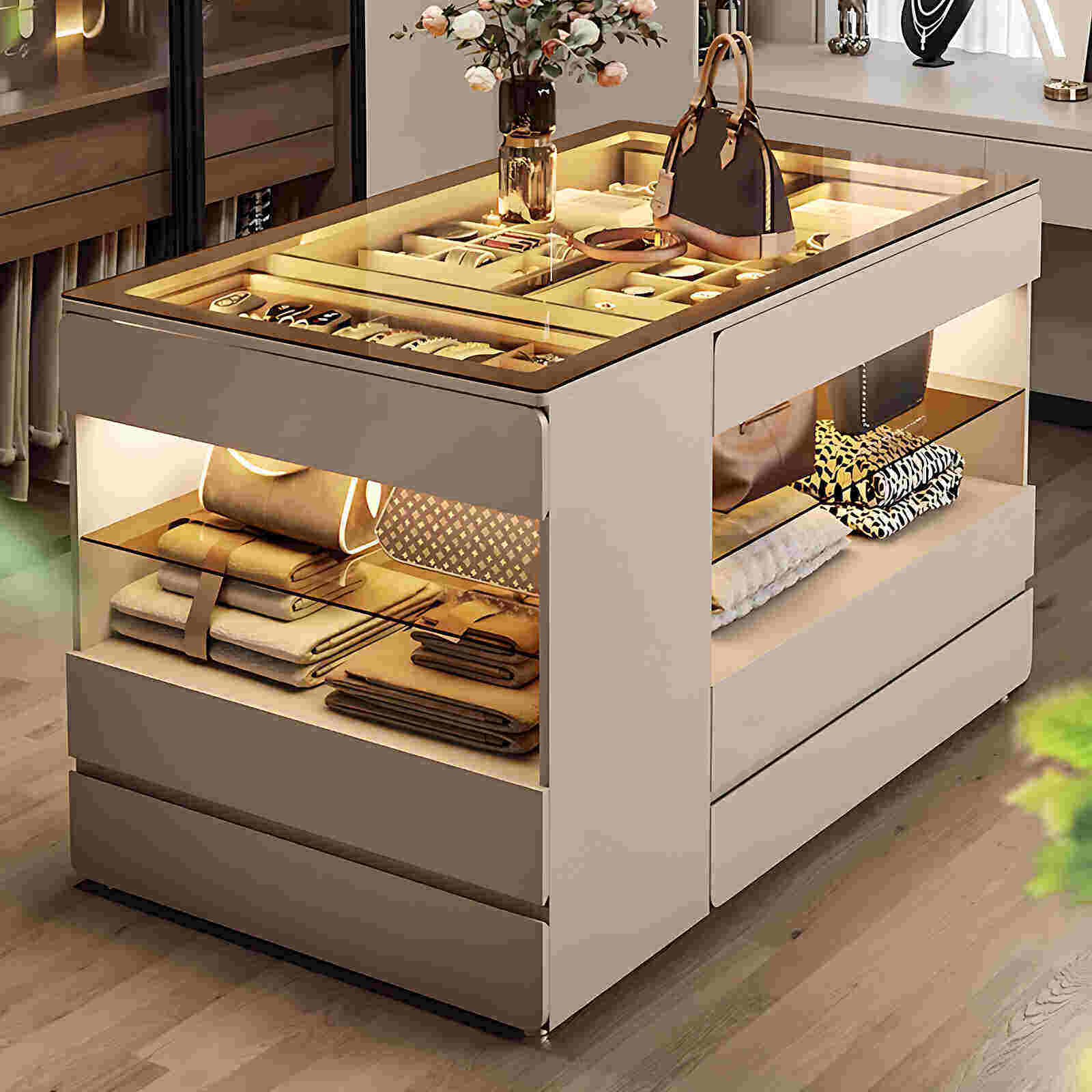
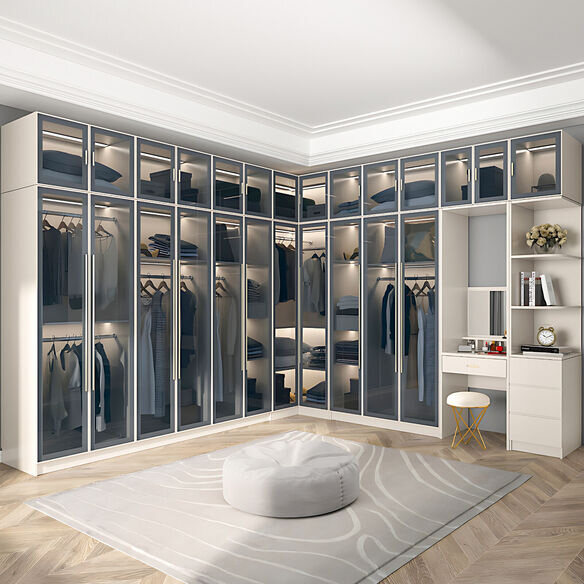
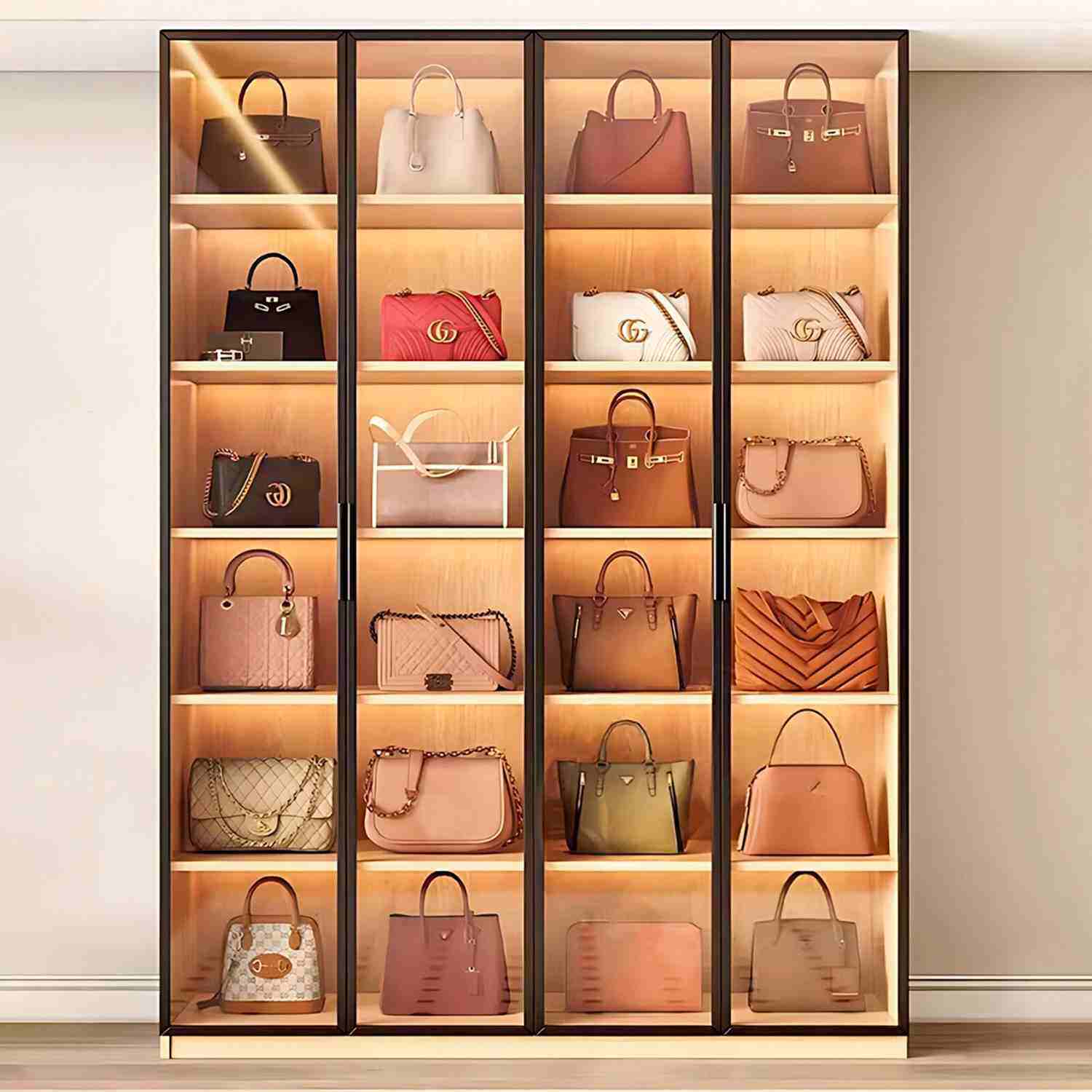
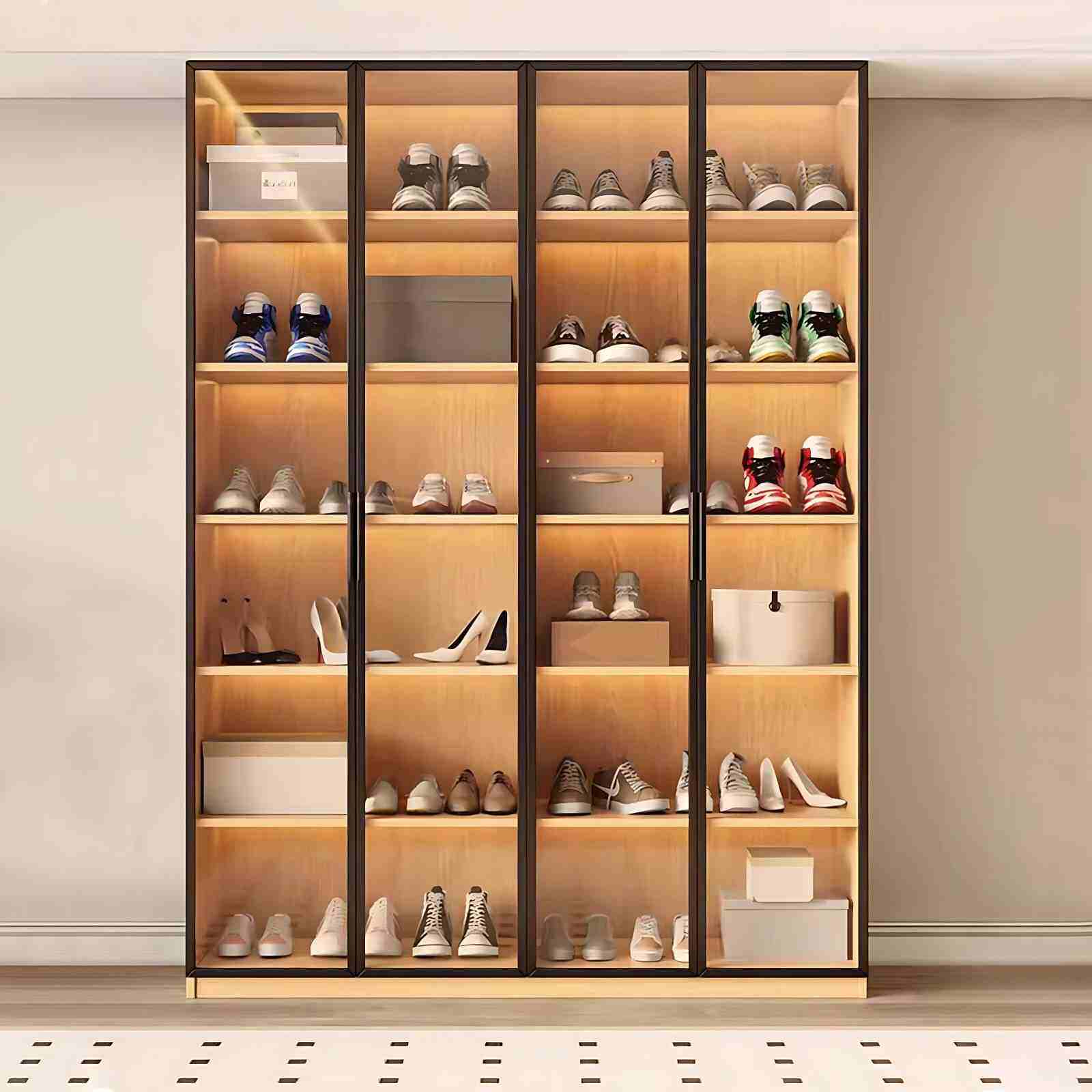
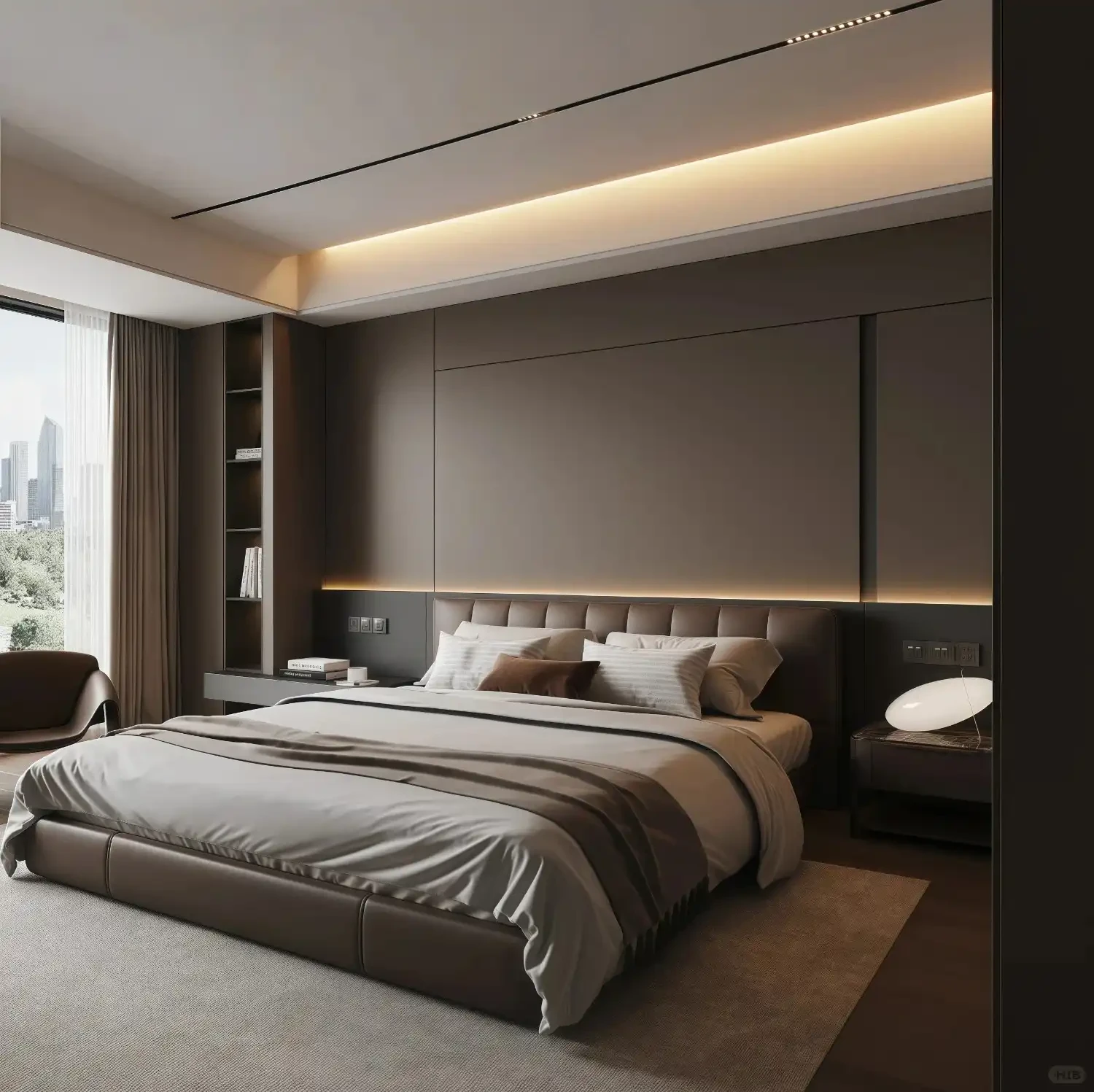
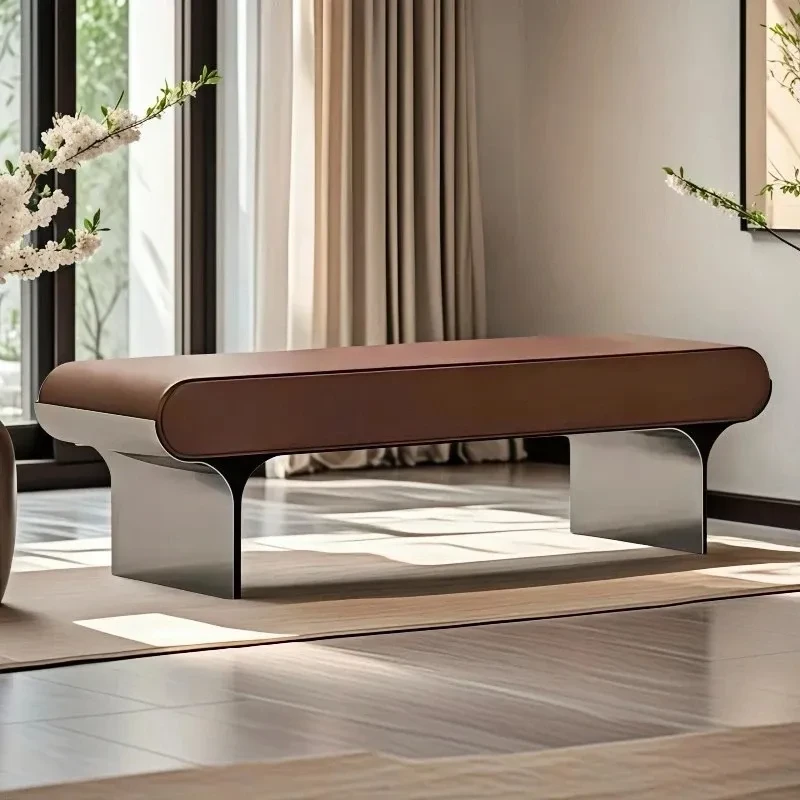
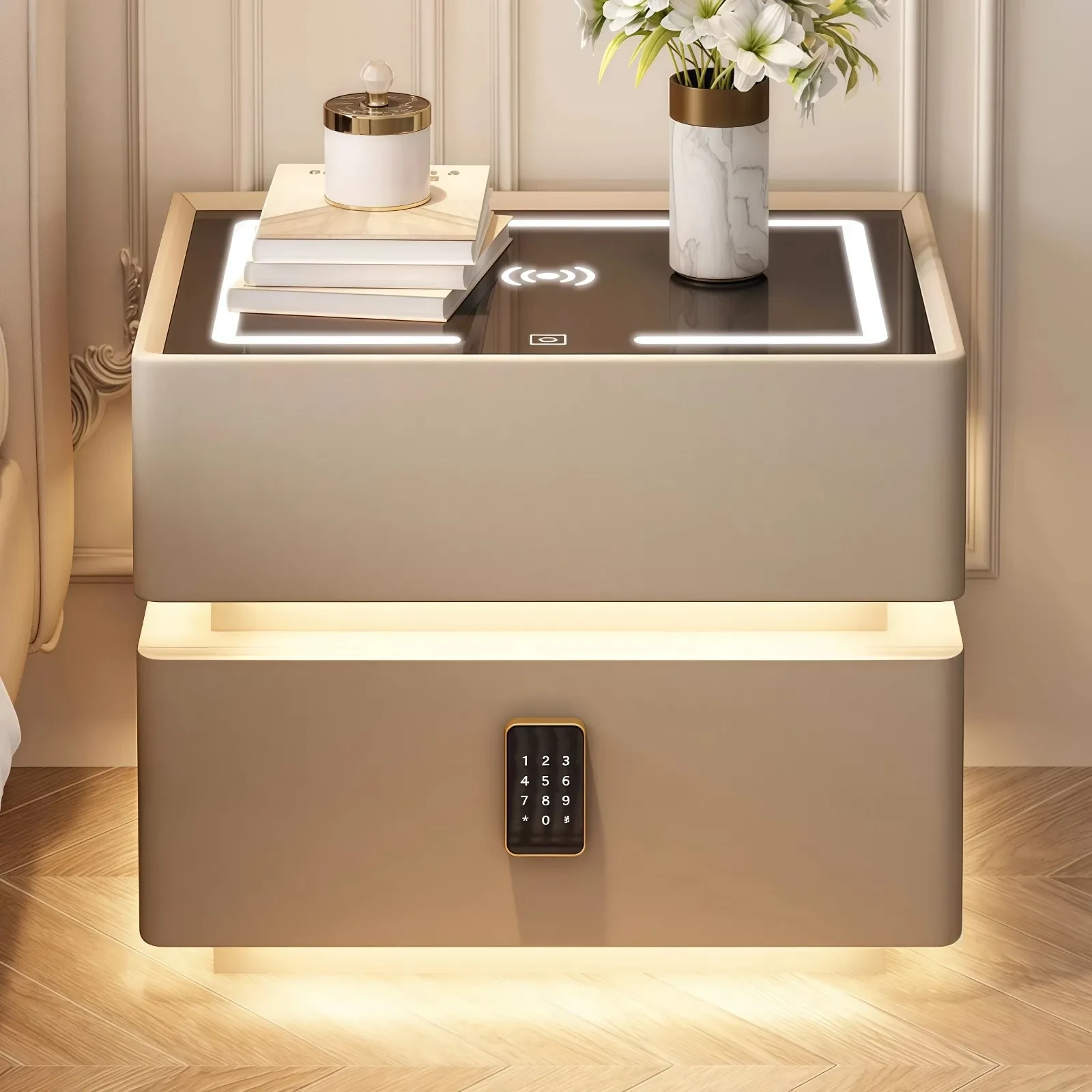
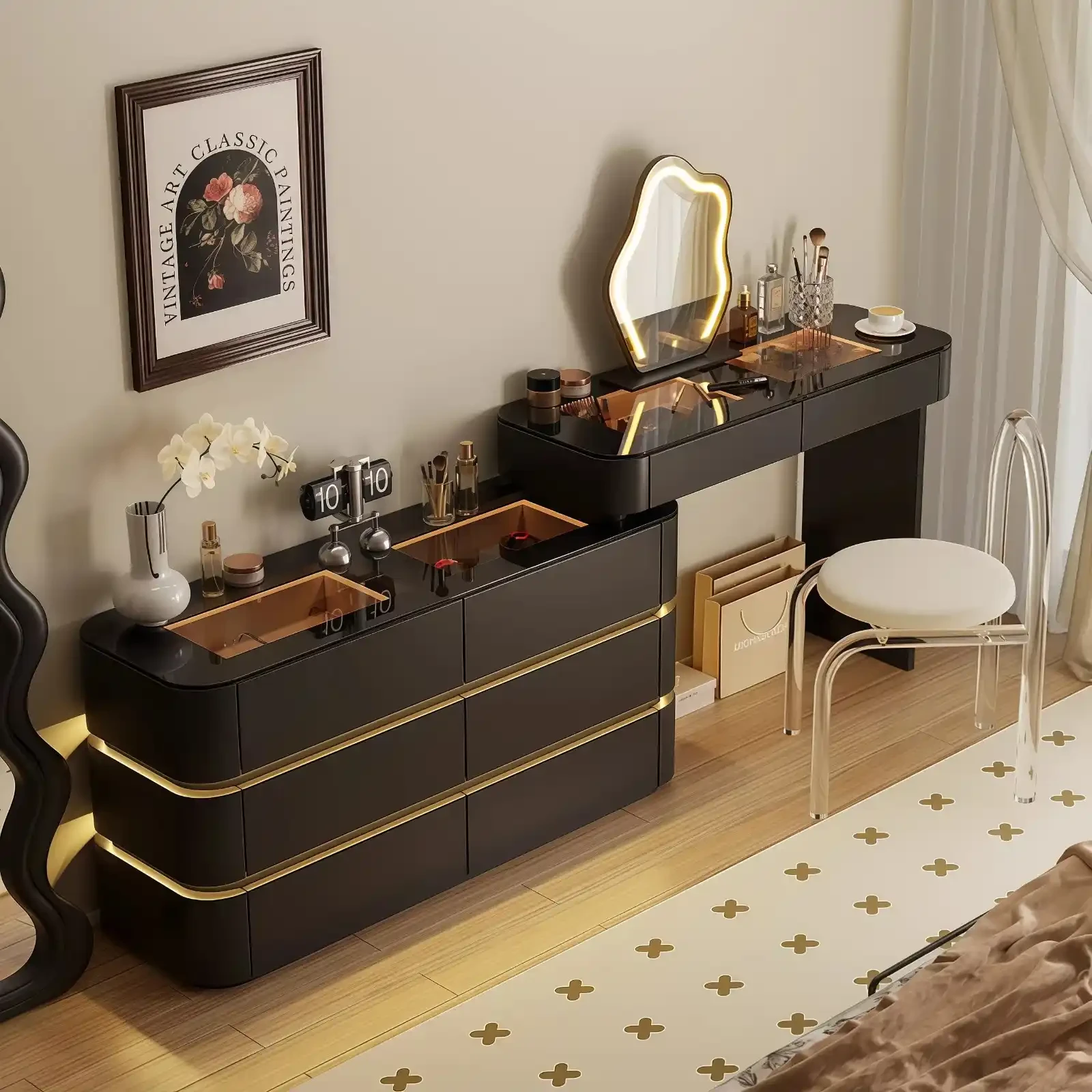
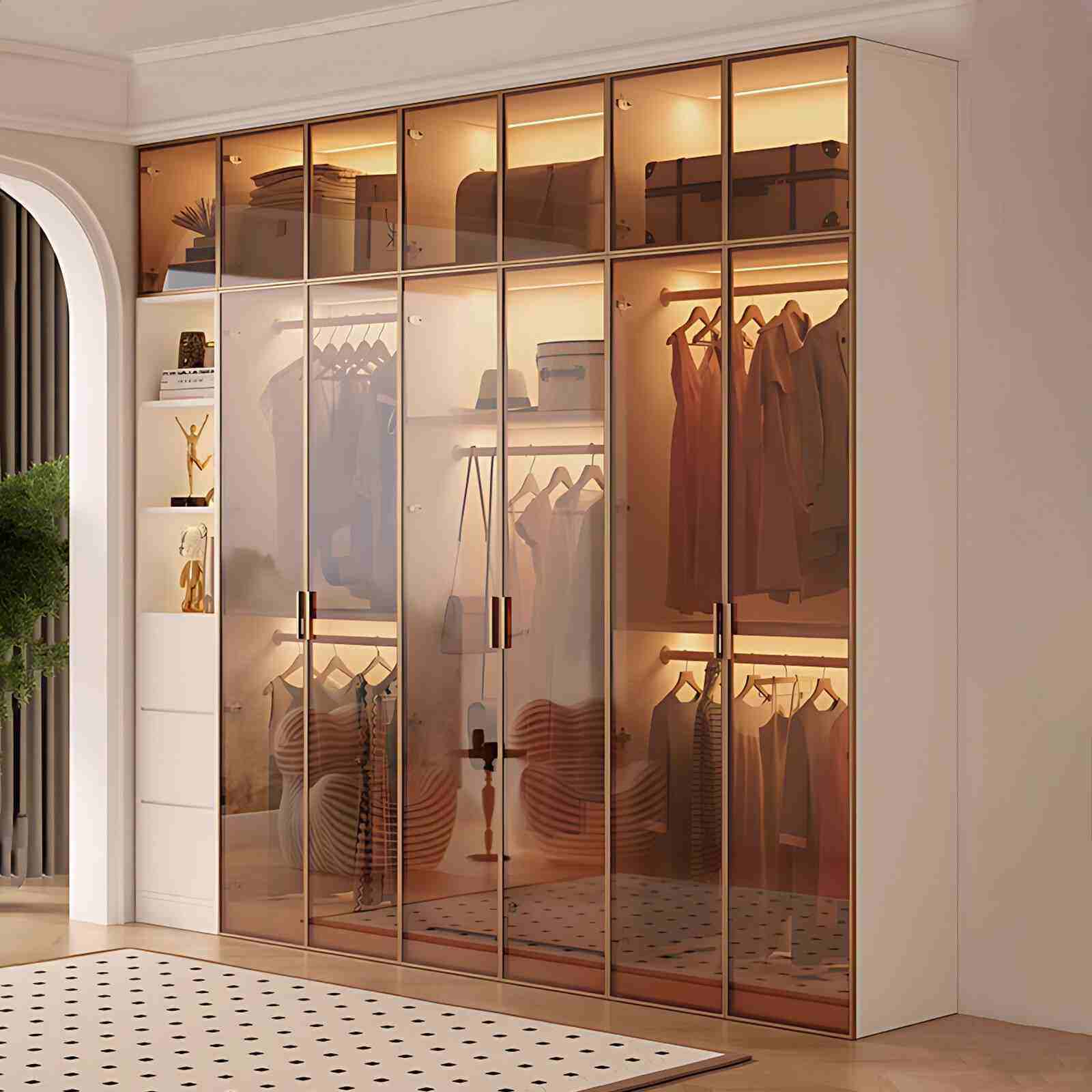
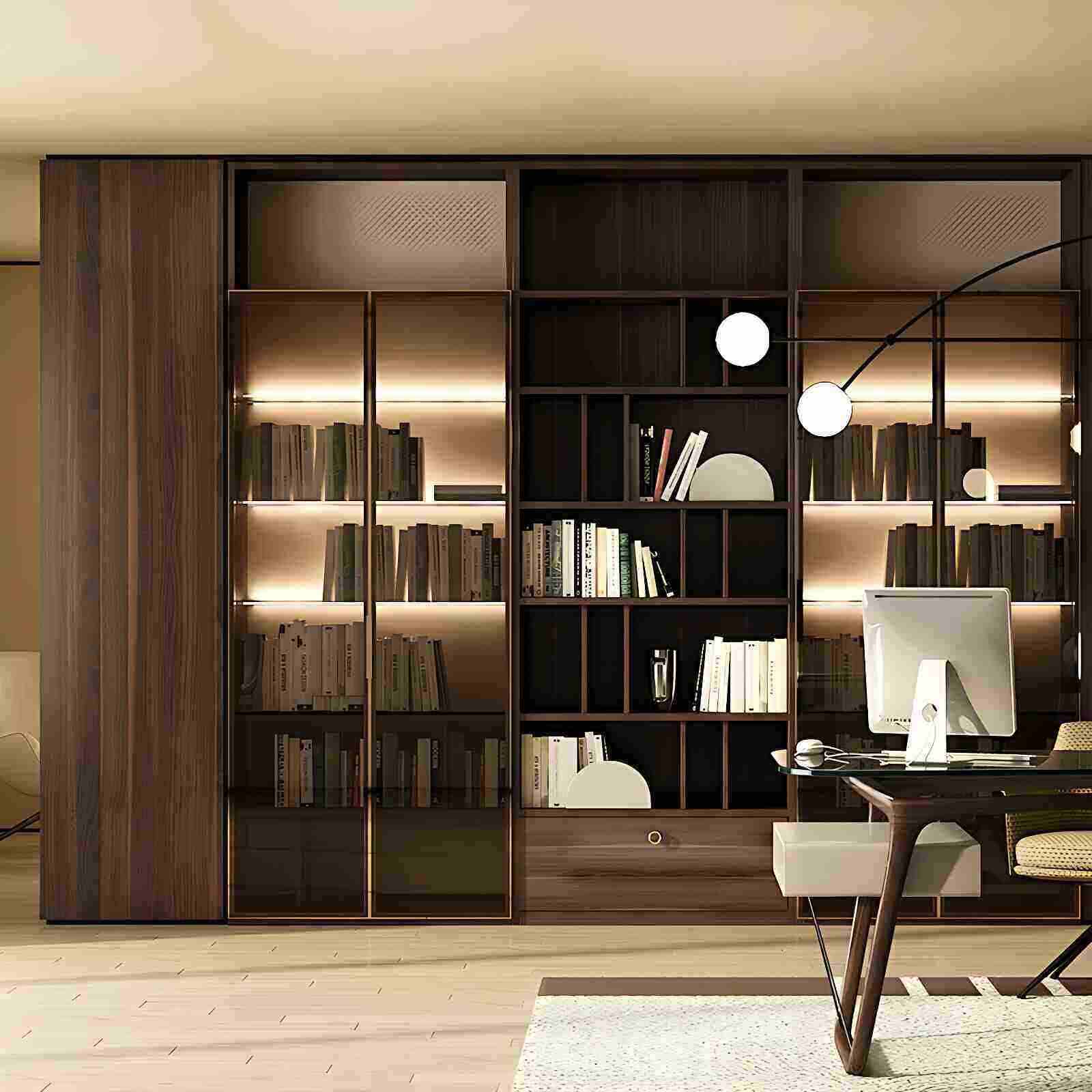
Board material: substrate + finish
In reality, most of them consist of a base material (core material) and a finish.
In the previous issue, we explained in detail the advantages and disadvantages of various substrate materials such as plywood, particleboard, OSB, and MDF, as well as their applicable customization spaces. We believe you now have a general understanding of substrate materials. Today, we will continue from the previous issue and explain the details of board finishes, so that you can make more accurate choices when selecting boards for whole-house customization.
Classification of finishes
The finish is a decorative paper attached to the outer layer of the substrate. Compared to the substrate, the surface material is more inclined to display and decorate, and its main variables are color, pattern and texture.
The commonly used wood panel finishes on the market can be roughly divided into the following types: solid wood veneer finish, melamine finish, PVC film paper finish, and painted finish. Let's take a look at each of them below.
melamine finish
In the current panel furniture market, melamine decorative paper is the dominant type of decorative paper.
Melamine finish is made by pressing melamine-impregnated paper onto the surface of a substrate (the substrate may include MDF, particleboard, plywood, etc.) at high temperature. The finished board is melamine-finished panel/melamine board/decorative panel/ecological board, etc. Furthermore, depending on the steel plate used for hot pressing the decorative paper, it is divided into a variety of different effects such as glossy, textured, embossed, fabric texture, corrugated, ray-printed, and synchronized pattern matching.
Advantages and disadvantages of slabs:
Advantages: Beautiful appearance, diverse patterns, and simplifies the production process of artificial boards, avoiding processes such as painting and spraying (the surface effects of imitation wood grain and stone grain are realistic), corrosion resistant, high temperature resistant, wear resistant, waterproof, and the surface is smooth and easy to clean.
Disadvantages: It requires higher quality substrates and the process is more complex than that of solid wood veneer.
solid wood veneer finish
Solid wood veneer, also known as thin wood veneer, is made by rotary cutting or radial cutting solid wood into thin sheets, which are then treated with chemicals and processed under high temperature and pressure to form thin wood veneers that resemble paper. After being glued on in a high-temperature hot press, these veneers are applied to substrates such as MDF, particleboard, and plywood to create solid wood veneer panels.
Because wood veneer is divided into imported and domestic, and precious wood and ordinary wood, the range of choices becomes wider. Therefore, the quality of solid wood veneer panels is determined by the type and thickness of the solid wood veneer.
Advantages: Solid wood veneer panels offer a realistic and natural feel, clear texture, and simple processing, making them a truly cost-effective option and the primary finishing method used in custom furniture both domestically and internationally.
Disadvantages: Since solid wood veneer is divided into thin veneer and thick veneer, thin veneer is more transparent and easy to scratch, while thick veneer has a better three-dimensional effect, but it is more susceptible to environmental influences, and is prone to peeling and cracking, and is not very durable.
PVC film paper finish (molded door panel)
Polyvinyl chloride (PVC) coated finishes, also known as PVC film finishes, are characterized by their flexibility. The substrate is often MDF (currently, materials used for vacuum forming are mainly ABS, PVC, PET, PS, and PC). It is frequently used to wrap shapeable sheets, enhancing the substrate's moisture resistance. PVC finishes come in a wide variety of colors, allowing for the creation of various styles of decorative panels. Advanced PVC films can be embossed with incredibly realistic textures, achieving a level of realism that can be mistaken for the real thing.
Advantages: Rich colors, pure monochrome color, soft film suitable for various shapes of MDF, environmentally friendly, stain resistant, easy to clean, easy to maintain, no need for edge banding, etc.
Disadvantages: Poor high-temperature resistance (even a cigarette butt can burn the surface), not resistant to ultraviolet rays, etc.
Painted finish
Unlike previous board finishes, baked enamel finishes are sprayed directly onto the substrate. The surface undergoes 6 to 9 rounds of sanding (the number varies between manufacturers; more rounds mean higher processing requirements and costs), followed by primer application, drying, polishing (three base coats, two top coats, and one gloss coat), and high-temperature baking. It can coat all six sides of the board, offering good waterproof and moisture-proof properties and easy cleaning. However, its disadvantages include a complex and time-consuming manufacturing process and a higher price. Baked enamel boards are mainly used for furniture such as cabinets and dining cabinets.
Advantages: Rich and adjustable colors, smooth and delicate surface, easy to clean and maintain.
Disadvantages: Complex process, long production cycle, susceptible to bumps and scratches, not resistant to ultraviolet rays, prone to fading, not environmentally friendly, etc.