
 USD
USD GBP
GBP
 EUR
EUR


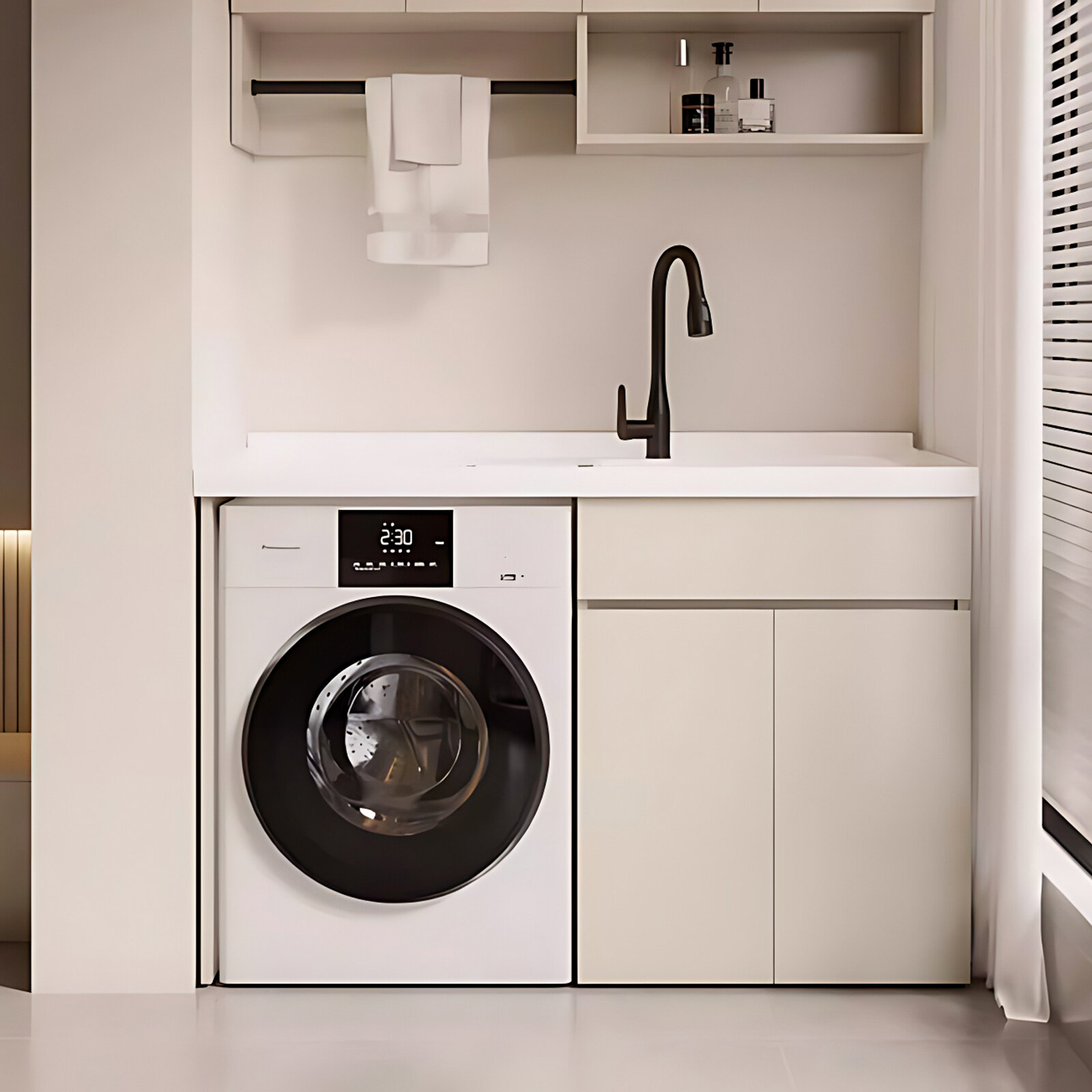
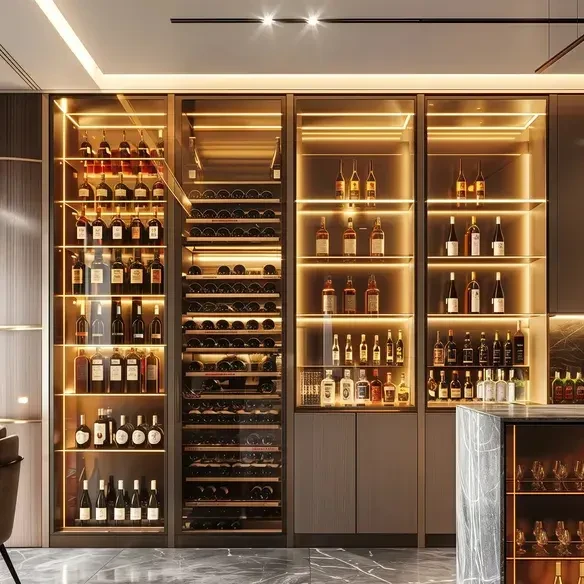
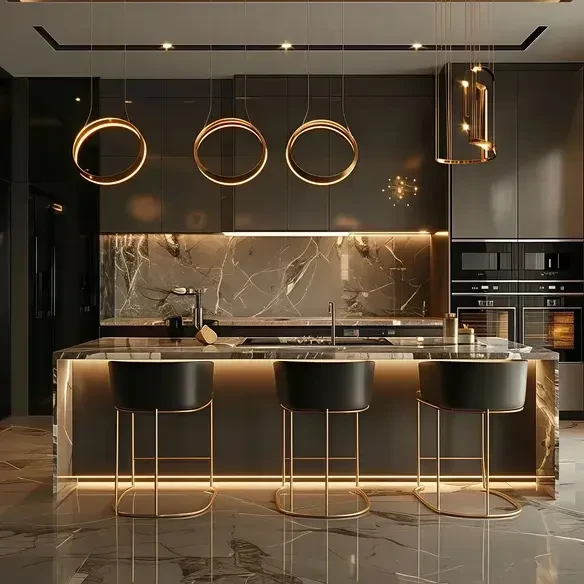

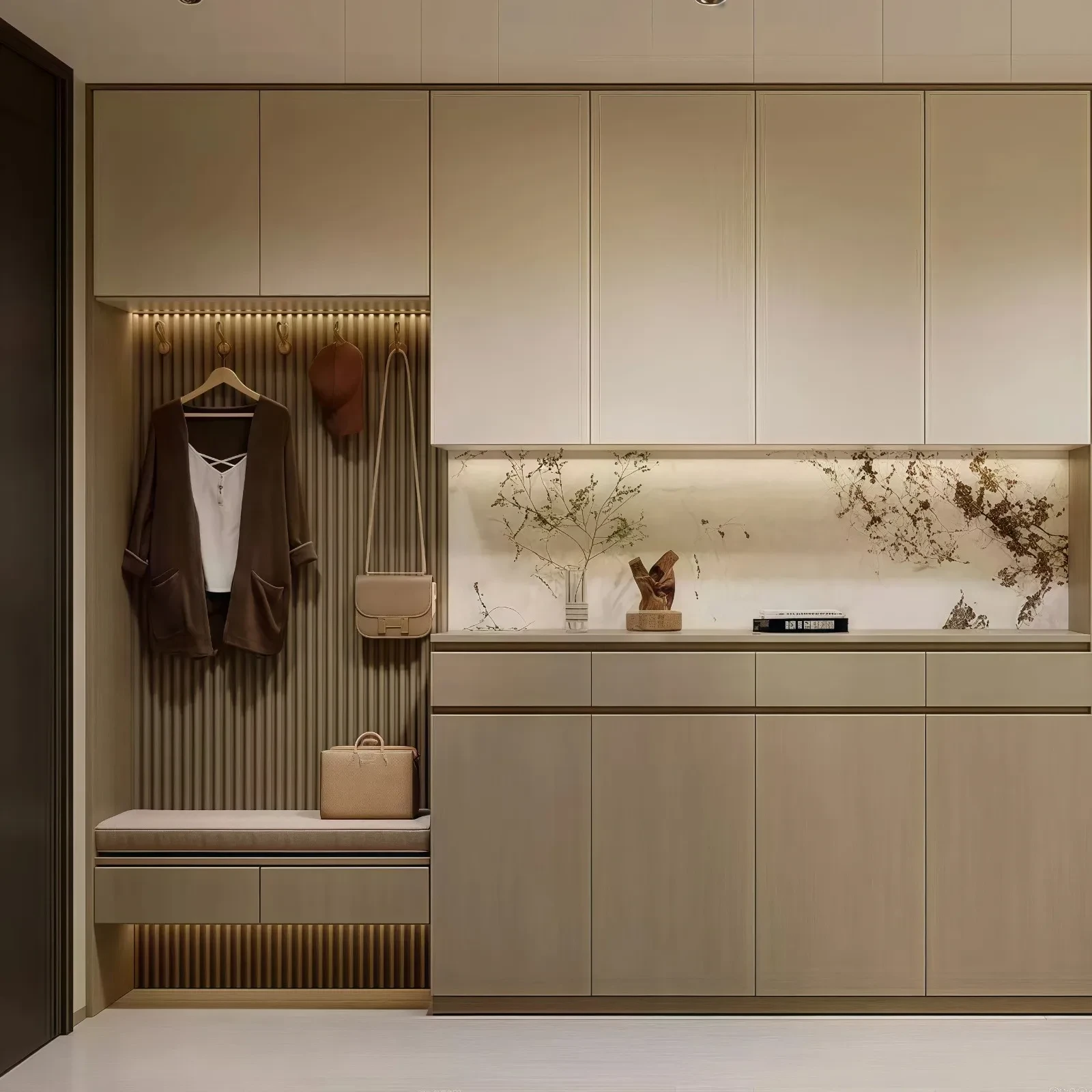
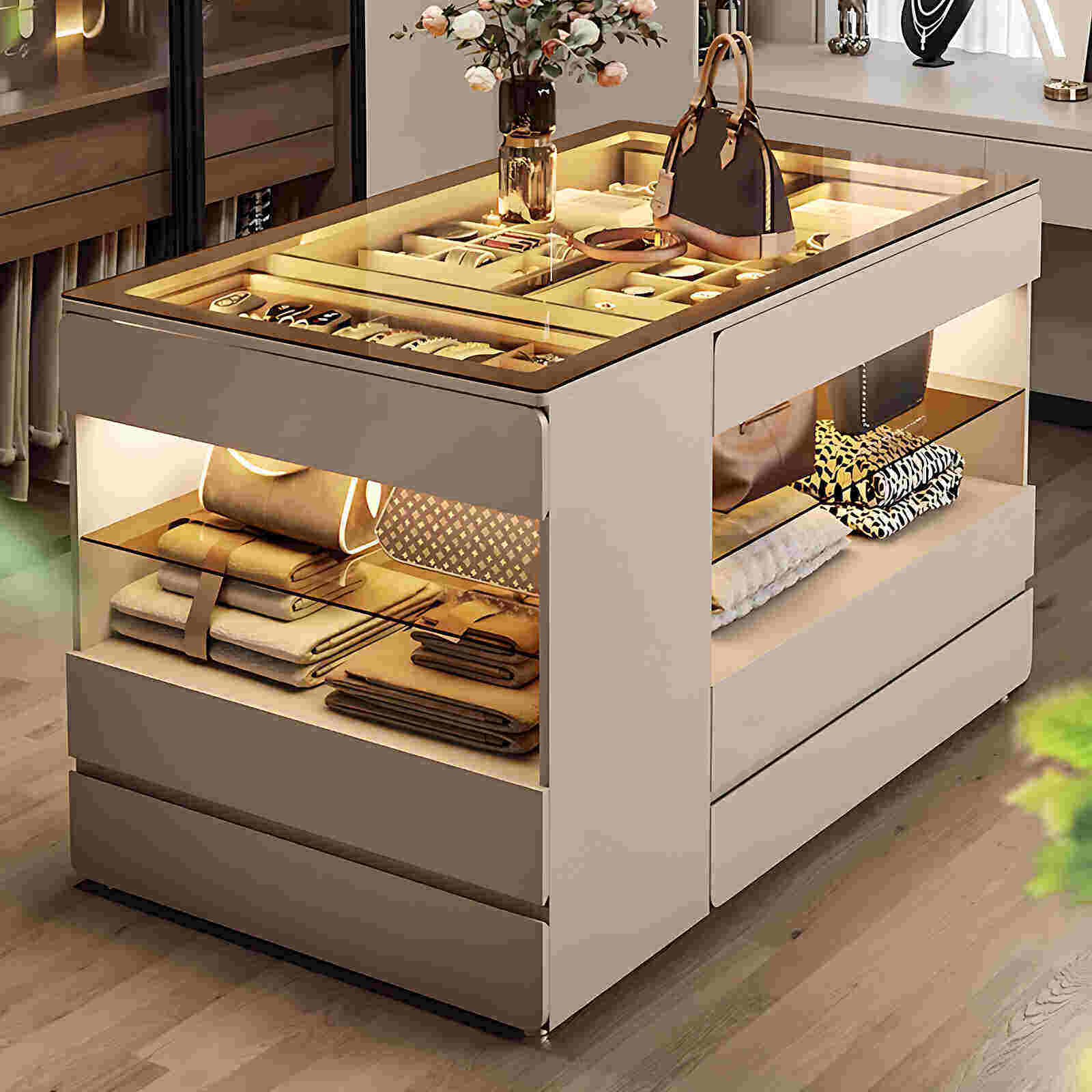
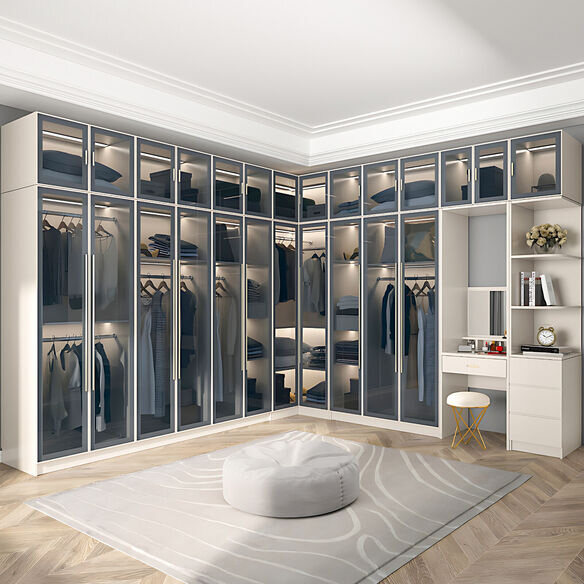
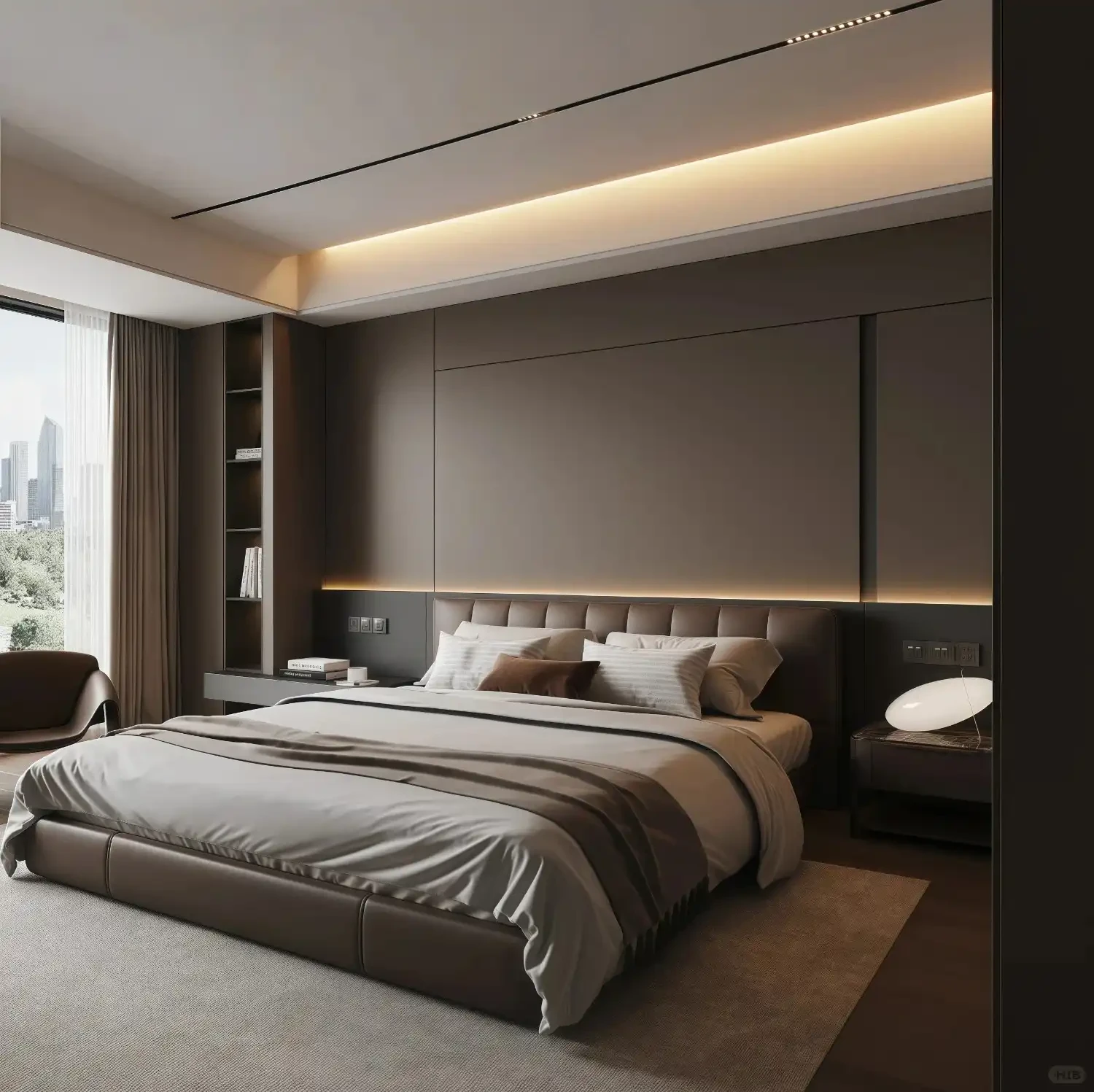

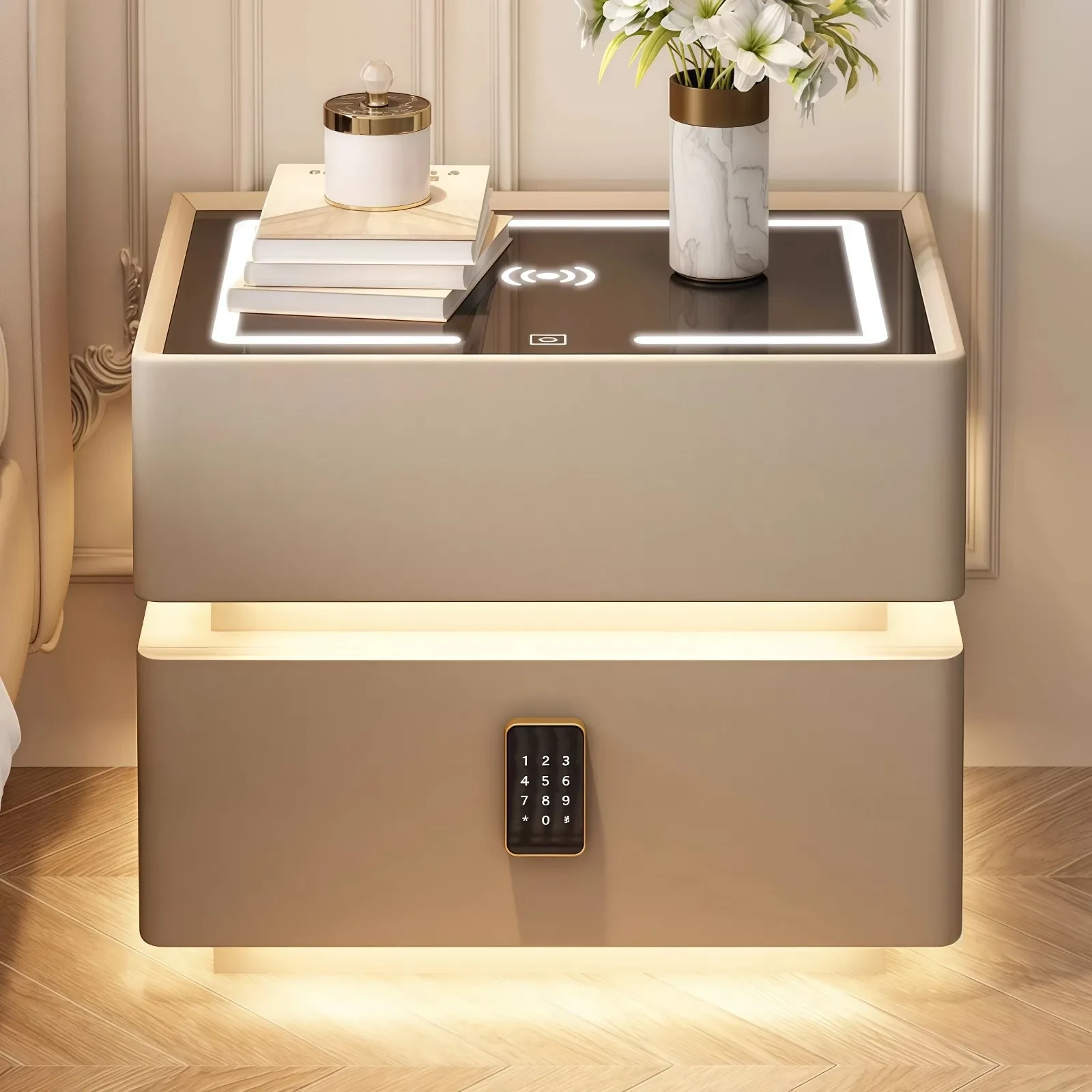
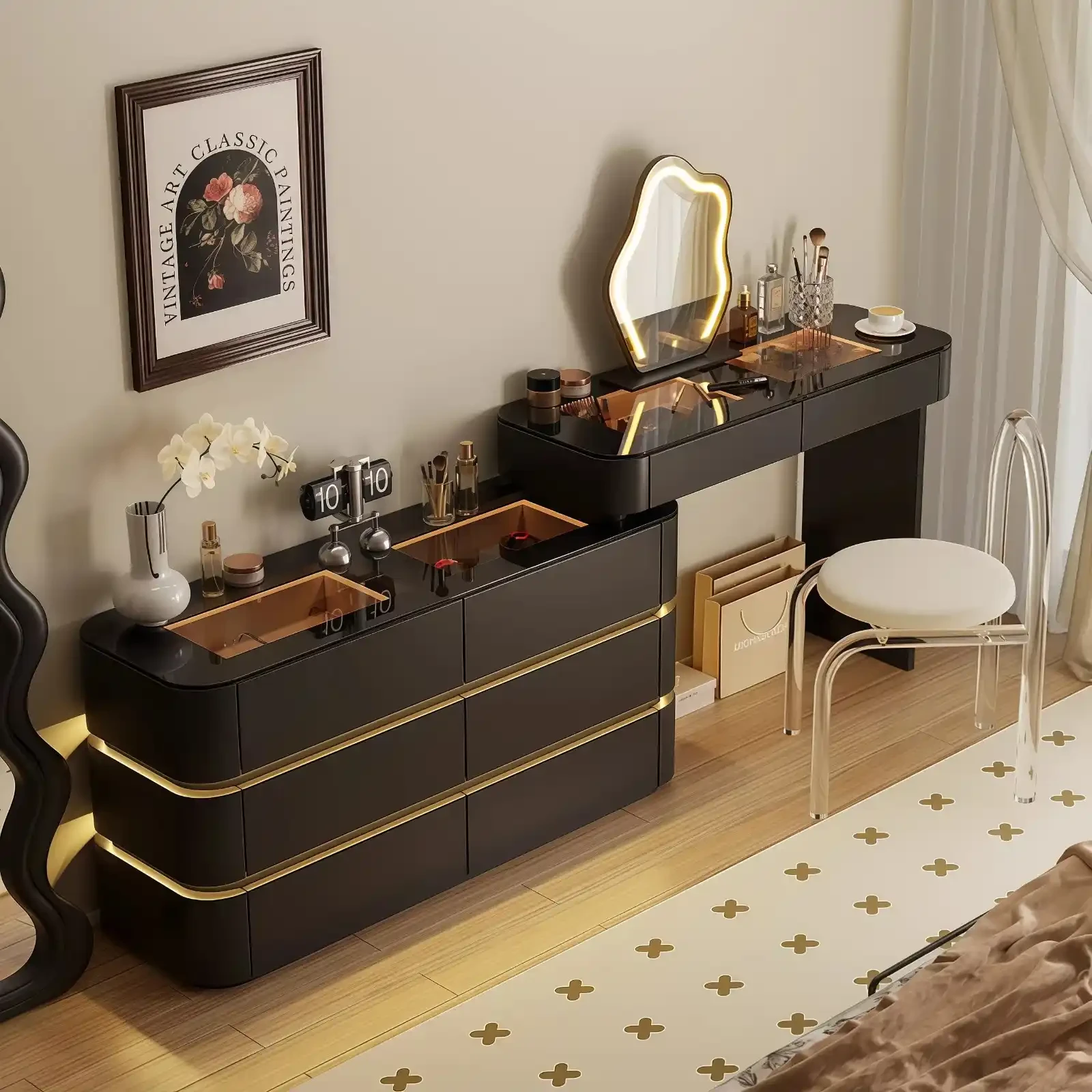
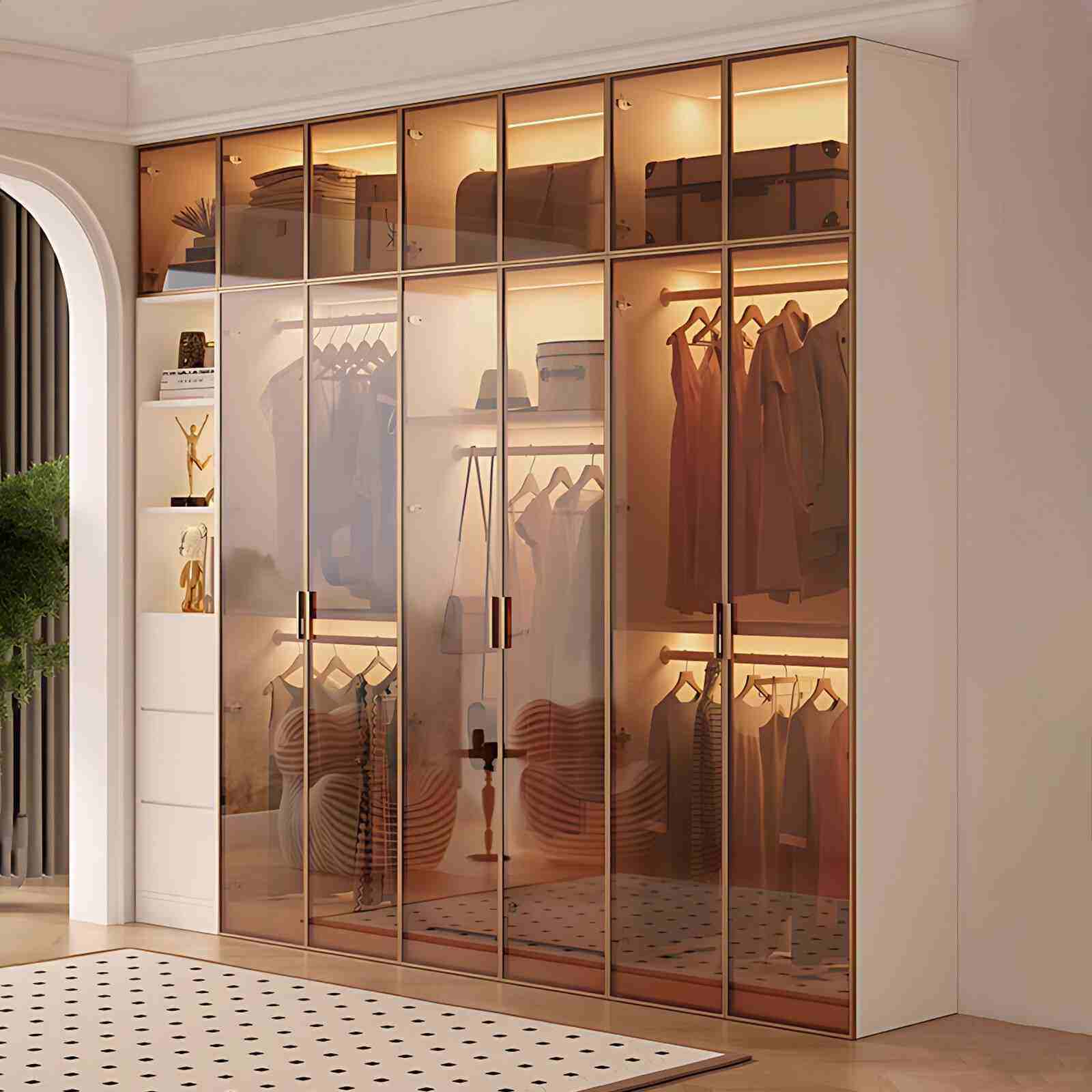
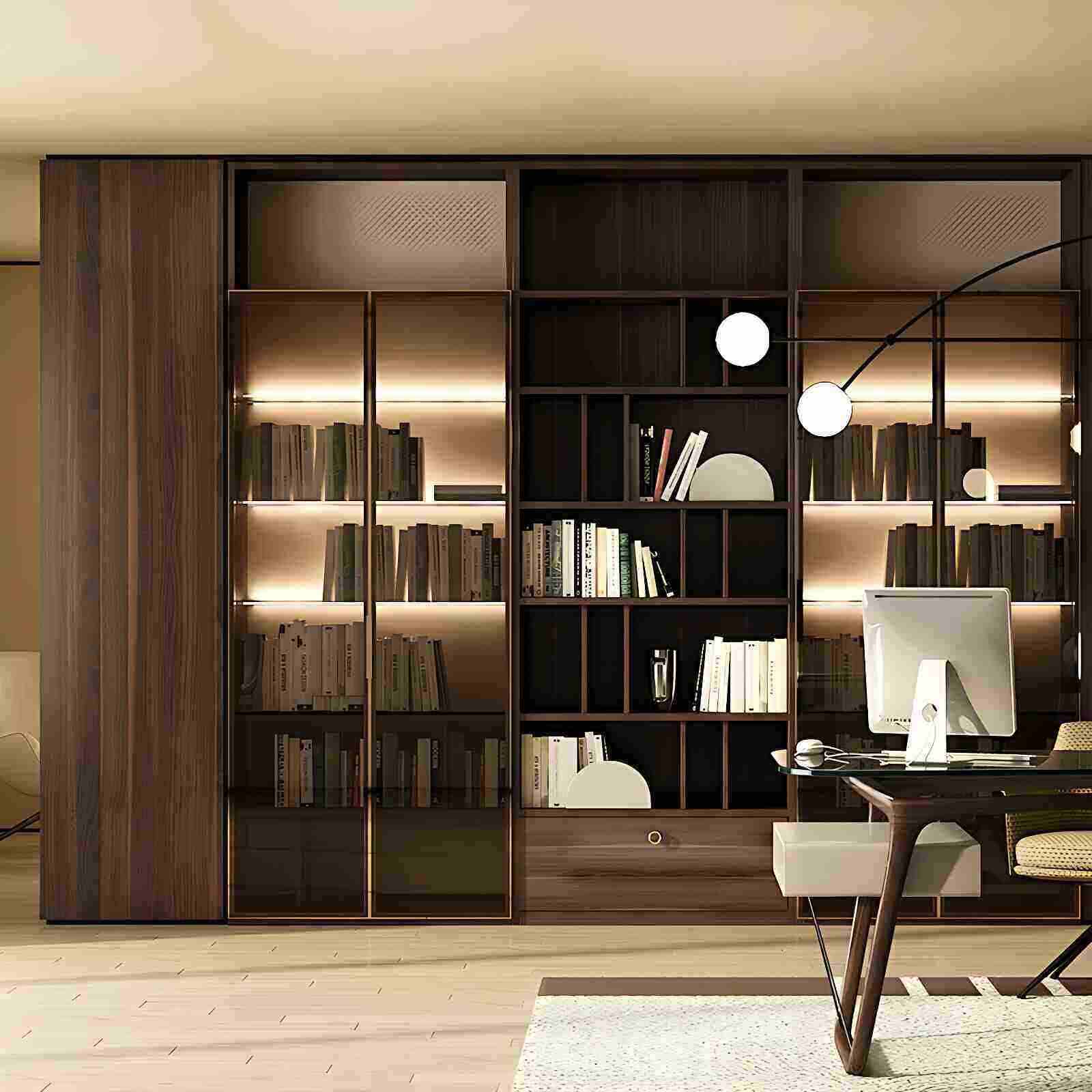
{Focus on environmental protection}
When choosing boards, many people first focus on their environmental friendliness. Generally, when we look at whether a board is environmentally friendly, we mainly focus on its formaldehyde content.
When purchasing wood-based panels, you'll likely hear salespeople mention E1, E0, etc., but most people don't know what these terms mean. To understand the formaldehyde content of wood-based panels, just remember two points:
Part 01
Sources of formaldehyde
A small portion of formaldehyde emissions comes from the wood itself, but the majority comes from the adhesives used to bond the boards. Engineered wood products are the most well-known source of formaldehyde emissions, primarily including plywood, blockboard, medium-density fiberboard (MDF), and particleboard. Since formaldehyde is essential for adhesives, these boards require the use of adhesives, which are formaldehyde-containing resins, mainly urea-formaldehyde resin. Urea-formaldehyde resin is widely used due to its low price and good bonding properties.
Part 02
The highest standard for judging the environmental friendliness of wood-based panels
The national standard GB/T 39600-2021 "Classification of Formaldehyde Emission from Wood-based Panels and Their Products", which was proposed by the National Forestry and Grassland Administration and drafted with the participation of Nanning Ketian Waterborne Technology Co., Ltd., was officially released on March 9, 2021, and came into effect on October 1, 2021.
This standard further refined the classification of formaldehyde emission levels in engineered wood products, specifically dividing them into E1, E0, and ENF grades. From then on, "E0 grade engineered wood products" finally had a unified official (national standard) status, and the emergence of "ENF grade" also provided a basis for "formaldehyde-free boards" (NF: abbreviation for No Formaldehyde).
{Focus on stability}
Besides environmental friendliness, stability is also crucial, directly determining the lifespan and even safety of the board material. To determine whether the selected board material is stable, consider two points:
Part 01
nail holding power
Custom furniture requires a large number of hardware components, such as screws and hinges. Whether these hardware components can be firmly bonded to the board material reflects the board material's nail-holding power.
In simpler terms, it refers to whether the nail is easy to fix in place after it enters the board, or whether it is easy to loosen and fall off.
Boards with good nail-holding power provide stronger nail retention, making nails less likely to fall out even after long-term use. They can also withstand greater weight, and the nail holes can be reused repeatedly.
Boards with poor nail-holding power will cause nails to loosen over time, potentially leading to furniture warping, wobbling, creaking, or even falling apart. This not only affects the lifespan of the furniture but may also threaten the safety of family members. For ordinary consumers, the simplest and most intuitive way to determine the nail-holding power of a board is to directly check its quality inspection report.
Part 02
static bending strength
Static bending strength refers to the compressive strength that a board can withstand when it is bent under stress until it breaks. Simply put, it is "how much force is needed to break the board".
A low static bending strength index means the board is prone to deformation and cracking under stress, resulting in a high probability of damage and breakage during use, a short lifespan, and significant safety hazards. Static bending strength is related to raw materials, tree age, and processing techniques. To ensure the board's durability, inquire about the tree age when selecting boards; generally, wood aged 15-30 years is preferable.
However, in addition to the board material itself, the design of custom furniture also affects the static bending strength. If the span of the cabinet shelves is made too large, then no matter what kind of board material it is, it may bend.
{Pay attention to moisture resistance}
Moisture resistance refers to the "water absorption and expansion rate" of the board. The degree to which the board expands when exposed to water determines, to a certain extent, whether the board is prone to deformation.
The standard for testing the water absorption and swelling rate of engineered wood products is 2 hours, which means taking a section of the board, soaking it in water for two hours, and seeing if it deforms.
For wood-based panels, moisture resistance simply means ensuring that furniture in areas with relatively high humidity, such as kitchens and bathrooms, won't swell and deform, affecting the tabletop's stress balance and hinge holding power. This depends not only on the panel's water absorption and expansion rate but also on the edge-banding process after cutting.
In conclusion, stability and moisture resistance determine the physical properties of the board, while environmental friendliness determines our safety in using it. If urea-formaldehyde resin is used in the board production process, it may cause formaldehyde levels to exceed the standard, thus threatening our health.
Leveraging its mature application of water-based polymer technology and formaldehyde-free adhesive and board technology, Waterborne Science & Technology has successfully developed core products such as formaldehyde-free ecological boards, formaldehyde-free particleboard, high-polymer KT boards, and non-toxic custom boards. This has enabled the full range of formaldehyde-free, non-toxic, and industrialized production and application of engineered wood products, making it a leading domestic supplier of formaldehyde-free boards, formaldehyde-free flooring, and non-toxic home decoration/furniture materials. Waterborne Science & Technology provides comprehensive, efficient, and non-toxic support for whole-house customization, offering consumers a non-toxic, odorless, and ready-to-move-in home environment.