
 USD
USD GBP
GBP
 EUR
EUR
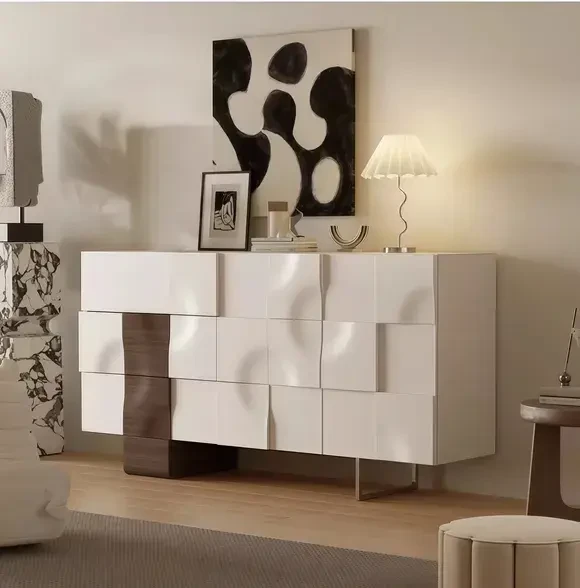
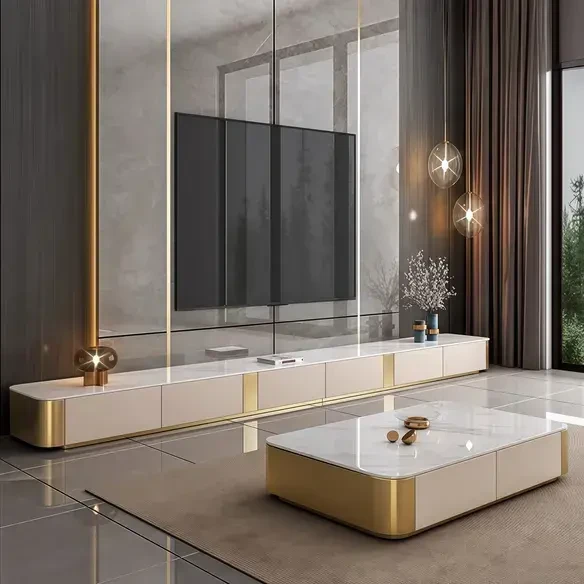






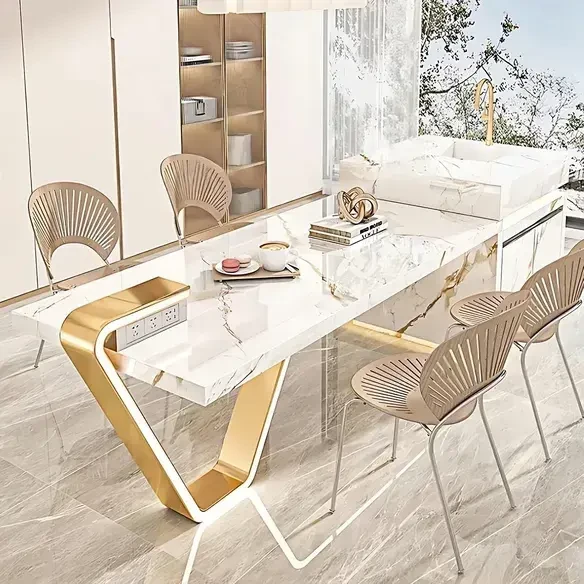
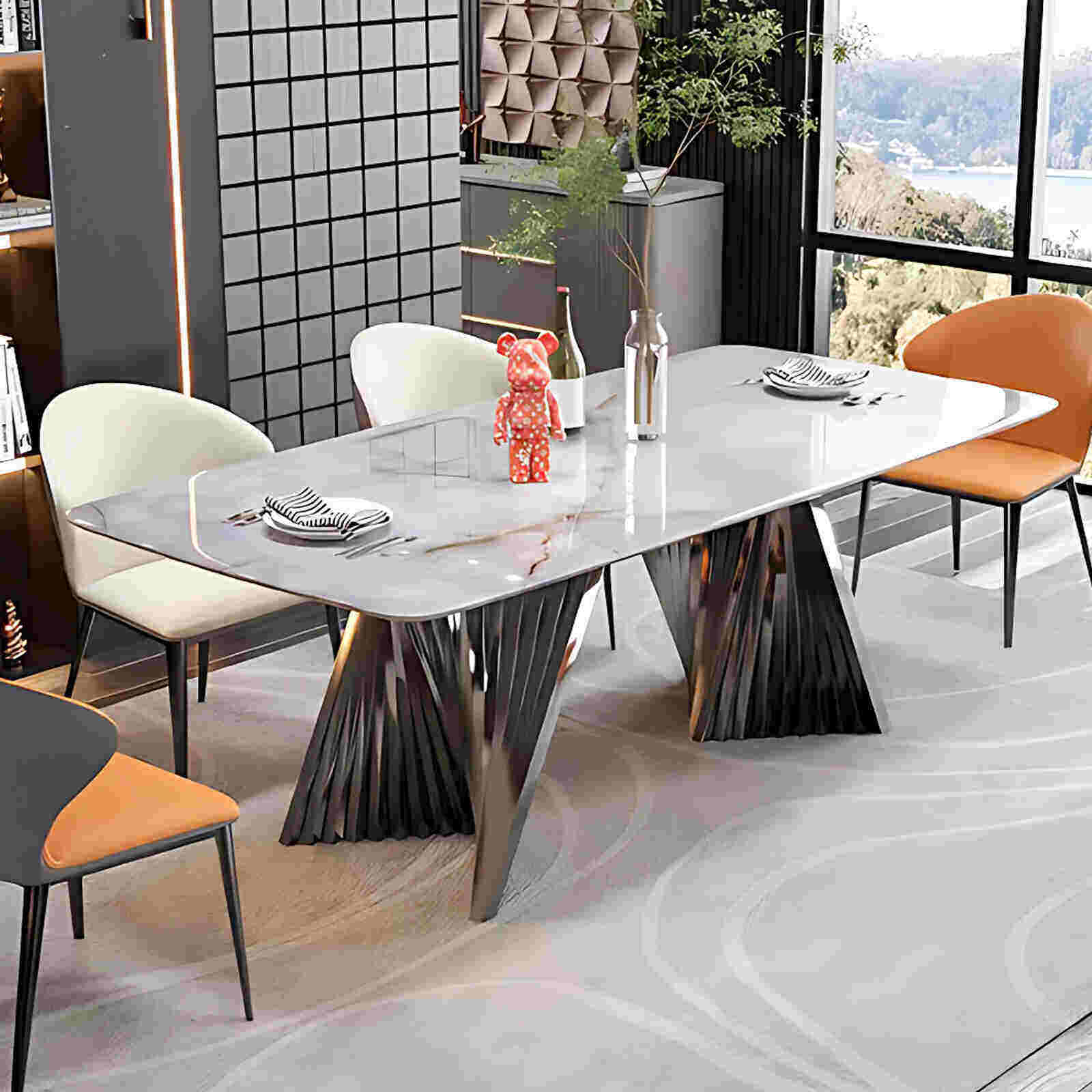
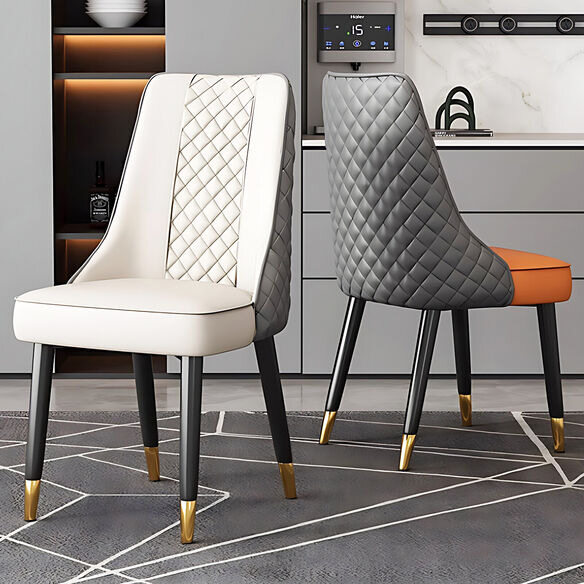
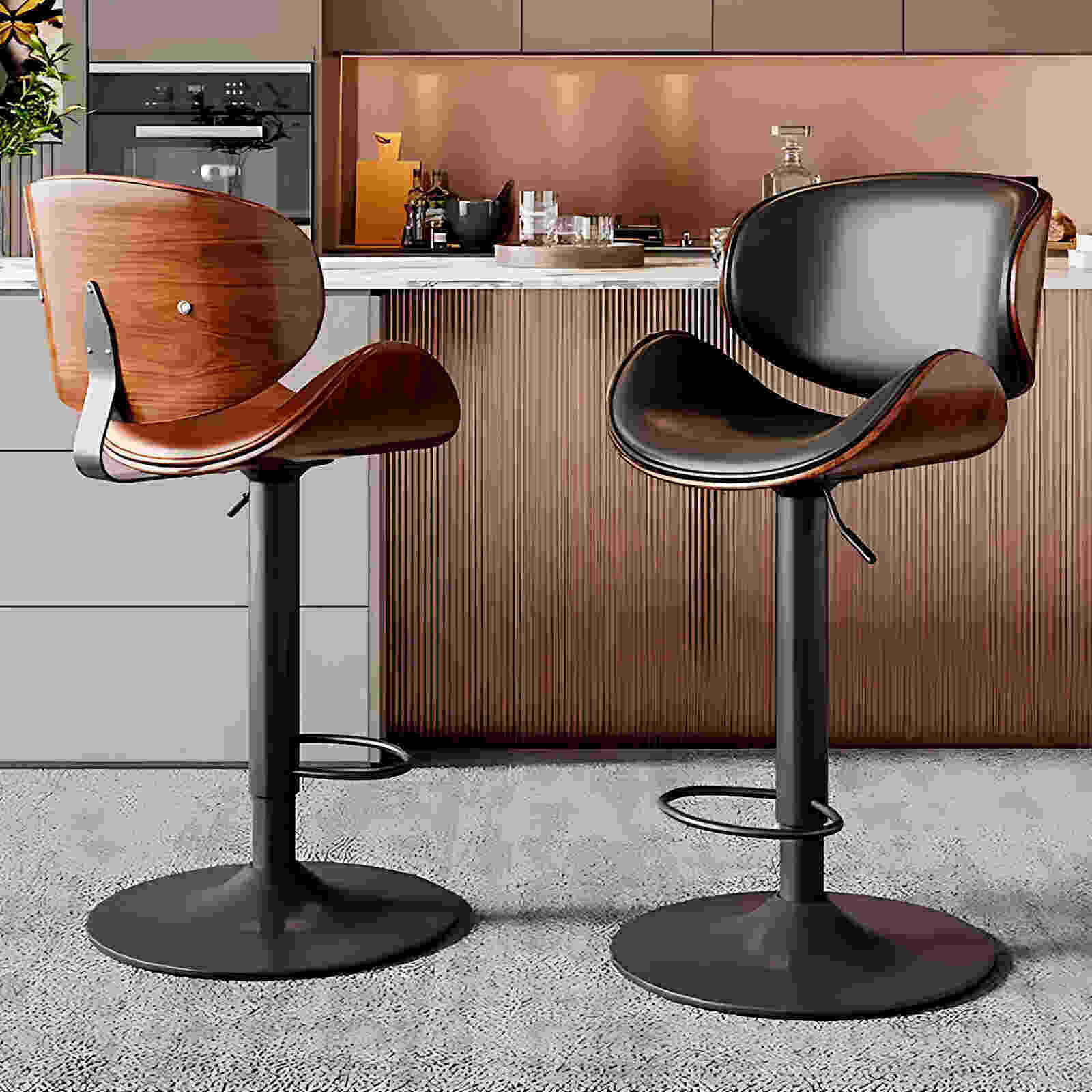
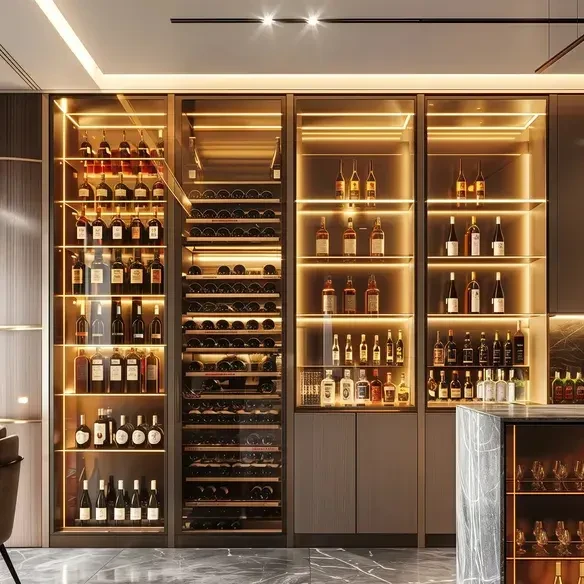
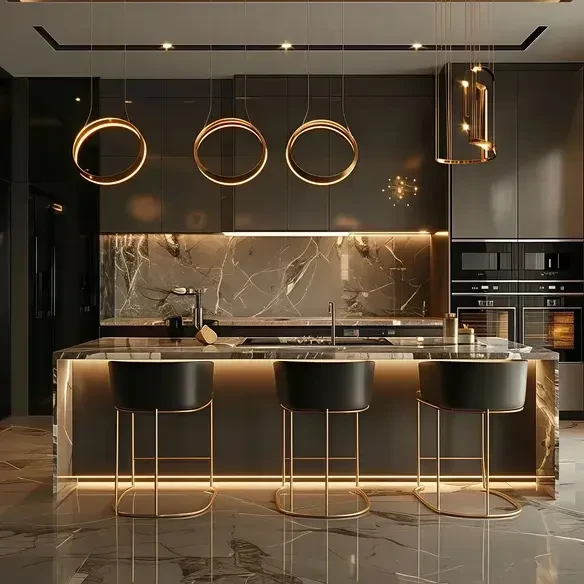
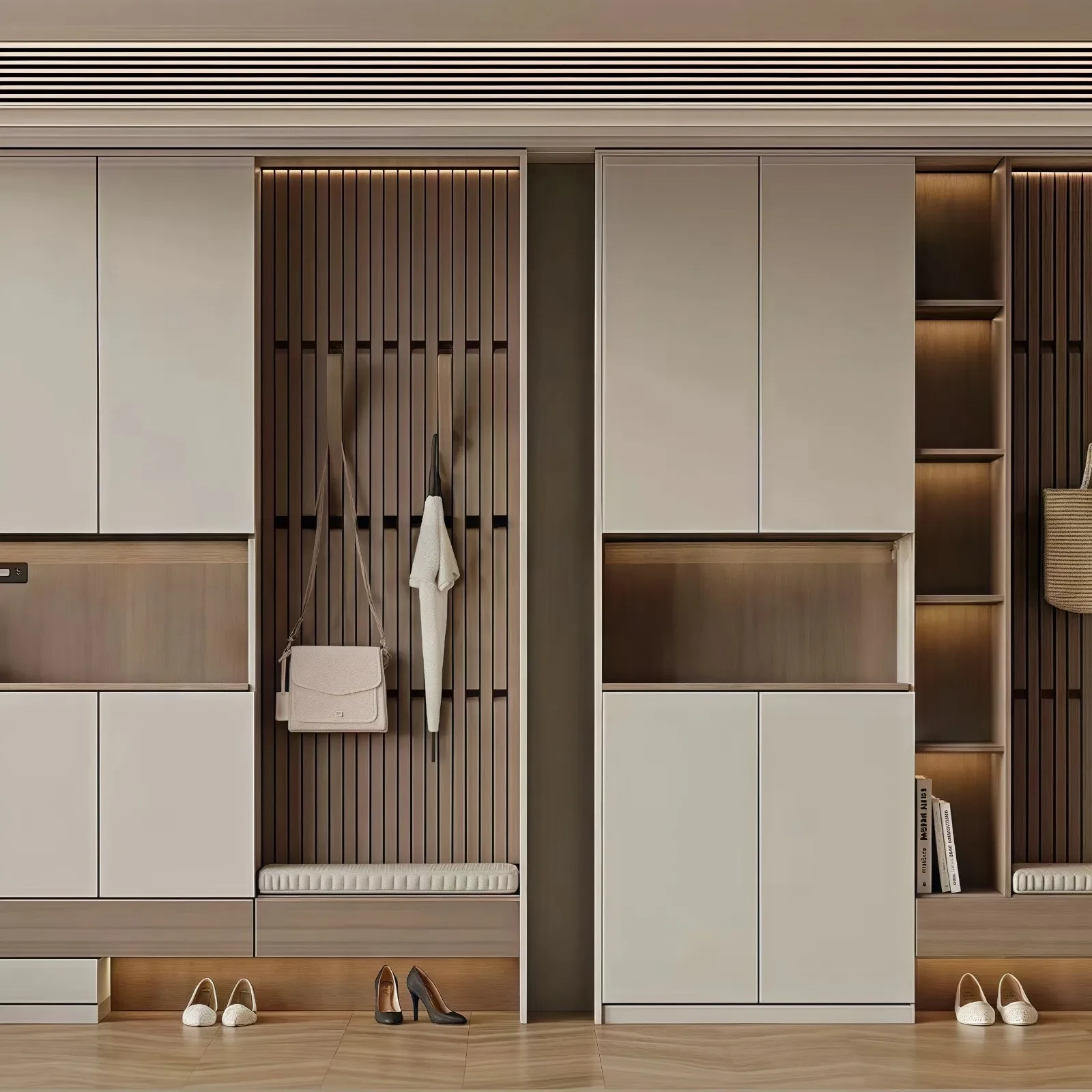
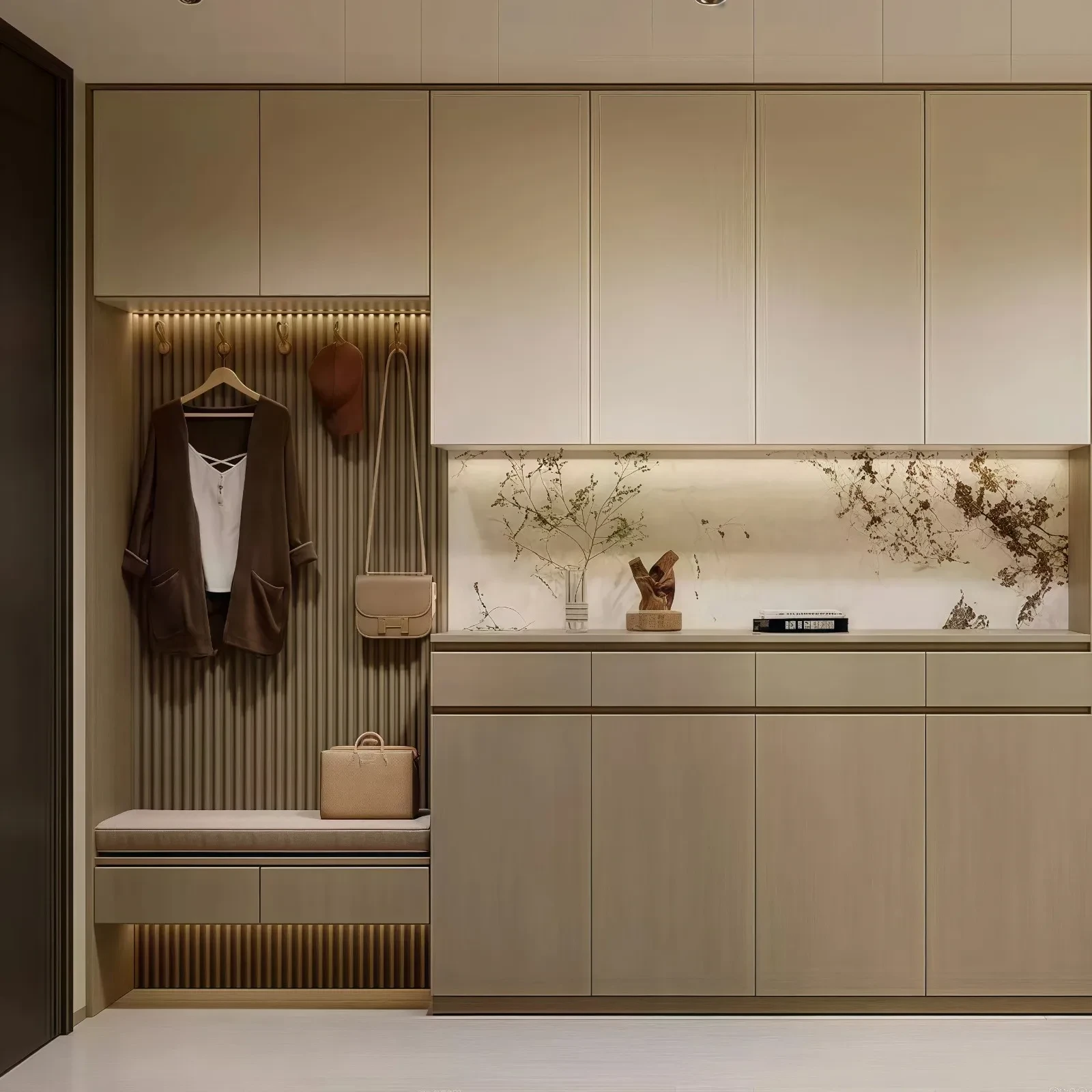
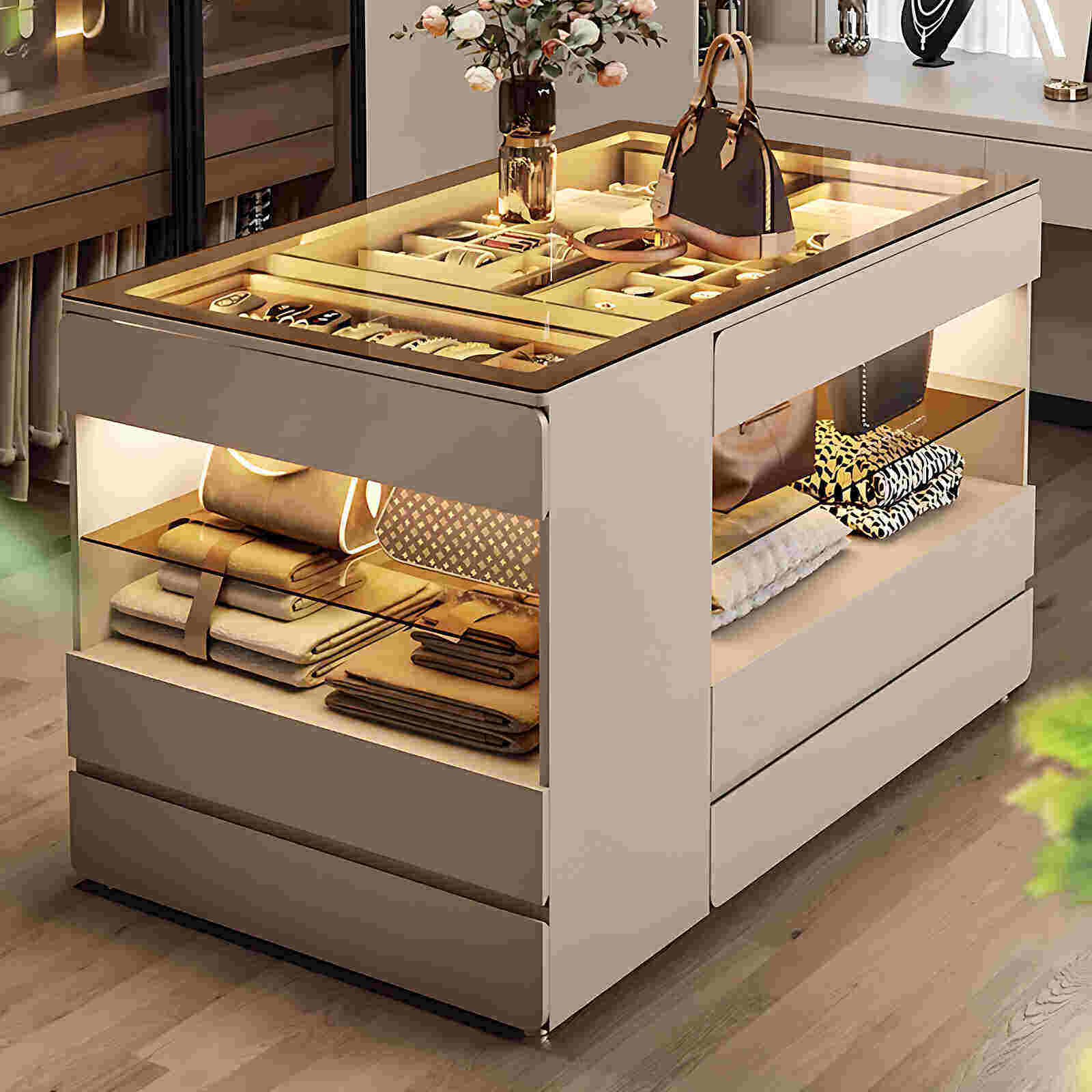
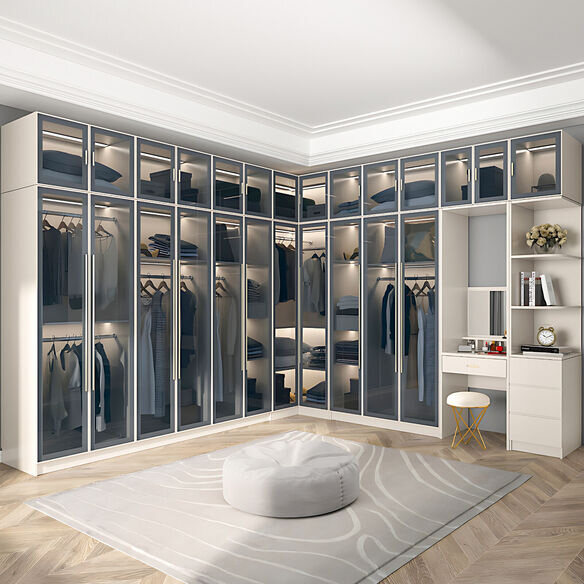
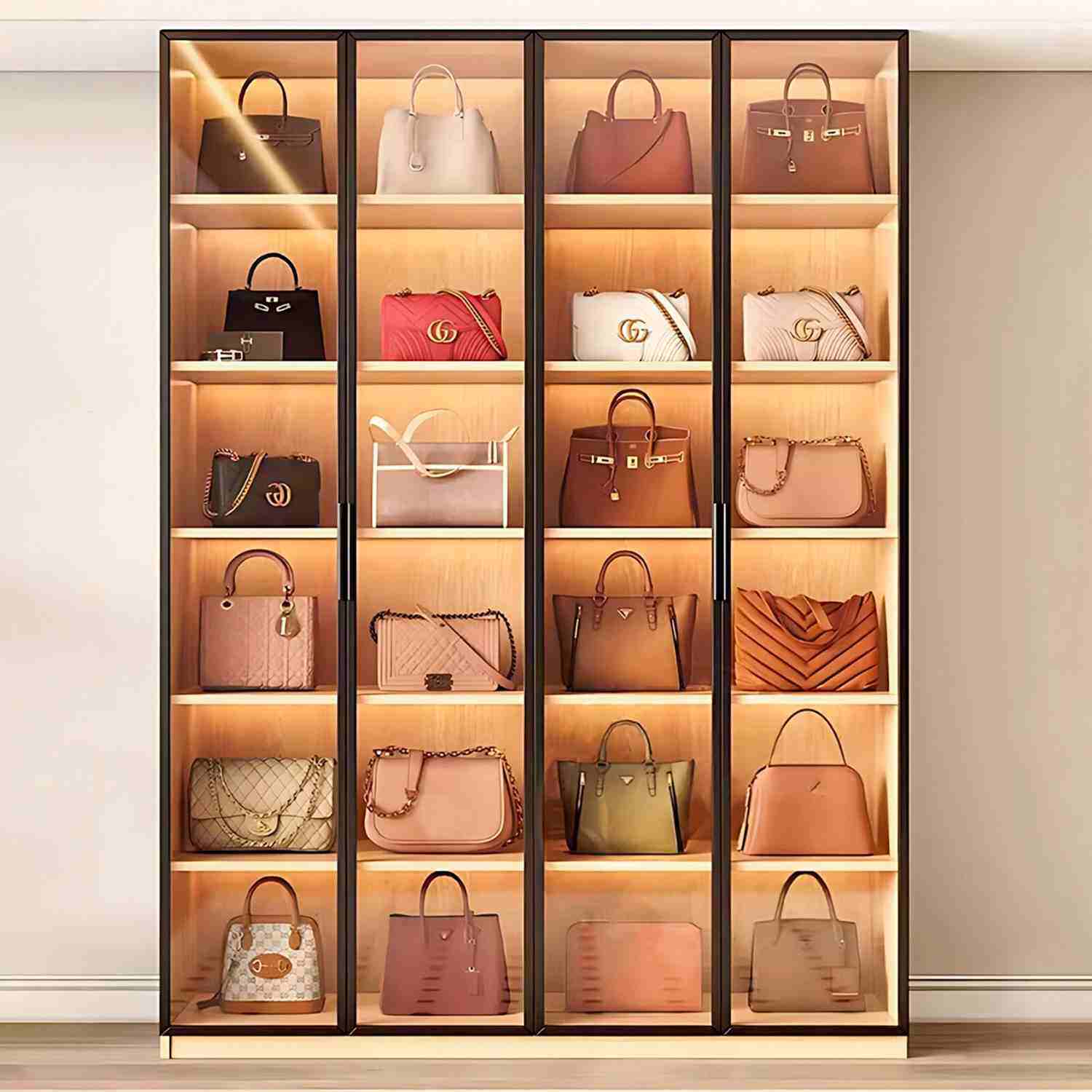
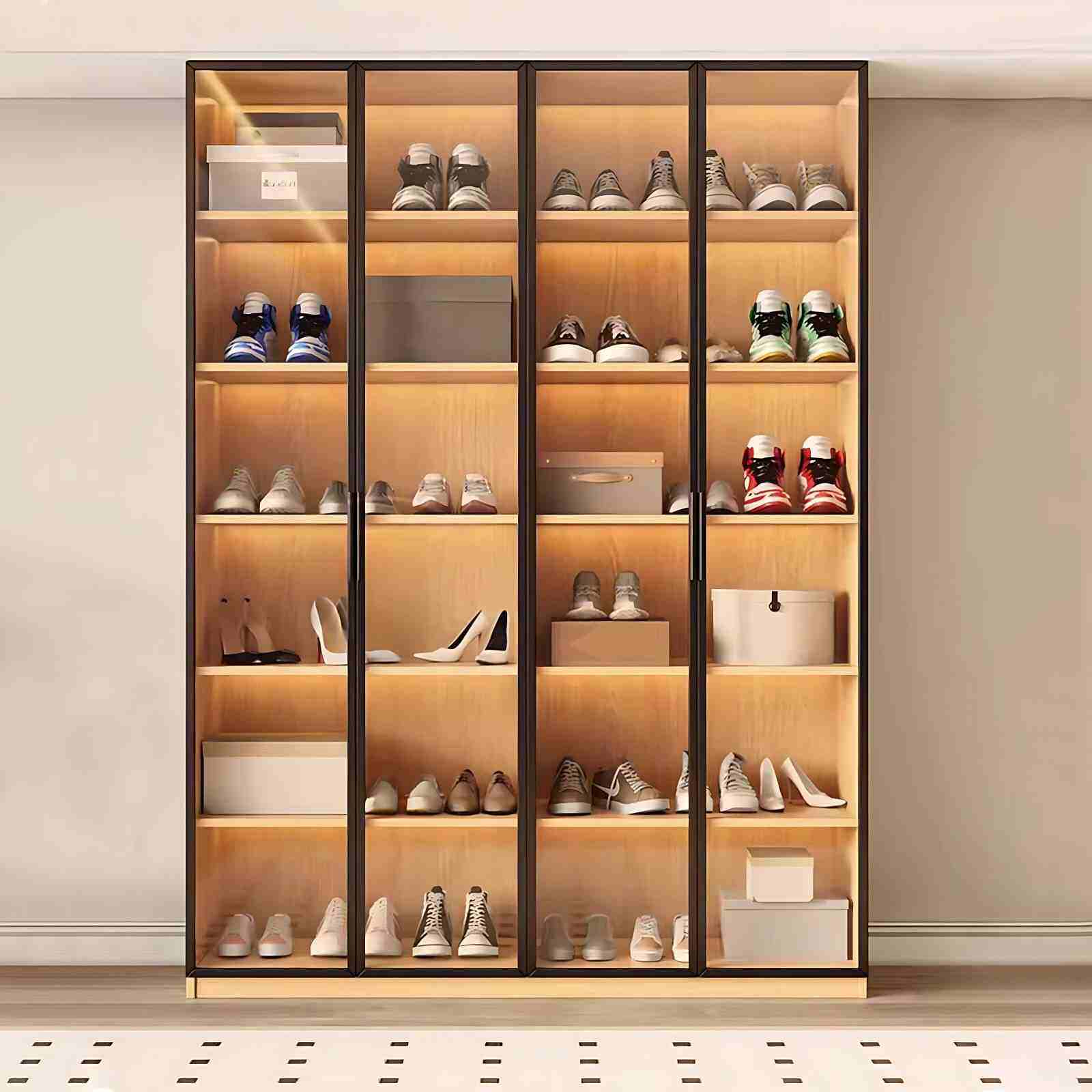
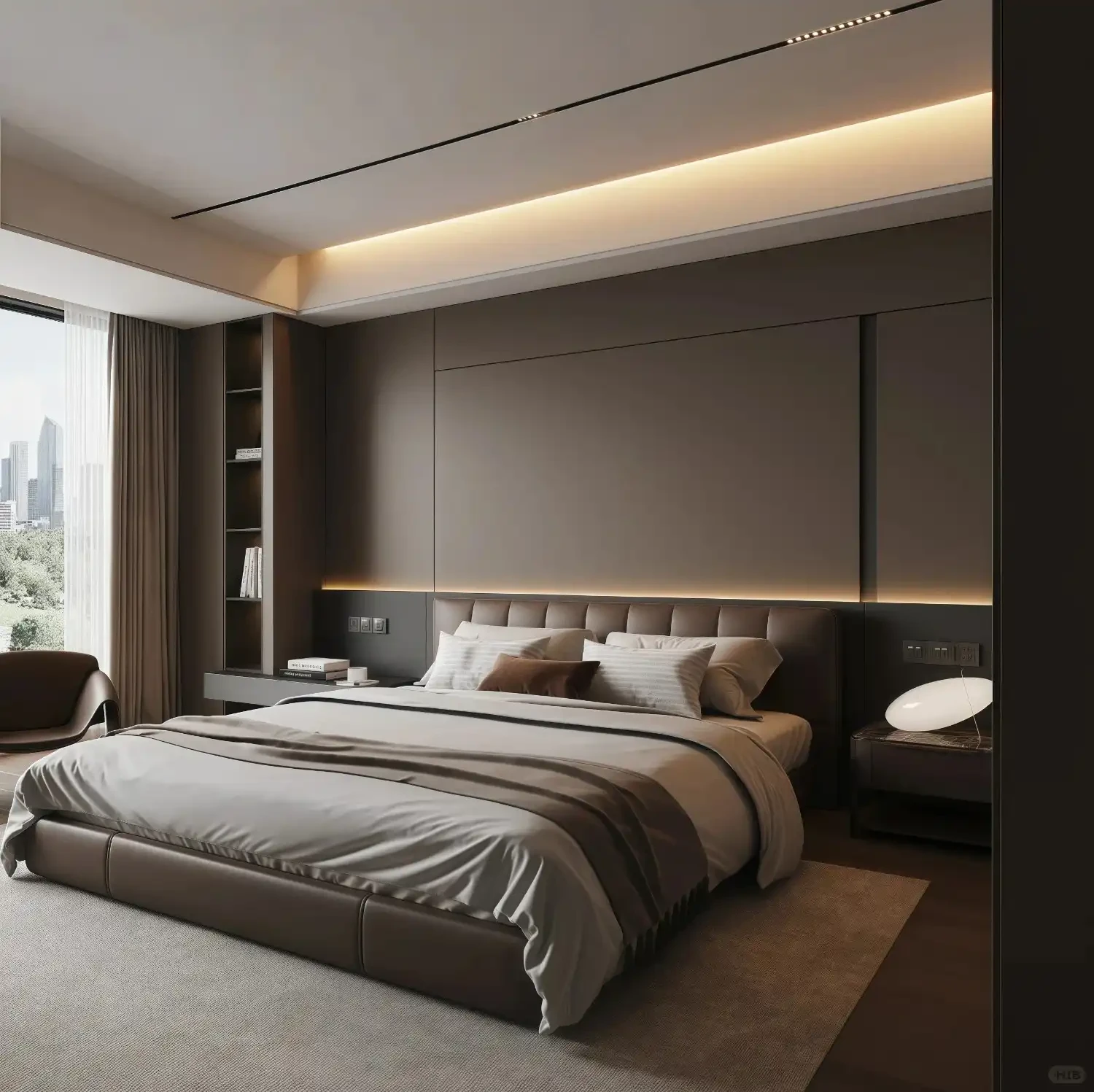
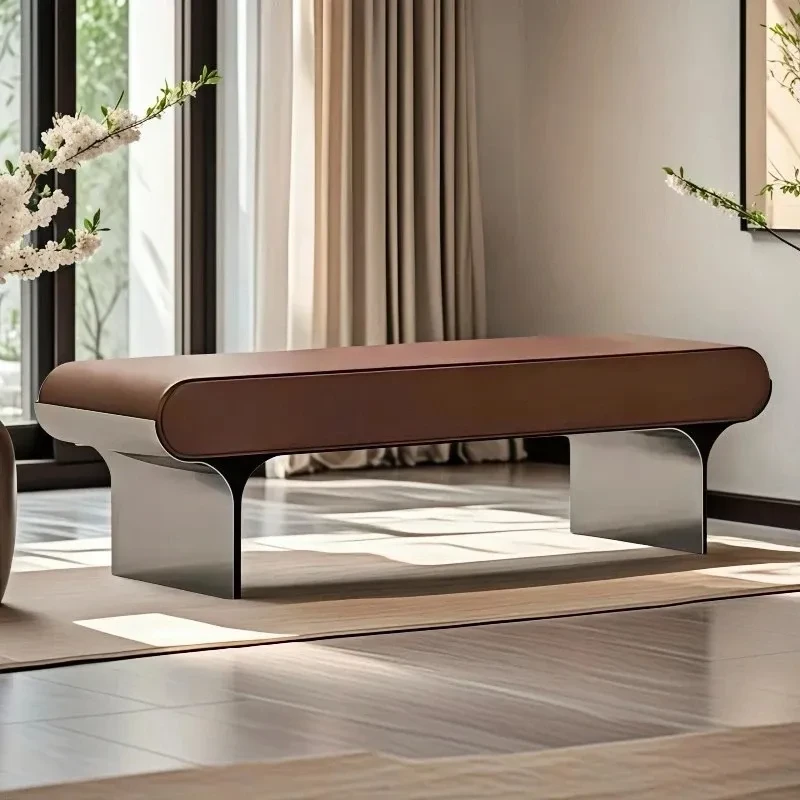
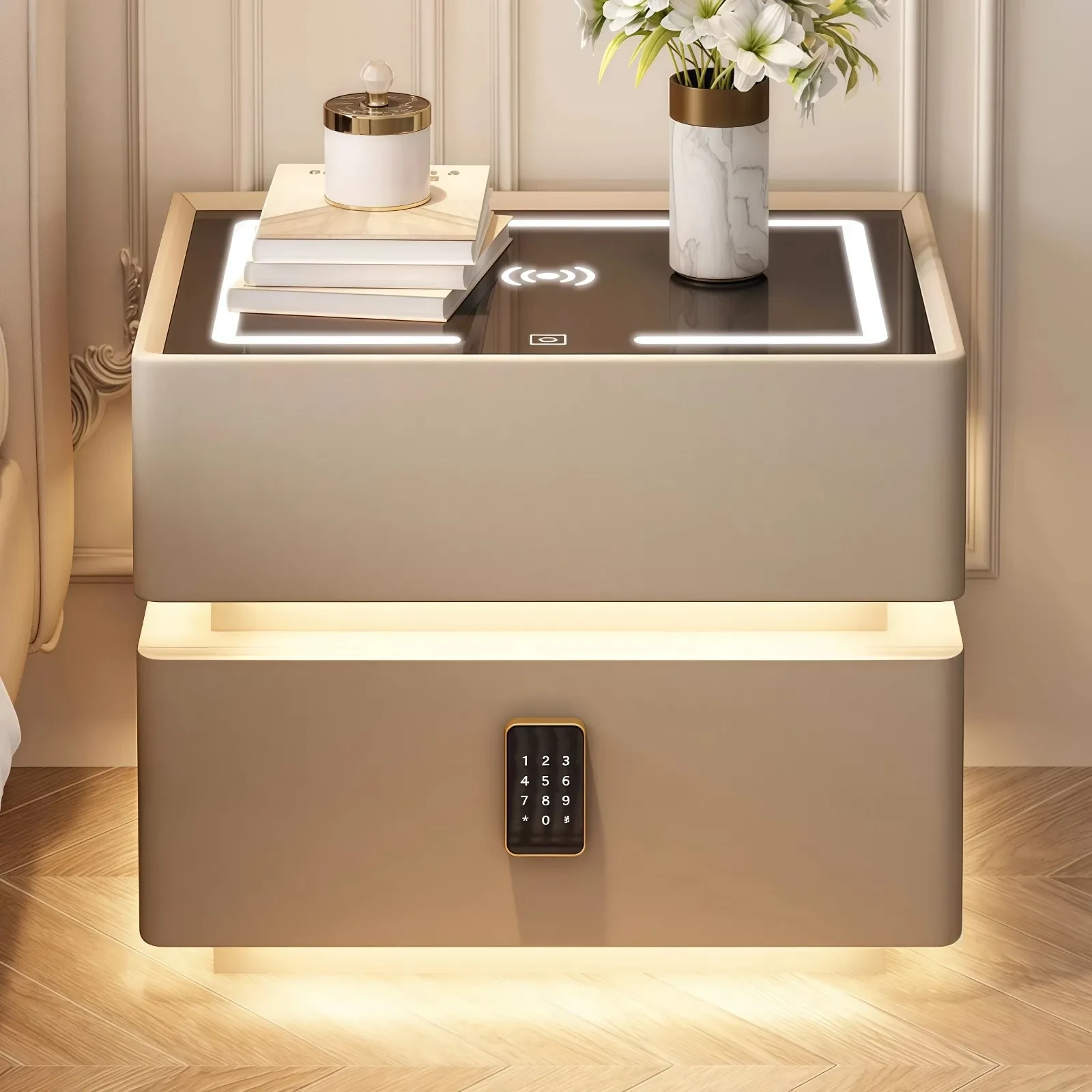
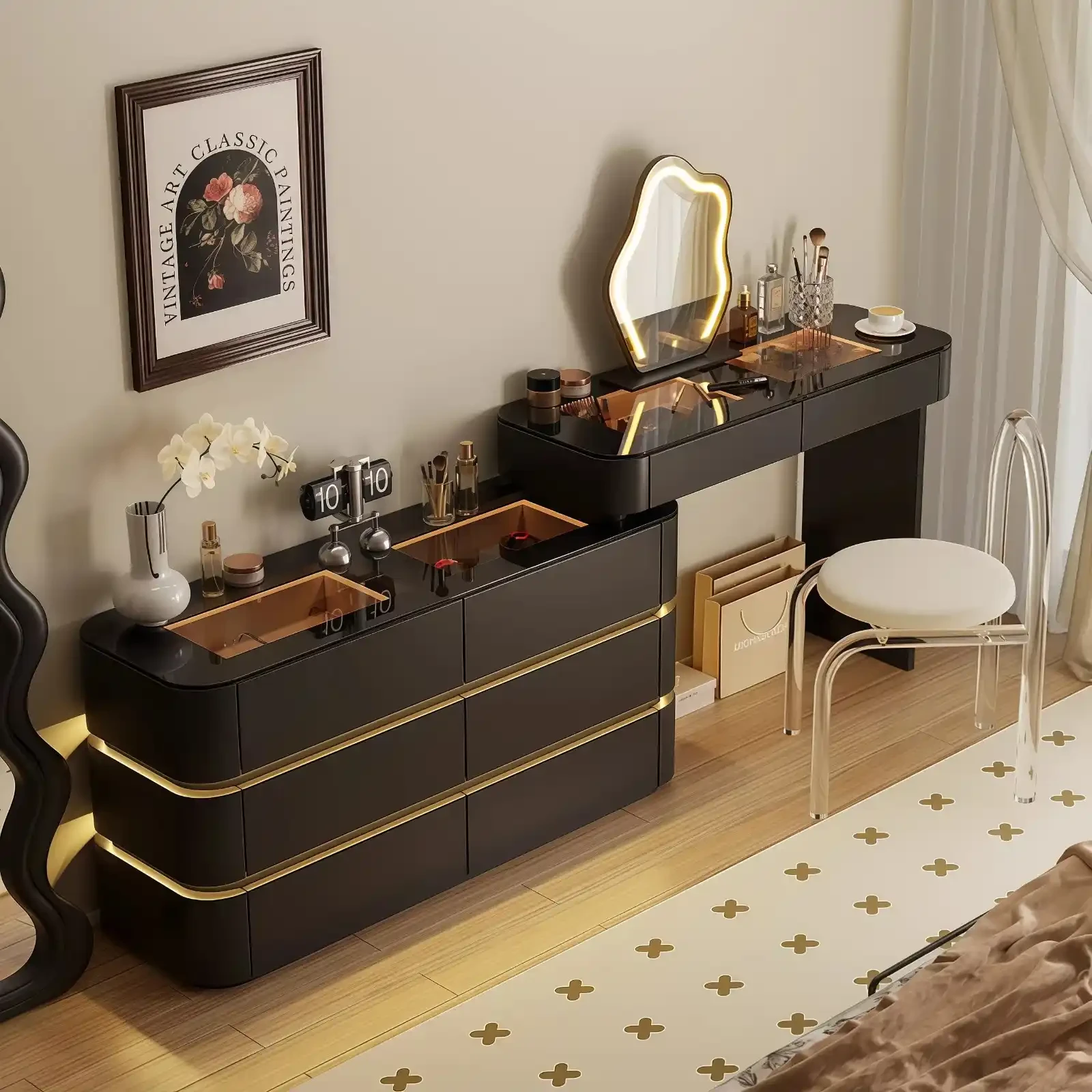
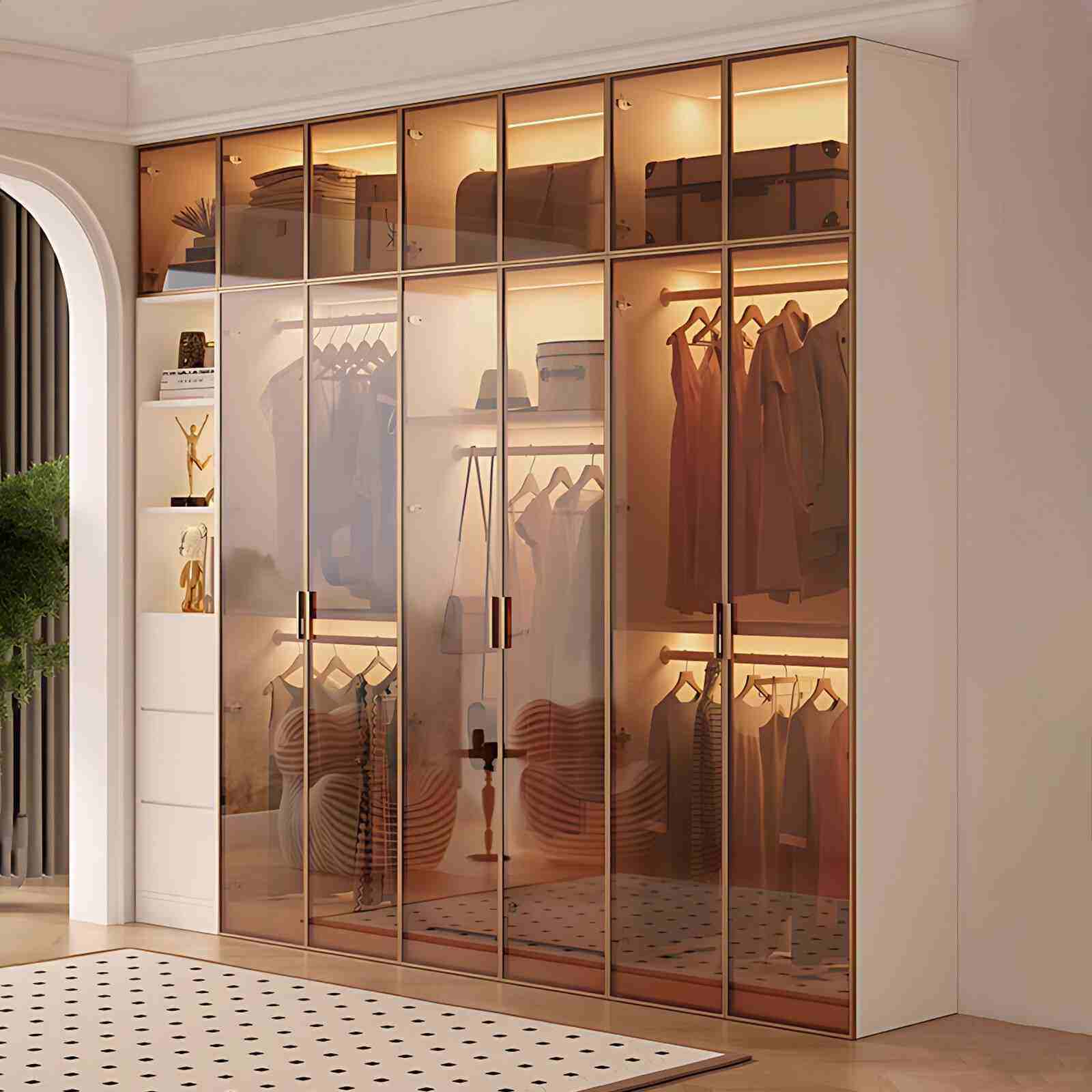
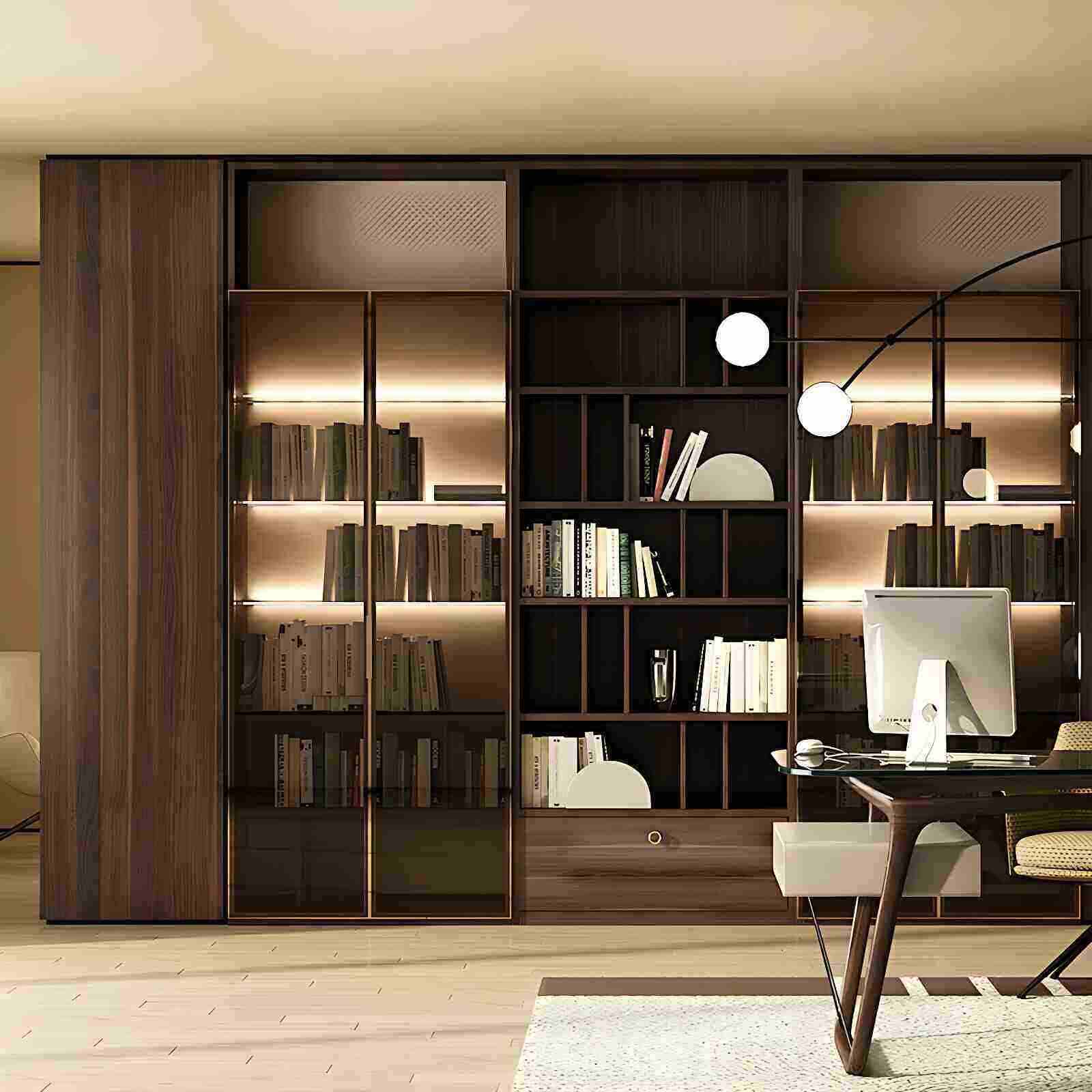
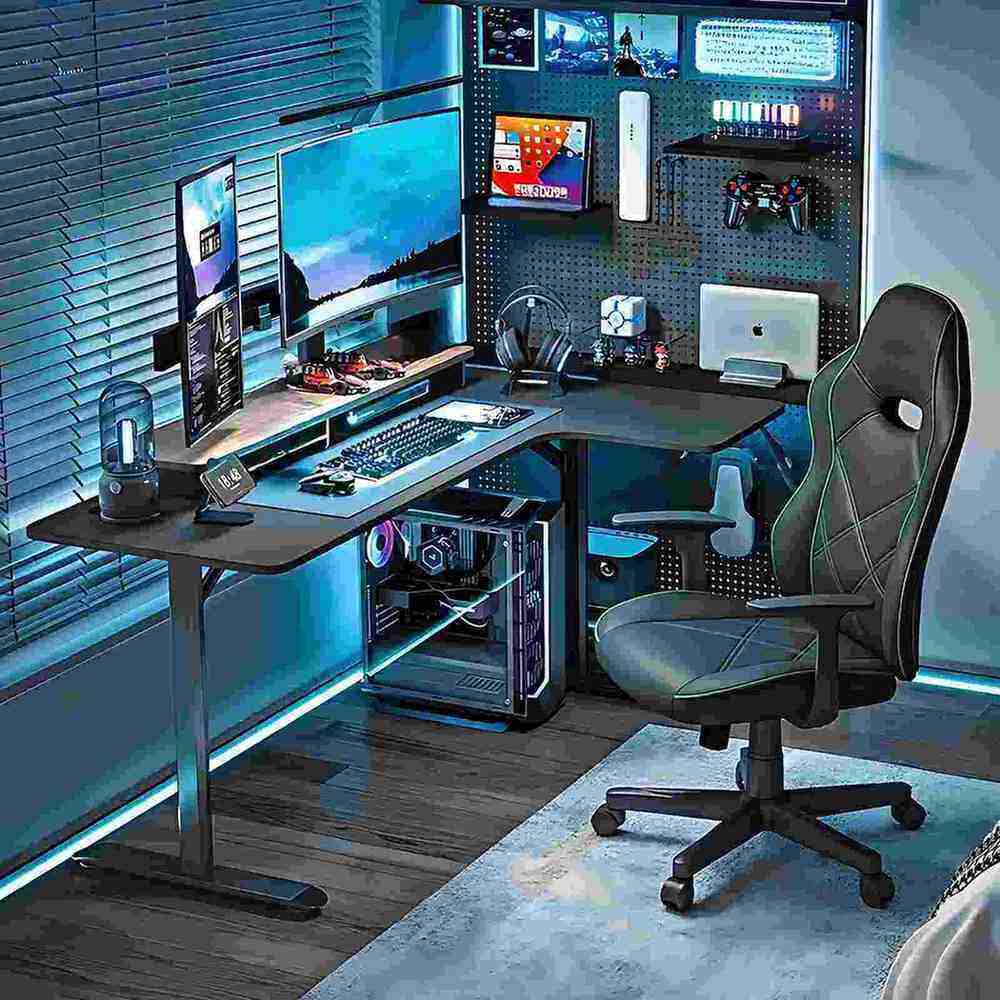
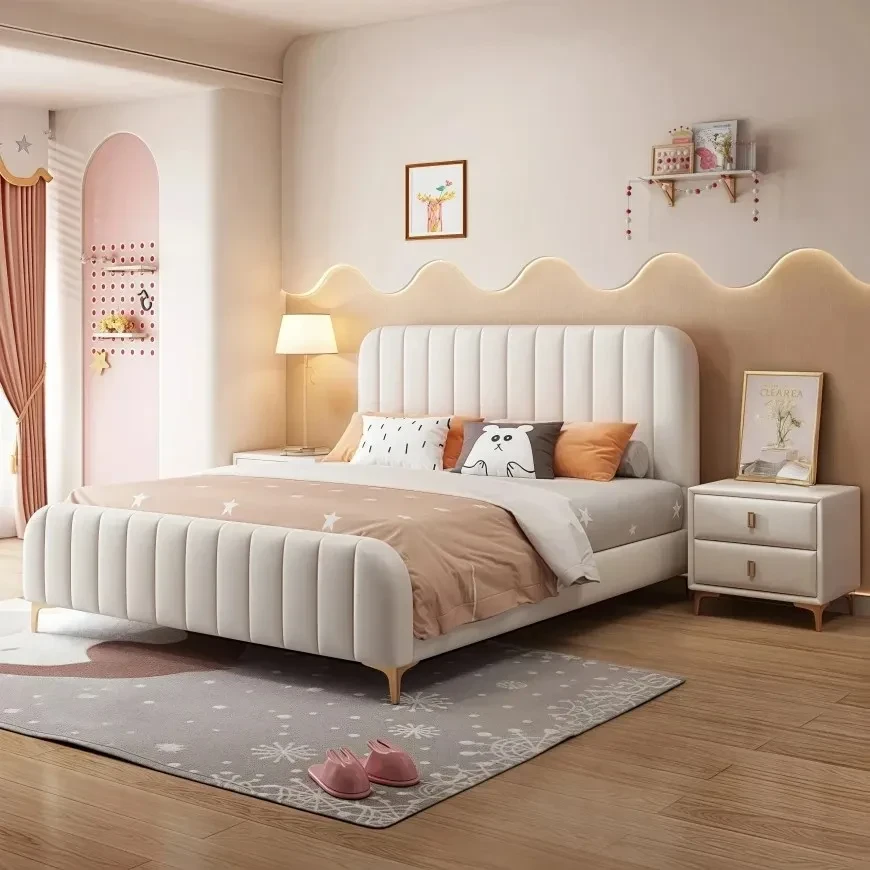
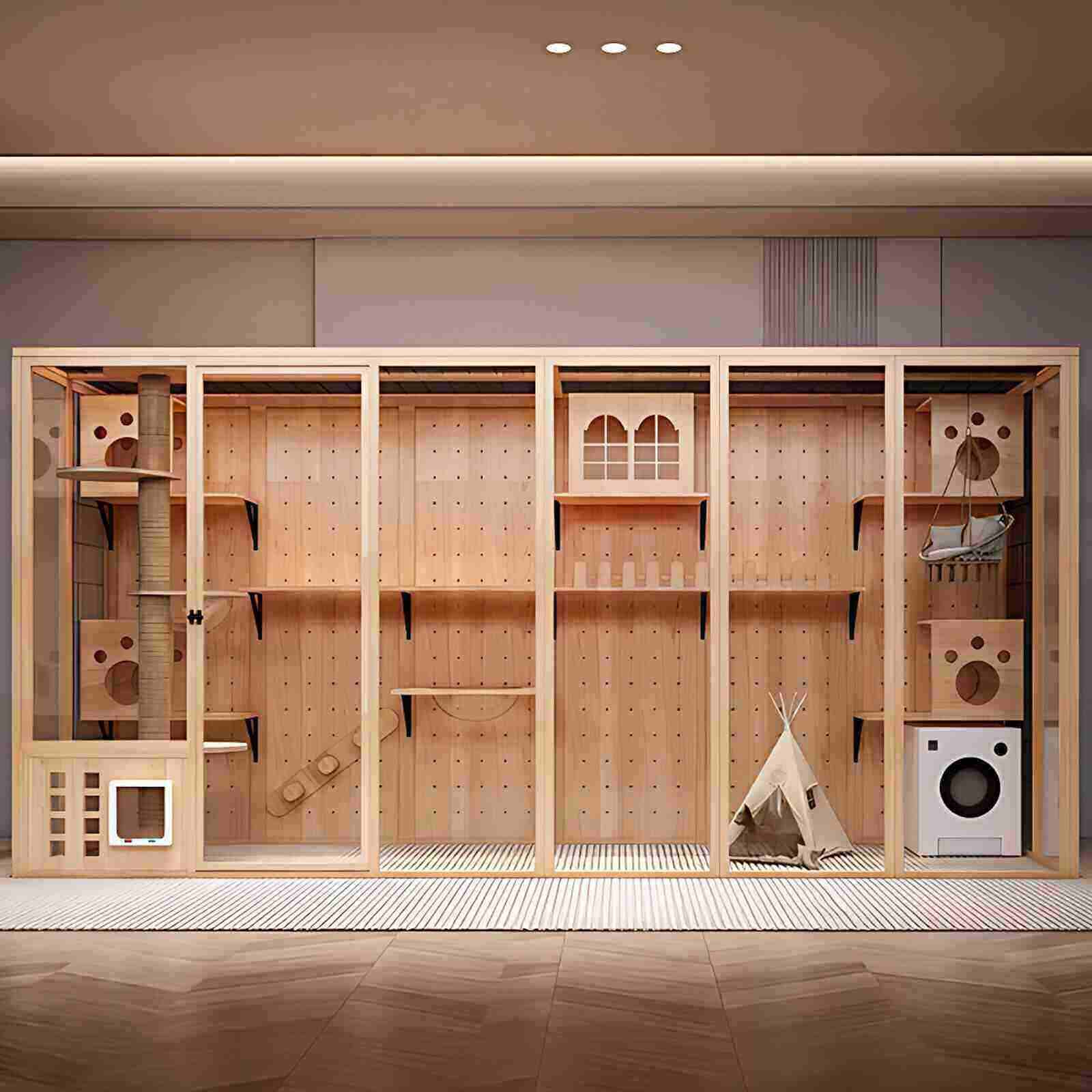
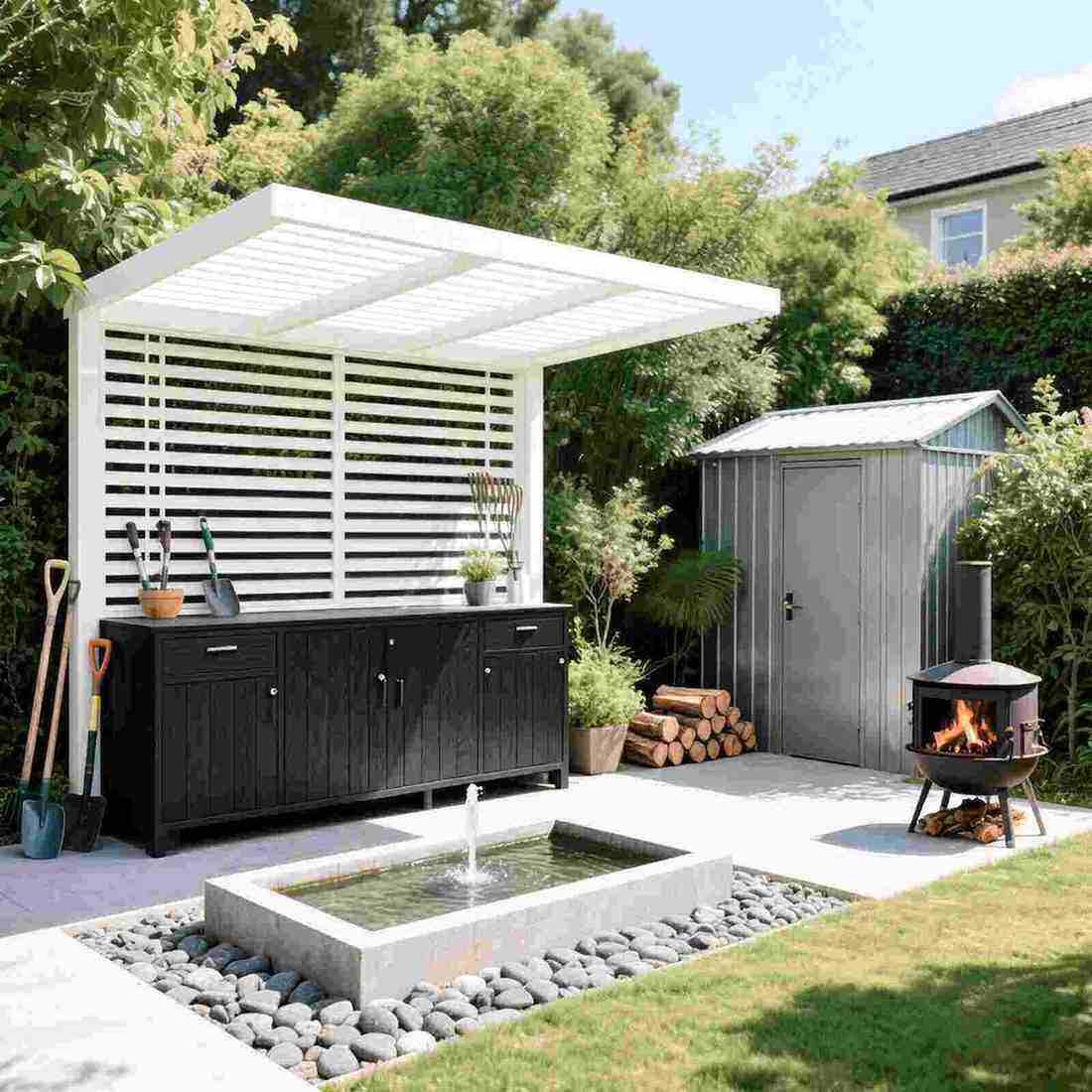
Plywood, blockboard, and engineered wood panels are the most basic wood-based engineered wood materials used in the furniture and decoration industries. Due to the characteristics of natural wood materials, careless handling can easily damage the boards and affect their performance. The following will explain this from three aspects: transportation, storage, and use.
transportation:
1. During transportation, single or multiple sheets of board must be protected with pads on both the top and bottom to prevent them from getting wet or soaked in water. They must be laid flat in a ventilated and dry place to prevent mold, deformation, delamination, and cracking of the board surface caused by moisture or sun exposure.
store:
1. When storing in a warehouse or at a construction site, avoid mixing with substances that exceed formaldehyde emission standards (such as formaldehyde-contaminated boards, flooring, etc.) to prevent secondary pollution of the boards by free formaldehyde.
2. Use the product promptly after opening the packaging. If the usage period is too long, pack the product that is not currently in use properly, and place complete pads and covers on the bottom and top layers of the panels to prevent the outermost finished product from warping and deforming due to uneven moisture content caused by long-term exposure to a humid environment.
use:
On-site requirements:
1. Commonly used specifications of core board, plywood, blockboard, and engineered wood products are non-structural engineered wood products. During use, they should be applied to parts with balanced mechanical properties to avoid deformation or breakage due to excessive external forces.
2. Unless otherwise specified, plywood, blockboard, and engineered wood products are for indoor use only and are not suitable for outdoor landscaping or the production of corresponding wood products.
3. Before use, check the product's specifications, dimensions, moisture content, formaldehyde emission level, and appearance quality (such as cracking, bubbling, blemishes, carbonization, wormholes, etc.) to ensure they meet quality requirements. Only products without abnormalities can be processed and used. Small gaps within the core board are within the standard and permitted usage range and are not considered quality issues. This product is not suitable for renovations in bathrooms, kitchens, or other damp areas; the walls to be renovated should be dry and properly moisture-proofed. Wood reinforcement and substrates with a moisture content exceeding 14% should not be used during renovation.
4. For bonding boards, choose adhesives with guaranteed quality; for oil finishing on the board surface, it is recommended to avoid using water-based paints.
5. Before use, the integrated board should be sealed with a primer on both sides; when using the integrated board for bare installation, its physical strength should be fully considered, the area should not be too large, and a frame or cross brace should be added; when making open wardrobes or other large home decoration cabinets, whole boards should not be used, and expansion joints should be reserved.
Application instructions/requirements:
1. For interior decoration customization projects, the rooms where the core board, plywood, blockboard, and engineered wood are used should maintain a certain degree of dryness. If the humidity is high during the rainy season and causes woodlice to spread to the surface of the product, it is unrelated to the product material or performance, but is caused by the influence of environmental humidity.
2. All kinds of artificial board products are made of wood materials and contain various wood extracts, most of which are aliphatic compounds, terpenes or terpenoids, aromatic compounds, etc. The wood smell they release is a natural component and does not belong to volatile harmful substances such as formaldehyde and TVOC.
3. For all types of wood products using core board, plywood, blockboard, and engineered wood panels as base materials for indoor use, indoor formaldehyde concentration should be tested according to the national standard "Indoor Air Quality Standard" GB/T18883-2002. Simple formaldehyde testers should not be used to represent the formaldehyde content in the air. Commercially available formaldehyde testers have electrochemical sensors that are affected by the odor of wood, small molecule gases, and alcohol-based fragrances, leading to falsely high formaldehyde test results. The environmental performance of wood panels should be based on the formaldehyde emission level indicated on their label.