
 USD
USD GBP
GBP
 EUR
EUR

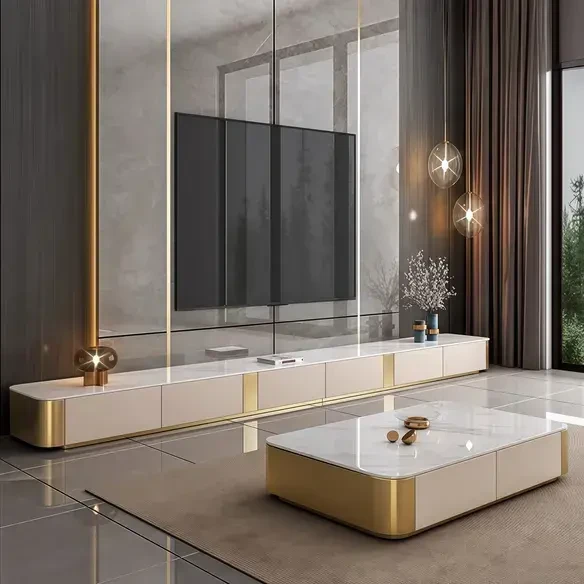
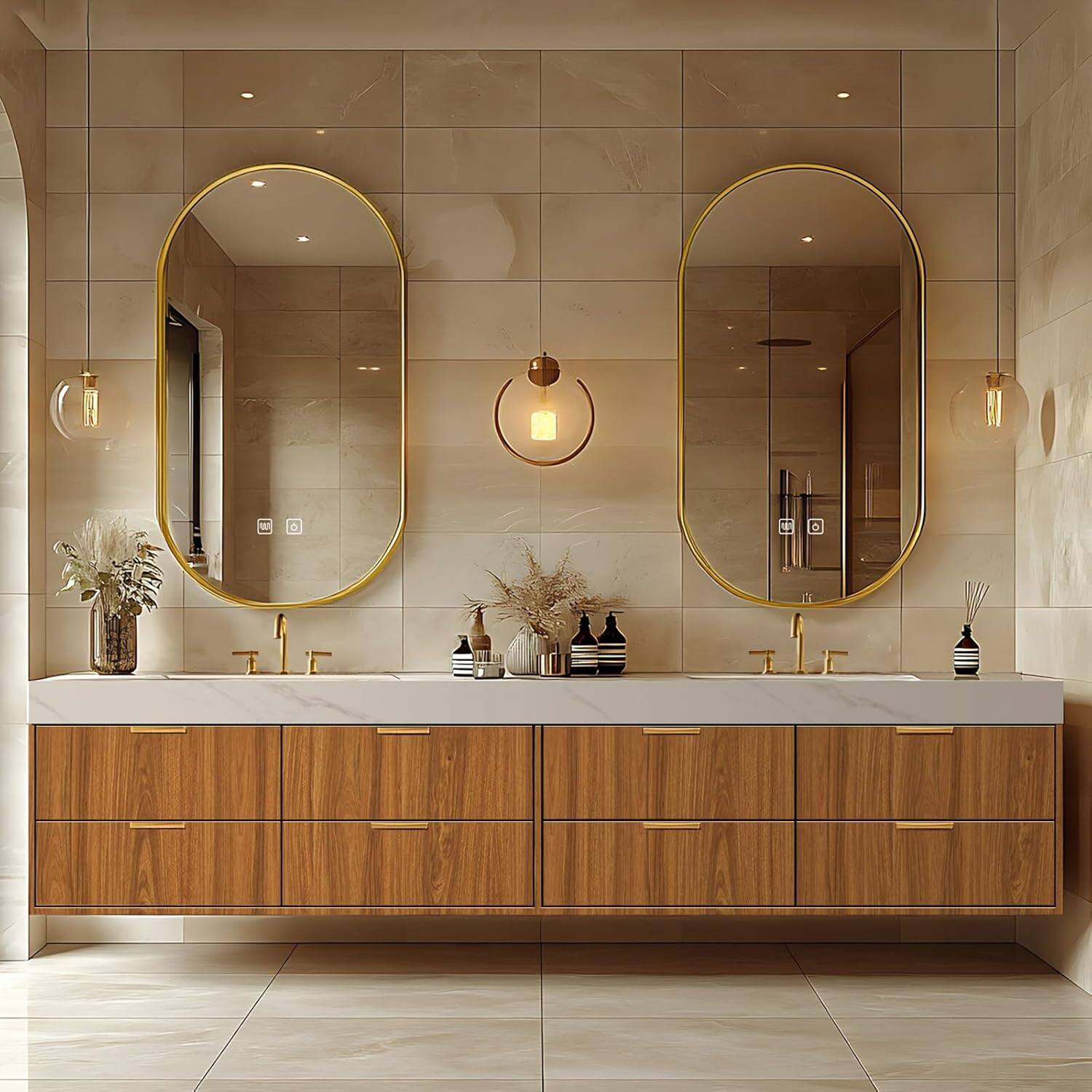
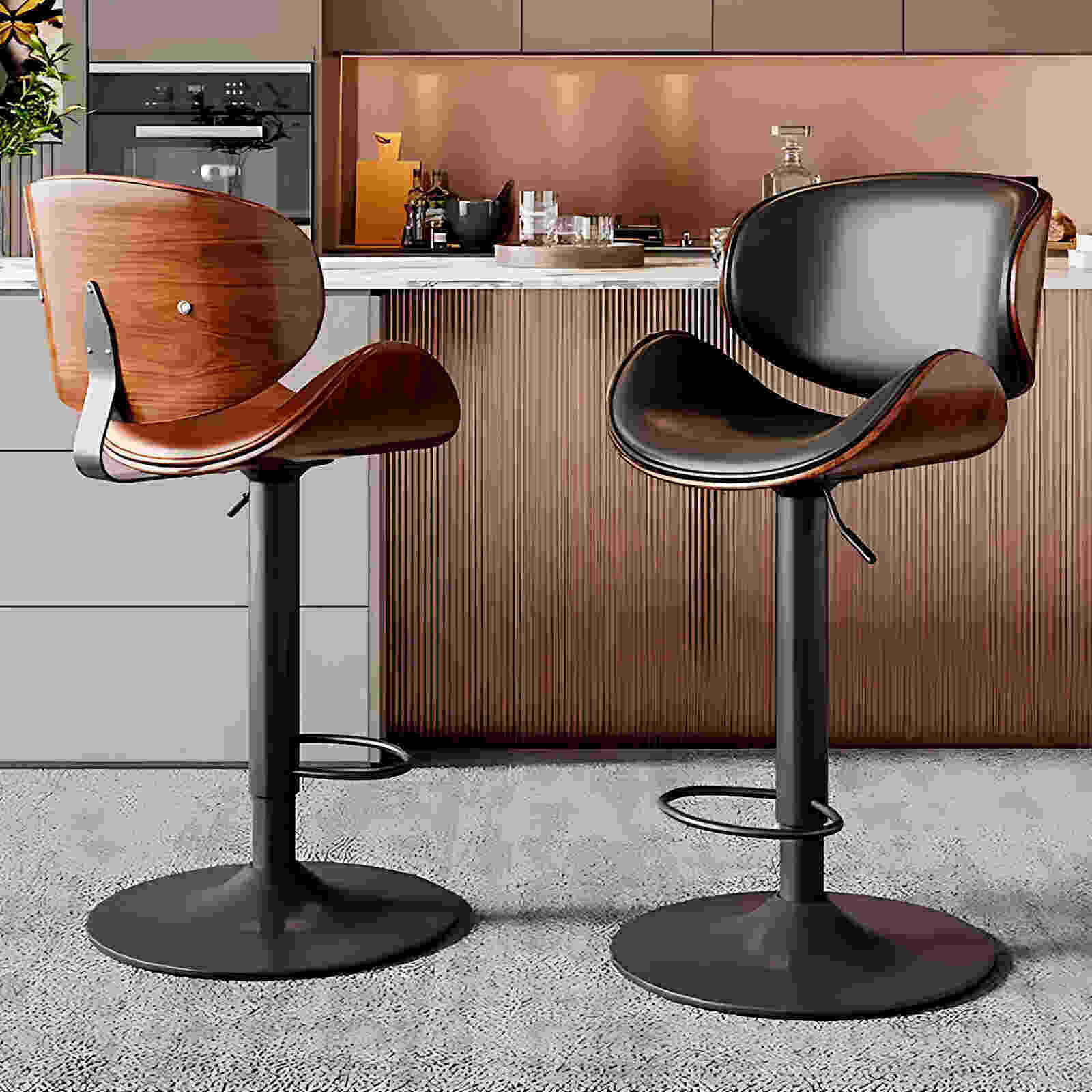
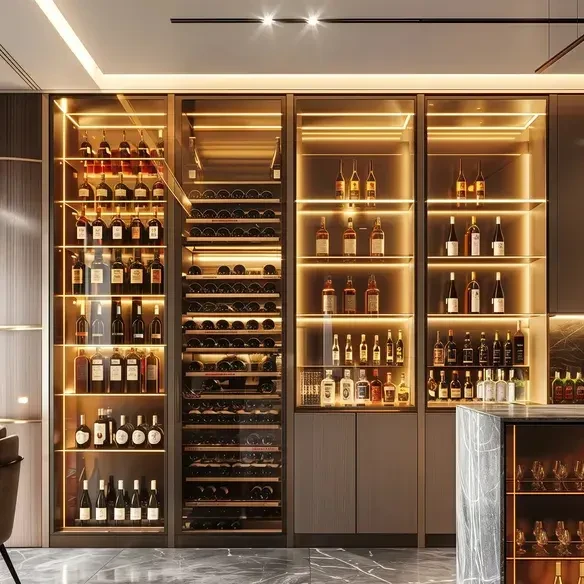

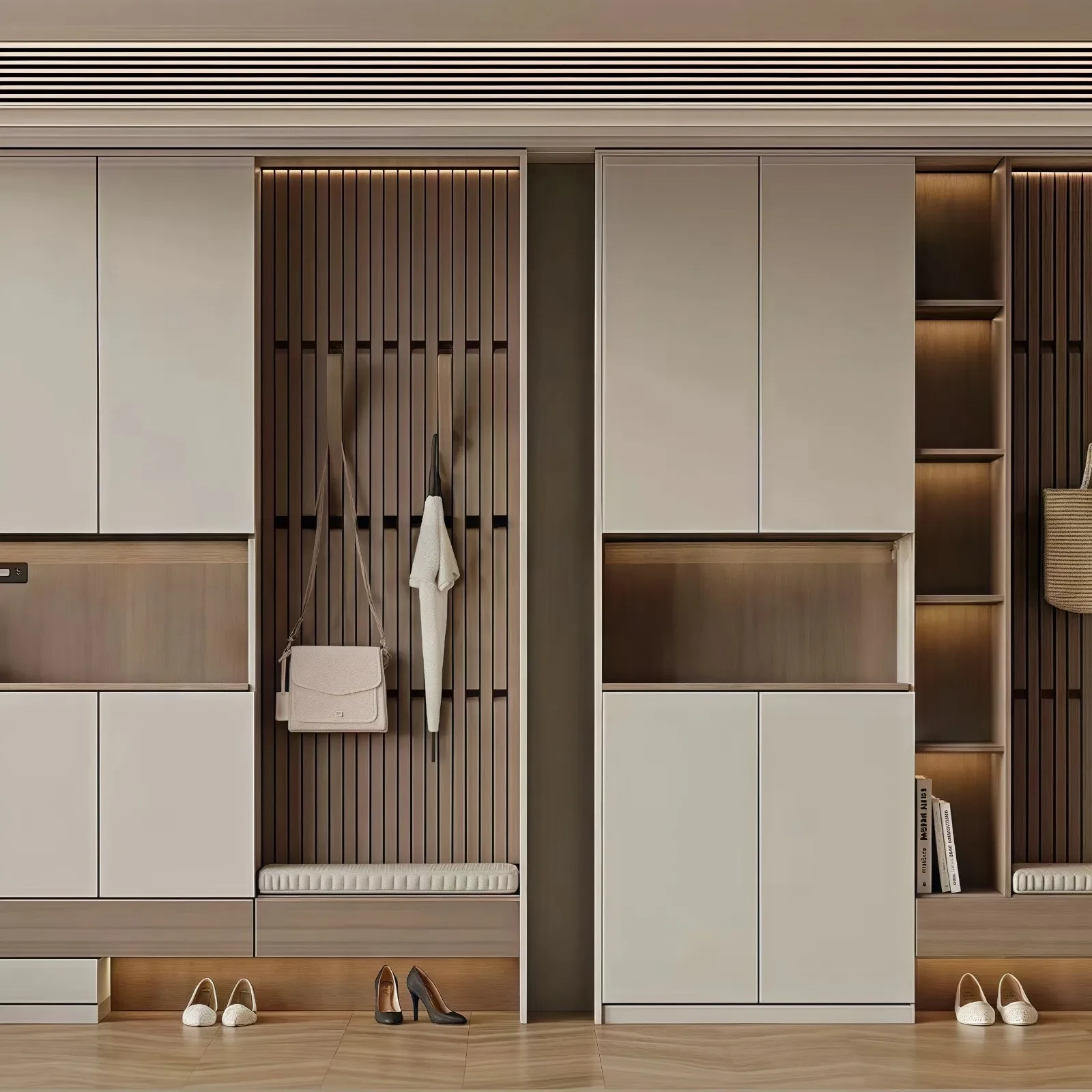
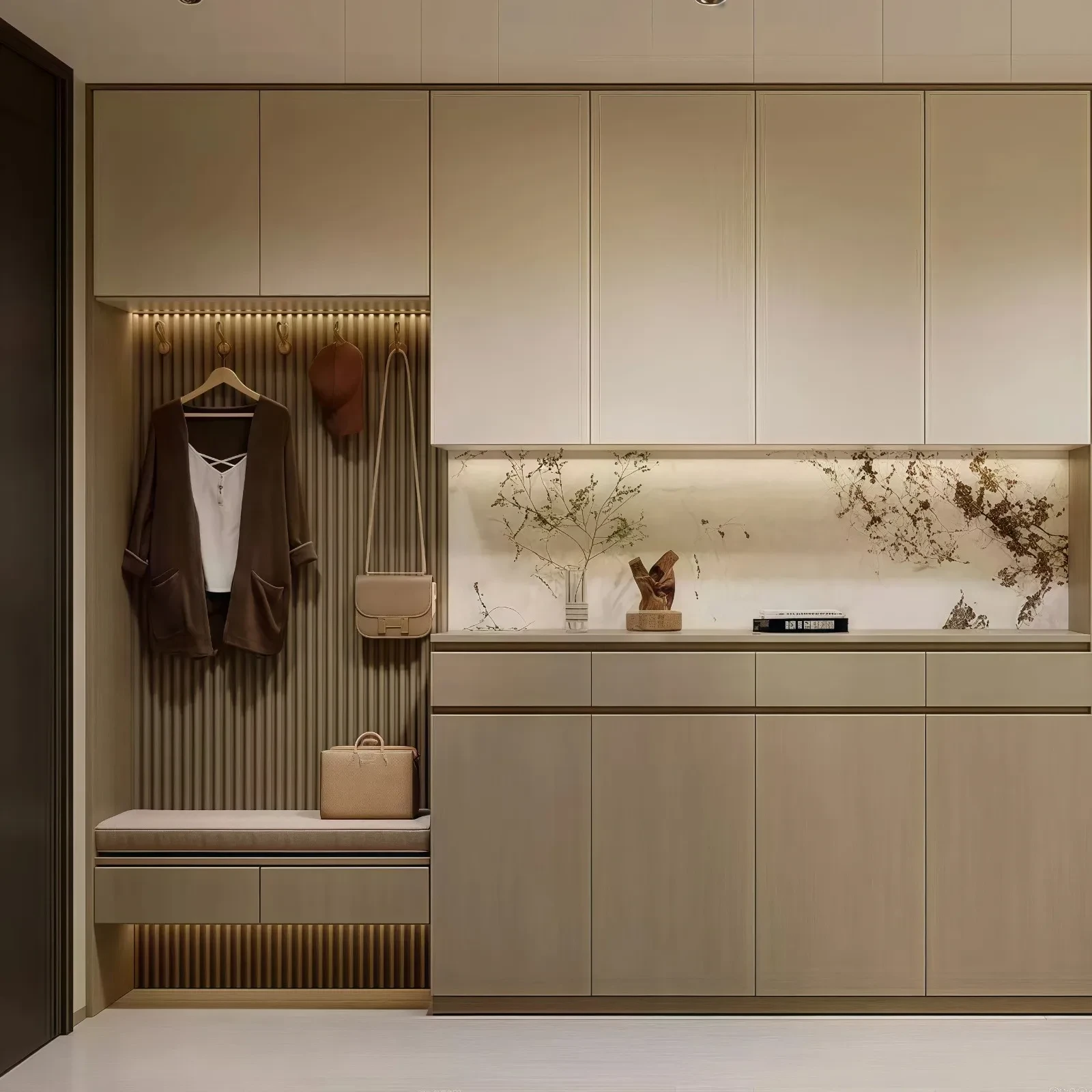
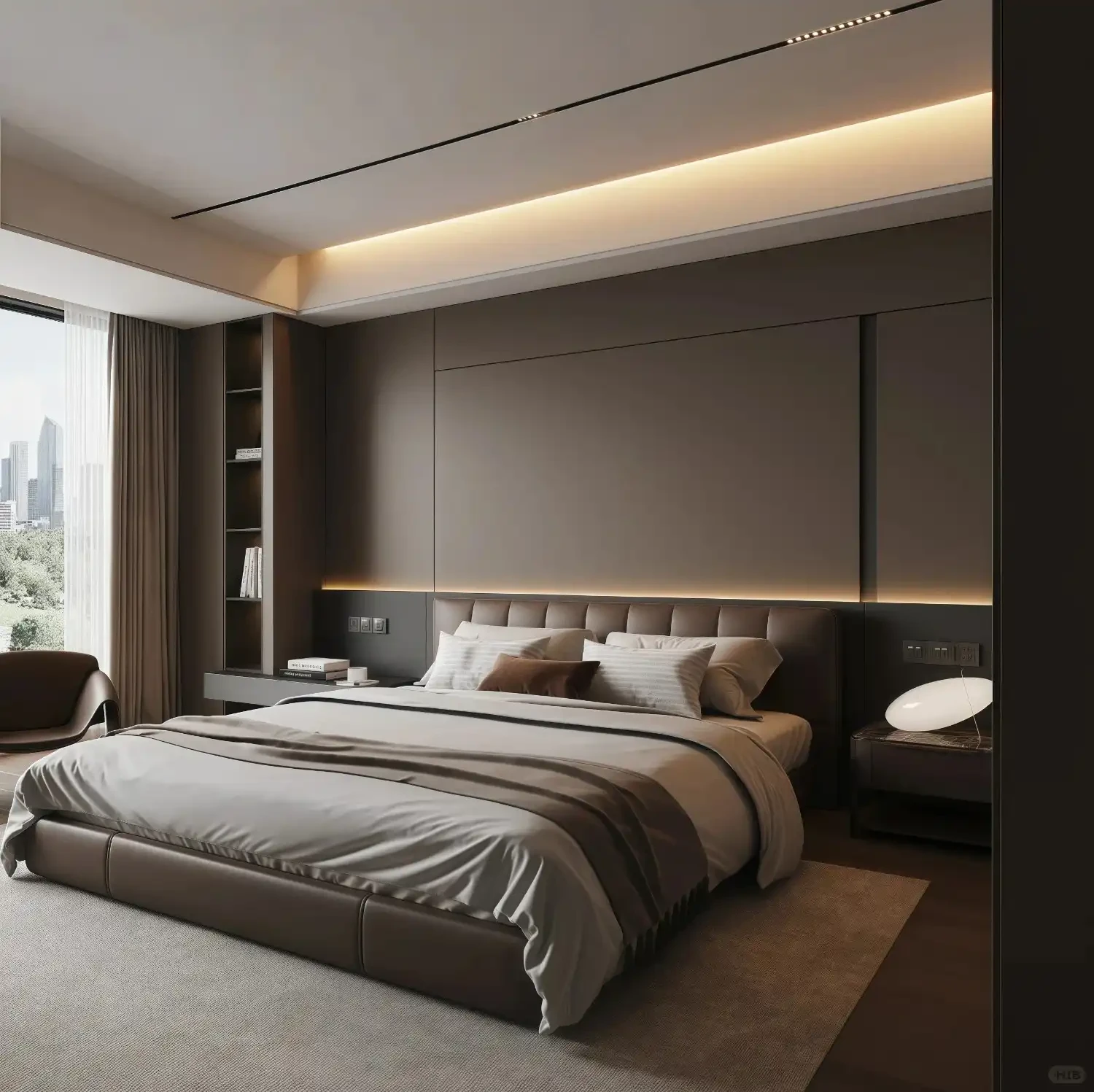
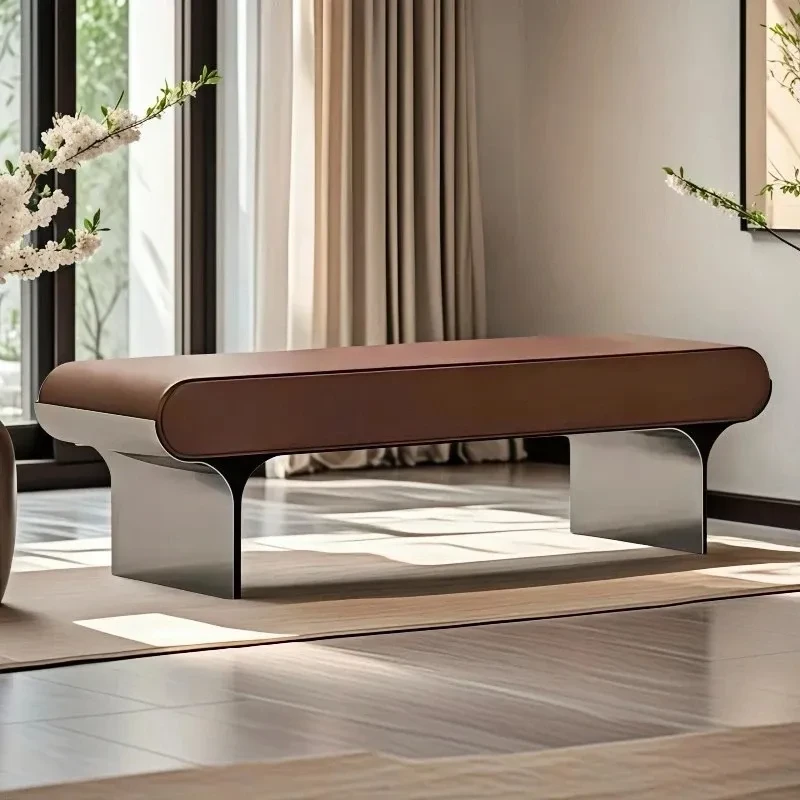

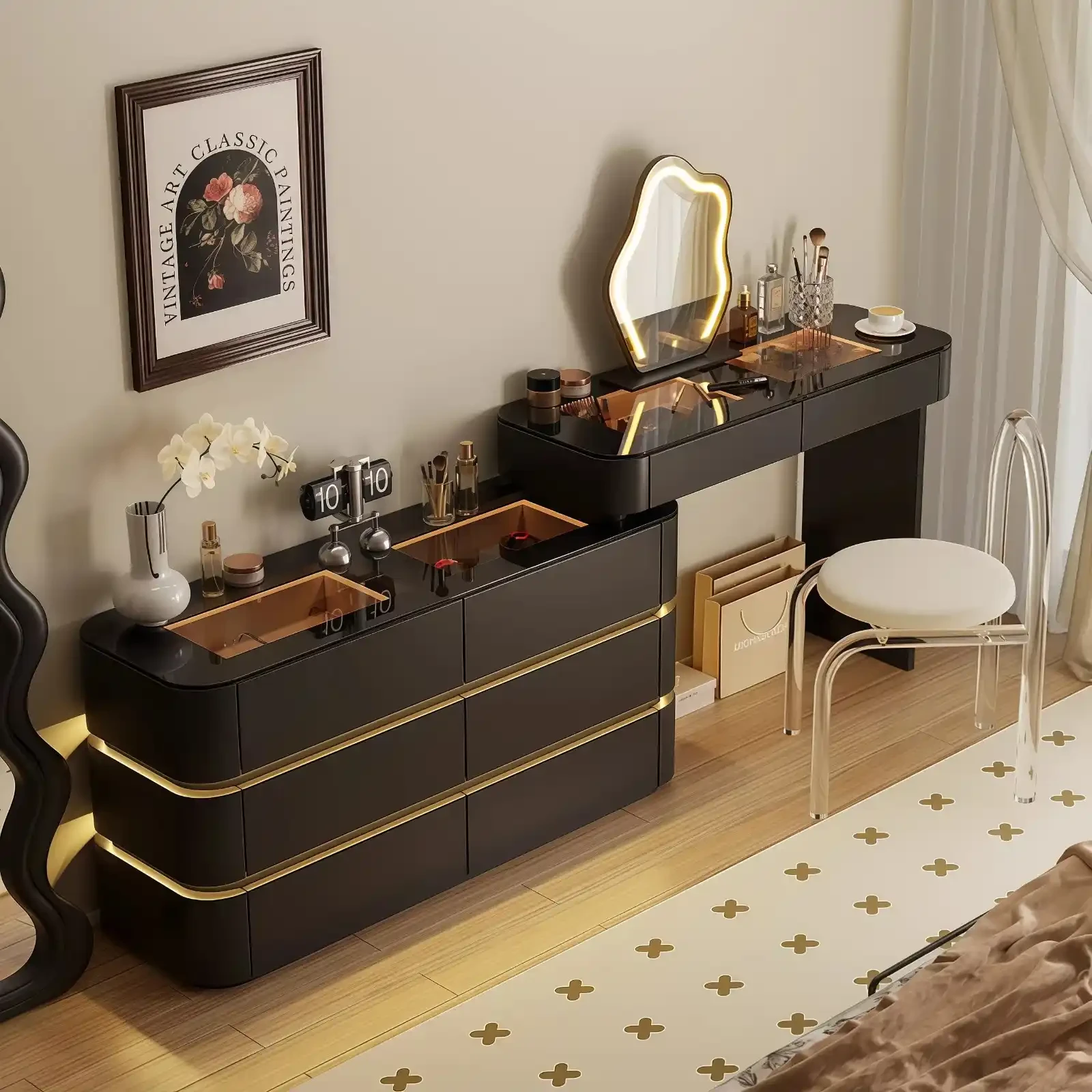
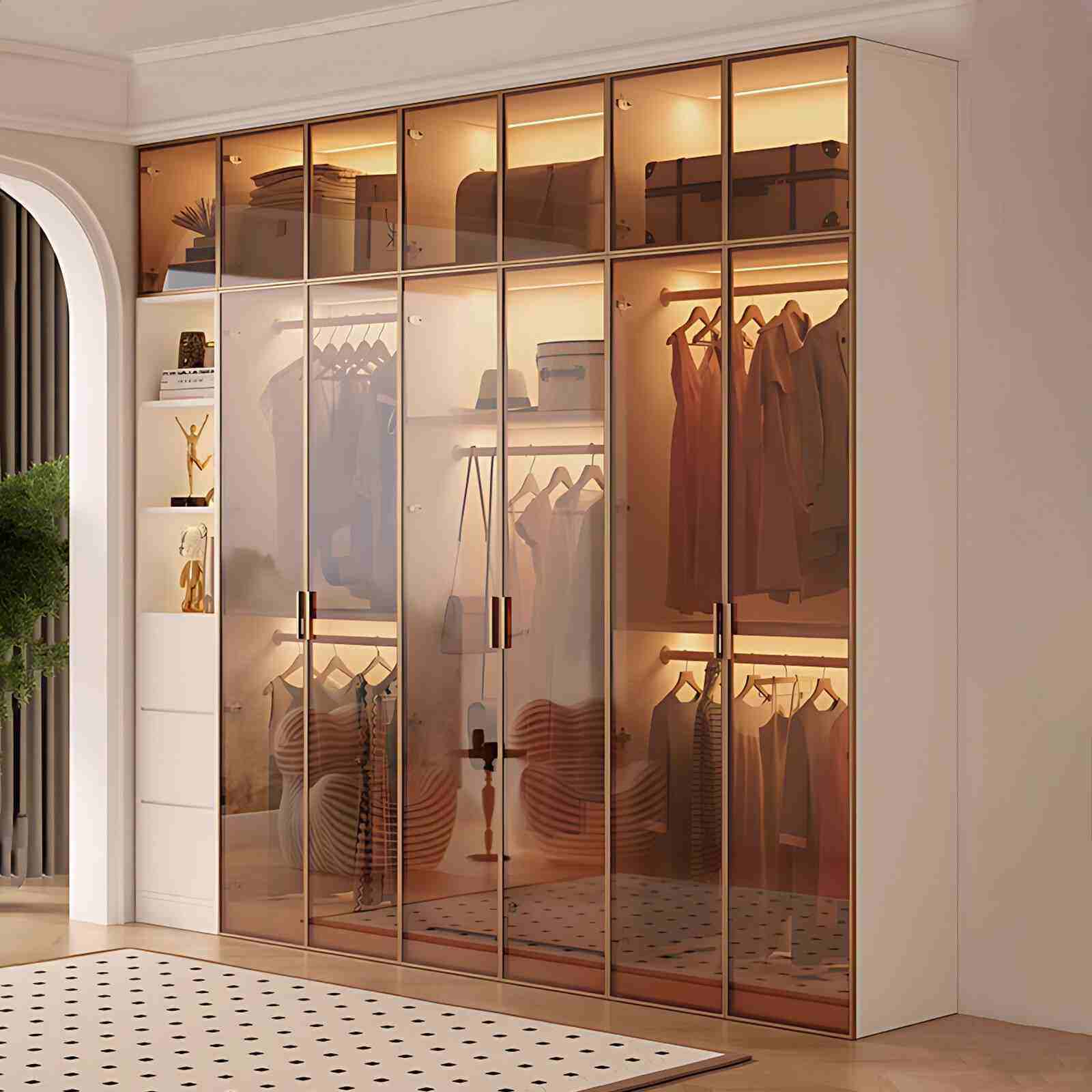
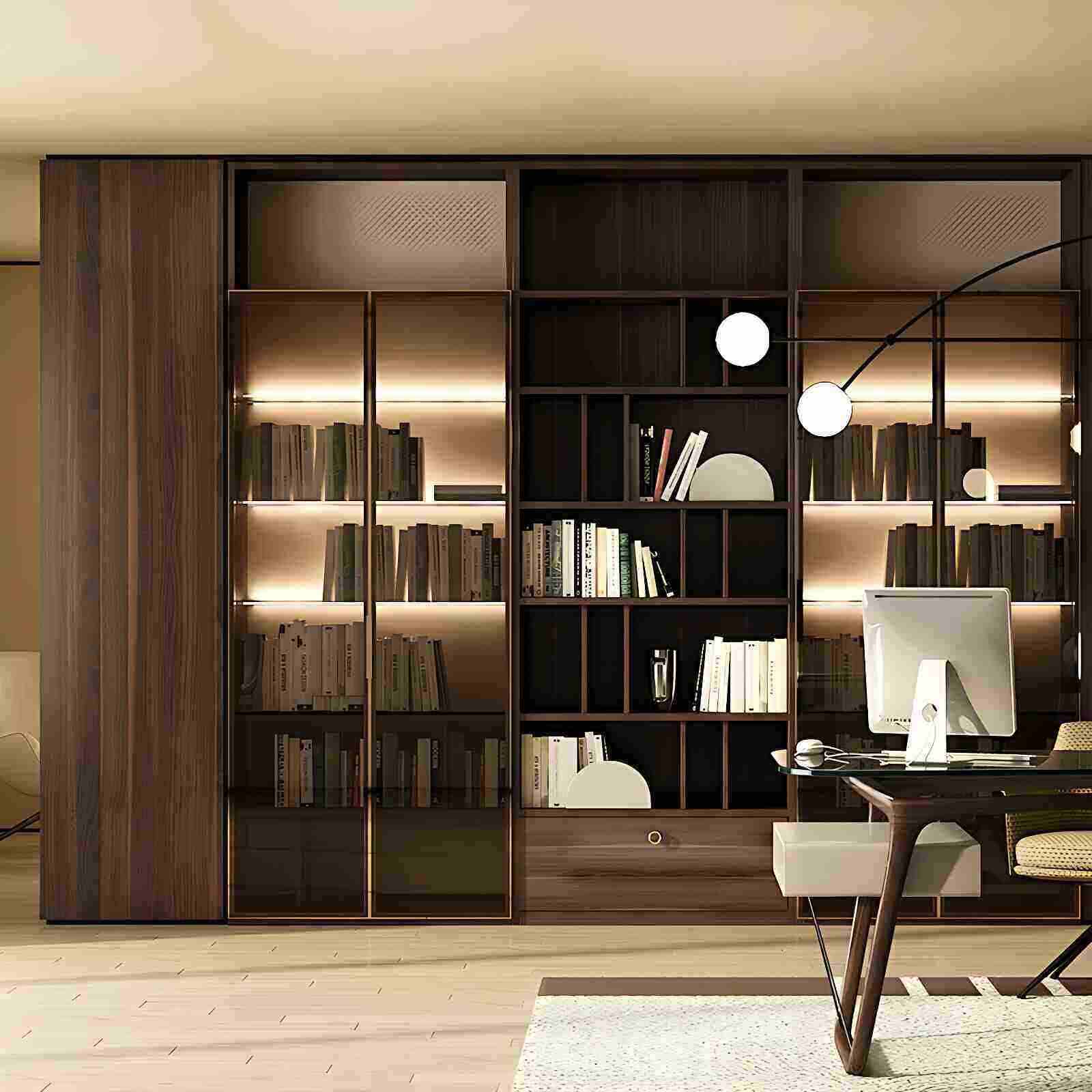

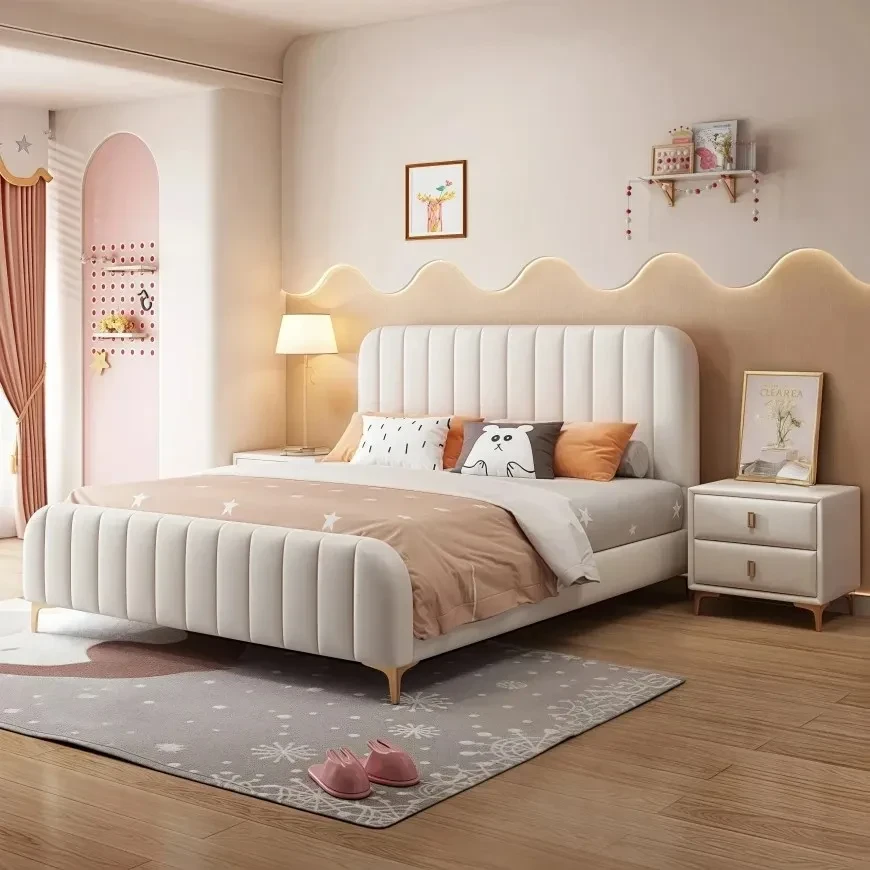
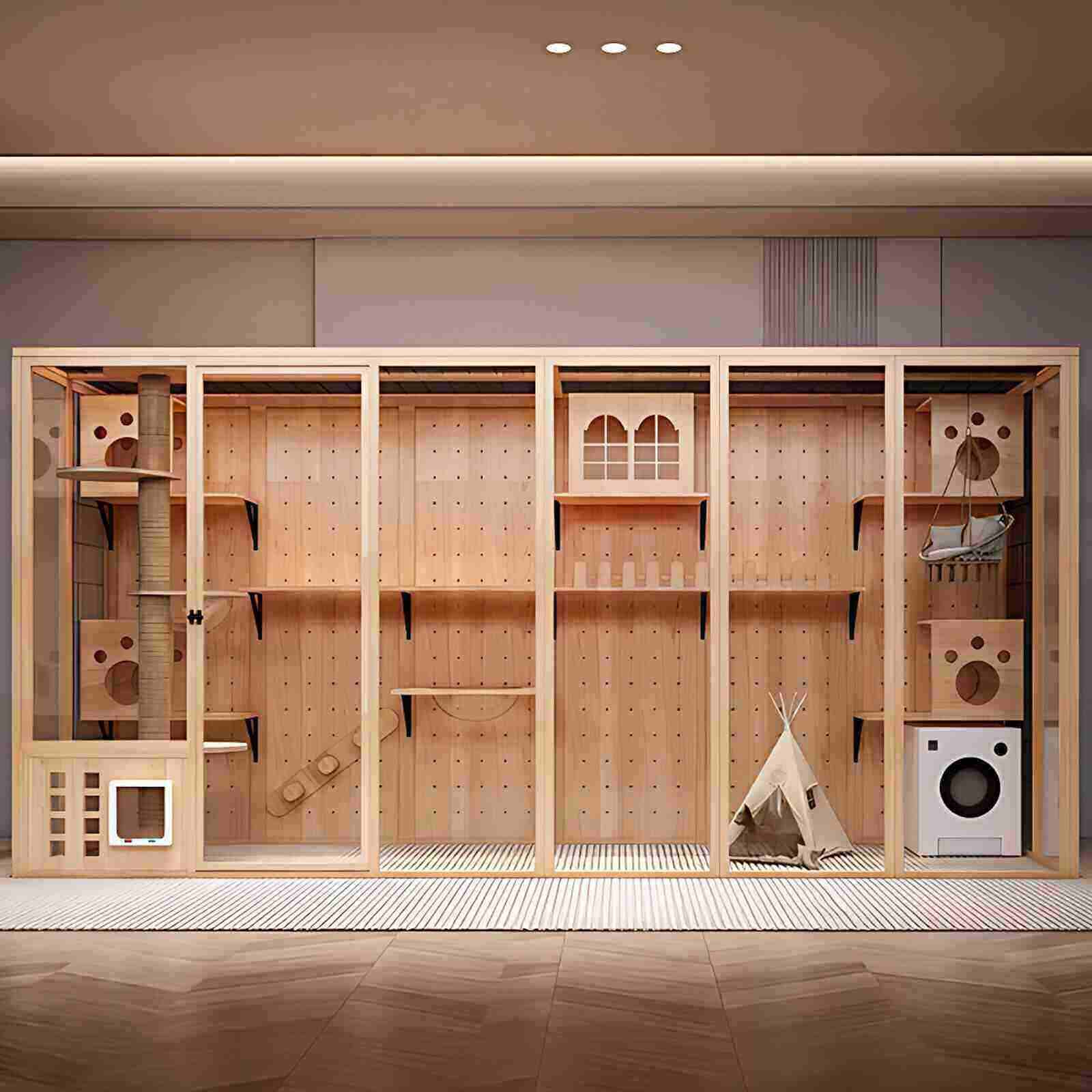
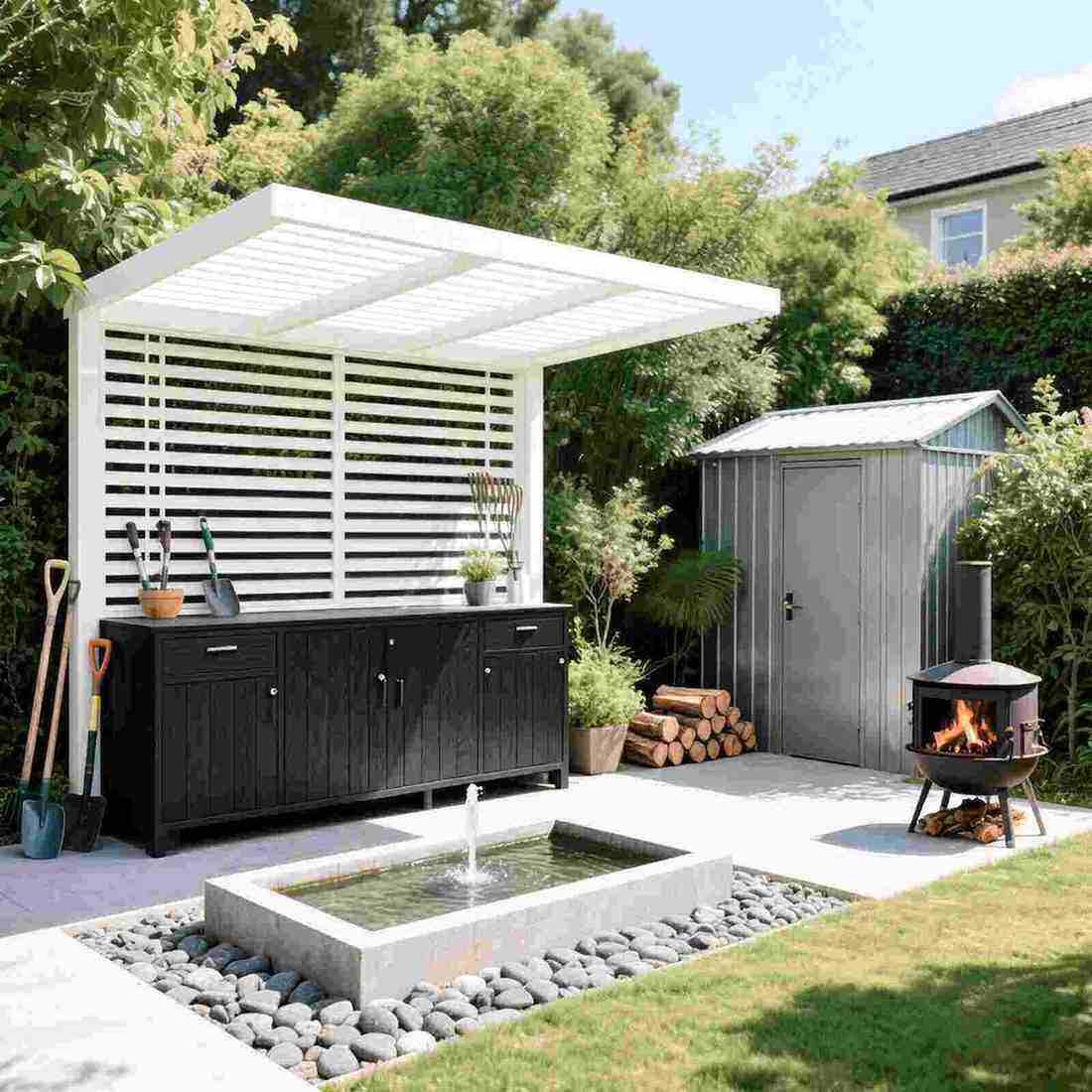
With the rapid development of the wood-based panel industry, a wide variety of wood-based panels have emerged in the market. While many panels share similar characteristics, they also possess unique properties. According to statistics from Wood-based Panel Network, bamboo-wood composite panels have the most diverse types and styles in the market. The main structural form of this type of panel is a laminated composite structure, primarily composed of wood veneer and wood squares; it is mainly made of bamboo strips, bamboo mats, bamboo curtains, and bamboo veneer. Below, we will provide a comprehensive overview of bamboo-wood composite panels.
Bamboo-wood composite engineered wood panels with veneer-faced bamboo mat plywood
The core layer of veneer-faced bamboo mat plywood is primarily bamboo matting, with the veneer formed by the surface layer. The thickness of the finished board depends mainly on the number of bamboo matting layers in the core. Veneer-faced bamboo mat plywood possesses excellent physical and mechanical properties, and it shares similar appearance quality and uses with wood plywood, thus occupying an important position in the board market with a very broad application prospect. Because the surface of bamboo matting has extremely poor smoothness, when it is hot-pressed and glued with veneer, the traces of the bamboo matting will more or less be visible on the surface of the board, especially after painting. The matting grain can be clearly seen through light refraction, thus affecting the board's appearance to some extent.
Bamboo-wood composite engineered wood panels: bamboo-faced plywood
Bamboo-faced plywood is made by softening bamboo strips through certain methods to use them as the surface material of the board. The core material mainly uses fast-growing trees such as poplar and Masson pine. The boards are then bonded together using roller-coated phenolic resin and finally processed under high temperature and pressure.
Bamboo-wood composite engineered wood panels - Bamboo-wood composite flooring
Bamboo-wood composite flooring primarily uses bamboo as its surface layer, resulting in a unique appearance and a simple, elegant decorative effect. This composite material is less expensive than pure bamboo flooring, making it a cost-effective and aesthetically pleasing new type of flooring. Bamboo-wood composite flooring mainly comprises two structures: bamboo veneer and rotary-cut bamboo veneer. It boasts extremely stable performance and will not warp or deform due to heat or moisture.
In general, regardless of the type, all bamboo-wood composite engineered wood panels utilize advanced bonding processes and physicochemical treatments, resulting in excellent stability and resistance to mold and insect infestation. Therefore, they are a preferred surface decoration material for hotels, villas, offices, and upscale residences.