
 USD
USD GBP
GBP
 EUR
EUR
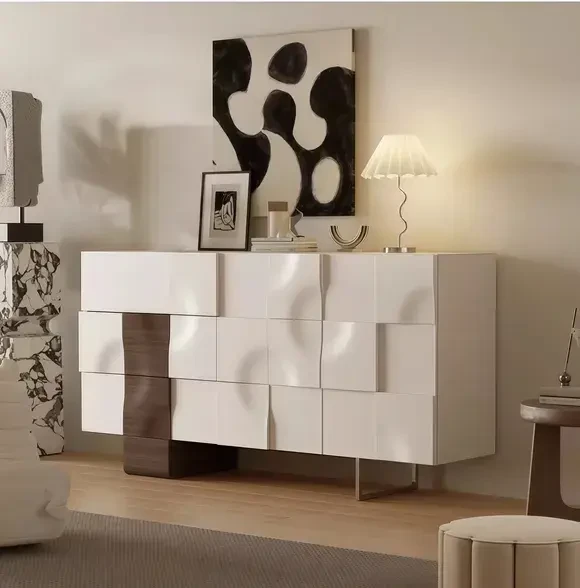
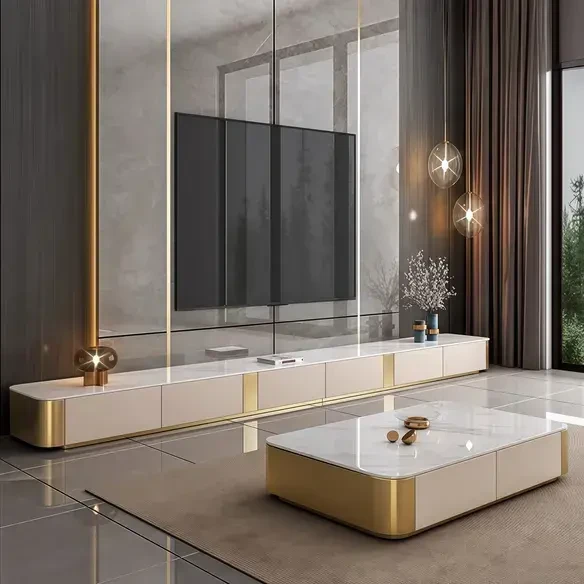
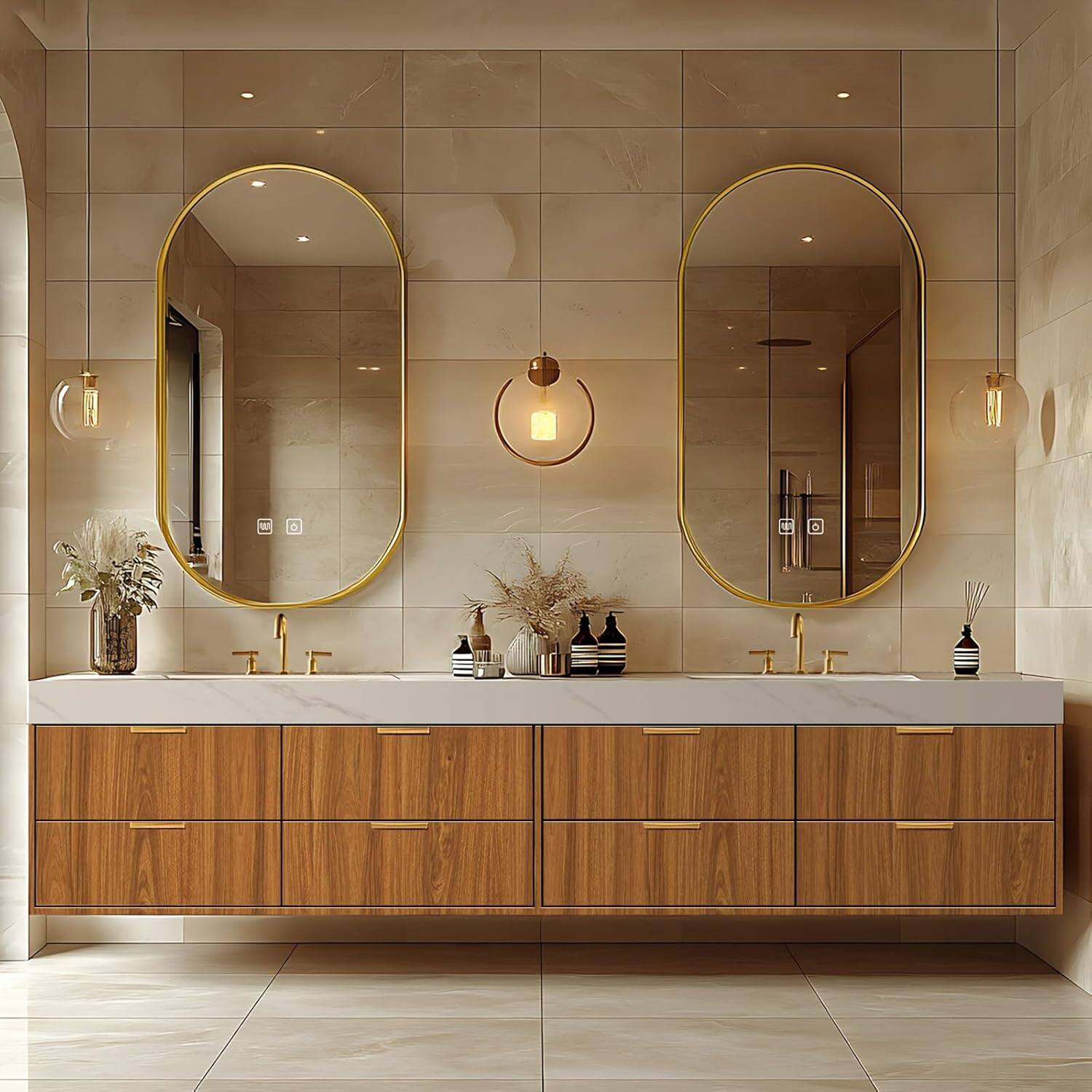
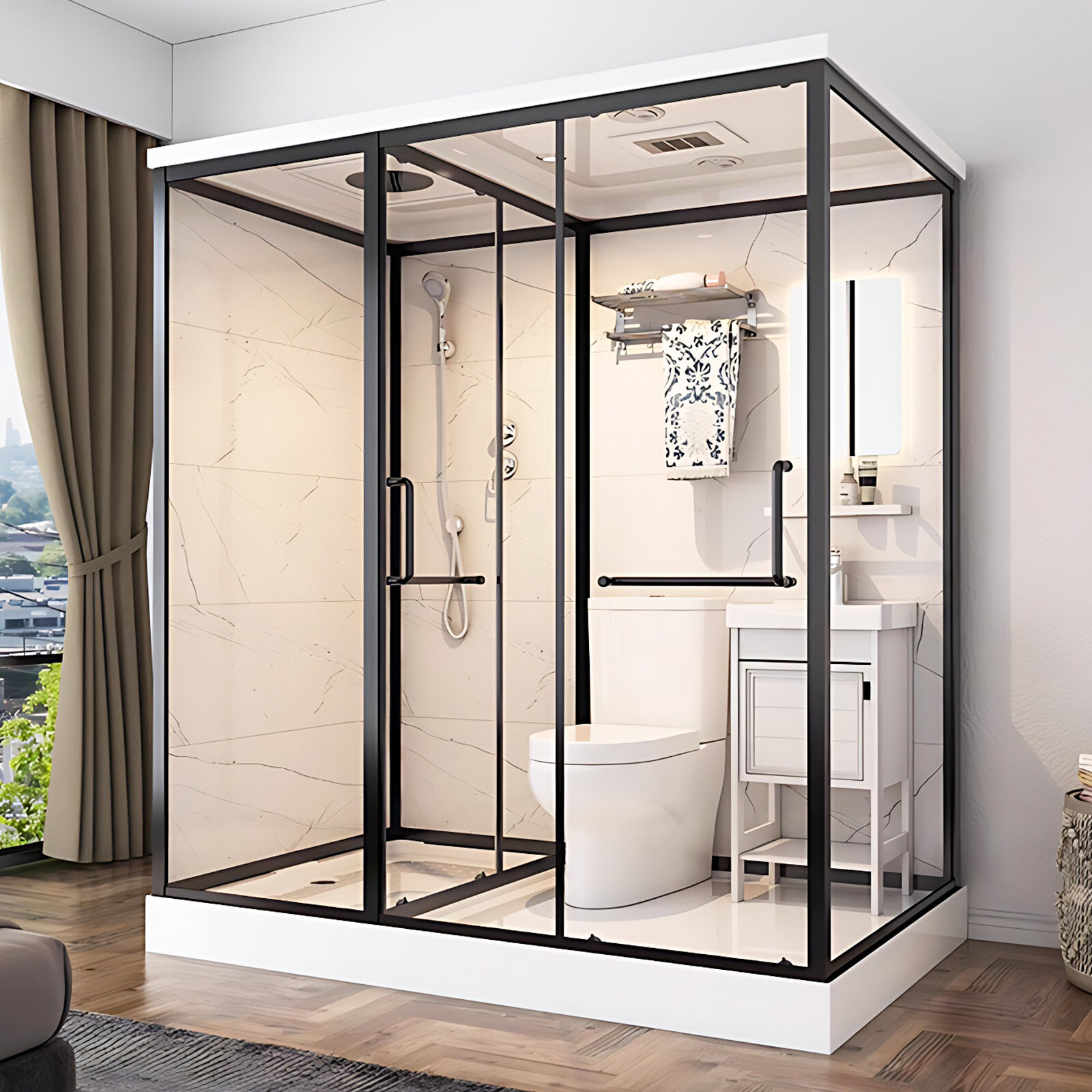
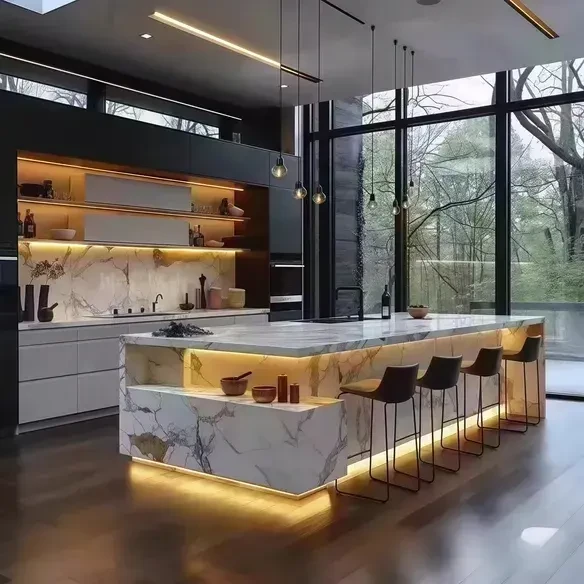
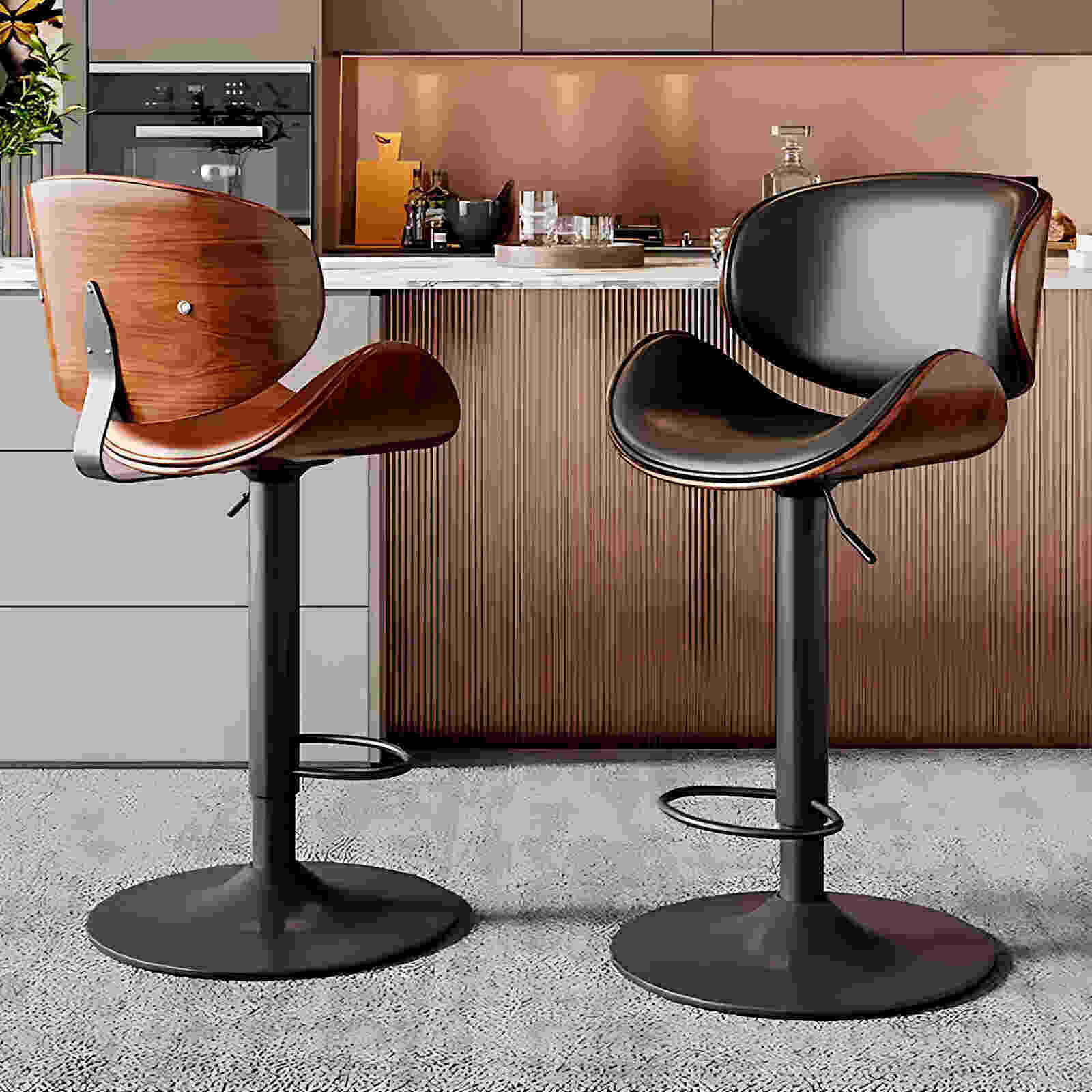
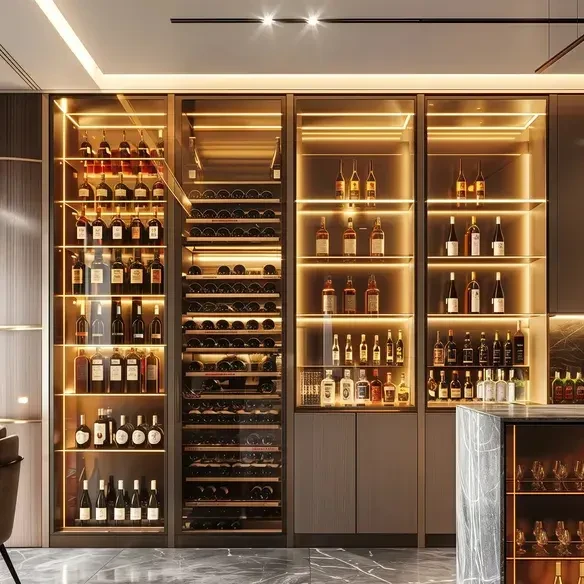
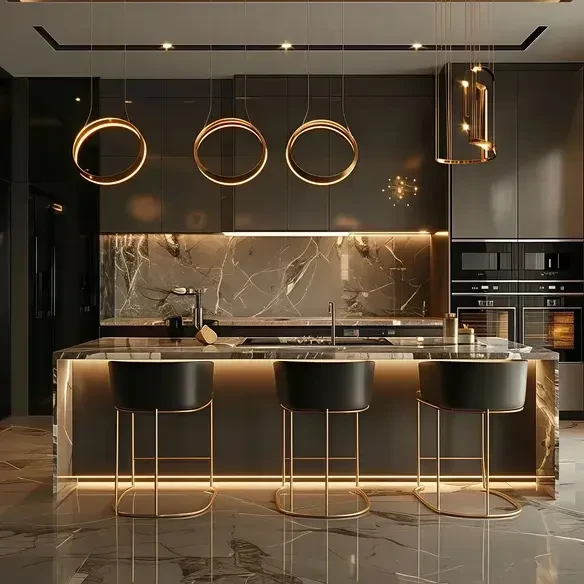
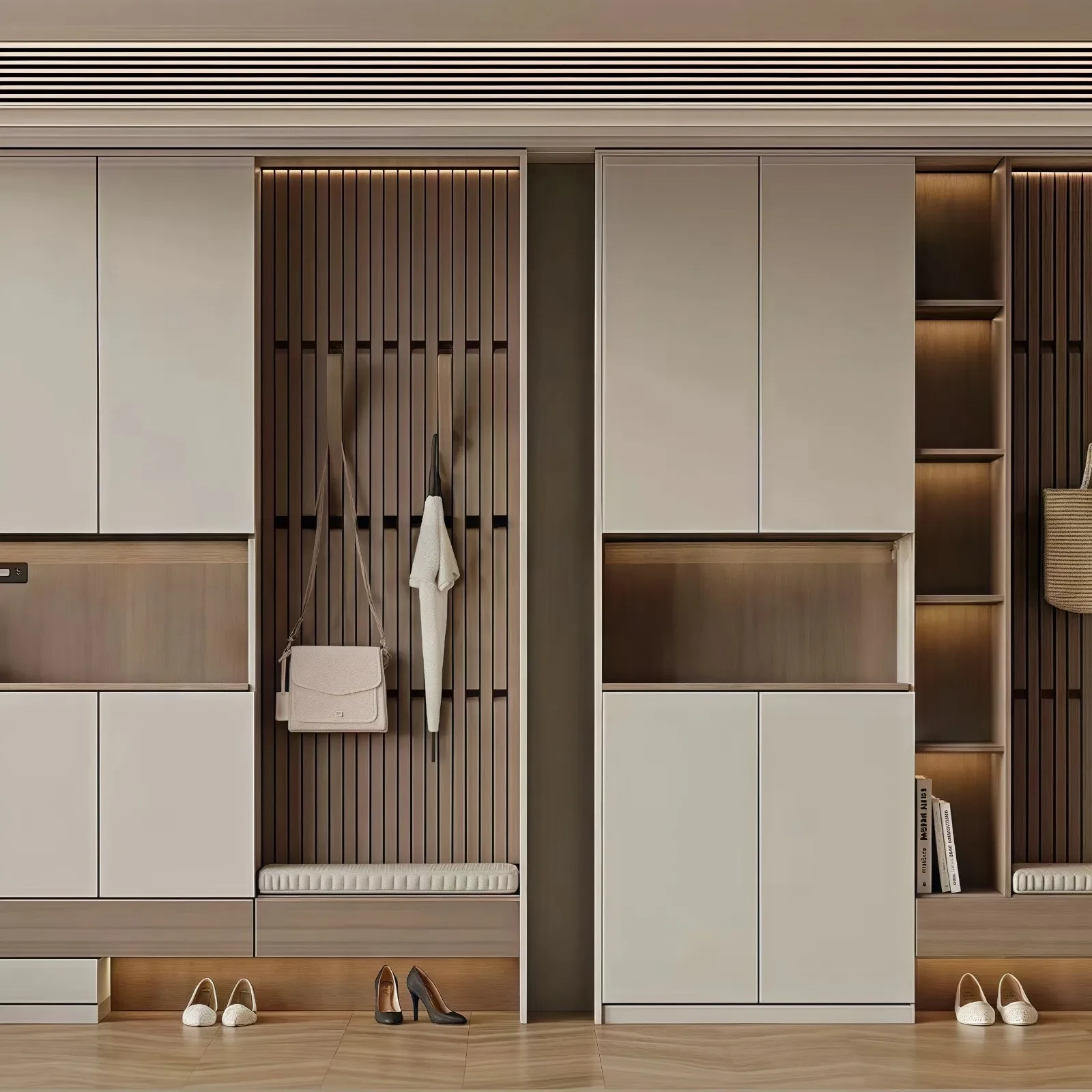
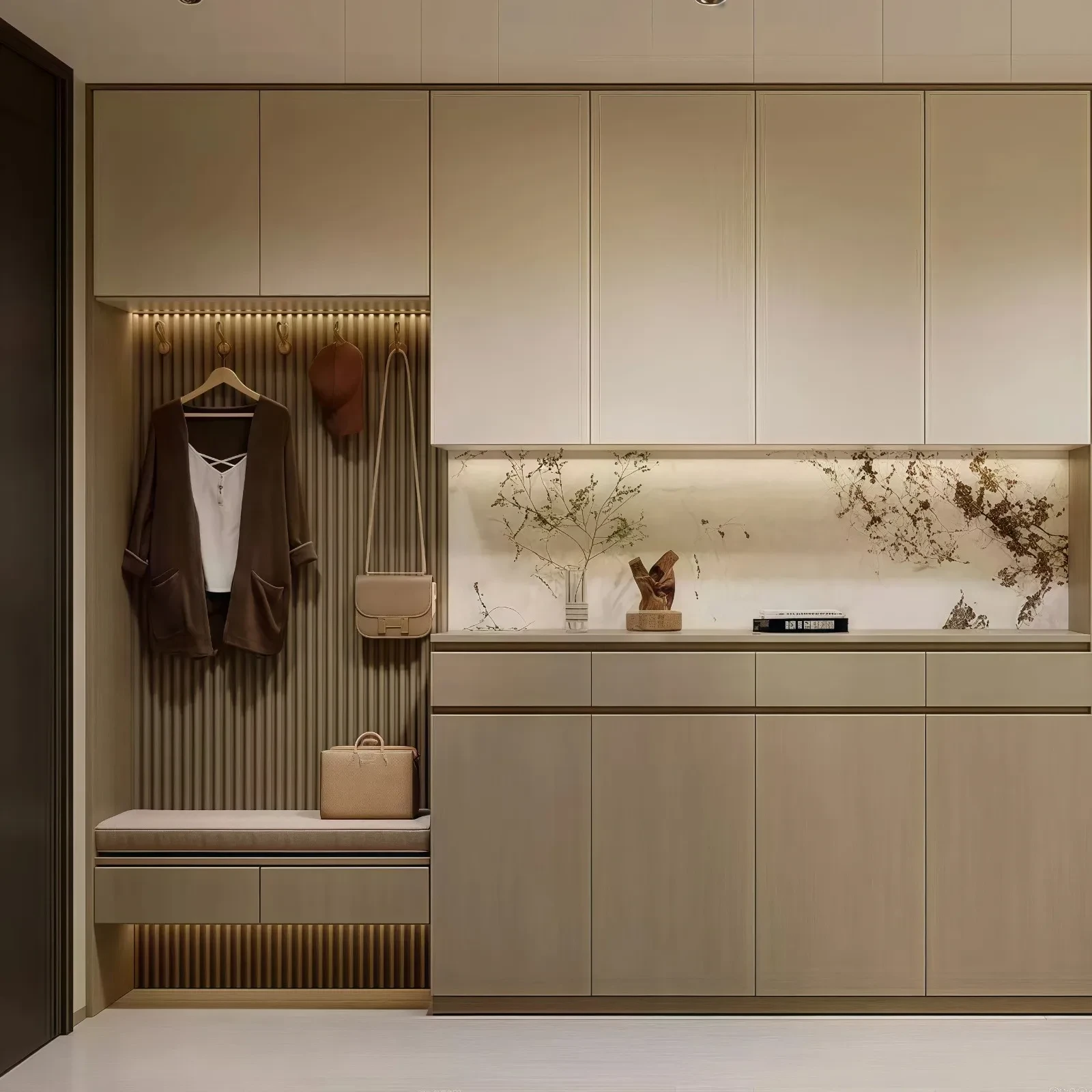
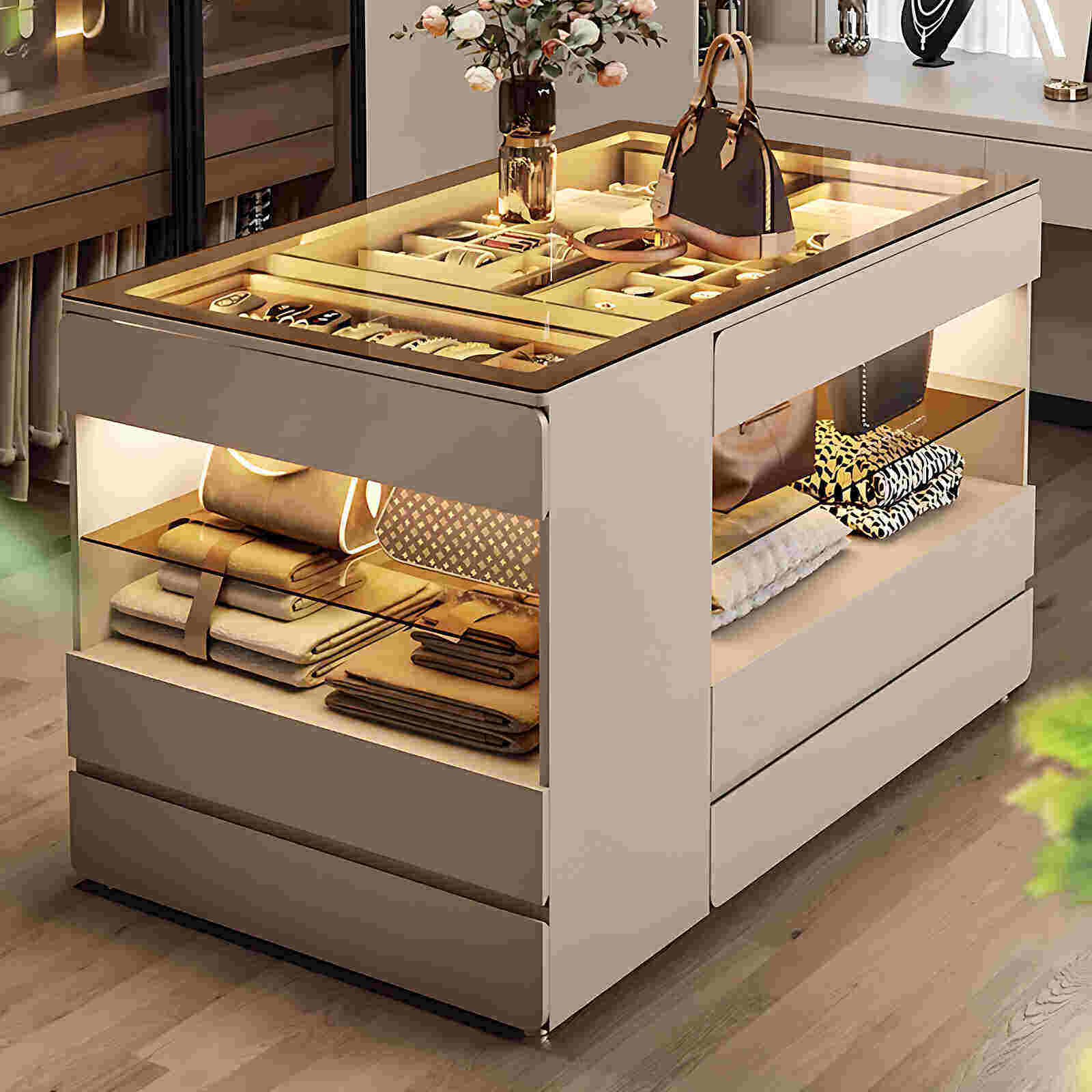
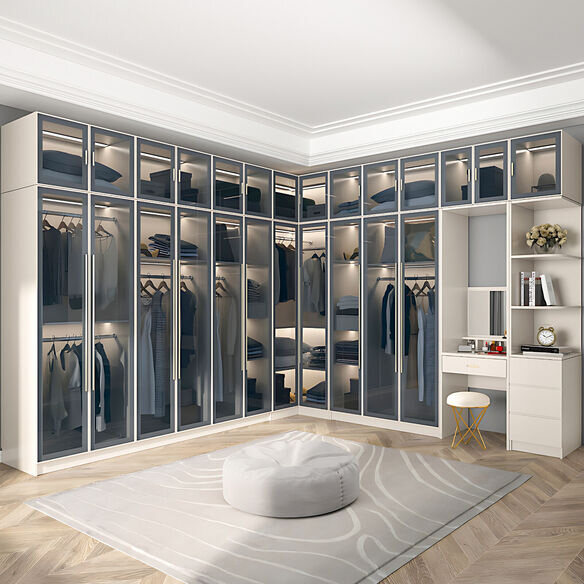
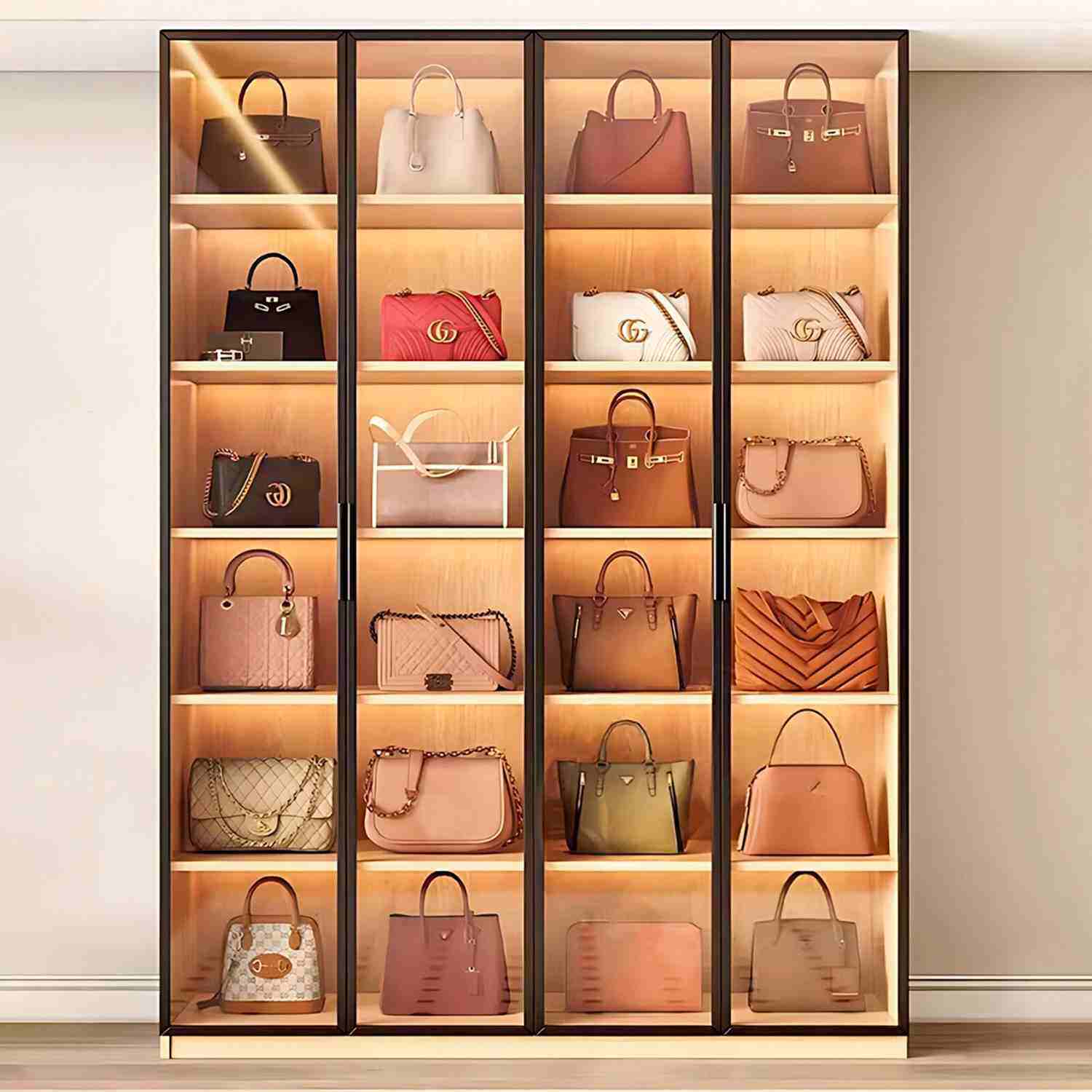
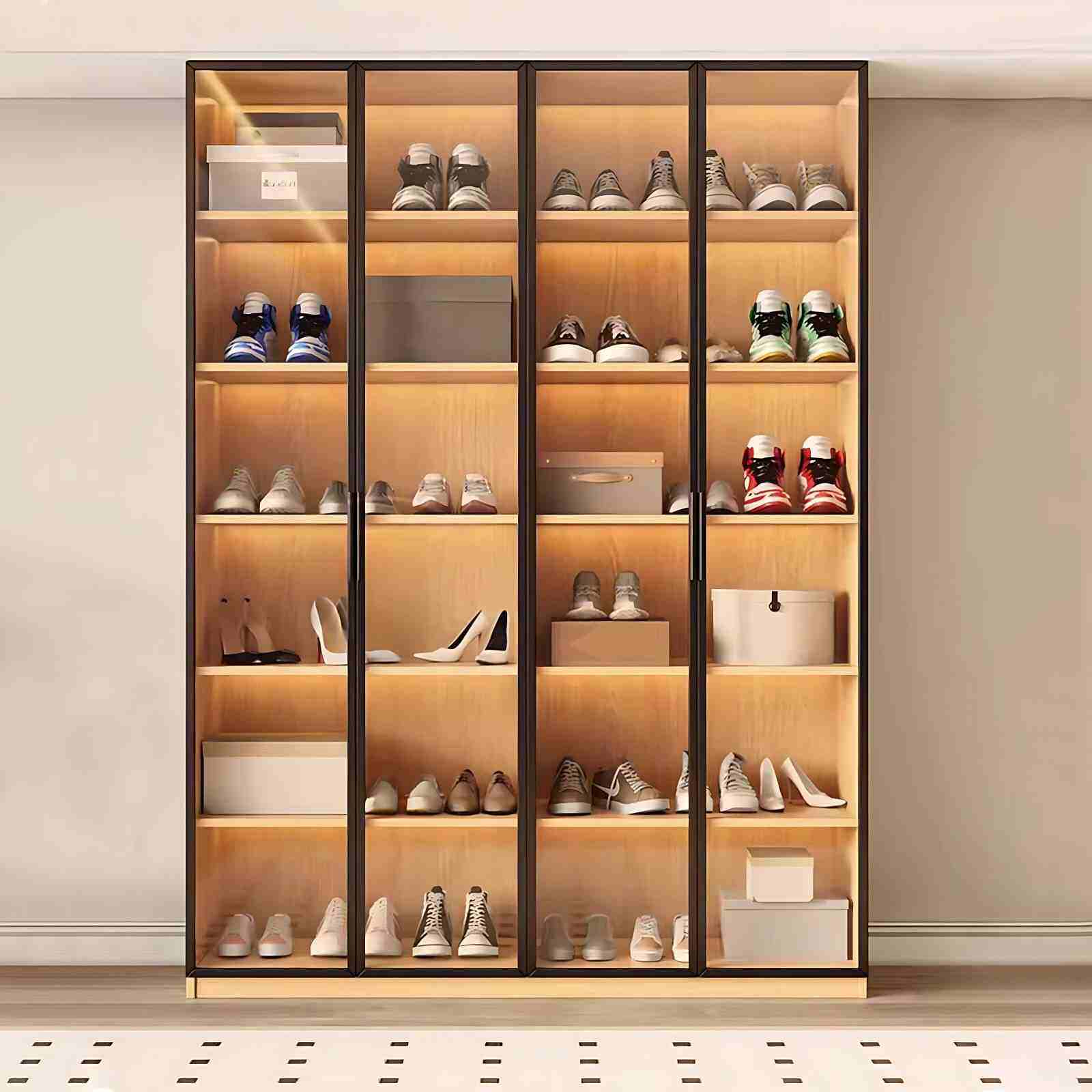
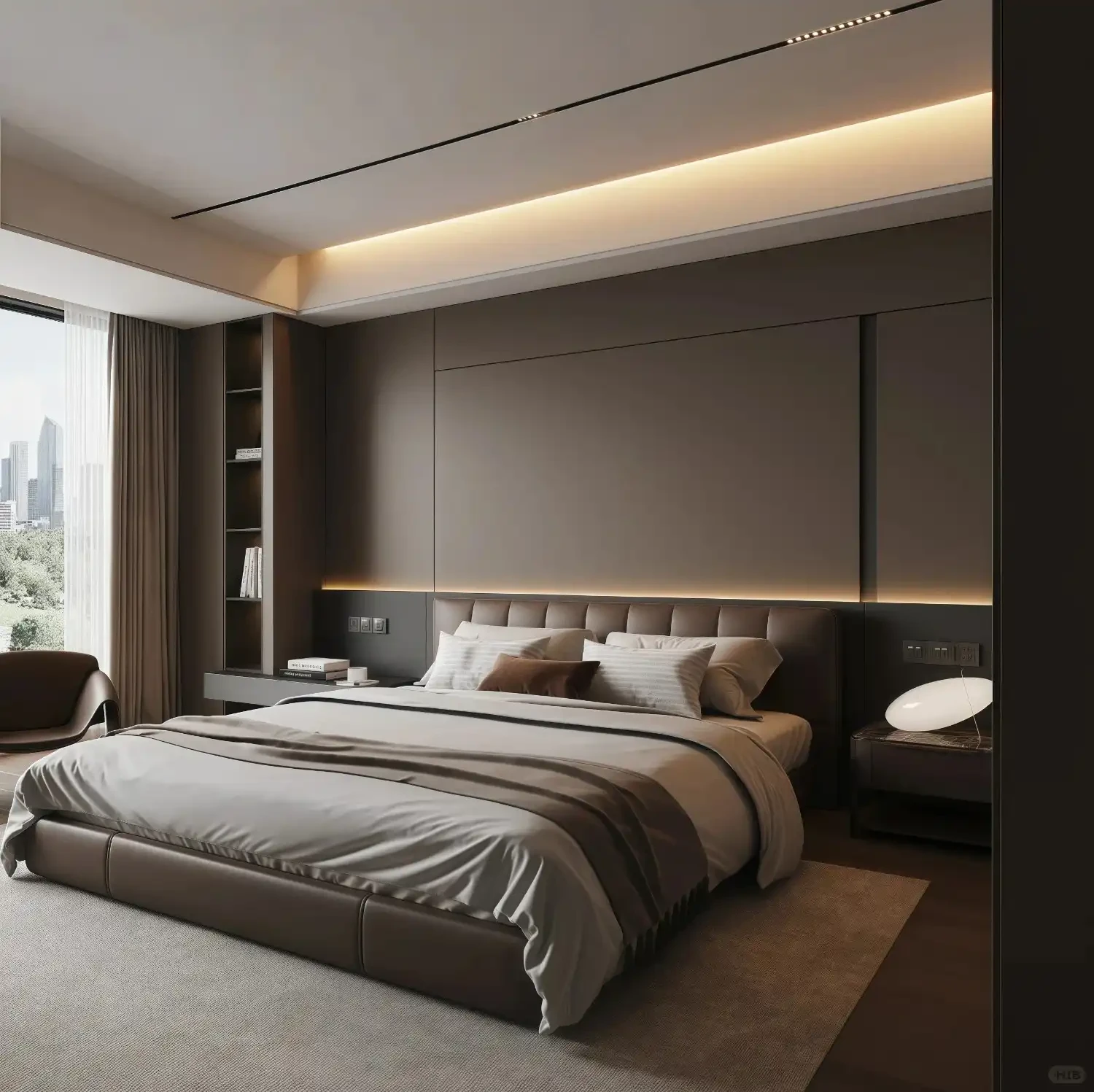
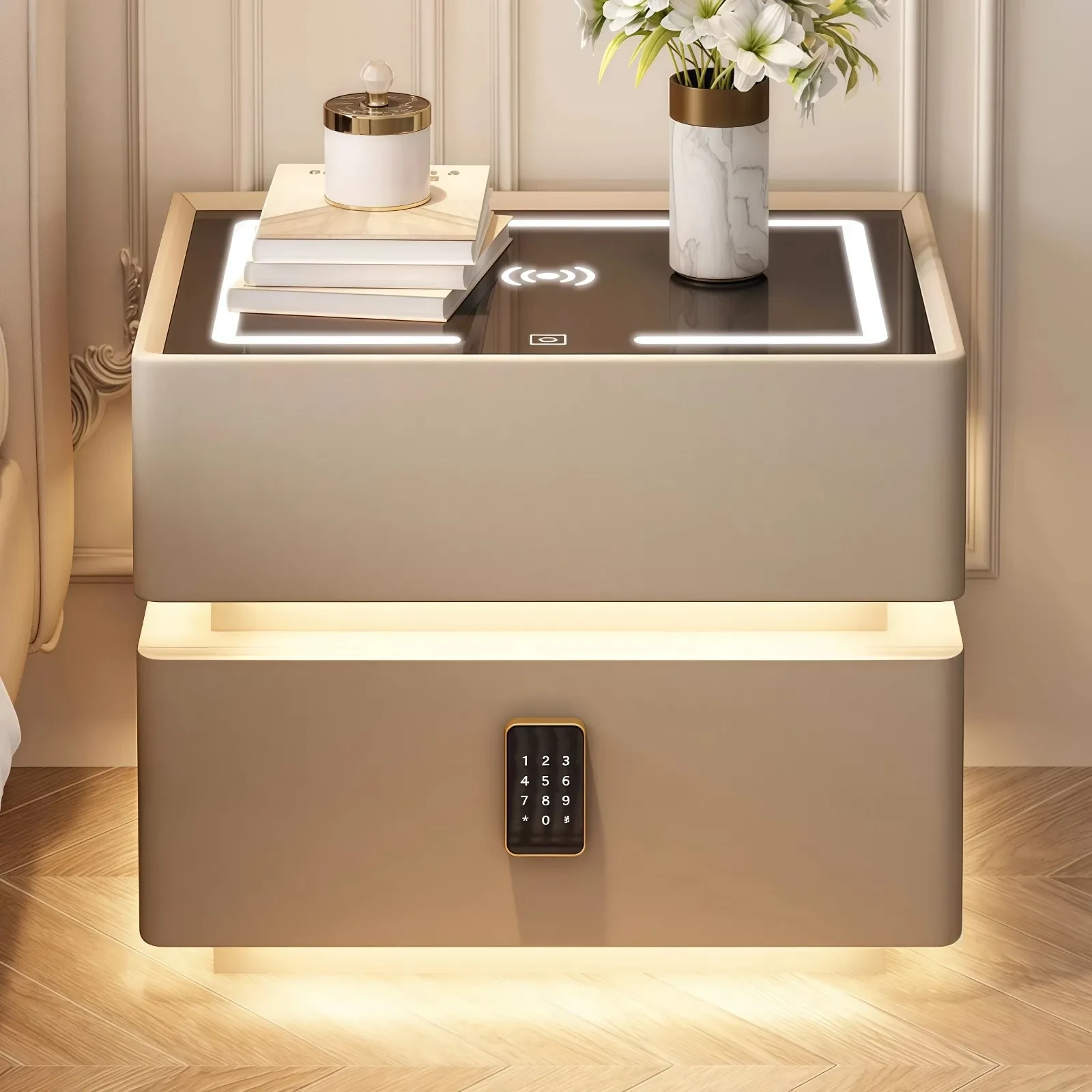
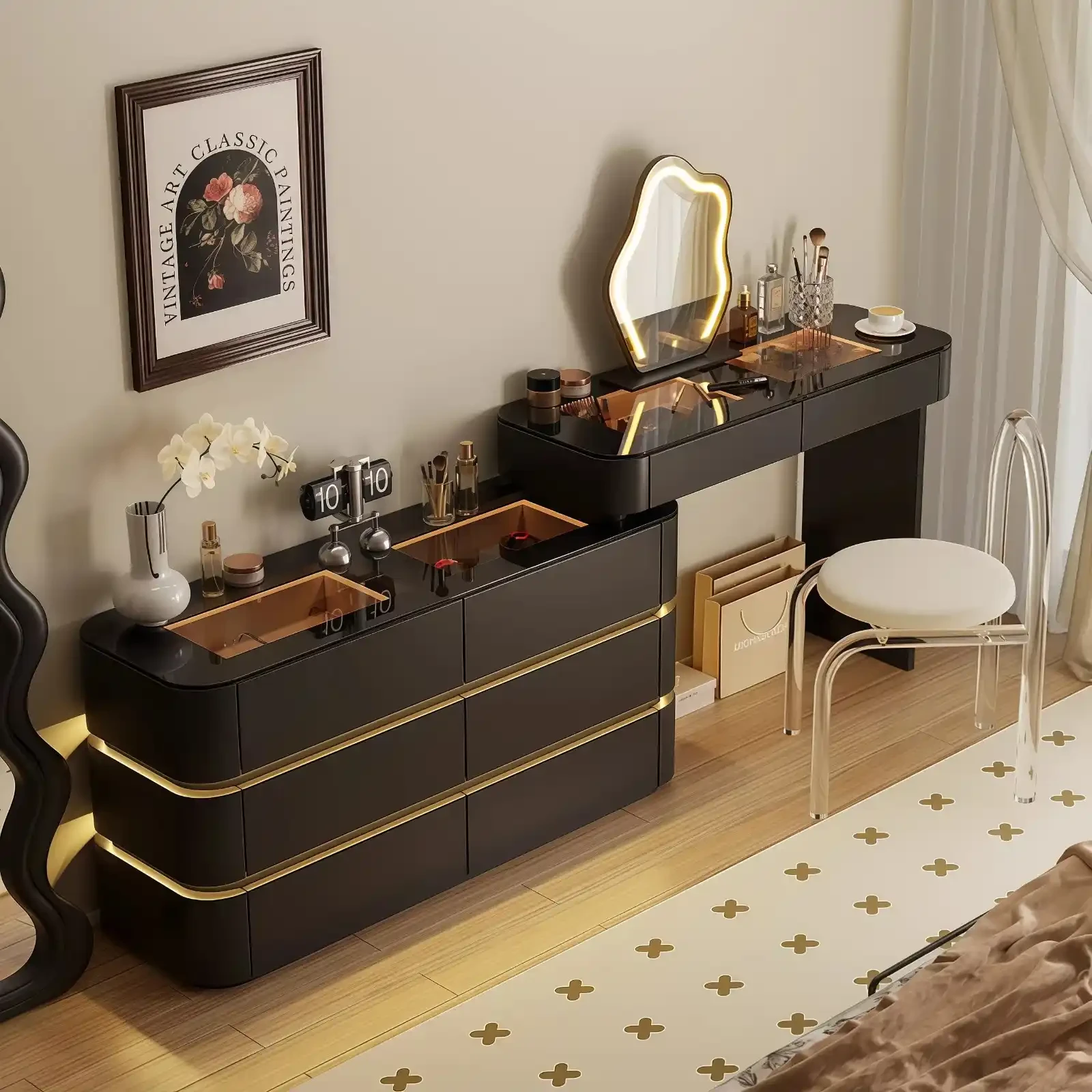
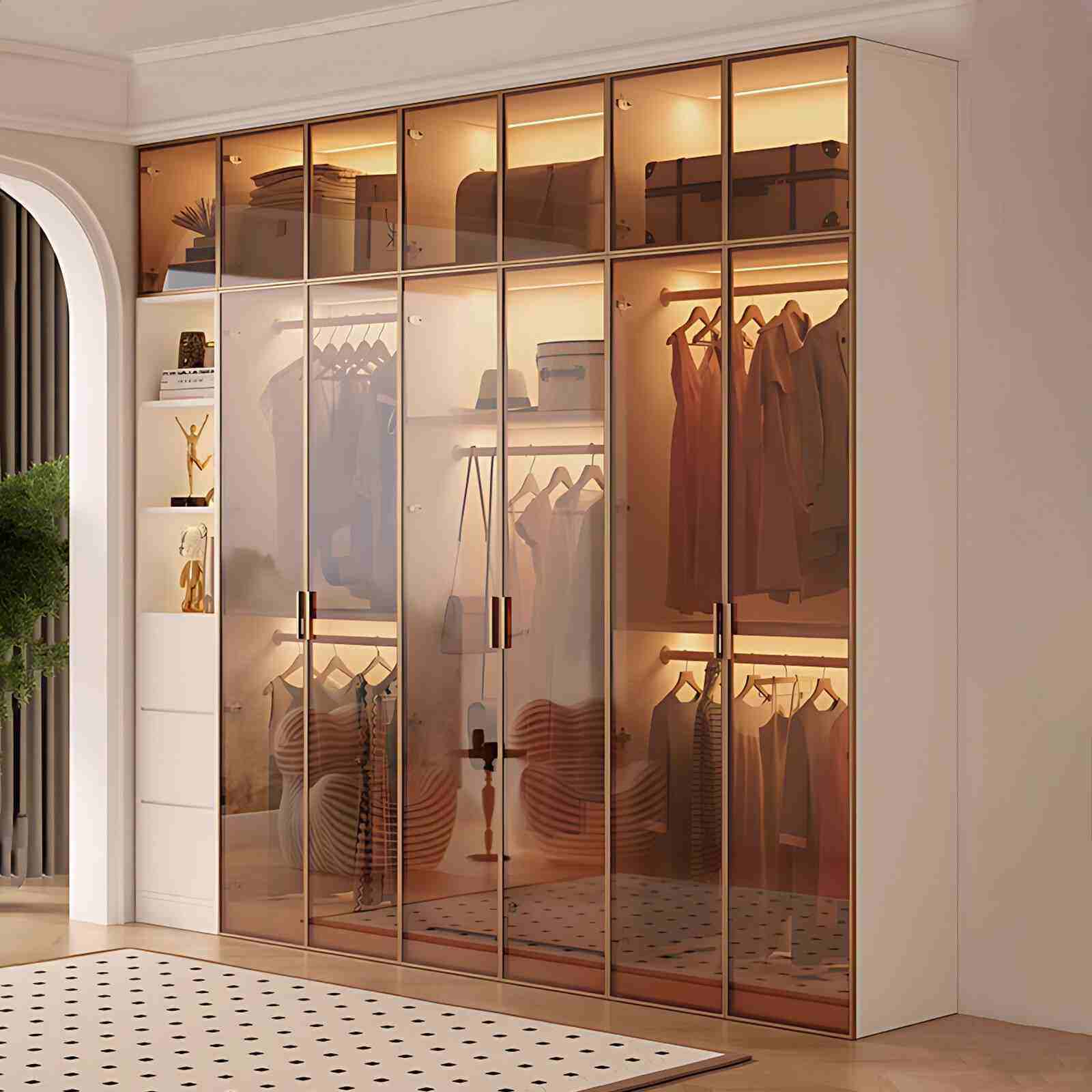
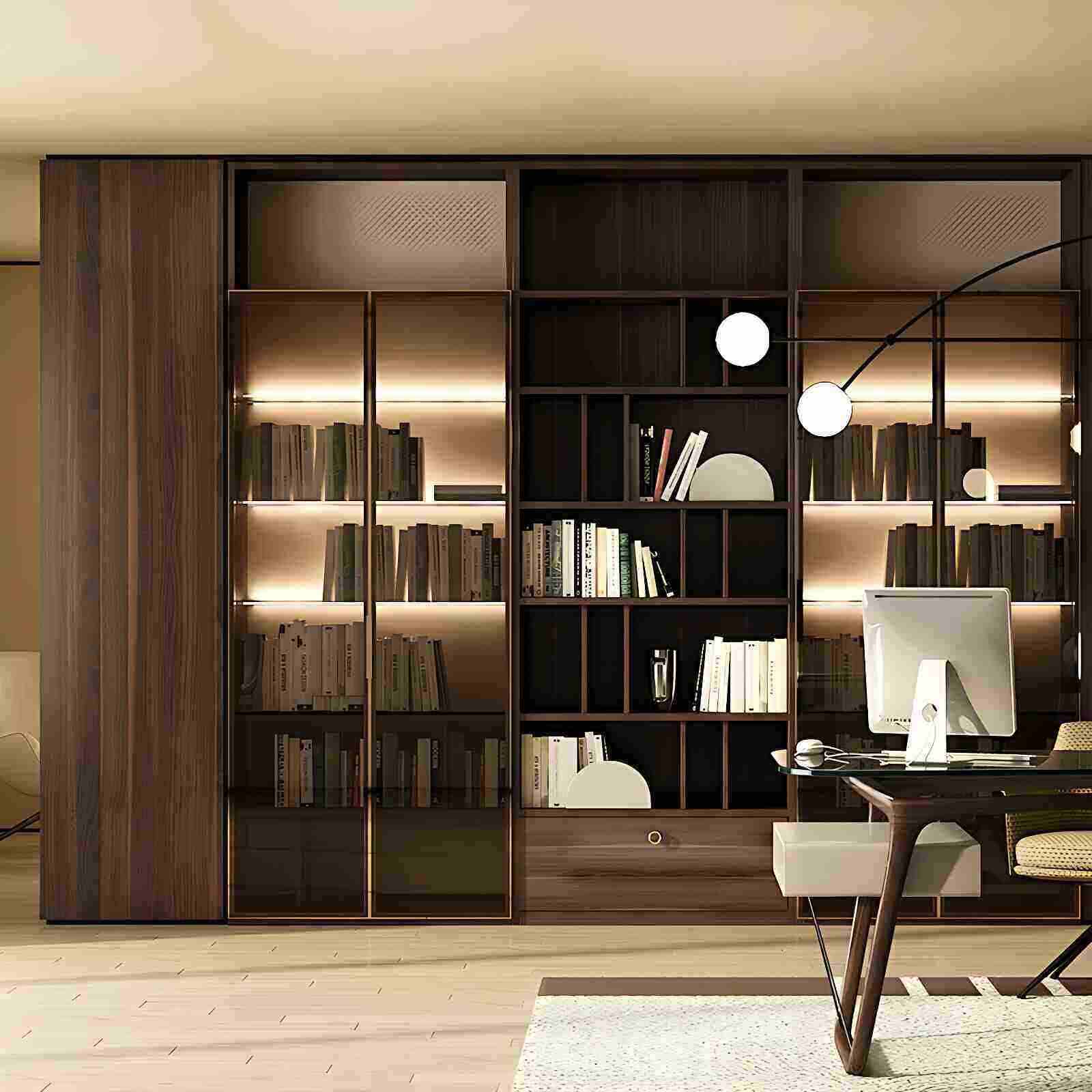

Many people are unfamiliar with the differences between eco-friendly boards and plywood when renovating their homes, and they don't know which material is better or worse. As a result, they easily buy the recommended products after being misled by the renovation company. In fact, you just don't know much about them. Today, I will take you through a cost-effectiveness analysis of eco-friendly boards and plywood.
What is an eco-friendly board?
Eco-friendly boards, also known as melamine-faced boards or melamine-faced boards, are made primarily of plywood with MDF as the base material. A layer of melamine is applied to the surface, and the boards are manufactured using a hot-pressing process. This material is corrosion-resistant, fireproof, moisture-proof, and acid and alkali-resistant, and is widely used in flooring, furniture, and other decoration applications.
What is plywood?
Plywood, also known as blockboard, is mainly made by splicing two veneers together. Glue is placed between the two veneers, and then a lot of pressure is applied to press them together to form plywood. Plywood is commonly used for ceilings and walls because of its attractive appearance.
What are the differences between eco-friendly boards and plywood?
Firstly, plywood does not have a surface veneer, so it is not suitable for making furniture. If you want to make furniture, you have to apply a veneer or paint on the outside, which will result in excessive formaldehyde content and increase labor and material costs, making it not worth the effort.
Ecological boards can be used directly in general decoration because they have a veneer on the surface, so they can be used directly during decoration.
Prices for plywood range from 90-170 yuan, while prices for eco-friendly boards range from 150-280 yuan, with the exact price depending on market trends. After reading this analysis of the cost-effectiveness of eco-friendly boards and plywood, do you still have any doubts?