
 USD
USD GBP
GBP
 EUR
EUR



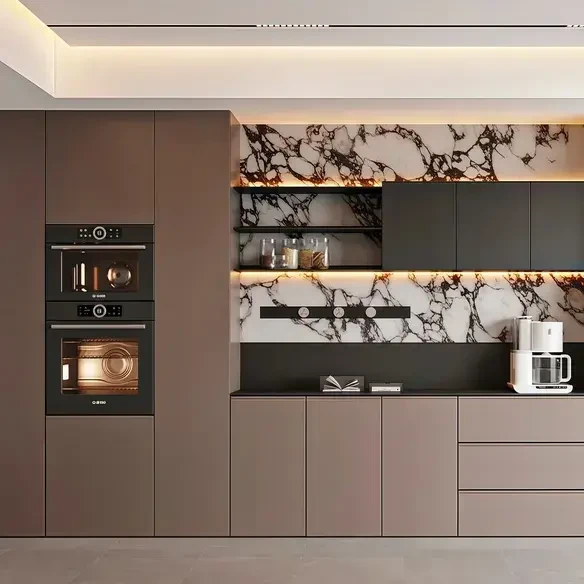



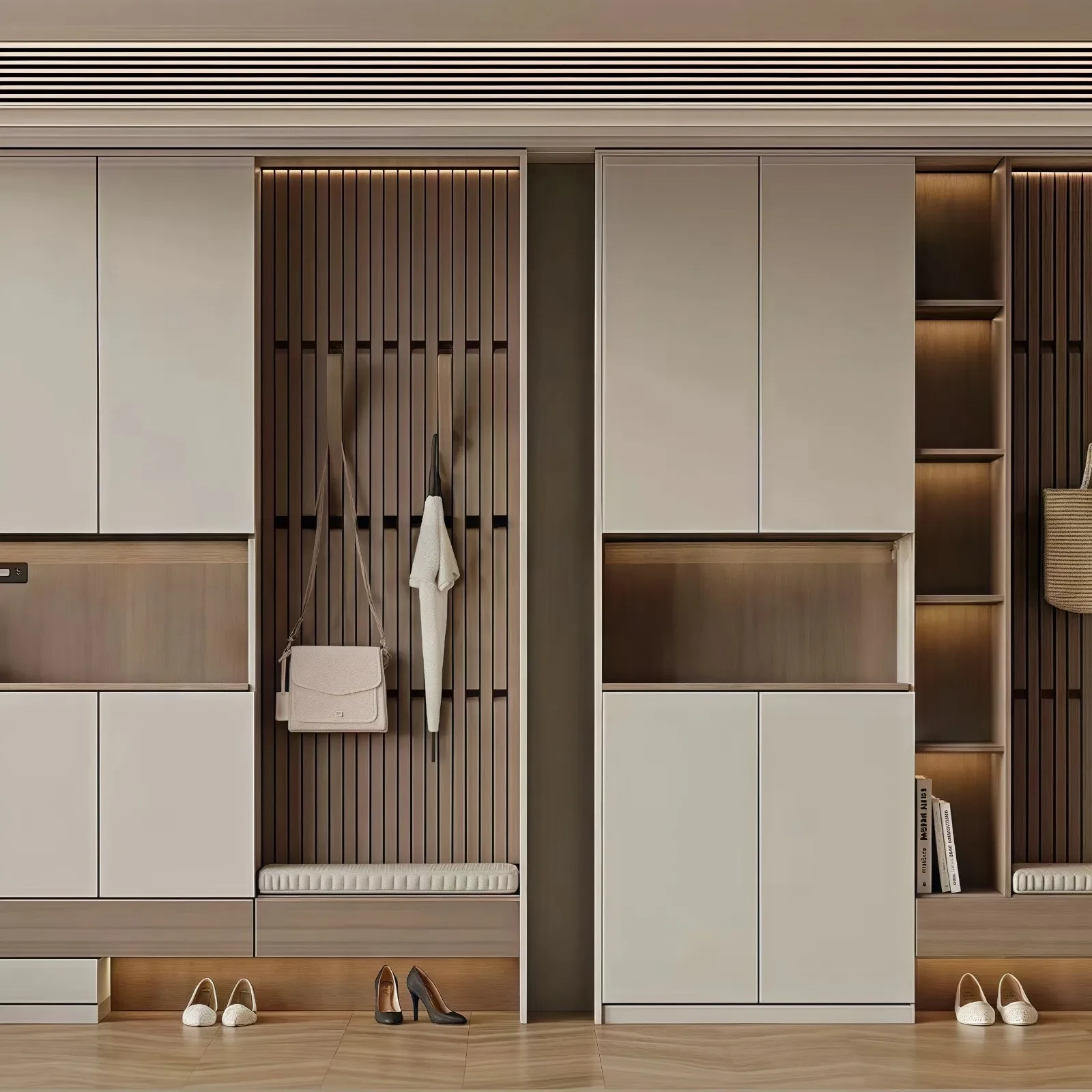
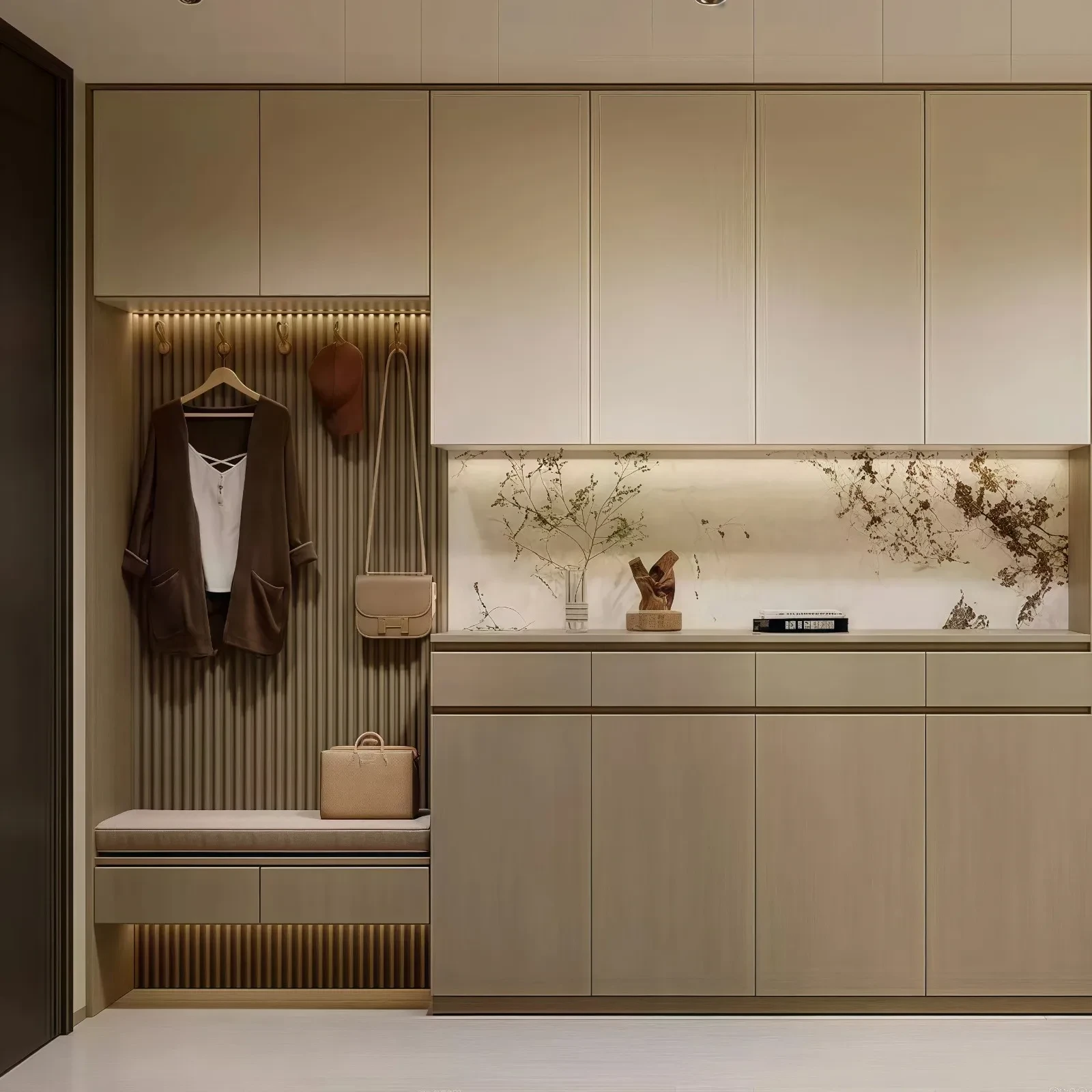
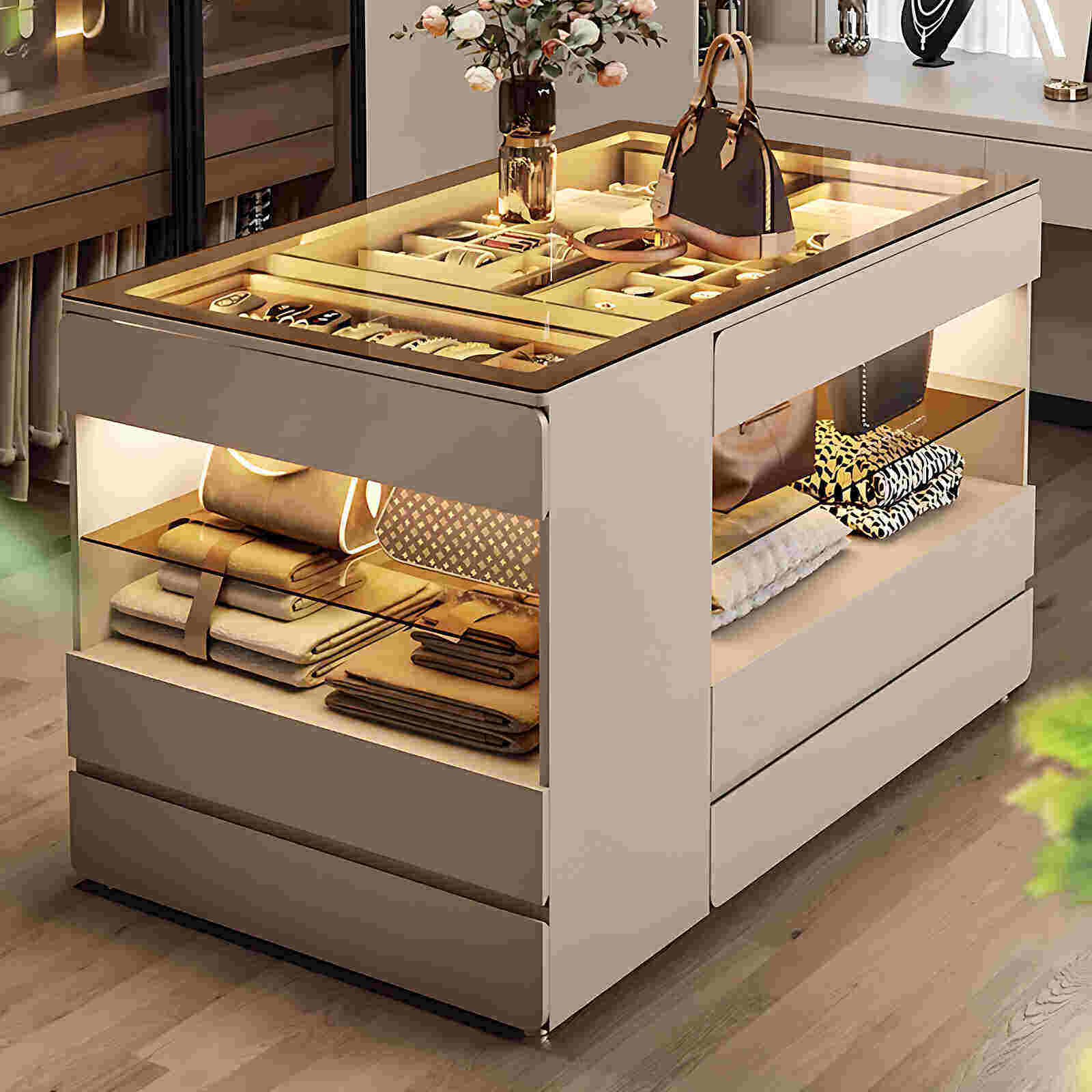
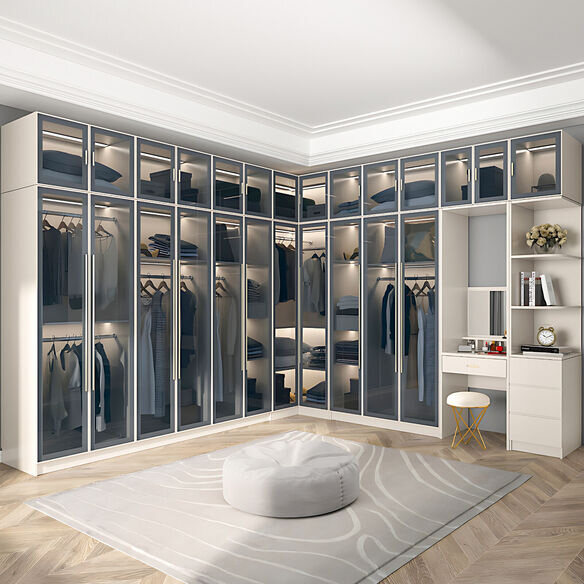
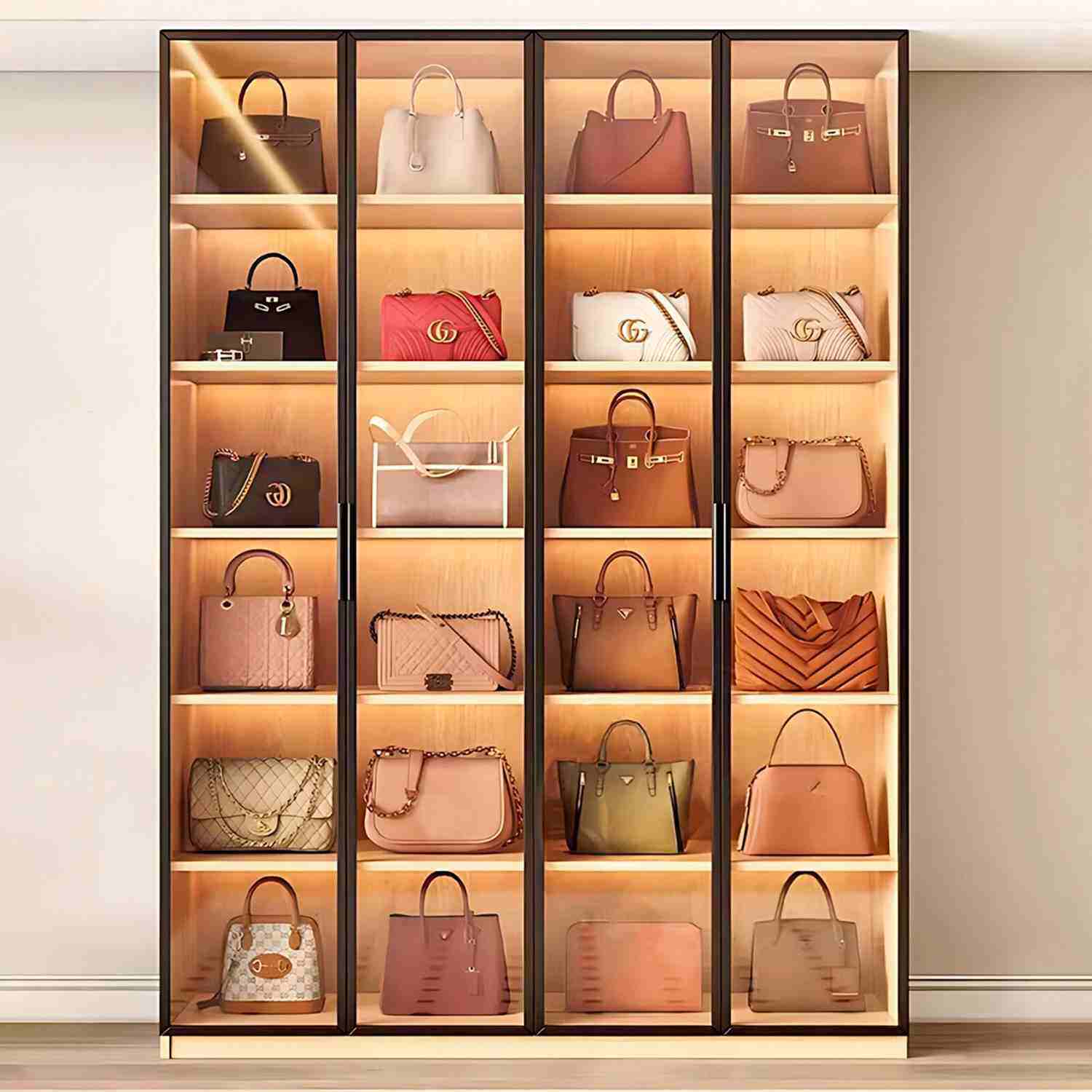

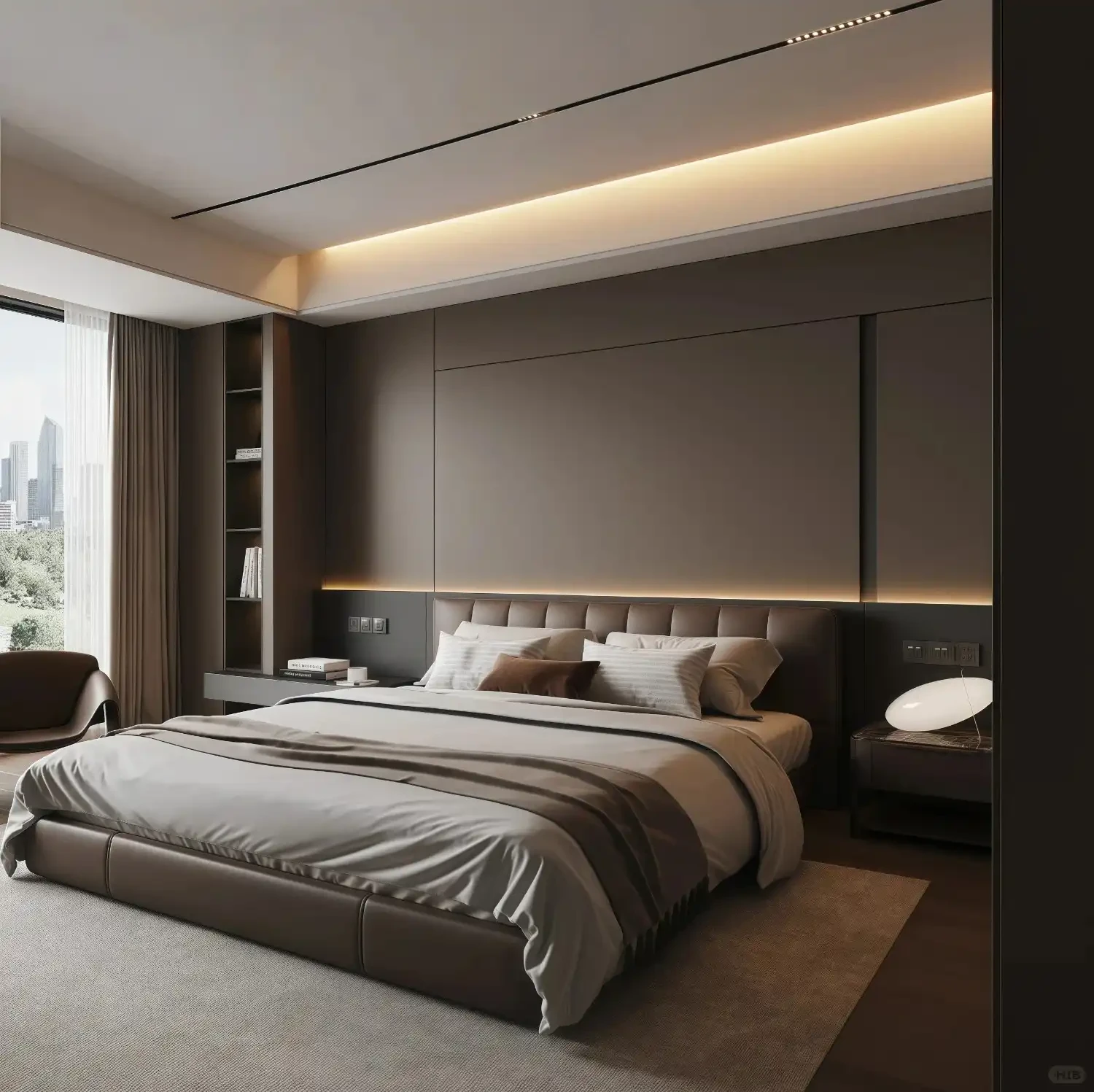


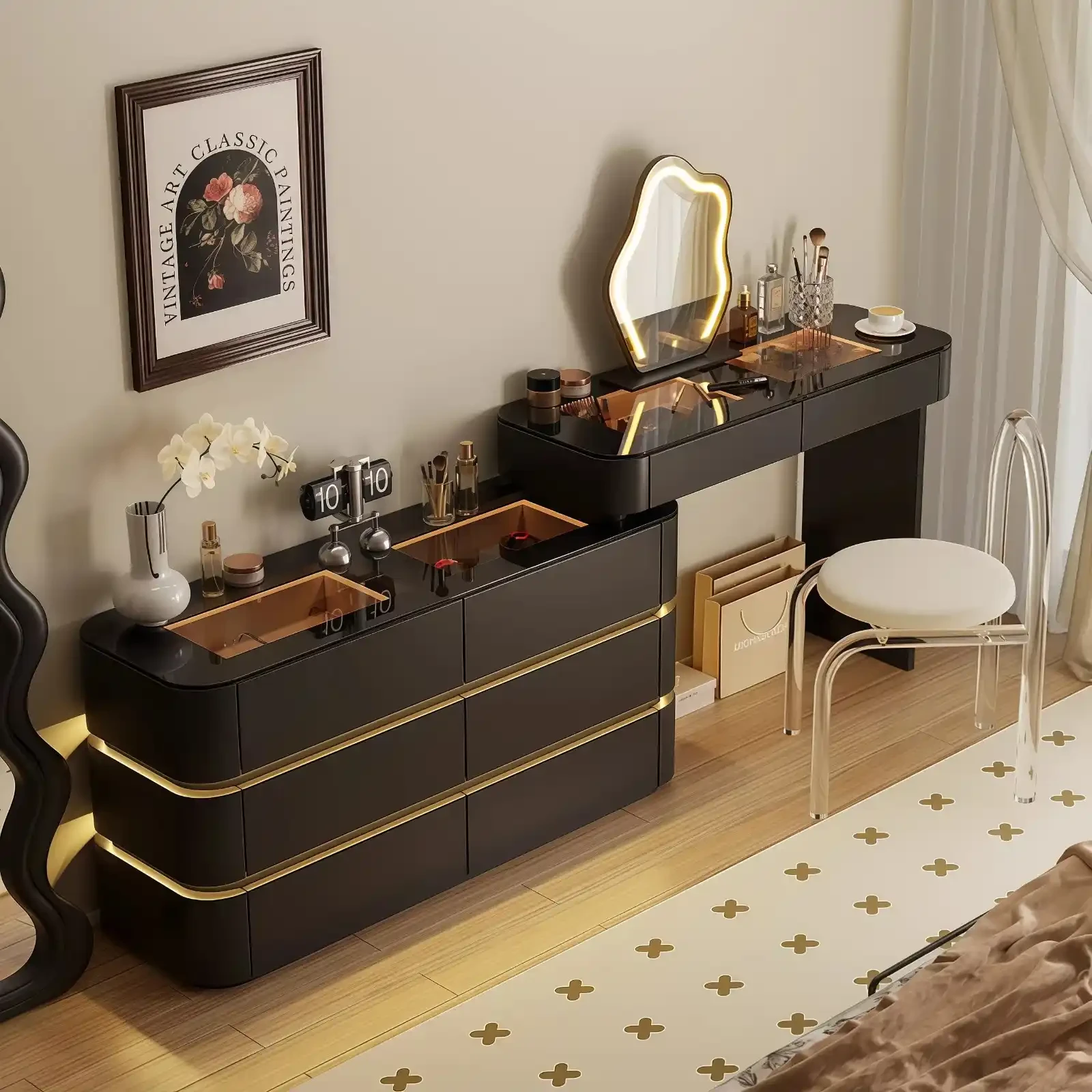
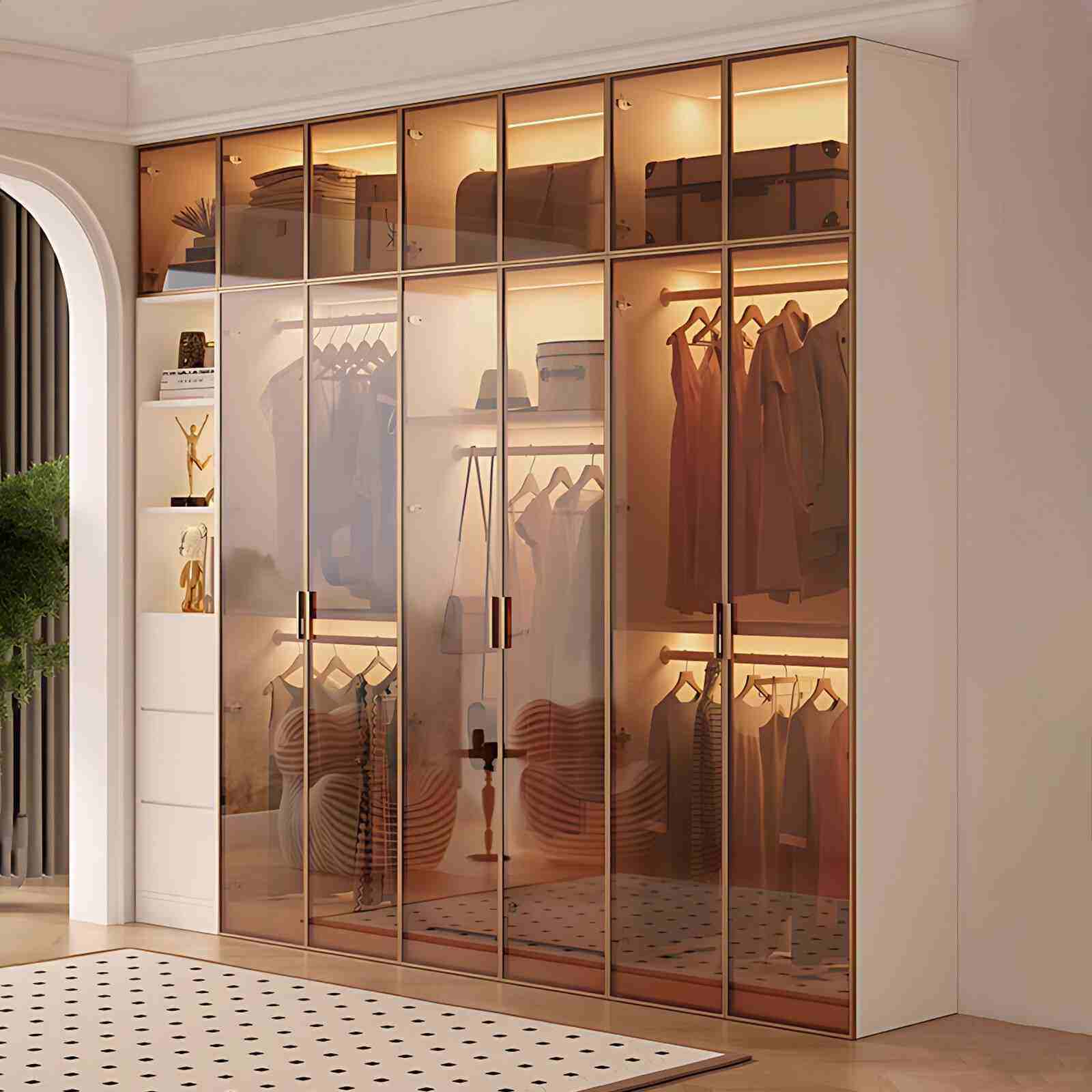
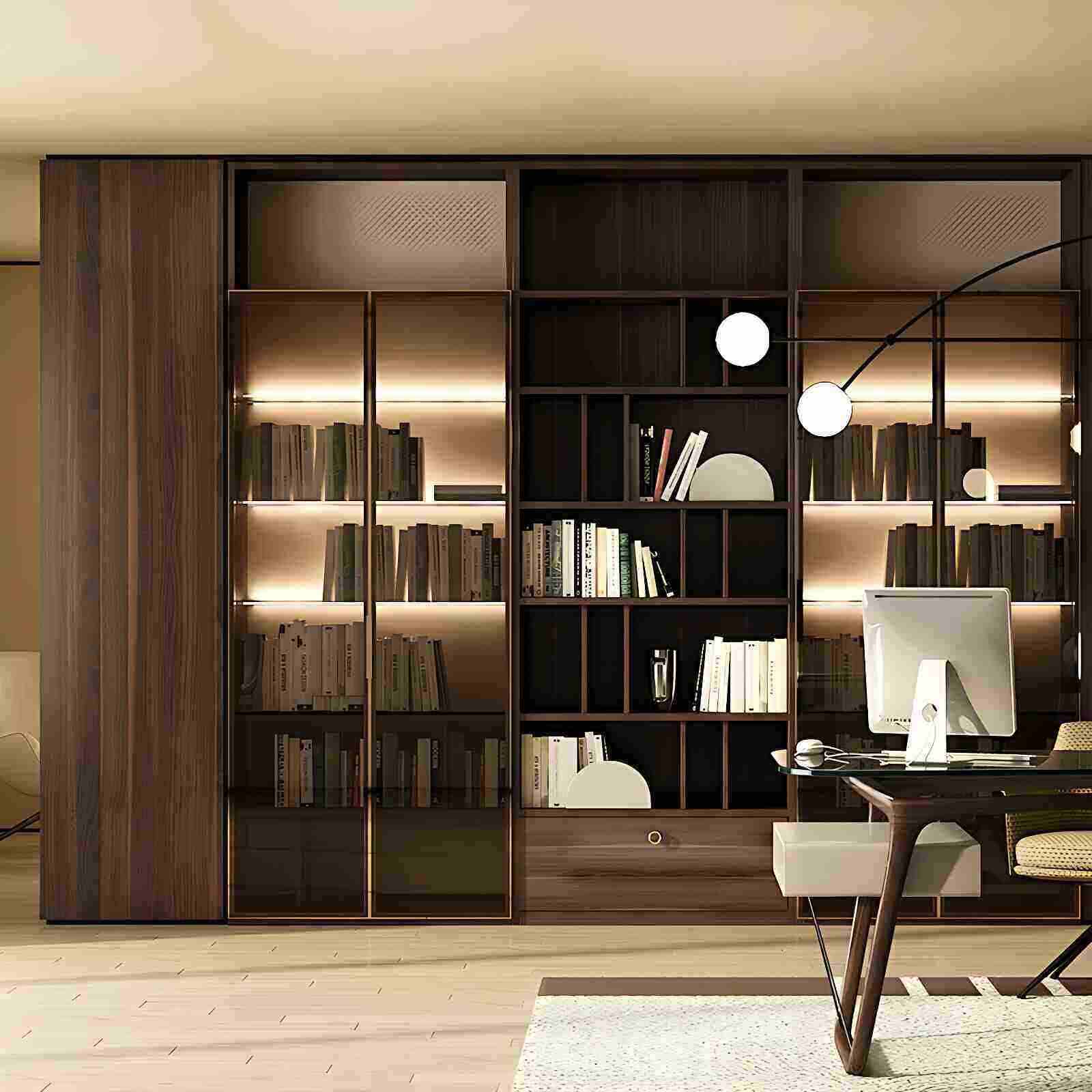

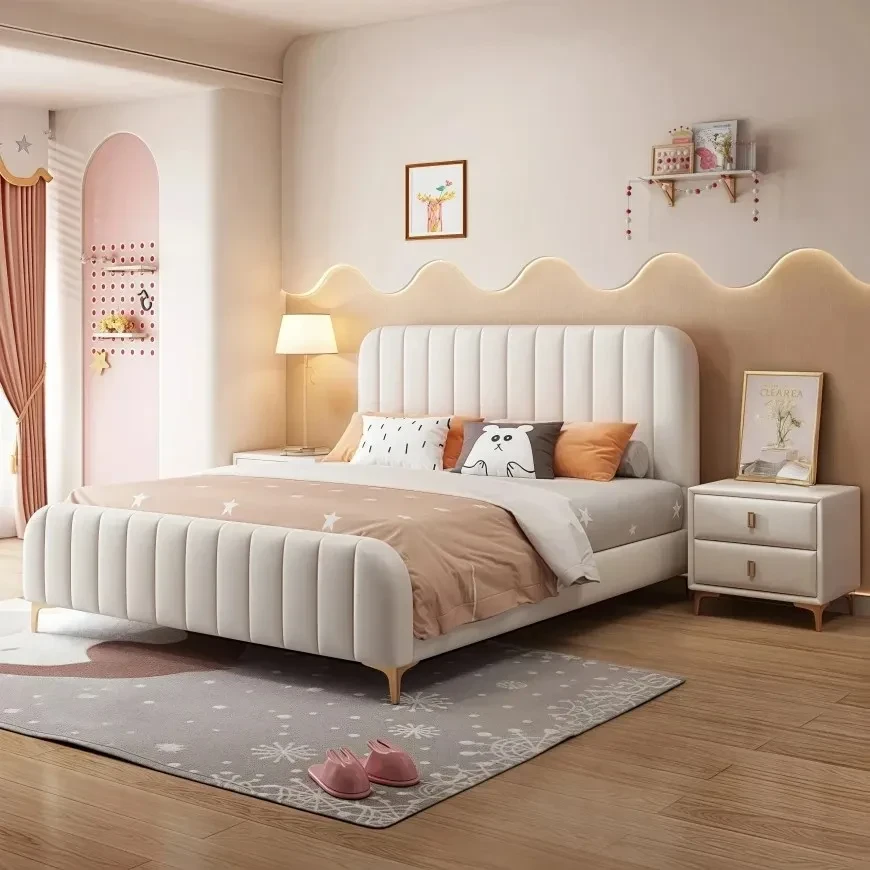
MDF (Medium-density Fiberboard)
ranks first in pollution index: MDF, including various fiberboards and particleboards used in indoor decoration and furniture manufacturing, is also known as chipboard. It is a type of engineered wood product made by cutting wood processing residues, small-diameter wood, and wood chips into fragments of a certain size, drying them, mixing them with adhesives, hardeners, and waterproofing agents, and pressing them under certain temperature and pressure. Some bamboo, straw, and bagasse fibers are also used. When melamine is used as a veneer, this type of engineered wood is also called melamine board. It is estimated that the amount of formaldehyde-containing urea-formaldehyde resin adhesive required to produce one cubic meter of MDF is generally 200-250 kg.
plywood
Second in pollution index: Plywood, commonly known as blockboard. It's a type of engineered wood product made by gluing together two layers of plywood and small strips of wood in the middle using urea-formaldehyde resin adhesive. The core is made of natural wood strips glued together, and both sides are covered with a thin veneer. As the name suggests, it's a core board and one of the most important materials in interior decoration. Plywood is currently widely used in interior decoration for urban and rural residents in my country. It can be used to make furniture, door and window frames, radiator covers, curtain boxes, etc., and its waterproof and moisture-proof performance is superior to particleboard and medium-density fiberboard. However, due to the use of urea-formaldehyde resin adhesive, it poses a potential formaldehyde pollution risk to the indoor environment caused by decoration and renovation.
plywood
Third on the pollution index: Plywood. Plywood is a type of engineered wood product made by steaming and softening logs, cutting them into large, thin sheets along the growth rings, and then drying, finishing, gluing, assembling, hot-pressing, and sawing the edges. The number of plywood layers should be odd, generally 3 to 13, and the fibers of adjacent wood sheets should be perpendicular to each other during gluing. Plywood is mainly used in decoration, renovation, and furniture manufacturing in conjunction with solid wood, MDF, blockboard, and finger-jointed boards. Its main manufacturing process involves bonding three, five, seven, or nine layers of thin wood veneers together using urea-formaldehyde resin adhesive.
Multi-layer finger joint board
Fourth on the pollution list: Multi-layer finger-jointed boards. This mainly includes various multi-layer solid wood finger-jointed boards produced using urea-formaldehyde resin adhesive. Generally, multi-layer finger-jointed boards consist of three layers, meaning two of these layers will inevitably have a large amount of adhesive applied. However, because the "finger joints" of various finger-jointed boards are exposed to the air, formaldehyde is more easily released.
panel
Fifth on the pollution index: Various veneer panels, also called decorative panels, or decorative veneer plywood. These are surface materials used for interior decoration or furniture manufacturing, made by slicing natural wood or engineered wood into thin sheets of a certain thickness, adhering them to the surface of plywood, and then hot-pressing them. They are engineered wood panels glued to thin-layer fiberboard (MDF) or particleboard to decorate furniture surfaces. They cannot be used alone and can only be used on plywood, veneer boards, or finger-jointed fir boards.
Solid wood finger-jointed board
Sixth in pollution index: Finger-jointed solid wood board. Because it is made from a single layer of solid wood, it is also called single-layer solid wood finger-jointed board. The main manufacturing process of this type of board is to saw various solid wood materials into small pieces, then deeply dry them, and then cut the small pieces with teeth. Urea-formaldehyde resin adhesive is then applied to the toothed areas and the sides of the small pieces, and finally, they are fixed by compression. It is often used in some solid wood furniture as lining boards, paneling boards, and partitions, and is a major source of formaldehyde pollution in solid wood furniture.