
 USD
USD GBP
GBP
 EUR
EUR
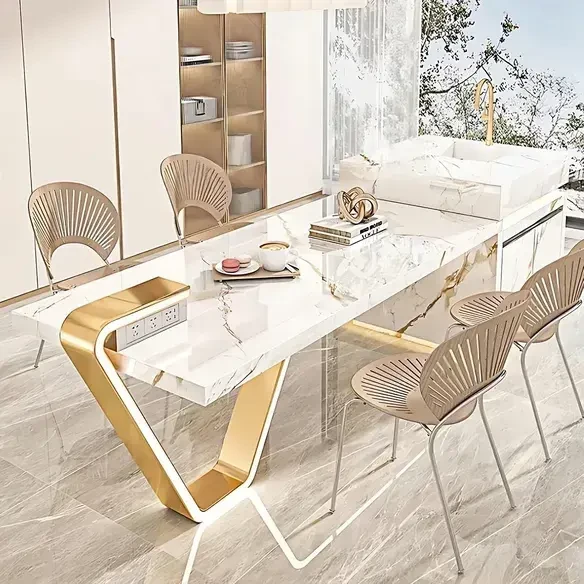
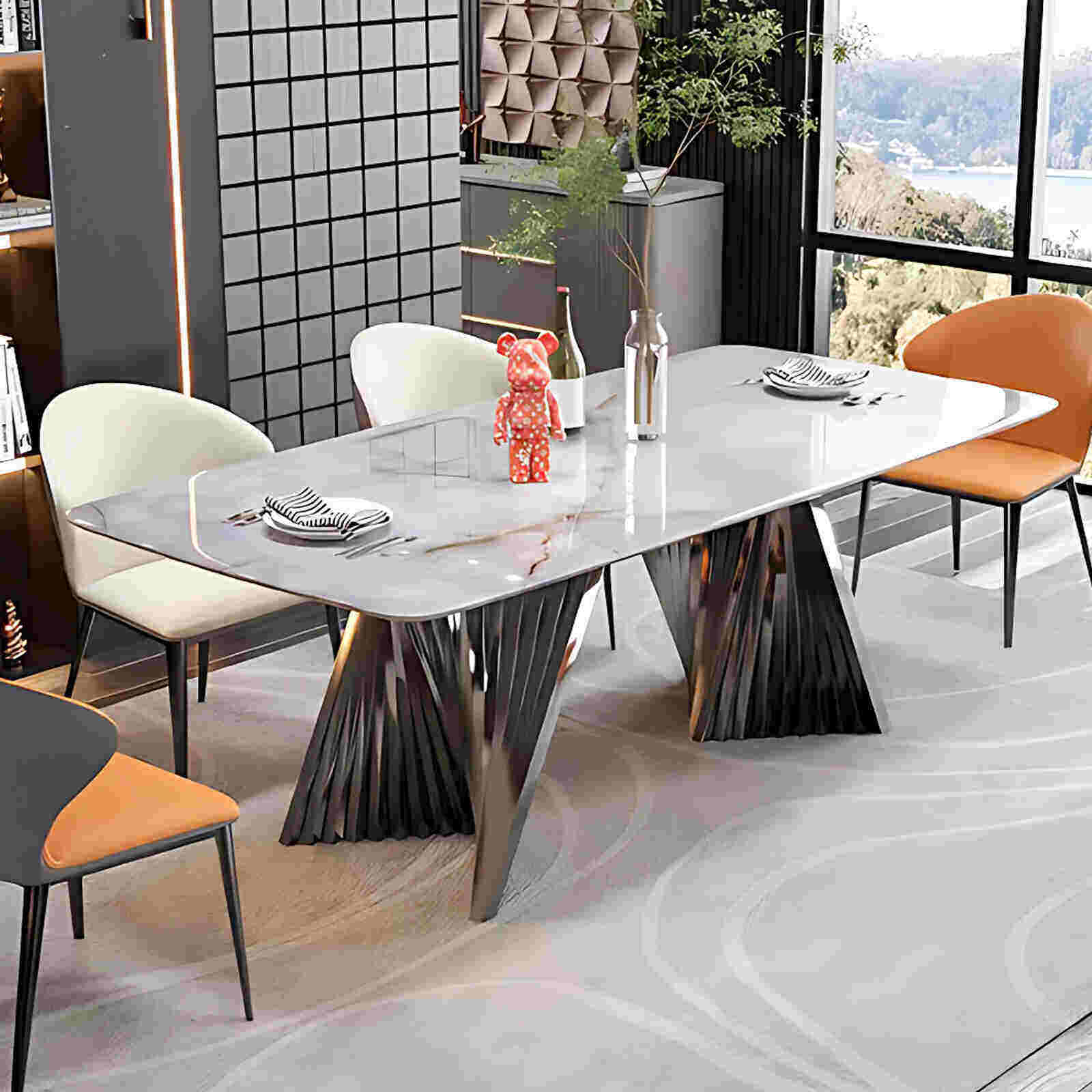
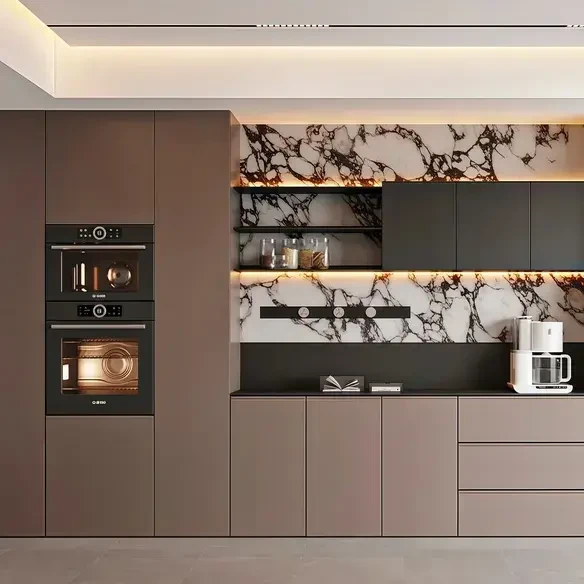
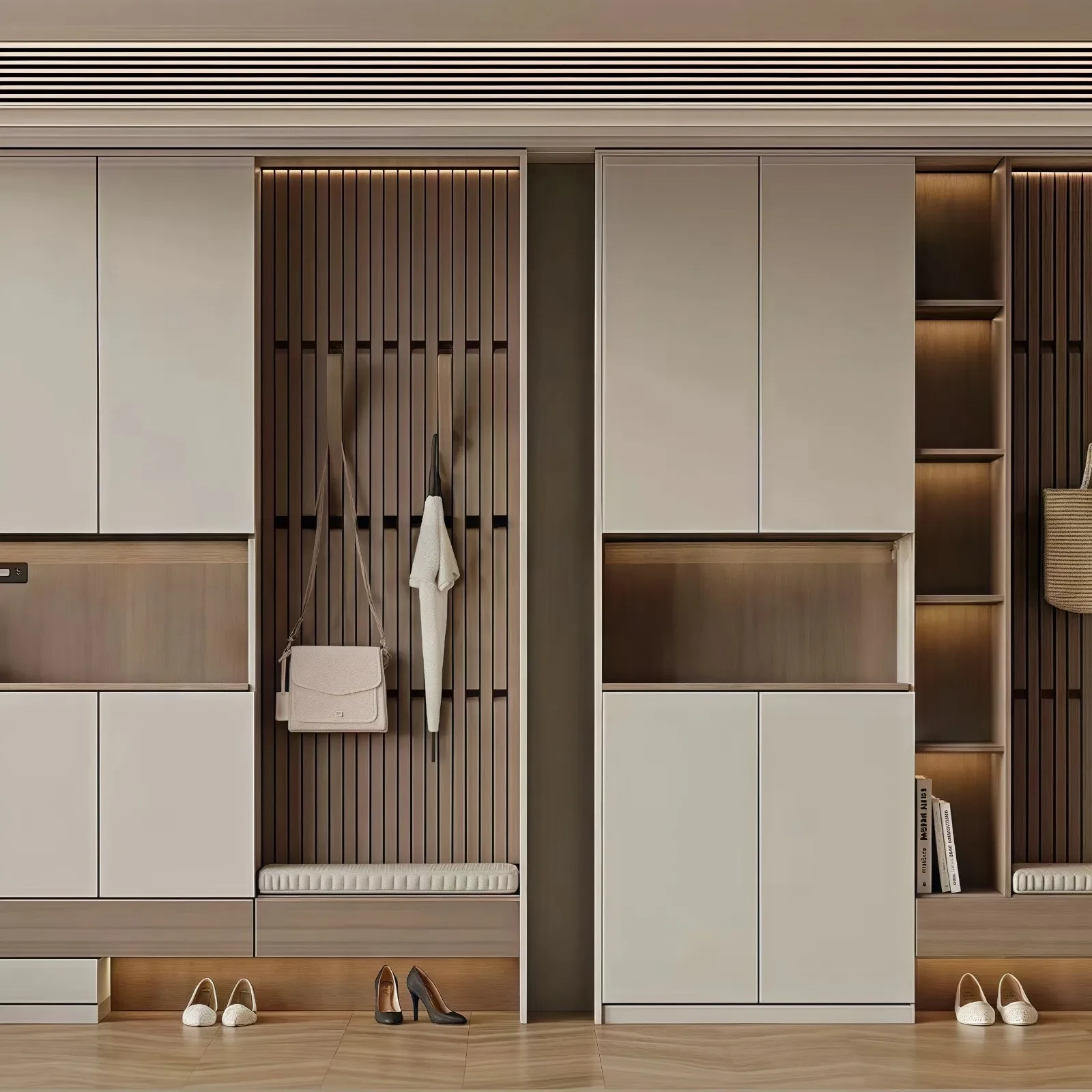
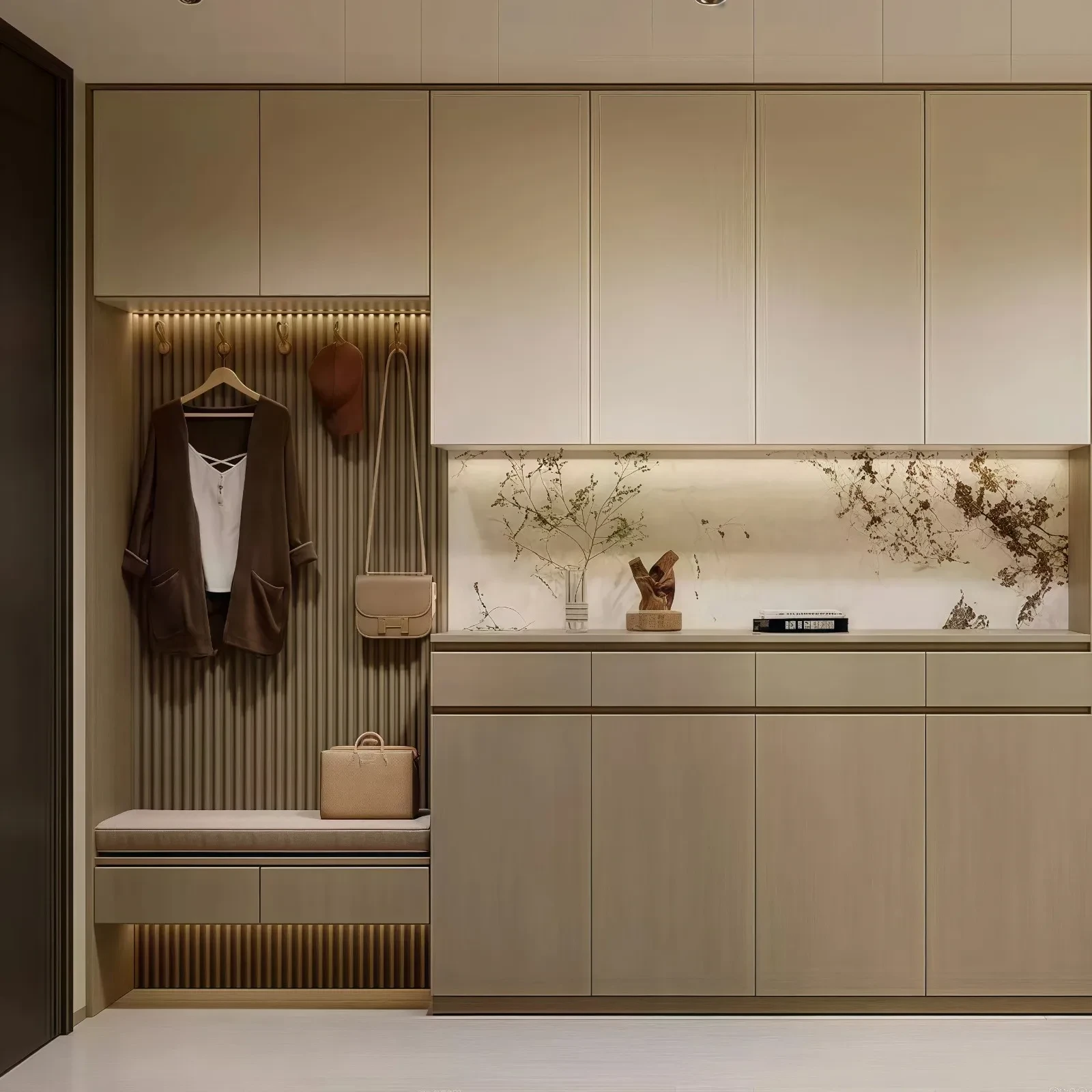
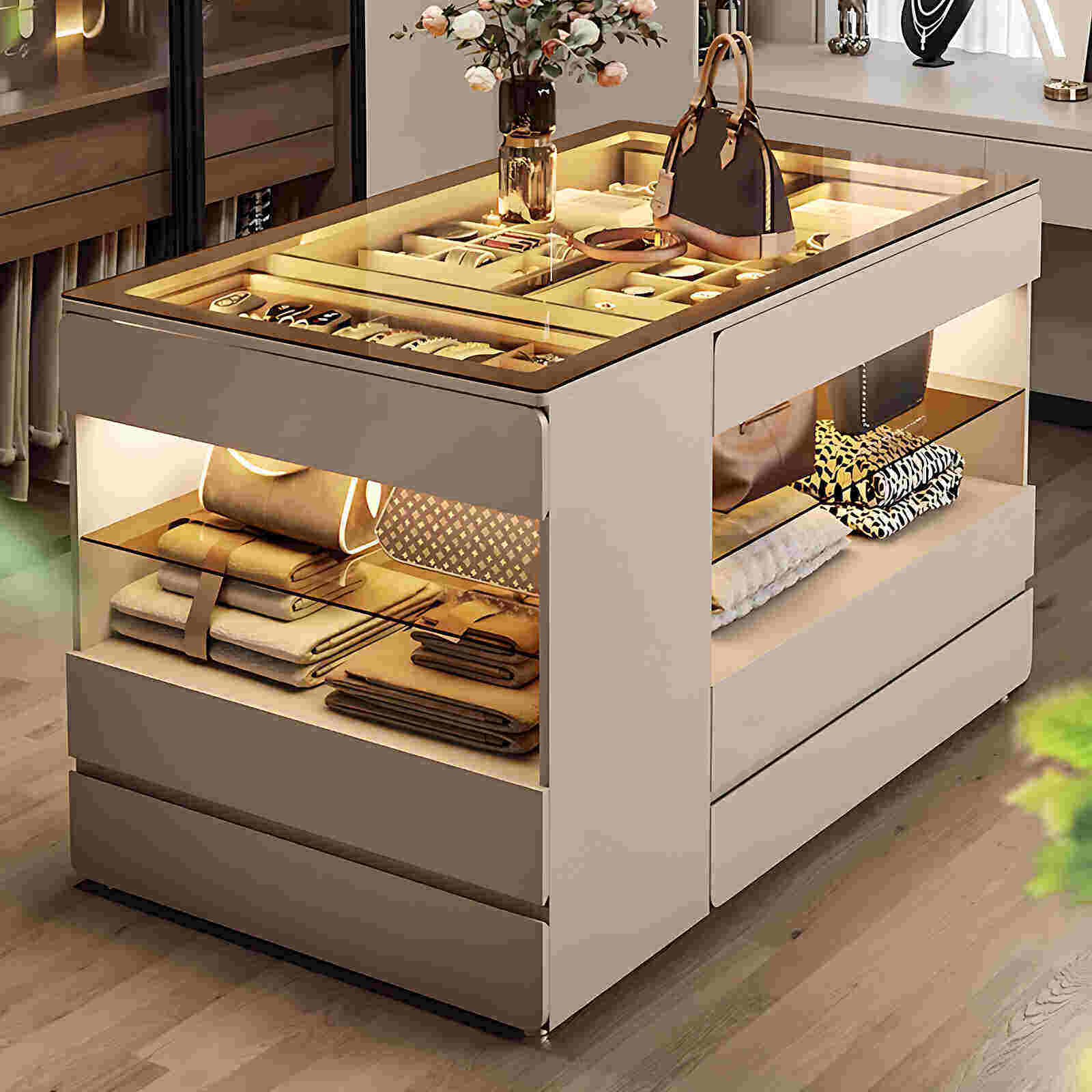
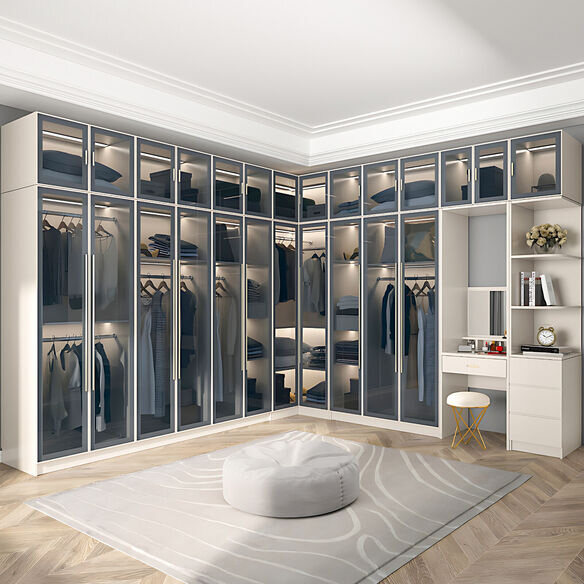
It's good to have a whole piece like a floor.
Multi-layer engineered wood flooring uses multiple layers of wood panels arranged in a longitudinal and transverse pattern as the base material, selects high-quality precious wood as the surface, and is made by applying resin glue and then pressing it in a hot press under high temperature and pressure. It is easier to process.
The veneer plays a crucial role in multi-layer and three-layer solid wood flooring. Multi-layer solid wood flooring requires a veneer thickness of 0.6-2.0 mm, while many domestic flooring options only have a thickness of 0.6-1.2 mm. Three-layer solid wood flooring typically has a veneer thickness of 3 mm, 4 mm, or even 6 mm, and can be sanded and refurbished after several years without exposing the core material.
Due to factors such as manufacturing process and material utilization, the price of multi-layer solid wood is significantly lower than that of three-layer solid wood.
2. Which engineered wood flooring is the best? What's the difference between three-layer composite board and multi-layer board?Choosing the right flooring material is crucial during home renovation, with tiles and wood flooring being the two main categories. With increasing environmental awareness in recent years, wood flooring has become increasingly popular, and engineered wood flooring is a particularly favored option. So, which engineered wood flooring is the best? What are the differences between three-layer and multi-layer engineered wood flooring? Let's take a look.
Which engineered wood flooring is the best?
1. Check the product specifications. The lifespan of engineered wood flooring is mainly determined by its surface layer. The thicker the surface layer, the more wear-resistant the flooring will be.
2. Check the precision. High processing precision is an advantage of engineered wood flooring. When purchasing, be sure to observe whether the joints between two pieces of flooring are tight and whether there are obvious differences in height.
3. Examine the surface finish. Generally, higher-end engineered wood flooring uses high-grade UV matte lacquer, which has good wear resistance.
4. Check the adhesive. Most engineered wood flooring uses urea-formaldehyde resin as the adhesive. However, high-end environmentally friendly engineered wood flooring must use adhesives with low formaldehyde content. Always check the environmental protection test report when purchasing.
5. Check after-sales service: Consumers should ask about the installation and after-sales issues, and adhere to the principle that "whoever sells the flooring is responsible for the installation and after-sales service."
The difference between three-layer composite boards and multi-layer boards
Currently, the market for engineered wood flooring rarely uses the surface material as a reference standard for consumers. Instead, consumers primarily choose based on the flooring structure, mainly categorizing it into three-layer engineered wood flooring and multi-layer engineered wood flooring.
The two differ in their manufacturing processes, applicable scope, and price. Let's compare them first.
1. Three-layer engineered wood flooring
Manufacturing process: Flooring made with solid wood panels or veneers as the face panel, solid wood strips as the core panel, and veneers as the base panel.
Advantages: Effectively reduces floor deformation, increases stability, provides a comfortable feel underfoot, and effectively saves wood.
Disadvantages: Poor bonding quality may lead to delamination; wear resistance is not as good as multi-layer composite solid wood flooring.
Suitable for: living room, dining room, bedroom, etc.
Reference price: Approximately 400-660 RMB/square meter
2. Multi-layer engineered wood flooring
Manufacturing process: The base material is multi-layer plywood, and the surface layer is made of hardwood veneer or sliced veneer, which is then hot-pressed with glue.
Advantages: Good stability, especially strong heat resistance in geothermal environments, and not easily deformed.
Disadvantage: If the bonding quality is poor, delamination may occur.
Suitable for: living room, dining room, bedroom, etc., and also suitable for underfloor heating.
Reference price: approximately 450-690 RMB per square meter.
3. Which is better, eco-friendly board or multi-layer board?Eco-board : Commonly known as melamine board or pre-finished board . Like traditional melamine boards, it is a type of board decorated with melamine veneer. The difference is that eco-board uses environmentally friendly adhesives and is laid on a substrate of less plywood or multi-layer board, then hot-pressed to form a decorative board. It has better environmental performance. The environmental performance of eco-board mainly depends on the core material, and the quality of the core material significantly affects the main performance of the eco-board.
Multi-layer board: also called plywood , is a three-layer or multi-layer board made of thin veneers that are rotary cut from logs or sliced from timber, and then glued together with adhesives and pressed at high temperature.
Different raw materials are used
Eco-friendly boards use uniformly sized square or round logs as raw materials, while multi-layer boards use only a single veneer. Eco-friendly wood is recyclable and has better nail-holding power.
Different production processes
Eco-board is produced by splicing or finger-jointing timber. Multi-layer boards are made by laying layers of veneers horizontally and vertically, then splicing, stitching, or beveling them together. Therefore, eco-boards have a realistic appearance, possessing the feel and natural grain of solid wood, and often have vibrant colors, making them both aesthetically pleasing and practical.
Adhesives
Eco-friendly boards use less glue, while multi-layer boards use relatively more. Both are equally environmentally friendly, as neither uses harmful materials, thus eliminating pollution during decoration and making them safe to use.
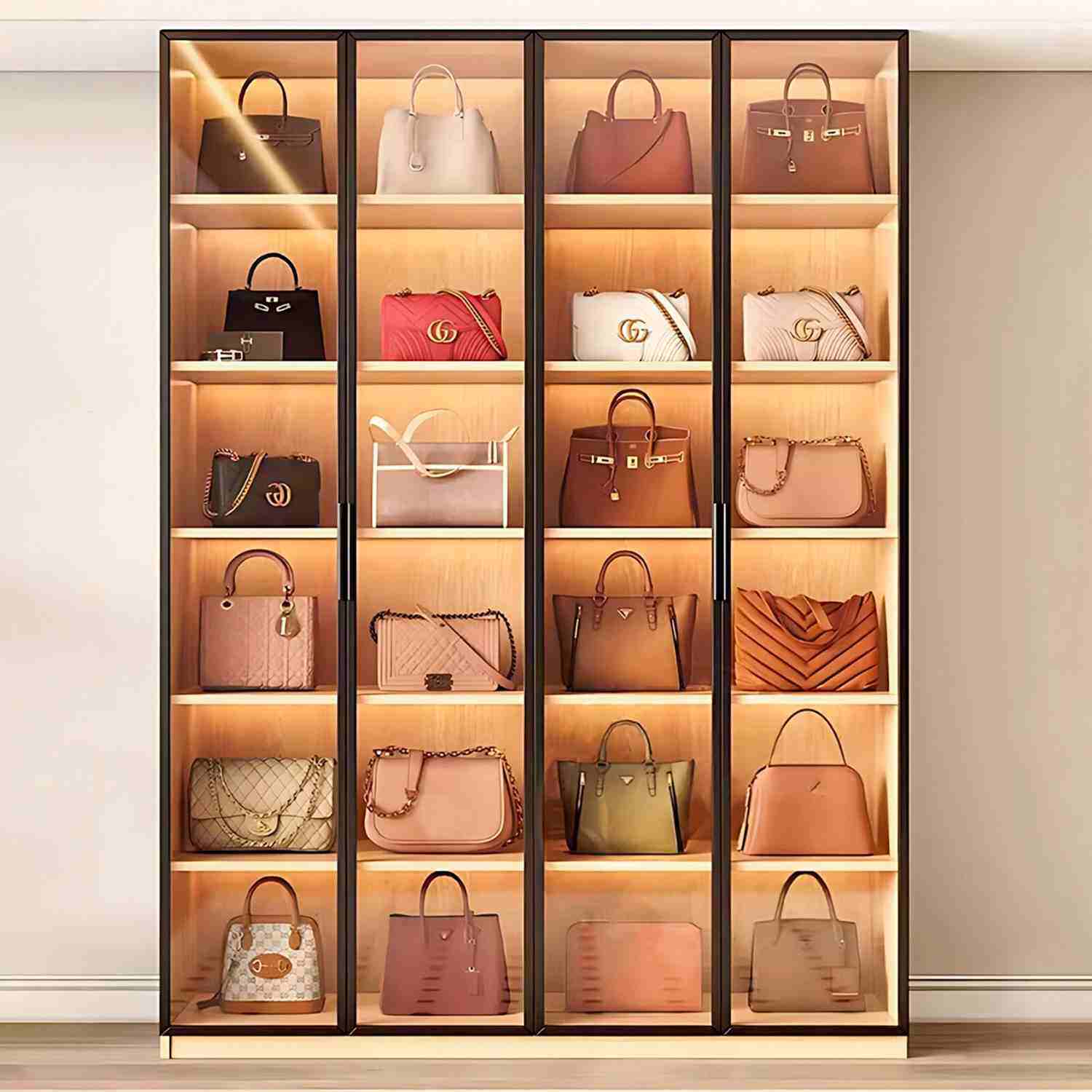
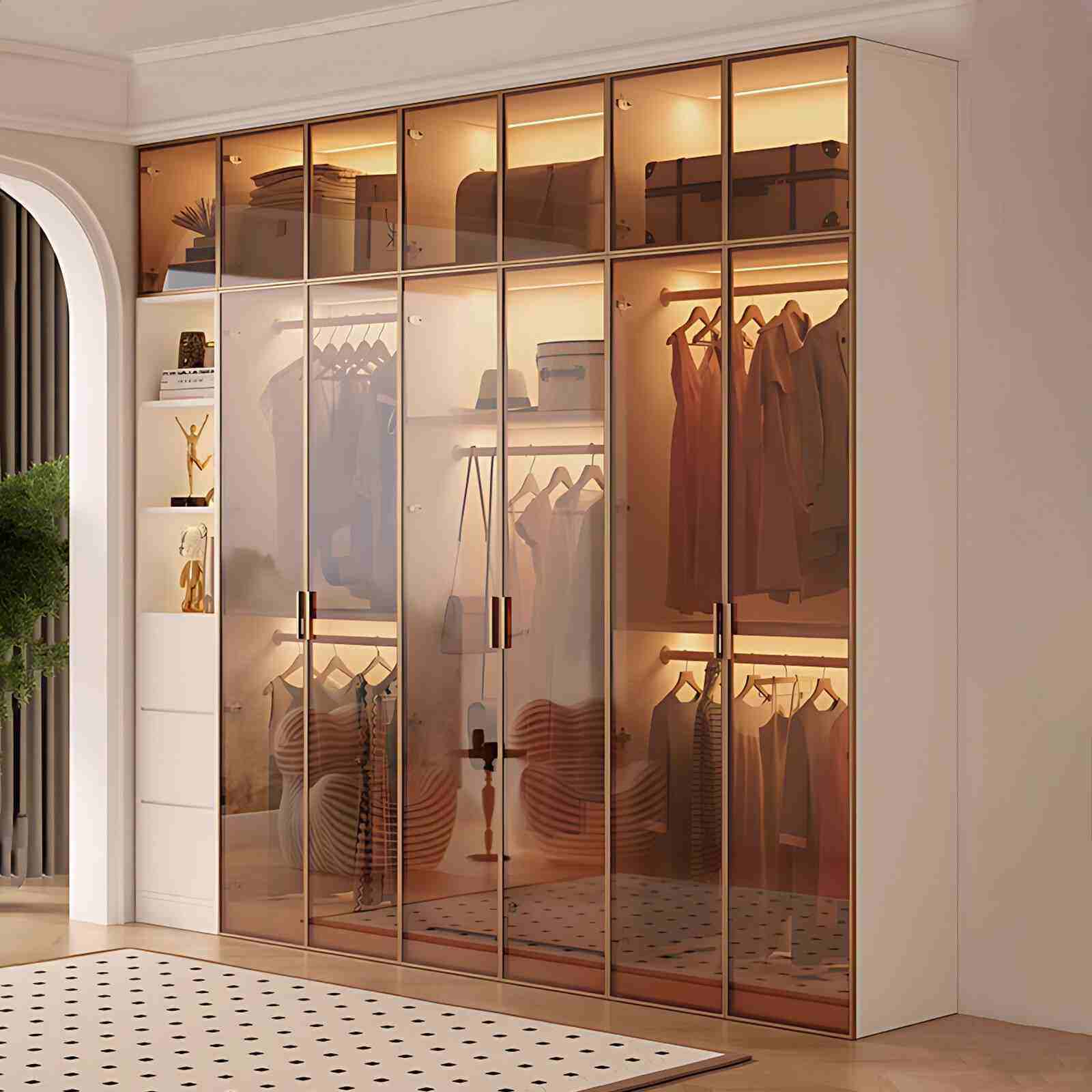
Physical properties and uses: Ecological boards possess properties such as UV resistance , antibacterial properties, sound insulation, electrical insulation, and antistatic properties, making them suitable for use in wardrobes.
Multi-layer solid wood board
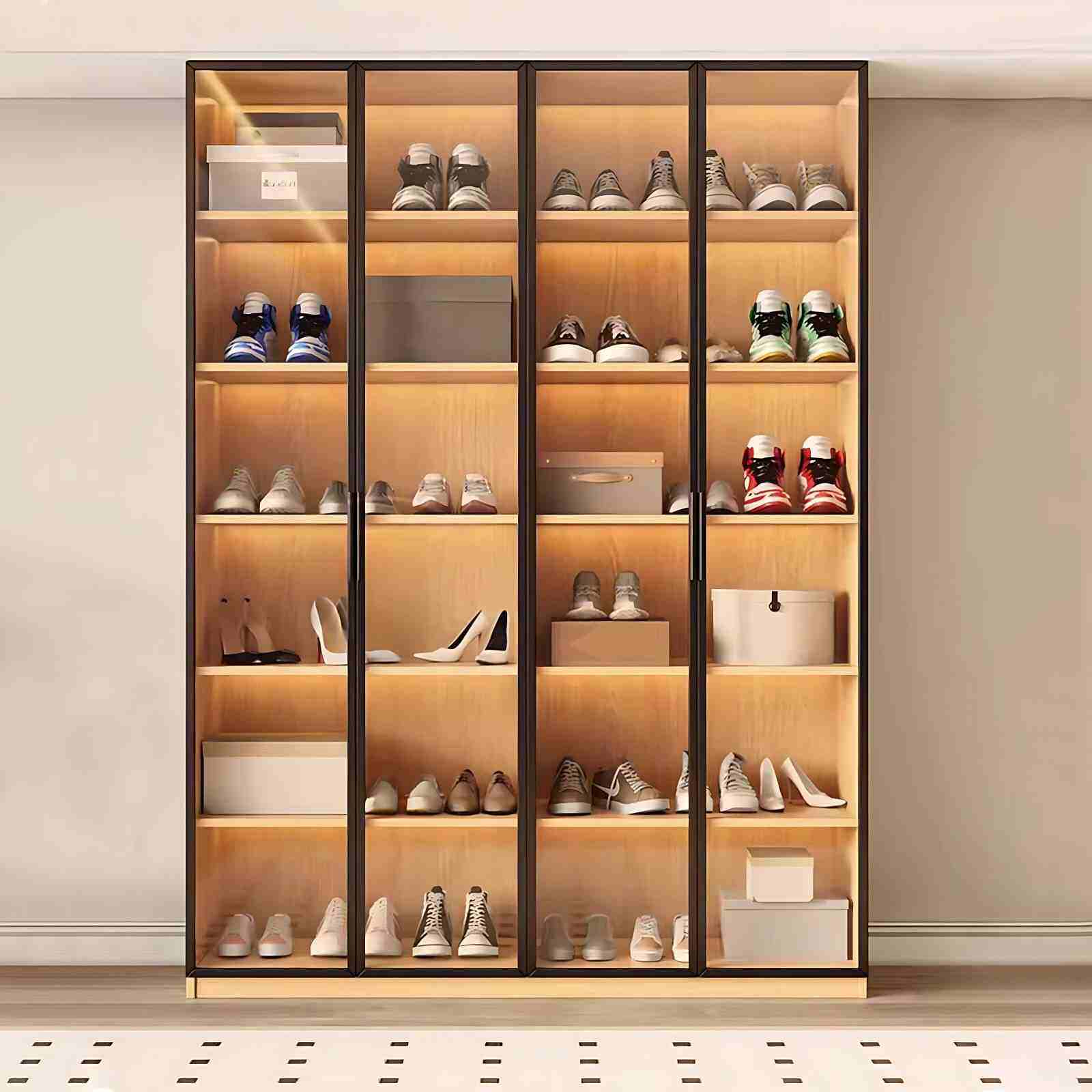
With its characteristics of being resistant to deformation, having good structural stability, and being resistant to deformation, multi-layer boards are well-suited for use in shoe cabinets.
Price
Multi-layer boards have higher production costs , so they are generally more expensive than eco-friendly boards. Relatively speaking, eco-friendly boards offer better value for money.
Ecological board
Eco-friendly boards refer to melamine-faced panels whose core material is multi-layer solid wood (plywood) or blockboard (such as Malacca wood, cedar wood, paulownia wood, poplar wood, etc.).
Advantages: Eco-friendly boards have excellent fire and moisture resistance, making them commonly used in kitchen cabinets, bathroom vanities, and other similar products. Furthermore, these boards are resistant to discoloration and peeling, and can be processed into various styles and textures. Installation is efficient and quick; they can be nailed, planed, and sawed without painting, and have no odor. They are ready to use immediately after installation, saving time, effort, and money.
Disadvantages: Eco-boards require specific cutting and edge-banding techniques; improper processing can easily lead to damage. For this reason, eco-boards cannot be carved or used to create relief-type designs. The quality of eco-board products on the market varies greatly, with significant price differences, making it difficult for consumers to choose.
Multi-layer board
1. Made by hot pressing three or more layers of veneer or thin wood boards together with adhesive.
2. Plywood is generally available in six thicknesses: 3mm, 5mm, 9mm, 12mm, 15mm, and 18mm (1mm is equal to 1mm). It is currently the most commonly used material for handmade furniture.
3. The advantages of multi-layer boards are small deformation, high strength, and good internal quality.
Advantages: Multi-layer solid wood flooring is an ideal material for furniture making. Because it's made of multi-layer plywood, it's harder and more structurally stable than other types of boards. It's also aesthetically pleasing and has a comfortable feel. One of its biggest advantages is its ability to effectively regulate room humidity and temperature. Furthermore, multi-layer solid wood flooring typically uses environmentally friendly adhesives, resulting in better environmental performance.
Disadvantages: There are two main disadvantages to multi-layer solid wood boards. Firstly, the manufacturing process requires very high precision, including sanding and cold pressing. If standards aren't met during processing, the desired effect won't be achieved. Therefore, manufacturers with lower-level skills often produce low-quality multi-layer solid wood boards, yet these are still widely available on the market. Consumers need to be selective when purchasing. Secondly, if unscrupulous manufacturers use inferior glue during manufacturing, it can cause the boards to separate and warp, reducing their lifespan.
4. Is it better to use three-ply or five-ply plywood to build a stage?Five-layer board.
The structure of stage wooden flooring must be extremely robust. Stage wooden flooring is divided into fixed and movable platforms. Fixed wooden flooring is used on concrete floors, while movable wooden flooring is used on the steel structures of turntables and lifting platforms. The floor height can be adjusted appropriately to ensure that the entire floor surface maintains a uniform height after completion. Movable wooden flooring uses a five-layer structure: the top layer is 25mm x 85mm x 1200mm double-jointed spliced flooring; the second layer is 20mm thick multi-layer plywood; the third layer is 20mm thick waterproof multi-layer plywood; and the bottom layer is 50mm thick and 55mm wide pine joists with a center-to-center spacing of 400mm. A 10mm x 50mm x 60mm rubber pad is placed between the joists and the steel frame.