
 USD
USD GBP
GBP
 EUR
EUR
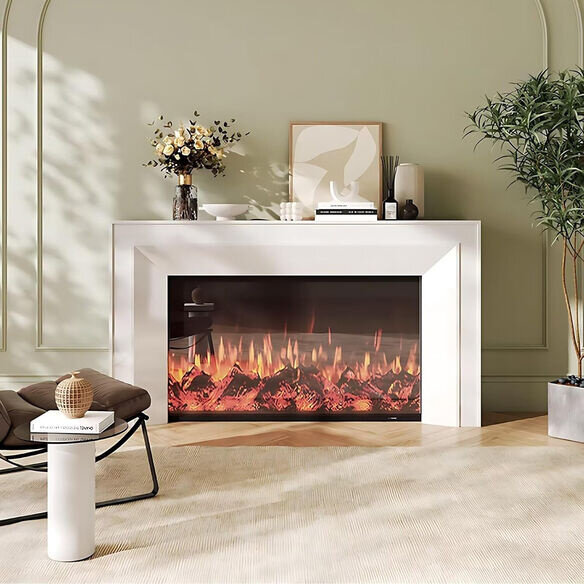
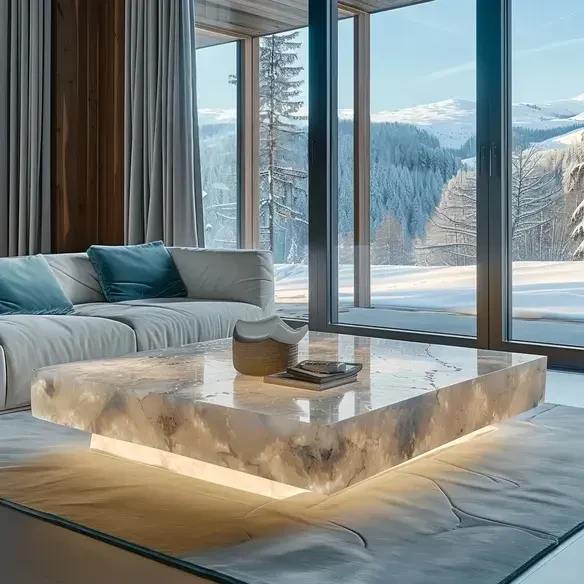
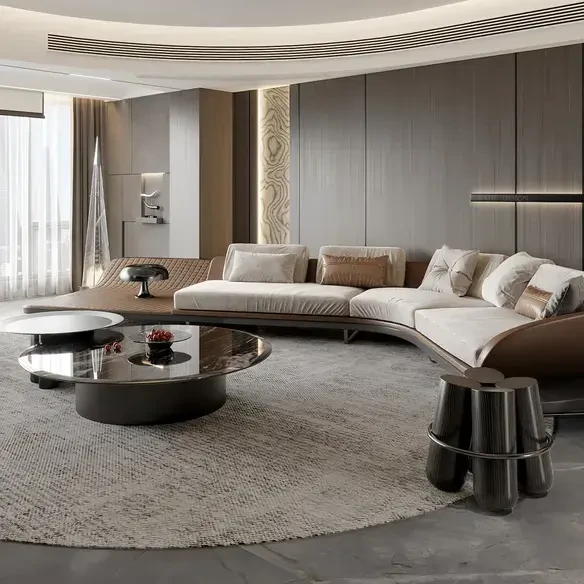
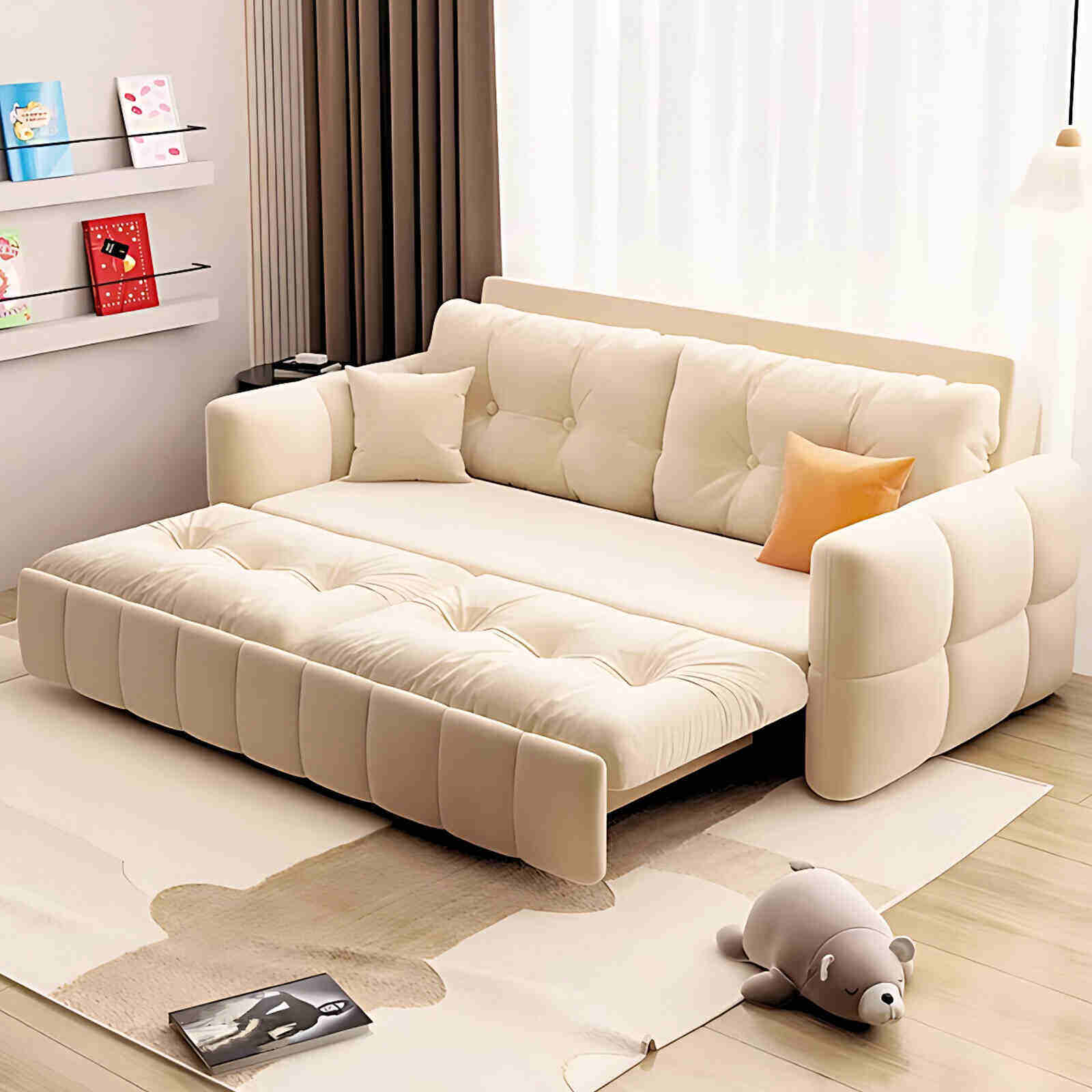
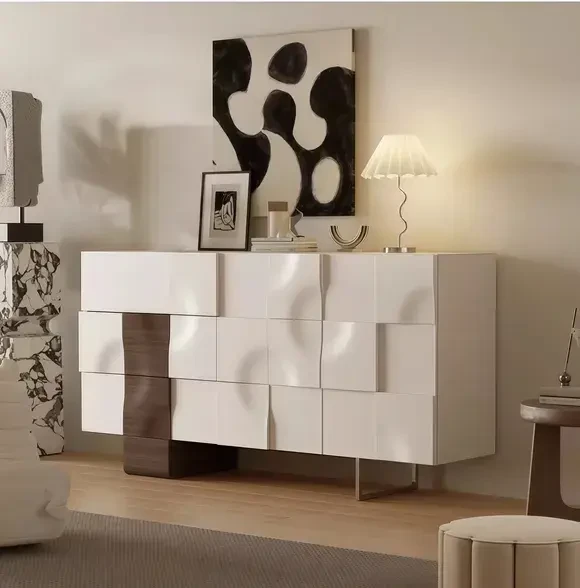
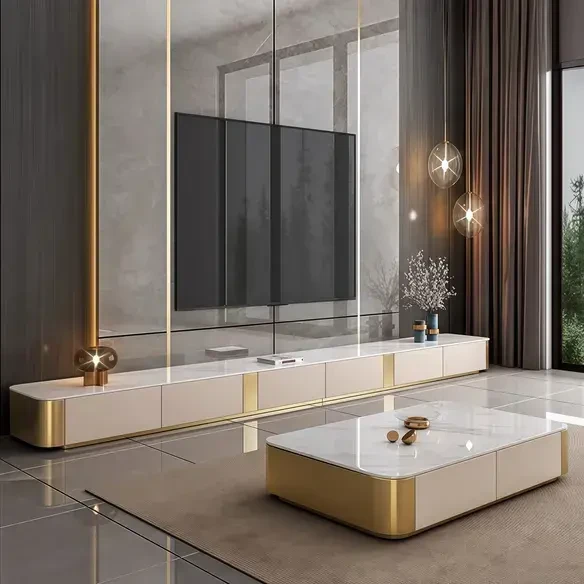
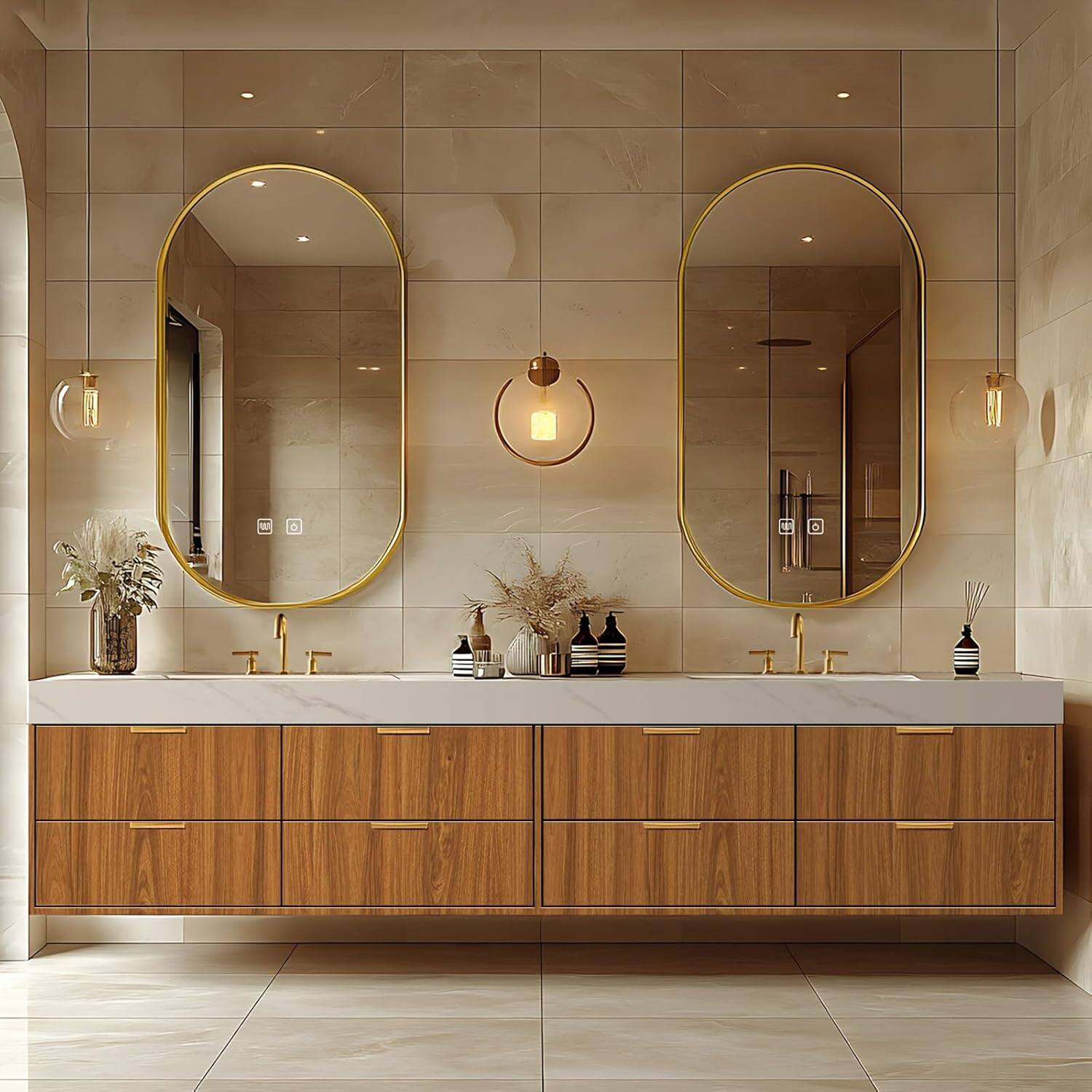
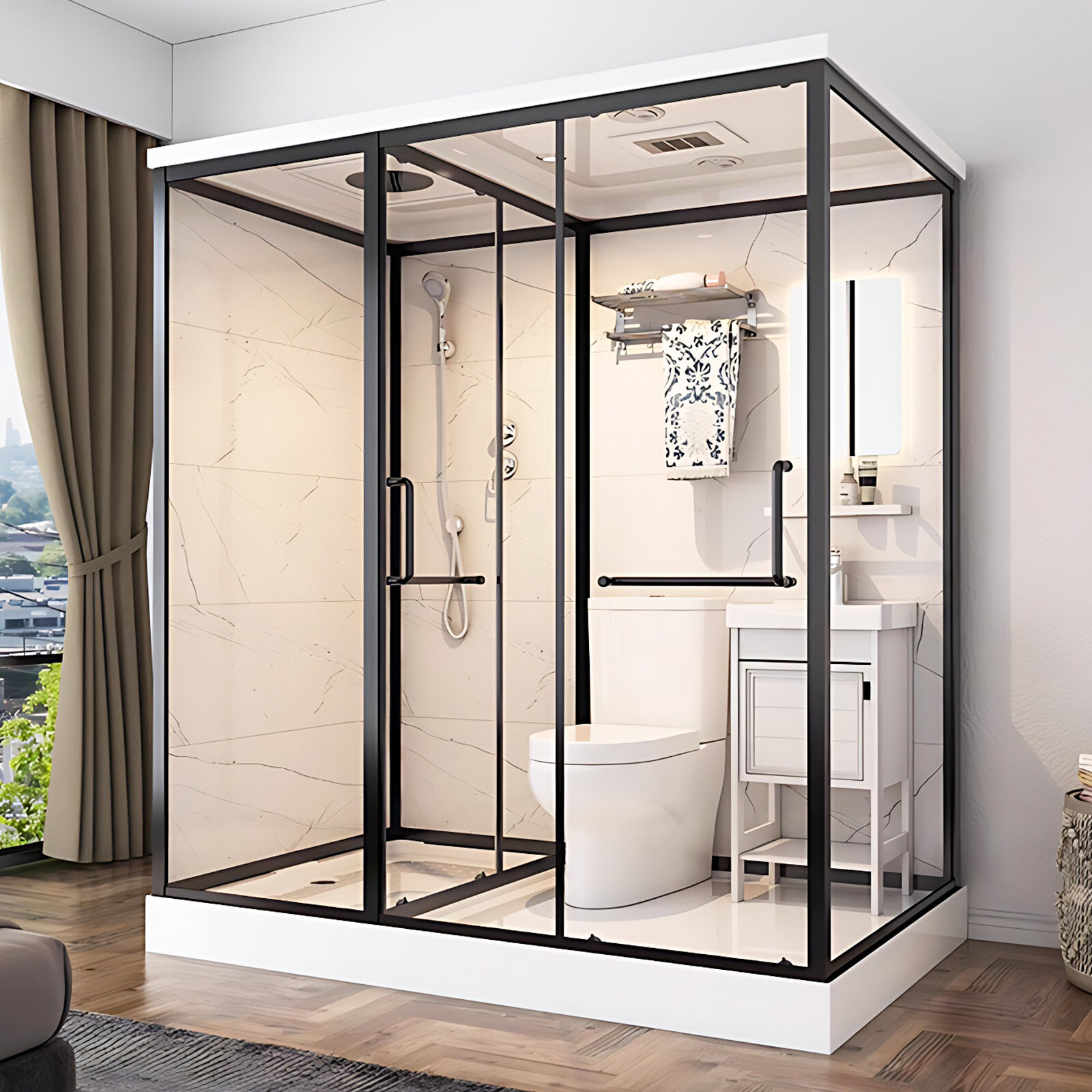
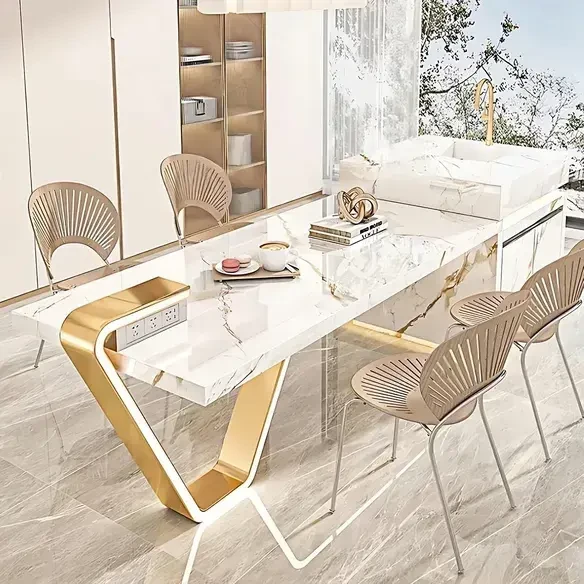
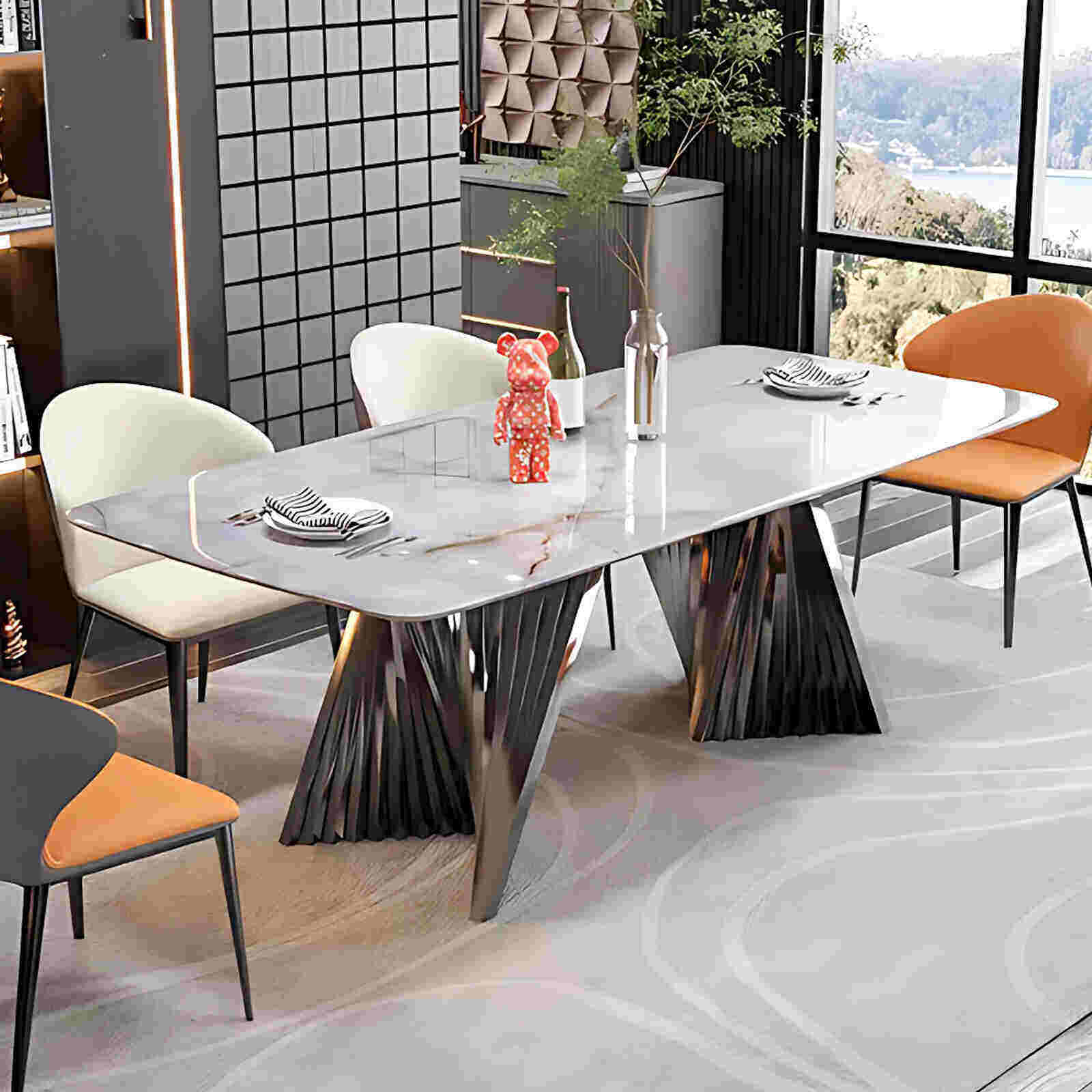
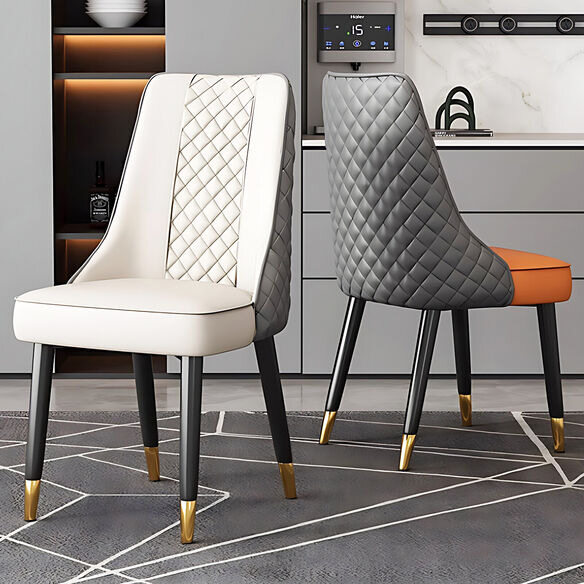
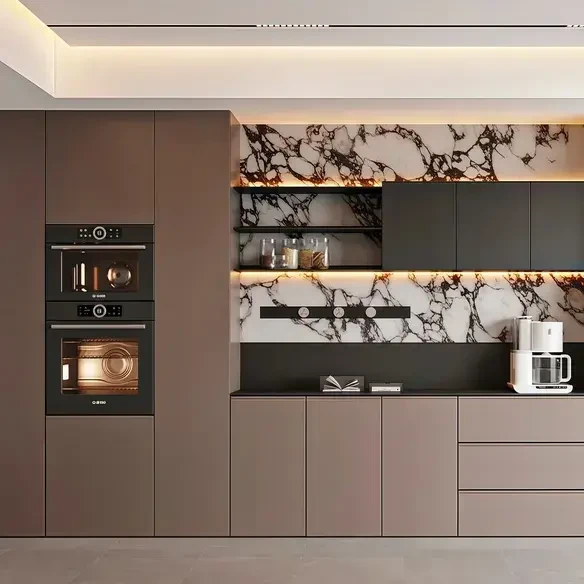

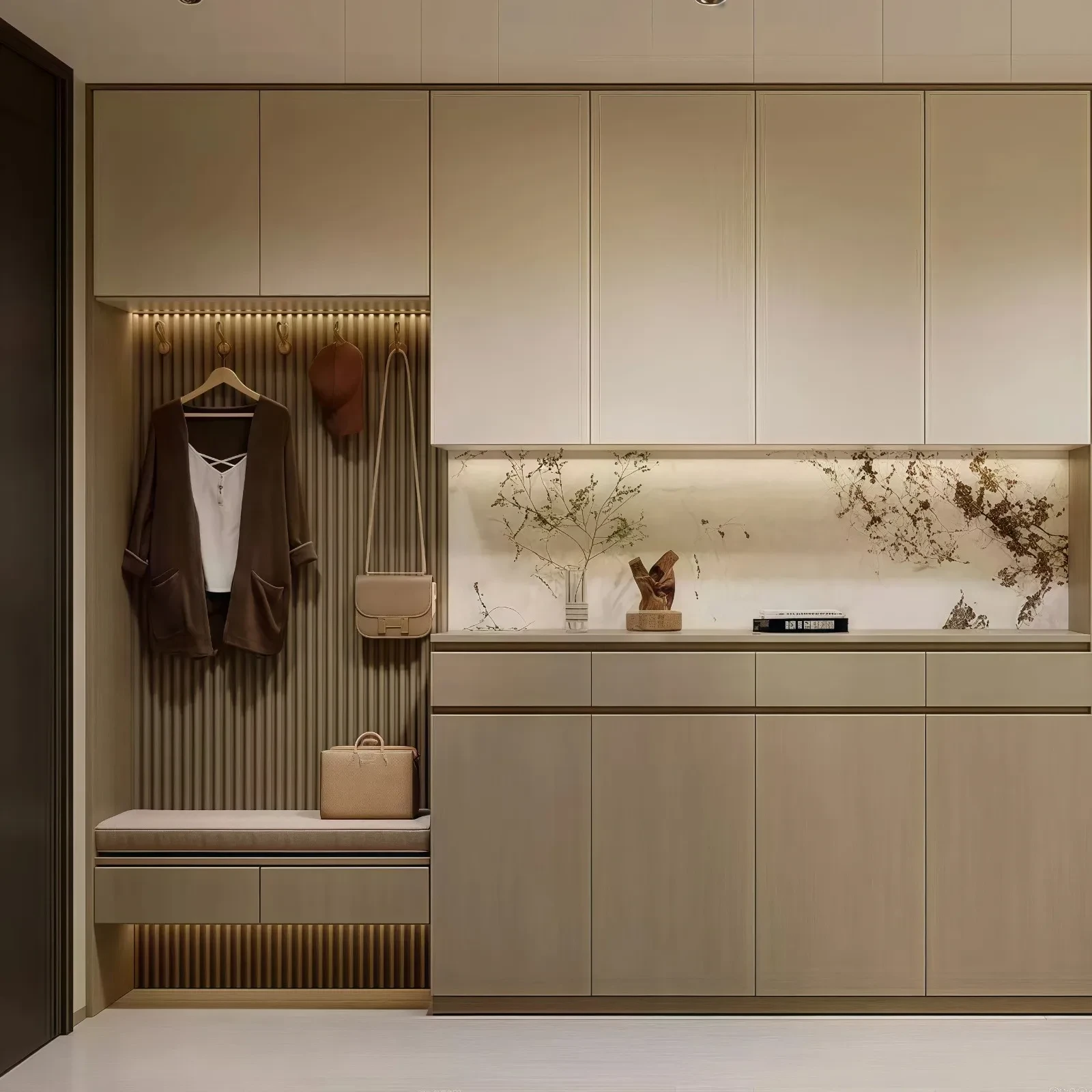
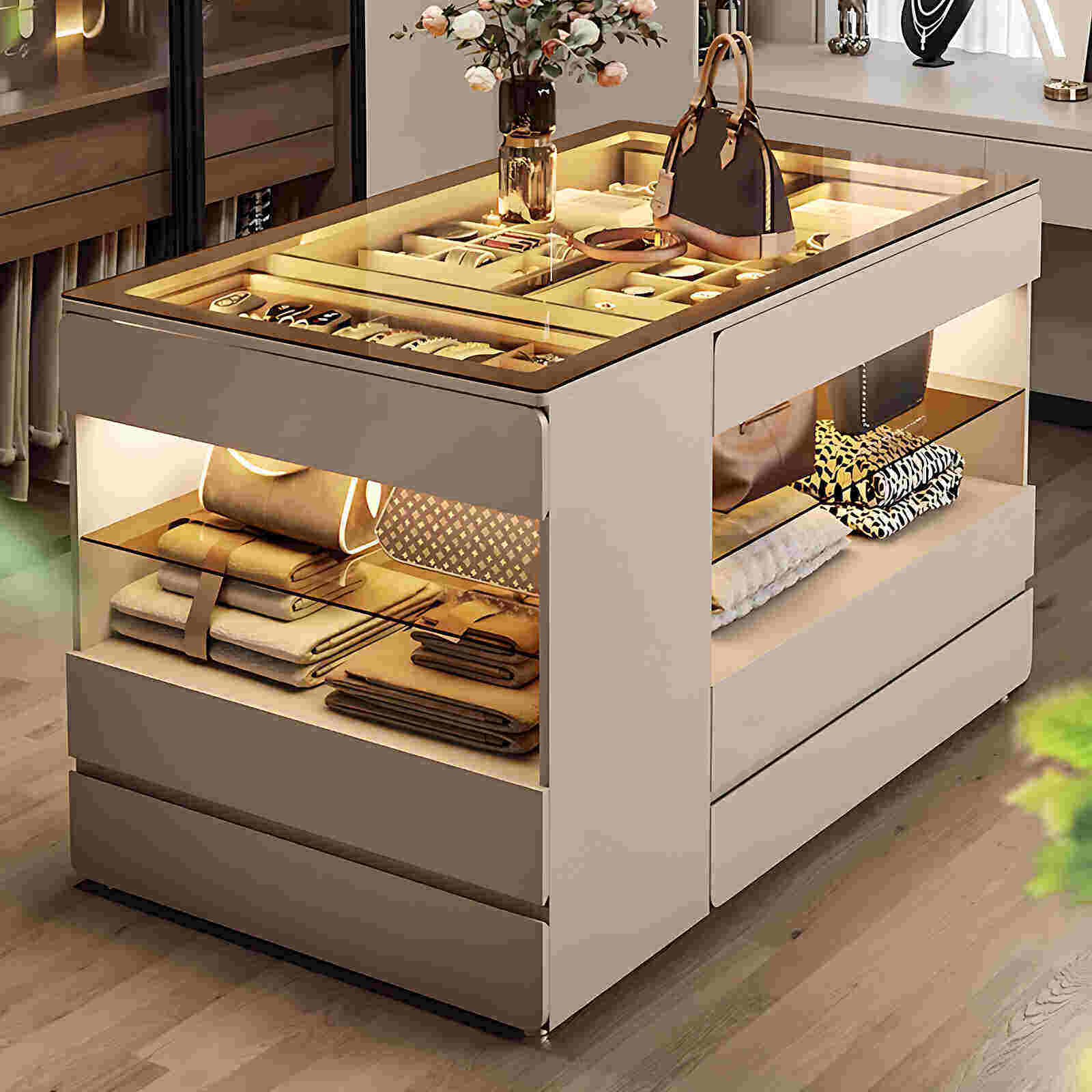
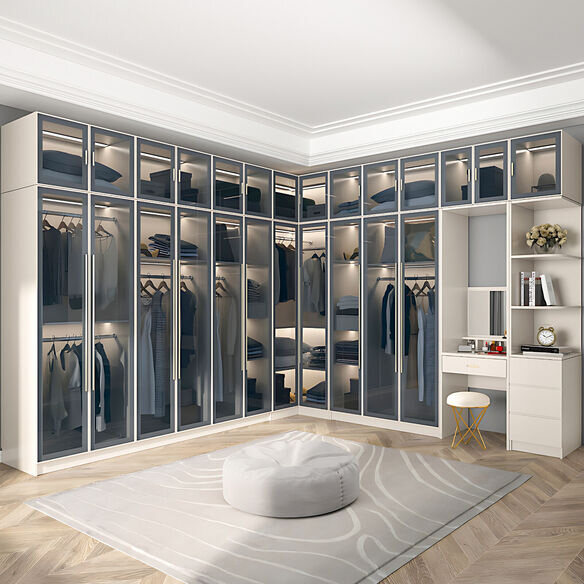
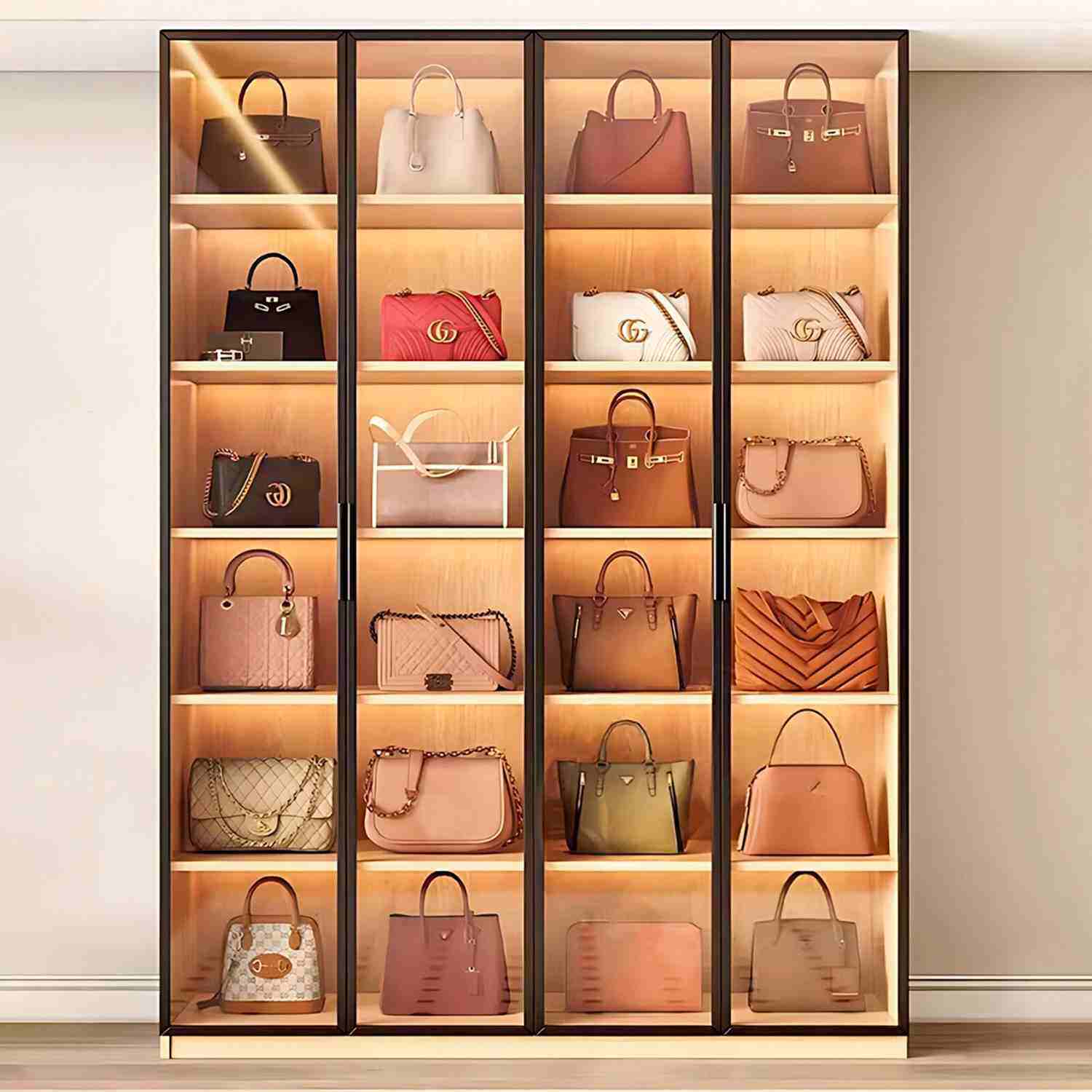

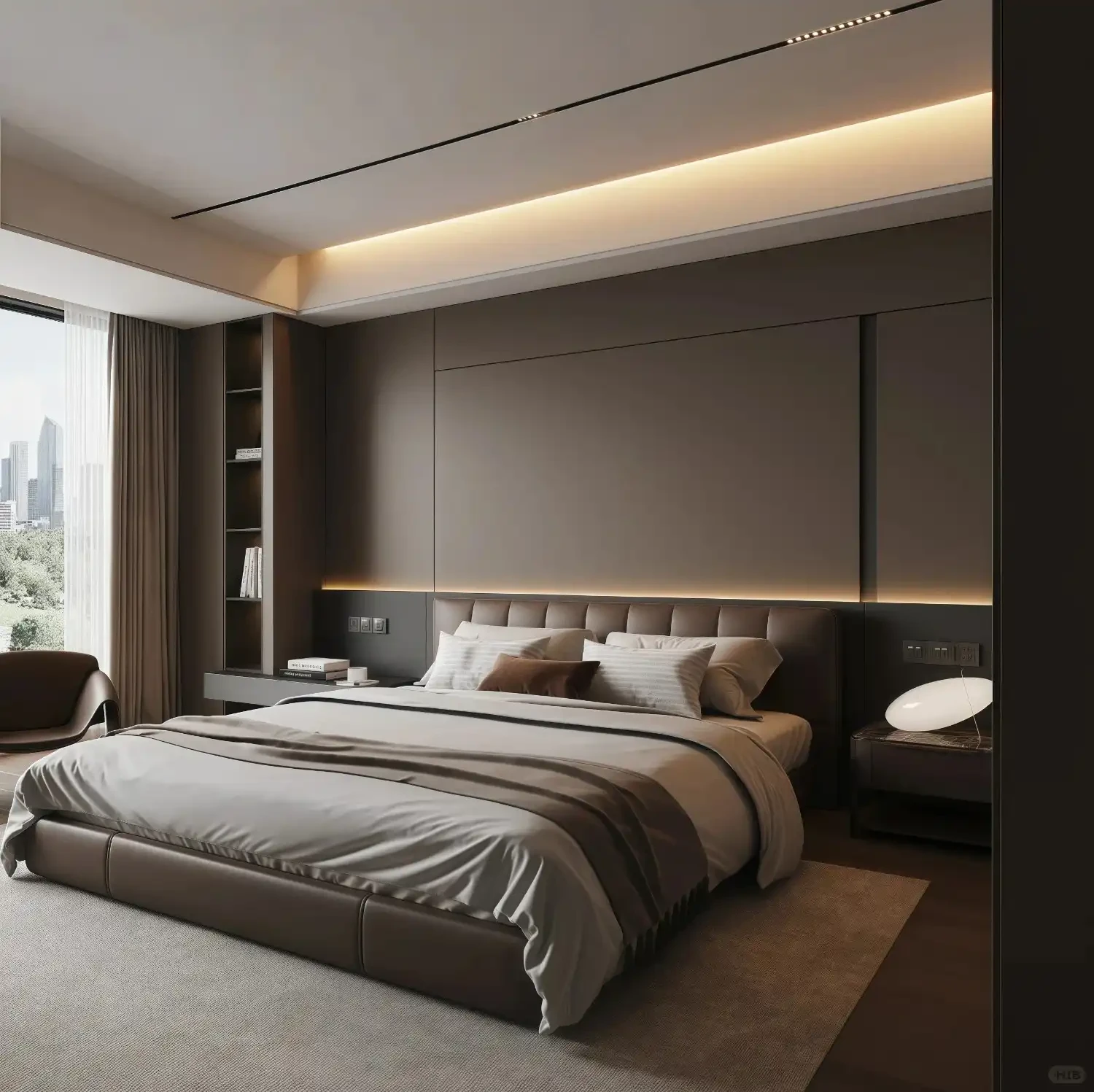
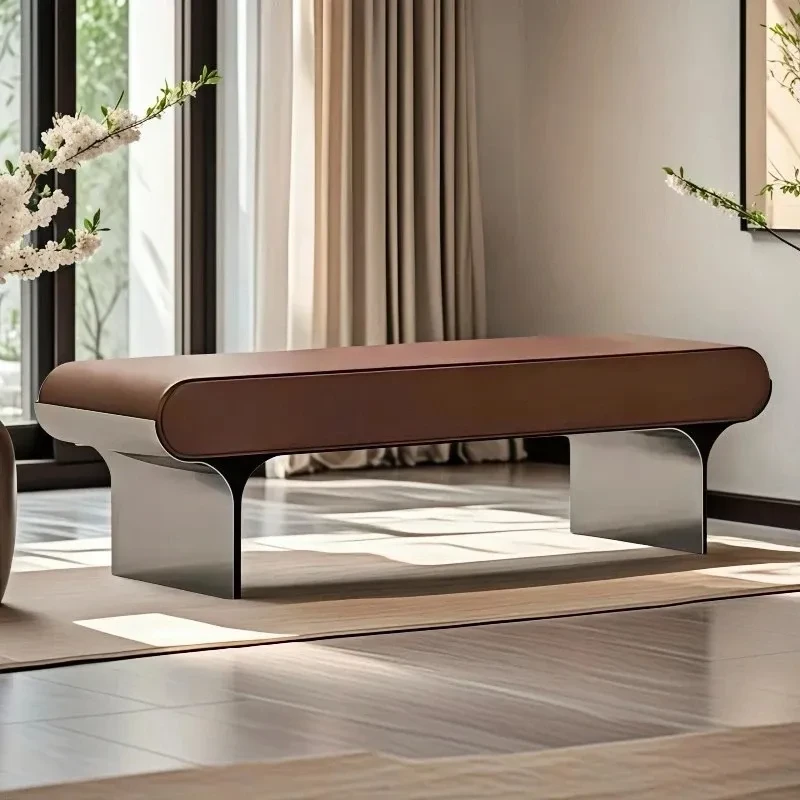
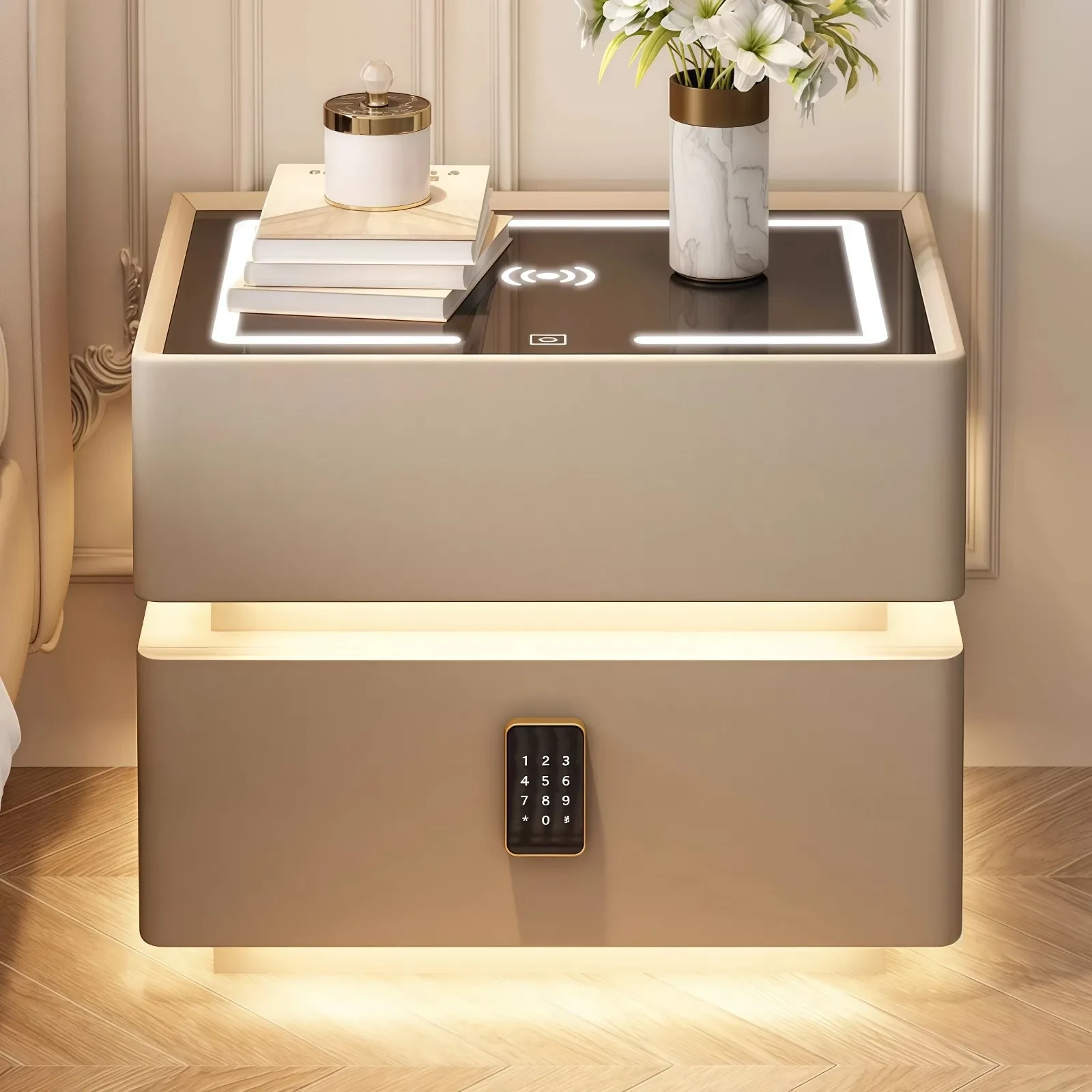
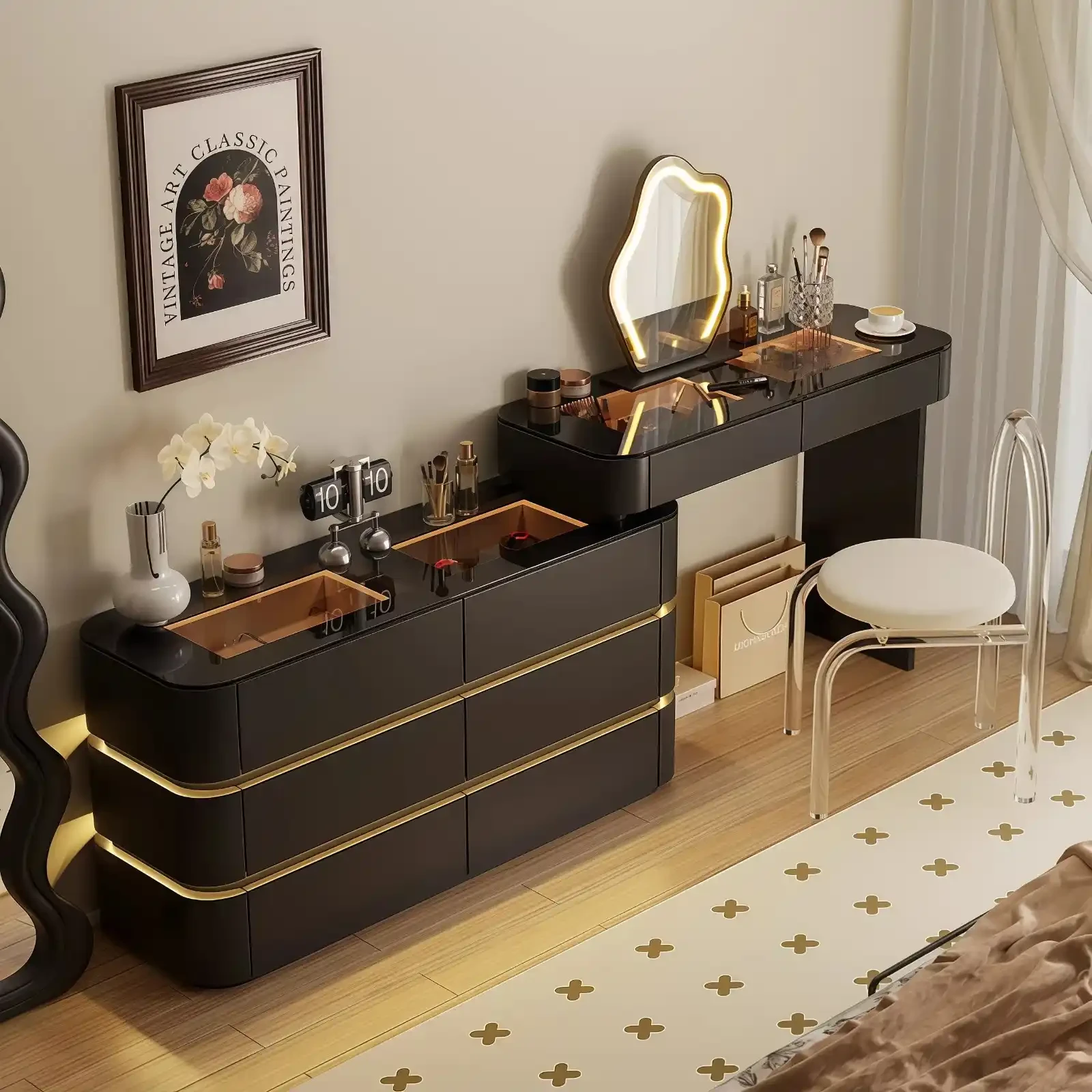
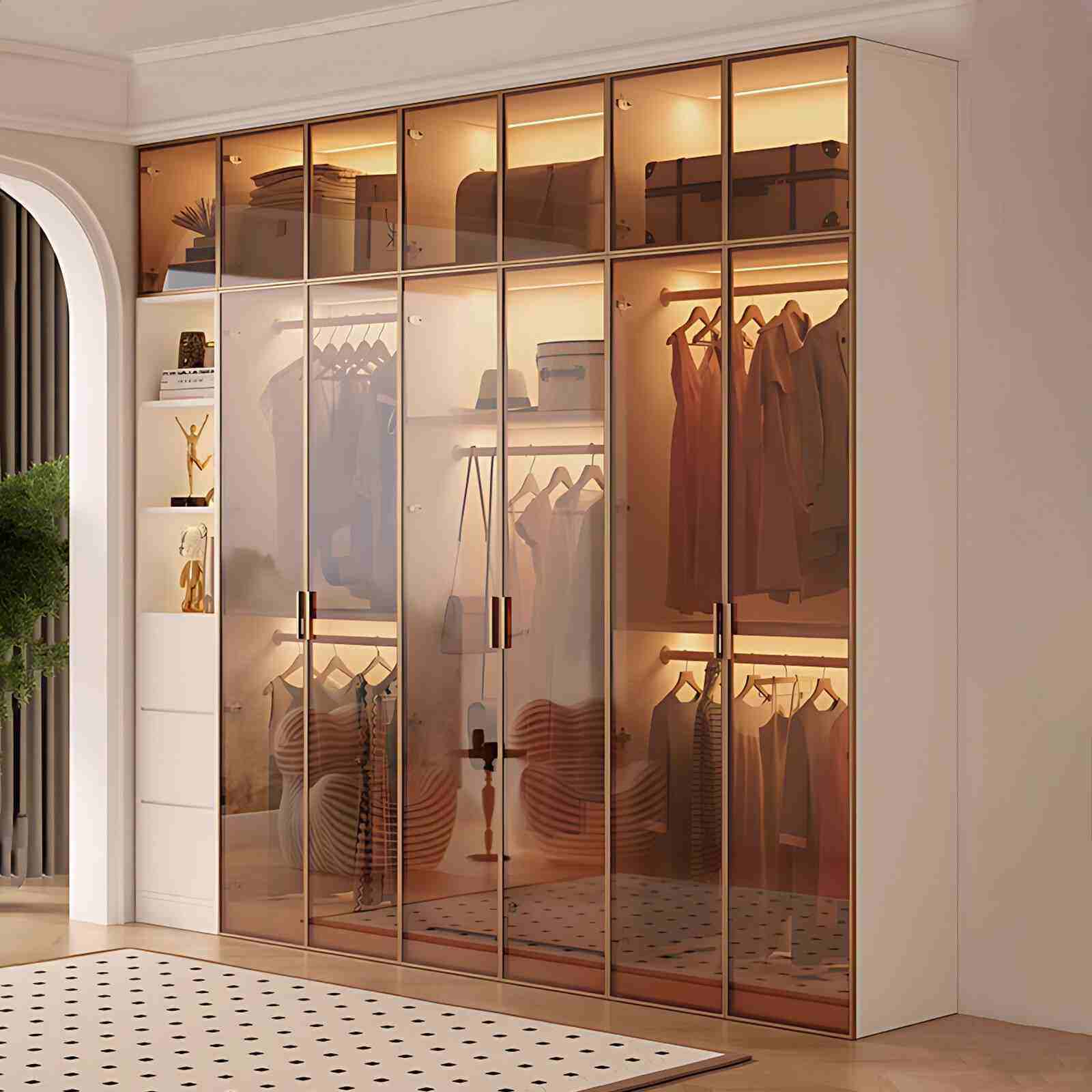
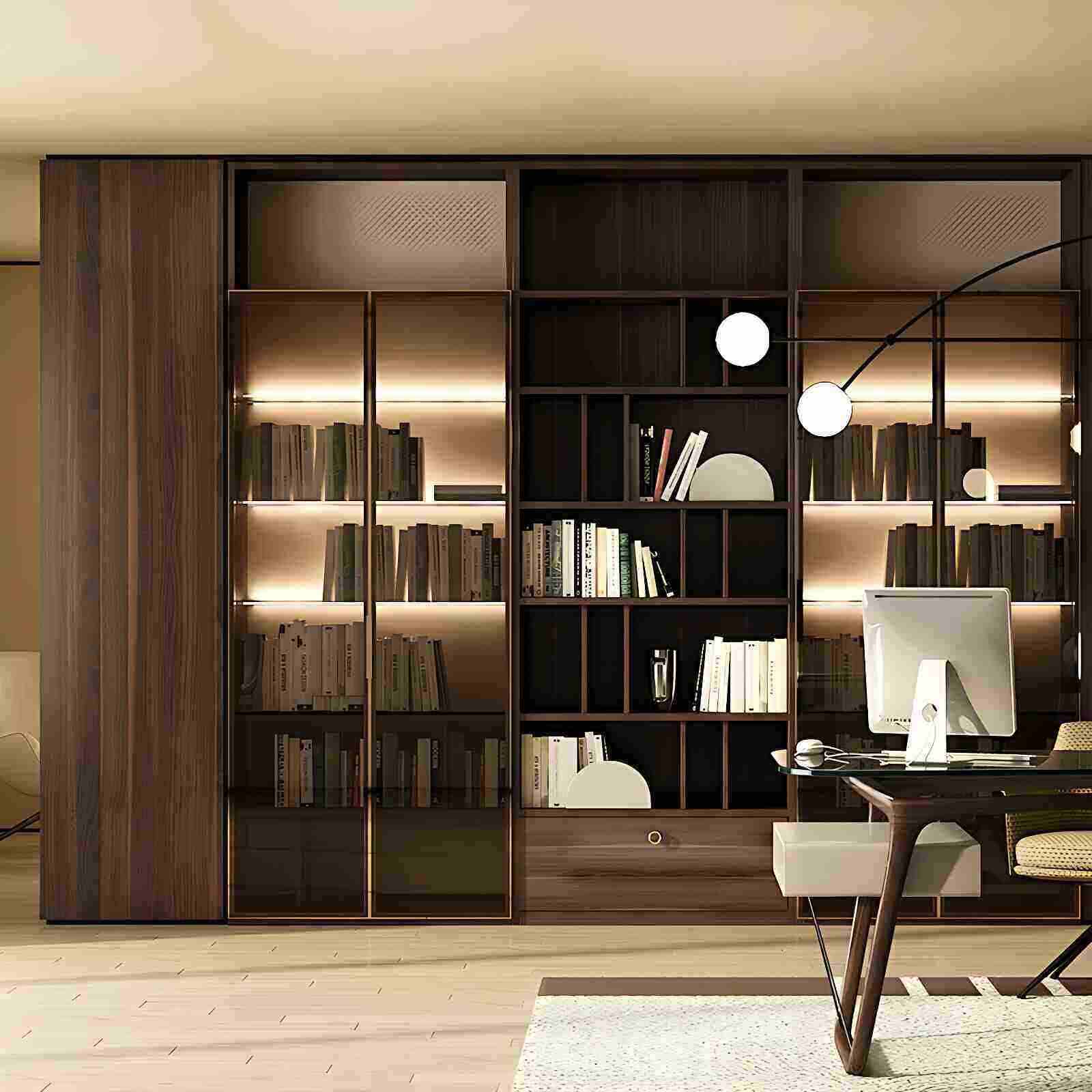

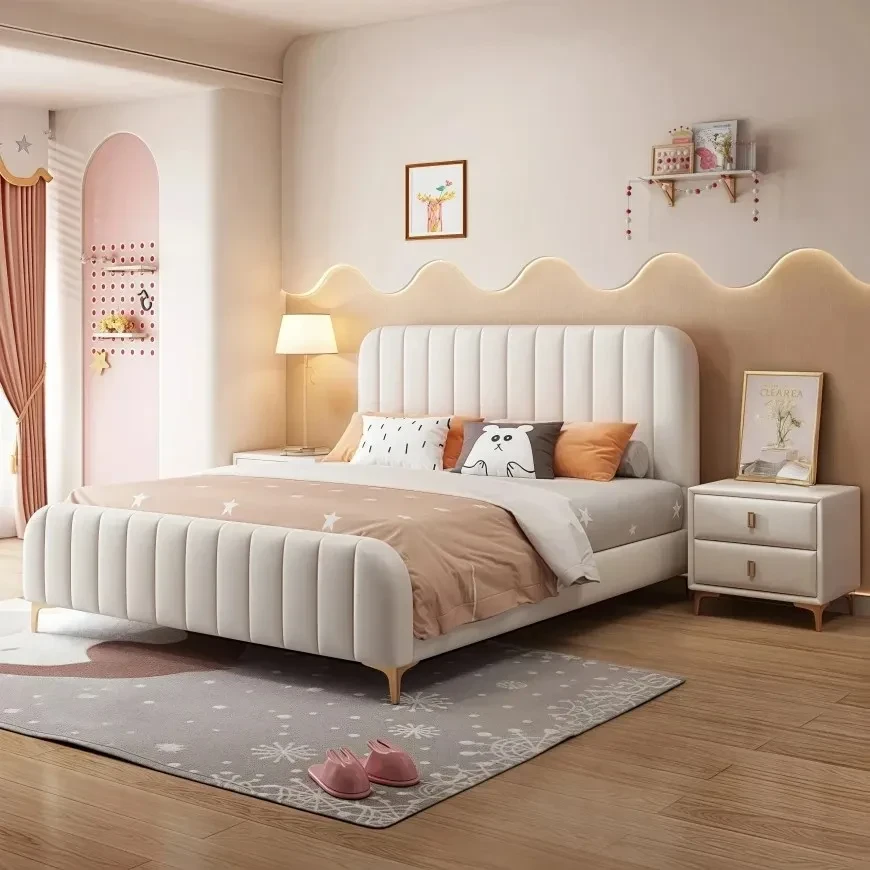
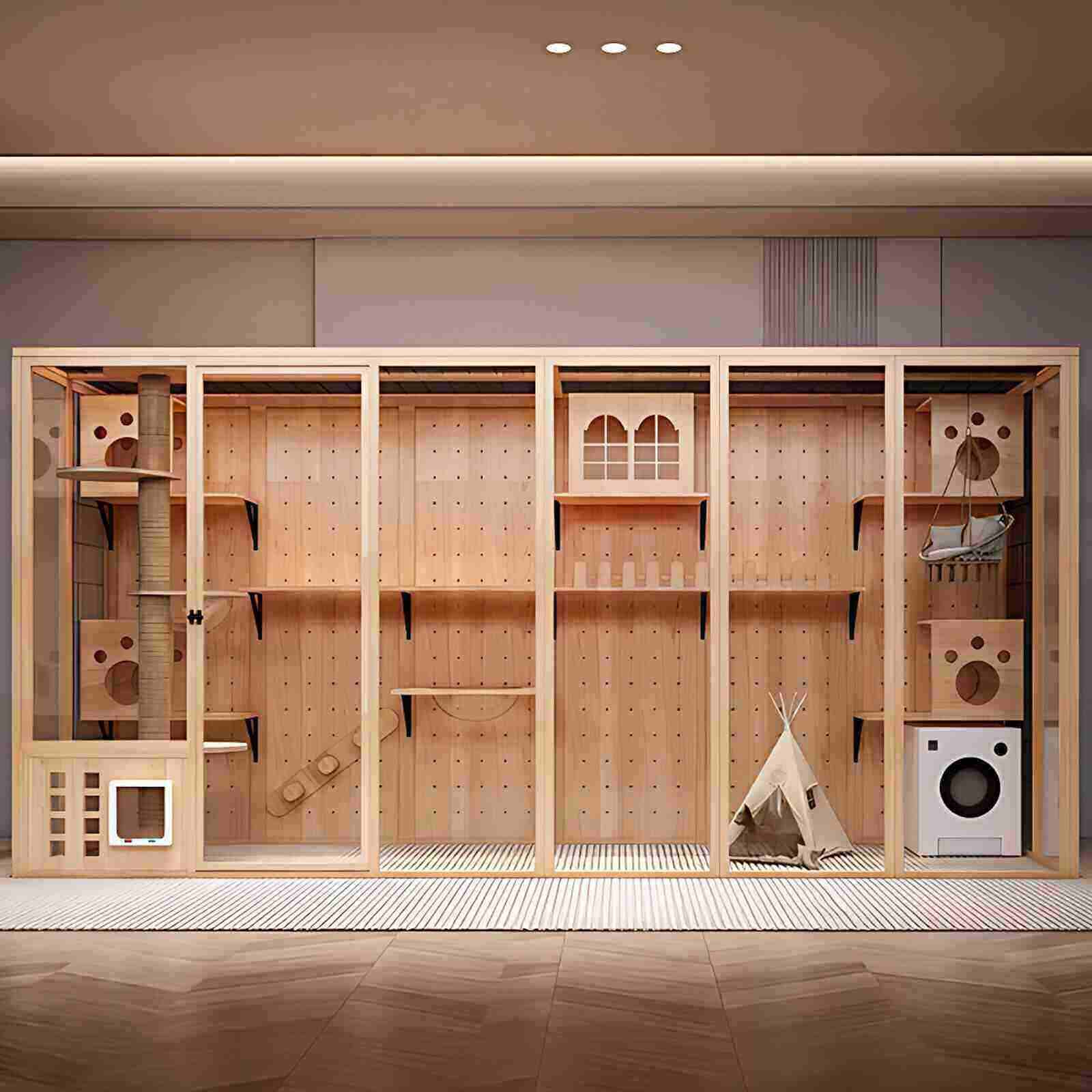
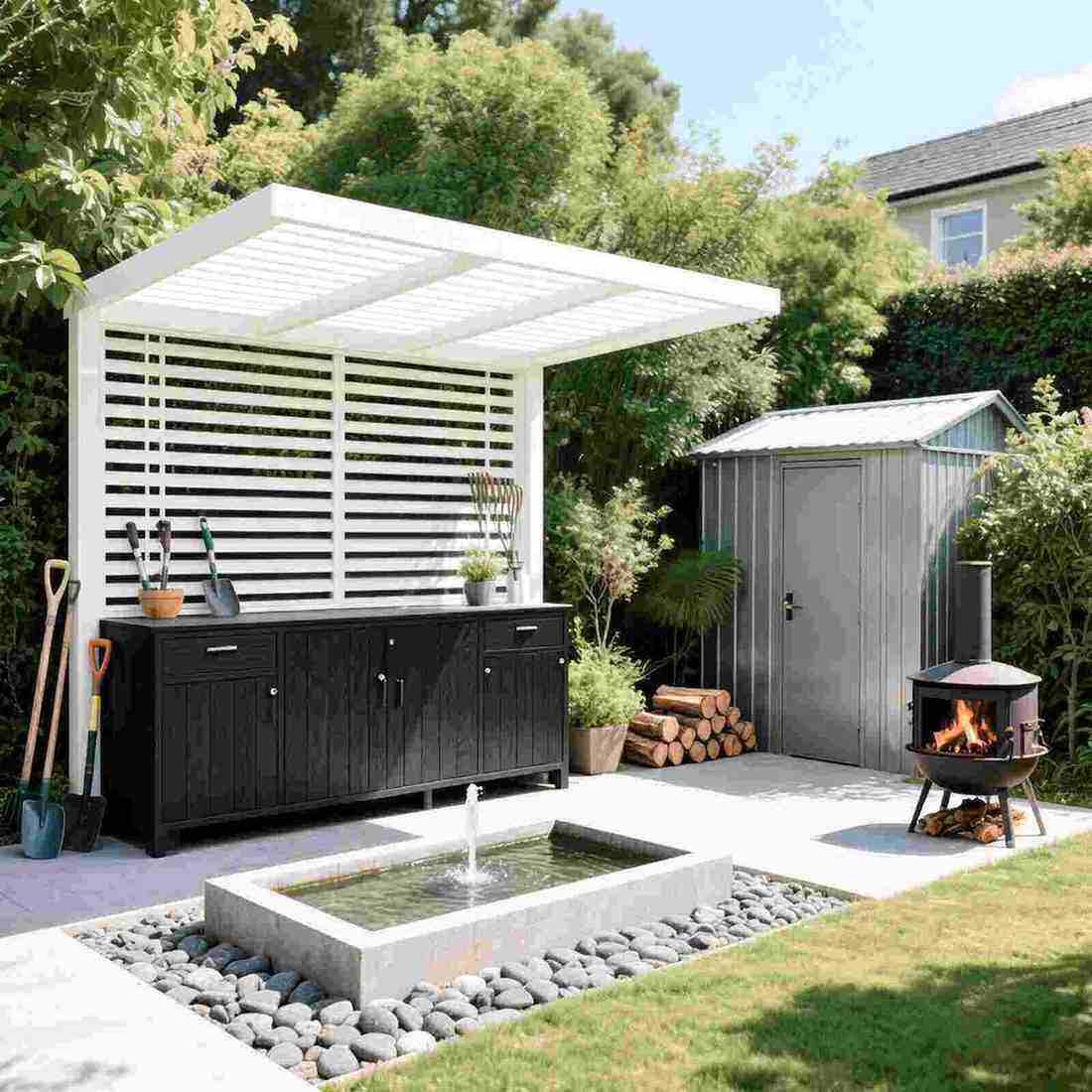
With the growing trend of customized home furnishings, panel furniture made from eco-friendly boards is becoming increasingly popular. It remains a favorite in the panel industry, initially used for computer desks and office furniture, mostly in single colors. However, as the variety of colors and patterns available for eco-friendly boards has increased, it has now become the preferred decoration material for both consumers and furniture manufacturers.
Using eco-friendly boards to customize wardrobes saves time because there's no need for painting, a time-consuming process that also requires a period of airing out after installation. Secondly, it's cost-effective; eliminating the need for painting eliminates the need to purchase related materials and labor costs. The most significant advantage is the price difference between eco-friendly boards and solid wood. Overall, the cost-performance ratio is very clear.
Reasons for price differences in eco-friendly boards
1. Brand value of eco-friendly boards: Eco-friendly boards are used extensively in customized home decoration. To ensure you get eco-friendly boards that offer excellent value for money, choosing a leading eco-friendly board brand is crucial.
2. Appearance and color of ecological boards: There are many types of ecological boards with vibrant colors. Different ecological board colors can match different decoration styles, and the prices of mainstream color products will also vary.
3. Core material of ecological board: The main core materials of current ecological boards are Malacca wood, American redwood, fir, pine, etc. Fuqing ecological board uses imported Malacca wood, New Zealand pine and domestic medium and large diameter fir as core materials, and high-quality eucalyptus wood as the middle board to ensure that the board surface is flat and elegant and the board structure has distinct layers.
4. Environmental performance of eco-boards: There is a price difference between E0 and E1 grade eco-boards. E0 grade eco-boards have a formaldehyde emission content of <0.5mg/L, which is a more stringent environmental requirement. While some E0 grade eco-boards produced by smaller factories may be cheaper, it is difficult to say whether they actually meet the E0 environmental standard.
What should we pay attention to when purchasing eco-friendly boards?
1. Examine the texture and color of the board to see if it is fine and uniform, and whether the wood grain is clear and beautiful.
2. Check the flatness. In a slightly dim light, look at the long surface of the eco-board at a 45-degree angle to see if it is uneven.
3. Check the surface of the ecological board for spots or blocks of dry or wet patterns.
4. The degree of deformation of the eco-board also reflects the manufacturer's process capability, while cracking is definitely a quality problem.
5. Trees emit a protective odor to protect themselves. Ecological boards are made from a variety of woods and will naturally have a smell. So, the smell when you cut them does not mean they are not environmentally friendly.