
 USD
USD GBP
GBP
 EUR
EUR
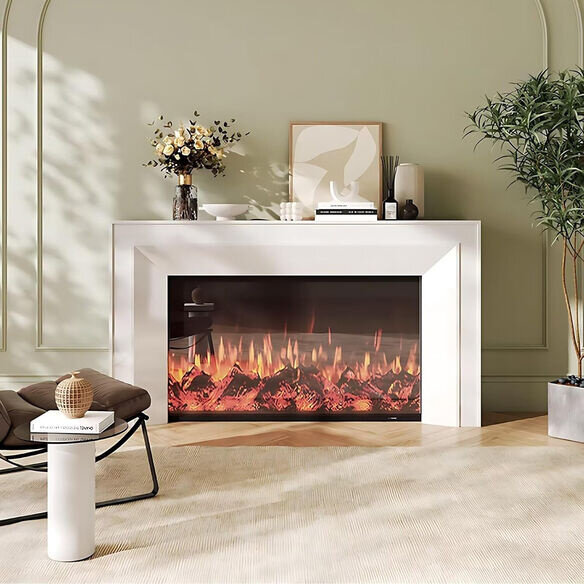


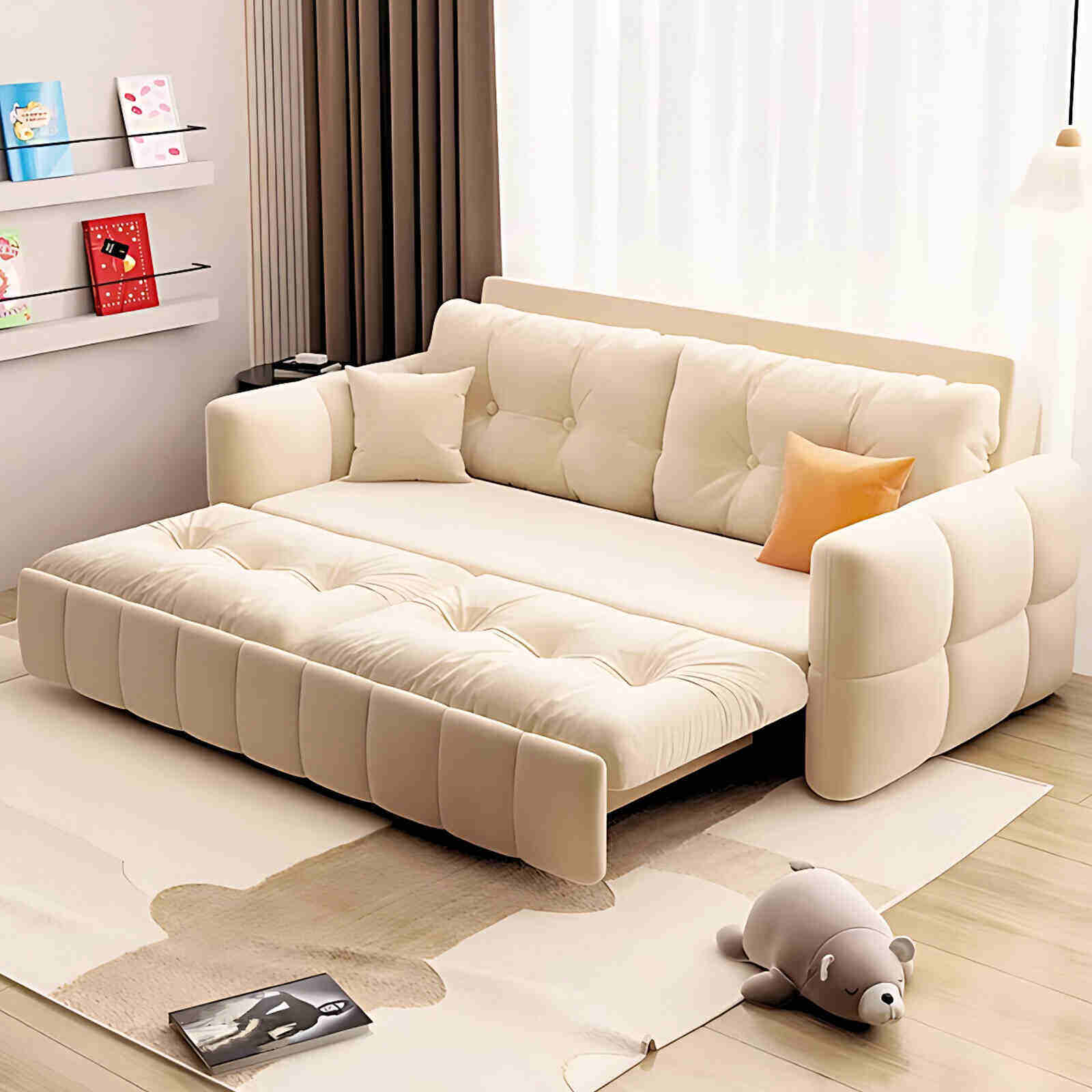
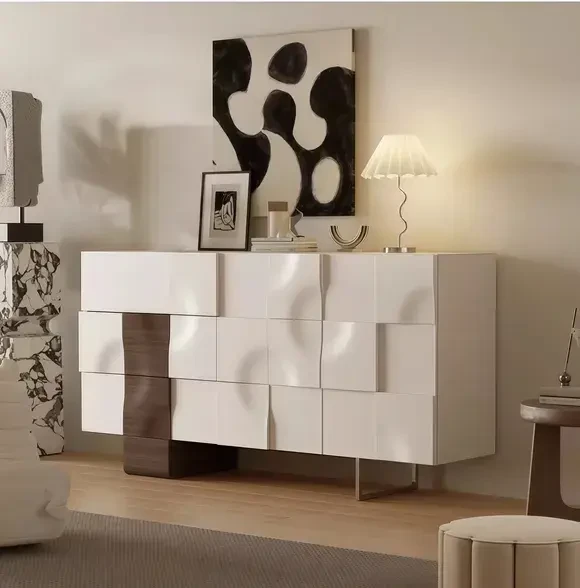

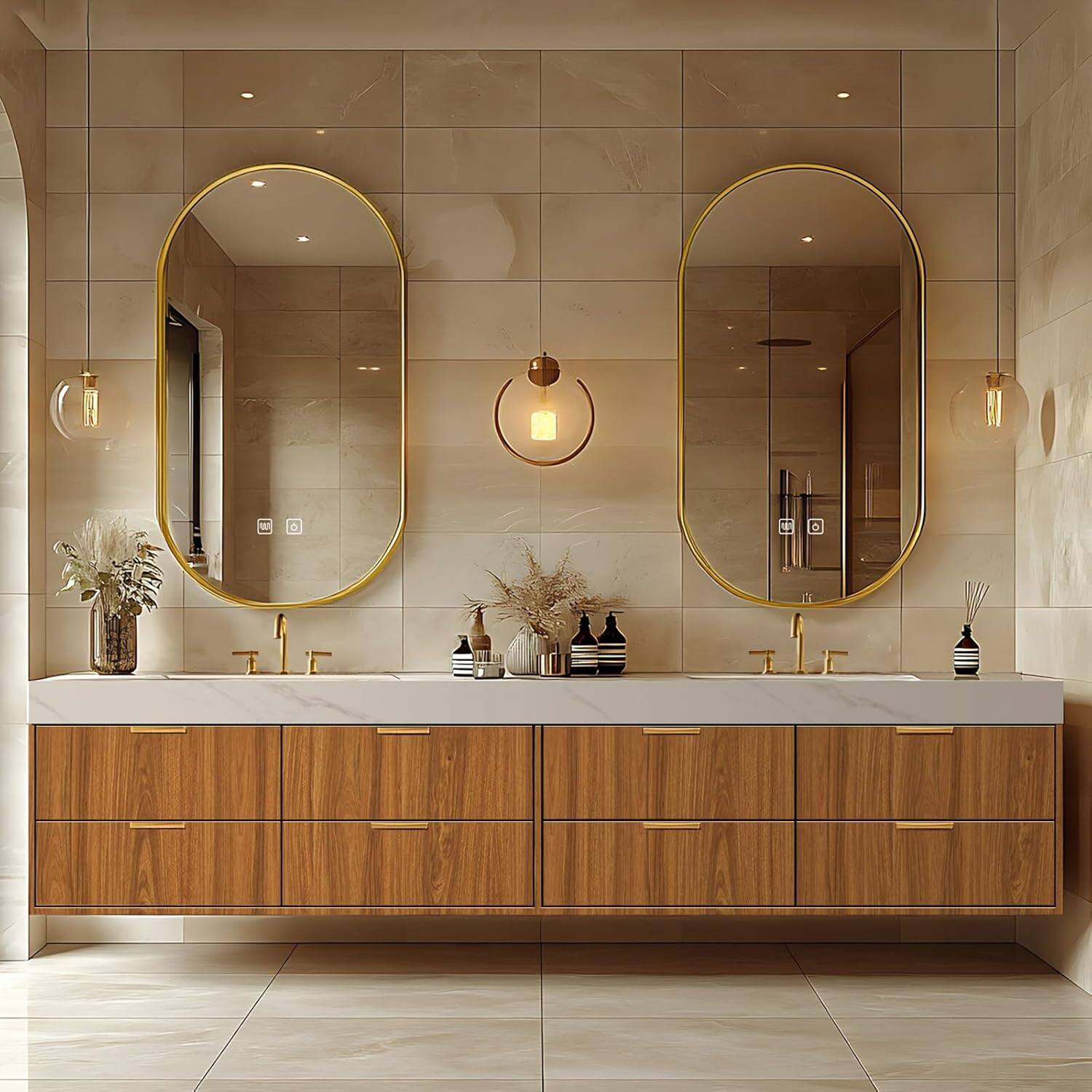
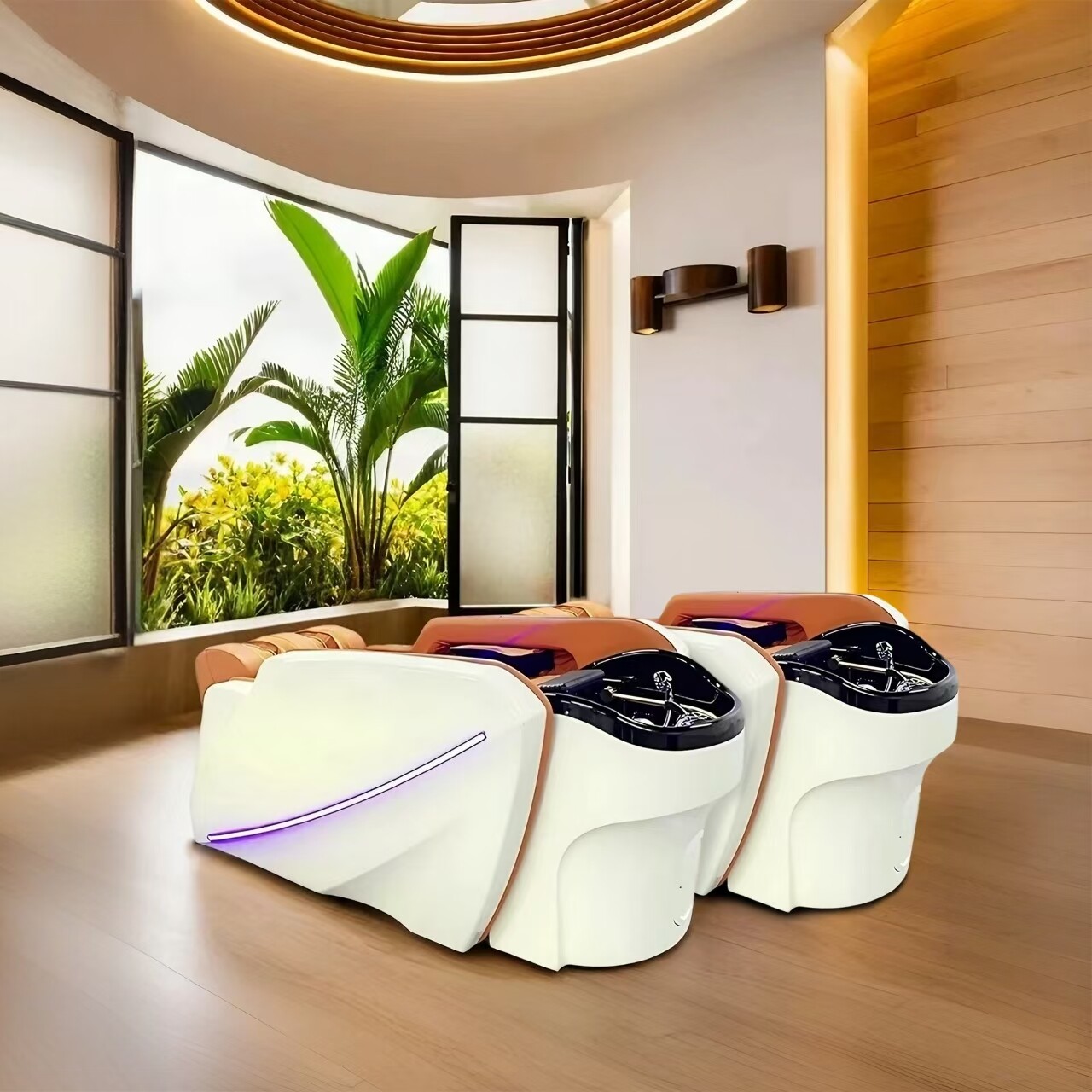
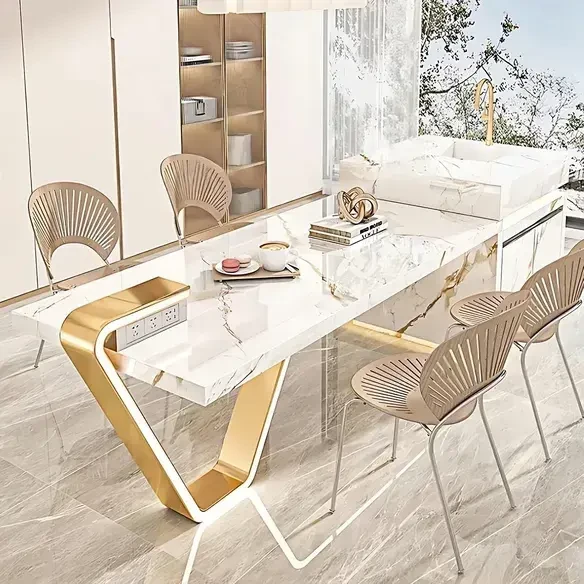
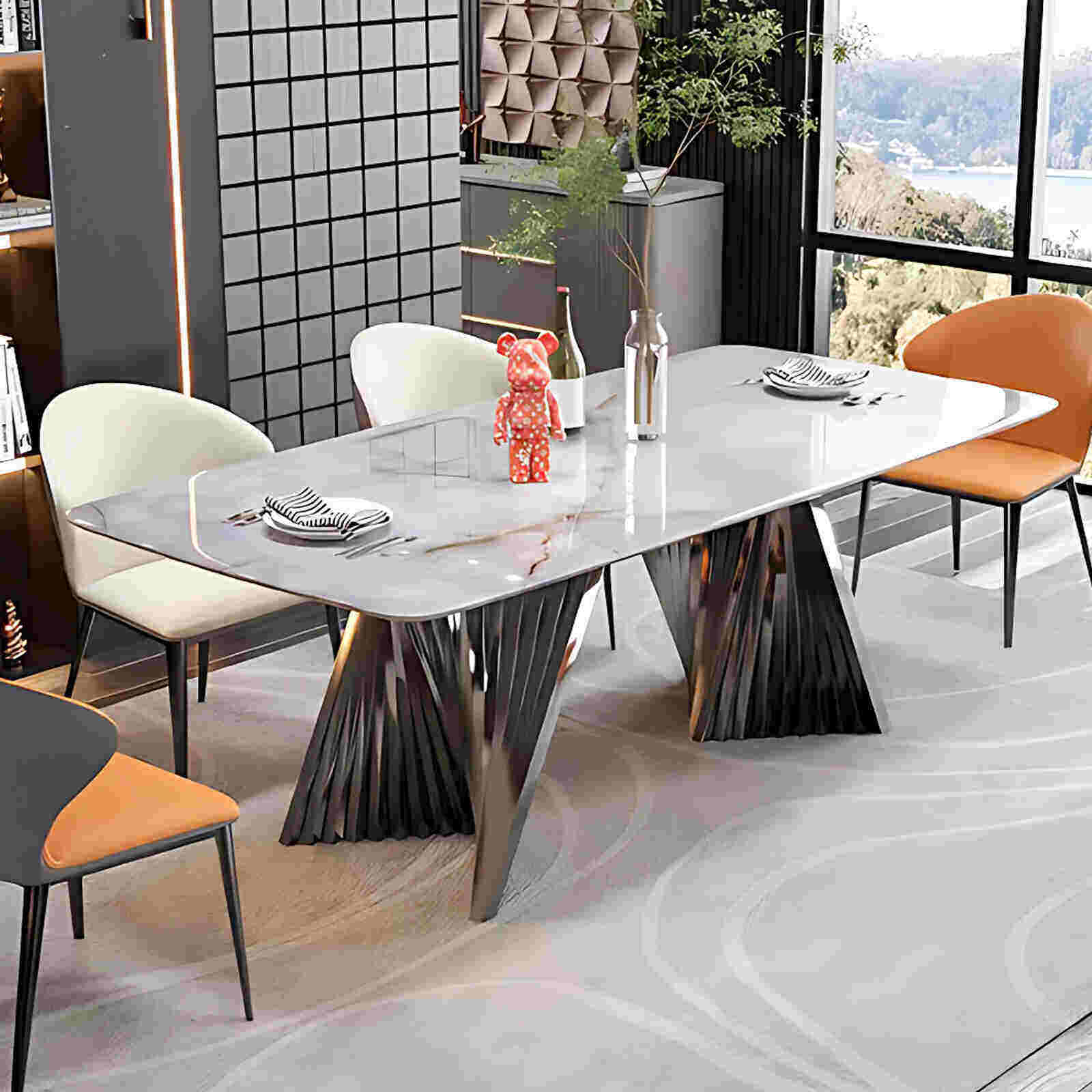
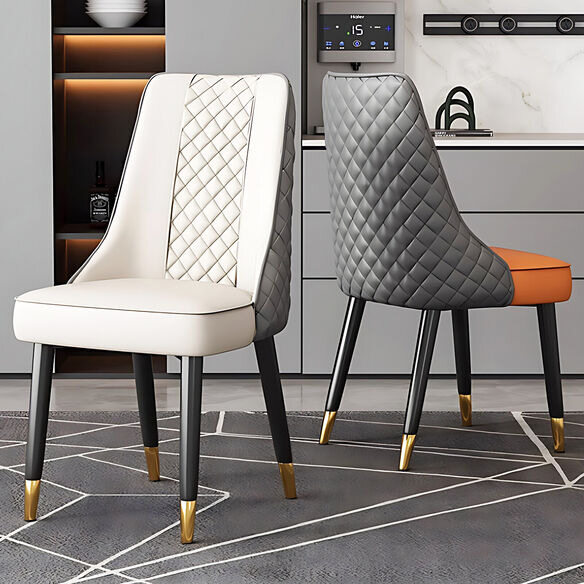
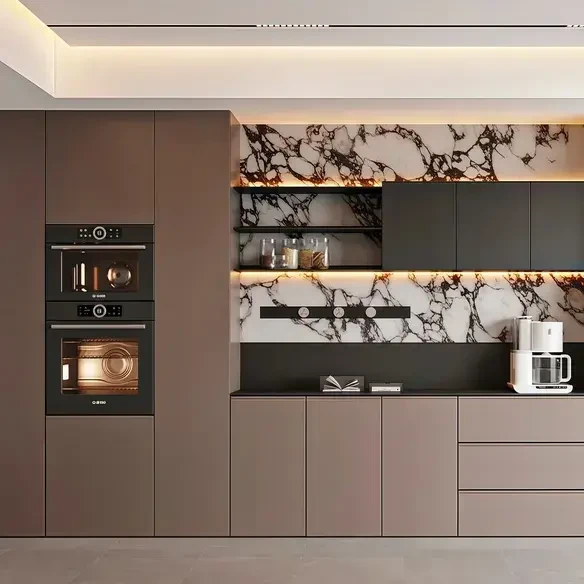
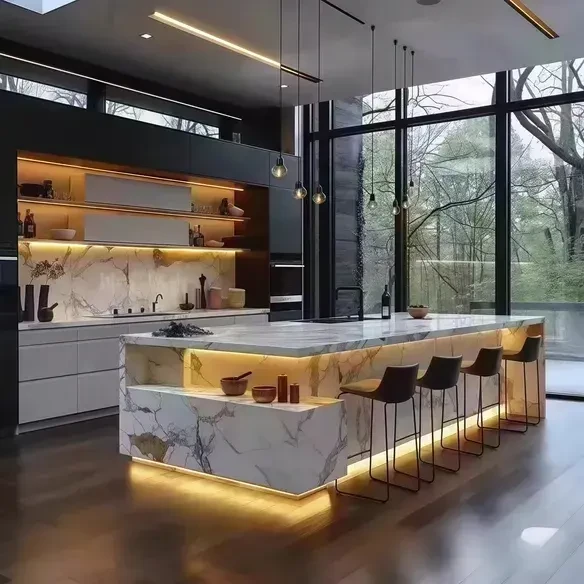
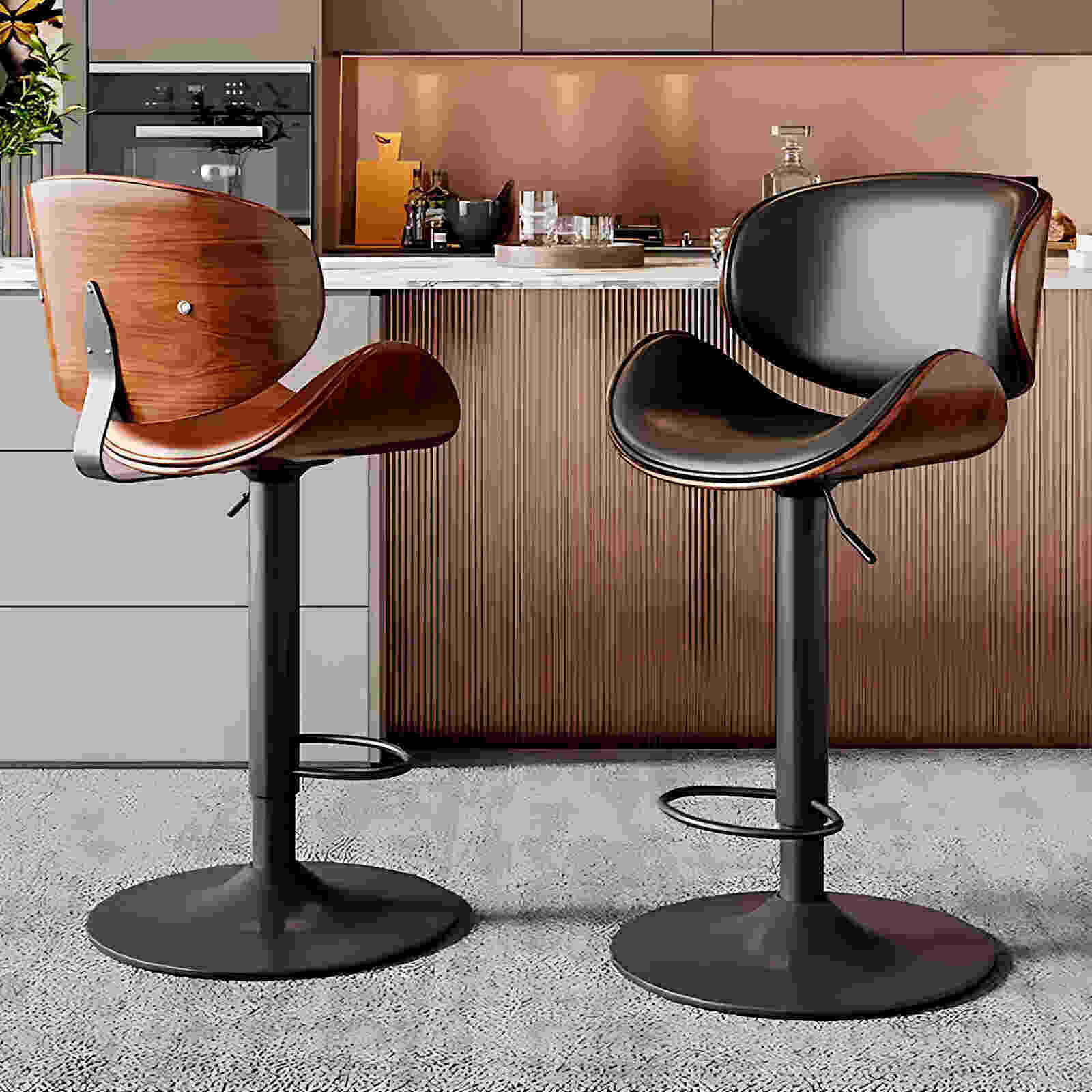


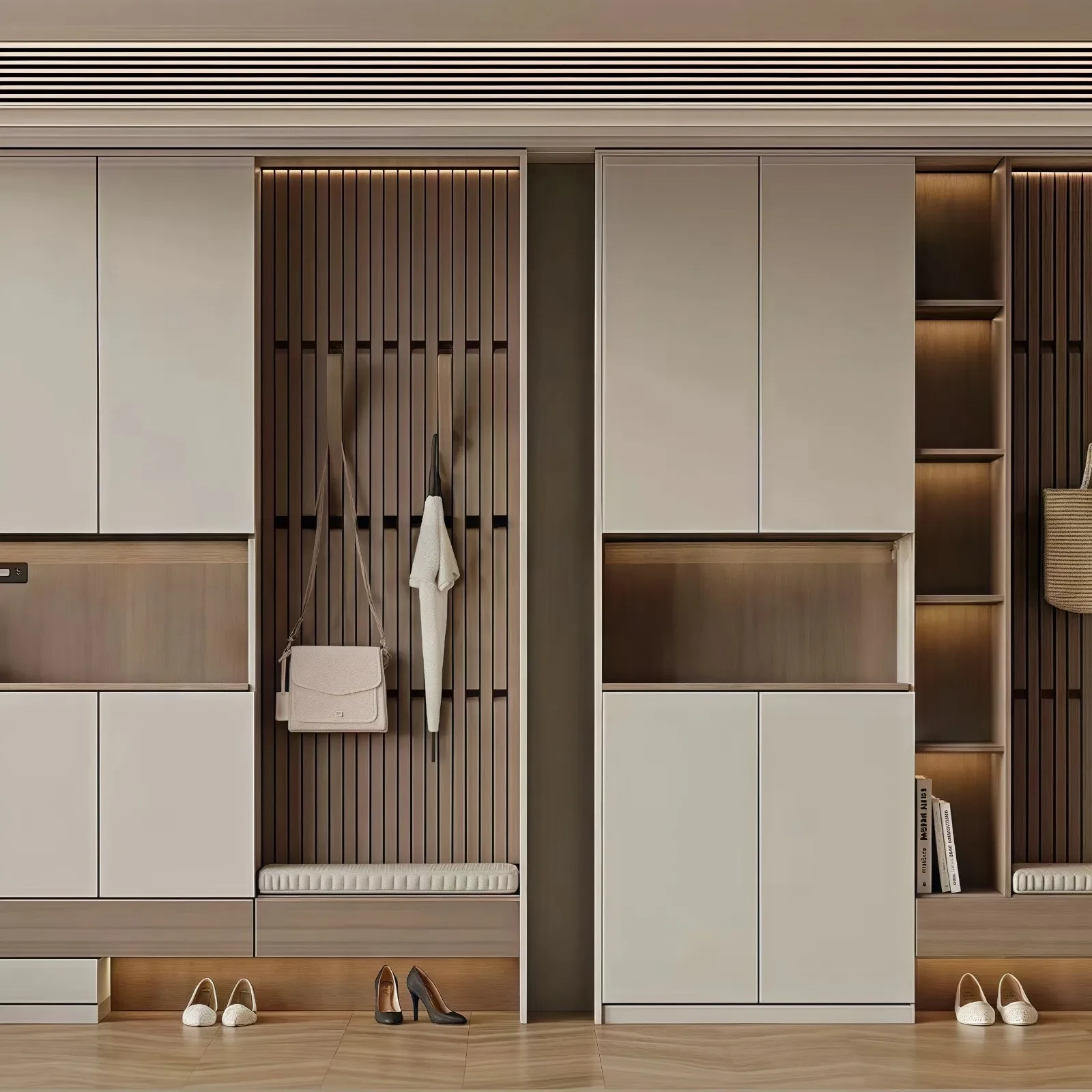
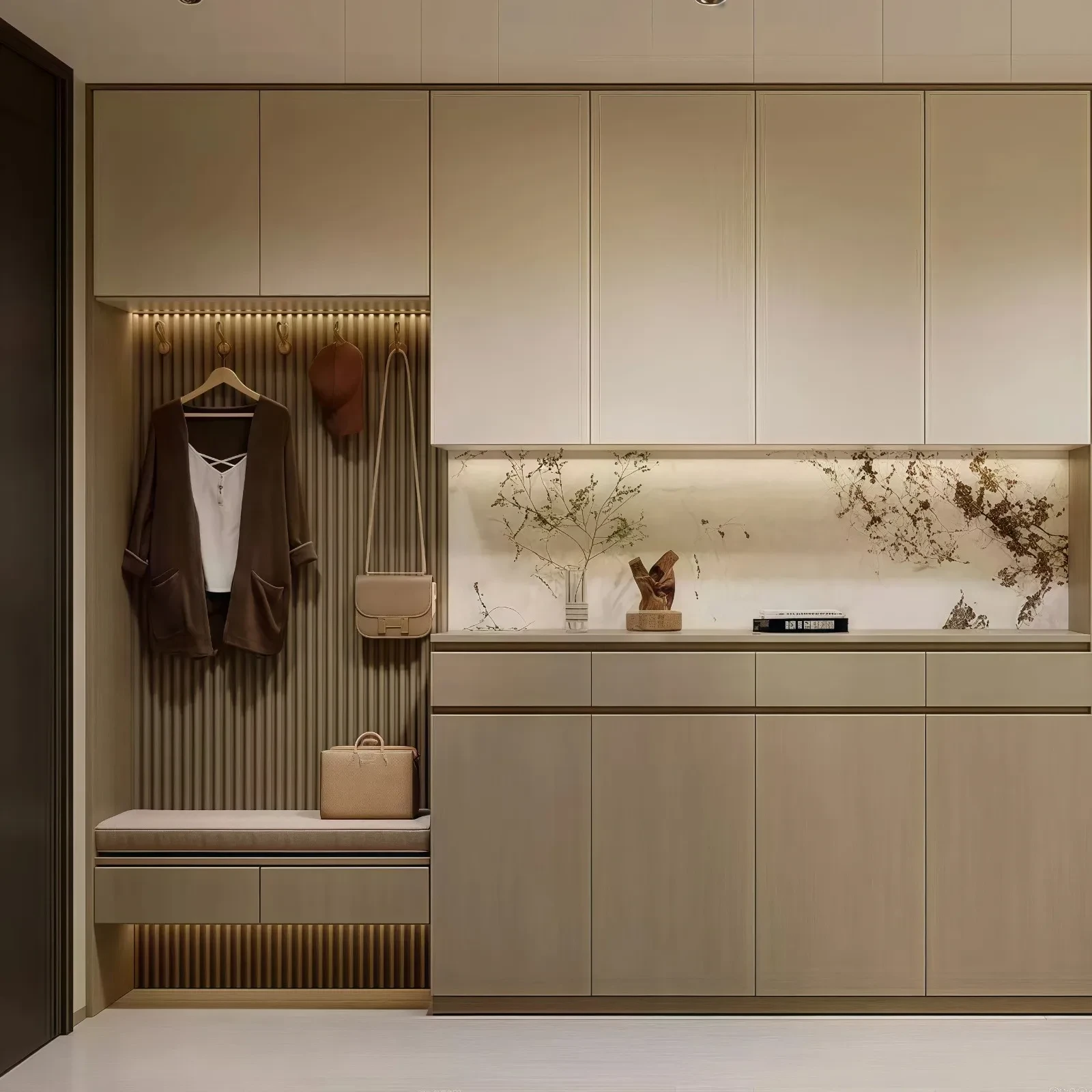
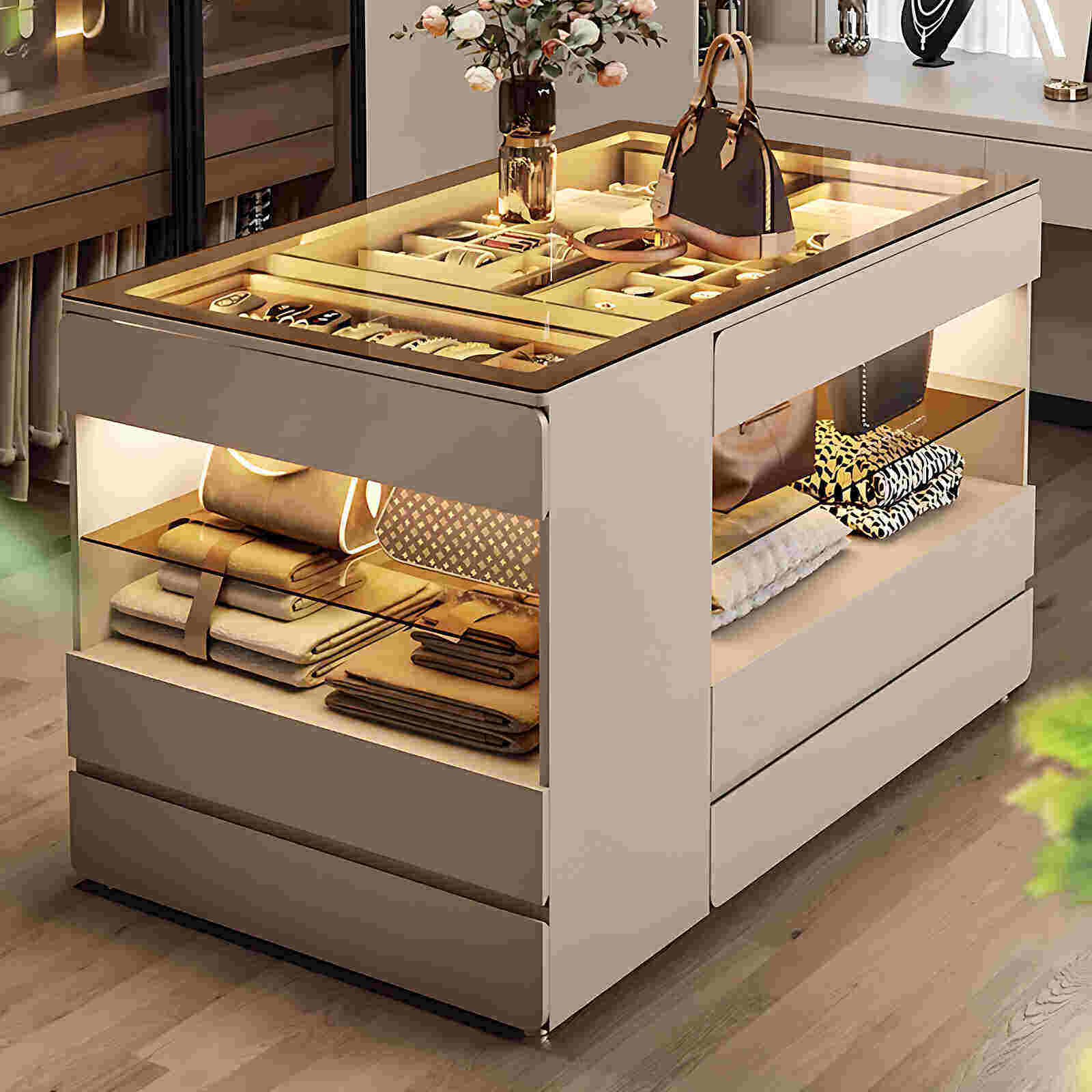

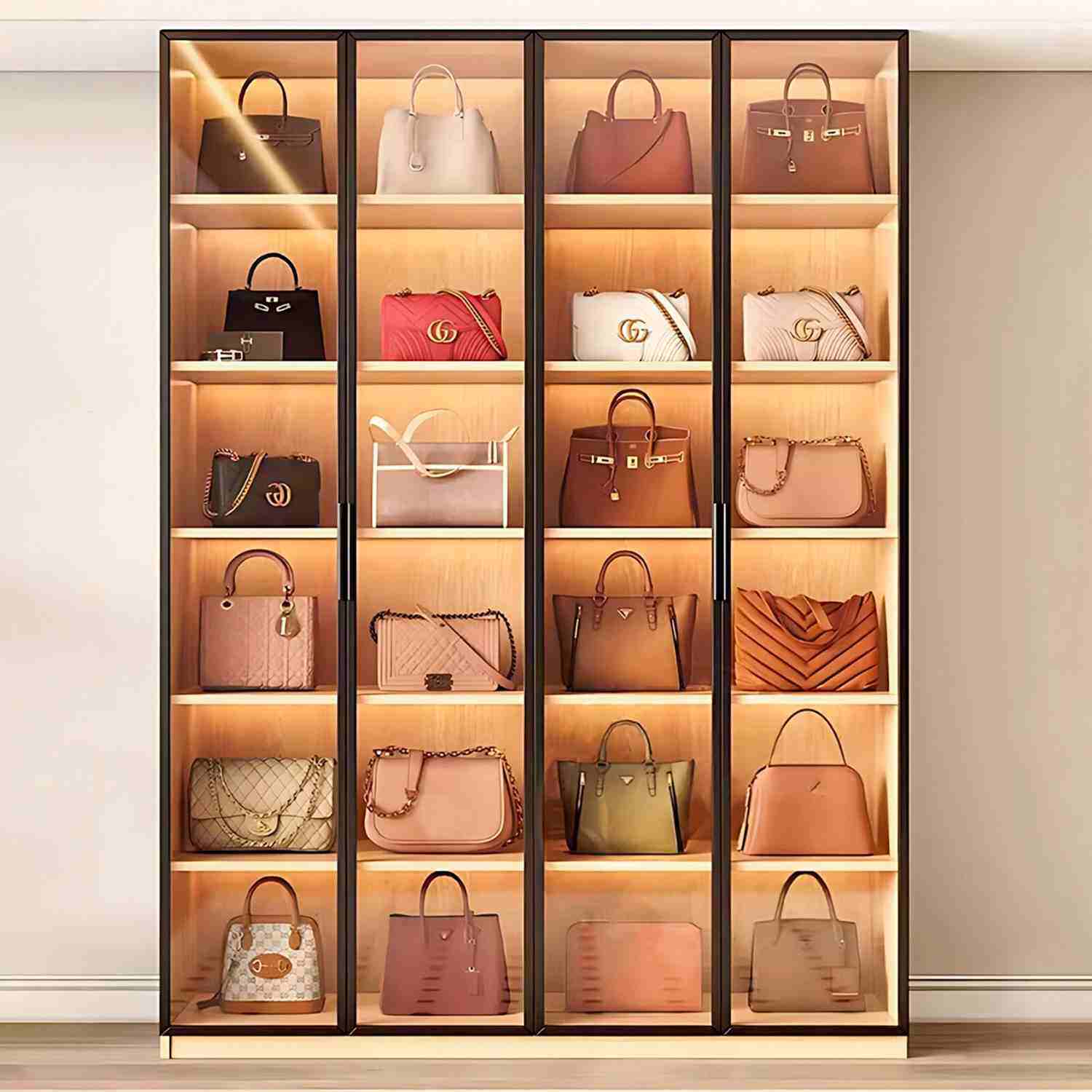
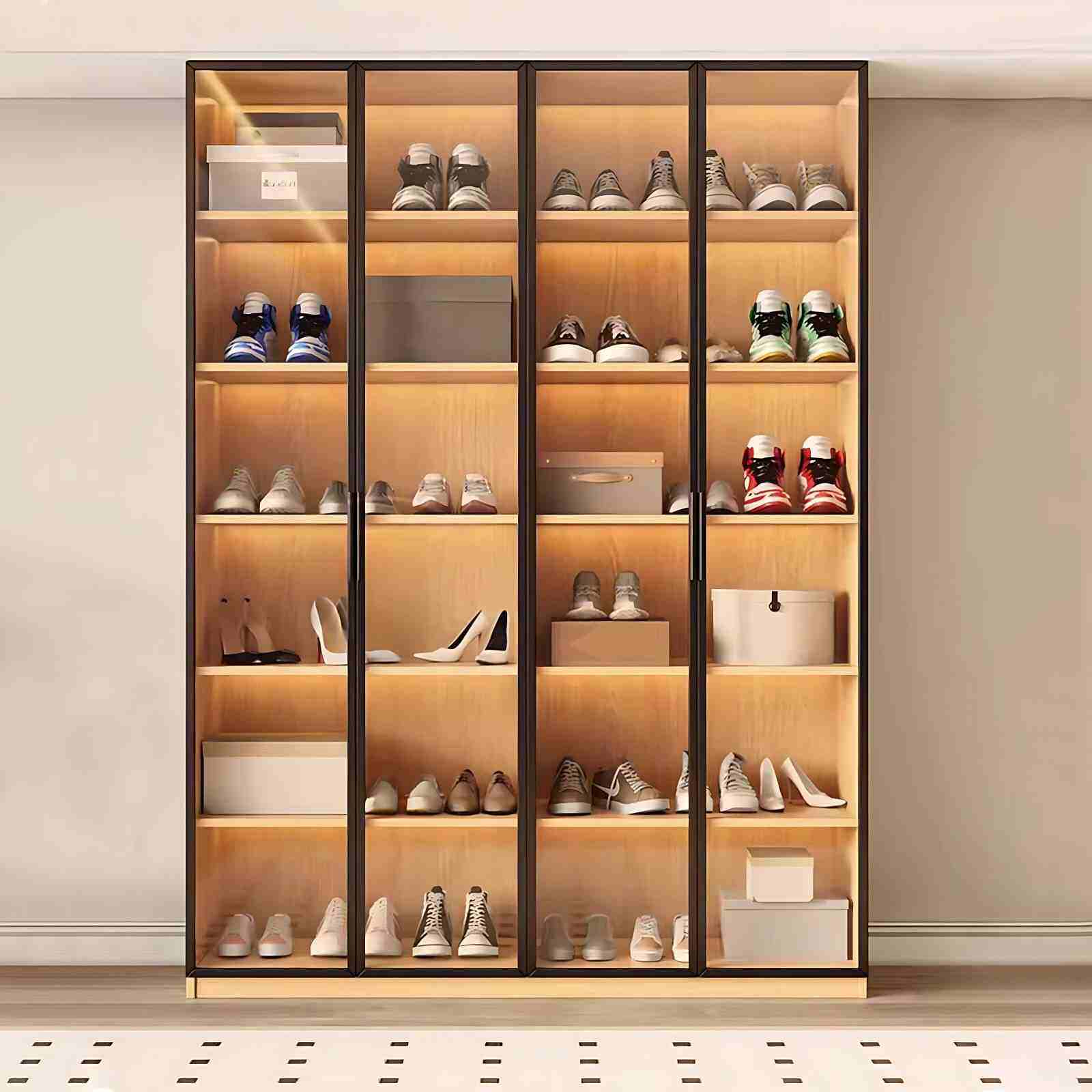
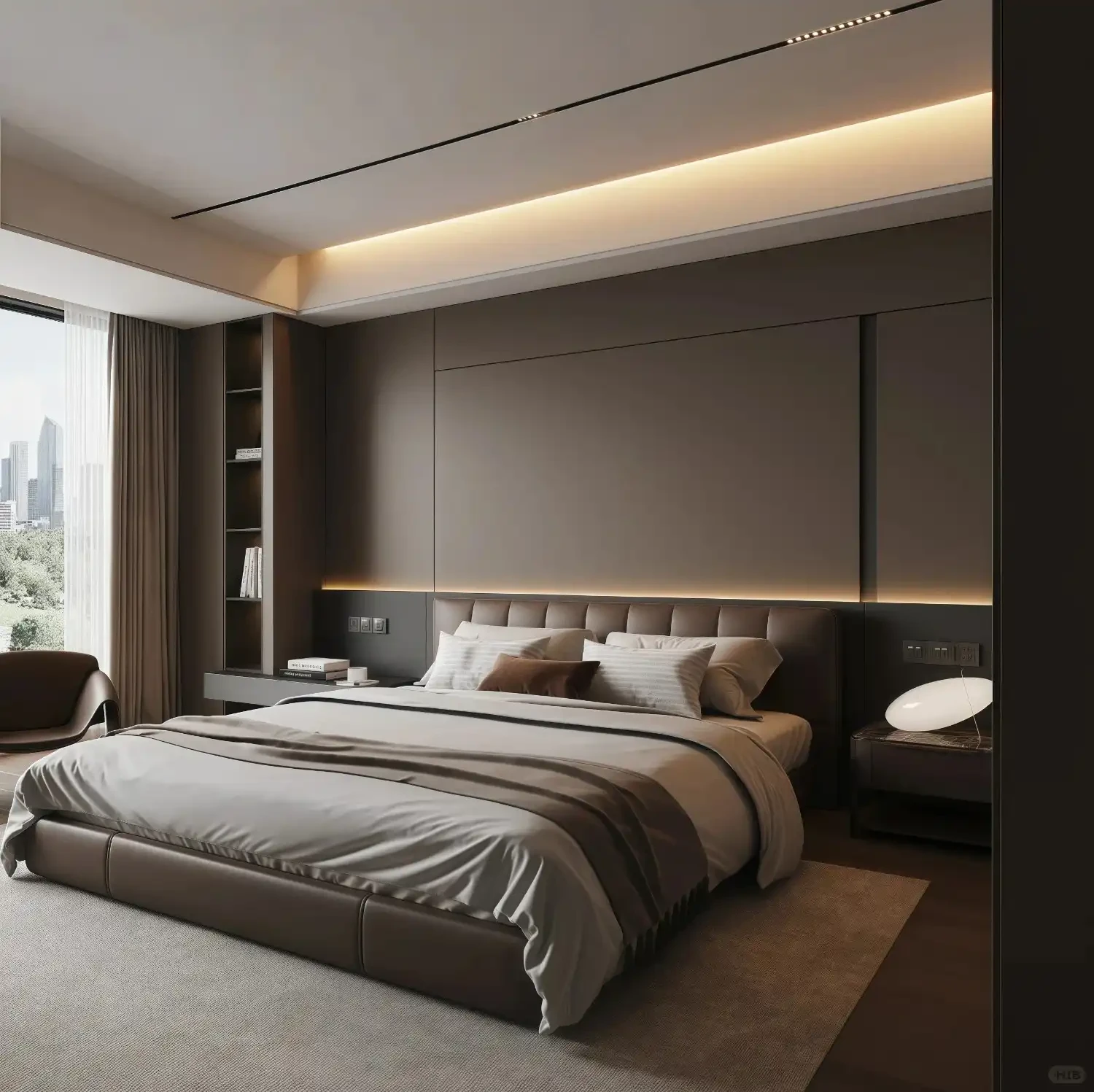
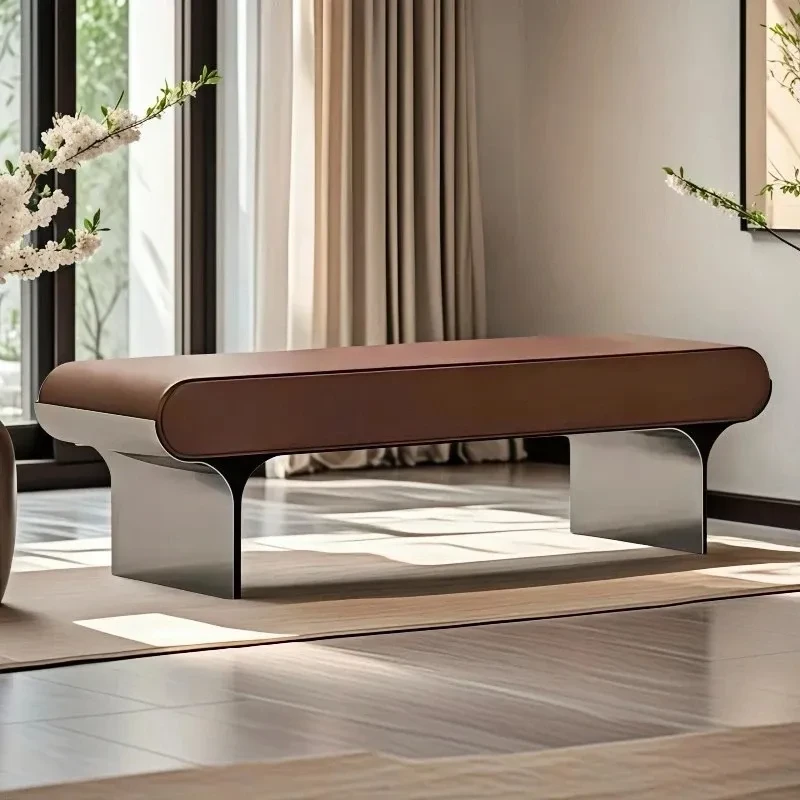
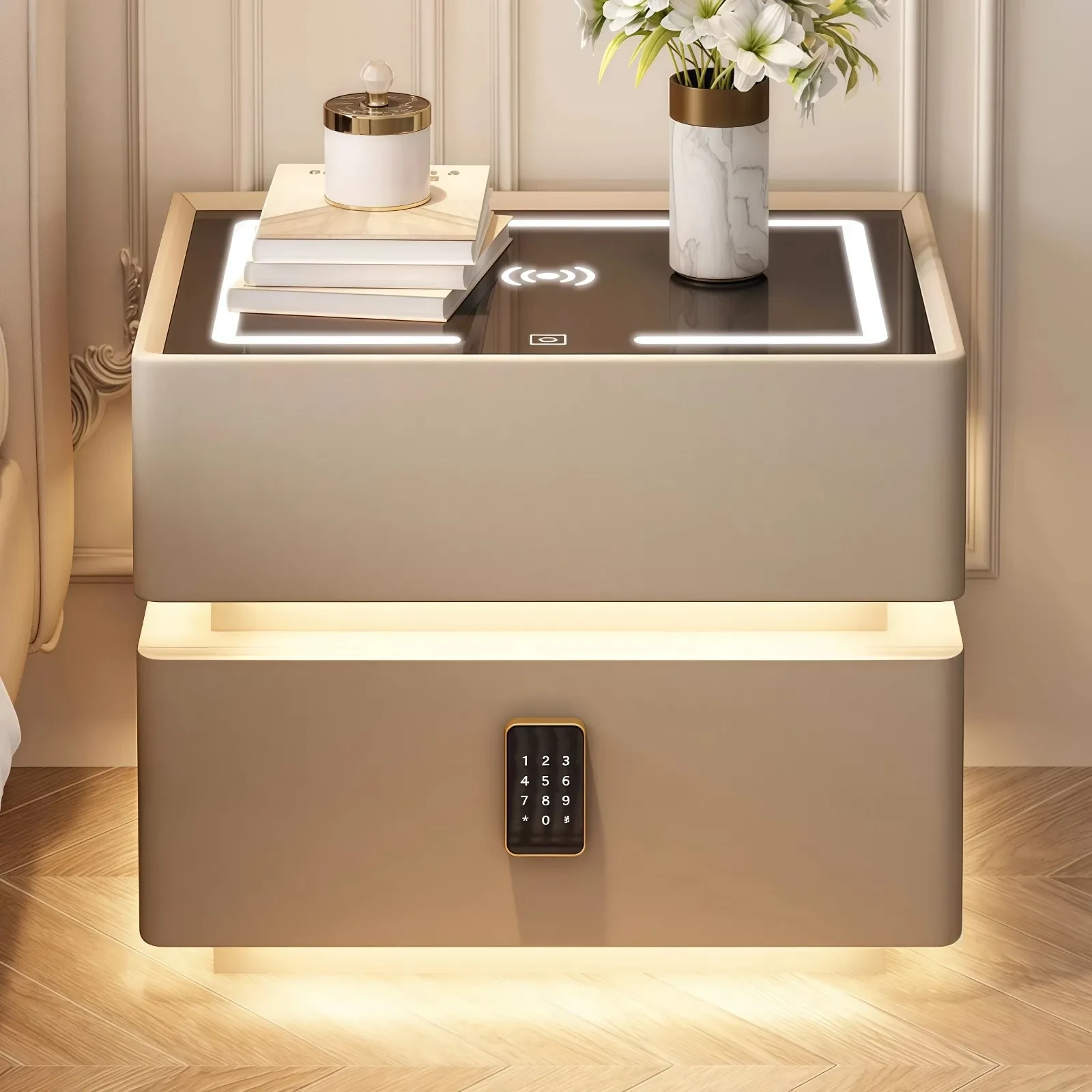
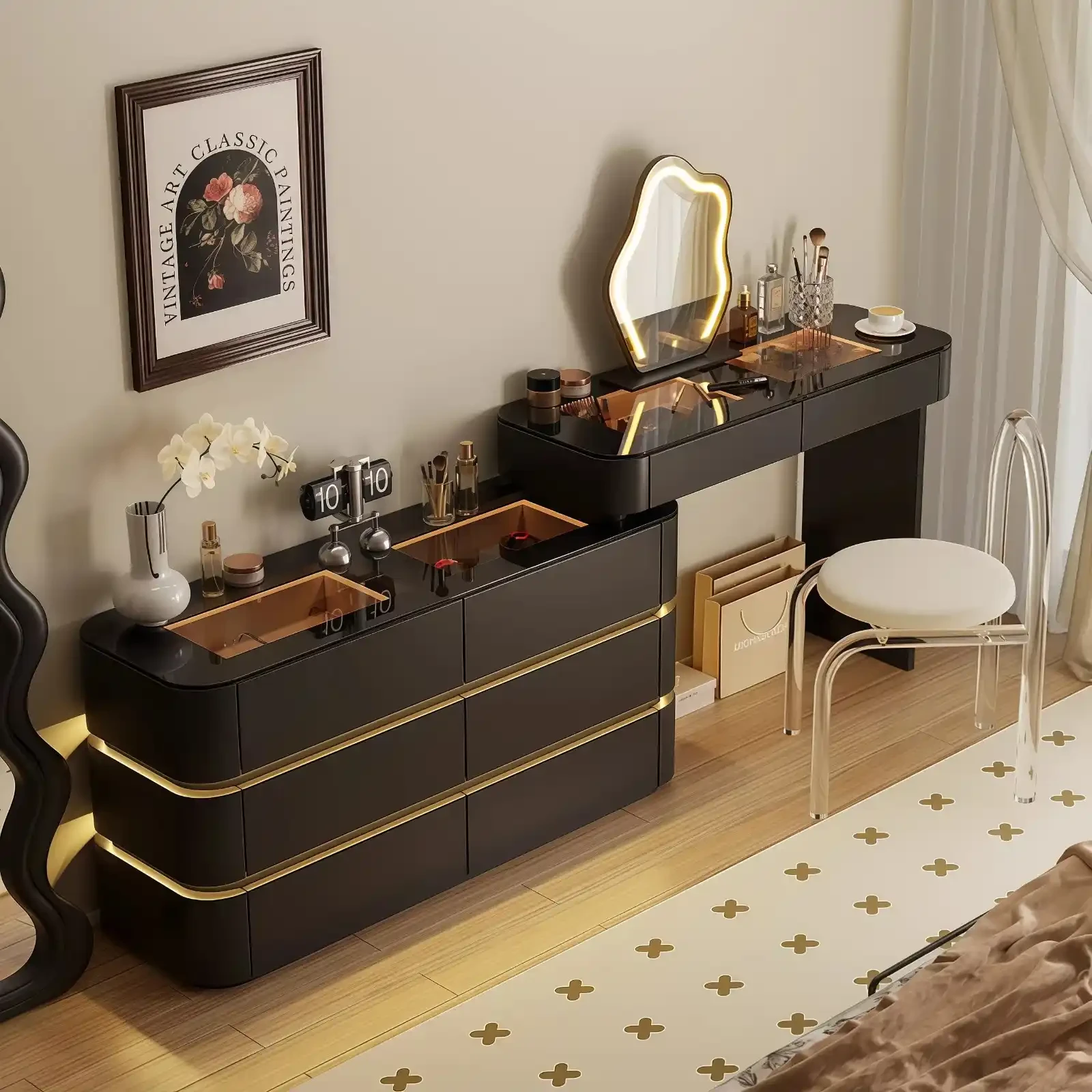
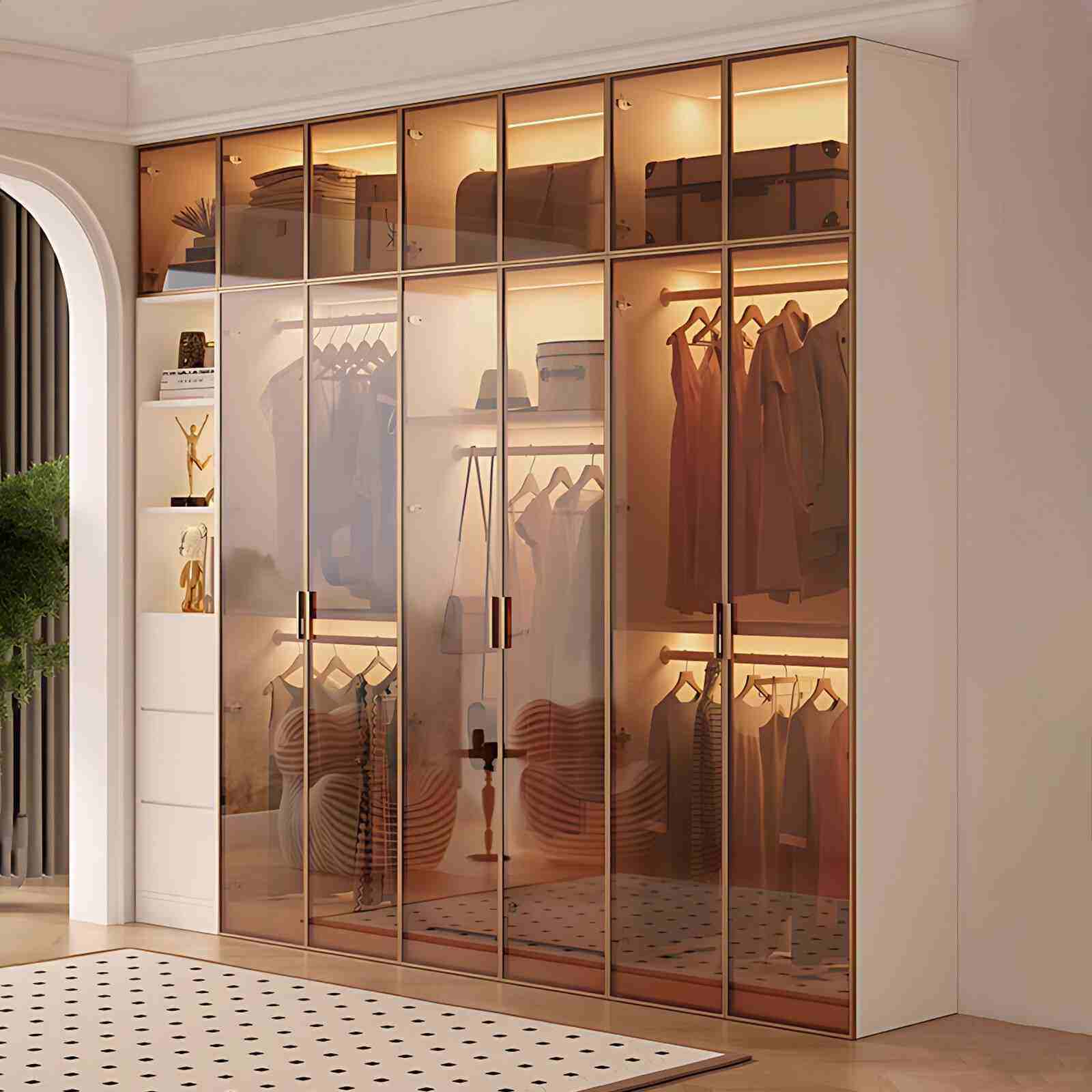
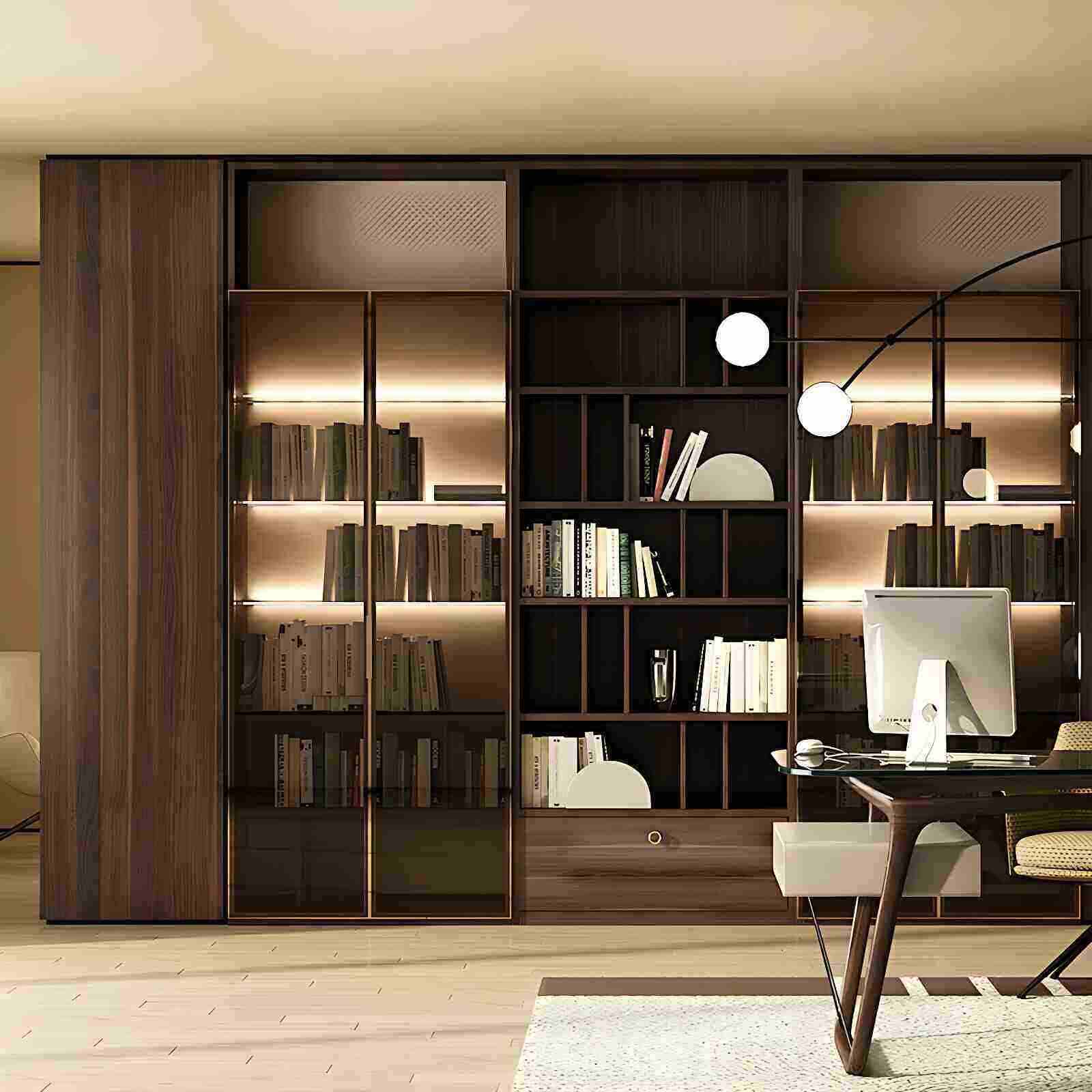

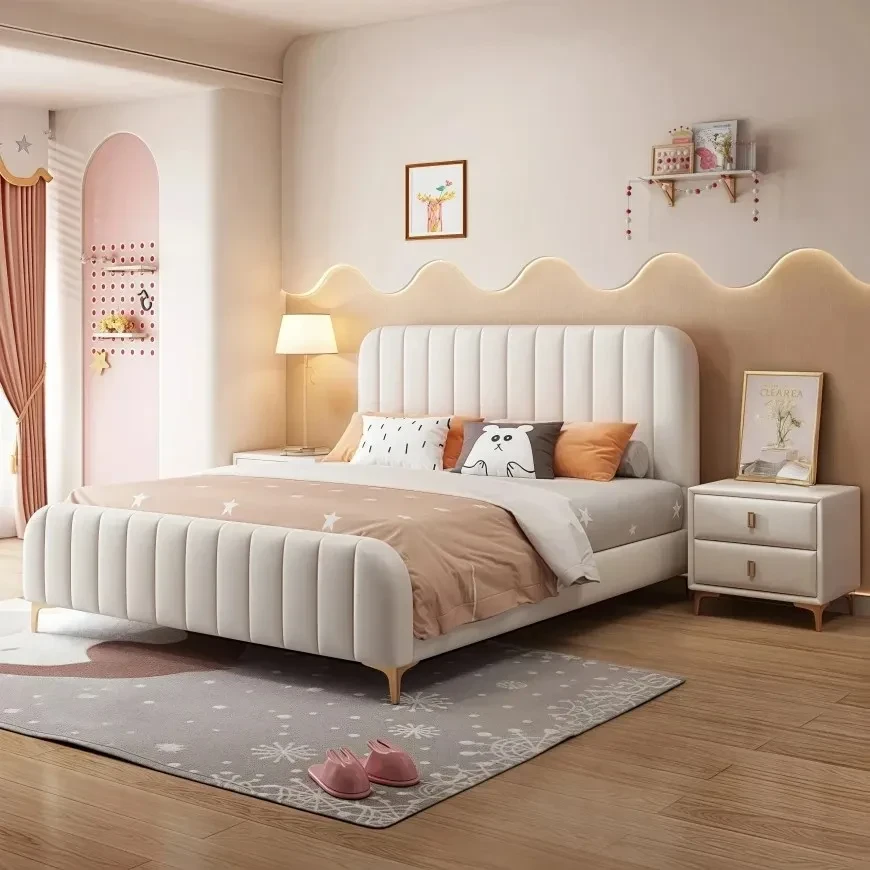
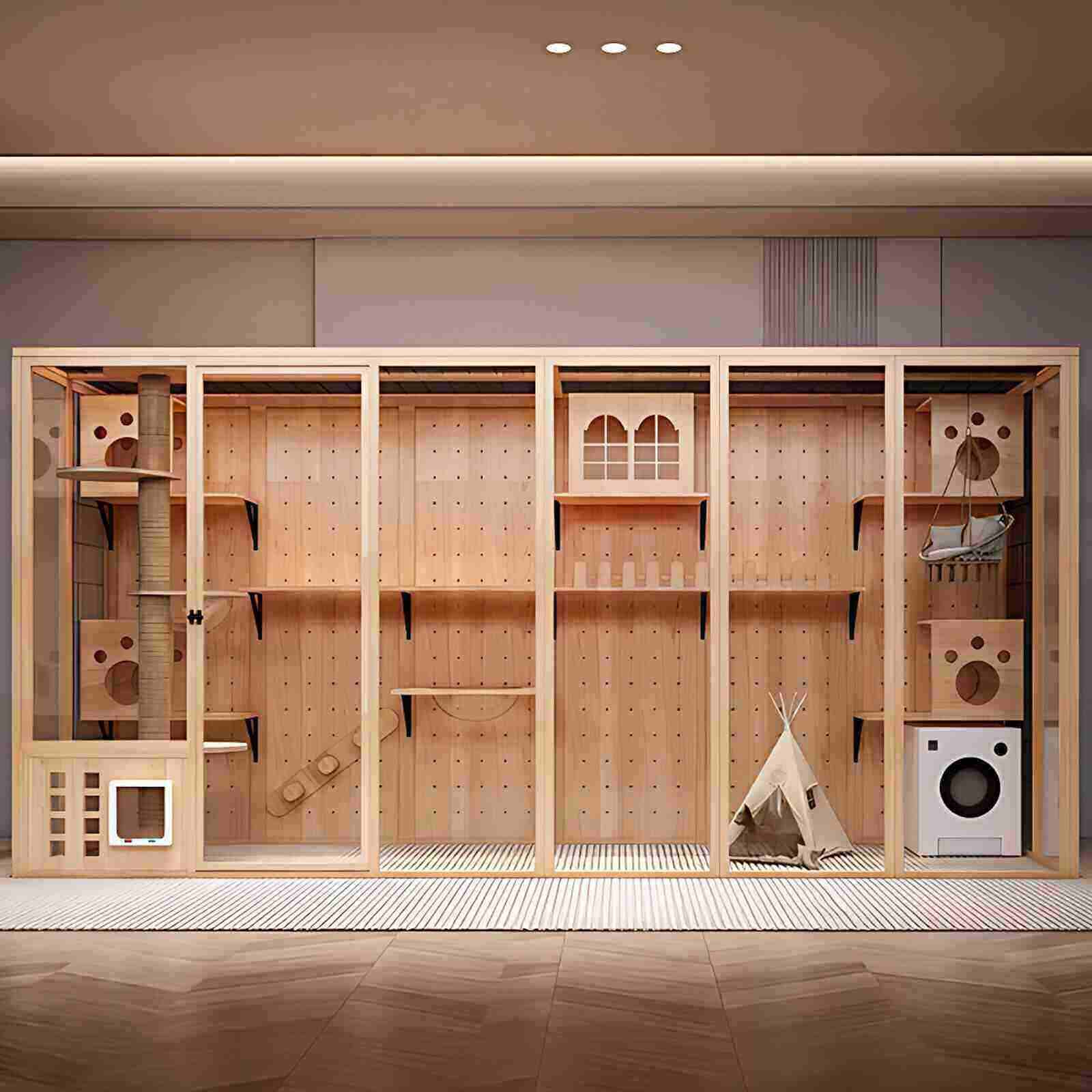

Plywood is currently very popular in the market, especially in home decoration, and is suitable for making furniture. It has many advantages, which have won the approval of many consumers, and its quality is good while its price is also quite attractive. However, all boards have drawbacks; none are perfect, including plywood. Today, we'll discuss some of the disadvantages of plywood. Let's take a closer look.
1. Pollution
Even though plywood is so popular in today's market, it still has its drawbacks, which we cannot deny. After all, all boards on the market have some shortcomings; none are perfect. Because this type of board is produced by splicing together different types of wood, it uses a lot of glue. These glues may contain formaldehyde, and everyone is probably aware of the dangers of formaldehyde. Therefore, you must be careful in this regard and wait a period of time after purchasing it before using it.
2. Susceptible to moisture
Blockboard is highly susceptible to moisture, which is one of its drawbacks. This is because it has a relatively high moisture content, generally below 12%. High moisture content is not desirable as it reduces water resistance. Once damp, the moisture doesn't evaporate easily, making the board prone to warping and affecting the product's appearance. Ultimately, it leads to decreased compressive strength. It's important to note that you should avoid using blockboard in damp environments.
These are the disadvantages of particleboard, and I hope you all understand them now. Of course, the advantages of particleboard far outweigh its disadvantages, so you might want to consider it.