
 USD
USD GBP
GBP
 EUR
EUR
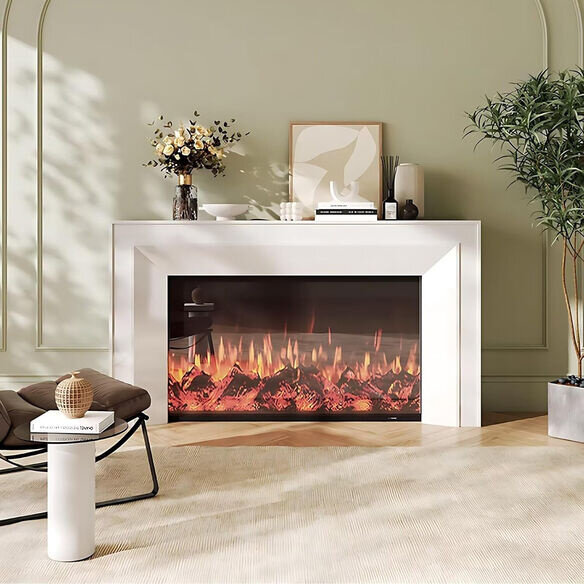


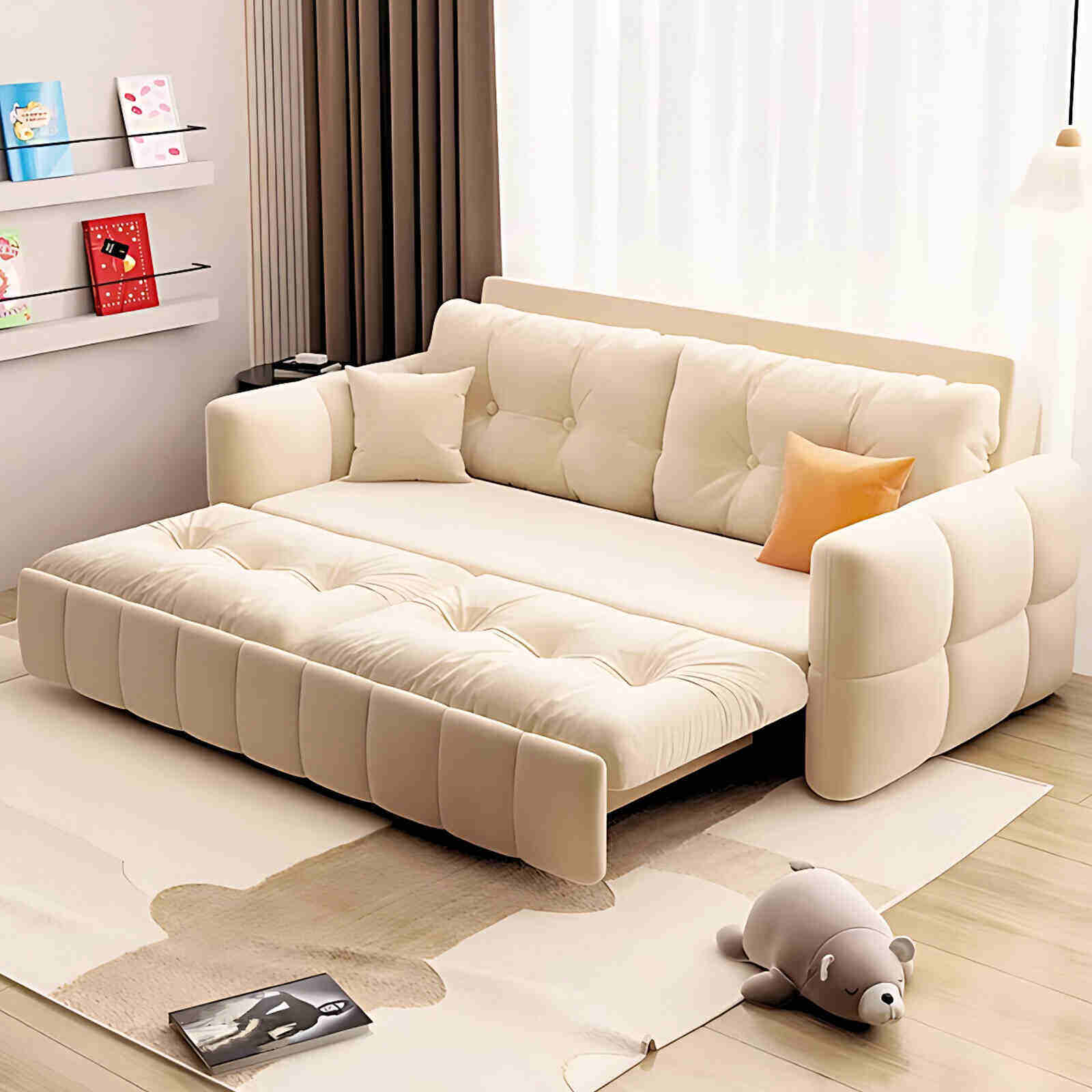
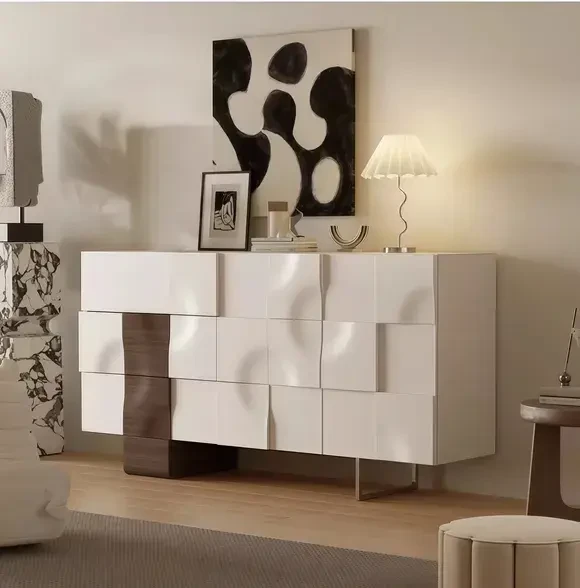

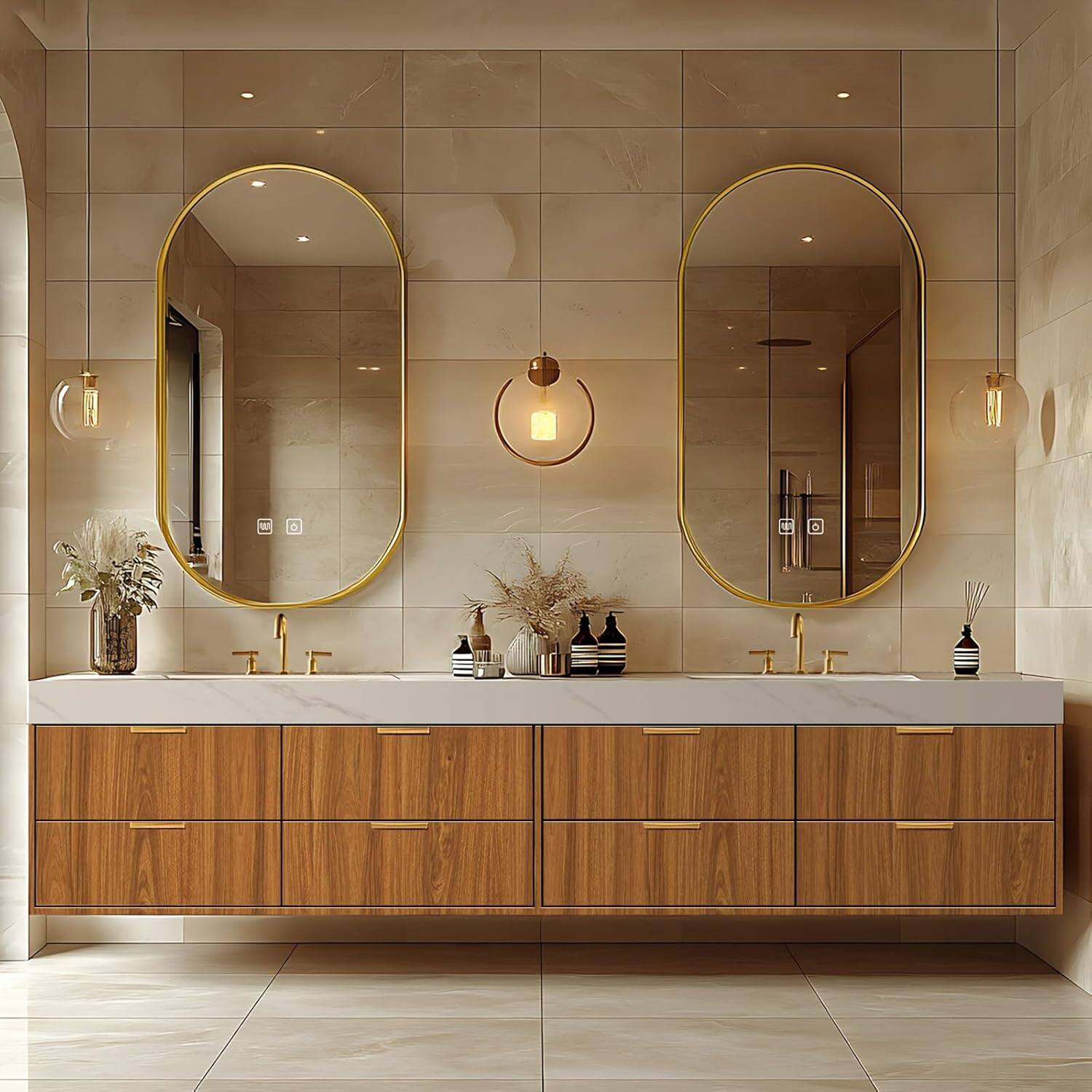
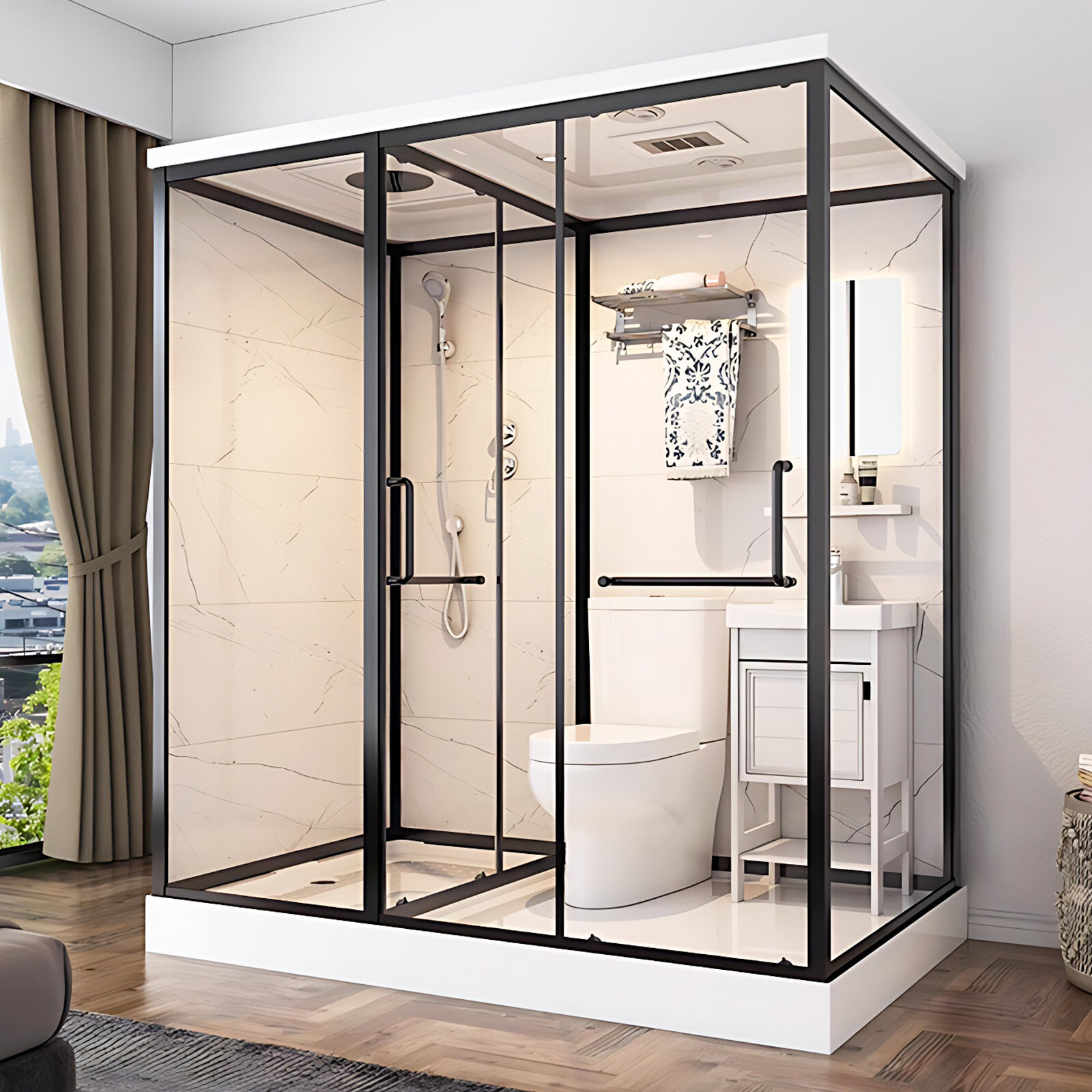
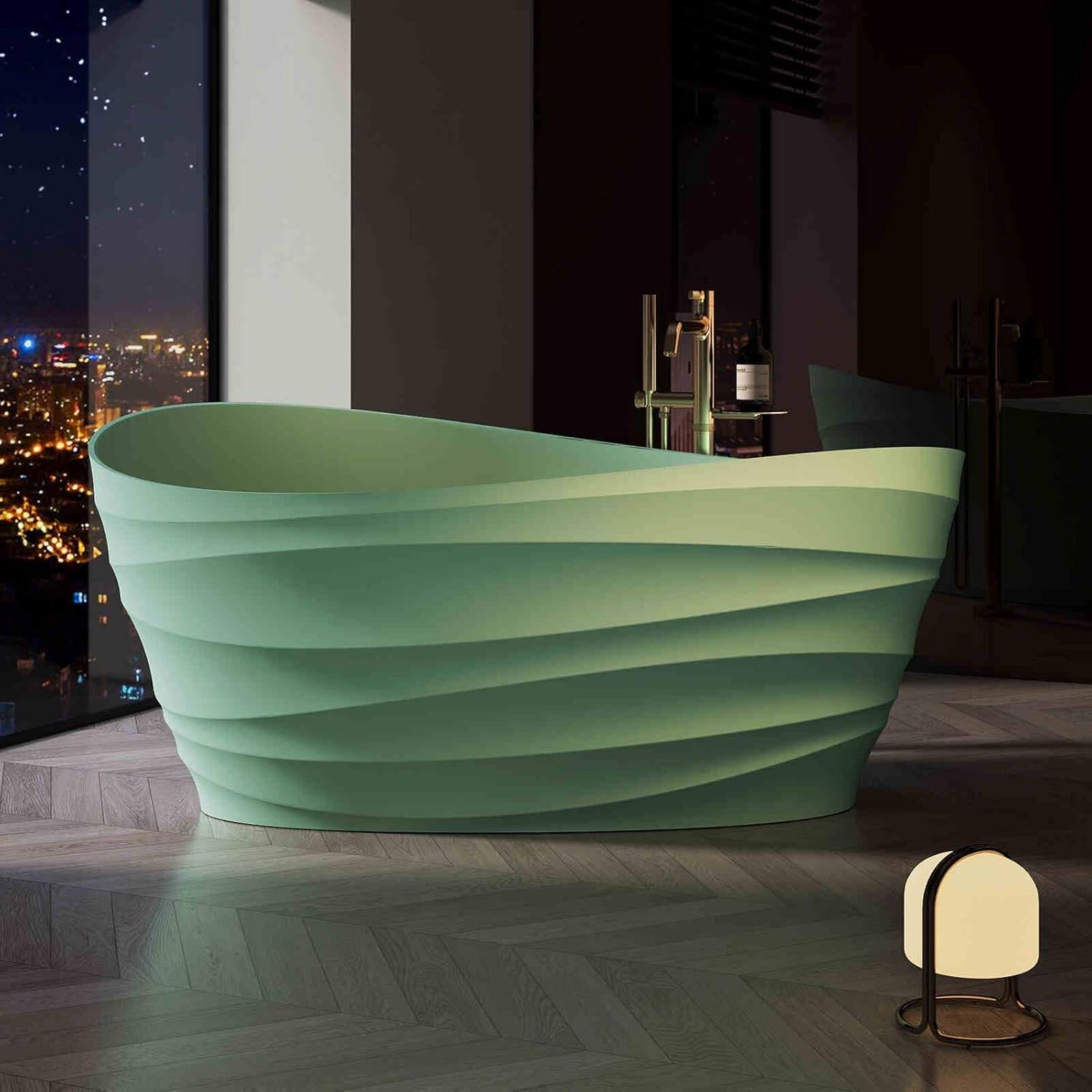
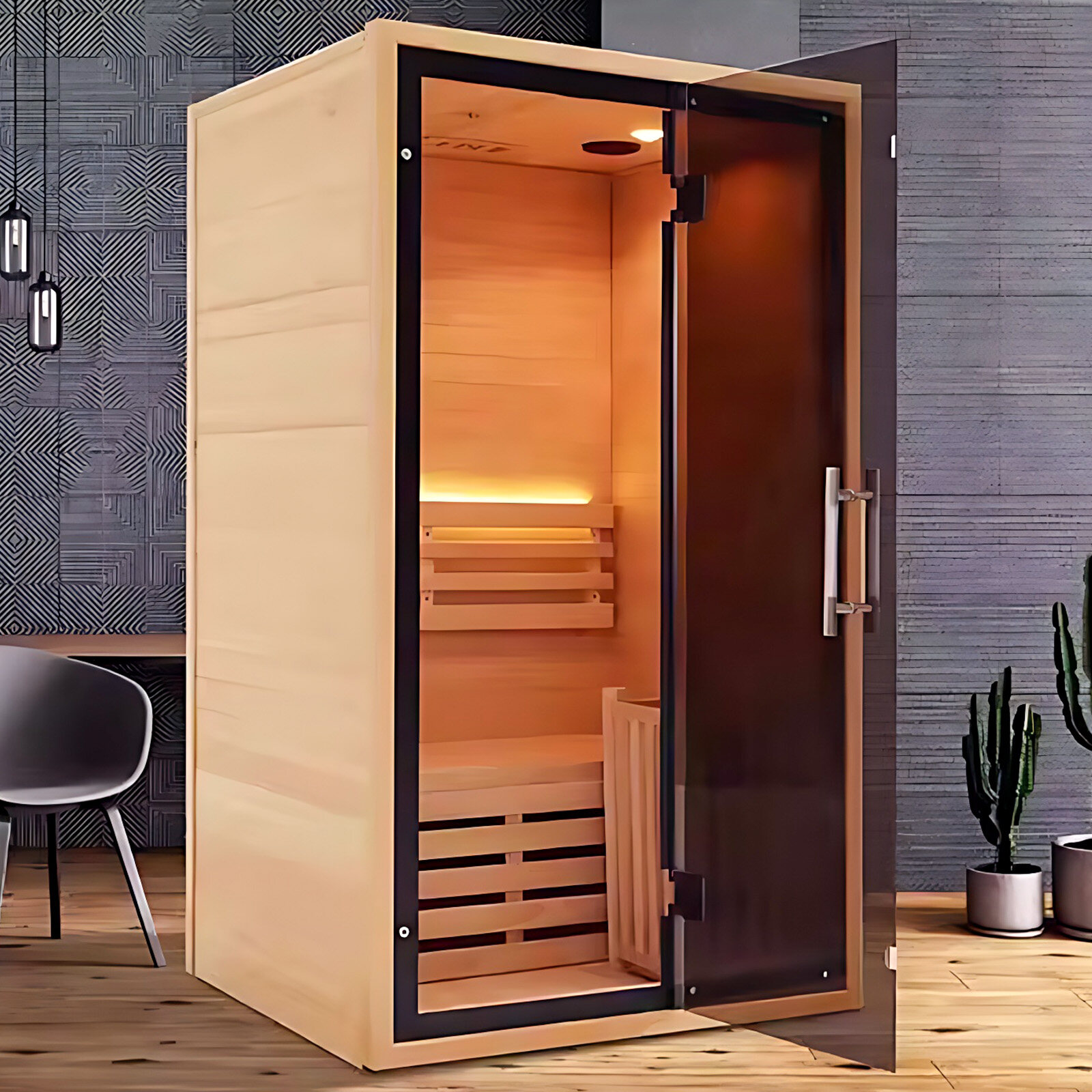
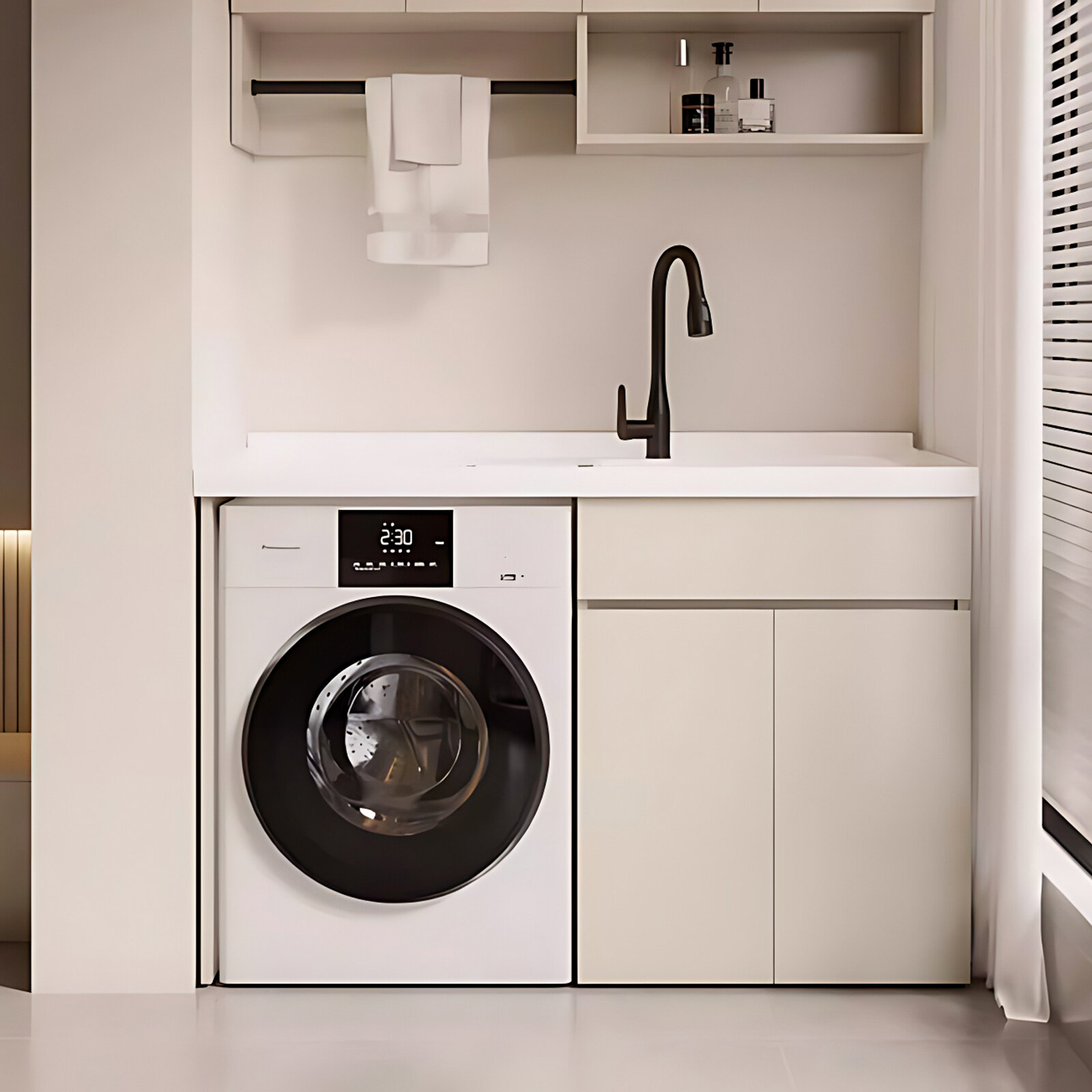
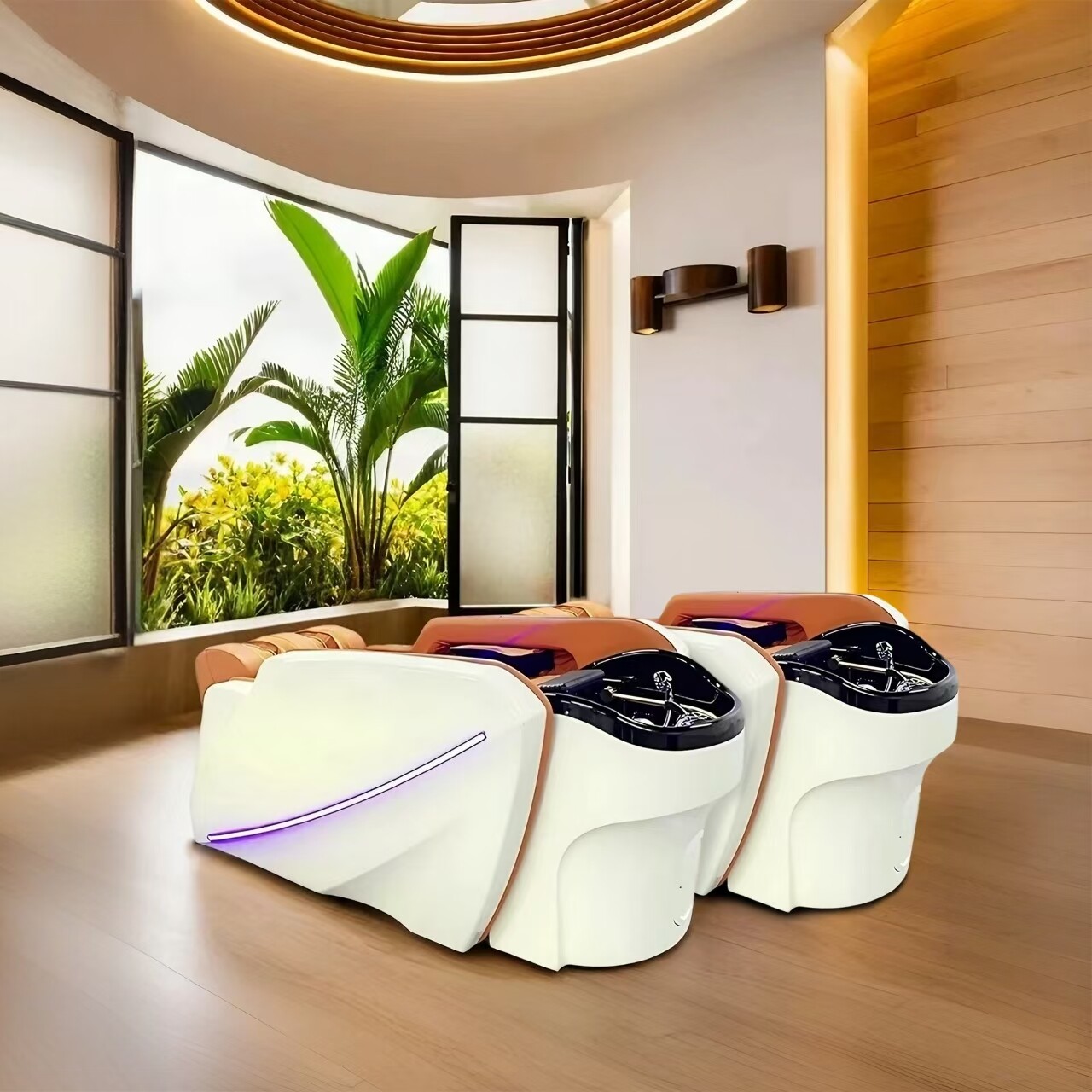
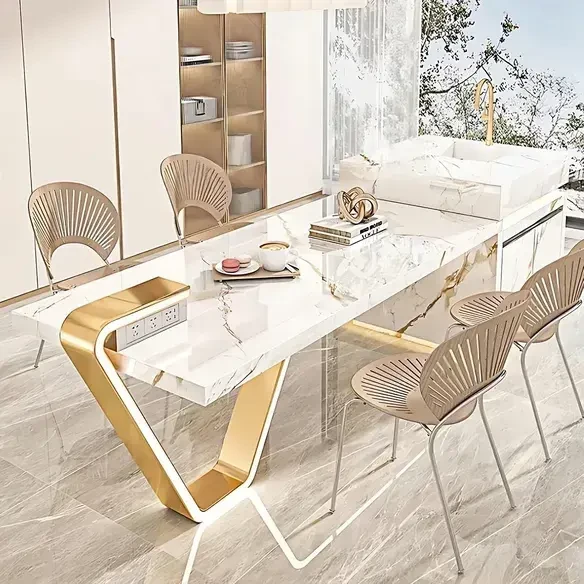
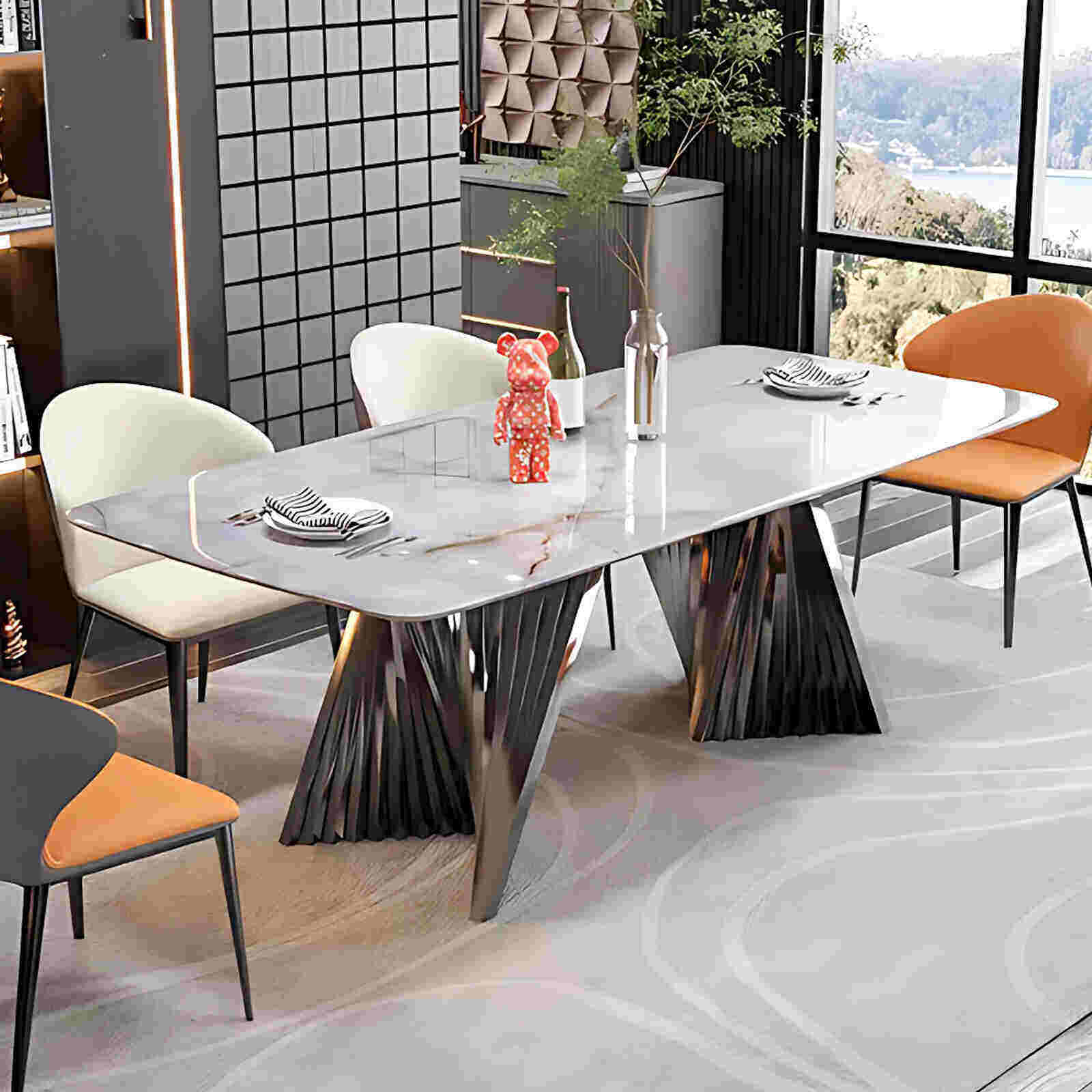
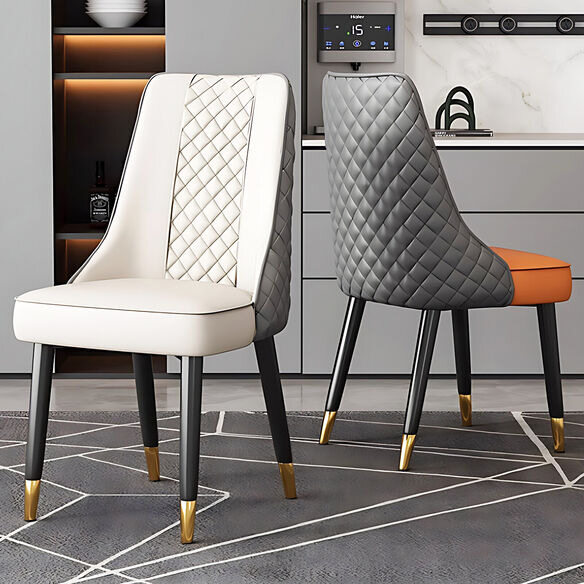
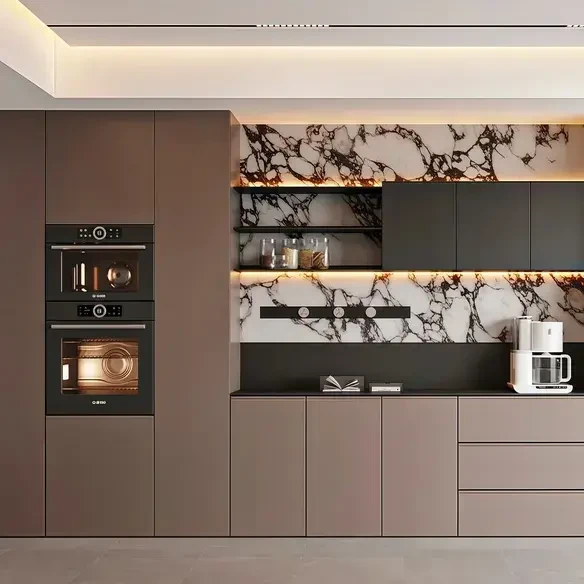
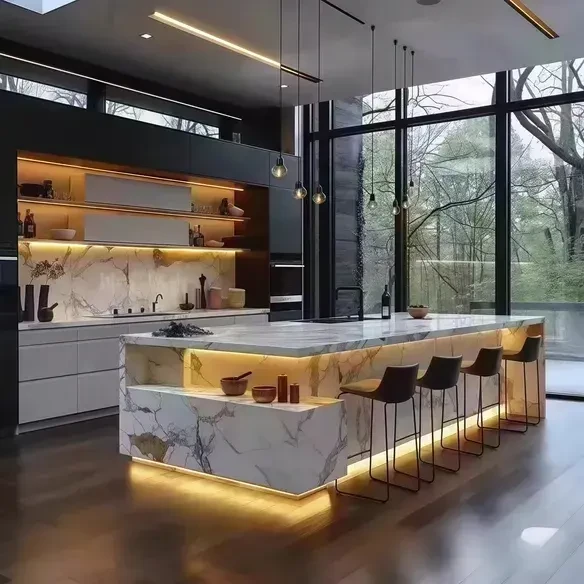
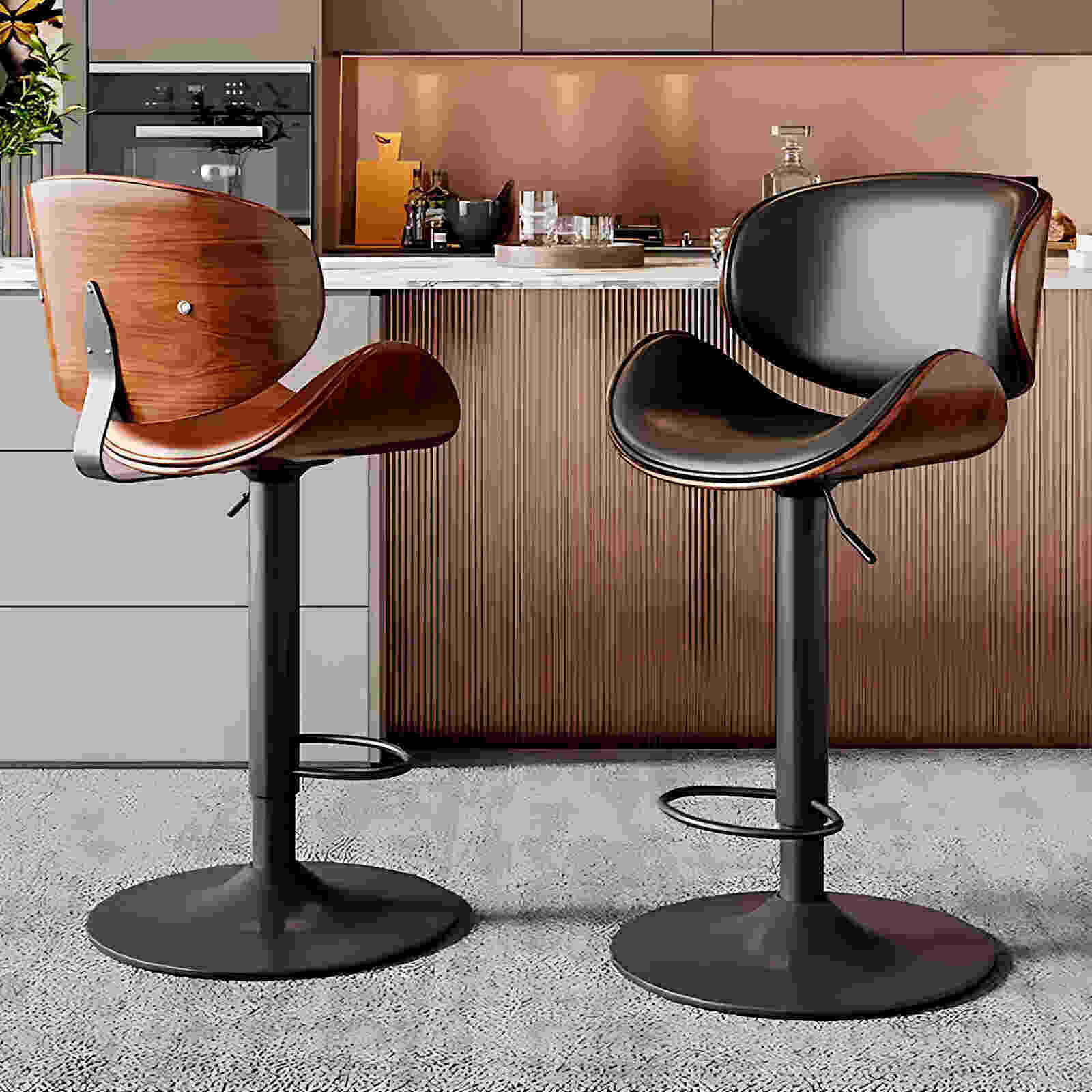
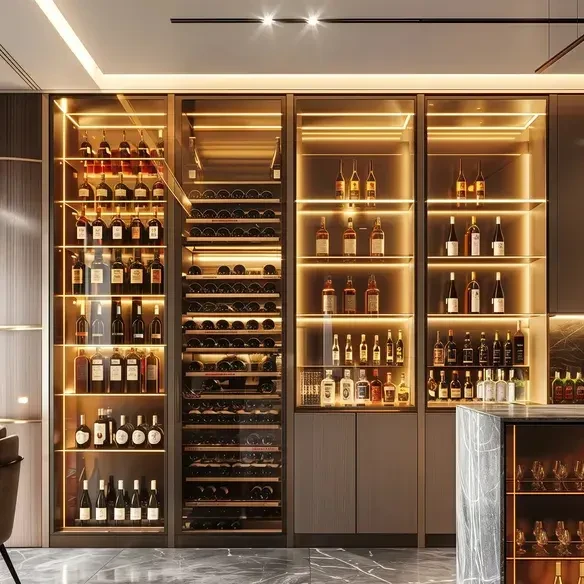


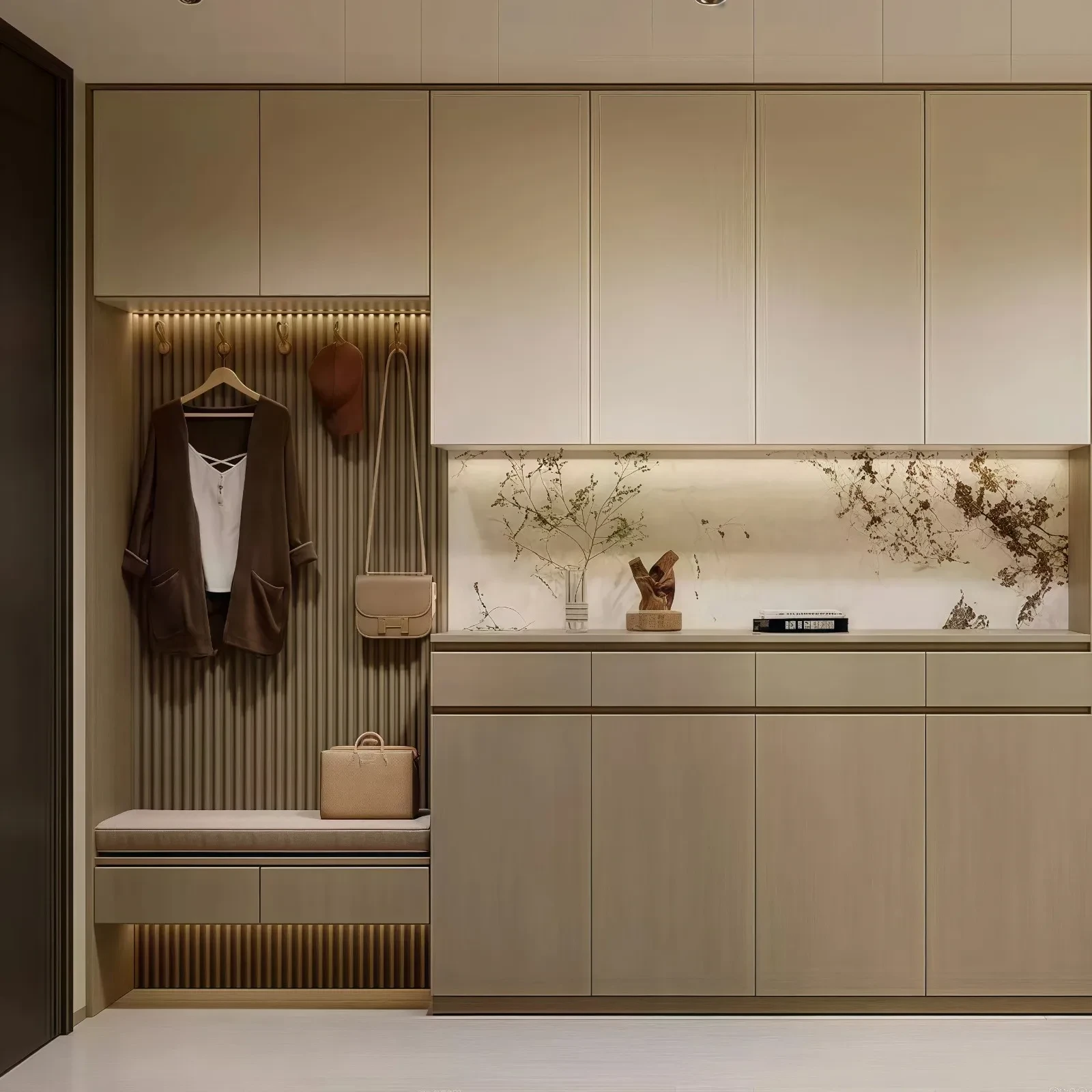
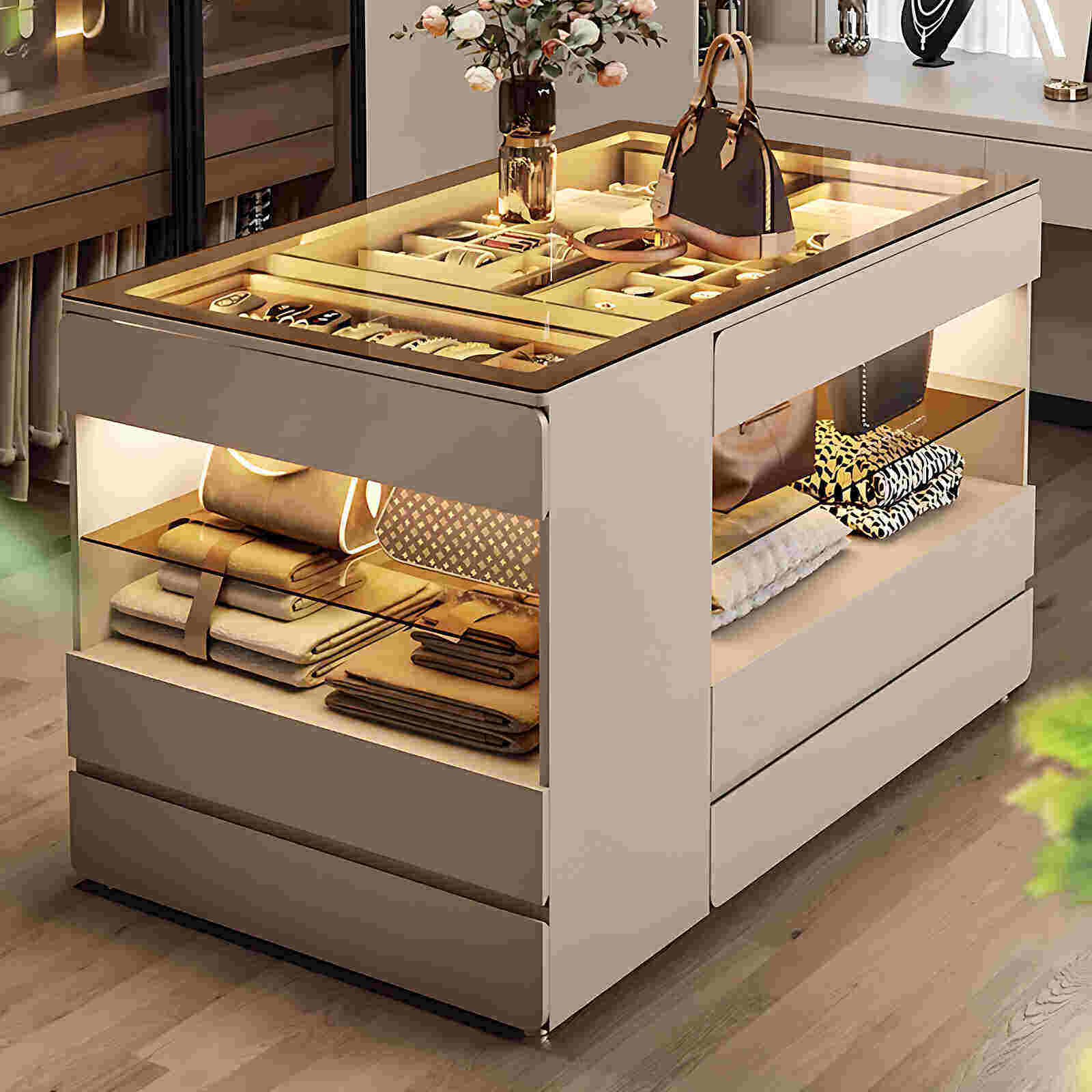
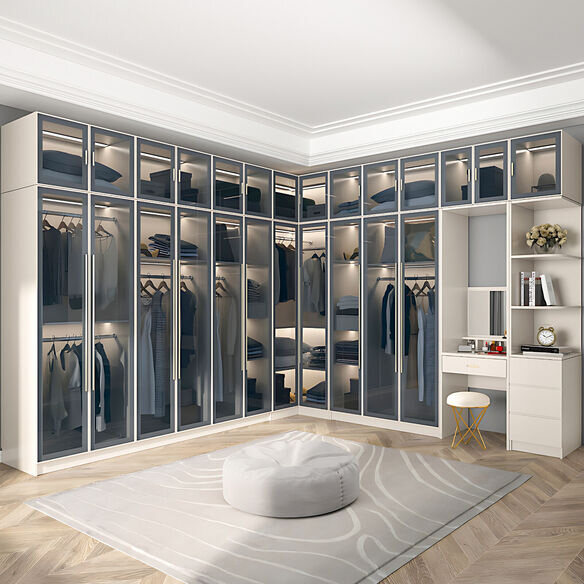
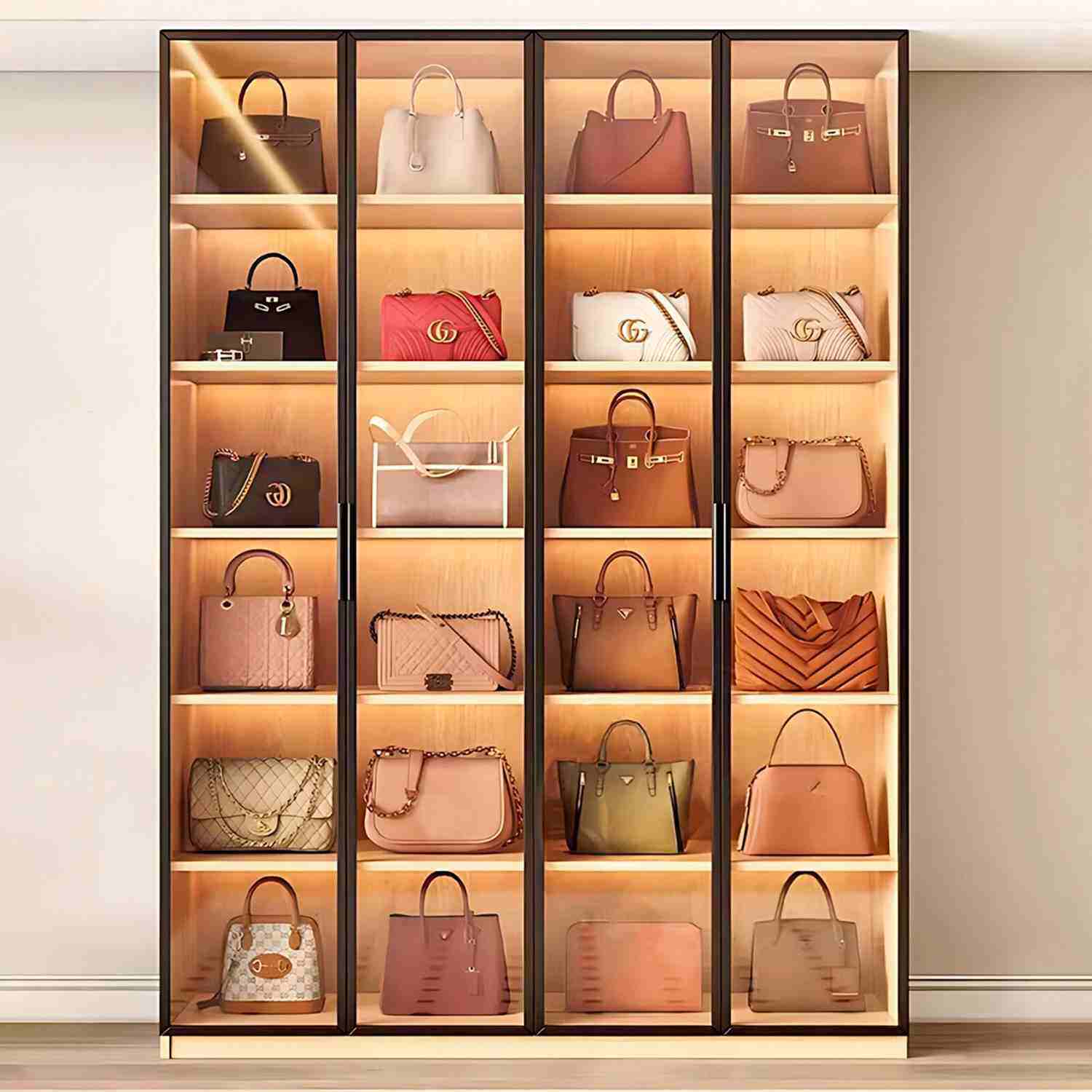
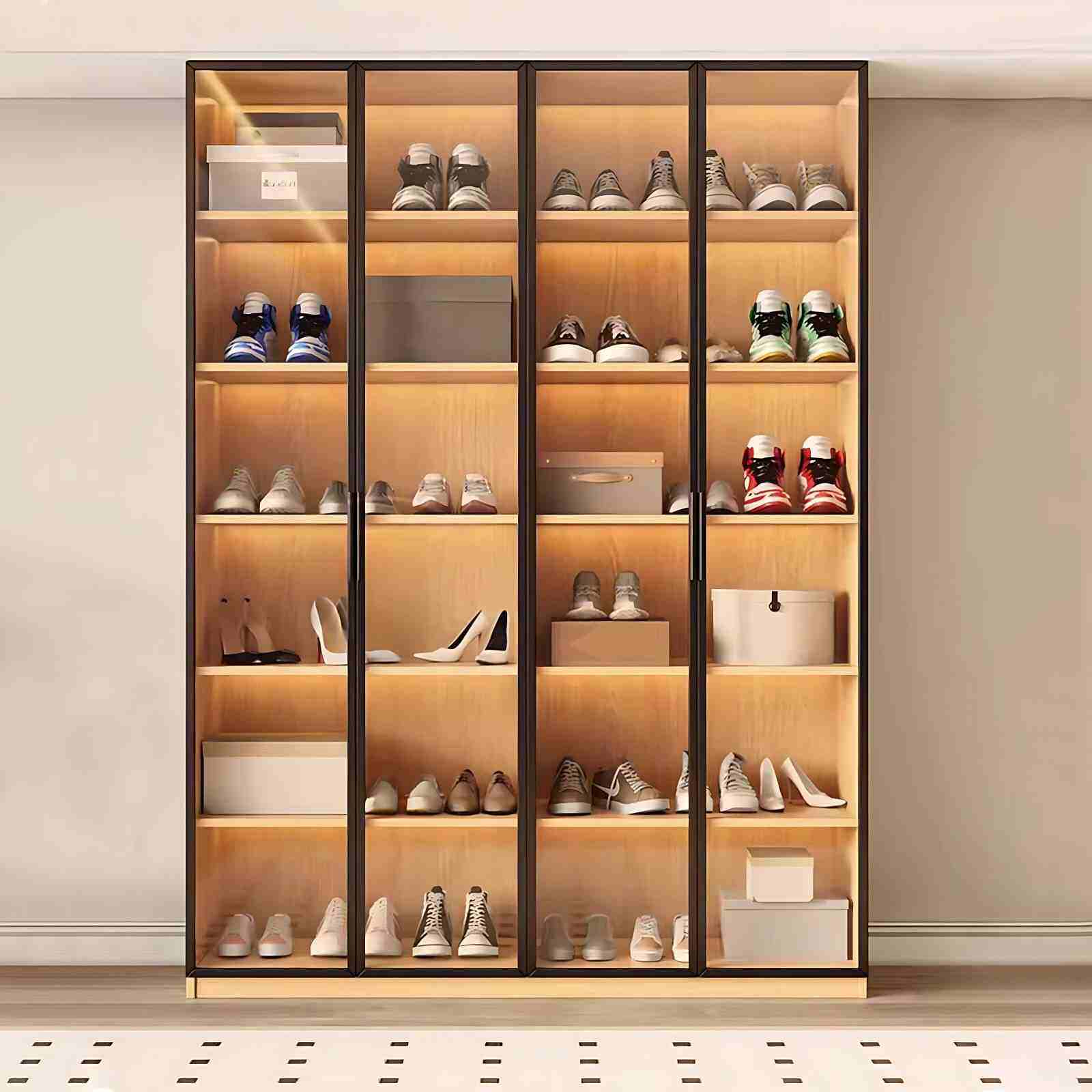
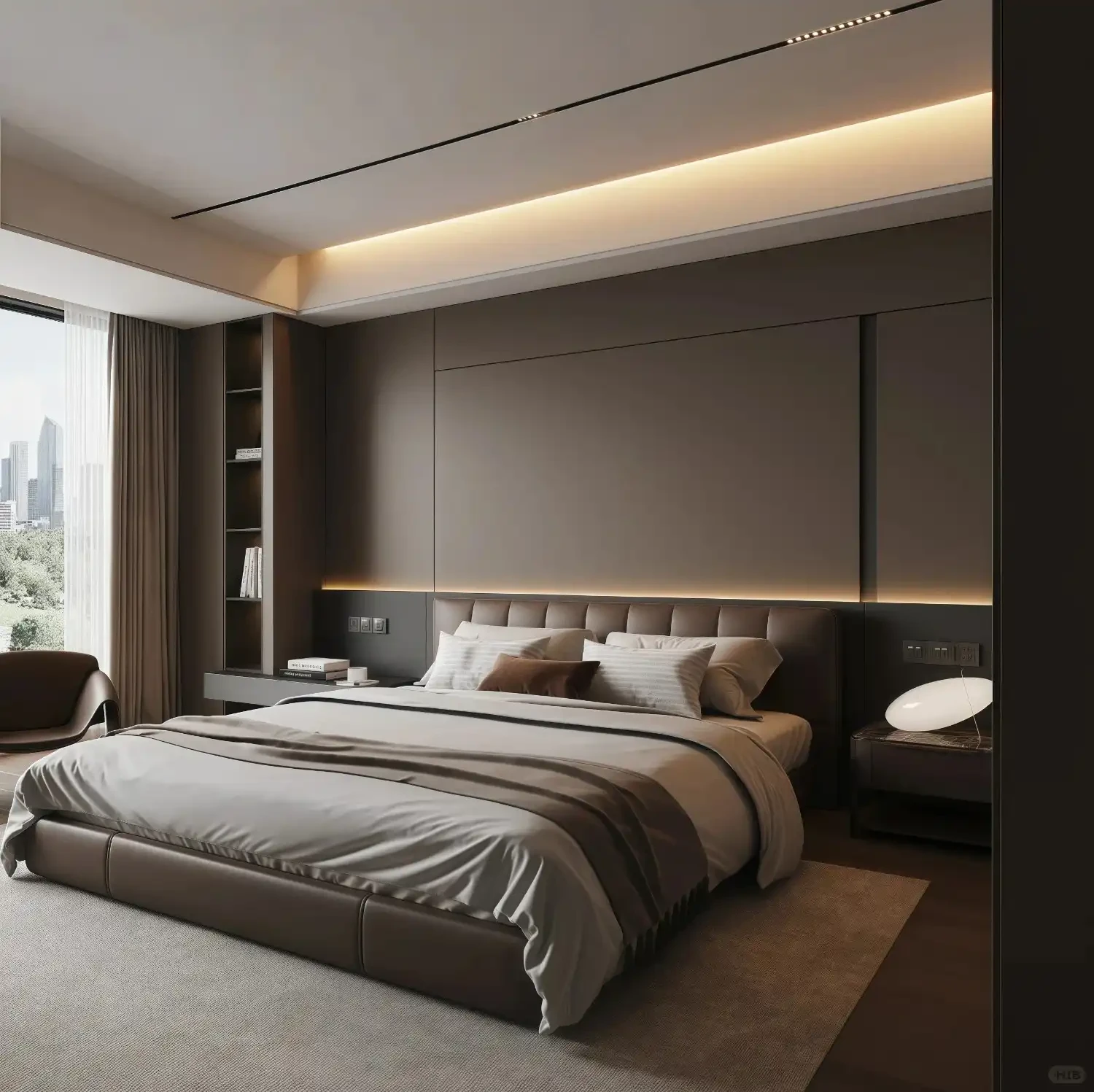
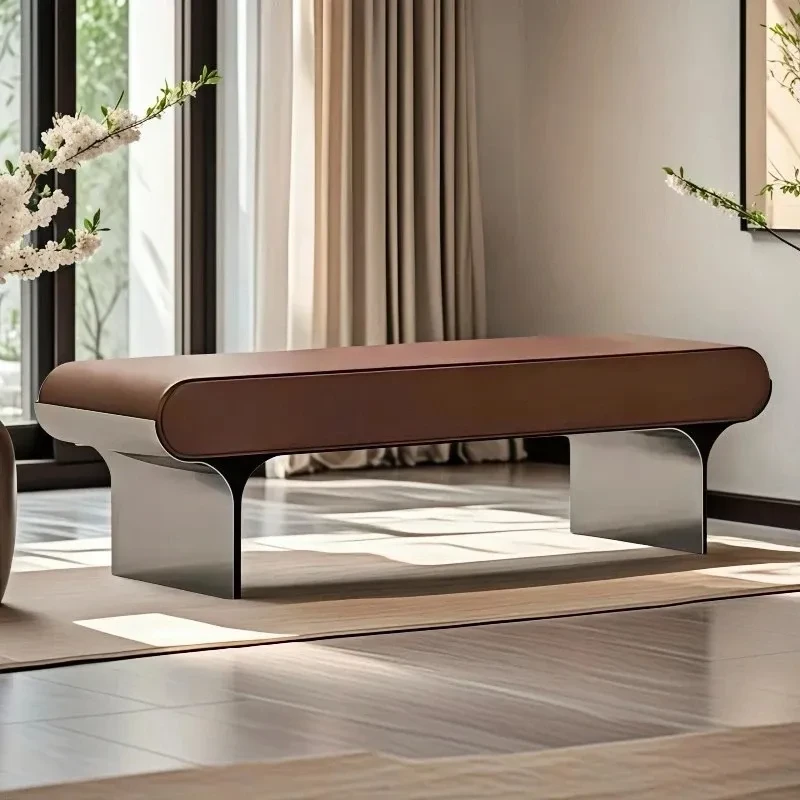

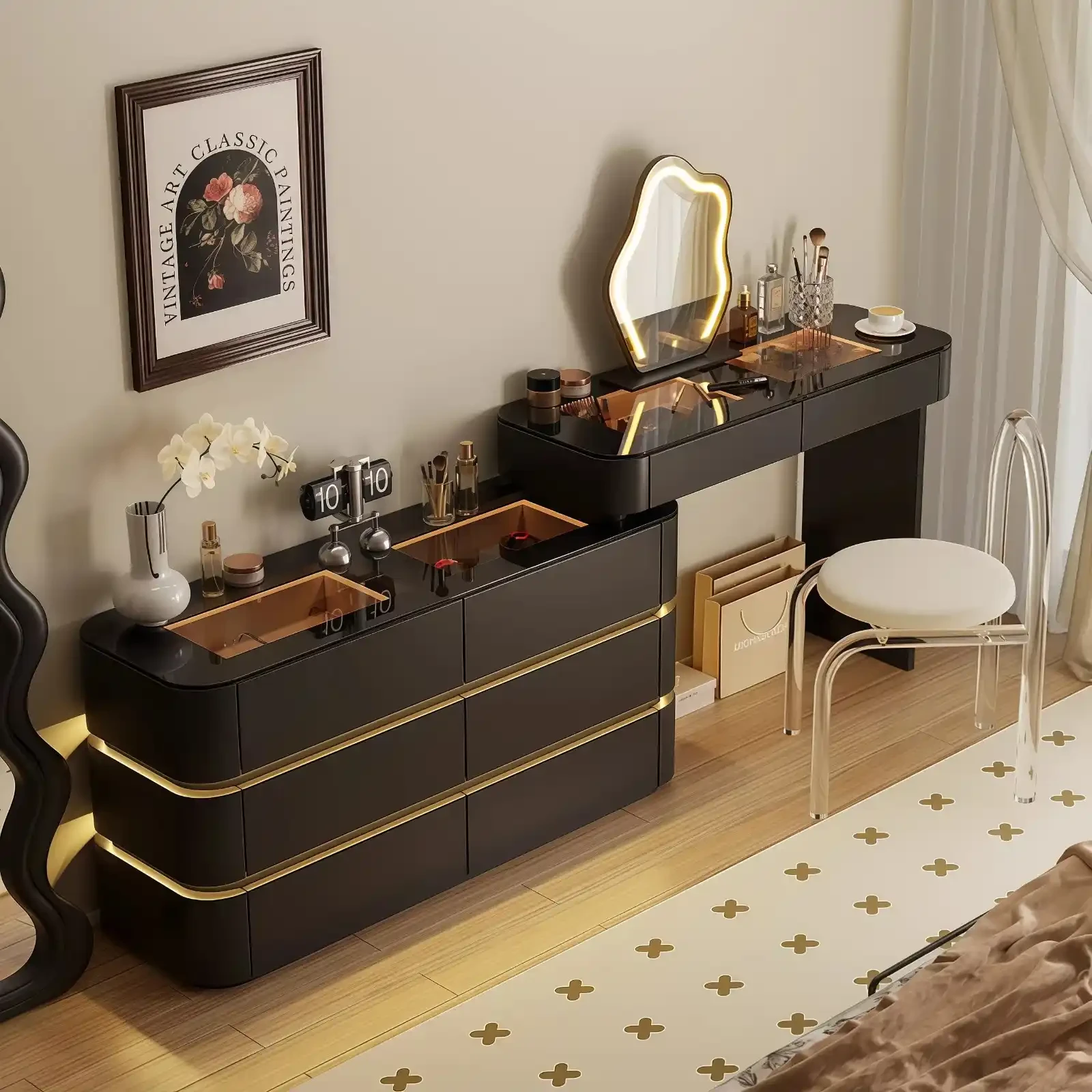
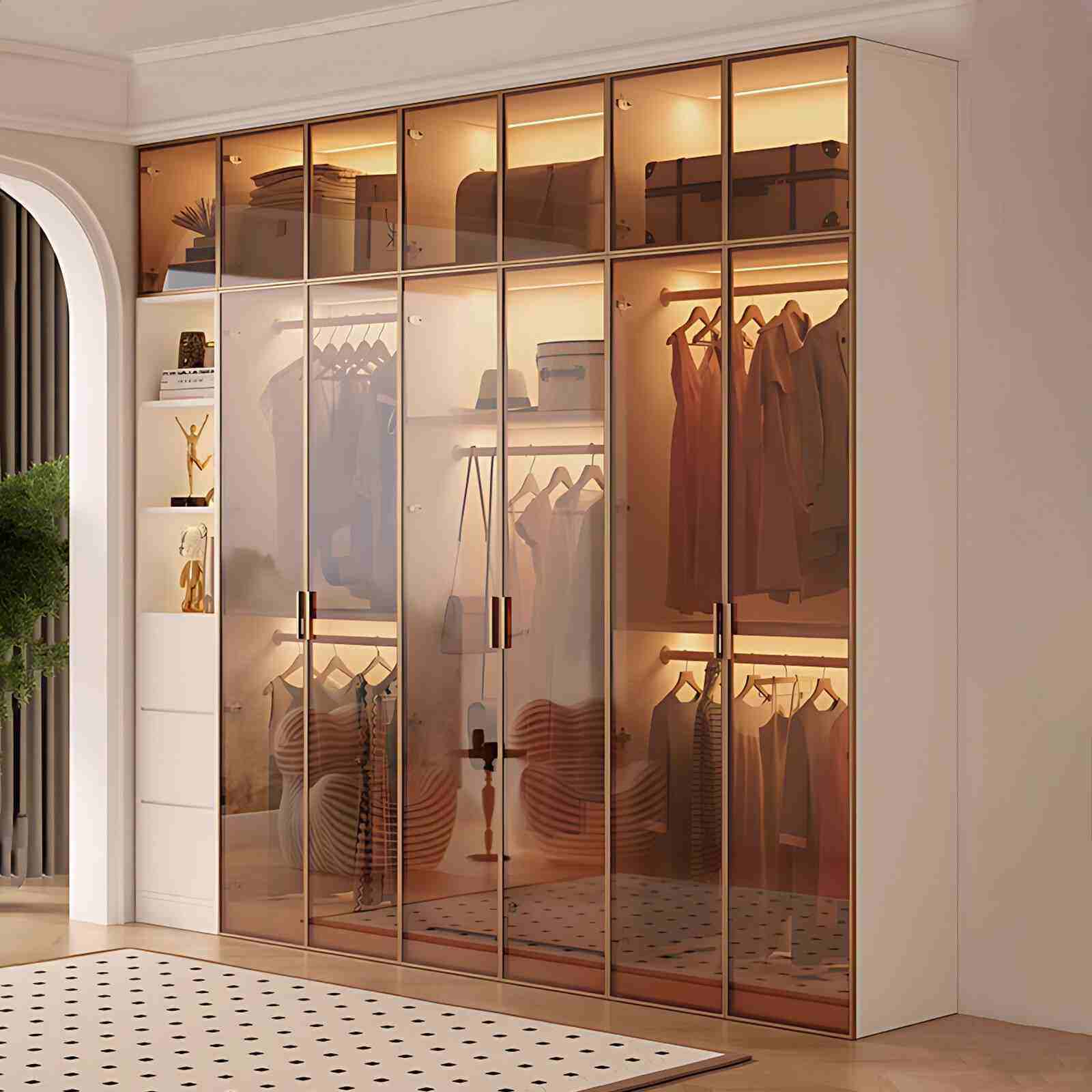
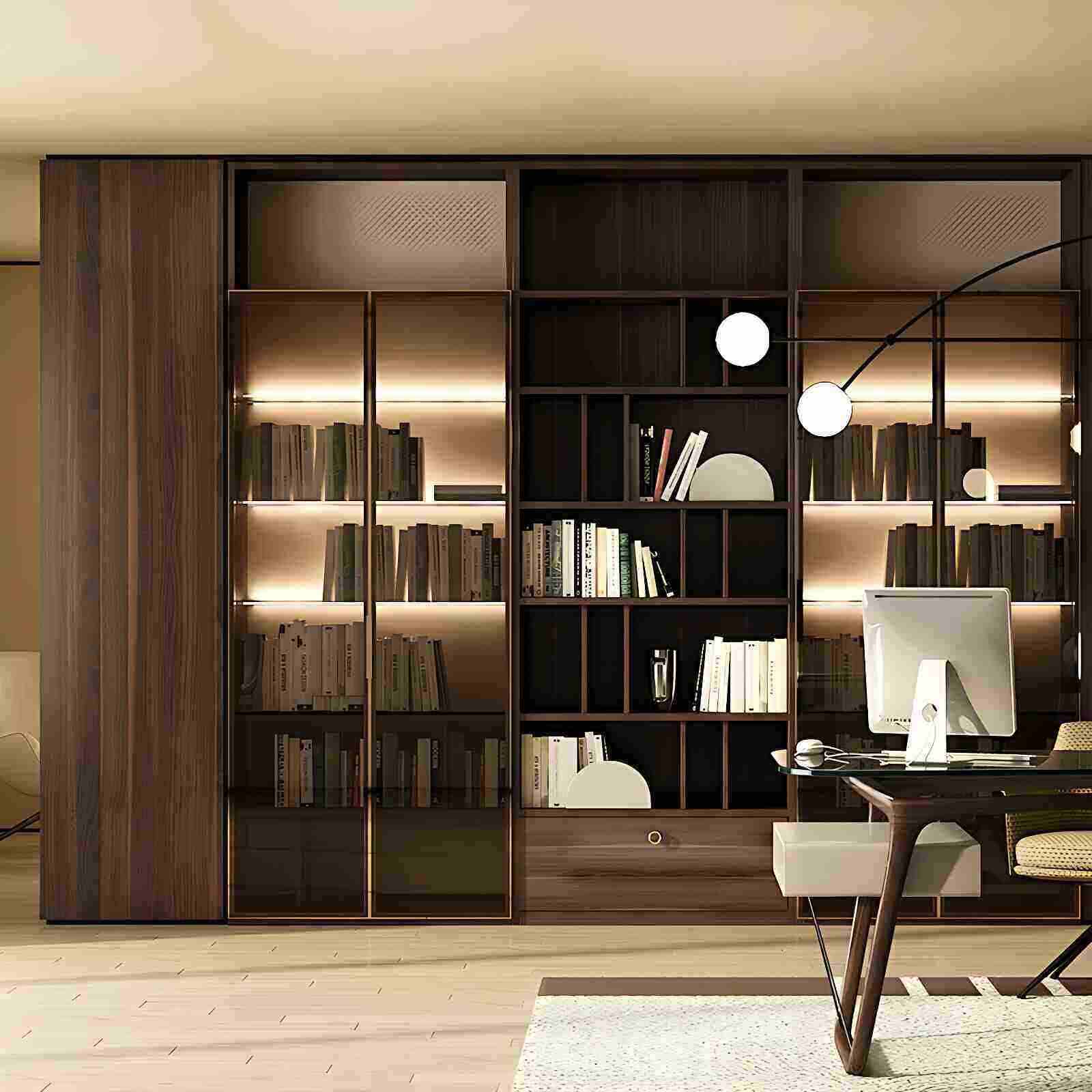
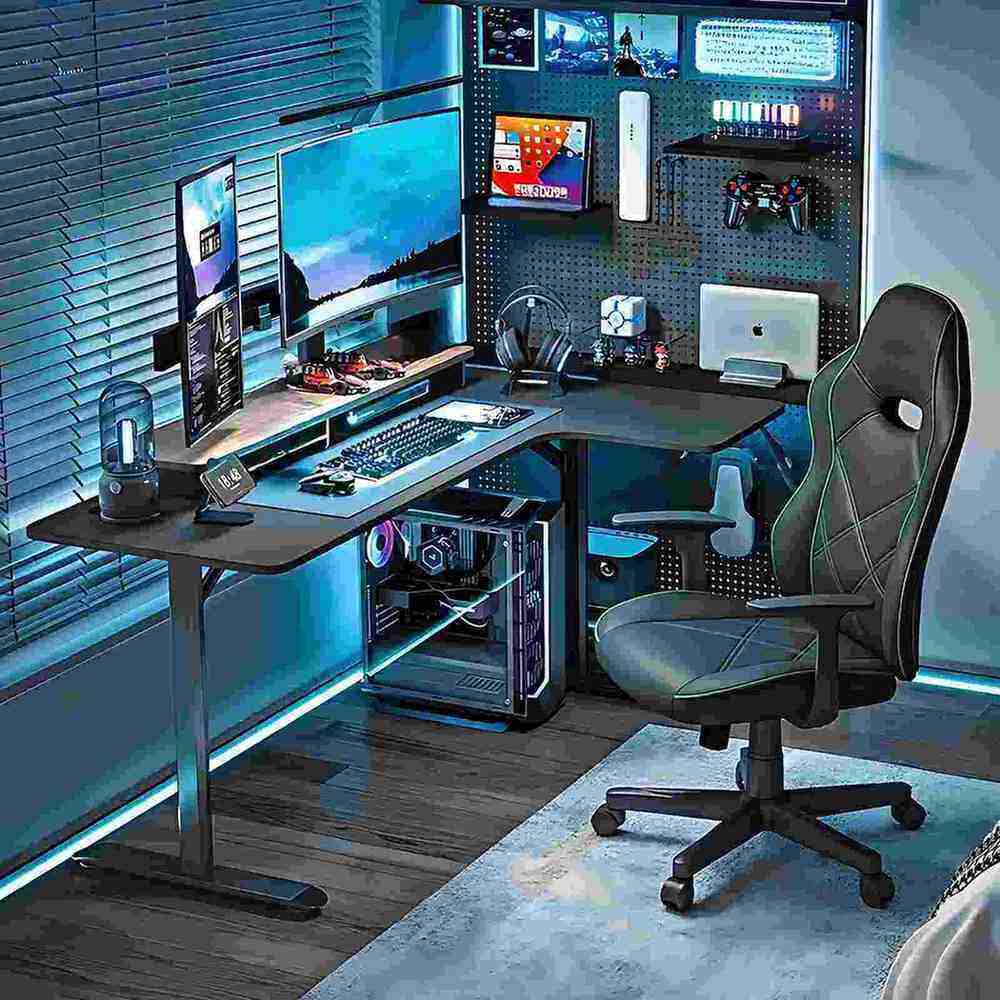
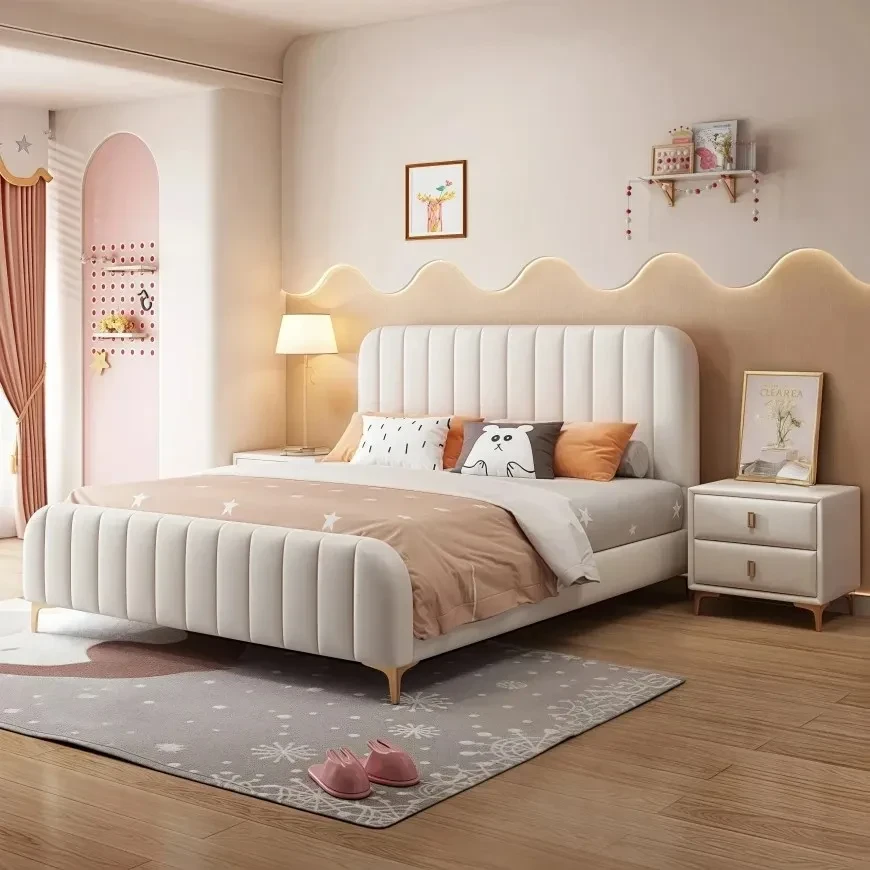
Decorative building materials are products closely related to everyone's lives. Anyone involved in the home decoration market has a general understanding of the uses and quality of decorative building materials. However, non-professional knowledge is generally insufficient in the building materials industry, especially when purchasing high-end materials. It's crucial to be aware of certain misconceptions. As ordinary consumers, how can we avoid these pitfalls? Below, we've compiled a list of three common misconceptions encountered in the building materials market, which we believe will be helpful when you choose decorative building materials.
Misconception 1 in choosing decorative building materials
When many consumers are choosing building materials in the market, the first question they ask is whether to buy domestic or imported materials. Most consumers believe that imported building materials are better, leading to a market-wide push for them. While imported materials are typically 20% more expensive than domestic ones, their quality is generally considered average. Domestic manufacturers can produce materials of comparable quality, and all testing results meet national standards, particularly regarding environmental protection, where my country has stricter environmental regulations.
Misconception 2 in choosing decorative building materials
With people placing greater emphasis on environmental protection, many board manufacturers have also adopted environmental slogans. However, whether tight edge sealing can completely seal off harmful formaldehyde gas is a matter of debate. Formaldehyde release is a gaseous process and cannot be completely sealed off; the release rate can only be slowed down, but the release time will also increase. If the edge sealing is worn to some extent, it will not affect the total amount of formaldehyde. Regardless of the type of board you choose, the total amount of formaldehyde is fixed. There is only one requirement for edge sealing: if the edge sealing is damaged, it may absorb water and cause swelling.
Three common misconceptions about choosing decorative building materials
The last misconception pointed out by the expert is that only MDF (medium-density fiberboard) is good for panel furniture. Data analysis revealed that there are two most commonly used engineered wood panels for furniture making: MDF and particleboard. MDF is popular due to its density, but it is relatively more expensive. Particleboard, on the other hand, is considered the best material for furniture making because it is reasonably priced.