
 USD
USD GBP
GBP
 EUR
EUR
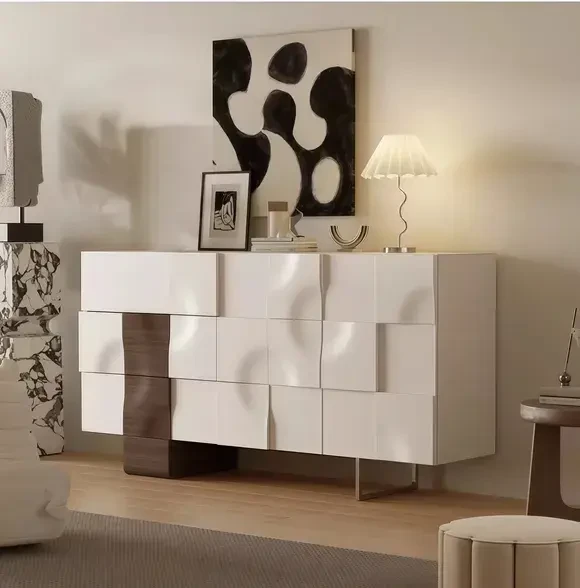
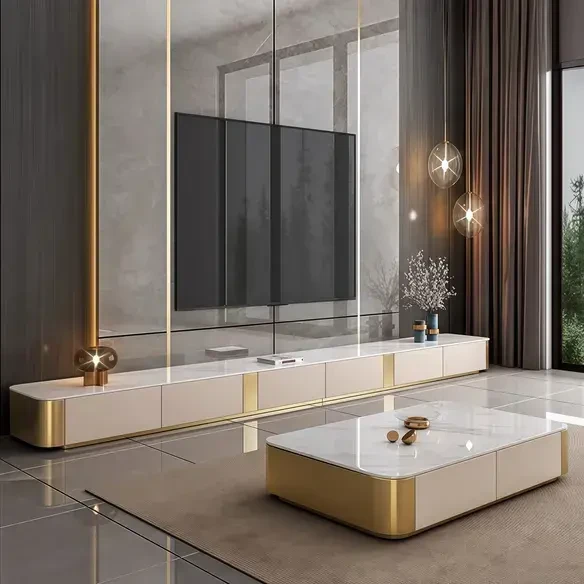
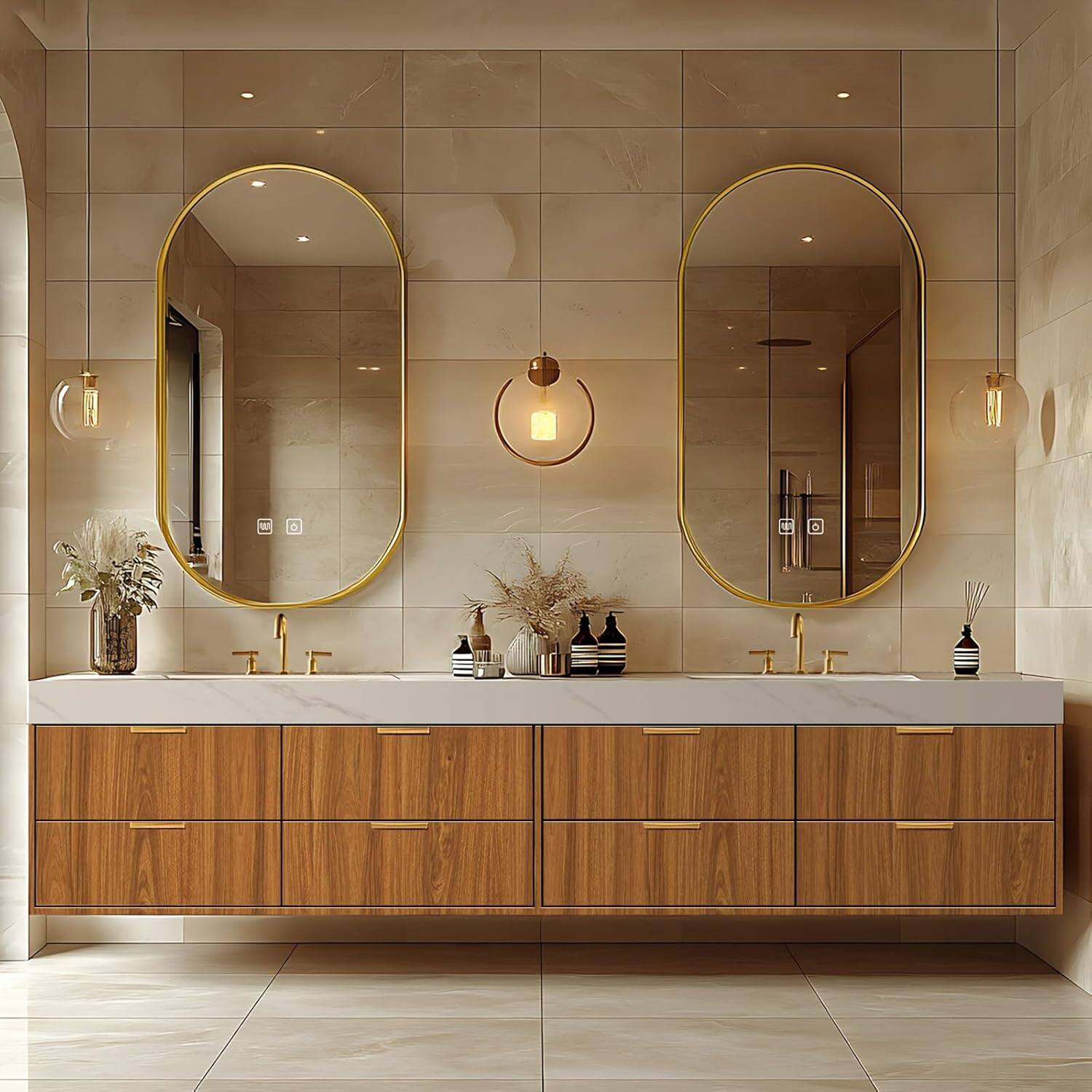
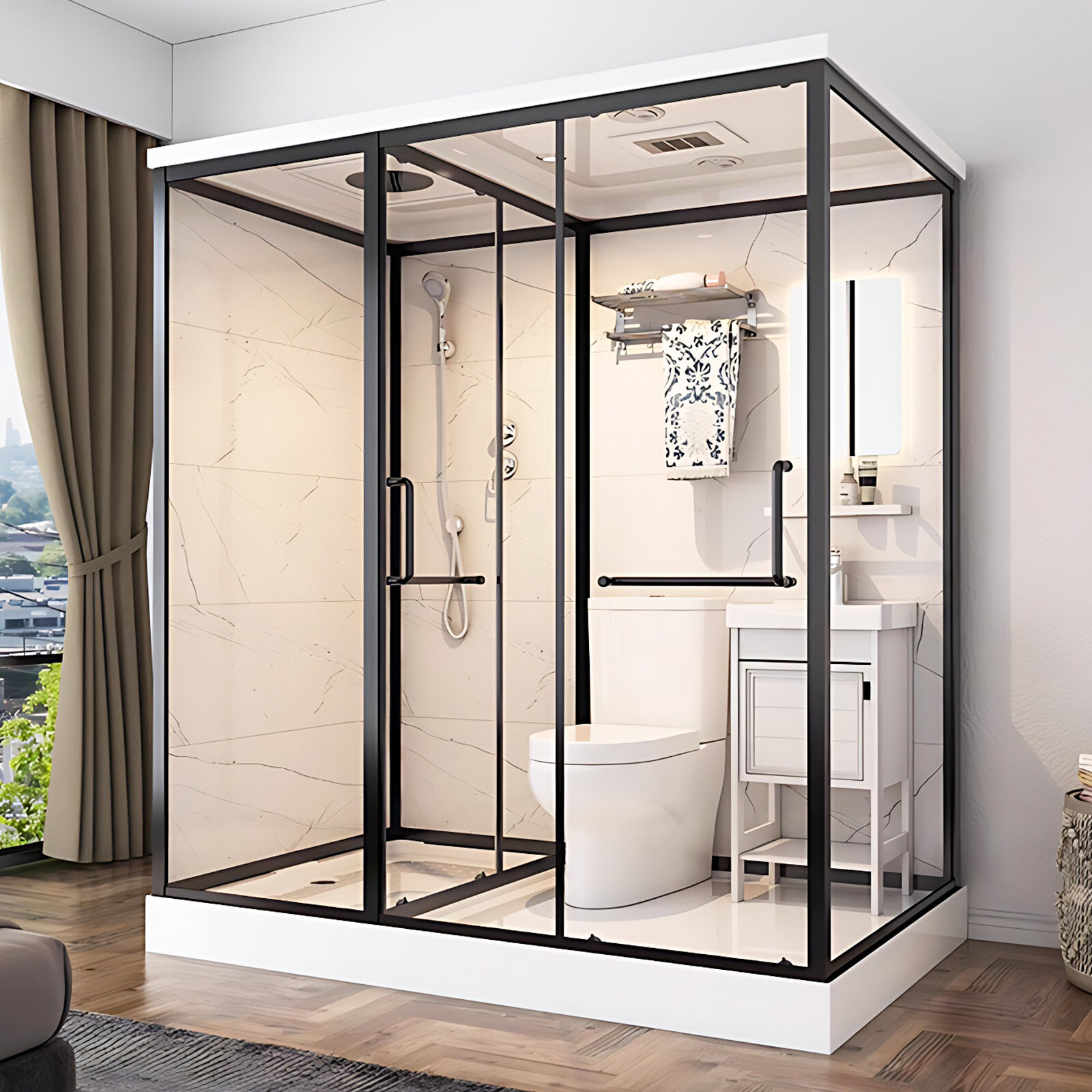
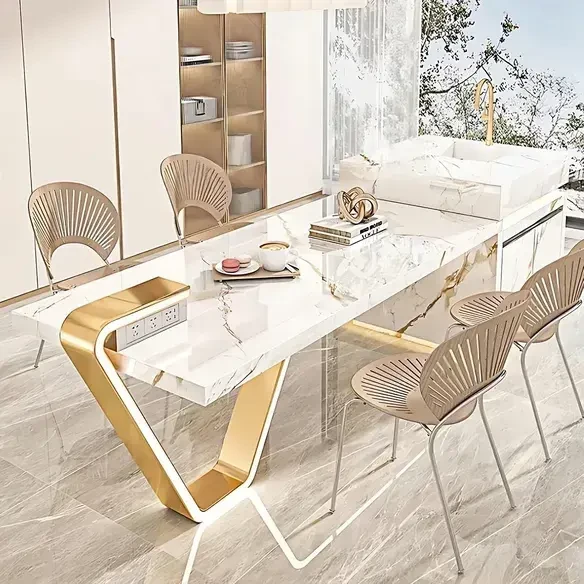
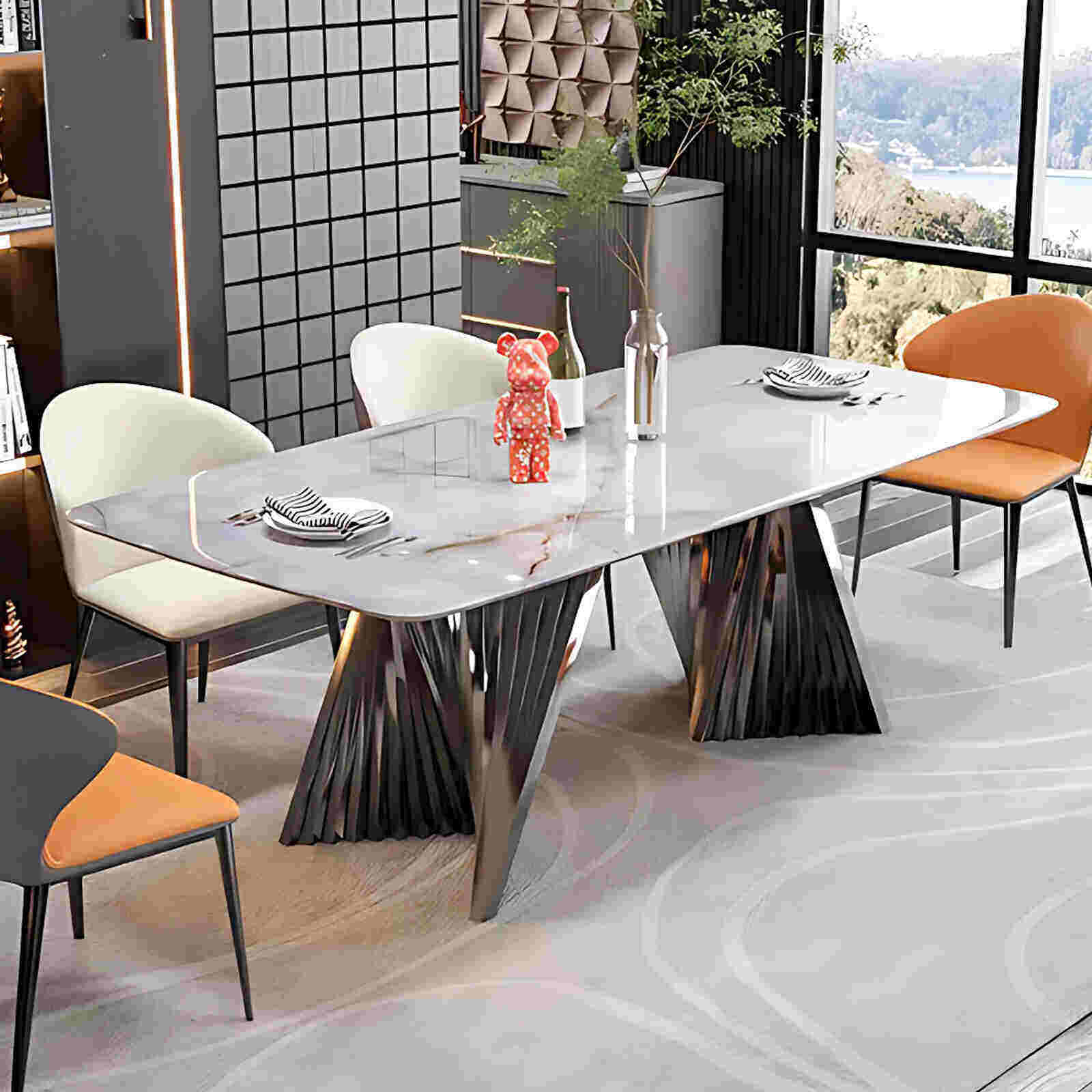
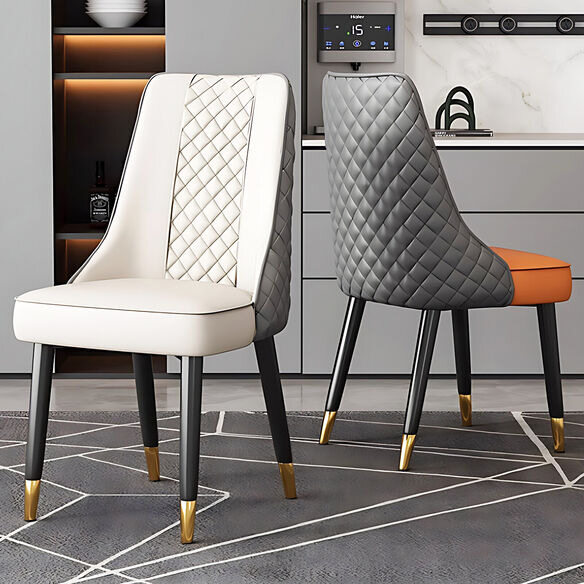
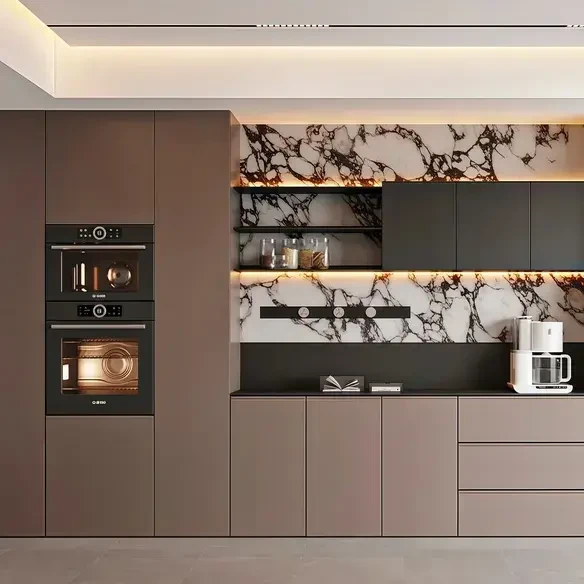
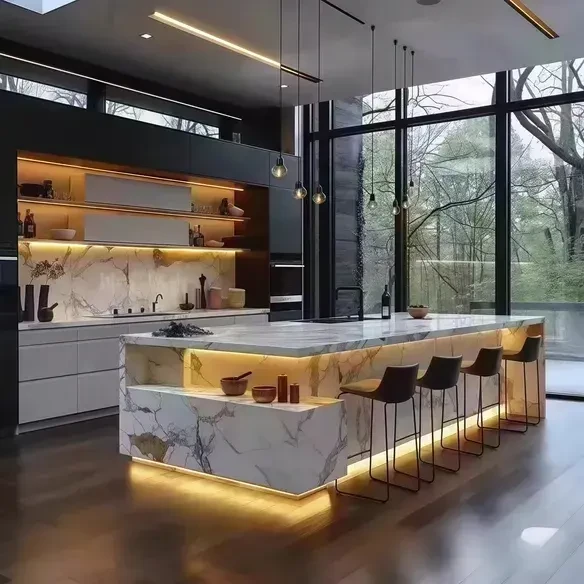
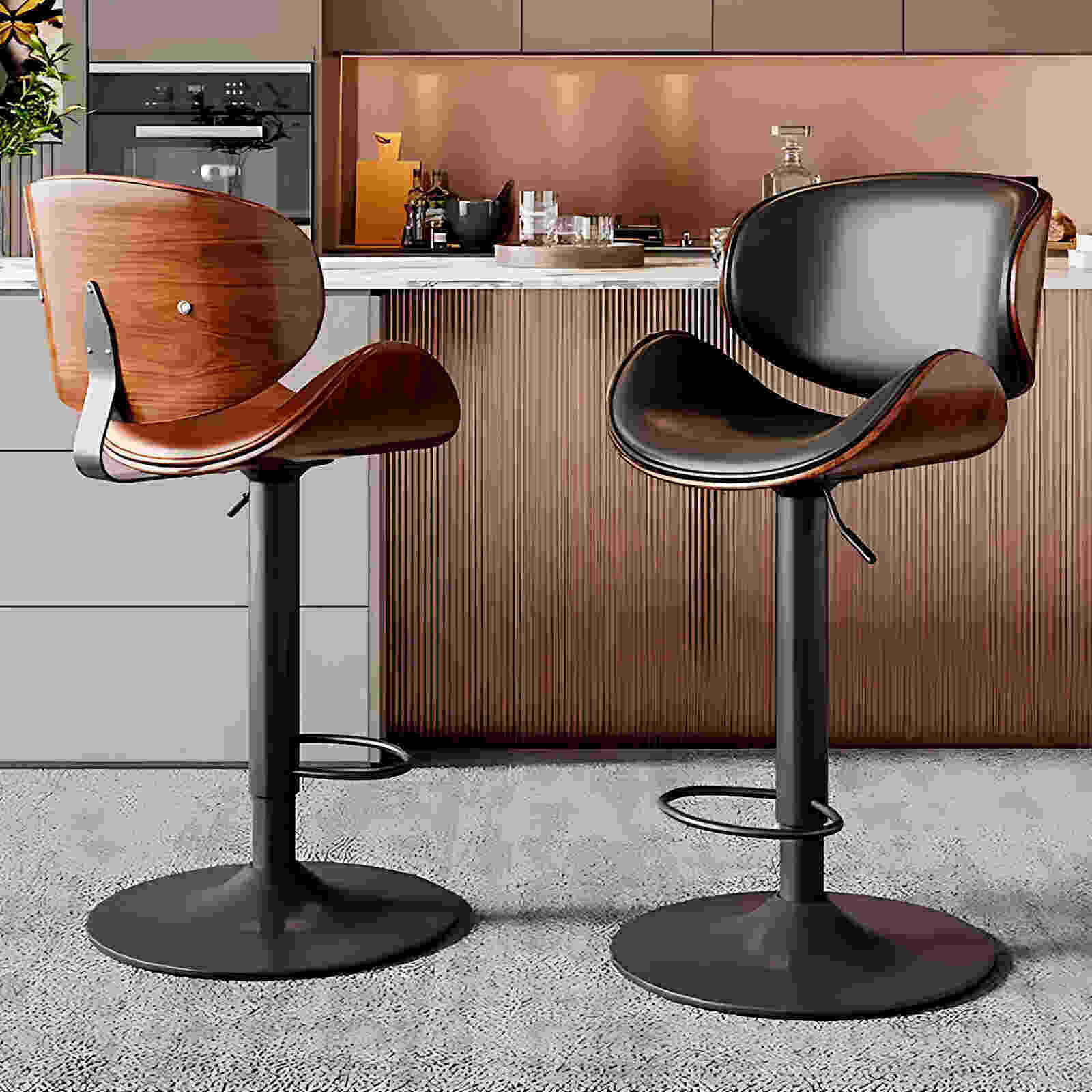
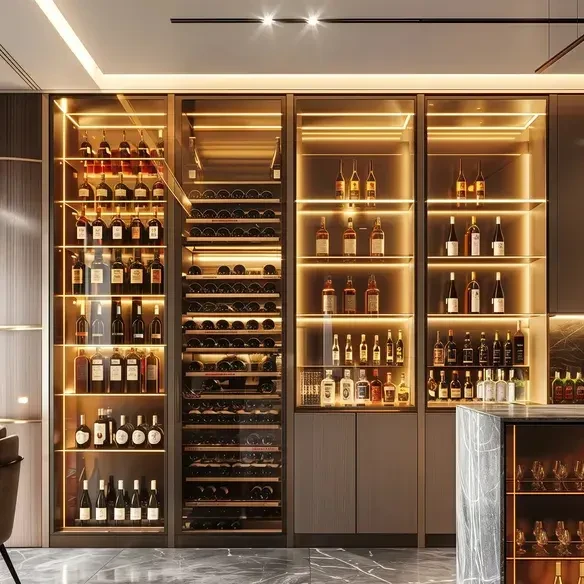
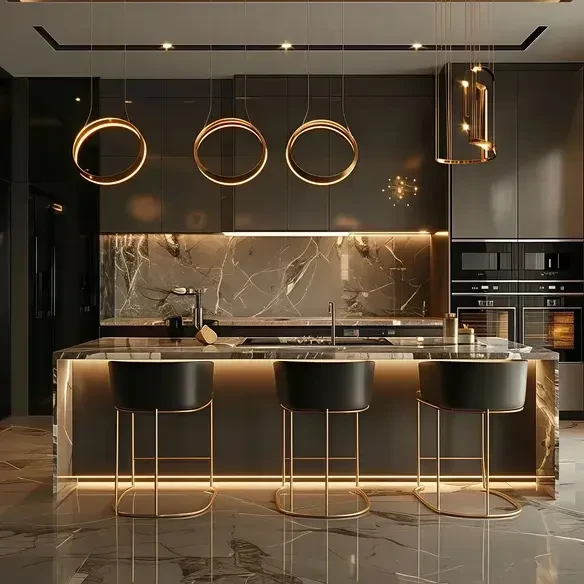

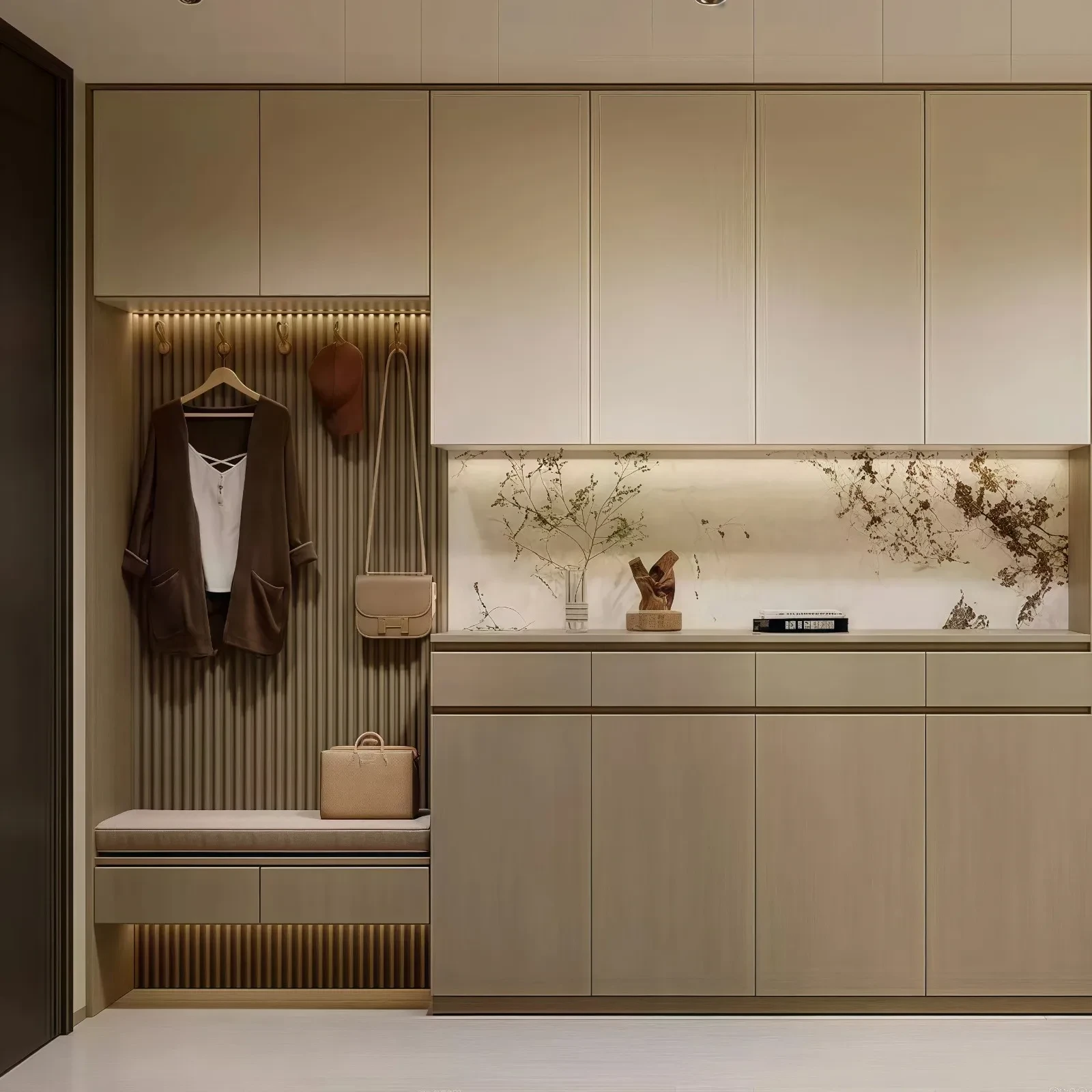
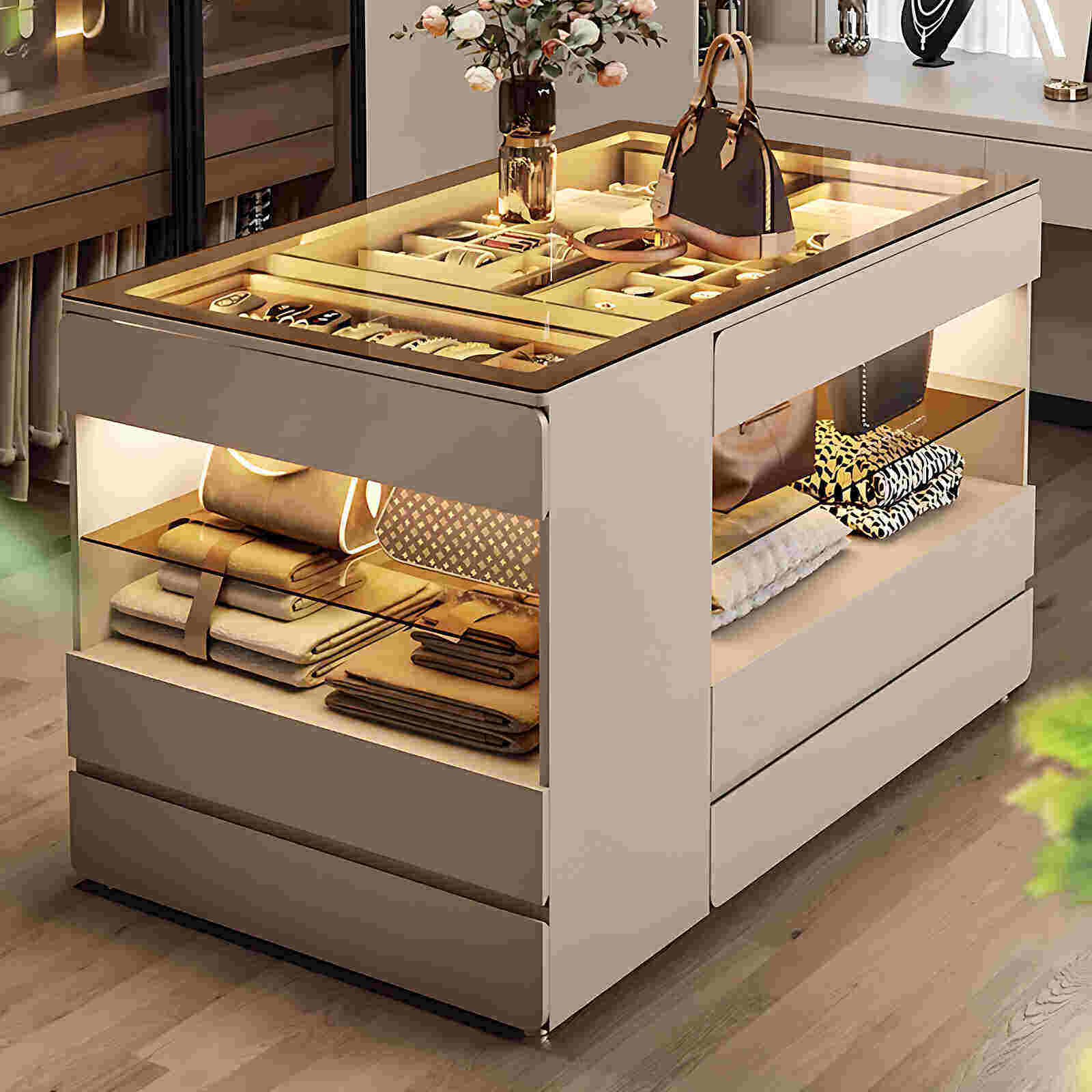
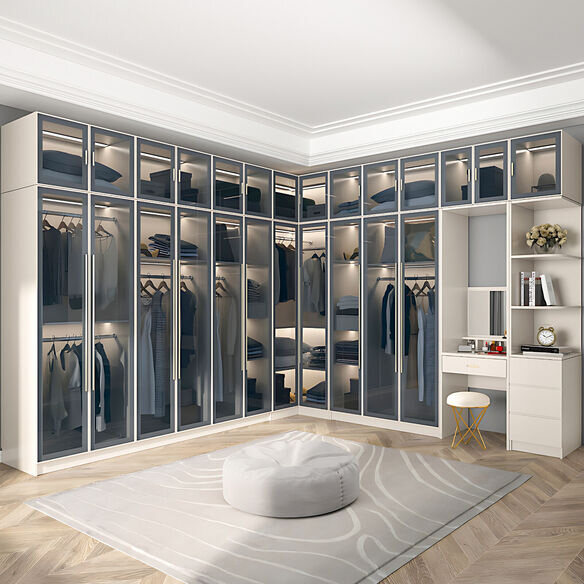
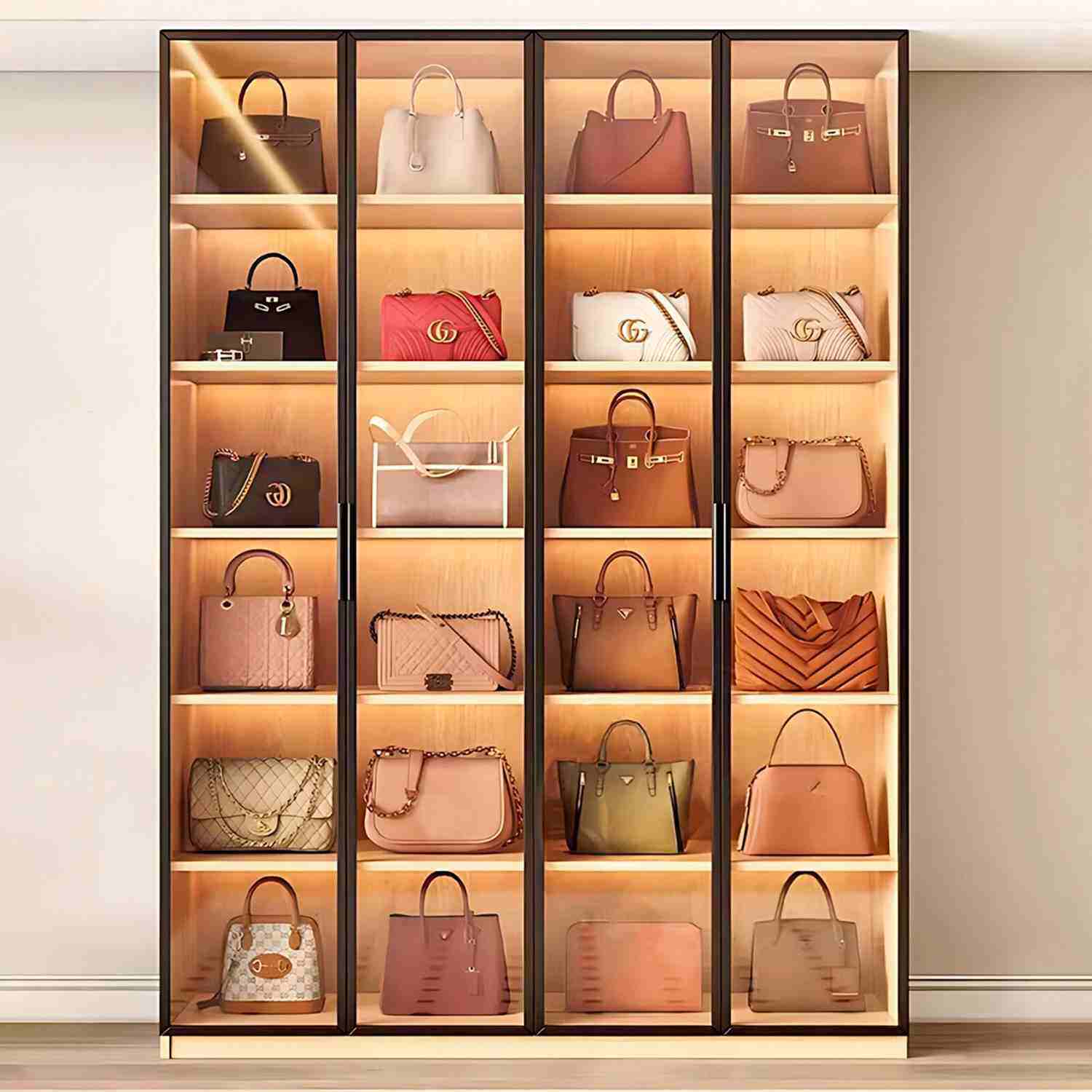
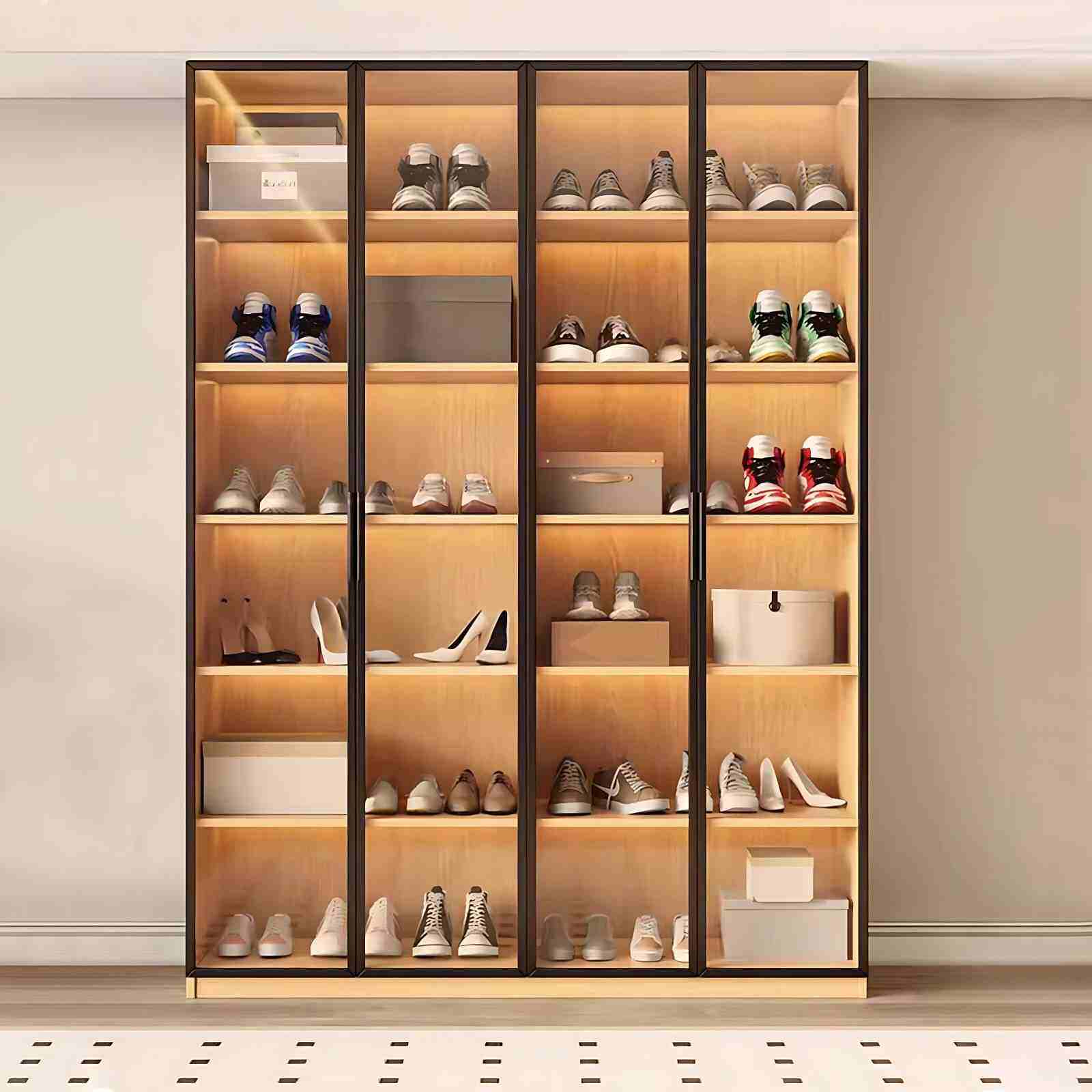
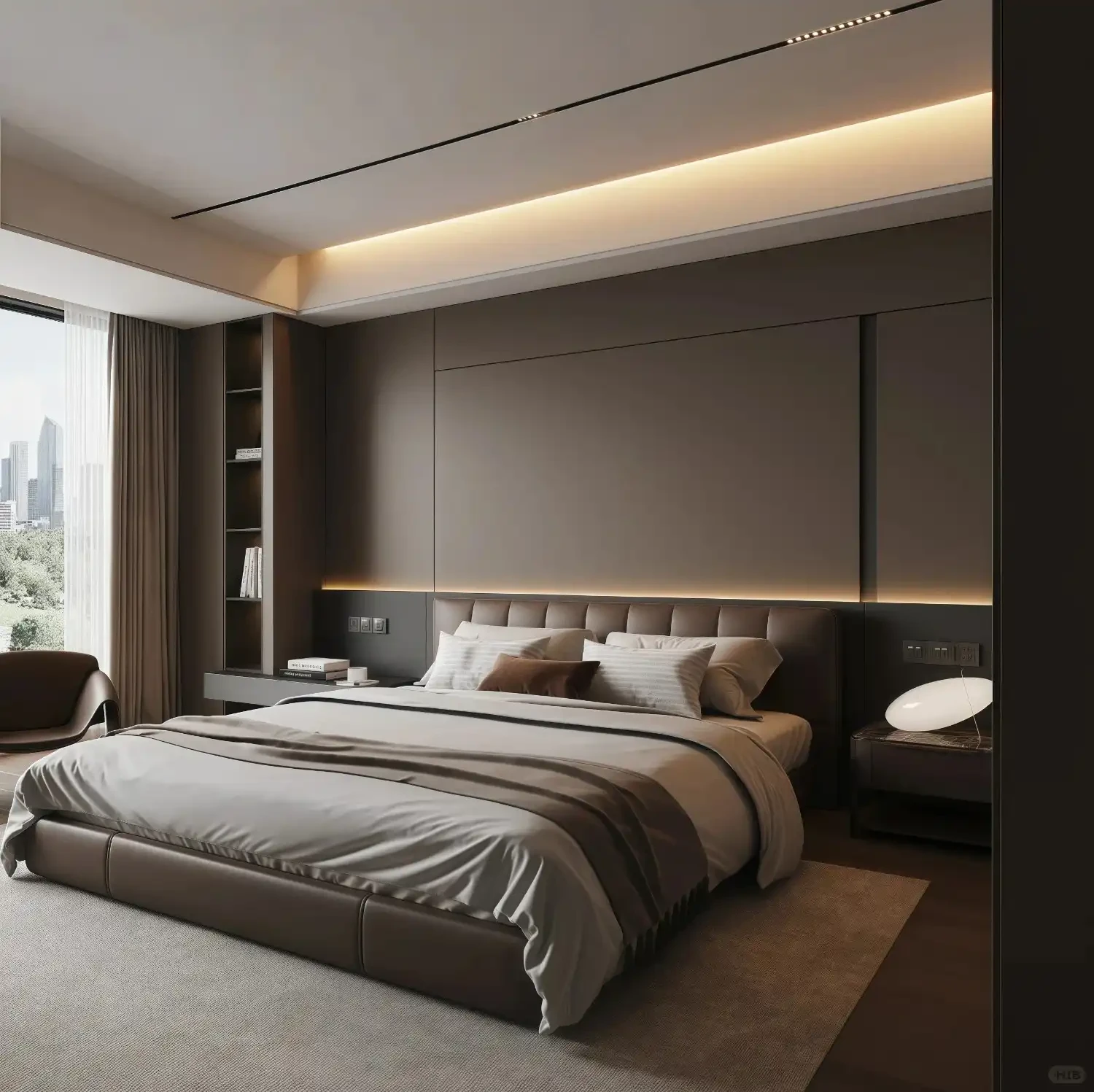
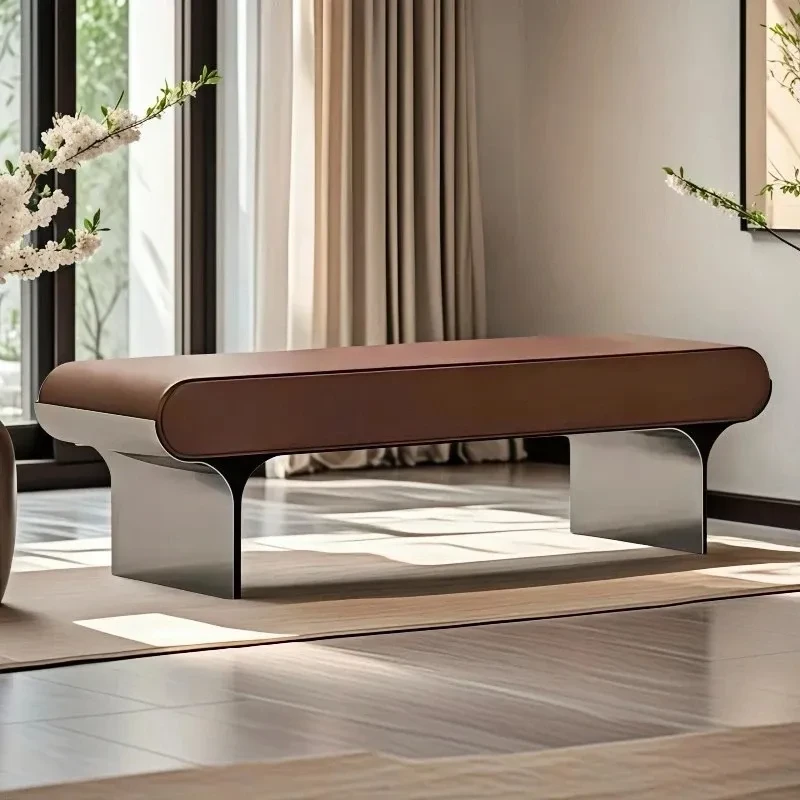
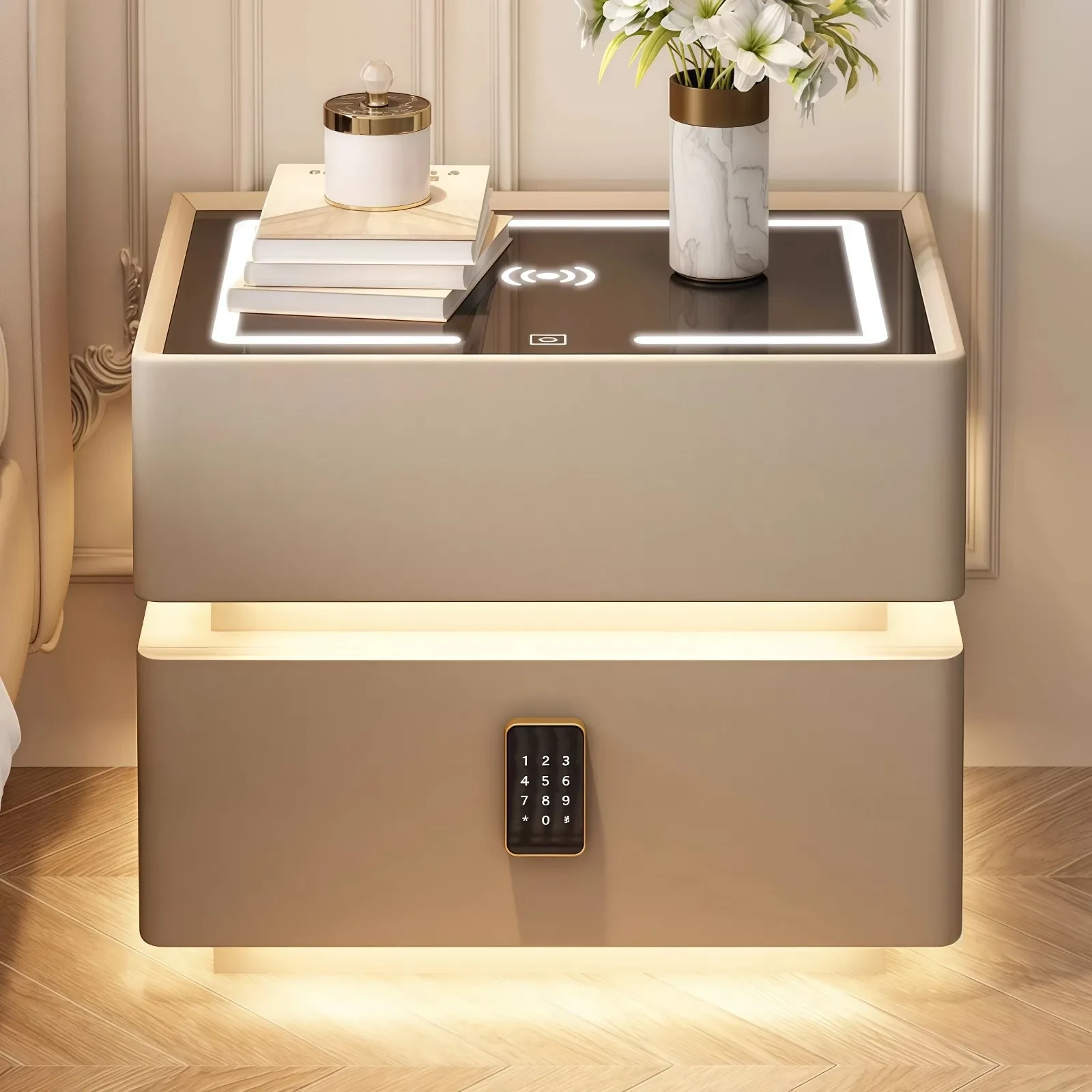
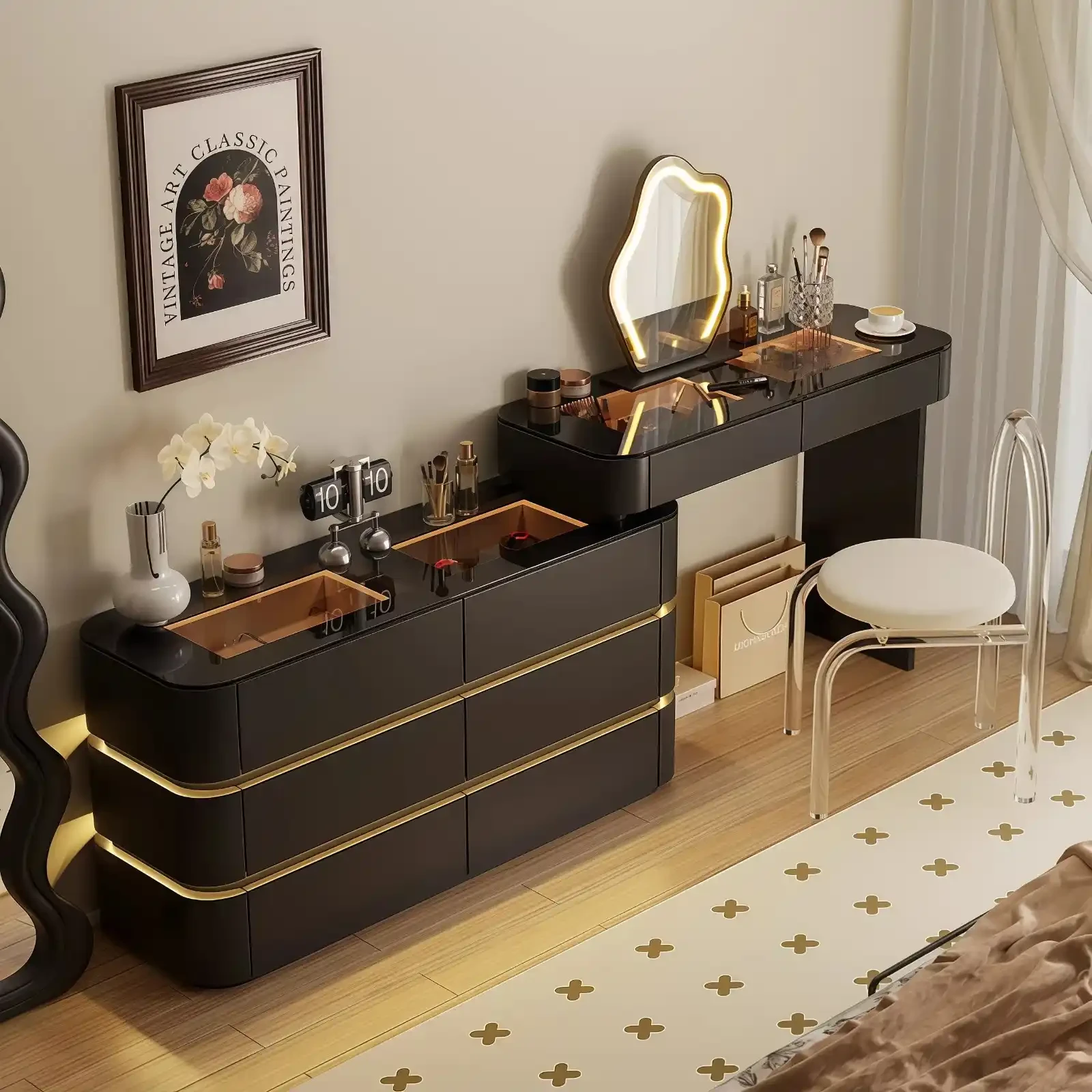
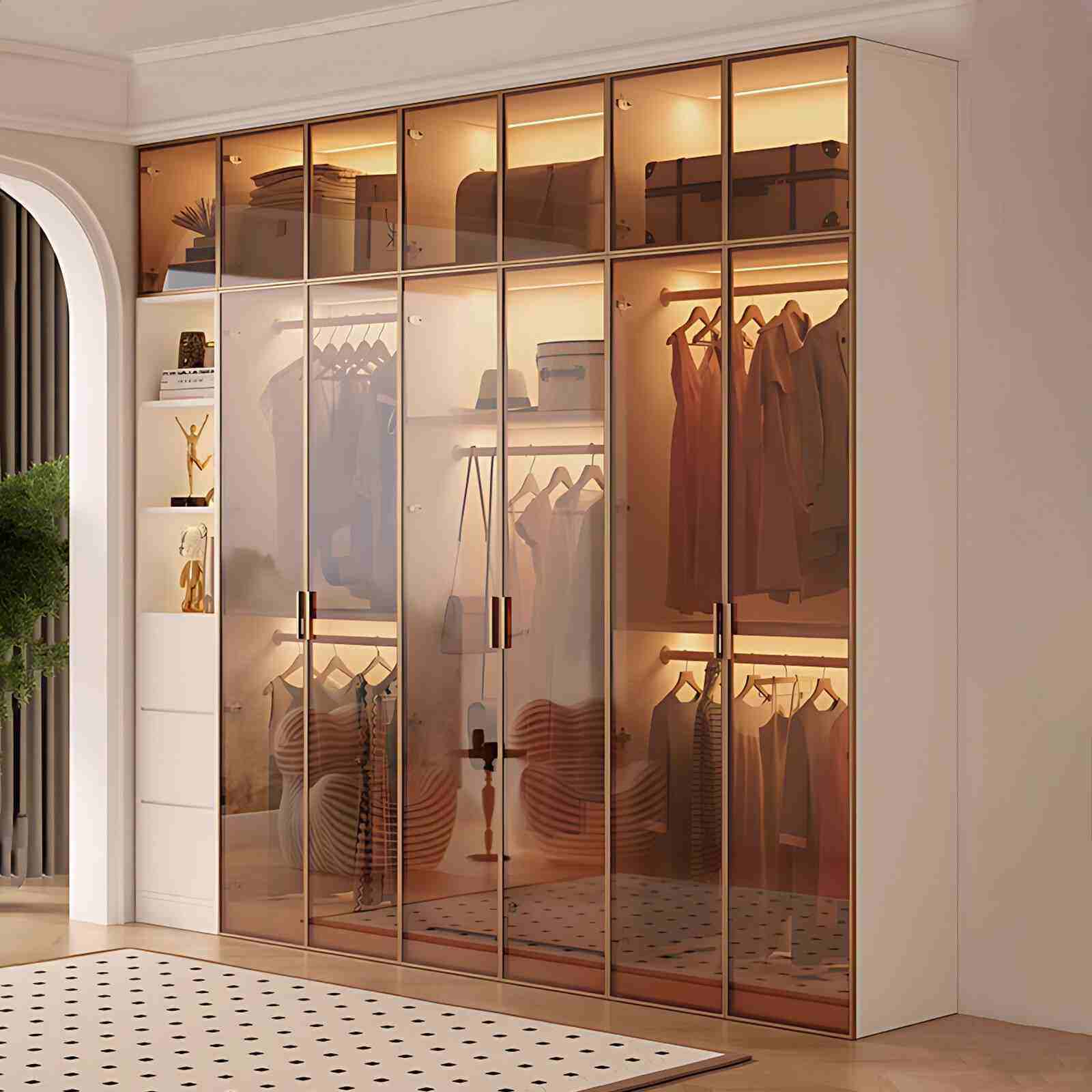
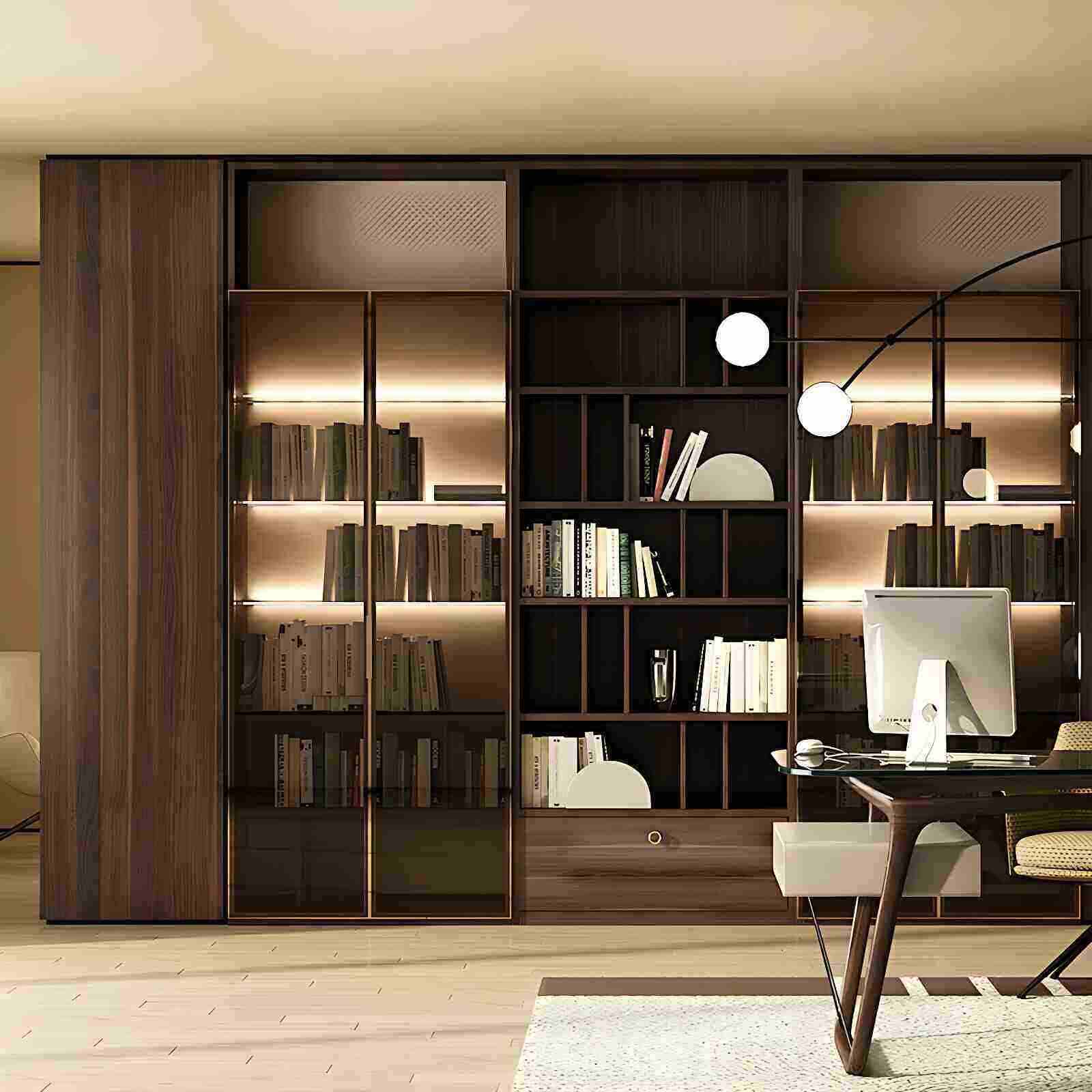

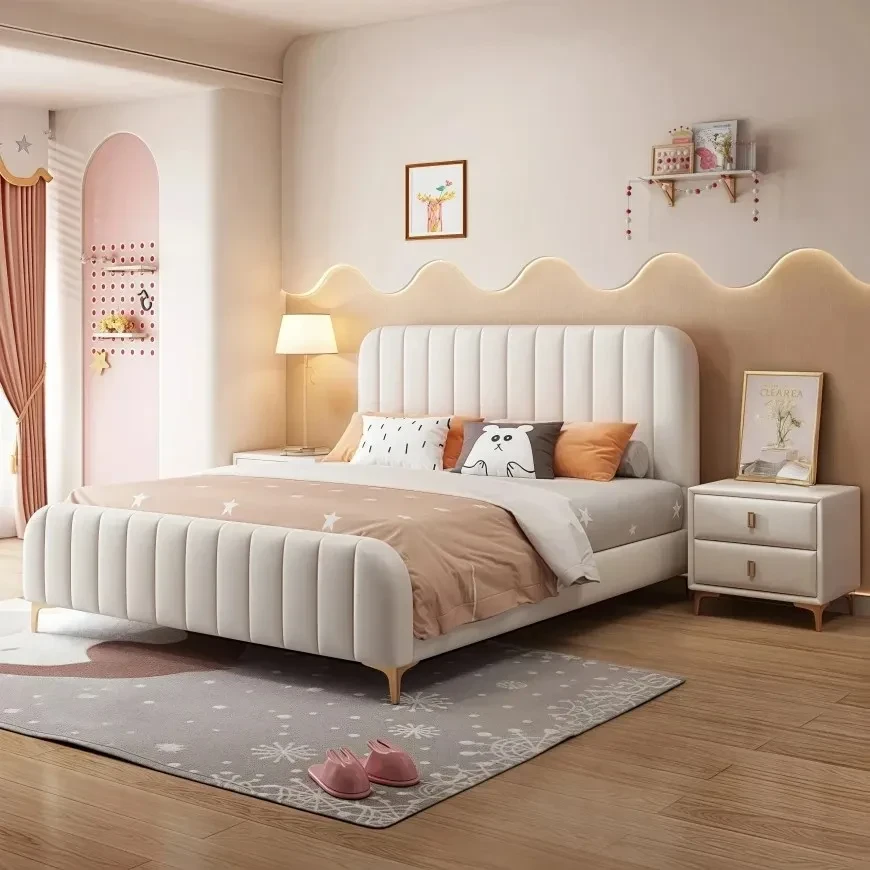
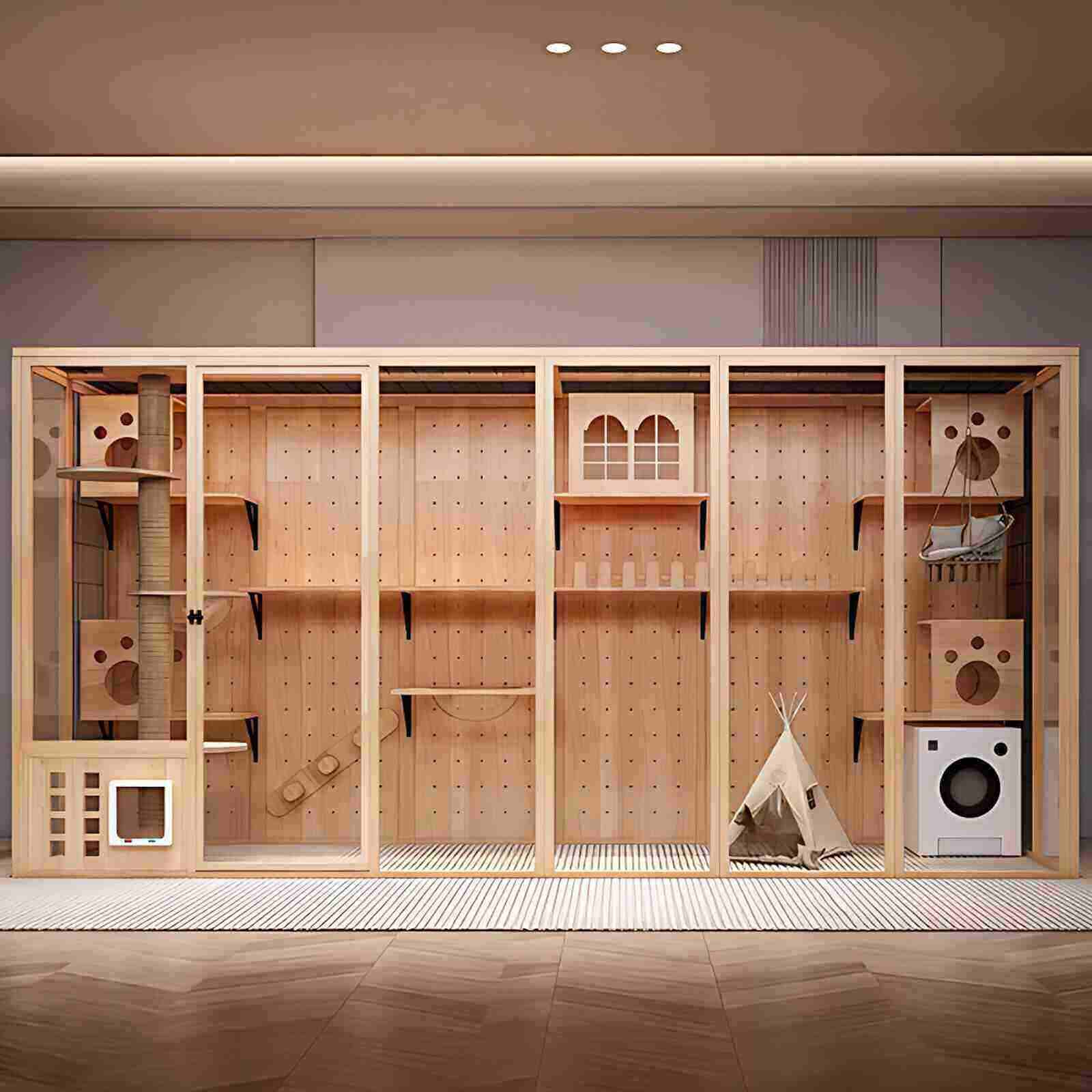
Many people like to choose eco-friendly boards when decorating, but not all eco-friendly boards are good. Do you know how to choose them? Today, I'll teach you four tips for choosing eco-friendly boards.
1. Expectation
Check if the surface of the board is bright and flat. Good ecological boards have no problems such as blistering, dents, deformation, defects, or carbonization. The edges of the boards are tightly finished without large gaps. In addition, good quality boards have anti-counterfeiting trademarks affixed to the surface after leaving the factory, and the edges of the boards have coding marks and inspection certificates.
2. Smell
Smell the eco-friendly board; good eco-friendly boards have only a slight wood smell, which is fine to buy; while inferior boards will have a pungent smell because the formaldehyde release exceeds the standard. After nearly 20 years of exploration and development, Huajie Wood Industry, one of the top ten eco-friendly board brands and manufacturers, has gained recognition and favor from the furniture board and decorative materials industry for its excellent product quality, with all performance indicators meeting or exceeding national standards, establishing a good brand image in the board industry.
3. Question
Inquire with the seller about the formaldehyde emission level of the eco-board and request a test report. Eco-board environmental standards are based on European standards, with three levels from highest to lowest: E0, E1, and E2. Correspondingly, formaldehyde limits are divided into three levels: E2 ≤ 5 mg/L (less than or equal to 5 milligrams of formaldehyde per kilogram of board); E1 ≤ 1.5 mg/L (less than or equal to 1.5 milligrams of formaldehyde); and E0 ≤ 0.5 mg/L (less than or equal to 0.5 milligrams of formaldehyde). Therefore, E0 is the most environmentally friendly level for eco-boards. When buying good eco-boards, ensure they meet at least the E0 or E1 environmental standard.
4. Cut
Run your hand along the surface of the board to check if it is smooth and textured, without any unevenness; press the board to test its density. Good quality eco-boards have strict density standards and will not easily bend even when pressed.