
 USD
USD GBP
GBP
 EUR
EUR














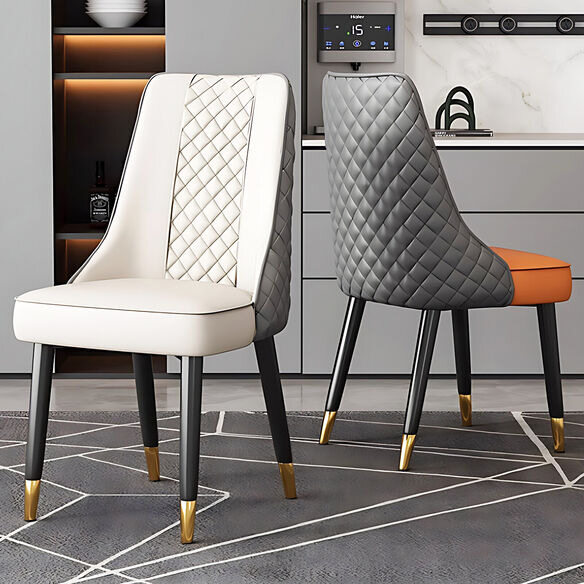





















Chinese fir (Cephalotaxus fortunei) is a type of tree, commonly known as cedarwood, which has a faint, pleasant fragrance due to the presence of cedrol in its wood. Primarily produced in southern my country, cedarwood has been widely used in the Han Dynasty and even earlier. By the Tang Dynasty at the latest, my country was using cedar trees extensively. Around the Yuan and Ming Dynasties, its cultivation and management flourished, with a complete system and technology established for logging, transportation, and measurement. Chinese fir became a major tree species for civil engineering and the manufacture of everyday tools in southern my country.
Chinese fir is an important tree species in southern my country with a long history of use. Its strong resistance to pressure and earthquakes made it a superior building material. The Chengyang Wind and Rain Bridge in Sanjiang, Guangxi, built in 1916 without a single nail or rivet, used over 400 cubic meters of Chinese fir and remains perfectly preserved. The Mawangdui Han tombs in Changsha, Hunan, contain coffins made of Chinese fir, and the Chinese fir artifacts unearthed over two thousand years ago are all intact. Many similar tombs, such as the Han tombs in Tianchang County, Anhui, also feature coffins made of Chinese fir. Archaeological discoveries have also unearthed furniture, daily storage items, and other items from southern Han dynasty furniture made of Chinese fir. Chinese fir was also used to build boats and rafts, demonstrating its exceptional durability!
The *Nanfang Caomu Zhuang* records: "Two hundred li east of Hepu, there is a fir tree. In the spring of the fifth year of Yongchu reign of Emperor An of Han, its leaves fell and were carried by the wind into Luoyang City. Its leaves are ten times larger than those of ordinary fir trees." Guo Pu's commentary on the *Erya* states: "The fir resembles a pine tree, grows in Jiangnan, and can be used to make boats and coffins. It can also be used as a pillar for burial without decaying... Furthermore, it is commonly used as a rice bucket, as it is very resistant to water." Based on this, it can be seen that fir wood was already widely used in the Han Dynasty.
Another record in the *Illustrated Materia Medica* states that Liu Zongyuan, a Tang dynasty official, compiled a prescription to save three people from death: In February of the twelfth year of the Yuanhe era, a man contracted beriberi, suffered a sudden, severe attack of the rash at midnight, and had a lump on his ribs as large as a stone. He was on the verge of death, but due to severe cold, he remained unconscious for three days, causing his family to weep bitterly. Zheng Xunmei of Rongyang transmitted a fir wood decoction, which, after half a meal, caused severe diarrhea. Three doses later, his qi returned and his soul dissipated. This indicates that people at that time had a fairly detailed understanding of the properties of fir wood, and its applications had expanded, including its use in medicine.
Chinese fir has a straight and round trunk, is light yet tough, has a beautiful grain, is fragrant, does not sag or warp, contains "fir brain," and is resistant to termites, borers, and decay, making it an important timber species in my country (especially in the south). It grows quickly, has strong sprouting ability, and is easy to propagate artificially; whether through cuttings, seedlings, or sprouting, it can grow into a forest and produce timber.
Chinese cedar solid wood eco-board is rich in natural cedrol, which is insect-proof and corrosion-resistant. Its naturally released cedrol and negative oxygen ions have antibacterial, anti-inflammatory, stress-relieving, and brain-boosting health benefits, protecting the health of you and your family. It is commonly used in high-end residences, hotels, clubs, and various furniture and cabinet decorations, showcasing the owner's taste and status. Zhuangxiang is dedicated to changing your home's ecological environment and focuses on the Chinese cedar industry!