
 USD
USD GBP
GBP
 EUR
EUR



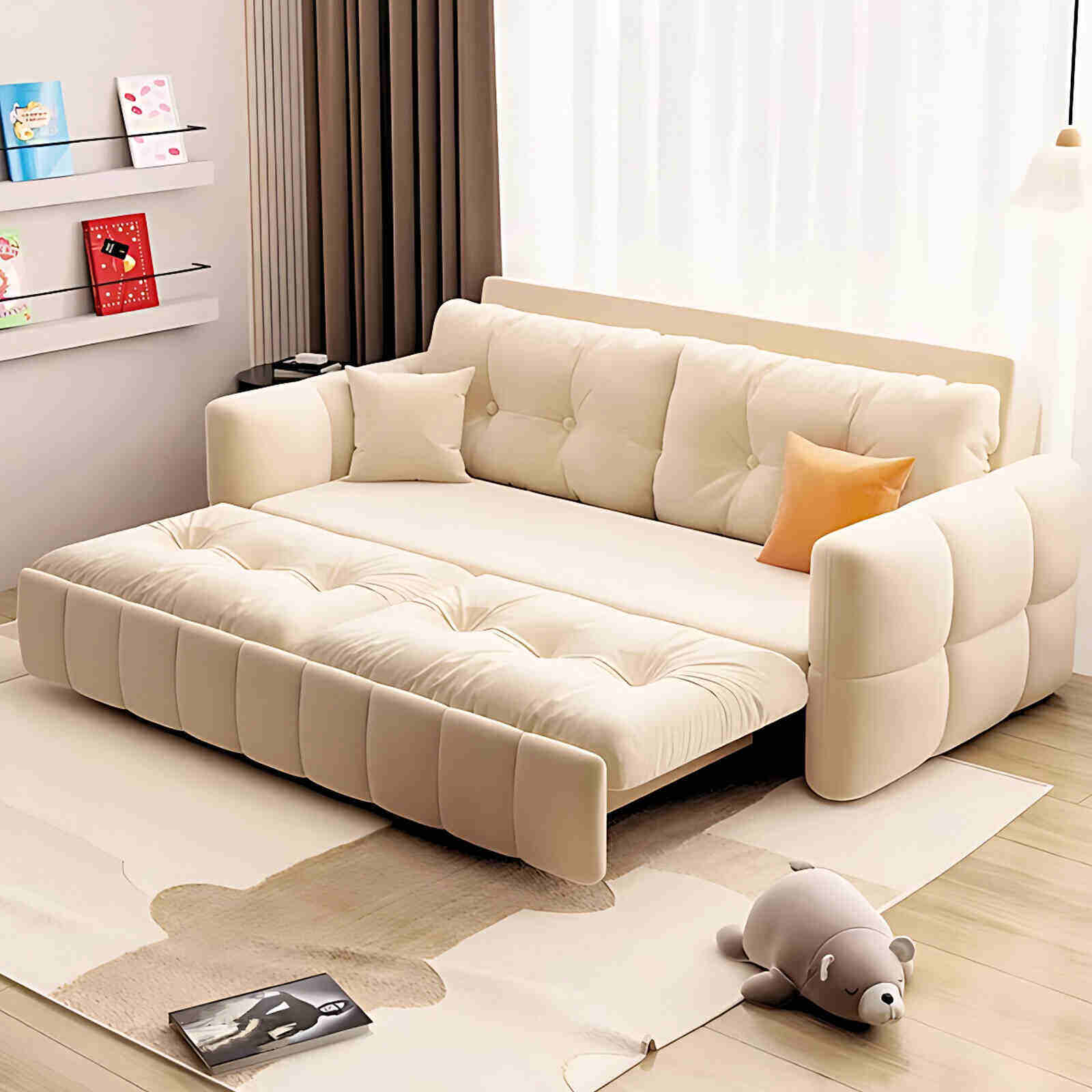
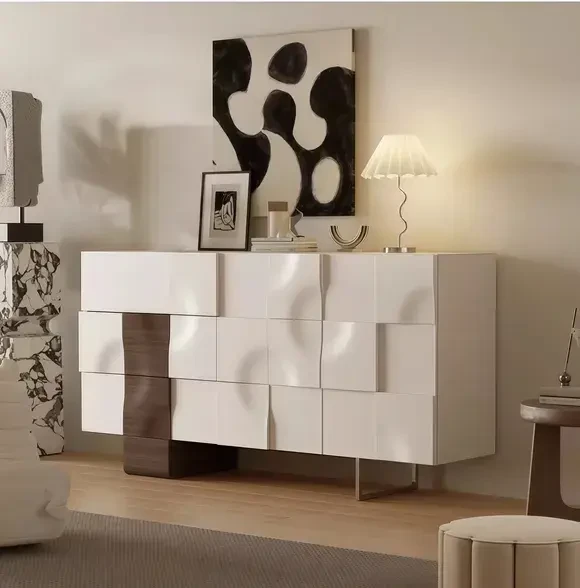


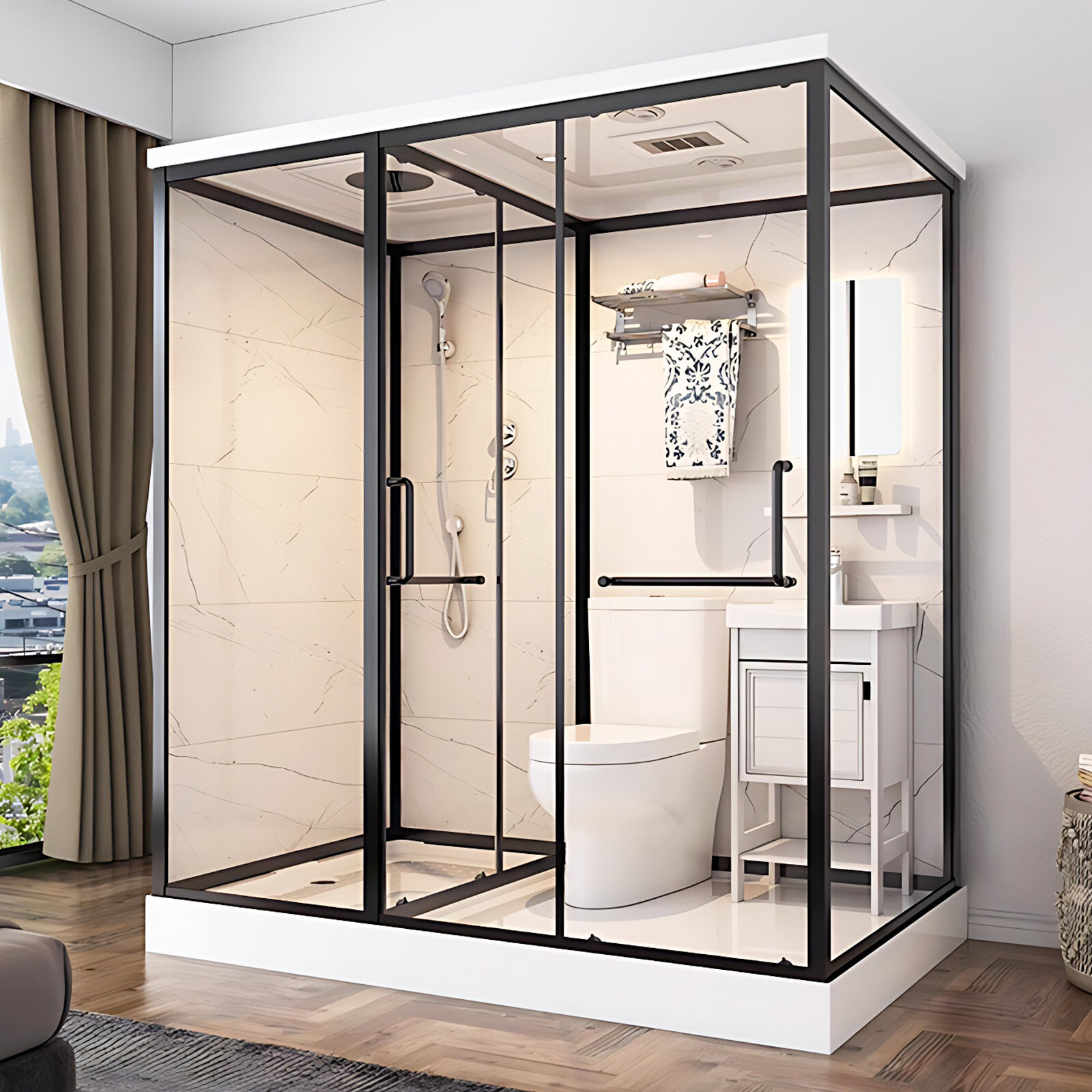
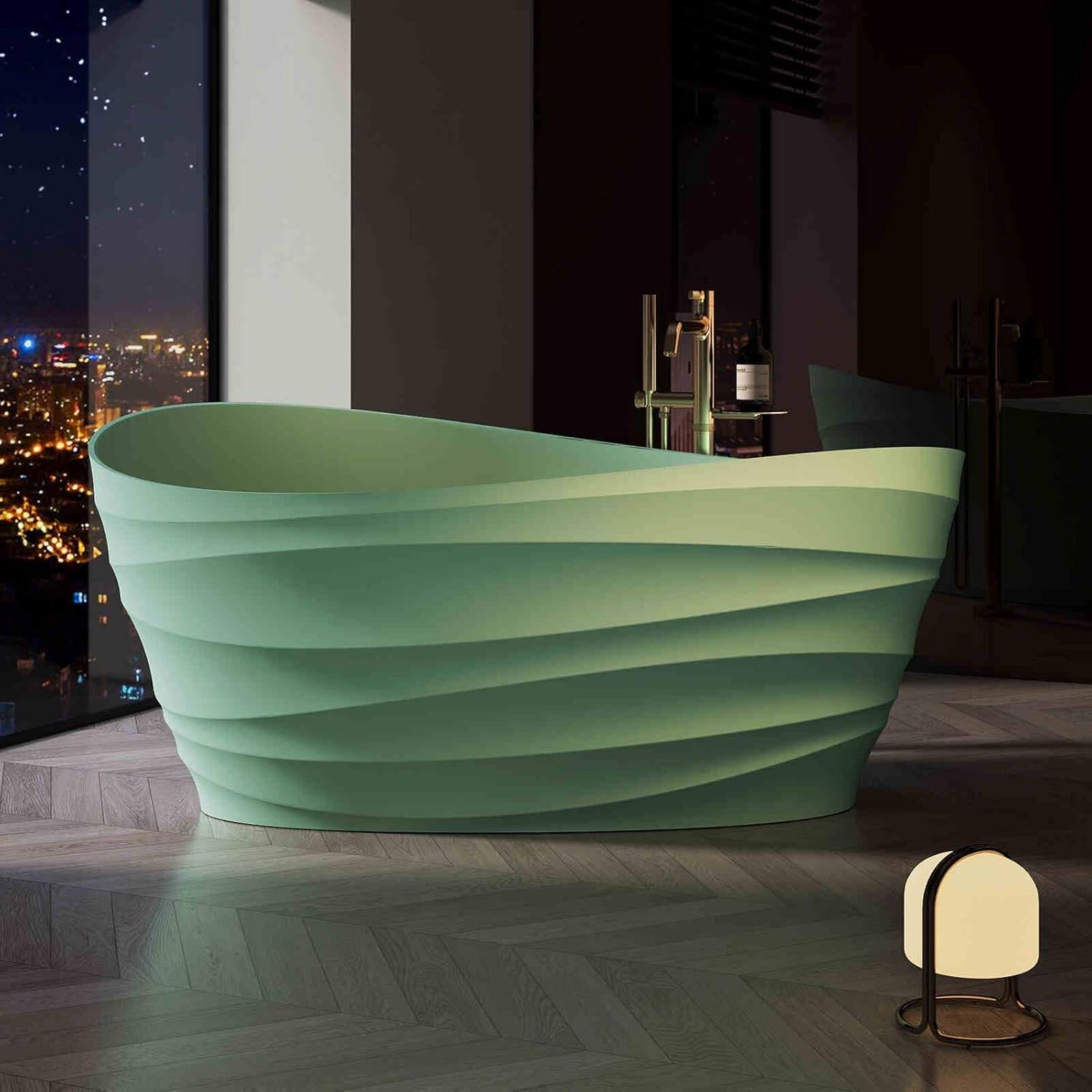
























Formaldehyde is a familiar term to everyone. According to the results of random air quality inspections of newly decorated homes in my country, the average rate of formaldehyde exceeding the standard is 70% to 80%. This number is not alarmist. There have been many fatal cases due to excessive formaldehyde levels, especially in summer when indoor pollutants such as formaldehyde and benzene are much higher than in other seasons.
What is formaldehyde?
Formaldehyde, also known as methanal, is colorless and irritating to the eyes and nose. It is a gas at room temperature and is volatile. Formaldehyde has a wide range of uses, including in the production of industrial resins, coatings, and engineered wood products.
What are the health hazards of excessive formaldehyde levels?
Formaldehyde is colorless, but it can irritate people's eyes and respiratory mucous membranes, causing various symptoms such as conjunctivitis, keratitis, rhinitis, and bronchitis, and can also trigger asthma.
If formaldehyde comes into direct contact with the skin, it can cause allergic reactions. Formaldehyde poses an even greater risk to pregnant women, potentially leading to miscarriage and birth defects.
Excessive levels of organic pollutants such as formaldehyde and benzene can not only lead to nasal and sinus cancer, but may also cause leukemia.
What are some good ways to remove formaldehyde?
1. Open windows for ventilation
Good ventilation is an effective way to remove formaldehyde. On sunny days, open windows and doors to allow indoor air to circulate and reduce the concentration of toxic and harmful gases. However, because formaldehyde, benzene, and other harmful substances have a long release period, opening windows for ventilation cannot truly solve the problem for tenants who are eager to move into a newly renovated house.
2. Place green plants
According to popular rankings of plants' ability to remove formaldehyde, the most commonly heard of are pothos, snake plant, monstera, and onion. After formaldehyde enters a plant, it participates in the plant's metabolism, converting the toxic formaldehyde into non-toxic carbon dioxide, water, and organic matter. However, if the formaldehyde concentration is too high, or if the release process is prolonged and exceeds the plant's metabolic capacity, these plants will still die from formaldehyde poisoning.
3. Choose healthy and environmentally friendly building materials
In home decoration, choosing to purchase healthy, eco-friendly, and environmentally friendly building materials can eliminate formaldehyde hazards at the source, ensuring a healthy and safe home life. To avoid formaldehyde in the summer, why not start by choosing a healthy and environmentally friendly building material? These materials focus on environmental protection, rejecting formaldehyde from every angle.
The plant protein adhesive used in our healthy boards is made primarily from natural plants and contains no toxic substances. This ensures the environmental quality of the boards from the source, guaranteeing that every board meets the E0-level environmental standard. It creates a non-toxic and harmless healthy home environment for you, making it your top choice for a healthy life.