
 USD
USD GBP
GBP
 EUR
EUR
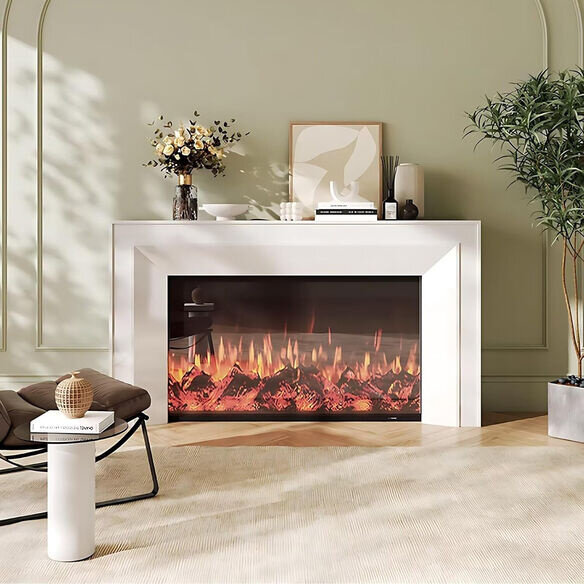
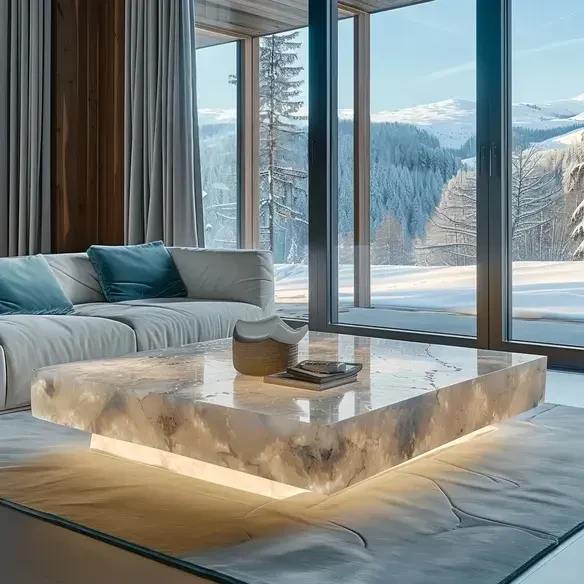
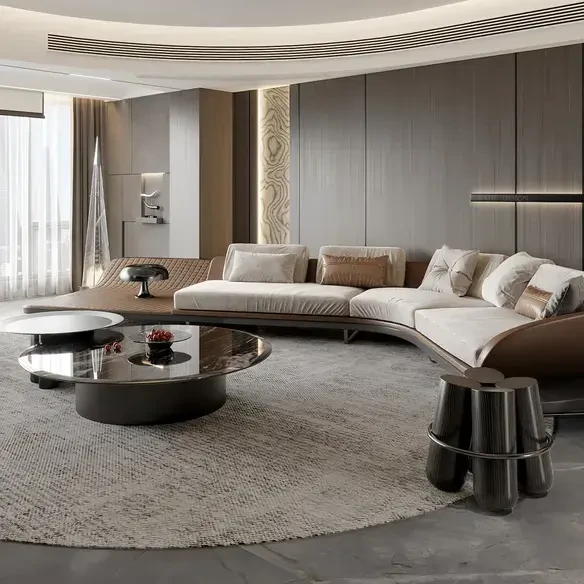
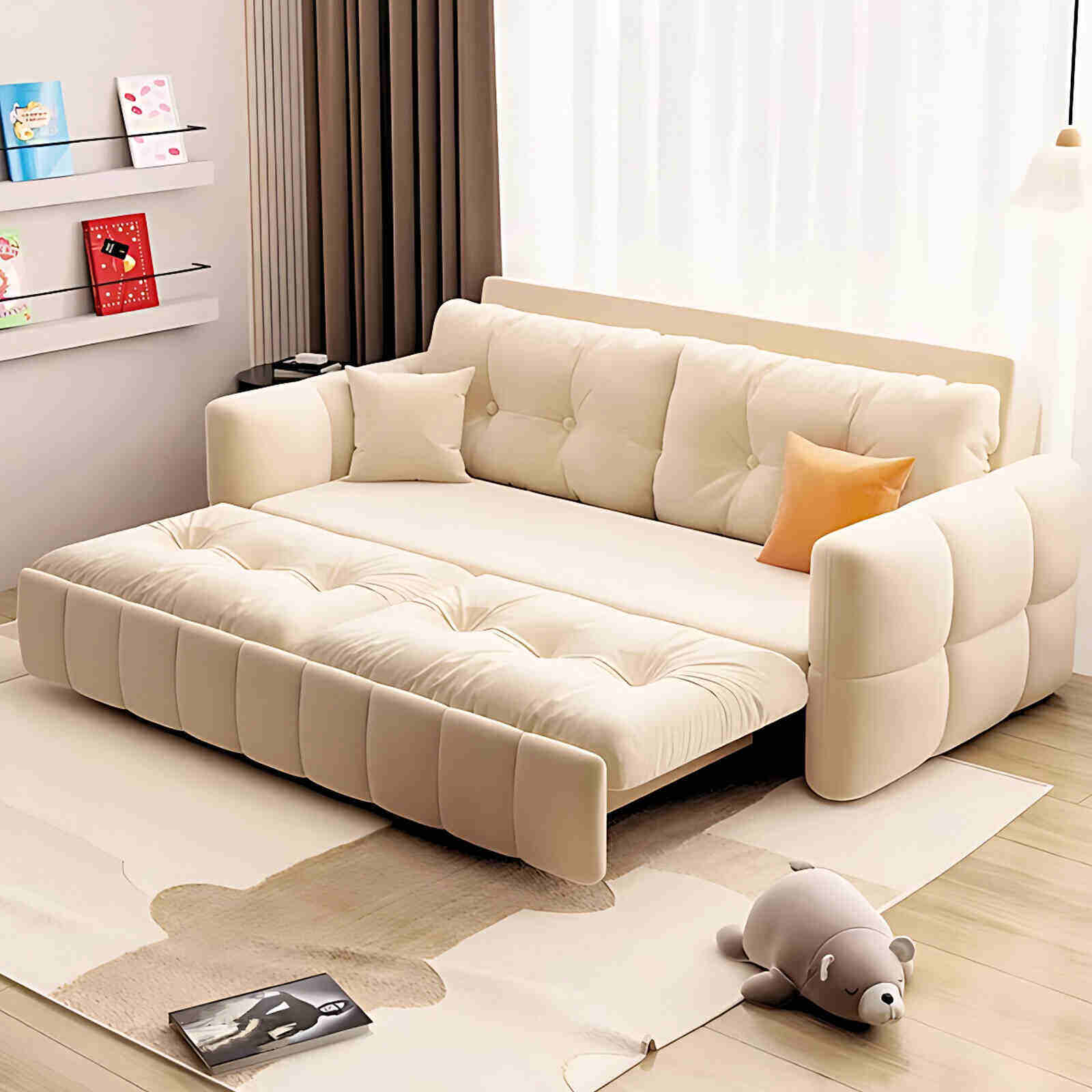
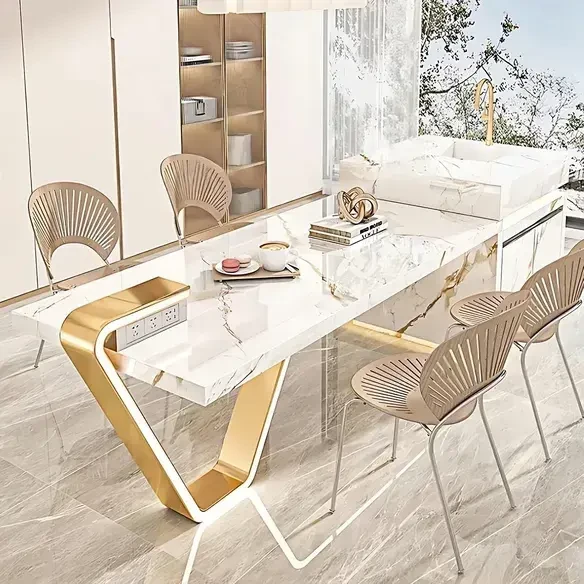
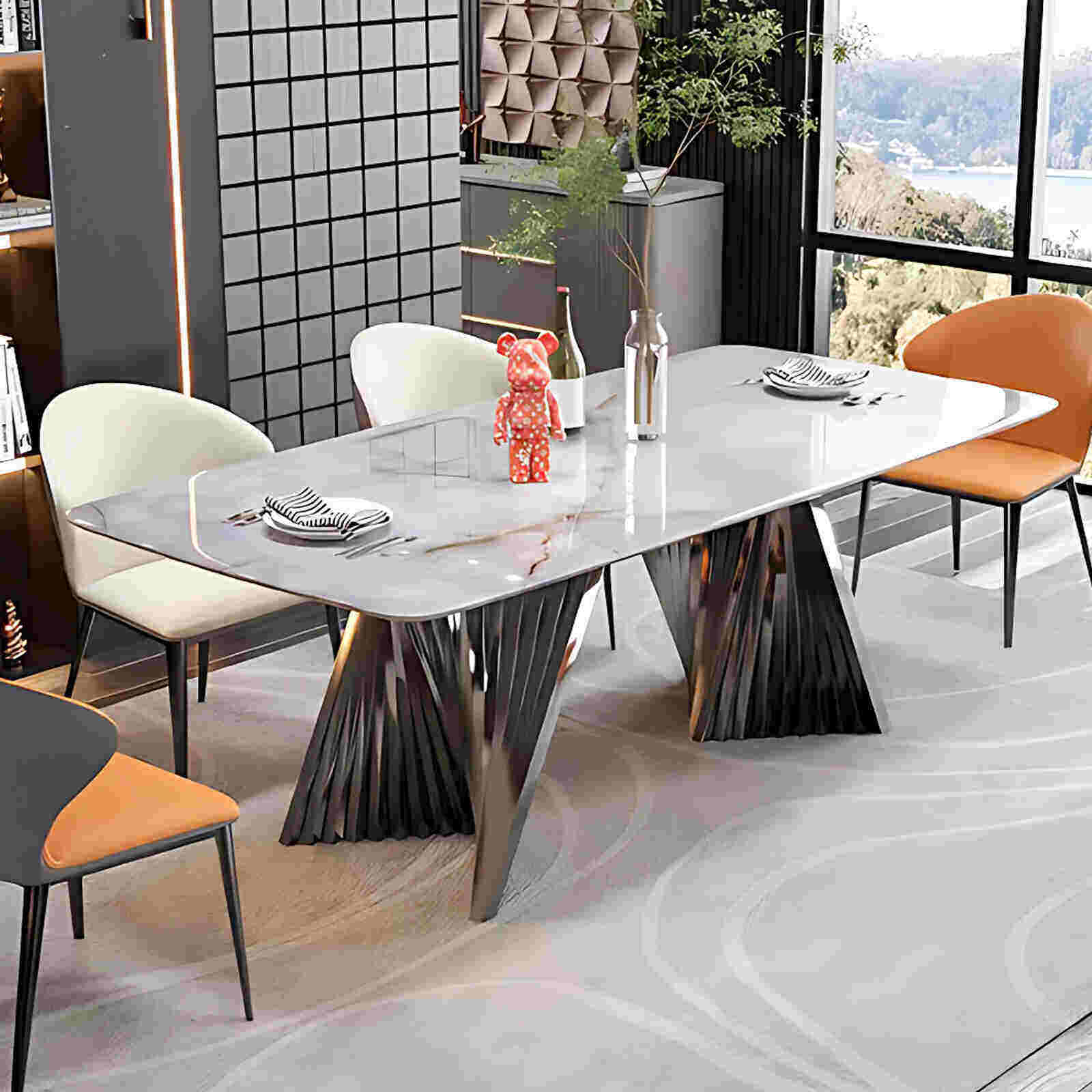
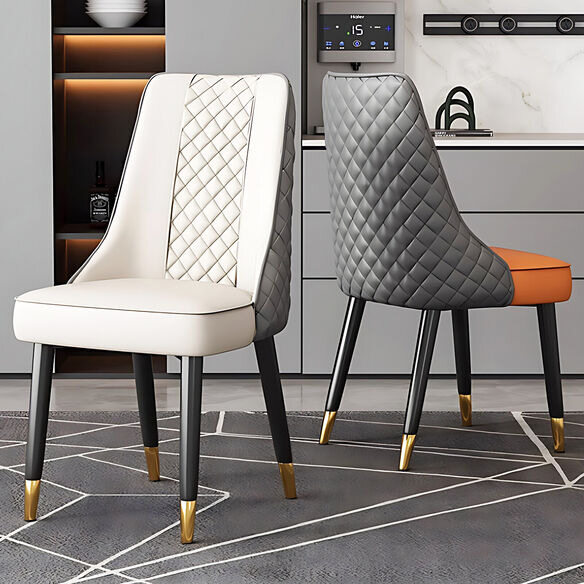
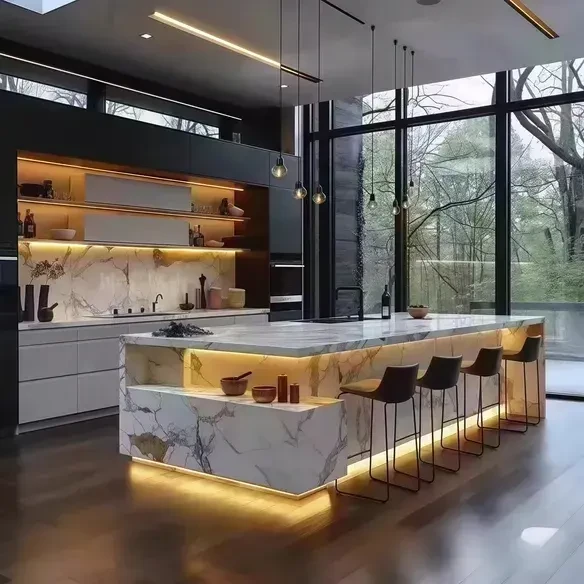
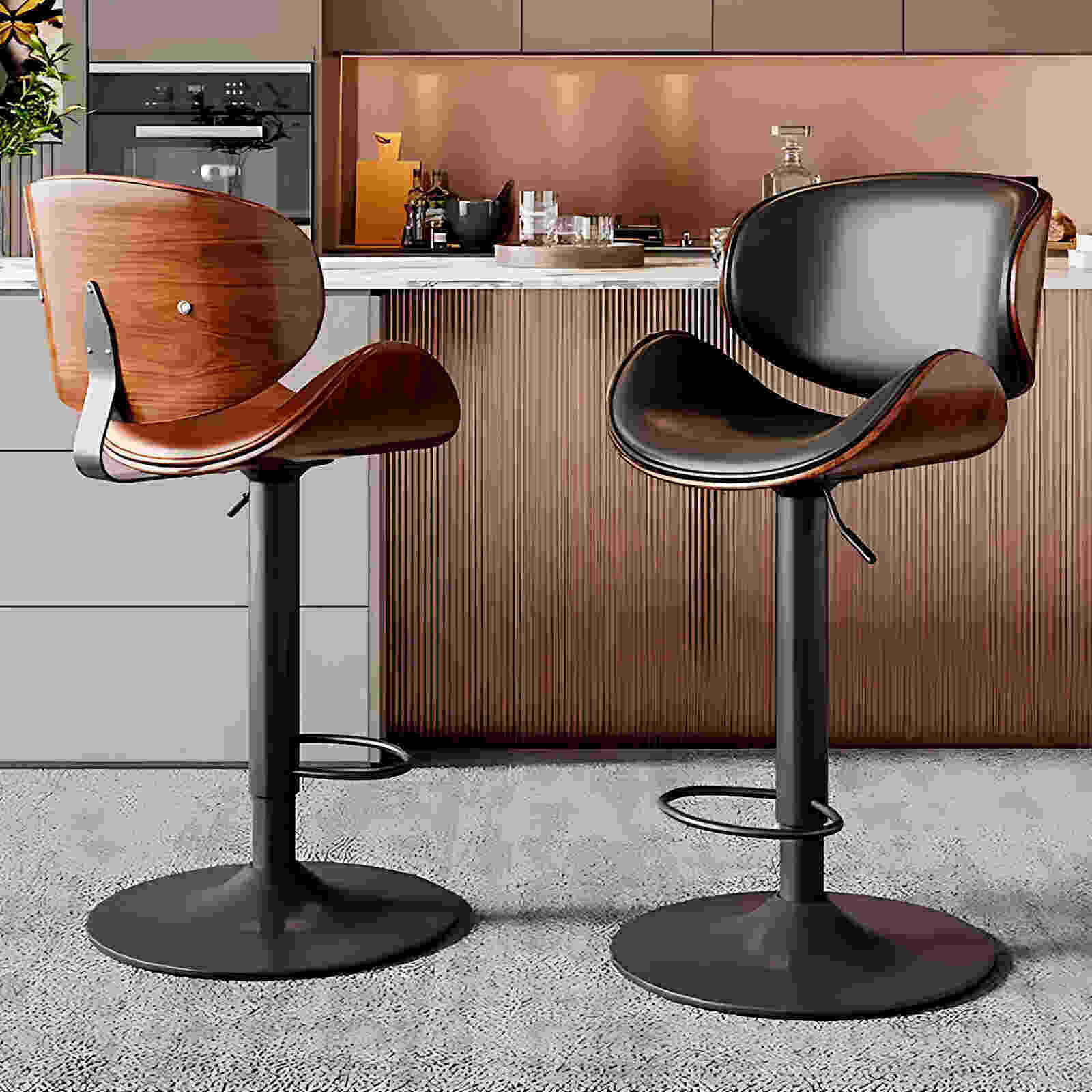
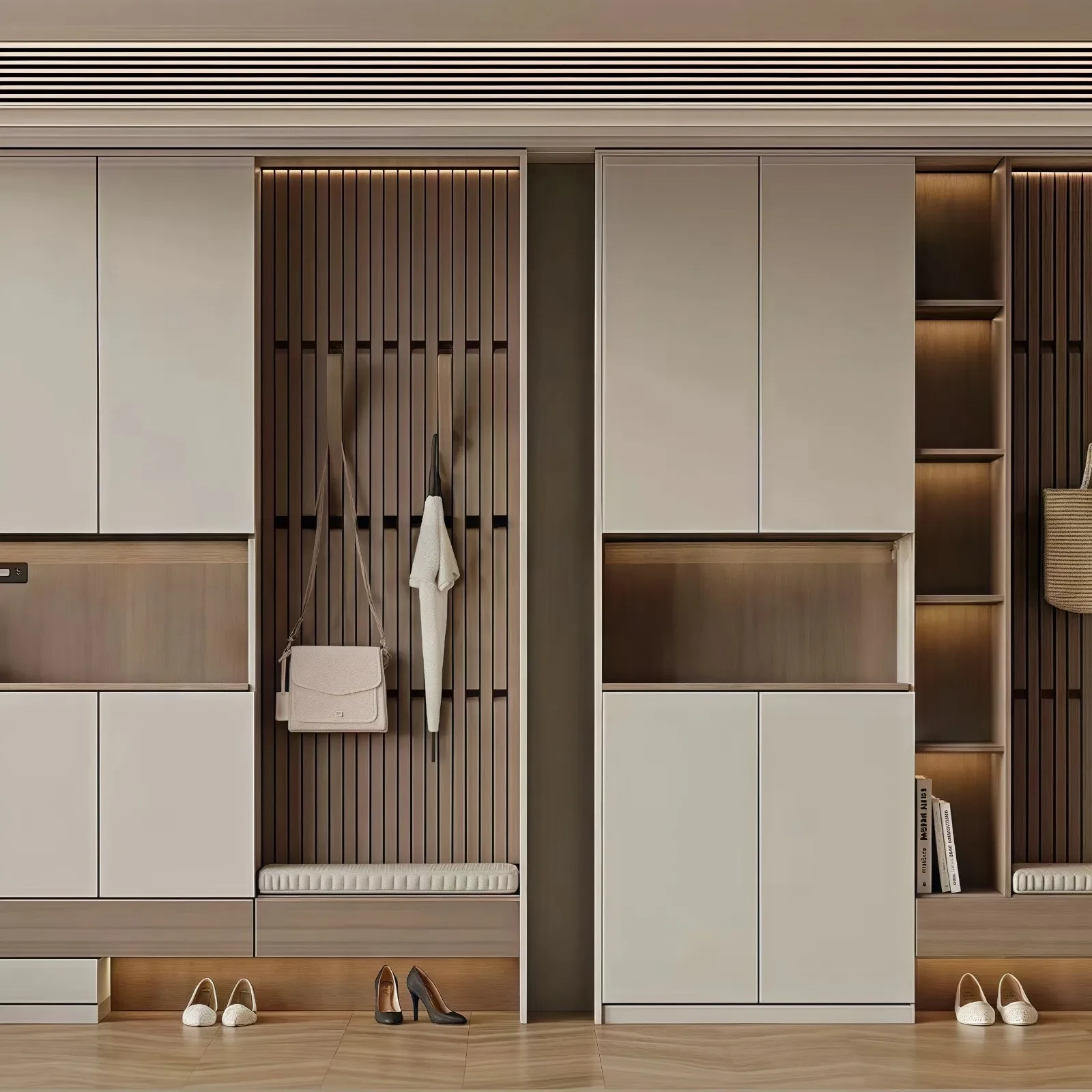
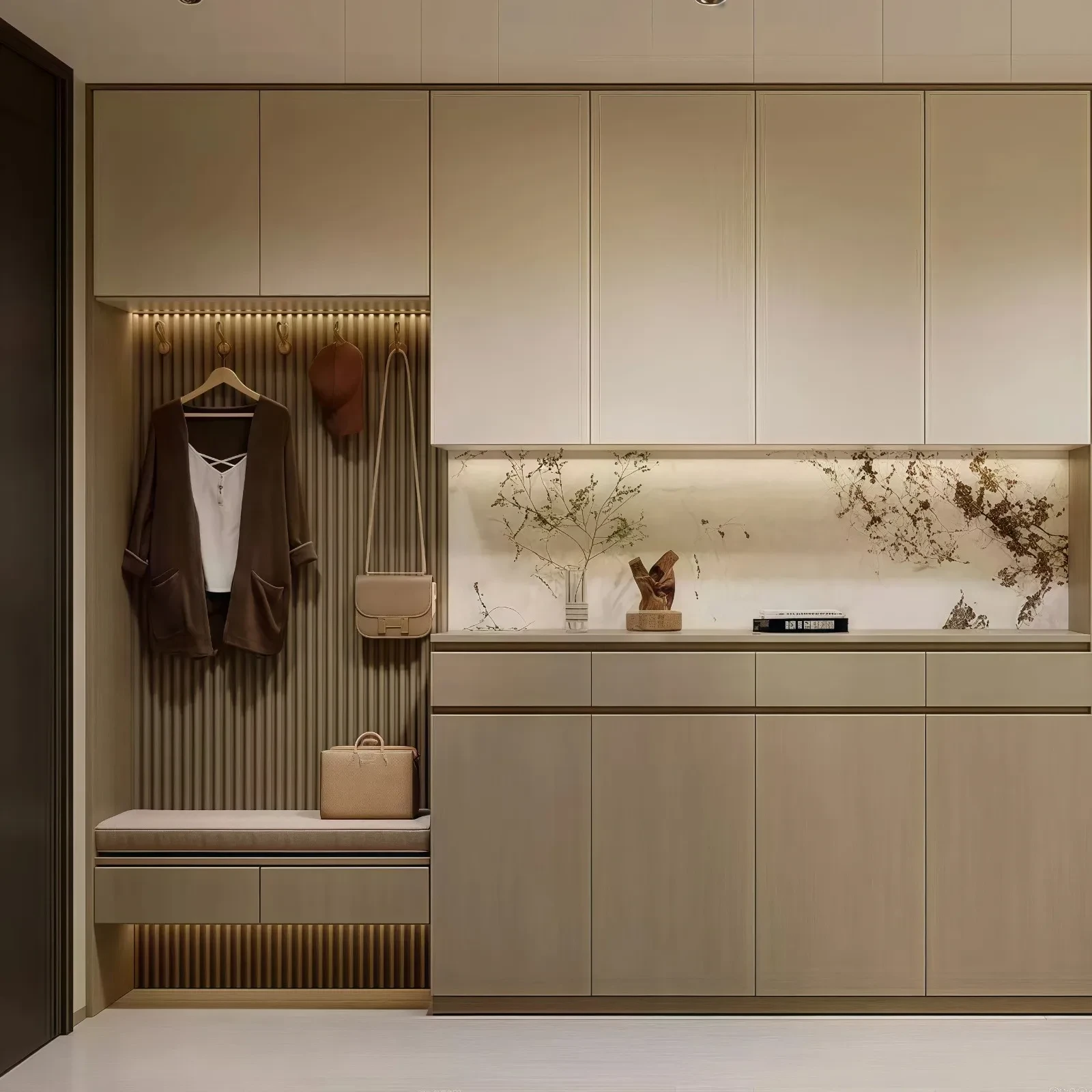
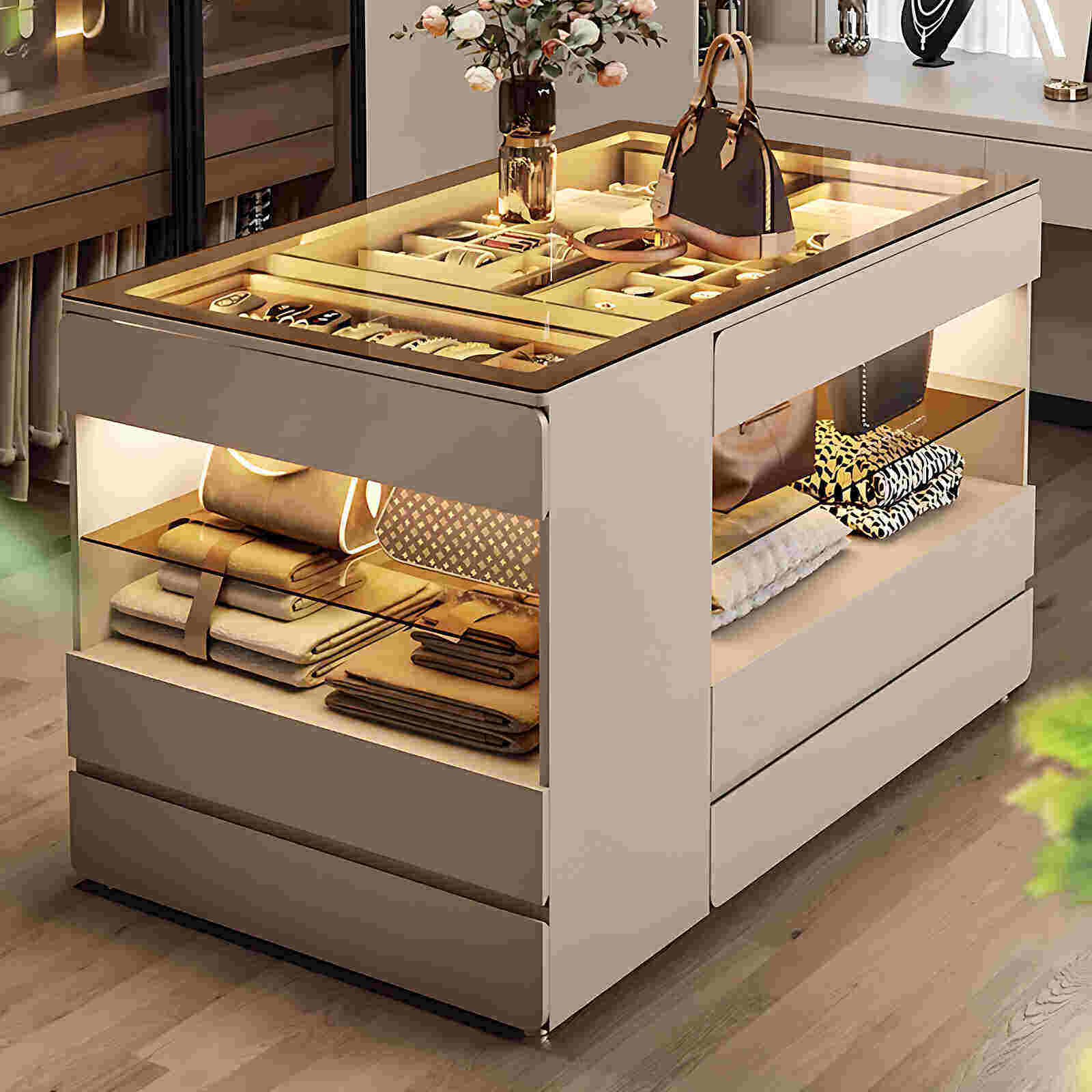
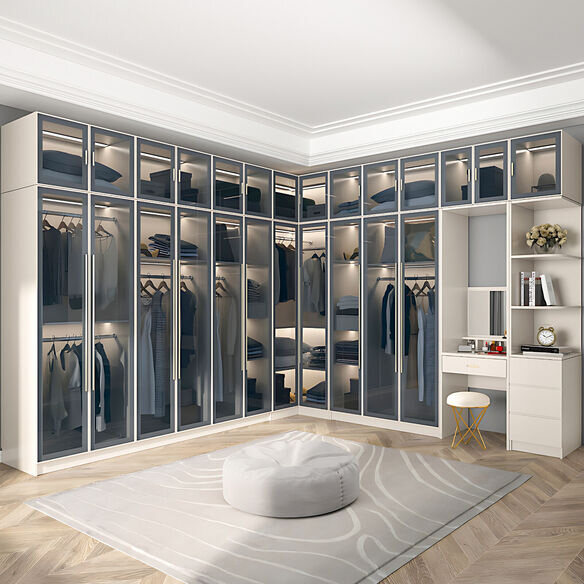
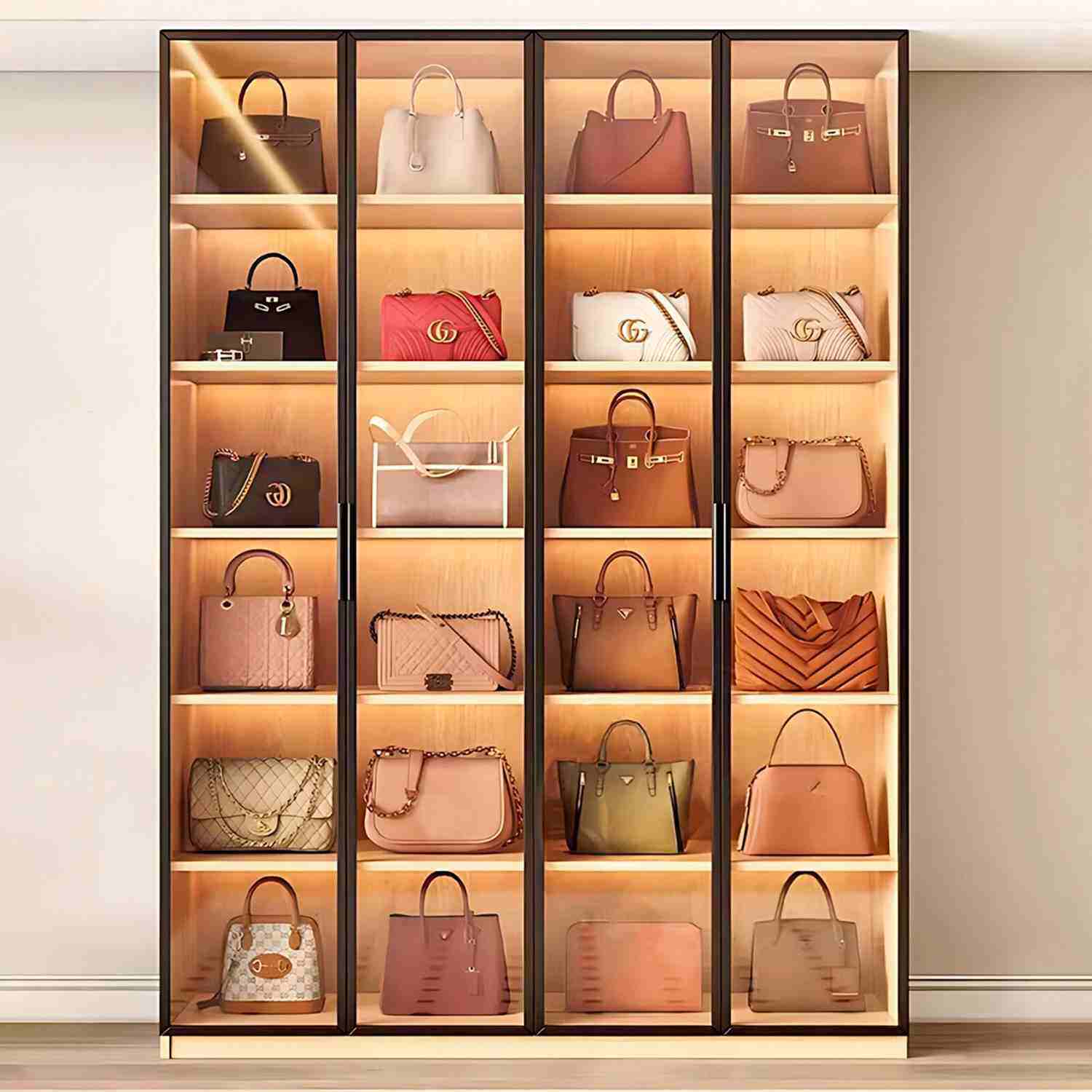
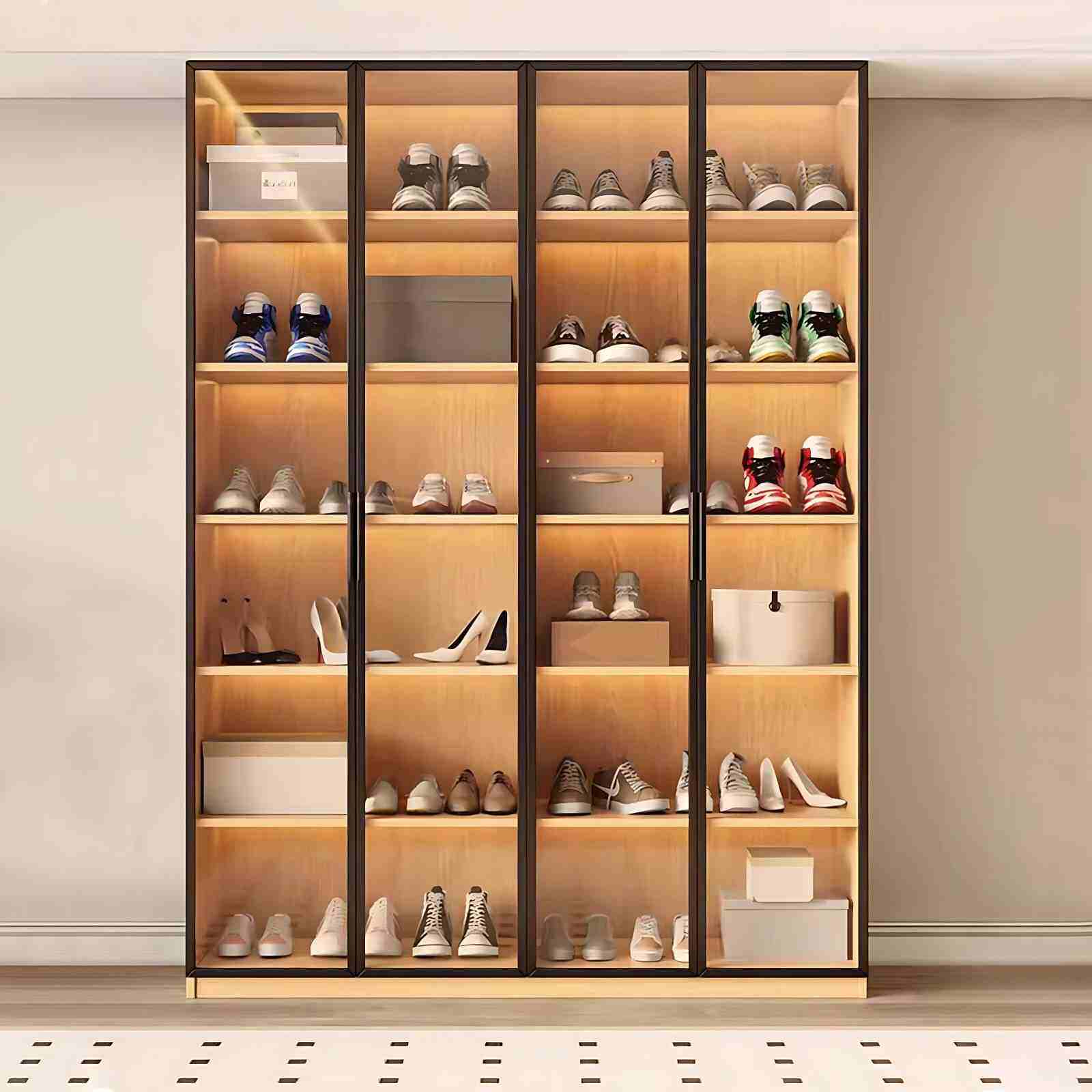
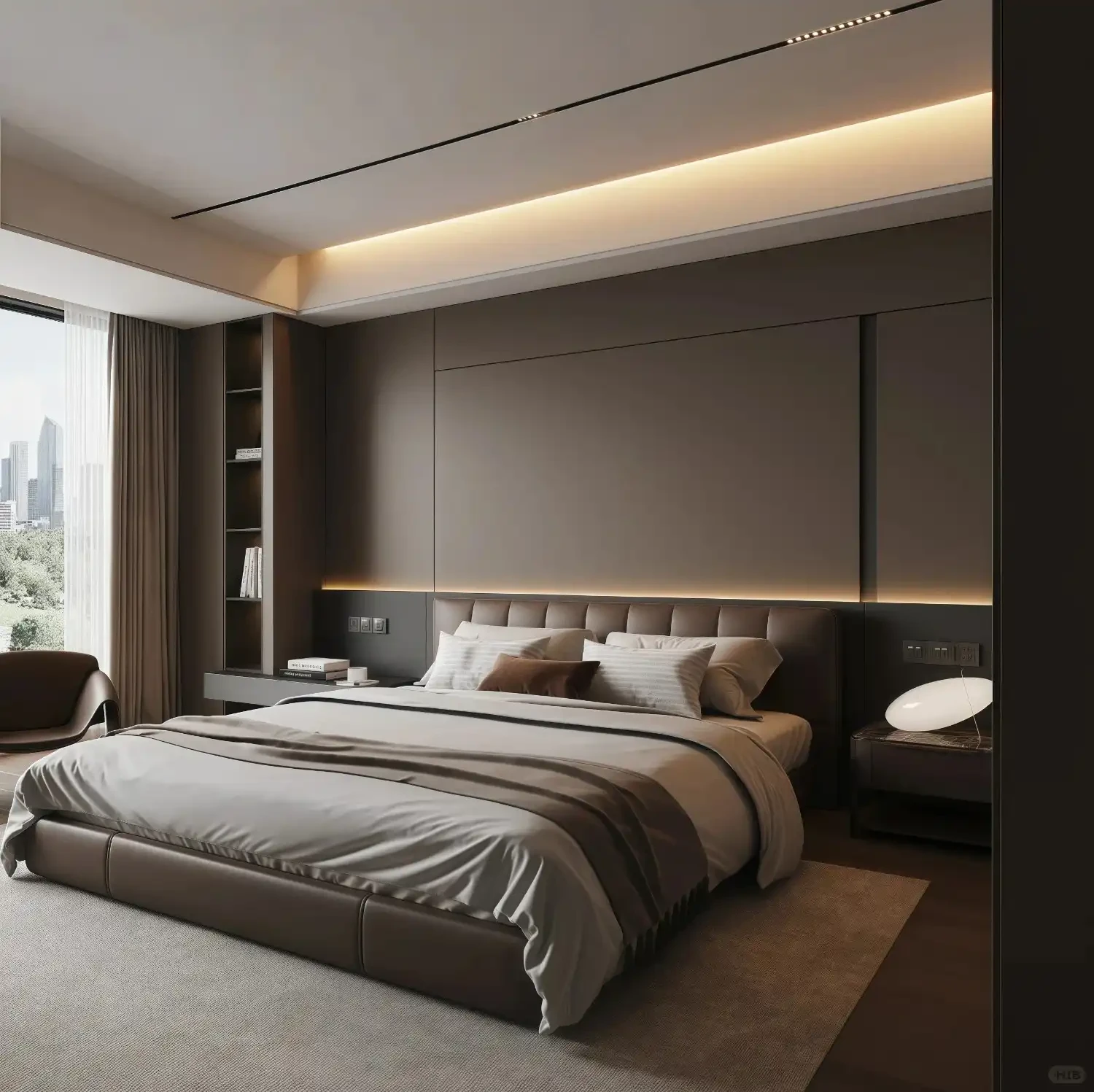
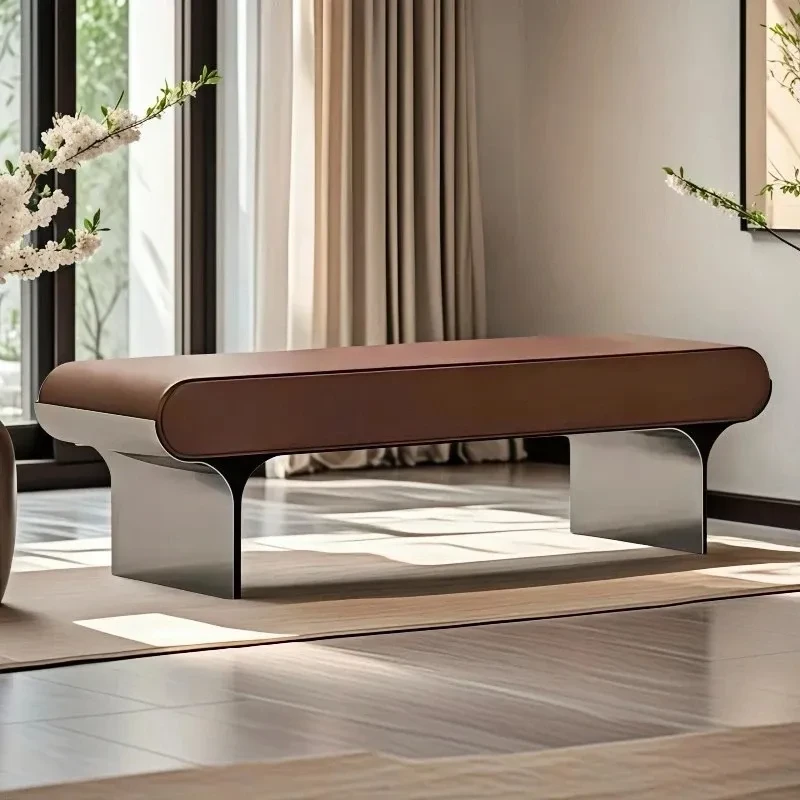
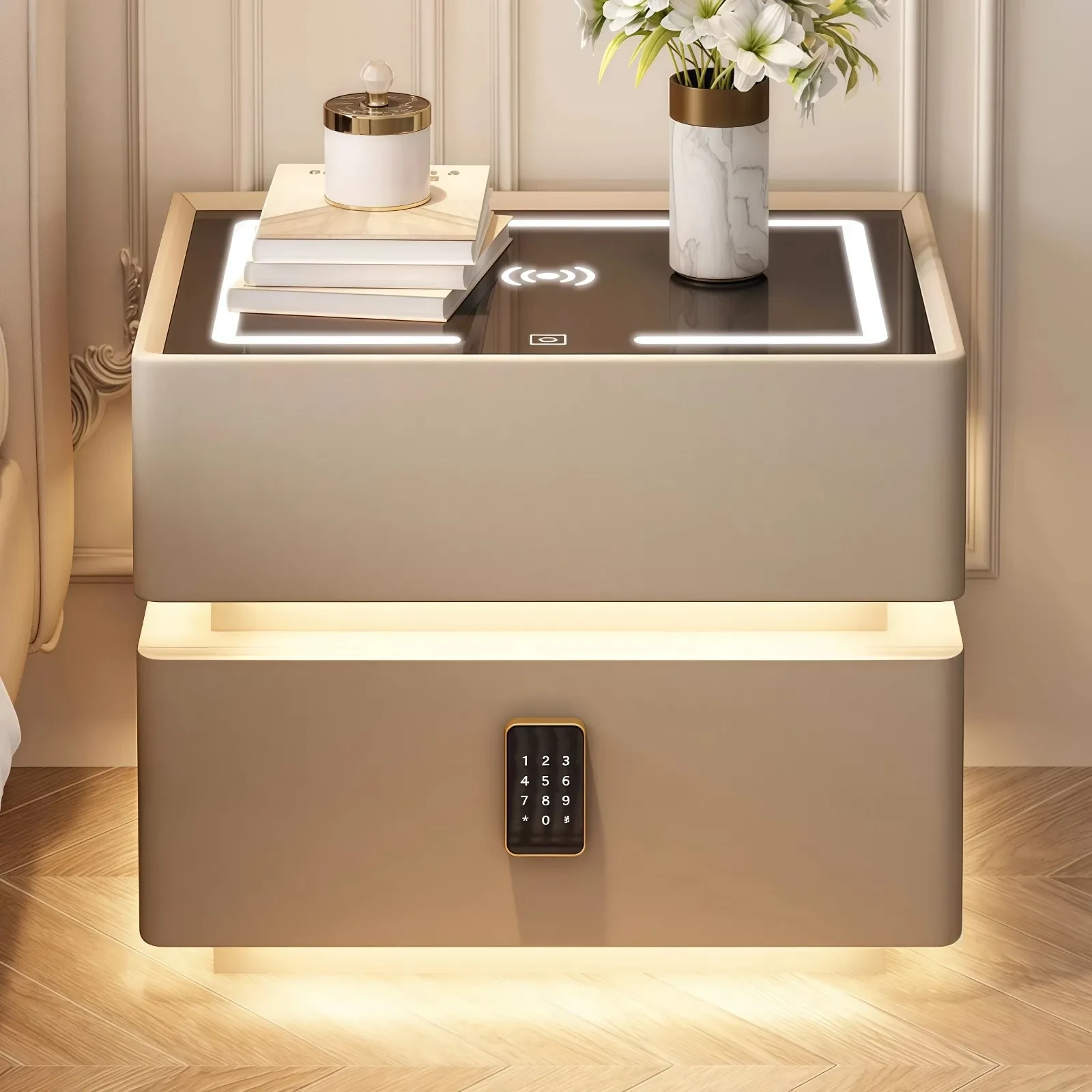
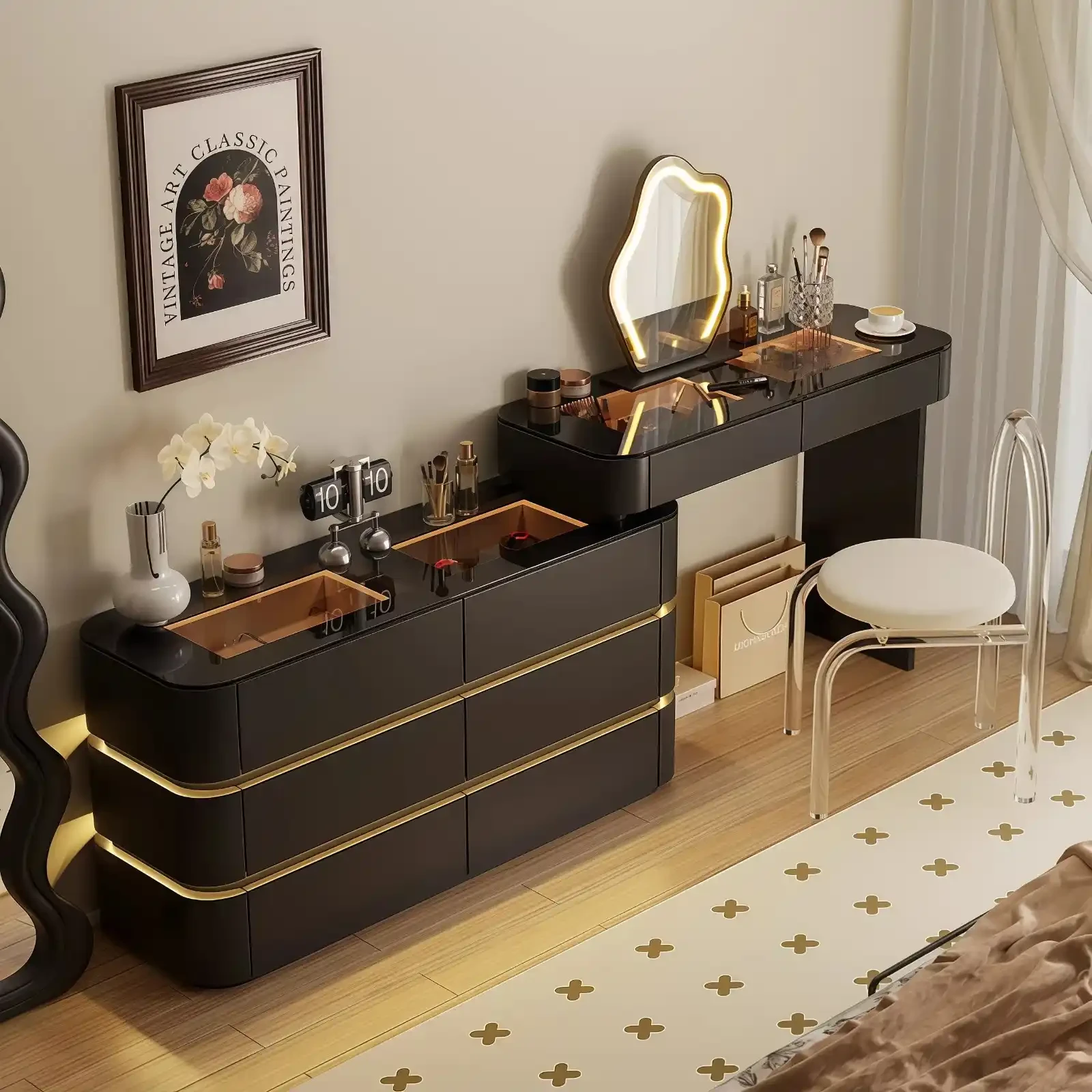
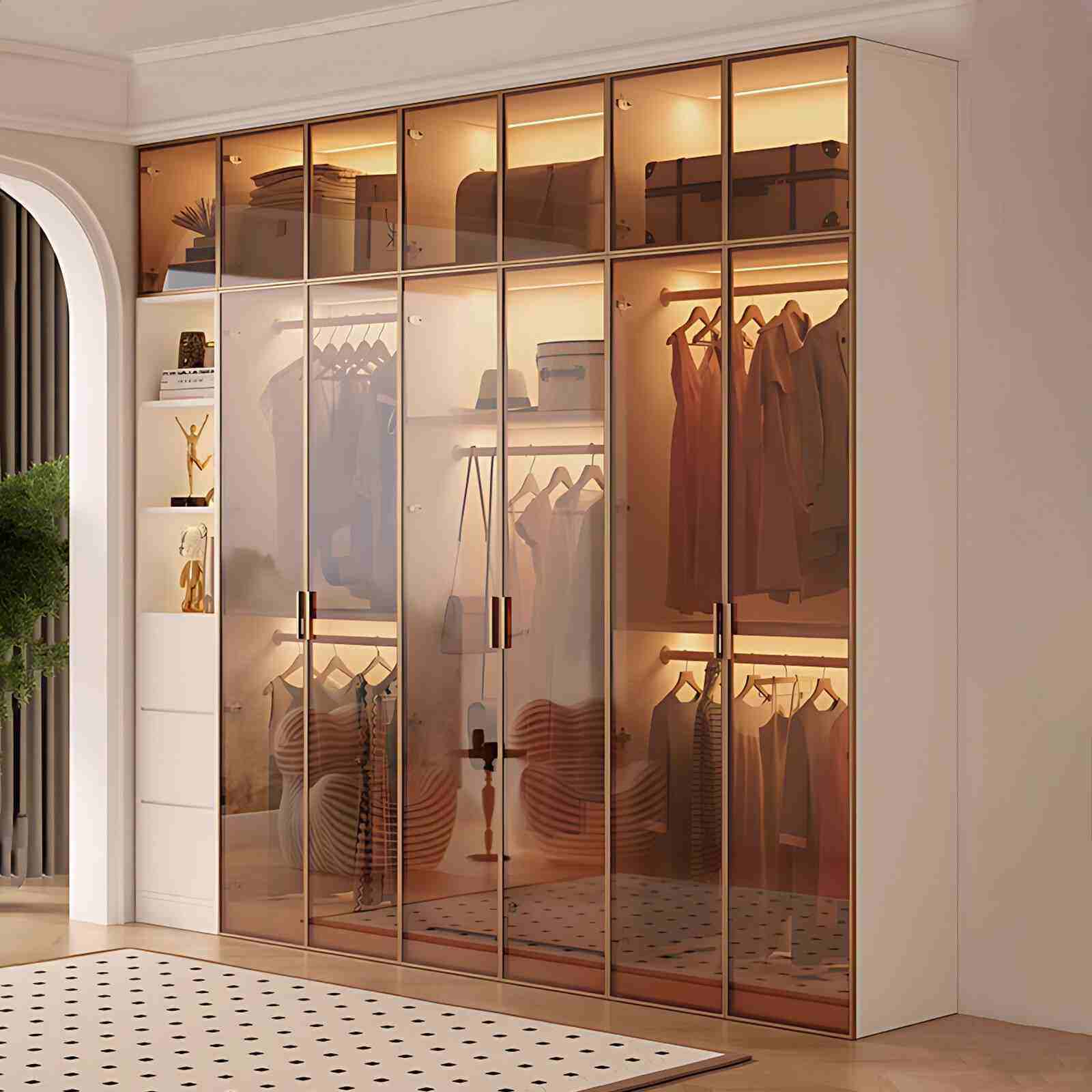
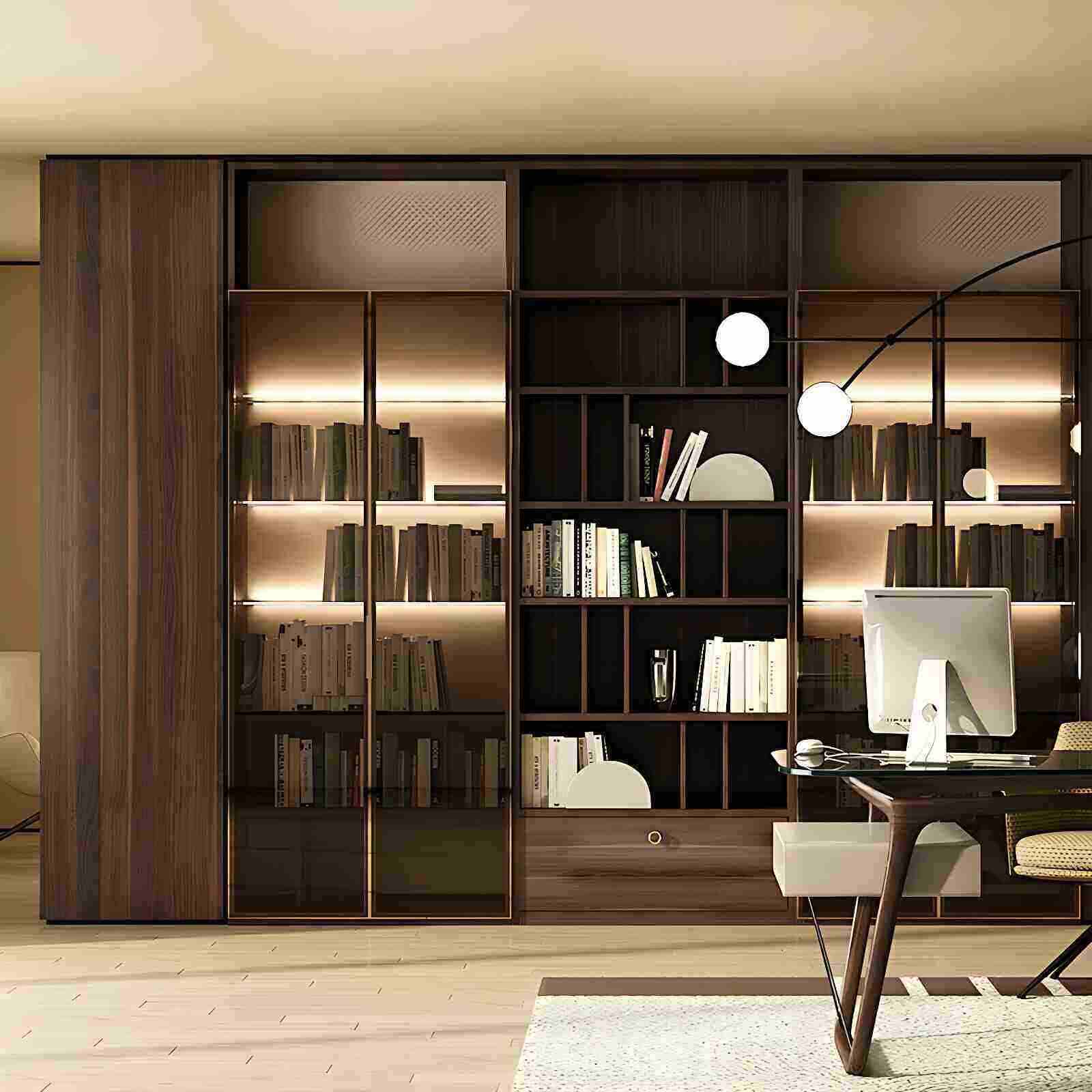

When purchasing solid wood furniture, people generally prioritize rosewood, primarily due to the influence of traditional Chinese culture. Rosewood furniture, with its mortise and tenon joints and beautiful designs, aligns with traditional Chinese aesthetics. Furthermore, most rosewood furniture is ergonomically designed, has a healthy odor, is pollution-free, durable, and possesses value retention and appreciation potential. Besides verifying the authenticity of the rosewood species, what other aspects should consumers consider when purchasing rosewood furniture? The following analysis, using both text and images, will outline the design, materials, and craftsmanship of rosewood furniture to enhance public understanding and facilitate better selection.
I. Standard Definition of Rosewood
The definition of rosewood in GB/T18107-2017 "Rosewood" is: wood whose density, structure and color (as defined by the color of wood darkening in the atmosphere) meet the essential conditions specified in this standard.
II. Design
Judging a piece of furniture from a distance requires observing its proportions and the harmony of its upper, middle, and lower sections. The thickness, size, length, width, and height of the materials used, as well as the proportions of the upper, middle, and lower sections, should all be considered. Good furniture should maintain a sense of balance in its proportions. Furthermore, good furniture design should conform to ergonomics. For example, a sofa backrest should conform to the S-shape of the human skeleton, offering both aesthetics and comfort. Ideally, one should be able to place their feet firmly on the ground when sitting down, as this provides a sense of security. The armrests of a sofa should allow for natural relaxation, without feeling forced.
III. Color of Rosewood
Furniture colors should match the wearer's personality and interests, as well as the home's decor. Mahogany furniture primarily comes in three main colors, or combinations of these three main colors.
Yellow (rosewood color): A vibrant color with the highest brightness. In the East, it represents nobility and elegance.
Black (ebony): a deep, solemn, ruthless, mysterious, contemplative, and extreme color. When combined with other colors, it conveys a sense of focus and concentration.
Red (rosewood color): the most powerful color, symbolizing enthusiasm, liveliness, passion, and celebration. In the East, it represents auspiciousness, optimism, and joy.
Fine selection of textures
Wood grain formation: Influenced by factors such as the varying growth rates of wood growth rings during growth and the abundance of axial parenchyma, wood panels exhibit different shades and unique grain patterns. The following are some common types, which can be selected based on personal preference when purchasing furniture.
Try to avoid using sapwood
According to the standard definition of rosewood, only the heartwood of a tree species that conforms to the national standard for rosewood can be defined as rosewood. The sapwood of rosewood contains a large amount of sugar and is relatively soft, making it susceptible to insect infestation and decay. Using a large amount of sapwood in a furniture set will affect the lifespan of the rosewood furniture.
Identification Tips: Generally, the heartwood of rosewood is darker in color, while the sapwood is lighter (mainly light white), with a clear color distinction. After varnishing, the distinction between heartwood and sapwood becomes slightly less obvious, requiring careful observation. The color of the sapwood after varnishing is relatively lighter than that of the heartwood. The best method is to scrape the varnished surface with a blade; if white or light white appears, it is the sapwood.
IV. Process
There is a popular saying that the appreciation of rosewood furniture is judged by "seven parts craftsmanship and three parts materials," which shows that the level of craftsmanship directly affects the value of rosewood furniture.
Craftsmanship: The mortise and tenon joints are firmly and securely fitted, exhibiting a tight and orderly arrangement. Various mortise and tenon techniques are fully utilized, with no corner-cutting in square or round shapes, and no exaggeration in size. Unscrupulous rosewood furniture manufacturers, in order to save materials, artificially repair cracked or defective materials and use them in inconspicuous parts of the furniture (such as legs or inner frames). To save labor costs, they cut corners in the mortise and tenon structure, resulting in incomplete joints and even the use of iron nails for reinforcement in load-bearing areas. The presence of iron nails will affect the quality and lifespan of the rosewood furniture. This can be detected with a metal detector.
Carving techniques: Carved furniture decoration is an essential component. Carving can be divided into relief carving, sunken carving, openwork carving, pierced carving, line carving, single-layer carving, double-layer carving, multi-layer carving, and full carving, etc. Regardless of the type of carving, it should be tight and relaxed, with delicate workmanship and skillful knife work.
The value distinction of carvings: The first type is purely hand-carved, which, after being drawn, is applied to furniture. It requires a high level of craftsmanship and is generally used in traditional furniture. The finished product has a three-dimensional feel and clear lines, creating a lifelike image and a sense of comfort. The second type is machine-carved with manual repairs, widely used in common solid wood furniture. Its characteristics include symmetrical carving, fast processing time, but a slight lack of naturalness.
V. Maintenance of Rosewood Furniture
Avoid strong light and maintain ventilation: Avoid placing mahogany furniture near windows to prevent exposure to strong light. Try to avoid keeping doors and windows tightly closed; maintain good ventilation and avoid dryness and air conditioning vents. This is primarily to prevent the wood from cracking and warping due to thermal expansion and contraction.
Cleaning is important: Wipe away dust daily with a clean gauze cloth. Avoid using chemical polishes, as they may damage or discolor the wood surface. A small amount of vegetable oil can be used to wipe the surface and maintain its shine.
Glass placement: Tempered glass panels can be placed on the surfaces of rosewood furniture to prevent scratches, keep the furniture clean, facilitate cleaning and hygiene, and also display the wood grain.
About the author:
Chen Hong is a certified Level 3 timber inspector. He has worked for many years in the Guangdong Yuzhu International Timber Market, engaging in timber technical work such as species identification, timber trading, skills training, and price analysis.