
 USD
USD GBP
GBP
 EUR
EUR
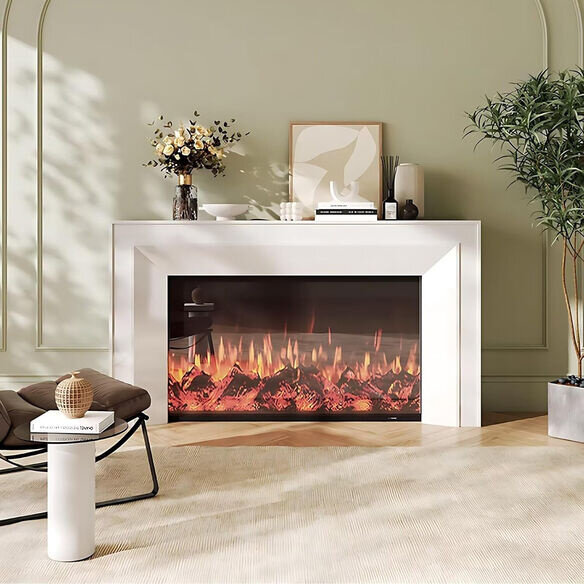
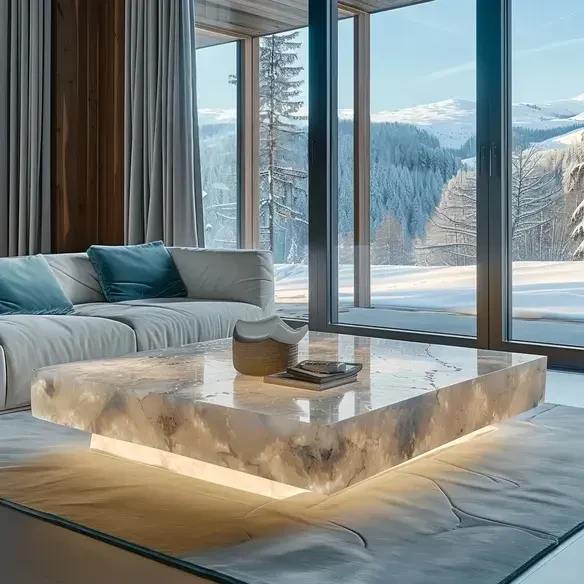
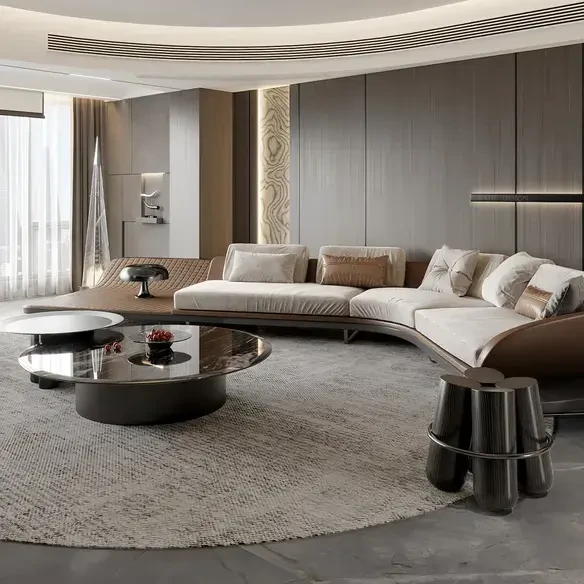
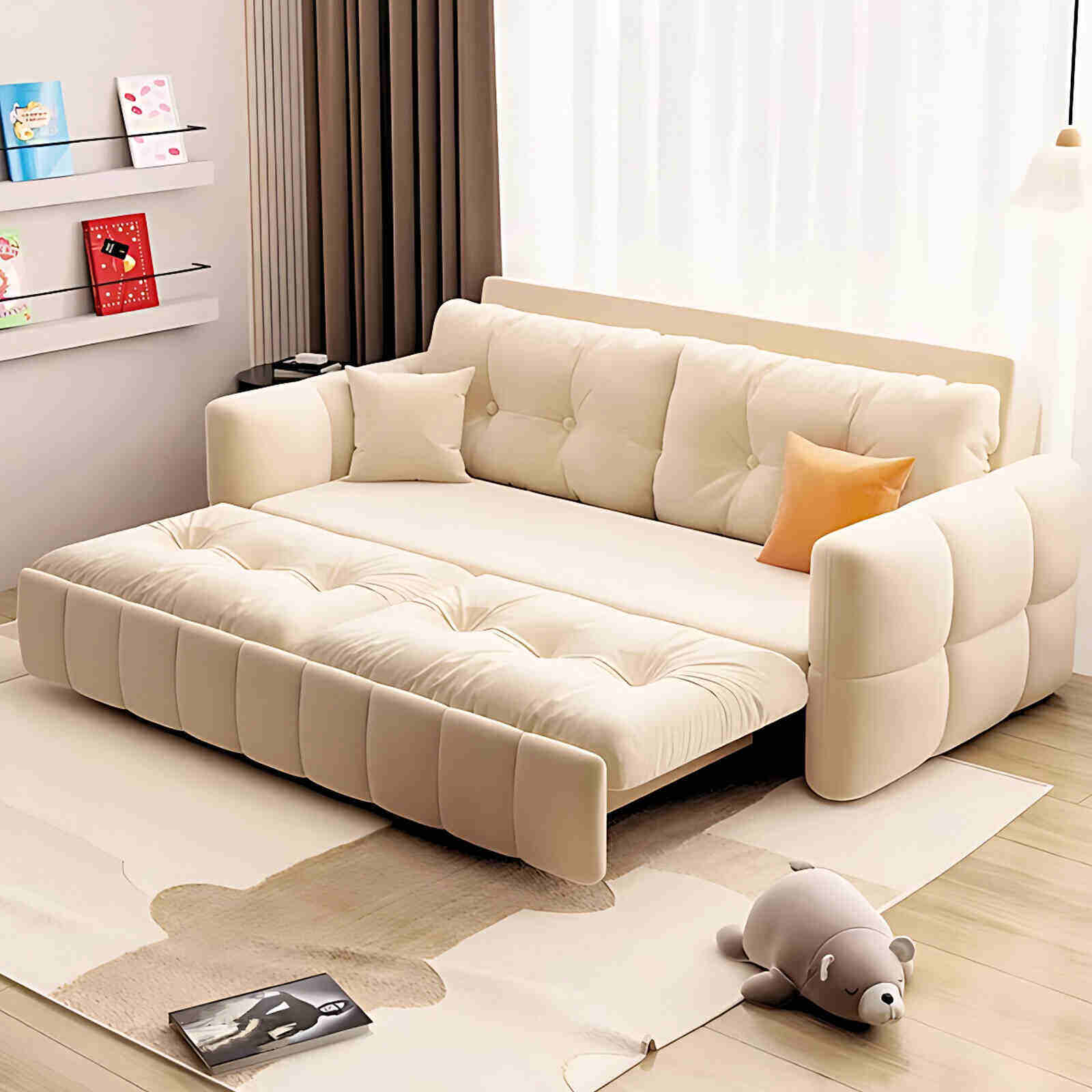
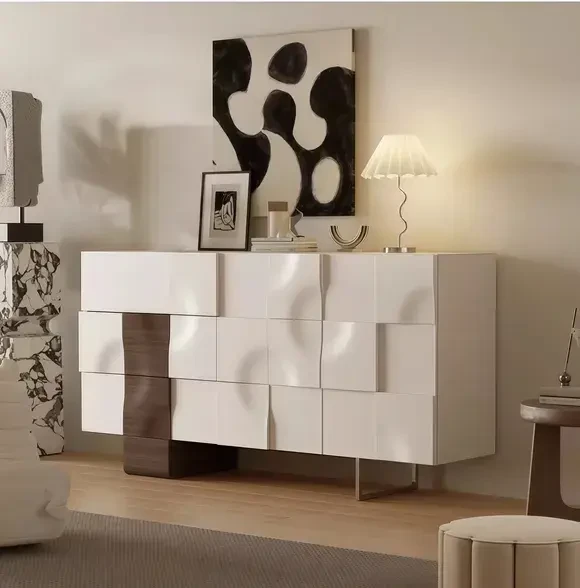
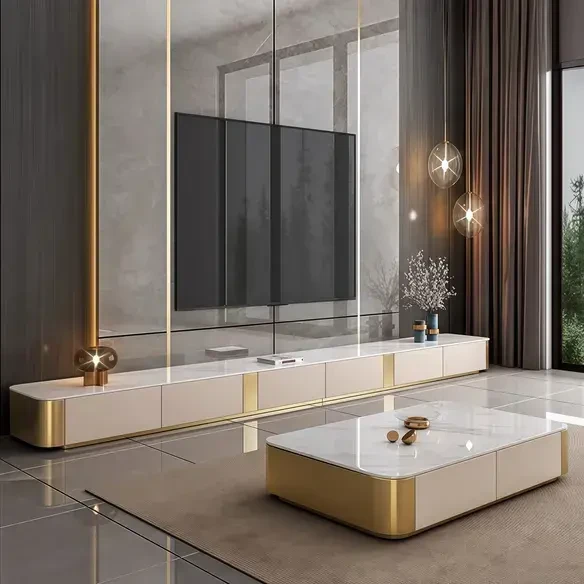
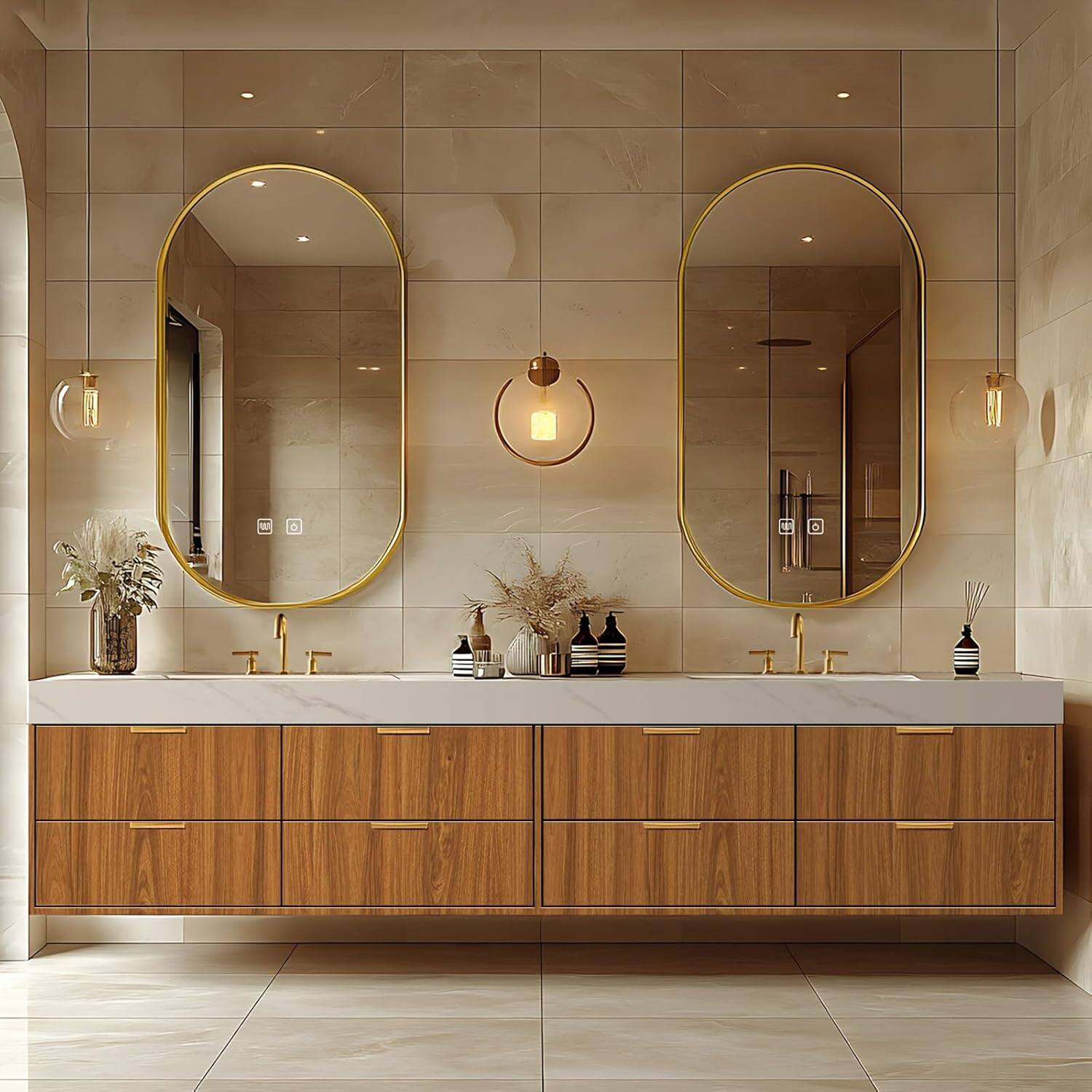
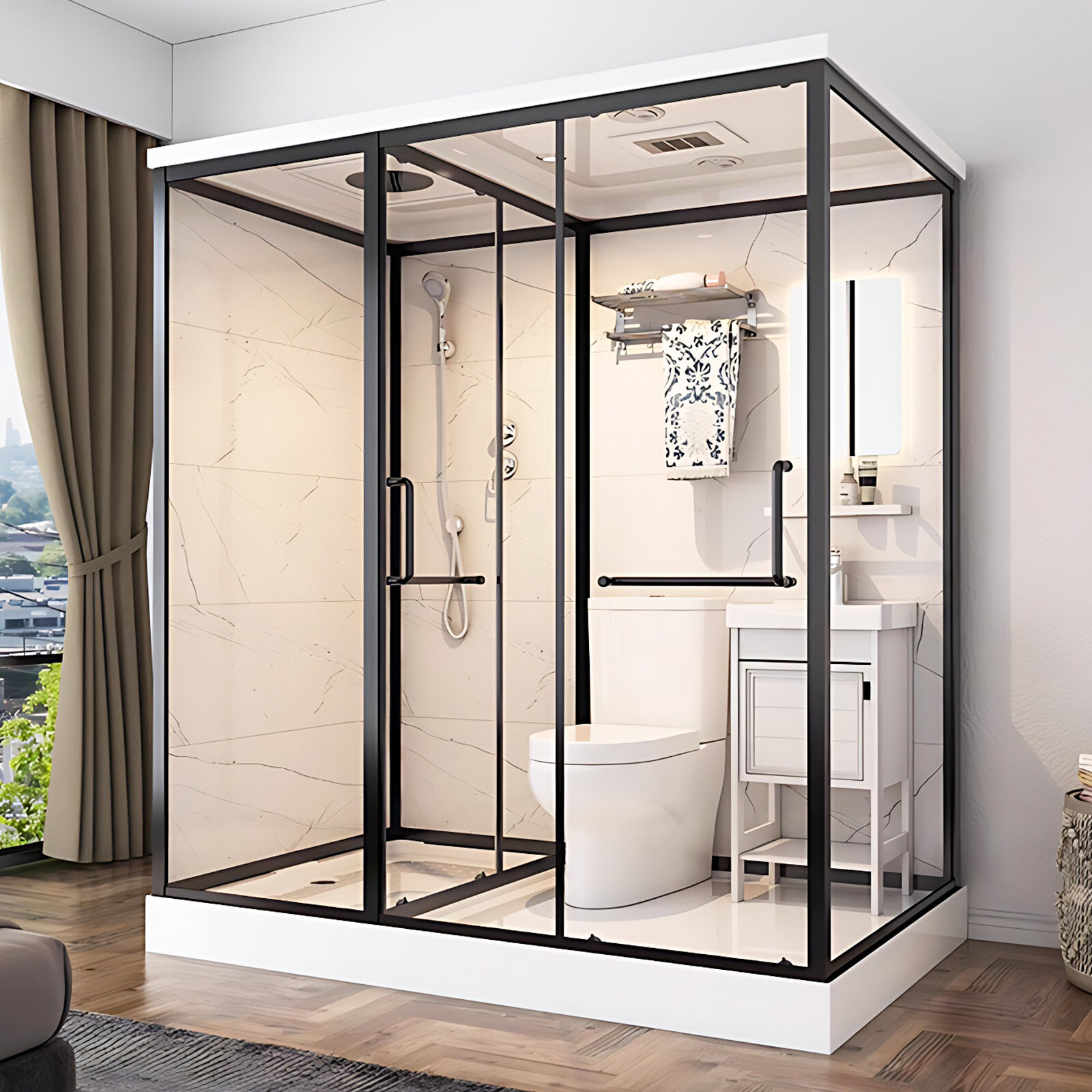
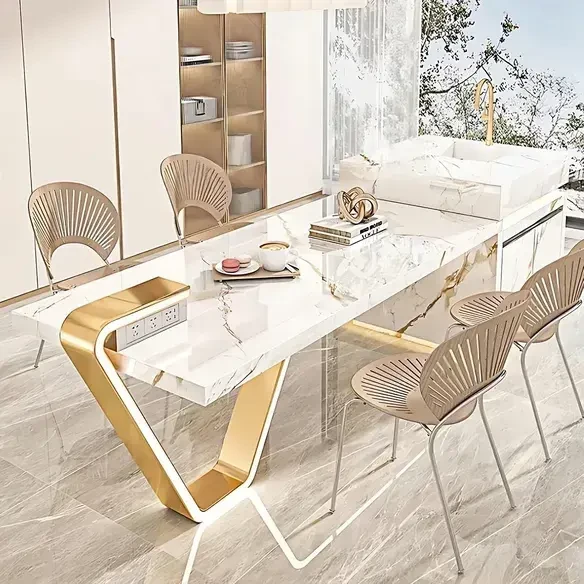
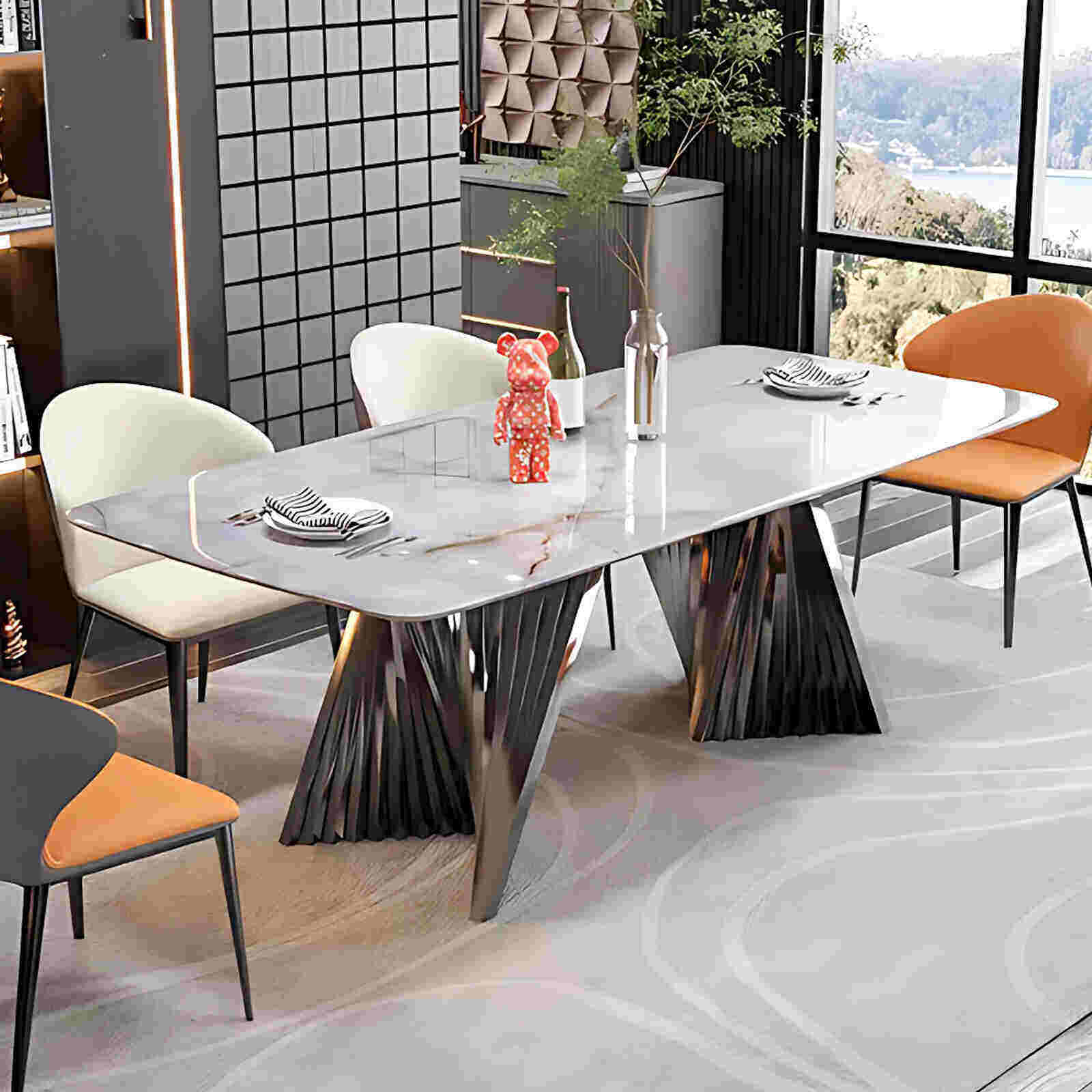
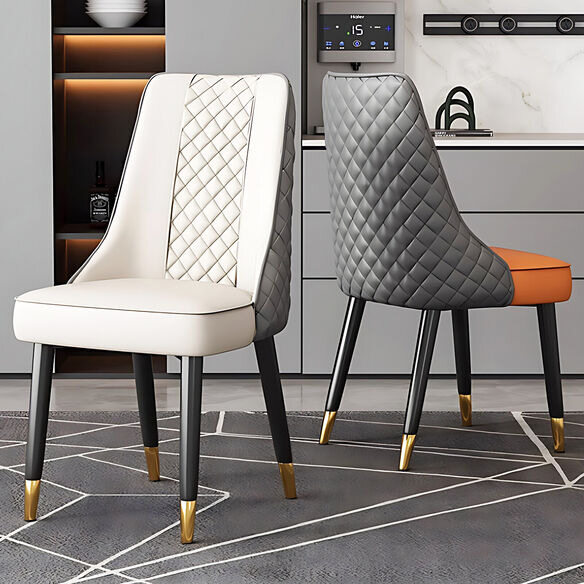
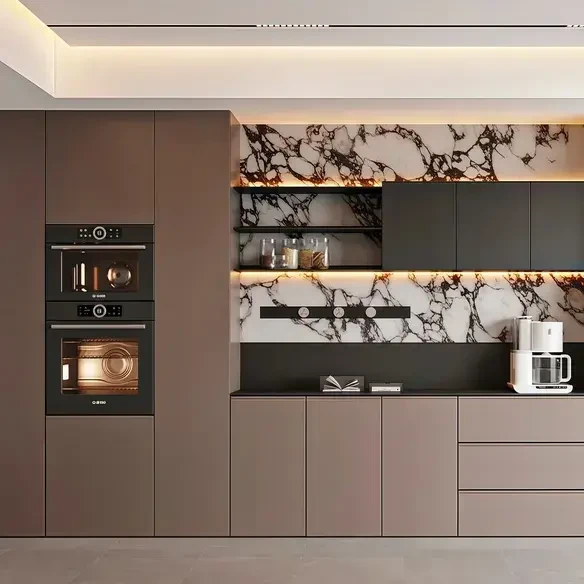
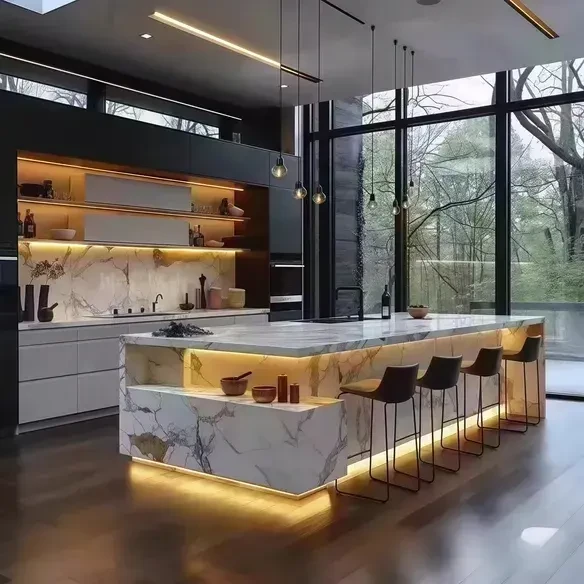
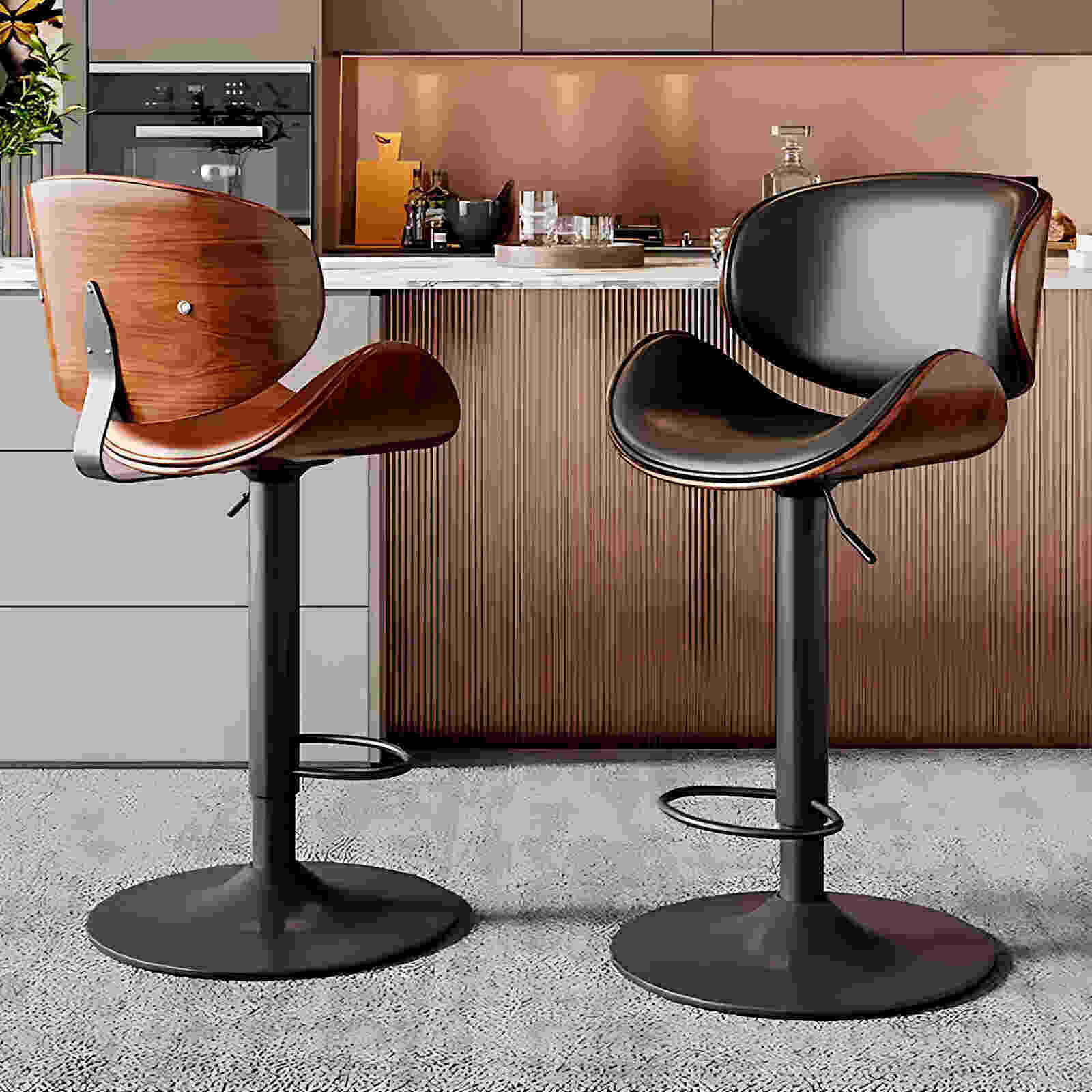
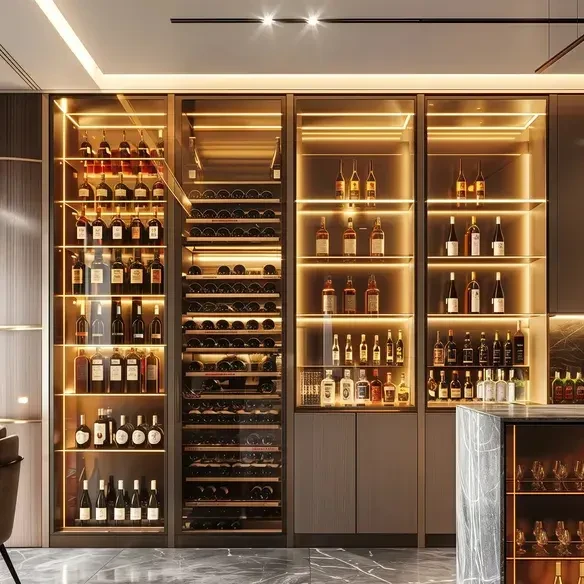
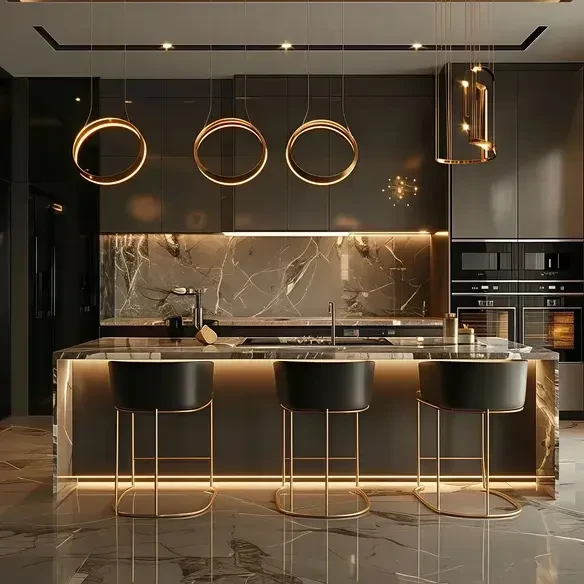
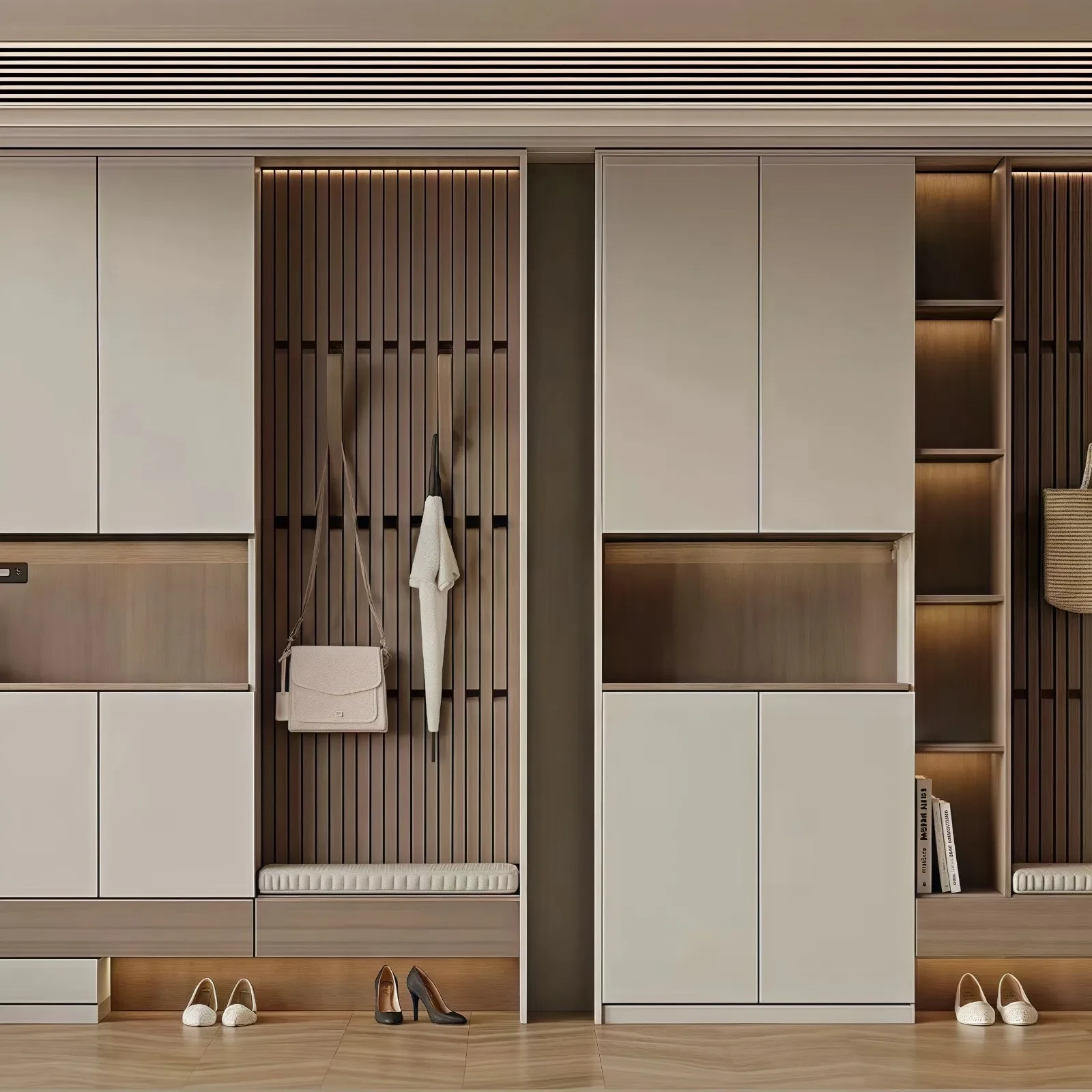
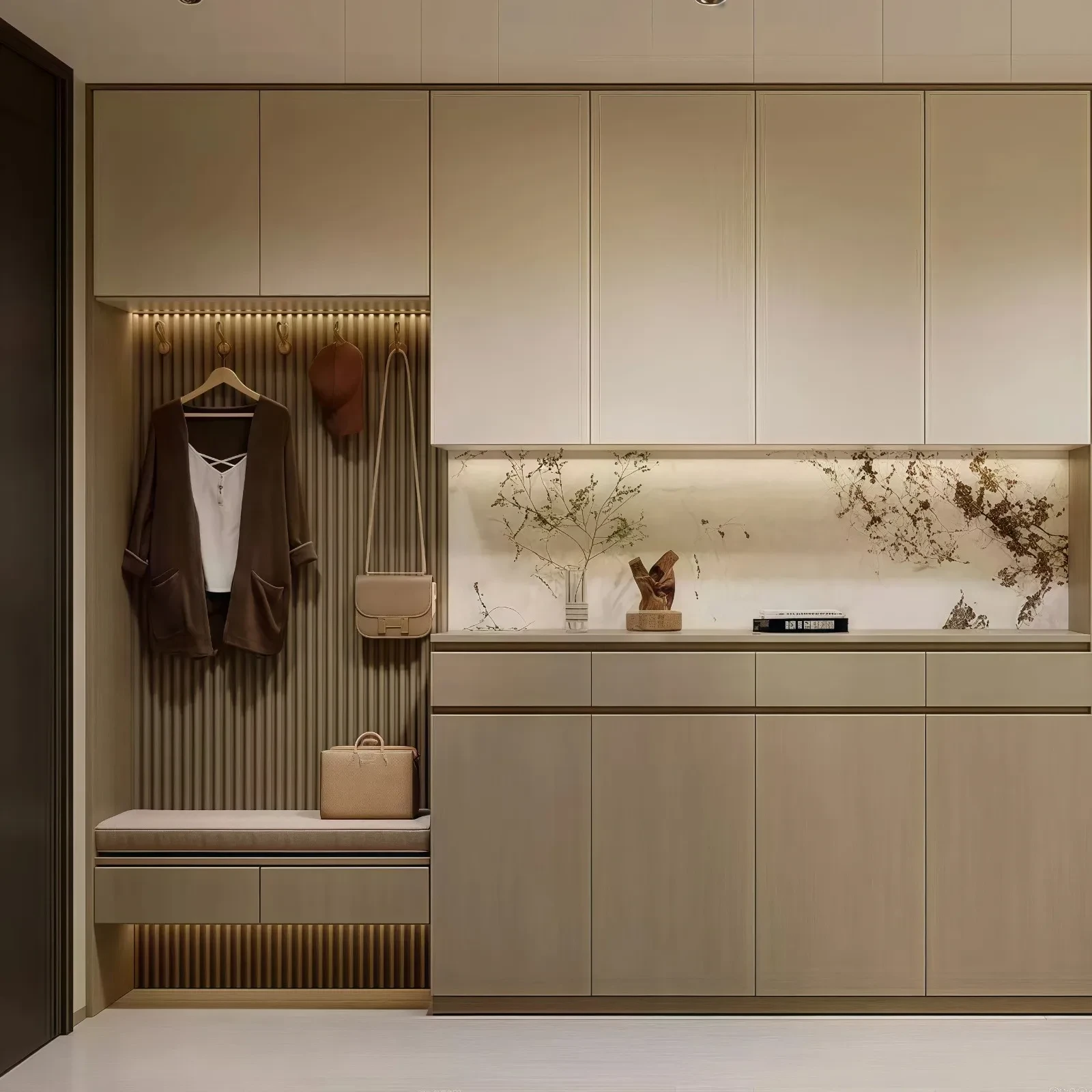
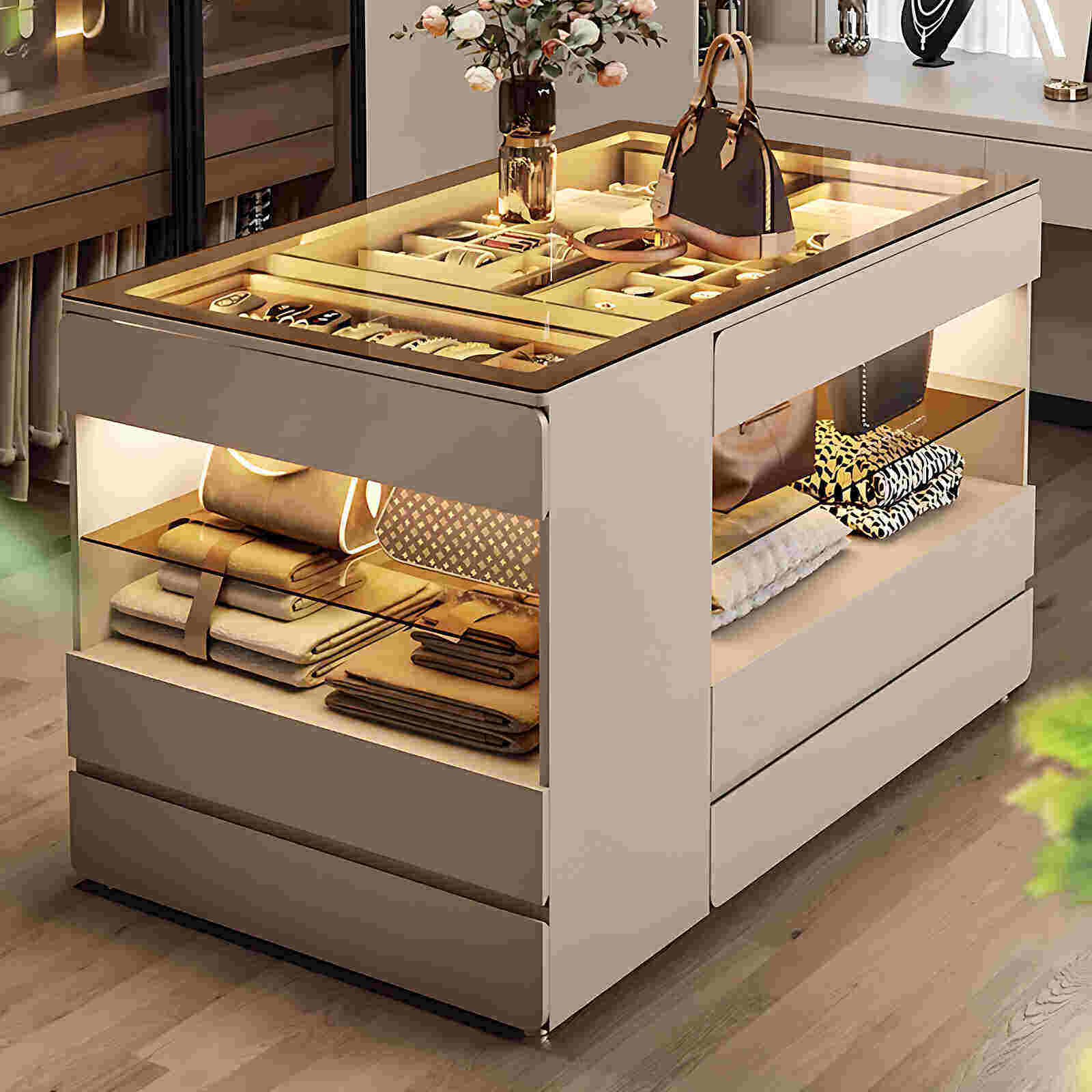
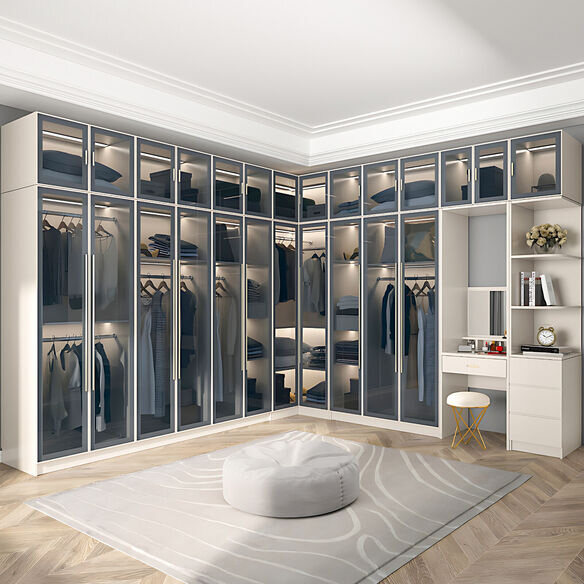
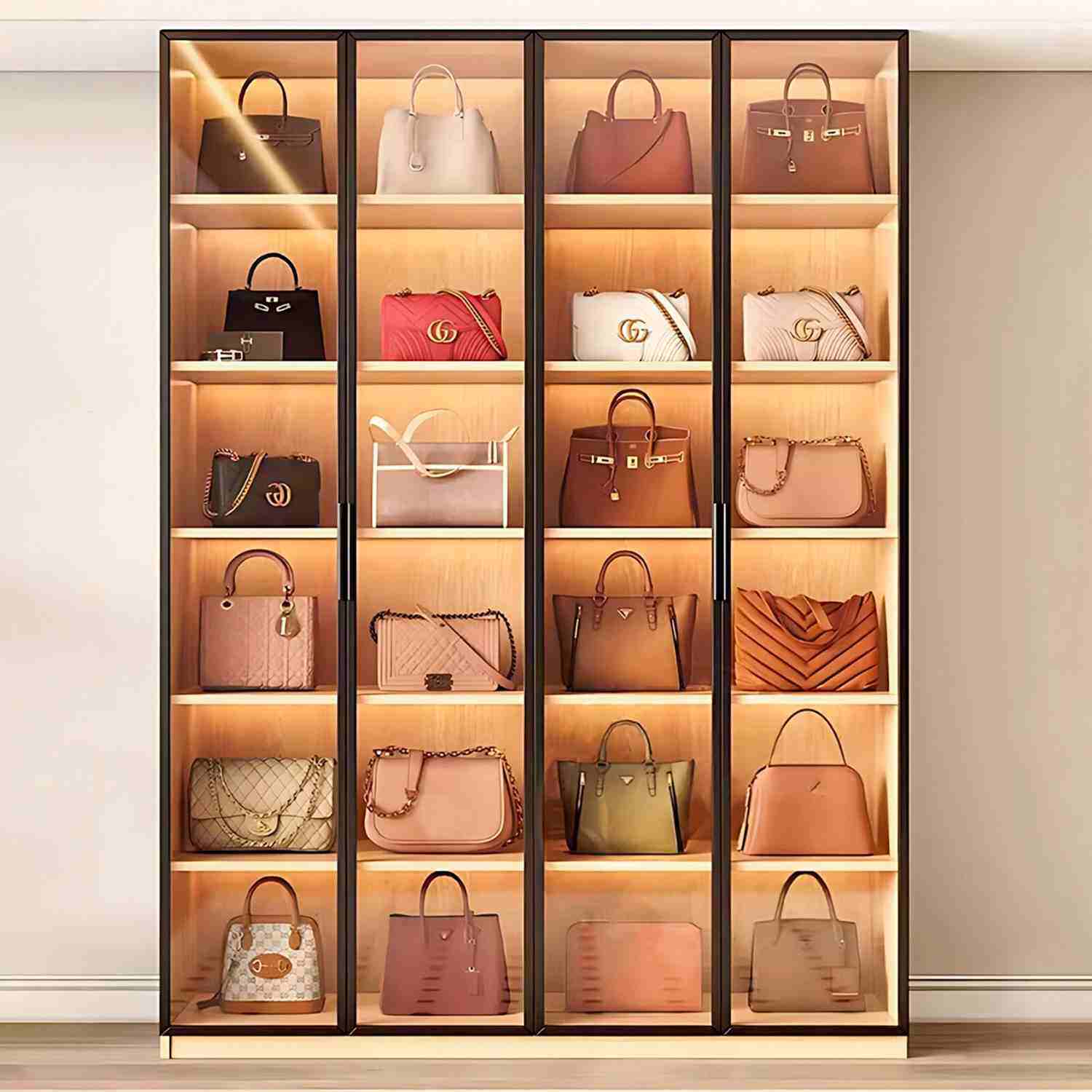
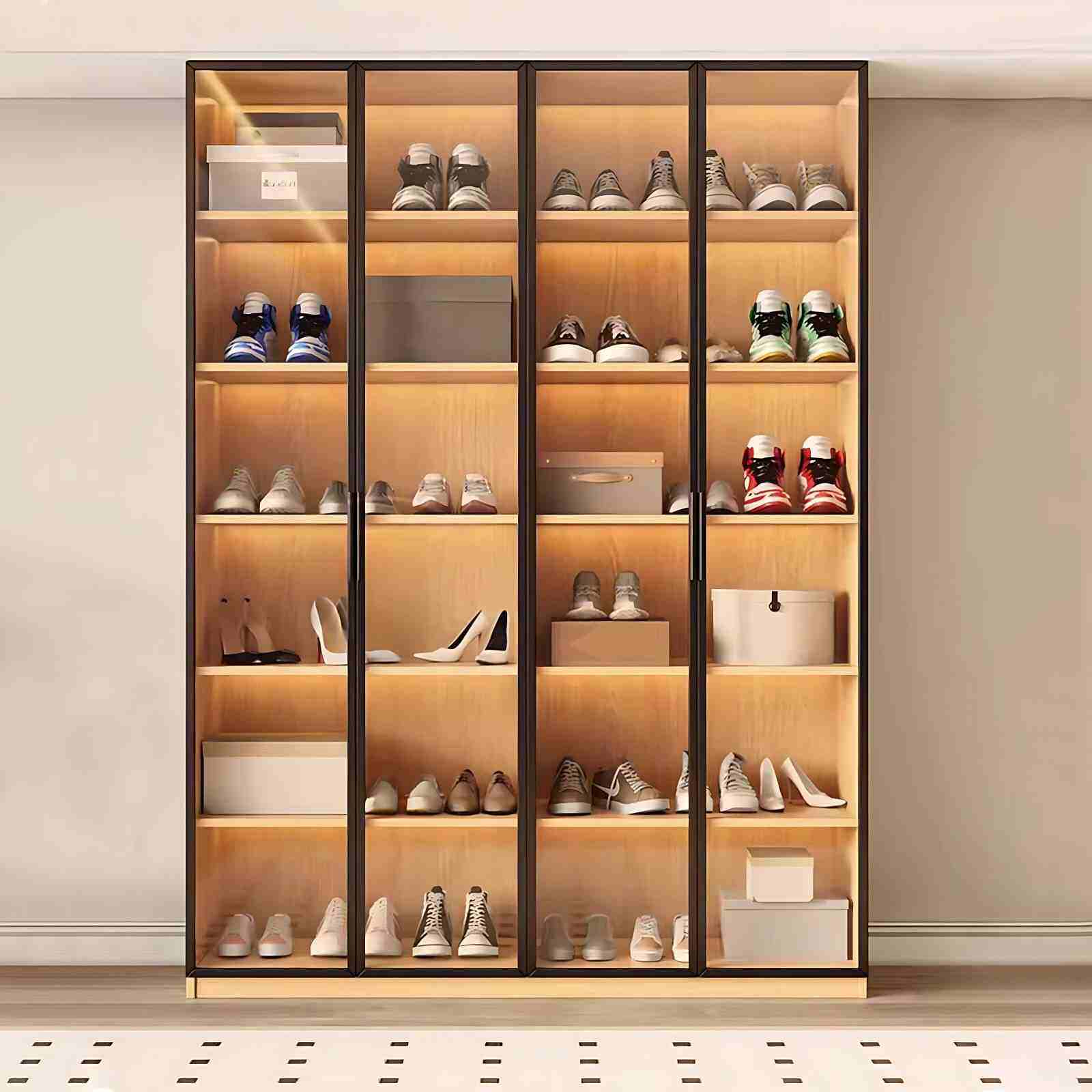
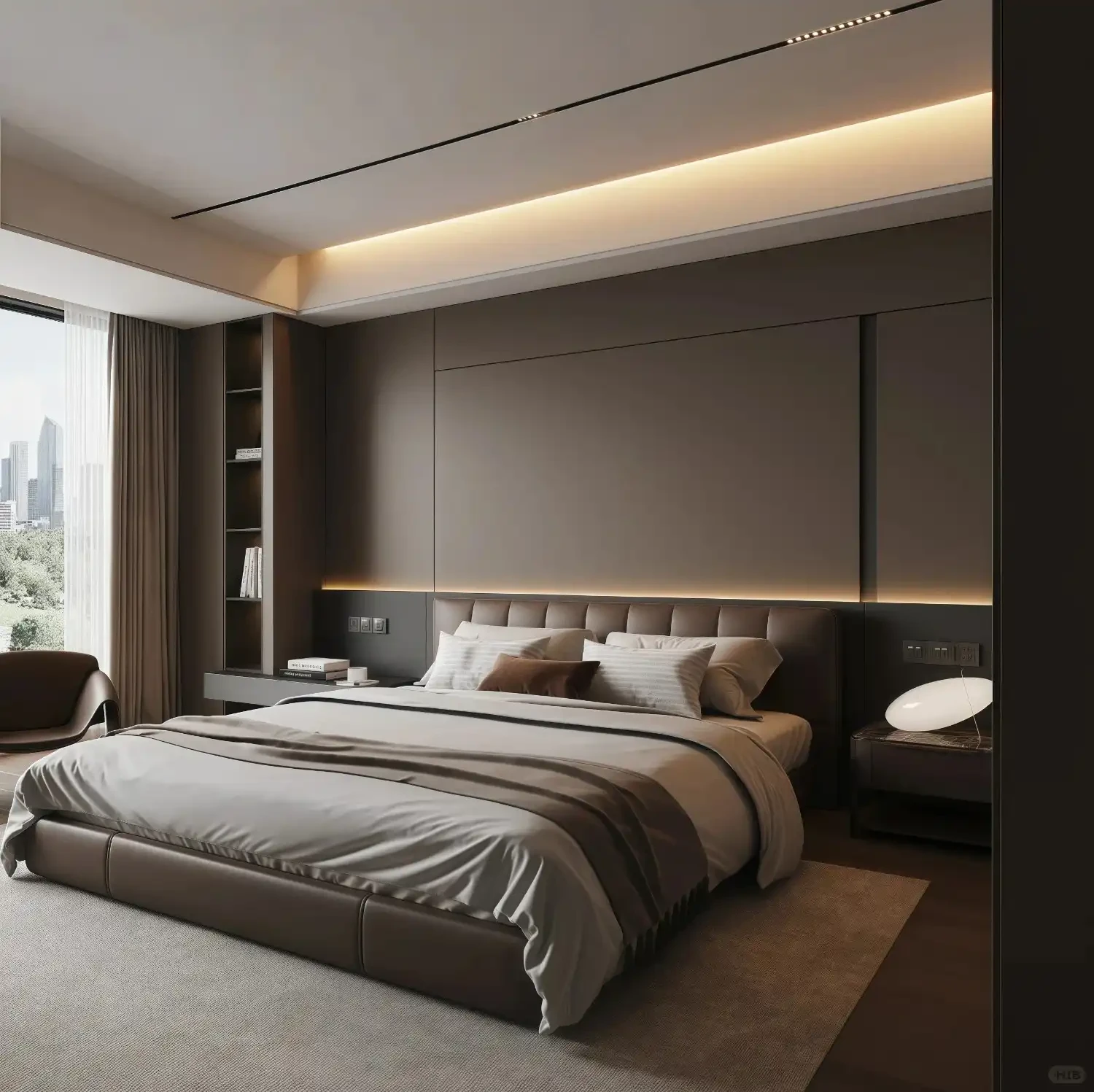
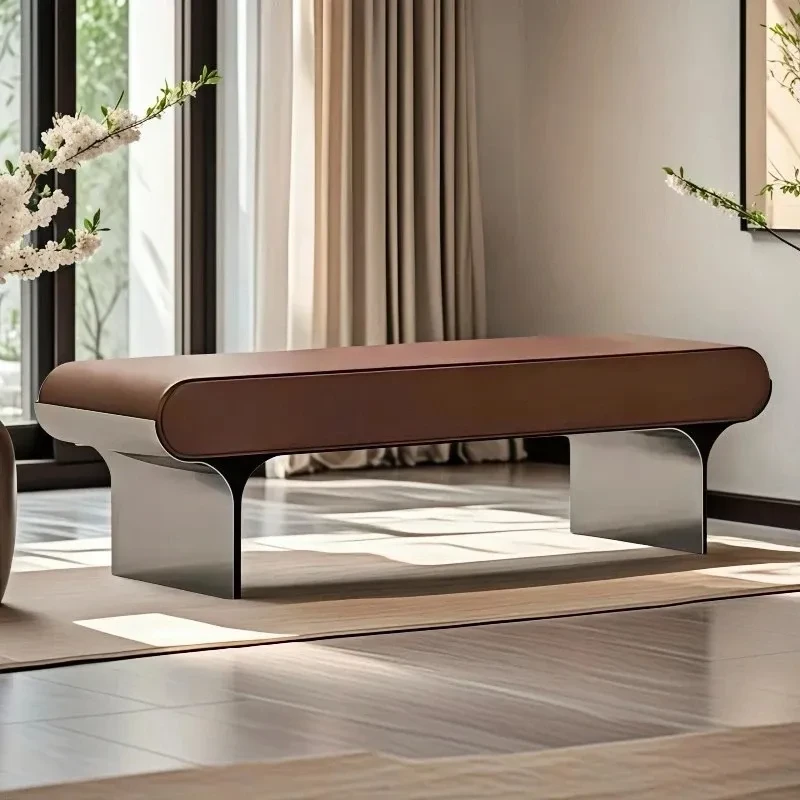
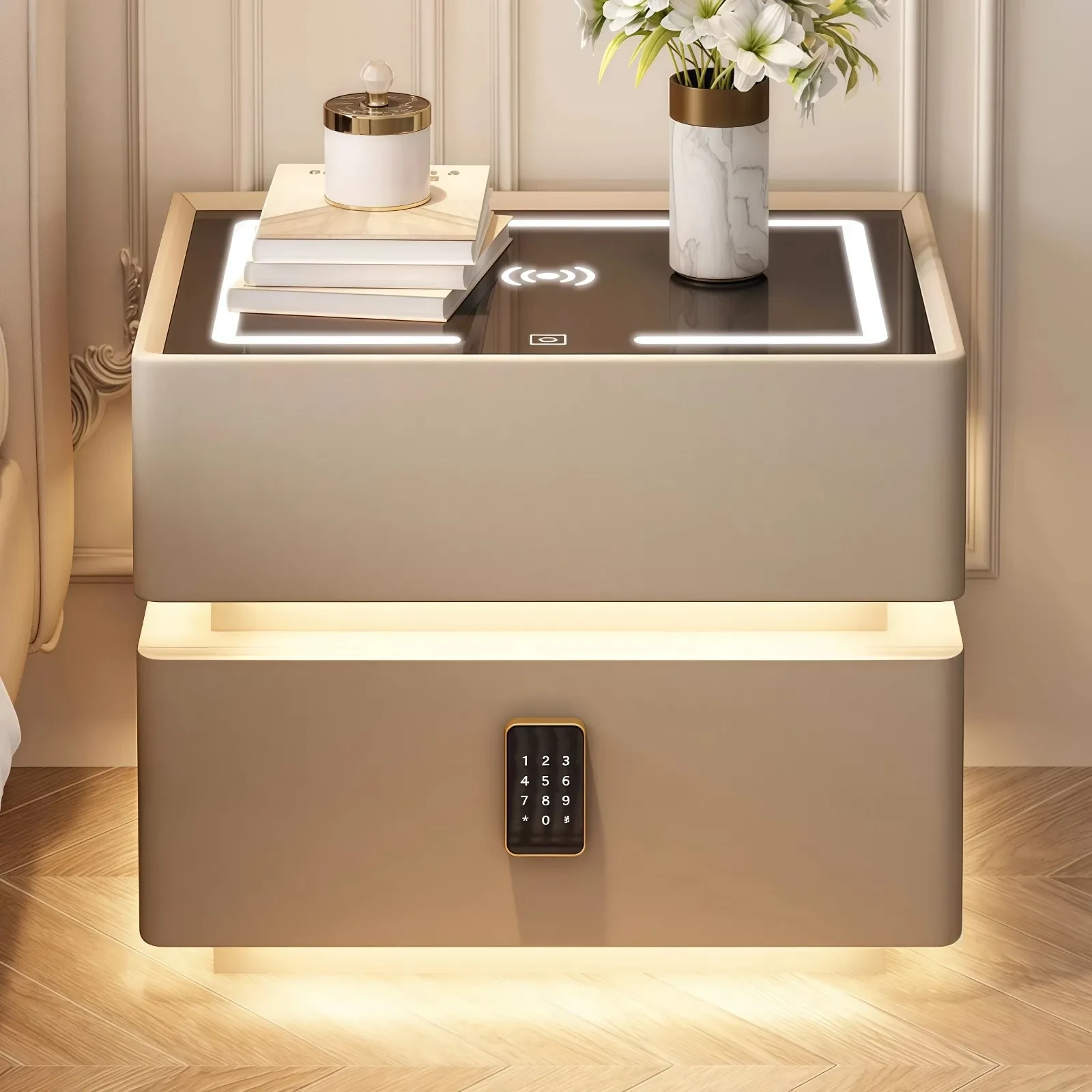
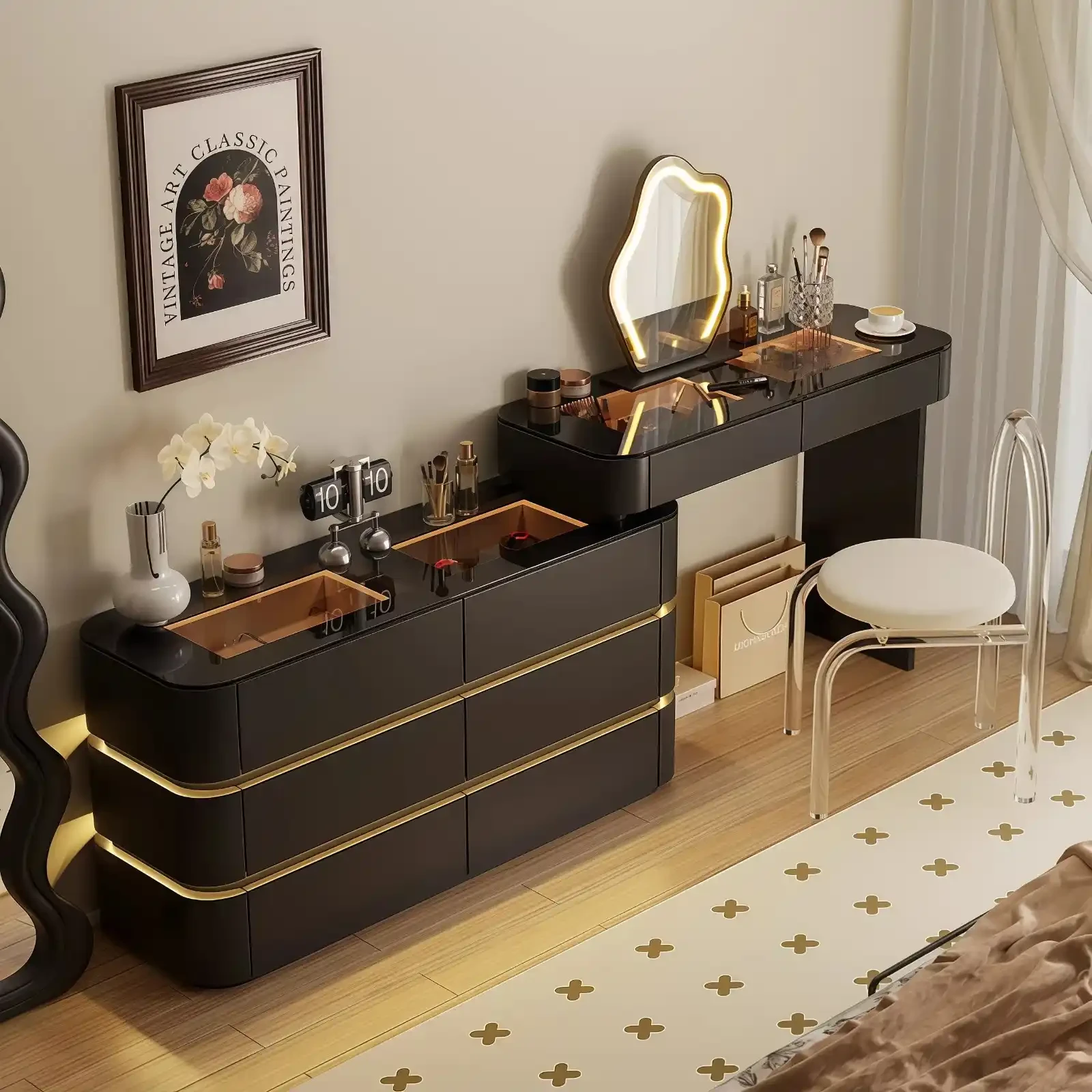
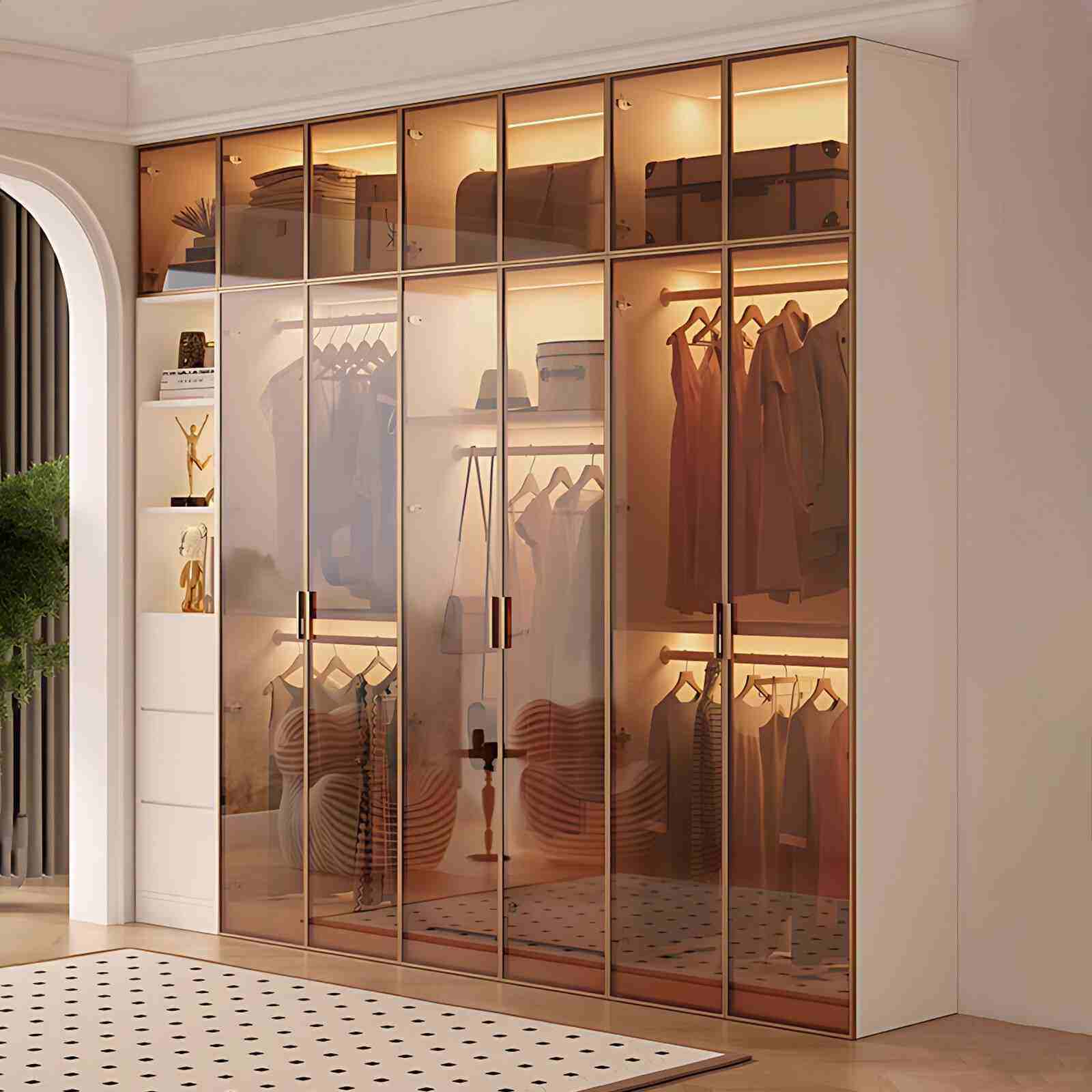
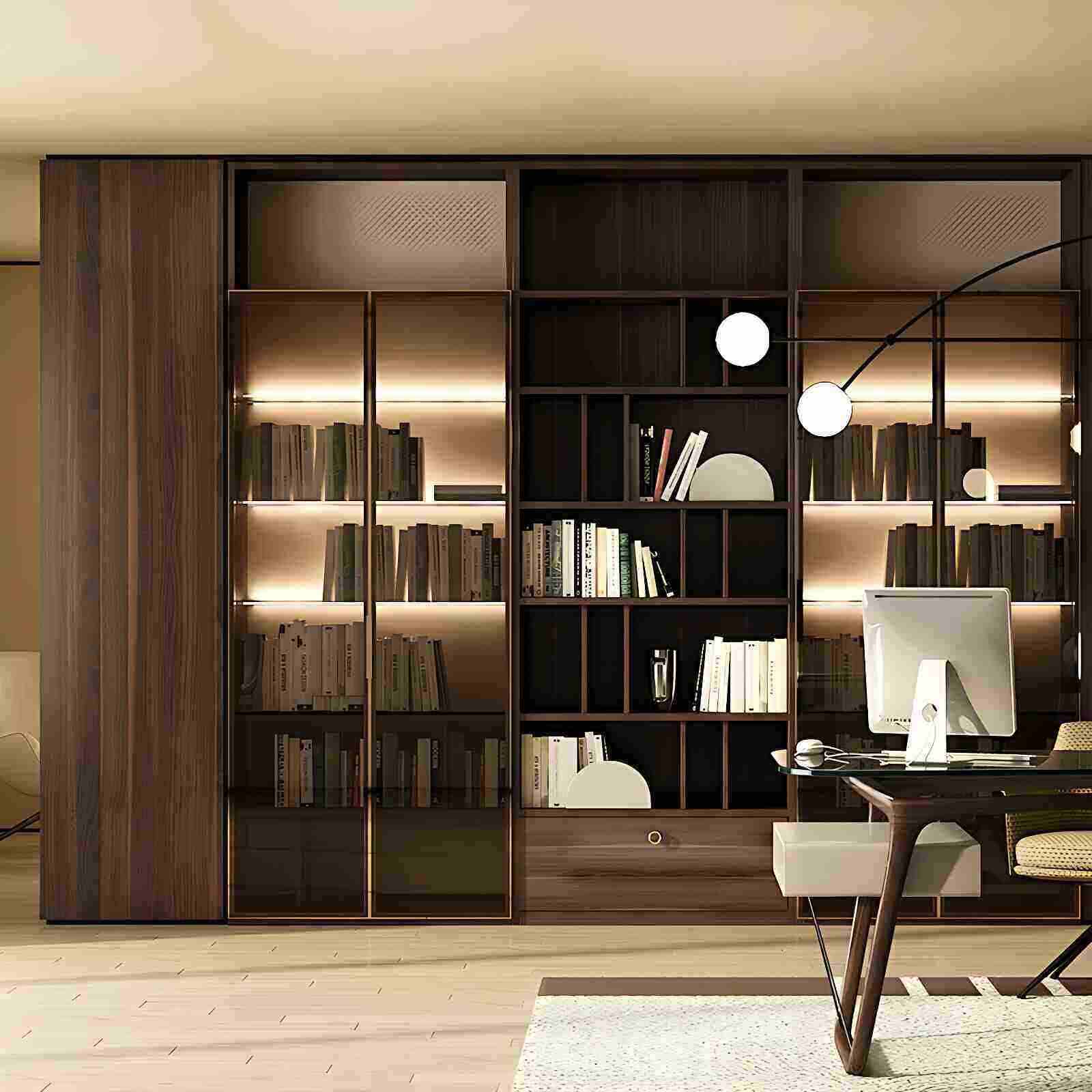
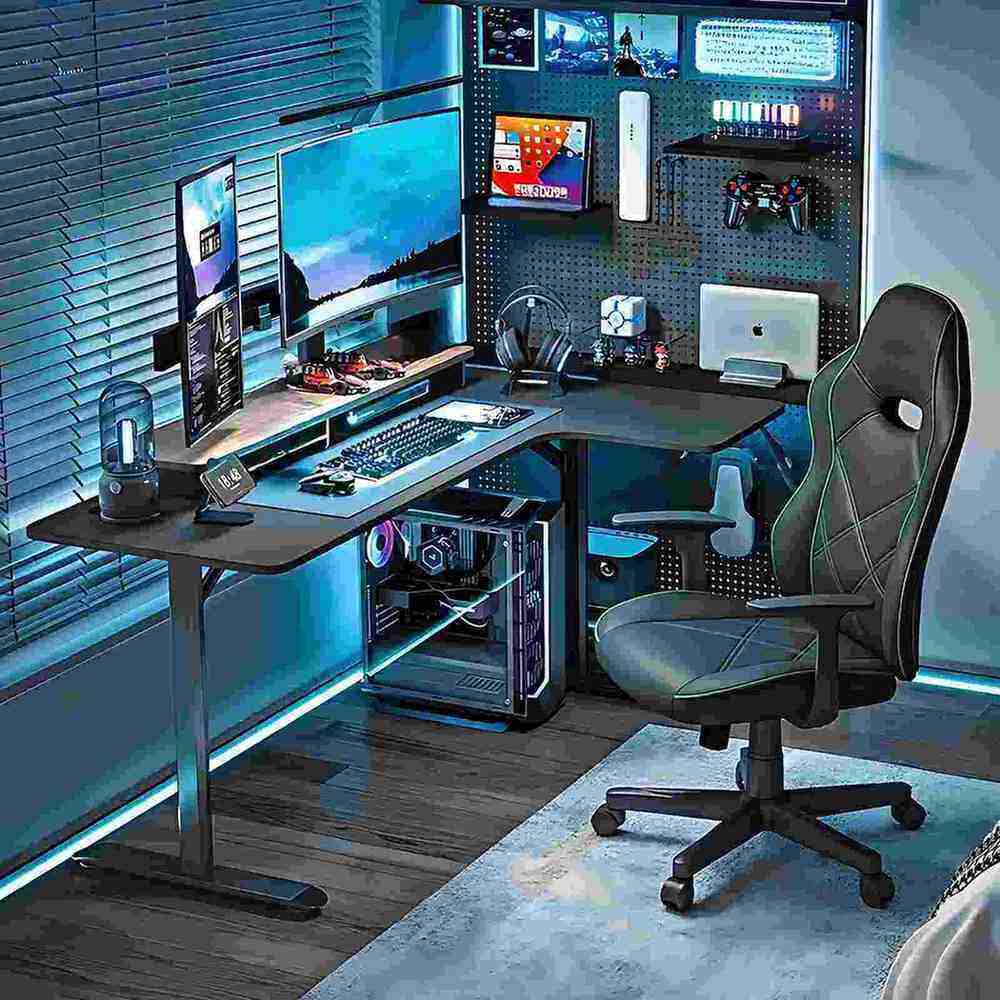
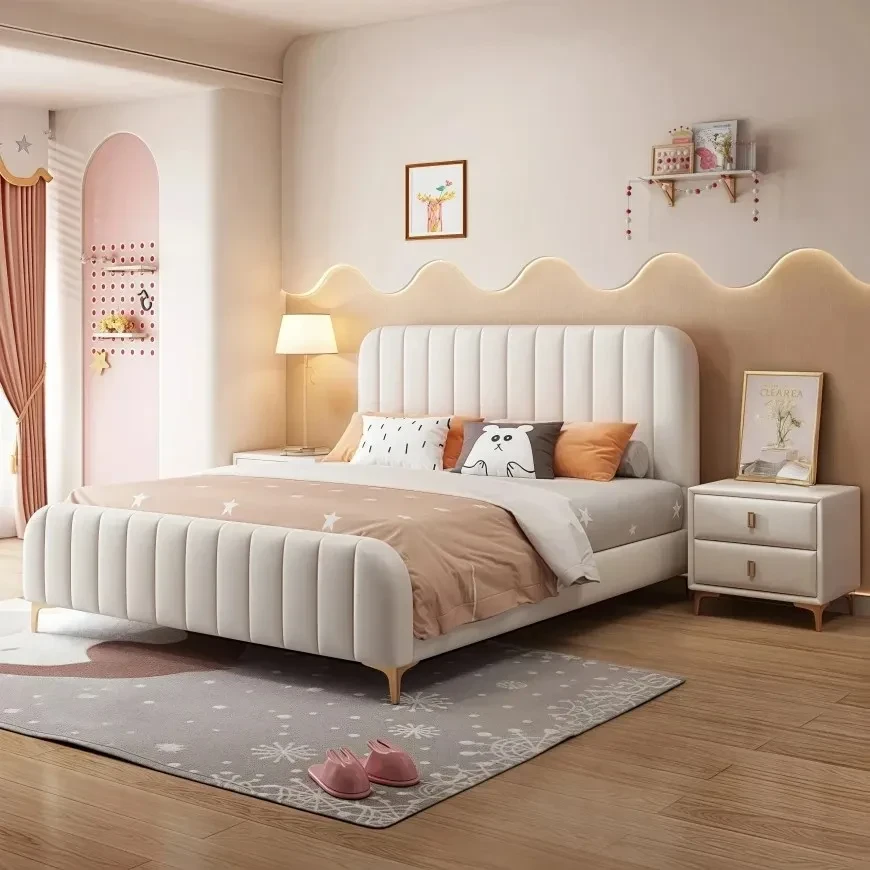
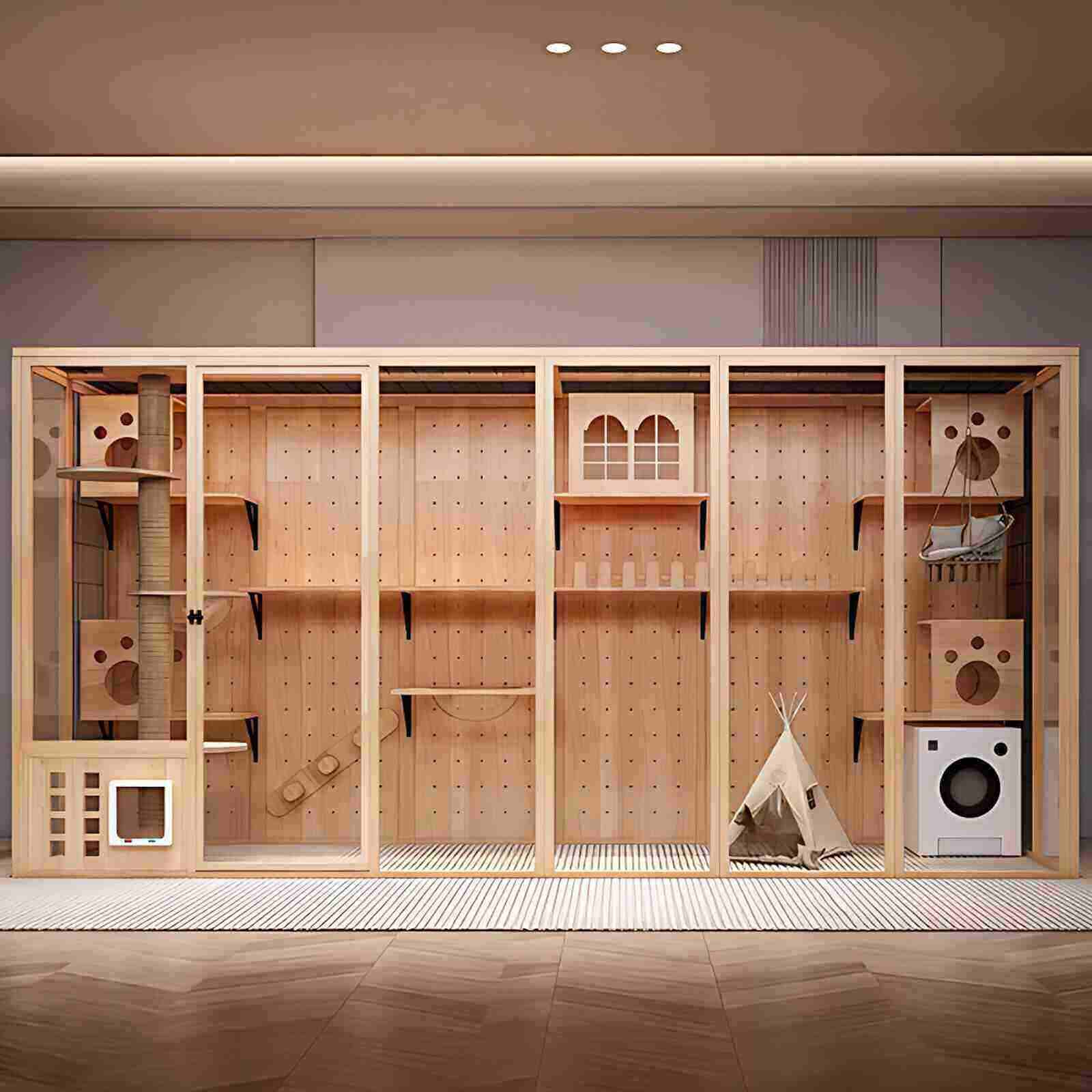
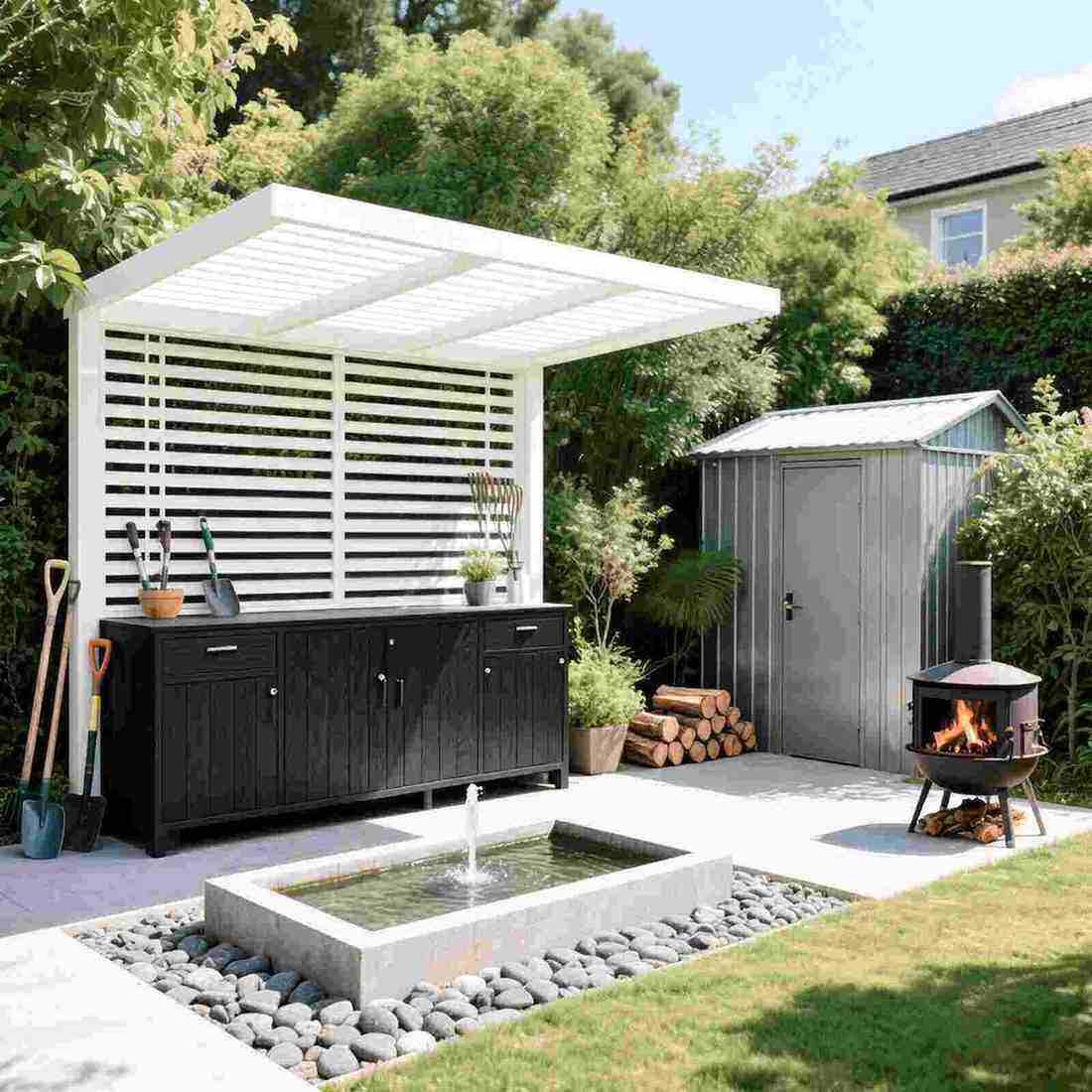
As a leading integrated service provider of interior decoration materials in China, TBB offers a wide range of products, including various types of boards, flooring, wooden doors, wardrobes, cabinets, and children's furniture. For many years, the company has focused on strengthening its core products, with boards as its main offering. The company boasts a diverse product range, from basic boards such as plywood, multi-layer plywood, blockboard, and engineered wood panels to decorative veneer engineered wood panels, eco-friendly boards, eco-friendly furniture boards, and wood veneer furniture boards. TBB has received numerous awards and enjoys widespread consumer trust and popularity.
Panel products are widely used in public construction and decoration projects such as hotels, conference centers, exhibition centers, shopping malls, medical institutions, and office buildings, as well as in the interior decoration of private homes and the manufacturing of high-end furniture.
Meets the following relevant standards
GB-T 9775-2008
Q/TBB 0001-2018
Q/TBB 0021-2019
Q/TBB 0022-2017
Q/TBB 0027-2018
Q/TBB 0029-2018
Q/TBB 0031-2018
Q/TBB 0036-2019
Q/TBB 0037-2019
The products meet national standards, and the company has also set its own higher enterprise standards, which shows that the quality of the boards is quite guaranteed.
After years of development, wood-based panels have become widely used in decoration and construction projects. However, various operational problems are inevitable during their use. Below are some precautions to take when using wood-based panels, which we hope will be helpful to our home renovation clients.
Precautions
1. During transportation and storage, single or multiple sheets of boards must be protected with pads on both the top and bottom to prevent them from getting wet or soaked in water. They must be laid flat in a ventilated and dry place to prevent mold, deformation, delamination, and cracking of the board surface caused by moisture or sun exposure.
2. When storing in a warehouse or at a construction site, avoid mixing with substances that exceed formaldehyde emission standards (such as formaldehyde-contaminated boards, flooring, etc.) to prevent secondary pollution of the boards by free formaldehyde.
3. Use the product promptly after opening the packaging. If the usage period is too long, pack the product that is not in use properly, and place a complete pad and cover plate on the bottom and top layers of the board to prevent the outermost finished product from warping and deforming due to uneven moisture content caused by long-term exposure to a humid environment.
4. The board material is basically a non-structural board material. During use, it should be applied to parts where mechanical balance is required to avoid deformation or breakage due to excessive external force.
5. Before use, check the product's specifications, dimensions, moisture content, formaldehyde emission level, and appearance quality (such as cracking, bubbling, blemishes, carbonization, wormholes, etc.) to ensure they meet quality requirements. Only use the product if no abnormalities are found. Small gaps within the core board are within standard and permitted usage ranges and are not considered quality issues. This product is not suitable for bathrooms, kitchens, or other damp areas. The walls to be decorated should be dry and properly moisture-proofed. Do not use wood reinforcement or substrates with a moisture content exceeding 14% during decoration. For bonding the boards, choose high-quality adhesives. For surface painting, it is recommended to avoid using water-based paints.