
 USD
USD GBP
GBP
 EUR
EUR
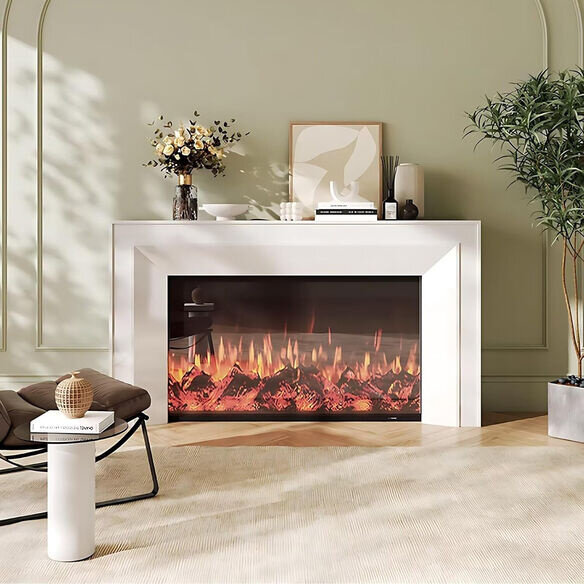
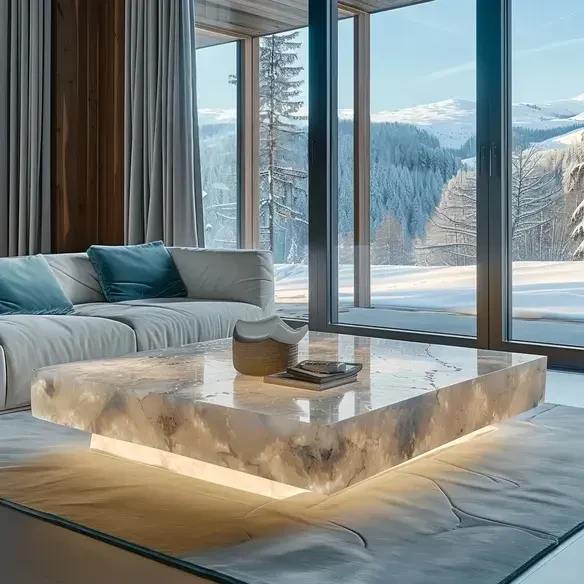
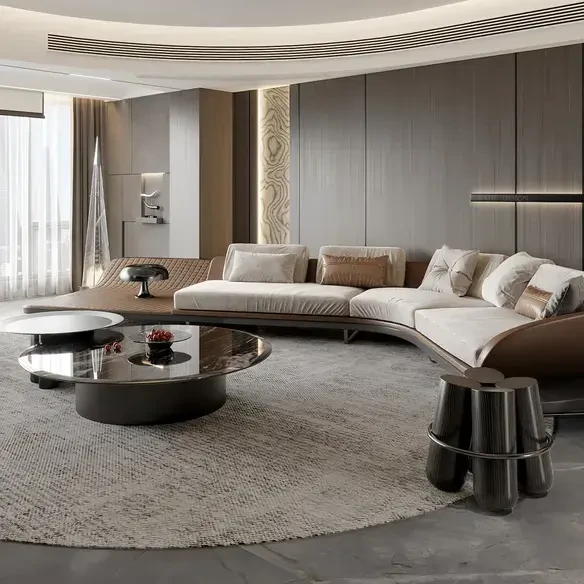
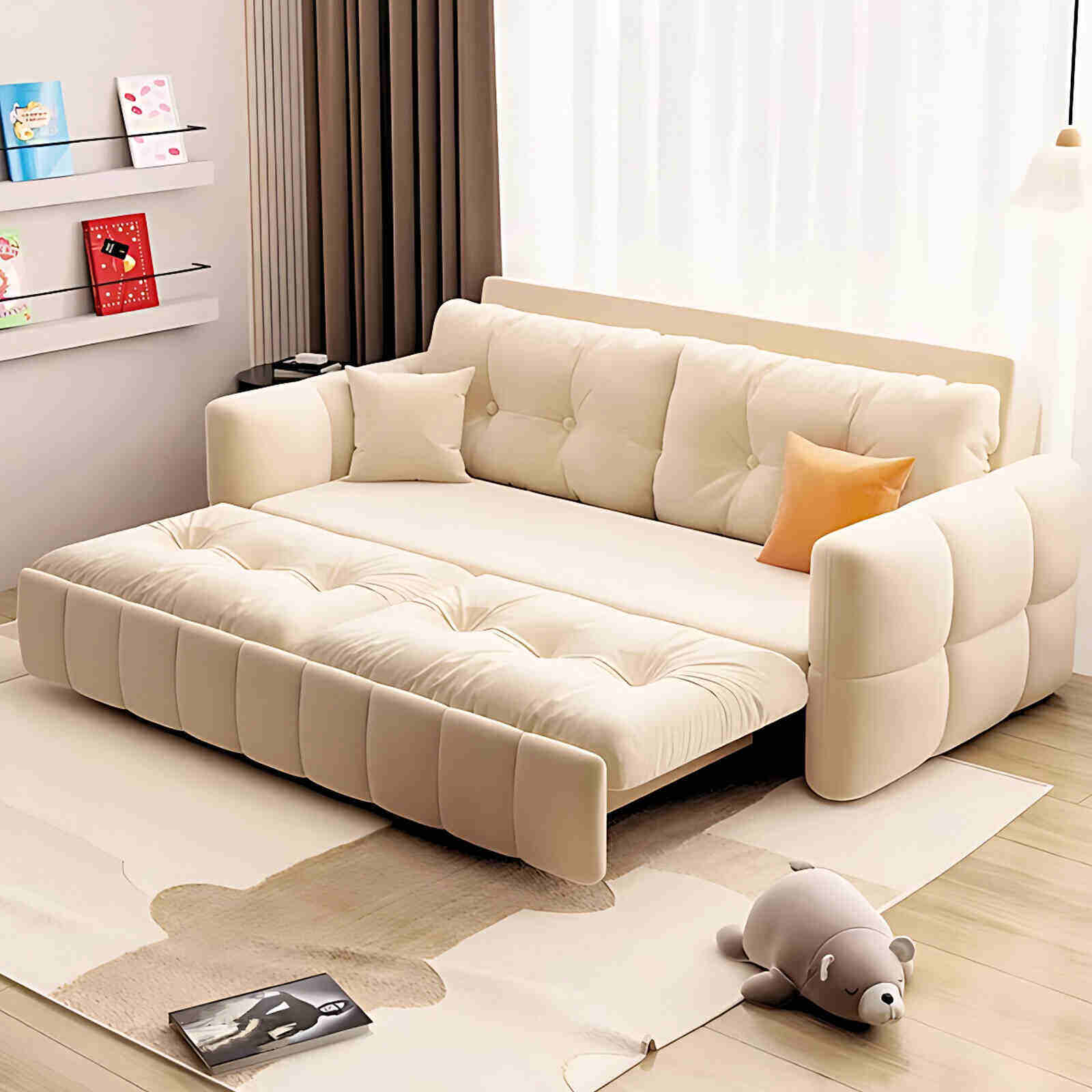
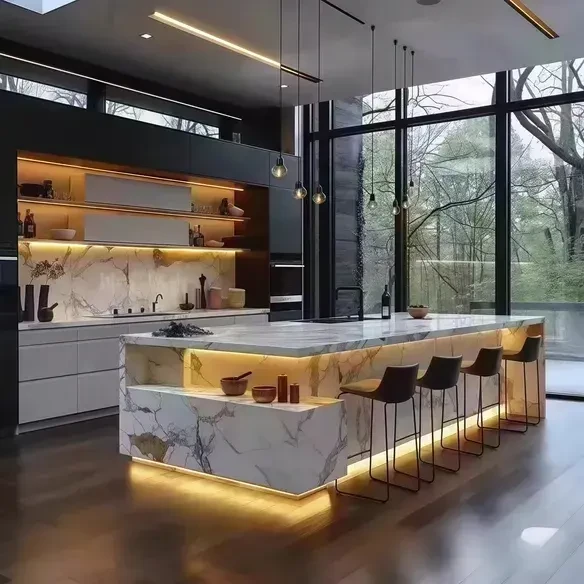
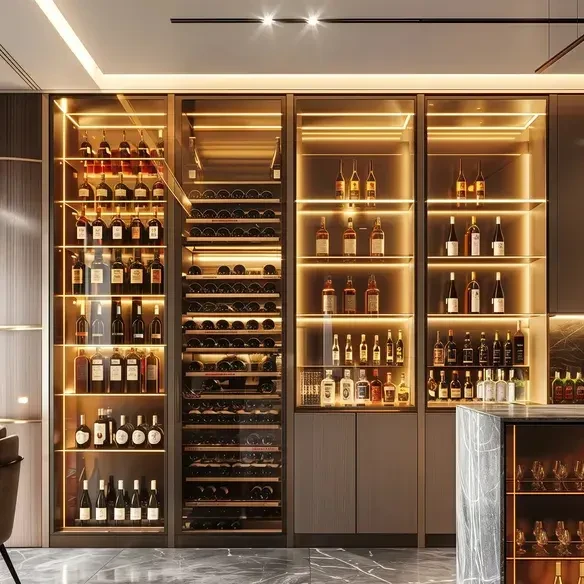
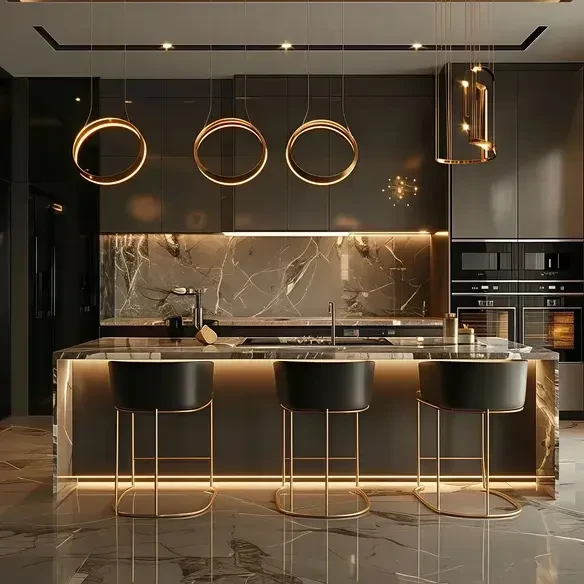
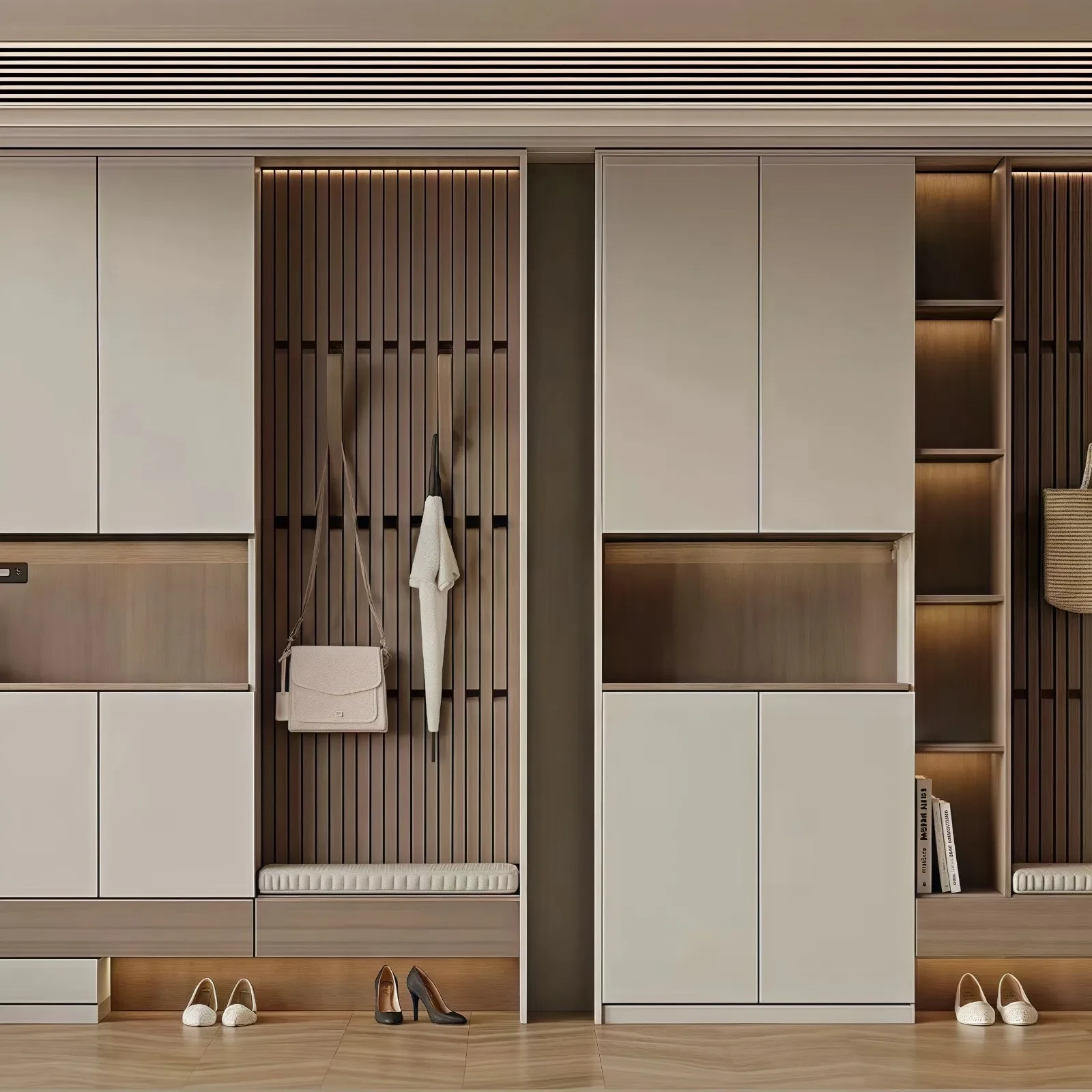
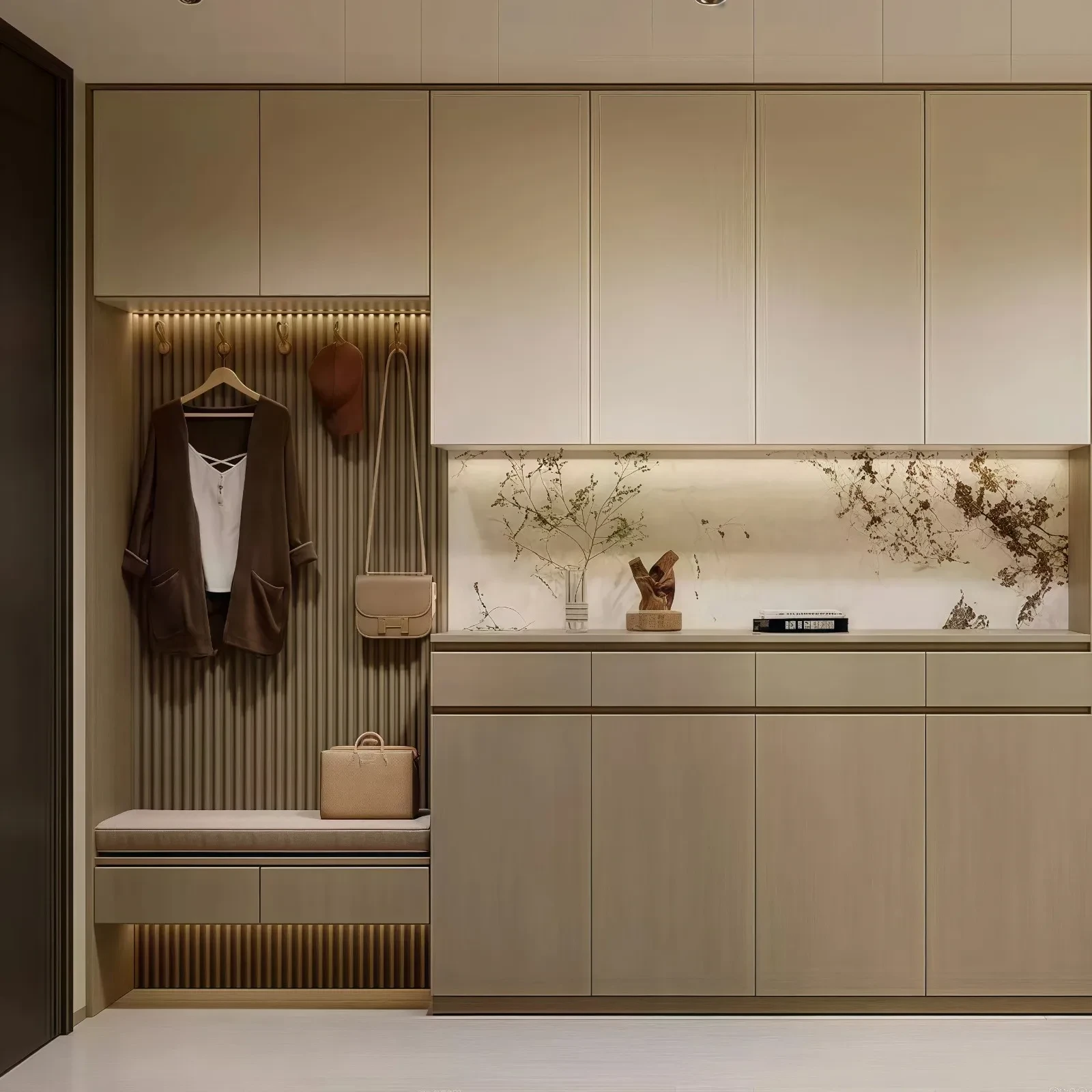
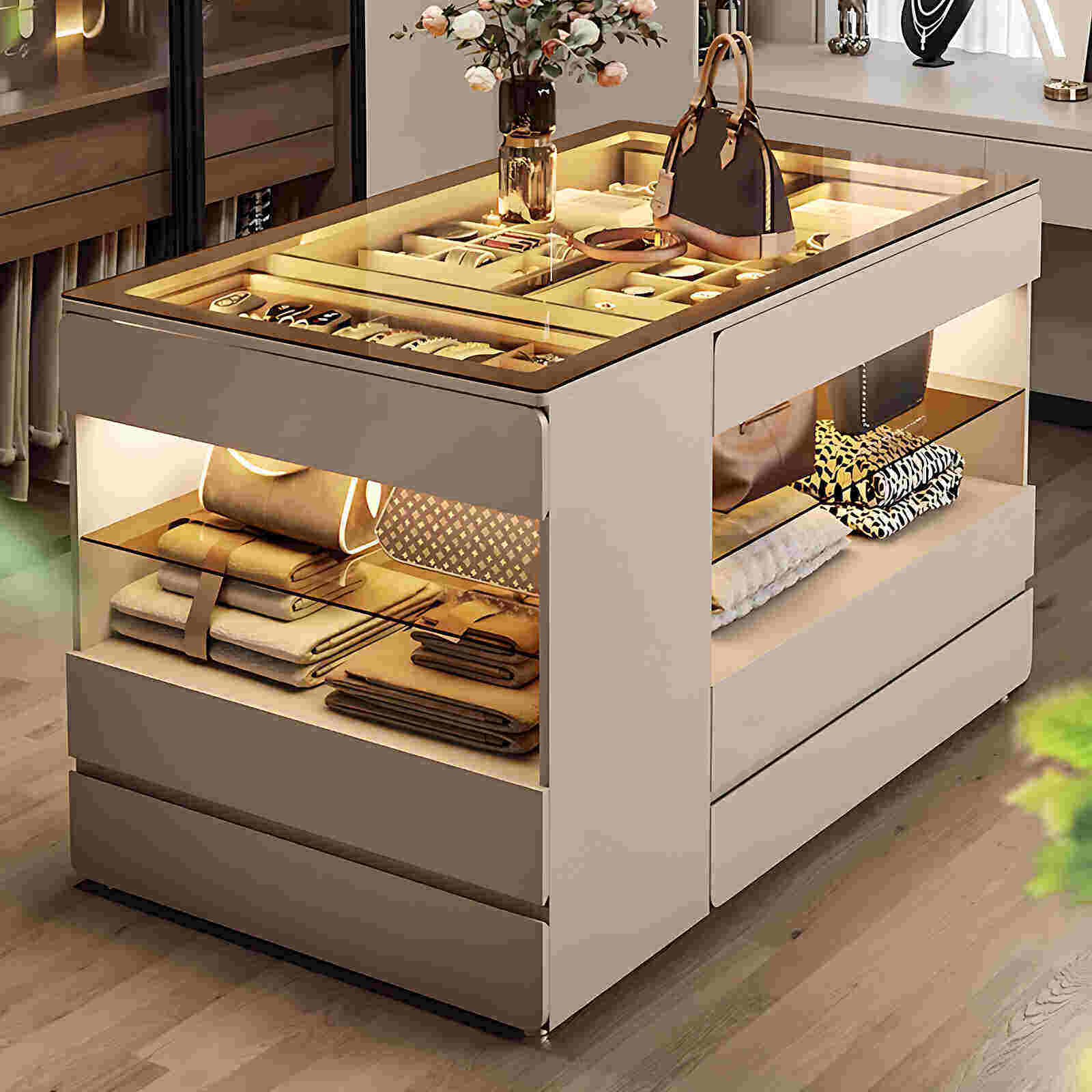
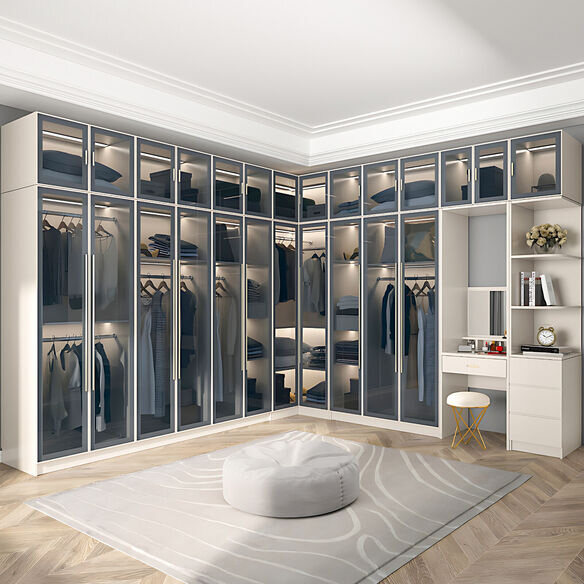
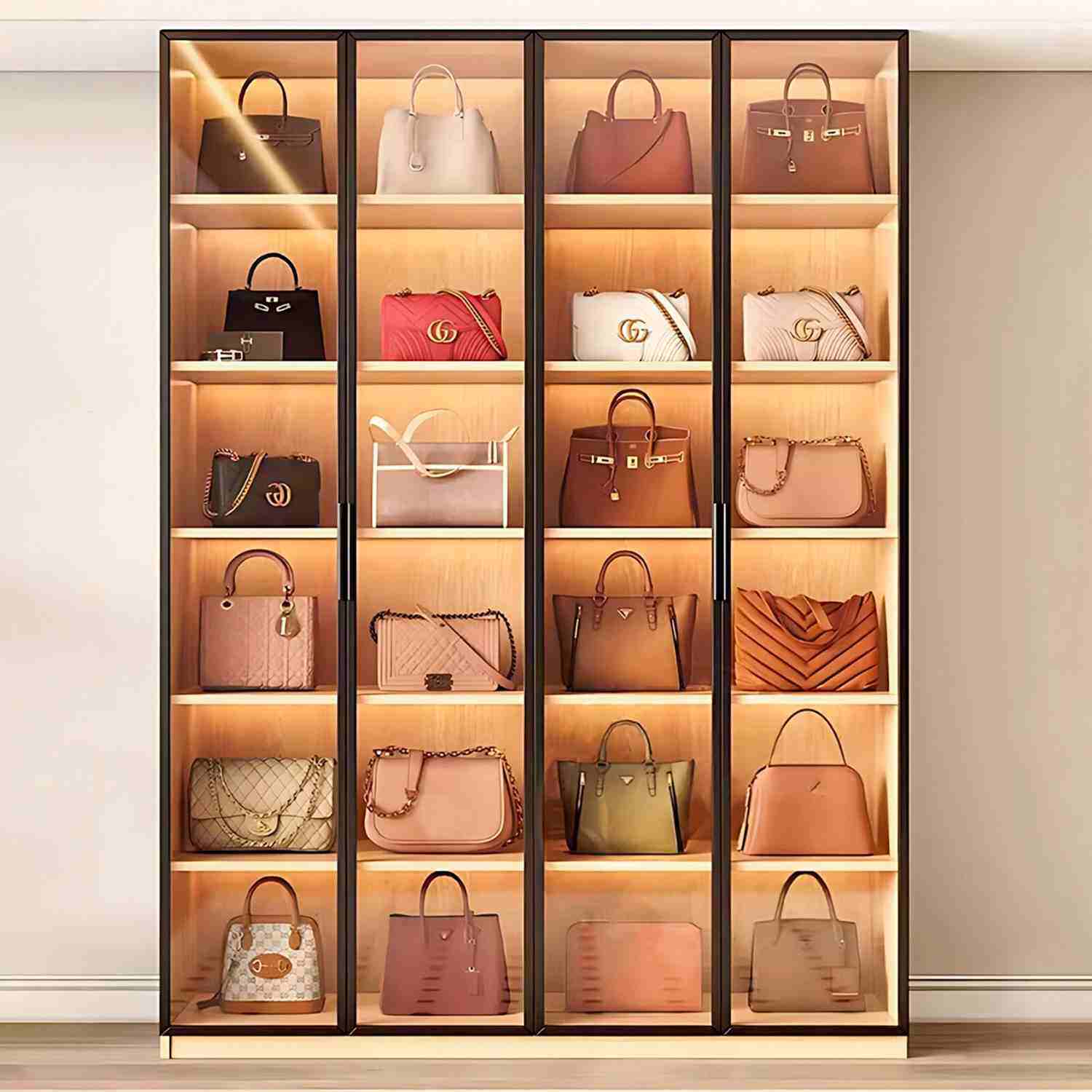
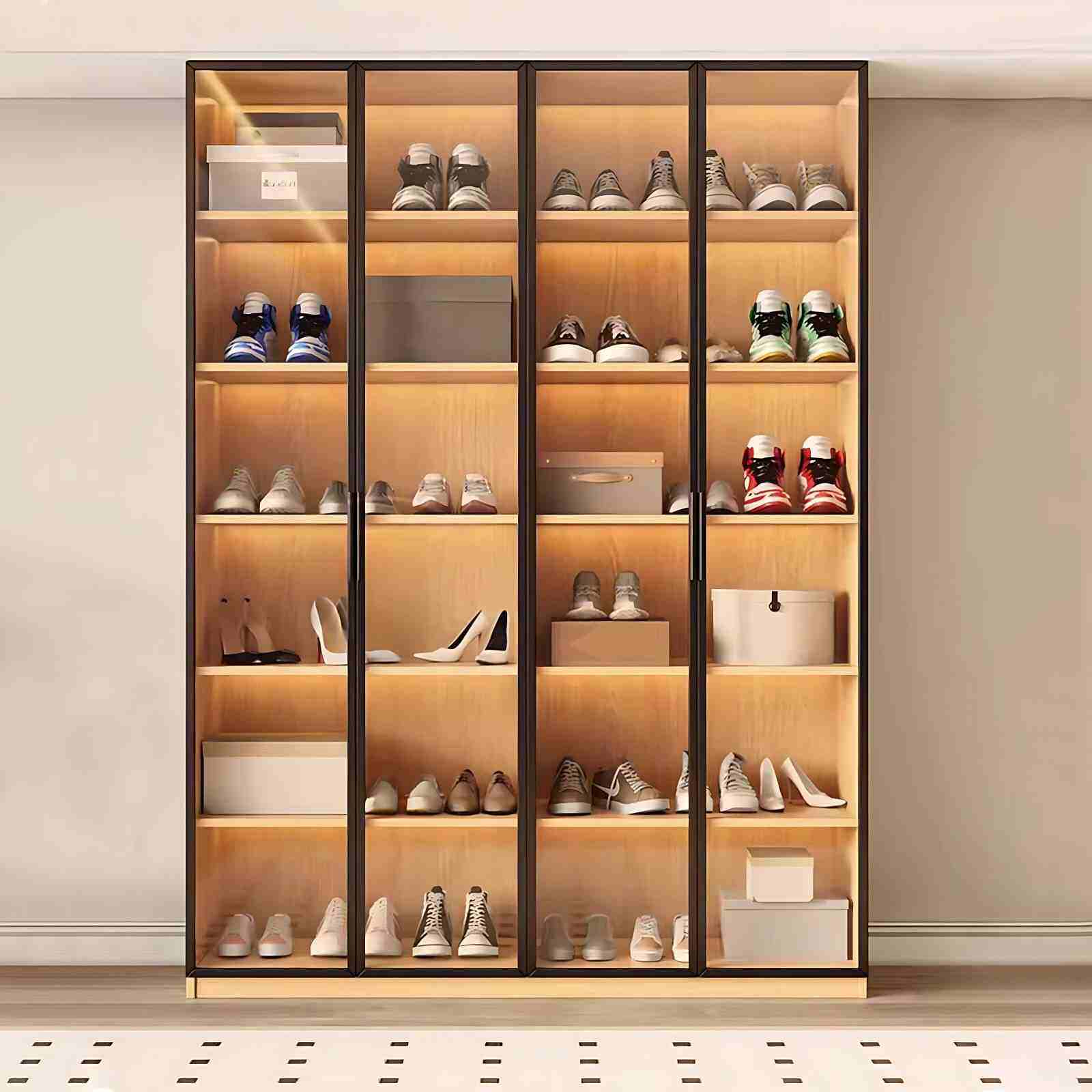
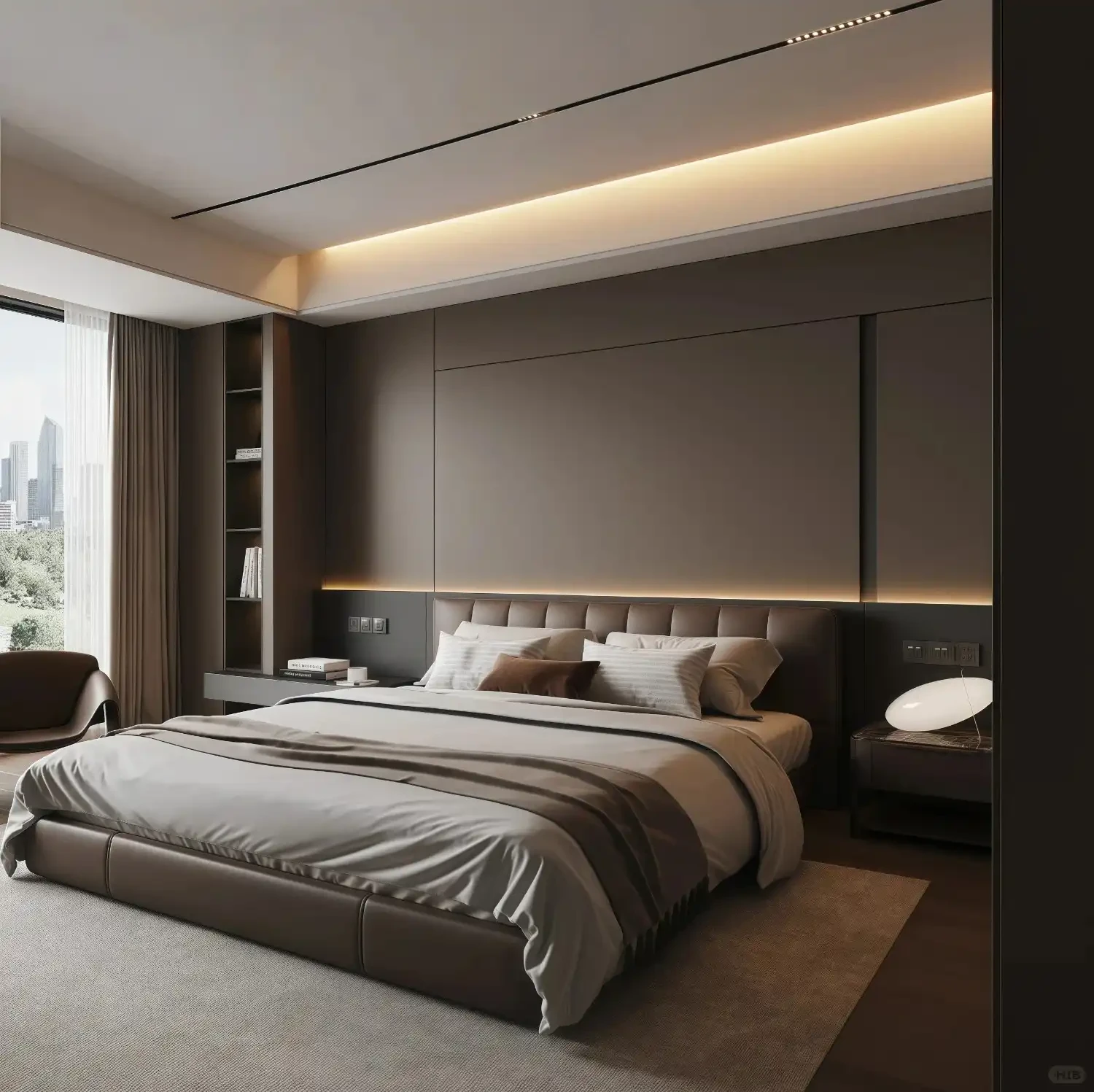
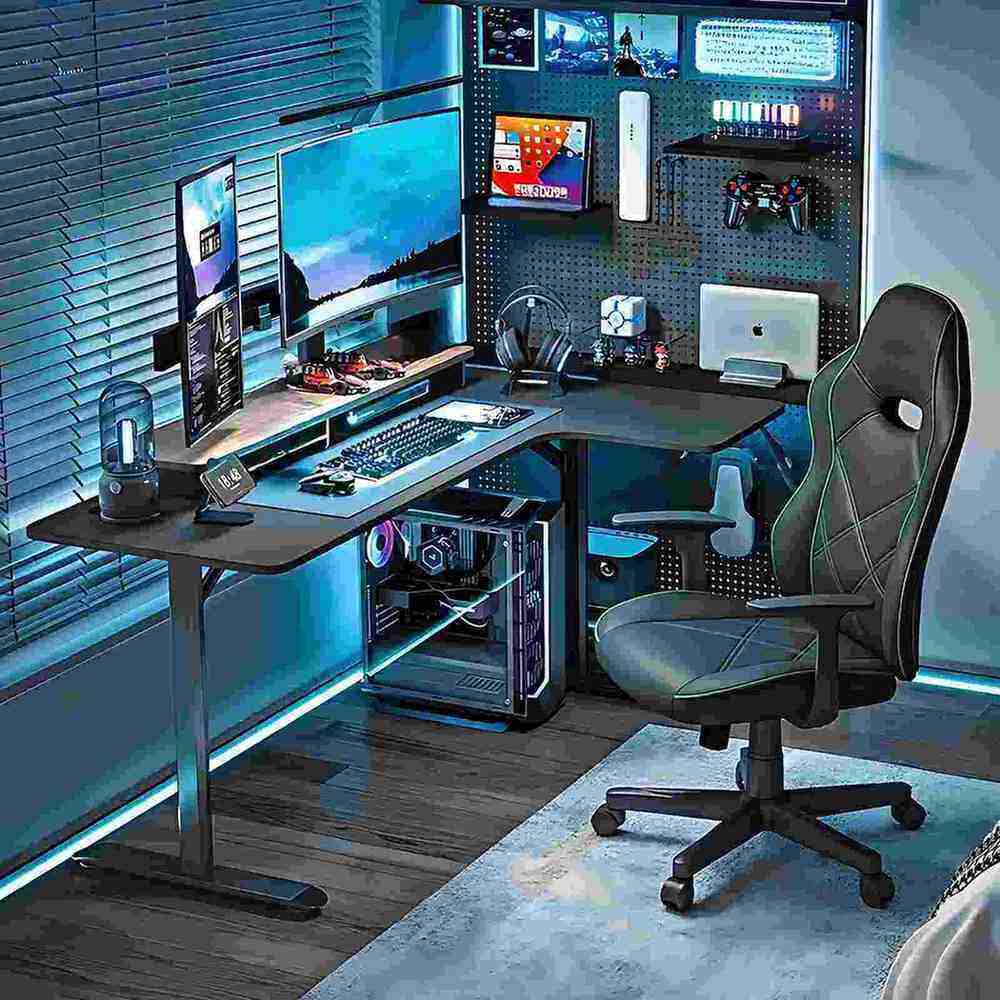
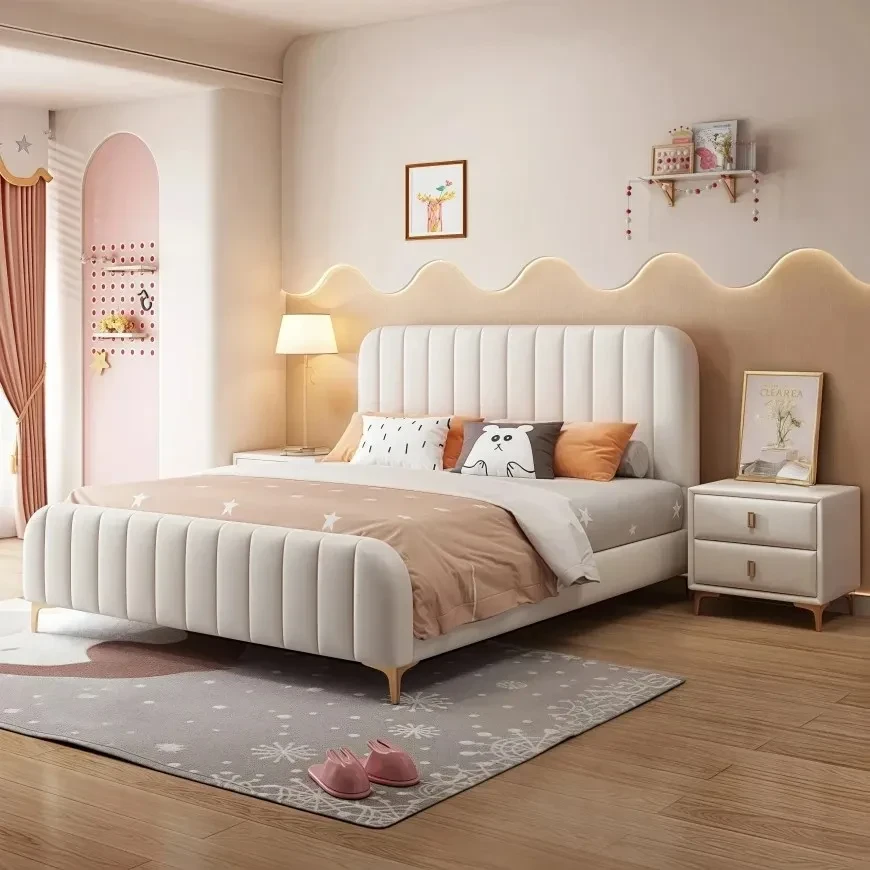
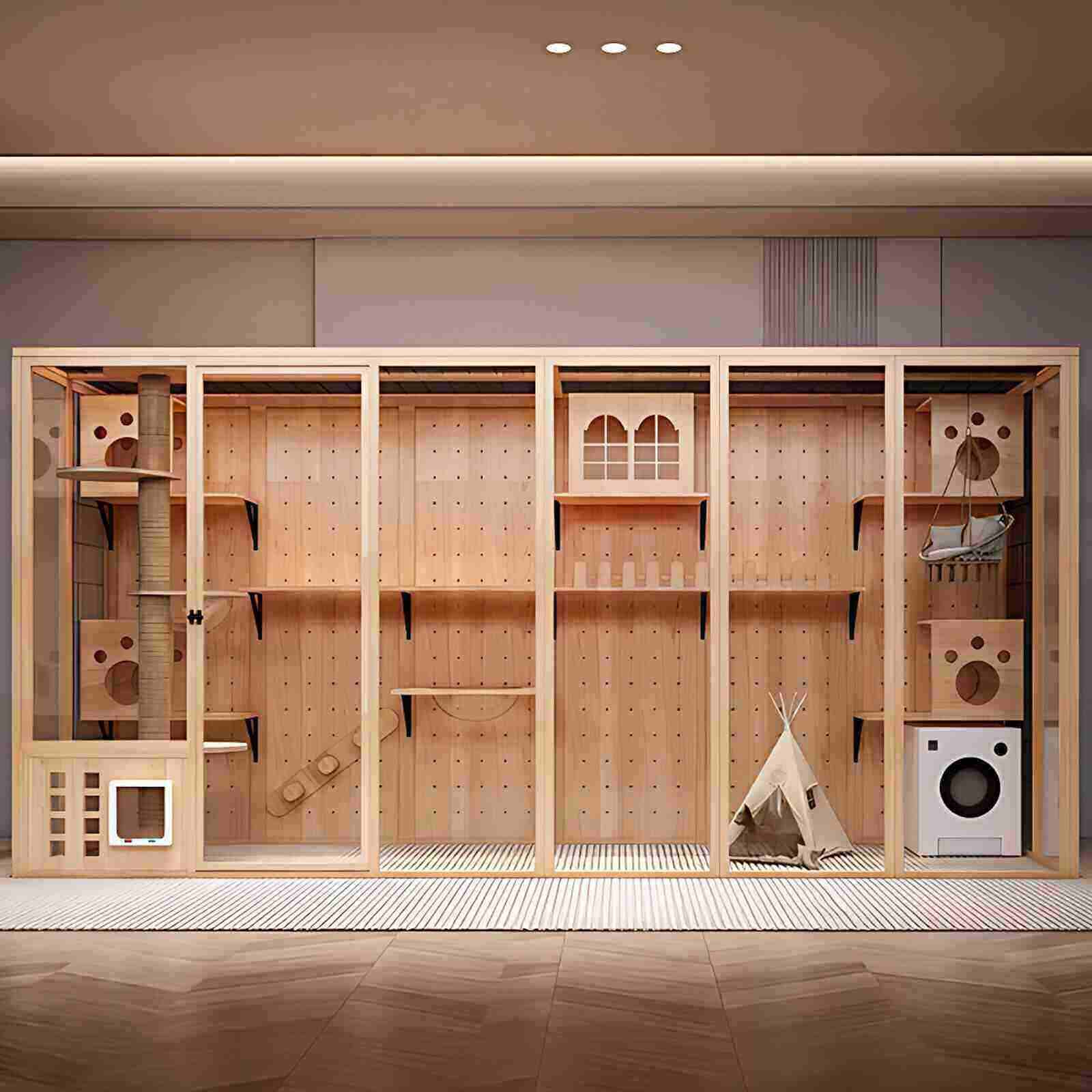
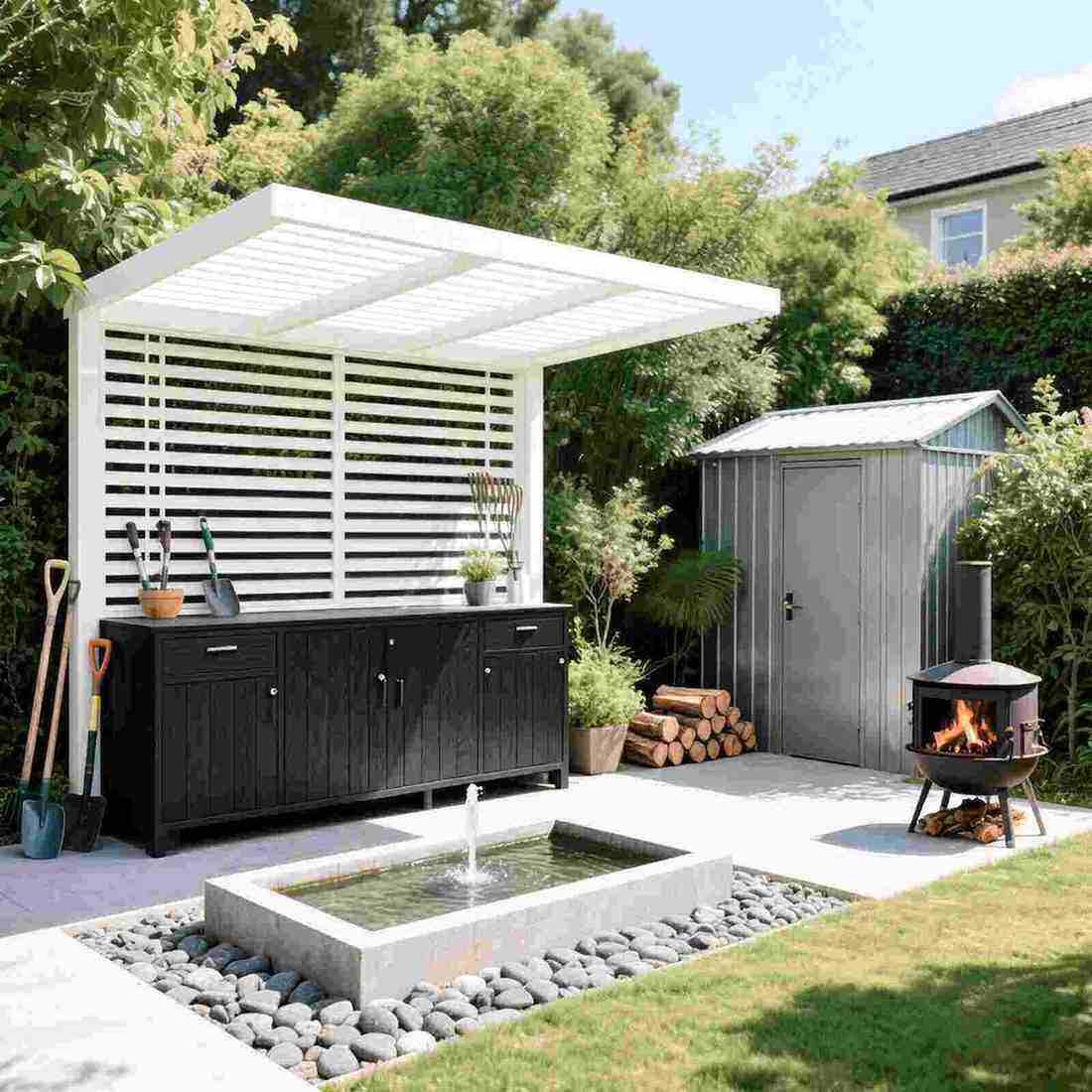
Everyone has probably felt at some point that their apartment is too small. There's a way to make a space feel larger: "functional layering." We've actually mentioned this concept before-comprising multiple functions within a single space, separating active and quiet areas, ensuring sufficient space for practical use, and clearly defining usage frequency. We'll explore these four aspects to achieve a more practical effect in small apartments. Interested readers can click the link below to check out our previous articles.
In addition to the four points mentioned above, today we'll explore two other aspects to see how we can make small apartments more practical.
Understanding the concept of time difference
For example, if a room is already fully furnished and we have reached the point of saturation in terms of the functions we add to it, then we might as well break free from the original limitations and consider it from another dimension. For example, we might also add functions over time.
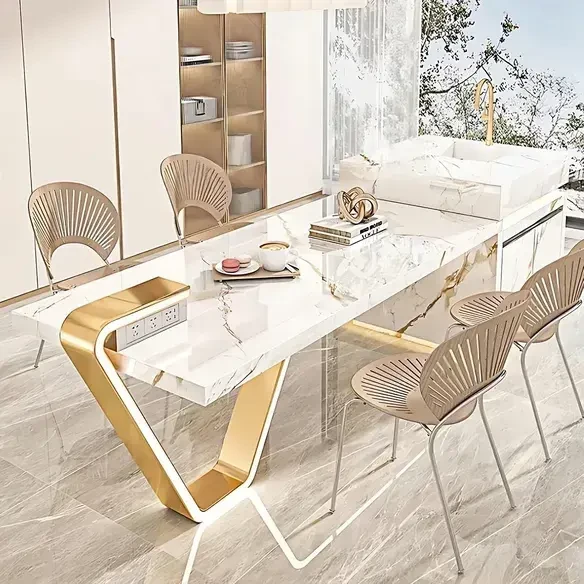
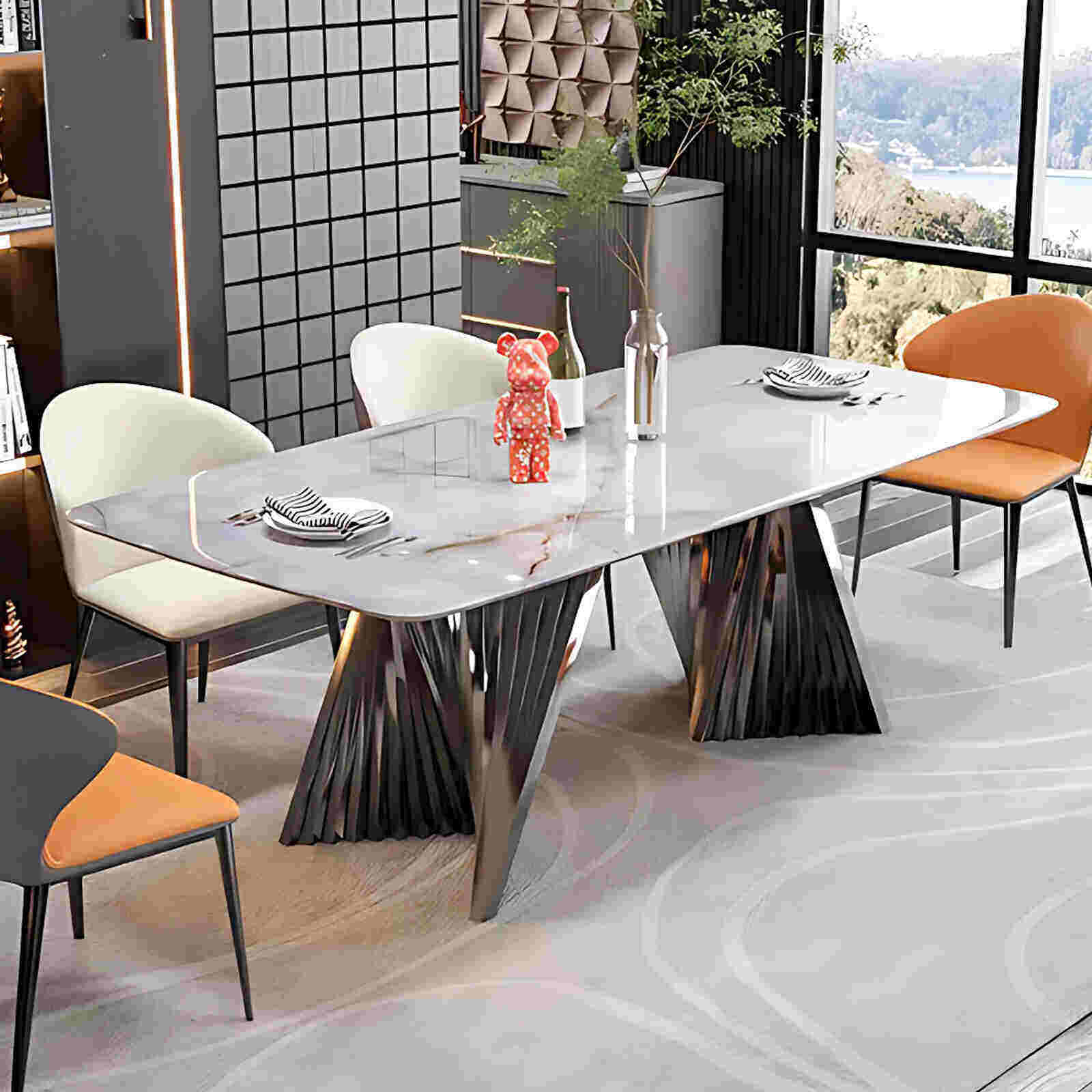
For a simple example, a restaurant table, besides its function as a dining table, can also function as a desk. Since we know that eating and studying or working rarely happen at the same time, we can fully utilize the table's functionality, making it useful at various times.
However, there are some things to be aware of during implementation. When the two functions overlap at the same time, they will interfere with each other. For example, if a home study also serves as a guest room, and it is already being used as a guest room when guests come, then it would be inappropriate to continue using it as a study for work.
External Function
If you've already considered all the methods mentioned above, and your home truly needs this feature but can't accommodate it, what can you do? It's actually quite simple: place this feature outside the home. Many people consider their home a private space and don't like outsiders entering their personal sanctuary. They prefer to host guests or engage in other activities outside, thus maintaining the home's exclusivity. Furthermore, if a secondary bedroom is almost entirely unused throughout the year, why not transform it into a more suitable study or walk-in closet? When parents or friends visit unexpectedly, you can easily book a hotel room for them, ensuring a more comfortable and convenient stay.
Moreover, the advantage of living in the city is that it always provides us with a lot of convenience, without having to cram all the functions into our homes. Coffee shops have replaced studies as offices; restaurants have replaced kitchens and dining rooms as dining areas; board game cafes have replaced living rooms as gathering places with friends. In this way, more space can be saved at home to fit our favorite large sofas, double beds, and separate walk-in closets-you can't have everything. Some common functional overlaps in life: dining + work + entertaining = living and dining room, making a large dining table the center of the family's life. It can be used for meals, work, and overtime, and children don't have to lock themselves in a small room to do homework. When friends come over, they can sit around the table under the lights, chatting, playing board games, or gaming together-the atmosphere is fantastic.
Work + Guest Accommodation + Storage = Multifunctional Room Whether it's a pre-existing room or an extra room in a layout, besides the necessary bedroom, this multifunctional room can be created. It can serve as a bed for overnight guests, a quiet or private office environment, or storage space for infrequently used items or miscellaneous belongings. All these functions can coexist in this space.
You might encounter many problems when implementing these six steps: How do you define "enough"? Which functions can be discarded? In reality, every family has different lifestyle habits, so a one-size-fits-all approach isn't appropriate. Therefore, it's essential to plan ahead before decorating, to have a clear idea of what functions you want and what you truly need, making your limited space more practical.