
 USD
USD GBP
GBP
 EUR
EUR







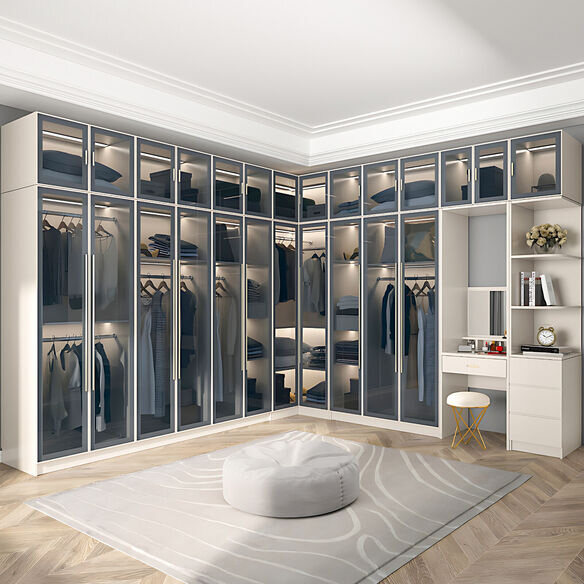
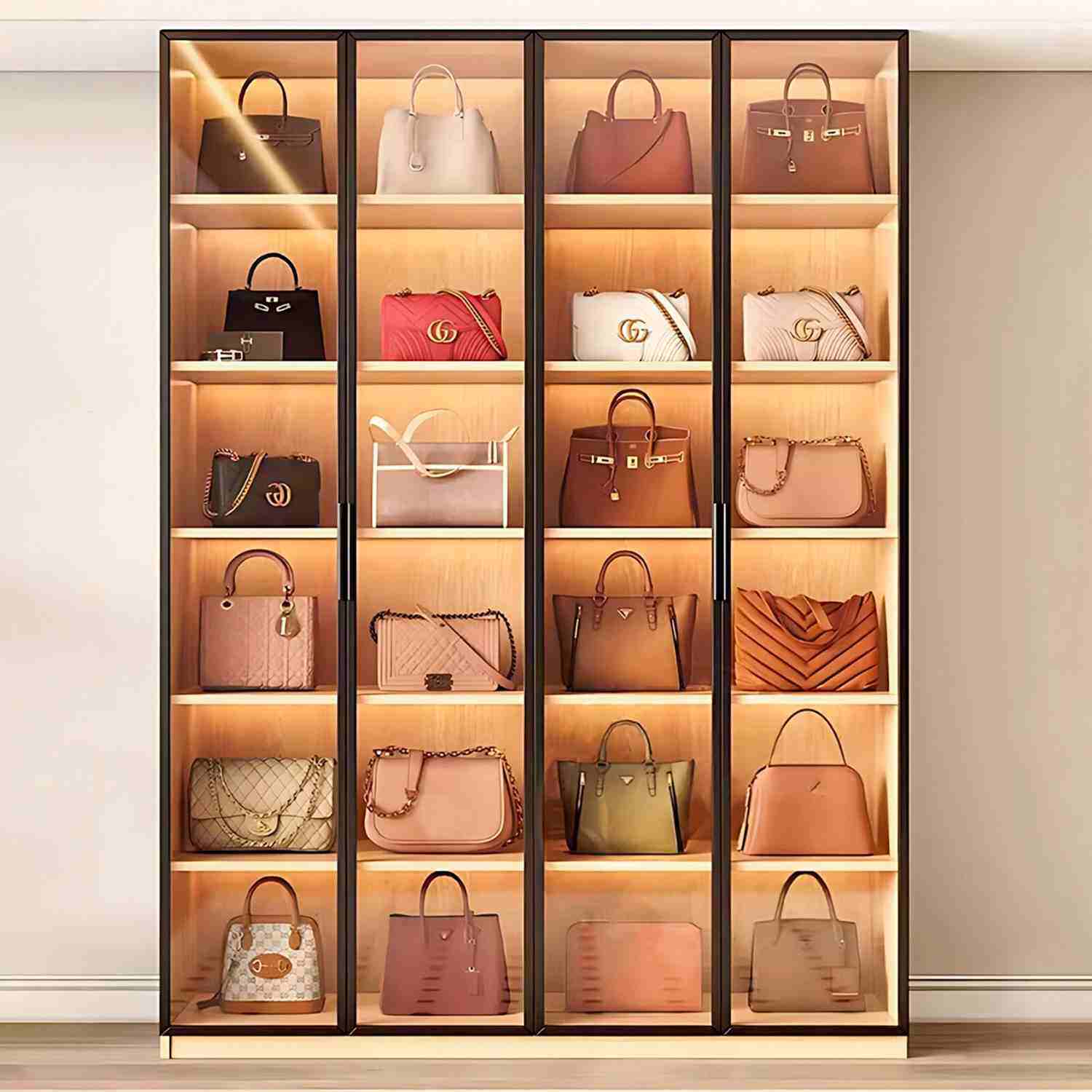






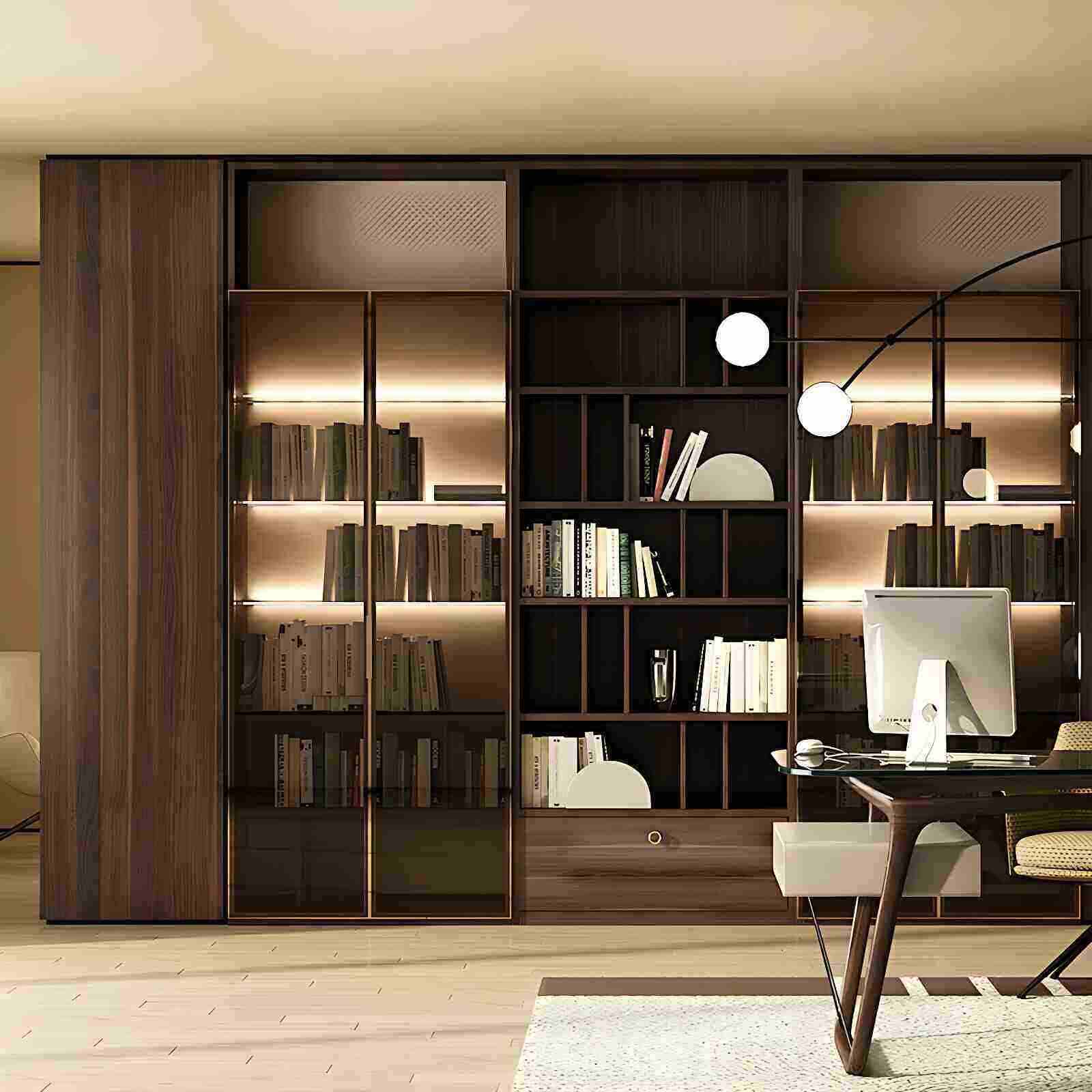

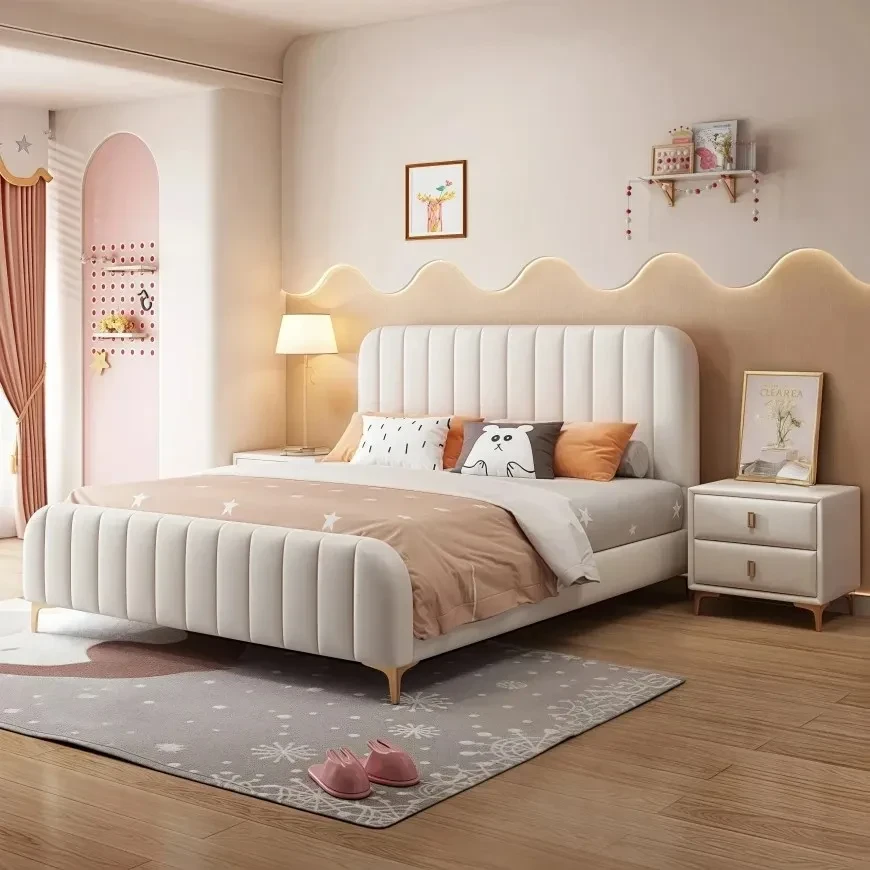

Veneering is a crucial process in panel furniture production. Veneering materials are used to decorate furniture surfaces, concealing defects and improving the substrate's surface resistance, heat resistance, water resistance, and corrosion resistance. It also enhances the material's strength and dimensional stability. However, due to varying production methods among companies, quality issues frequently arise during veneer processing and use. This article proposes corresponding solutions to these problems.
1. Quality requirements for veneer decoration
Veneer and other material veneers are not allowed to have delamination, bubbling, or obvious glue penetration. Veneer splicing should be tight, flat, and have similar grain patterns, and should not have dents, pits, cracks, scratches, chipped corners, or sharp edges. National standards specify requirements for furniture veneers: enterprises should strictly organize production according to national standards; typically, internal enterprise standards are stricter than national standards.
2. Laminating Process
Before applying the veneer material, the raw board is sanded to a fixed thickness or surface roughness to meet the veneer quality requirements. Adhesive is then applied to one or both sides of the sanded raw board surface. The veneer material is then laid on the adhesive surface and cured under pressure using a cold press or hot press, ensuring the veneer material adheres tightly to the substrate. Finally, the veneered board is trimmed to complete the veneer process.
Dry-laying is a common technique for wood veneer. Dry-laying involves applying adhesive to the substrate, allowing it to cure, and then attaching the veneer according to the design. Wet-laying can also be used. Wet-laying involves directly gluing the veneer to the substrate without prior drying (moisture content above 30%). Adhesive is applied to the substrate surface, and the pre-cut and spliced veneer assemblies are placed on top and pressed together using a cold or hot press. After pressing, the quality of the veneer is checked and appropriate adjustments are made. Finally, the edges of the boards are trimmed and sanded.
3. Analysis of the main problems and causes in the production of veneer
Whether it is veneer wood or decorative paper veneer, some quality problems may occur during the processing. The main reasons are as follows.
3.1.0 Substrate
The smoothness and flatness of the substrate surface, the bonding strength of the inner surface, and the uniformity of the thickness all affect the quality of the veneer.
3.1.1 Substrate Surface Quality
The engineered wood substrate used in panel furniture must meet the latest national standards in terms of appearance quality and physical and chemical properties. Small areas of glue spots, paraffin wax spots, oil stains, and other impurities often appear on the surface of the substrate, affecting the penetration of the adhesive and preventing proper bonding, leading to problems such as delamination and bubbling.
3.1.2 Substrate thickness deviation
The national standard for engineered wood panels stipulates that their thickness deviation should be within ±0.2 mm. The author conducted thickness tests on E1 grade panels from a certain brand and found that nearly 10 panels had thickness deviations exceeding the national standard. This can lead to various quality problems for relatively thin decorative materials.
3.2 Finishing Materials
Overly dry impregnated paper can cause white spots; uneven impregnated paper thickness can cause discoloration. If the veneer is too thin, its material structure results in excessively large pores, and its moisture content is too high, glue will seep through to the surface. High moisture content in the veneer can cause black glue lines, gaps, or overlaps at the joints; sometimes it can even cause the entire board to warp and deform. If the veneer is too thin, the underlying color will show through.
3.2.1 Moisture content of decorative materials
Moisture content is a crucial factor affecting the quality of veneers. It influences the viscosity and wetting properties of the adhesives used, as well as the apparent physical properties of the decorative material. Veneer, a thin wood veneer material made from precious tree species, typically has a moisture content of 8-15%. Low moisture content results in slow heat transfer and easy breakage. However, excessive moisture content also hinders veneer development, leading to warping and deformation during drying. Similarly, the moisture content of decorative paper affects veneer quality. Processed paper is typically stored at 25°C and 55-65% humidity. Overly dry paper will develop white spots, while excessive moisture will cause wrinkles.
3.2.2 Thickness of Decorative Materials
Veneer typically ranges in thickness from 0.3mm to 1.5mm. The thickness can be less when the substrate surface is flat and more when it's uneven. Furniture companies usually use veneer with a thickness of around 0.4mm to 0.6mm, which satisfies both the requirements of veneer processing and the decorative requirement of a solid wood feel. If the veneer is too thin, especially if the pores are large, it can cause glue and base color to show through. The decorative paper used must also have a certain thickness; otherwise, the base color will also show through. Uneven thickness can also cause discoloration.
3.3.0 Laminating Process
The veneer process includes the veneer techniques, standardized operations, and processing conditions, and is a key aspect in ensuring the quality of the veneer.
3.3.1 Process Method
Thickness sanding of the raw board is a crucial process for ensuring uniform board thickness and improving surface quality. Improper operation or omission of this step will lead to veneer defects that cannot be remedied in later processes. The adhesive application process involves evenly spreading a specific amount of adhesive onto the substrate surface. Excessive adhesive will make the adhesive layer hard and brittle; insufficient adhesive or uneven application will result in localized adhesive gaps, leading to blistering. When preparing the boards, the veneer materials on both the front and back sides must be applied symmetrically; otherwise, uneven stress on the substrate surface will cause the boards to warp.
3.3.2 Processing conditions
During the lamination process, it is essential to maintain favorable processing conditions, such as a clean environment, suitable humidity, temperature, and pressure. Before applying the adhesive, ensure the board surface is clean. After applying the adhesive, prevent dust particles from settling on the board surface; otherwise, granular protrusions may appear on the board surface.
3.3.3 Standardized Operations
During veneer processing, strict adherence to process standards is essential. This is especially true for the substrate adhesive application step. The adhesive should first be prepared in a specific ratio, stirred thoroughly, and then added to the coating machine using a specialized container. In practice, workers often directly add the main adhesive component to the glue roller, along with modifying materials such as lignin powder, and then stir it on the coating machine. This results in two problems: uneven adhesive mixing leading to large particles; damage to the coating machine; and defects such as localized glue gaps and granular protrusions after coating.
4. Measures and methods to improve the quality of veneer.
4.1 Treatment of adhesive seepage or cracks in veneer
When there is glue seepage or cracks on the veneer surface, increase the thickness of the veneer or insert a layer of paper between the veneer and the substrate for cushioning. The moisture content of the veneer should not be too high. Additionally, appropriately reduce the hot-pressing temperature and pressure. After hot pressing, stack the boards face to face to reduce moisture evaporation. Adjust the viscosity and amount of adhesive applied, and appropriately increase the solid content ratio of the adhesive.
4.2 Treatment of grease, stains, and transparent base color on the decorative surface
When the surface of the veneer is contaminated with oils, greases, or waxes, it can be dissolved and wiped off with organic solvents. Commonly used solvents include alcohol, ether, benzene, and acetone. Alternatively, it can be wiped with a weak alkaline solution of sodium hydroxide or sodium bicarbonate first, and then wiped off with water. Most stains on the veneer surface are caused by tannins, pigments, and iron ions in the wood, and can be removed with hydrogen peroxide or 5% oxalic acid. When the base color is visible through the board, a slightly thicker veneer or paper of the same color as the veneer can be first pasted onto the substrate, and then the veneer can be applied. Another method is to first color the substrate and then apply the veneer. For coloring the substrate, you can directly color it using paint, or add a small amount of colorant to the adhesive and color it simultaneously with the adhesive application.
4.3 Small areas showing blistering and delamination
First, deflate or blister the affected area before gluing. Use a sharp knife to cut along the grain of the blister to release the air. Inject strong adhesive into the blister using a large-tipped syringe, then press it flat with an iron. For larger blisters, use a sharp blade to cut away the blister at an angle along the grain, scrape off any remaining adhesive, select a similar piece of veneer, trim it to the required size, and re-glue it with strong adhesive. Note that the edges of the veneer should also be beveled to ensure the repaired veneer contacts the original veneer bevel without leaving any seam marks, resulting in a smooth and flat surface.
4.4 Treatment of large-area bubbling and delamination
When large-area blistering and delamination occur, and there are a large number of workpieces, repair alone cannot fundamentally solve the problem. It is necessary to investigate the cause, analyze and discuss it, and find corresponding measures.
First, peel the veneer material off the substrate surface and observe the adhesion between the veneer material, substrate, and adhesive at the bubbly areas. If almost no adhesive remains on the substrate surface, it indicates that the substrate and the adhesive are incompatible. In this case, the adhesive can be replaced or modified, or a higher-quality engineered wood panel can be used. Alternatively, the substrate surface can be sanded to improve surface quality and thus enhance surface bonding strength. If the peeled veneer material has many substrate fragments attached, it means the internal bond strength of the substrate does not meet the strength requirements of the veneer material. The simplest solution is to use a substrate that meets E1 or E0 standards. However, due to tight deadlines and the need to avoid wasting existing materials, replacing the adhesive or substrate is not always feasible. The following are methods to address this issue through process improvements using existing materials.
The process of treating the substrate surface: achieves good results in solving the bonding force of the veneer.
Sand and clean the substrate surface, then spray a low-solids, low-viscosity (approximately 8-10 seconds) sealing primer. Due to its fast drying speed, thick coats are not recommended; generally, one coat is sufficient, with each coat covering 60-90 g/m². After complete drying, light sanding is sufficient before applying the adhesive finishing material. The sealing primer has good viscosity and penetration, allowing it to penetrate deep into the substrate to form a film, sealing it and preventing moisture absorption and release. It also helps to bind substrate debris, enhancing the internal bonding strength of the substrate surface. However, the compatibility of the sealing primer with the adhesive and topcoat must be considered. "DiDeBao" primer has excellent sealing effects. In conclusion, spraying a sealing primer is a good measure to address insufficient internal bonding strength or surface porosity of the substrate.
4.5 Unevenness appears on the adhesive surface.
In severe cases, the veneer can be planed off to repair the surface of the component. The main reason is a large thickness deviation in the substrate. By sanding the substrate to reduce the thickness deviation and stabilize the change curve, the requirements of the veneer process can be basically met. In addition, the surface of the unfinished engineered wood contains a high wax content, which will hinder the wetting of the adhesive and reduce the bonding strength.