
 USD
USD GBP
GBP
 EUR
EUR
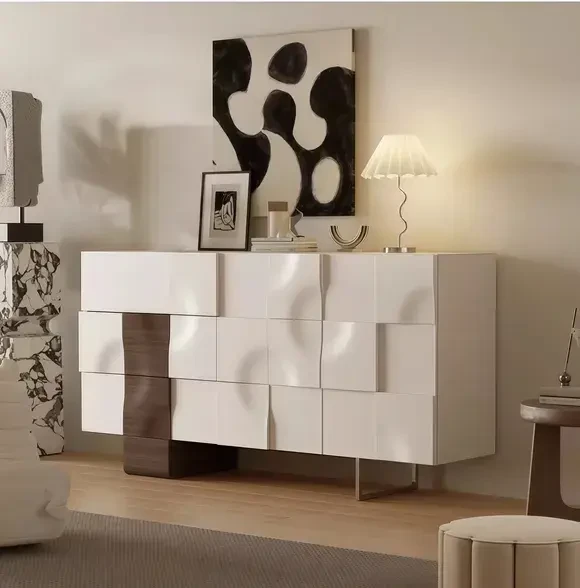
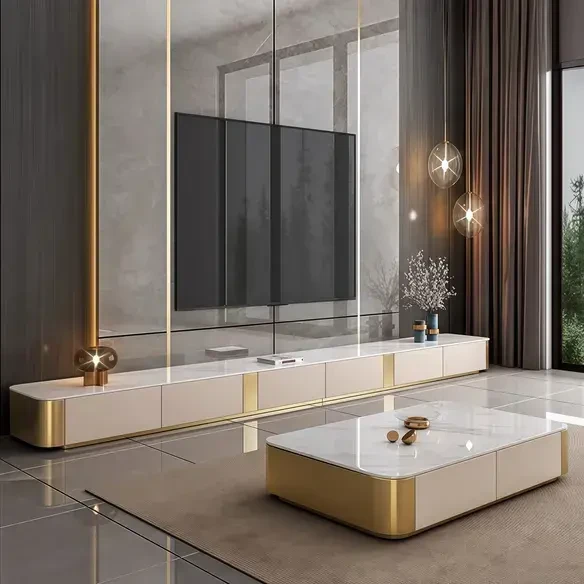
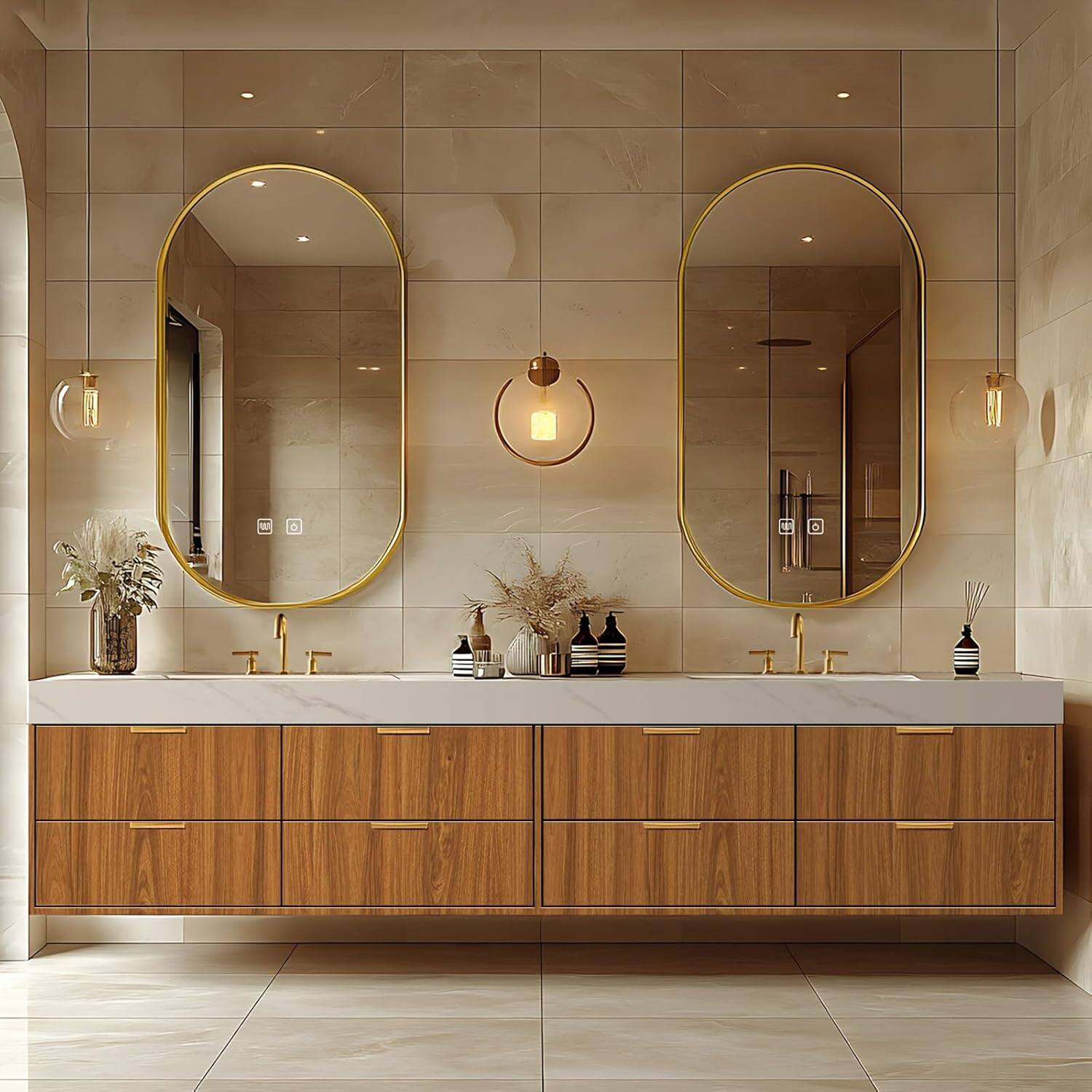
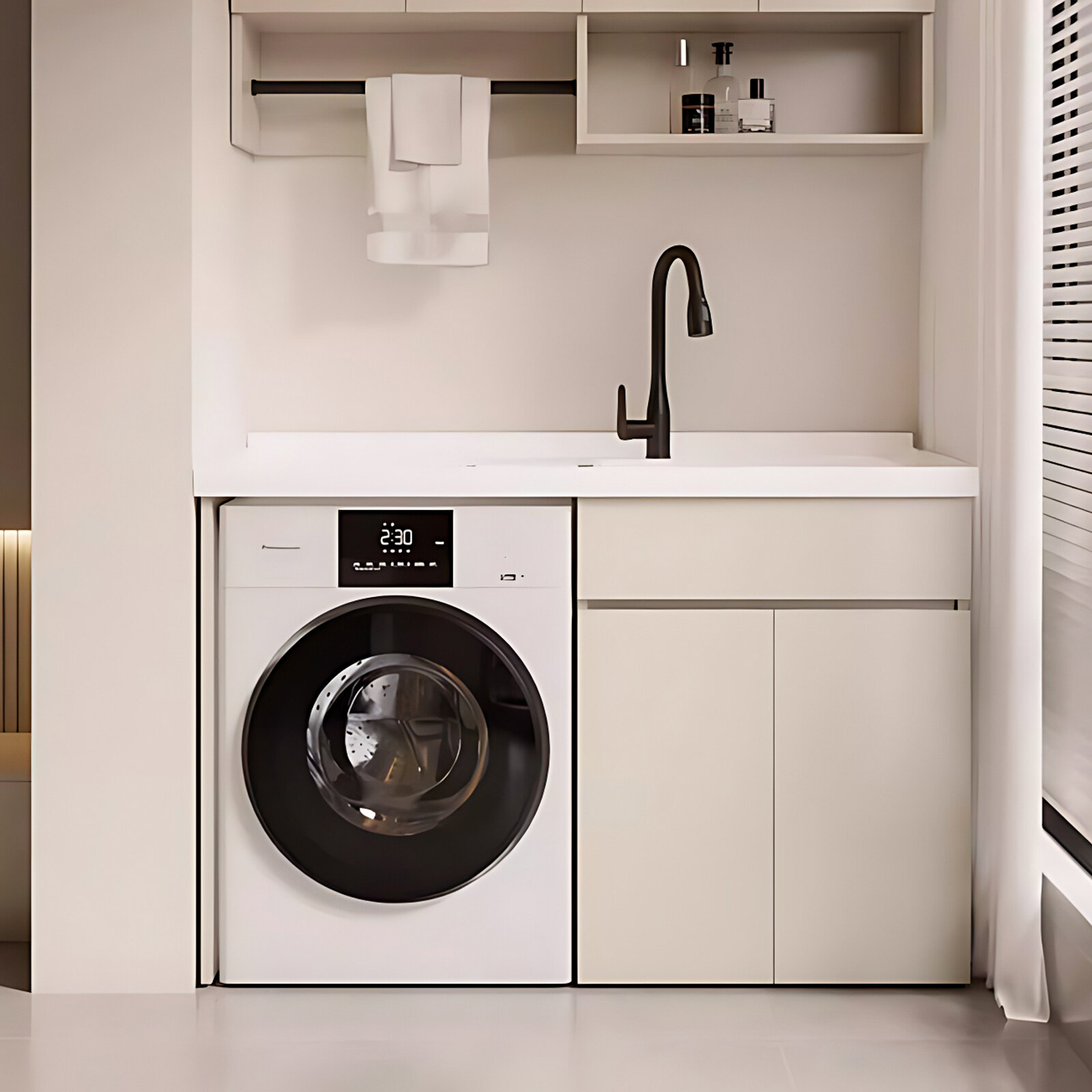
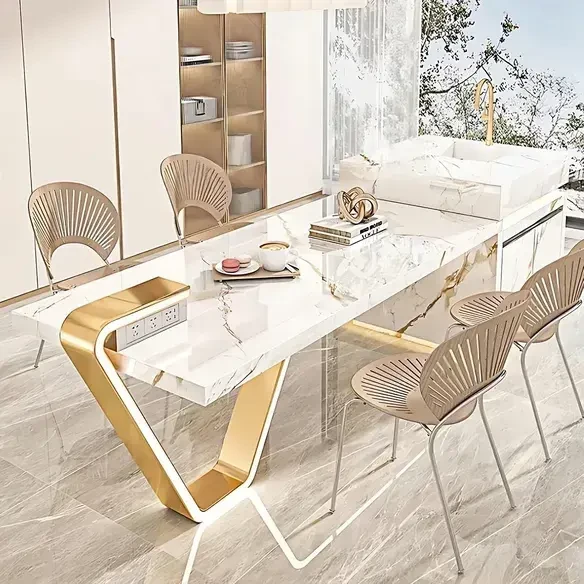
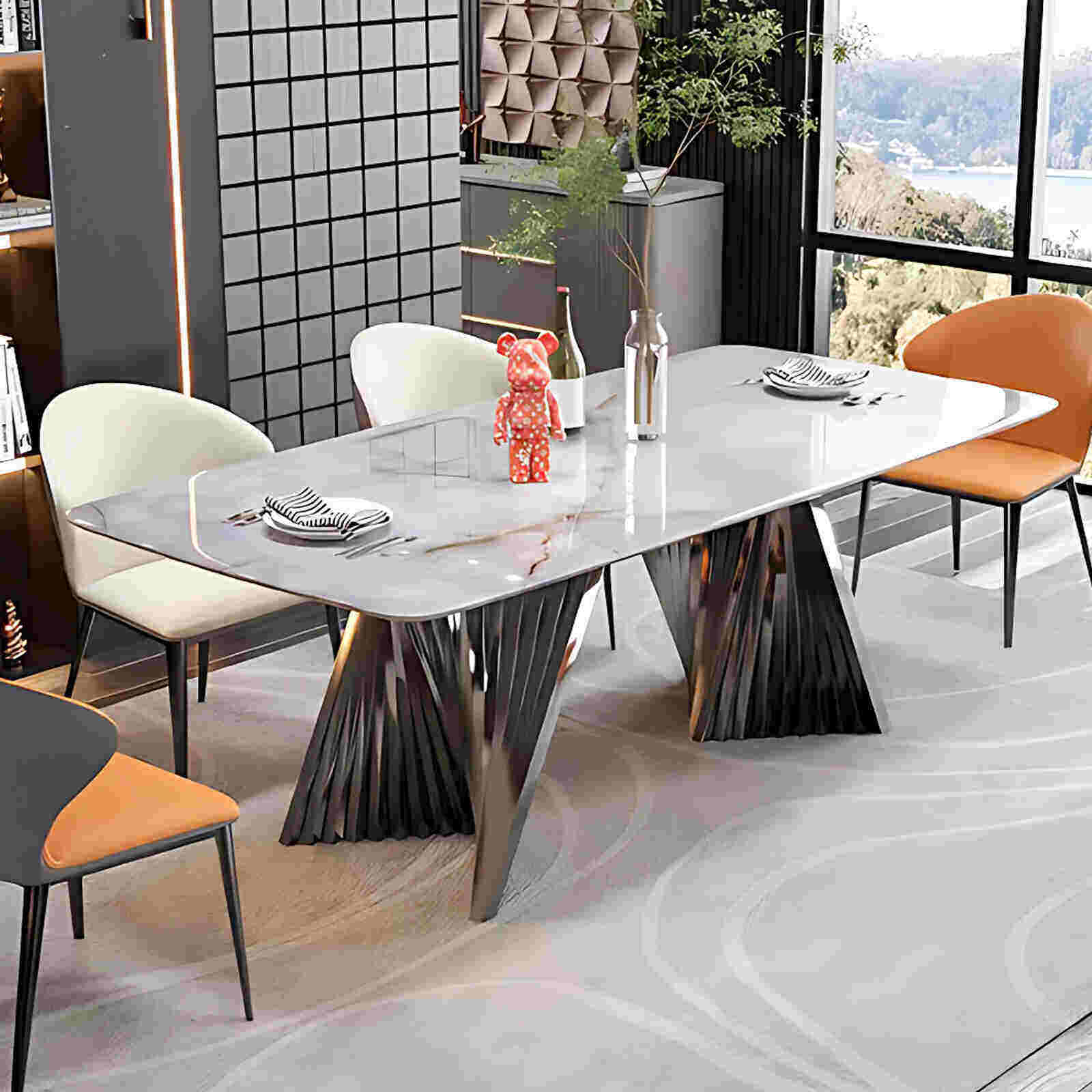
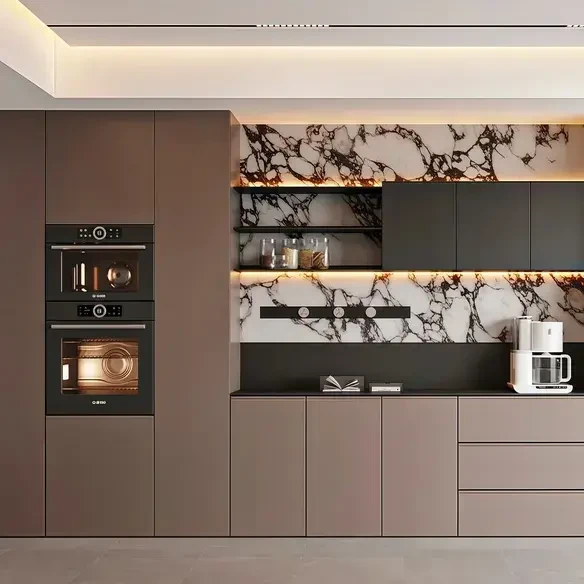
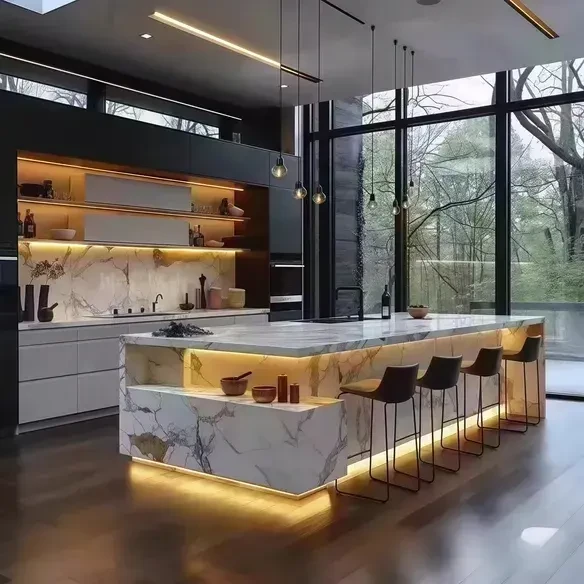
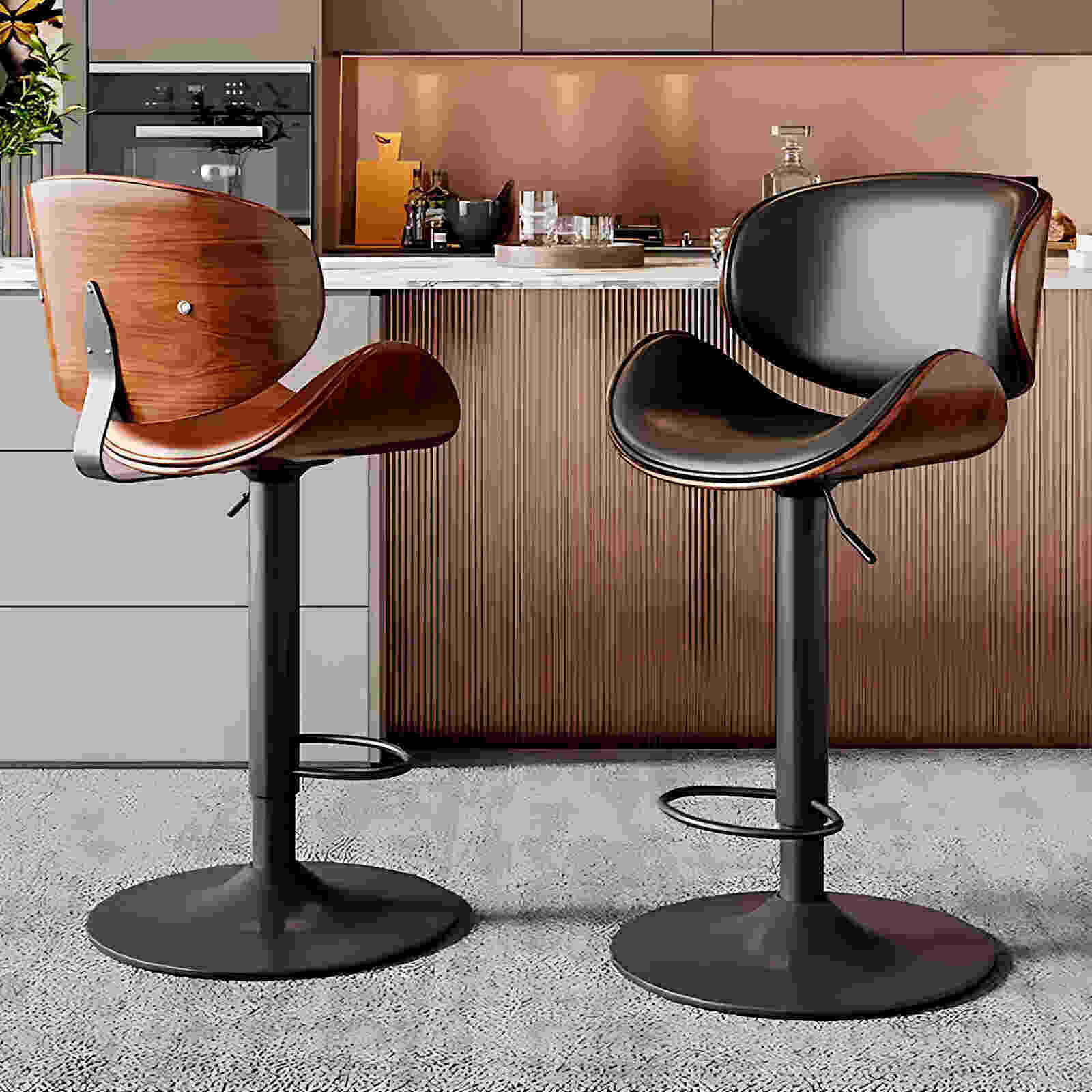
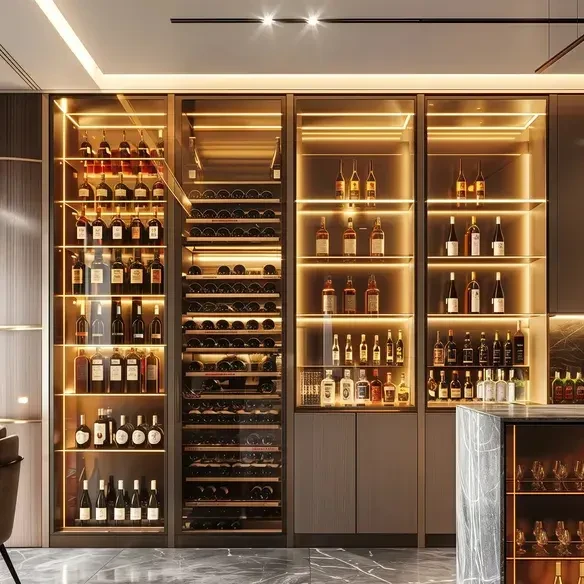
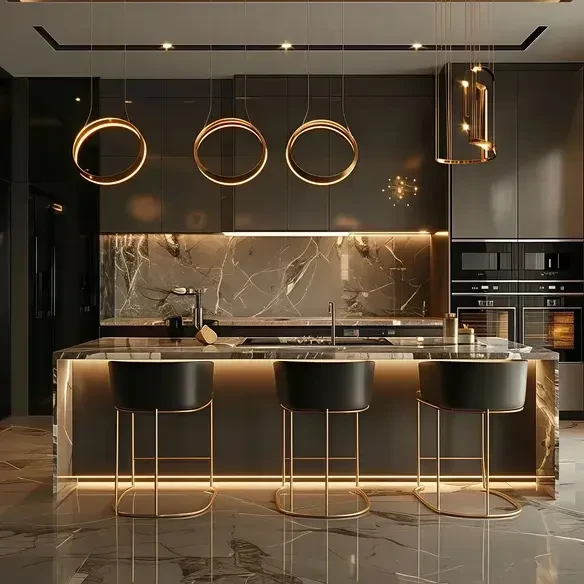
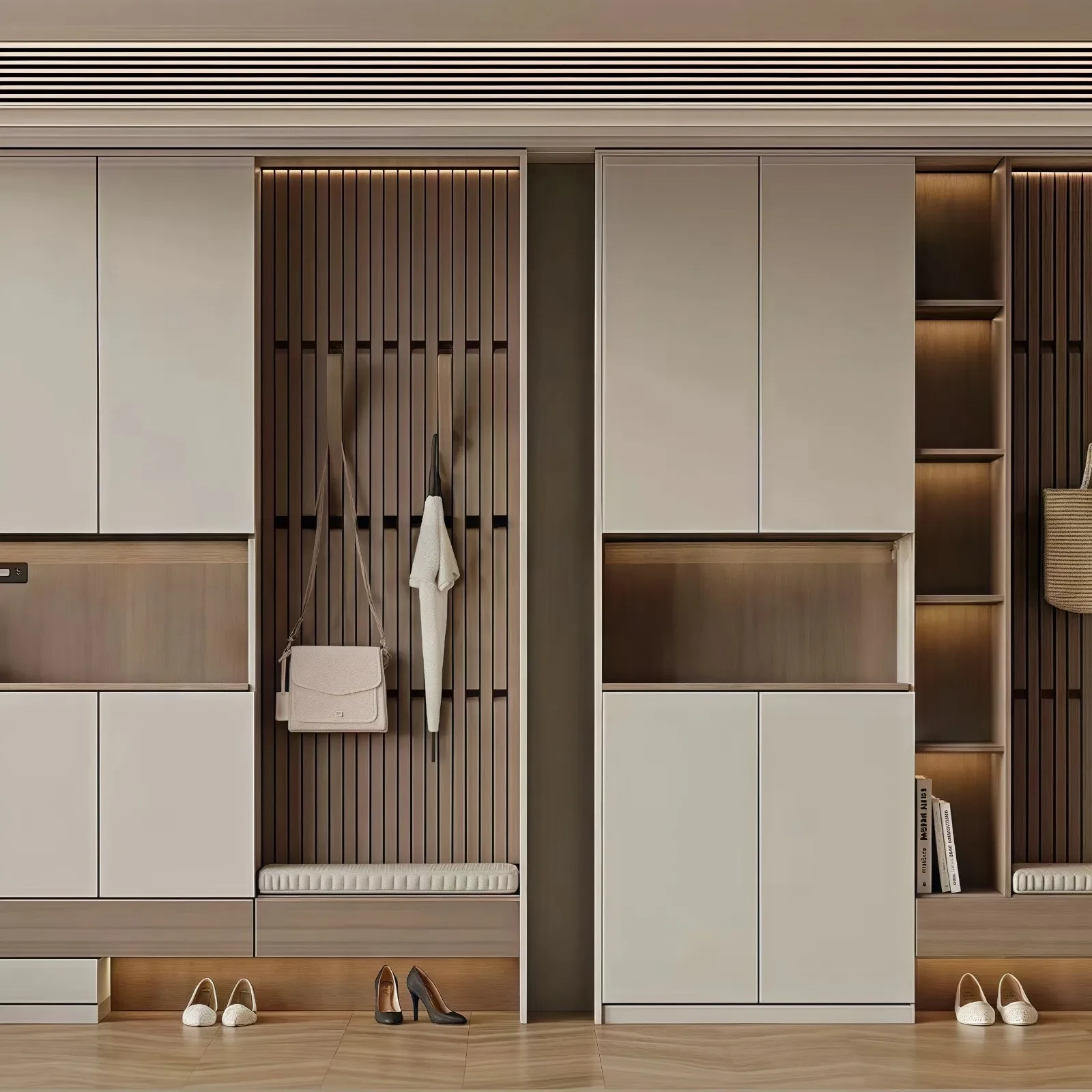
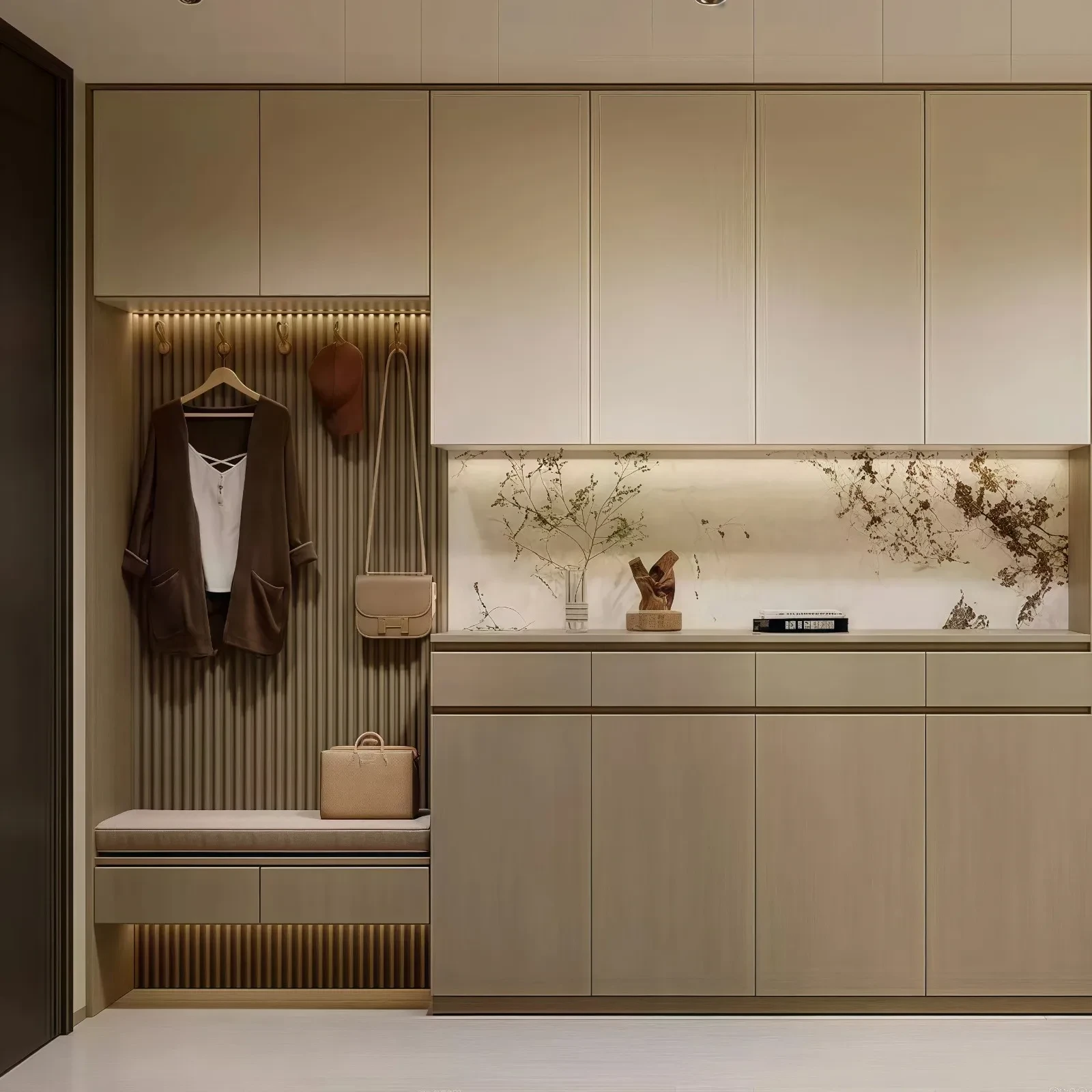
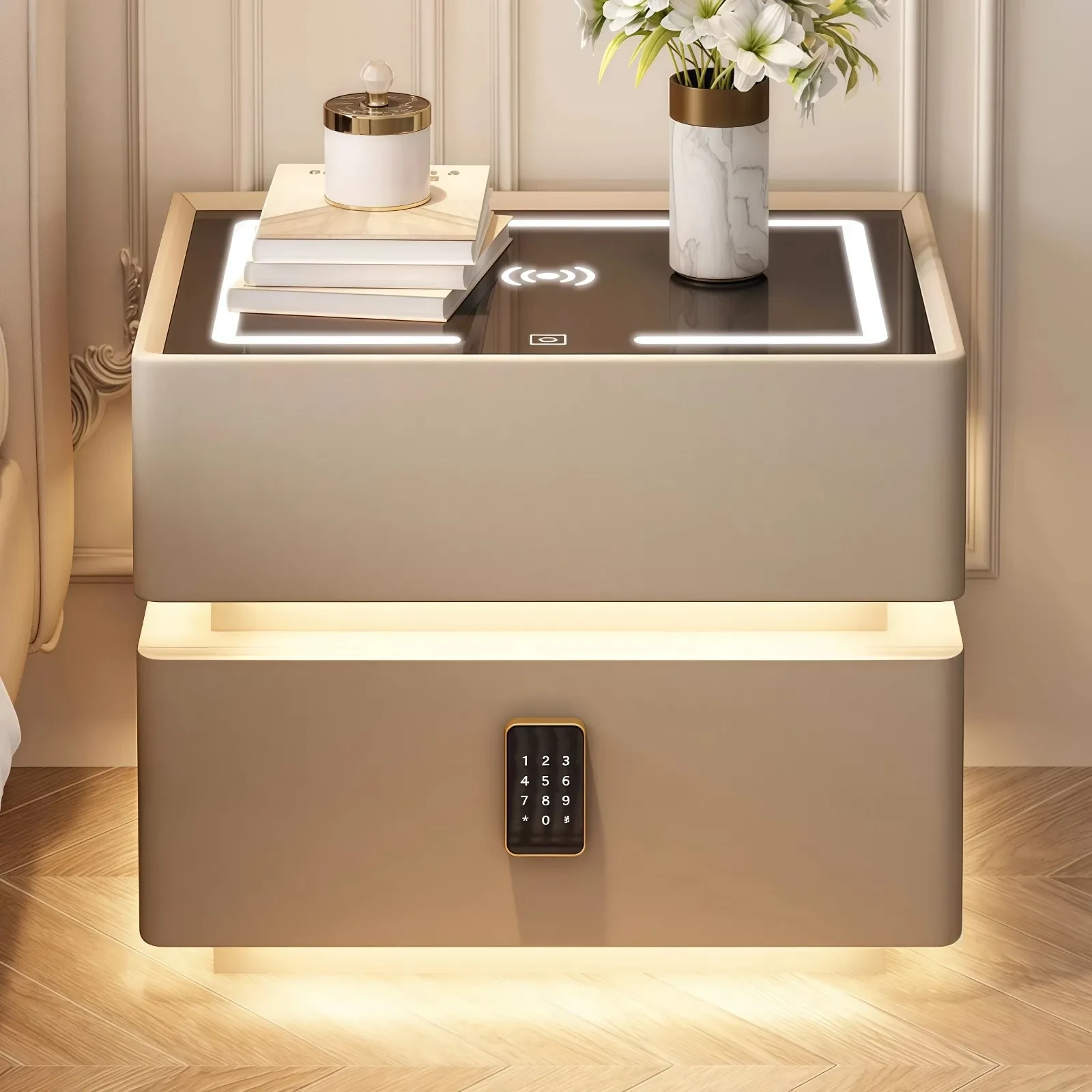
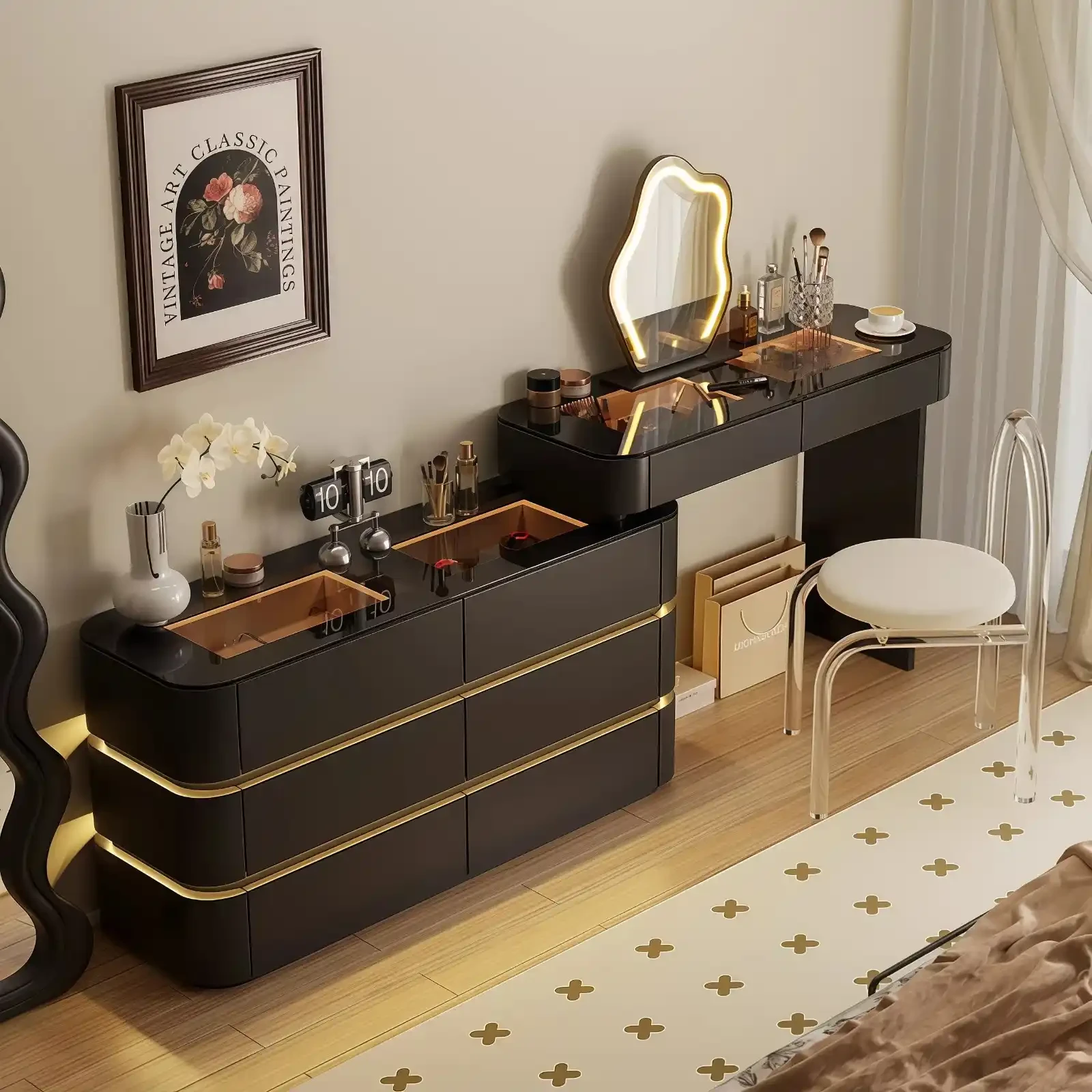
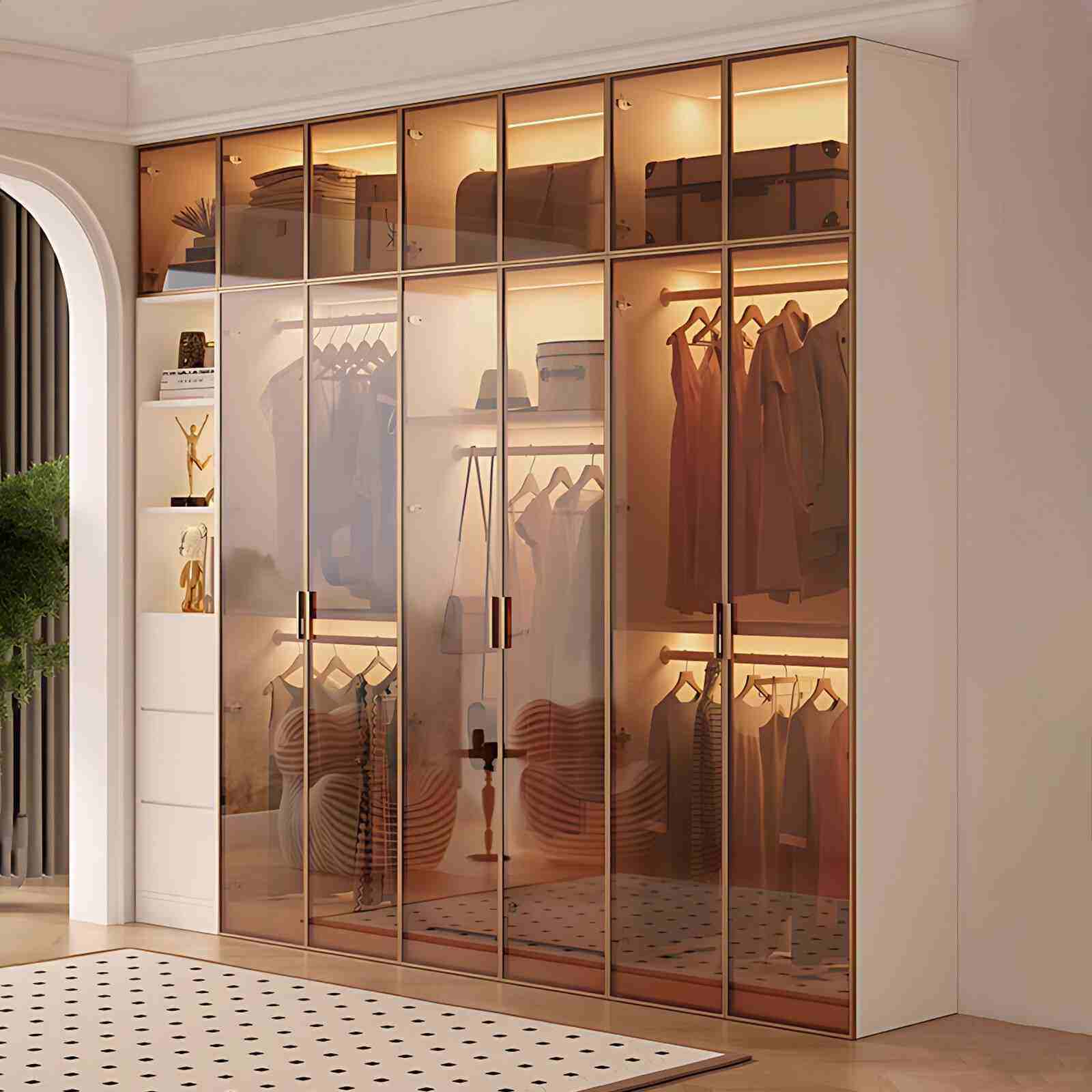
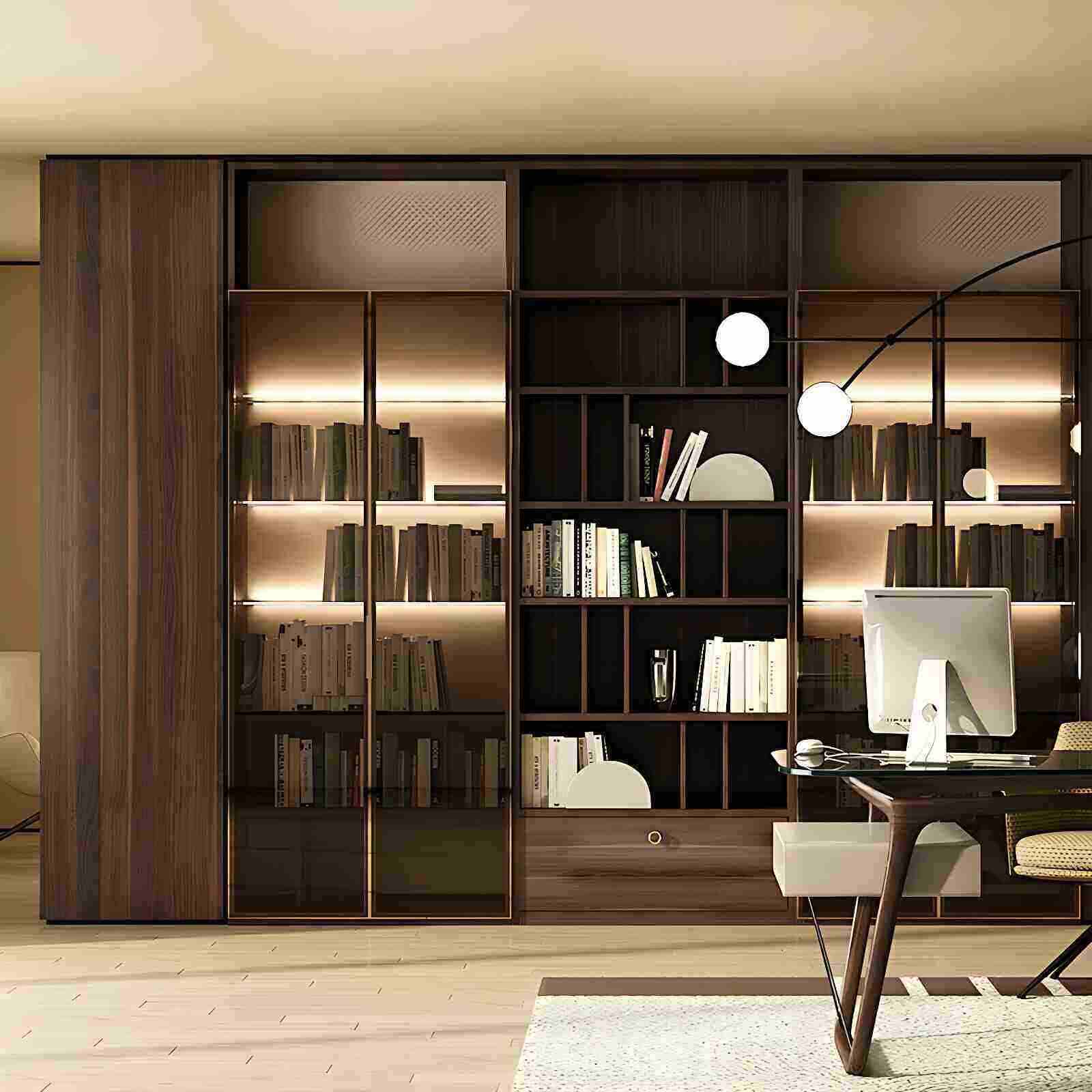
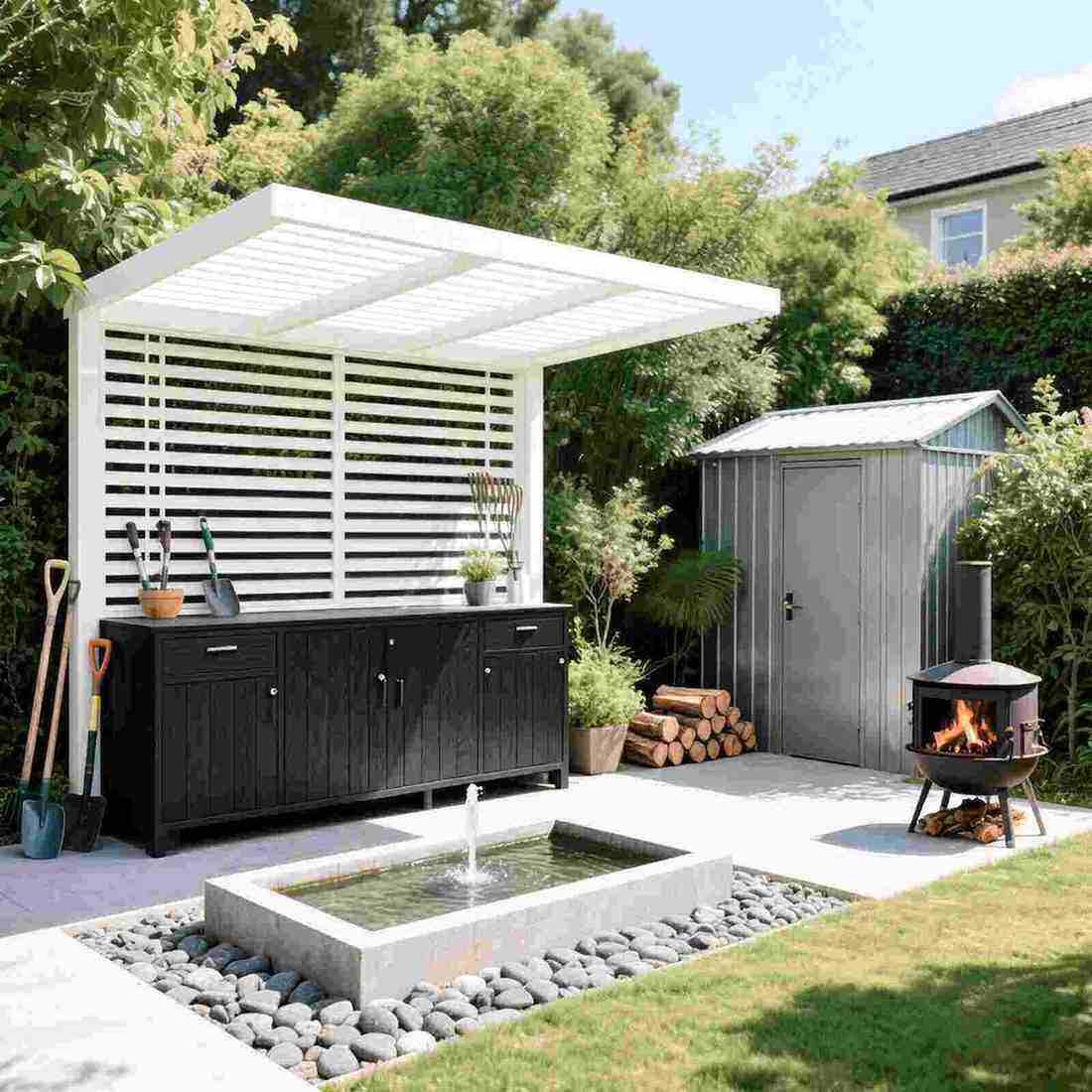
Kitchen cabinets refer to the platforms in a kitchen used for storing cookware and preparing food. They typically use bright colors and consist of five main components: the cabinet body, doors, hardware, countertop, and appliances. Integrated kitchen cabinets have become a popular kitchen renovation method today. So, what kind of materials are best for making kitchen cabinets?
The selection of cabinet materials should be carefully considered. There are many styles of cabinets on the market today, and these include cabinets made of different materials, such as solid wood, stainless steel, fireproof board, melamine board, thermoformed board, acrylic board, and painted board. Each material has its own advantages and disadvantages. Below, we'll briefly discuss which materials are best for making cabinets.
What kind of board is best for making kitchen cabinets?
1. Vacuum-formed board
Currently, the main substrate of vacuum-formed panels is medium-density fiberboard (MDF), and the surface is mainly formed by vacuum forming or by using one-time seamless PVC film pressing technology. The characteristics of this type of board for cabinets are: bright and rich colors, vivid textures, scratch resistance, and heat resistance. It is the most mature cabinet material. For daily grease, it can be simply wiped with a cloth, making maintenance simple and convenient.
2. Molded type
It uses MDF as the base material and PVC as the surface layer, and is formed by high-temperature hot pressing. It is divided into two main categories: matte molded board and high-gloss molded board, and can be processed into various shapes.
3. Metallic texture
Its structure consists of a medium-density fiberboard (MDF) covered with a metal or imitation metal plate that has undergone special oxidation treatment, precision wire drawing and polishing, resulting in a fine protective layer on the surface. This material has excellent wear resistance, high temperature resistance, and corrosion resistance, and requires minimal maintenance. It has a fine texture, is easy to clean, and has a long lifespan.
4. Baked paint type
The base material of the lacquered panel is MDF (medium-density fiberboard), and the surface is finished by six spray-painting processes using imported paint (three base coats, two top coats, and one clear coat) at high temperatures. Currently, the term "lacquered" used for kitchen cabinets simply refers to a technique where the base panel is sprayed with paint and then dried in a heated oven. Lacquered panels are characterized by their vibrant colors, ease of shaping, strong visual impact, and high aesthetic appeal. They also offer excellent water resistance, stain resistance, and easy maintenance.
5. Enclosed frame type
The framed door panel uses medium-density fiberboard as the base material and is wrapped with PVC. The core panel is made of decorative board or fireproof board, etc., which are further processed and spliced by the cabinet company. Its advantages are rich colors, and the frame and double-sided decorative board can be matched at will to fully reflect the characteristics and fashion. It is convenient and simple to maintain and clean. In addition, the frame and core panel are stable, do not deform, and do not require edge banding.
6. Mirror-finish resin board
It's still widely used in kitchen cabinet markets. Its characteristics are similar to lacquered door panels: stylish, rich in colors, and waterproof. However, it's not wear-resistant, scratches easily, and its heat resistance isn't excellent. Therefore, consumers who prioritize color and style can choose cabinets made of mirrored resin panels, but because they scratch easily, they need careful maintenance.
7. Solid wood type
Cabinet doors made of solid wood are often classic in style and generally more expensive. The door frames are made of solid wood, primarily in cherry, walnut, and oak colors.
8. Melamine decorative panel type
Melamine board, also known as melamine-impregnated paper-faced engineered wood, is made by soaking paper with different colors or textures in melamine resin adhesive, drying it to a certain degree of curing, and then laying it on the surface of particleboard, medium-density fiberboard, hardboard, plywood, or blockboard, and then hot-pressing it.
9. Fireproof board
Fireproof boards are also known as fire-resistant boards. As the name suggests, they have strong fire resistance and bright, attractive colors. However, the quality of fireproof boards is not always easy to guarantee, and improper use can lead to problems such as delamination and deformation.
10. Plastic-framed cabinets
Plastic-framed cabinets are made by attaching plastic decorative panels to the surface of a base material. They are mostly handmade, so the overall effect looks very good and beautiful. However, over time, problems such as peeling and fading will occur, and there will also be many hard-to-clean corners.
11. Acrylic glass
Acrylic glass is considered a relatively high-end cabinet material. It looks quite nice, is easy to clean, and is quite durable. However, crystal glass cabinets are more difficult to install. If some problems are not handled properly during the installation process, it can easily lead to many troubles later on.
12. Stainless steel kitchen cabinets
Stainless steel kitchen cabinets have become a popular choice in recent years. They look stylish and are easy to clean, making them a favorite among young people. However, stainless steel kitchen cabinets have relatively poor heat insulation properties.
13. Solid wood cabinets
Solid wood cabinets are the most common type of cabinet we see, and they have a very good reputation. Solid wood cabinets are relatively high-end and environmentally friendly, but they also have their own drawbacks. Good solid wood cabinets are relatively expensive, while cheaper solid wood cabinets are relatively inexpensive.
In summary, the above is an introduction to the best materials for kitchen cabinets: the first step in kitchen moisture prevention is choosing the right materials. With rapid technological advancements, kitchen renovation has become a key project in home improvement, leading to the development of the kitchen cabinet market. However, consumers still have some misconceptions when choosing kitchen cabinets. The materials used in each part of the cabinet are the crucial factors affecting its future use.