
 USD
USD GBP
GBP
 EUR
EUR


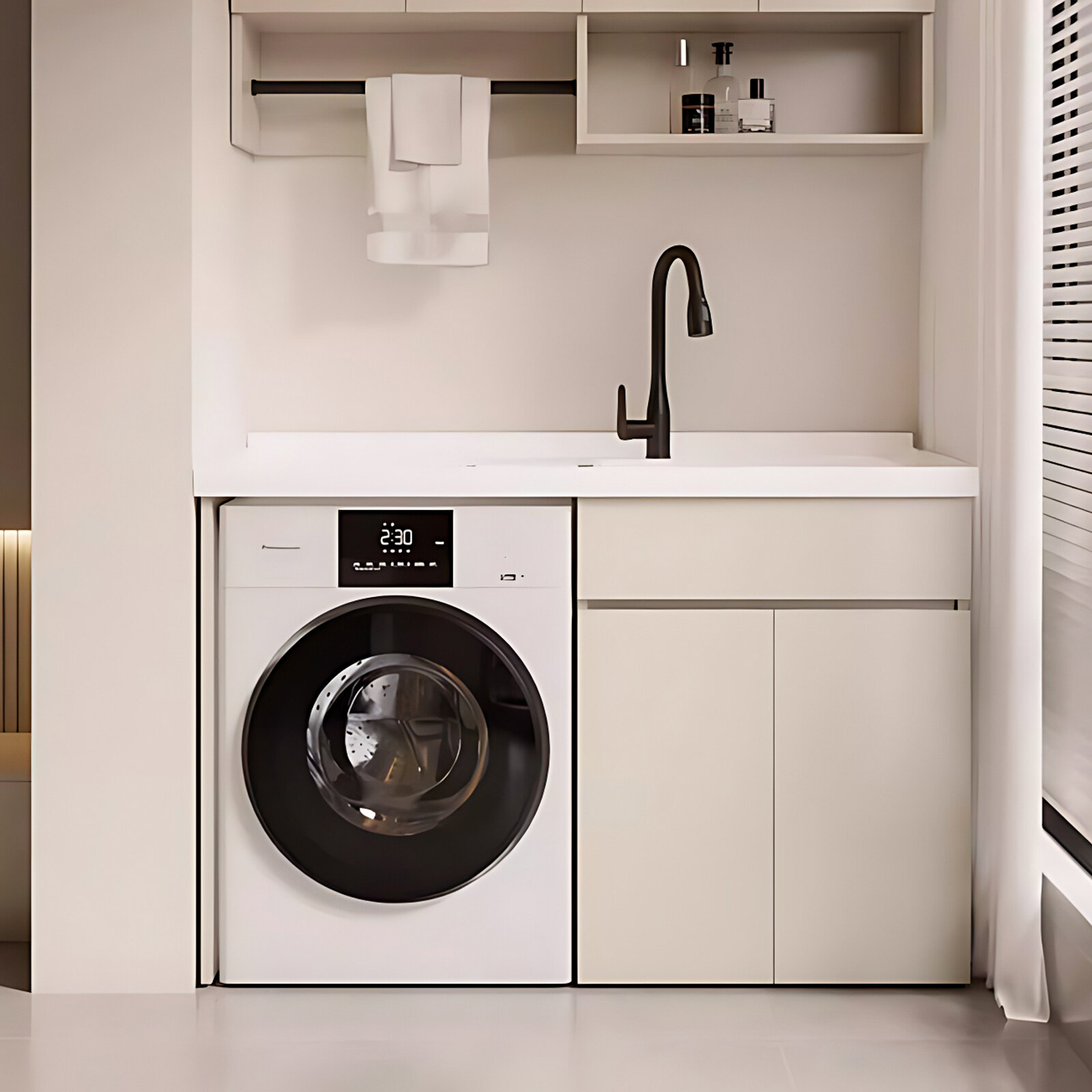
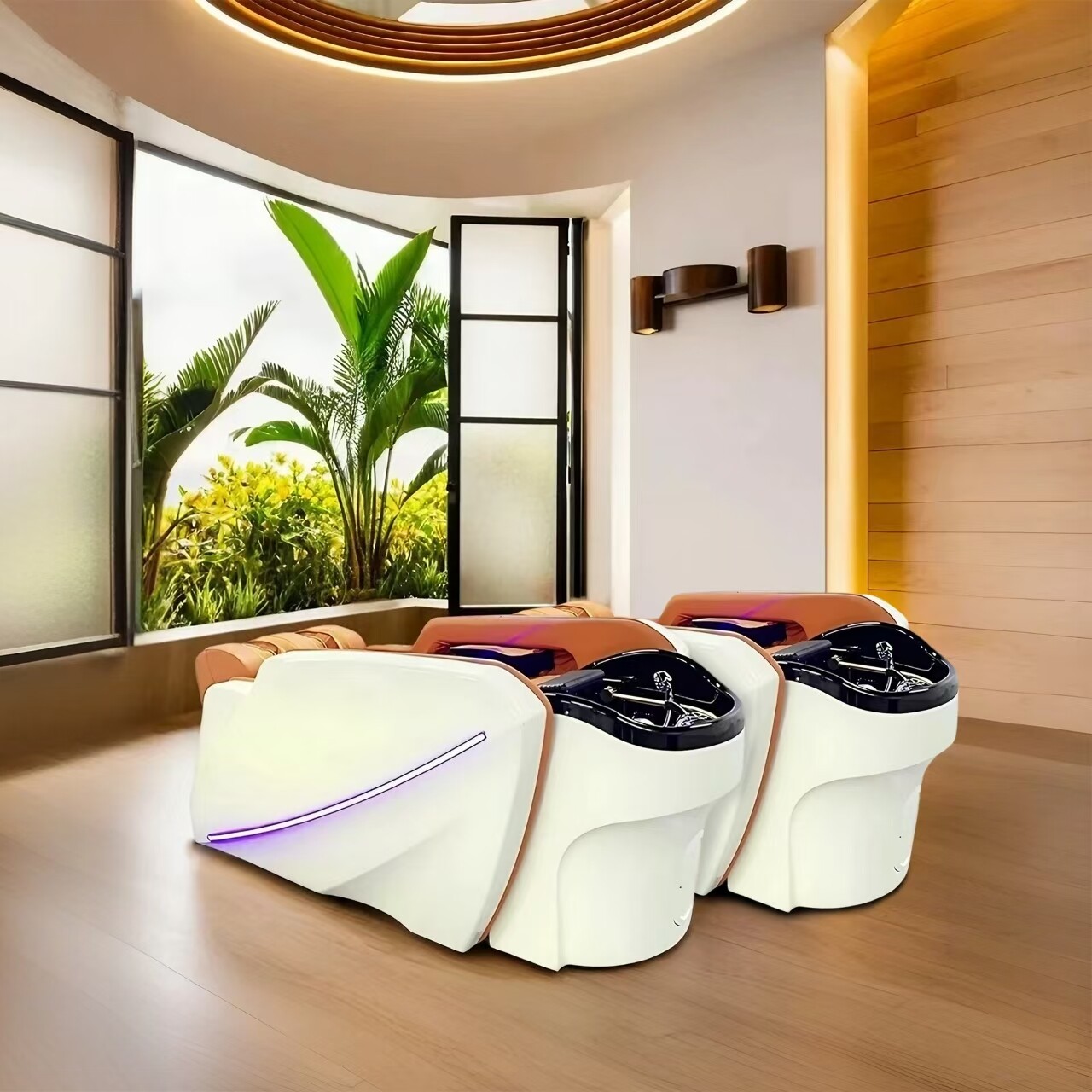
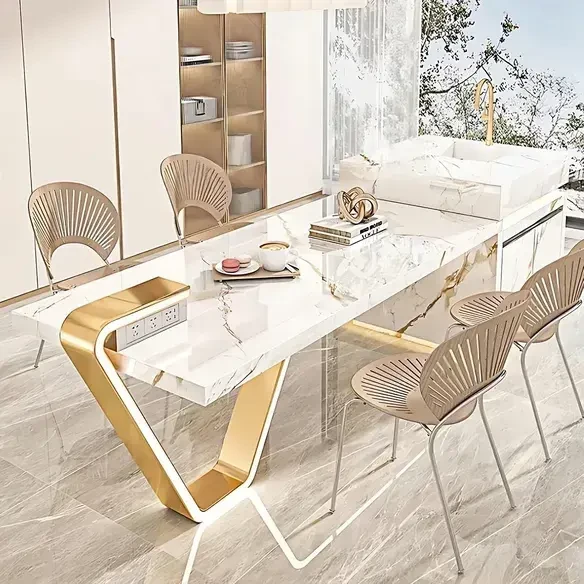
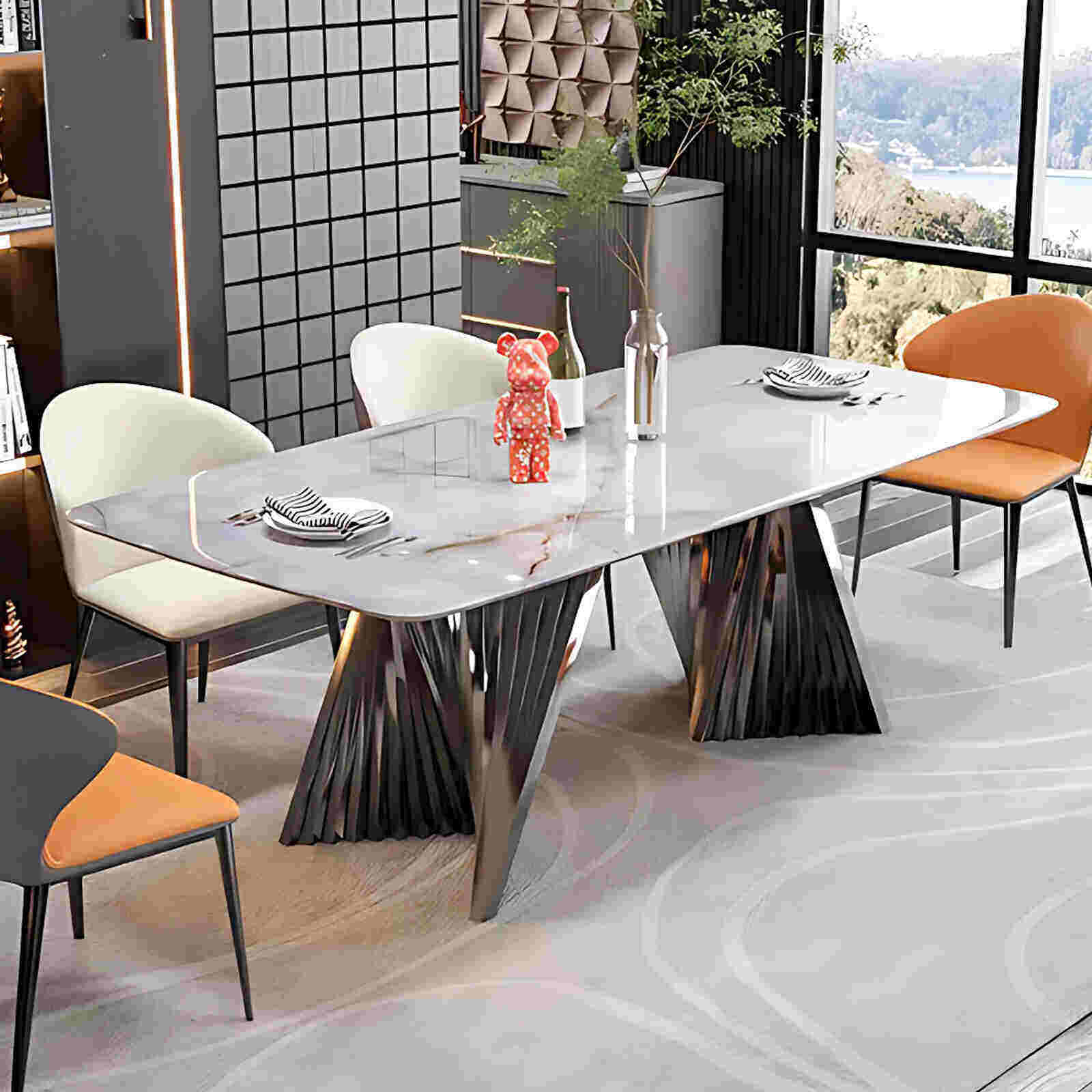


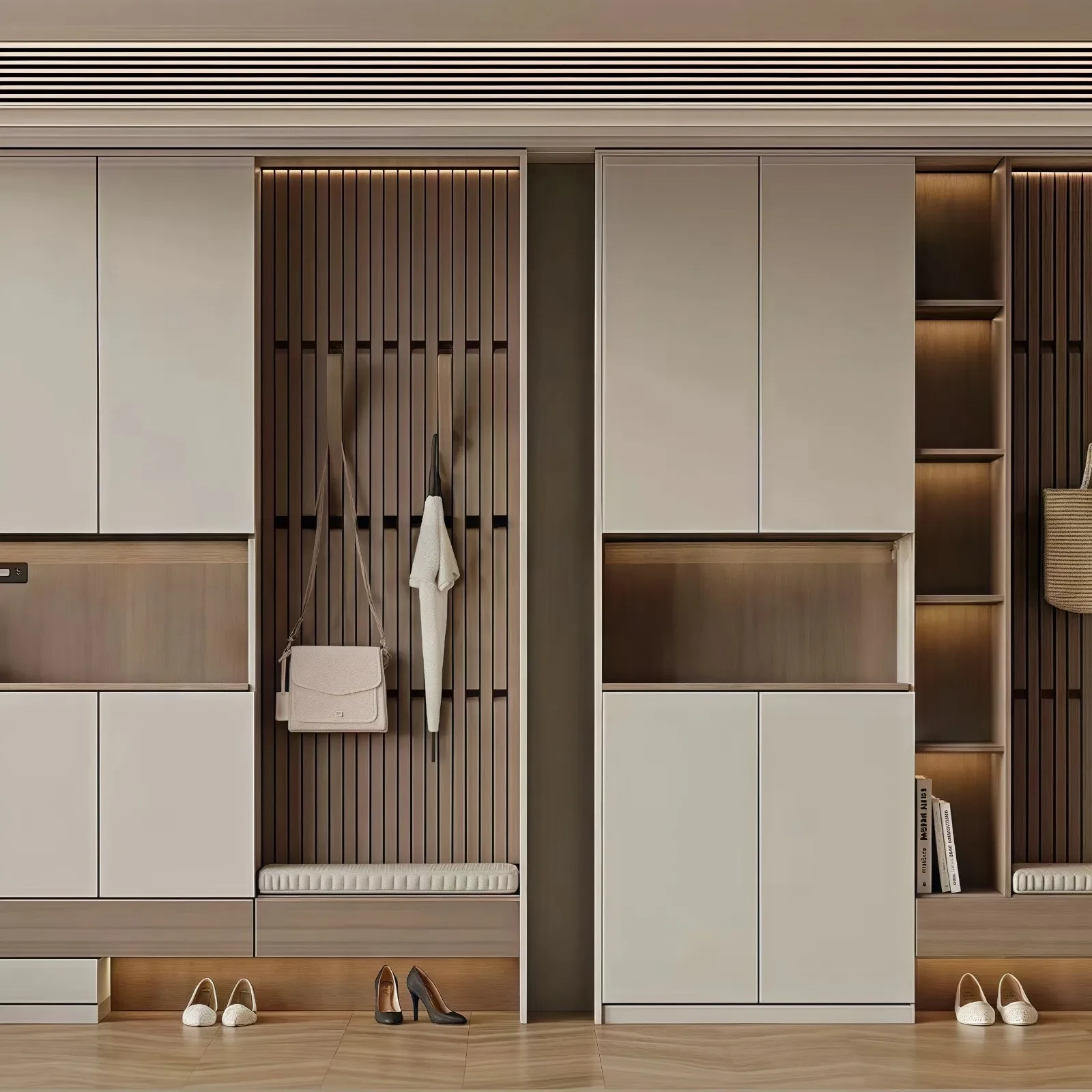
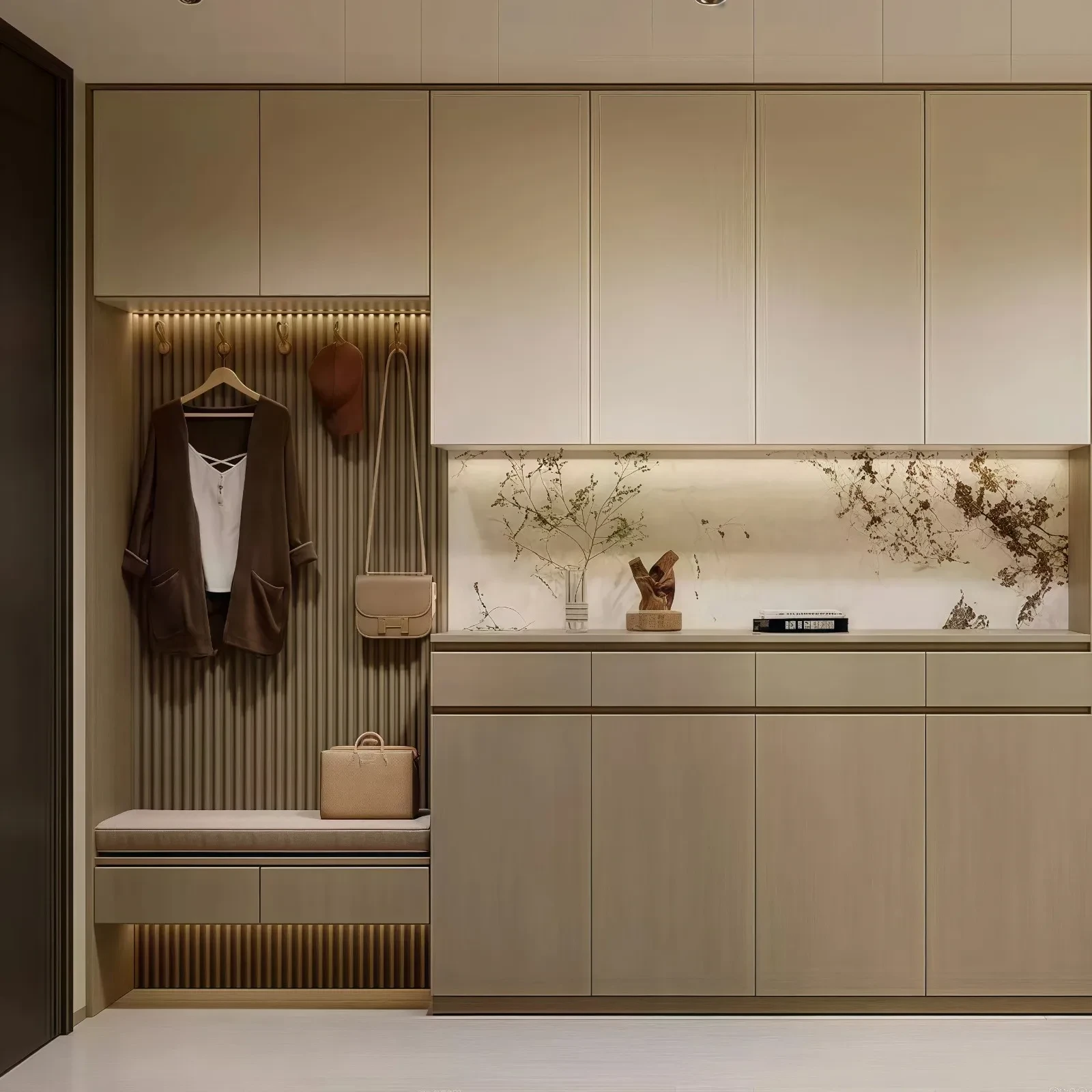
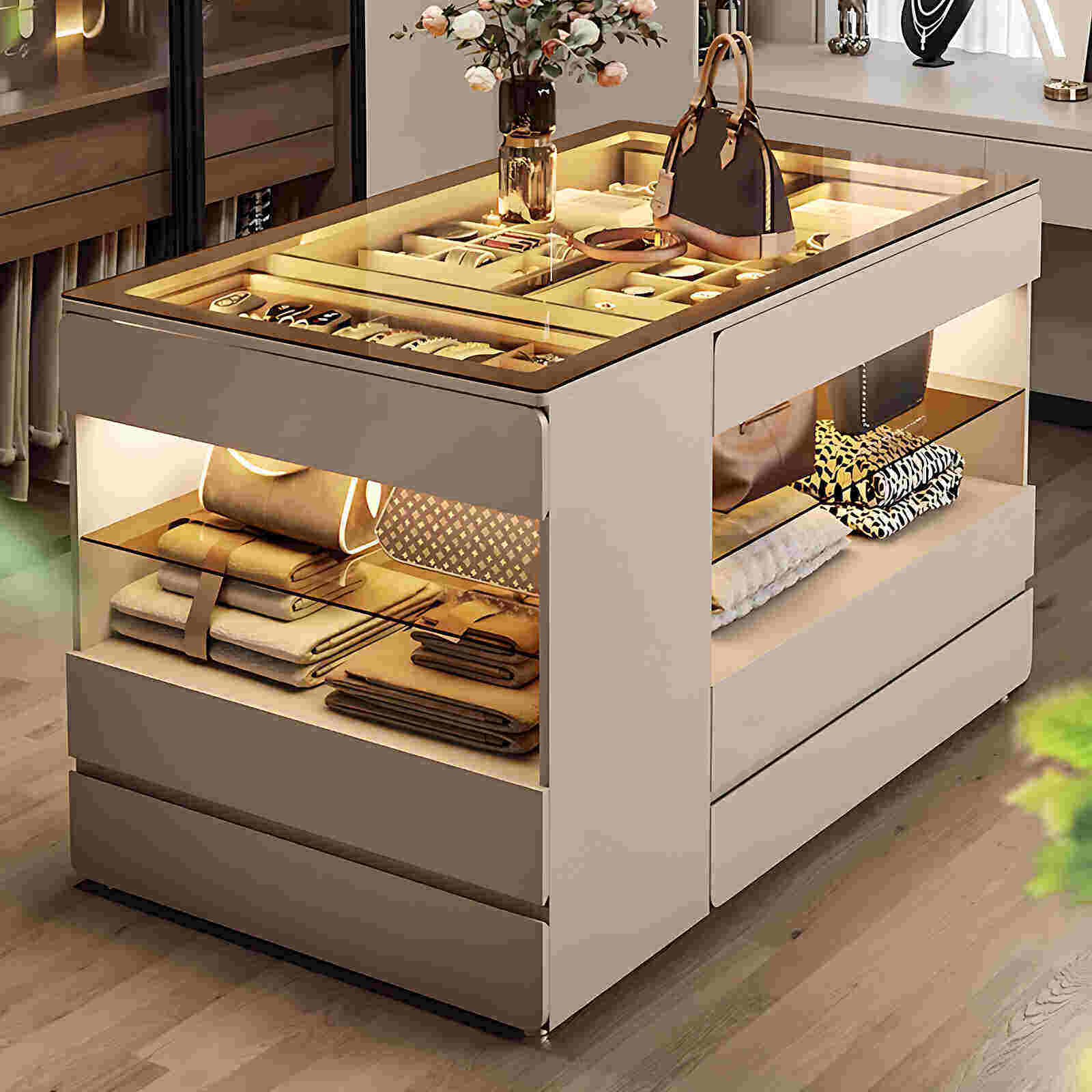
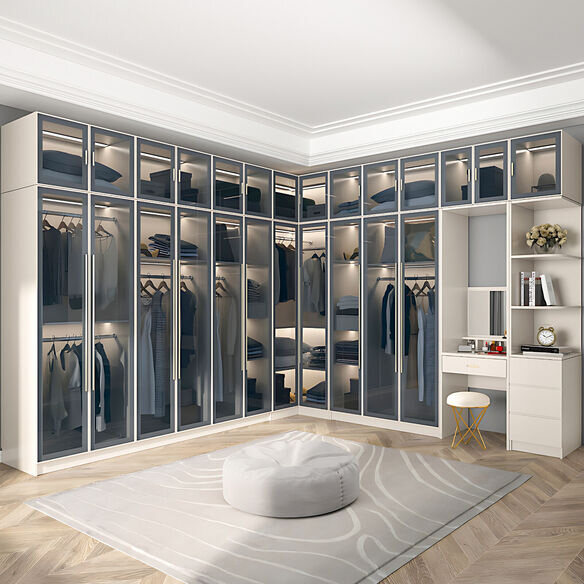
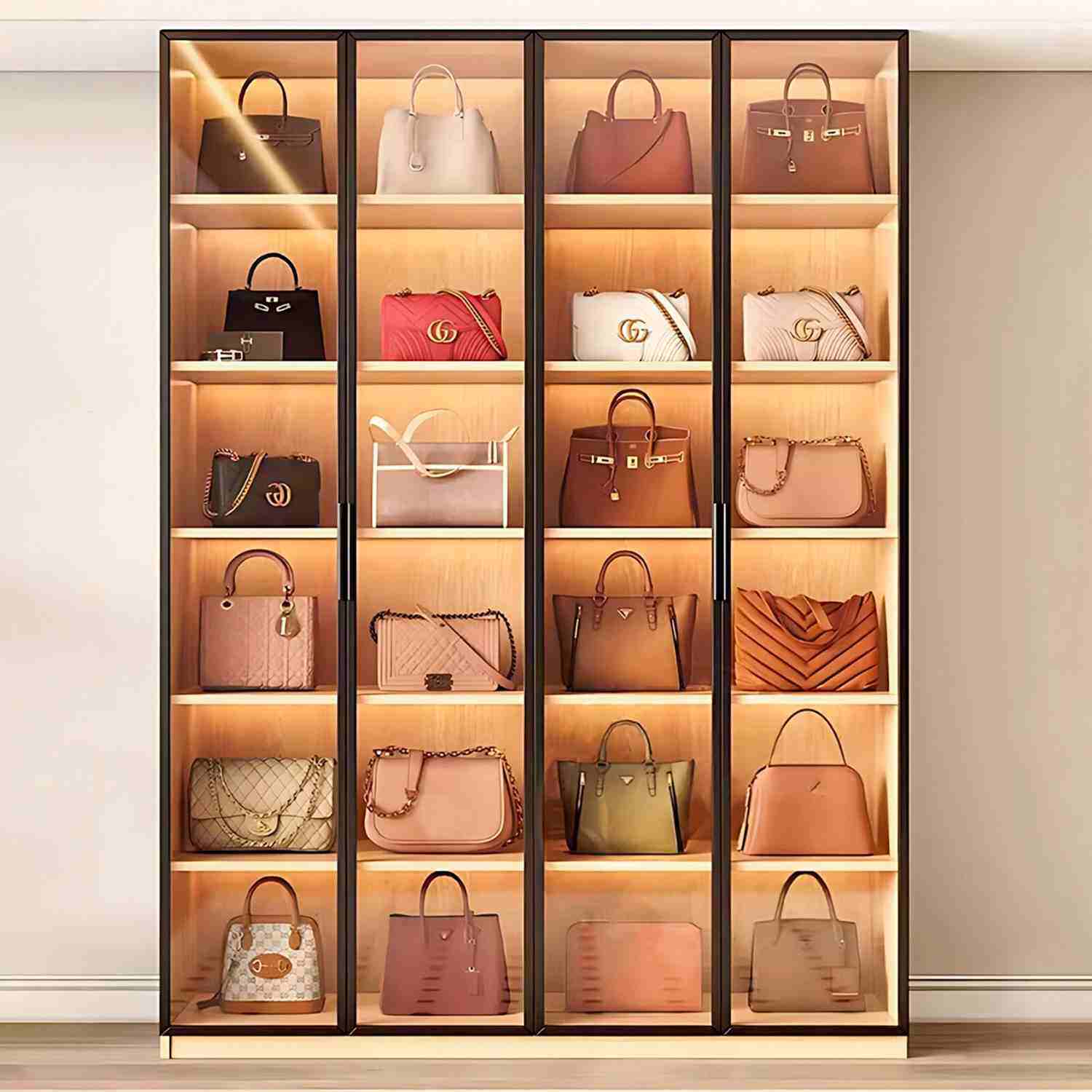
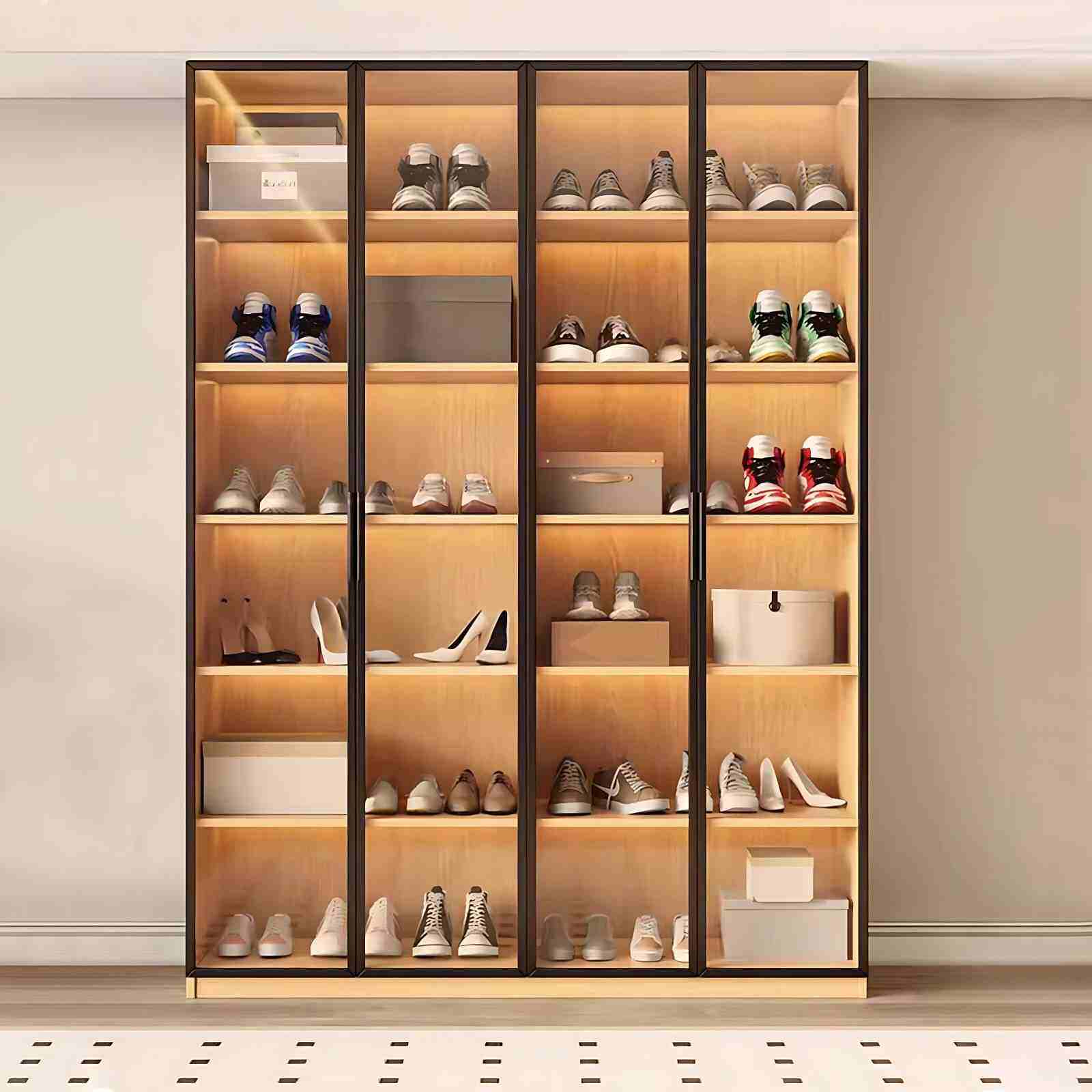
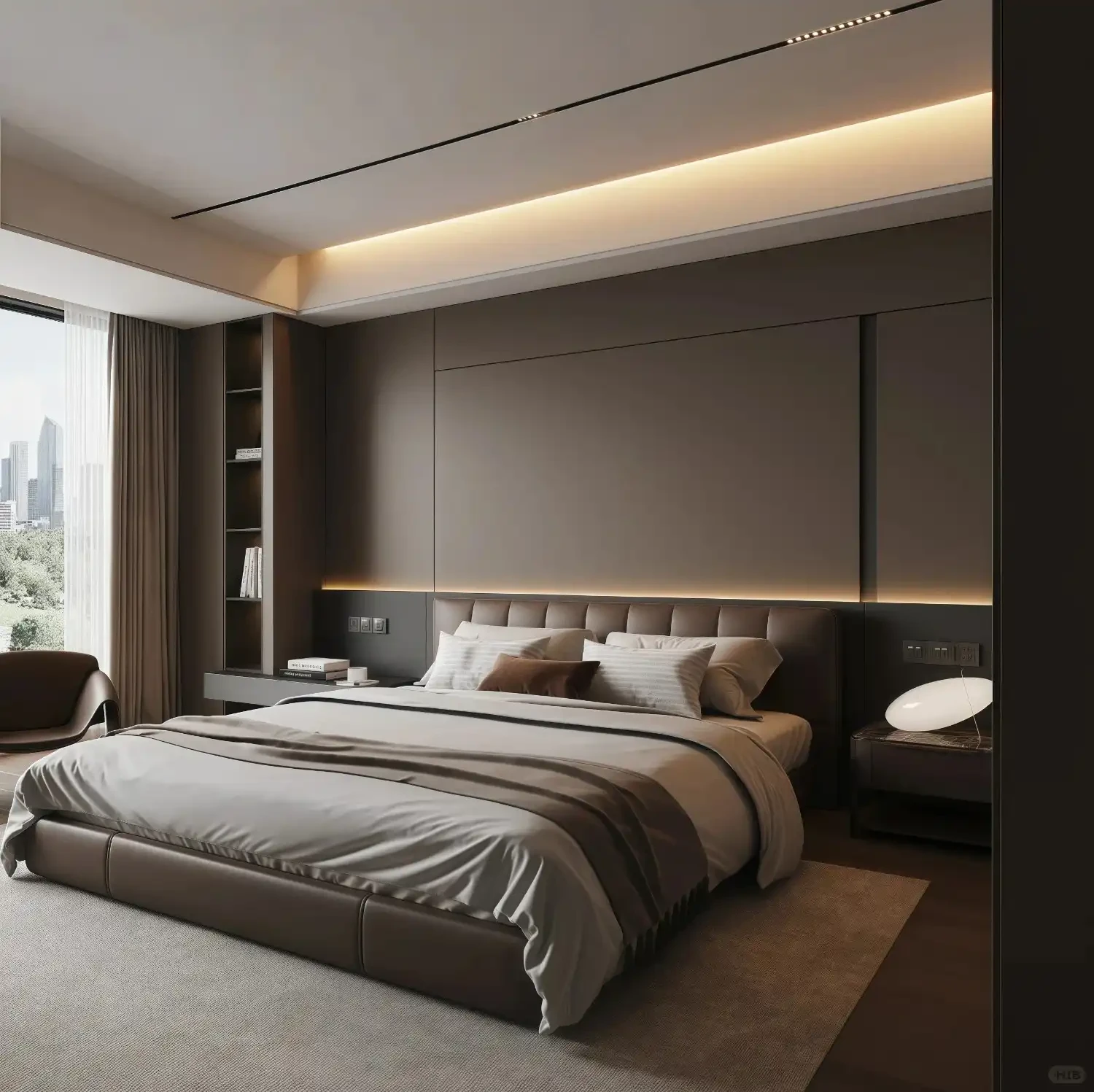
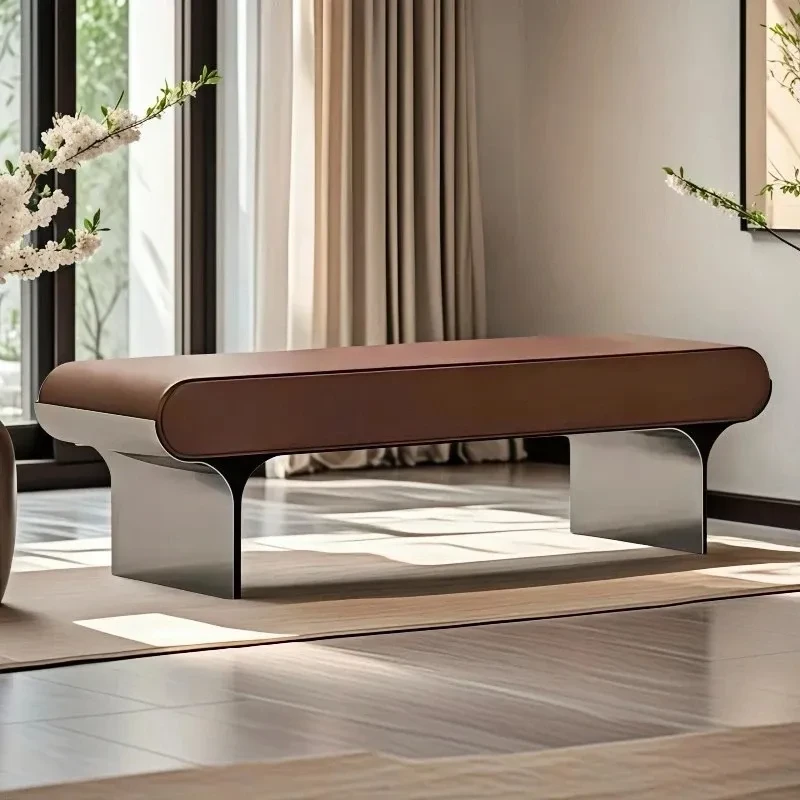
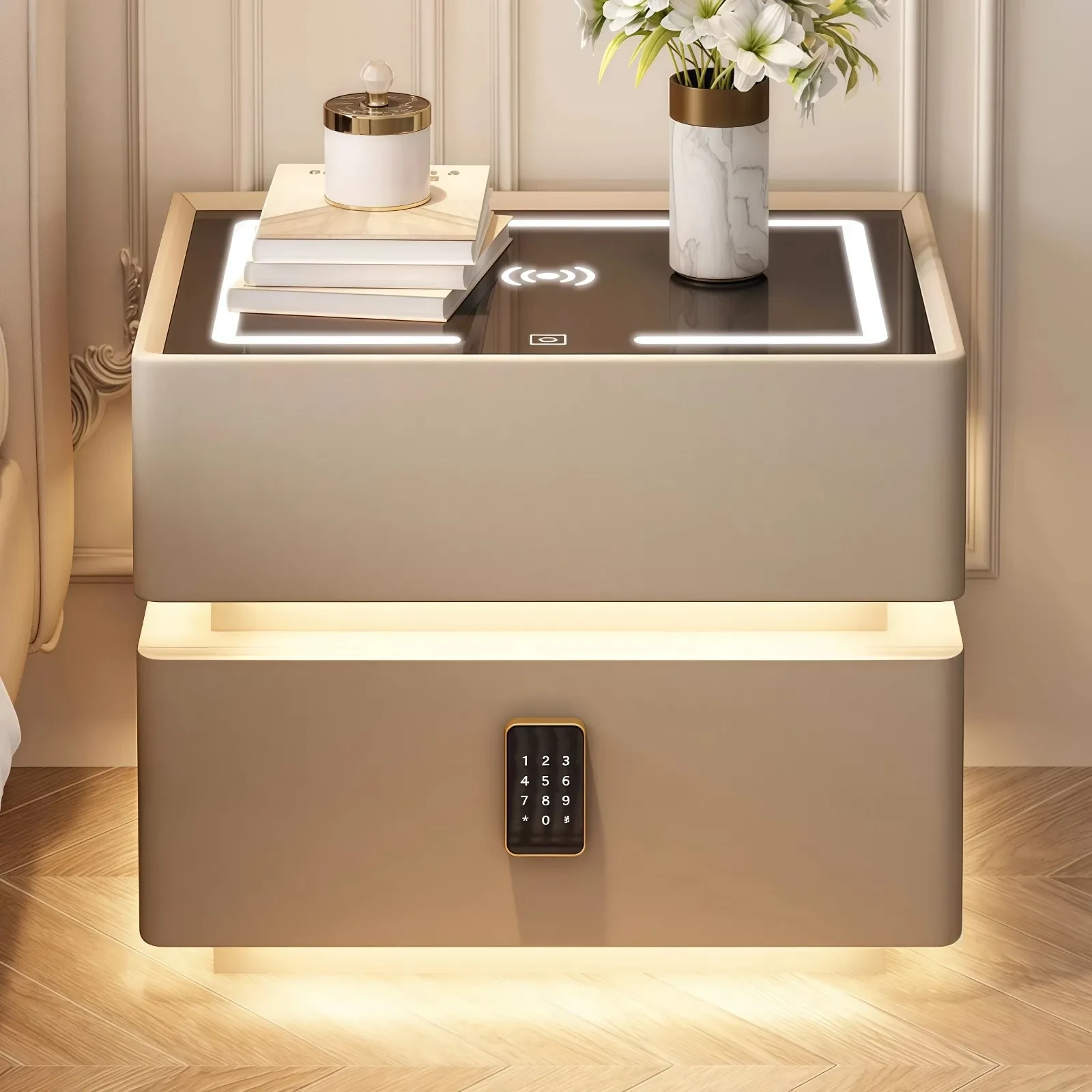
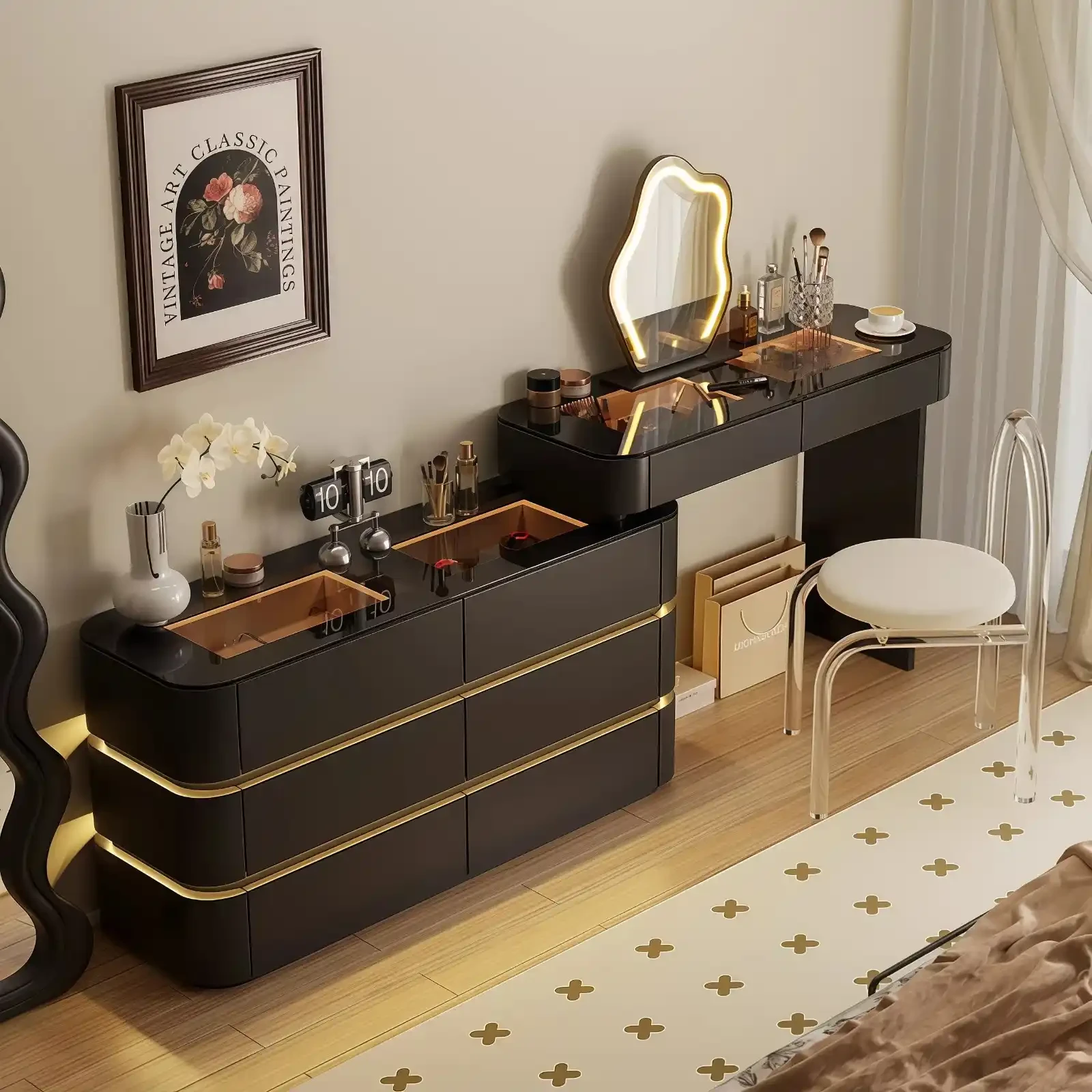
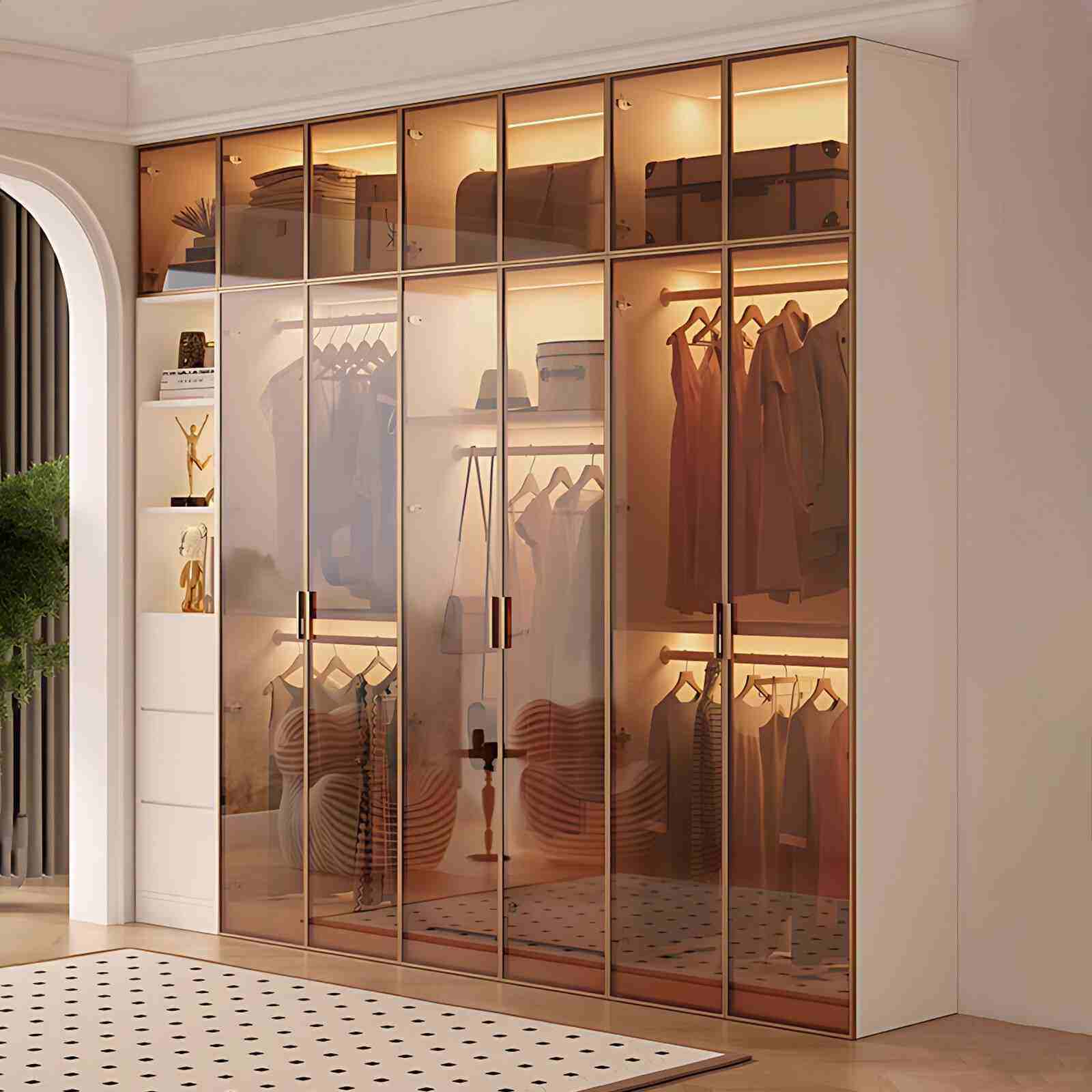
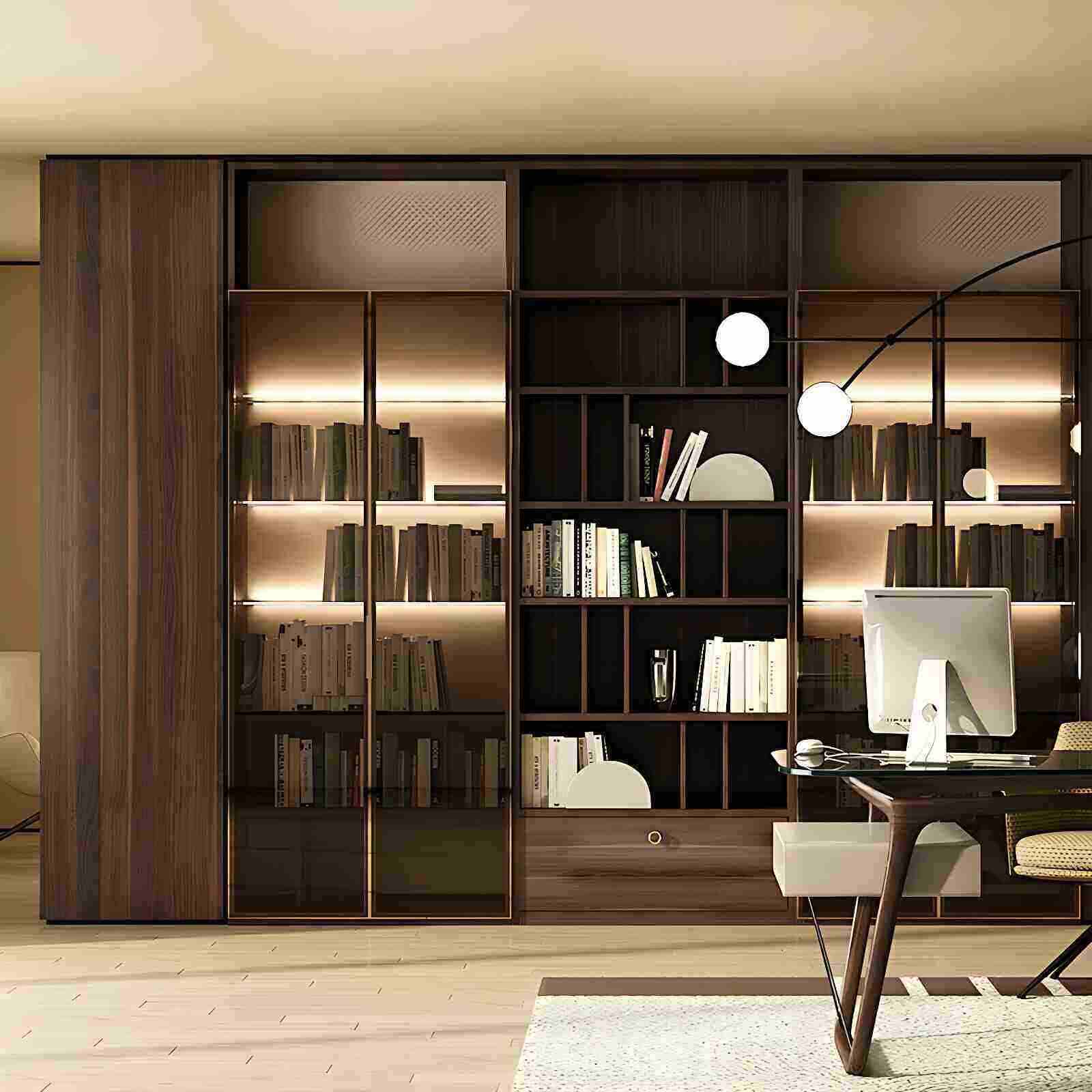

Introduction to Australian rosewood:
Chinese name: Acacia acacia
Latin name: Acacia sp.
Family and genus: Mimosaceae (Mimosa family), Acacia (Acacia genus)
Australian rosewood has a diameter of approximately 15-35cm and a length of over 10m.
Macroscopic structural characteristics of wood:
The wood is diffuse-porous, with heartwood ranging from yellowish-brown to reddish-brown, often interspersed with black or dark brown stripes, clearly distinguishable from the heartwood. The sapwood is light white, with relatively numerous, small to medium-sized pores that appear as white dots to the naked eye. Axial parenchyma is clearly visible under a magnifying glass, usually in the form of vasicentric bundles. Wood rays are sparse to medium-sized, extremely fine to very fine, and clearly visible under a magnifying glass.
Australian rosewood sample; cross-section of Australian rosewood macroscopic structure.
Microstructural characteristics of wood
The vessels are oval and round in cross-section, with solitary pores and short radial multiples, rarely in clusters. Gum or deposits are found inside the vessels. Axial parenchyma is vasicentric, vasicentric bundles, and aliform, rarely aliform or marginal. Wood fibers have thick and thin walls. Wood rays are locally storied. Uniseriate rays are few, multiseriate rays are 2-4 cells wide, and ray tissue is heterogeneous (type II and type III). Crystals were not observed.
Microscopic cross-section of Australian rosewood; Microscopic tangential section of rosewood
Characteristics of Australian rosewood:
High yield: The wood is straight without bending, with large heartwood and little sapwood. The sapwood is about 1 cm wide. The heartwood is free of wormholes, rot, cracks or splits. The yield is as high as 85%.
Wood stability: Shrinkage, radial shrinkage 1%, tangential shrinkage 1.8%, African rosewood radial shrinkage 3.5%, tangential shrinkage 7.4%.
The material is hard: it has high strength and hardness, the wood is rot-resistant, termite-resistant, and can resist bacteria and insect damage. The wood is heavy, with a density as high as 0.91-1.05g/cm3.
Slightly textured: The heartwood is yellowish-brown to reddish-brown in color, with a strong luster, a slight fragrance, straight grain, and a sense of layering and modernity in varying shades.
High cost-performance ratio: There is stock available, resources are plentiful, prices are stable at around 4,000 yuan/ton, and it is not listed in the CITES appendices or the IUCN Red List of Threatened Species, making it suitable for long-term trade.
Australian rosewood market prospects:
Australian imported acacia wood, commonly known in the market as "Australian rosewood" or "golden acacia," is called Lance Wood in English. Australia has a rich variety of acacia species, with the main traded species including Acacia shirleyii and Acacia doratoxylon.
At the 17th Conference of the Parties to the Convention on International Trade in Endangered Species of Wild Fauna and Flora (CITES) held in Johannesburg, South Africa in 2016, all species of Dalbergia and Pterocarpus erinaceus were listed in Appendix II of the Convention on International Trade in Endangered Species of Wild Fauna and Flora (CITES). This increased the difficulty of trading these species and caused a sudden increase in the price of various rosewood raw materials. Many rosewood manufacturers have been looking for substitutes for rosewood and dark-colored precious hardwoods. Australian rosewood has become a new favorite as a rosewood substitute due to its characteristics of "high yield, hardness, and high cost performance".
Currently, it is a mainstay in solid wood furniture, decoration, and flooring, and it is believed that it will play a leading role in the future application of solid wood furniture.