
 USD
USD GBP
GBP
 EUR
EUR
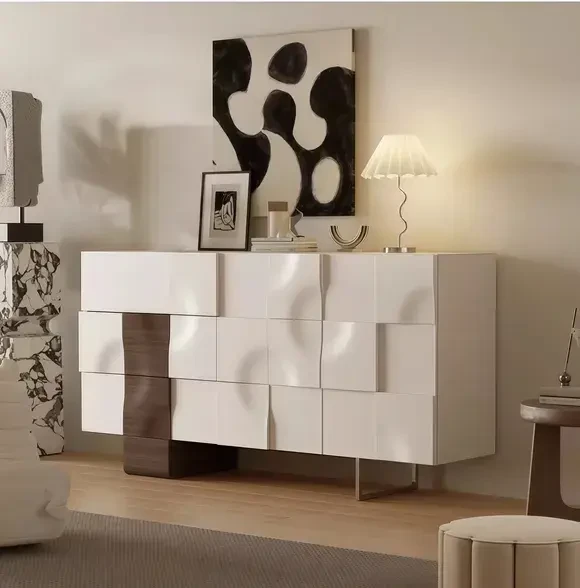
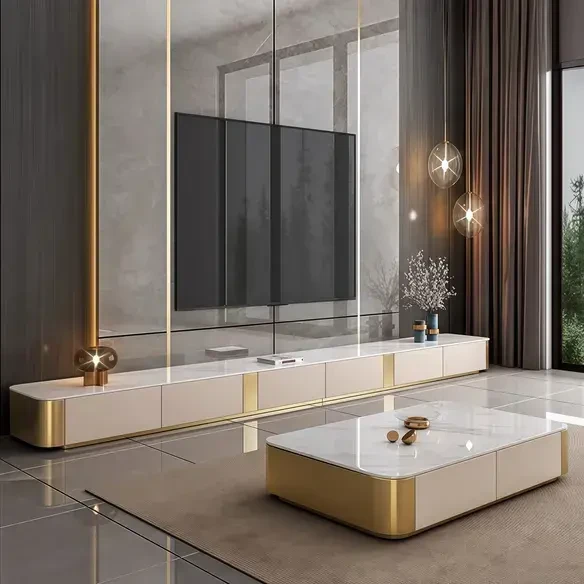
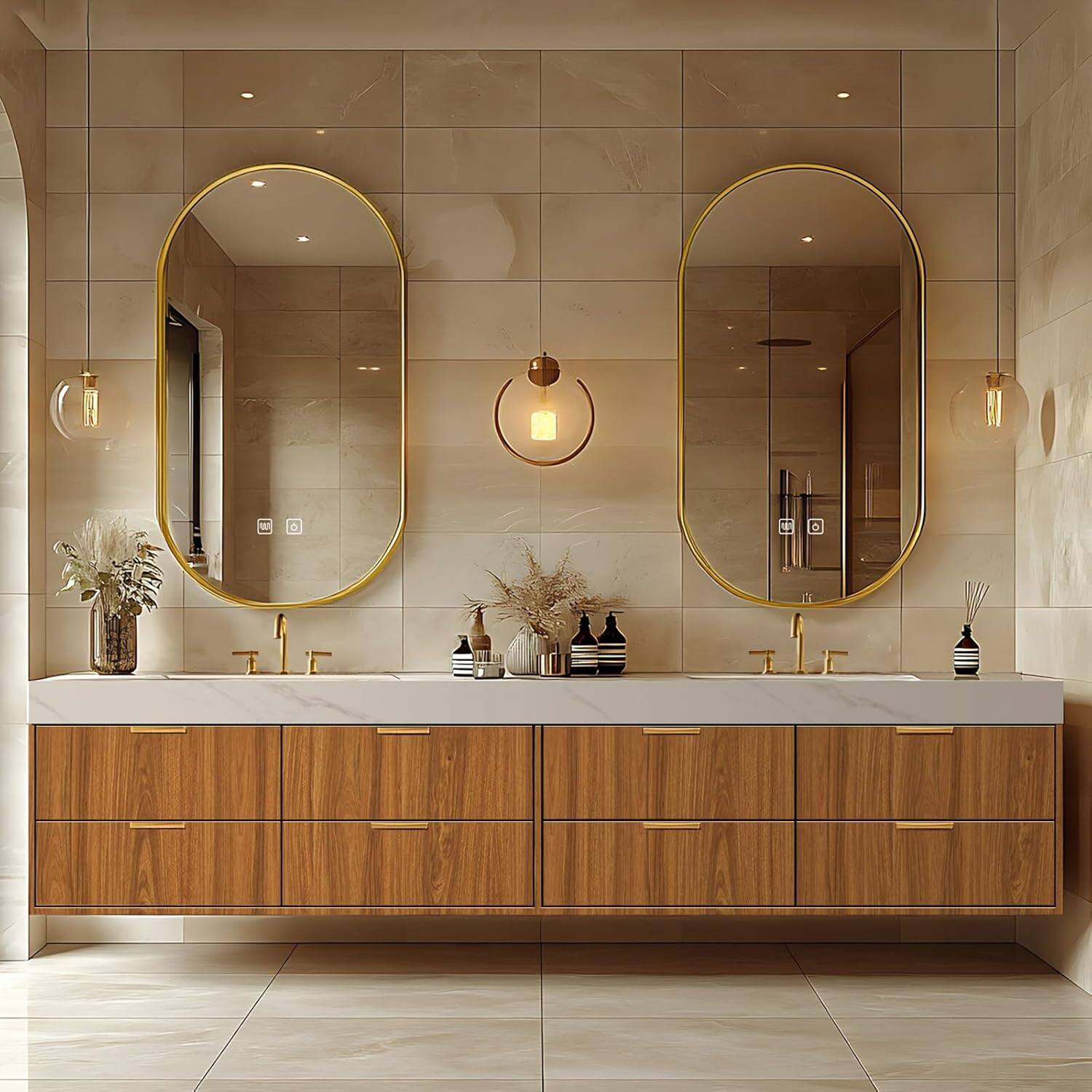
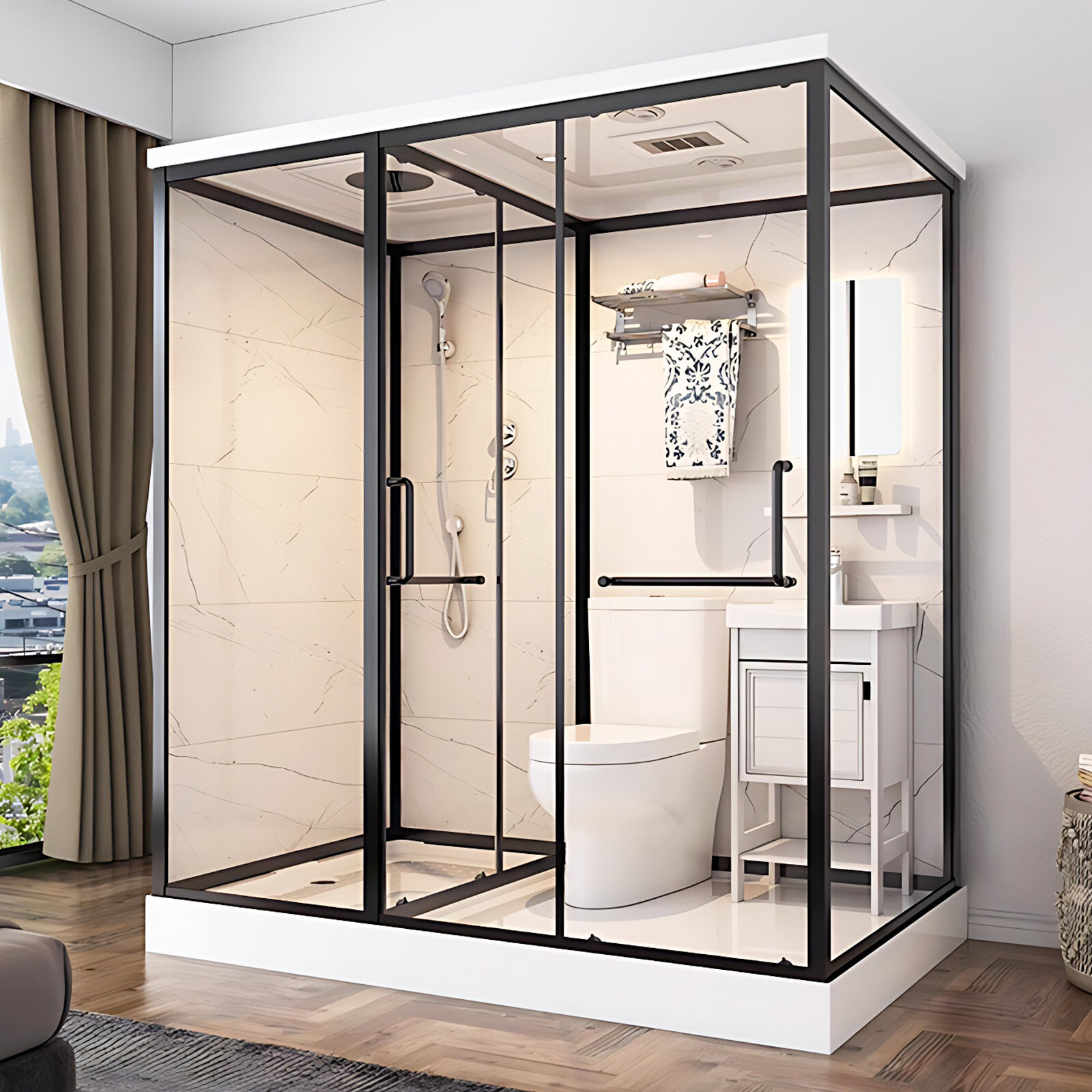
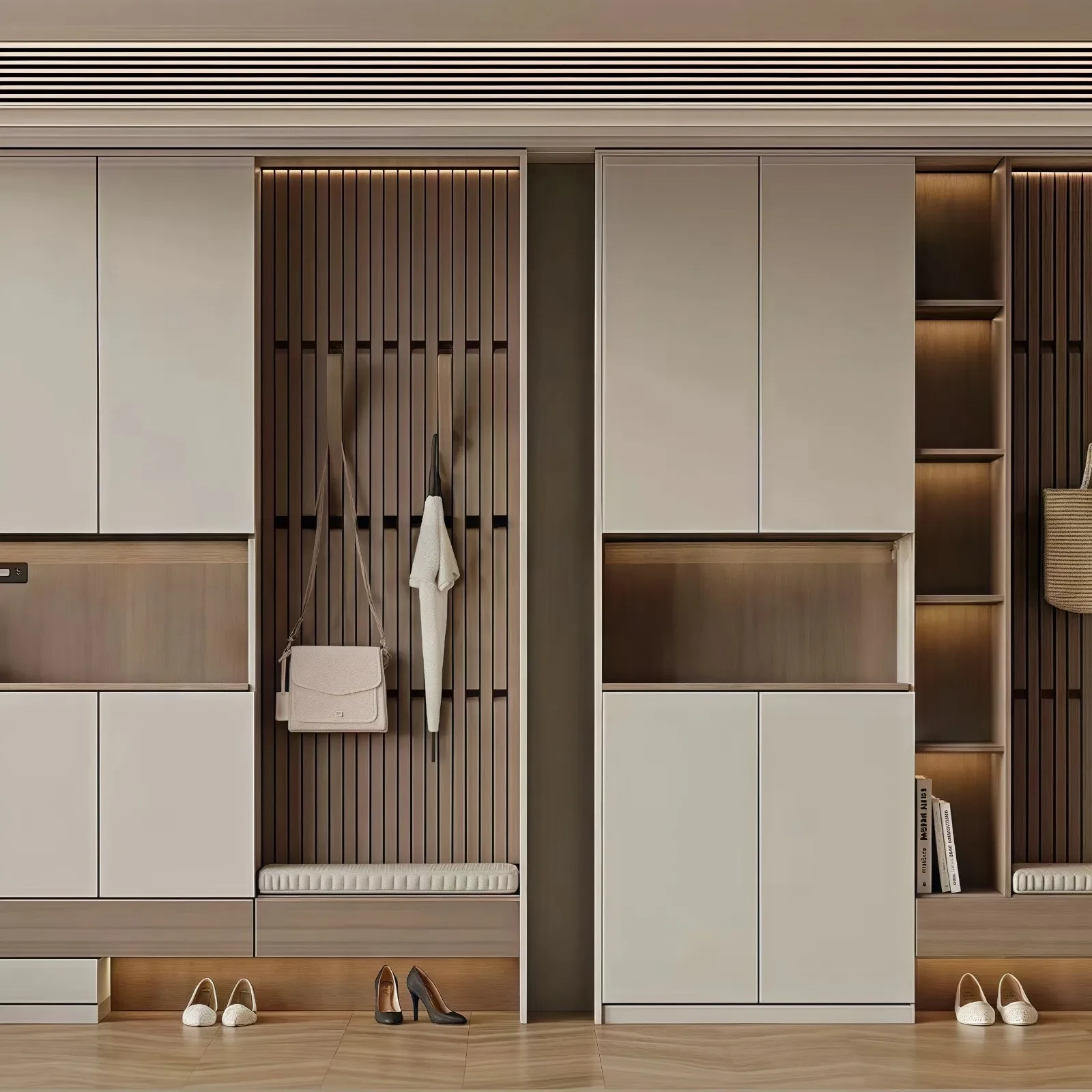
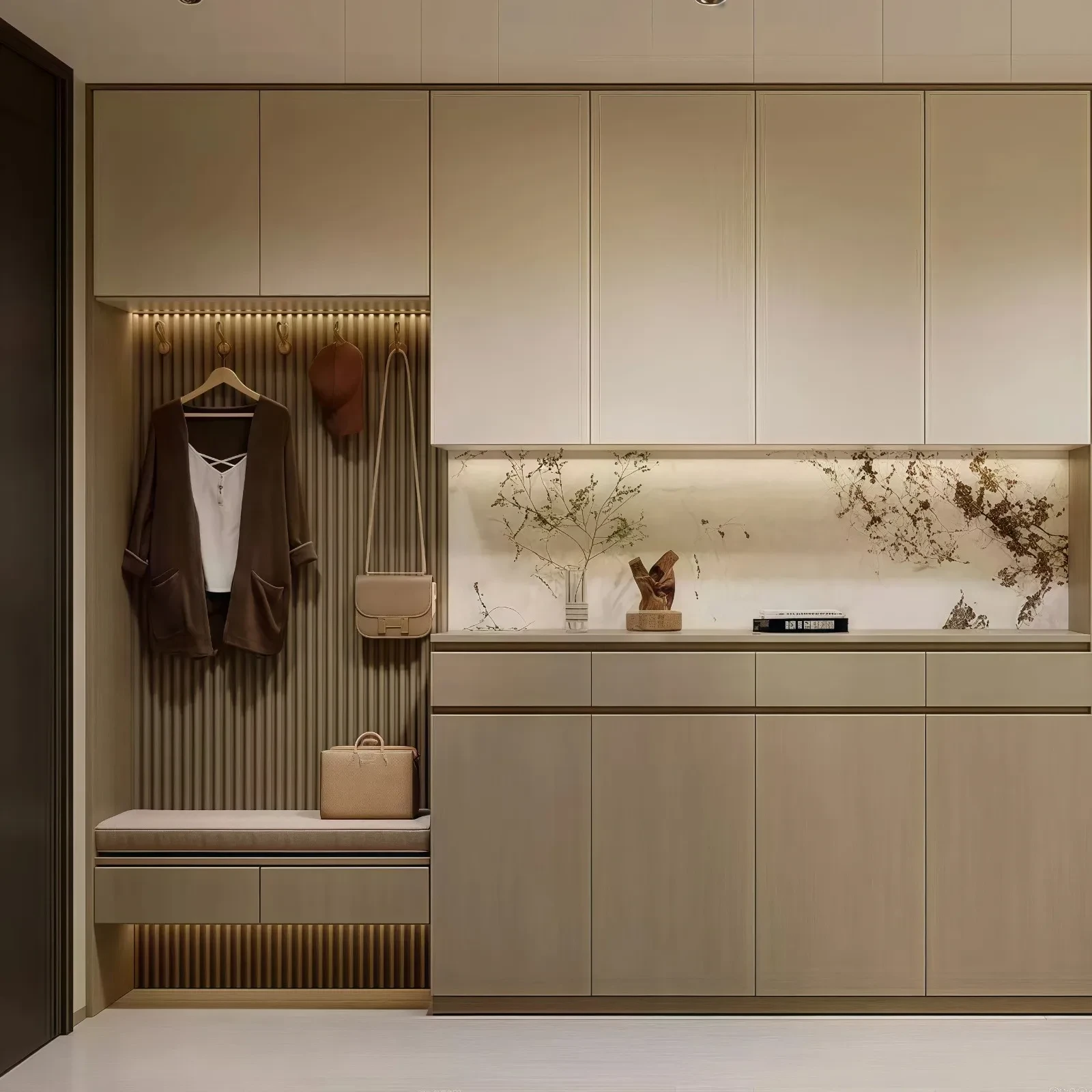
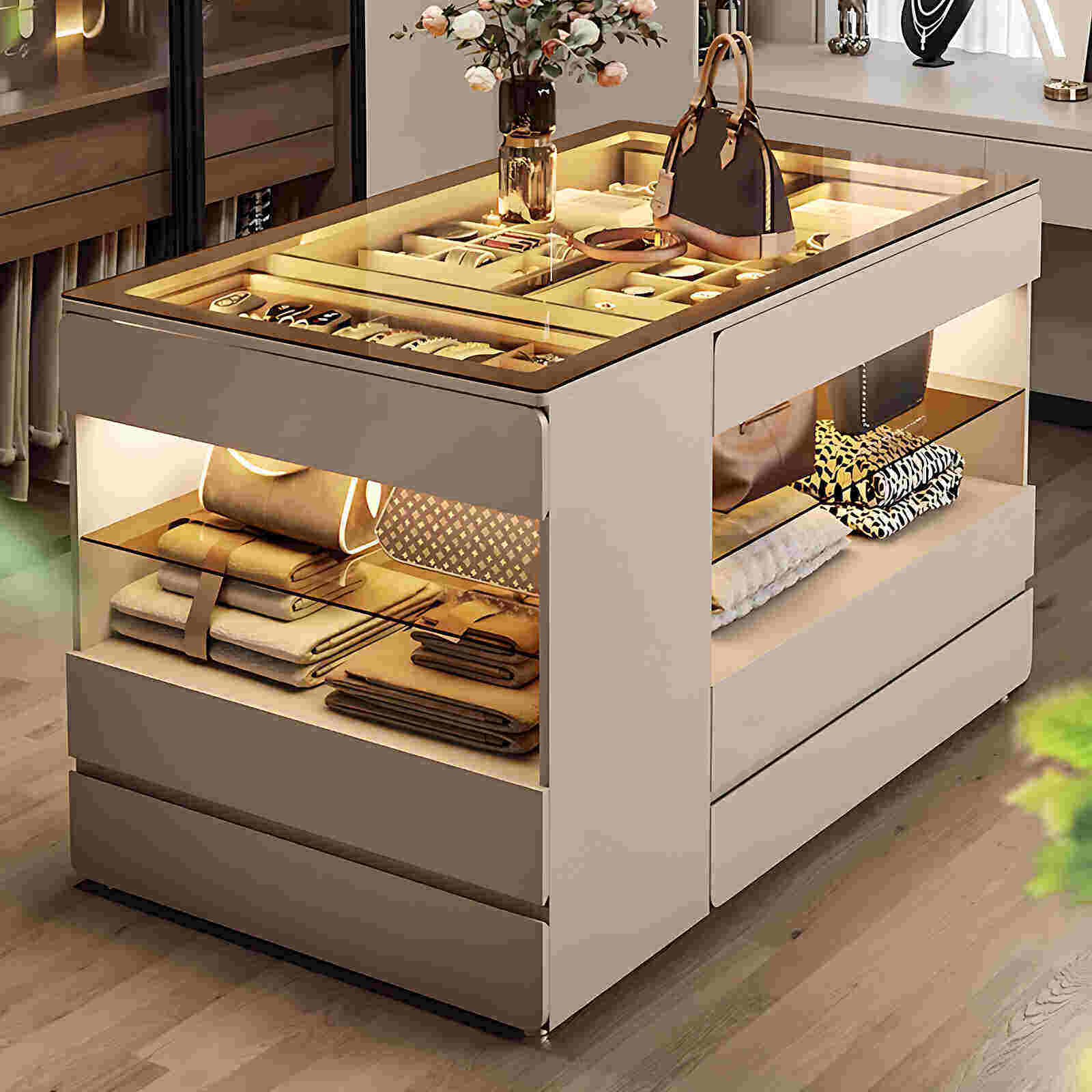
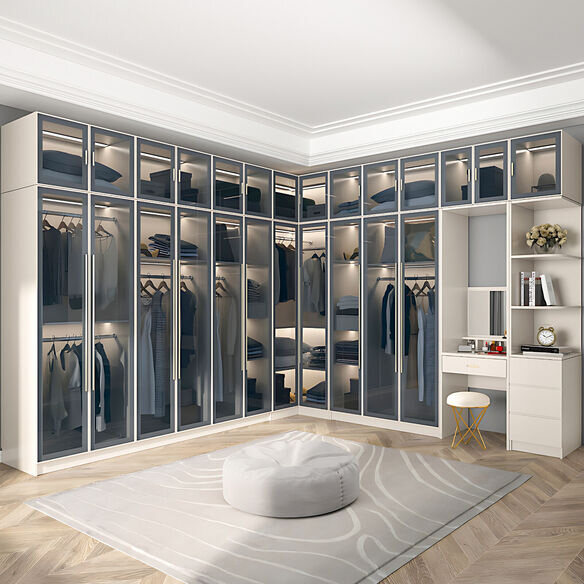
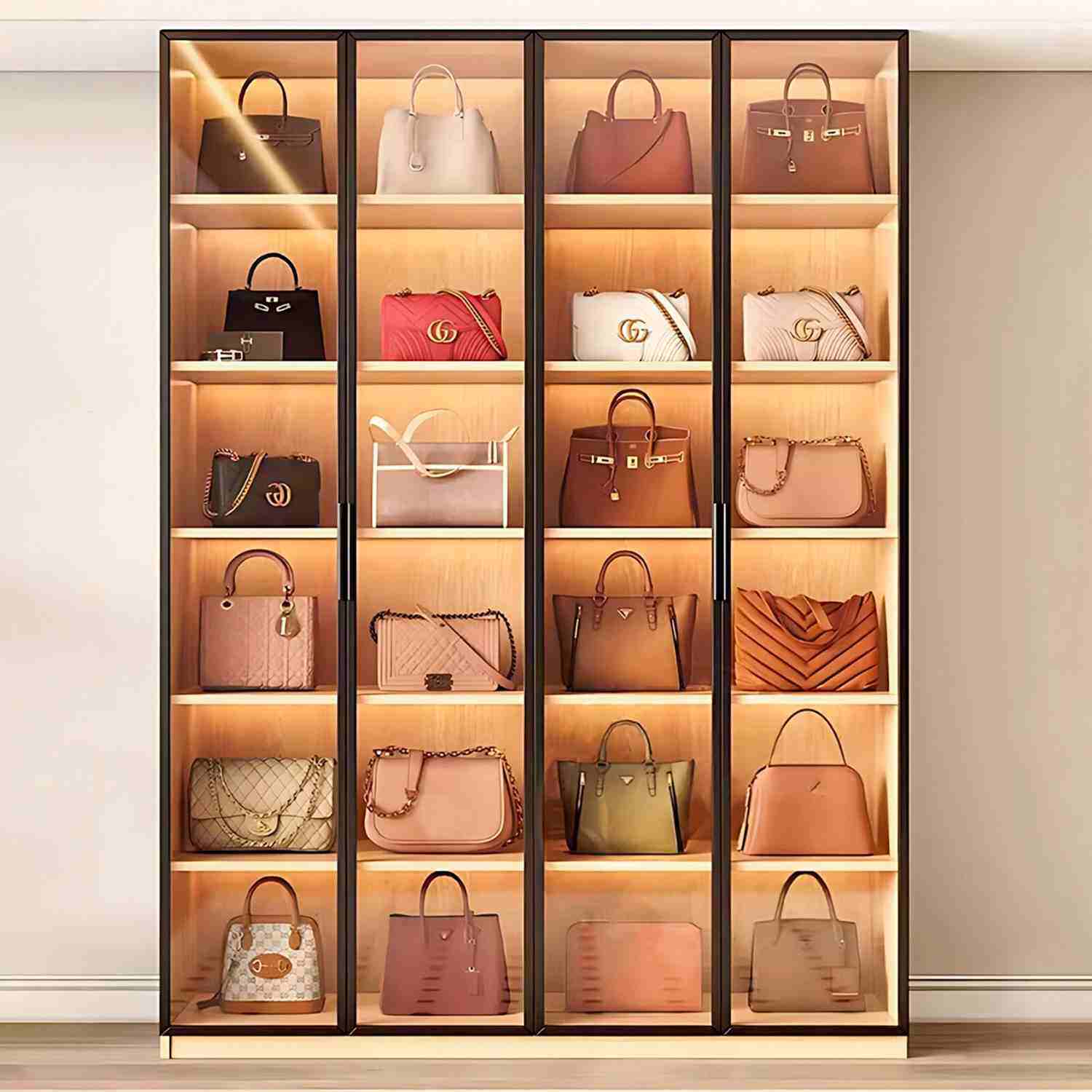
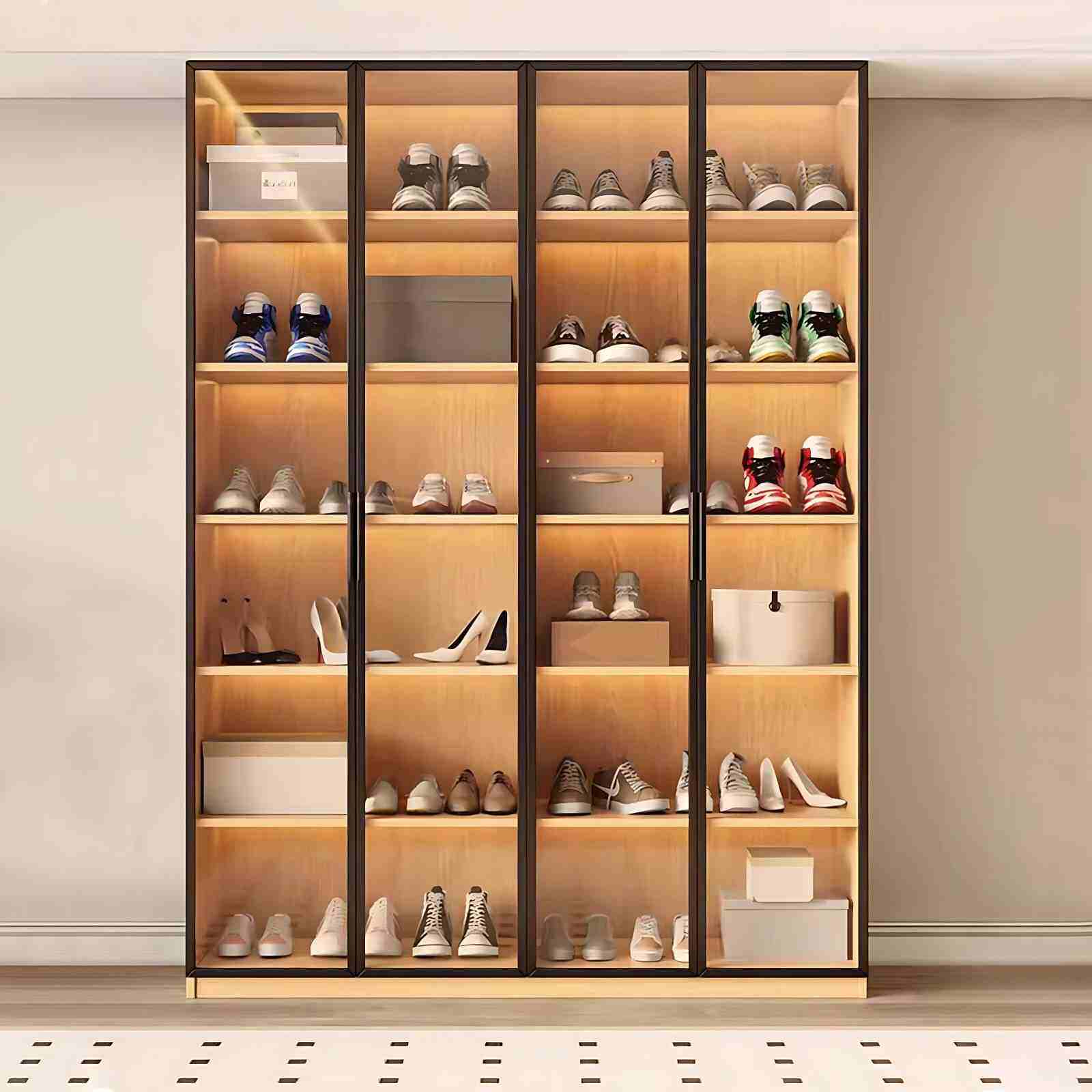
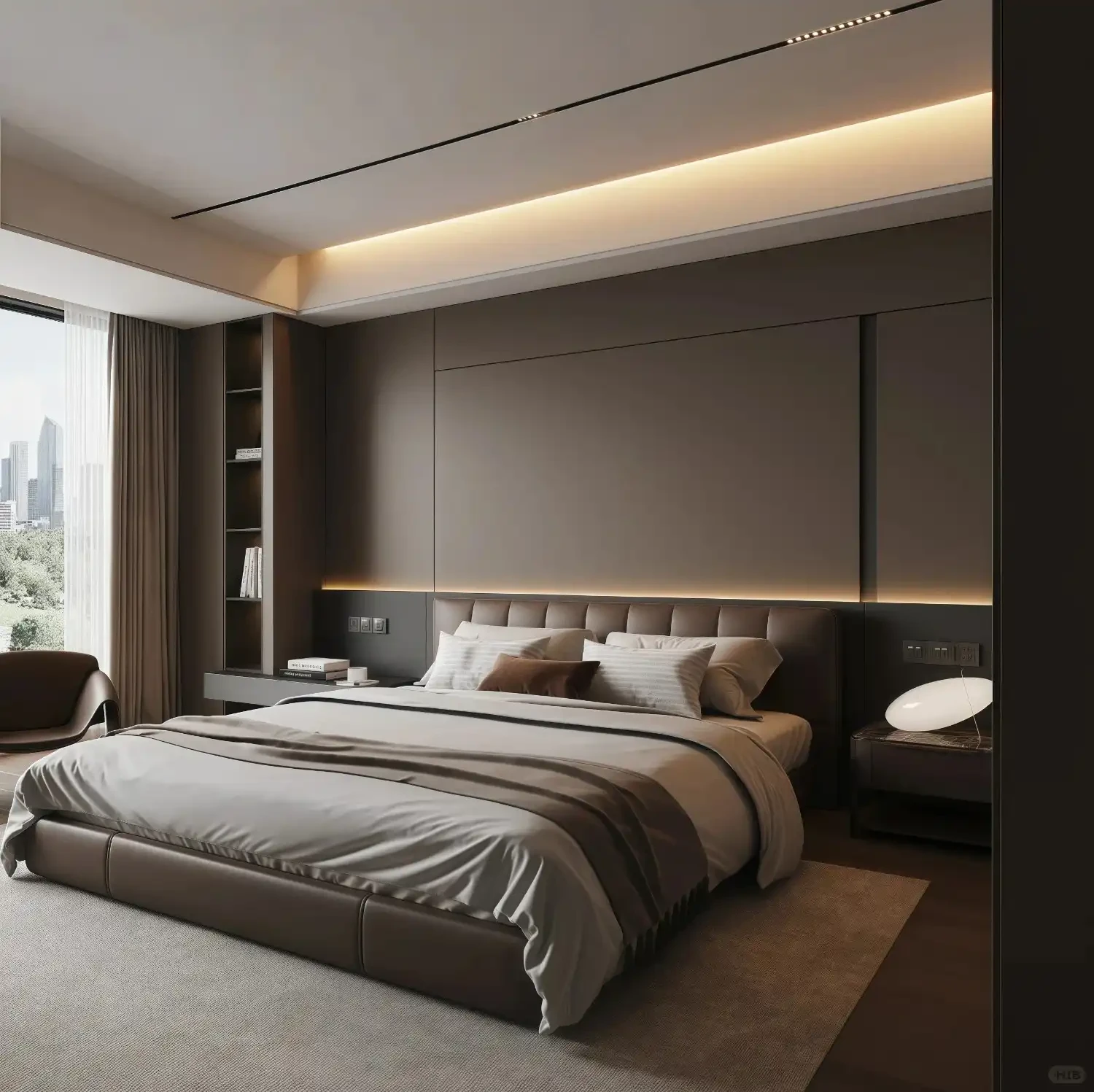
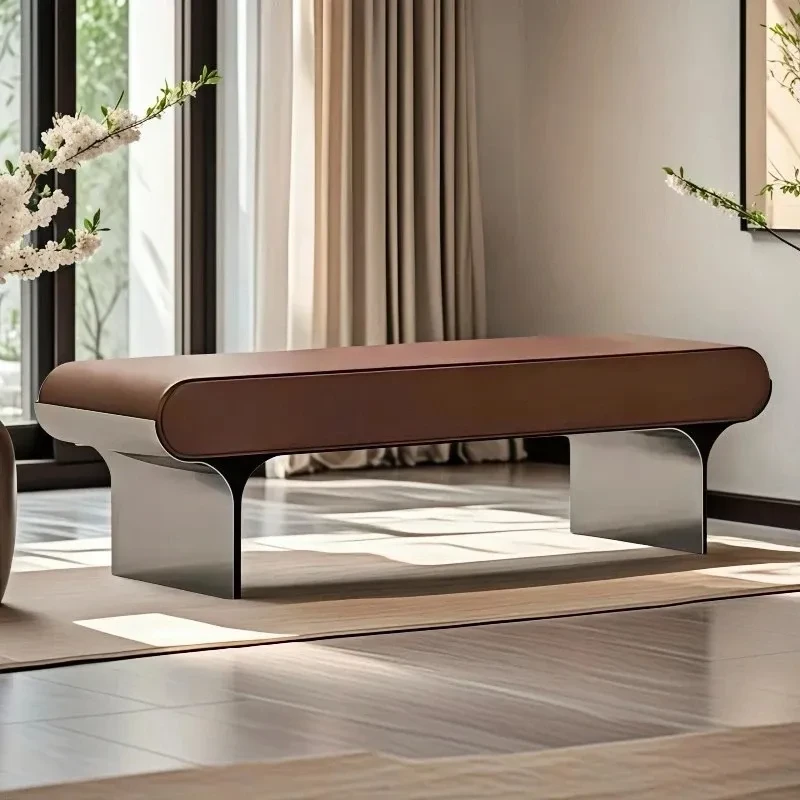
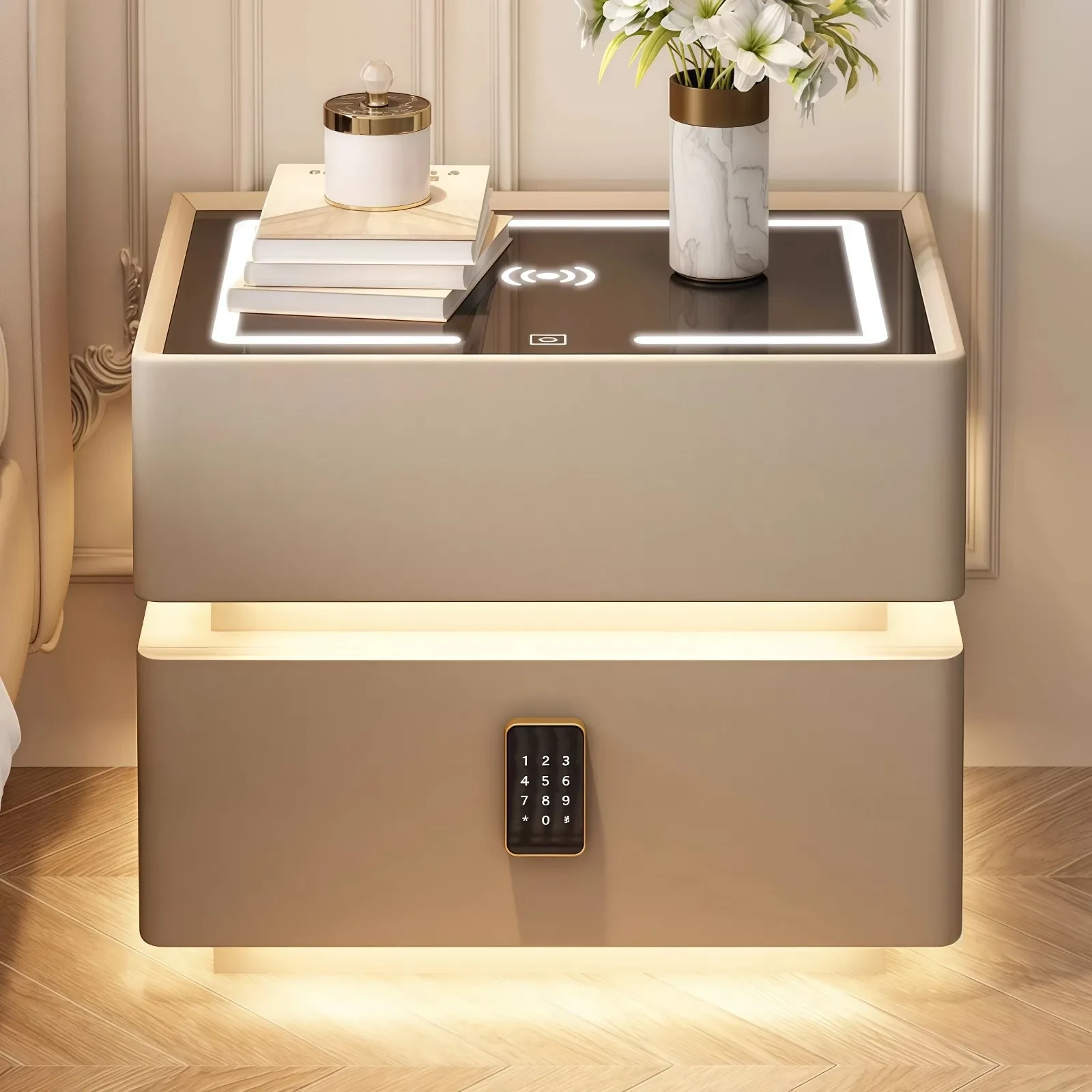
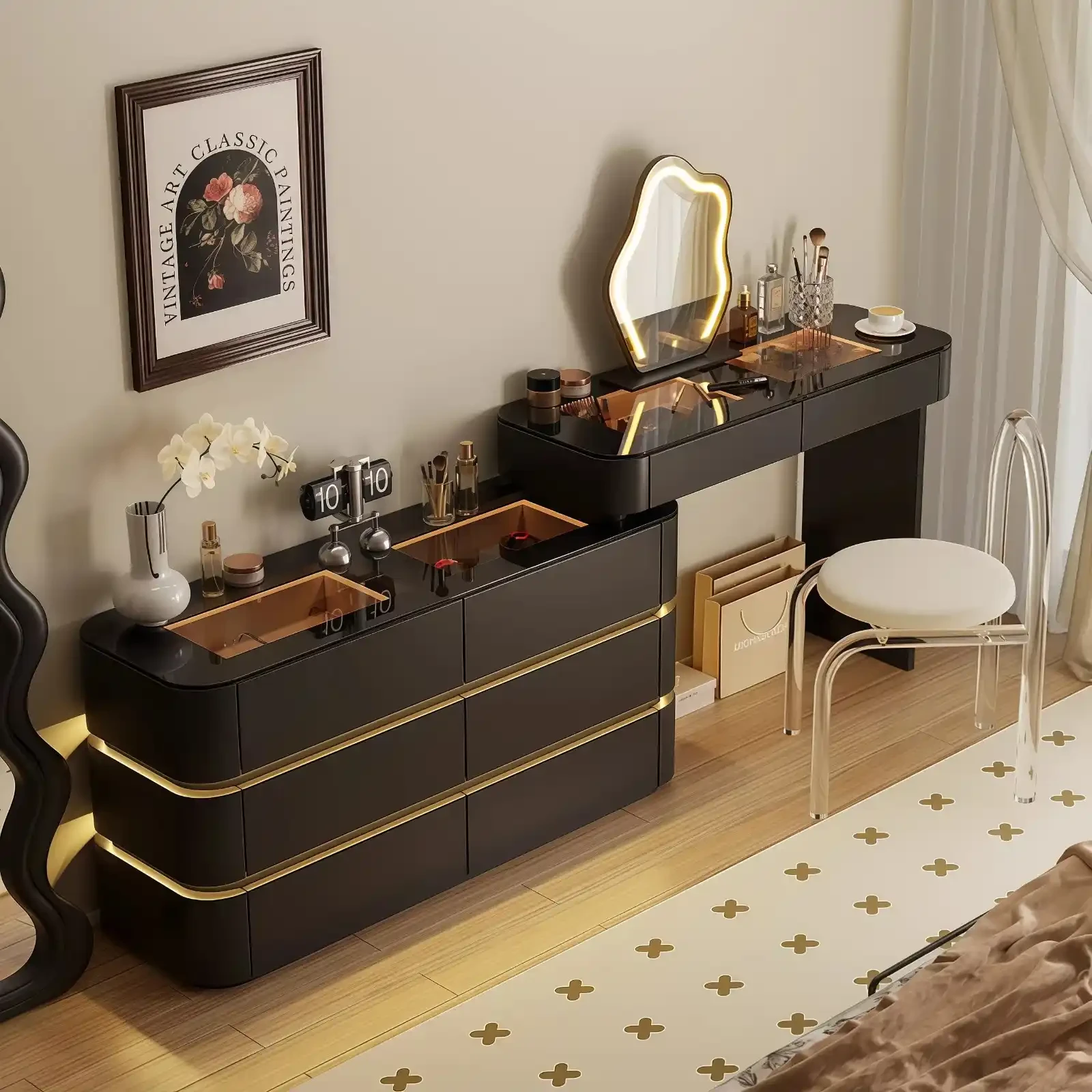
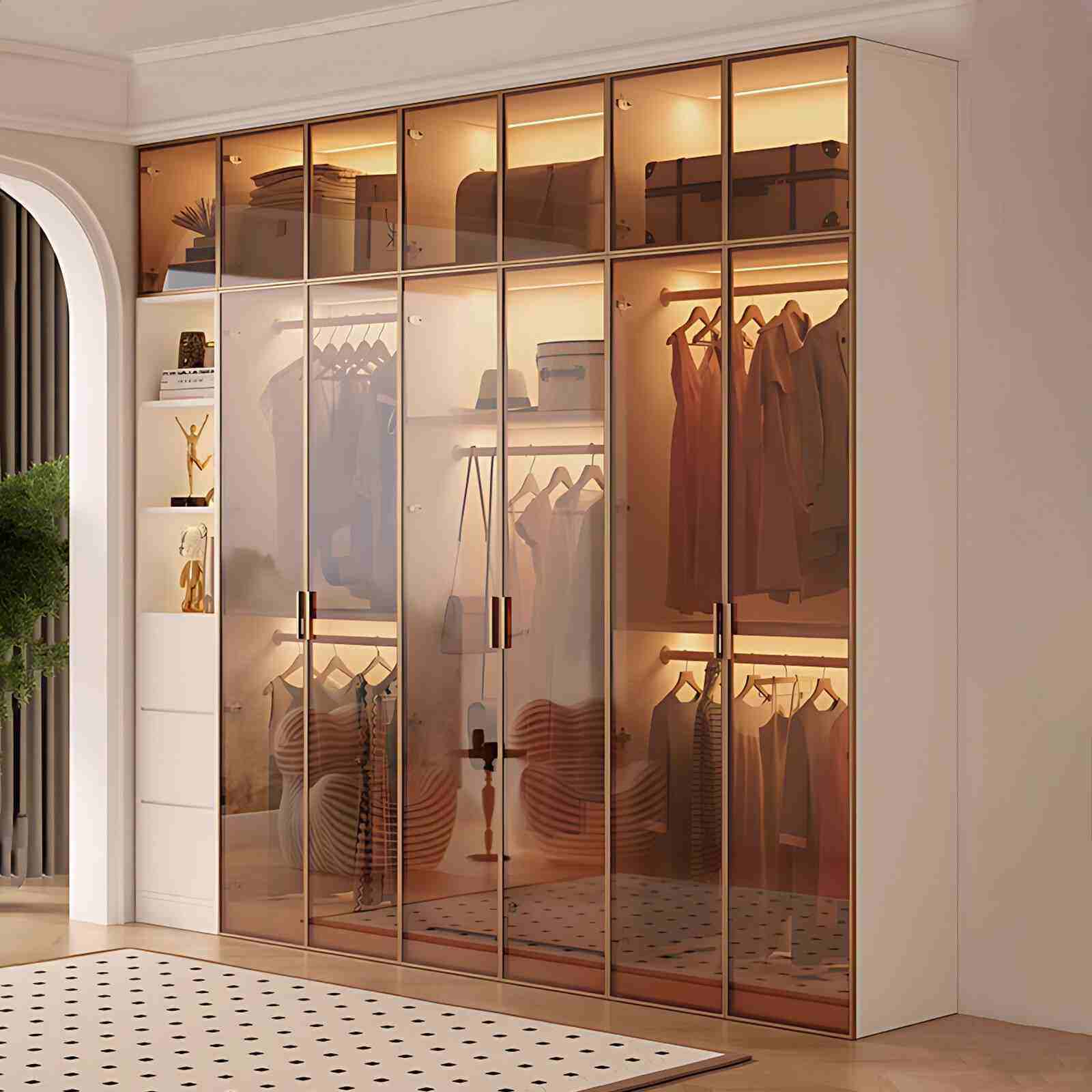
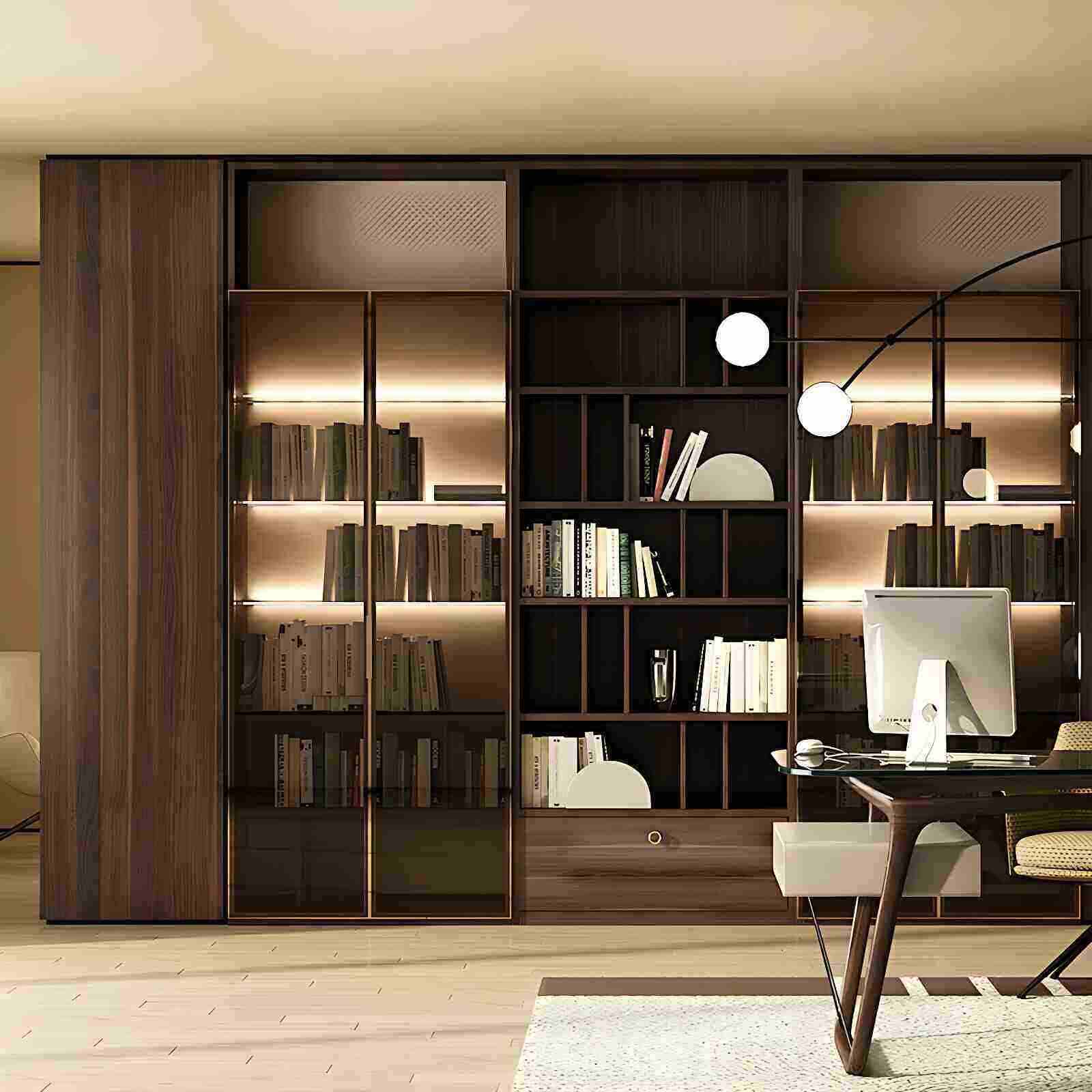
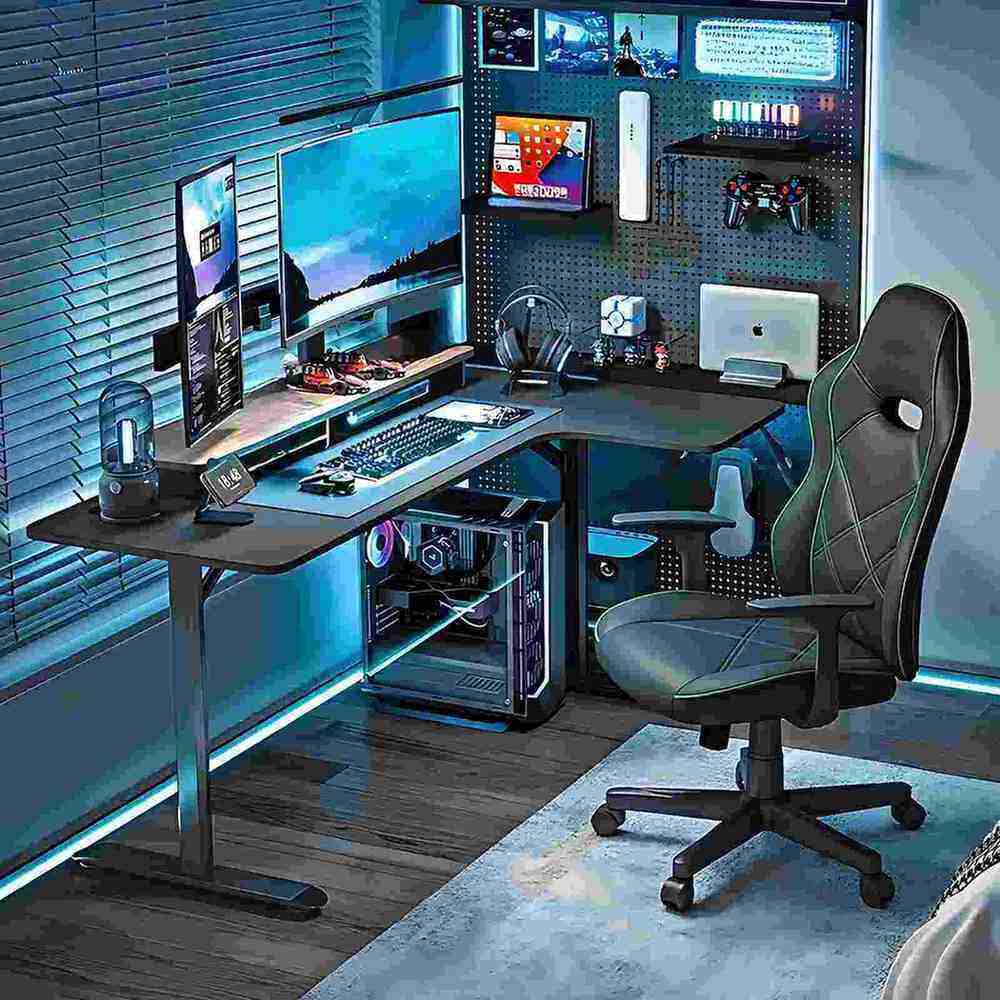
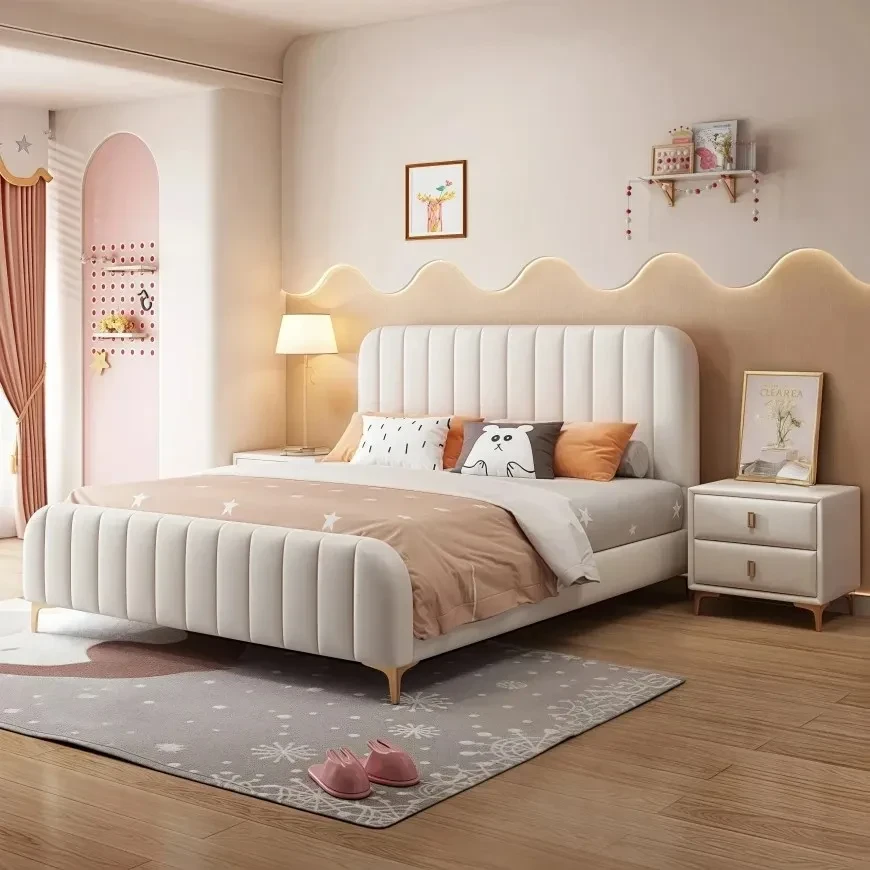
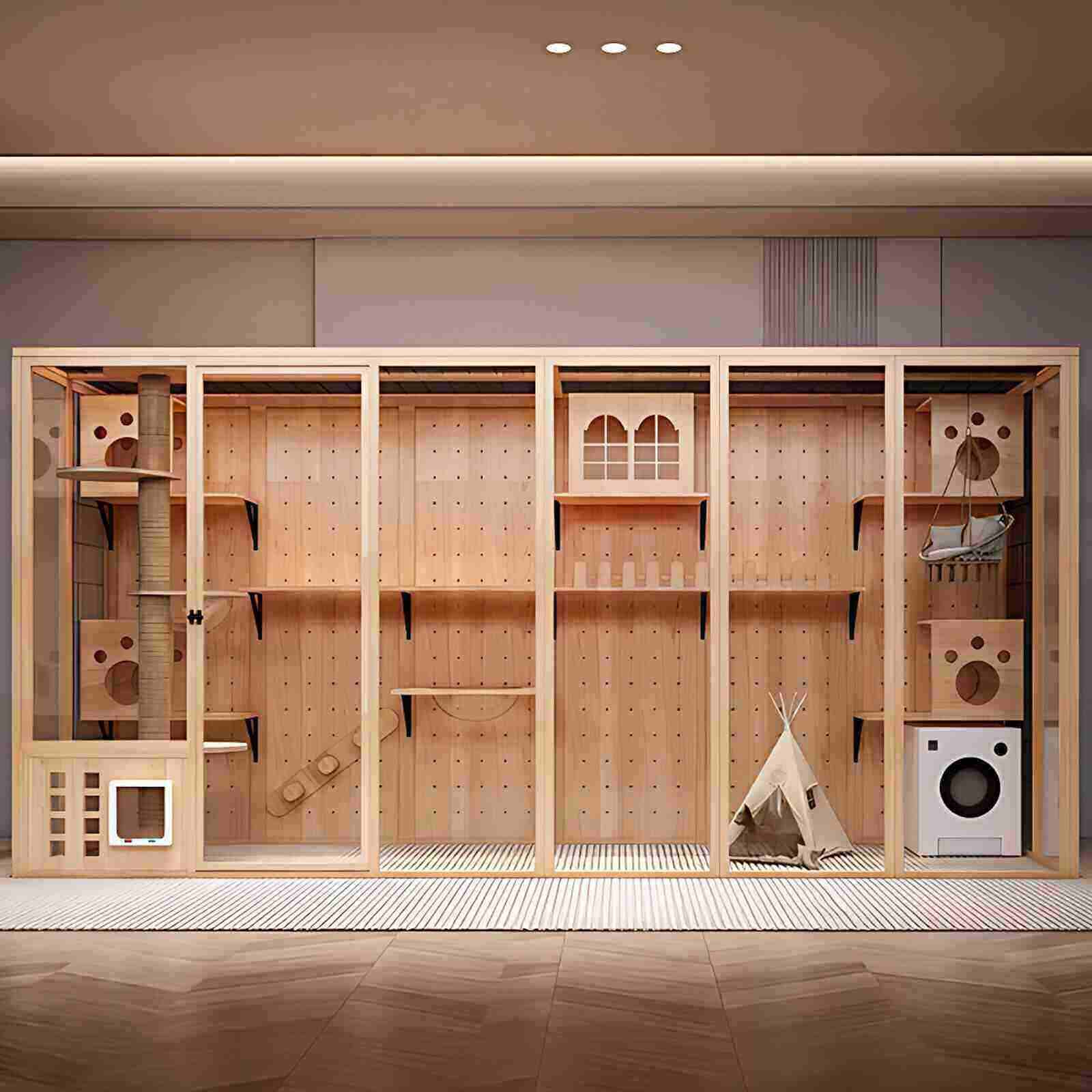
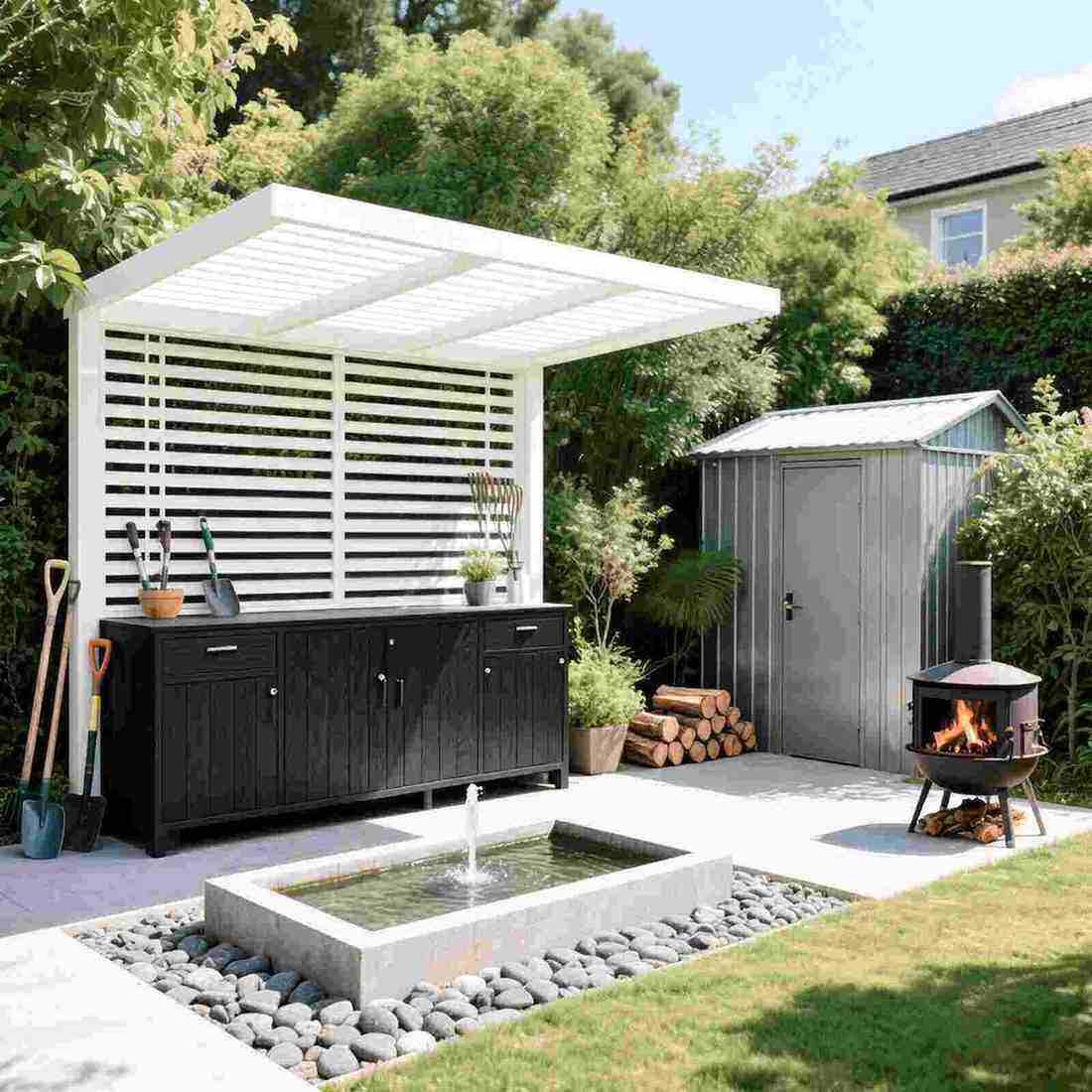
The plywood we often see, also known as blockboard, is made by gluing and pressing two veneers together in the middle. It has excellent nail-holding power, high strength, and advantages such as hardness, sound absorption, and heat insulation. Its moisture content is between 10% and 13%, and it's very simple and convenient to process, allowing for a solid wood-like finish. Today, we'll introduce the advantages and disadvantages of plywood, and the differences between plywood and eco-board. Let's take a look.
1. What are the advantages of plywood?
Blockboard is cheaper than plywood, but it has poor vertical bending and compressive strength, while its horizontal bending and compressive strength is relatively strong. Blockboard also has advantages such as strong nail holding power, hardness, high strength, sound absorption, heat insulation, high stability, low moisture content, and simple and convenient processing.
2. What are the disadvantages of plywood?
Blockboard has poor moisture resistance, requires high-quality manufacturing processes, and cannot be used excessively. It is prone to warping and has a rough surface. The environmental friendliness of blockboard is also questionable, easily causing indoor air pollution. Even if environmentally friendly blockboard is used, excessive quantities can still cause serious pollution, mainly because a large amount of urea-formaldehyde resin is used in its processing, resulting in excessively high formaldehyde content and generally low environmental standards, which harm human health.
3. What are the differences between plywood and eco-friendly boards?
A comparative analysis of plywood and eco-board reveals that eco-board is a paint-free board that can be used directly, while plywood requires surface decoration before use. Since plywood is unveneered, if used for furniture making, such as for wardrobes, veneer and paint are necessary, resulting in higher formaldehyde levels, higher material costs, more labor, and a longer production time. Eco-board, on the other hand, undergoes strict environmental inspections; only eco-board meeting interior decoration standards can be used for wardrobe construction. However, it's impossible to determine which is better based on just a few simple aspects. Consumers should choose based on their specific needs.
The above is a summary of the advantages and disadvantages of plywood, and the differences between plywood and eco-board. In fact, every type of board has its own advantages and disadvantages. The key is to choose the right board according to your own needs.