
 USD
USD GBP
GBP
 EUR
EUR


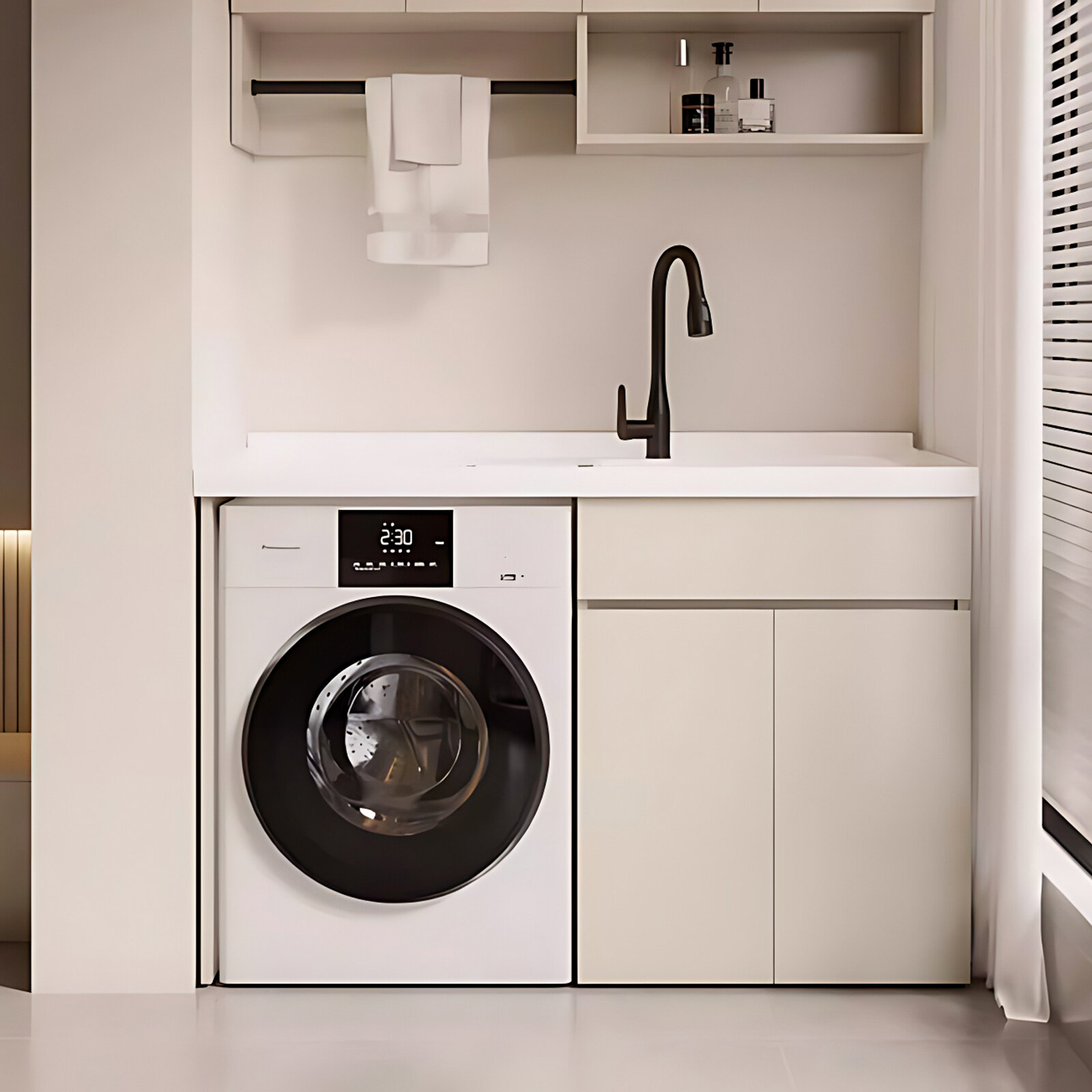
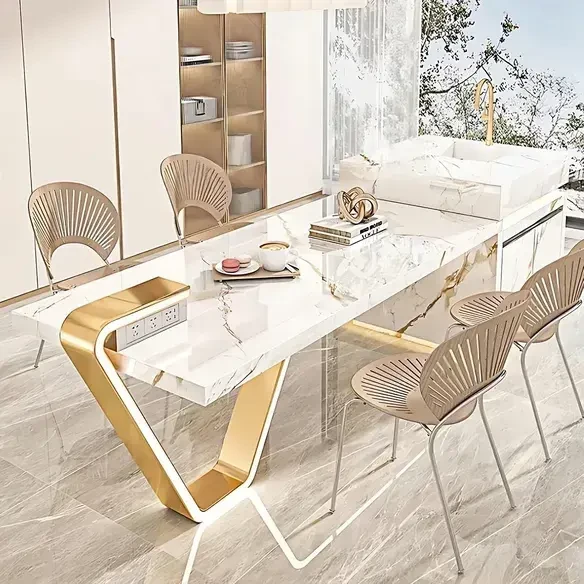
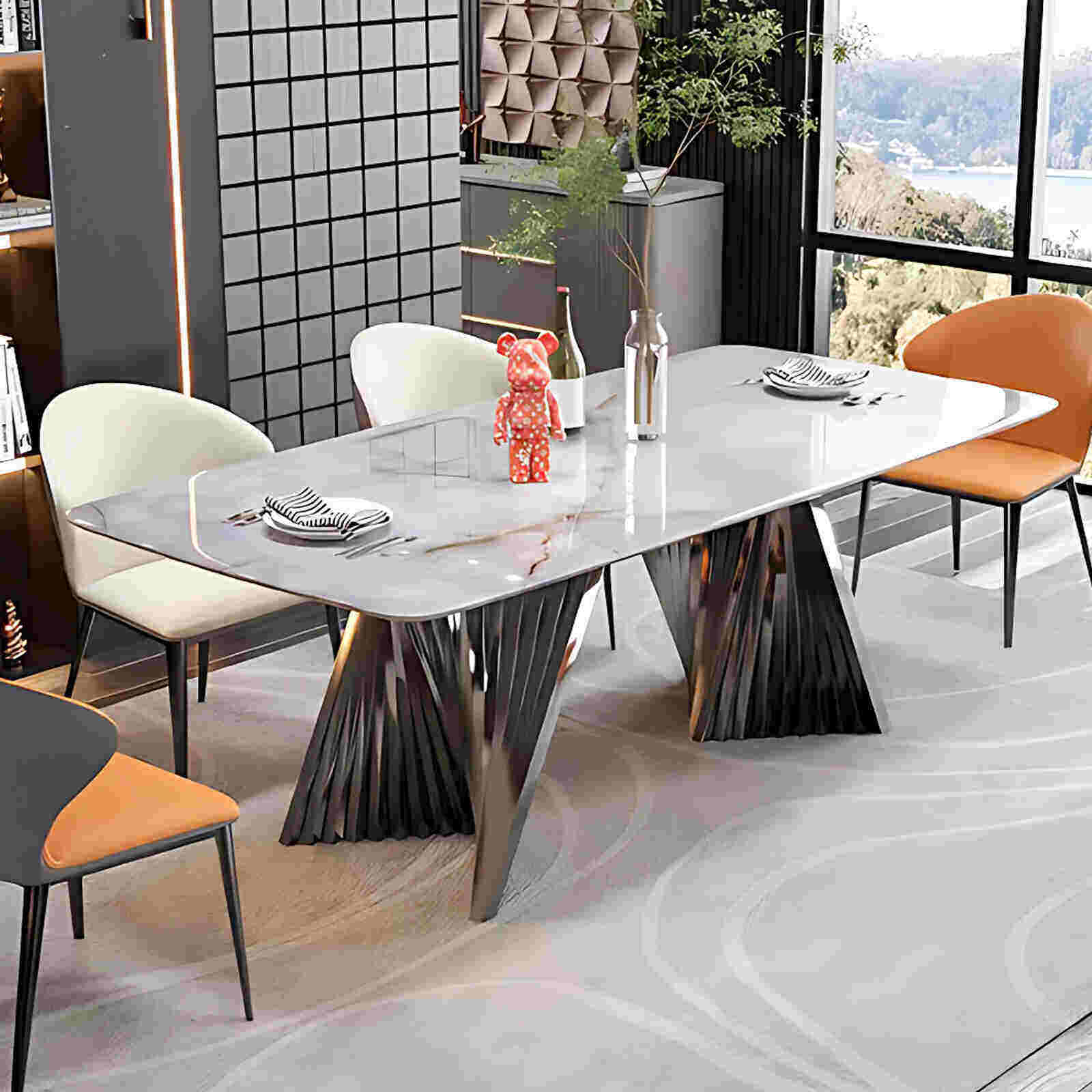
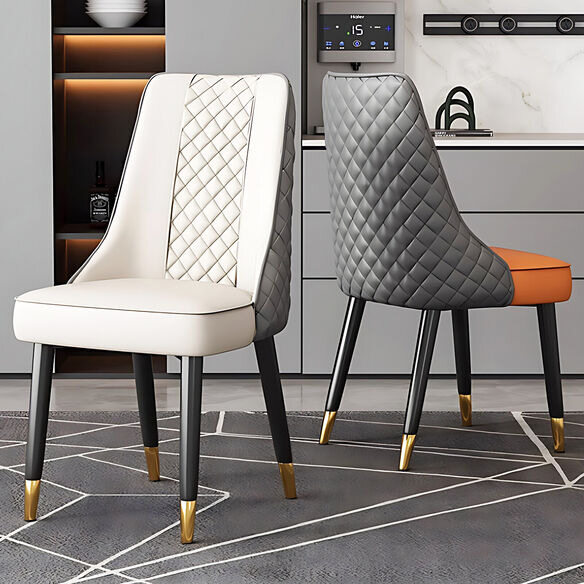
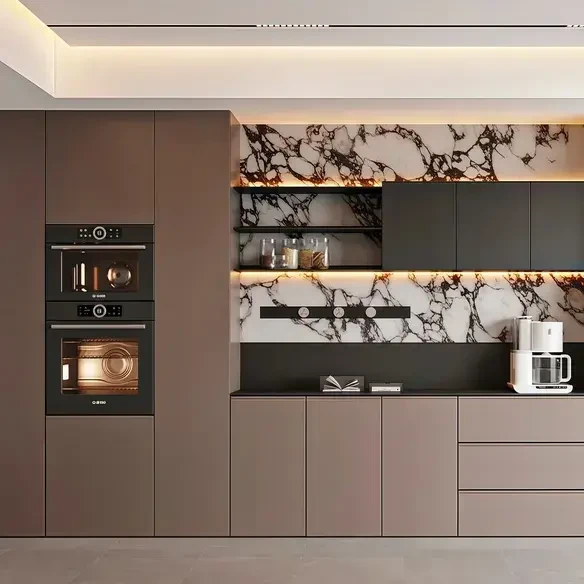
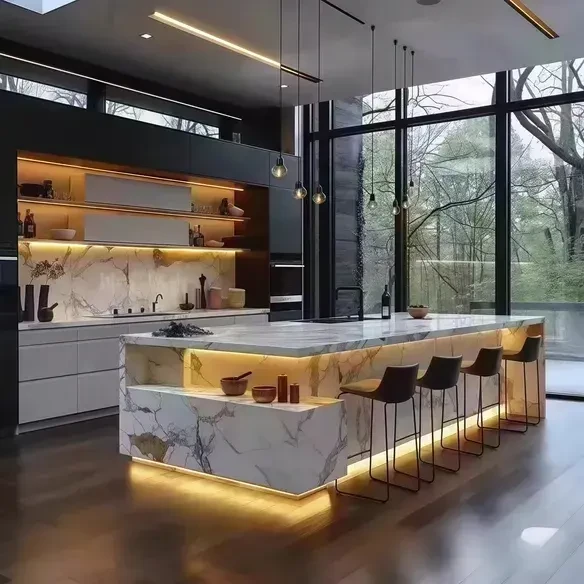
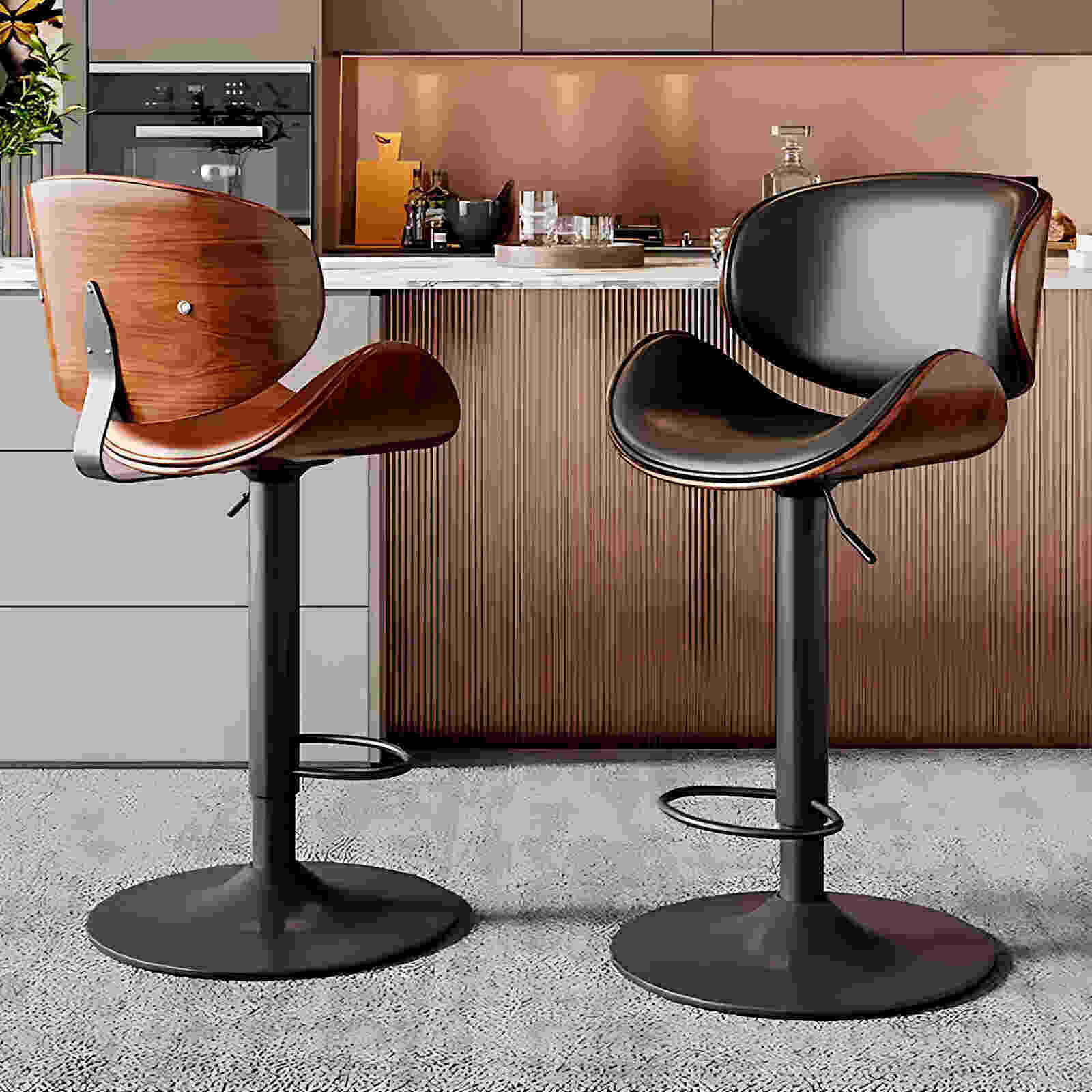
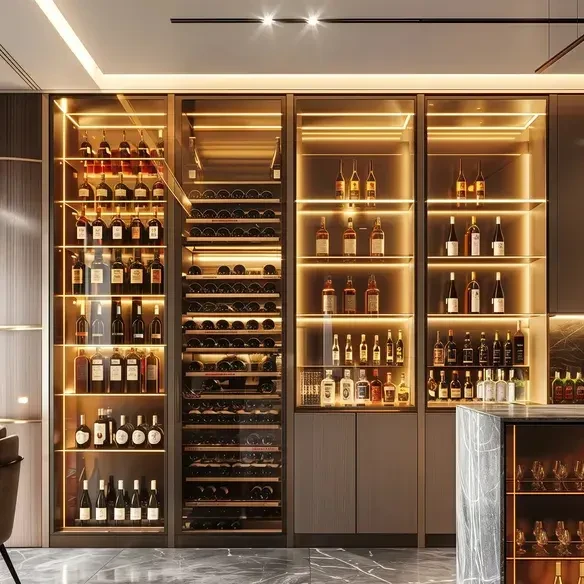

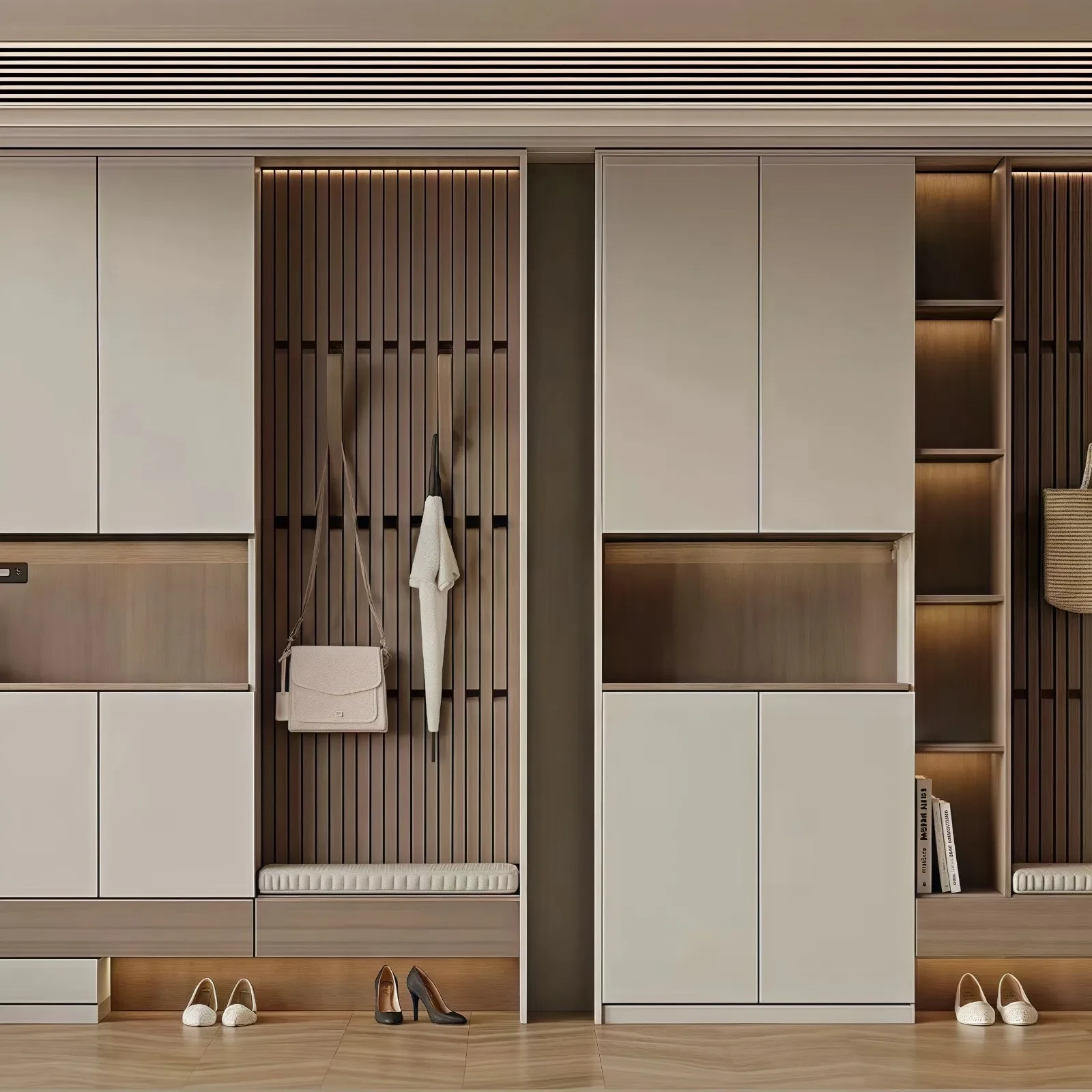
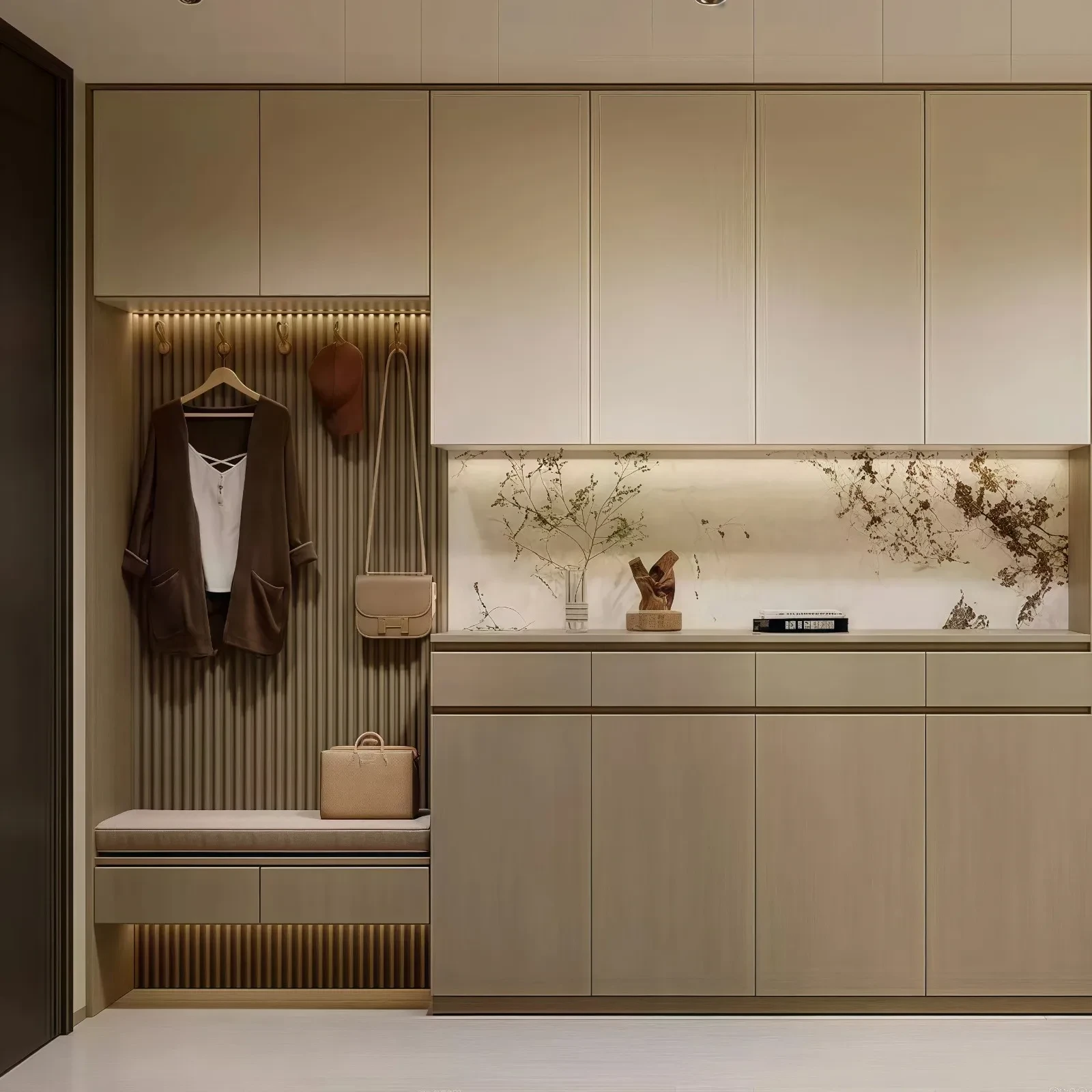
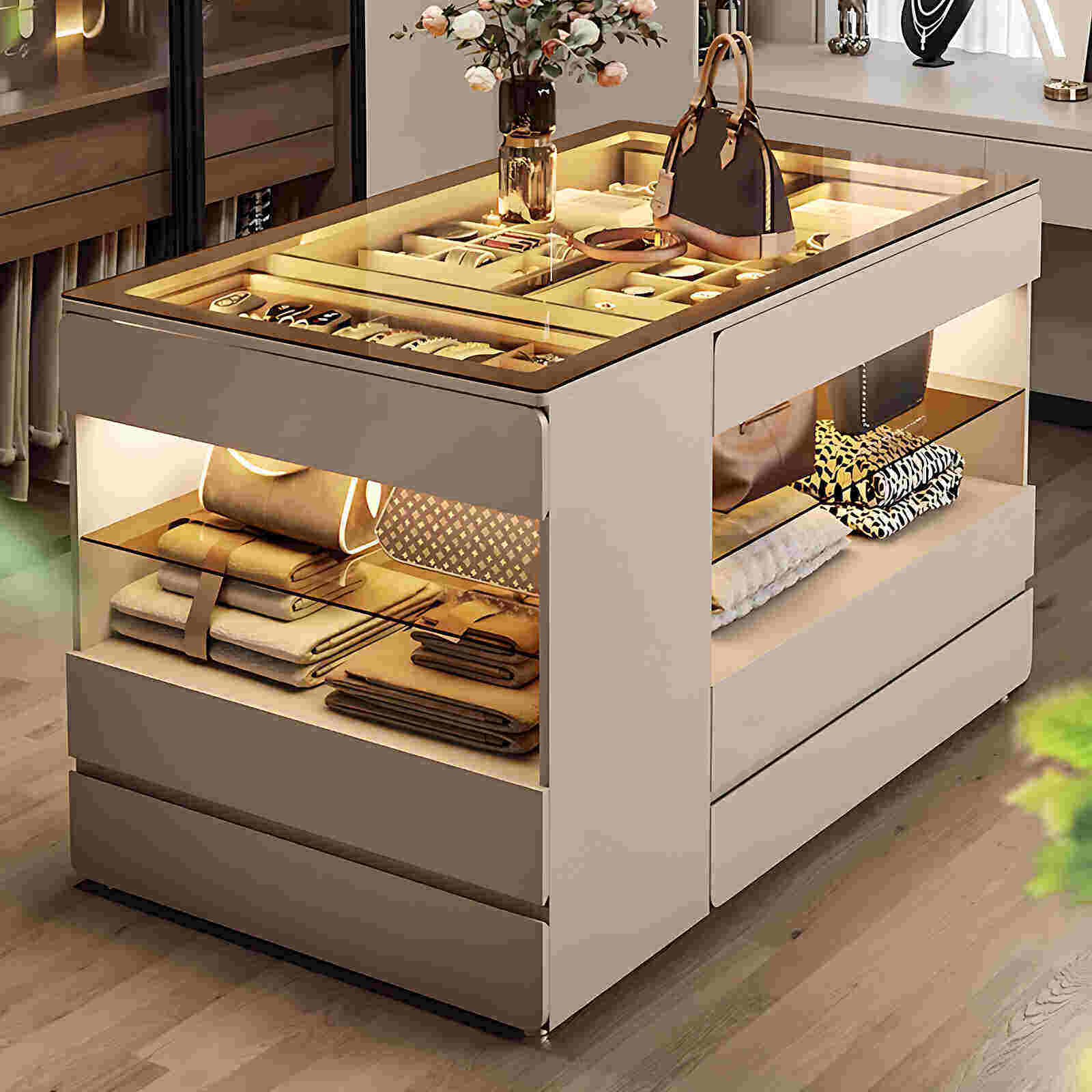
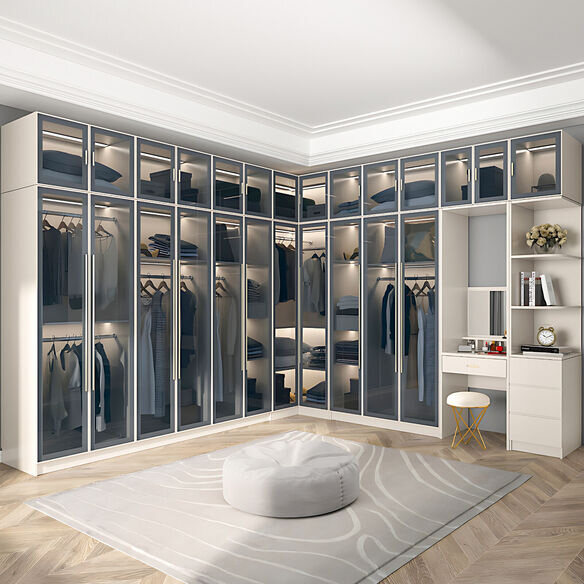
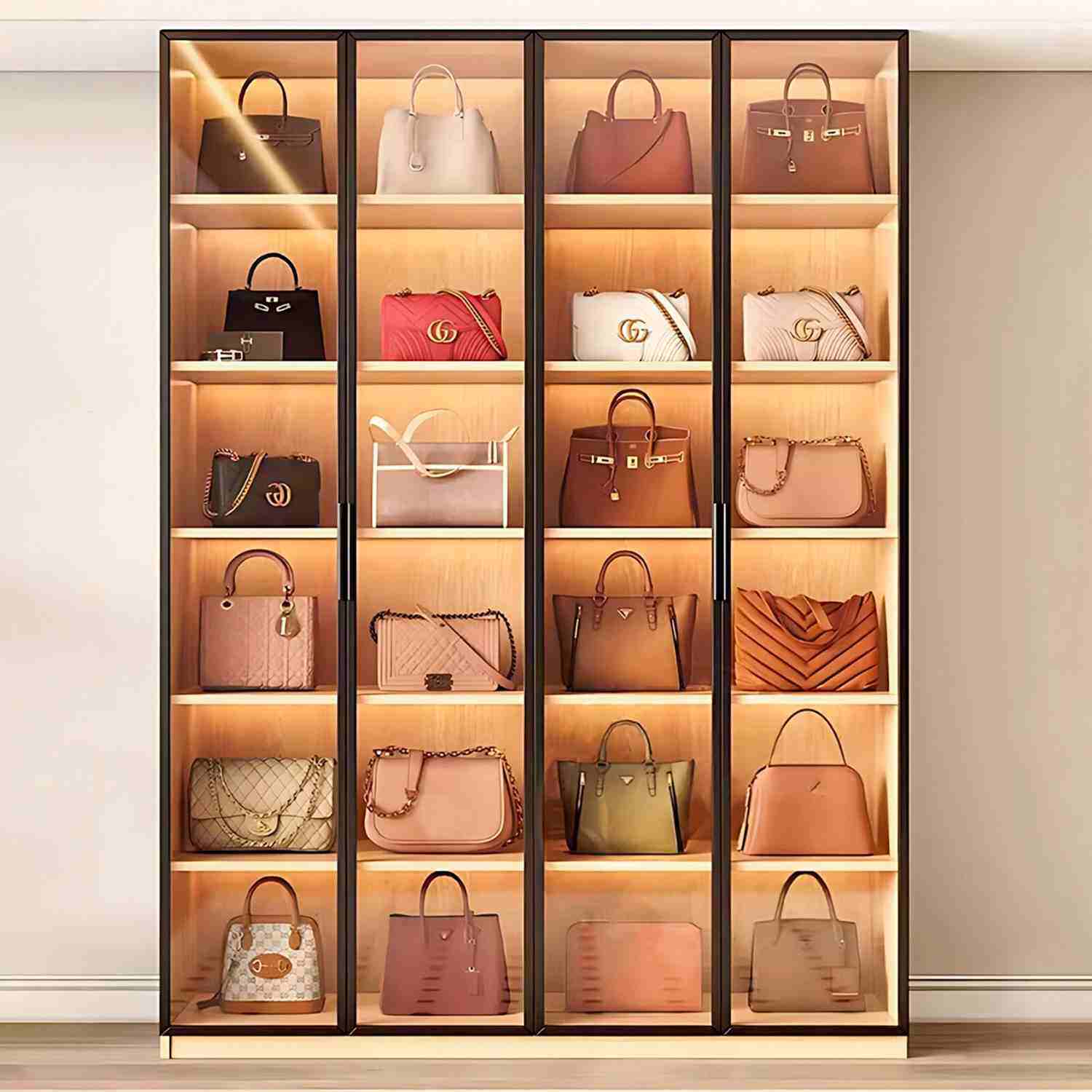
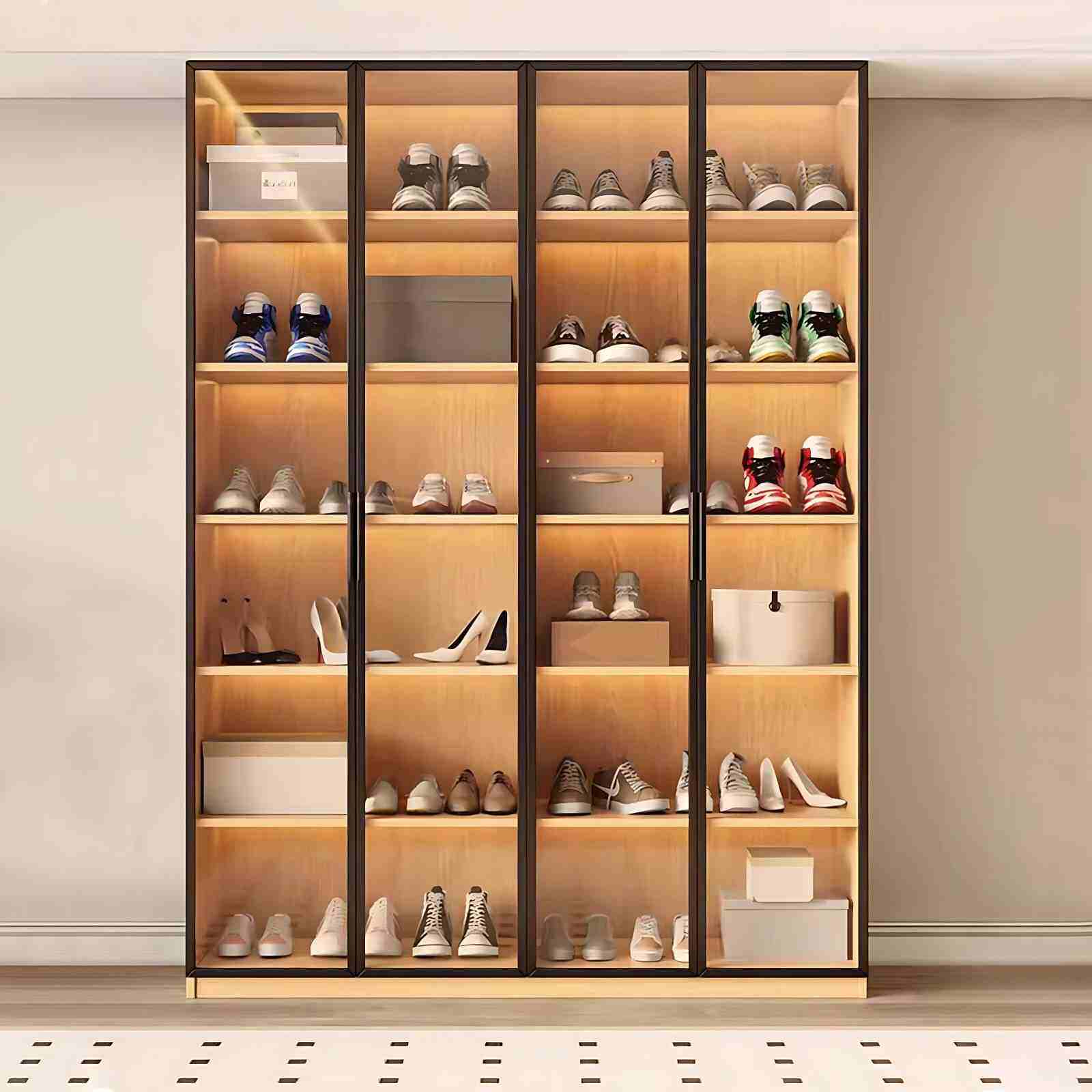
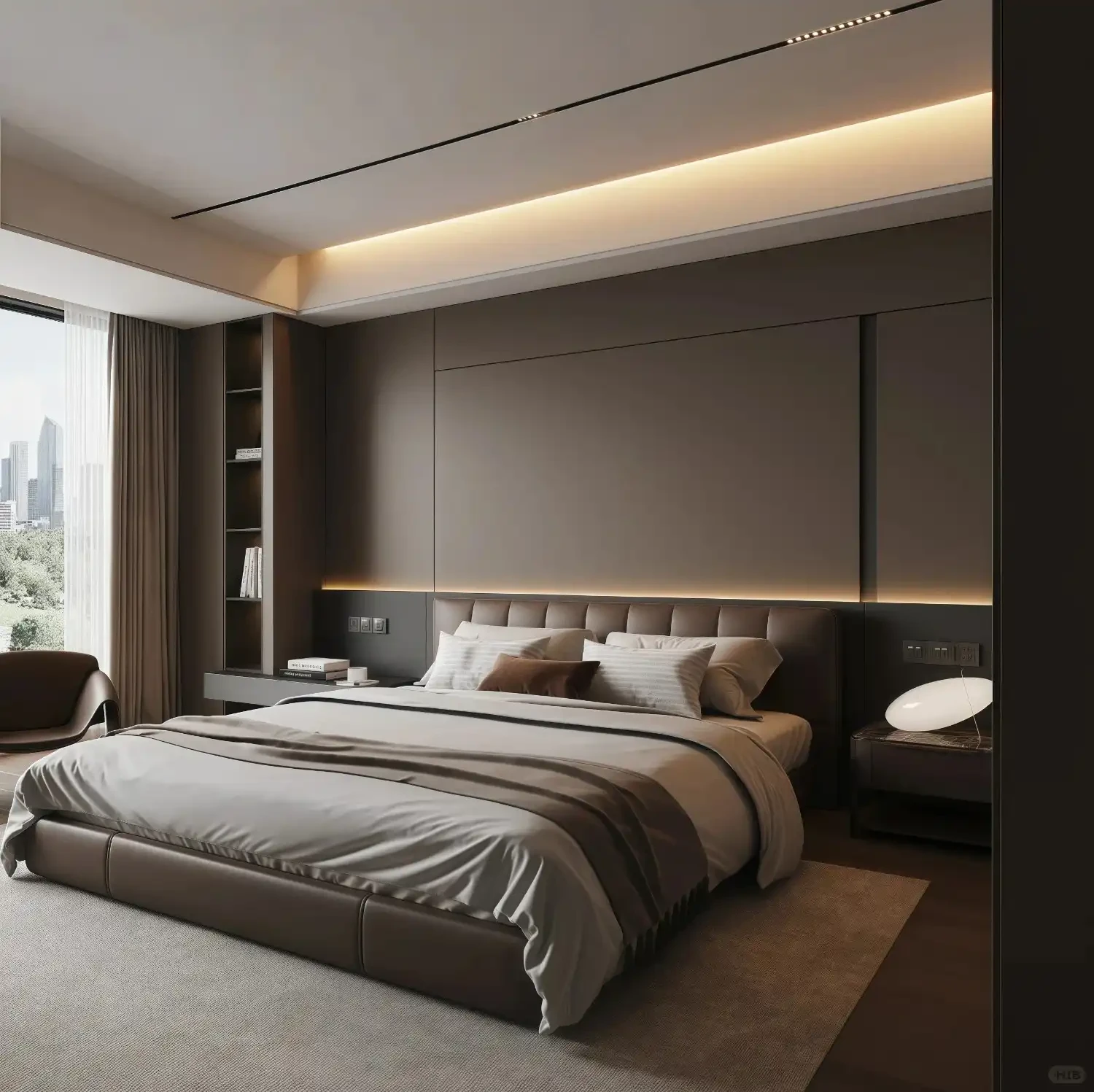
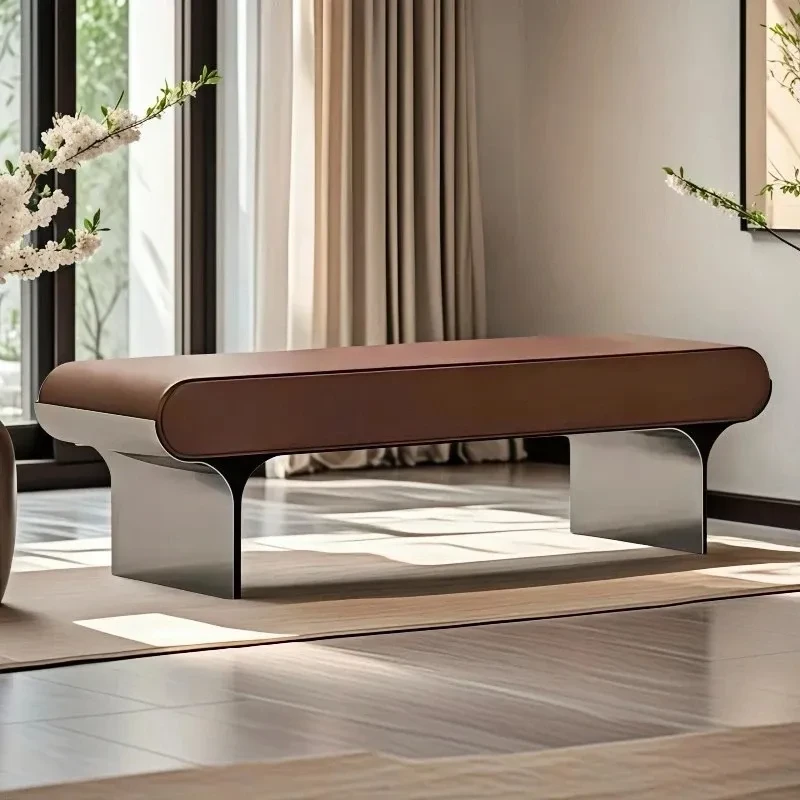
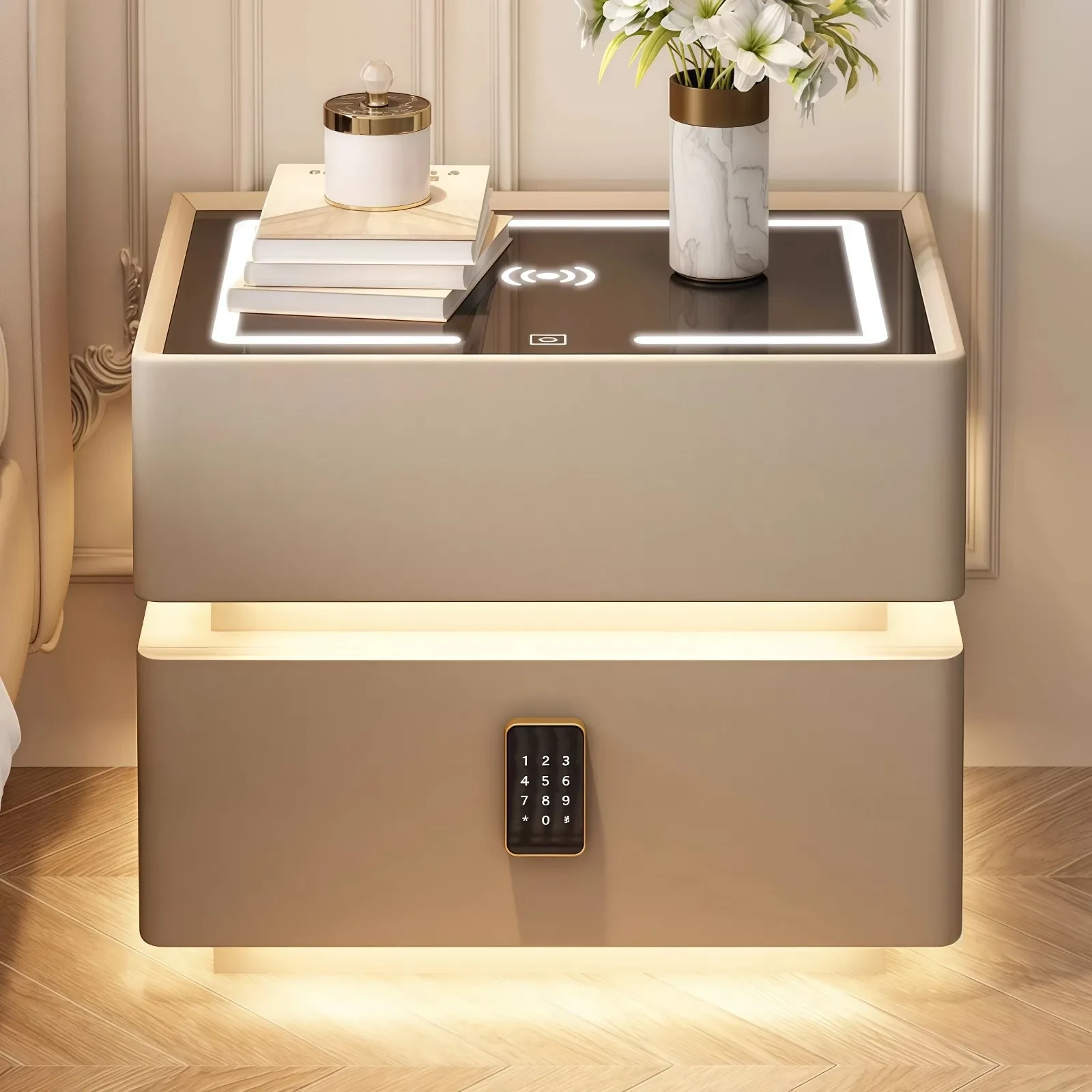
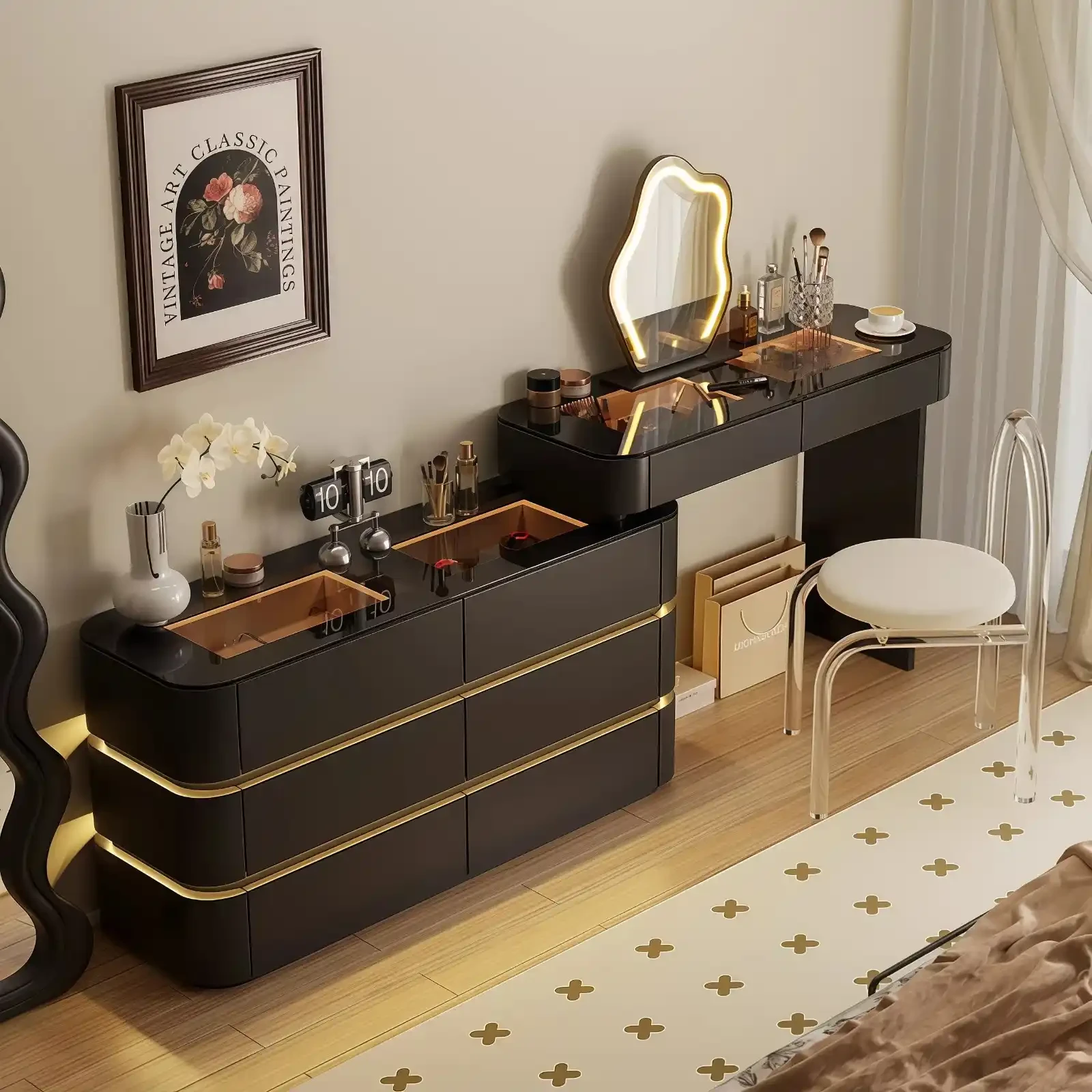
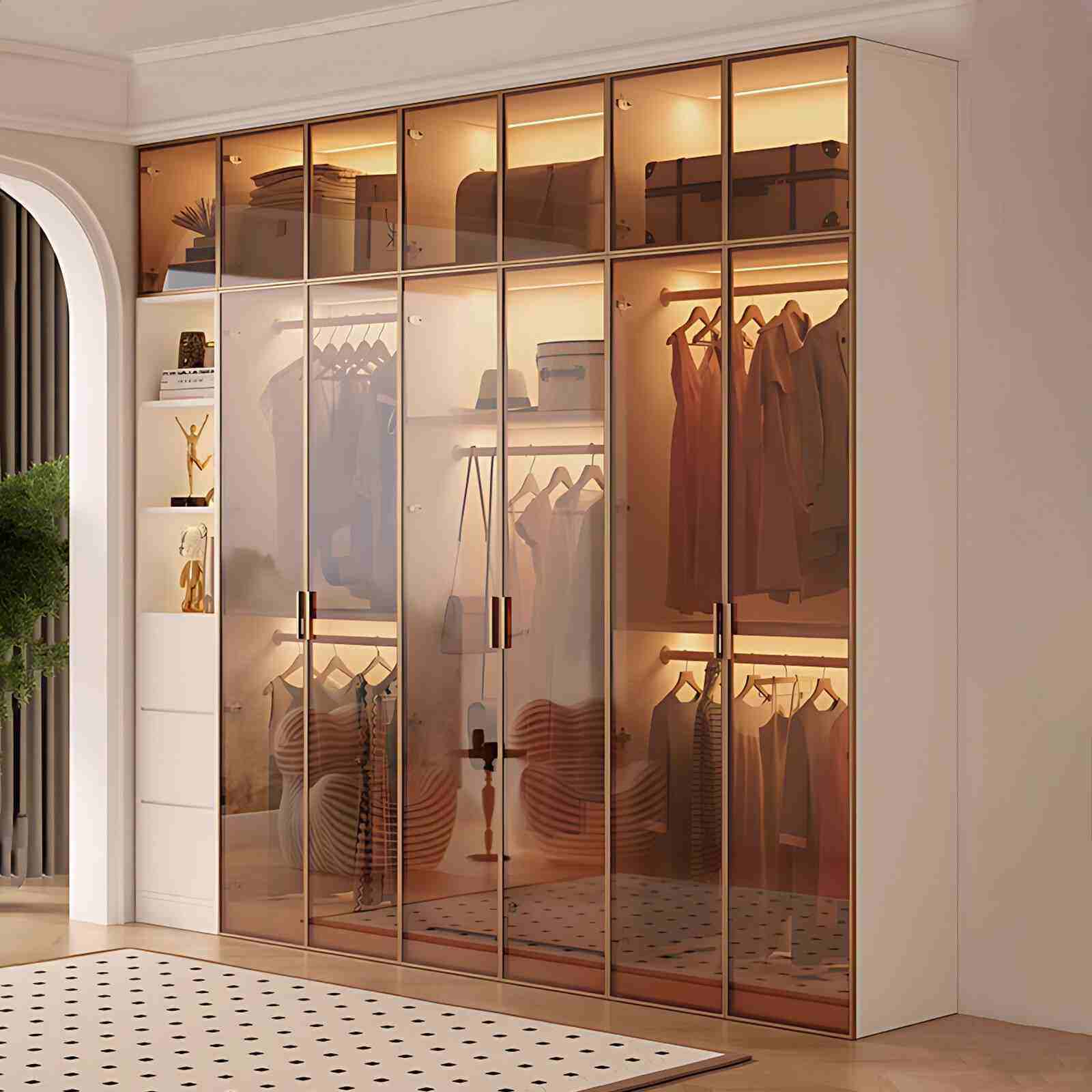
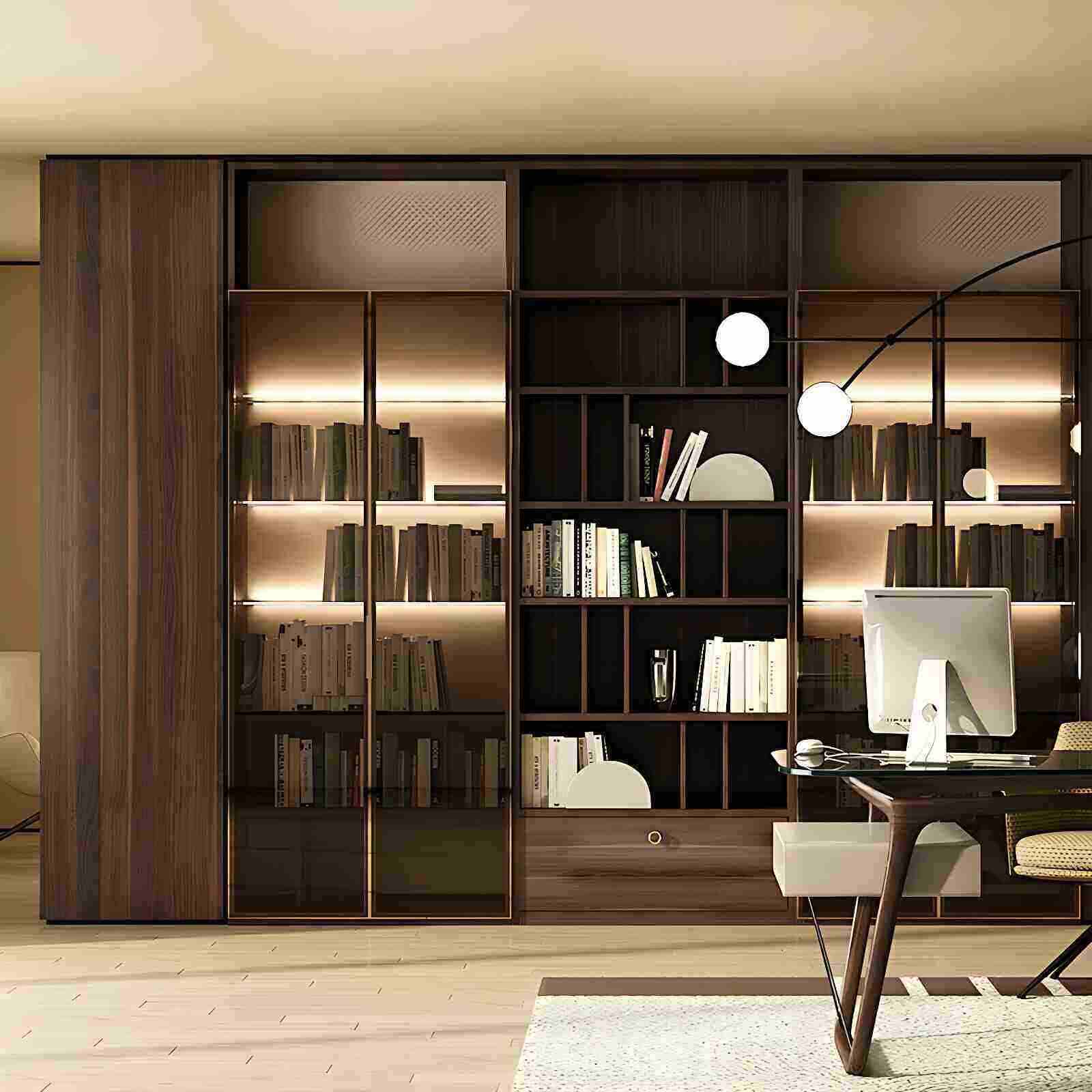
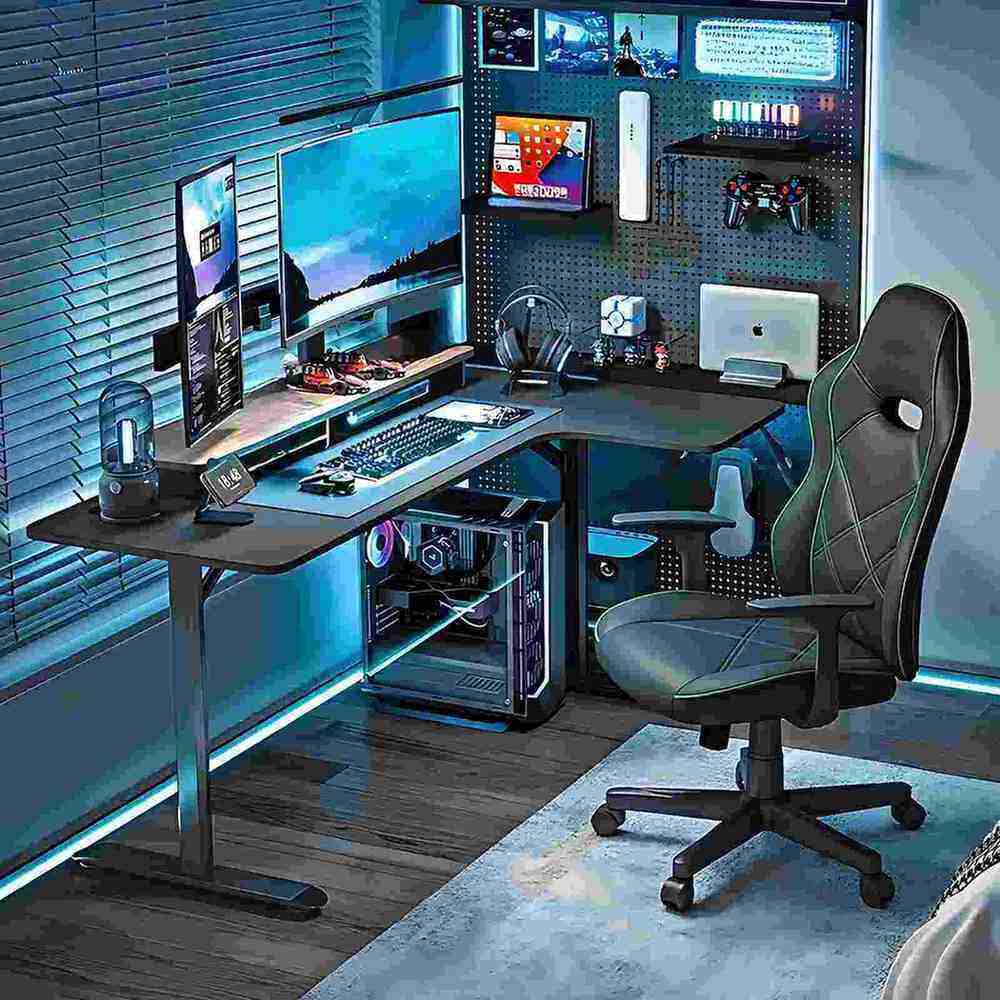
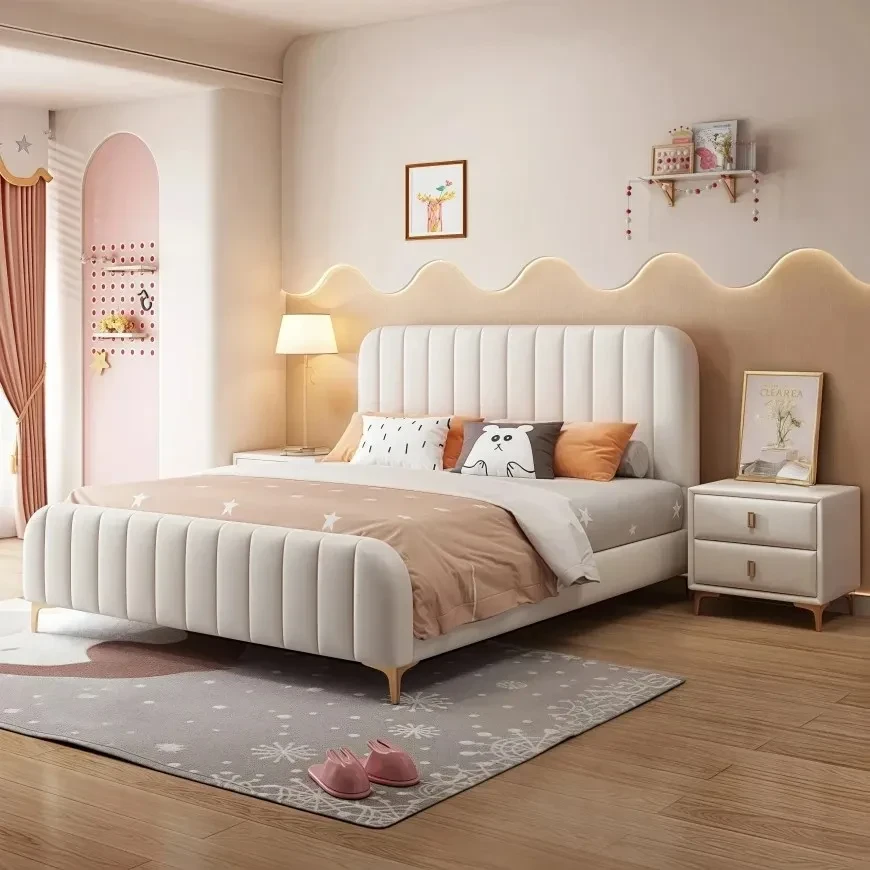
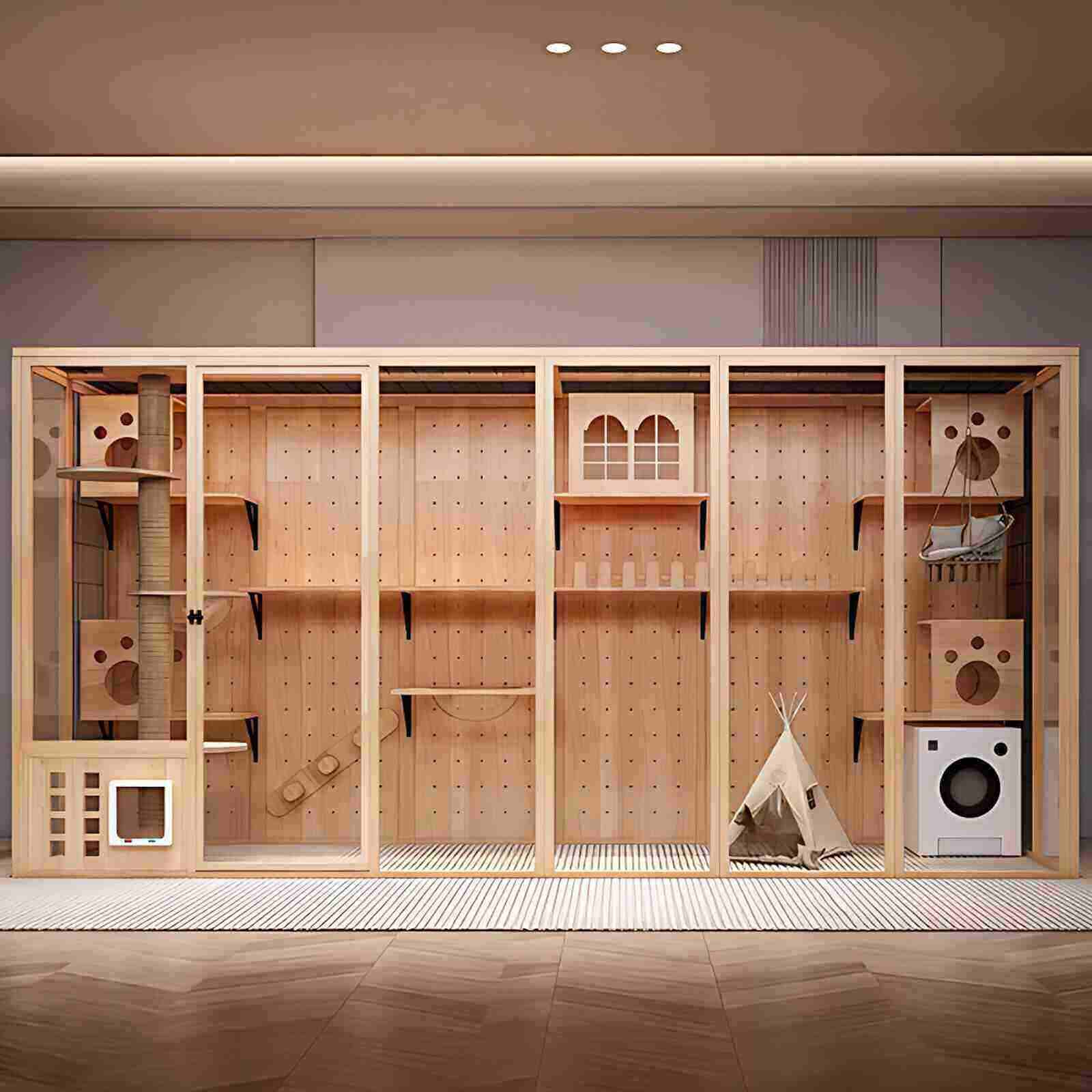
Customization is becoming increasingly popular, with many families opting for customized furniture for its convenience and space efficiency. This trend has also fueled the rapid growth of the particleboard industry. So why has particleboard become a favorite in customized furniture? Let's take a look.
I. High-quality, cost-effective particleboard wins favor in customized home furnishing.
High quality and low price are among the main reasons why custom home furnishing companies choose particleboard as a raw material. In Europe and America, most furniture and kitchen cabinet manufacturers use particleboard as a raw material. China has a home furnishing market worth over 700 billion yuan, and the rise of custom home furnishing has provided particleboard with a huge potential user base and an untapped market. Coupled with the high frequency of customization needs among Chinese consumers, particleboard has become increasingly popular among custom home furnishing companies.
Looking at the first-quarter performance reports of listed custom home furnishing companies in 2017, Sophia's revenue reached 954 million yuan, a significant increase of 48%. Holike followed closely with an 86.09% year-on-year increase in net profit, while Shangpin Home Collection also saw a 23% increase, continuing its strong performance. These booming results from custom home furnishing companies further boosted market demand for particleboard products. It is understood that currently, over 70% of particleboard products from manufacturers are consumed by custom home furnishing companies.
II. Huge market demand drives particleboard production toward large-scale production.
According to incomplete statistics, there are approximately 1,000 particleboard manufacturers in my country, with over 1,200 production lines and an annual production capacity of over 30 million cubic meters. Statistics show that in the first quarter, my country imported 210,100 cubic meters of particleboard, a 55.41% increase compared to the same period last year, representing an increase of 74,900 cubic meters.
Domestic demand is gradually expanding, leading to a supply shortage in the market. As a result, particleboard production is shifting towards large-scale operations to increase capacity and meet the huge market demand. Analysts believe that the domestic particleboard industry is not yet particularly advanced. For companies, the simplest approach is to learn from foreign companies' production models. European countries have already moved towards large-scale particleboard production, and China is also moving in this direction.
III. Environmentally friendly particleboard is becoming an industry trend.
Market research has revealed that particleboard possesses a clear competitive advantage. Price is no longer the sole criterion; consumers are increasingly valuing the environmental friendliness of particleboard. Survey data shows that 53.8% of consumers place great importance on the environmental friendliness of products when making purchases, and 36% consider environmental friendliness as the primary criterion for home furnishing products.
"Although the production cost of environmentally friendly particleboard is very high, it is the future trend." A merchant revealed that initially, the particleboard market was not viewed favorably by the industry. After being rejected by the market due to inconsistent product quality and other reasons, most particleboard companies began to learn from their mistakes, introducing advanced foreign production lines, improving production processes, and actively engaging in environmental protection. This allowed particleboard to rise from the ashes under the dual pressure of "internal and external troubles."