
 USD
USD GBP
GBP
 EUR
EUR
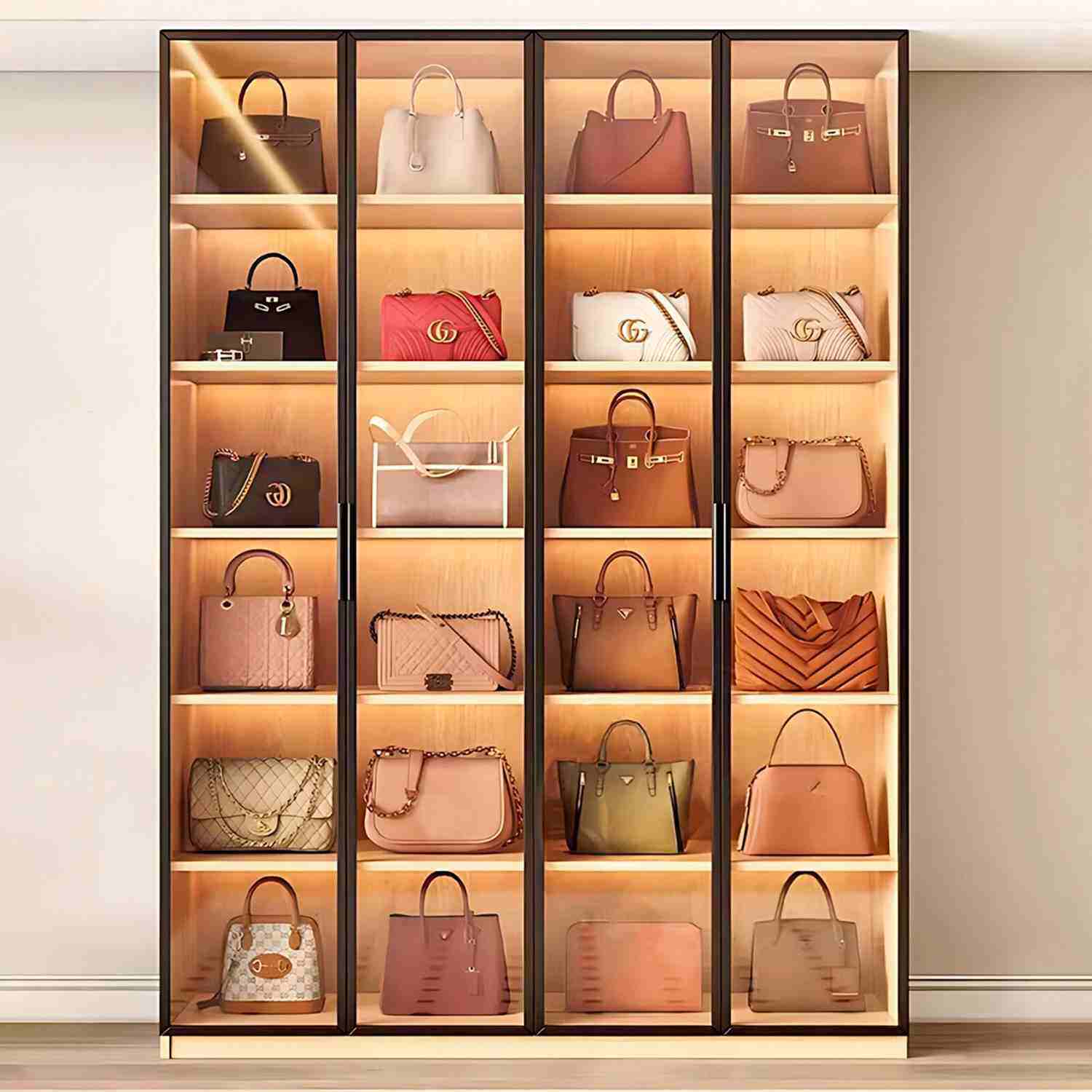
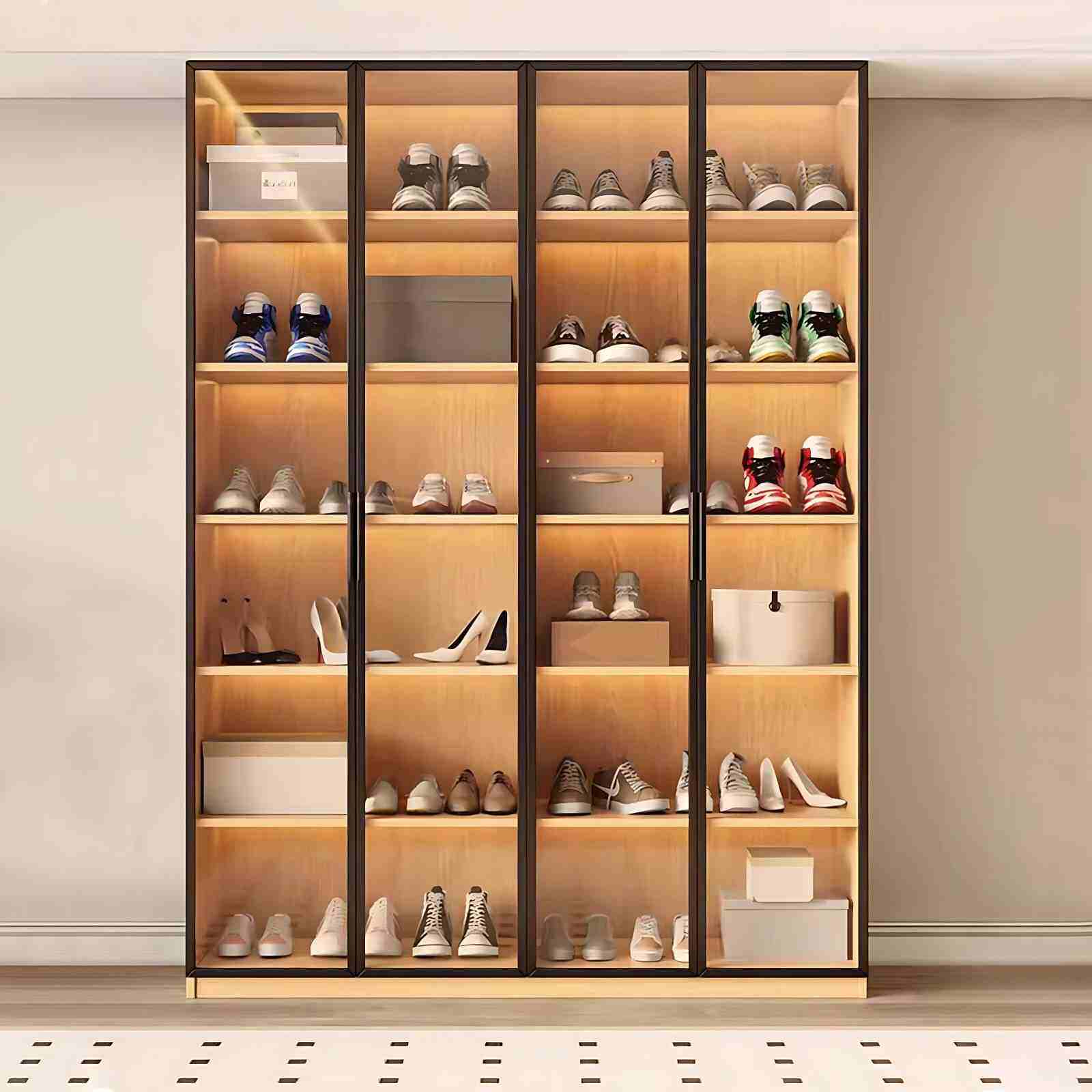
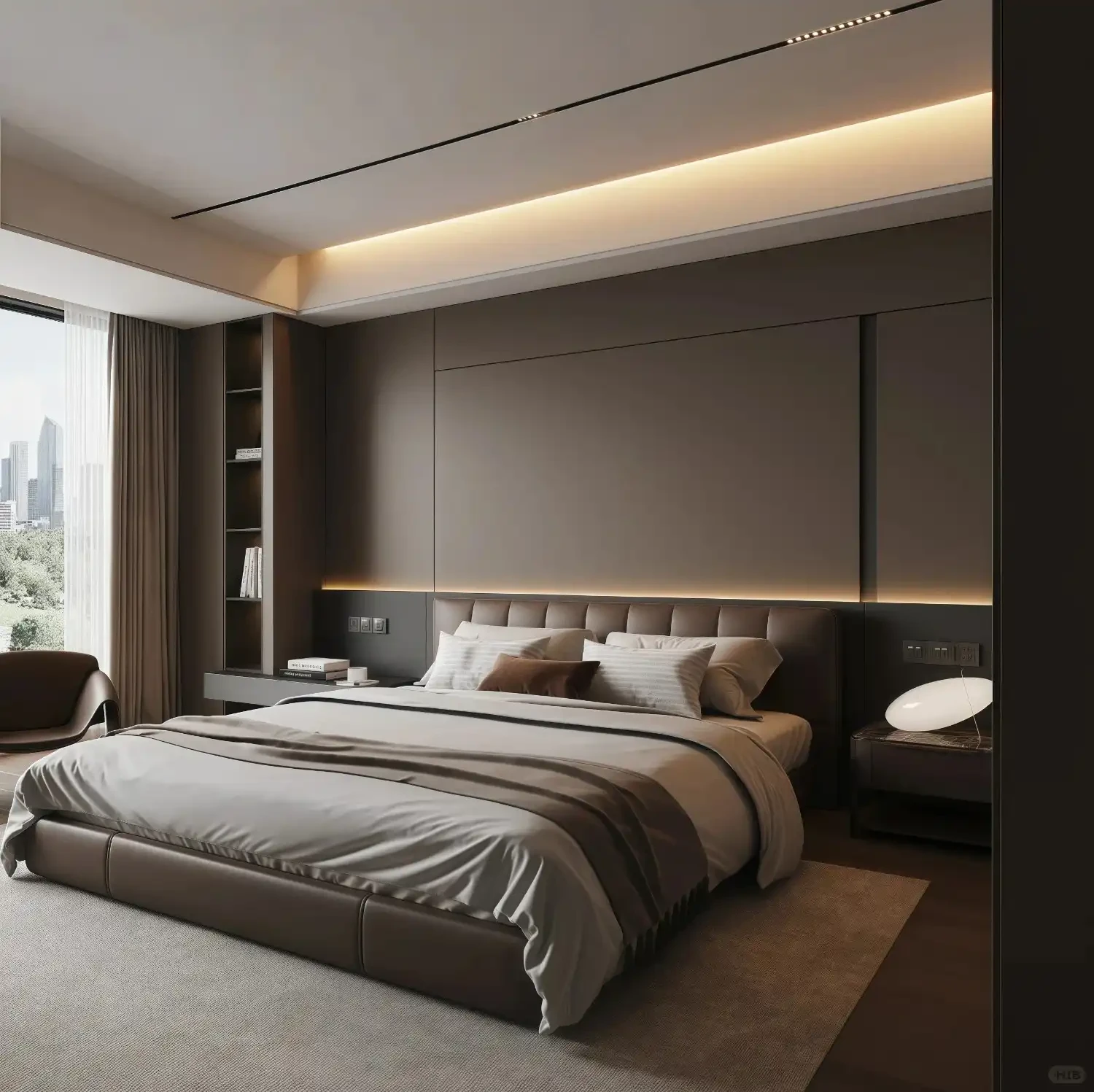
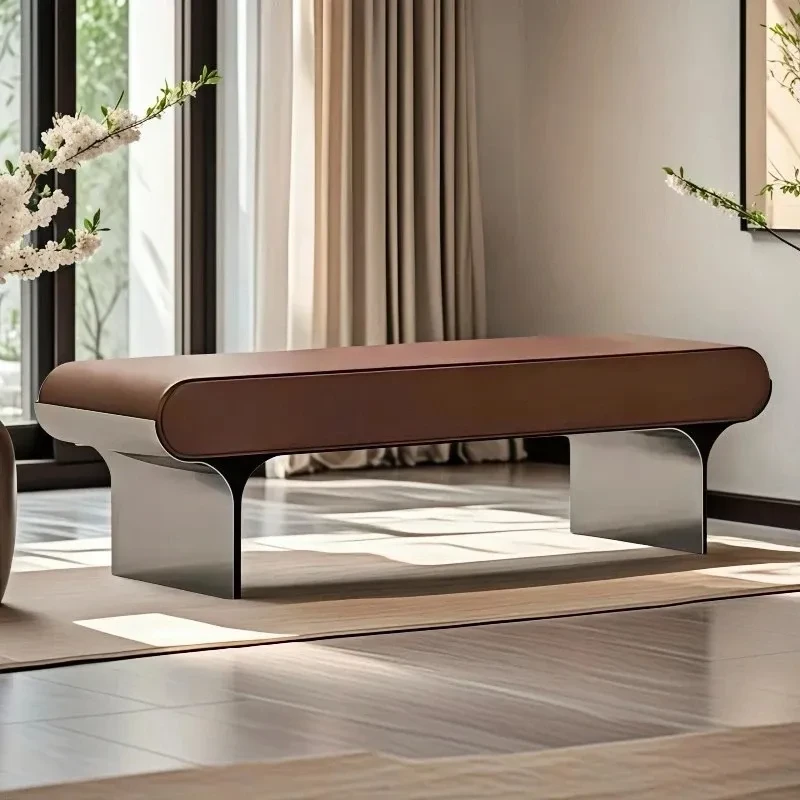
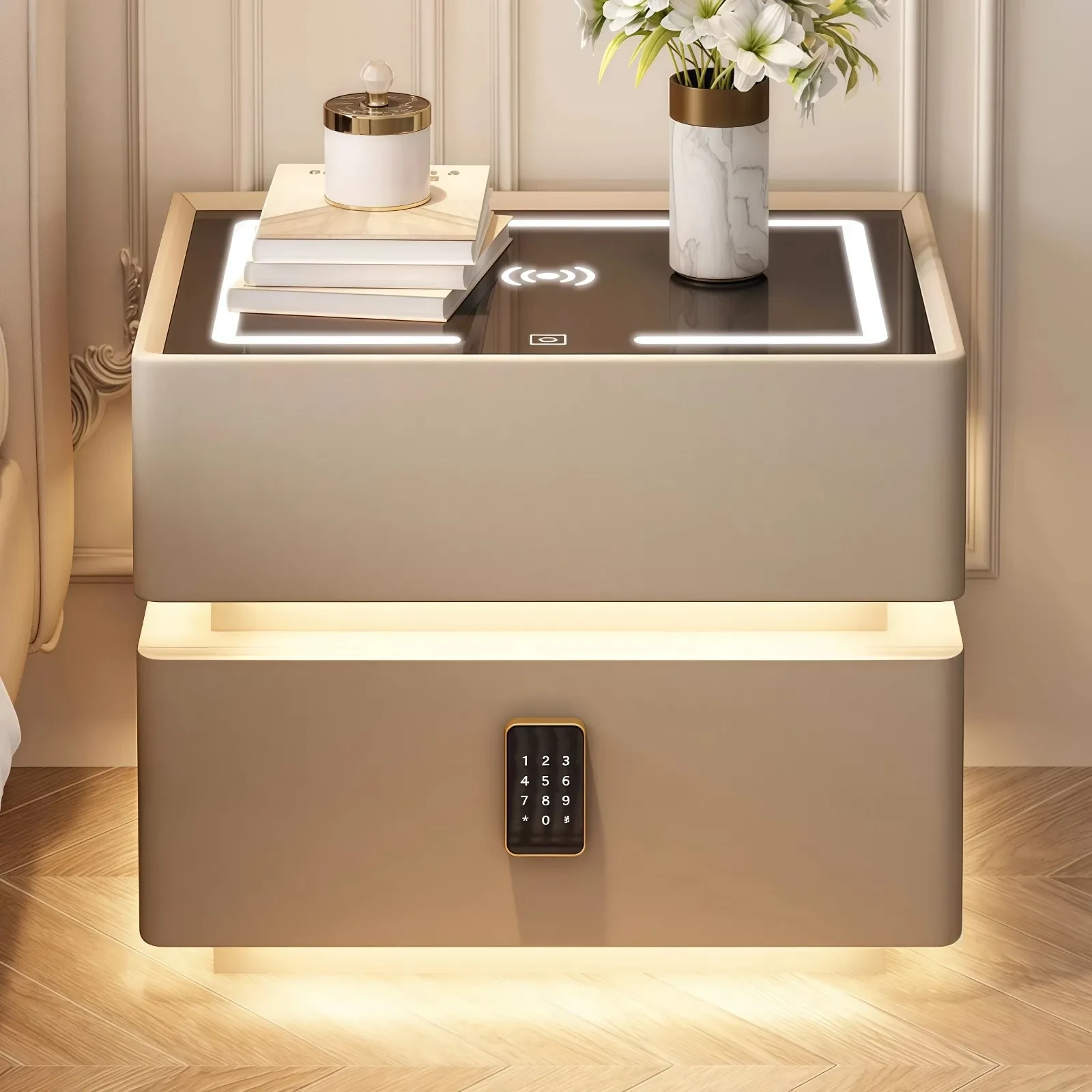
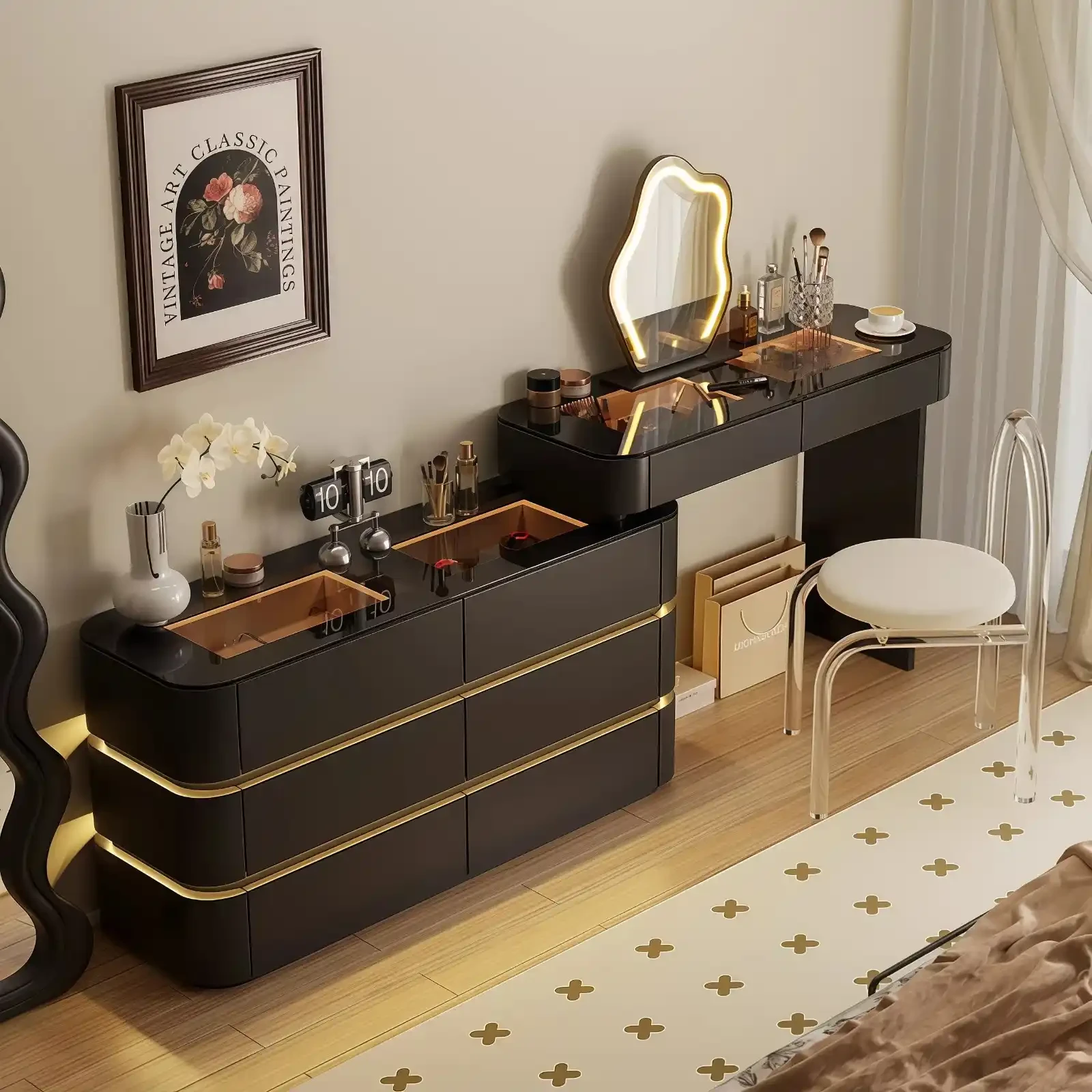
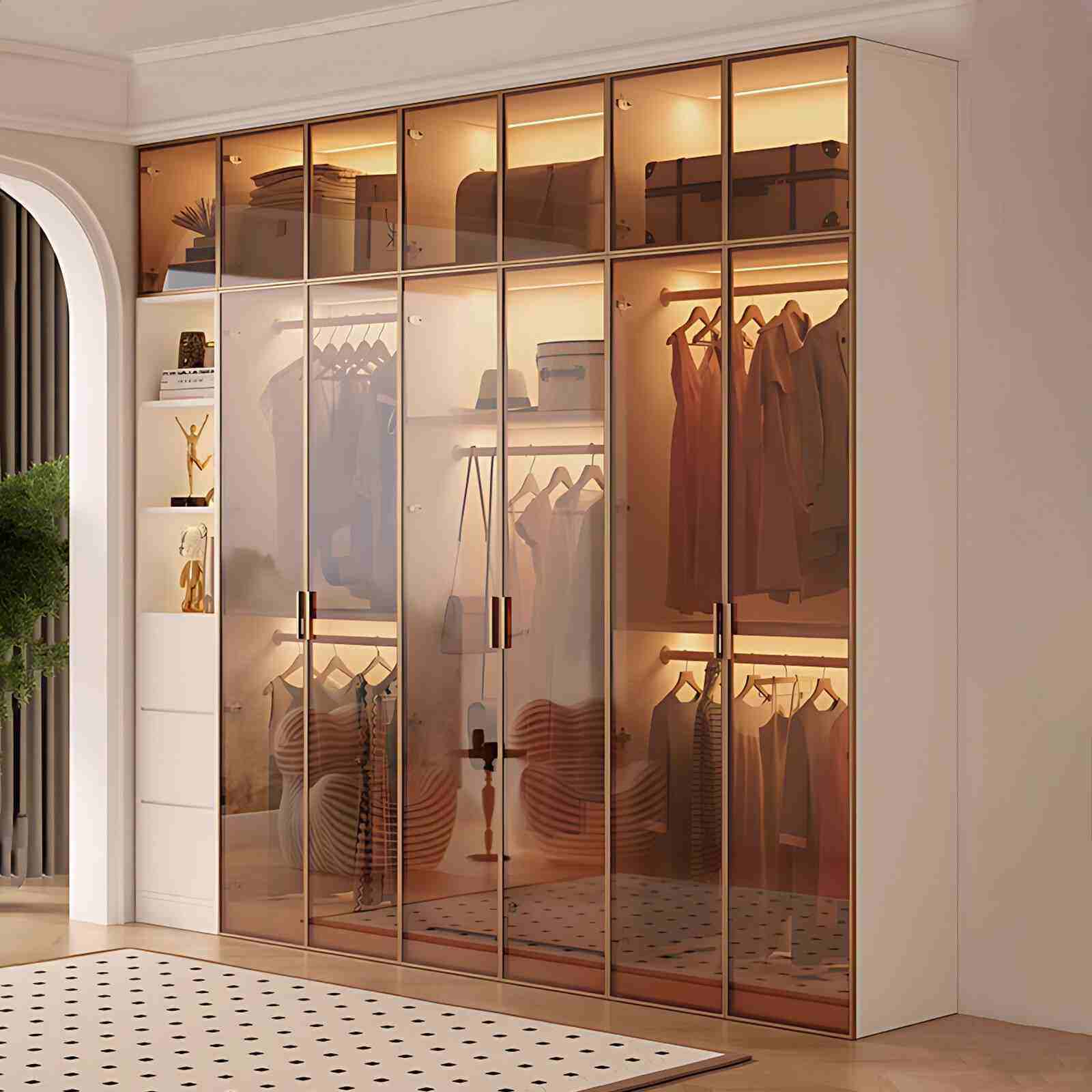
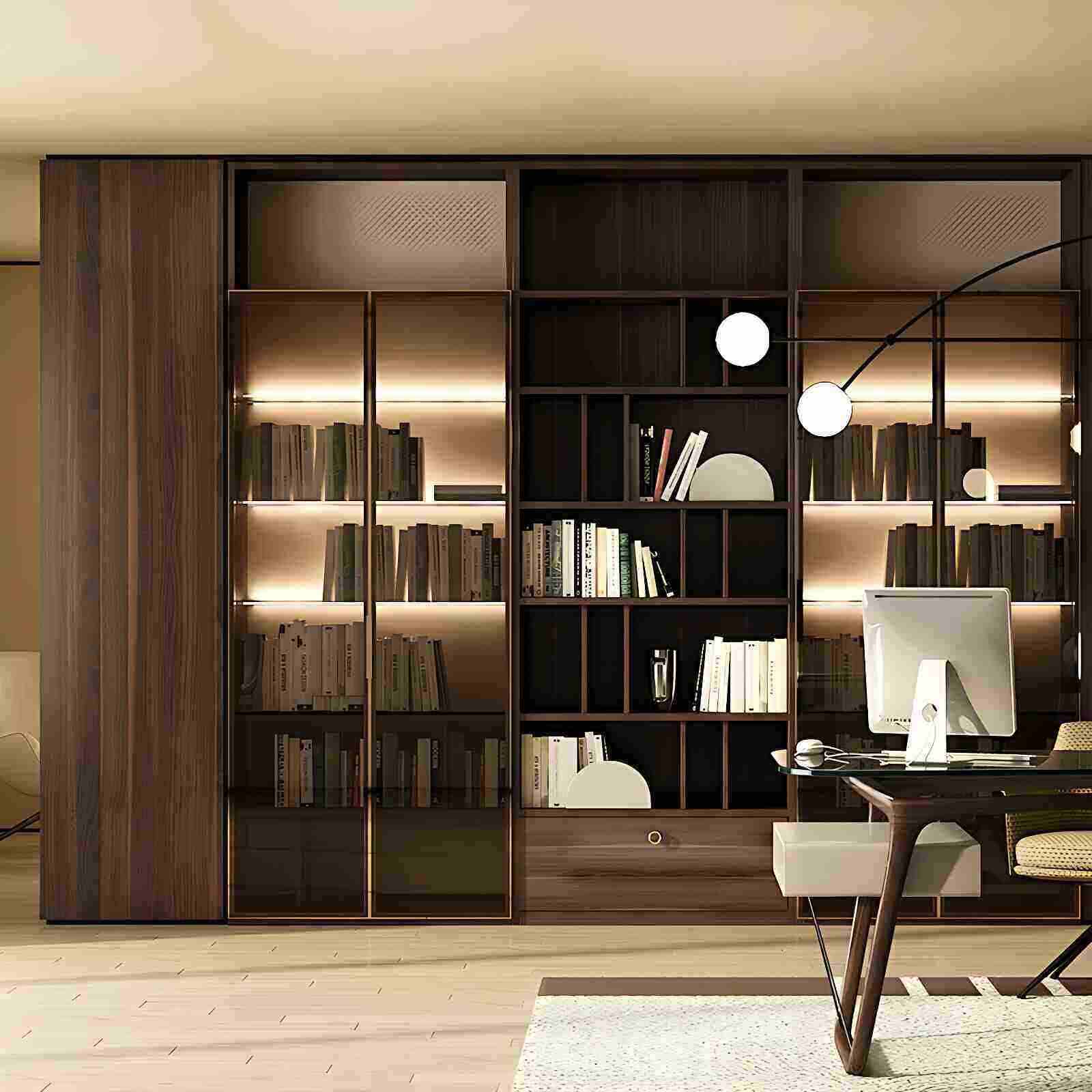
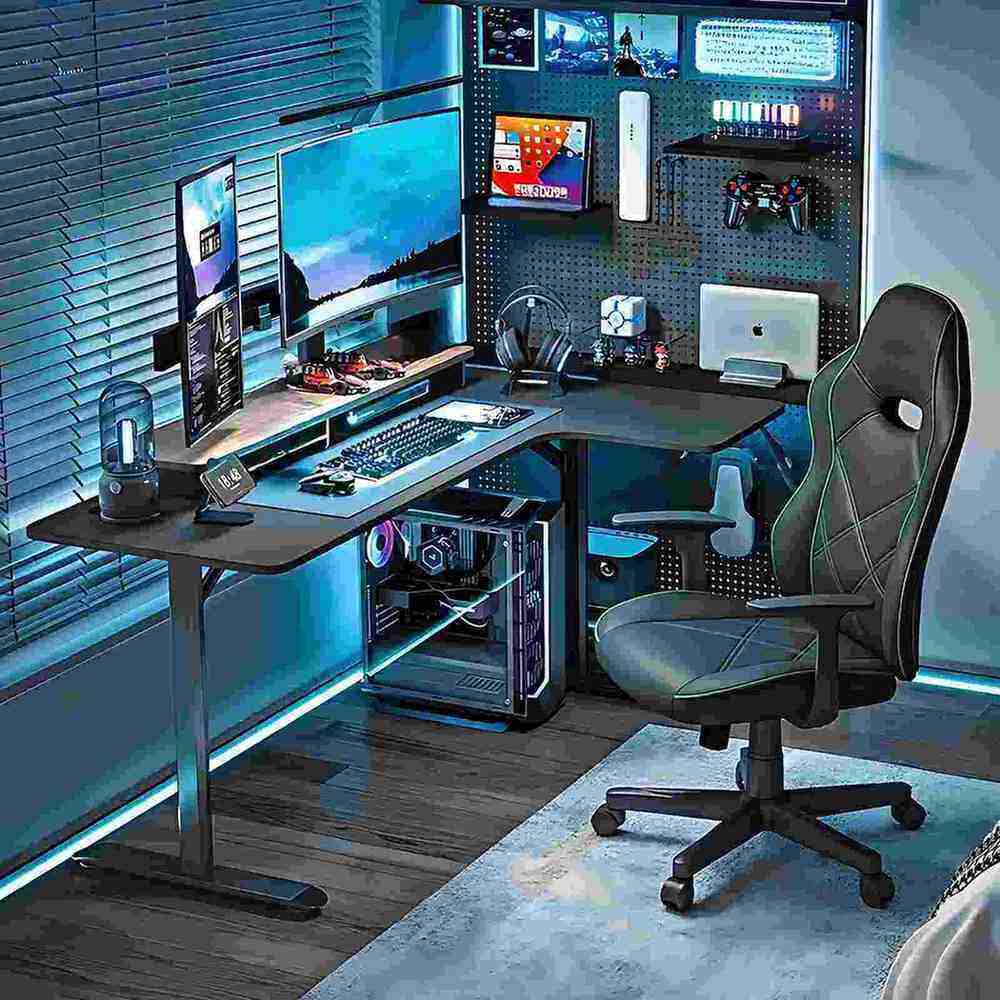
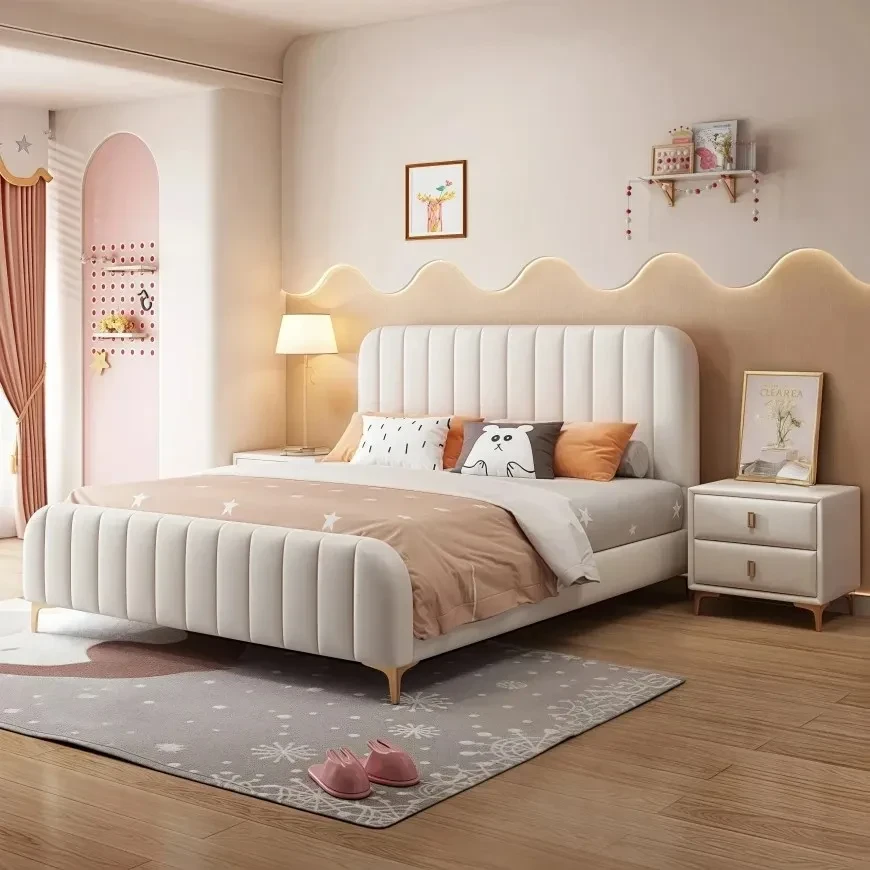
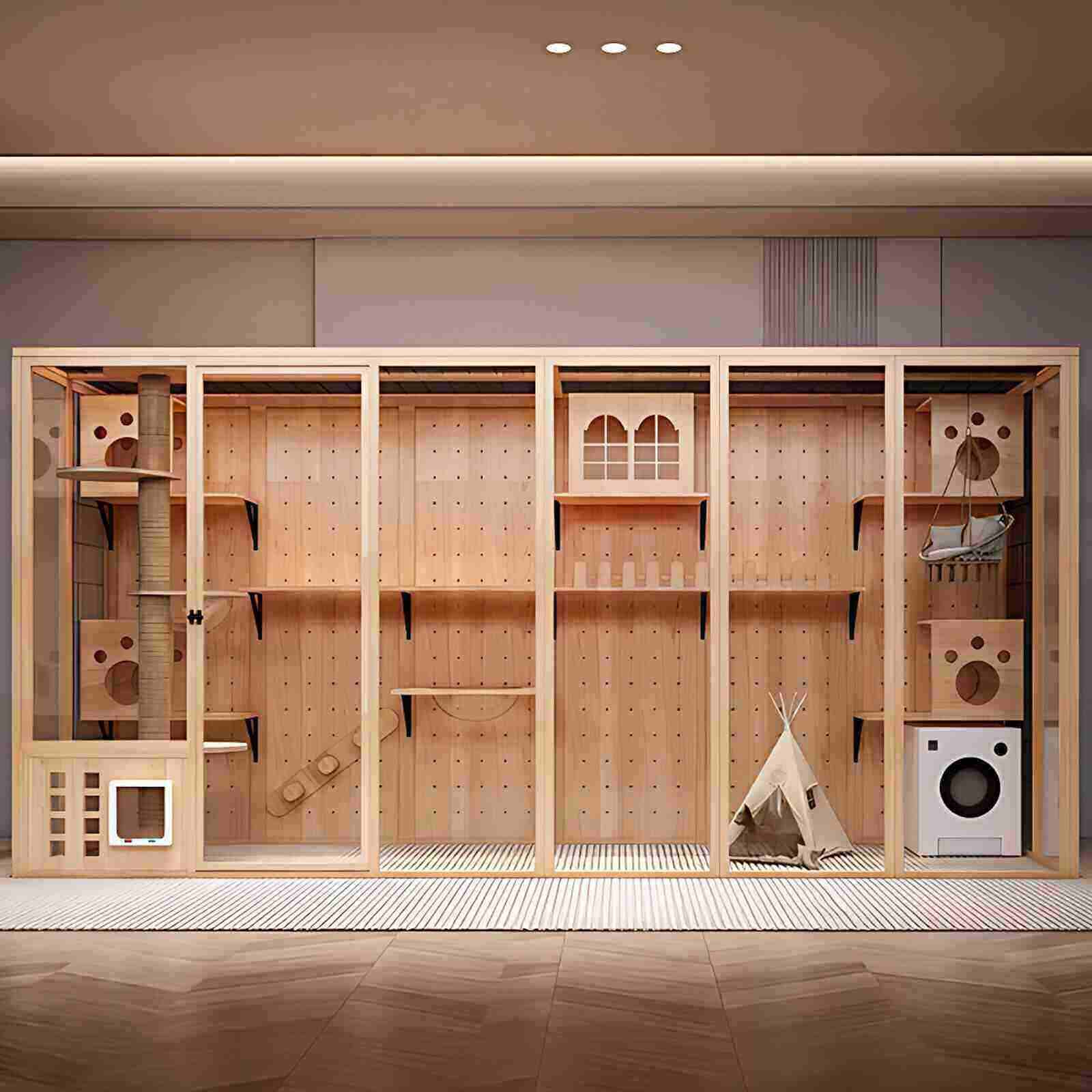
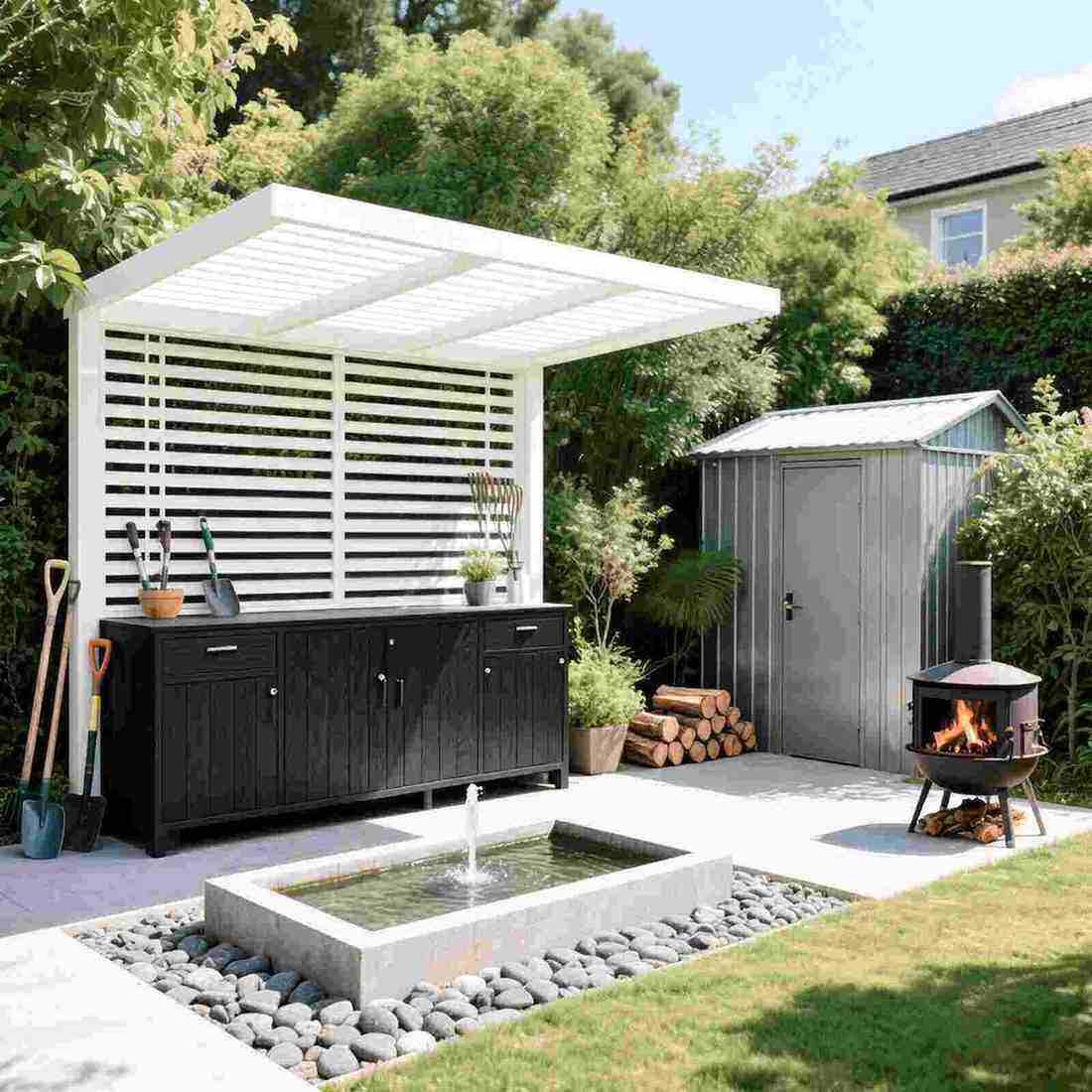
When you go to building materials markets or furniture stores, have you ever encountered this situation?
"Ours is solid wood XXX, environmentally friendly! Ours is eco-friendly XXX, zero formaldehyde!"
The seller immediately launches into a barrage of technical jargon about wood-based panels that you've probably never even heard of: solid wood panels, OSB, blockboard, finger-jointed panels, strawboard, MDF, particleboard, spliced panels, engineered wood, particleboard, OSB...
Hearing this must have been devastating!
So what kind of building materials are suitable for home decoration?
Let's start with the production and processing stage and talk about how mainstream boards are produced.
First, let's talk about plywood.
Plywood is also called veneer, three-ply board, or 9mm board, named according to its manufacturing process, number of layers, and thickness, respectively. It is also known as multi-layer solid wood board.
Plywood is made by rotary cutting a whole tree and rolling it up like a carpet or stacking it to a certain size.
The rotary-cut boards are fed into one side of the machine and glued. The glued boards are then laid out and, after hot pressing, bonded together to form plywood. Finally, they are sawn to standard dimensions, and the plywood is complete.
(Important point) You can easily understand its characteristics from the production and materials of plywood:
1. Plywood is made by gluing layers of boards together, so it is much cheaper than solid wood, and its hardness is also good, making it suitable for on-site cutting and construction.
2. Plywood uses a lot of glue, which is why people are gradually stopping using plywood for on-site furniture making.
Advantages: High strength, light weight, and good bending resistance. Fine-core plywood provides greater strength in load-bearing structural components. Its attractive grain compensates for some natural defects in wood, offering excellent decorative appeal.
Disadvantages: Poor stability, which may increase deformation; the surface is not as clean and smooth as MDF or solid wood, so thin-core plywood is not suitable for single-sided parts, such as cabinet doors. Generally, the cost is high.
Second, let's talk about blockboard (also called plywood).
Blockboard (also known as plywood or blockboard) is a substrate with a solid wood core. Most blockboard on the market today is solid, glued together, and sanded on both sides.
Blockboard is made by splicing small strips of wood into a core layer, with a piece of wood glued to each side of the surface. It is also called special plywood. Generally, it is made from a single tree or a large log, sawn into small planks of specific dimensions.
Glue the sides of the small wooden boards (tenon joints are finger joints and do not require glue) before splicing them together.
Glue-coated boards are added to both the top and bottom surfaces, and then hot-pressed.
Finished product image
This demonstrates the characteristics of blockboard: good screw holding power, high strength, and features such as durability, sound absorption, and heat insulation.
Advantages: Low moisture content, easy to process, and widely used in furniture, doors and windows, partitions, radiator covers, curtain boxes, etc. The interior is made of solid wood strips, requiring minimal processing equipment and facilitating on-site construction. Furthermore, plywood is more stable than solid wood panels.
Disadvantages: High formaldehyde emission and low environmental standards; voids exist inside the board, so there is almost no nail holding power if nails are driven into the gaps; poor vertical bending and compressive strength, which will cause significant lateral deformation of the board under long-term stress.
Third, let's take a look at the finger joint board.
Finger-jointed boards are also called toothed-joint boards or engineered solid wood. Many vendors simply call them solid wood boards, but they are not actually made from a single piece of solid wood. Boards made entirely of solid wood are generally called raw wood boards by vendors.
Finger-jointed boards are made without the top and bottom panels; they are directly hot-pressed and planed. For example, the cutting boards we commonly use in the kitchen are actually finger-jointed boards.
Compared to ordinary plywood, finger-jointed boards require a tenoning machine to create tenons.
After mortising, the ends of the wooden strips resemble a comb. After being joined by machine, glue is applied to the sides, and after cold pressing, they are sawn into standard-sized finger-jointed boards.
Comparison of light and dark teeth
There is no fundamental difference between finger-jointed boards and blockboard; the biggest differences are nothing more than the following three points:
1. It has one more process than ordinary plywood: tenoning (grooving).
2. Compared to ordinary plywood, it has two fewer top and bottom panels, so less glue is used.
3. The hardness of finger-jointed boards depends on the type of wood from which the wood strips are made. Generally, finger-jointed boards made from harder wood should be selected for furniture making.
Advantages: The surface is generally coated with clear varnish, which has a good environmental protection effect and can basically reach the E0 level, so it is more environmentally friendly and healthier.
Disadvantages: Finger-jointed furniture is not true solid wood furniture in the traditional sense, so it lacks the durability of traditional solid wood furniture. The material of finger-jointed boards is not of high quality, the drying time is generally short, and the moisture content is high, making it prone to warping and cracking.
IV. Green Trend New Material – OSB (Oil-on-Shelf) Board
In recent years, OSB boards have emerged in the domestic home decoration industry, gradually gaining popularity among Chinese people. Their unique texture and superior performance have led the green trend.
So what kind of material is this? And how does it differ from the other mainstream base materials mentioned earlier?
✔ OSB is a high-quality solid wood board made from logs through professional automated equipment processes such as rotary cutting, drying, gluing, and hot pressing.
✔ OSB is made of formaldehyde-free PMDI adhesive, with approximately twice the number of structural layers as ordinary plywood, a moisture content of 2-4%, and zero formaldehyde release.
✔OSB board, as an environmentally friendly building decoration material, has been widely used in construction, decoration, furniture, packaging and other fields in North America, Europe and Japan. It is an upgraded, updated and replacement product of traditional plywood, blockboard and other boards.
The 360° sequential layering of OSB boards reduces internal stress in the wood, giving it the following characteristics:
◆Stable structure, high bonding strength, good nail holding power, and excellent environmental performance;
◆Its load-bearing and impact-resistant properties are 4 times that of plywood;
◆Super strong nail holding power, moisture-proof and non-deformable;
◆ Seamless, gapless, crack-free, and uniform in shape;
◆Exceptional processability, original import, zero formaldehyde release;