
 USD
USD GBP
GBP
 EUR
EUR
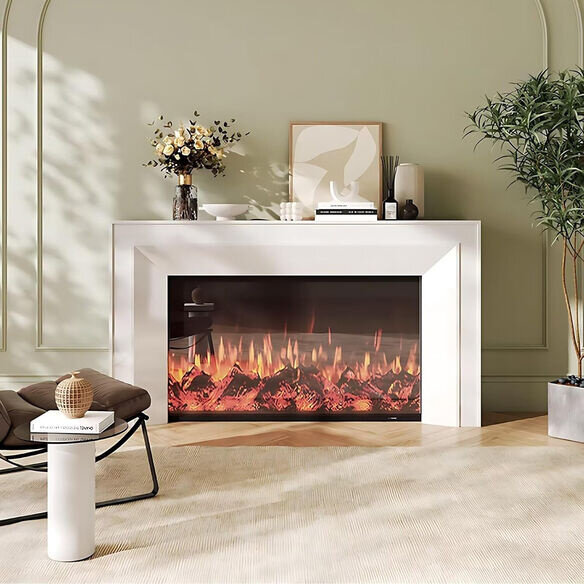


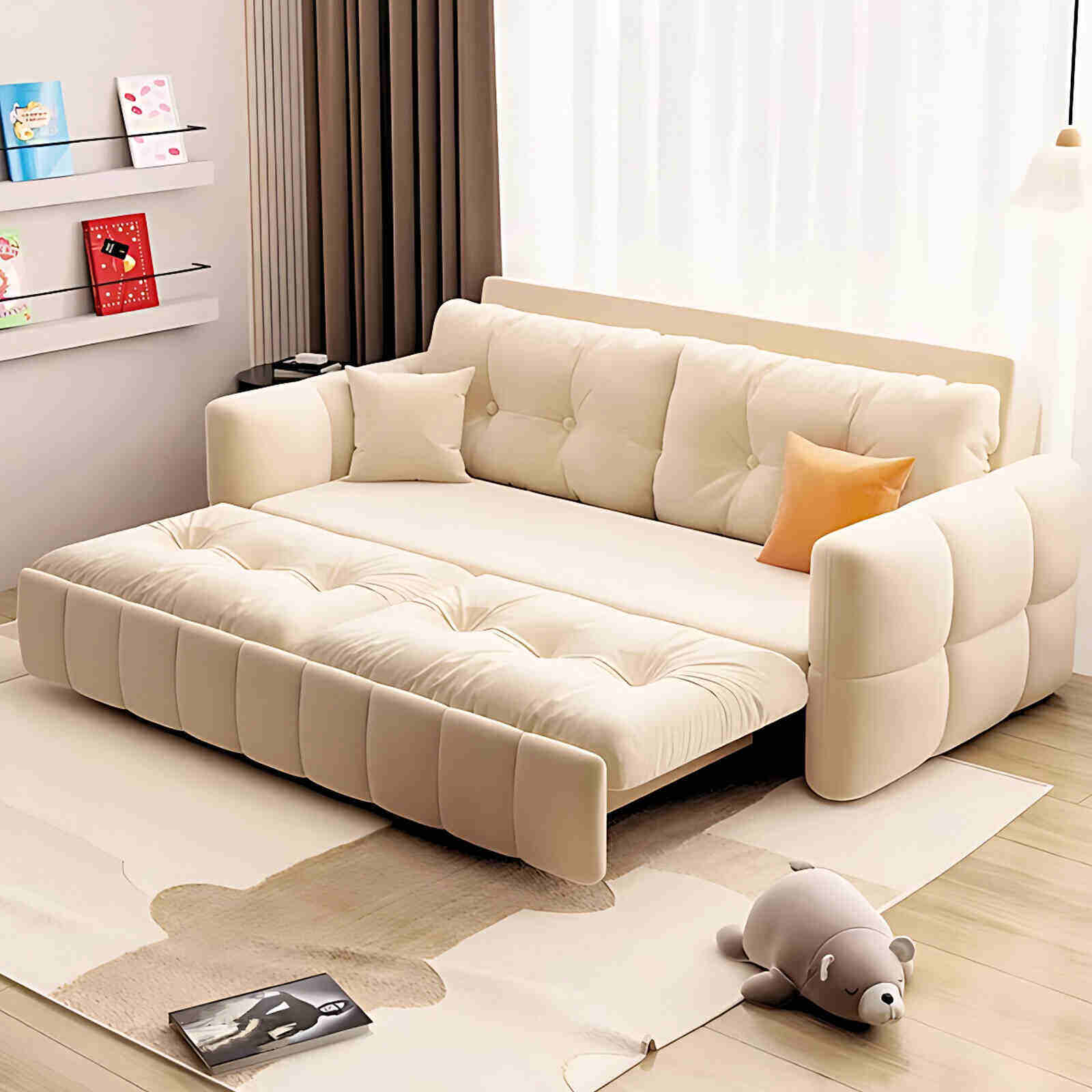
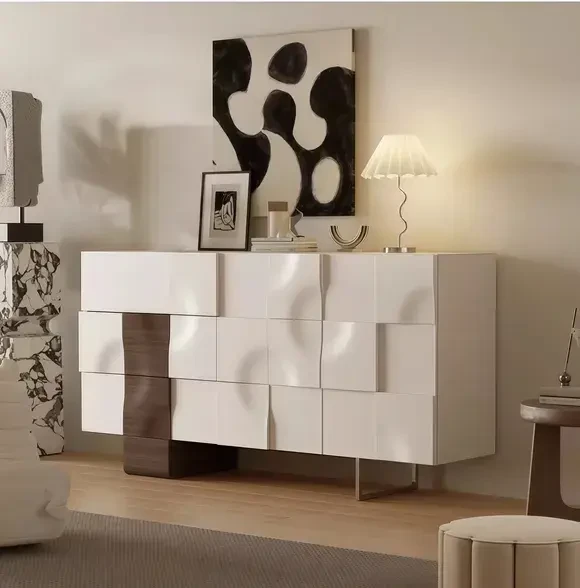





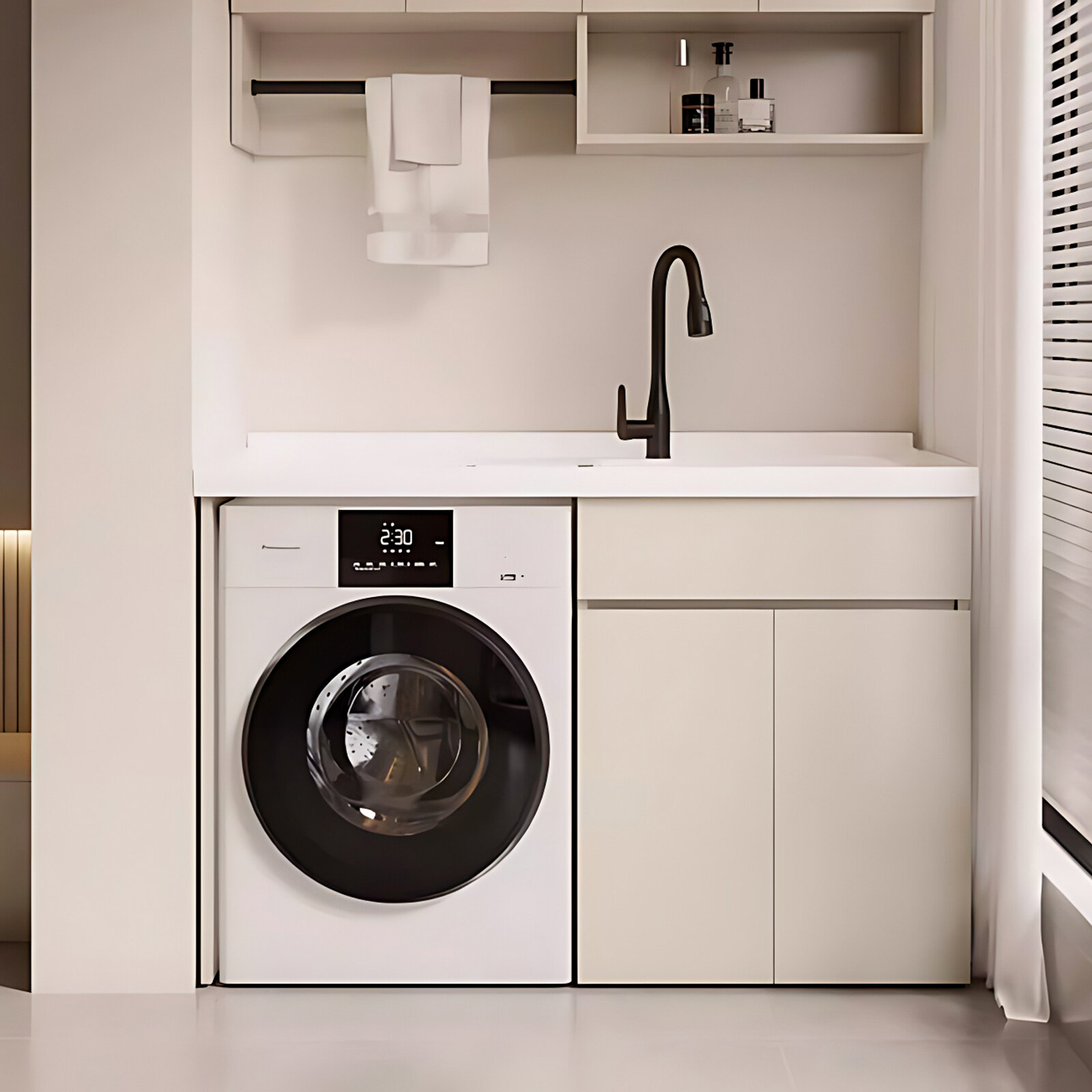













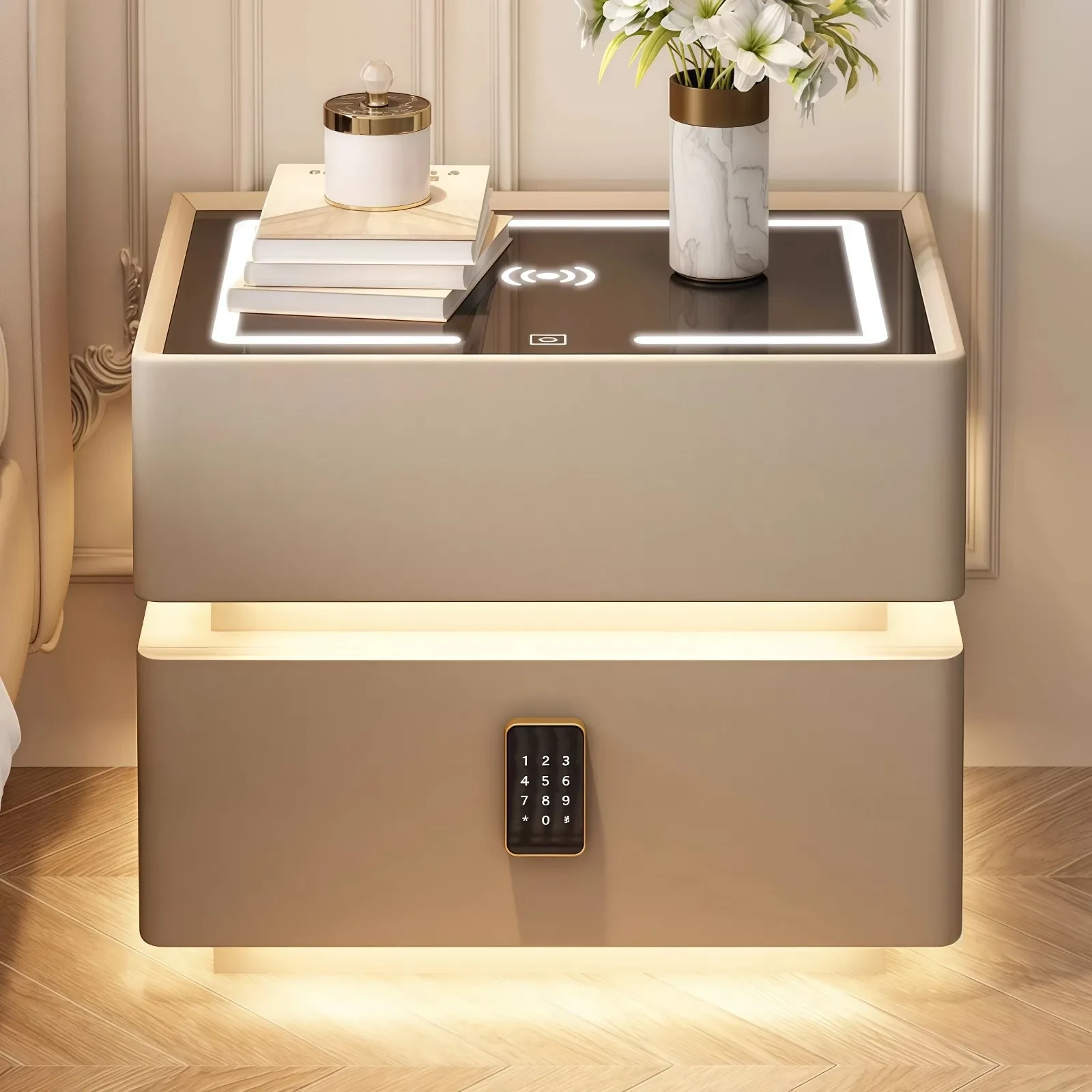




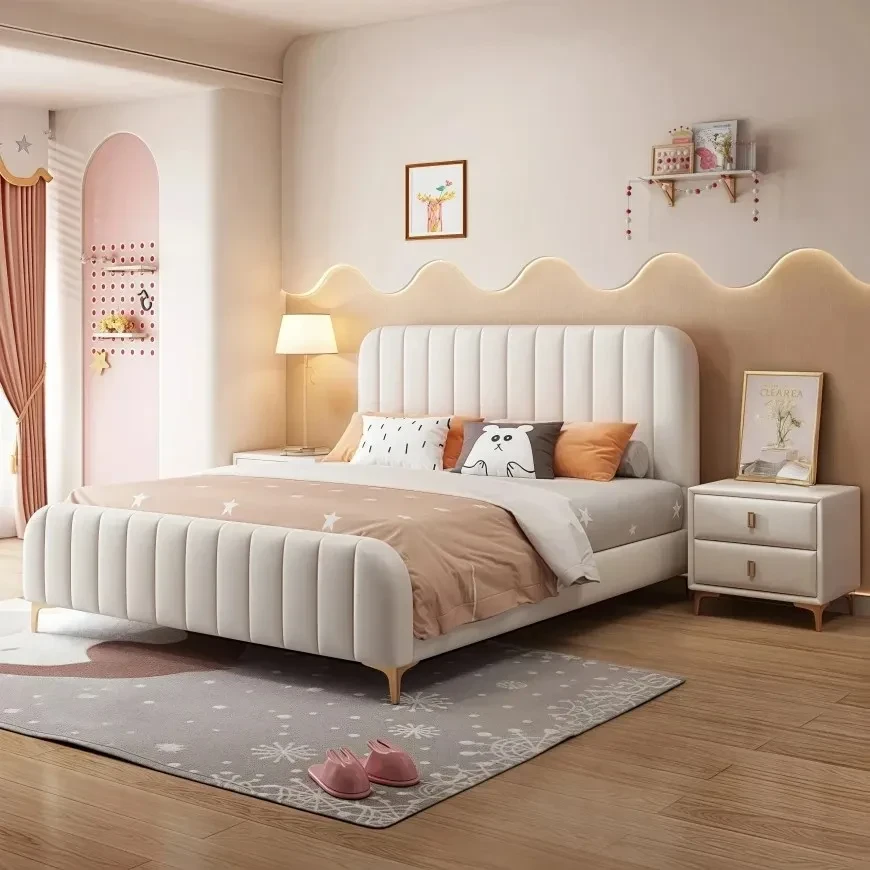

I thought that after the Cold Dew solar term, summer would end and autumn would arrive, but the lingering heat of late summer still persists. Autumn symbolizes "maturity" and brings people the joy of harvest. In the frosty twilight, amidst the wisps of smoke rising from nearby chimneys, one can search for the endless fragrance of autumn, but the most unforgettable sight is undoubtedly the golden field of soybeans.
Soybeans are a popular food in both urban and rural areas. Soy protein is an essential nutrient for the human body, and popular soy products such as tofu and Northeastern soybean paste are all made from soybeans.
But have you ever considered that soybeans can also be made into "glue"? In recent years, "formaldehyde exceeding the standard" incidents caused by indoor decoration have become increasingly common. In order to make their "home" healthier and safer, many people try their best to carefully select every material and carefully check every data. However, "formaldehyde," which is unavoidable in home decoration, can still turn your wholehearted efforts into "formaldehyde-induced heartache and resentment."
In fact, people's concerns about excessive formaldehyde levels during home decoration are not unfounded. Most building materials, furniture, and interior decorations on the market, from large items like walls, floors, cabinets, and sofas to small items like curtains and carpets, contain varying levels of formaldehyde. Did you know that the adhesives used in the base materials of building materials and new furniture are the main source of indoor formaldehyde release? In other words, the "glue" used in building materials and new furniture during the decoration process is the culprit behind excessive indoor formaldehyde levels.
Home renovations use so much glue, leading to excessive formaldehyde levels indoors! Take a look, are boards made with soybean glue any good?
▲The difference between soybean gum and trialdehyde gum (urea gum)
Natural soybean-scented boards use natural soybean meal as raw material, reducing formaldehyde hazards at the source. With zero added formaldehyde, they contain no formaldehyde, phenol, or other harmful substances. From raw materials to production to finished products, the entire process is green and environmentally friendly, truly achieving "0 additives" and "0 harm."
Soybean glue exhibits relatively high bonding strength in both cold and hot water, and meets the national Class II waterproof standard. Test results from authoritative institutions show that the bonding strength of natural soybean-scented boards ranges from 0.74 to 1.13 MPa, exceeding the national standard requirement of 0.7 MPa. This high-strength bonding prevents wall cracking, peeling, or furniture deformation caused by delamination. Experiments have proven that the glue does not delaminate after 72 hours of soaking in warm water.
▲Ordinary urea-formaldehyde resin (left) and soybean resin (right)
Qiannianzhou guarantees quality for 20 years, innovatively developing natural soybean-scented boards. Using renewable soybean meal to create plant protein adhesive, every step from product sourcing to manufacturing, sales, and installation is formaldehyde-free. Caring for everyone, improving the home environment, and achieving comprehensive environmental protection.